
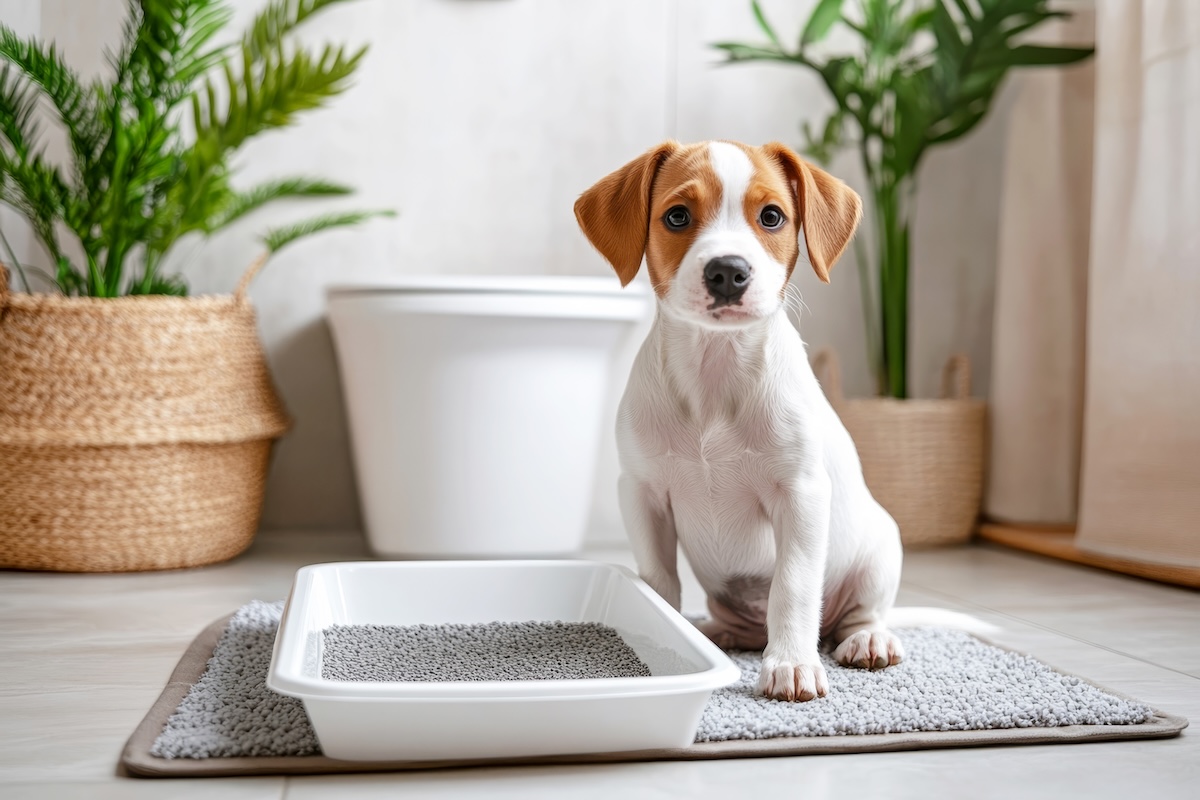
Teaching puppies how to control their biting force is considered crucial for preventing future accidents and injuries. This article focuses on bite inhibition training for dogs, introducing seven easy-to-implement steps for everyday life. It provides helpful points for those struggling with excessive nipping or those who want to prevent problems in adulthood. We will gently explain the basics of how to control biting force for a safe and secure life for your dog.
What Is Bite Inhibition in Dogs?
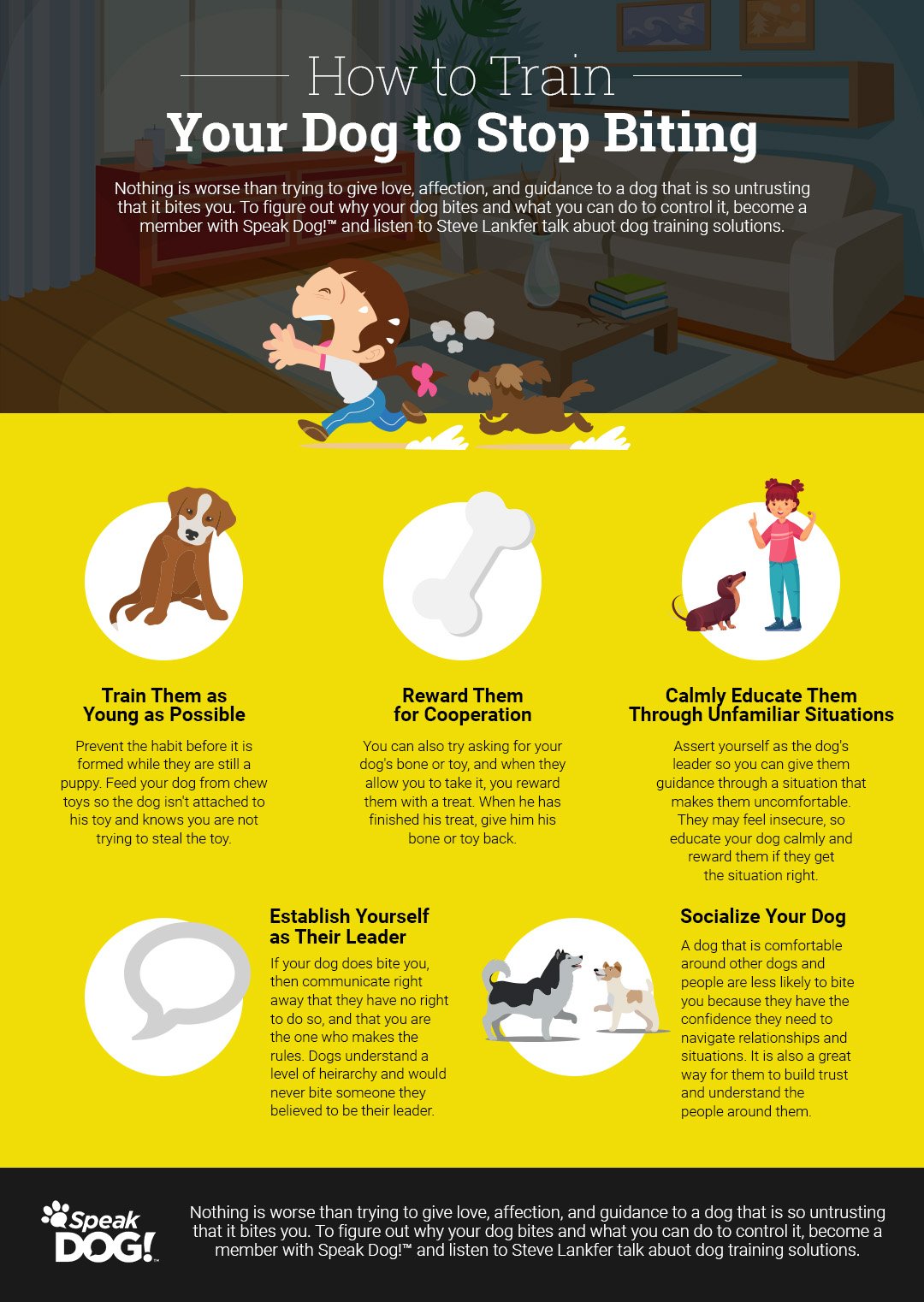
Bite inhibition means a dog chooses to control the force of its bite, even when excited, scared, or frustrated. Instead of clamping down hard, a dog with good bite inhibition uses a soft mouth or only touches with teeth lightly.
For puppies, learning bite inhibition is as important as learning to sit or come. Dogs that understand how to bite softly are far less likely to cause serious injury if a mistake or sudden reaction happens in daily life. Training focuses on teaching careful use of the mouth, not simply stopping all mouthing.
Mouthing, nipping and true biting
Mouthing and nipping are common in puppies and young dogs. Mouthing is light chewing on hands or clothes without pressure. Nipping is a sharper, quick pinch that can start to hurt or leave marks. True biting involves strong jaw pressure, often breaking skin and causing pain. For bite inhibition training, owners aim to teach control before nipping turns into true biting, by rewarding soft contact and calmly stopping interaction when teeth hurt.
Why puppies use their teeth so much
Puppies explore the world mainly with their mouths, just as human babies use their hands. Teeth are used to investigate smells, textures and movement, and to learn what is safe or enjoyable. In addition, puppy play with littermates involves chasing, grabbing and mock fighting, so biting becomes a normal play style.
Puppies also have a lot of energy and may bite more when excited, frustrated or teething. Without guidance, they cannot know how hard is too hard, so structured bite inhibition training is essential to teach soft, controlled mouth use.
Why Soft Bites Matter for Safety
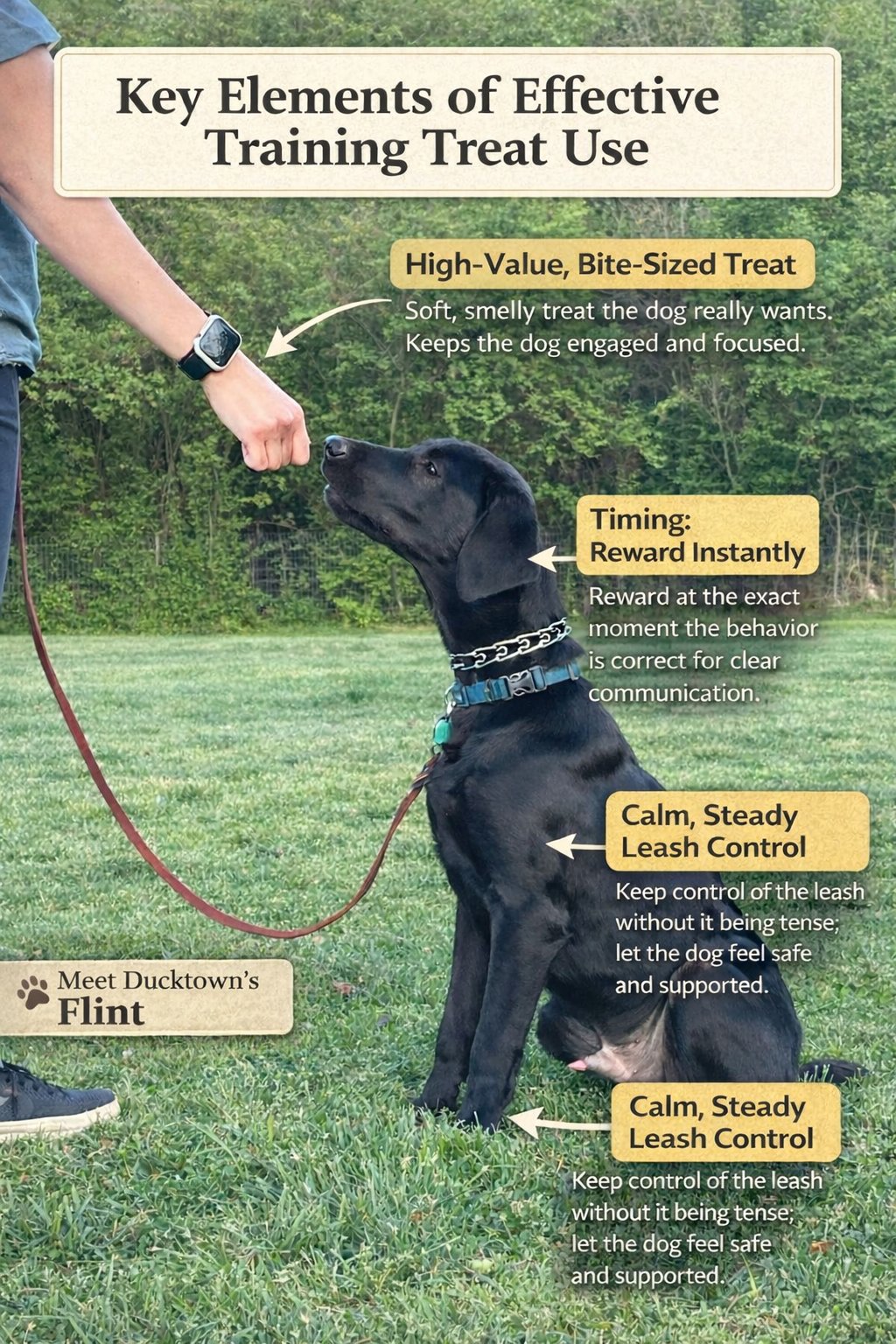
Soft bites mean a dog can control jaw strength even when excited. Good bite inhibition greatly reduces the chance of serious injury if a dog ever uses teeth in surprise, fear, or pain. Even a friendly family dog may react when stepped on, grabbed, or startled. A dog that has learned to keep pressure light is far less likely to break skin, leaving only a harmless "warning" mouth instead of a dangerous bite.
Benefits for families and other pets
Gentle bite control greatly improves daily life with a dog. A puppy that learns to use a soft mouth can play safely with children, avoid harming elderly family members, and interact more calmly with visitors. For other pets, good bite inhibition reduces the chance of injury during rough play or scuffles. As a result, the whole household experiences less stress, fewer conflicts, and safer, more relaxed interactions with the dog.
Risks if bite control is not taught
Without bite control, even a friendly dog can cause painful, skin‑breaking bites during play or when excited. Lack of training raises the risk of injury to children and elderly people, who often have thinner skin and slower reactions. Fearful dogs without bite inhibition may jump straight to a hard bite when startled or stressed. In serious cases, repeated biting can lead to legal trouble, behavioral euthanasia, or rehoming, so early training is a crucial safety measure.
When and How to Start With Your Puppy

For most dogs, bite inhibition training begins as soon as the puppy arrives home. The key is to pair gentle, consistent guidance with safe outlets for natural mouthing. Owners observe how hard the puppy bites during play, meals, and handling, then calmly interrupt any painful biting and reward softer behavior. Short daily sessions, appropriate toys, and clear rules from day one help puppies learn to control jaw pressure safely.
Ideal age and stages of development
Puppies begin learning bite inhibition from their mother and littermates as early as 3–4 weeks of age. For owners, the most effective teaching window is 8–16 weeks, when puppies are naturally curious and highly flexible in learning. From 4–6 months, as permanent teeth come in and chewing intensifies, practice should focus on turning strong bites into softer contact and rewarding gentle mouths. After about 6 months, training shifts to maintaining good habits in everyday life.
Setting up a safe training environment
A safe environment keeps training calm and prevents accidental bites from becoming a habit. Prepare a quiet, low‑distraction space such as a living room or fenced yard. Remove fragile items and anything a puppy might chew. Have soft treats, a few toys, and a short leash ready. Use baby gates or a playpen to separate children during early sessions. Supervision is essential so that every interaction with teeth can be guided and rewarded correctly.
Signs Biting May Be Aggression
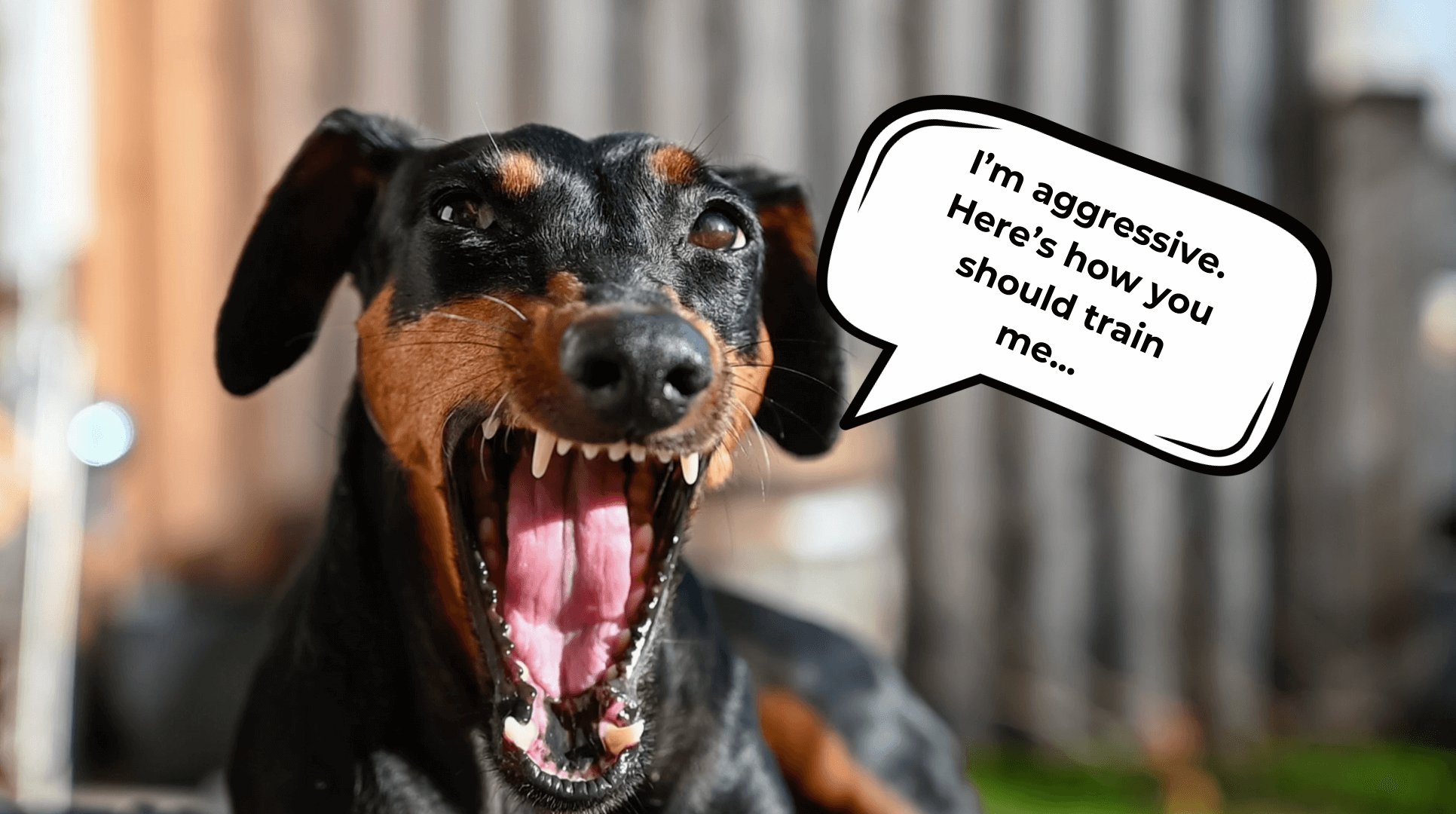
Aggressive biting is different from normal puppy play. Aggression usually involves stiff body posture, hard staring, raised hackles, growling, or lunging, often when the dog feels threatened or wants to protect a resource. Play biting is bouncy, with relaxed muscles and a loose, wiggly body. When biting leaves deep bruises or punctures, or the dog bites without clear warning during ordinary handling, owners should treat the behavior as potential aggression and move carefully to protect everyone’s safety.
Body language red flags to watch for
Aggressive biting usually comes with tense, forward body language, not wiggly playfulness. Watch for:
| Warning sign | What it may mean |
|---|---|
| Stiff body, frozen posture | Dog is on high alert, not playing |
| Closed mouth, hard stare | Serious intent, not friendly curiosity |
| Lips lifted, wrinkled muzzle | Clear threat, may bite next |
| Growling with a low tone | Defensive or offensive aggression |
| Tail high and rigid or tucked tight | High stress or fear, not relaxed |
When several signals appear together, treat the situation as a red alert and calmly create distance.
When to pause and seek behavior help
If any biting incident breaks skin, leaves deep bruises, or scares people, contact a veterinarian or certified behavior professional promptly. Sudden biting in an adult dog, repeated snapping when touched, or growling paired with a stiff body around family members are also warning signs. Biting linked to guarding food or toys, or directed toward children, should be handled by a specialist rather than only at home.
7 Essential Steps to Teach Gentle Biting

Bite inhibition is built step‑by‑step, not in a single lesson. The goal is not to stop all mouthing immediately, but to gradually teach softer and more controlled use of teeth. A clear structure helps owners stay calm and consistent.
The seven essential steps move from rewarding calm behavior, through gentle treat taking and toy play, to practicing polite biting control in everyday life. Each step should feel easy before moving on. Short, frequent sessions and consistent rules in the whole family are more effective than long, rare trainings.
Step 1: Reward calm behavior, not biting
Puppies often learn fastest when calm behavior is actively rewarded. Prepare tiny treats or a favorite toy and pay attention to moments when the puppy sits, lies down, or simply stands quietly with a closed mouth. Mark that calm state with a cheerful “yes!” and give a reward. If teeth touch skin or clothes, immediately stop attention and play for a few seconds. In this way the puppy learns that calm, gentle behavior makes good things happen, while biting makes fun stop.
Step 2: Teach a gentle mouth with treats
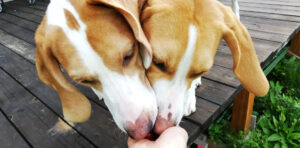
A gentle mouth starts with clear feedback around food rewards. Hold a treat in a closed fist. If the puppy licks or sniffs softly, open the hand and give the treat with quiet praise. If teeth touch skin, freeze the hand and say nothing until the puppy backs off. Gentle behavior makes the treat appear; rough mouthing makes the treat “disappear.” Repeated calmly, the puppy learns that only soft, careful mouths earn rewards.
Step 3: Train taking food softly from hand
Teaching a dog to take food softly from a hand is a practical everyday skill. First, hold a treat in a closed fist. Only open the hand when the dog’s mouth is gentle or the nose is calmly sniffing. If teeth grab hard, quietly remove the hand for a moment. Repeat until the dog understands that soft, careful mouthing makes the treat appear, while rough grabbing makes the reward disappear.
Next, present the treat on an open palm. Keep the hand steady at chest level, say a calm cue such as “gentle,” and only allow the dog to take the treat when the tongue touches first or teeth touch very lightly. Practice in short, frequent sessions so that polite food-taking becomes an automatic habit in daily life.
Step 4: Use play and toys to redirect teeth
Puppies learn where teeth belong by being offered toys at the right moment. As soon as teeth touch skin or clothes, calmly stop interaction, then immediately present a suitable toy such as a soft tug, rope, or rubber chew. When the puppy bites or mouths the toy instead of the hand, praise and continue play.
Rotate several textures, and keep toys in every room used for play so redirection is always quick and consistent. Over time, puppies learn that gentle mouths mean more fun, while teeth on people make play end.
Step 5: Use tug games to practice control
Tug can be a powerful way to teach self‑control with teeth, not just burn energy. Offer a tug toy, say a start word, then play energetically for a few seconds. Before the dog becomes too excited, stop moving the toy and hold it still. The moment the dog pauses, loosens grip, or sits, praise and restart the game. In this way, biting gently and calming down quickly make the game continue, while wild grabbing ends the fun.
Step 6: Add a cue like “gentle” or “easy”
A verbal cue helps dogs understand how to use their mouths, not only what to do. Choose one short word such as “gentle” or “easy.” First, say the cue just before offering a treat or toy. Reward only very soft contact; if teeth pinch, calmly remove the reward and try again. With repetition, the dog learns: cue word = slow, light mouth = success. Use the same cue in all games and feeding so the meaning becomes clear and reliable.
Step 7: Practice in real-life situations
Everyday life is the real test of gentle mouth skills. After basic cue practice, gradually use it in short, normal situations: taking treats, clipping a leash, brushing, or wiping paws. If teeth touch skin or clothes, calmly freeze, withdraw attention, and offer a toy instead. Praise and reward every soft mouth.
Start with calm settings, then slowly add distractions such as visitors or walks. Keep sessions brief, end on success, and if biting escalates, step back to an easier level before trying again.
Using Tug Safely in Bite Inhibition
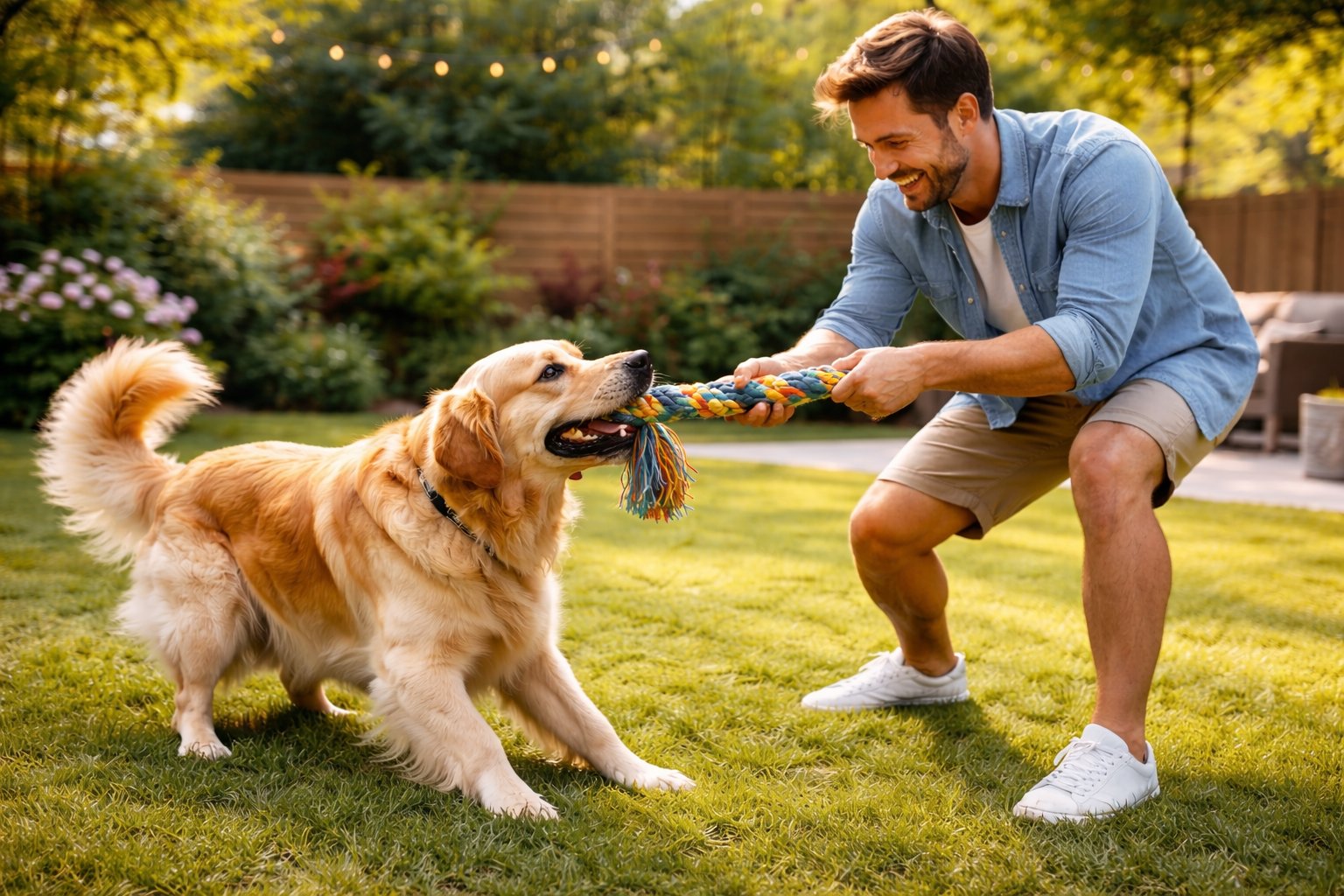
Tug is a powerful tool for teaching self‑control with teeth when used thoughtfully. The goal is not to “win” against the dog, but to practice gripping a toy firmly while keeping arousal under control. A clear start cue, a clear stop cue, and rules about teeth on skin help puppies learn that biting the toy is rewarded, biting people ends the game. Tug also provides healthy outlet for natural chewing and grabbing instincts, which reduces unwanted mouthing elsewhere.
Rules that keep tug fun and under control
Tug can be a powerful bite‑inhibition tool when clear rules are in place. The goal is controlled excitement, not wild frenzy.
Key rules for safe, useful tug play:
- Use a dedicated tug toy only for this game, not clothing or hands
- Start the game on cue so the dog learns play begins only when invited
- Stop if teeth touch skin; calmly end the game for a short break
- Keep sessions short to prevent over‑arousal
- Move the toy low and sideways, not up and down, to protect the neck
- Ask for simple cues like “sit” before restarting, so the dog learns that calm behavior makes the game return.
By following consistent tug rules, owners support gentle mouths while keeping play fun and safe for everyone.
Teaching your dog to release on cue
Teaching a tug “drop” cue improves safety and bite control. First, offer a low‑value toy and wait; the moment the dog loosens grip, say a short cue such as “Drop” or “Out” and give a tasty treat. The toy restarts the game. Soon the dog learns: release on cue and the fun continues. Practice briefly, in calm settings, before using the cue during exciting tug games.
Preventing Bites Around Kids and Guests
Bite inhibition alone does not guarantee safety around children and guests. Owners need both training and management. Puppies and dogs can become excited by fast movement, noise, or unfamiliar people, which easily leads to jumping, grabbing clothing, or nipping. Clear rules, controlled introductions, and use of tools such as leashes or gates reduce risk. Caregivers should plan interactions in advance so the dog always has space, supervision, and a way to retreat when feeling overwhelmed.
House rules for children and visitors
Children and visitors need clear, simple rules so the dog is not pushed into biting.
- Always let the dog approach first; no rushing, grabbing, or hugging
- Pet only shoulders, chest, or back; avoid face, paws, and tail
- No teasing with toys or food; give items to the dog, do not snatch away
- If the dog moves away, growls, stiffens, or hides, stop contact immediately
- Adults supervise every interaction between dogs and children at all times
Management tools: gates, pens, leashes
Management tools reduce risk when excitement rises. Physical barriers and short leashes protect both children and dogs while bite inhibition training progresses.
| Tool | Main use | Tips |
|---|---|---|
| Baby gates | Separate kids and dogs, create “dog‑only” zones | Place so dog still sees family to avoid frustration |
| Play pens | Safe space for puppies to rest and chew | Stock with toys, water, comfortable bed |
| Indoor leash | Quick control during greetings or play | Use a light, drag line; avoid leaving on unsupervised |
Use gates and pens before visits, during meals, and when children play energetically. A short leash indoors helps guide the dog away from hands and clothes, preventing practice of rough biting.
Common Mistakes in Bite Inhibition Work
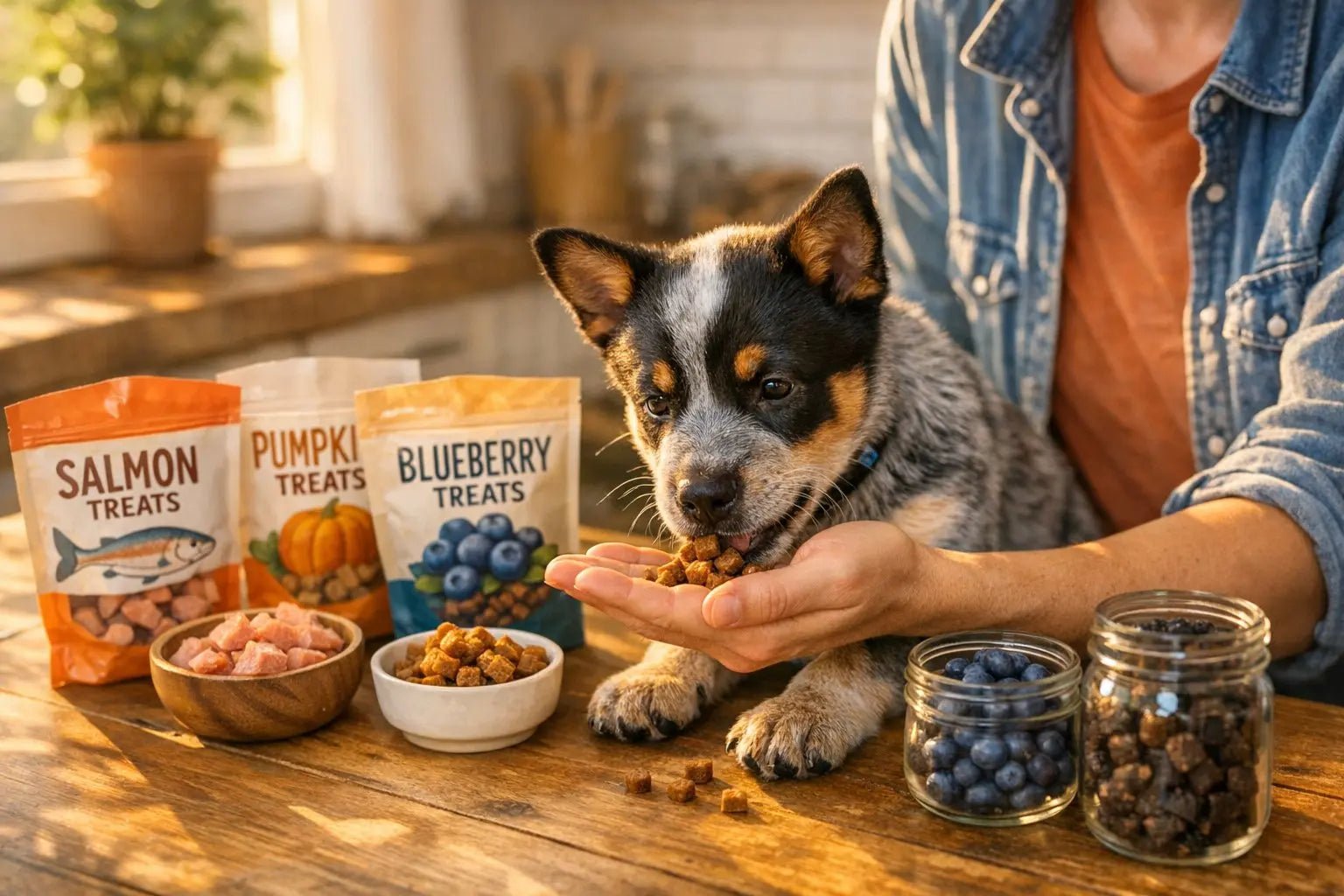
Many owners unintentionally slow bite inhibition training with a few common errors. A frequent mistake is allowing rough play sometimes and correcting it other times, which confuses the dog. Another issue is encouraging puppies to grab hands or clothes during exciting games. Ignoring early, mild nipping can also lead to stronger bites later. For best results, keep rules consistent, redirect teeth to toys every time, and reward only calm, gentle mouths.
Why punishment and yelling backfire
Punishment and yelling may stop biting for a moment, but they do not teach bite control. Instead, many dogs become anxious or scared, which can actually increase the risk of real aggression.
When owners shout, hit, or use harsh corrections, puppies often learn to hide warning signals such as growling and lip lifting. As a result, a future bite may seem to come “out of nowhere.” Gentle, reward‑based training builds trust and helps dogs choose softer mouths because calm behavior is consistently rewarded.
Over‑arousal and rough play problems
Over‑arousal often turns normal play into rough, bitey behavior. Puppies and young dogs can become so excited that self‑control disappears, leading to hard gripping, body‑slamming, and ignoring cues. Owners should keep play sessions short, add frequent calm breaks, and stop play the moment teeth hurt skin or clothes. Providing chews, sniffing walks, and rest helps lower overall arousal and supports safer, gentler play.
What If Your Dog Is No Longer a Puppy?
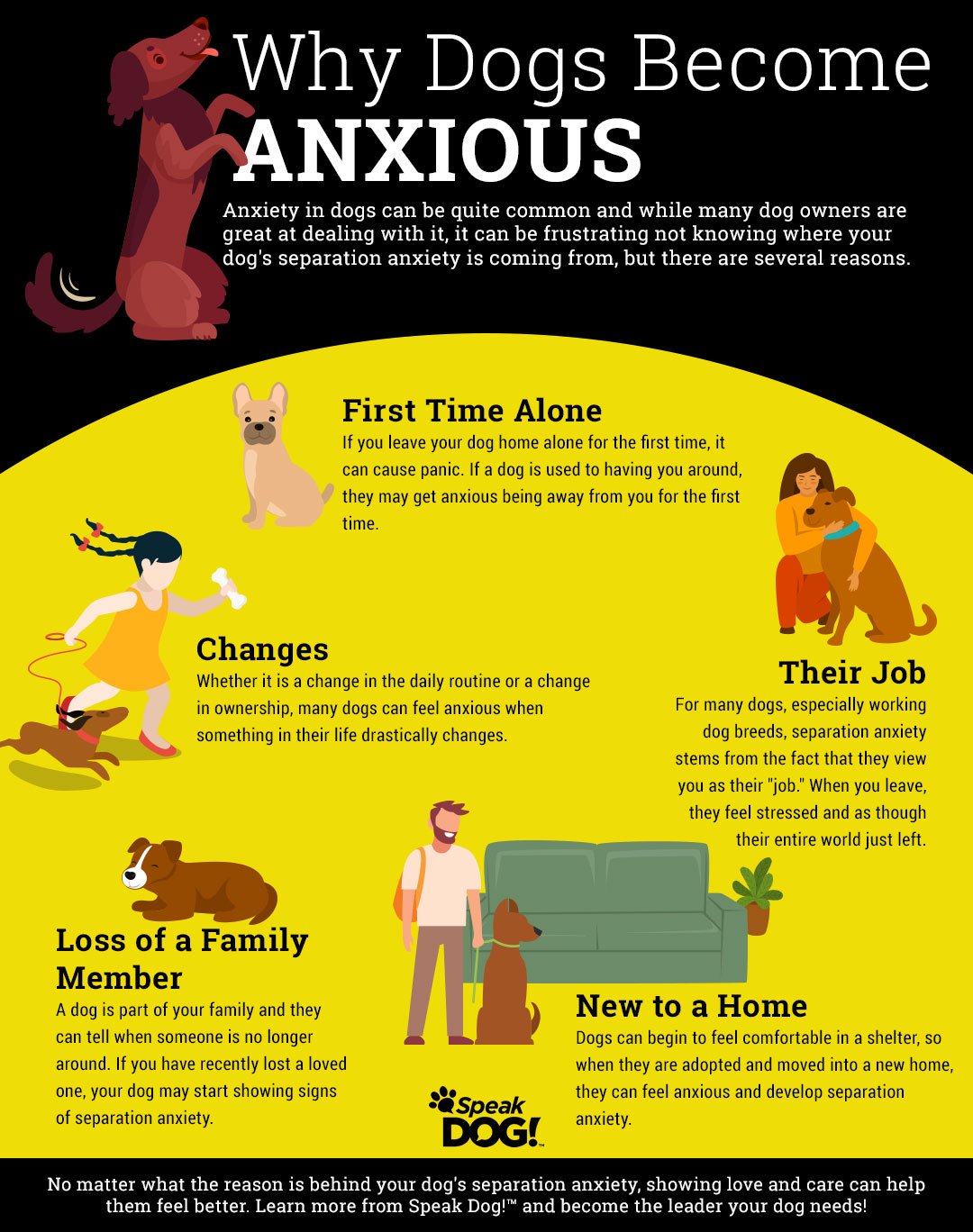
Older dogs can still learn bite inhibition, so owners should not give up. However, training plans must respect the dog’s age, habits, and health. Adult dogs often bite harder because puppy play practice was missed or rough play was encouraged. Many also have established patterns, so progress may be slower.
For mature dogs, calm, structured exercises with high‑value rewards are effective. Avoid rough games and situations that trigger over‑arousal. If any history of real bites or fear is present, safety and professional guidance become the top priority before starting new exercises.
Adapting bite inhibition training for adults
Adult dogs can still learn bite inhibition, but progress may be slower than with puppies. The key is to focus on control and predictability rather than expecting puppy‑style play biting. Start by rewarding gentle contact: offer treats in a closed hand and only open the hand when the dog licks softly instead of grabbing. Use clear cues such as “gentle” and a calm tone, and end all interaction immediately if teeth pinch skin. Short, frequent sessions, paired with structured outlets like tug toys and chew items, help an adult dog understand which types of mouth use are allowed and which are not.
When professional training is essential
Professional support becomes essential when bite incidents are frequent, intense, or involve broken skin, deep bruising, or bites without clear warning. Immediate help is also needed if a dog guards food or toys aggressively, growls when moved from furniture, or reacts strongly to children, strangers, or other dogs. Sudden changes in behavior, a history of trauma, or guardians feeling afraid of their own dog also signal the need for a qualified veterinary behaviorist or reward‑based trainer.
Simple Daily Bite Inhibition Training Plan

A simple plan helps owners build bite inhibition steadily without long sessions. Aim for 3–5 short sessions (1–3 minutes) spread through the day, linked to daily routines such as meals, playtime, and walks. Focus on one clear goal per session, such as taking treats gently or polite tug. End while the dog is still calm and successful. On days when schedules are tight, prioritize rewarding calm, quiet behavior and using toys to redirect teeth, so training continues naturally in everyday life.
Short practice sessions you can follow
Short, calm sessions help puppies learn faster and avoid frustration. As a guideline, aim for 3–5 mini‑sessions per day, each only 2–5 minutes. For example:
- Morning: gentle treat‑taking practice
- Afternoon: tug with rules and a “drop” cue
- Evening: quiet cuddle time rewarding calm, closed‑mouth behavior
End while the dog still focuses well so training stays fun, safe, and successful.
Tracking progress and staying consistent
Bite inhibition improves gradually, so clear records help owners stay motivated and objective. A simple notebook or memo app is useful. Note the date, practice time, exercises used, and bite intensity (for example: no teeth, light touch, painful). Recording situations where biting increases—such as when children play or before meals—also supports adjustment of the plan. Reviewing notes weekly makes it easier to see progress and confirm whether training frequency and rules are consistent among family members.
This article explains, in a way that is easy for dog owners to implement in their daily lives, what bite inhibition is, its importance from a safety perspective, how to start from puppyhood and the seven basic steps, specific training methods using play and tug-of-war, accident prevention with children and visitors, how to apply it to adult dogs, and when to consult a professional.








![[Choosing dog food for health] 5 recommended low-fat dog foods](https://with-my-dog.com/wp-content/uploads/2022/07/image4-4-150x150.png)






![[Funny Dog & Cat Videos] Tips for Filming to Bring Out Their Charm and Make Your Dog Look Like That!](https://with-my-dog.com/wp-content/uploads/2022/04/3015452_s-300x200.jpg)