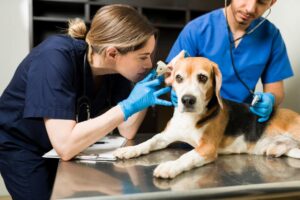

Many dog owners worry that their dog might have Malassezia if it frequently scratches its ears or emits a distinctive odor. This article introduces seven safe and effective at-home care methods to alleviate Malassezia symptoms in dogs' ears. However, relying solely on self-diagnosis can be dangerous, so we will also explain signs that warrant a visit to a veterinary hospital and precautions for home care. Our aim is to provide a starting point for those struggling with their dog's ear problems to learn practical solutions they can easily implement.
Understanding Malassezia in Dog Ears
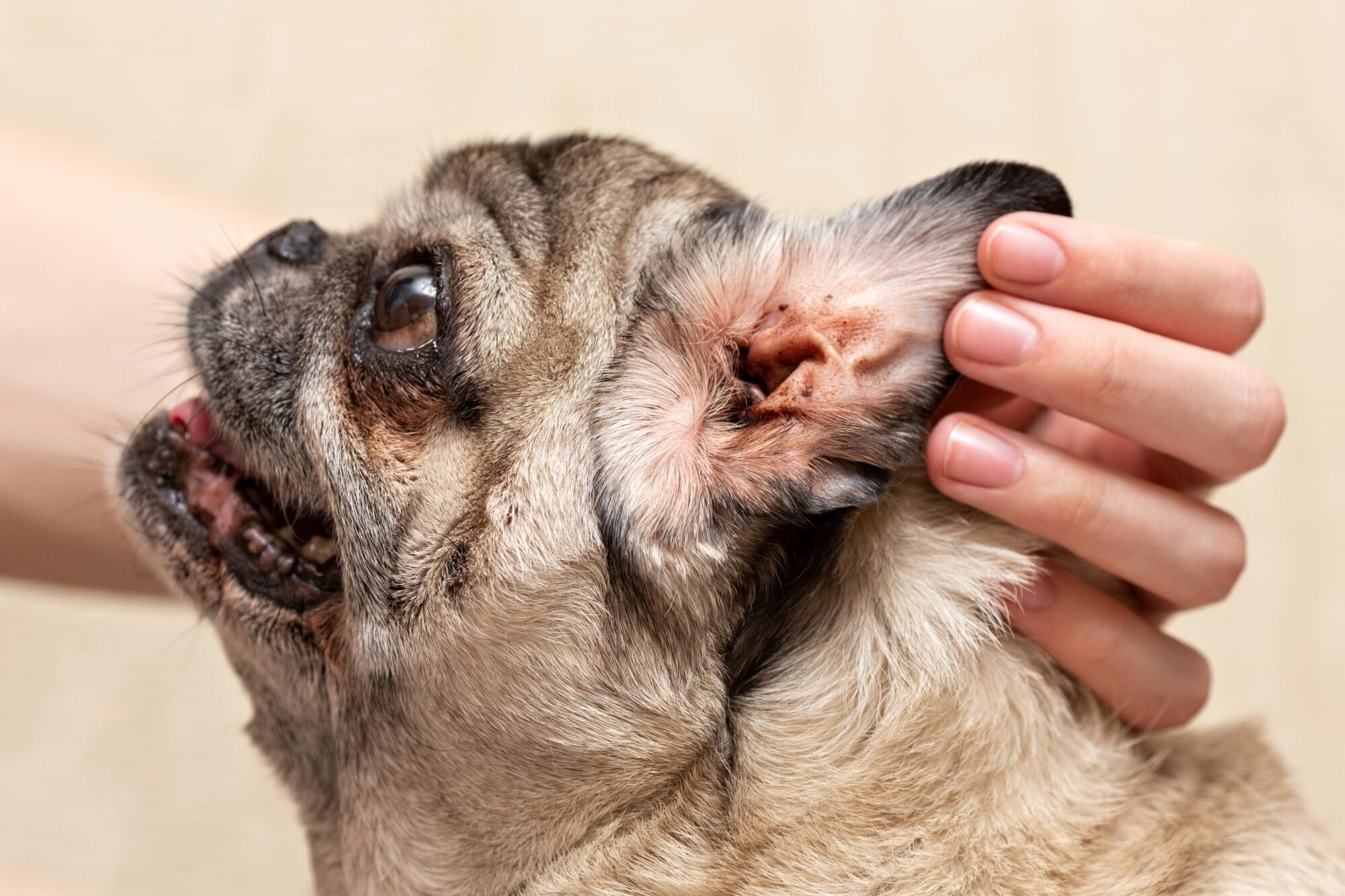
Malassezia is a yeast that naturally lives on canine skin and in the ear canal. In a healthy ear, the number of organisms stays low and causes no problems. When ears become warm, moist, or inflamed, Malassezia can overgrow and lead to infection.
Yeast overgrowth in the ear is a common cause of otitis externa (outer ear inflammation) in dogs. It often appears alongside other issues such as allergies, bacterial infection, or excess wax. Understanding the role of Malassezia helps owners recognize when home ear care can support, but not replace, veterinary treatment.
What Malassezia yeast actually is
Malassezia is a type of yeast that normally lives on healthy dog skin and inside ears. In small numbers it is harmless and part of the natural microbiome. Problems begin when conditions in the ear change and Malassezia overgrows. The yeast then triggers inflammation, strong itchiness, and a distinctive rancid or “yeasty” smell, leading to painful ear infections if not managed properly.
Why the ear canal is a problem area
The ear canal is warm, dark, and slightly moist, so Malassezia yeast can multiply very quickly there. A dog’s ear canal also bends in an L‑shape, which traps wax, water, and debris instead of letting them drain. When airflow is poor and moisture remains, the normal yeast balance breaks down, leading to irritation and overgrowth. In addition, friction from scratching or shaking creates tiny skin damage, giving yeast an easier way to invade and cause infection.
Breeds and risk factors to know
Certain dogs are much more prone to Malassezia ear problems. Droopy‑eared breeds such as Cocker Spaniels, Basset Hounds, Beagles, and some retrievers have warm, poorly ventilated ear canals where yeast thrives. Hairy ear canals in Poodles and many doodle mixes also trap moisture. Dogs with allergies, skin disease, or hormonal issues (hypothyroidism, Cushing’s) often develop recurrent yeast otitis. Frequent swimmers, dogs in humid climates, and those with a history of repeated antibiotic or steroid use are at higher risk as well.
Common Signs of Yeast Ear Problems
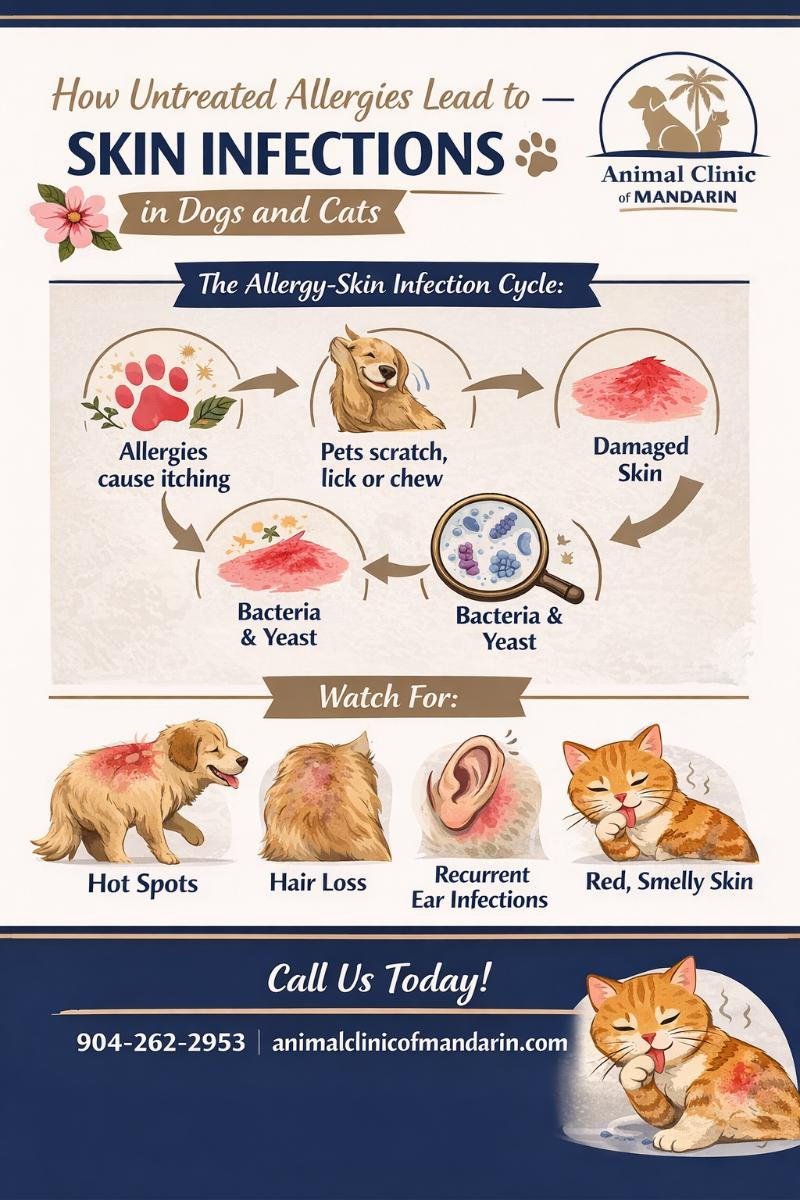
Yeast problems in dog ears often begin subtly and can be mistaken for simple dirty ears. However, early recognition is crucial to prevent pain and chronic damage. Malassezia overgrowth usually causes itching, odor, redness, and a change in the ear discharge. Owners may also notice behavior changes such as head shaking or rubbing the ear on furniture or the floor. Understanding the typical signs helps decide when home care is possible and when prompt veterinary attention is safer.
Typical symptoms you can spot at home
Malassezia ear problems usually develop slowly, so noticing early changes at home is important. Typical signs include a strong, sweet or “yeasty” odor from the ear, brown or dark waxy discharge, and red, slightly swollen ear skin. Many dogs shake the head, scratch or rub the ear on furniture, and may cry when the ear is touched. Some dogs tilt the head to one side or seem less playful because the ear is uncomfortable.
How to tell yeast from ear mites or wax
Dog ear yeast, ear mites, and simple ear wax often look similar, but some points help tell them apart.
| Feature | Malassezia yeast | Ear mites | Mainly wax/dirty ear |
|---|---|---|---|
| Smell | Strong, sour or "bread" smell | Mild or none | Mild, not foul |
| Discharge color | Brown, tan, or yellow, sometimes oily | Dry, dark coffee‑ground specks | Light to dark brown, smoother |
| Itch level | Frequent head shaking, scratching | Very intense itching, many head rubs | Mild discomfort only |
| Other signs | Red, moist canal | Often both ears, may affect other pets | Usually after long gap without cleaning |
If pain, a lot of swelling, or pus is present, it may be a mixed or severe infection and needs a veterinary check promptly rather than home judgment.
When ear issues become an emergency
Ear problems can suddenly become an emergency. Immediate veterinary care is needed if any of the following appear:
- Strong head tilt, loss of balance, walking in circles
- Eyes flicking side to side, severe disorientation
- Intense, nonstop ear pain or crying when the ear is touched
- Swelling or a large, warm lump around the ear
- Thick bleeding, foul‑smelling discharge, or maggots
- Sudden hearing loss or seizures
In these situations, avoid cleaning, keep the dog calm, and contact an emergency vet at once.
Vet Diagnosis Comes First
Malassezia ear infections may look simple, but an accurate veterinary diagnosis is essential before relying on home treatment. Many ear problems show similar signs, yet the causes differ: yeast, bacteria, ear mites, allergies, or even a foreign object. Without a diagnosis, ear cleaners or home remedies can mask symptoms, damage the ear canal, or delay urgent care. A vet checks the eardrum, takes samples, and identifies the real cause so that safe home care can support the right treatment plan.
How vets confirm Malassezia ear disease
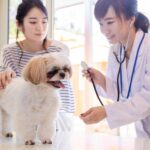
Veterinarians confirm Malassezia ear disease by combining ear examination, history, and microscopic tests. First, the vet inspects the ear canal with an otoscope to check for redness, swelling, discharge, or a damaged eardrum. Next, material from the ear is collected using a cotton swab and spread on a slide. After special staining, the sample is examined under a microscope to identify the characteristic Malassezia yeast and to judge how severe the infection is.
Tests, swabs, and what results mean
Vets usually collect ear discharge with a cotton swab and spread it on a microscope slide. After special staining, they count Malassezia yeast cells, bacteria, and note inflammation.
- Many oval “footprint-shaped” yeast cells = active yeast infection
- Mostly bacteria = bacterial otitis
- Few organisms, lots of debris = allergy or irritation may be primary
Results guide targeted medication, treatment length, and whether further tests such as culture or allergy workups are needed.
Why self‑diagnosing can be risky
Self‑diagnosing ear yeast problems can delay the correct treatment. Many dogs have mixed infections of yeast, bacteria, or ear mites, and symptoms look very similar. Without a vet’s exam and swab, owners may clean too aggressively, use the wrong product, or miss a damaged eardrum, which can cause pain or even hearing loss. In addition, untreated allergies or hormonal disease behind Malassezia overgrowth remain and ear trouble keeps returning.
When Home Ear Care Is Appropriate
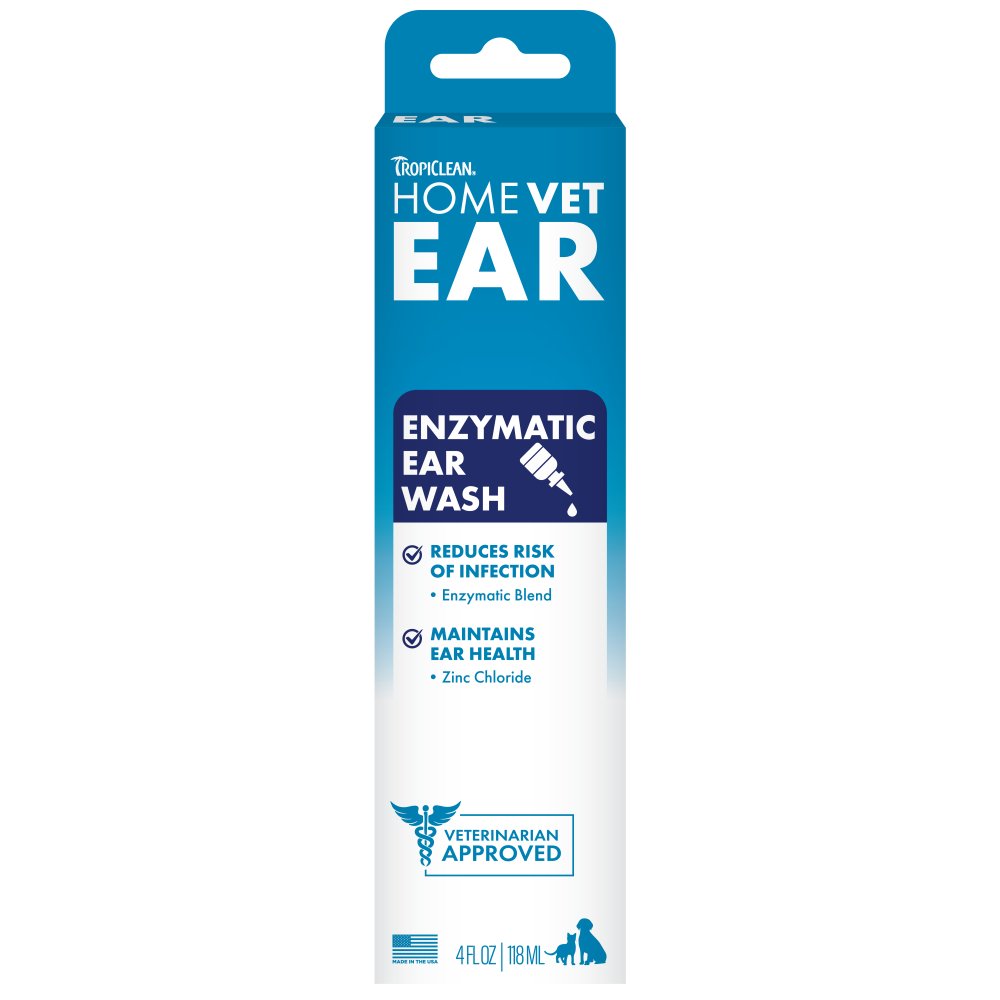
Many dog owners wonder when it is safe to try home ear care for Malassezia and when urgent veterinary help is needed. In general, home care is appropriate only after a vet has checked the ear and ruled out eardrum damage or severe bacterial infection. At-home care then aims to support healing between checkups, not replace medical treatment.
Mild cases that can be supported at home
Mild Malassezia ear problems can sometimes be supported at home after a vet has confirmed the diagnosis and ruled out a damaged eardrum. Suitable cases usually show:
- Slight redness or dark waxy discharge
- Mild odor but no strong, foul smell
- Occasional head shaking or ear scratching
- Dog is still comfortable when the ear is gently touched
In such situations, careful cleaning with a vet‑approved ear cleanser, keeping the ear dry, and following any prescribed ear drops exactly as directed can support recovery. If symptoms do not clearly improve within a few days, consultation with a veterinarian is recommended.
Red flags that need a vet right away
Ear problems can worsen quickly, so some signs need prompt veterinary care. Strong pain, constant head‑shaking, or crying when the ear is touched indicate serious inflammation. A swollen, very hot ear flap; thick discharge with blood or pus; or a very foul smell also require urgent attention. Loss of balance, walking in circles, or eye flicking may signal inner‑ear involvement. If symptoms appear suddenly, if a home‑supported mild case worsens, or if your dog seems unwell overall (fever, low appetite, lethargy), seek a vet immediately.
Puppies, seniors, and sensitive dogs
Puppies, senior dogs, and dogs with very sensitive skin or health problems need especially gentle ear care. Their ear canals are narrower, immune defenses are weaker, and pain tolerance is low, so yeast infections can worsen quickly.
For these dogs, always seek a veterinary check before starting any home treatment. Use only products labeled for dogs, avoid strong rubbing or cotton swabs, and stop immediately if crying, head tilting, or loss of balance appears. Regular, soft monitoring and early intervention are safer than frequent intensive cleaning.
Safe Home Treatment for Yeast Ears
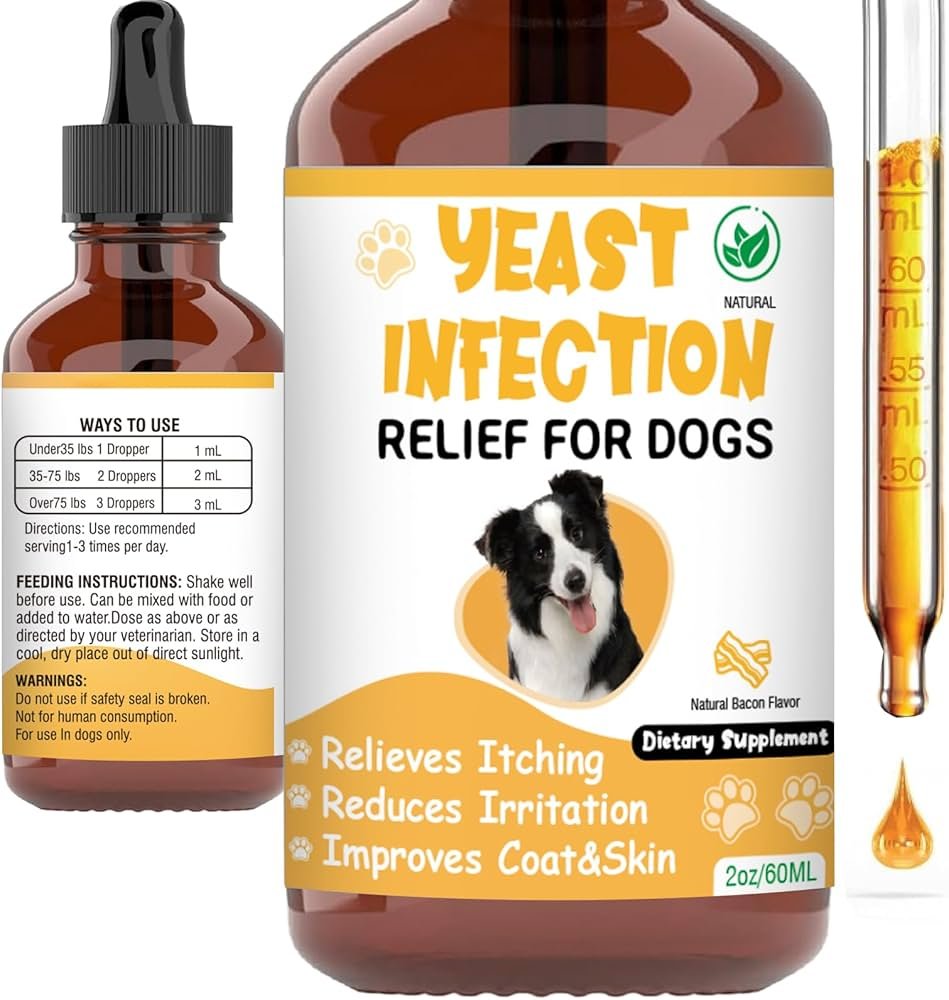
Yeast ear problems can often be supported at home only after a vet has diagnosed Malassezia and ruled out a ruptured eardrum. Home care focuses on three points: keeping the ear canal gently clean, staying dry, and following prescribed medicines exactly as directed. Safe treatment means using dog‑specific ear cleansers, working slowly so the dog does not feel pain, and monitoring for improvement. If pain, swelling, or discharge worsen, home treatment should stop and a vet recheck is needed promptly.
Tip 1: Choose a dog‑safe ear cleanser
Choosing the right cleanser is the safest first step in home care. A dog‑safe ear product is pH‑balanced for canine skin and designed to break up wax, debris, and excess oil without stinging. Look for products labeled specifically for dogs, ideally recommended by veterinarians for yeast or Malassezia ear problems. Avoid using homemade mixtures or multipurpose cleaners; inappropriate solutions can irritate the canal, worsen infection, and delay proper treatment.
Ingredients that help with Malassezia
For Malassezia in dog ears, choose cleansers with gentle antifungal and drying effects. Common helpful ingredients include:
- Chlorhexidine (low concentration): reduces yeast and bacteria
- Climbazole or miconazole: target Malassezia yeast directly
- Salicylic or lactic acid: help break down debris and keep the ear canal slightly acidic
- Tris‑EDTA: supports antimicrobial action
- Moisturising agents like glycerin: protect the ear lining from irritation
Products labelled for yeast or otitis externa in dogs usually combine several of these for safer, effective support.
Things to avoid in ear products
Ear products for dogs should be gentle. Avoid hydrogen peroxide, alcohol, and harsh acids, which can sting, dry the skin, and delay healing. Strong fragrance, menthol, and coloring agents may irritate sensitive ear canals. Products containing essential oils (tea tree, peppermint, eucalyptus) can be toxic if absorbed or used in excess. Human ear drops or cleaners are not formulated for dogs and may worsen infection. Choose only vet‑recommended, dog‑specific solutions.
Tip 2: Step‑by‑step gentle ear cleaning
Gentle cleaning protects the ear while helping control Malassezia yeast. Prepare cotton pads or gauze, a dog‑safe ear cleanser, and treats. Start by letting the dog sniff the bottle so it feels relaxed. Gently lift the ear flap and fill the ear canal until the liquid is visible, without inserting the nozzle deeply. Massage the base of the ear for 20–30 seconds to loosen debris, then allow the dog to shake. Wipe away loosened wax and fluid from the outer ear with cotton or gauze, avoiding cotton swabs that push dirt deeper.
How to hold your dog and apply solution
A calm, secure hold makes ear care safer. Sit your dog on a non‑slip surface at a comfortable height. For small dogs, place the body against the handler’s chest and gently wrap an arm around the shoulders. For medium and large dogs, position the dog at the handler’s side and support under the jaw.
Gently hold the ear flap up to straighten the canal. Insert the nozzle only into the visible opening, never force it deep. Squeeze enough solution to fill the canal, then massage the base of the ear for 20–30 seconds to help loosen debris.
Drying the ear safely after cleaning
After ear cleaning, gentle but thorough drying helps stop Malassezia from overgrowing again. First, let the dog shake its head to remove excess fluid. Then, use soft cotton pads or gauze to carefully blot just the visible outer ear and entrance of the canal. Do not insert cotton swabs or tissues deep inside, because they can push debris further in or damage the eardrum. For dogs that stay damp easily, a vet‑approved drying ear solution can be used as directed.
Tip 3: Supporting vet‑prescribed drops
Vet‑prescribed ear drops are the main treatment for Malassezia ear infections. Home care should focus on helping those drops work better, not replacing them. Clean the ear as directed before medication so debris does not block the drug. Keep the dog calm, support the head, and gently massage the ear base after applying drops so the medicine spreads. Finish the full course even if the ear looks better to reduce the risk of recurrence.
Correct dosing and treatment length
Correct dosing of ear drops is essential for clearing Malassezia safely. Follow the exact number of drops, frequency, and duration written on the label or given by the veterinarian. Do not stop early just because the ear looks better; yeast often remains in the canal. Gently clean ears as advised before applying, and space cleaning and drops by several minutes so medication is not wiped away. If a dose is missed, avoid doubling the next dose and consult the clinic when unsure.
Avoiding resistance and relapse
Correct use of medicated ear drops reduces both resistance and relapse. Stopping treatment early allows some Malassezia and bacteria to survive and become harder to control next time. Skipping cleanings also leaves debris where microbes can hide. To avoid recurrence, follow the full vet‑prescribed course, attend recheck appointments, and keep up a gentle maintenance ear‑cleaning routine suited to the dog’s lifestyle and ear type.
Tip 4: Managing itching and discomfort
Persistent itching is exhausting for dogs, so gentle comfort care is important alongside medical treatment. Short, soft ear rubs away from the canal can calm many dogs, but avoid scratching with nails or cotton swabs. A cool, damp cloth held against the outside of the ear flap may ease heat and swelling. Elizabethan collars or soft cones prevent self‑trauma when rubbing becomes intense. Always ask a veterinarian before using antihistamines or pain relief, because human products and wrong doses can be dangerous.
Tip 5: Bathing and coat care around ears
Gentle bathing helps control yeast by reducing excess oil, moisture, and debris around the ears. Use a vet‑approved antiseborrheic or antifungal shampoo on the head and neck, avoiding direct contact with the ear canal opening. Rinse thoroughly so no shampoo residue remains on the skin.
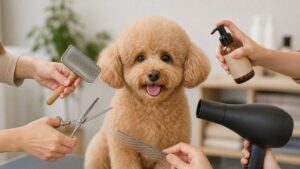
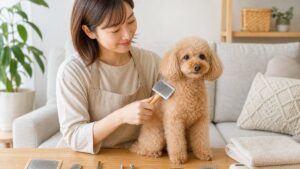
After bathing, careful drying is essential. Pat the ear flap and surrounding coat with a soft towel; do not insert cotton swabs or tissues into the canal. Long or fluffy fur around the ears can trap moisture, so regular trimming by a groomer keeps the area airy and clean, lowering the risk of recurring Malassezia overgrowth.
Tip 6: Diet and allergies linked to yeast
Food sensitivities and environmental allergies often set the stage for Malassezia overgrowth in dog ears. In many dogs, yeast ear problems repeat because of underlying atopy or food allergy, not because cleaning is poor.
Common links include:
- Protein or ingredient intolerance (chicken, beef, dairy, wheat, soyなど)
- Atopic dermatitis triggered by pollen, dust mites, or mold
- Diets that do not support healthy skin barrier and immunity
If ear infections keep returning, vets often suggest an elimination diet or hypoallergenic food trial alongside ear treatment. A balanced diet rich in essential fatty acids (omega‑3, omega‑6) supports skin health and may reduce inflammation and itching.
Sudden diet changes or home‑made drastic restrictions can be risky, so feeding plans should be designed with a veterinarian or veterinary nutritionist. Combining appropriate nutrition with allergy management (such as anti‑itch medication or immunotherapy) offers the best chance of long‑term control of yeast ear disease.
Tip 7: Keeping an ear care routine
A simple routine helps prevent repeated Malassezia ear infections. Aim for a quick ear check once a week: look for redness, odor, dirt, or your dog scratching. Clean only when there is visible debris or after swimming or bathing, using a vet‑approved ear cleanser. Keep a small log of flare‑ups, season, food changes, and treatments. Sharing this record with a veterinarian makes long‑term management smoother and reduces painful recurrences.
Home Remedies: What Is Not Safe
Many "natural" ear remedies on the internet are not safe for dogs. Strong acids, undiluted essential oils, hydrogen peroxide, and alcohol can burn the ear canal or cause severe pain, especially when the eardrum is damaged. Cotton swabs pushed into the canal may drive debris deeper and risk eardrum injury. Human ear drops, homemade mixes, and treatments for other pets are also risky, because concentration and pH are not suited to canine ears.
Vinegar, alcohol, oils, and other risks
Many home remedies for dog ear yeast use vinegar, alcohol, or oils, but all can easily irritate or damage the ear.
| Ingredient | Main risk |
|---|---|
| Vinegar | Strongly stings inflamed skin, may worsen redness and pain |
| Alcohol | Very painful on sore tissue, dries and cracks ear canal |
| Oils (coconut, olive, etc.) | Trap moisture, can feed yeast and bacteria |
| Hydrogen peroxide | Bubbles can push debris deeper, irritates skin |
Especially when the eardrum is damaged, liquid home remedies may cause severe pain or even hearing problems. For Malassezia ear issues, only dog‑safe products recommended by a veterinarian are considered safe.
Why human ear meds should not be used
Human ear medicines are designed for a different ear shape, skin thickness, and micro‑organisms. Many contain steroids, strong antibiotics, or alcohol levels that can irritate or burn a dog’s ear canal. In a dog with Malassezia, incorrect drugs may destroy helpful bacteria, worsen yeast overgrowth, or mask pain while damage continues. Some ingredients are even toxic if the eardrum is ruptured. Safer care is to use only vet‑prescribed, dog‑specific ear products tailored to the exact problem.
Signs your home care is making it worse
If home care is not suitable, symptoms often intensify instead of easing within a few days. Warning signs include stronger odor, darker or thicker discharge, increased redness or swelling, and the ear feeling hot. Your dog may scratch more, shake the head constantly, cry when the ear is touched, or lose balance. Any bleeding, sudden tilt of the head, or loss of hearing suggests immediate veterinary attention is necessary.
Preventing Future Yeast Ear Infections
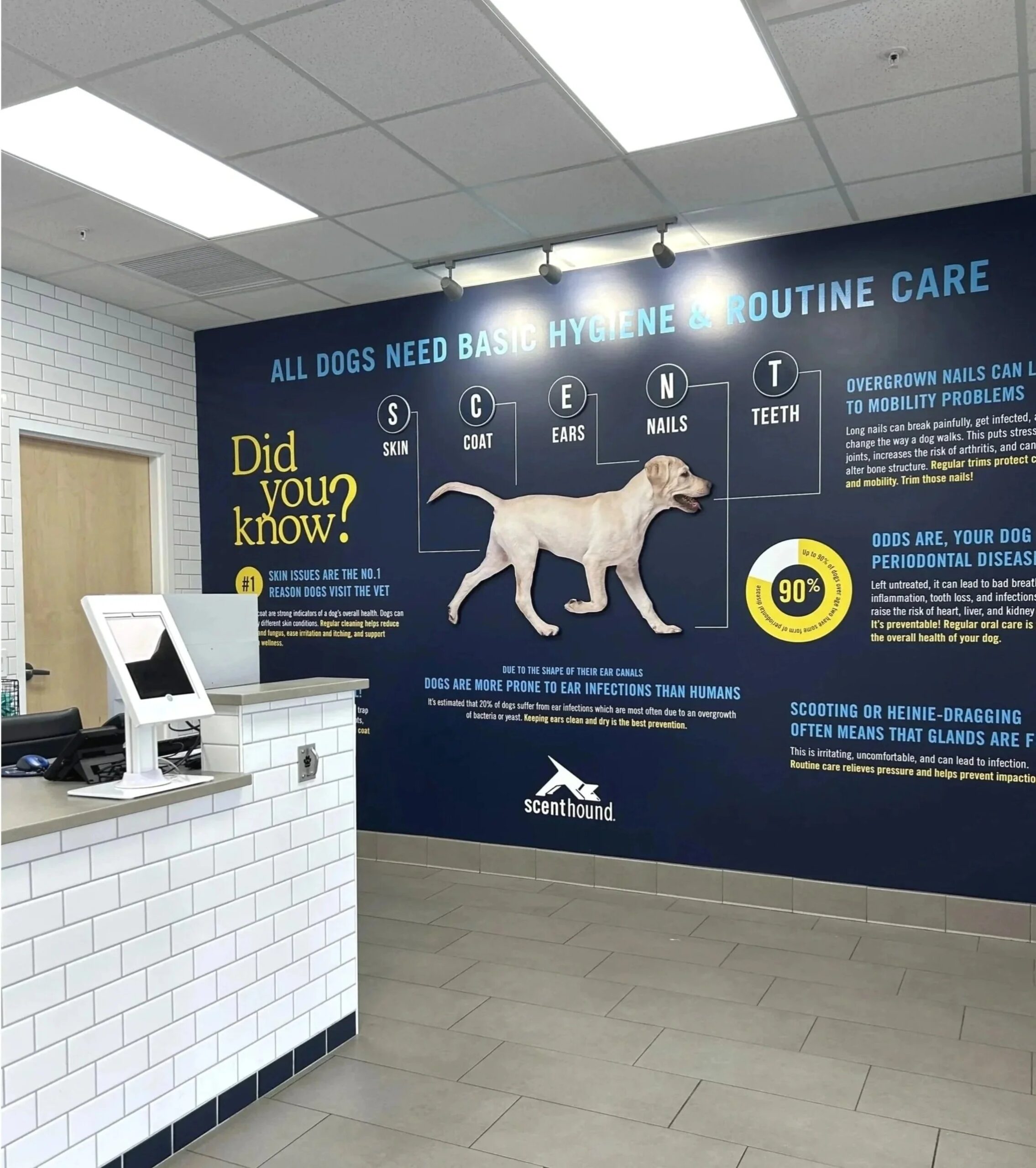
Preventing recurrence is often easier than repeatedly treating painful flare‑ups. The goal is to keep the ear canal clean, dry, and calm so Malassezia cannot overgrow again. Daily observation, a gentle cleaning routine, and control of allergies or skin disease work together. For dogs with chronic problems, a long‑term plan shared with a veterinarian is the most effective protection.
Regular checks and cleaning schedule
Regular, gentle care helps stop Malassezia from flaring again. Aim to look in your dog’s ears at least once a week. Check for redness, odor, discharge, or head‑shaking. A quick “ear check” after walks, baths, or swimming is also helpful.
For many dogs prone to yeast, a routine clean every 1–2 weeks with a vet‑approved ear cleaner is appropriate. Dogs with heavy ears, allergies, or past infections may need cleaning more often, as advised by a veterinarian. Keep a simple log of flare‑ups and cleaning dates to spot patterns early.
Swimming, grooming, and moisture control
Swimming, bathing, and grooming can easily leave trapped moisture in the ear canal, which encourages Malassezia overgrowth. After any water play or bath, gently dry the ear flap and outer opening with a soft cotton pad or towel; avoid cotton buds inside the canal. For dogs that swim often or have floppy ears, a vet‑approved drying ear solution after water exposure is very helpful. Trim heavy hair around the ear opening with a groomer so air can circulate, and ask groomers to avoid flushing ears with water or harsh products.
Working with your vet on long‑term care
Long‑term Malassezia ear care works best as a partnership with a veterinarian. Regular rechecks allow the vet to monitor yeast levels, ear canal changes, and allergy control. Owners can share photos, timing of flare‑ups, and response to diet or medications. Together, an individualized plan is created: cleaning schedule, safe home products, allergy management, and when to restart drops. Ongoing communication helps catch relapses early and protect hearing over the dog’s lifetime.
Malassezia Dog Ears Home Treatment FAQ
Short answers help owners act quickly and safely. The FAQ below focuses on home treatment that supports, not replaces, veterinary care. Always follow the individual plan from the attending veterinarian and seek help early if recovery is slow or symptoms worsen.
How long until yeast ear signs improve?
Improvement speed depends on severity, cause, and how well treatment is followed. In many mild Malassezia ear cases, itching and smell start to ease within 3–5 days of appropriate vet-prescribed drops and gentle cleaning. However, treatment usually continues for at least 1–2 weeks, sometimes longer for chronic or allergy‑related problems. If pain, redness, or discharge are not clearly better after 5–7 days, or suddenly worsen, prompt veterinary re‑check is recommended.
Can Malassezia spread to people or pets?
Malassezia is a normal skin yeast in many animals, including dogs and humans, but the strains that cause ear problems in dogs usually stay on dogs. Current knowledge suggests canine Malassezia otitis is not considered contagious to people.
Other pets in the home can sometimes develop ear yeast problems too, yet this is usually due to shared risk factors such as allergies, moisture, or anatomy, not direct spread. If several pets have ear issues, a vet check for all affected animals is recommended.
When a chronic ear needs specialist help
Chronic or repeatedly inflamed ears often indicate underlying disease that simple home care cannot resolve. Specialist help from a veterinary dermatologist is recommended when:
- Ear infections recur more than 2–3 times a year
- Symptoms persist despite correct treatment
- The ear canal looks narrowed, thickened, or very painful
- Hearing seems reduced or the head tilts
Specialists can perform advanced imaging, deep ear cleaning under anesthesia, and tailored allergy or endocrine testing. Early referral helps protect hearing and may prevent the need for surgery.
This article explains everything from the basics of Malassezia yeast, which proliferates in dogs' ears, to the importance of diagnosis at a veterinary hospital, safe ear cleaning and itching remedies that can be done at home, folk remedies to avoid, and daily care to prevent recurrence, all in a way that is easy for pet owners to implement.





![[2022 Edition] What is the safest dog food? Survey of recommended popular products](https://with-my-dog.com/wp-content/uploads/2021/10/puppy-ged828c55e_1920-300x217.jpg)