
Many dog owners struggle with potty training their puppies or newborns. They often wonder whether to scold their dog for repeated accidents or when to take them to the toilet. This article clearly explains the basics of "how to potty train a dog" in seven steps. By learning a method that minimizes stress for both the dog and the owner, this article will help create a clean and safe living environment for your pet.
Understanding How Dogs Learn Toileting

Dogs do not naturally understand human toilet rules. They repeat behaviours that feel safe, comfortable, and rewarding. Potty training works by shaping habits through clear patterns: where to go, when to go, and what happens afterward.
Dogs learn toileting through three main elements: routine, association, and consequence. A stable schedule teaches when the bladder should empty. A consistent spot and cue word create an association with toileting. Immediate rewards after successful outdoor toileting make the behaviour strong and reliable over time.
How long dogs can realistically hold it
Many owners overestimate how long dogs can hold urine. A rough guide is 1–2 hours per month of age, up to about 8 hours for healthy adults. Small breeds often need more frequent breaks than large breeds.
Other factors matter: recent drinking, excitement, cold weather, and health issues all reduce holding time. Puppies and seniors usually need late‑night and early‑morning potty trips to stay comfortable and avoid accidents.
Why dogs have accidents in the house
Indoor accidents usually have clear causes. Common reasons are insufficient supervision, an inconsistent toilet schedule, and unclear rules about where to go. Some dogs have never learned to hold urine on certain surfaces, such as carpet. Stress, changes in routine, or moves can also upset habits. In addition, medical problems like urinary infections or stomach upsets can suddenly increase accidents, even in previously reliable dogs.
Puppies vs adult and rescue dogs
Puppies often lack full bladder and bowel control and do not yet understand where to toilet. Very young puppies may need to go out every 1–2 hours, and accidents are part of normal development. Gentle guidance, many chances to succeed, and abundant rewards are essential.
Adult and rescue dogs usually can hold it longer, but may have learned to toilet indoors or on unsuitable surfaces. Some rescue and ex‑breeding dogs have never lived in a house and do not know the difference between indoors and outdoors. They need the same step‑by‑step training as a puppy, but often progress faster once the rules are clear and consistent.
Before You Start: Set Up for Success
A little preparation makes potty training smoother and faster. The goal is to remove confusion for the dog and prevent as many accidents as possible from day one. Before real training starts, decide where the dog should toilet, prepare basic tools, and fix a simple daily routine. Clear rules and a calm environment help the dog understand what is wanted, which builds good habits instead of frustration for both dog and owner.
Choose an outdoor potty area
An outdoor potty area should be small, consistent, and easy to reach. Choose a quiet corner of the yard away from doors, play areas, and food bowls. Grass or gravel works well, as strong smells can help dogs understand the toilet spot. Avoid high‑traffic paths where the dog becomes distracted. Use the same route and same spot every time so the dog quickly connects the area with toileting.
Essential potty training supplies
A few simple items make potty training smoother and faster. Essential supplies are: a correctly sized crate, a short leash, baby gates, poop bags, enzyme cleaner, and small training treats. A crate and gates help manage where the dog goes indoors. A leash guides calm trips to the potty area. Enzyme cleaner removes odor so the dog is not drawn back to old spots. High‑value treats allow instant rewards for successful toileting outside.
Create a daily feeding and potty schedule
A clear schedule helps a dog’s body learn when to eat and when to toilet. Feed at the same times every day, usually two meals for adults and three to four for young puppies. Food usually passes through in 20–60 minutes, so plan potty trips soon after meals. Add set toilet breaks after waking, before bed, and after play. Keeping a simple written timetable on the fridge helps every family member follow the same routine.
Step 1: Use a Consistent Toilet Schedule
A consistent toilet schedule teaches dogs when and where they are expected to go. Potty breaks should happen at fixed times each day, linked to meals, sleep, and play. Repeating the same pattern helps the dog’s body adjust, so accidents decrease naturally. Owners should write down the schedule and follow it daily, adjusting only gradually as the dog becomes more reliable.
Key times to take your dog outside
Key times for outdoor toilet breaks are linked to eating, sleeping, and activity. Taking a dog out at predictable moments greatly reduces accidents. Aim for the following timings:
- Immediately after waking (morning and naps)
- Right after meals and drinks
- Before and after energetic play or training
- Before being crated or left alone
- As soon as the dog is released from the crate
- Last thing at night before everyone goes to bed
Keeping a written schedule helps owners stay consistent and makes patterns easier to spot.
How often to go out by age and size
Age and body size greatly affect how long a dog can hold urine. As a rough guide:
| Dog type | Frequency of potty breaks |
|---|---|
| 8–12 week puppy | Every 1–2 hours |
| 3–6 month puppy | Every 2–4 hours |
| Small adult (toy/mini) | Every 3–4 hours |
| Medium adult | Every 4–6 hours |
| Large adult | Every 4–8 hours |
| Senior dogs | More often than in adulthood |
Young puppies and seniors need the most frequent trips, regardless of training level.
Step 2: Supervise Indoors Like a Hawk
Indoor supervision is the core of potty training success. Until a dog is reliable, treat every moment indoors as “on‑duty” time. Careful watching prevents accidents, helps owners spot early signals, and lets the dog practice the correct habit instead of rehearsing mistakes. When close supervision is not possible, use short crate time or a small, safe confinement area. Consistency between active watching and planned confinement makes learning much faster and reduces stress for both dog and owner.
Using leashes and baby gates inside
Indoor leashes and baby gates help maintain constant but gentle supervision. A light house leash keeps the dog within a few steps, so early potty signals are easy to notice and interrupt. Baby gates or playpens block access to carpeted rooms and hidden corners where accidents often occur. By limiting freedom to safe areas, the dog learns that potty time only happens outdoors, not anywhere in the home.
Early warning signs your dog needs to go
Dogs often show small but clear signs before toileting. Owners who learn these signals can prevent many indoor accidents.
Common early warning signs include:
- Sudden restlessness or pacing
- Sniffing the floor in circles or along walls
- Walking away from play or family to stand in a corner
- Repeatedly going to the door or balcony area
- Whining, staring at the owner, or pawing the leg
- Spinning or squatting for a moment, then standing up again
When any of these appear, lead the dog calmly and immediately to the potty area and reward successful toileting there.
Step 3: Crate and Confinement Training
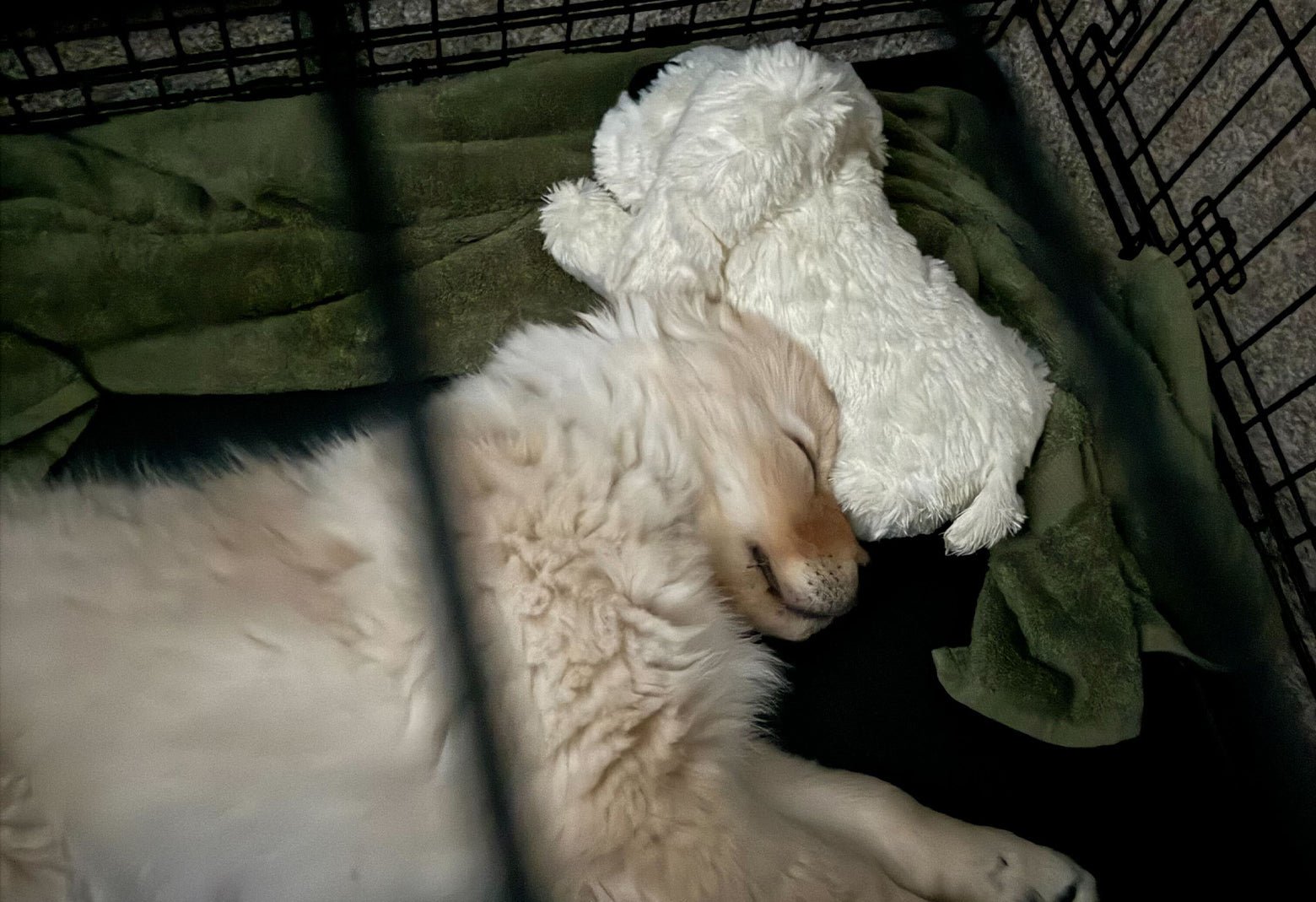
Crate and confinement training give a dog clear bathroom boundaries and protect the home from accidents. Dogs naturally avoid soiling a small, cozy sleeping area, so a well‑used crate becomes a powerful toilet‑training tool. The goal is not punishment but safe, short‑term management when supervision is impossible. Combined with a regular schedule and quick trips to the potty spot, confinement helps the dog learn where and when to go much faster.
Choosing the right size crate
A crate should be just large enough for the dog to stand up, turn around, and lie down comfortably, but not so big that one end can be used as a toilet. As a guide, choose by expected adult size and use a divider for growing puppies. If the dog can pace or has a clear “bed” side and “bathroom” side, the crate is too large; if the dog must crouch or cannot stretch out, the crate is too small.
Helping your dog love their crate
Many dogs accept a crate quickly if it is introduced as a safe, cozy den, not a punishment. Place the crate in a quiet area of the living space and add soft bedding, a chew toy, and maybe a worn T‑shirt with the owner’s scent. Feed meals near or inside the crate so the dog builds a positive association.
Keep the door open at first and reward any choice to go inside with calm praise and a small treat. Start with very short periods of closing the door while the dog chews something enjoyable, then open it before the dog becomes anxious. Gradually extend the time. Avoid letting the dog cry for long periods, because that can create fear instead of comfort.
Safe confinement when you cannot watch
When supervision is impossible, safe confinement prevents accidents from becoming a habit. Combine the crate with a small, puppy‑proofed area such as a penned zone, laundry room, or bathroom. Provide a bed or crate, water, and safe chew toys. Avoid giving too much space, because a large area encourages one corner as a toilet. Use confinement only for reasonable periods and plan potty breaks before and immediately after each confinement session.
Step 4: Take Your Dog to the Right Spot
Taking the dog to the same outdoor toilet spot every time helps the dog understand the purpose of the outing. A consistent location builds a clear scent marker and reduces confusion about where to eliminate. Guide the dog on-leash directly to the chosen area and wait calmly, avoiding play until toileting is finished. After successful elimination, the dog can explore or play elsewhere as a clear reward.
Quiet, boring trips to the potty area
For potty success, keep toilet trips calm and predictable. Go straight to the chosen spot, on leash if possible, without play, greeting, or sniffing along the way. Stand quietly and give the dog a few minutes. Avoid toys, running, or training games until after toileting. The clear routine helps the dog understand that going to the toilet is the first job outside, fun comes second.
Adding a toilet cue word or phrase
A potty cue teaches dogs that a specific word means “go to the toilet now”. First, wait until the dog starts to pee or poop in the correct area. While the dog is actively going, calmly say a short phrase such as “toilet”, “go potty”, or “be quick” in a neutral tone. Repeat the same phrase only during successful toilets for several days. Once the dog clearly understands the routine, say the cue just before the dog usually starts. Over time, many dogs learn to eliminate more quickly on cue, which is very helpful in bad weather or when time is short.
Step 5: Reward Every Successful Toilet
Successful potty training depends on rewarding the exact moment your dog toilets in the right place. Each time the dog finishes peeing or pooping in the chosen area, offer a high‑value treat and warm praise within a few seconds. Consistent rewards make the outdoor toilet spot feel very rewarding, so the dog naturally chooses to go there again. Skipping rewards or giving them too late makes learning much slower and can lead to confusing mistakes indoors.
Timing and type of rewards that work best
Rewards should be immediate, clear, and highly motivating for the dog. Offer a small, soft treat and warm praise within 1–2 seconds of finishing toileting outside. Use a happy voice, gentle petting, and sometimes a short play session. High‑value treats such as small bits of chicken or cheese work well at first. Keep treats tiny so many repetitions are possible without upsetting the stomach. Consistent, high‑value rewards help the dog quickly understand where to toilet.
Fading food treats over time
Food rewards are powerful, but long‑term success means gradually shifting to real‑life rewards such as praise, play, or going for a walk. Once a dog toilets reliably in the right spot for 1–2 weeks, treats can move from every success to every second success, then to random rewards. Keep verbal praise and access to fun (sniffing, play, coming back inside) every time. If accidents increase, return to more frequent treats until the habit stabilizes again.
Step 6: Handle Accidents the Right Way

Accidents are part of potty training, even with a good plan. The key is to stay calm and respond consistently. Punishment, yelling, or rubbing a dog’s nose in urine only creates fear and does not teach where to go. Instead, focus on three points: interrupt gently when possible, clean thoroughly to remove all odor, and adjust supervision or schedule to prevent a repeat. Every accident is useful information about timing, access, or health, not a reason to lose confidence.
What to do when you catch them mid‑accident
If a dog starts to pee or poop indoors, stay calm and interrupt gently, not harshly. Make a brief sound such as “ah‑ah,” then guide the dog quickly but safely to the outdoor potty area. Wait quietly until the dog finishes, then reward with treats and praise. Avoid yelling, scolding, or pushing the dog’s nose toward the mess, because strong punishment increases fear and sneaking rather than learning.
How to respond if you find a mess later
If a mess is found after the fact, quietly clean it without scolding the dog. Punishment after the event only causes fear and does not help learning, because dogs do not connect delayed anger with the earlier toilet accident. Simply guide the dog outside if they are nearby, then focus on improving supervision and schedule so the next opportunity for success comes sooner. The detailed cleaning method is very important and is explained in the following section.
Cleaning tips to stop repeat accidents
Dogs often return to the same spot because of lingering odor, even when surfaces look clean. Use an enzyme-based cleaner designed for pet urine, not standard household cleaners or ammonia products. Blot fresh puddles, then saturate the area thoroughly and allow long contact time as directed. For carpets, treat beyond the visible stain. Where repeat accidents occur, temporarily block access or place a bed or feeding area there, which discourages future toileting.
Step 7: Troubleshoot Common Potty Issues
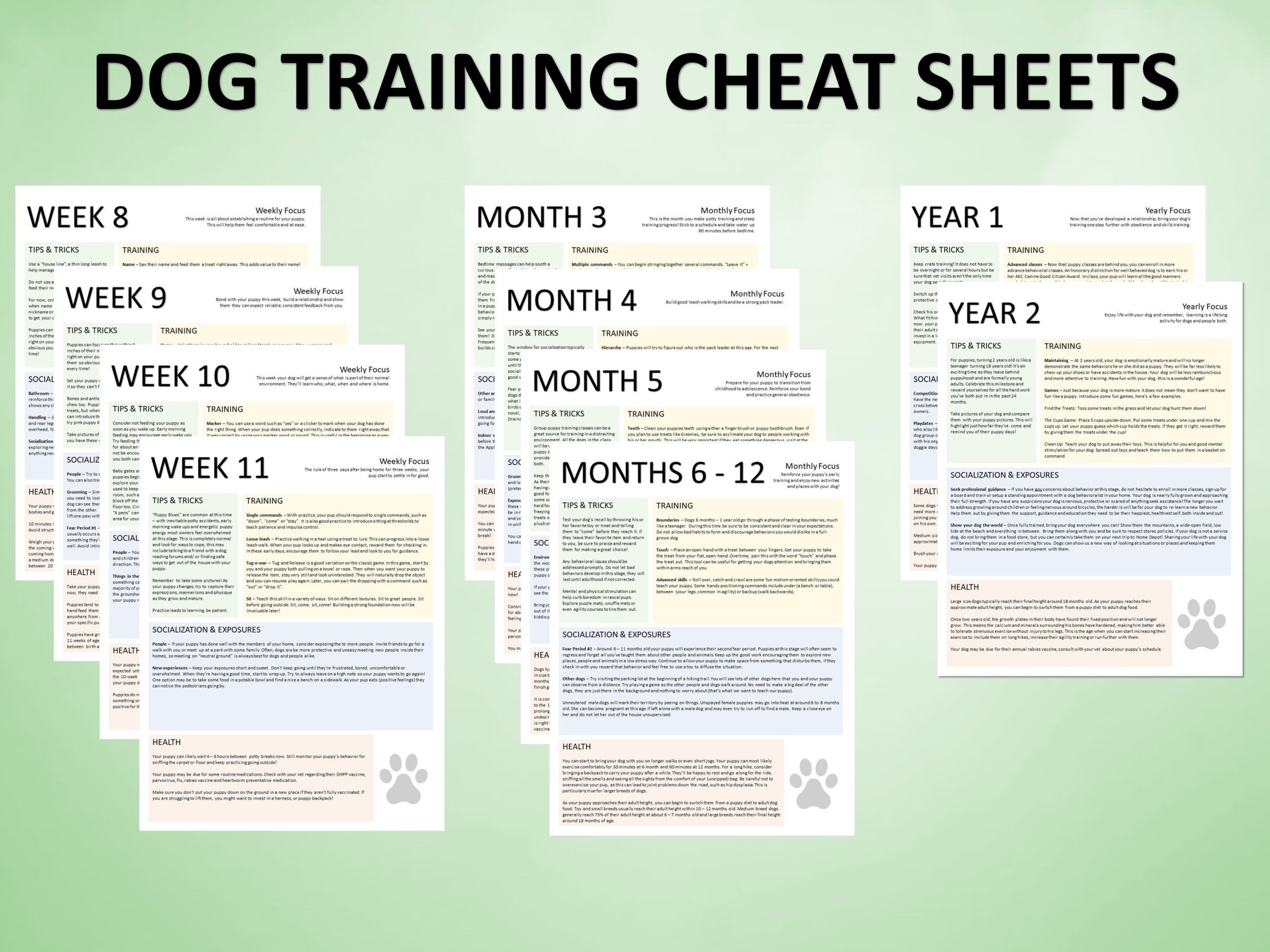
Potty training often stalls because of a few common setbacks. First, identifying the cause will make it easier to choose the right approach.
| Common Concern | Examples of Main Causes |
|---|---|
| Eliminating indoors in secret | Lack of supervision, past experience of being scolded, or not fully understanding where the potty area is |
| Potty accidents at night or early in the morning | Immature bladder/bowel control, or dinner and water being given too late |
| Seeming “stubborn” and not learning | Unclear cues, or rewards being given too late |
| Not eliminating outside / having accidents only on rainy days | Anxiety about the environment or lack of experience |
Start by taking notes on the pattern, including the time of day, location, and situation. This will make it easier to choose more specific next steps.
Dogs that seem sneaky or hide to pee
Dogs that seem to “sneak off” to pee are usually avoiding scolding, not plotting mischief. Repeated punishment teaches dogs to hide toileting, not where to go. The key is to remove all punishment and make outdoor toilets very rewarding.
Guide the dog on a leash indoors, close doors, and use baby gates so sneaking is impossible. Take frequent trips to the potty area and reward generously for success. Clean indoor accidents with an enzymatic cleaner so odor does not draw the dog back to the same hidden spots.
Nighttime accidents and early wake‑ups
Nighttime accidents often happen because bladder control is weaker during sleep or the last potty trip was too early. First, rule out health issues such as urinary infection with a vet check if accidents are new. In training, give a calm potty break right before bed, remove water 2–3 hours before sleep (unless medically restricted), and use a crate or small pen near the bed. If needed, set a brief planned night-time potty alarm so the dog succeeds instead of making mistakes.
When a “stubborn” dog is actually confused
Many “stubborn” dogs are not refusing to learn; they are simply confused. Often the potty rules are unclear: different doors, different spots, or no clear schedule. Inconsistent reactions from family members also cause uncertainty. A dog may avoid toileting outside if the area feels scary, busy, or distracting. When progress stalls, owners sometimes punish accidents, so the dog only learns to hide them. Most so‑called stubbornness improves when instructions, routine, and rewards become predictable and consistent.
Potty Training Puppies vs Adult Dogs
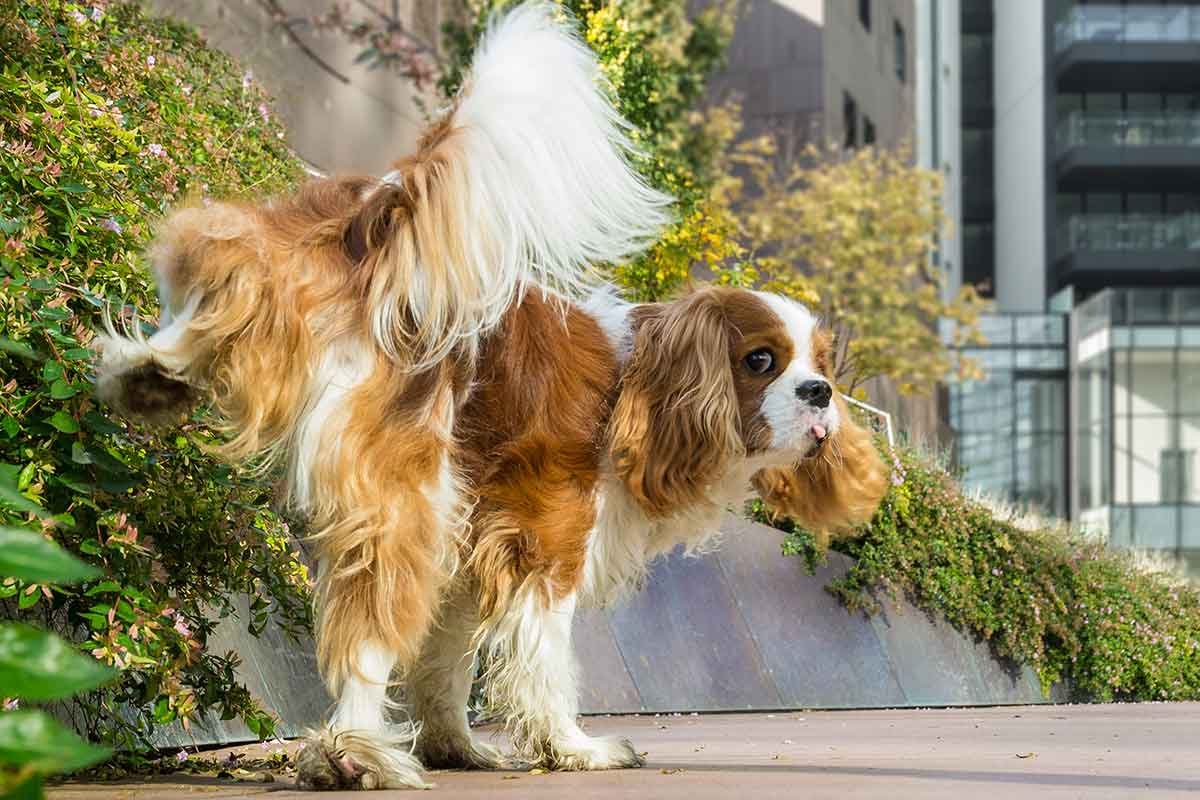
Puppies and adult dogs can both learn clean toileting habits, but the approach differs. Puppies have tiny bladders and almost no self‑control, so they need very frequent outings, simple routines, and many rewards. Adult and rescue dogs can usually hold longer, but may have old habits, fear, or confusion from past environments. Gentle structure, supervision, and patience are essential for both, while puppies need more bathroom breaks and adults often need more emotional reassurance.
Extra steps for young puppies
Young puppies have small bladders and weak control, so very frequent potty breaks are essential. As a rough guide, a puppy can hold urine for about age in months + 1 hours in the daytime, but many need even shorter intervals. Late‑evening water intake should be moderated, and one or two night trips are often necessary. Gentle handling, warm praise, and calm, quick trips outside help puppies feel safe and learn faster.
Helping rescue and ex‑breeding dogs
Rescue and ex‑breeding dogs often have never learned where to toilet, so progress may be slower than with puppies. Start with a very simple, predictable routine: same exit door, same potty area, same cue word, and high‑value rewards every successful time. Many dogs from shelters or puppy mills fear confinement, so introduce crates gradually with short sessions and treats. Expect setbacks after stressful events and consider using enzyme cleaners and belly bands or panties as temporary management, not as punishment.
Potty Training in Apartments and Busy Homes
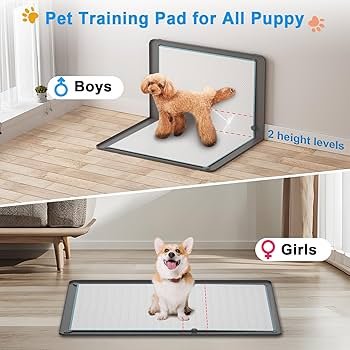
Living in an apartment or a busy family home makes potty training more challenging, but good planning solves most problems. Focus on predictable routines, very clear potty spots, and preventing unsupervised wandering. In shared buildings, plan routes to the toilet area, allow extra time for elevators, and keep a backup option for bad weather or late nights. In lively households, agree on a simple family rule: same cue words, same rewards, and everyone logs toilets so mistakes do not creep in.
Using pee pads and balcony areas wisely
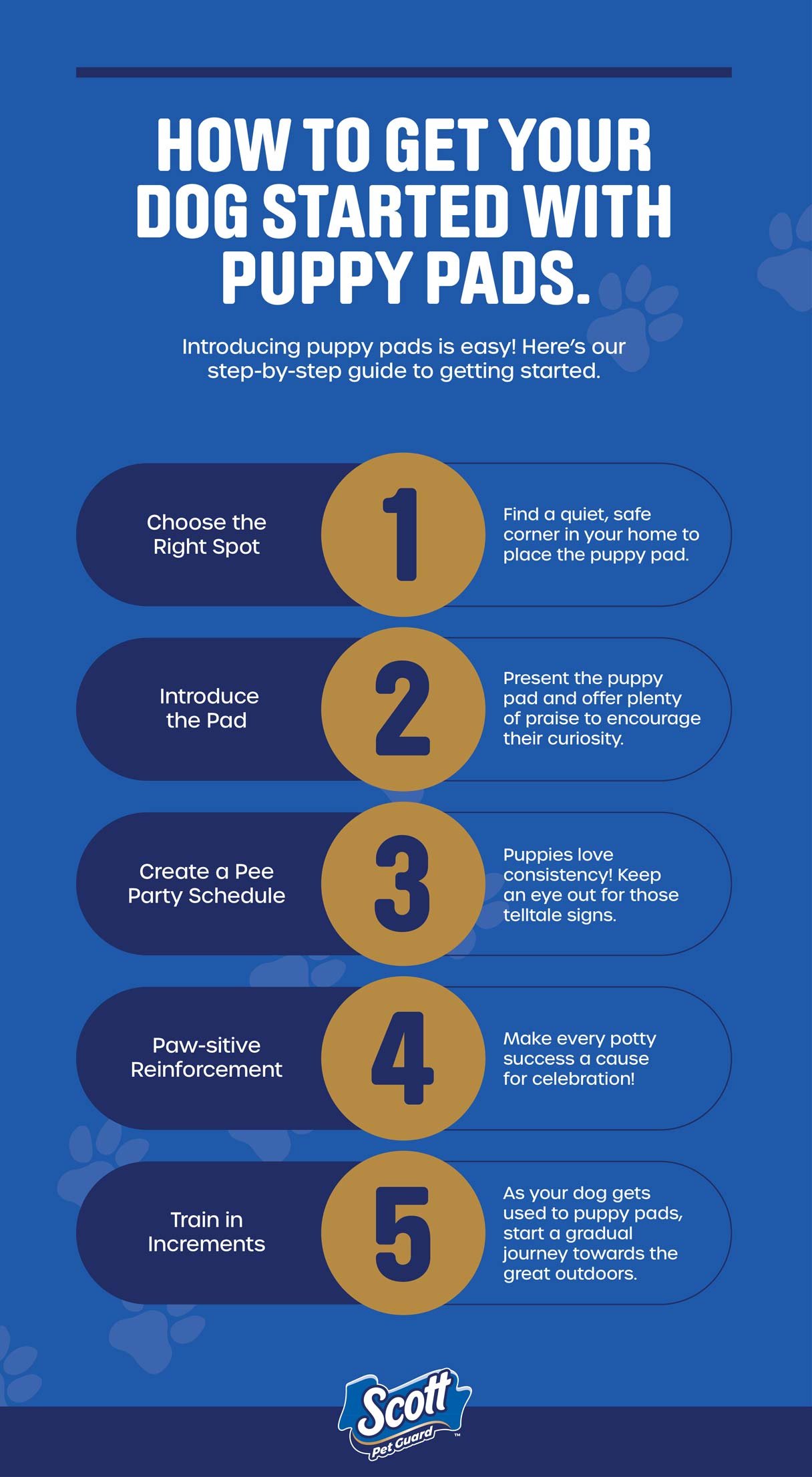
Pee pads and balconies are best used as temporary support rather than permanent potty areas. Ideally, outdoor potty breaks should be the main routine, with indoor potty areas used only when your dog is home alone or during bad weather. On a balcony, make the potty spot clear by using artificial grass or a tray, and place a waterproof mat underneath to prevent leaks. No matter where your dog goes, be sure to praise them and give a treat immediately after success, helping them learn that “good things happen when I go here.”
Managing potty breaks with a full‑time job
Balancing potty breaks with full‑time work requires planning and realistic expectations. Many owners use a mix of early‑morning walks, a midday helper (dog walker, neighbor, or daycare), and an evening routine. Smaller dogs and young puppies need more frequent breaks, so leaving them alone all day is not appropriate. Puppy pens, indoor grass trays, or pads near the door can be a helpful backup, but outdoor toilets should remain the long‑term goal for reliable habits.
Health Problems That Mimic Training Issues
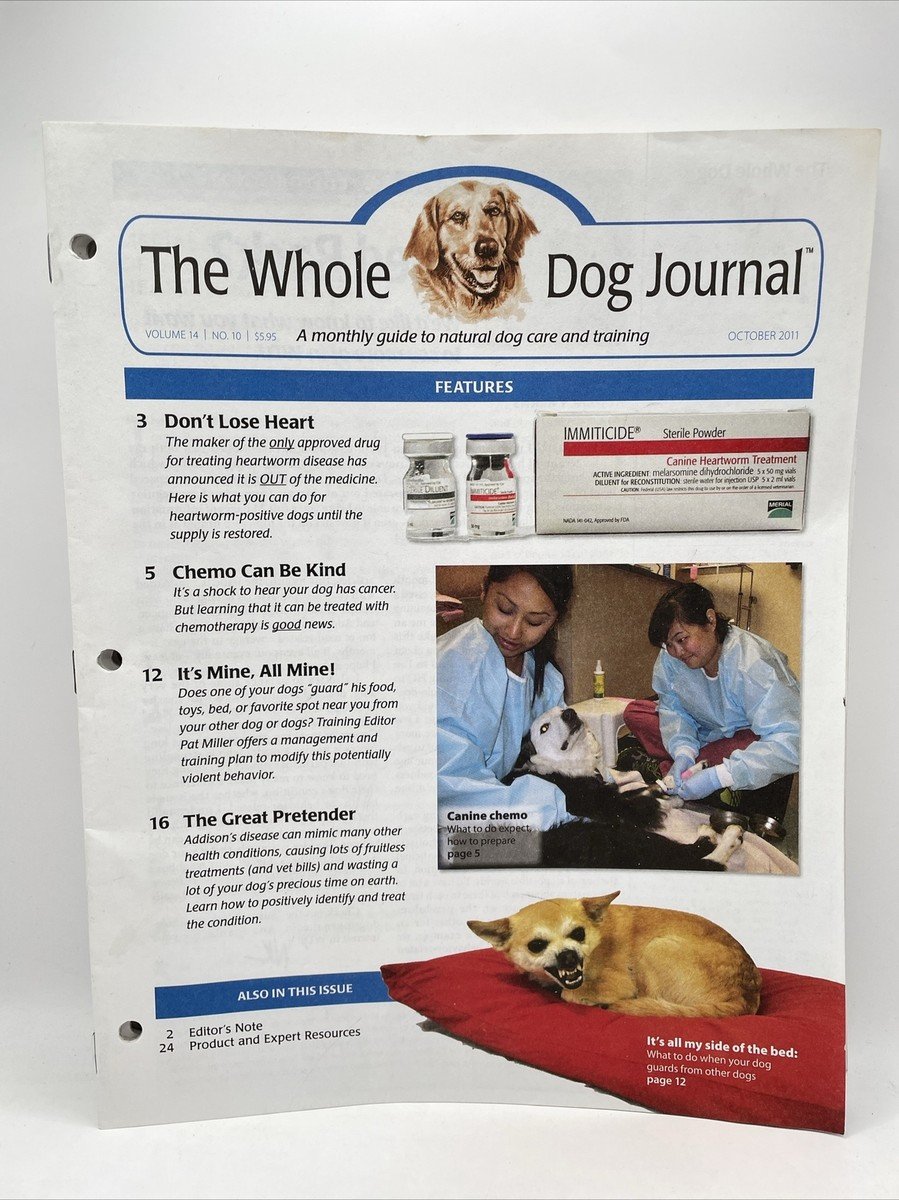
House-soiling is not always a training failure. Many dogs pee or poop indoors because of hidden health problems, so checking physical causes is very important before changing the training plan.
Illness can make a dog urinate more often, lose control, or feel urgent pain when toileting. Some conditions also cause increased drinking, which leads to more accidents. Early veterinary support helps protect the dog’s health and prevents unfair punishment for behavior that the dog cannot control.
When to suspect a medical cause
Sudden changes in toileting habits often signal more than a training setback. Frequent urination, straining, blood in urine or stool, strong odor, or whining when peeing may indicate infection or bladder issues. Loss of house training in a previously reliable dog, increased drinking, weight loss, lethargy, or diarrhea also suggest a medical cause. Any pain, blood, or drastic change warrants prompt veterinary consultation before adjusting training methods.
What your vet can check for you
Veterinarians can rule out medical reasons for accidents before owners focus only on training. A vet may:
- Perform a physical exam and body condition check
- Test urine for infection, crystals, or diabetes
- Run blood tests to assess kidneys, liver, and hormone balance
- Check for pain in the back, hips, or abdomen
- Review medications and age‑related issues
Early diagnosis lets owners adjust potty training to match the dog’s health needs.
How Long Potty Training Really Takes
Potty training rarely becomes perfect overnight. Most dogs need several weeks of consistent practice before accidents noticeably decrease. Progress is also uneven; good days and setbacks are normal. Owners who keep a clear routine, supervise closely, and reward outdoor toileting see faster, more reliable results. Patience is essential, because rushing or punishing accidents often slows learning and can create anxiety about toileting in general.
Typical timelines by age and breed
Typical potty training timelines vary by age, breed, and past experience. The figures below are general目安, assuming consistent training.
| Dog type | Approximate timeline | Notes |
|---|---|---|
| Young puppy (8–12 weeks) | 2–4 months | Very small bladder, needs many breaks |
| Older puppy (4–6 months) | 1–3 months | Learns faster with a clear routine |
| Adult dog, no prior training | 2–6 weeks | Often progresses quickly with structure |
| Rescue or ex‑breeding dog | 1–3+ months | May need time to unlearn old habits |
| Toy/small breeds | Longer on average | Smaller bladders, may need more trips |
Steady improvement week by week is more important than the exact number of days.
Signs your dog is finally reliable
A dog is generally reliable when indoor accidents have stopped for several weeks and the dog consistently asks to go out. Reliable dogs head to the door, the crate, or the usual route when they need to toilet, even during play.
Another clear sign is that the dog stays clean in the crate and overnight. The dog can also hold on a little longer if the schedule is delayed. Occasional accidents may still occur in illness or major routine changes, so some management should continue.
This article carefully explains everything from how dogs learn potty habits, how to create the right environment, seven specific training steps, how to handle accidents, the differences between puppies, adult dogs, and rescue dogs, tips for busy households and apartment living, and how to tell whether an underlying illness may be involved. It also summarizes practical points to help owners successfully potty train their dogs without feeling overwhelmed.





![[Photos] Fat dogs are cute! Be careful not to get too fat](https://with-my-dog.com/wp-content/uploads/2022/07/image10-5-150x150.jpg)