

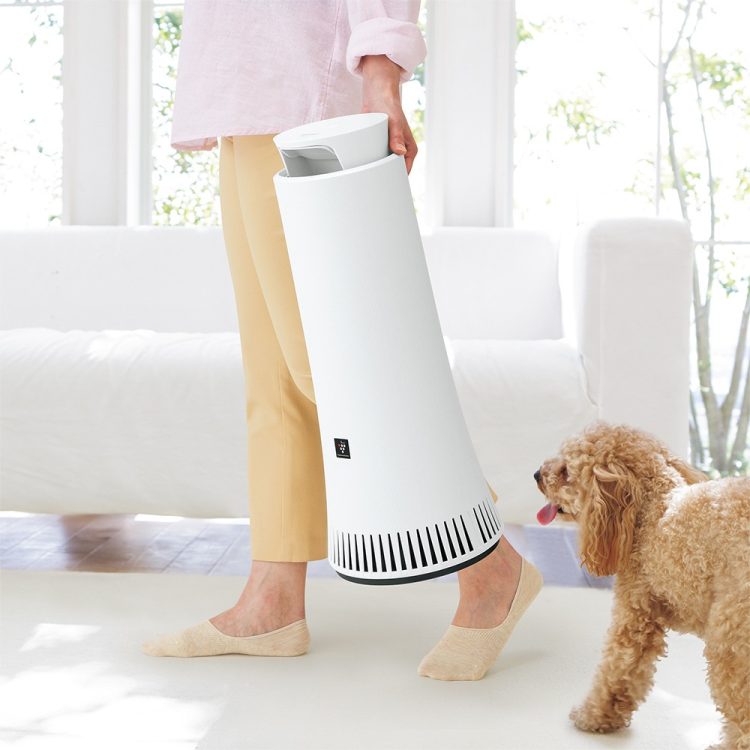
Many people who live with their dogs suffer from dog allergies, experiencing symptoms such as uncontrollable sneezing and itchy eyes. This is where air purifiers, designed to improve the living environment, come into play. This article clearly explains seven key points to consider when choosing an air purifier for dog allergy relief. We'll cover filter performance, noise levels, and placement, providing tips to help you find the perfect air purifier for you and your dog.
How Air Purifiers Help With Dog Allergies
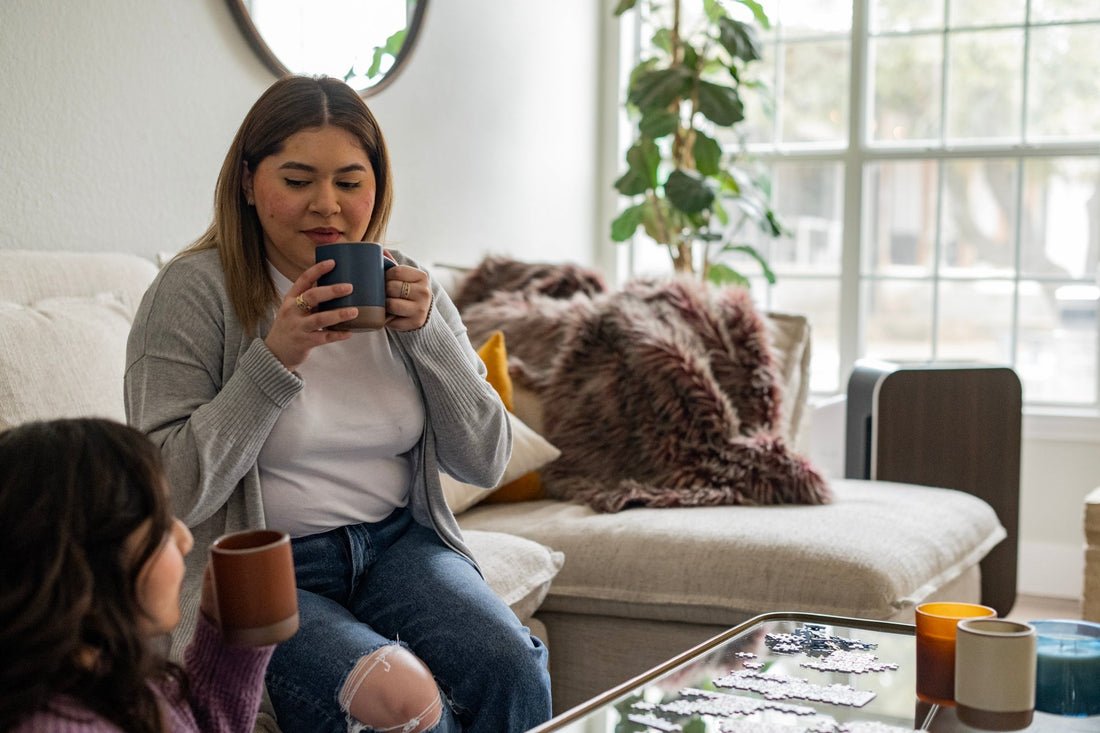
Air purifiers help dog allergy sufferers by removing tiny particles that stay in the air for hours, such as dander, saliva droplets, and dust carrying allergens. A good purifier pulls room air through a fine filter, traps the allergens, and sends out cleaner air, reducing what family members breathe in. Used continuously in key rooms, an air purifier can lessen sneezing, itchy eyes, and congestion so people and dogs can share space more comfortably, alongside regular cleaning and medical care.
Common allergy symptoms in dog homes
In homes with dogs, allergy symptoms often resemble a stubborn cold. Many people experience sneezing, a runny or stuffy nose, and itchy eyes after spending time where dogs sleep or play. Some develop a scratchy throat, coughing, or mild wheezing, especially at night. Skin can react as itchy red patches or hives where dog saliva or fur touches. Symptoms usually worsen in enclosed rooms, on waking in the morning, or during cleaning, when allergen-loaded dust becomes airborne.
What triggers reactions: dander, hair, saliva
Dog-related allergies usually react to dander, saliva proteins, and urine, rather than fur itself. Dander is made of tiny skin flakes that float easily and stay airborne for a long time, so it reaches noses and lungs quickly. Saliva and urine proteins stick to hair, toys, beds, and carpets, then become dust. When dogs groom or shake, these particles spread through the house and trigger symptoms such as sneezing, itchy eyes, or asthma.
Limits of cleaning and grooming alone
Regular vacuuming, mopping, and washing dog bedding lower allergen levels, but they cannot remove all the tiny particles that stay floating in the air. Dander and saliva proteins are light and stay airborne for hours, especially in heated or air‑conditioned rooms. Even very clean homes can have enough airborne allergens to trigger symptoms. Grooming helps but can temporarily increase particles in the air. For many dog allergy sufferers, surface cleaning plus air purification is needed for noticeable relief.
Key Features to Look For in an Air Purifier
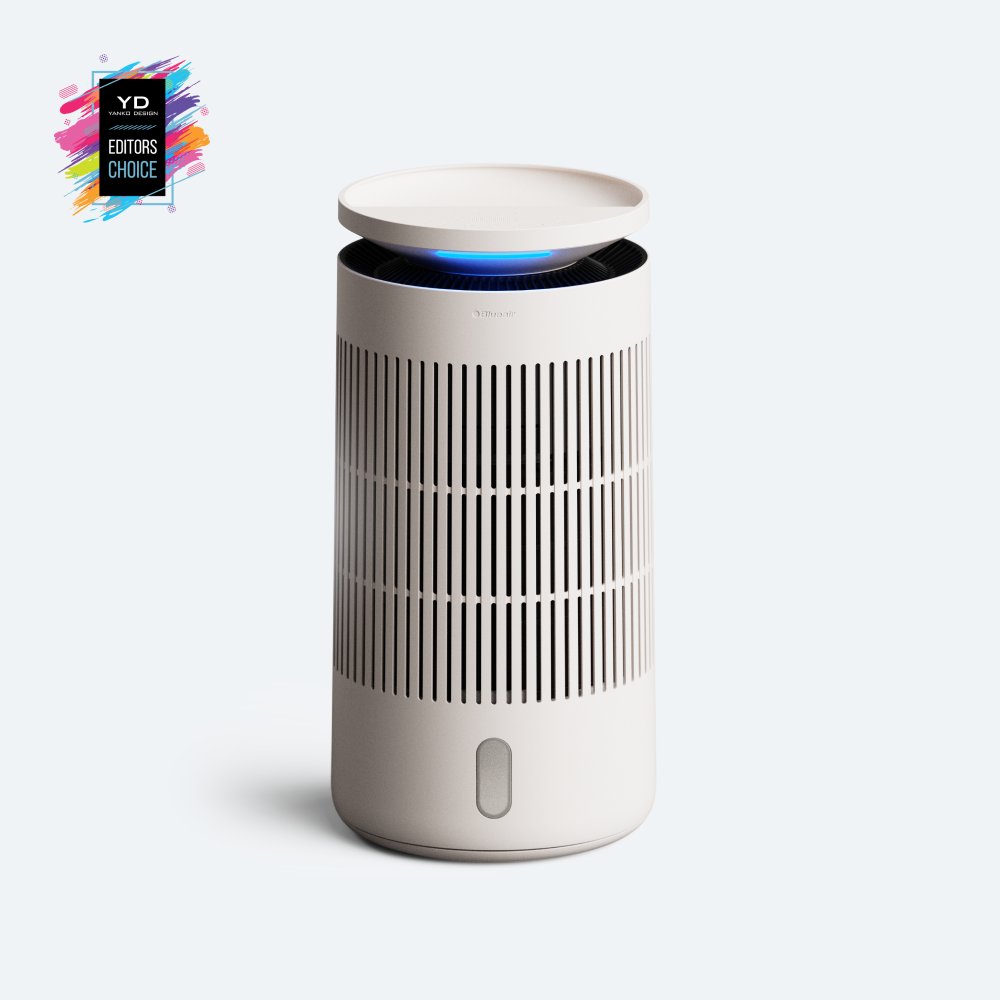
Dog owners often focus on brand or design, but core performance features matter far more for allergy relief. For dog-related allergies, an effective purifier needs strong particle removal for dander, plus odor control for dog smells. In particular, readers should check the filter type and quality, clean air delivery rate (CADR), room coverage, and noise level for night use. Smart controls and timers also help keep the purifier running consistently, which is essential for stable symptom control in dog homes.
True HEPA filters vs HEPA-type
Many products use similar names, but performance is very different. True HEPA filters meet a strict standard: they capture at least 99.97% of particles at 0.3 microns, including fine dog dander that often causes allergies. They are the safer choice for sensitive families.
"HEPA-type" or "HEPA-like" filters do not follow a clear standard. They may catch larger dust and hair, but often miss the tiniest allergen particles. For dog allergy relief, shoppers should prioritize air purifiers clearly labeled True HEPA or H13/H14 medical‑grade HEPA.
Carbon filters for dog odors
Dog odors come mainly from volatilized compounds in fur, saliva, urine, and litter or potty areas. Carbon filters contain millions of tiny pores that adsorb these gases, trapping smell molecules that a HEPA filter would simply let pass through. For homes with dogs, a HEPA + activated carbon combination is ideal: HEPA captures hair and dander, while carbon tackles wet-dog smell, accidents, and lingering kennel-like odors. When comparing models, check the weight or thickness of the carbon layer and choose units with affordable, easy-to-replace deodorizing filters for long‑term freshness.
Filter size, CADR, and room coverage
A purifier only works well if its filter size and clean air delivery rate (CADR) match the room. CADR shows how quickly a unit removes smoke, dust, and pollen; for dog allergies, higher CADR for dust and pollen is helpful. As a simple guide, choose a CADR roughly two‑thirds of your room’s floor area in square feet or higher. Also check the maker’s recommended room size and select coverage for the largest space where the dog spends time, such as the living room or shared bedroom.
Noise level and sleep-friendly settings
For dog owners, noise is crucial because purifiers often run all night in bedrooms and living rooms. Check the decibel (dB) rating: around 20–30 dB is whisper‑quiet and suitable for sleep, while 40 dB or more may be distracting. A sleep mode with dimmed lights and low fan speed is helpful for light sleepers and nervous dogs. Multiple fan levels are useful so the purifier can run quietly most of the time, then switch to higher power only when needed.
Smart controls, timers, and auto mode
Smart features help dog owners run an air purifier effectively without constant effort. App control allows adjustment of fan speed, child lock, or sleep mode from the sofa or bed, even when a dog is resting nearby. Timers are useful for running higher power before bedtime or when vacuuming, then switching to quiet mode automatically. Auto mode uses air quality sensors to raise the fan when dander or dust increases, which supports more stable allergy control while keeping noise and energy use down.
7 Buying Tips for Dog Allergy Households
Dog allergy households benefit most from air purifiers when purchases follow a clear strategy. The key is to focus on performance, running cost, and safety rather than only design or price. Important checks include room size suitability, filter price and lifespan, noise level, and energy use for almost continuous operation. Pet-safe construction and avoiding ozone generators are also vital. Finally, real reviews from pet allergy owners help confirm how well a model works in everyday dog homes.
1. Match purifier size to your main rooms
Choosing the right size is the most important step for effective dog-allergy control. An undersized unit will keep running but leave dander and hair floating in the air. Check the purifier’s recommended room size and CADR (Clean Air Delivery Rate), and compare with the actual size of your bedroom or living room. For open-plan spaces or rooms where doors stay open, select a purifier rated for a larger area or consider using one unit per key room, especially where family members sleep or the dog spends the most time.
2. Check filter costs and replacement cycle
Filter performance is important, but ongoing filter costs and how often they need changing matter just as much. Dog homes usually clog filters faster because of hair and dander. Before buying, check the price of HEPA and carbon filters, how many are needed, and the recommended replacement cycle. A slightly pricier purifier can be cheaper long term if filters last longer and are easy to buy from reliable sellers.
3. Avoid ozone and ion-only purifiers
Ozone and ion-only purifiers are often marketed for allergy relief, but they are not recommended for dog allergy households. Ozone can irritate lungs, especially in children, seniors, and people with asthma or strong pet allergies. Ion-only models mainly make particles heavier so they fall onto furniture and floors instead of truly removing allergens from the air. For dog dander and hair, a mechanical filter such as a True HEPA unit is safer and more effective than devices that create ozone or rely only on ionization.
4. Place the unit where your dog hangs out
Air purifiers are most effective when placed where pet dander and hair are constantly stirred up. Positioning the unit near the dog’s favorite bed, sofa spot, or play area greatly increases allergen capture. Ideally, place the intake side facing the area where the dog rests, with enough space around the unit for airflow. Avoid corners, behind furniture, or under shelves, because airflow becomes blocked and performance drops. For multi‑pet homes, locating the purifier between main dog zones and human seating areas works well, supporting both comfort and allergy relief.
5. Choose pet-friendly, durable designs
Pet-friendly design means the air purifier can safely coexist with curious dogs. Look for sturdy casings, stable bases, and no exposed sharp edges so the unit will not tip easily during play. Touch-lock panels or screws prevent pets from opening the filter compartment.
For safety, choose models with chew-resistant power cords, covered buttons, and automatic shutoff if the unit overheats or falls. A washable pre-filter is useful in homes with shedding dogs, because fur collects there instead of clogging the main filter. Simple, tool-free filter changes also help busy dog owners maintain performance without stress.
6. Look at energy use for 24/7 running
Running a purifier all day is standard in allergy care, so energy efficiency is crucial. Check the purifier’s wattage and look for an Energy Star label or similar standard. A 60W unit running 24/7 can add up on the power bill, while a 20–30W model is far cheaper long term.
Auto mode and multiple fan speeds also reduce costs. At night or when no one is home, a lower setting often keeps dander under control while using much less electricity.
7. Read reviews from pet allergy owners
Reviews from other pet-allergy owners are extremely valuable. Focus on comments about reduced sniffles, less congestion, and better sleep rather than only star ratings. Pay attention to homes with a similar number of dogs and room size. Check what owners say about filter life, noise with the dog present, and odor control. Many detailed negative reviews reveal recurring issues, so they are useful for avoiding disappointing models.
Best Spots to Put an Air Purifier With Dogs
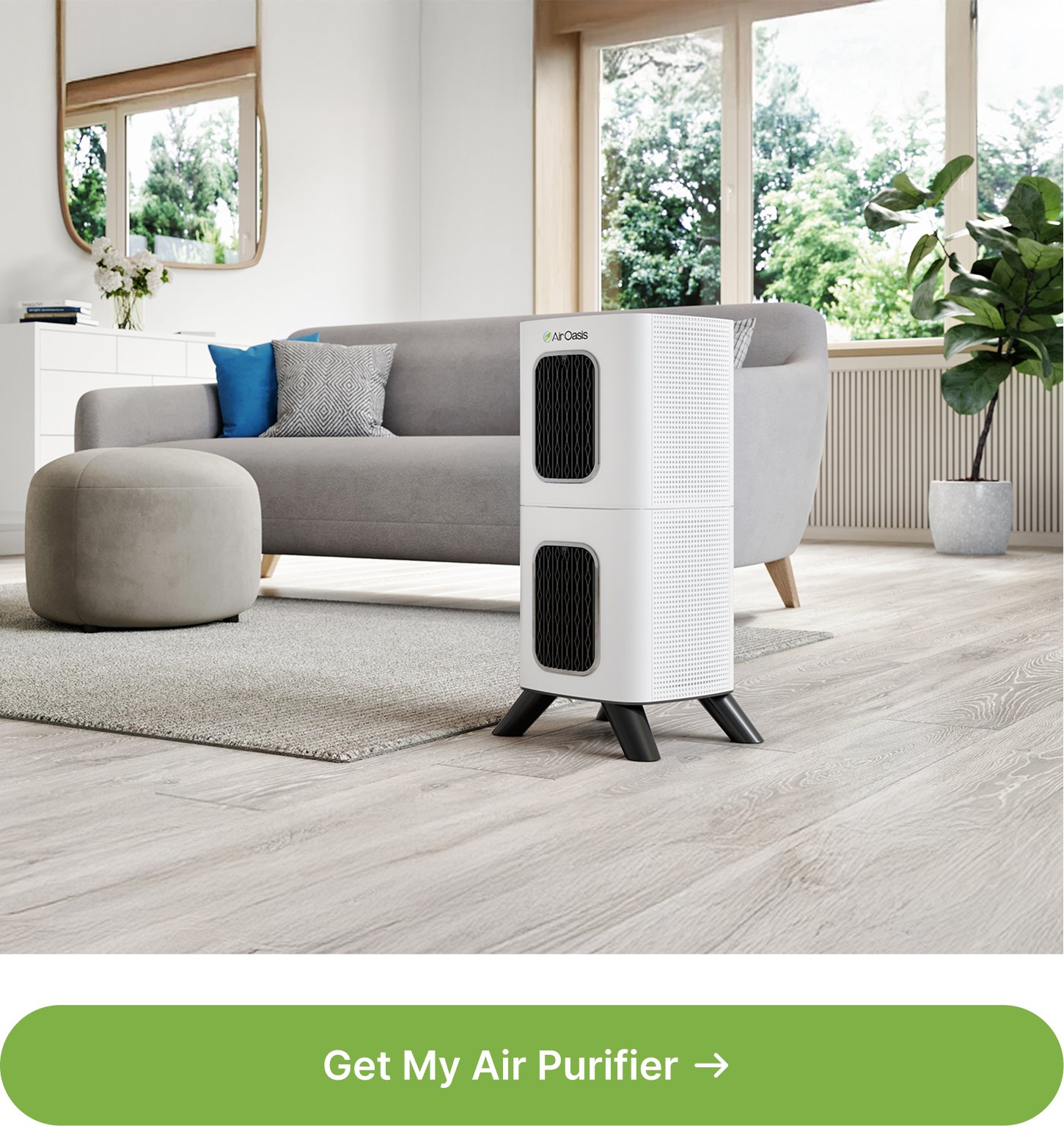
Placing an air purifier well is almost as important as the model you choose. For dog households, the ideal location is where people and dogs spend the most time together, such as the living room or shared bedroom. Keep the unit away from corners, behind furniture, and directly under windows to avoid blocked airflow. A distance of about 20–30 cm from walls is helpful. Avoid spots where a dog may knock the purifier over or chew the cord, and ensure air intake and outlet are completely unobstructed for maximum allergy relief.
Bedrooms and nurseries
For dog allergy sufferers, the bedroom or nursery should be the top priority. Place the air purifier in the sleeping area, not the hallway, and keep doors mostly closed so cleaned air does not escape. Position the unit a short distance from the bed or crib, with the airflow unobstructed by furniture. A quiet "sleep mode" is helpful for night use, and running the purifier 24/7 at low speed maintains consistently cleaner air for rest and recovery.
Living rooms and dog play areas
In living rooms and dog play areas, place the air purifier where air flows freely, not hidden behind sofas or TV stands. A spot near the center of activity or close to the dog’s favorite bed helps capture dander, hair, and dust as they become airborne. Avoid corners and low shelves blocked by toys or furniture. For open-plan spaces, a larger unit or running the purifier on higher speed during playtime is effective. Regular vacuuming and toy washing around the unit further improve air quality.
Entryways, carpets, and soft furnishings
Entryways and soft surfaces easily collect outdoor pollen, dust, and dog dander. Place an air purifier near the main entrance or hallway to capture particles as people and pets come in. A model with strong airflow helps reduce what reaches the rest of the home.
Carpets, curtains, and fabric sofas trap allergens and slowly release them into the air. Position the purifier so that airflow passes across or near major soft furnishings, not hidden behind them. Regular vacuuming with a HEPA vacuum and occasional steam cleaning support the purifier and keep allergen levels lower.
Daily Habits to Boost Your Air Purifier
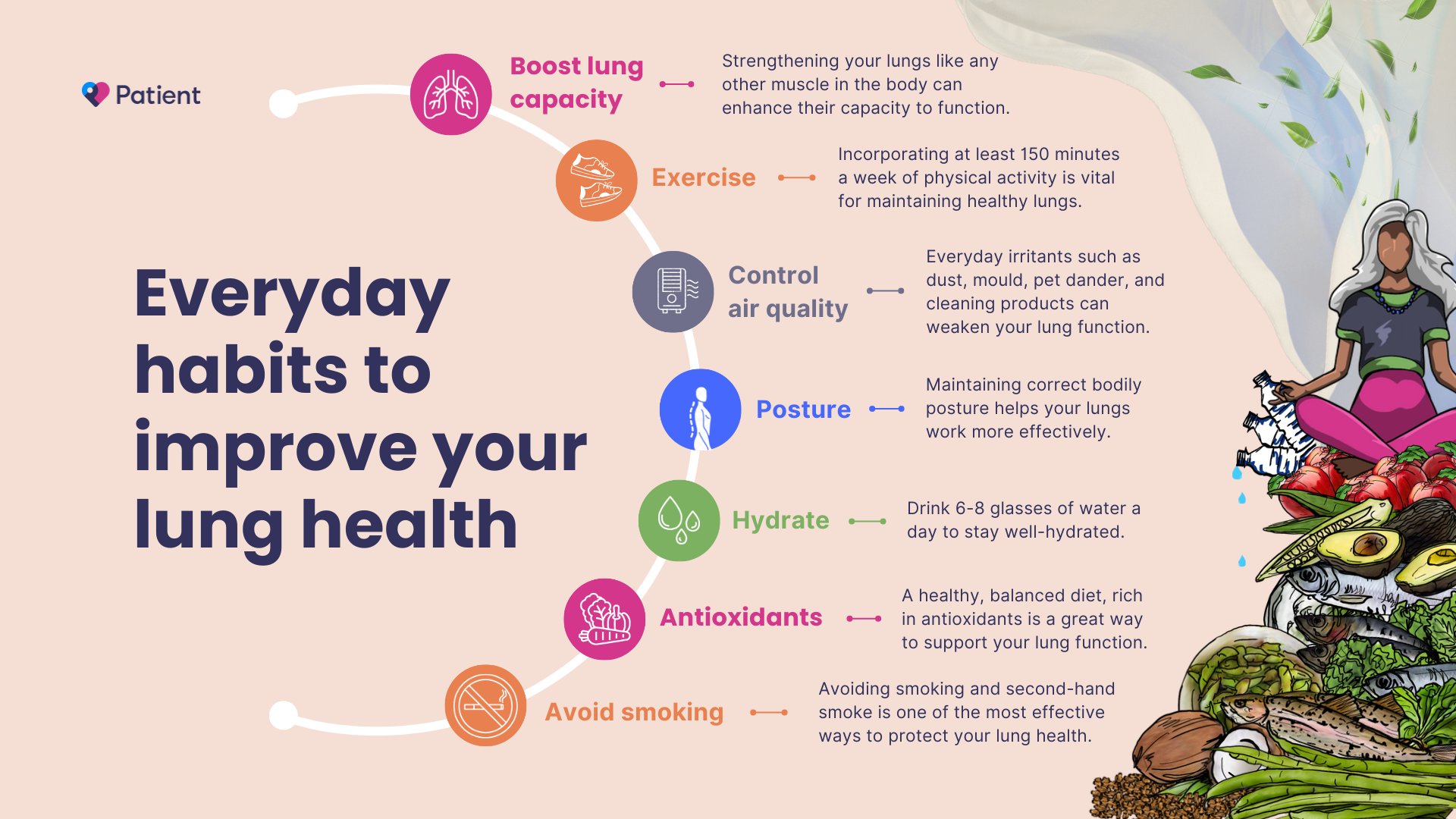
Small daily habits help an air purifier remove far more dog allergens. Aim to run the unit 24/7 on a low or auto setting so air is cleaned continuously. Keep doors and windows mostly closed in rooms where the purifier operates, and place it away from walls or furniture that block airflow. Regularly vacuum, dust, and wash fabrics so dander does not overload the filter. Finally, follow the maker’s schedule for filter changes to maintain strong performance.
Bathing and grooming to cut dander
Regular bathing and grooming help significantly reduce dog dander before it floats into the air purifier. For most dogs, a gentle bath every 2–4 weeks with a vet-approved hypoallergenic or moisturizing shampoo is recommended. Daily brushing outdoors removes loose hair and skin flakes, preventing buildup on floors and furniture.
Use soft brushes and avoid over-bathing, because dry, irritated skin can actually increase flaking. Wiping your dog’s coat and paws with damp, fragrance‑free pet wipes after walks also captures pollen and dust, easing the overall allergen load in the home.
Cleaning routines that really help
Cleaning makes the air purifier work far more efficiently. Focus on dust, fabrics, and high-traffic dog areas.
- Vacuum carpets, rugs, and sofas with a HEPA vacuum 2–3 times a week
- Damp-wipe floors and hard surfaces so dander does not go back into the air
- Wash dog beds, blankets, and cushion covers in hot water weekly
- Clean curtains and soft furnishings regularly or swap for washable blinds
- Keep air purifier intakes and vents dust-free so airflow stays strong
Regular, gentle routines reduce allergen buildup and help the purifier keep indoor air cleaner for sensitive family members.
Creating low-allergen zones at home
Creating low‑allergen zones makes life easier for people with dog allergies. Start with one or two key rooms, such as the bedroom and home office, and keep dogs out as much as possible. Use a dedicated air purifier in each zone, run on continuous low or auto mode.
Choose hard flooring or low‑pile rugs, and wash curtains, throws, and dog blankets frequently in hot water. Store spare bedding and clothes in closed cupboards or boxes. For busy families, even one dog‑free, purifier‑protected room offers a valuable place to rest and recover from symptoms.
Lifestyle Air Purifier for Dog Allergies Guide
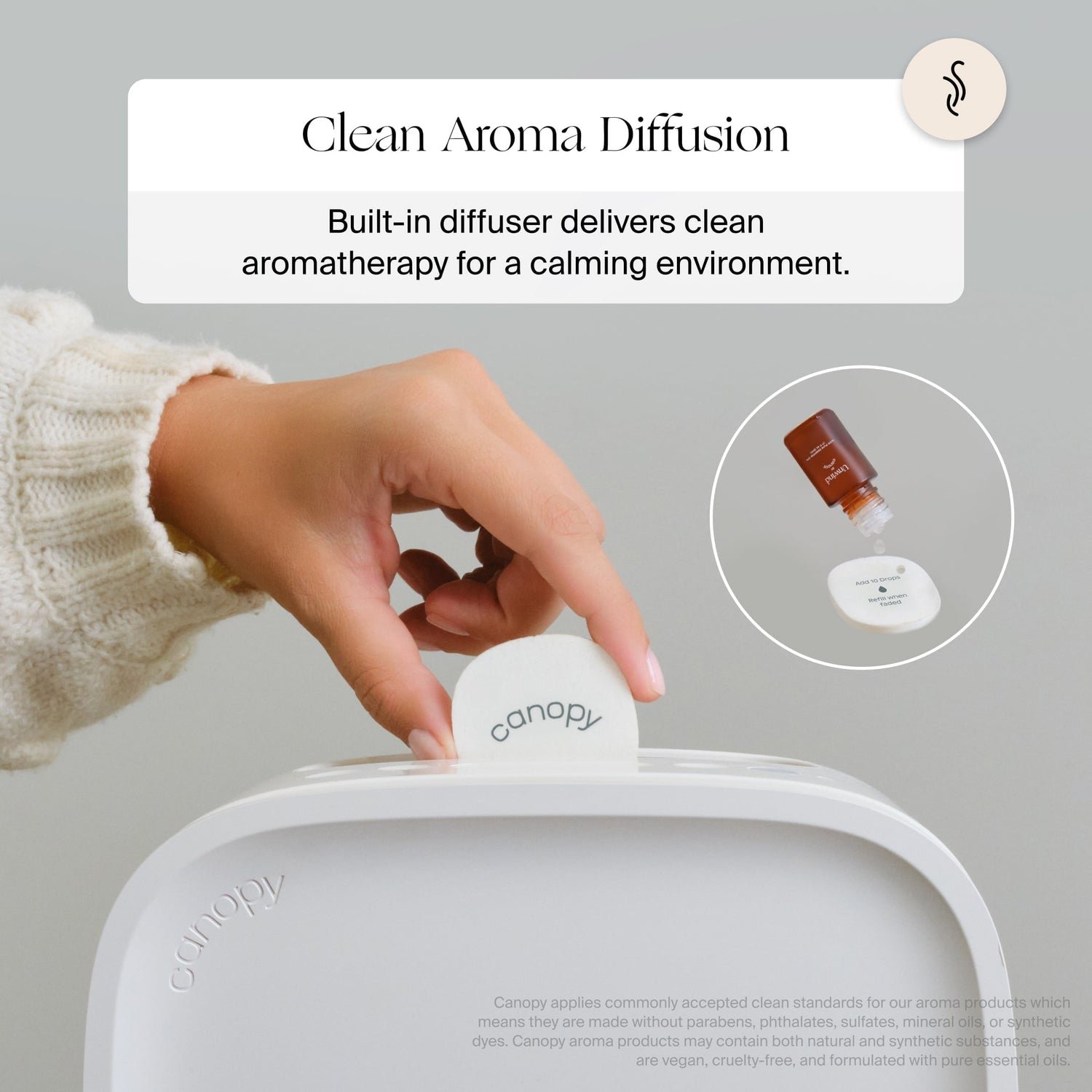
A “lifestyle air purifier” means a unit chosen not only for dust removal, but for everyday life with a dog. For dog allergies, the ideal purifier runs quietly all day, handles both microscopic dander and pet odors, and fits naturally into rooms where people and dogs spend time together. When selecting a model, it is helpful to think about layout, habits, and family routines, not only specifications.
Lifestyle-focused purifiers usually combine True HEPA + carbon filters, low energy use, and modes for sleep and daytime activity. A good unit supports a realistic routine: playing with the dog in the living room, relaxing in a clean bedroom, and enjoying quality time without constant sneezing or a strong dog smell. In other words, the purifier becomes part of a long‑term allergy management plan, not just an emergency gadget.
Choosing for apartments vs larger homes
For apartments, a compact purifier with a high CADR relative to room size is effective. One unit often covers the main living area and sleeping space, so portability and quiet operation matter. In larger homes, families benefit from multiple units in key zones such as the bedroom, living room, and dog area. Choosing models with larger filters, higher airflow, and low running costs makes continuous use easier in spacious layouts.
Sharing a bedroom with your dog
Sharing a bedroom with a dog is comforting, but dog allergies can make nights difficult. The key is to protect the sleeper’s breathing zone. Place the air purifier near the bed, not in a corner, and run it on a quiet setting all night. Use washable bedding and encasements for pillows and mattresses to reduce trapped dander. Keeping the dog off the pillow area and brushing before bedtime also lowers allergens, helping many owners sleep more comfortably together with their dogs.
Balancing allergies and quality time
Balancing dog allergies with bonding time is possible with some clear rules. The goal is to keep allergens low while keeping emotional closeness high. For many families, a good approach is: cuddle and play in well‑ventilated areas, then let the air purifier run on higher speed for a while.
Set a few simple boundaries: no licking around the face, change clothes after heavy play, and wash hands before touching eyes or nose. Short, regular brushing sessions, outdoor walks, and calm indoor games help everyone enjoy time together without triggering strong reactions.
When to Talk to a Vet or Doctor

Dog allergies can usually be managed at home, but some situations require professional help. Consult a doctor if a family member has breathing trouble, tight chest, wheezing, or needs allergy medicine almost every day. Long‑lasting nasal congestion, frequent sinus infections, or sleep disturbance also deserve medical advice. A vet should be involved when a dog develops red or itchy skin, chronic ear infections, or coughing and sneezing that do not improve. Early consultation helps create a safe, comfortable life for both human and dog.
Spotting severe or worsening symptoms
Severe dog allergy symptoms should not be ignored. Warning signs include wheezing, tight chest, shortness of breath, or coughing at night. Swollen eyes, hives, or facial swelling can also indicate a stronger reaction. Symptoms that keep returning despite cleaning, medication, and an air purifier suggest poor control. Any breathing difficulty, rapid worsening after dog contact, or symptoms interfering with sleep or work should prompt urgent consultation with a doctor, and in extreme cases, emergency care.
Medical care and air purifiers together
Air purifiers play a supporting role alongside medical care, not a replacement. For dog allergy sufferers, the most effective approach combines doctor-guided treatment with continuous air cleaning in key rooms.
Doctors may recommend antihistamines, nasal sprays, or allergy shots, while air purifiers reduce ongoing exposure to dander and saliva particles. When both are used together, many people experience fewer flare-ups and better sleep.
Bring information about the home setup to medical appointments: room size, number of dogs, purifier model, and filter type. Doctors can then advise on where to place purifiers, how many are needed, and whether additional measures such as dehumidifiers or masks are helpful. Regular follow-up allows adjustment of both medication plans and home allergy control based on symptoms.
This article explains how to choose an air purifier that suits your lifestyle and provides seven key points to consider when purchasing one, specifically for dog owners who suffer from dog allergies. We'll cover concrete measures for dealing with dog hair, dander, and odor, placement, how to combine it with daily cleaning and grooming, and even when to consult a doctor or veterinarian, offering tips for smoothly balancing life with your dog and allergy management.








![Dog diet [exercise]](https://with-my-dog.com/wp-content/uploads/2022/07/image2-37-150x150.jpg)
![[Veterinarian's recommendation] How to choose dog food! Find the perfect food for your dog!](https://with-my-dog.com/wp-content/uploads/2022/07/image4-11-150x150.png)







![Feed your puppy softened dog food! [Feeding Tips]](https://with-my-dog.com/wp-content/uploads/2022/04/image1-300x200.jpg)

![[Shiba Inu Lovers Must-See] Why are Shiba Inu so cute? A summary of their cute points](https://with-my-dog.com/wp-content/uploads/2022/07/image2-26-300x200.jpg)