

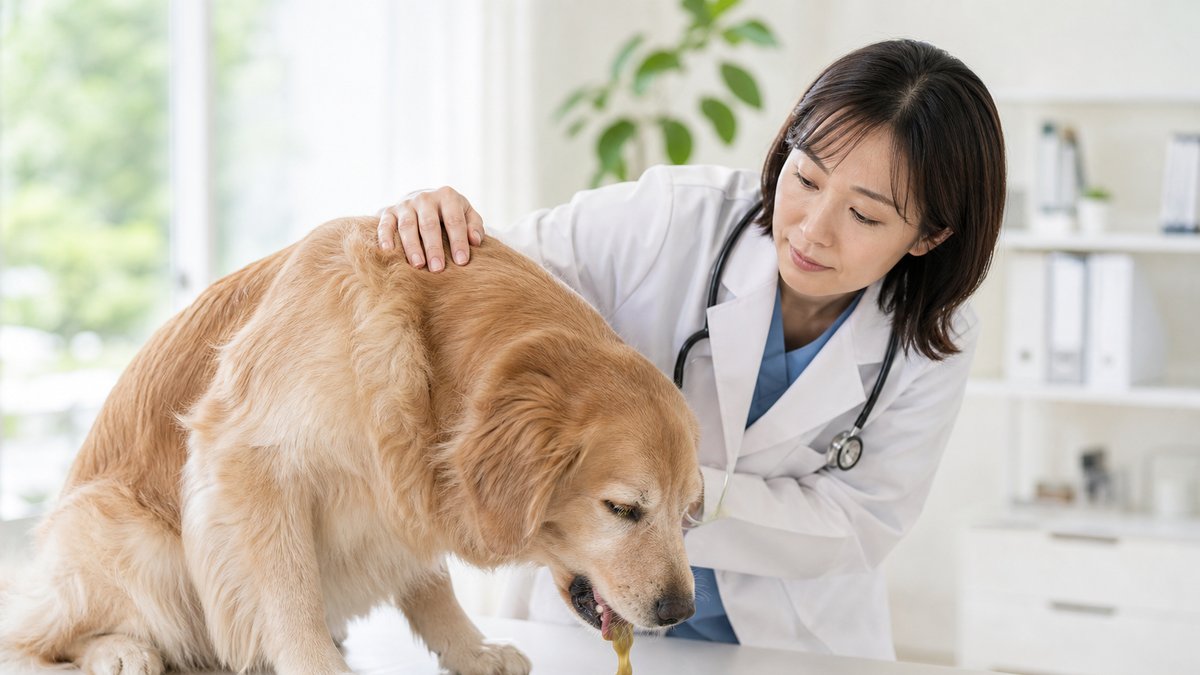
When a dog suddenly starts vomiting, many owners become anxious, wondering, "What's wrong?" and "Should I take them to the vet?" This article, based on information supervised by a veterinarian, explains the main causes of vomiting in dogs, as well as the tests and treatments performed at animal hospitals and important points to keep in mind at home. By learning how to distinguish between dangerous vomiting and vomiting that can be monitored, we aim to help you stay calm and make the right decision in an emergency.
Is Dog Vomiting Always Serious?
Dog vomiting is not always an emergency, but it is never something to ignore completely. Many dogs vomit occasionally from eating too fast, minor stomach upset, or harmless grass. In such cases, they often improve within a few hours.
However, repeated vomiting, vomiting with other symptoms, or vomiting in puppies and senior dogs can signal serious illness, poisoning, or blockage. The key is to watch how often it happens, how your dog behaves, and what the vomit looks like. When in doubt, contact a veterinarian promptly.
Normal spit-up vs real vomiting
Dogs often bring up small amounts of saliva or stomach fluid, especially after drinking quickly or mild coughing. This light, occasional spit‑up is usually effortless, quiet, and the dog often acts completely normal before and after.
Real vomiting, on the other hand, involves strong abdominal contractions, retching, and nausea. The dog may drool, lick lips, pace, or look uncomfortable first, then forcefully expel food, bile, or foam. Repeated or forceful vomiting always warrants closer attention.
Vomiting vs regurgitation
Vomiting is an active process, while regurgitation is passive. Understanding the difference helps owners explain symptoms accurately to a vet.
| Feature | Vomiting | Regurgitation |
|---|---|---|
| Effort | Strong abdominal heaving, gagging | Little or no effort, often sudden |
| Timing | Often after nausea, drooling, restlessness | Often right after eating or drinking |
| Material | Partially digested food, bile, foam | Undigested food, tubular shape, no bile |
| Warning signs | Licking lips, swallowing, pacing | Usually none; it "just happens" |
Frequent regurgitation can signal esophageal problems, which also require prompt veterinary attention.
What Vomiting in Dogs Looks Like
Vomiting in dogs usually looks like a clear sequence. Many dogs first show nausea signs such as licking lips, swallowing often, drooling, or pacing. The abdomen then contracts strongly and the dog actively retches before material is expelled from the mouth.
The vomit itself may contain partly digested food, yellow bile, foam, grass, or foreign objects. After vomiting, some dogs seem normal, while others appear tired, anxious, or uninterested in food for a while.
Common signs before and after
Before vomiting, many dogs show subtle warning signs. Owners may notice restlessness, pacing, lip-licking, yawning, or excessive drooling. Some dogs swallow repeatedly, lick floors or carpets, or ask to go outside. A few minutes later, the abdomen contracts in waves and the dog retches.
After vomiting, dogs often re-lick their lips, sniff or eat the vomit, drink water, or seem briefly tired. Repeated vomiting, collapse, or ongoing discomfort after vomiting is not normal and requires prompt veterinary advice.
Types of dog vomit by color
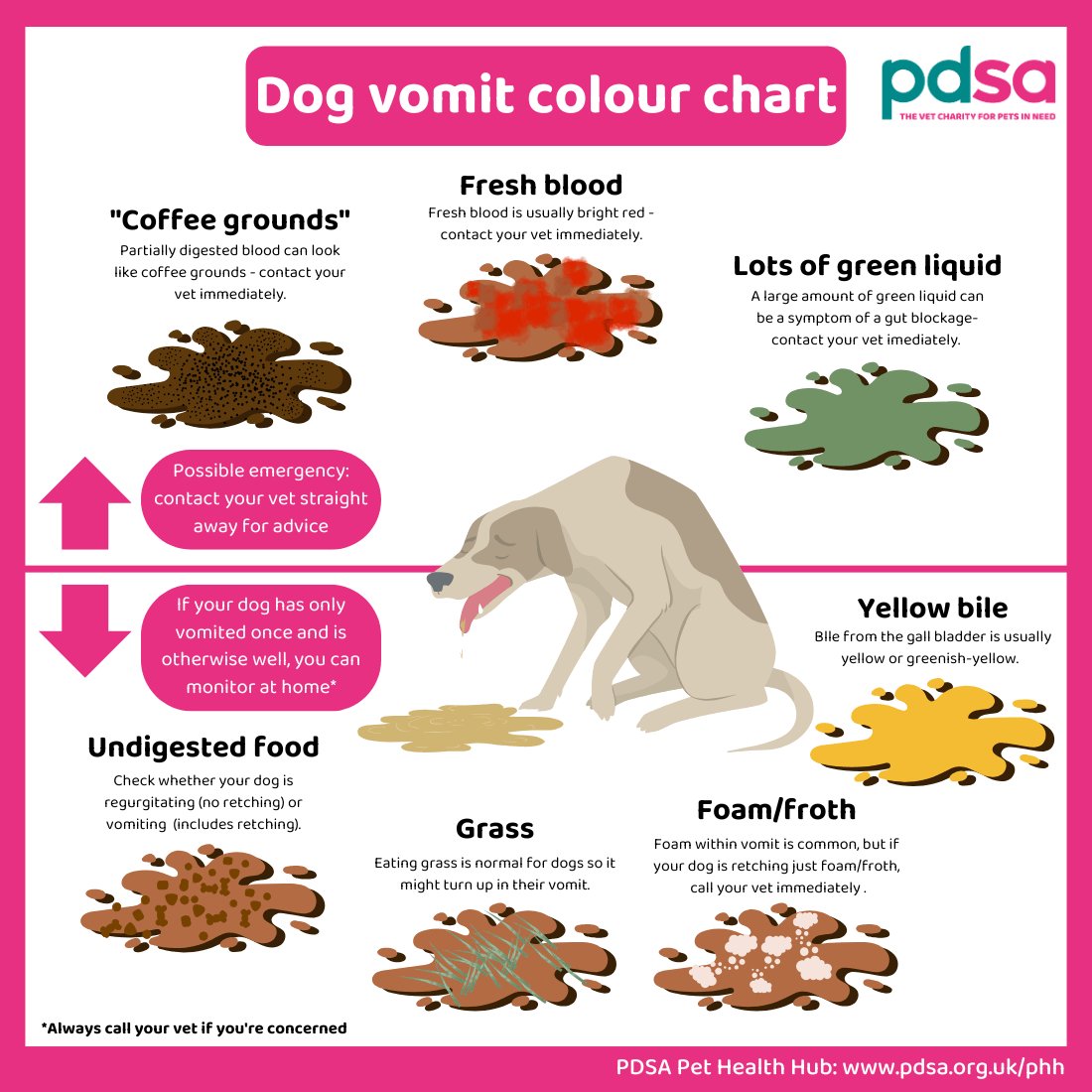
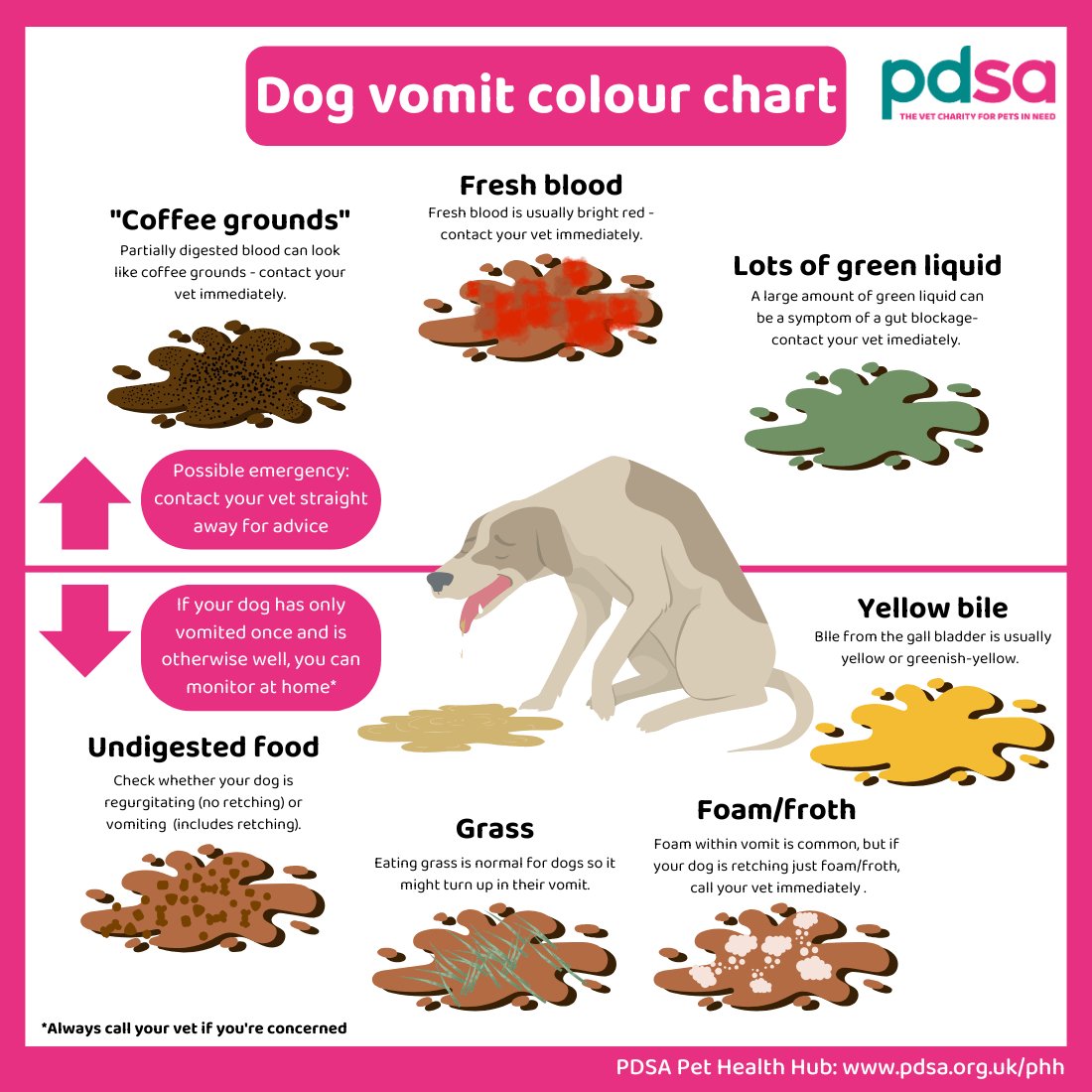
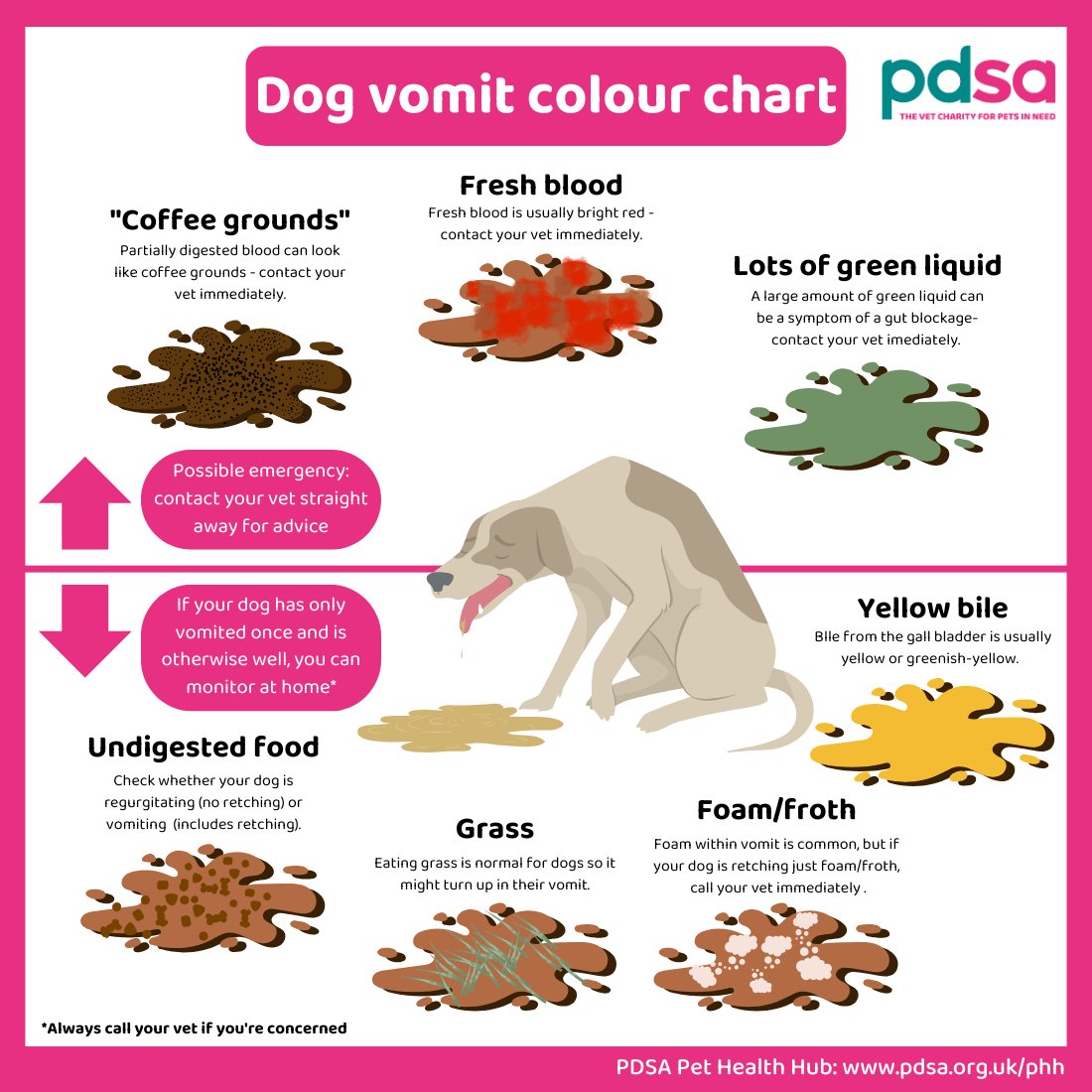
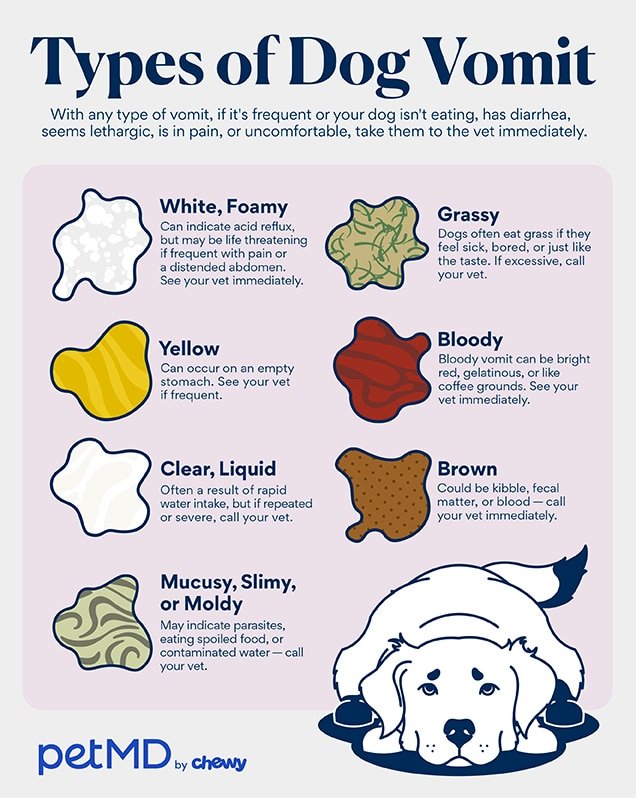
Vomit color often gives a clue about where the problem is and how urgent it may be. In general, pale or clear vomit is less worrying, while red, dark brown, or black "coffee‑ground" vomit can signal bleeding and needs a vet quickly. Yellow or green suggests bile, white foam often appears with empty stomach or irritation, and grass or objects hint at what the dog has eaten. Color alone is not a diagnosis, but it helps owners judge urgency and explain symptoms to the veterinarian.
Yellow or bile-stained vomit
Yellow vomit usually means bile is present. Bile comes from the small intestine and often appears when a dog vomits on an empty stomach, such as early morning or late at night. Occasional yellow vomit in a bright, active dog may relate to mild stomach irritation or hunger.
However, frequent yellow vomiting, vomiting with loss of appetite, lethargy, or diarrhea, or bile mixed with blood can signal problems such as pancreatitis, intestinal blockage, or liver disease. In that case, prompt veterinary consultation is strongly recommended.
White foam or frothy vomit
White, foamy vomit is usually made of stomach acid and saliva whipped into bubbles. It often appears when a dog vomits on an empty stomach, has mild gastritis, or has been coughing or retching.
Foam can be seen with:
- Bilious vomiting syndrome (often in the morning)
- Mild dietary upset
- Motion sickness or stress
However, repeated foamy vomiting, foam with blood, weakness, or trouble breathing can signal bloat, pancreatitis, or other emergencies, so prompt veterinary care is important.
Clear liquid vomit
Clear, watery vomit often means a dog is bringing up stomach fluid without much food. It may appear after drinking a lot of water, on an empty stomach, or with mild stomach upset. However, frequent clear vomiting can signal gastritis, toxin ingestion, bloat, or obstruction. If clear vomit happens several times in a day, contains foam or bile, or your dog seems weak, painful, or bloated, prompt veterinary consultation is strongly recommended.
Mucus or slimy vomit
Vomiting with a lot of mucus looks like slimy, ropey, or jelly‑like liquid coating the stomach contents. It often means the stomach or upper intestine lining is irritated. Common causes include gastritis from dietary indiscretion, sudden food changes, infections, or swallowed grass and hair. If slimy vomit keeps recurring, contains blood, or comes with diarrhea, pain, or lethargy, a prompt veterinary check is strongly recommended.
Bloody or coffee‑ground vomit
Bloody vomit is always a warning sign and should be treated as an emergency. Bright red streaks often mean fresh bleeding from the mouth, esophagus, or stomach, sometimes after swallowing a sharp object or from severe irritation. Dark brown, black, or “coffee‑ground” vomit suggests partially digested blood, which can indicate stomach ulcers, tumors, or serious poisoning (for example, NSAIDs, rat poison). Even a small amount of blood combined with weakness, pale gums, or collapse requires urgent veterinary care.
Brown or foul-smelling vomit
Brown or very foul‑smelling vomit often points to serious problems in the stomach or intestines. A dark brown, poop‑colored vomit or a vomit that smells like feces can signal an intestinal blockage, severe constipation, or internal bleeding further down the gut. In some cases, it indicates ingestion of toxic substances or spoiled food.
Because these causes can quickly become life‑threatening, any dog producing brown, stool‑like or extremely bad‑smelling vomit should be seen by a veterinarian immediately, especially if paired with lethargy, bloated belly, or no stools.
Grass and foreign material
Grass in vomit is common, because many dogs nibble on lawns or plants. Small amounts of fresh green grass with normal behavior often indicate mild stomach irritation and may resolve quickly. However, large clumps of grass, leaves, string, toys, bone pieces, or fabric can signal a blockage and require urgent veterinary attention, especially if vomiting is repeated or the dog seems painful or lethargic.
Symptoms That Need Extra Attention

Dog vomiting often comes with other signs that show how serious the condition is. Changes in energy, appetite, or stool are especially important clues. When symptoms appear together or worsen quickly, prompt attention is needed.
Key warning patterns include:
- Repeated vomiting over several hours
- Vomiting plus diarrhea or very soft stool
- Refusal to eat or drink
- Noticeable weight loss over days to weeks
- Signs of pain, such as whining, restlessness, or a tight belly
Owners who notice new, persistent, or combined symptoms together with vomiting should contact a veterinarian for advice, even if the dog seems mostly normal.
Mild signs that can wait and watch
Mild vomiting without other severe symptoms may be monitored at home for a short time. A dog that is bright, alert, and willing to drink small amounts of water usually allows for a wait‑and‑watch approach. Signs that are often safe to observe include:
- One or two vomiting episodes in 24 hours
- Normal energy between episodes
- Normal breathing, gums pink, no collapse
- Mild, brief loss of appetite but still interested in food
If vomiting becomes frequent, the dog seems unwell, or any red‑flag symptom appears, prompt veterinary consultation is recommended.
Red flag symptoms of emergency
Vomiting becomes an emergency when it is frequent, violent, or accompanied by worrying symptoms. Seek urgent veterinary care if any of the signs below appear.
| Red flag symptom | Why it is dangerous |
|---|---|
| Vomiting many times in a few hours | Risk of dehydration and shock |
| Vomiting plus bloody stool or black, tarry stool | Possible internal bleeding |
| Blood or coffee‑ground material in vomit | Stomach or intestinal bleeding |
| Swollen, tight, or painful belly | Possible bloat or obstruction |
| Trying to vomit but nothing comes up | Classic sign of life‑threatening bloat |
| Collapse, pale gums, severe weakness | Possible shock or poisoning |
| Vomiting after known toxin ingestion (grapes, xylitol, meds, etc.) | Poison emergency |
| Fever, severe pain, nonstop panting | Serious infection or inflammation |
| Repeated vomiting in puppies, seniors, or sick dogs | They decline very quickly |
In any of these situations, do not wait or try home care; contact a veterinarian or emergency clinic immediately.
Common Causes of Dog Vomiting
Dog vomiting has many possible causes, from minor stomach upset to life‑threatening disease. Understanding the broad categories helps owners judge urgency and discuss signs clearly with a veterinarian.
| Major cause group | Typical examples |
|---|---|
| Diet problems | Sudden food change, overeating, garbage or table scraps |
| Food reactions | Allergies, intolerances, rich or fatty foods |
| Infections & parasites | Viral or bacterial gastroenteritis, worms, protozoa |
| Toxins & foreign substances | Human medicines, chocolate, plants, chemicals, foreign bodies |
| Digestive tract diseases | Pancreatitis, IBD, ulcers, obstruction, bloat |
| Whole‑body illnesses | Kidney or liver disease, hormonal problems, cancer |
| Motion sickness & stress | Car travel, anxiety, excitement |
| Puppy‑specific problems | Parvovirus, heavy worm burden, eating unsuitable objects |
Any recurring, severe, or unexplained vomiting should be evaluated by a veterinarian promptly.
Diet mistakes and sudden changes
Diet-related issues are one of the most common causes of sudden vomiting in otherwise healthy dogs. Many dogs have sensitive stomachs, so even small changes can upset digestion.
| Diet mistake | How it can cause vomiting |
|---|---|
| Eating garbage or leftovers | Sudden overload of fat, spice, or spoiled food irritates the stomach. |
| Sudden food switch | Changing brands or protein sources overnight shocks gut bacteria. |
| Too many new treats | Rich or unfamiliar ingredients strain digestion. |
| Eating too fast | Swallowed air and large chunks lead to nausea and regurgitation. |
| Very fatty foods | Can trigger pancreatitis, a serious cause of vomiting. |
To reduce risk, change food gradually over 5–7 days, measure portions, limit table scraps, and store trash securely. If vomiting starts soon after a clear diet mistake but the dog is bright and active, careful observation at home may be enough; persistent or worsening vomiting requires veterinary care.
Food allergies and sensitivities
Food allergies and sensitivities often cause repeated vomiting after eating the same food. The immune system or gut reacts to specific proteins (for example chicken, beef, dairy, wheat, soy). Vomiting may appear with chronic soft stool, gas, itching, or ear infections. Problems rarely start suddenly; symptoms build over weeks to months. Long term, a vet may suggest an elimination diet or hypoallergenic food to identify and avoid the trigger.
Infections and parasites
Infections and parasites often irritate the stomach and intestines and are a very common cause of dog vomiting. Pathogens may attack suddenly or create long‑term digestive problems.
| Cause type | Examples | Typical clues |
|---|---|---|
| Viral | Parvovirus, distemper | Severe vomiting, bloody diarrhea, fever, puppies at high risk |
| Bacterial | Salmonella, E. coli | Vomiting plus diarrhea, sometimes from raw or spoiled food |
| Parasitic | Roundworms, hookworms, Giardia, coccidia | Intermittent vomiting, soft or bloody stool, weight loss |
Vomiting from infection or parasites often appears with diarrhea, poor appetite, weight loss, or dull coat. Puppies, seniors, and dogs with weak immunity become dehydrated quickly, so early veterinary care and regular vaccinations and deworming are very important.
Toxins, plants, and human foods
Toxins can strongly irritate a dog’s stomach and often cause sudden, repeated vomiting. Common sources are human medicines, rodent poison, cleaning products, and garden chemicals. Many ornamental plants (lilies, sago palm, tulips) and outdoor mushrooms are also dangerous. Human foods such as chocolate, xylitol (in sugar‑free gum), grapes, raisins, onions, and alcohol may trigger vomiting along with neurological or kidney symptoms. Rapid contact with a veterinarian or pet poison helpline is essential if poisoning is suspected.
Chronic diseases that cause vomiting
Chronic diseases often cause repeated or long‑term vomiting rather than a single episode. In many cases, vomiting is only one sign among others.
| Chronic disease | How it causes vomiting | Other common signs |
|---|---|---|
| Kidney disease | Toxin buildup irritates stomach | Drinking/urinating more, weight loss, bad breath |
| Liver disease | Poor detox and bile flow | Yellow gums/eyes, lethargy, behavior change |
| Pancreatitis | Pancreas inflammation | Abdominal pain, hunched posture, loss of appetite |
| Diabetes | High/low blood sugar, ketones | Sweet or nail‑polish breath, weight loss |
| Addison’s disease | Hormone imbalance | Collapse, diarrhea, weakness |
| Cancer (GI or others) | Tumors block or irritate gut | Weight loss, poor appetite |
Any dog with chronic, on‑and‑off vomiting or weight loss needs a prompt veterinary check, even if the dog seems fairly bright at home.
Motion sickness and stress
Motion sickness and stress can both lead to temporary vomiting in otherwise healthy dogs. Car rides, boat trips, or even elevator movement may trigger nausea, especially in puppies and anxious dogs. Emotional stress, such as loud noises, vet visits, or separation anxiety, can also upset the stomach.
Typical signs are drooling, licking lips, trembling, yawning, whining, and restlessness before vomiting. Reducing stress, using safe travel training, and consulting a veterinarian about anti-nausea or calming medication are effective ways to manage vomiting related to motion and anxiety.
Special causes in puppies
Puppies vomit more easily than adult dogs because their immune system and digestive tract are still immature. Common causes include eating too fast, dietary changes, parasites, and viral infections such as parvovirus or distemper. Foreign body ingestion (toys, socks) is also frequent. Any repeated vomiting in a puppy, especially with diarrhea, lethargy, or no appetite, is an emergency and needs prompt veterinary care. Even one vomiting episode in a very young or tiny puppy warrants caution.
Health Dog Vomiting Causes and Care
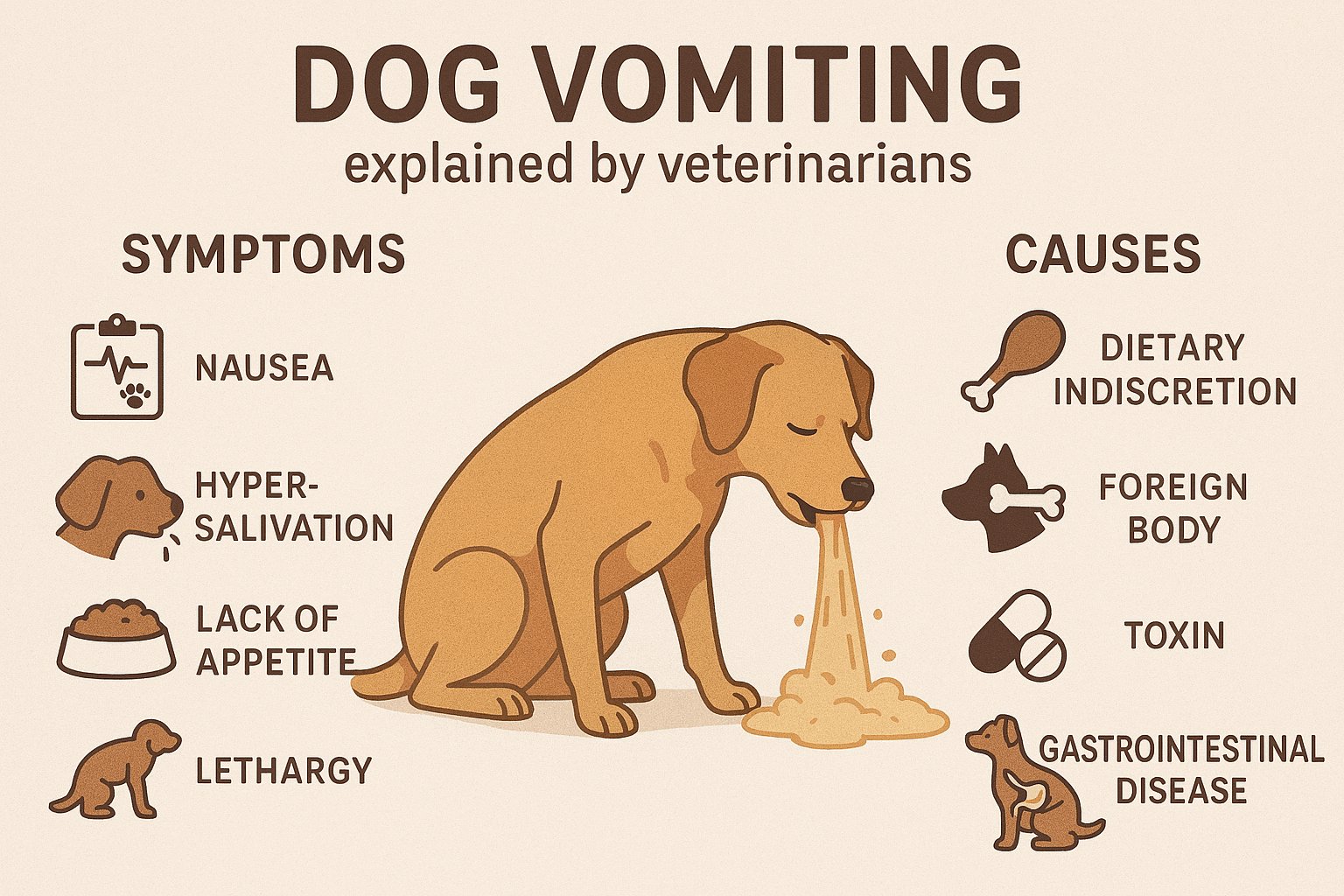
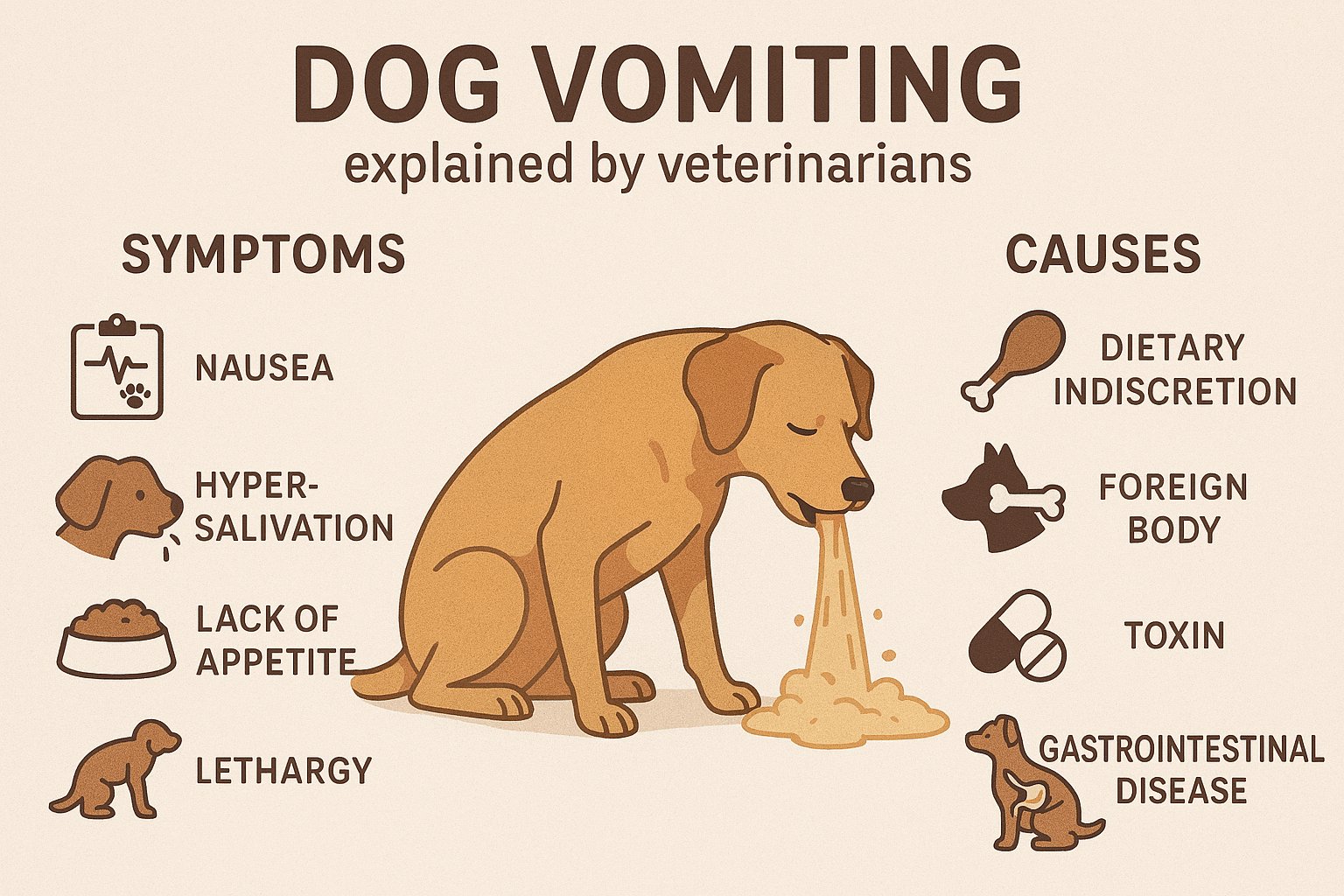
Dog vomiting can be grouped into problems starting in the gut and whole‑body illnesses that cause vomiting as a symptom. Understanding this difference helps owners judge urgency and talk clearly with a vet. In many dogs, vomiting begins with irritation of the stomach or intestines, but serious hormonal, metabolic, or organ diseases can also trigger vomiting even when the gut itself looks normal.
When vomiting points to gut issues
Vomiting often starts from problems in the stomach or intestines. Sudden vomiting with otherwise normal behavior most commonly reflects mild gut irritation from eating too fast, dietary changes, or "garbage gut." Gut-related causes include gastritis, foreign objects, stomach ulcers, intestinal blockage, and inflammatory bowel disease. Long‑lasting or frequently recurring vomiting, weight loss, or chronic soft stools strongly suggest ongoing digestive disease and require veterinary assessment.
When vomiting signals whole‑body illness
Vomiting can indicate that illness affects the whole body, not only the stomach. Hormonal diseases such as kidney failure, liver disease, diabetes, and Addison’s disease often cause recurrent or chronic vomiting. Pancreatitis, severe infections, heatstroke, and some cancers may also lead to vomiting, along with fever, weakness, or weight loss. When vomiting appears together with drastic behavior change, collapse, or pale gums, urgent veterinary care is strongly recommended.
What to Do When Your Dog Throws Up
When a dog vomits, owners first need to stay calm and observe carefully. Occasional vomiting can be minor, but repeated or forceful vomiting may signal a serious condition. Key points are the number of episodes, the presence of blood, the color and contents of the vomit, and changes in behavior such as lethargy or pain.
Avoid giving food or human medicines immediately. Instead, clean the area, note the time, take a photo of the vomit if possible, and watch for emergency signs described in later sections. Proper action in the first hours greatly influences recovery.
First steps to take at home
When a dog vomits, first stay calm and observe carefully. Note time, color and amount of vomit, what the dog ate, and any foreign objects. Gently remove access to food and check that the dog can breathe normally and is not choking. Clean the area so the dog does not re‑eat vomit. Offer a small amount of fresh water, but avoid forcing drinking. Take a quick video and photos; they are very helpful if a veterinarian visit becomes necessary.
Safe home care for mild vomiting
For mild, one‑time vomiting in an otherwise bright, active dog, careful home care may be enough. Remove any remaining food or obvious irritants, then observe calmly. Offer small sips of water, but avoid large gulps that can trigger more vomiting. Keep the dog in a quiet, warm place and do not give human medicines. If vomiting stops and the dog seems comfortable, short-term rest of the stomach followed by a bland diet is usually appropriate.
Short fasting and bland diets
Short-term fasting is a basic care method to help rest the digestive system. For adult dogs, fasting for about 4 to 8 hours is a general guideline, while puppies or dogs with existing health conditions should be discussed with a veterinarian. During fasting, continue offering small amounts of water to prevent dehydration.
Once the vomiting has settled, offer small amounts of a low-fat “bland diet” that is gentle on digestion. Common examples include well-cooked white rice with skinless, fat-trimmed chicken breast, or a veterinary-recommended therapeutic diet. Start with a very small amount every few hours, and while checking that vomiting does not return, gradually go back to the normal meal amount over 1 to 2 days.
Water, electrolytes, and rest
Adequate hydration is very important when caring for a dog that has been vomiting. The key is to first offer small amounts of water frequently. If your dog drinks a full bowl all at once, they may vomit again. It is safer to start with 1 to 2 spoonfuls, or a few sips at a time, about every 10 to 15 minutes.
Pet oral rehydration solutions containing electrolytes can also be helpful when recommended by a veterinarian. Human sports drinks may contain unsuitable amounts of sugar or other ingredients, so it is safer to choose a product made specifically for dogs or one recommended by your veterinarian.
Right after vomiting, avoiding excitement and intense exercise and letting your dog rest properly in a quiet, calm place will help recovery. Keep some distance from children and other pets, and prepare an environment where your dog can lie down in a slightly dark, quiet room or crate.
If your dog cannot keep water down after several hours, vomits immediately after drinking, or seems lethargic, it is dangerous to continue monitoring them at home. Because dehydration can become life-threatening in a short time, you should consult an animal hospital promptly.
Probiotics and gentle supplements
Probiotics help restore a healthy balance of gut bacteria after vomiting. They may reduce diarrhea, gas, and mild nausea and support recovery of the intestinal lining. Choose dog‑specific products with clear CFU counts and follow label or vet directions.
Other gentle options sometimes recommended by vets include electrolyte powders for pets, slippery elm, or prescription GI supplements. Avoid giving human anti‑nausea or pain medicines, and always ask a veterinarian before starting any new supplement, especially for puppies, seniors, or dogs on other drugs.
When to call your vet right away
If vomiting is more than a one‑off episode,contacting a vet quickly is safest. Use the following as a guide:
| Call your vet now if your dog… | Why it is urgent |
|---|---|
| Vomits repeatedly in a day or >2 days in a row | Risk of dehydration and serious illness |
| Has blood in vomit or vomit looks like coffee grounds | Possible bleeding in stomach or intestines |
| Also has diarrhea, fever, or is very tired | May indicate infection or poisoning |
| Has a swollen, hard, or painful belly | Emergency risk such as bloat or blockage |
| Can’t keep any water down | Fast dehydration, needs fluids |
| Ate a toxin, foreign object, or unknown item | Early treatment improves outcome |
| Is a young puppy, very small, elderly, or has chronic disease | Becomes unstable more quickly |
For any sudden collapse, breathing difficulty, pale gums, or nonstop vomiting, go to an emergency clinic immediately.
How Vets Diagnose Vomiting in Dogs
When vomiting is frequent or severe, veterinarians work step by step to find the underlying cause rather than only stopping symptoms. Diagnosis usually begins with a detailed history and physical exam, then moves to tests such as bloodwork, urine tests, stool checks for parasites, and imaging like X‑rays or ultrasound. In some cases, endoscopy or surgery is needed to locate blockages, tumors, or chronic gut disease and decide the safest treatment plan.
Questions your vet will ask
When a dog vomits, veterinarians first gather detailed history to narrow down the cause. Being ready to answer the following questions helps speed diagnosis and treatment.
| Question area | What your vet may ask | Why it matters |
|---|---|---|
| Vomiting pattern | When did it start, how often, what time of day? | Tells acute vs chronic problems |
| Appearance | Color, presence of food, foam, blood, foreign objects | Points to stomach, intestines, or toxins |
| Other signs | Diarrhea, lethargy, pain, fever, weight loss, thirst changes | Shows how serious or widespread the illness is |
| Diet & treats | Brand, recent food changes, new treats, table scraps, garbage access | Detects diet errors or food intolerance |
| Environment | Access to plants, chemicals, small toys, bones, spoiled food | Checks for poisoning or obstruction risk |
| Medications | Current drugs, supplements, flea/tick products, recent vaccines | Some products can irritate the gut |
| Travel & exposure | Boarding, dog park visits, new dogs at home, recent travel | Evaluates infection or parasite risk |
| Medical history | Chronic disease, prior gut issues, surgeries | Guides which tests and treatments are safest |
Preparing notes or photos of the vomit and a timeline of events often provides crucial clues for the veterinarian.
Physical exam and basic tests
During the physical exam, the veterinarian checks gum color, hydration, abdominal pain, temperature, heart rate, and breathing. The vet often palpates the belly to feel for gas, foreign objects, or enlarged organs. Basic in-clinic tests may include a fecal test for parasites, bloodwork (CBC and biochemistry), and a urinalysis. These tests help distinguish simple stomach upset from serious disease such as pancreatitis, kidney trouble, or infection.
Imaging and advanced diagnostics
Advanced tests help uncover why a dog is vomiting when basic checks are not enough. Vets choose tools based on the dog’s age, breed, symptoms, and how long vomiting has lasted.
| Test type | What it shows | When vets use it |
|---|---|---|
| X‑ray (radiograph) | Blockages, foreign objects, gas patterns, tumors, bloat | Sudden vomiting, suspected foreign body, painful belly |
| Ultrasound | Organ structure, thickened intestines, fluid, some tumors | Ongoing or recurrent vomiting, suspected pancreatitis or organ disease |
| Endoscopy | Inside stomach/intestine, can take biopsies or remove objects | Chronic vomiting, suspected ulcers, swallowed items |
| CT / MRI | Detailed 3D views of organs and masses | Complex cases, cancer, surgical planning |
| Biopsy / lab pathology | Microscopic changes, cancer, inflammatory disease | To confirm IBD, cancer, or unexplained chronic vomiting |
Advanced imaging and biopsies guide targeted treatment and help avoid unnecessary guesswork.
Veterinary Treatment Options
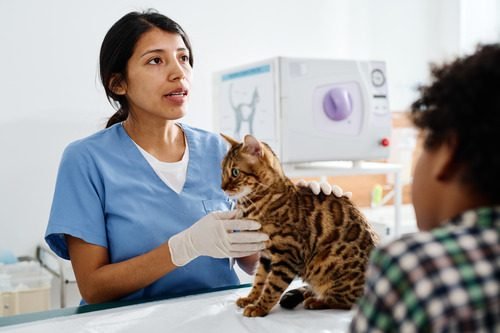
Veterinary treatment is tailored to the cause and severity of vomiting. In mild cases, a vet may only recommend brief fasting, anti-nausea medicine, and a short-term bland diet. Severe or repeated vomiting often requires clinic treatment such as injectable drugs and IV fluids.
Typical options include:
- Medications to control nausea and protect the stomach
- Fluids to correct dehydration and electrolytes
- Pain relief if the abdomen is sore
- Special diets for sensitive digestion
- Surgery or intensive care for blockages, bloat, or poisoning
The goal is to stop vomiting safely, relieve discomfort, and treat the underlying problem so the dog can recover fully.
Anti-nausea and stomach meds
Anti-nausea and stomach medicines are often used when vomiting is moderate to severe, or when simple home care is not enough. Vets usually give prescription-only drugs that are proven safe for dogs.
Common options include:
| Type of medicine | Purpose | Examples* |
|---|---|---|
| Anti-nausea | Reduce queasiness, help stop vomiting | Maropitant (Cerenia), ondansetron |
| Acid reducers | Lower stomach acid, ease irritation | Famotidine, omeprazole |
| Gut protectants | Coat and protect the stomach lining | Sucralfate |
*Examples vary by country and clinic.
Human anti-nausea pills or painkillers can be dangerous for dogs, so owners should never medicate without veterinary guidance.
Fluids, hospitalization, and support
Vomiting often causes dehydration, so fluid support is one of the most important treatments. For mild cases, a vet may give subcutaneous (under‑the‑skin) fluids. In more serious illness, hospitalization and IV fluids are used to correct dehydration, balance electrolytes, and support blood pressure.
In hospital, dogs may also receive pain relief, antibiotics, stomach protectants, and careful monitoring of temperature, heart rate, and urine output. Oxygen or feeding tubes are added for very sick dogs. Supportive care aims to stabilize the dog first, then address the underlying cause.
Diet changes and prescription food
食事内容は、嘔吐後の回復と再発予防に大きく影響します。急なフード変更は嘔吐を悪化させる原因となるため、必ず少しずつ切り替えることが重要です。短期間は低脂肪で消化しやすいフードや、おかゆ状の療法食が選ばれる場合があります。
動物病院では、原因に合わせて専用の処方食が提案されます。例として、慢性胃腸炎には消化器サポート食、膵炎には低脂肪食、腎臓病には腎臓ケア食などがあります。自己判断で市販食を次々試すより、獣医師の指示に従う方が安全であり、症状悪化を防ぎやすくなります。
Treatment for underlying disease
Vomiting caused by an underlying disease will not improve with home care alone. In many cases, treating the root problem is the only way to stop repeated vomiting. For example, kidney or liver disease may need fluid therapy and special medication; pancreatitis often requires pain relief, anti‑nausea drugs, and a strict low‑fat diet; endocrine problems such as Addison’s or diabetes need hormone or insulin therapy. In some situations, surgery is essential for foreign bodies, tumors, or twisted stomach. Long‑term conditions are usually managed with regular checkups, blood tests, and tailored prescription food so that vomiting is controlled and quality of life stays as high as possible.
Recovery After a Vomiting Episode
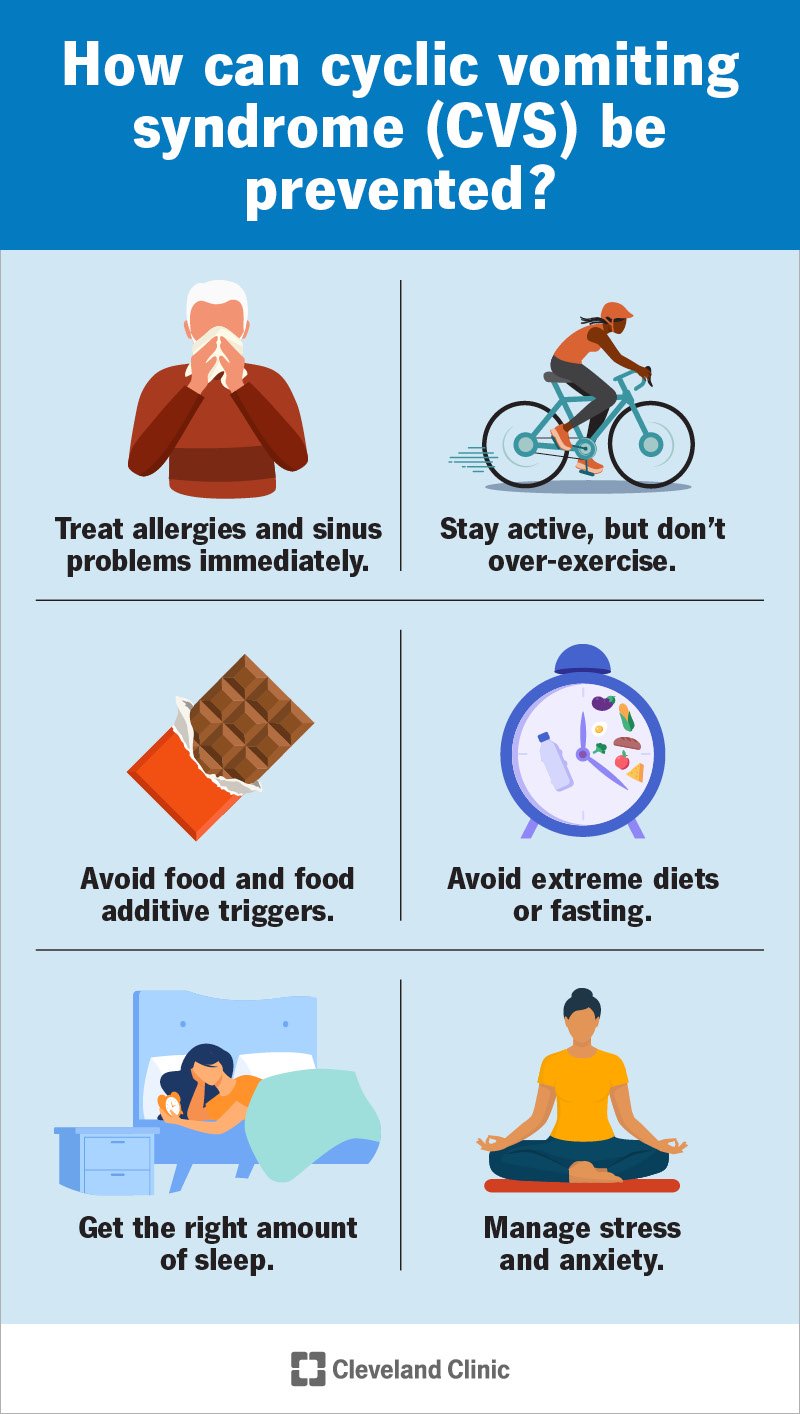
After vomiting, many dogs can recover quickly with calm, structured care. The most important point is to protect the stomach while watching for any return of symptoms. Owners should provide a quiet, warm place to rest, offer small amounts of water, and later a bland diet as instructed by a veterinarian. Careful monitoring of appetite, energy level, stool, and urination helps confirm recovery and also allows early detection of any hidden illness that may still be progressing.
How long recovery usually takes
Recovery time depends on the cause and severity of vomiting. A simple stomach upset from minor dietary mistakes often improves within 12–24 hours once food is managed and the stomach rests. Mild cases usually return to normal eating and energy in 1–3 days.
When vomiting is due to infections, pancreatitis, or chronic disease, recovery may take several days to a few weeks, and some conditions require long‑term management. If vomiting continues more than 24 hours, or returns after seeming better, a veterinary check is strongly recommended.
Reintroducing normal food safely
After vomiting, the digestive tract is easily irritated, so food should be reintroduced gradually. Start with small portions of a bland diet (for example, boiled chicken and white rice or a vet‑recommended gastrointestinal food) divided into 4–6 meals per day. If the dog keeps food down and shows no new vomiting, diarrhea, or bloating, slowly increase the amount over 2–3 days. Once stools and energy are normal, mix the regular food into the bland diet, increasing the regular food portion over about 3–5 days until fully switched back.
Monitoring your dog at home
After vomiting, careful monitoring at home is essential for early detection of problems. Check your dog’s energy, appetite, and mood several times a day. Note any repeat vomiting, diarrhea, bloating, or signs of pain. Observe drinking: too little can lead to dehydration, too much may trigger more vomiting.
Keep a simple log of time, amount, color, and triggers of vomit or stool changes. Check gums once or twice a day; very pale, gray, or bright red gums are warning signs. If vomiting returns, blood appears, or your dog seems weak, stop food and contact a veterinarian promptly with your notes.
Preventing Vomiting in Your Dog
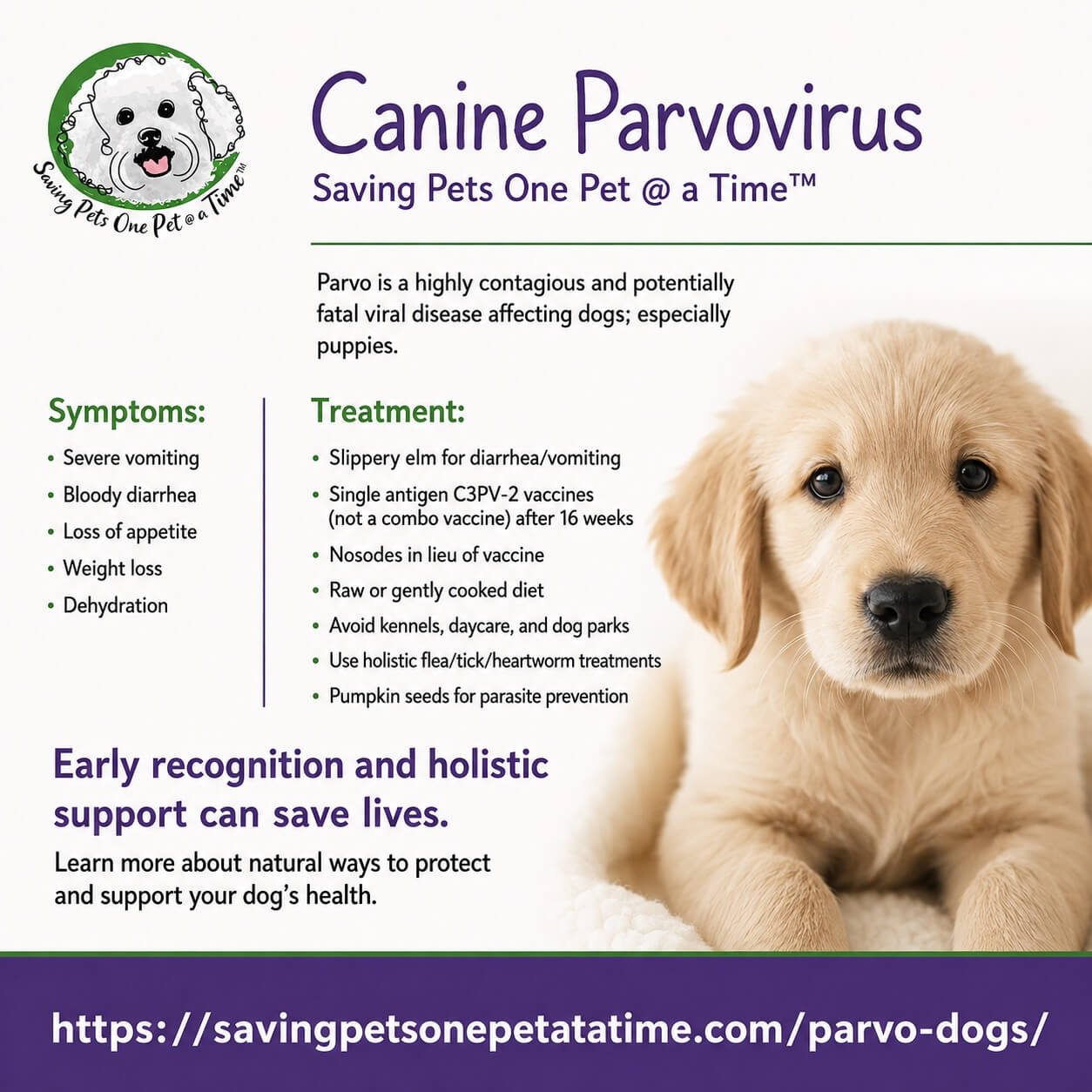
Preventive care reduces many health dog vomiting causes and treatment needs. Daily management, safe environments, and routine veterinary care keep most stomach upsets minor. Owners can lower risk by focusing on feeding habits, hazard control, and gut health support. In the following sections, practical methods for meals, home safety, and routine care are explained so dog owners can confidently protect dogs from frequent vomiting episodes.
Smart feeding habits and routines
Regular feeding habits help keep a dog’s stomach calm and reduce vomiting.
- Feed a consistent schedule: 2 meals a day for adults, 3–4 smaller meals for puppies, at the same times each day.
- Avoid large, heavy meals: big portions stretch the stomach and can trigger vomiting or bloat.
- Limit rich snacks and table scraps: sudden high‑fat or spicy foods often upset digestion.
- Use slow‑feed bowls for dogs that gulp food to reduce swallowing air and food binging.
- For dogs that vomit when very hungry, offer a small bedtime snack or divide the daily ration into smaller, more frequent meals.
Keeping toxins and hazards away
Keeping harmful substances out of reach is one of the simplest ways to prevent serious vomiting.
| Hazard type | Common examples | Preventive action |
|---|---|---|
| Human foods | Chocolate, xylitol gum, onions, grapes, alcohol | Store in cupboards, never feed from table |
| Household chemicals | Cleaners, bleach, antifreeze, pesticides | Keep in locked cabinets or high shelves |
| Garden & houseplants | Lilies, daffodils, azalea, sago palm | Choose pet-safe plants only |
| Human medicine | Painkillers, ADHD meds, antidepressants | Use closed drawers, pill organizers |
Use secure trash cans, pick up small objects (batteries, toys, coins), and check the floor regularly so curious dogs cannot swallow anything dangerous.
Gut health, vaccines, and deworming
Healthy intestinal function is the foundation for preventing vomiting. It is important to support the gut environment with high-quality food and a regular mealtime routine. In addition, regular vaccinations and parasite prevention, including deworming and heartworm prevention, can greatly reduce vomiting caused by viruses or parasites. From puppyhood through adulthood, it is reassuring to consult your veterinarian about a vaccination plan suited to your dog’s age and lifestyle, as well as monthly preventive medication.
Travel tips for carsick dogs
Dogs that get carsick often drool, lick their lips, tremble, or vomit. Planning ahead and creating calm routines helps many dogs travel more comfortably.
- Start with very short rides and slowly increase distance
- Avoid feeding large meals for 3–4 hours before travel
- Keep the car cool and well ventilated; open windows slightly if safe
- Use a secure crate or harness facing forward to reduce motion
- Offer familiar bedding and a favorite toy to reduce anxiety
- Take regular breaks for fresh air and toilet time
For dogs with severe symptoms, veterinarians may prescribe motion sickness medication or calming supplements before trips. Training dogs to sit quietly and pairing rides with pleasant destinations also improves long‑term tolerance.
Quick Answers to Common Concerns

For worried dog owners, simple answers are helpful. Below are brief, vet-style explanations to the most common questions about vomiting. Each section gives a clear rule of thumb so busy readers can quickly decide whether to monitor at home or seek veterinary care. The following Q&A covers emergencies, safe home care, dogs that act normal, and food changes after vomiting.
When is dog vomiting an emergency?
Dog vomiting becomes an emergency when any of the following appear:
| Situation | Why it is urgent |
|---|---|
| Vomiting many times in a few hours or nonstop | Risk of severe dehydration, shock |
| Vomit with blood or “coffee‑ground” material | Possible stomach bleeding or ulcer |
| Hard, swollen belly, severe pain, constant retching with little vomit | Possible bloat or obstruction, life‑threatening |
| Vomiting plus collapse, extreme weakness, pale gums, trouble breathing | Possible shock, poisoning, internal bleeding |
| Vomiting after known toxin, medicine overdose, or foreign object | Immediate treatment can be lifesaving |
| Puppy, senior dog, or dog with chronic disease vomiting more than once | Higher risk of rapid decline |
If any emergency sign appears, contact a veterinarian or emergency clinic at once rather than waiting to see whether the dog improves.
What can I safely give my dog at home?
Small amounts of safe food or fluids may help with mild, one‑time vomiting in a bright, alert dog.
| Situation | What may be safe | Notes |
|---|---|---|
| Mild nausea, no ongoing vomiting | Plain water in tiny, frequent sips | If vomiting continues, stop and call a vet |
| After a short fast (6–12h, adult only) | Bland diet: boiled chicken or turkey (no skin/bones) and white rice, or prescription GI diet | Offer spoon‑size portions every few hours |
| Gut support (if eating, not vomiting) | Dog‑specific probiotics or vet‑recommended anti‑nausea meds | Human meds like Pepto‑Bismol, Imodium, or painkillers must not be given without vet approval |
Puppies, toy breeds, pregnant, senior, or sick dogs should not be fasted without veterinary guidance. Any repeated vomiting, blood, pain, or lethargy requires immediate veterinary care, not home treatment.
Why is my dog sick but acting normal?
A dog may vomit yet seem normal because the cause is mild or very early. Common examples include eating too fast, minor diet changes, hair or grass, or mild motion sickness. Many dogs bounce back quickly and stay playful.
However, normal behavior does not guarantee safety. Internal problems such as early pancreatitis, foreign bodies, kidney or liver disease, or toxin exposure can start with vomiting as the only obvious sign. If vomiting repeats, contains blood, or lasts over 24 hours, or if there is any doubt, prompt veterinary consultation is recommended even if the dog appears fine.
Should I change food after vomiting?
A single vomiting episode does not always require a food change. If a dog recovers quickly, has normal energy, and vomits only once, the usual food can often be restarted gradually after a short bland‑diet period.
A food change is worth considering when:
- Vomiting recurs after eating the same food
- There is long‑term soft stool, gas, or itching with the current diet
- A veterinarian suspects food allergy or intolerance
In such cases, changing food should be done slowly over 7–10 days and ideally under veterinary guidance, often using a sensitive‑stomach or prescription diet. Sudden switches may actually worsen vomiting or diarrhea.
This article comprehensively explains, in an easy-to-follow format for pet owners, how to distinguish between different types of vomit in dogs, their different colors, possible causes, when to seek veterinary attention, safe home care, examinations and treatments at the animal hospital, how to manage the recovery period, and preventative measures.





![[Dog Names] Is the Japanese name boom here?! Ranking of Japanese dog names!](https://with-my-dog.com/wp-content/uploads/2021/10/adtDSC_0871-150x150.jpg)
![[What are the cutest dog breeds?] Introducing popular dog breeds!](https://with-my-dog.com/wp-content/uploads/2021/10/dog-g3ab76451a_1920-150x150.jpg)









![Popular names!? [Popular dog names ranking]](https://with-my-dog.com/wp-content/uploads/2022/07/image3-45-300x200.jpg)