
When a dog suddenly develops diarrhea, many owners become anxious, wondering "What's causing it?", "Should I take them to the vet?", and "What can I do at home?". This article provides a clear and objective explanation of dog diarrhea causes and treatment, including possible illnesses, its relationship to diet and stress, when to seek veterinary attention, and tips for home care. This information will serve as essential knowledge for managing your dog's health.
Understanding Dog Diarrhea
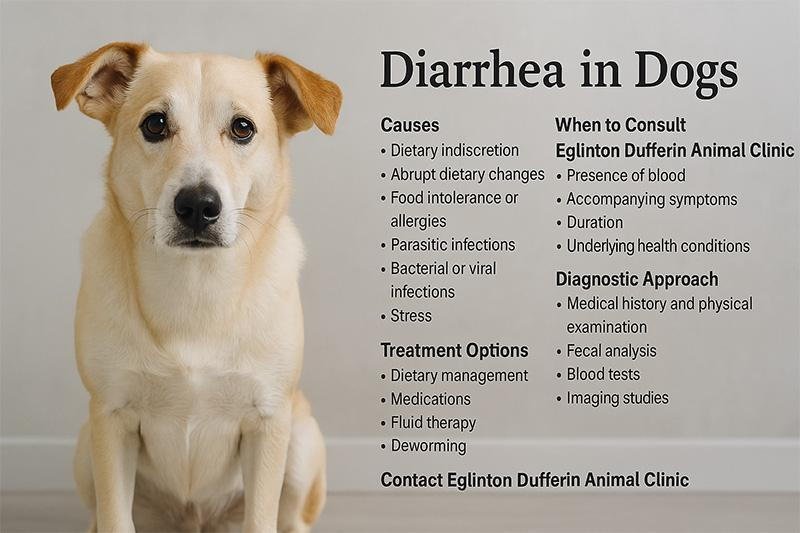
Dog diarrhea means stool that is looser and more frequent than usual. It is a sign rather than a disease, and it ranges from slightly soft piles to watery accidents that are hard to control. Mild, short‑lived diarrhea often comes from simple causes such as food changes, while repeated or severe diarrhea can signal infection, parasites, or chronic gut disease.
Understanding what diarrhea means for each individual dog is important. Normal poop looks different between dogs, but any sudden change in consistency, color, or frequency deserves attention, especially when energy level or appetite also changes.
What counts as diarrhea in dogs?
Diarrhea in dogs means softer, looser, or more frequent stools than usual, not just a single odd poop. Stools may look shapeless, watery, or come out in urgent bursts. Some dogs also strain, pass gas, or have accidents indoors. Even if a dog seems bright and playful, ongoing loose stools indicate that the gut is irritated and need attention, especially if the change lasts more than a day or two.
Acute vs. chronic loose stools
Acute diarrhea appears suddenly and usually lasts a few hours to several days. It often follows a clear trigger, such as a diet change, garbage-raiding, or sudden stress. Many healthy adult dogs recover quickly with appropriate care.
Chronic diarrhea continues for more than 2–3 weeks, or keeps coming back. Stools may be intermittently soft, greasy, or contain mucus. Chronic loose stools can signal food intolerance, parasites, inflammatory bowel disease, hormonal disease, or other long‑term problems, and require veterinary evaluation.
Health-focused dog diarrhea causes and treatment
Dog diarrhea always has an underlying cause, from simple diet mistakes to serious disease. For health-focused care, owners should consider both what triggered the loose stool and what protects overall wellbeing.
Main cause groups include:
- Food-related: sudden food change, rich or fatty table scraps, garbage raiding
- Infections and parasites: viruses, bacteria, Giardia, worms
- Stress and lifestyle: boarding, travel, big routine changes
- Chronic conditions: inflammatory bowel disease, pancreas or liver problems, cancers
- Medications or toxins: some antibiotics, NSAIDs, human foods or chemicals
Treatment always depends on the cause and the dog’s condition. Core approaches are:
- Supportive care: fluids, gut-resting diet, probiotics, pain or nausea control
- Targeted therapy: dewormers, antibiotics or antivirals when appropriate, treatment of underlying disease
- Careful home management for mild, short-term diarrhea in bright, active dogs
For truly health-focused treatment, owners should avoid random human medicines and instead work with a veterinarian early, monitor hydration and behavior, and use diet, parasite control, and stress reduction to protect long‑term gut health.
When Dog Diarrhea Is an Emergency
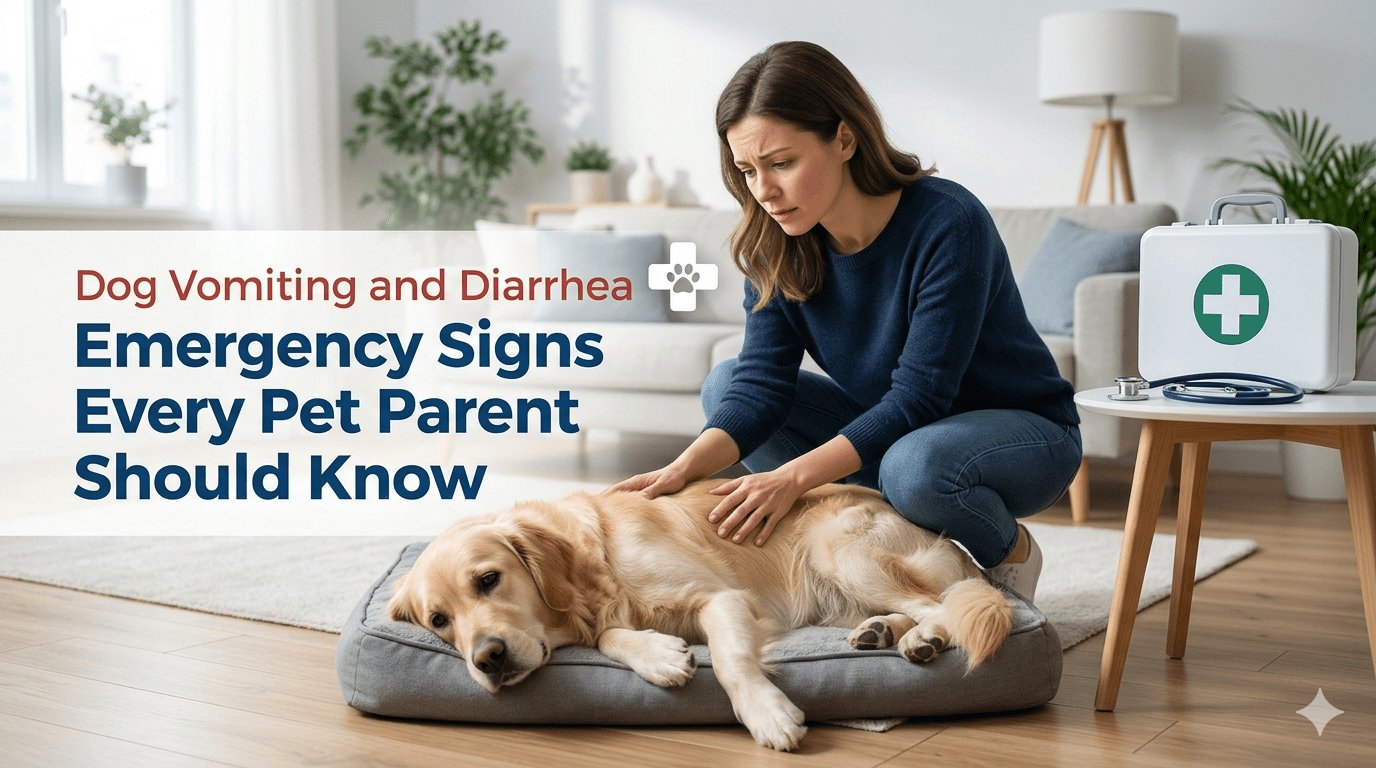
Dog diarrhea becomes an emergency when there is risk of dehydration, internal bleeding, or serious infection. In general, sudden, severe, or long‑lasting diarrhea requires urgent care. Puppies, senior dogs, very small breeds, and dogs with chronic illness reach a dangerous state faster. When diarrhea is paired with worrying signs such as lethargy, vomiting, pain, or blood, prompt veterinary attention helps protect the dog’s health and can be life‑saving.
Red-flag symptoms to watch for
Sudden diarrhea can turn into an emergency if certain red‑flag symptoms appear. Contact a vet or emergency clinic immediately if your dog has:
- Blood in stool (red, dark tarry, or coffee‑ground like)
- Severe lethargy or collapse
- Repeated vomiting or cannot keep water down
- Signs of pain (whining, tense belly, hunched posture)
- Pale gums, fever, or fast breathing/heart rate
- Known toxin exposure (trash, human meds, chemicals) together with diarrhea
Puppies, seniors, and high‑risk dogs
Puppies, senior dogs, and dogs with chronic illness or tiny body size can worsen very quickly from diarrhea. Dehydration, low blood sugar, and imbalance of electrolytes progress faster in these groups. Even a few loose stools may be an emergency if there is vomiting, poor appetite, weakness, or behavior change. High‑risk dogs (heart, kidney, liver, diabetes, on chemotherapy or steroids) should be checked by a veterinarian early, rather than waiting at home.
Common Causes of Diarrhea in Dogs
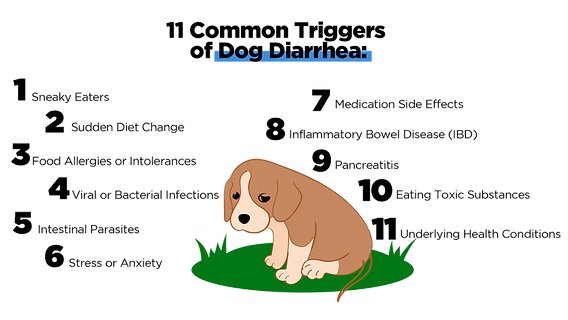
Dog diarrhea has many possible triggers. Some are minor and pass quickly, while others signal serious disease. Common causes include sudden diet changes, overeating, or eating garbage and table scraps. Infections from viruses, bacteria, or parasites are also frequent, especially in young or unvaccinated dogs. Stress from travel or boarding, side effects of medications, and chronic illnesses such as inflammatory bowel disease, pancreatitis, or hormone disorders can all lead to loose stools.
Diet mistakes and sudden food changes
Sudden diet changes are one of the most common causes of dog diarrhea. The gut needs time to adjust to new proteins, fats, and fiber. A typical mistake is switching food overnight, offering large amounts of rich “people food,” or giving many new treats at once. Ideally, dog food should be changed gradually over 7–10 days, mixing more of the new food and less of the old each day to protect digestive balance.
Food intolerance and allergies
Food intolerance and allergies often cause repeated diarrhea after eating certain foods. Intolerance is a digestive issue, while allergy involves the immune system and may also cause itchy skin, ear infections, or paw chewing. Common culprits are beef, chicken, dairy, wheat, soy, and some additives. Diagnosis usually relies on an elimination diet: feeding a simple, controlled diet for weeks and checking if symptoms improve, then re‑introducing ingredients one by one under veterinary guidance.
Infections, viruses, and parasites
Infectious causes of diarrhea are very common in dogs. Bacteria (such as Salmonella, Campylobacter, E. coli), viruses (parvovirus, coronavirus, distemper), and parasites (Giardia, coccidia, roundworms, hookworms, whipworms) irritate or damage the gut lining. Dogs are often infected by contaminated water, soil, feces, raw food, or contact with sick animals.
Warning signs include foul‑smelling or bloody stool, mucus, fever, vomiting, lethargy, and rapid weight loss. Puppies and unvaccinated dogs are at especially high risk of severe illness from parvovirus and heavy parasite loads. Prompt veterinary testing and targeted treatment (such as dewormers, antibiotics, or antivirals plus fluids) are very important to prevent dehydration and complications.
Stress, travel, and boarding
Stress can upset a dog’s digestion very quickly. Moves, new pets or people, loud events, and changes in routine often trigger loose stools. The gut and brain are closely connected, so anxious dogs may react with sudden diarrhea.
Travel and boarding add extra factors: new water or food, exciting smells, different schedules, and exposure to unfamiliar dogs and germs. To reduce risk, keep diet stable, bring familiar food and blankets, ensure vaccines and parasite prevention are up to date, and choose calm, well‑managed boarding facilities.
Chronic diseases affecting the gut
Chronic gut disease means the intestines are inflamed or damaged over weeks to months, causing repeated or ongoing diarrhea. Common causes include inflammatory bowel disease (IBD), chronic pancreatitis, food‑responsive enteropathy, irritable bowel‑type problems, and cancers such as lymphoma. Dogs may also lose weight, have poor appetite, vomit, or seem tired. Long‑term diarrhea always needs veterinary assessment and a tailored treatment plan.
Medications, toxins, and other triggers
Some cases of diarrhea are triggered by medications, toxins, or other irritants rather than food or infection. Common culprits include antibiotics, pain relievers (like some NSAIDs or steroids), heartworm or flea products used incorrectly, human medicines, spoiled food, garbage, and household chemicals or plants. Any sudden diarrhea after a new drug, chew, or exposure to trash or chemicals should be treated as a warning sign, and prompt veterinary advice is strongly recommended.
Special Diarrhea Situations
Special situations of diarrhea are episodes that are more serious or more risky than a simple day of loose stool. They usually need faster veterinary attention.
Typical examples include:
- Bloody or black diarrhea
- Diarrhea combined with vomiting or loss of appetite
- Ongoing loose stool in puppies or very small breeds
In these cases, dogs can lose fluid and electrolytes quickly, so early action helps protect overall health and recovery.
Bloody diarrhea and what it means
Bloody diarrhea usually means irritation or damage in the intestines or rectum. Any red, black, or tarry stool is a reason to contact a veterinarian promptly.
Bright red streaks often suggest colitis, anal gland problems, or minor tears near the anus. Dark, tar‑like stool (melena) may indicate bleeding higher in the digestive tract from ulcers, foreign objects, tumors, or certain medications.
If bloody diarrhea appears with lethargy, pale gums, vomiting, or abdominal pain, it can signal a life‑threatening emergency such as parvovirus, hemorrhagic gastroenteritis, or poisoning, and urgent veterinary care is needed.
Diarrhea with vomiting or not eating
Diarrhea combined with vomiting or refusal to eat is more serious than loose stools alone. Loss of fluid and electrolytes can quickly lead to dehydration, especially in small or thin dogs. If a dog vomits repeatedly, cannot keep water down, or has diarrhea plus a complete loss of appetite for more than 12–24 hours, prompt veterinary care is recommended. Lethargy, pale gums, or a painful belly are additional warning signs. Until examination, offer only small amounts of water and avoid home medications without vet advice.
Diarrhea in puppies and small breeds
Puppies and toy or small breeds are at higher risk from diarrhea because they lose fluid and blood volume quickly. Even a few loose stools can lead to dehydration, low blood sugar, and sudden weakness. In very small dogs, diarrhea may also cause dangerous drops in body temperature. Any puppy or small dog with watery stool more than twice, blood in the stool, vomiting, or poor appetite should be seen by a veterinarian as soon as possible rather than monitored at home for long.
How Vets Diagnose Dog Diarrhea
Veterinarians diagnose dog diarrhea by combining history, physical examination, and targeted tests. First, they confirm whether the stool change is sudden or long‑term and look for dehydration or abdominal pain. Next, they may perform stool tests, blood work, and imaging (X‑ray or ultrasound) to check for parasites, infections, foreign bodies, or organ problems. In ongoing or severe cases, vets might add specialized tests or gut biopsies to identify chronic diseases such as inflammatory bowel disease or cancer.
Questions your vet will ask
Veterinarians usually begin by asking structured questions to narrow down cause and urgency. Being prepared helps the consultation go smoothly.
Typical questions include:
- Onset and duration: When did the diarrhea start? Sudden or ongoing for weeks?
- Stool details: Color, consistency, presence of blood or mucus, foul odor, frequency, accidents indoors.
- Other symptoms: Vomiting, fever, lethargy, pain, loss of appetite, weight loss, increased thirst.
- Diet history: Exact food brand, recent food changes, new treats, table scraps, access to garbage.
- Environment and exposure: Boarding, dog parks, travel, contact with sick animals, access to toxins or foreign objects.
- Medical background: Age, vaccinations, deworming status, current medications, known illnesses, past digestive issues.
Keeping a short poop diary or photos on a phone often provides very useful extra information.
Exams, stool checks, and lab tests
Veterinary diagnosis does not end with questions. Physical exams and lab tests identify the true cause of diarrhea.
Common steps include:
| Test type | What the vet checks | Why it matters |
|---|---|---|
| Physical exam | Hydration, belly pain, fever, weight | Detects emergencies and systemic illness |
| Fecal tests | Parasites, eggs, Giardia, bacteria | Finds common, treatable causes |
| Blood tests | Organs, infection, inflammation | Rules out liver, kidney, or pancreatic disease |
| Imaging (X‑ray/ultrasound) | Intestines, stomach, foreign bodies | Checks for blockages or tumors |
In some chronic or severe cases, vets may also use endoscopy or biopsy to evaluate the gut lining directly.
Treating Dog Diarrhea at the Clinic
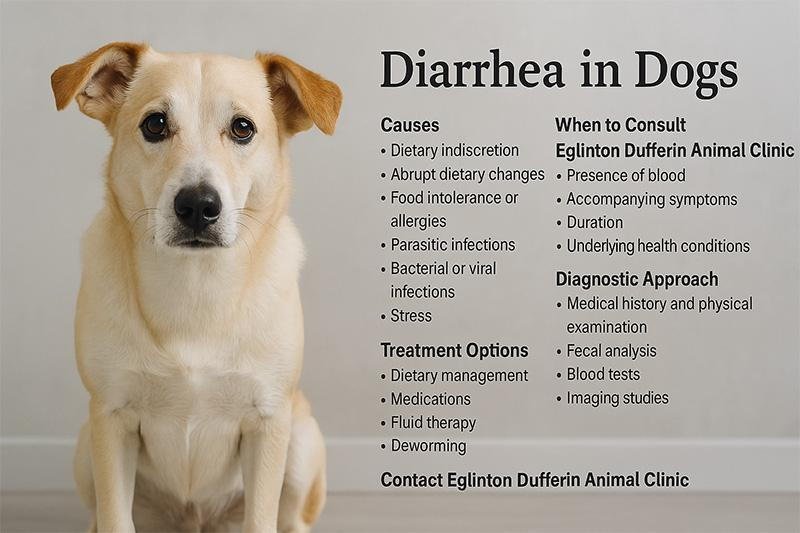
At the clinic, treatment is tailored to the cause and severity of the diarrhea. First, the vet stabilizes the dog: checking temperature, heart rate, hydration, and pain. For mild cases, an anti-diarrheal, gut-soothing diet, and probiotics may be enough. More serious cases require IV or under‑skin fluids, anti-nausea medicine, and specific drugs for infections or parasites. The vet also manages pain and often recommends a short, easy-to-digest diet plan plus clear home-care instructions and follow-up.
Fluids, medications, and hospital care
At the clinic, the first priority is preventing dehydration. Many dogs receive subcutaneous or intravenous fluids to replace water and electrolytes, especially if diarrhea is severe or combined with vomiting.
Medications are chosen based on symptoms and suspected cause. Vets may use anti‑nausea drugs, gut‑protecting medicines, pain relief, and sometimes carefully selected anti‑diarrheal drugs. Antibiotics are used only when a bacterial infection or high risk of sepsis is suspected.
Hospitalization is recommended when a dog is very weak, cannot keep water down, has bloody diarrhea, or shows signs of shock or high fever. In hospital, dogs can receive continuous fluids, close monitoring, and rapid adjustments to treatment, which is essential for serious cases.
Treating parasites and infections
Parasites and infections often require specific medications, not home care alone. Vets usually confirm the cause with stool tests or bloodwork, then choose a targeted drug.
| Problem type | Common treatments (examples) |
|---|---|
| Intestinal worms | Dewormers such as fenbendazole, pyrantel, milbemycin |
| Giardia / some protozoa | Metronidazole, fenbendazole |
| Bacterial infections | Appropriate antibiotics, gut‑soothing meds |
| Viral infections (e.g. parvo) | Intensive fluids, anti‑nausea meds, isolation |
Dogs often need full treatment courses, even if stools look normal sooner. Vets may also recommend bathing, cleaning beds, and picking up stools quickly to reduce reinfection and protect other pets.
Managing long‑term gut problems
Long‑lasting or frequently recurring diarrhea often points to an underlying gut problem rather than a simple stomach upset. Common causes include inflammatory bowel disease (IBD), food intolerance, chronic pancreas disease, and some hormonal disorders. Treatment usually combines a special prescription diet, gut‑targeted medications, probiotics, and regular monitoring. Many dogs live comfortably long term, but only with consistent follow‑up care guided by a veterinarian.
Safe Home Care for Mild Diarrhea

Mild, short‑term diarrhea in an otherwise bright dog can often be managed safely at home with careful monitoring. The priority is preventing dehydration and watching for any red‑flag symptoms. Offer small amounts of fresh water frequently, keep the dog indoors or in a clean area to observe every stool, and note appetite, energy, and urine output. Avoid over‑the‑counter human medicines without veterinary advice. If loose stools persist beyond 24–48 hours or the dog seems unwell, prompt veterinary consultation is recommended.
Short fasting and when to feed
Short fasting can help a dog’s irritated gut rest, but it must be done safely. Adult dogs with mild diarrhea and no red‑flag symptoms may fast for about 8–12 hours, with free access to fresh water. Puppies, toy breeds, seniors, and dogs with chronic disease should not be fasted without veterinary guidance, because low blood sugar and dehydration develop quickly.
After a short fast, offer small, frequent meals of a bland diet every 3–4 hours. If loose stools worsen, vomiting begins, or the dog refuses food, contact a veterinarian promptly instead of extending the fast.
Bland diet ideas and portions
A bland diet helps rest a dog’s gut while still providing energy. A common option is boiled lean chicken (no skin, no bones) and plain white rice. Alternatives include boiled turkey, low‑fat cottage cheese, or prescription gastrointestinal diets from veterinarians.
A simple guideline is to feed about 1/3–1/2 cup of food per 5 kg (11 lb) body weight per day, split into 3–4 small meals. Start with small portions; if diarrhea does not worsen after a few feedings, gradually increase toward the usual daily amount over 2–3 days.
Many dogs do well with a 1:1 ratio of protein to carbohydrate by volume. For very sensitive stomachs, veterinarians sometimes recommend more rice than meat (for example 1 part meat to 2 parts rice). Always introduce the bland diet slowly and provide fresh water at all times.
Probiotics and gut‑friendly supplements
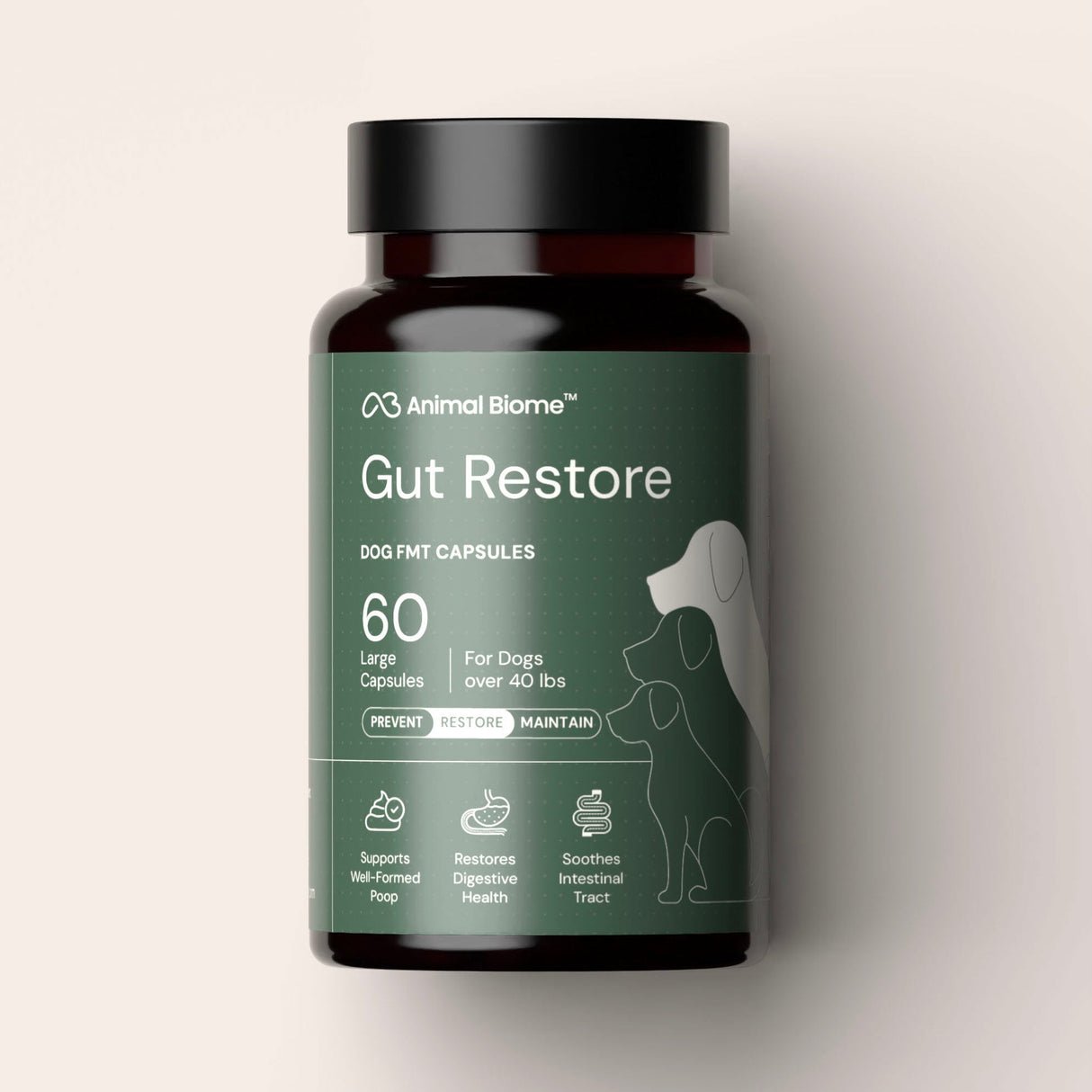
Probiotics support a healthy balance of gut bacteria and may shorten mild diarrhea or help prevent future flare‑ups. Many vets recommend canine‑specific probiotic powders, pastes, or capsules rather than human products. Look for brands with clear CFU counts, multiple strains, and quality testing.
Other gut‑friendly options include prebiotics (fiber that feeds good bacteria) and vet‑approved digestive enzymes. Always ask a veterinarian before starting supplements, especially for puppies, seniors, or dogs on medication.
What to avoid giving your dog
Certain foods and medicines can worsen diarrhea or cause new problems, so they should be avoided.
| Avoid giving | Why it is a problem |
|---|---|
| Human diarrhea or pain medicine (e.g., loperamide, ibuprofen) | Can be toxic, delay diagnosis, or cause serious side effects |
| Fatty, greasy, or spicy foods | Irritate the gut and prolong diarrhea |
| Dairy products | Many dogs are lactose intolerant; can trigger more loose stool |
| Raw meat or raw eggs | Higher risk of bacteria such as Salmonella or E. coli |
| Bones and chews that are hard or rich | Can cause blockages or upset digestion |
| Herbal or online “detox” products | Often untested for dogs; may interact with other drugs |
Only medications and supplements approved by a veterinarian should be used during a diarrhea episode.
Monitoring Your Dog’s Poop and Recovery
Monitoring stool closely helps judge whether home care is working or a vet visit is urgent. Pay attention to energy level, appetite, water intake, and behavior alongside poop changes. Keep a simple log of time, stool appearance, and any vomiting or accidents. If diarrhea worsens, new symptoms appear, or loose stools continue beyond 24–48 hours, stop home treatment and contact a veterinarian promptly.
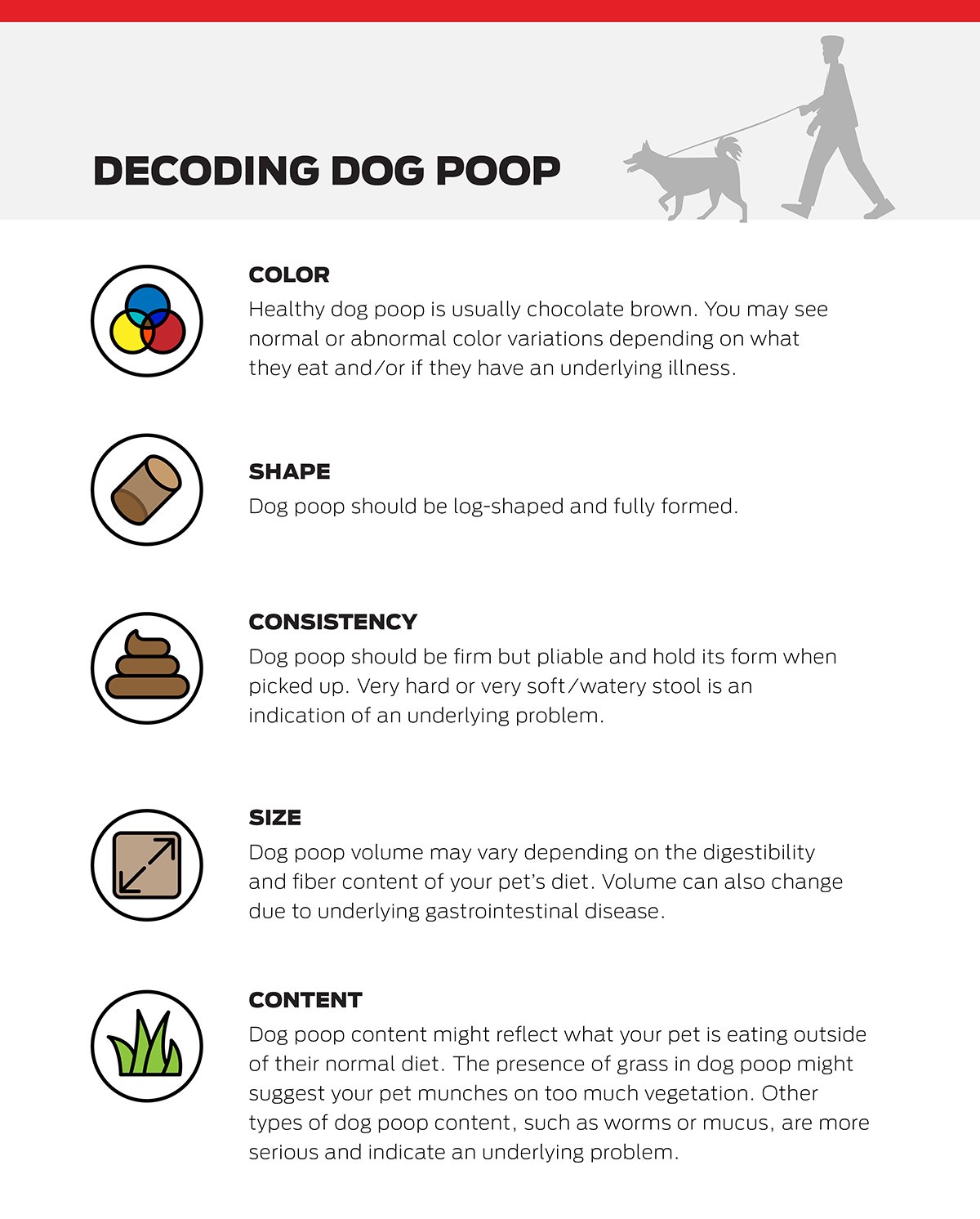
Color, consistency, and frequency guide
Healthy poop offers quick clues:
| Feature | What is normal | When to worry |
|---|---|---|
| Color | Chocolate brown | Black, red, gray, or very pale can mean bleeding or liver/pancreas trouble |
| Consistency | Formed log, easy to pick up | Water, jelly‑like, or pudding texture suggests diarrhea |
| Frequency | 1–3 times a day, regular | Sudden increase, straining with tiny amounts, or no stool at all |
A one‑off soft stool after diet change may be mild. Persistent change over 24–48 hours, or abnormal color, deserves a vet check.
Signs your dog is getting better
As diarrhea improves, stools usually become thicker, more formed, and less frequent. Urination remains normal, and the dog keeps good energy between naps. A dog that is getting better will show interest in food and water, tail movement, and normal curiosity on walks. Less straining, less urgency to go outside, and no new blood or mucus in the stool are also positive signs of recovery.
When to call the vet again
Contact a veterinarian again if diarrhea returns after seeming to improve, or if soft stools continue for more than 2–3 days despite home care. Call promptly if there is new blood, dark tarry stool, vomiting, pain, fever, or your dog seems weak. Ongoing diarrhea in puppies, seniors, or dogs with chronic disease always warrants re‑evaluation, even when symptoms look mild.
Preventing Future Bouts of Diarrhea
Preventing diarrhea focuses on reducing gut stress and exposure to triggers in daily life. Key points are: stable nutrition, good disease prevention, and a calm, clean environment. Owners can:
- Keep diet and treats consistent
- Maintain vaccines and parasite control
- Manage stress, exercise, and hygiene
Later sections give practical ideas for food, parasite prevention, and lifestyle routines that help protect a dog’s digestion long term.
Diet stability and safe treats
Stable feeding habits are the foundation of preventing repeat diarrhea. Dogs’ guts adapt to one main food, so frequent brand changes or many toppers can upset digestion. Choose a complete, high‑quality diet and change foods slowly over 7–10 days, increasing the new food a little at a time.
Treats should make up no more than about 10% of daily calories. Pick simple, dog‑safe options such as plain dehydrated meat or single‑ingredient biscuits. Avoid fatty scraps, seasoned human food, bones, and sugar‑free items with xylitol. New chews or treats should be introduced one at a time so any diarrhea trigger can be identified quickly.
Vaccines, deworming, and parasite control
Regular vaccination and parasite control are essential to prevent diarrhea caused by infections. Core vaccines (parvo, distemper) help protect against severe, often bloody diarrhea. Deworming schedules, starting in puppyhood, reduce roundworms, hookworms, and whipworms that irritate the intestines. Year‑round flea, tick, and heartworm preventives also lower the risk of parasite‑borne digestive upset. Owners should follow a vet‑designed plan tailored to the dog’s age, lifestyle, and local disease risk.
Hygiene, stress, and lifestyle tips
Good hygiene and a calm lifestyle reduce many diarrhea triggers. Pick up stool promptly, clean accidents with pet‑safe disinfectant, and wash food and water bowls daily. Avoid letting dogs drink from puddles or shared outdoor water.
To limit stress, keep a consistent routine for feeding, walks, and sleep. Introduce new environments, people, and dogs gradually. Provide a safe resting spot, mental enrichment (sniff walks, puzzle toys), and avoid sudden intense exercise right after meals, which can upset digestion and, in rare cases, contribute to bloat.
This article provides a clear and concise overview of the causes and treatments of diarrhea in dogs from a health perspective, and carefully explains everything for dog owners, from how to identify dangerous symptoms, to examinations and treatments at the vet, safe care you can do at home, recovery checkpoints, and tips on diet and lifestyle habits to prevent recurrence.






![[Recommended for males] Cool dog names](https://with-my-dog.com/wp-content/uploads/2022/07/image1-36-150x150.jpg)

![[Must-see for beginners] Introduction to potty training your dog. If you pay attention to these points, you'll be fine!](https://with-my-dog.com/wp-content/uploads/2022/07/image4-11-150x150.png)