


Many dog owners struggle to choose the right dog food after their dog has been spayed or neutered. In fact, hormonal changes can make dogs more prone to weight gain and slightly alter their nutritional needs. This article clearly explains how to choose the right dog food for spayed or neutered dogs, highlighting key points and important considerations. This article is recommended for anyone looking to learn more about maintaining their dog's health.
Why neutered dogs need special food
Neutering changes hormone balance, so many dogs use fewer calories and gain weight more easily. At the same time, appetite may increase, creating a gap between what the dog wants to eat and what the body actually needs. Without diet adjustment, neutered dogs are at higher risk of obesity, joint stress, diabetes, urinary issues, and skin problems. Special dog food for neutered dogs is designed to control calories and fat while keeping enough protein and nutrients to maintain health and quality of life.
How neutering changes your dog’s body
Neutering reduces sex hormones such as estrogen and testosterone. As a result, the metabolic rate often drops by around 20–30%, so the body uses fewer calories for the same activity level. Hormone changes also affect fat storage and muscle maintenance. Many neutered dogs start to accumulate fat more easily, while lean muscle can decrease if nutrition and exercise are not adjusted promptly.
Weight gain and lower energy needs
After neutering, many dogs experience a drop in energy needs of around 20–30%, while appetite often stays the same or increases. Without adjustment, weight gain happens easily.
Lower sex hormones slow metabolism and can reduce spontaneous activity such as running and play. For weight control, owners usually need to reduce daily calories or switch to a lower‑calorie, high‑protein formula and pay attention to treats. Regular exercise and routine body‑weight checks help prevent obesity‑related problems such as diabetes, joint stress, and heart disease.
Behaviour and appetite changes
After neutering, many dogs show subtle behaviour and appetite changes. Activity often decreases, while interest in food becomes stronger. Hormonal shifts can lower roaming or mating behaviours and sometimes reduce marking or aggression, but some dogs become more relaxed and food‑focused.
Appetite may seem bigger because the dog asks for snacks more often, even though calorie needs have dropped. Owners should respond with structured meals, measured portions, and low‑calorie treats, instead of free‑feeding or giving in to begging, to prevent long‑term weight gain.
Key nutrition needs after neutering
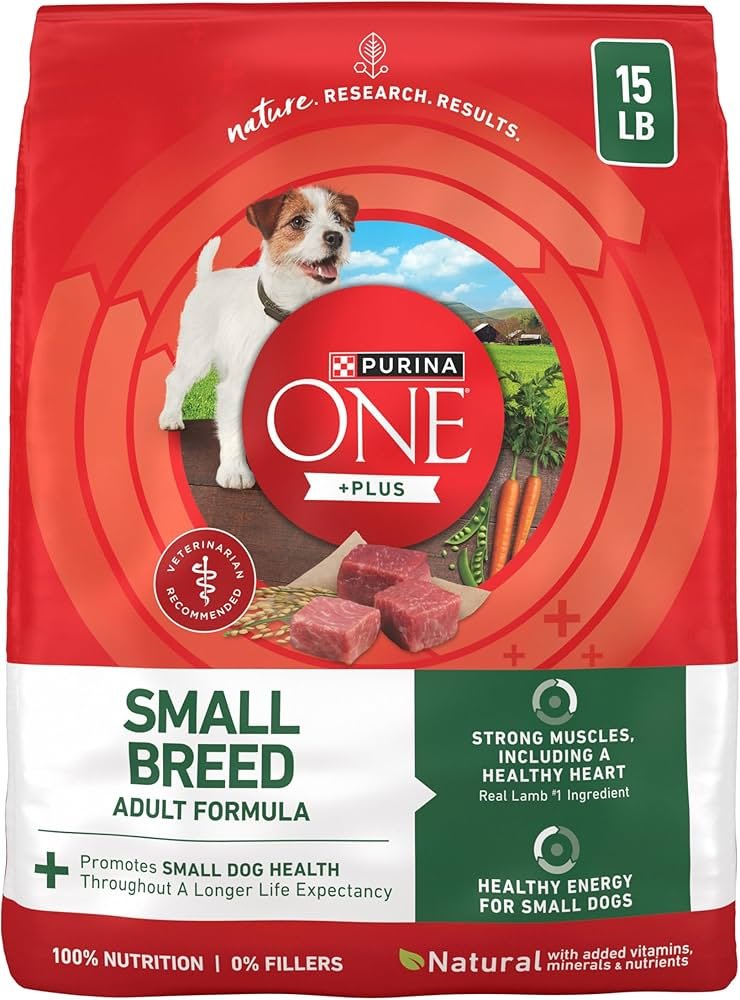
After neutering, hormones such as estrogen and testosterone decrease, so a dog’s calorie needs drop while appetite often stays the same or increases. As a result, the ideal diet shifts toward controlled energy, higher‑quality protein, and enough fiber for fullness.
Balanced minerals and joint‑support nutrients also become more important, because neutered dogs are more prone to weight gain, urinary issues, and joint stress. In short, the goal is to maintain lean muscle while preventing excess fat and supporting overall long‑term health.
Ideal calories and fat levels
After neutering, many dogs need about 10–30% fewer calories because metabolism slows and activity often drops. However, energy needs vary by size, age, and activity, so owners should watch body condition, not only package guidelines.
As a guide, good neutered‑dog formulas usually have moderate calories and reduced fat, for example:
| Nutrient | Typical range for neutered adults* |
|---|---|
| Calories | 320–380 kcal per 100 g of food |
| Crude fat | 8–14% (dry matter basis) |
*Exact needs depend on the individual dog.
Lower fat helps prevent weight gain, while enough calories must remain to keep muscle and normal daily activity. If weight increases despite correct portions, a veterinarian should review both calorie intake and underlying health.
Protein needs for muscle and health
Protein is the key nutrient for maintaining muscle mass and overall health in neutered dogs. After neutering, metabolism slows, so calories and fat are reduced, but it is actually important to ensure an adequate amount of protein. As a general guideline, complete and balanced adult dog foods are recommended to contain around 25–30% high-quality animal protein on a dry matter basis. Maintaining muscle mass also helps preserve basal metabolism and supports weight management and joint health.
Fiber, satiety and weight control
Dietary fiber is a powerful tool for keeping neutered dogs full while controlling weight. Soluble fiber (from beet pulp, oats, psyllium) forms a gentle gel in the gut and supports digestion. Insoluble fiber (from vegetables, cellulose) adds bulk, helping dogs feel satisfied on fewer calories. A good neutered‑dog food usually has moderate fiber, around 3–7% (as‑fed), which helps reduce begging, stabilise stools, and prevents obesity without causing excessive gas or very large stools.
Vitamins, minerals and joint support
Vitamins and minerals support immunity, metabolism, and healthy skin, which are vital for neutered dogs with a tendency to gain weight. Balanced levels of vitamin A, D, E, B‑group, zinc and copper help maintain muscle, coat condition and organ function even on reduced calories.
For joints, nutrients such as omega‑3 fatty acids, glucosamine, chondroitin, and manganese are useful. These support cartilage and may ease stress on joints when body weight increases. Many neutered‑dog formulas include added antioxidants to help reduce chronic inflammation.
What makes a good dog food for neutered dogs
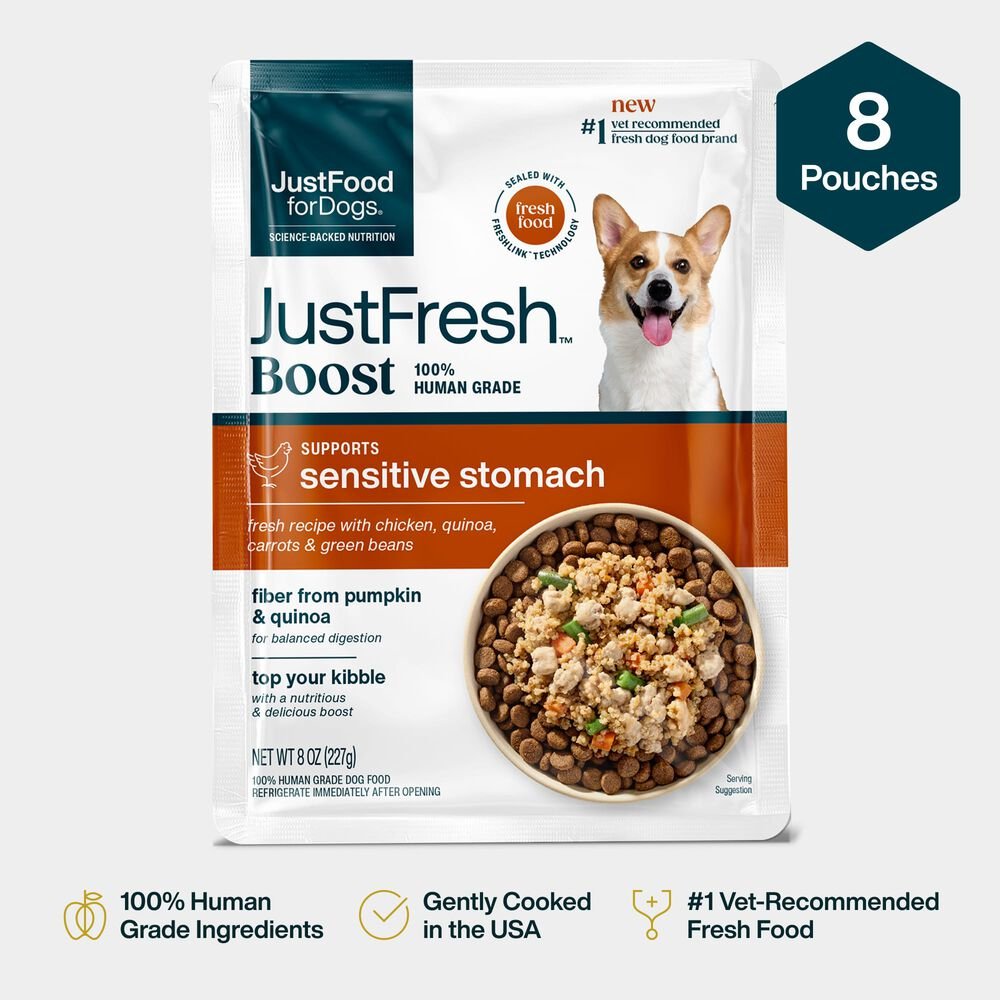
A good dog food for neutered dogs focuses on weight control, stable energy, and long‑term health. Energy density is slightly reduced, while high‑quality animal protein is kept sufficient to protect muscle. Moderate fat, higher fibre, and controlled carbohydrates help prevent weight gain and keep hunger in check. In addition, balanced vitamins, minerals, and joint‑support ingredients support a healthy life for dogs that naturally tend to gain weight after neutering.
Recommended nutrient profile
A good food for neutered dogs has a moderate calorie density and slightly reduced fat, while keeping high‑quality protein. As a rough guide for adult maintenance:
| Nutrient | Target (dry matter) |
|---|---|
| Metabolizable energy | About 320–360 kcal/100 g |
| Crude protein | 24–32% from animal sources |
| Crude fat | 8–14% |
| Crude fiber | 6–12% (mix of soluble/insoluble) |
Added omega‑3s, joint nutrients, and balanced minerals help support long‑term health as activity often decreases after neutering.
Ingredients to look for
For neutered dogs, owners should prioritise lean animal protein, such as chicken, turkey, fish, or eggs, to preserve muscle while calories decrease. Moderate‑to‑low fat sources like poultry fat or fish oil provide energy and omega‑3s for skin, coat, and joints.
High‑quality digestible carbohydrates (brown rice, oats, barley, sweet potato) support steady energy. Fermentable fibres such as beet pulp or chicory root improve satiety and gut health, helping to prevent weight gain.
Look for a named source of joint and metabolic support, for example glucosamine, chondroitin, L‑carnitine, and controlled minerals to protect kidneys and urinary health.
Ingredients best avoided
Highly processed ingredients can increase the risk of weight gain and digestive trouble in neutered dogs. Avoid excess added fats (animal fat, generic vegetable oil), sugary additives (glucose, caramel), and very salty broths. Ingredients listed as “meat and animal derivatives” or “by‑products” with no species name are lower quality. Artificial colors, flavor enhancers, and unnecessary preservatives are also best limited for long‑term health.
Reading dog food labels correctly
Reading dog food labels correctly is essential for choosing safe, suitable food for neutered dogs. Labels show not only ingredients, but also calories, guaranteed analysis, and feeding guidelines. By learning how to read each part, owners can judge whether a product truly supports weight control, muscle maintenance, and overall health after neutering, instead of relying on brand image or packaging design.
Understanding the ingredient list
Understanding the ingredient list helps owners judge whether dog food for neutered dogs is truly suitable. Ingredients are listed in order of weight, so the first 3–5 items are especially important. Prefer foods where named animal protein (such as chicken, salmon, lamb) appears first, rather than vague terms like “meat” or “animal by‑product”. Whole grains, vegetables, and healthy fats should follow. Long lists of artificial colours, flavours, or sweeteners are less desirable, especially for dogs prone to weight gain after neutering.
Crude analysis and calorie content
Crude analysis on a dog food label shows percentages of protein, fat, fiber, moisture and sometimes ash. It does not describe actual quality but gives a basic nutritional outline. For neutered dogs, check crude fat and fiber in particular, because they strongly affect weight control.
Calorie content (kcal per kg or per cup) is even more important. A food lower in calories but still rich in protein helps maintain lean muscle while preventing weight gain. Always use the stated calories to calculate daily portions for a neutered dog.
Marketing claims versus reality
Many bags promote “for neutered dogs” or “weight control”, but marketing terms are not strictly regulated. Owners should first check the guaranteed analysis and calorie content, then the ingredient list, instead of trusting slogans. Words like “premium”, “natural” or “holistic” do not guarantee quality. Reliable products show feeding trials, transparent sourcing, and clear contact details for questions.
Types of food for spayed and neutered dogs
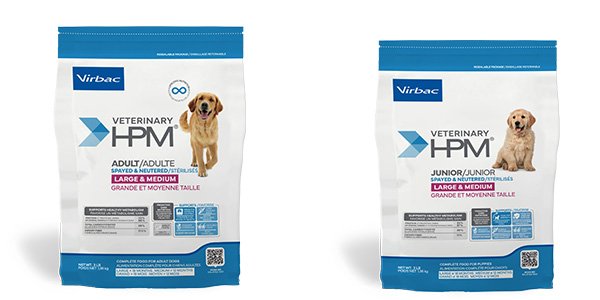
Spayed and neutered dogs can eat many formats of food, but the key is choosing a recipe adapted to lower energy needs and higher weight‑gain risk. Owners can select dry kibble, wet food, raw or gently cooked diets, and veterinary formulas. Important points are controlled calories, adequate protein, moderate fat, and enough fiber for satiety. Any type is acceptable if the recipe’s nutrients match the dog’s age, size, activity, and health status.
Kibble, wet, and mixed feeding
Kibble, wet, and mixed feeding each have advantages for neutered dogs with lower energy needs.
Kibble is convenient, usually lower in calories per gram, and supports dental health when properly chewed. It suits many neutered dogs who tend to gain weight, because portions are easy to measure accurately.
Wet food has higher moisture and stronger aroma, which helps picky eaters or dogs with urinary concerns. However, it can be more calorie‑dense per bowl and easier to overfeed if owners do not weigh portions.
Mixed feeding (kibble plus wet) can offer palatability and satiety while keeping calories under control. Owners can, for example, feed a measured base of light kibble and add a spoon or two of wet food as a topper. For neutered dogs, the key is consistent measuring and total daily calories, regardless of format.
Breed‑specific and size‑specific diets
Breed and size strongly influence how a neutered dog uses energy. Small breeds often need calorie‑controlled food with higher protein, because they burn energy faster but gain fat easily indoors. Large and giant breeds benefit from foods with moderate calories, joint‑support nutrients, and controlled minerals to protect bones and hips. Breed‑ or size‑specific formulas for neutered dogs adjust kibble size, calorie density, and nutrients to match typical risks such as obesity, joint strain, or skin problems.
Therapeutic and veterinary diets
Therapeutic and veterinary diets are specialized formulas designed for medical conditions, not just for routine weight control. Neutered dogs with obesity, diabetes, urinary stones, allergies, or joint disease may benefit from such diets under veterinary guidance.
Many veterinary diets for neutered dogs feature controlled calories, higher protein, joint-support nutrients, and urinary health support. However, they should only be used after a vet’s diagnosis and regular monitoring, because using a medical diet unnecessarily can cause nutritional imbalance or mask disease signs. For healthy neutered dogs, a well‑balanced regular formula is usually sufficient.
Choosing the right brand and recipe
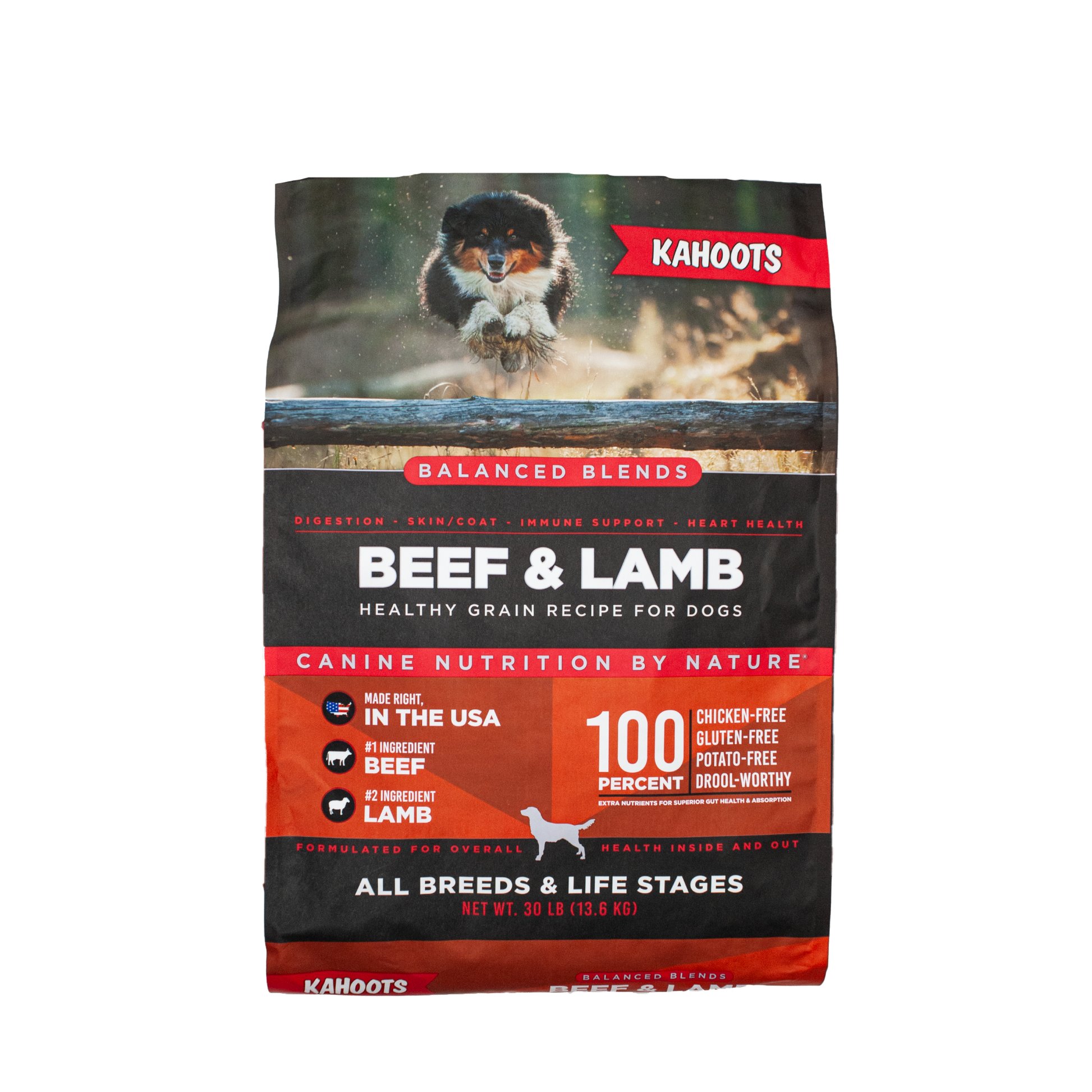
Choosing a brand for dog food for neutered dogs starts with clear criteria. First, confirm that the company publishes complete nutrient profiles and feeding guidelines for spayed and neutered dogs. Next, check whether multiple recipes are offered so owners can pick an appropriate calorie level and kibble size.
When selecting a recipe, prioritize one that matches life stage, body size, and current weight condition. For example, a recently neutered, active medium‑size dog needs a different formula than a sedentary, overweight small breed. Owners should also consider flavor preferences and any sensitivities, such as grain or chicken intolerance, and choose a recipe that dogs will eat happily without digestive trouble.
Checking quality and safety standards
High‑quality dog food for neutered dogs should follow clear safety standards. Owners can first confirm AAFCO or FEDIAF nutritional adequacy statements, which indicate a complete and balanced recipe. Reliable brands also use regular third‑party testing, batch tracking, and clearly label manufacturing locations and expiry dates. Human‑grade or HACCP‑certified facilities, plus transparent recall information on the brand’s website, offer additional reassurance about long‑term safety.
Comparing popular neutered dog foods
Popular foods for neutered dogs often focus on lower calories, higher protein, and extra fibre. For example, many veterinary brands offer “neutered” or “sterilised” lines with about 10–20% fewer calories than regular adult food and added L‑carnitine for fat metabolism. Supermarket and premium pet‑shop brands may use similar claims but vary widely in meat quality and fat levels, so comparing labels, calorie density, and protein sources is important before choosing a long‑term diet.
When to ask your vet for a prescription diet
Prescription diets for neutered dogs are usually needed when ordinary maintenance food cannot keep weight, digestion, or health stable. Typical timing is:
- Rapid weight gain or obesity despite strict portions and exercise
- Chronic digestive problems, skin issues, or recurrent urinary troubles
- Diagnosed conditions such as diabetes, kidney disease, or severe joint disease
In such cases, owners should consult a veterinarian before changing food, and follow the prescribed formula and feeding plan.
Portion sizes for neutered dogs
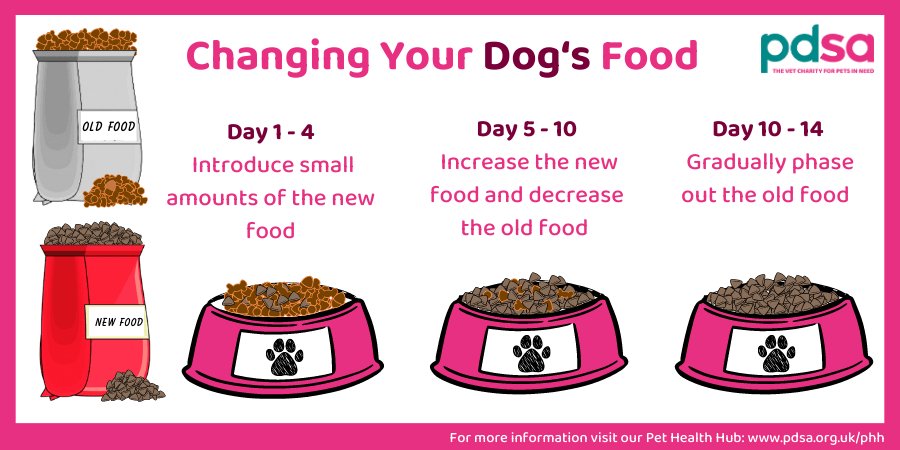
Appropriate portion size is just as important as choosing the right neutered‑dog formula. After neutering, many dogs need around 10–30% fewer calories, so keeping the old amount often leads to weight gain. Start from the feeding guide on the bag, then adjust based on ideal weight, body condition, and activity level. Regularly measure meals with scales or a proper cup, avoid free‑feeding, and review the amount every few weeks as the dog’s condition changes.
How much to feed by weight and size
The appropriate amount is easier to determine when based on “body weight, body size, and activity level”. The basic approach is to first understand your dog’s current weight and ideal weight, then check the feeding guide on the package using the ideal weight.
| Body Size Example | Approximate Amount (Adult Dog, Per Day) |
|---|---|
| Toy breed, around 3 kg | 50–70 g |
| Small breed, around 5 kg | 80–110 g |
| Medium breed, around 10 kg | 140–190 g |
| Large breed, around 20 kg | 240–320 g |
After spaying or neutering, the required calories often decrease by about 10–30% even at the same body weight. For this reason, it is reassuring to start around the lower end of the table or about 10% less, then fine-tune the amount every two weeks while checking your dog’s weight and body condition.
Feeding schedules and meal frequency
Feeding schedules support both weight control and digestive health for neutered dogs. In many cases, two to three meals per day work best.
- Small dogs or very active dogs: 3 meals
- Medium to large adult dogs: 2 meals
Feeding at fixed times every day helps prevent begging and sudden hunger. Avoid free‑feeding, because constant access to food makes weight gain more likely. For dogs prone to gulping, using slow‑feed bowls can also be helpful.
Treats, snacks and table food rules
Treats are often where extra calories quietly add up for neutered dogs. A useful guideline is that treats should provide no more than about 10% of daily calories. Low‑calorie options such as carrot sticks, cucumber, or commercial training treats labeled “light” are preferable.
Table scraps are best avoided. Human foods are often high in fat, salt, and seasonings, which can promote weight gain or cause stomach upset and pancreatitis. If family members like to share, agree on clear rules: only dog‑safe foods, very small portions, and subtract some kibble from meals to compensate.
Begging at the table increases when food is frequently shared. Feeding meals before family mealtimes, ignoring begging behavior, and using healthy treats only for training helps protect both weight control and good manners.
Switching to a new neutered‑dog formula
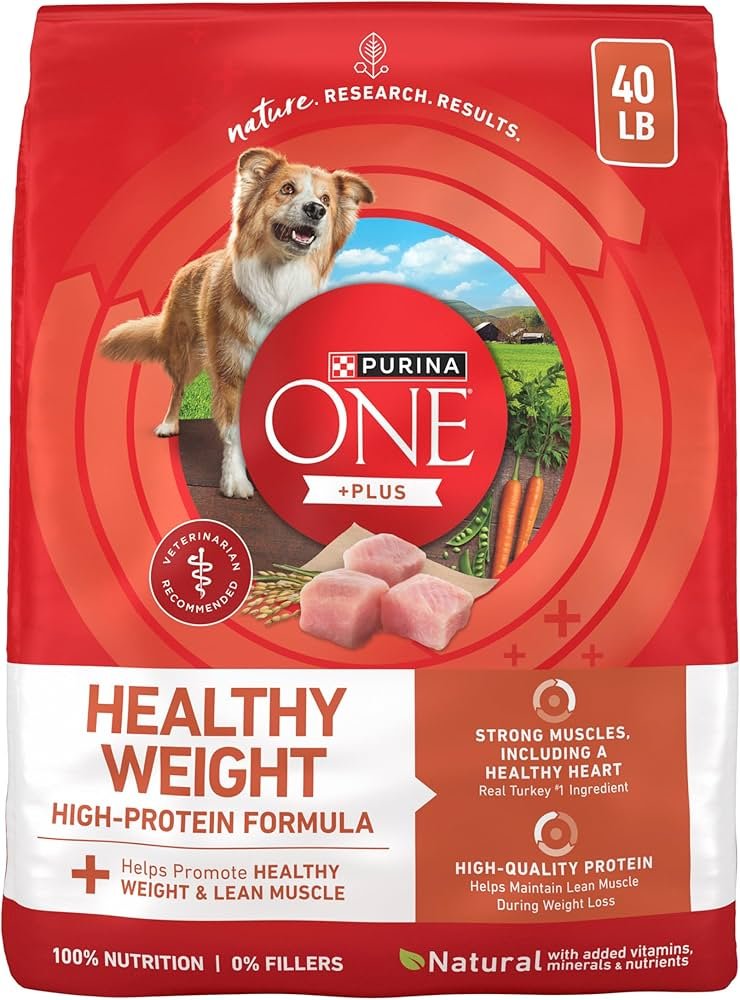
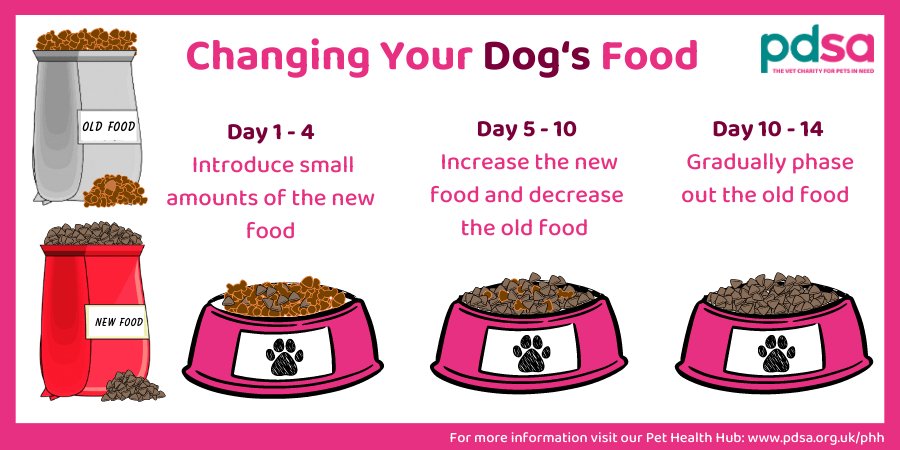
Switching to a neutered‑dog formula should be planned, not sudden. A new food changes calorie density, fat balance, and fiber, so an abrupt swap may cause diarrhea, vomiting, or refusal to eat. Choosing an appropriate formula and changing gradually helps protect the digestive system and keeps weight stable. Before starting, it is helpful to check ideal body weight and current intake so portions can be adjusted accurately.
Safe transition plan step by step
A gradual switch reduces stress on the digestive system. As a目安, plan 7–10 days for the transition and avoid changing treats or adding new table foods at the same time.
| Day | Old food | New neutered‑dog food |
|---|---|---|
| 1–3 | 75% | 25% |
| 4–6 | 50% | 50% |
| 7–9 | 25% | 75% |
| 10+ | 0% | 100% |
Keep the same total daily amount, divide into 2–3 meals, and provide fresh water at all times. If mild soft stools appear, stay at the current ratio a few more days before increasing the new food.
Digestive upset signs to watch for
Mild soft stool is common during a food change, but certain signs suggest true digestive upset. Warning signs include repeated vomiting, watery diarrhea, blood or mucus in stool, strong foul odor, or straining without passing stool. Sudden lethargy, refusal to eat, or a painful, tense belly are also red flags. If any severe symptoms last more than a day, or a puppy/senior is affected, prompt veterinary consultation is strongly recommended.
Special cases and life stages

Neutered dogs share some nutritional needs, but age, body condition and health problems change what “ideal food” means. A recently neutered young dog often needs careful calorie control to prevent rapid weight gain. In contrast, a senior neutered dog may require easier‑to‑digest protein and joint support. Dogs already overweight at the time of surgery usually benefit from a stricter weight‑management plan and closer veterinary guidance.
Recently neutered young adults
Recently neutered young adult dogs experience the most sudden change in energy needs. Hormonal balance shifts within a few weeks, so calorie control becomes important very quickly. In many cases it is safer to reduce daily calories by about 10–20% compared with the pre‑surgery amount.
Young adults are still active and playful, so a diet with normal to high-quality protein helps maintain muscle while fat levels stay moderate. Portion control, measured meals instead of free‑feeding, and regular weight checks support a smooth adjustment. Owners who notice rapid weight gain, constant hunger, or behaviour changes should consult a veterinarian about choosing a neutered‑dog formula earlier and setting an appropriate feeding plan.
Senior neutered dogs and mobility
Senior neutered dogs tend to lose muscle while gaining fat, so support for joints and mobility becomes very important. Choose food with good-quality protein, controlled calories, and joint‑support ingredients such as glucosamine, chondroitin, omega‑3 fatty acids, and antioxidants. Keeping the dog slim reduces pressure on hips, knees, and spine. Combine suitable dog food with gentle, regular exercise and non‑slip flooring to help prevent pain and maintain independence.
Overweight neutered dogs on a diet
Overweight neutered dogs benefit from food and routines designed for steady, gentle weight loss, not rapid dieting. A low‑calorie, high‑protein, higher‑fiber diet helps protect muscle while reducing fat. Many veterinary guidelines suggest aiming for about 1–2% body‑weight loss per week. Daily walks and play should be increased gradually to match the new diet. Regular weigh‑ins and body‑condition checks allow early adjustment and help prevent rebound weight gain.
Monitoring your dog’s health on new food
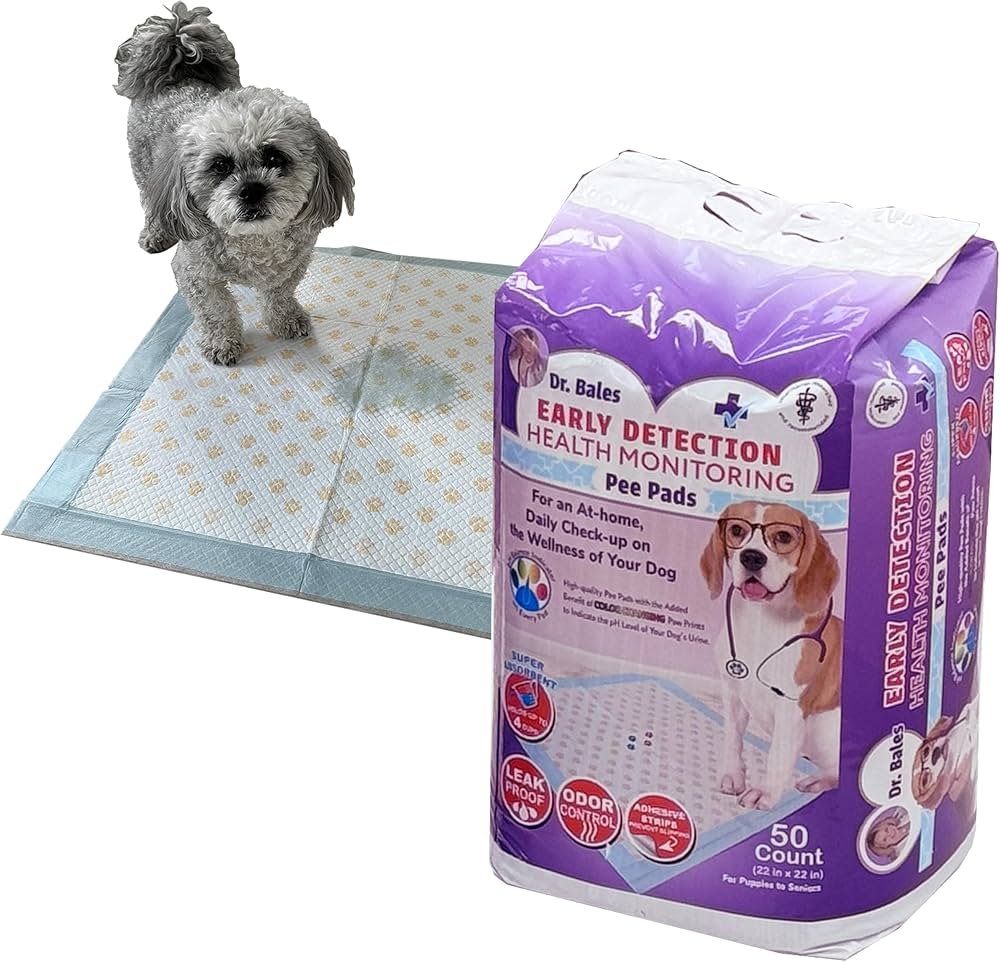
A new food can improve health, but careful observation is essential. In the first 4–6 weeks, owners should monitor weight, stool, skin and coat condition, energy level, drinking and urination. Sudden changes, persistent diarrhea or constipation, intense itching, vomiting, or marked lethargy suggest that the formula or amount may not suit the dog. When any strong or lasting change appears, it is safer to consult a veterinarian rather than keep watching at home.
Body condition score and weight checks
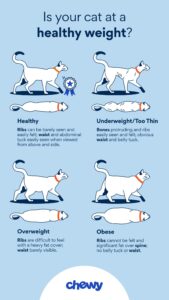
Regular body condition and weight checks help confirm that the new food suits a neutered dog’s needs. Instead of relying only on the scale, owners can use a 9‑point Body Condition Score (BCS). Ideally, ribs should be easy to feel, the waist should be visible from above, and the belly should tuck up from the side. Check weight and BCS about every 2–4 weeks after a diet change. If the BCS creeps above ideal, slightly reduce portions; if the dog looks too lean, increase food a little and consult a veterinarian as needed.
Coat, energy and stool quality
A neutered dog’s coat, energy, and stool provide clear clues about whether the new food is suitable.
A healthy coat should be shiny, soft, and with minimal dandruff or itching. Increased shedding, dull hair, or skin redness can suggest nutrient imbalance or food intolerance.
Energy levels ought to be stable: comfortable alertness without hyperactivity or constant tiredness. Sudden lethargy or restlessness may indicate that calories, protein, or key vitamins are not well matched.
Stool quality is also important. Ideal stools are well‑formed, easy to pick up, and passed 1–3 times per day. Persistent diarrhea, constipation, excessive gas, or very foul odor can point to poor digestibility, too much fat, or sensitivity to certain ingredients.
When coat condition worsens, energy changes markedly, or stool quality declines for more than several days, reconsider the food choice or consult a veterinarian.
When to adjust food or see the vet
A neutered dog’s diet should be adjusted whenever weight, energy or digestion change for more than 2–3 weeks. Sudden weight gain, constant hunger, dull coat, ongoing soft stool, vomiting, or drinking and peeing much more all warrant a review of food type and amount.
If simple changes, such as reducing treats or slightly lowering portions, do not help, a veterinary visit is recommended. Contact a vet immediately if there is blood in stool or vomit, severe lethargy, refusal to eat, or rapid weight loss, because specialised tests and prescription diets may be required.
This article provides a clear and easy-to-understand, third-party perspective on choosing dog food suitable for spayed or neutered dogs, covering everything from necessary nutritional balance and how to read labels to types and amounts of food, how to switch foods, and important considerations for each life stage. It compiles information that will help you maintain a healthy weight and manage your daily diet.








![Dog diet [exercise]](https://with-my-dog.com/wp-content/uploads/2022/07/image2-37-150x150.jpg)











![[Small dogs are very popular] Survey on cute dog rankings](https://with-my-dog.com/wp-content/uploads/2022/07/image4-26-300x225.jpg)