
Many dog owners worry when their beloved pet refuses to eat but is still running around energetically. They wonder if their dog is sick or if they should just wait and see. This article explains seven main health causes when a dog is not eating but still energetic, and provides guidance on when to visit a veterinary hospital and what you can do at home. This will help you recognize even the smallest signs in your dog and provide you with peace of mind while caring for them.
Is It Serious if My Dog Skips Meals?
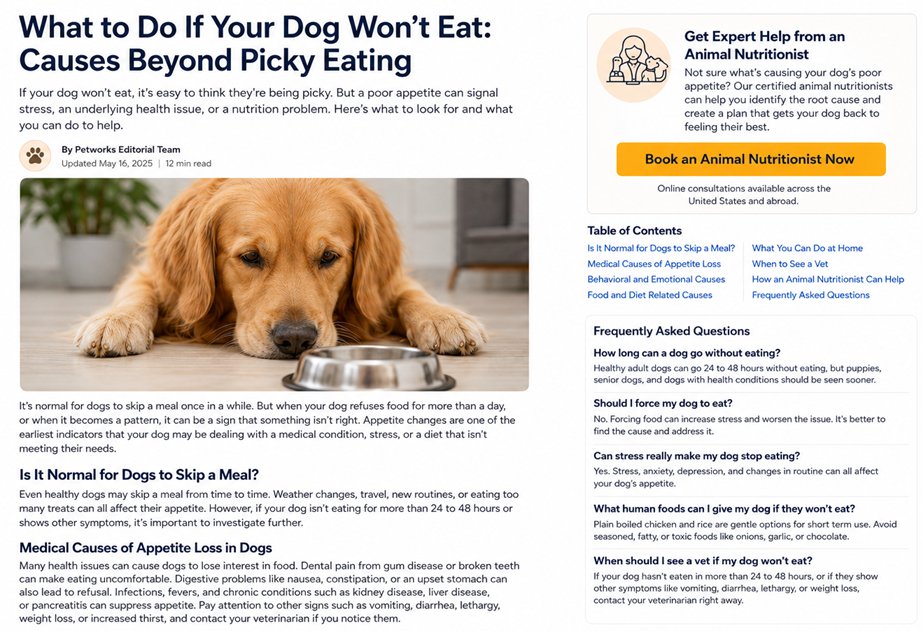
A dog skipping a single meal yet acting bright and playful is often not an emergency. Dogs occasionally eat less due to minor stomach upset, excitement, or changes in routine. However, loss of appetite can be an early sign of illness, so the overall picture matters.
Pay attention to how long the dog refuses food, energy level, water intake, and any new symptoms. If a dog misses more than one or two meals, or appetite suddenly changes for no clear reason, monitoring closely and consulting a vet is safest. Puppies, toy breeds, and senior dogs require faster action.
How long dogs can go without food
Healthy adult dogs can usually tolerate 24 hours without food if they are drinking normally and acting bright. Small-breed dogs, puppies, seniors, and dogs with health problems have less reserve and should not go that long. As a rough guide, any dog that refuses all food for more than one full day, or any puppy under 6 months that skips more than one meal, should be discussed with a veterinarian, even if behavior appears normal.
Red flag signs beyond picky eating
Even when a dog seems bright and playful, loss of appetite can signal early illness. Owners should stop assuming “just picky” and watch for the following red flags:
| Red flag sign | Why it matters |
|---|---|
| Not eating for 24 hours (adults) or 12 hours (puppies, toy breeds) | Risk of low blood sugar or underlying disease |
| Vomiting or diarrhea | Possible infection, obstruction, or toxin exposure |
| Lethargy or hiding | Pain, fever, or systemic illness |
| Sudden weight loss or muscle loss | Often indicates chronic disease |
| Labored breathing, pale gums, collapse | Emergency care is required |
If any red flag appears, contacting a veterinarian promptly is recommended.
Why a Dog May Not Eat but Seems Fine
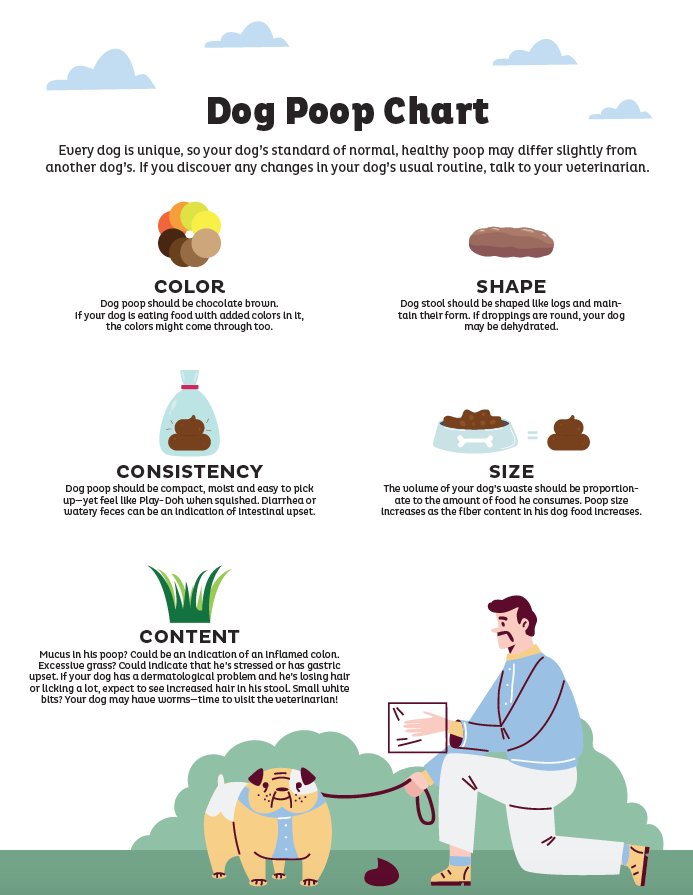
A dog may refuse food yet still play, wag, and seem cheerful. Many mild, early-stage problems start with appetite changes before any other sign. In other cases, behavior and environment quietly affect hunger. Dogs often hide discomfort, so a “normal-acting” dog is not always perfectly healthy. Observing what the dog will eat, when the refusal started, and any small changes in routine or stool helps narrow down whether the cause is medical, behavioral, or food-related.
Mild medical issues to rule out
Even if a dog looks bright and playful, mild health problems can quietly reduce appetite. Short‑term causes often include a minor stomach upset from eating grass or rich treats, temporary constipation or mild diarrhea, or a slight viral or bacterial bug. Mild nausea, gas, or acid reflux can also make food unappealing. In many cases, a dog may skip one meal and return to normal by the next day. However, if reduced appetite lasts more than 24 hours, or recurs frequently, consultation with a veterinarian is recommended to rule out early-stage disease.
Behavior and routine related causes
Dogs often skip meals for behavior or routine-related reasons, even when they appear healthy. Common causes include sudden schedule changes (feeding earlier or later than usual), getting too many treats between meals, or lack of exercise leading to less hunger. Feeding in a noisy area, frequent bowl changes, or irregular portions can also confuse dogs. Adjusting to a calm place, set times, and consistent amounts usually helps appetite return.
Changes in home, stress, and anxiety
Even when a dog seems relaxed, changes in the home can quietly raise stress and reduce appetite. Moving house, home renovations, new furniture, or a new baby or pet often unsettle dogs. Sudden schedule shifts, such as a new job or school term, can also disrupt mealtimes.
Stress may show as panting, pacing, clinginess, hiding, or licking paws more than usual. Creating a quiet, consistent feeding spot, keeping a stable routine, and offering gentle interaction before meals often help anxious dogs feel safe enough to eat again. If worry or appetite loss continues, consultation with a veterinarian or behaviorist is recommended.
Food-related causes and preferences
Dogs often turn away from food for reasons directly related to taste, smell, or texture rather than illness. A sudden recipe change, rancid fats in old kibble, or food stored without an airtight container can all reduce appeal. Some dogs dislike very hard kibble, very cold food from the fridge, or strong artificial aromas. Intact males and some small breeds may naturally prefer grazing over large meals. If a dog eats one brand or form (wet, fresh, homemade) but refuses another, the cause is usually food preference or quality, not stubbornness. However, any ongoing refusal still warrants monitoring and, if prolonged, veterinary advice.
Hidden Health Problems to Consider
Loss of appetite with a dog that seems normal can still hide health issues. Many problems start subtly, so careful observation is important. Mild changes may suggest dental disease, early kidney or liver trouble, low-grade infections, parasites, hormone imbalance, or chronic pain. Owners often only notice reduced eating at first. If reduced appetite continues for more than a day or two, or appears repeatedly, a veterinary check is recommended even if the dog appears lively.
Dental pain and mouth problems
Dental pain often causes dogs to eat less while appearing normal in other ways. Common problems include tartar buildup, broken teeth, gum disease, mouth ulcers, or objects stuck between teeth. Dogs may still take soft treats but avoid hard kibble, chew on one side only, drool, or drop food while eating. Bad breath, pawing at the mouth, or reluctance to have the face touched also suggest oral pain. Early veterinary dental care prevents worsening pain and more serious infection.
Stomach upset and digestive issues
Mild stomach upset is a very common reason for a dog to skip food while still seeming bright and playful. Causes include sudden diet changes, eating too fast, garbage or grass eating, and mild pancreatitis or gastritis. Signs can be gurgling sounds, occasional vomiting, gas, or softer stools. If a dog refuses food for more than 24 hours, vomits repeatedly, has diarrhea with blood, appears bloated, or seems painful, urgent veterinary care is necessary, as serious digestive diseases can progress quickly.
Parasites and low-grade infections
Parasites such as roundworms, hookworms, and Giardia can quietly reduce a dog’s appetite while the dog still appears fairly normal. Mild infections often cause vague signs like softer stools, slight weight loss, or more frequent gas rather than obvious illness. Low‑grade bacterial or viral infections may also blunt appetite for a few days. Persistent poor appetite, recurrent loose stools, or gradual weight loss warrant a stool test and veterinary check as soon as possible.
Hormone and metabolic disorders
Hormone and metabolic problems can quietly reduce appetite while a dog still seems fairly bright. Common causes include hypothyroidism, Cushing’s disease, diabetes, and early kidney or liver disease. Hormones affect metabolism, thirst, and nausea; dogs may just pick at food, lose or gain weight, or drink more. Long-term damage can occur, so vague signs plus poor appetite warrant a prompt veterinary blood test and urine check.
Pain, injury, or arthritis discomfort
Pain can quietly reduce appetite even when a dog seems bright and sociable. Dogs often hide pain, so a small limp or stiffness may be the only clue.
Common sources include sprains, wounds, back pain, and arthritis, especially in medium to large senior dogs. Jumping less on furniture, hesitating on stairs, or licking one area repeatedly can all suggest discomfort.
Persistent or worsening pain, or sudden refusal to move, requires prompt veterinary assessment and appropriate pain relief.
Medication side effects
Many medicines can reduce a dog’s appetite even when the dog appears bright and active. Common examples include painkillers (especially NSAIDs), some antibiotics, heart medications, chemotherapy drugs, and behavior medications. Mild, short‑term loss of appetite for 1–2 days may be expected after starting a new drug, but any vomiting, diarrhea, extreme lethargy, or refusal to eat for longer should be reported to a veterinarian.
If a dog stopped eating soon after a new prescription, note the drug name, dose, schedule, and timing of appetite change, then contact the clinic before changing or stopping the medicine. The veterinarian may adjust the dose, switch to a different drug, add a stomach protectant, or check blood tests to rule out organ strain.
Serious illness with subtle signs
Serious disease does not always cause dramatic symptoms at first. Many dogs with early kidney disease, liver disease, pancreatitis, cancer, or heart problems may still walk, play, and seem normal, but quietly eat less.
Subtle warning signs include:
- Gradual weight loss or muscle loss
- Dull coat or more shedding
- Mild lethargy or sleeping more
- Drinking or urinating more or less than usual
- Bad breath or swollen belly
Persistent appetite loss lasting more than a day or two, even in an otherwise bright dog, deserves a vet check and blood tests to rule out hidden illness early.
Common Behavior and Environment Causes
Many dogs go off their food for reasons unrelated to serious disease. Understanding common behavioural and environmental causes helps owners judge when to worry. Appetite often drops when routines change, feeding times are irregular, or mealtimes feel stressful. Overuse of treats, competition with other pets, hot weather, boredom with the same food, or anxiety after visitors, travel, or loud noises can all reduce interest in meals while the dog otherwise appears normal. Adjusting the daily environment and feeding habits often restores appetite.
Too many treats or table scraps
Giving many treats or table scraps can quickly reduce interest in regular dog food. Dogs learn that waiting pays off if tastier options appear later, so they may leave their bowl untouched. Human food is also often fattier and saltier, which can upset the stomach and unbalance nutrition. To protect health, limit treats to about 10% of daily calories and avoid feeding from the table, so the main meal stays rewarding and predictable.
Feeding schedule and portion issues
Irregular feeding times can confuse a dog’s appetite. When meals are offered all day, many dogs nibble a little and walk away, so owners feel the dog is “not eating.” A simple, regular schedule often restores normal eating.
Aim for 2 meals a day for adult dogs, 3–4 for puppies. Put the bowl down for 15–20 minutes, then pick it up until the next mealtime. Overfilling the bowl can also reduce appetite; portions should match the dog’s weight, age, and activity. Sudden large increases or frequent changes in amount may cause mild stomach upset and temporary refusal of food.
Competition and resource guarding
When more than one dog lives in a home, competition around food can cause a healthy dog to stop eating calmly from the bowl. Some dogs feel rushed if others hover nearby, while nervous dogs may avoid eating if a pushy dog steals food. Resource guarding can appear as stiff posture, growling, or eating only when alone. Feeding dogs in separate rooms or crates, using barriers, and giving each dog its own bowl often restores a relaxed appetite and prevents conflicts.
Stressful events and travel
Dogs often eat less after stressful events such as moving house, loud parties, fireworks, vet visits, grooming, or boarding. Travel can also disrupt appetite because of new smells, sounds, motion sickness, and time‑zone or schedule changes.
After a stressful day or trip, many dogs skip one or two meals but remain bright and playful. Keeping the routine predictable, offering meals in a quiet corner, and using familiar bowls and bedding can help recovery. If appetite does not return within 24–48 hours, or other symptoms appear, a vet check is recommended.
Heat, weather, and daily activity
Hot weather often reduces appetite, especially in large breeds and thick-coated dogs. Energy needs drop when dogs move less in the heat, so they may eat smaller meals but still act normal. Sudden spikes in temperature, intense exercise, or walks in the hottest hours can also cause mild nausea or fatigue.
If a dog skips food in hot weather, ensure constant access to cool water and shade and watch for panting, drooling, or weakness. Signs of heatstroke, vomiting, or collapse require immediate veterinary care.
Dog Won’t Eat Food but Eats Treats
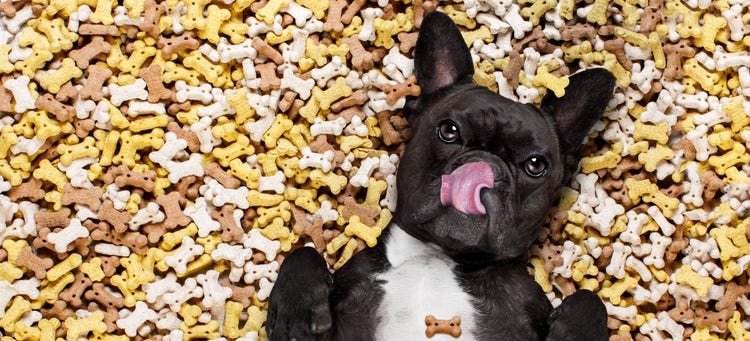
A dog that refuses meals but still eats treats is usually not acutely ill, but the pattern should not be ignored. Dogs quickly learn that if they skip regular food, something tastier may appear. Over time, this habit can lead to an unbalanced diet, stomach upset, or weight changes. Owners should observe duration, energy level, and stool quality, and start adjusting routines before the behavior becomes hard to reverse.
Why dogs hold out for tastier options
Many dogs quickly learn that refusing regular food can lead to something tastier appearing. If a dog skips kibble but soon receives treats, chicken, or wet food, the dog is rewarded for holding out. Over time, clever dogs repeat the behavior, especially if family members offer snacks frequently. Strong smells, higher fat content, and human food flavors are far more appealing than plain kibble, so the everyday meal loses its charm compared with “bonus” options.
When picky eating becomes a concern
Picky eating becomes a concern when it lasts more than a few days, when a dog loses weight, or when refusing food is paired with other changes such as lethargy, vomiting, or diarrhea. Even if a dog still eats treats, reduced interest in normal meals can signal pain, nausea, or dental problems. Any sudden change in appetite, especially in puppies, seniors, or dogs with existing illness, warrants a prompt vet check.
Resetting expectations around meals
Many dogs learn that if they refuse normal food, something tastier appears. To protect health, owners need clear rules around meals. Offer a measured portion, leave it down for 10–15 minutes, then remove the bowl until the next scheduled feeding. No replacements, extra toppings, or treats in between. Healthy dogs will not starve themselves, and a few missed meals under guidance are usually safe. Calm consistency teaches that regular dog food is the only option, not optional.
Dog Stopped Eating Dry Food Only
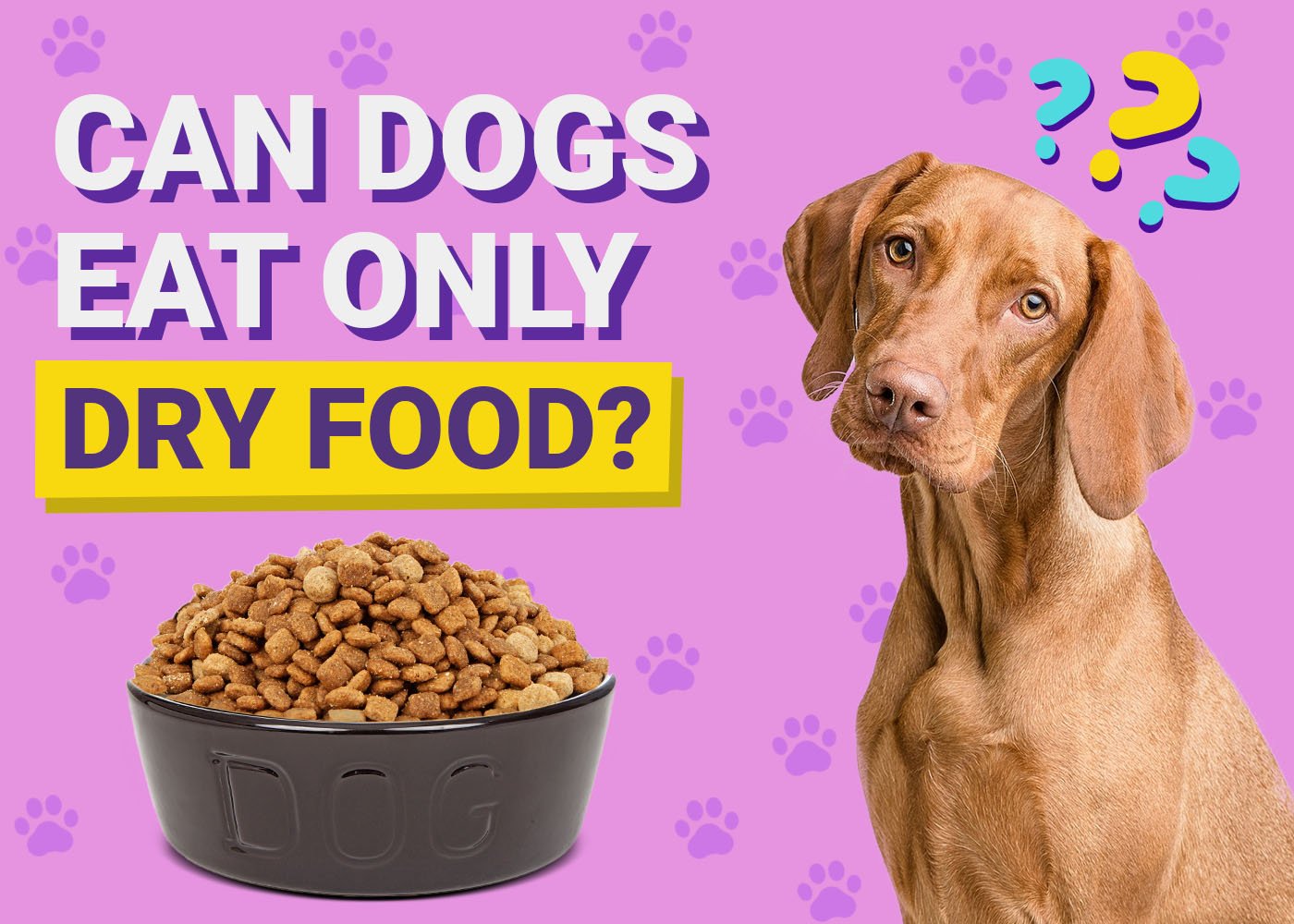
When a dog refuses only dry food but eats wet food, fresh food, or treats, the problem often lies with the kibble rather than with appetite in general. The dog may be bored with the texture, find the pieces hard to chew, or associate the dry food with a mild past stomach upset. Dental discomfort, age-related chewing issues, sudden recipe changes, or stale/rancid kibble can also make dry food less appealing even when the dog otherwise seems healthy and playful.
Could the kibble itself be the issue?
When a dog suddenly refuses dry food but eats wet food or treats, the kibble itself may be the problem. Stale, rancid, or reformulated kibble often smells different to dogs, even if the change is hard for humans to notice.
Common kibble-related issues include:
| Possible issue | What to check |
|---|---|
| Expired or poorly stored food | Best-before date, storage in hot/humid areas, strong oily smell |
| Rancid fats or contamination | Unusual odor, greasy feel, dogs avoiding the bowl completely |
| Recent recipe or brand change | New bag ingredients list, shape, or smell altered |
| Hard texture causing discomfort | Dog has dental pain and avoids hard pieces but eats soft foods |
If any problem is suspected, stop feeding that bag immediately and open a fresh bag or try a different brand while monitoring for other symptoms.
Switching between dry, wet, and fresh
Many dogs happily rotate between dry, wet, and fresh foods, but sudden changes can unsettle the stomach or appetite. Any switch should be gradual over 5–7 days. Start with about 75% old food and 25% new, then slowly increase the new portion. Mixing a little warm water into kibble or topping dry food with a small amount of wet or fresh food can boost aroma and appeal, without creating a habit of refusing plain kibble. Always keep total calories appropriate for the dog’s size and activity level.
How to encourage kibble eating safely
Some dogs can return to eating kibble with small, safe adjustments. The goal is to make dry food more appealing without upsetting the stomach.
- Start by mixing a small amount of warm water or low‑sodium broth into the kibble to soften the texture and enhance aroma.
- Add a spoonful of plain wet food or vet‑approved topper, keeping extras under about 10% of the meal.
- Offer meals for 15–20 minutes only, then remove the bowl until the next scheduled feeding to avoid constant grazing.
- Keep portions moderate and avoid frequent flavor changes, which can create picky habits.
If a dog still refuses kibble for more than a day or shows any signs of illness, consultation with a veterinarian is recommended before further changes.
Puppy Not Eating but Playing Normally
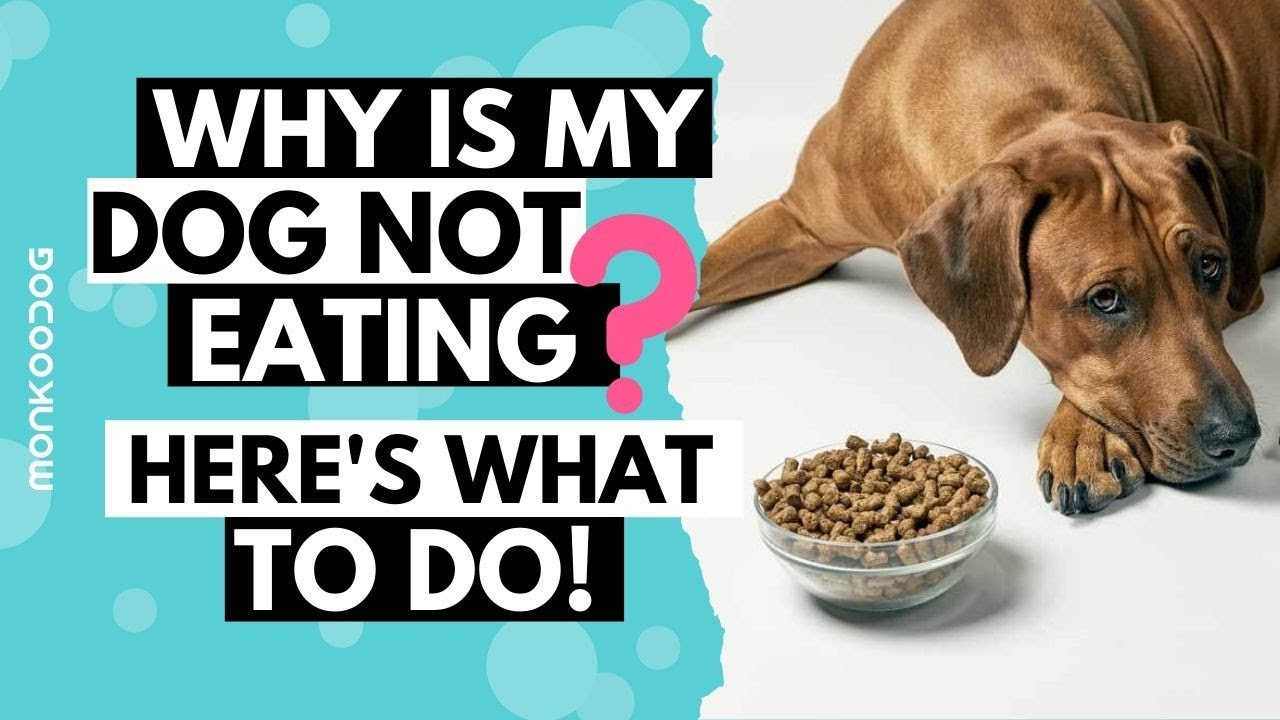
A puppy that skips a meal but still plays, drinks water, and behaves normally may simply be distracted, adjusting to a new routine, or mildly stressed. Short episodes of reduced appetite often occur around big changes such as coming home, vaccinations, or minor tummy upset. However, puppies have small energy reserves, so prolonged fasting is risky. If a puppy refuses more than one meal in a row, seems tired, vomits, has diarrhea, or feels hot to the touch, prompt veterinary advice is strongly recommended.
What is normal for puppies
For many puppies, a slightly erratic appetite is completely normal. Growth, excitement, and new experiences often matter more than food for a short time. Healthy puppies usually:
- Eat 3–4 small meals a day
- Show steady weight gain and bright energy
- Have normal stools and urination
Short periods of mildly reduced interest in food, especially after big play sessions or minor routine changes, can be within the normal range as long as energy, hydration, and behavior stay typical.
Teething, growth, and food changes
Puppies go through rapid growth, so appetite can fluctuate from day to day. During teething (around 3–6 months), sore gums may make hard kibble uncomfortable, leading to slower or partial eating rather than complete refusal. Sudden food changes, rich treats, or switching brands too quickly can also reduce appetite or cause mild stomach upset. To help, introduce new foods gradually over 5–7 days, soften dry food with warm water, and offer appropriately sized, vet‑approved puppy diets that are gentle on growing teeth and digestive systems.
When a fasting puppy is an emergency
A puppy going without food can become dangerous much faster than in an adult dog. Because puppies have small energy reserves, low blood sugar and dehydration can develop within hours.
As a guide, seek urgent veterinary advice if:
| Situation | Time without eating that is an emergency |
|---|---|
| Very young puppy (under 12 weeks) | More than 6–8 hours or if skipping 2 meals |
| Older puppy | More than 12–18 hours or skipping 2–3 meals |
Regardless of time, treat the situation as an emergency if the puppy also shows vomiting, diarrhea, weakness, wobbliness, pale gums, breathing changes, or a swollen belly. In such cases, home observation is unsafe and the puppy should be seen by a veterinarian the same day, preferably immediately.
Senior Dog Off Food but Acting Okay
An older dog that skips meals but still walks, plays, and interacts can worry many owners. In seniors, even subtle appetite loss may be the first sign of a health problem, such as dental disease, early kidney trouble, or pain from arthritis. However, mild, short-term changes can also relate to slower metabolism or warmer weather. Owners should monitor duration, water intake, weight, and energy level, and arrange a veterinary check if poor appetite continues beyond a day or two, or recurs frequently.
Age-related changes in appetite
Older dogs often eat more slowly or leave small amounts of food, as metabolism and activity naturally decline. Mild appetite reduction can be normal with age, especially on hot days or after a busy outing. However, clear changes such as skipping whole meals, sudden fussiness, or noticeable weight loss are not simply “old age.” Age also increases the chance of dental disease, organ problems, and pain, so any ongoing decrease in appetite in a senior dog should be discussed with a veterinarian.
Common senior health issues to check
Many senior dogs eat less because of underlying health problems, not only age. Owners should check for:
- Dental disease: bad breath, drooling, dropping food
- Kidney or liver issues: increased thirst, more urination, weight loss
- Heart disease: cough, tiredness on walks, faster breathing at rest
- Arthritis or pain: reluctance to bend to the bowl, stiffness
- Cognitive decline: confusion, staring, night restlessness
If appetite change appears together with any of these signs, a prompt veterinary check is recommended.
How quickly older dogs need a vet
For senior dogs, appetite loss requires quicker veterinary attention than for younger dogs. As a general guide, a healthy adult may skip one day, but an older dog should be seen within 24 hours if meals are refused, even when behavior appears normal. Very small, frail, or chronically ill seniors, or those on medication, may need a same‑day visit. Any vomiting, diarrhea, panting, collapse, or sudden behavior change turns appetite loss into an emergency and needs immediate vet care.
Newly Adopted Dog Not Eating
A newly adopted dog may refuse food for the first 24–48 hours while adjusting. Shelter life, transport, and a strange environment can suppress appetite even if the dog seems otherwise normal. Offer quiet, safe meal times, the same food used in the shelter or foster home, and avoid crowding or overhandling around the bowl. Monitor for vomiting, diarrhea, lethargy, or not drinking; if any appear or the dog eats nothing for more than two days, contact a veterinarian.
Stress of a new home and routine
Many newly adopted dogs experience stress and culture shock when entering a new home. Even if they seem calm or playful, their routine, smells, people, and sounds have all changed. Stress hormones can suppress appetite, so a dog may sniff food, walk away, or only eat a little. Shelter feeding schedules, food type, and bowl position may also differ. In most cases, appetite improves over several days as the dog feels safer and learns the new routine.
Helping nervous dogs feel safe to eat
A newly adopted, nervous dog often needs quiet, predictable mealtimes before feeling safe enough to eat. Place the bowl in a calm corner away from doors, children, and other pets, and stay neutral rather than hovering or staring. Offer food for 15–20 minutes, then remove the bowl until the next meal so feeding has a clear rhythm. Using the same bowl, spot, and schedule every day builds security. Gentle praise when the dog approaches or sniffs the food helps, but avoid pressure; allow the dog to choose the pace while monitoring overall intake and behavior carefully.
When to call the shelter or vet
For most newly adopted dogs, a mild decrease in appetite for 1–2 days is common. Contact the shelter or rescue promptly if the dog refuses all food for more than 24 hours, or sooner if the dog looks unwell.
Use the guide below as a reference:
| Situation | Who to call | Timing |
|---|---|---|
| Newly adopted, skips 1–2 meals but still eats treats and drinks water, otherwise bright | Shelter or rescue | Within 24 hours for advice |
| Not eating at all for >24 hours, or only nibbling and losing interest | Shelter or vet | Same day |
| Vomiting, diarrhea, coughing, or sudden behavior changes along with poor appetite | Vet first | Immediate / same day |
| Puppy under 6 months, or toy‑breed dog not eating | Vet first | Within 12–24 hours at most |
The shelter can share the previous diet, feeding routine, and any known medical history. However, any sign of illness, pain, or rapid decline should always be treated as a veterinary issue rather than only a behavior or adjustment problem.
Dog Not Eating or Drinking at All
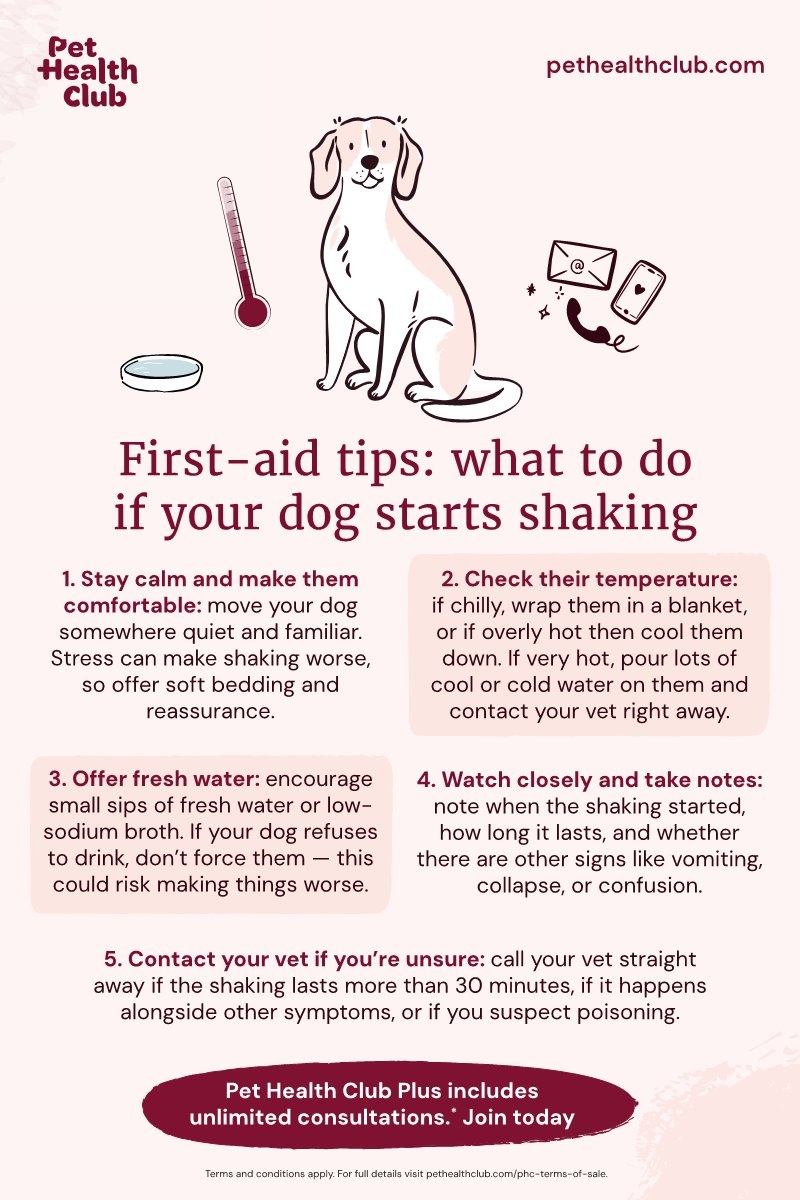
A dog that is not eating or drinking at all is far more concerning than a dog skipping a single meal. Lack of water leads quickly to dehydration, kidney strain, and shock, especially in puppies, toy breeds, and senior dogs. Even if the dog seems calm or is still walking around, complete refusal of both food and water for more than 12–24 hours should be treated as a potential emergency and discussed with a veterinarian without delay.
Why this is more urgent than food only
Refusal to drink quickly leads to dehydration, which becomes dangerous far faster than short-term lack of food. Adult dogs can often miss meals for a day or two without severe harm, but even 24 hours with very little water can affect organs, blood circulation, and body temperature control. Vomiting, diarrhea, heat, or underlying illness make fluid loss worse. Because of this rapid impact, a dog that is not eating and not drinking should be treated as an urgent situation and assessed by a veterinarian as soon as possible.
Dehydration signs you can check at home
軽い食欲不振だけであれば様子見できますが、脱水は短時間で危険な状態に進行する可能性があります。自宅でも次のようなポイントを確認できます。
| チェック項目 | 正常な状態 | 脱水が疑われる状態 |
|---|---|---|
| 歯ぐき | つやがありしっとり、薄いピンク色 | 乾いている、ネバネバする、白っぽい |
| 皮膚(首の後ろをつまむ) | すぐに元に戻る | つまみ跡がゆっくり戻る、しばらく残る |
| 目 | うるおいがある | くぼんで見える |
| 尿の色 | 薄い黄色 | 濃い黄色〜オレンジ、量が少ない |
脱水の疑いがあれば早めの受診が重要といえます。
Immediate steps before the vet visit
If a dog is not eating or drinking at all, treat the situation as urgent. Until reaching a vet, owners can:
- Remove all food, but always leave fresh water available
- Offer small amounts of water frequently; avoid large volumes at once
- Keep the dog in a quiet, cool room and limit strenuous activity
- Check gums, breathing, and behavior every 30–60 minutes
- Prepare information for the vet: when appetite and drinking stopped, any vomiting, diarrhea, toxins or foreign objects the dog might have accessed, current medications, and recent diet changes
If the dog collapses, has breathing difficulty, pale or blue gums, or repeated vomiting, owners should go to an emergency clinic immediately, without waiting for an appointment.
Safe Ways to Get Your Dog to Eat
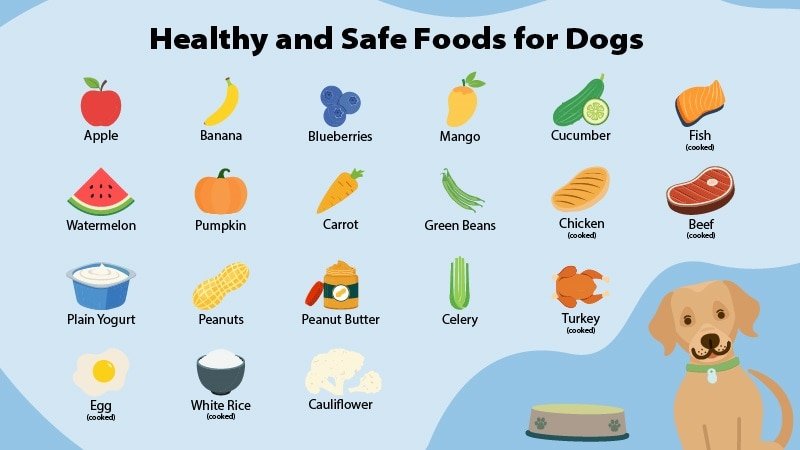
When a dog is bright and active but not finishing meals, many owners want to encourage eating without causing harm. The safest approach is to keep food simple, familiar, and gently more appealing, while avoiding pressure. Offer small, frequent meals, remove leftovers after 15–20 minutes, and avoid constantly changing foods. Mild toppers such as warm water, a little low‑sodium broth, or a spoon of the dog’s usual wet food can increase aroma so the dog feels more tempted to eat, until the underlying reason is clarified by a veterinarian.
Improving the feeding routine
A calm, predictable routine often improves a dog’s appetite. Aim for set meal times, usually 2 meals a day for adults and 3–4 for puppies, instead of free-feeding. Leave the bowl down for 15–20 minutes, then remove any leftover food until the next scheduled meal. Feed in a quiet, low‑distraction area away from children and other pets to reduce stress or competition. Use the same bowl and feeding spot so the dog associates that place with eating. Consistent timing, location, and rules help many dogs relax and eat more reliably.
Making meals more appealing
For many dogs, a few small changes can make meals far more tempting. Slightly warming food, adding a splash of warm water, or topping kibble with a teaspoon of plain boiled chicken or low‑sodium broth can boost aroma and flavor. Rotating 2–3 vet‑approved recipes within the same brand range also helps. Serving food in a quiet space, using a puzzle feeder, or hand‑feeding a few bites can turn eating into a pleasant, rewarding routine rather than a chore.
What not to do when your dog won’t eat
When a dog refuses food, some reactions can unintentionally worsen the problem. Avoid switching foods repeatedly, as constant changes can upset digestion and reinforce picky habits. Do not leave food out all day; most dogs eat better with timed meals and brief access to the bowl. Avoid scolding or forcing food into the dog’s mouth, because mealtimes may become scary and stressful. Finally, do not delay veterinary advice if appetite loss lasts or other symptoms appear.
Avoid unsafe human foods
Many owners are tempted to “tempt” a dog with human snacks, but some human foods are toxic or hard to digest for dogs. Avoid:
- Onions, garlic, leeks, chives
- Chocolate, coffee, tea (caffeine)
- Grapes and raisins
- Xylitol (in sugar‑free gum, candy, some peanut butters)
- Alcohol, raw bread dough, fatty or fried foods, cooked bones
Offering unsafe foods can turn a mild appetite issue into a medical emergency, so use only dog‑safe options recommended by a veterinarian.
Do not withhold water or force feed
Even if a dog refuses food, clean, fresh water must always be available. Mild food refusal can be monitored at home, but lack of water intake quickly leads to dehydration, which is far more dangerous.
Avoid forcing food into the dog’s mouth with syringes, spoons, or by hand unless a veterinarian explicitly instructs. Force feeding can cause aspiration (food entering the lungs), stress, and food aversion. Instead, offer small, frequent, appealing meals and seek veterinary advice if appetite does not improve.
When to Call the Vet About Appetite
A reduced appetite is common for many minor reasons, but persistent or sudden changes can signal illness. Call a veterinarian if a dog refuses all food for more than 24 hours, eats much less for several days, or shows any warning signs such as vomiting, diarrhea, lethargy, pain, breathing changes, or not drinking. Puppies, toy breeds, and senior dogs become unstable faster, so err on the side of calling earlier for vulnerable dogs even if they still seem fairly normal.
Time frames by age and size
Age and body size affect how long a missed meal is safe. In general:
| Dog type | Safe to monitor at home* |
|---|---|
| Young puppies (under 6 months) | Skip no more than 1 meal |
| Small adults & toy breeds | About 12–18 hours |
| Medium–large healthy adults | Up to 24 hours |
| Senior dogs or dogs with illness | Vet if off food ≥12–24 hours |
*If any other worrying signs appear, contact a vet sooner.
Urgent symptoms that need same day care
Loss of appetite plus any of the following requires same‑day veterinary care:
- Vomiting or diarrhea, especially repeated or with blood
- Struggling to breathe, pale/blue gums, or collapse
- Bloated, hard, or very painful abdomen
- Refusing water, very lethargic, or unable to stand
- Seizures, sudden weakness, or disorientation
If unsure, treat lack of eating plus another worrying sign as urgent and call a vet immediately.
What information to prepare for your vet
Before visiting a veterinarian, organizing information helps diagnosis proceed smoothly. Prepare when appetite change started and how it has changed, current diet details (brand, flavor, amount, treats, human food), and any recent food or environment changes. Note vomiting, diarrhea, coughing, fatigue, or behavioral changes, as well as all medications, supplements, and preventives. Recording body weight changes, previous illnesses, vaccination status, and whether other pets are affected also supports accurate assessment.
Preventing Future Appetite Problems
A dog’s appetite is easier to protect when small problems are noticed early. Stable routines, regular health checks, and a balanced diet greatly reduce sudden food refusal. Owners benefit from watching for gradual weight change, mild chewing difficulty, or slower eating speed. Calm mealtimes without pressure, consistent portion sizes, and avoiding frequent food changes help the digestive system stay comfortable and support long‑term appetite.
Routine health checks and dental care
Regular checkups help catch subtle appetite changes before they become serious. Annual vet visits (every 6 months for seniors) allow weight checks, blood tests, and review of any skipped meals. Dental care is especially important; sore teeth or gums are a common reason dogs avoid food. Daily brushing, dental chews approved by vets, and professional cleanings as advised keep the mouth comfortable so eating stays enjoyable and pain free.
Balanced diet and consistent habits
A stable appetite depends on nutritious food and predictable routines. Choose a complete, balanced diet appropriate for age, size, and health needs, and avoid frequent brand or protein switches unless advised by a vet. Serve measured portions at set times, usually 2 meals per day for adults, and remove uneaten food after 15–20 minutes. Consistent mealtimes, walking times, and sleep schedules help many dogs feel secure, which often improves appetite and reduces fussy eating over time.
Monitoring weight and body condition
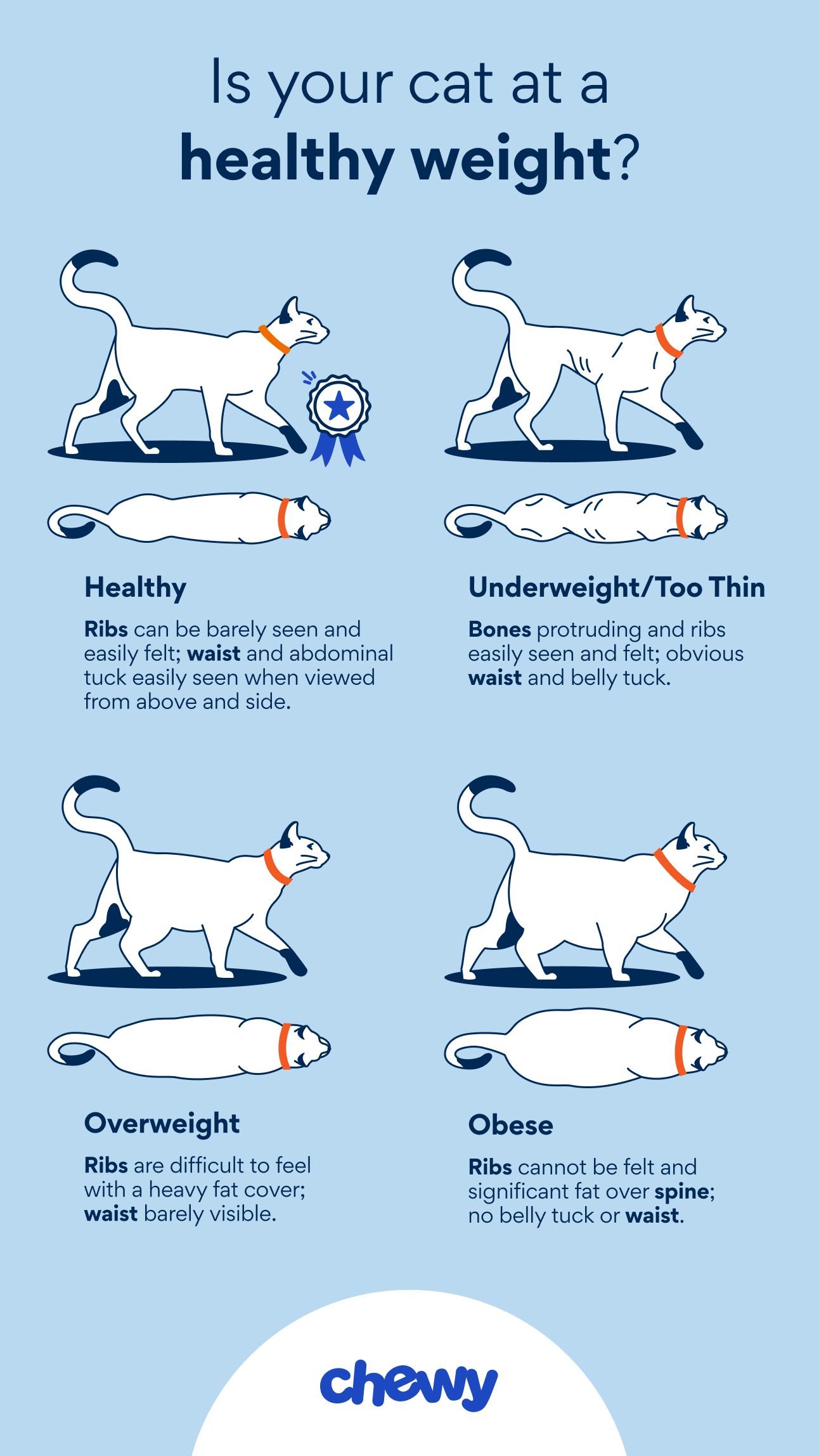
Regularly checking body weight and shape helps notice appetite problems early. Aim to weigh dogs at least monthly and use body condition scoring (BCS) to judge shape by eye and touch.
Key points for BCS:
- Ribs: should be easy to feel, not sharply visible
- Waist: visible from above, slight “tuck” from side
- Spine/hips: not sharply sticking out
Sudden weight loss, a bony feel, or a rapidly growing belly despite poor appetite are reasons for prompt veterinary advice. Keeping a simple log of weight, photos, and notes about meals makes subtle changes easier to spot.
This article clearly explains the possible health causes and behavioral/environmental factors behind a dog's condition of "being otherwise healthy but not eating," provides guidance on when to seek veterinary attention based on age and symptoms, explains safe ways to improve appetite at home, and offers tips for future prevention.





![[2022 Edition!] Popular Small Dog Names](https://with-my-dog.com/wp-content/uploads/2022/04/image2-1-150x150.jpg)











![[Treatment by a Groomer] How to Groom Your Dog? How to Do It Yourself and Why You Should Go to a Salon](https://with-my-dog.com/wp-content/uploads/2021/09/alvan-nee-lvFlpqEvuRM-unsplash-1-300x200.jpg)