
Many dog owners worry that their dog's food might not be suitable if it repeatedly causes itchy skin, ear inflammation, diarrhea, and other problems. This article provides a clear explanation of everything from the basics of dog food-related allergies to how to choose a "hypoallergenic dog food" that is formulated with low allergens in mind. We will also introduce common allergens and when you should consult a veterinarian, offering tips to help you find the right food for your dog.
What Are Dog Food Allergies?
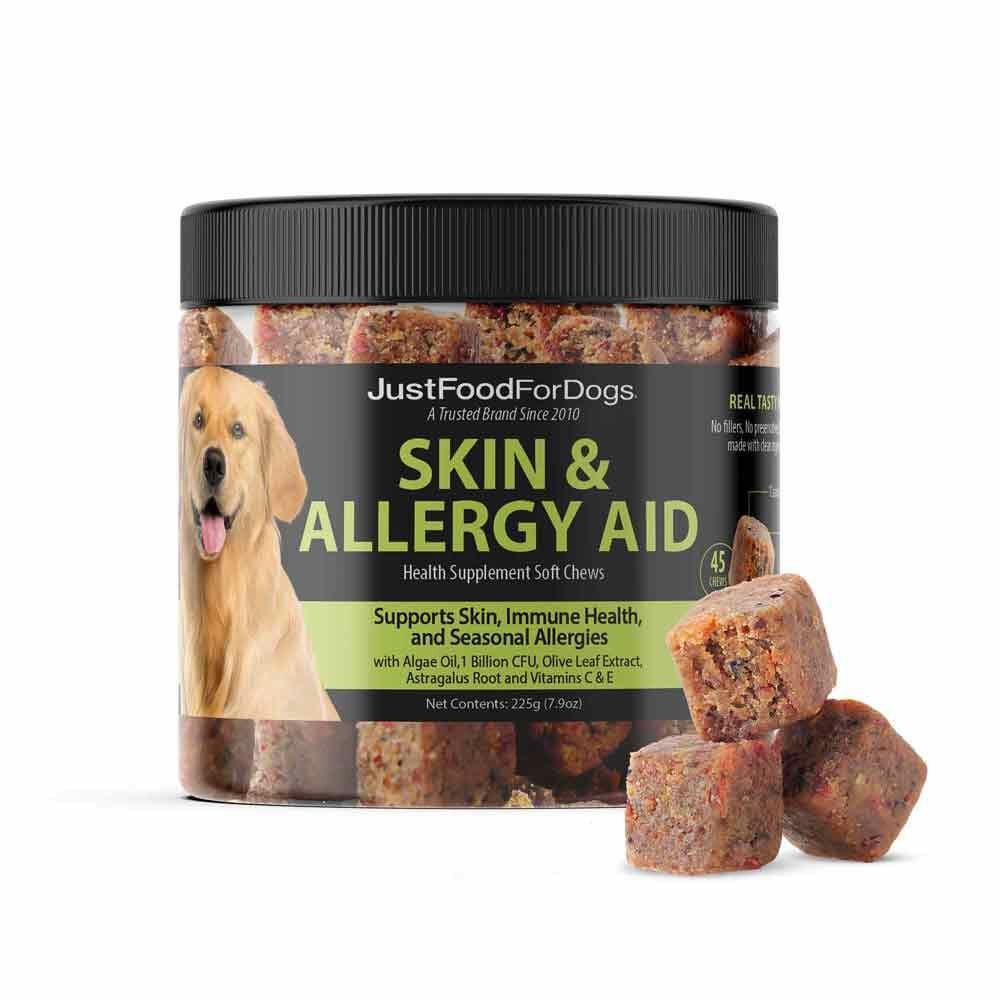
Dog food allergies occur when a dog’s immune system overreacts to specific ingredients in the diet, usually proteins. The body misidentifies part of the food as harmful and produces antibodies, leading to inflammation in the skin, ears, or gut. Unlike simple digestive upset, true allergies tend to be chronic, recurring problems. Symptoms often start between 6 months and 3 years of age but can appear at any time, even after years on the same food.
Food allergy vs food intolerance
Food allergy involves the immune system. The body mistakenly attacks certain food proteins as enemies, releasing histamine and causing itchy skin, ear problems, or gut upset. Even a small amount can trigger a strong reaction.
Food intolerance does not involve the immune system. It usually means the dog cannot digest an ingredient well, leading mainly to gas, soft stool, or diarrhea. Symptoms are often dose‑dependent and rarely include intense itching.
Why some dogs react to food
Many dogs react to food because their immune system misidentifies harmless ingredients as dangerous invaders. The body then releases inflammatory substances, which can cause itchy skin, ear problems, or digestive upset. Reactions often develop after long‑term exposure to the same protein, such as chicken or beef. Genetics, a damaged gut barrier, infections, and early diet may all increase the risk of food allergy or sensitivity in dogs.
Common Signs Your Dog May Be Allergic
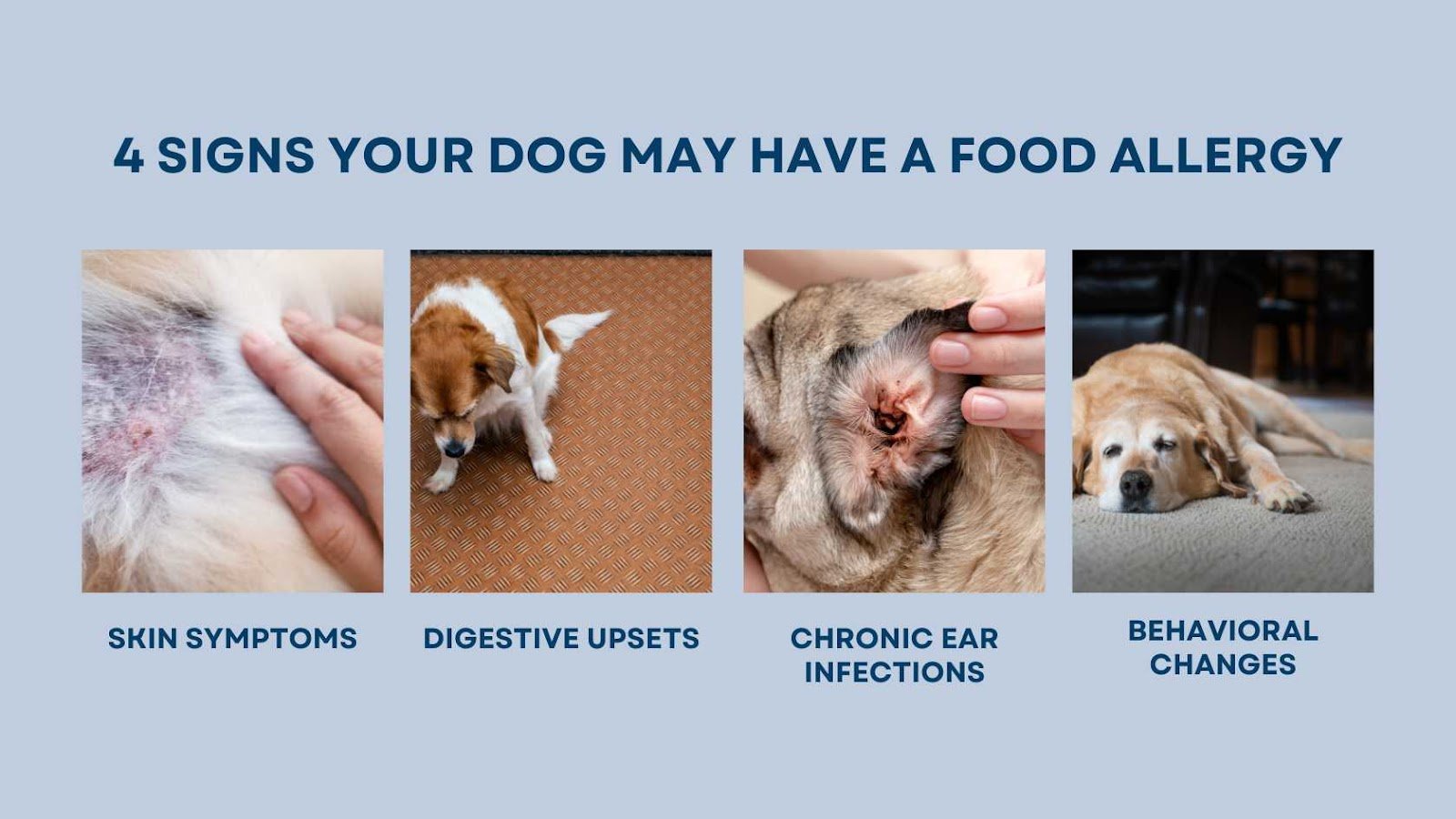
Food allergies in dogs usually develop slowly and can be easy to overlook at first. Owners often notice ongoing itchy skin, ear issues, or digestive upsets rather than sudden collapse or breathing problems. Many allergic dogs seem otherwise bright and active, so persistent mild signs are important clues. When symptoms last for weeks, recur often, or fail to improve with routine care, a possible food allergy should be considered and discussed with a veterinarian.
Skin and ear symptoms to watch for
Skin problems are the most common sign of dog food allergy. Typical symptoms include itchy skin that does not improve with flea control, frequent scratching or licking, and red, inflamed areas on the paws, belly, armpits, or face. Repeated hot spots or hair loss around the tail base or legs can also appear.
Ear troubles are another key warning. Dogs may develop recurrent ear infections, brown or yellow discharge, a bad odor, or head shaking. When antibiotics or ear drops help only temporarily, an underlying food allergy is often suspected.
Digestive problems linked to diet
Digestive signs often appear alongside skin trouble in dogs with food issues. Typical problems include chronic or recurring soft stools, diarrhea, or mucus in the stool, frequent gas, noisy stomach, nausea, and intermittent vomiting. Some dogs strain to defecate or alternate between diarrhea and constipation.
When symptoms last more than a few weeks, or keep returning despite deworming and basic care, diet sensitivity or allergy becomes more likely and veterinary consultation is important to rule out infections or more serious disease.
Behavior and general health changes
Dogs with food allergies may seem itchy, unsettled, or “not themselves” even when skin and stomach signs are mild. Common changes include restlessness, frequent paw or body licking, poor sleep, and reduced playfulness. Some dogs lose weight, have a dull coat, or low energy because long‑term inflammation is tiring. In severe cases, chronic discomfort can cause irritability or anxiety. Any lasting change in mood, energy, or coat condition deserves a veterinary check, especially when combined with itching or digestive issues.
Other Causes That Mimic Food Allergy

Food allergy signs often overlap with other health problems. As a result, a dog can look "food allergic" but actually have another issue. Common mimics include flea allergy, environmental allergies, skin infections, and digestive diseases such as pancreatitis or inflammatory bowel disease. Because causes are varied, a veterinary checkup is essential before changing to long‑term restrictive diets.
Fleas, environmental triggers, infections
Flea bites, pollen, dust mites, and mold can all cause skin irritation that looks very similar to a food allergy. Dogs may scratch, lick paws, or get red, infected skin even when food is not the main problem. Ear infections, skin infections, and overgrowth of yeast or bacteria also trigger itching and redness, and often appear together with or instead of food reactions. Careful veterinary examination is essential to separate these causes.
When sensitivities are not true allergies
Food-related problems in dogs are often called “allergies,” but many are sensitivities or intolerances instead. In sensitivities, the immune system is not strongly involved. Dogs may have loose stool, gas, mild itching, or intermittent ear issues, often depending on the amount of a certain ingredient eaten. Symptoms are usually milder, may come and go, and can improve with simple diet adjustment, probiotics, or slower food transitions, rather than strict allergy-style restriction.
How Vets Diagnose Food Allergies
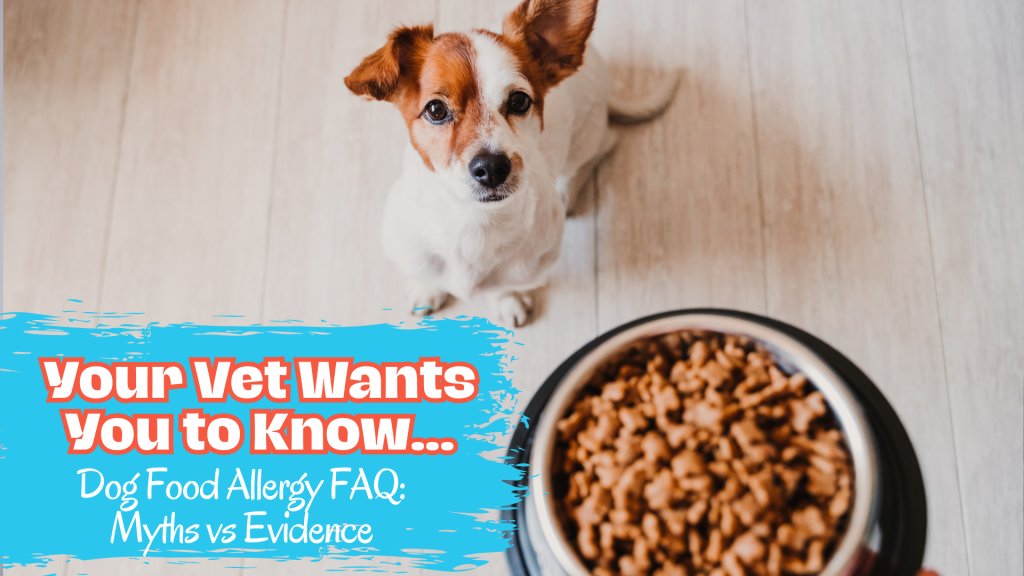
Food allergies are confirmed step by step, not guessed from symptoms alone. Veterinarians start by ruling out other causes of itching or stomach upset, such as fleas or infections, through exams and tests. When a food allergy is suspected, the gold standard is a strict elimination diet trial, followed by a controlled food challenge. Blood or saliva allergy tests for food are often unreliable, so diet trials remain the most trusted way to diagnose true dog food allergies.
Exam, history, and basic tests
Veterinarians begin with a detailed diet and symptom history: all foods, treats, table scraps, supplements, and when problems started. A full physical exam then checks skin, ears, coat, weight, and abdomen. Basic tests often include skin scraping, ear cytology, fecal exam, and sometimes bloodwork to rule out parasites, infections, hormonal disease, or organ problems before focusing on food allergy.
Elimination diet trials explained
An elimination diet trial is the gold standard test for food allergies in dogs. For 6–8 weeks, the dog eats only a carefully chosen hypoallergenic diet and approved treats. If symptoms clearly improve, the original food is then re‑introduced. A rapid return of itching or digestive upset after re‑challenge strongly supports a food allergy. Success depends on strict control: no table scraps, flavored medicines, or unapproved chews during the trial.
Why blood and saliva tests fall short
Blood tests and saliva tests may seem convenient, but they are considered to have low reliability as a diagnostic tool for food allergies in dogs.
Many studies have pointed out that these tests often produce misdiagnoses, such as results varying from dog to dog with each test, and positive reactions to ingredients that the dog clearly hasn't eaten. The causes of itching and diarrhea are diverse, including dermatitis and parasites, and it is difficult to make a judgment based solely on the amount of antibodies in the blood, so experts believe that elimination diet testing is the most reliable method. Even if you are advised to have tests done, it is important not to take the results at face value and to consult thoroughly with your veterinarian.
What Makes Dog Food Hypoallergenic
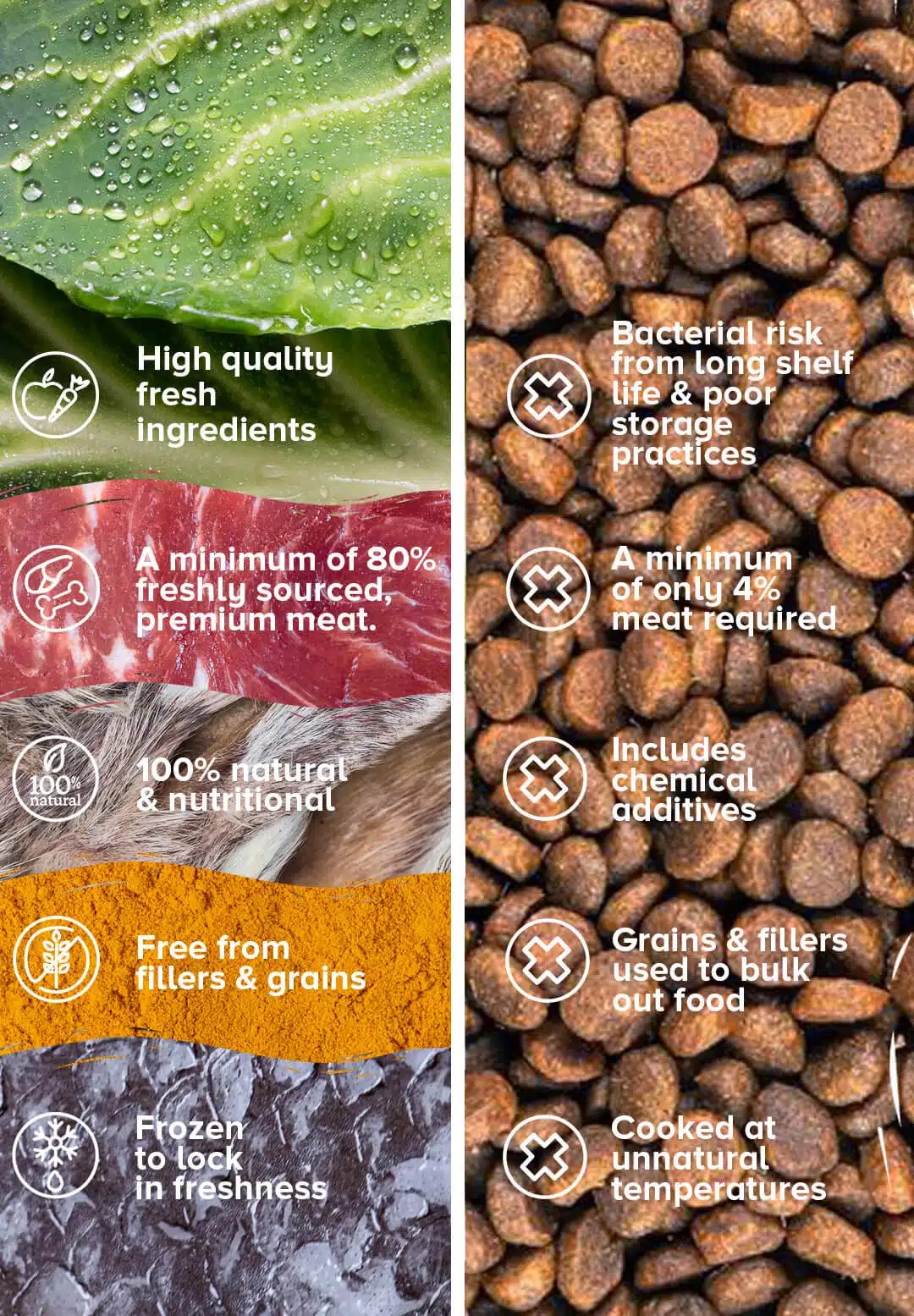
Hypoallergenic dog food is designed to reduce the chance of an immune reaction rather than to be completely “allergy‑free.” The main idea is to use proteins and other ingredients that a dog’s body is less likely to recognize as threats. Typical approaches include hydrolyzed proteins that are broken into tiny fragments and novel proteins or carbohydrates the dog has never eaten before. Many formulas also avoid common allergens such as beef, chicken, dairy, and wheat, and are made on controlled production lines to limit cross‑contamination. In short, hypoallergenic diets aim to lower exposure to triggers while still providing complete, balanced nutrition suitable for long‑term feeding.
Key goals of a hypoallergenic recipe
A hypoallergenic recipe aims to avoid known allergens while still providing complete, balanced nutrition. The core goals are: use highly digestible proteins and carbs with low allergenic potential, limit the number of ingredients to reduce exposure, and prevent cross‑contamination with other proteins. At the same time, the food should support skin and gut health with appropriate levels of omega‑3s, vitamins, minerals, and fiber so that sensitive dogs can maintain long‑term health.
Myths and marketing claims to ignore
Many “hypoallergenic” labels are marketing terms, not medical guarantees. No food is 100% non‑allergenic; any protein can trigger a reaction in a sensitive dog. Phrases such as “grain free,” “limited ingredient,” or “for sensitive skin” do not automatically mean suitable for an elimination trial. Owners should also be cautious of vague claims like “all natural” or “premium,” which say little about allergen risk. For diagnosis or serious symptoms, a veterinarian‑recommended diet is usually more reliable than packaging claims alone.
Main Types of Hypoallergenic Dog Food

Hypoallergenic dog foods all aim to reduce exposure to ingredients that trigger reactions, but they use different strategies. Main options include hydrolyzed protein veterinary diets, novel protein diets using meats a dog has never eaten, limited ingredient recipes with very short ingredient lists, and carefully balanced home‑cooked plans designed with a veterinarian or veterinary nutritionist. Understanding each type makes it easier to choose a diet that fits a dog’s symptoms, lifestyle, and family budget.
Hydrolyzed protein veterinary diets
Hydrolyzed protein diets use proteins broken into very small fragments so the immune system is less likely to recognize and react to them. Most are prescription formulas made by major veterinary brands and are designed for strict elimination trials.
Key features include:
- Highly processed proteins (often chicken, soy, or feather protein) that are hydrolyzed
- Carefully purified carbohydrates with low allergy risk
- Very tight quality control to avoid cross‑contamination
Hydrolyzed diets are often recommended as the gold standard starting point for diagnosing food allergies, especially in dogs with severe or long‑standing symptoms. However, they can be expensive and usually require a veterinary prescription and supervision.
Novel protein diets for sensitive dogs
Novel protein diets use unfamiliar animal sources that a dog has not eaten before, such as duck, venison, rabbit, or kangaroo. Because the immune system has not previously encountered these proteins, the risk of an allergic reaction is lower.
Many over‑the‑counter “novel protein” products also contain common allergens like chicken fat or egg, so careful label checking is essential. For dogs with severe allergies, veterinarians often prefer prescription novel‑protein diets with stricter manufacturing controls.
Limited ingredient formulations
Limited ingredient diets (LID) use as few components as possible so owners and veterinarians can more easily identify problem foods. Often there is one animal protein and one main carbohydrate, plus essential vitamins and minerals. By reducing “extra” items like multiple meats, mixed grains, and complex flavorings, LID formulas lower the chance of hidden allergens and make it clearer which ingredients suit a dog with sensitive skin or digestion.
Home‑cooked allergy diets with a vet
Home‑cooked hypoallergenic diets can be effective, but always require veterinary guidance. A veterinarian or veterinary nutritionist designs a balanced recipe using a novel or hydrolyzed protein and a safe carbohydrate, then adds precise vitamins and minerals so long‑term feeding remains safe. Owners must measure ingredients carefully, avoid any extra snacks, and prepare food hygienically. Regular checkups and weight checks confirm that the dog’s skin, digestion, and overall health stay stable.
Important Nutrients for Sensitive Dogs
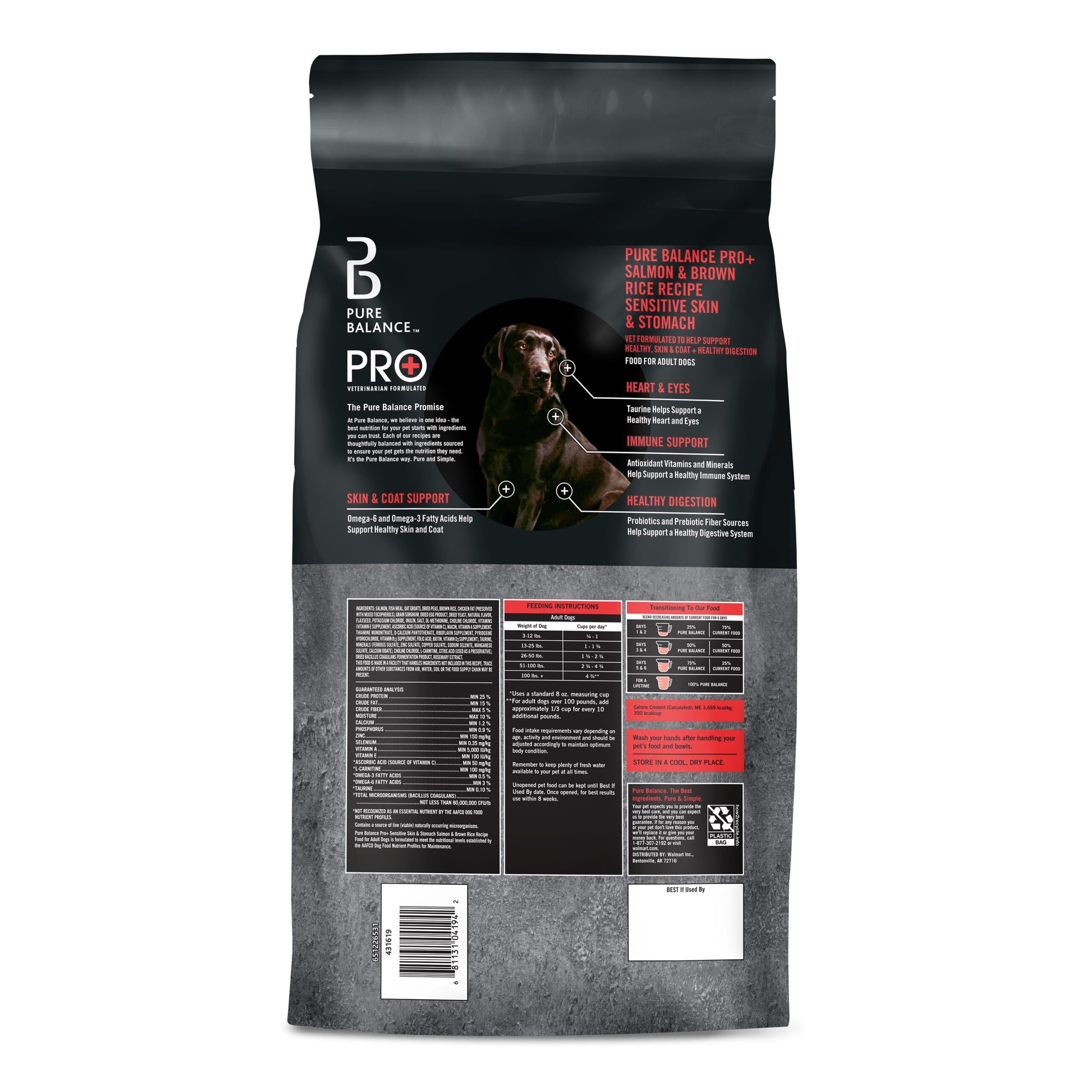
Dogs with sensitive skin or digestion need more than just "allergen‑free" food. A good hypoallergenic diet must still be complete and balanced so a dog does not miss essential nutrients while avoiding triggers. Key elements are high‑quality, highly digestible protein, adequate but not excessive fat, and gentle carbohydrate and fiber sources. Nutrients that support the skin barrier, gut health, and immune system are especially important, because allergic dogs often have ongoing inflammation and fragile skin. The following sections explain which nutrients matter most and how they help sensitive dogs stay comfortable and healthy.
Omega‑3s for skin and inflammation
Omega‑3 fatty acids (EPA・DHA) support skin barrier function and help calm inflammation. For many dogs with allergies, adequate omega‑3 intake can reduce itching, redness, and dandruff, and may lower the dose of anti‑itch medicines.
Fish oil from salmon, sardine, anchovy, or algae oil is commonly used. When comparing products, check the label for the actual EPA+DHA amount per dose, not only “fish oil” volume.
Omega‑3s are fats, so excessive amounts can cause soft stools or weight gain. A veterinarian should confirm the safe daily dose based on body weight, existing diet, and any illnesses such as pancreatitis or clotting problems.
Vitamins A and E, zinc, and antioxidants
Vitamins A and E, zinc, and plant antioxidants support skin repair and a strong barrier in dogs with allergies. Vitamin A helps create healthy skin cells, while vitamin E works as a powerful antioxidant that protects cell membranes. Zinc is essential for wound healing, coat quality, and a resilient immune system. Antioxidants from fruits, herbs, and vegetables reduce oxidative stress, helping calm ongoing inflammation and support overall recovery alongside hypoallergenic diets.
Carbohydrate sources and fiber choices
Carbohydrates and fiber are not common allergens, but they strongly affect digestion and stool quality. Gentle, single‑source carbs such as potatoes, sweet potatoes, peas, oats, or rice are often used in hypoallergenic diets. Highly processed fillers can irritate some dogs.
Adequate fiber helps regulate bowel movements and support gut bacteria. Blends of soluble fiber (psyllium, beet pulp) and insoluble fiber (cellulose, pumpkin) can ease both diarrhea and constipation. Extremely high‑fiber diets may reduce calorie absorption, so the total fiber level must be appropriate for the dog’s age, size, and activity.
Ingredients Commonly Linked to Reactions
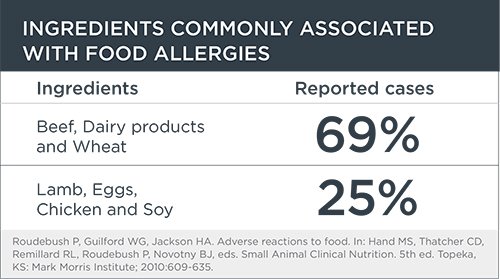
Certain ingredients appear repeatedly in dogs with food‑related problems. A single ingredient is not “bad” for every dog, but some are more likely to trigger reactions, especially when eaten for years.
Commonly linked ingredients include:
| Category | Often Implicated Ingredients |
|---|---|
| Animal proteins | Chicken, beef, dairy, egg, lamb |
| Carbohydrates | Wheat, soy, sometimes corn |
| Additions | Artificial colors, flavors, some preservatives |
When symptoms are suspected to be diet‑related, veterinarians usually aim to avoid previously fed proteins and carbohydrates and switch to a carefully chosen alternative.
Animal proteins that often cause issues
Animal proteins are the most frequent cause of true dog food allergies. Common culprits include beef, chicken, dairy, egg, and lamb. Many dogs eat these for years before suddenly reacting, because allergy develops after repeated exposure. Fish, pork, and soy protein can also cause problems in some dogs. Once a protein is confirmed as an allergen, it must be avoided completely, including in treats, chews, and flavored medications.
Grains, fillers, and other triggers
Grains are not a problem for every dog, but some individuals react to certain types. Common culprits include wheat, corn, soy, and sometimes barley or rye. Reactions may come from the grain itself or from storage mites in low‑quality products. Fillers such as low‑grade by‑products, beet pulp in excess, or unnamed “cereals” can also irritate digestion. When allergy is suspected, vets often recommend clearly labeled, high‑quality carbohydrates like rice, oats, potato, or sweet potato.
Additives, flavors, and preservatives
Artificial additives can trigger reactions in sensitive dogs, even when the main ingredients are tolerated. Problem groups include artificial colors, flavor enhancers, and chemical preservatives.
Common concerns are BHA, BHT, ethoxyquin, artificial smoke flavor, and vague label terms such as “meat flavor” or “digest”. For dogs with allergies, it is safer to choose foods with natural preservatives (vitamin E, vitamin C, rosemary extract) and clear, specific ingredient names.
How to Read Dog Food Labels Confidently
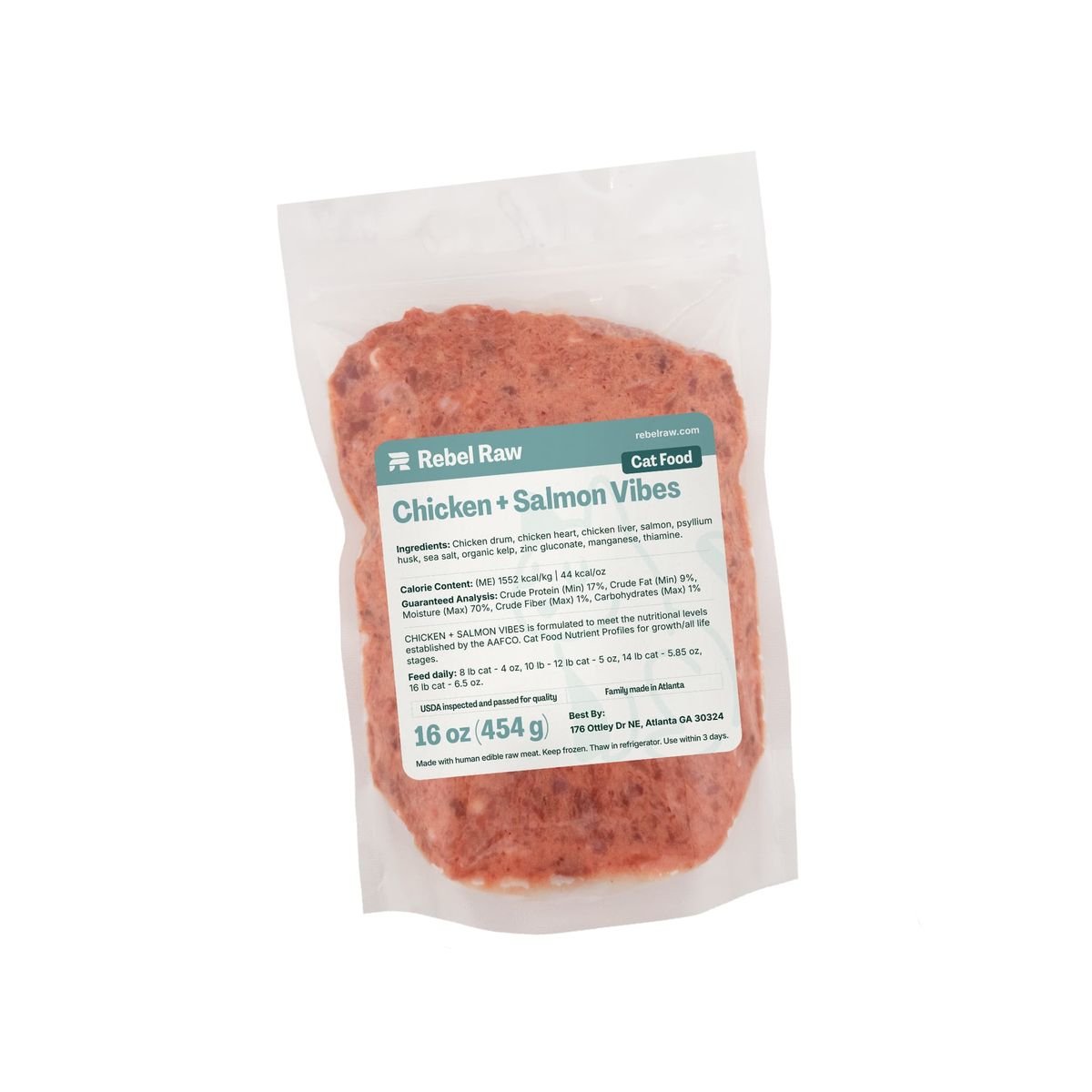
Understanding labels helps owners avoid surprise allergens and choose truly hypoallergenic food. Start with the ingredient list: ingredients are listed in order of weight, so the first 3–5 ingredients show the core of the recipe. Check the guaranteed analysis for protein, fat, and fiber, and confirm the food is complete and balanced according to AAFCO or FEDIAF. Marketing terms like “premium” or “natural” are not regulated health guarantees, so focus more on the ingredient panel and nutritional adequacy statement than on front‑of‑bag claims.
Identifying real vs hidden proteins
Protein sources are often listed in multiple places on a label, so careful checking is important. Start with the ingredient list: look for named meats (chicken, beef, lamb), meat meals, and by-products. Next, scan for hidden proteins in phrases such as “animal fat,” “natural flavor,” “meat broth,” or “poultry digest,” because these may come from the very animal protein a dog must avoid.
A simple table helps clarify visible vs hidden protein sources:
| Type | Examples on label |
|---|---|
| Clear protein names | Chicken, salmon, lamb meal, turkey liver |
| Hidden proteins | Animal fat, poultry fat, meat by-product |
| Flavor sources | Natural flavor, chicken flavor, gravy |
Owners should also check supplements, treats, chews, and toothpaste, because many contain unlisted flavorings derived from common meats.
Spotting potential allergens quickly
When reading labels, focus on ingredients that commonly trigger reactions. High‑risk items include beef, chicken, dairy, egg, wheat, soy, and corn. Also look for chicken fat, liver, broth, or “animal digest,” which may contain proteins your dog cannot tolerate. Flavorings such as “smoke flavor,” “natural flavor,” or “meat flavor” can hide problem proteins, so many veterinarians recommend avoiding them during an allergy investigation.
Choosing between vet and store brands
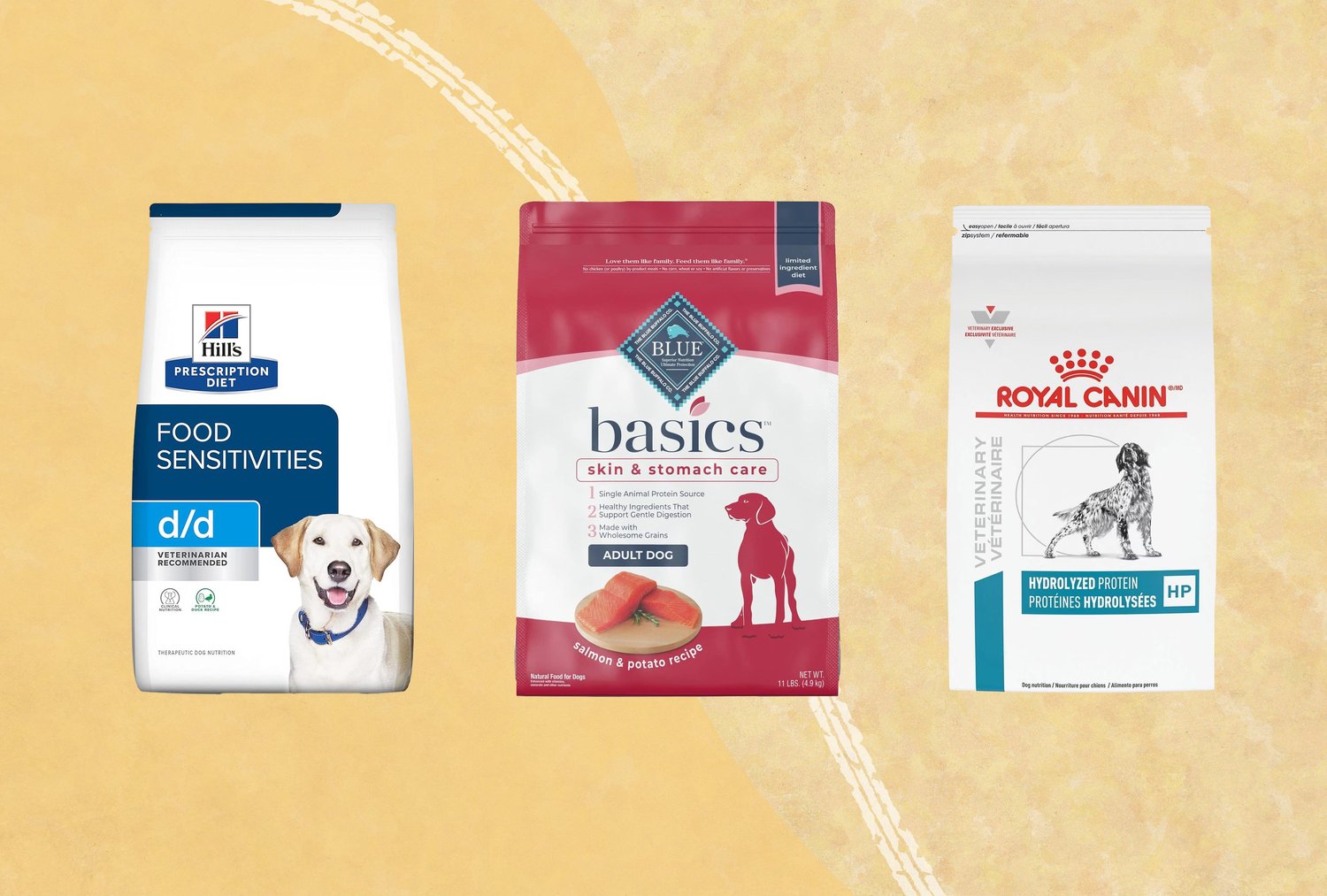
Veterinary prescription diets are designed and tested specifically for diagnosing and managing allergies, with strict control over ingredients and cross‑contamination. Store brands, including premium options, can be effective for milder sensitivities, but formulas change more often and quality control may vary. For dogs with severe or long‑lasting symptoms, vet diets are usually safer. For stable dogs or long‑term maintenance, a well‑chosen commercial hypoallergenic food may balance cost, availability, and nutrition. Always confirm the choice with a veterinarian.
Feeding Tips During an Elimination Trial
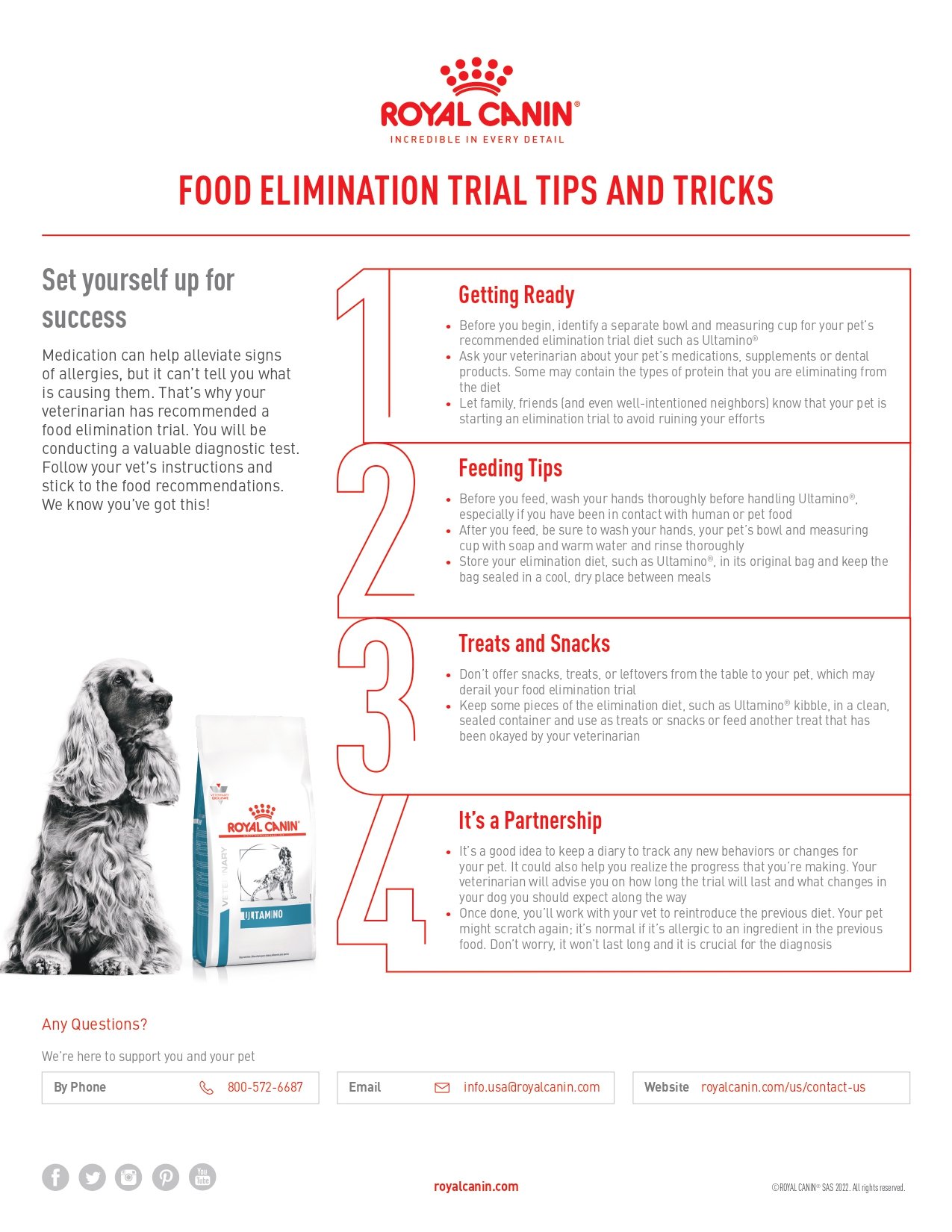
During an elimination diet, every bite matters. Even a small amount of another food can reset the trial and confuse results. The goal is to feed only the prescribed hypoallergenic diet for several weeks so the body can calm down and symptoms can be evaluated accurately.
Stick to a consistent feeding schedule, measure portions to avoid weight gain or loss, and keep all family members informed of the rules. If accidental exposure occurs, record the date, food, and any reaction in a simple diary and inform a veterinarian.
Switching foods safely and slowly
A sudden switch can upset a sensitive stomach, so change to hypoallergenic food over 7–10 days when possible. Start with about 75% old food and 25% new, then slowly increase the new food every 2–3 days (50/50 → 25/75 → 100% new). For dogs with a history of severe reactions, veterinarians may advise an even slower transition. Measure meals accurately, keep feeding times consistent, and offer plenty of fresh water to support digestion.
Treats, chews, and table food rules
During an elimination trial, every bite matters. Even a small snack can re-trigger symptoms.
- Treats: Use only treats made from the exact trial diet ingredients, or vet-approved hypoallergenic treats. If none are available, use pieces of the dog’s regular trial kibble as rewards.
- Chews: Avoid flavored chews, dental sticks, pig ears, bully sticks, and rawhide. Ask a veterinarian about safe, single-ingredient options that match the trial protein.
- Table food: Do not give leftovers, broths, or bites of human food. Many contain hidden proteins, dairy, or seasonings that can invalidate the trial.
Family members, dog walkers, and pet sitters should all follow the same strict rules to keep the results reliable.
Monitoring progress and keeping a diary
Keeping a simple diary helps confirm whether a hypoallergenic diet is working. Record date, food brand and flavor, exact amount fed, all treats or medications, plus stool quality, itching level, ear condition, and energy. Use a consistent scale (for example, itch 0–5) so small changes are visible. Photos of skin and stool are helpful. Bring the diary to veterinary visits so adjustments can be made based on clear, objective information.
When Hypoallergenic Dog Food Is Not Enough
Even with excellent hypoallergenic dog food, some dogs continue to itch, lick, or have stomach upset. Food allergy is only one piece of the puzzle. Many dogs also have environmental allergies, chronic skin disease, or flea problems. In such cases, the diet supports overall health, but extra care such as skin treatment, flea control, and medication is often required under veterinary guidance.
Skin care, flea control, and environment
Skin health for allergic dogs depends on more than food. Gentle regular bathing with a hypoallergenic shampoo, thorough rinsing, and careful drying help remove allergens and soothe irritation. Daily flea prevention is essential, as even a few bites can trigger severe itching in sensitive dogs. Washing bedding in hot water, vacuuming carpets and sofas, and using air purifiers reduce pollen, dust, and dander indoors. Short walks when pollen counts are lower and wiping paws and coat after going outside can also lessen flare‑ups.
When to see a dermatologist or allergist
Persistent itching, redness, or ear infections despite strict hypoallergenic food and good flea control suggest that specialist care is needed. Other warning signs include year‑round symptoms, thickened or darkened skin, recurrent “hot spots,” or long‑term steroid use. A veterinary dermatologist or allergist can perform advanced allergy testing, design tailored treatment plans, and guide combination therapy so that the dog’s comfort and quality of life improve as safely as possible.
Choosing the Best Hypoallergenic Diet
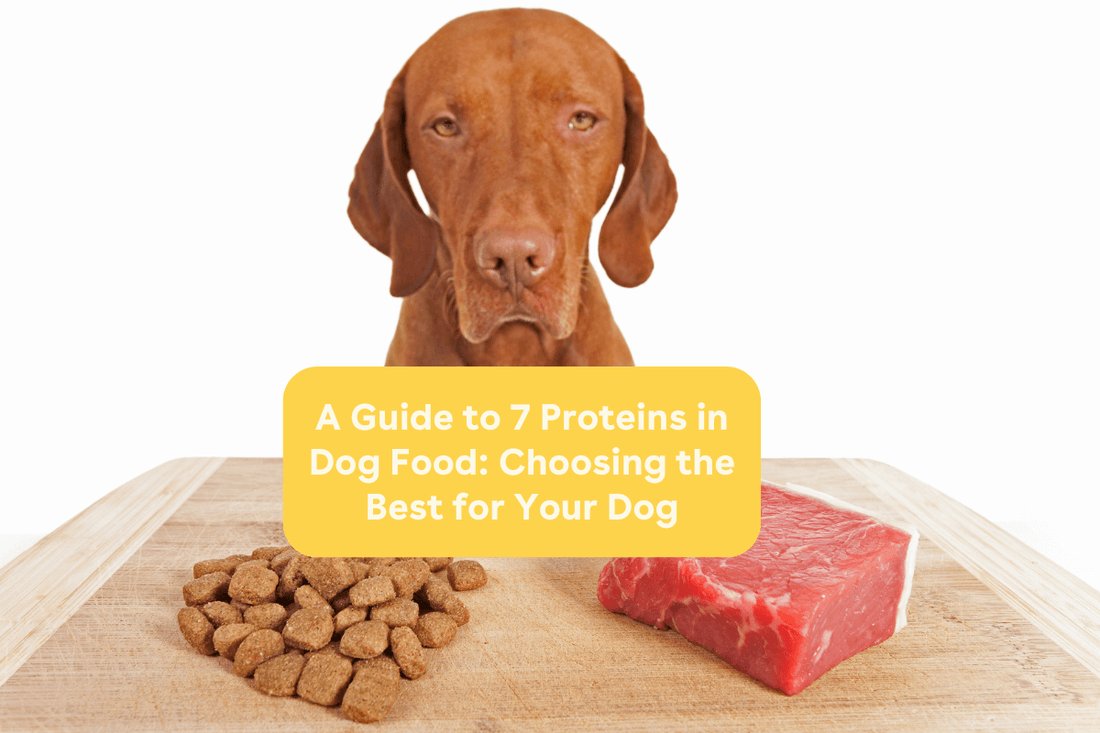
Choosing a hypoallergenic diet starts with your dog’s diagnosis and daily life. First, confirm with a veterinarian which proteins or ingredients must be avoided. Next, list practical needs: dry or wet food, availability in local shops, and storage space. Many dogs begin with a veterinary hydrolyzed or novel‑protein diet for reliability, then may switch to a maintenance option once stable. Always choose products labeled as complete and balanced, and recheck labels regularly for recipe changes.
Puppies, seniors, and special needs dogs
Hypoallergenic diets must be tailored to life stage and health status. Puppies need energy‑dense, complete diets that support growth, so veterinary‑supervised hypoallergenic food labeled for “growth” or “all life stages” is important. Seniors may benefit from lower calories, joint support, and easy‑to‑digest proteins. Dogs with special needs—such as kidney, heart, or pancreatic disease—often require prescription diets that balance allergy control with organ support, guided closely by a veterinarian or veterinary nutritionist.
Balancing budget, availability, and safety
Dog allergies often require long‑term diet changes, so owners must balance cost, availability, and proven safety. Veterinary hydrolyzed diets are usually most reliable but also most expensive. Limited‑ingredient or novel‑protein retail foods may be cheaper and easier to buy, yet quality control can vary. Check for AAFCO adequacy statements, clear ingredient lists, and reputable manufacturers, and choose a product that can be purchased consistently without straining the household budget.
Questions to ask your veterinarian
Preparing a short list of questions helps owners use vet appointments efficiently. Useful points include:
- “Could food allergy explain the skin or stomach signs, or are other causes more likely?”
- “Which exact protein and carbohydrate sources should be avoided?”
- “Is a hydrolyzed, novel protein, or limited‑ingredient diet recommended, and for how long?”
- “How should treats, chews, and medications be managed during the trial?”
- “Which brand and product are safest for the dog’s age and health?”
- “What changes should prompt urgent re‑evaluation?”
This article provides a comprehensive explanation of dog food allergies, from basic knowledge and how to identify symptoms to veterinary diagnosis methods and the types and selection of hypoallergenic dog food, offering helpful information for creating a safe and suitable diet for your beloved dog.





![[When to Neuter a Dog] Is it too late for an adult dog? Risks, advantages and disadvantages](https://with-my-dog.com/wp-content/uploads/2022/05/cocker-spaniel-g0d3ad5651_1920-150x150.jpg)