

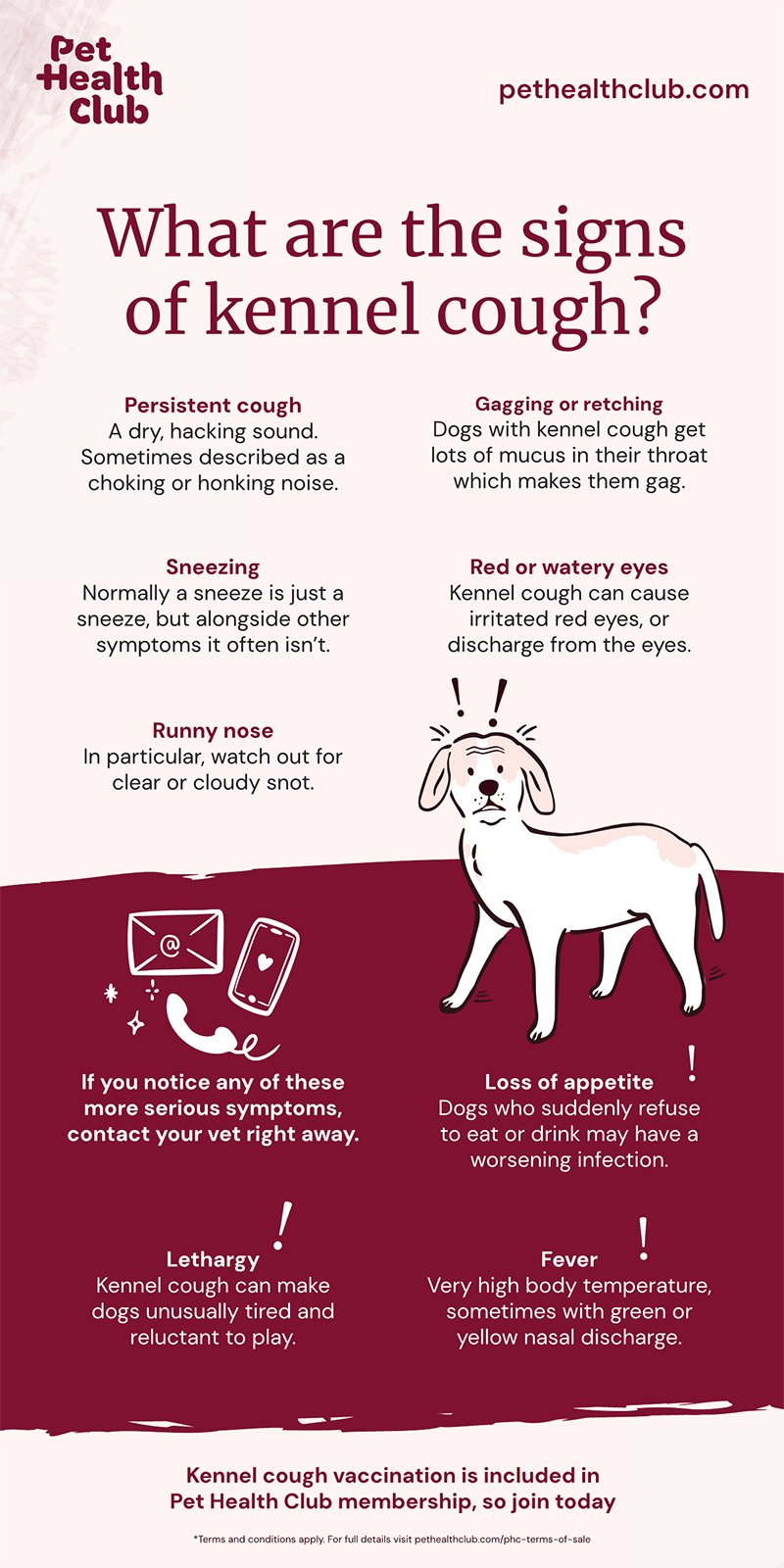
Many dog owners worry that something might be wrong when their beloved pet is less energetic than usual and sleeps a lot. A dog's lethargy, often referred to as "listlessness" or "lethargy," may not just be fatigue, but could also be a sign of illness. This article clearly explains the main causes of lethargy in dogs and what symptoms warrant a visit to the vet. Please use this information as a reference for early detection and treatment.
Understanding Lethargy in Dogs

Lethargy in dogs means a clear, ongoing drop in normal energy and interest in daily life. A lethargic dog may still move and respond, but everything is slower and requires more effort. For owners, lethargy is an important signal: it often reflects an underlying health problem, ranging from mild and temporary issues to serious disease. Understanding what lethargy looks like, how it differs from simple tiredness, and what can cause it helps owners decide when to watch, when to rest, and when to contact a veterinarian without delay.
What vets mean by “lethargic”
Veterinarians use “lethargic” to describe a noticeable drop in a dog’s normal energy and interest in daily life. A lethargic dog may still walk, eat, or respond, but everything appears slower and less enthusiastic.
In veterinary terms, lethargy is a clinical sign, not a diagnosis. It often means the body is using energy to fight pain, infection, organ disease, or another health problem. Because of this, persistent or sudden lethargy is treated as a warning signal that something may be wrong internally, even if no other symptoms are obvious yet.
Normal tiredness vs. true lethargy
Normal tiredness is short‑lived and has an obvious cause, such as a long walk, hot weather, or an exciting day. After rest, water, and sleep, most healthy dogs return to their usual energy by the next day. True lethargy is a noticeable drop in activity that feels out of character, lasts many hours or more than a day, and often comes with other changes like poor appetite, hiding, or not wanting to move, play, or go for walks.
Signs Your Dog May Be Lethargic
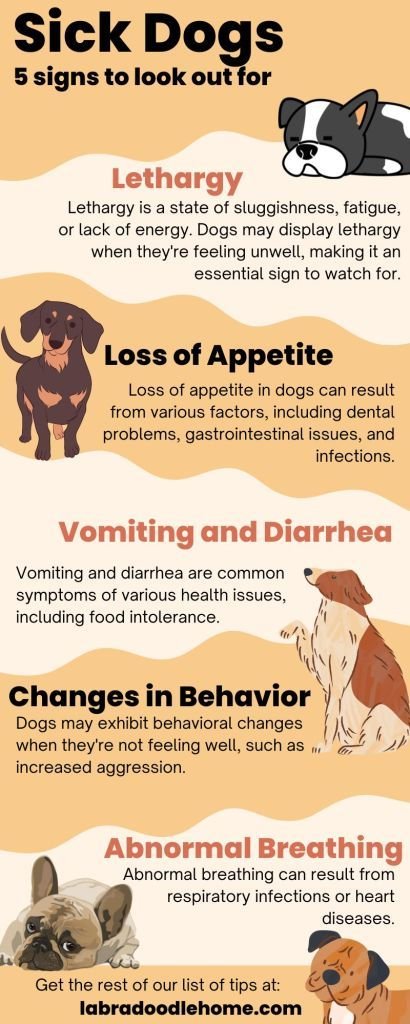
Lethargy in dogs usually appears as a noticeable drop in normal energy and interest in daily life. Many guardians describe a lethargic dog as "not themselves." The dog may skip favorite activities, respond slowly when called, or choose to lie down instead of greeting family. In mild cases the dog still moves around but lacks enthusiasm; in more serious cases the dog may struggle to get up, move only when necessary, or seem weak and listless. Owners often sense that something is wrong even before other symptoms appear.
Changes in energy and activity
A lethargic dog often shows clear changes in daily energy and activity. A normally playful dog may ignore toys, skip walks, or stop greeting family members at the door. Walks may become shorter, with frequent stops or lying down. Some dogs move more slowly, sleep far longer than usual, or stay in one spot most of the day. Sudden or steadily worsening low energy, especially when it is out of character for the dog, is a strong sign that a health problem may be developing.
Appetite, drinking, and bathroom habits
Changes in appetite, thirst, and toileting often appear early when a dog is unwell. A sudden loss of appetite is a common companion of lethargy and may signal infection, pain, or organ trouble. In contrast, drinking far more or far less than usual can point to kidney disease, diabetes, hormone disorders, or dehydration.
Bathroom habits also offer important clues. Straining, diarrhea, constipation, very dark or bloody stools, or not urinating for many hours together with low energy require prompt veterinary advice. Any combination of lethargy with vomiting, repeated diarrhea, or increased urination should be treated as a sign that professional assessment is needed soon.
Body posture, movement, and weakness
A lethargic dog often shows changes in how it holds and moves the body. The back may stay hunched, the head carried low, and the tail kept down. Many dogs move slowly, lie in unusual spots, or avoid jumping onto furniture they usually enjoy. Difficulty standing, stumbling, or collapsing is an urgent warning sign and needs immediate veterinary attention. Dragging paws, trembling when walking, or reluctance to climb stairs can also point to pain, weakness, or neurological disease.
Breathing, gums, and other warning signs
Troubled breathing together with lethargy is a major warning sign. Watch for fast breathing at rest, labored or noisy breaths, or open‑mouth breathing in dogs that normally pant only with exercise or heat. Blue, gray, or very pale gums can signal poor oxygen or blood loss, while bright red gums may indicate heatstroke or sepsis. Sticky, dry gums suggest dehydration. Sudden collapse, gum color change, or breathing difficulty with lethargy requires emergency veterinary care without delay.
Health Dog Lethargy Causes to Know

Lethargy in dogs is not a single disease but a symptom of many possible health problems. Energy drops can range from mild and short‑lived to sudden and life‑threatening. To judge urgency, it helps to group health dog lethargy causes into three broad categories:
- Mild and temporary issues such as overexertion, heat, or minor stomach upset
- Common medical problems like infection, pain, heart or hormone disease
- Serious emergencies including poisoning, bloat, or internal bleeding
Understanding these groups helps owners decide how quickly to seek veterinary care and what information to share with the vet.
Mild and temporary health issues
Mild and temporary health problems can make a dog quiet for a short time without indicating a major disease. Examples include a day of mild stomach upset, a minor muscle strain, or feeling a bit off after vaccines. In many cases, the dog still responds, eats a little, and improves within 24 hours. However, if low energy lasts longer than a day, worsens, or appears together with vomiting, diarrhea, pale gums, or labored breathing, prompt veterinary advice becomes important.
Overexertion, heat, and stress
Overexertion, heat, and emotional stress often cause short‑term lethargy in otherwise healthy dogs. After very long walks, intense play, or sports, dogs may pant heavily and rest more than usual, but should perk up within several hours.
Heat and humidity make dogs tire quickly, especially brachycephalic breeds such as Pugs or Bulldogs. Heavy panting, bright red or pale gums, drooling, or wobbliness in warm weather are warning signs of heatstroke and need urgent care.
Stressful events such as moving house, loud storms, or changes in family members can also reduce a dog’s energy and interest in play for a day or two. A calm environment, cool water, and quiet rest usually help energy return. If low energy lasts longer than a day or is severe, consultation with a veterinarian is recommended.
Minor stomach upset or pain
A mild stomach upset can make a dog quiet and reluctant to move for several hours. Common causes include eating new foods, diet changes, garbage or table scraps, or mild intestinal parasites. Dogs may show soft stool, a small amount of vomiting, gurgly belly sounds, or a tucked‑up abdomen. Short‑term fasting, bland food, and careful hydration sometimes help, but ongoing vomiting, blood, or strong pain requires a vet visit because more serious disease may be present.
Common medical problems behind lethargy
Lethargy is often linked to underlying medical problems rather than simple tiredness. Many conditions reduce a dog’s energy because the body is fighting disease or coping with pain. Common causes include infections, chronic pain, heart and lung disease, metabolic or hormone disorders, and organ problems such as kidney or liver disease. Any sudden or persistent drop in energy, especially with other symptoms, should be assessed by a veterinarian.
Infections and fevers
Fever and infection are very common causes of dog lethargy. When the body fights viruses, bacteria, or parasites, energy is redirected to the immune system, so dogs feel tired and "off." Typical signs include warm ears, dry or hot nose, shivering, and a body temperature over about 102.5°F (39.2°C). Infections may also bring loss of appetite, vomiting or diarrhea, coughing, or wounds that look red and painful. Some serious infections, such as parvovirus, pneumonia, or tick‑borne disease, can worsen quickly, so sudden lethargy with fever, pale gums, or breathing changes needs urgent veterinary care.
Pain, arthritis, and injuries
Pain can quickly drain a dog’s energy. Lethargy caused by pain often appears as reluctance to move, jump, climb stairs, or be touched. Dogs with arthritis may move stiffly after rest, warm up slowly on walks, or lag behind. Injuries such as sprains, fractures, or torn ligaments can cause limping, yelping, or sudden refusal to use a leg. Even dental pain or ear infections may make a dog withdrawn and tired. Any sudden change in movement plus low energy should be evaluated by a veterinarian.
Heart, lung, and circulation disease
Heart, lung, and circulation problems often cause subtle but serious lethargy. Dogs may tire quickly on walks, cough, breathe fast or with effort, or faint after mild exercise. Pale or bluish gums, a swollen belly, and a fast or very weak pulse also suggest poor circulation. Because reduced oxygen delivery can worsen quickly, any sudden lethargy with breathing changes or collapse requires urgent veterinary care.
Hormone problems like diabetes
Hormone disorders often cause gradual, hard‑to-notice lethargy. Diabetes, Cushing’s disease, and low thyroid (hypothyroidism) are especially common.
| Hormone problem | Typical age/breed | Other common signs |
|---|---|---|
| Diabetes | Middle‑aged, overweight dogs | Drinking and urinating a lot, weight loss, cloudy eyes |
| Hypothyroidism | Medium–large, adult dogs | Weight gain, cold intolerance, skin and coat troubles |
| Cushing’s disease | Middle‑aged to senior dogs | Big appetite, big belly, hair loss, frequent urination |
Any new, persistent tiredness plus changes in thirst, weight, or coat should be checked by a vet promptly.
Serious and life‑threatening causes
Serious and life‑threatening causes of lethargy often appear suddenly and progress quickly. Dogs may become collapse-level weak, unresponsive, or unable to stand. Other warning signs include pale or yellow gums, fast or labored breathing, swollen abdomen, severe vomiting or diarrhea, and seizures. Any sudden, extreme lethargy should be treated as an emergency, because minutes can make a difference in survival chances.
Poisoning and drug reactions
Poisoning is one of the most urgent causes of sudden lethargy. Dogs may eat toxic foods (chocolate, xylitol, grapes), human medicines, rodent poison, toxic plants, or household chemicals. Drug reactions can also occur after new prescriptions, flea treatments, or vaccines.
Warning signs often appear quickly: sudden weakness, heavy drooling, vomiting or diarrhea, tremors, seizures, pale or yellow gums, or collapse. Any sudden lethargy plus vomiting, seizures, or known toxin exposure is an emergency. In such cases, contact a vet or poison control immediately and avoid inducing vomiting unless a vet clearly instructs it.
Bloat, internal bleeding, and shock
Sudden lethargy from bloat, internal bleeding, or shock is an extreme emergency. Bloat (GDV) often causes a swollen, tight belly, unproductive retching, restlessness, and rapid decline. Internal bleeding may follow trauma, tumors, or clotting problems and can cause pale gums, weakness, fast breathing, and collapse. Shock occurs when circulation fails, leading to cold limbs, weak pulse, and confusion. Any suspicion of these problems requires immediate emergency veterinary care, not home monitoring.
Cancer and severe organ disease
Lethargy can be caused by cancer or advanced organ failure, especially in middle‑aged and senior dogs. Tumors or diseased organs (liver, kidneys, spleen, pancreas) drain energy and may cause weight loss, pale gums, increased drinking, vomiting, or breathing changes. Symptoms often appear slowly, so any gradual but persistent drop in energy over weeks should be discussed with a veterinarian promptly.
Non‑medical Reasons a Dog May Seem Tired

A dog can look lethargic for reasons unrelated to disease. Owners often worry about illness first, but normal life factors frequently lower energy temporarily. Examples include age, personality, weather, boredom, changes in family routine, and emotional stress such as a move or new pet.
Understanding non‑medical causes of tiredness helps owners judge when quiet behavior is expected and when veterinary advice is safer. The next sections explain how age, mood, and lifestyle can all affect a dog’s daily energy level.
Age, breed, and normal sleep needs
Some dogs simply have naturally lower energy. Large breeds, giant breeds, and short‑nosed breeds (such as Bulldogs or Pugs) often move more slowly and tire easily, even when healthy. Puppies and adolescent dogs alternate bursts of activity with long naps, while senior dogs usually need more rest and shorter walks.
Healthy adult dogs generally sleep 12–14 hours a day, and puppies or very large breeds may sleep up to 18–20 hours. A calm, sleepy dog that still eats, drinks, and enjoys walks is often just showing normal patterns. Concern grows when energy suddenly changes from that dog’s usual behavior, rather than how much the dog sleeps in total.
Stress, anxiety, and low mood
Mental health can strongly influence a dog's energy. Chronic stress, anxiety, or low mood often appear as decreased playfulness, more hiding, and longer sleep. Dogs may seem "flat," react less to toys, or cling more to family. Common triggers include changes in the household, conflict between pets, loud noises, or lack of stimulation. Gentle routine, calm interaction, and enriching walks usually help. If low mood or anxiety lasts more than a week or worsens, a veterinary consultation is recommended.
Weather, routine, and lifestyle changes
Weather, daily schedule, and lifestyle strongly influence a dog’s energy. Hot, humid days can cause sluggishness and longer naps, while cold or rainy weather may make some dogs reluctant to go outside or play. Sudden changes such as a new work schedule, moving house, or a family member leaving can also lower activity. If low energy appears only around such changes and your dog otherwise eats, drinks, and toilets normally, the cause is often environmental rather than illness.
When Lethargy Is an Emergency
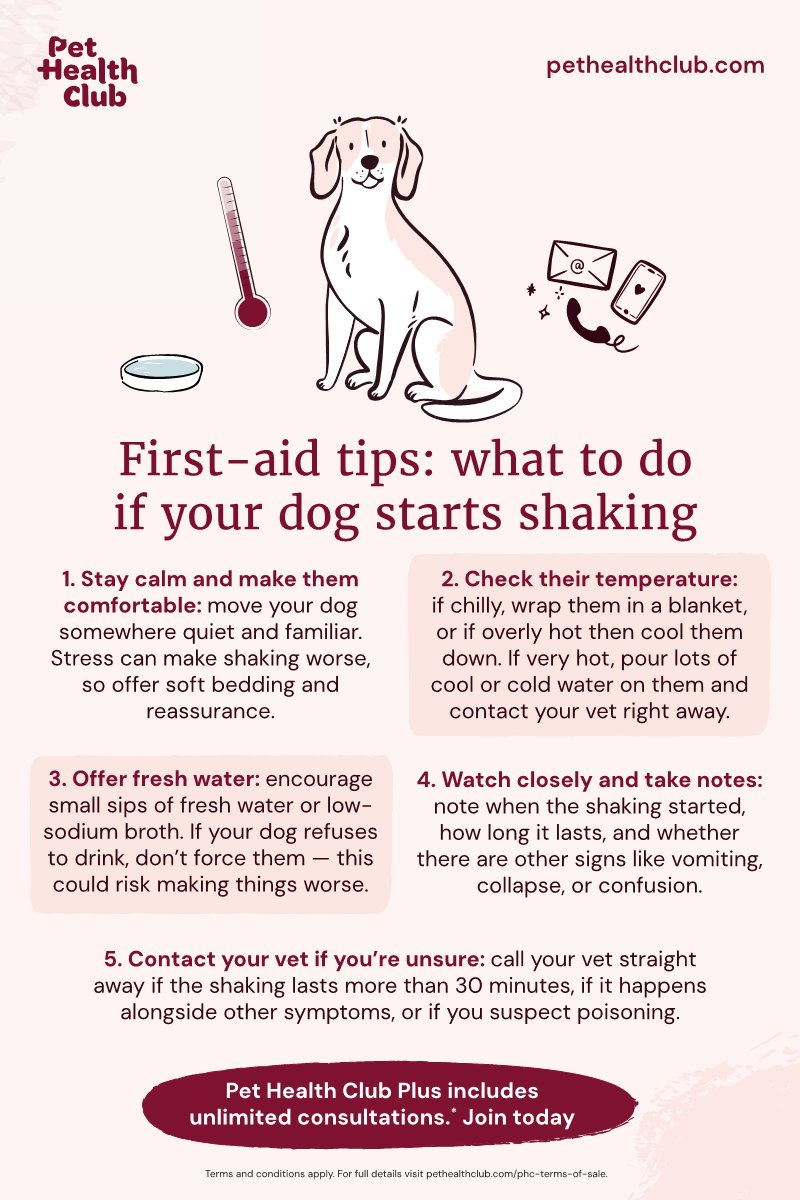
Lethargy can signal anything from mild over‑tiredness to a life‑threatening emergency. The key is to judge how suddenly it appeared, how severe it is, and what other symptoms are present. Sudden collapse, difficulty breathing, pale gums, or ongoing vomiting and diarrhea can point to shock, internal bleeding, poisoning, or organ failure and require immediate emergency care. Even when symptoms seem mild, lethargy that steadily worsens or lasts more than a day usually deserves prompt veterinary advice.
Red‑flag symptoms needing urgent care
Lethargy becomes an emergency when it appears with other severe symptoms. Seek urgent care immediately if a dog shows:
| Symptom | Why it is urgent |
|---|---|
| Trouble breathing, very fast or very slow breaths | Risk of respiratory failure |
| Pale, blue, or yellow gums | Possible shock, anemia, or liver issue |
| Repeated vomiting or diarrhea, blood in stool or vomit | Risk of dehydration or internal bleeding |
| Collapse, inability to stand, or unresponsiveness | Possible shock, heart, or brain problem |
| Swollen, tight belly, crying in pain | Possible bloat or internal bleeding |
| Seizures or severe disorientation | Neurological emergency |
| Known toxin exposure (chocolate, meds, chemicals) | Immediate treatment improves survival |
If a dog “just is not right” and deteriorates quickly, emergency evaluation is safest.
Signs you can call your regular vet first
In many cases, dog lethargy is not an immediate emergency but still needs prompt veterinary attention. It is reasonable to call a regular vet first when a dog is tired but still willing to eat, drink, walk, and respond normally, has no vomiting or diarrhea, and no breathing trouble or pale gums. Mild, gradual changes over several days, or tiredness after known exertion, usually fit this pattern. However, if energy continues to drop or new symptoms appear, urgent care is recommended.
How long to wait before seeking help
For sudden, severe lethargy or collapse, do not wait at home; seek emergency care immediately, especially if vomiting, pale gums, breathing trouble, or pain are present. For milder lethargy with normal eating, drinking, and bathroom habits, many vets advise monitoring closely for 12–24 hours. If lethargy lasts longer than a day, worsens at any point, or your dog “just is not right,” contact a veterinarian the same day for guidance.
What Your Vet May Check and Test

When a dog is brought in for lethargy, veterinarians usually start with a full nose‑to‑tail check and a few basic tests. The goal is to find out whether the cause is mild, such as a small infection, or a serious emergency like organ failure.
Typical checks include temperature, heart and breathing rate, gum color, hydration, pain response, and body weight. From there, a vet may recommend blood and urine tests, X‑rays, or an ultrasound to look for infections, anemia, organ disease, tumors, or internal bleeding.
Questions your vet will ask
When a dog comes in for lethargy, veterinarians first gather detailed history. Common questions include:
| Question type | Examples your vet may ask |
|---|---|
| Onset & pattern | When did the low energy start? Is it getting worse or staying the same? |
| Behavior & appetite | Is your dog eating, drinking, playing, or going for walks as usual? |
| Other symptoms | Any vomiting, diarrhea, coughing, breathing changes, limping, or pain? |
| Environment & diet | Any new food, treats, plants, chemicals, or possible toxins? |
| Medical background | Current medications, past illnesses, surgeries, and vaccine status? |
Providing clear, specific answers helps the vet find the cause more quickly and safely.
Physical exam and basic tests
During the exam, the vet checks your dog’s temperature, heart rate, breathing, gum color, and hydration, then carefully feels the abdomen, joints, spine, and lymph nodes. The vet also listens to the heart and lungs and observes posture and movement. Basic tests often include bloodwork, a urine test, and sometimes a fecal exam, which help identify infection, anemia, organ trouble, or metabolic disease behind the lethargy.
Advanced imaging and specialist care
Advanced testing is used when basic exams do not fully explain a dog’s lethargy, or when serious disease is suspected.
Common options include:
| Test / procedure | What it shows | When vets consider it |
|---|---|---|
| X‑rays (radiographs) | Lungs, heart size, bones, abdomen | Suspected heart/lung disease, tumors, injuries |
| Ultrasound | Organs, fluid, masses | Possible internal bleeding, organ disease, cancer |
| Echocardiogram | Heart structure and function | Heart murmurs, heart failure signs |
| CT / MRI | Brain, spine, deep tissues | Seizures, severe back pain, suspected tumors |
Specialists such as internal medicine, cardiology, neurology, or oncology may become involved when lethargy is linked to complex or life‑threatening conditions.
Treatment Options for a Lethargic Dog

When a dog is lethargic, treatment depends on the underlying cause, not only on low energy. Vets may give fluids for dehydration or shock, pain relief, antibiotics for infection, or anti‑nausea drugs for vomiting and diarrhea. For serious problems such as bloat, poisoning, or internal bleeding, emergency surgery or hospitalization in an intensive care unit may be needed. Many dogs improve quickly once the cause is found, so early veterinary attention is very important.
Home care your vet may recommend
At-home care should always follow a veterinarian’s advice, but some general measures are often recommended. Provide a quiet, comfortable resting area away from children and other pets, and keep room temperature moderate. Offer small amounts of fresh water frequently to prevent dehydration, and feed a bland, easy-to-digest diet only if a veterinarian says eating is safe. Avoid long walks; short leash breaks for toileting are usually enough. Observe energy, appetite, breathing, gums, and stool so any sudden worsening is noticed quickly and reported to the clinic.
Medications and vet‑clinic treatments
At the clinic, treatment depends on the underlying cause of lethargy. Common options include:
| Treatment type | Purpose |
|---|---|
| IV fluids | Correct dehydration, support circulation |
| Pain relief | Ease discomfort from injury, arthritis, or surgery |
| Antibiotics/antivirals | Treat bacterial or certain viral infections |
| Anti‑nausea/anti‑diarrheal drugs | Control vomiting and diarrhea |
| Heart or seizure medications | Stabilize life‑threatening conditions |
| Oxygen therapy | Support breathing in lung or heart disease |
In emergencies, surgery, blood transfusions, or hospitalization in an intensive care unit may be required. Early treatment often leads to a better outcome and shorter stay.
Recovery time and follow‑up visits
Recovery time depends on the underlying cause of lethargy, the dog’s age, and general health. Mild issues such as minor stomach upset may improve in 24–48 hours after treatment. Infections, organ disease, or surgery often need days to weeks.
Vets usually schedule follow‑up visits to:
- Recheck temperature, heart, and breathing
- Review appetite, energy, and bathroom habits
- Repeat blood or imaging tests if needed
If energy suddenly drops again, contact a vet before the next planned visit.
Safe Home Support While You Wait for Care

When a dog is lethargic, safe home support focuses on staying calm, avoiding risks, and preparing for the vet visit. Keep activity low, offer a quiet place to rest, and limit stairs or jumping. Do not give human medicine or random supplements. Observe breathing, gum color, appetite, drinking, and bathroom habits. Note any toxin exposure, recent diet changes, or injuries. Good notes and gentle care at home help veterinarians find the cause and start the right treatment quickly.
Hydration, comfort, and rest
Adequate water, a calm environment, and quiet sleep support a lethargic dog’s body while waiting for veterinary care. Offer fresh, cool water within easy reach, but do not force drinking or allow rapid gulping. Provide a soft bed in a quiet, dim space away from children and other pets, keeping the room at a comfortable temperature. Limit walks to short, gentle bathroom breaks on a leash. Many dogs benefit from staying close to the owner’s scent, such as a worn T‑shirt near the bed, which can promote relaxation and deeper rest.
What not to give a lethargic dog
Human medicines, supplements, or leftover prescriptions should never be given to a lethargic dog without veterinary guidance. Many painkillers, cold medicines, and herbal products are toxic to dogs. Avoid forcing food, milk, or oil, because this can trigger vomiting or aspiration. Energy drinks, caffeine, sugar, and vitamin drinks for humans are also unsafe. Do not give extra doses of your dog’s usual medicine unless a vet advises; overdosing can worsen lethargy or damage organs.
Monitoring and keeping a symptom log
Keeping a simple symptom log helps the vet understand when and how lethargy started. Note the date and time, energy level (for example 1–5), appetite, water intake, urination and stool, vomiting or diarrhea, breathing changes, and behavior. Photos or short videos of unusual walking or breathing are also useful. Bring a list of all foods, treats, medications, and toxins possibly eaten. A clear record often shortens diagnosis time and can make treatment safer.
Preventing Lethargy Through Daily Care

Daily habits have a major impact on a dog’s energy. Healthy routines often prevent many causes of lethargy or allow earlier detection. Key elements include balanced nutrition, appropriate exercise, mental stimulation, and stress control. Regular grooming and weight checks help spot pain or illness sooner. Consistent sleep times and a calm home environment support recovery after activity. By watching day‑to‑day patterns, owners can notice subtle changes in behavior before they become serious health problems.
Nutrition, weight, and exercise balance
A stable balance of high‑quality nutrition, healthy weight, and appropriate exercise helps prevent many causes of lethargy. Choose complete dog food suited to age, size, and health, and avoid frequent high‑calorie treats. Check body shape regularly; an hourglass waist and easily felt ribs without a thick fat layer are ideal. Combine daily walks, play, and mental games, adjusting intensity to breed and weather. Sudden changes in appetite, weight, or stamina should prompt a vet consultation.
Vaccines, parasite control, and checkups
Regular preventive care greatly reduces the risk of health‑related lethargy. Core vaccines (such as distemper, parvovirus, and rabies) and optional vaccines based on lifestyle help prevent infections that cause fever, pain, and tiredness. Consistent flea, tick, and heartworm prevention protects against parasites that drain energy or damage organs.
Annual or semi‑annual checkups allow vets to detect problems like anemia, kidney disease, or early diabetes before strong lethargy appears. Blood and stool tests, weight checks, and dental exams during visits are very useful. Keeping vaccinations current, using preventives monthly, and not skipping checkups supports stable, healthy energy levels in dogs.
When to track changes in your dog’s energy
Small, gradual shifts in energy can signal early health problems. Track changes if low energy lasts more than 24 hours, keeps returning, or is clearly different from your dog’s usual pattern. Note when walks get shorter, play stops sooner, or your dog sleeps much more.
Keeping a simple log of date, mood, appetite, water, bathroom, and activity level helps owners notice trends and gives vets valuable clues, especially for chronic issues like arthritis, heart disease, or endocrine disorders.
This article provides a clear, third-party perspective on how to distinguish whether a dog's "vague lethargy" is a pathological lethargy, possible health causes, signs that warrant emergency veterinary care, and safe home care and preventative measures.