

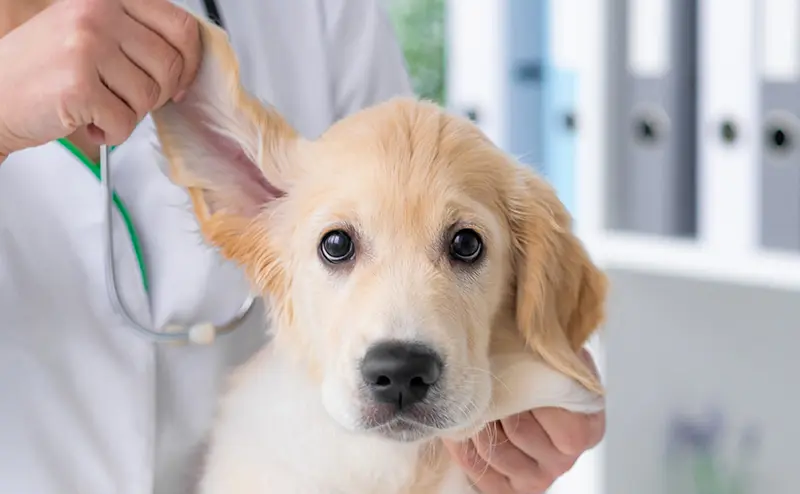
Many dog owners become worried when they notice an unusual smell coming from their dog's ears. Ignoring it, thinking "it's just a slight smell," can lead to the progression of an unexpected illness. This article focuses on seven common health problems that can cause dog ear odor, and provides clear, objective explanations of signs that warrant a visit to the vet and preventative measures. This article serves as a helpful checklist for when you notice an unusual ear smell in your dog.
Is a Smelly Dog Ear a Health Warning?
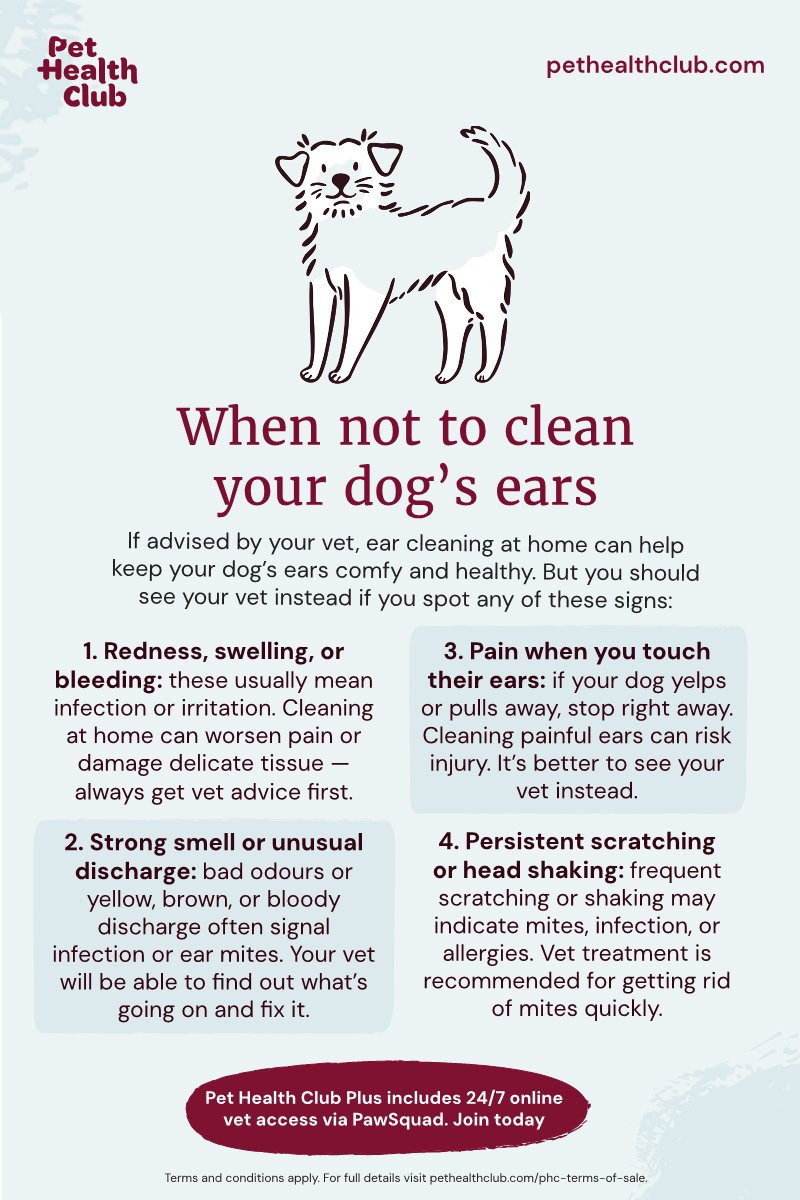
A smelly ear in a dog is often one of the first warning signs of a health problem. Mild, slightly “doggy” odor can be normal, but strong, new, or persistent smells usually mean trouble in the ear canal.
Bad odor is commonly linked to infection, inflammation, allergies, or parasites. Because the ear canal is narrow and deep, problems can worsen quickly and become painful. If ear smell appears together with redness, discharge, or head shaking, it should be treated as a health issue that needs attention, not only a grooming problem.
Normal dog ear odor vs. problem smells
A healthy dog ear has a very mild, slightly "doggy" smell or almost no odor at all. After play or a walk, a faint warm scent is usually normal. In contrast, strong, sweet, sour, rotten, or fishy odors are warning signs of infection, allergies, or other ear disease. Any smell that makes an owner step back, notice suddenly, or keeps getting worse over days should be treated as a possible health problem and checked promptly by a veterinarian.
Other signs to watch with ear odor
Ear odor rarely appears alone. A smelly ear plus other symptoms usually signals a health problem, not just dirt.
| Sign around the ear | What it may mean |
|---|---|
| Red, hot skin | Inflammation or infection |
| Scratching, head shaking | Pain, itching, foreign body, mites |
| Discharge (brown, yellow, bloody) | Infection, mites, injury |
| Swelling of ear flap | Hematoma from repeated scratching |
| Tilting head, balance problems | Possible deeper ear or nerve issue |
Any strong smell with pain or behavior change should be checked by a vet quickly.
7 Common Health Causes of Dog Ear Smell
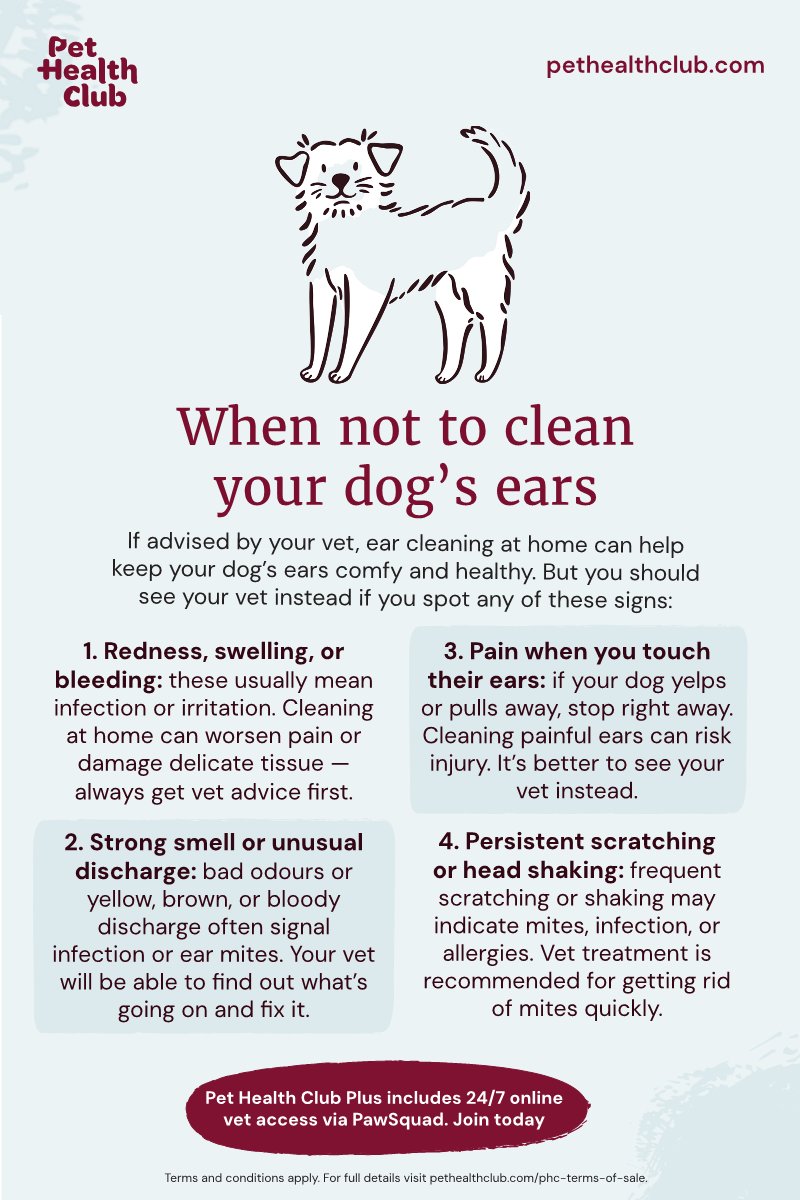
Smelly dog ears are often linked to specific health problems inside the ear canal. In many cases an unpleasant odor means inflammation or infection is already present. Common medical causes include:
- Yeast overgrowth
- Bacterial ear infection (otitis)
- Ear mites and other parasites
- Excess earwax buildup
- Trapped water and moisture
- Foreign material stuck in the ear
- Allergies and chronic skin disease
Understanding each cause helps owners judge urgency and seek timely veterinary care.
1. Yeast overgrowth in the ear canal
Yeast normally lives in a dog’s ears in small numbers, but warm, moist, poorly ventilated ears let it overgrow. Yeast otitis often causes a sweet, musty, or “corn chip” smell, brown waxy discharge, redness, and constant scratching or head-shaking. Floppy ears, allergies, and frequent swimming increase risk. Untreated yeast infections can become very painful and may lead to mixed bacterial infections, so early veterinary treatment is important.
2. Bacterial ear infection (otitis)
A bacterial ear infection, or otitis, often causes a strong, foul, or fishy smell from a dog’s ear. Bacteria multiply when the ear canal is warm, moist, or already irritated.
Typical signs include redness, swelling, yellow or green discharge, and clear pain when the ear is touched. Many dogs shake the head, scratch hard, or tilt the head to one side. Without treatment, infection can spread deeper, damage hearing, and become chronic. Prompt veterinary care and prescribed antibiotics or medicated drops are essential for recovery.
3. Ear mites and parasites
Ear mites are tiny parasites that live inside the ear canal and feed on skin debris, causing intense irritation. They are more common in puppies and dogs that have contact with stray or outdoor animals.
Typical signs include strong, musty odor, dark "coffee-ground" debris, constant head shaking, and scratching that may lead to wounds around the ear. Mites are highly contagious between pets, so all in-contact animals usually need treatment prescribed by a veterinarian.
4. Excess earwax buildup
Excess earwax (cerumen) can trap dirt, moisture, and bacteria, leading to strong odor and irritation. Some breeds naturally produce more wax, and allergies or narrow ear canals can worsen buildup. Signs include dark or yellow wax, mild smell, and occasional head shaking. Gentle, regular cleaning with a vet-approved ear cleaner helps, but very heavy or recurring wax should be checked by a veterinarian to rule out hidden infection.
5. Trapped water and moisture
Water trapped in the ear canal after swimming, bathing, or heavy rain creates a warm, damp space where yeast and bacteria grow easily. Affected ears may have a mild to strong odor, look a bit red, and feel slightly swollen. Dogs often shake the head, scratch, or rub the ear on the floor. Leaving moisture inside the ear can quickly lead to a full ear infection, so careful drying and veterinary checks are important if odor or discomfort appears.
6. Foreign objects stuck in the ear
A small seed, grass awn, foxtail, or even a bit of dirt can slip into a dog’s ear during walks or play. Once lodged, it irritates the ear canal and often causes a sudden, strong bad smell. Dogs usually react quickly: they shake the head hard, scratch one ear, cry out when the ear is touched, or hold the head tilted. A foreign object can quickly damage the ear or lead to deep infection, so prompt veterinary removal is essential rather than trying to dig it out at home.
7. Allergies and underlying skin disease
Allergies and chronic skin disease often affect the ear canal lining, making it red, itchy, and easy for yeast and bacteria to grow. Common triggers include food allergies, environmental allergens such as pollen and dust mites, and atopic dermatitis. Dogs may have recurrent smelly ear infections, head shaking, body itching, or paw licking. Long‑term control usually needs vet-guided treatment plus managing the underlying allergy, not only ear drops.
Health Dog Ear Smell Causes by Odor Type
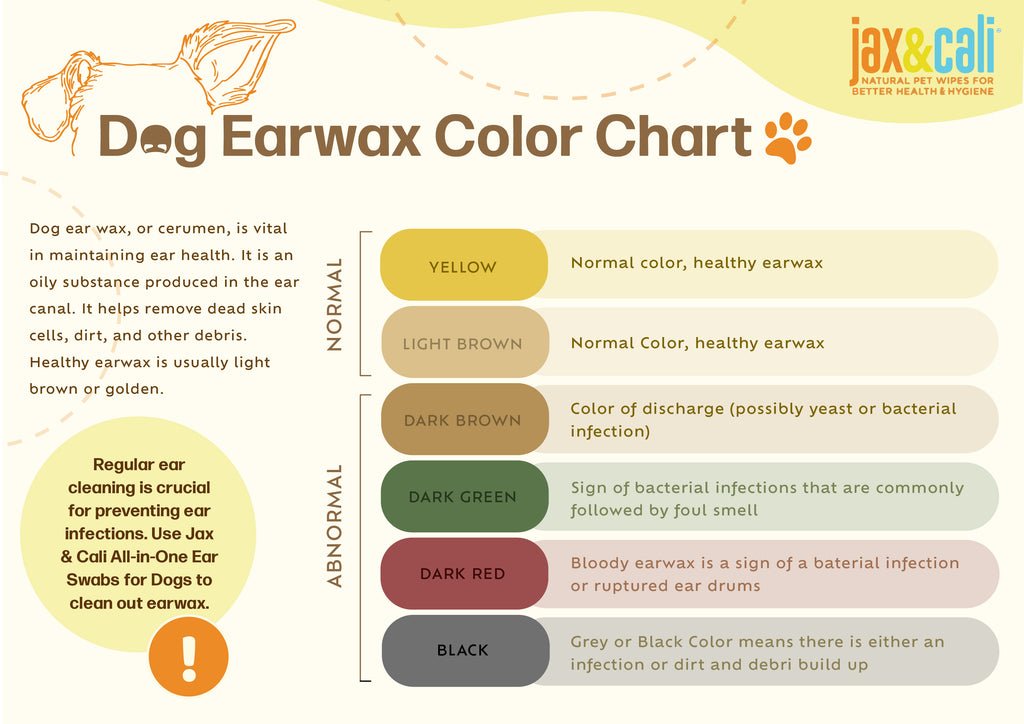
Dog ear odor often gives useful clues about the underlying health dog ear smell causes. Different smells tend to appear with different problems, so paying attention to the type of odor helps narrow down what might be wrong.
In general, sweet, musty, rotten, or very strong smells are not normal. The table below shows how odor quality often relates to health issues:
| Odor type | Possible main causes |
|---|---|
| Sweet or musty | Yeast overgrowth, chronic moisture |
| Foul, rotten, or fishy | Bacterial infection, severe otitis |
| Cheesy or popcorn-like | Wax buildup, mild yeast or bacterial imbalance |
| Metallic or bloody | Ear hematoma, trauma, foreign body, severe infection |
Odor alone cannot give a final diagnosis, but a new or worsening smell always deserves attention, especially when combined with redness, discharge, or head shaking.
Sweet or musty smell
A sweet, musty, or slightly "bread-like" ear smell often points to yeast overgrowth. Yeast thrives in warm, moist ear canals, especially in floppy‑eared or allergy‑prone dogs. Owners may also notice redness, brown waxy discharge, and frequent head‑shaking or scratching. Mild yeast issues can improve with vet‑approved ear cleaner, but persistent odor or discomfort requires a veterinary check to prevent a painful infection.
Foul, rotten, or fishy odor
A strong rotten, sewer‑like, or fishy smell from a dog’s ear is a typical sign of bacterial infection or severe mixed infection with yeast. The ear may ooze yellow, green, or bloody discharge and feel warm or swollen. Dogs often shake the head, cry when the ear is touched, or hold the head to one side. Because bacteria can damage the ear canal and even the eardrum, prompt veterinary examination is strongly recommended when such a strong foul odor is noticed.
Cheesy or popcorn-like smell
A cheesy, corn chip, or popcorn-like smell from a dog’s ears often points to yeast overgrowth or a mix of yeast and bacteria. Many owners describe it as a “Fritos smell.” Mild odor with little redness can appear in dogs with slightly moist or waxy ears. However, if the cheesy smell comes with itching, head shaking, redness, or brown discharge, the situation likely involves an ear infection that needs veterinary treatment rather than just routine cleaning.
Metallic or bloody smell
A metallic or bloody smell from a dog’s ear is a serious warning sign. It often indicates bleeding, deep infection, or a ruptured eardrum. Owners may also notice dark red discharge, crusts, or dried blood around the canal. Causes can include severe otitis, ear polyps or tumors, trauma from scratching or foreign objects, and advanced ear mites. Any metallic, iron-like, or clearly bloody odor should be treated as urgent, and a veterinary check is strongly recommended as soon as possible.
When a Smelly Ear Is an Emergency
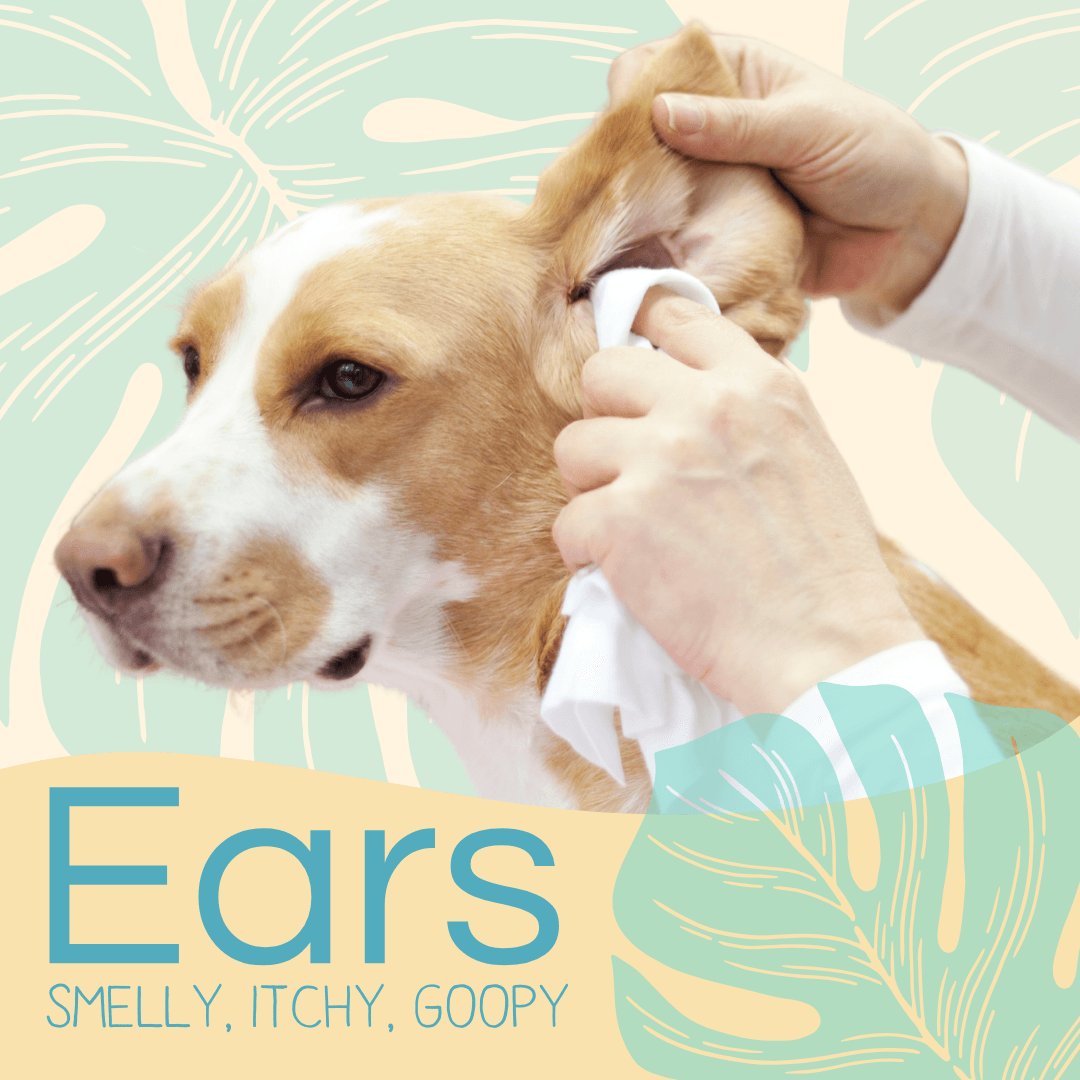
A smelly ear can suddenly become an emergency, especially when pain or swelling appears. Any strong new odor combined with head-shaking, crying when the ear is touched, or loss of balance should be treated as urgent. Severe infections can spread deeper into the ear, damage hearing, or even affect the nervous system. Rapid swelling of the ear flap, heavy discharge with blood, or a very sick-looking dog (lethargy, no appetite, fever) also requires immediate veterinary attention rather than home care.
Red flag symptoms that need the vet now
A smelly ear becomes an emergency when odor is paired with strong pain or sudden behavior change. Warning signs include:
- Head tilt, walking in circles, loss of balance
- Repeated head shaking or pawing at the ear
- Loud crying when the ear is touched
- Ear swelling, very red or hot skin, or a sudden “ballooned” ear flap (hematoma)
- Thick, bloody, or dark green discharge
- Fever, lethargy, loss of appetite
Any one of these with ear odor means the dog should see a vet as soon as possible.
How long you can safely monitor at home
In many cases, a mild new ear odor without pain or behavior changes can be watched for a short time. As a rule of thumb, if smell or mild redness does not improve within 24–48 hours, or worsens at any point, a vet visit is recommended. Puppies, senior dogs, and dogs with a history of ear infections should be checked sooner rather than later, because problems can escalate quickly. Any sign of pain, head tilt, or thick discharge means home monitoring is no longer safe and veterinary care is needed.
How Vets Diagnose Ear Problems in Dogs
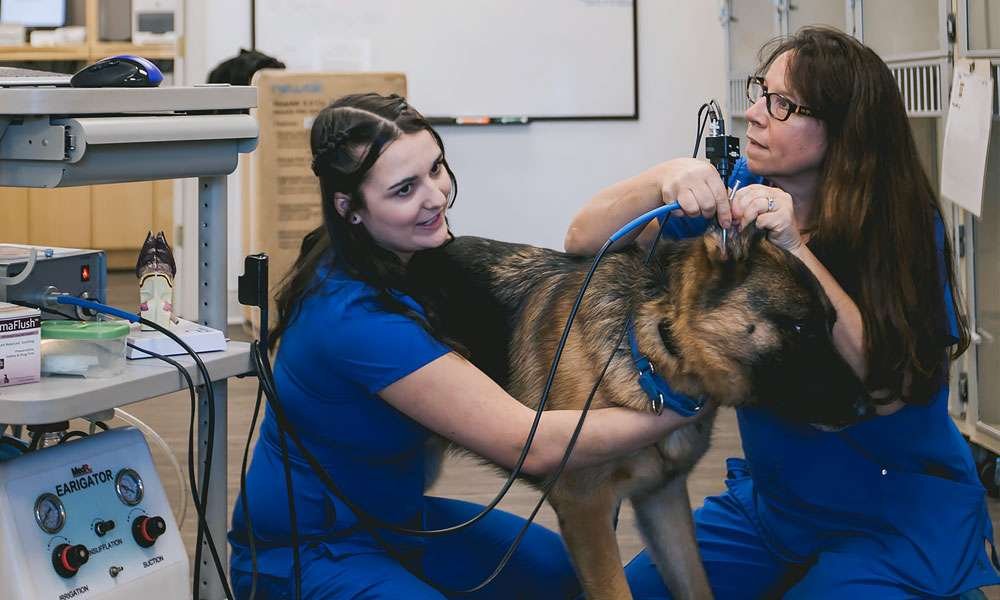
Ear problems often look similar on the surface, so veterinarians follow a step‑by‑step process to find the exact cause of the smell. A vet will usually review the dog’s history, ask when the odor started, and check for allergies, swimming habits, or previous ear infections.
Next comes a full physical and ear exam, often using an otoscope to look deep into the ear canal. Depending on what is found, the vet may perform ear swabs, cytology, or culture tests to identify yeast, bacteria, or mites. Accurate diagnosis allows targeted treatment, prevents long‑term damage, and reduces the risk of recurring ear odor.
Examination and ear swab tests
Veterinarians first look inside the ear with an otoscope to check the ear canal, eardrum, redness, swelling, and foreign bodies. An ear swab is then taken from the canal using a cotton-tipped applicator. The sample is spread on a slide and examined under a microscope to identify yeast, bacteria, or mites, which guides the most effective treatment and avoids guessing with medications.
Common treatments your vet may use
Veterinarians select treatment based on the exact cause found on examination and ear swab tests. Common options include:
- Prescription ear drops combining antibiotics, antifungals, and anti‑inflammatory steroids
- Ear cleansers to remove wax, debris, and discharge
- Oral antibiotics or antifungal drugs for severe or deep infections
- Pain relief or anti‑inflammatory medication
- Treatment for parasites, such as ear mite medications
- Allergy medication or diet changes when ear problems are allergy‑related
Using only vet‑prescribed products and following the full course of treatment is crucial to clear infection and prevent recurrence.
Safe Home Care for Mild Ear Odor
Mild ear odor without strong redness, pain, or heavy discharge can often be managed at home for a short time. The key is gentle care only. Look carefully first: note color of the skin, amount of wax, and your dog’s reaction to touch. If ears are only slightly waxy and your dog is comfortable, a soft clean using a vet-approved ear cleaner and cotton pads is usually enough. Avoid cotton swabs and home remedies such as vinegar, alcohol, or hydrogen peroxide, because they can irritate the canal and quickly turn a mild problem into a painful infection. After cleaning, monitor smell and your dog’s behavior for 24–48 hours. Any worsening odor, head shaking, or discomfort means home care is no longer appropriate and a vet visit is needed.
Choosing a dog-safe ear cleaner
Choosing the right ear cleaner helps reduce odor without harming the ear. Always select a veterinary-approved, dog-specific ear cleaner; human products, alcohol, hydrogen peroxide, or vinegar can irritate and delay healing. For mild odor, a gentle, non-medicated cleanser with drying and pH-balancing ingredients is suitable. If the dog has redness, pain, or heavy discharge, avoid home products and consult a veterinarian before using any cleaner.
Step-by-step gentle ear cleaning
Gentle cleaning helps control mild odor and protect the ear canal. Prepare cotton pads or gauze (no cotton swabs), a dog-safe ear cleaner, and small treats.
- Hold the ear flap up so the canal is visible.
- Fill the ear canal with cleaner until it is almost full.
- Gently massage the base of the ear for 20–30 seconds.
- Allow the dog to shake its head.
- Wipe away loosened debris and excess liquid with cotton or gauze.
Stop immediately and contact a vet if the dog shows strong pain, bleeding, or sudden swelling during cleaning.
Ear care mistakes that make smell worse
Many ear problems worsen because of well‑meant but risky care habits. Avoid inserting cotton swabs, fingers, or tools deep into the ear canal, since they can push debris further in or damage the eardrum. Strong products like alcohol, hydrogen peroxide, or vinegar can sting and irritate inflamed skin. Over‑cleaning, heavy plucking of ear hair, or using human shampoos near the ear also disrupts the natural balance and encourages infection. If a dog shows pain, heavy discharge, or strong odor, stop home care and consult a veterinarian promptly.
Dogs at Higher Risk for Ear Issues
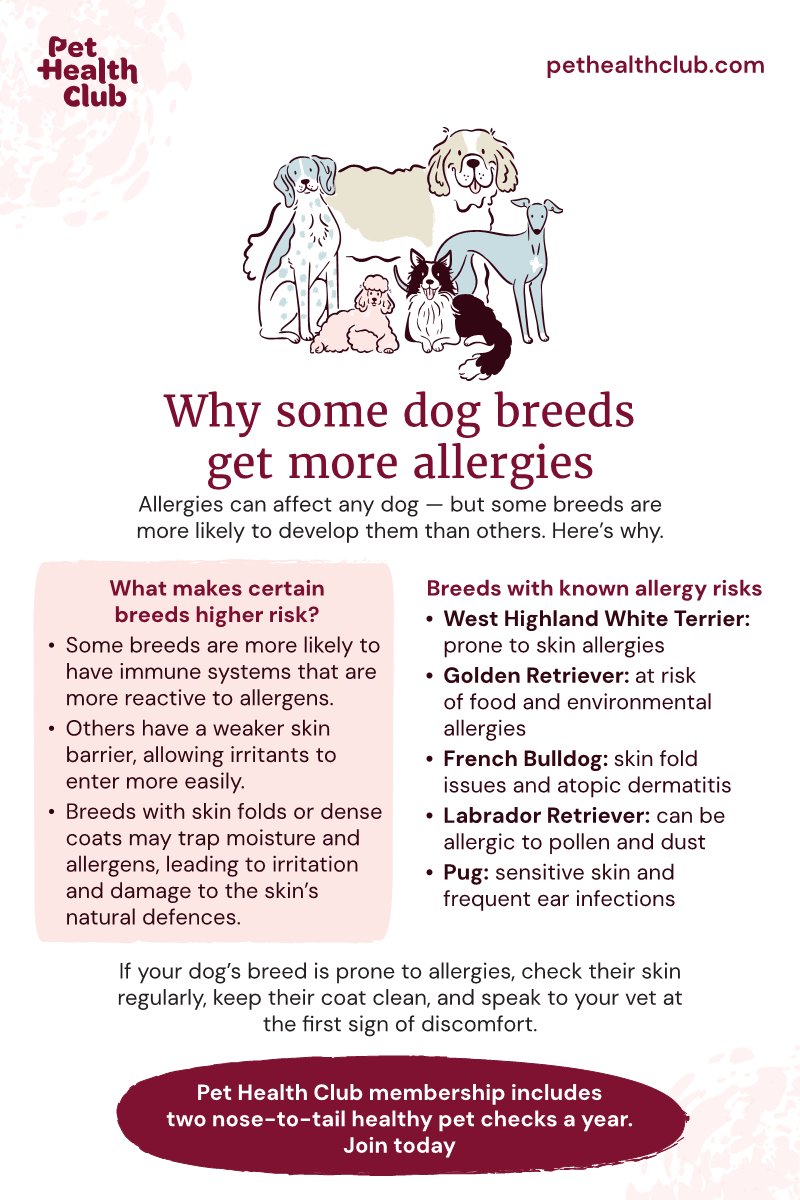
Dogs with certain body types or lifestyles are much more likely to develop ear problems and bad odors. Risk increases when the ear canal is warm, moist, and poorly ventilated. Floppy-eared and heavy-coated breeds, frequent swimmers, dogs with allergies, and dogs in humid climates often struggle with recurring ear issues. Knowing if a dog belongs to a higher‑risk group helps owners focus on early checks and prompt vet care before a simple smell turns into a painful infection.
Breeds with floppy or hairy ears
Breeds with long, floppy, or very hairy ears trap warm air, wax, and moisture, so odor‑causing yeast and bacteria grow more easily. Cocker Spaniels, Basset Hounds, Beagles, Poodles, Shih Tzus, and many doodle mixes are typical high‑risk examples. For these dogs, regular ear checks and gentle cleaning are especially important, and any new smell or head‑shaking should be checked by a vet early.
Dogs that swim or bathe frequently
Dogs that spend a lot of time in water are prone to ear problems. Water from baths, swimming pools, lakes, or the ocean can remain in the ear canal, creating a warm, moist environment ideal for bacteria and yeast. Dogs that are bathed weekly, go to groomers often, or love water play should have ears checked and dried gently after every wet activity to reduce the risk of odor, infection, and discomfort.
Allergic and sensitive-skinned dogs
Allergic or sensitive-skinned dogs often develop repeated ear odor and infections. Allergens from food or the environment inflame the skin, including the ear canal, making it easier for yeast and bacteria to grow and smell. Breeds prone to atopy, dogs with itchy paws, armpits, or belly, and dogs with chronic hot spots are at higher risk. Long‑term control usually requires both ear treatment and allergy management, not ear drops alone.
Preventing Smelly Ears in Your Dog
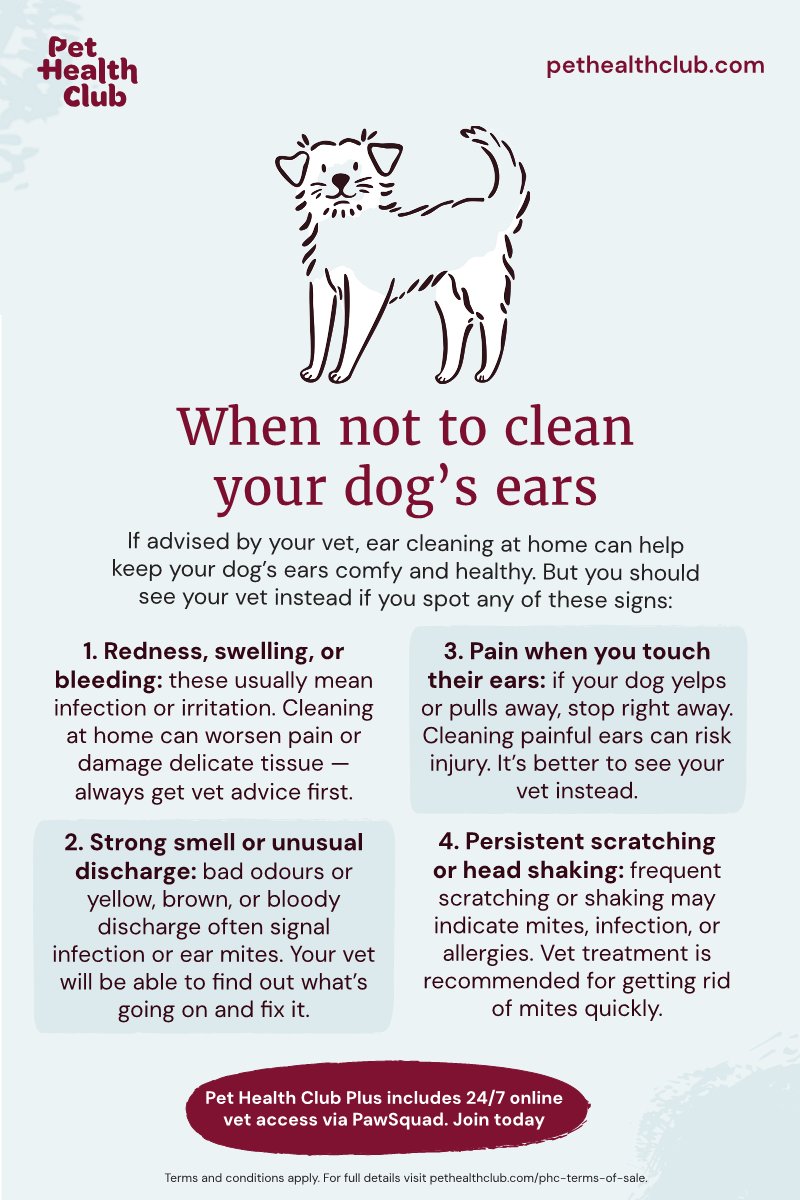
Preventive care focuses on keeping the ear canal clean, dry, and healthy. Regular checks, gentle cleaning with a vet-approved solution, and drying ears thoroughly after baths or swimming lower infection risk. Avoid inserting cotton swabs or sharp tools, which may push debris deeper. For dogs with allergies or chronic issues, following the vet’s long‑term plan and keeping skin and diet stable helps reduce recurring Health dog ear smell causes and keeps ears more comfortable.
Routine ear checks and cleaning schedule
Regular ear care helps catch problems early and prevent strong odors.
| Check / Care | How Often | Key Points |
|---|---|---|
| Quick ear check | 2–3 times per week | Look for redness, swelling, odor, discharge, head shaking |
| Routine cleaning (healthy ears) | Every 2–4 weeks | Use vet-approved cleaner, stop if dog shows pain |
| After swimming/bathing | Every time | Gently dry around the ear; light clean if prone to infections |
| Dogs with past ear issues | Weekly, as vet advises | Follow the schedule and products recommended by the veterinarian |
Ear canals should not be scrubbed daily. Too-frequent cleaning can irritate skin and actually increase infections.
Diet, allergies, and overall health
Ear health is strongly linked to what a dog eats and to overall skin condition. Food allergies and environmental allergies often show up first as recurring ear infections or ear odor. Dogs may react to proteins in food, dust mites, pollen, or fleas, leading to inflammation in the ear canal.
Poor-quality diets, obesity, and endocrine problems such as hypothyroidism can also affect skin oils and immune function, making the ear environment better for yeast and bacteria. Choosing a balanced, high-quality diet, managing allergies with a veterinarian, and keeping weight and chronic diseases under control support healthier, less smelly ears in daily life.
When to book regular ear check-ups
Regular ear exams help catch problems before they become painful infections. As a guideline, many healthy adult dogs do well with a vet ear check once a year, usually at the annual health visit. Puppies, senior dogs, breeds with floppy ears, swimmers, and allergy-prone dogs often need ear checks every 3–6 months. Any dog with a history of ear disease benefits from more frequent monitoring planned together with the veterinarian.
This article carefully explains seven possible health problems that can be caused by ear odor in dogs, the causes of each type of odor, signs that a veterinary visit is necessary, examinations and treatments at animal hospitals, and safe care and prevention methods that can be done at home, all in a way that is easy for pet owners to implement.