
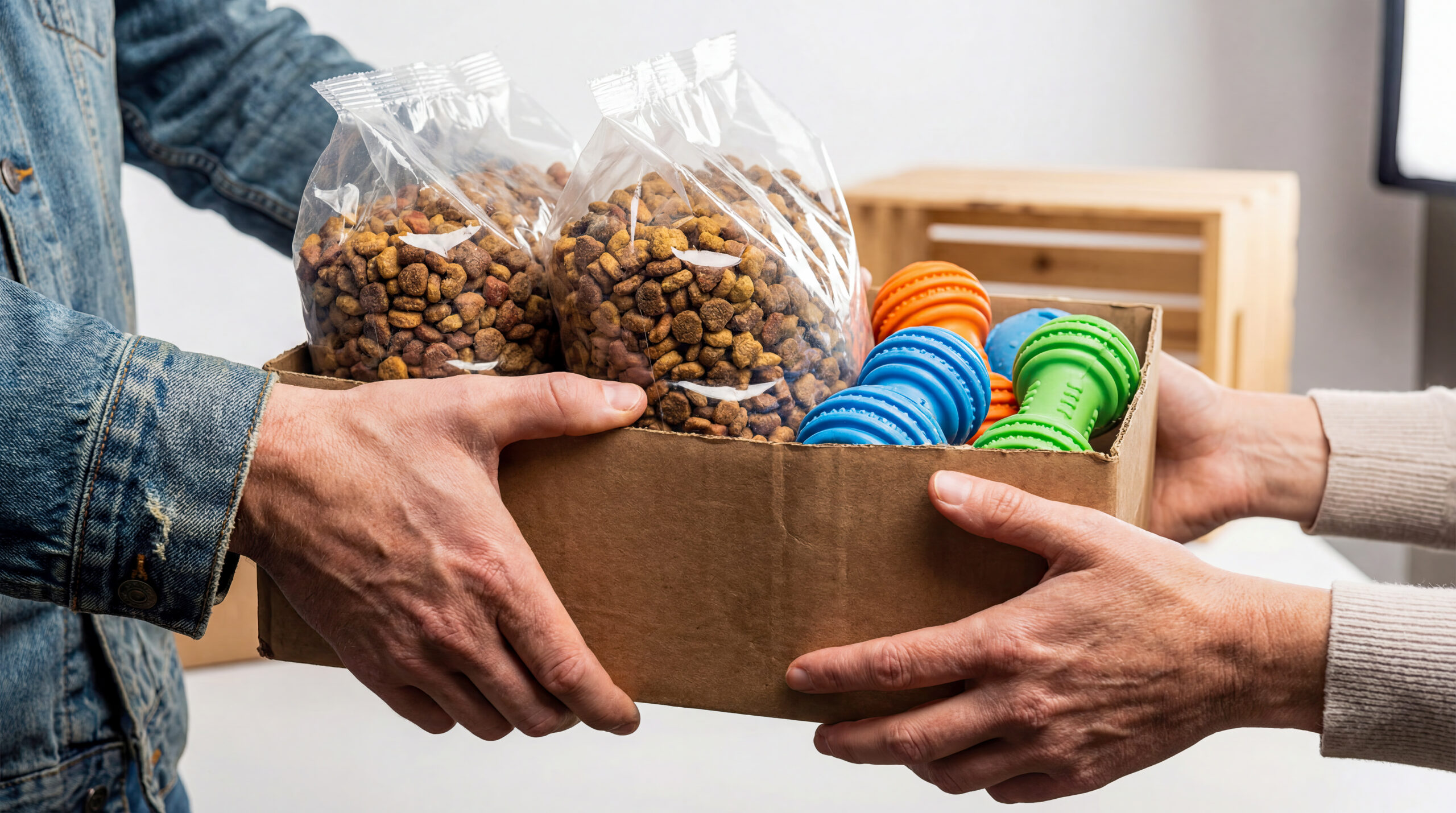
It seems that more and more people are wondering, "I have leftover dog food, but how can I use it to help rescue dogs?" The truth is, donating dog food is an accessible form of volunteering that you can start right now. This article focuses on "donating dog food" and clearly explains seven specific ways to deliver food to rescue organizations and shelters. It offers helpful tips for those who have dog food lying around at home or are considering purchasing some, providing support that is easy to sustain and manage.
Why Donating Dog Food Matters
Donating dog food matters because food is the single biggest daily cost for shelters and rescues. When supporters provide kibble, wet food, or special diets, staff can redirect limited budgets to medical care, spay/neuter, and enrichment. Reliable food donations also reduce stress for shelter workers and foster families, who know they can keep bowls full.
For dogs, a steady supply of suitable food means better health, faster recovery, and a smoother transition into new homes. For owners in crisis, pet food assistance can prevent heartbreaking surrenders and keep families and their dogs together.
How food donations support shelters
Shelters rely on food donations to cover one of their largest ongoing costs. When dog food is supplied by donors, limited budgets can be redirected to urgent needs such as medical care, sterilization, and facility maintenance. Stable food supplies also reduce intake pressure, because owners facing hardship can receive help feeding pets instead of surrendering them. In many communities, regular dog food donations are what allow shelters and rescues to keep doors open and continue saving animals year‑round.
Benefits for dogs, shelters, and owners
Donating dog food creates a chain of benefits for dogs, shelters, and donors themselves. Dogs receive stable, appropriate nutrition, which supports immunity, digestion, and calmer behavior, making adoption more likely. Shelters can redirect limited budgets from food to urgent needs such as medical care, spay/neuter, and enrichment. Donors also gain clear benefits: a practical way to help animals, a sense of contribution to the local community, and often a tax-deductible gift. Even small, regular food donations can protect pets from surrender and keep families together.
Check What Local Shelters Really Need
Before buying food to donate, it is important to confirm what local shelters actually need. Each shelter has different preferred brands, ingredient policies, and storage capacity. Some accept only specific formulas for dogs with allergies or sensitive stomachs, while others urgently need puppy food or senior diets. Many facilities also have limited space and can only accept certain package sizes. A short phone call, email, or website check helps avoid waste and ensures support matches real demand.
How to find nearby shelters and rescues
Nearby shelters and rescues can be found easily using several methods. First, search terms like “animal shelter near me” or “dog rescue + your city” on Google Maps to see locations, hours, and reviews. National websites such as Petfinder, Adopt-a-Pet, or ASPCA also provide shelter search tools by ZIP code. Local government pages, veterinary clinics, and pet shops often list partner shelters and pet food pantries, so checking bulletin boards and asking staff is also effective.
Questions to ask before you donate
Before donating dog food, shelters and rescues appreciate a quick confirmation. Key questions include:
- What types and brands of dog food are most needed now?
- Do any dogs require puppy, senior, grain‑free, or prescription diets?
- Are there rules about opened bags, bulk food, or homemade items?
- What are the expiration date and packaging requirements?
- When and where can donations be dropped off, and is an appointment needed?
- Do they also accept treats or supplements, or food only?
Clear answers help donors provide safe, genuinely useful support instead of items that cannot be used.
What Types of Dog Food to Donate

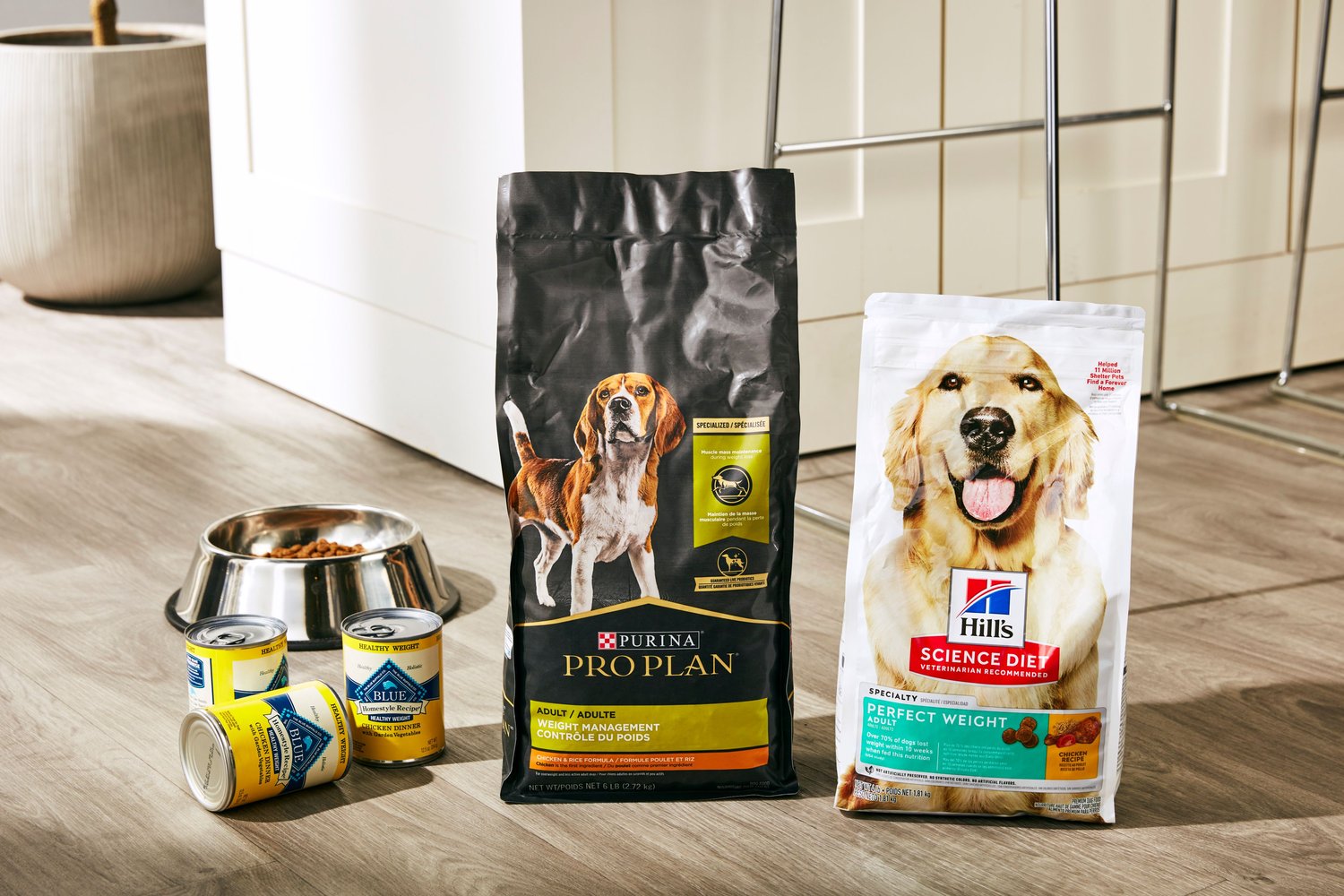
Choosing what dog food to donate is important for safety and usefulness. Many shelters care for dogs of all ages, sizes, and health conditions, so they often need a mix of dry food, canned food, and special diets such as puppy, senior, or sensitive-stomach formulas. In general, organizations prefer familiar, easy-to-digest brands in unopened bags or cans, with clear labels and visible expiry dates. When unsure, it is safest to follow each shelter’s published wish list or ask staff directly which dog food types are most helpful right now.
Dry, wet, and specialty diets
Dry food (kibble) is the most commonly requested donation. It is easy to store, portion, and share among many dogs, so medium or large bags of quality kibble are especially useful. Wet canned food is also valuable, particularly for seniors, picky eaters, and dogs with dental problems.
Shelters and rescues often care for dogs with special needs. Donations of puppy formulas, senior diets, limited-ingredient, grain-free (when requested), and prescription-style foods can help dogs with allergies, sensitive stomachs, or medical conditions. Before buying specialty diets, it is best to confirm which formulas are truly needed to avoid waste.
Unopened, unexpired, and safe food only
Shelters can only use dog food that is unopened, unexpired, and stored safely. Sealed bags and cans reduce the risk of contamination and help staff follow strict hygiene rules. Always check the “best by” or “use by” date and avoid anything close to expiring, dented cans, or torn packaging. Food should be kept in a cool, dry place away from pests and strong odors until drop-off, so dogs receive meals that are both nutritious and safe.
Treats, supplements, and other items
Treats and supplements can also support shelter dogs, but only when used appropriately. Many organizations accept unopened treats in original packaging, as well as basic supplements such as joint support or probiotics. Strong-smelling or very crumbly treats are often useful for training in a loud kennel environment.
Before donating, it is helpful to confirm what is welcome. Some shelters avoid rawhide, high‑salt snacks, or unfamiliar supplements for safety reasons. Other useful items include chews for mental enrichment, dental sticks, and food toppers that encourage picky or stressed dogs to eat.
Dog Food Donation Guidelines to Follow
Clear guidelines help shelters use donations safely and efficiently. Dog food should always be safe, suitable, and easy for staff to handle. In general, shelters ask for unopened bags or cans, within the expiry date, and in original packaging with labels intact. Strong, clean packaging prevents pests and contamination, so damaged or heavily taped bags are usually refused. Before preparing a donation, check each item, follow any rules listed on the shelter’s website, and ask staff if unsure. Simple care before donating makes food safer for dogs and easier for shelters to store and distribute.
Reading labels and expiry dates
For donated dog food, unopened packaging and valid expiry dates are essential. Check the “best by” or “use by” date on every bag or can, and avoid anything close to expiring, as shelters need time to use stock safely. Confirm ingredient lists if a shelter requests grain-free, limited-ingredient, or specific protein sources. If food has unclear labeling, damaged packaging, or missing dates, it is safer not to donate and to choose clearly marked products instead.
Storage, packaging, and transport tips
Dog food quality can drop if it is stored or transported poorly. Keep unopened bags and cans in a cool, dry place away from direct sunlight until donation. Avoid garages or car trunks in hot or freezing weather.
Before transport, place food in sturdy bags or boxes so packages do not tear. Seal any broken outer packaging in a clear plastic bag and label the contents. During the drive, keep food off the floor where it may get wet, and deliver as soon as possible after purchase to maintain freshness.
Way 1: Donate Directly to a Shelter
Donating dog food directly to a shelter is often the fastest and most effective way to help hungry dogs. Staff can immediately route food to the dogs who need it most, match formulas to special diets, and reduce storage or transport issues. Direct donations also cut out middle steps, so shelters save both money and time. Many organizations rely on regular food donors to keep adoption fees lower and to welcome more dogs in crisis, especially during busy seasons or disasters.
How to drop off food in person
Shelters usually welcome in-person drop-offs, but a little preparation makes everything smoother. Check the shelter's website or call ahead to confirm opening hours, preferred entrance, and any current rules. Pack dog food in sturdy bags or boxes, clearly separated by type (dry, wet, puppy, senior). On arrival, follow signs to the office or donation area and let staff know a donation is being brought in. Many shelters offer a receipt on request, which can help with record keeping or potential tax purposes.
Contactless and after-hours options
For contactless donation, many shelters provide outdoor drop boxes or designated bins near the entrance. Donors can leave unopened bags or cans during posted hours without meeting staff. Some facilities also allow after-hours drop-off by appointment, using secure lockers or a staff member on call. Another safe option is shipping dog food directly from online stores to the shelter’s address or wish list, which avoids in-person contact entirely.
Way 2: Use Pet Food Pantries
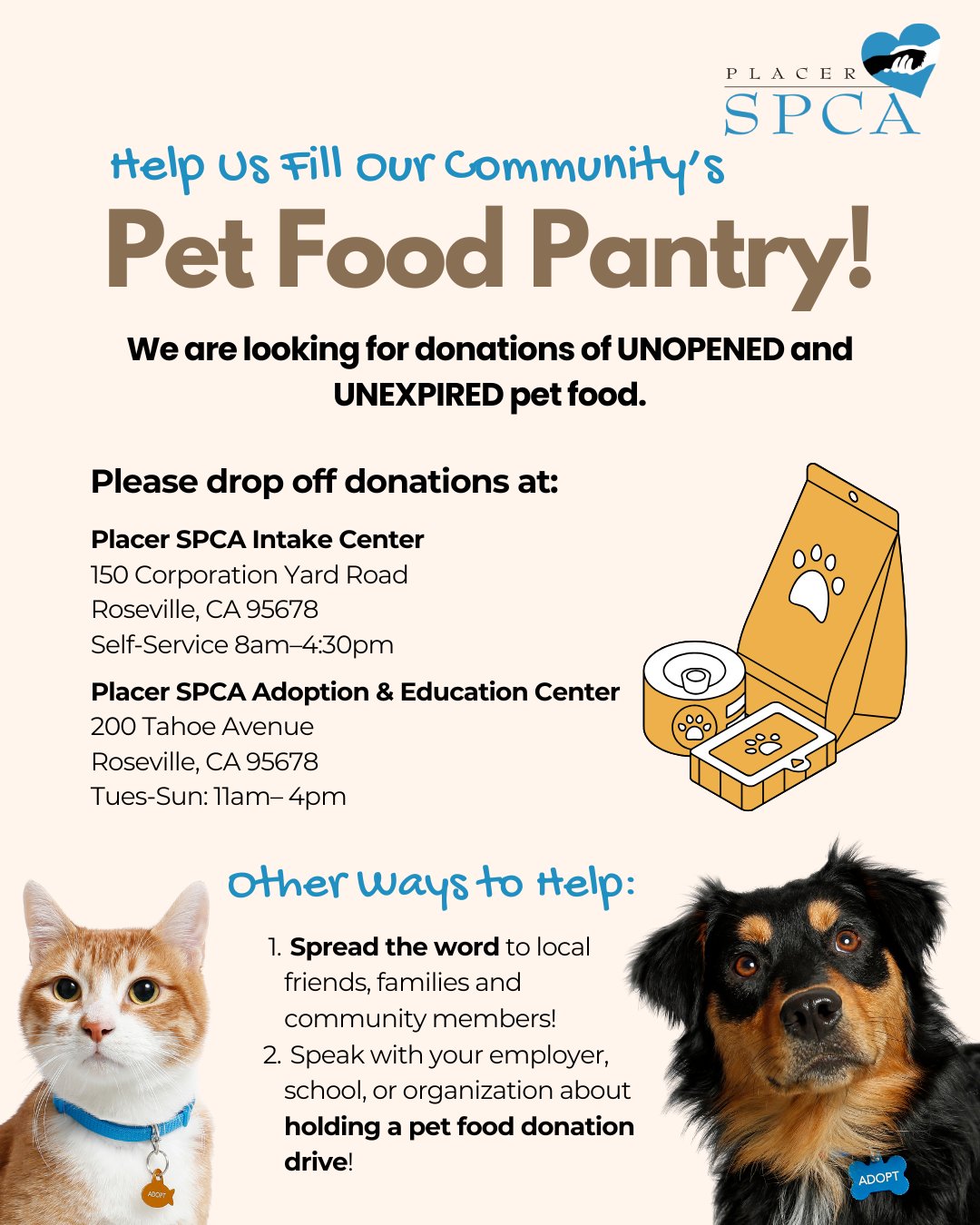
Pet food pantries are community programs that distribute donated dog food to families in financial difficulty. By using pantries as a donation route, support can reach both owned pets and animals who might otherwise be surrendered to shelters. For owners who want to donate dog food efficiently, pantries are a powerful option, because one centralized organization often serves many households and partner rescues at once.
What pet food pantries are
Pet food pantries are community programs that provide free or low-cost pet food to families facing financial difficulty. Many are run by animal shelters, food banks, or charities and aim to keep pets with their families instead of being surrendered. They usually supply dog and cat food, sometimes litter and basic supplies, using products donated by individuals, stores, and manufacturers.
Finding a pet food pantry near you
To locate a nearby pet food pantry, start by searching online with terms such as “pet food pantry + your city” or “dog food bank near me.” Many animal shelters, humane societies, and rescue groups list pantry programs on their websites or social media.
Local resources are also helpful. City or county animal services pages, 211 helplines, community centers, churches, and food banks often provide information or direct links. When in doubt, call the nearest shelter and ask where dog food donations are most needed in the area.
Way 3: Give Through Pet Stores
Donating through pet stores is a simple way to support shelters while running everyday errands. Many national chains and local shops partner with rescues, pet food pantries, and animal shelters. Stores may host food drives, keep donation bins near the checkout, or sell pre-packed donation bags. Pet stores often coordinate delivery as well, so supporters do not need to visit a shelter directly. Using pet stores makes donating dog food quick, accessible, and highly efficient for busy dog owners.
In-store donation bins and drives
Many pet supply stores place clearly marked donation bins near the entrance or checkout. Shoppers can buy dog food in-store and drop unopened bags or cans directly into the bin, which the store later delivers to partner shelters or pet food pantries. Seasonal donation drives are also common; posters or flyers usually list the exact brands, sizes, and types of dog food requested, so donors can provide the most useful support.
Round-up and buy-to-donate programs
Round‑up and buy‑to‑donate programs let shoppers support dog food donations without extra effort. At checkout, some pet stores offer bill “round‑up,” donating the spare change to purchase dog food for shelters. Others run campaigns where buying a specific brand or product triggers a matching food donation from the company. Even small amounts collected from many customers can fund large quantities of kibble. Before paying, shoppers can ask staff how the program works and which shelters receive the food, so donations feel transparent and meaningful.
Way 4: Donate Dog Food Online
Online donations are convenient for busy dog owners and very efficient for shelters. Food can be ordered from anywhere and shipped directly, so even small donors can support distant or rural rescues. Online shopping also lets donors match exact products requested by shelters, which reduces stomach upset and food waste. Many platforms allow recurring orders, so organizations can count on stable food supplies and focus staff time on caring for dogs instead of constant fundraising.
Amazon and Chewy wish lists
Many shelters now use Amazon and Chewy wish lists to show exactly what food they need. Donors can choose items such as specific kibble, canned food, or puppy formulas and ship them directly to the organization. This reduces waste, avoids unwanted brands, and saves staff time.
To find a list, check the shelter’s website, social media, or search the shelter name on Amazon or Chewy. Before ordering, confirm the shelter’s shipping address and preferred bag or case sizes.
Shelter subscription and autoship gifts
Shelter subscription and autoship gifts are a powerful way to keep food bowls full all year, not only during holiday campaigns. Many shelters set up recurring orders through services like Chewy Autoship or subscription plans with partner brands.
By covering all or part of a shelter’s subscription, supporters can:
- Guarantee a steady supply of the exact food shelters prefer
- Help shelters budget more easily
- Reduce time spent on emergency food drives
To use this option, check the shelter’s website or contact staff and ask whether they have autoship, monthly sponsorship, or “meal fund” programs. Even a small recurring amount can provide reliable meals for many dogs.
Way 5: Organize a Community Food Drive
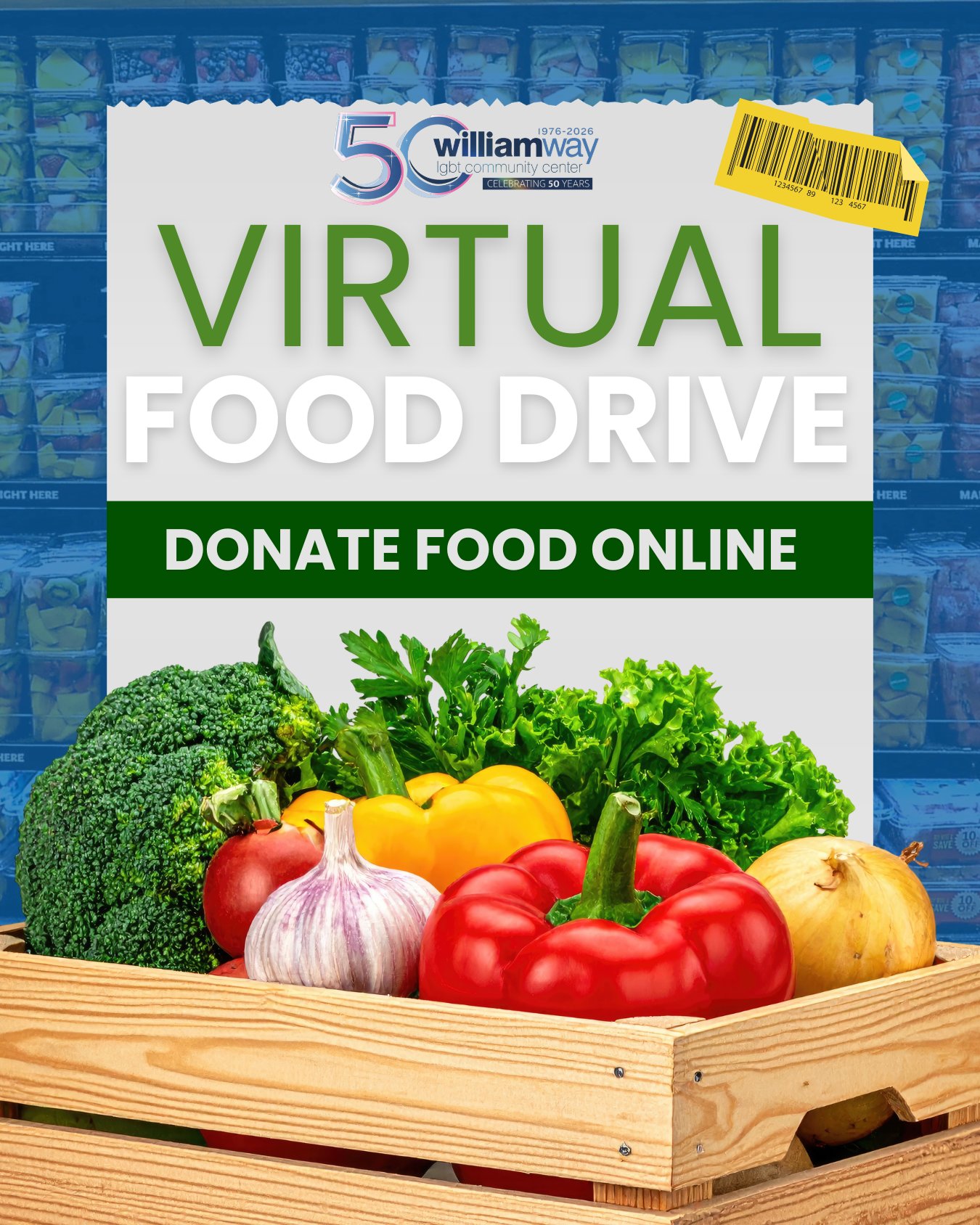
A community dog food drive is a simple way to collect far more food than one person can donate alone. By inviting friends, neighbors, workplaces, and local shops to participate, shelters receive steady support and more dogs can stay healthy and out of overcrowded shelters. Clear goals, easy drop-off points, and a set time period help motivate participation. Even a small, local drive can provide weeks of meals for dogs in need.
Planning a workplace or school drive
A workplace or school dog food drive works best with clear planning. First, get permission from HR, management, or school staff and agree on dates, location, and rules for donations. Decide what to collect: kibble only, canned food, or also treats. Choose a partner shelter or pet food pantry and confirm their needs and drop-off method. Assign simple roles—organizer, promoter, collection monitor, and delivery person—so responsibilities are clear and the drive runs smoothly.
Promoting your drive and collecting safely
To collect food safely, it is important to clearly communicate the rules. The notice must include the type and conditions of food to be accepted (unopened, unopened, and with an expiration date of at least ○ months). At workplaces and schools, set up a dedicated box in a location that does not block passageways and store the food away from rainwater and direct sunlight. Assigning a person in charge of collection and regularly checking the quantity and condition will help prevent problems. After collection, deliver the food to the facility as soon as possible, and report the results on social media or bulletin boards to increase participant satisfaction."
Way 6: Support Low-Income Pet Owners
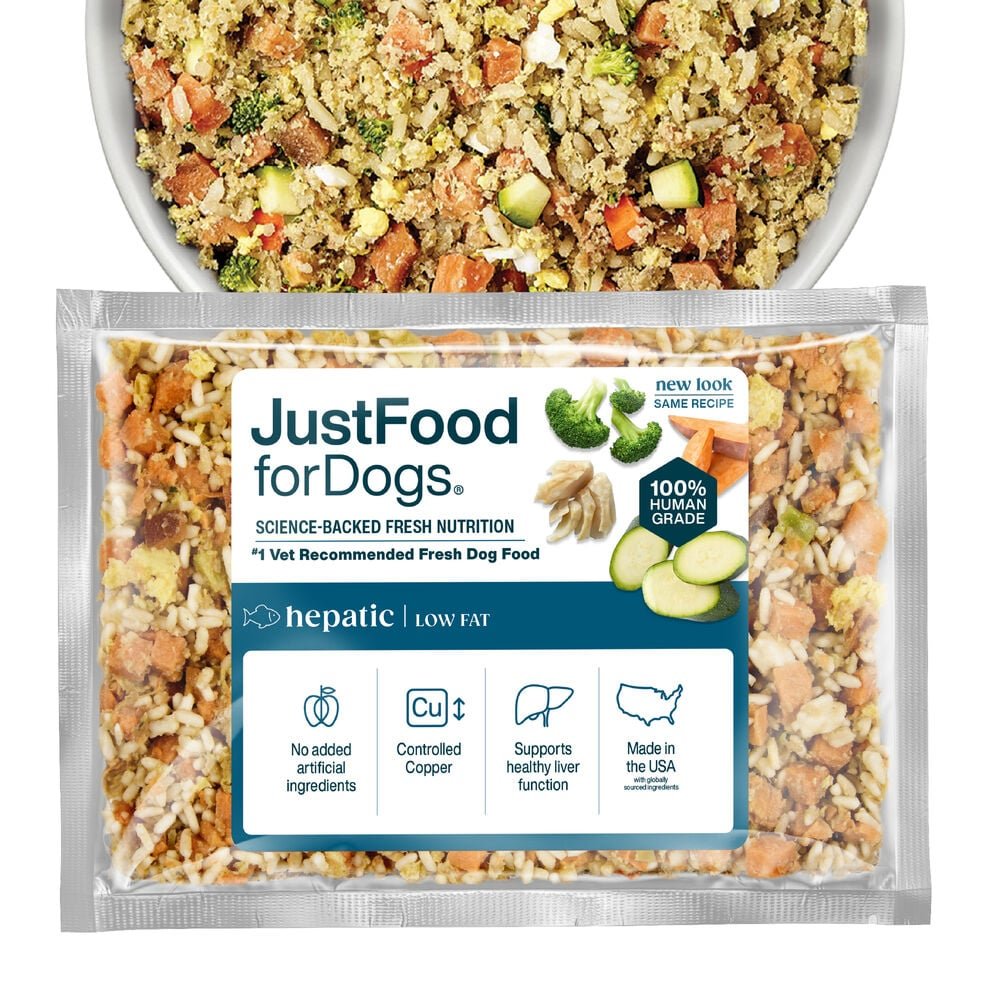
Supporting low-income pet owners helps prevent dogs from entering shelters in the first place. When families struggle with rent, medical bills, or job loss, pet food is often where they cut back. By sharing extra dog food, donating gift cards, or backing local aid programs, owners can keep beloved dogs at home instead of surrendering them. Such support protects the human–animal bond, reduces shelter crowding, and promotes community welfare where people look out for both pets and neighbors.
Mutual aid, neighbors, and local groups
Mutual aid for pet care often begins close to home. Many neighborhoods run informal dog food networks where people share surplus bags, samples, or food their dog no longer eats. Local Facebook groups, Buy Nothing groups, and community apps (such as Nextdoor) frequently allow “ISO dog food” or “offer: dog food” posts.
Libraries, faith communities, and community centers may also host pet support tables or bulletin boards where neighbors quietly match extra supplies with families in need. Animal rescues sometimes partner with food banks or social service agencies, so checking those organizations can connect donors with low‑income pet owners directly and safely.
Respectful ways to offer dog food help
Offering dog food help requires care so recipients do not feel judged. Instead of assuming need, ask open questions such as “If extra dog food would be useful, I have some to share.” Emphasize that the food is spare or from a donation project, not charity aimed at a specific person. Let people choose what and when to accept, avoid public announcements of who received help, and respect privacy by using neutral language like “pet support” rather than “financial hardship.” Polite communication helps protect dignity while still supporting dogs.
Way 7: Give Money Instead of Food
Donating money can sometimes support far more dog meals than donating individual bags of food. Shelters and pet food pantries can buy in bulk at discounted prices, choose the exact diets needed, and react quickly when supplies run low. Financial gifts also reduce storage problems and waste. For readers who live far away, have limited time, or feel unsure what food to buy, a simple online donation is often the most efficient way to help dogs eat safely and consistently.
When cash helps more than kibble
Food donations are wonderful, but money often stretches further than bags of kibble. With direct funds, shelters can buy exactly the right food, often at rescue discounts or in bulk. Staff can also react quickly to urgent needs such as prescription diets, puppy milk, or senior formulas. Cash gifts reduce storage and transport issues and free up space in crowded facilities. In many cases, a small monthly donation funds more meals than a single store‑bought bag.
Sponsoring meals and ongoing support
Sponsoring meals means providing steady, predictable support for a shelter’s food budget. Many organizations let supporters “sponsor a dog’s meals” for a month or a year, often with a set donation amount. Regular gifts help shelters plan purchases, lock in bulk prices, and avoid emergency shortages.
Ongoing support can take several forms:
- Monthly donations earmarked for dog food
- Sponsoring a specific kennel, senior dog, or long‑stay dog
- Covering a portion of the shelter’s food bill with a recurring payment
Shelters sometimes send short updates or photos to meal sponsors, which helps donors feel connected and encourages long‑term commitment.
How to Donate Dog Food on a Budget
Donating dog food does not require a large budget. The most effective approach is to plan small, consistent donations instead of one big purchase. Setting aside an extra can or small bag of kibble during regular shopping already supports shelters. Many organizations also welcome partially used but unopened sample bags or loyalty freebies that a household does not need. Checking shelter wish lists before buying prevents waste and focuses limited money on the most useful products, such as specific brands, puppy food, or sensitive-stomach formulas.
Couponing, sales, and bulk buying
Dog food donations can be affordable with a little planning. Shoppers can combine coupons, sales, and bulk buying to stretch every yen or dollar. First, check weekly flyers and pet store apps for discounts on quality brands. Manufacturer coupons and store loyalty points often stack, lowering the final price significantly.
Buying in bulk at warehouse clubs or during big seasonal sales works well when shelters confirm they can store large bags. Choosing one or two cost‑effective, vet‑approved brands and watching for promotions allows donors to build a small “donation stash” over time without straining the household budget.
Small, regular gifts that add up
Small, regular dog food donations can create steady support for shelters and families. Instead of one large purchase, many owners choose a simple monthly plan: add an extra bag or a few cans whenever buying their own dog food. Setting a small budget, such as the cost of one coffee a week, makes giving easier to maintain and less stressful. Over a year, those modest gifts can feed many dogs and help shelters plan more confidently.
Involving Kids and Family in Giving

Getting kids involved in donating dog food can turn charity into a warm family habit. Children often feel closer to animals than to abstract causes, so helping hungry dogs is easy for them to understand. Talking about how donations keep dogs out of shelters and with their families helps kids see the real impact. Simple roles, such as choosing a bag of food, decorating a collection box, or helping carry donations, allow every family member to participate. Regular involvement also teaches budgeting, responsibility, and everyday kindness toward animals.
Simple donation projects for children
Simple donation projects help children feel involved and build empathy. A few easy ideas work well for most families:
- “One Can for a Friend”: when buying dog food, let the child choose one extra can or small bag to donate.
- Decorate a small donation box at home and collect spare change for shelter dog food.
- Create handmade thank-you cards or drawings for shelter staff and tape a dog treat to each card.
- Help a child sort gently used pet items at home and add one small pack of food to donate together.
Parents can briefly explain how each donated item helps a real dog eat and feel safe.
Teaching kindness through pet charity
Pet-related charity is an effective way to teach children everyday kindness. By helping animals who cannot speak for themselves, children learn empathy, responsibility, and respect for life.
Adults can talk with children about why some families struggle to feed pets and how donations keep animals safe at home instead of entering shelters. Reflecting after each activity—“How do you think the dogs feel?” or “What are you proud of today?”—helps children connect actions and feelings.
Praising effort, not only results, encourages a lasting habit of caring for animals and people in need.
Common Mistakes to Avoid When Donating

Donations can accidentally create extra work or even health risks for shelters. To truly help, donors are encouraged to avoid a few common pitfalls. Expired or opened food, random “leftover” items, and giant mixed boxes are often unusable. Ignoring each shelter’s posted wish list or dropping items outside in bad weather also causes problems. Asking what is needed, checking dates and packaging, and planning drop‑offs in advance makes donations far more effective and appreciated.
Items shelters often cannot accept
Many shelters must refuse certain donations for safety, storage, or legal reasons. Before preparing a donation, it is helpful to confirm whether the following are acceptable:
| Often Not Accepted | Reason |
|---|---|
| Opened or unsealed dog food/treats | Hygiene and contamination risk |
| Expired or near-expiry food | Health risk, may spoil before use |
| Home-cooked food or leftovers | Unknown ingredients, spoilage risk |
| Raw meat or raw diets | Bacteria and handling issues |
| Recalled products or damaged packages | Possible safety issues |
| Prescription diets without prior approval | Need to match specific medical cases |
Shelters may also decline very large, heavy bags if storage space is limited, or unusual diets that few dogs can eat. Confirming in advance avoids waste and ensures donations support dogs effectively.
How to be helpful, not harmful
Good intentions alone do not guarantee a helpful donation. To truly support dogs and shelters, focus on three points: follow each organization’s posted wish list, donate only safe, unopened, unexpired food, and communicate before dropping anything off. Label any special diets clearly so staff do not mix them with regular food. Avoid creating extra work: sort items neatly, pack by type or size, and respect drop-off hours and rules. When unsure, ask how to help most effectively—sometimes a small monetary gift or gift card has a bigger impact than a random bag of kibble.
This article provides a clear, seven-step guide on how to support rescue dogs and their owners by donating dog food. It covers everything from choosing the right food and important considerations to tips for donating within your budget, to ideas for family and children to participate together, offering a sustainable and manageable form of support.










![[Funny Dog & Cat Videos] Tips for Filming to Bring Out Their Charm and Make Your Dog Look Like That!](https://with-my-dog.com/wp-content/uploads/2022/04/3015452_s-150x150.jpg)
![Popular names!? [Popular dog names ranking]](https://with-my-dog.com/wp-content/uploads/2022/07/image3-45-150x150.jpg)