

Many dog owners worry when their beloved pet shivers after surgery, wondering if it's due to pain or anesthesia. Postoperative shivering can have various causes, ranging from temporary shivering due to anesthesia or a drop in body temperature to more serious signs of pain or complications. This article provides a clear, objective explanation of seven health signs related to postoperative shivering in dogs, how to identify them, and when to seek veterinary attention. We hope this information will be helpful in guiding your dog's safe recovery.
Is Post‑Surgery Shaking in Dogs Normal?
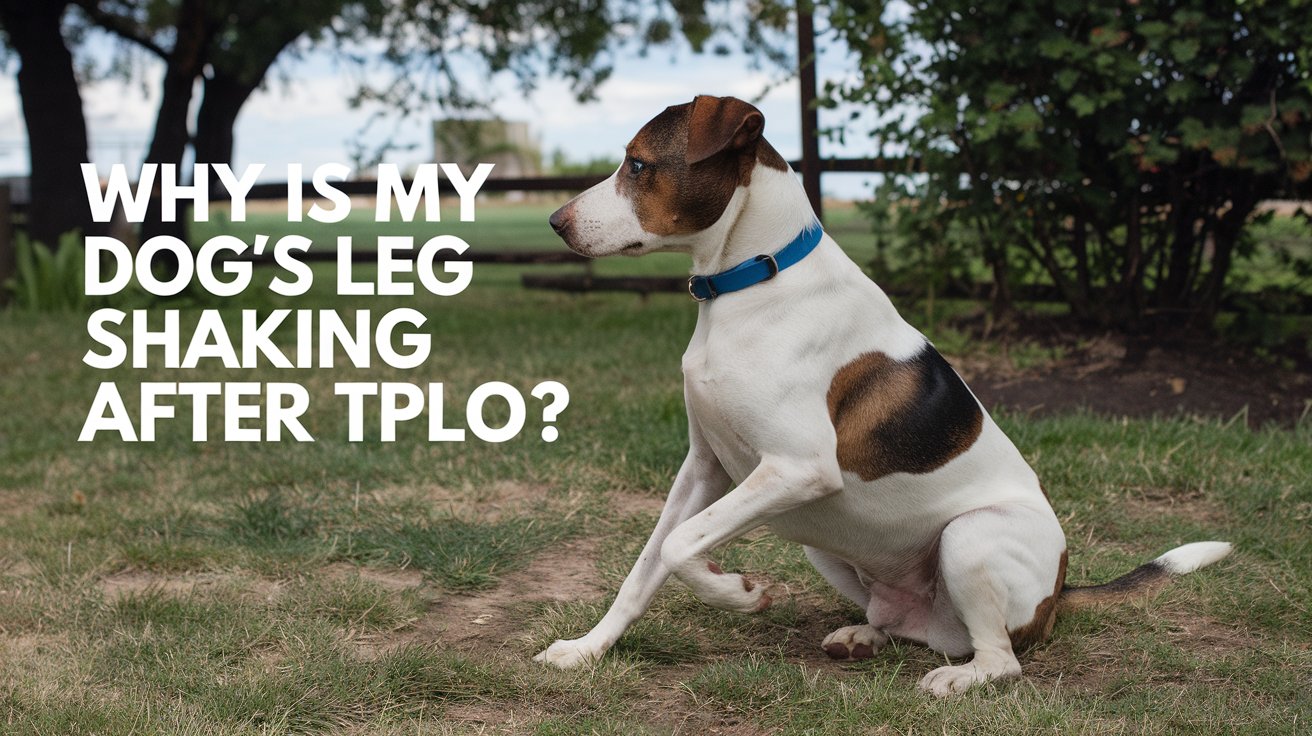
Many dogs shake or tremble after surgery, and in many cases it is mild, temporary, and related to anesthesia wearing off or feeling cold or stressed. Gentle shivering within the first day is often expected.
However, sudden, intense, or worsening shaking, especially if combined with heavy panting, pale gums, vomiting, or collapse, can signal a problem. If an owner is unsure whether the reaction is normal, contacting the veterinary clinic for advice is the safest choice.
Common reasons dogs tremble after surgery
Dogs often tremble after surgery for several overlapping reasons. Most causes are temporary and not dangerous, but careful observation is important.
| Common cause | What the shaking looks like | Why it happens |
|---|---|---|
| After‑effects of anesthesia | Fine shivers, may seem groggy | Body clearing drugs, temperature drops slightly |
| Pain or soreness | Shaking with whining, guarding the area | Surgical site or internal discomfort |
| Feeling cold | Shivering when uncovered or in a draft | Lower body temperature after anesthesia |
| Stress or fear | Trembling when handled or moved | Strange environment, cone, new sensations |
| Nausea | Shaking plus drooling, turning away from food | Anesthesia, pain medication, empty stomach |
If shaking worsens, lasts many hours, or occurs with breathing trouble, pale gums, or collapse, urgent veterinary care is needed.
How long shaking usually lasts
Mild shaking often appears in the first few hours after surgery, as anesthesia wears off and the body adjusts. For many dogs, trembling improves noticeably within 12–24 hours, and light shivering may come and go for up to 48 hours.
If shaking is getting worse, continues beyond two days, or is paired with worrying signs such as pale gums, vomiting, trouble breathing, or extreme lethargy, prompt veterinary advice is strongly recommended.
When shaking is part of normal recovery
Shaking can be part of a normal recovery in many dogs. Mild, occasional shivering or trembling for a few hours after coming home, or on the first night, often reflects anesthesia after‑effects, feeling cold, or stress. The dog should still be responsive, able to stand with help, and improve over time. Shaking that gradually lessens, with normal breathing and gum color, is usually expected, but worsening or continuous tremors need a vet check.
How Anesthesia Affects Your Dog
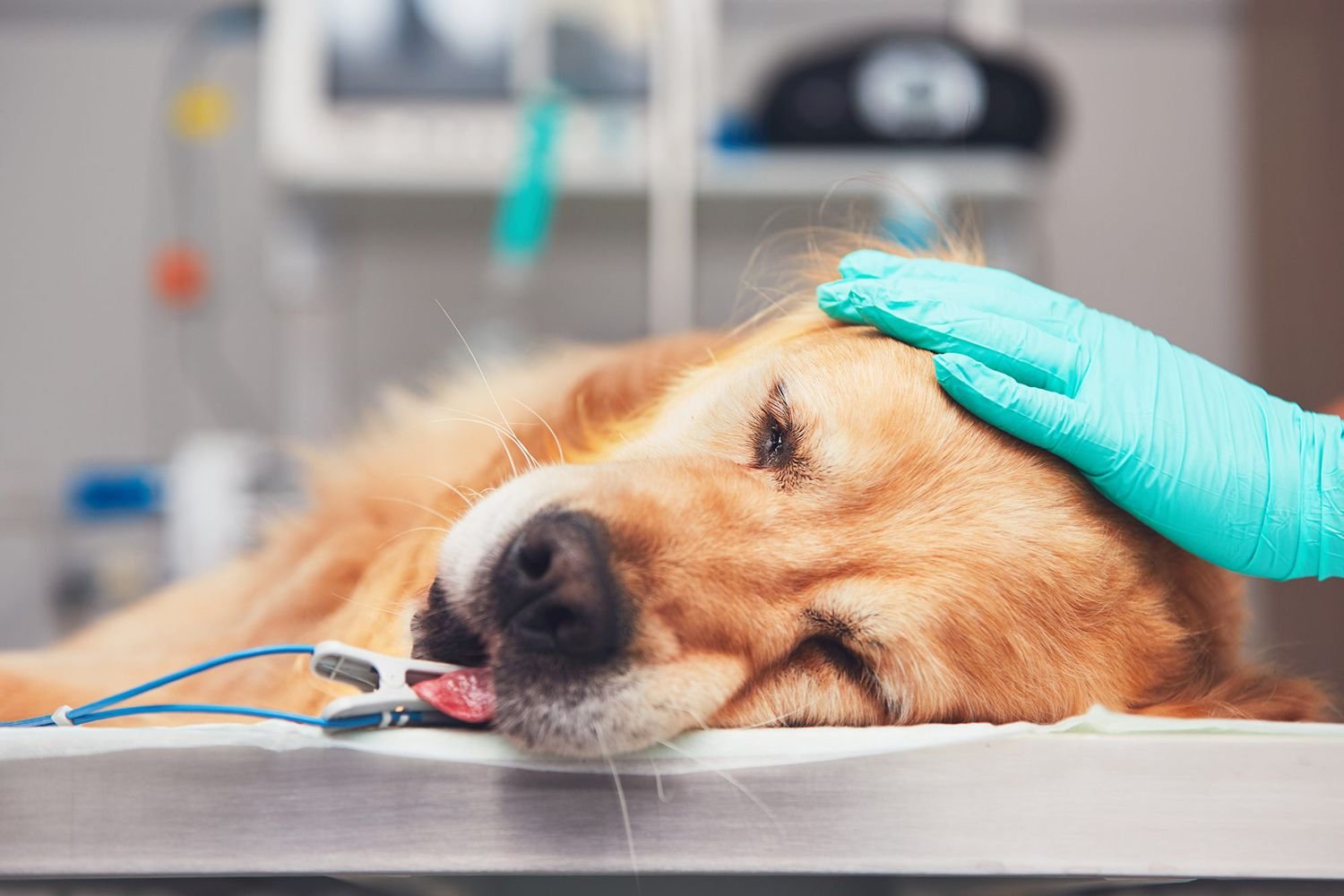
Anesthesia affects the whole body, not only the area of surgery. Many dogs feel sleepy, unsteady, and may tremble as the drugs slowly leave the system. Anesthetic medicines can lower body temperature, change blood pressure, and upset the stomach, so mild shaking often reflects the body working to return to normal. Most effects improve steadily over several hours, but careful watching at home is very important.
Typical after‑effects of general anesthesia
General anesthesia often causes dogs to seem sleepy, wobbly, and a bit out of sorts for several hours. Common after‑effects include drowsiness, unsteady walking, glassy eyes, mild whining, slower reactions, and a lower body temperature. Some dogs may drool, shiver lightly, or be a little disoriented. Most of these effects gradually improve within 12–24 hours, as the drugs leave the body.
Why anesthesia can cause trembling
General anesthesia affects the whole body, so trembling often has several overlapping causes. As the drugs wear off, the brain and nervous system "wake up" unevenly, which can trigger shivering. Many anesthetic agents also lower body temperature, and mild hypothermia is one of the most common reasons for shaking. In addition, pain, nausea, stress, and unfamiliar sounds or smells in the clinic can all lead to muscle tension and tremors until the dog feels stable and warm again.
Signs the anesthesia side effects are easing
As anesthesia wears off, many dogs slowly become steadier and more responsive. Side effects are likely easing when shaking gets milder or less frequent, your dog can stand or walk with better balance, and the eyes look more focused. A dog that was groggy may start showing interest in family members, food, and familiar sounds. Breathing should be smooth and regular. If trembling worsens or new symptoms appear, contact a veterinarian promptly.
7 Health Signs to Watch With Shaking
After surgery, shaking alone is not a diagnosis. It is a signal to check for other health changes. By watching a few key signs together, owners can judge whether tremors are part of normal recovery or a reason to call a veterinarian.
The seven most important points are:
| Sign to check | Why it matters with shaking |
|---|---|
| Pain or discomfort | Strong pain often triggers trembling or tense muscles |
| Low body temperature | Dogs can feel cold after anesthesia and shiver strongly |
| Nausea or vomiting | Some drugs upset the stomach and cause shaky, restless behavior |
| Breathing changes | Fast, noisy, or labored breathing plus shaking can mean distress |
| Coughing or gagging | May come from the breathing tube, but can also signal complications |
| Incision problems | Infection or pulled stitches can cause pain‑related tremors |
| Neurologic signs or seizures | Rare but urgent; need immediate veterinary care |
By checking these seven areas whenever shaking appears, owners can respond quickly and avoid missing a serious post‑surgery problem.
1. Pain or discomfort after surgery
Pain is one of the most common causes of a dog shaking after surgery. Muscles around the incision are sore, moving or standing up can hurt, and internal tissues are still healing. Shivering may appear when pain medication is wearing off, during movement, or when the dog changes position. Uncontrolled pain not only causes trembling, but can also slow healing and reduce appetite, so careful monitoring and timely contact with a veterinarian are very important.
How to tell if pain is causing shaking
Pain-related shaking is usually continuous, tense trembling rather than brief shivers from cold or excitement. Signs that pain is the cause include:
- Dog is reluctant to move, climb stairs, or lie down
- Whining, whimpering, or sudden yelps when touched
- Guarding the surgical area, snapping, or moving away from hands
- Restless pacing, unable to get comfortable
- Fast breathing, wide eyes, pinned‑back ears
If shaking worsens after pain medication should be working, contact a veterinarian promptly.
Pain relief options your vet may use
Dogs often receive a combination of pain relief methods after surgery. Vets may use opioid injections (such as morphine‑type drugs) immediately after the operation, followed by oral medications at home like NSAIDs (e.g., carprofen, meloxicam) to reduce inflammation and soreness. In some cases, local nerve blocks, gabapentin, or sedatives are added for extra comfort. Owners should never give human painkillers; only medications prescribed specifically for the dog are safe.
2. Low body temperature or chills
Shaking can be a sign that a dog’s body temperature has dropped too low after surgery. Anesthesia affects the body’s ability to keep warm, and small, thin, or senior dogs cool down especially fast. A cold recovery room, damp bedding, or lying on hard floors may also lead to shivering that looks like trembling from fear or pain. Mild, short‑term shivering often improves once the dog is gently warmed, but persistent, intense shaking or a body that feels very cold to the touch needs prompt veterinary advice.
Normal temperature range for dogs
A healthy dog’s temperature is about 100.0–102.5°F (37.8–39.2°C). Puppies and small breeds may run slightly higher within this range. Temperatures below 99°F (37.2°C) or above 103°F (39.4°C) are a concern and require a call to the veterinarian, especially when combined with shaking, weakness, pale gums, or confusion after surgery.
Simple ways to keep your dog warm
Keeping a dog warm after surgery helps reduce shivering and supports stable circulation. Use soft blankets or a padded bed in a draft‑free area, and keep the room at a comfortable temperature for humans. For small or short‑haired dogs, consider a light dog sweater. Avoid direct contact with hot‑water bottles or electric heaters; wrap any heat source in a towel and check the skin often to prevent burns.
3. Nausea, vomiting, or not eating
After surgery, many dogs feel nauseous from anesthesia or pain medication, which can lead to shaking. Tremors may appear when the dog is about to vomit or shortly afterward. Mild, short‑term vomiting or refusing the first meal is often part of normal recovery. However, repeated vomiting, drooling, or continued refusal to eat combined with shaking can signal pain, drug side effects, or complications, so consulting a veterinarian promptly is recommended.
When appetite loss is expected
A mild decrease in appetite is very common for 12–24 hours after surgery. Anesthesia, pain medication, stress, and nausea can all make a dog reluctant to eat. Small dogs, seniors, and anxious dogs may take a bit longer to show interest in food. As long as a dog is alert, drinking small amounts of water, and not vomiting repeatedly, short‑term appetite loss usually fits within a normal recovery pattern.
Red flags with nausea and shaking
Sudden nausea plus trembling can signal more than a simple anesthesia after‑effect. Contact a vet promptly if your dog is shaking and: vomiting repeatedly, cannot keep water down, shows a swollen or tight belly, has bloody vomit or diarrhea, seems very weak or collapses, or has pale gums. Strong drooling, lip‑licking, or frantic pacing with shaking can also point to serious stomach pain or an adverse drug reaction and should be checked urgently.
4. Breathing changes or heavy panting
Heavy panting or a change in breathing pattern often appears together with shaking after surgery. Mildly faster breathing can be a normal response to pain, stress, or residual anesthesia. However, very rapid, noisy, or labored breathing with wide-open mouth, blue or pale gums, or collapse is an emergency. Sudden panting at rest, especially if it worsens quickly, requires prompt veterinary advice even outside normal hours.
What normal breathing looks like
Normal breathing in a resting dog is quiet, smooth, and regular. Most dogs take about 10–30 breaths per minute when relaxed and not panting. The chest moves gently without effort, and the belly may rise slightly.
The mouth is usually closed, gums are pink and moist, and there are no grunting, wheezing, or squeaking sounds. Short, light panting can be normal after surgery stress, but breathing should gradually become calmer as the dog settles.
Breathing issues that need urgent care
Seek urgent veterinary care if shaking is accompanied by very fast or very slow breathing, open‑mouth breathing, or loud wheezing. Pale, blue, or gray gums, using belly muscles to breathe, or flaring nostrils also suggest serious trouble. Collapse, lying on the side and gasping, or breathing that suddenly worsens after looking stable are all emergency signs. In any of these cases, contact an emergency vet immediately and transport the dog as gently as possible.
5. Coughing or gagging with tremors
Coughing or gagging together with shaking often appears in the first hours after surgery. Mild, occasional coughs can be due to the breathing tube or throat irritation and may improve within a day. However, frequent coughing, gagging, or bringing up foam or fluid with full‑body tremors can signal pain, nausea, or a breathing problem. If cough or gagging makes breathing look hard, if the gums look pale or blue, or if the dog seems to choke repeatedly, seek urgent veterinary advice at once.
Cough from the breathing tube
After surgery, many dogs have a temporary cough caused by the endotracheal (breathing) tube used for anesthesia. The tube can mildly irritate the trachea, leading to a dry, hacking cough or an occasional gag. The cough usually starts within the first day, often sounds worse than it is, and should gradually improve over 24–72 hours as the throat irritation settles.
When cough plus shaking is serious
A mild, dry cough with brief, occasional shaking in the first 24–48 hours can be normal after anesthesia. However, cough plus shaking becomes serious if any of the following appear:
- Blue, pale, or grey gums
- Fast, labored, or noisy breathing
- Belly moving dramatically with each breath
- Collapse, extreme weakness, or confusion
- Continuous cough, froth, or blood from the mouth or nose
If any sign occurs, seek emergency veterinary care immediately.
6. Signs of incision problems
Shaking can sometimes point to problems at the incision site, especially when tremors appear or worsen as the wound is touched or when the dog moves. Watch closely for redness, swelling, heat, or discharge around the stitches, or sudden sensitivity when the area is near. Any strong odor, continued bleeding, or your dog obsessively licking or guarding the wound can mean pain, infection, or wound breakdown and warrants prompt veterinary advice.
Normal healing vs. infection signs
After surgery, a small amount of redness, swelling, and clear or slightly pink fluid can be part of normal healing for the first few days. The edges stay closed, the area gradually looks drier, and odor or thick discharge do not appear.
Possible infection signs include increasing redness or swelling, warmth to the touch, thick yellow/green discharge, a bad smell, or the skin opening. Fever, lethargy, or loss of appetite together with incision changes require prompt veterinary advice.
Shaking as a response to incision pain
Shaking can occur when the incision is painful or pulling. Dogs may tense their muscles around the wound, which looks like trembling. Sudden shaking when standing, climbing stairs, or after a wrong movement often means the incision hurts. If shaking appears along with whining, refusal to move, guarding the area, or snapping when the site is touched, pain is likely.
When to contact a vet about incision pain
Contact a vet if pain seems worse instead of better, if pain medication does not calm the shaking, or if the dog refuses to walk, eat, or rest. More frequent dosing, a different pain medicine, or an e‑collar to prevent licking may be needed to protect healing.
7. Neurologic signs or seizures
Neurologic problems are a less common but serious cause of shaking after surgery. Tremors can occur if the brain or nerves react abnormally to anesthesia, if blood pressure dropped during the operation, or if a hidden condition such as epilepsy is triggered. Dogs may also show confusion, unsteady walking, head tilt, or sudden behavior changes. Any shaking with collapse, stiff legs, or loss of awareness should be treated as an emergency and checked by a veterinarian promptly.
Difference between shivering and seizure
Shivering is usually rhythmic, gentle trembling where a dog stays aware of the surroundings. The dog can respond to the owner’s voice, follow with the eyes, and stop or change position when touched or comforted.
A seizure is typically strong, jerky, or stiff movement. Many dogs lose awareness, fall over, paddle the legs, drool, or lose bladder control. Afterward, they often seem confused, restless, or temporarily blind for several minutes.
What to do if your dog has a seizure
If a dog begins to have a seizure after surgery, stay calm and keep the dog safe first. Gently move furniture away, pad sharp edges, and place a towel under the head if possible. Do not hold the dog down and do not put anything in the mouth.
Check the time; seizures lasting over 2–3 minutes or repeating are an emergency. Turn off bright lights and loud sounds, and keep other pets away. As soon as the seizure stops (or at once if it continues), contact a veterinarian or emergency clinic and describe:
- When the seizure started and how long it lasted
- What the dog was doing just before
- Any medications given that day
If the dog is not waking up normally, has blue or pale gums, or is struggling to breathe, seek urgent veterinary care immediately.
Pain Management and Comfort at Home
After returning home, good pain control and a calm environment are the two biggest factors in reducing post‑surgery shaking. Many dogs tremble when pain flares, when they feel cold, or when they become anxious in a busy room.
Create a routine that combines on‑schedule pain medication, a quiet resting space, and gentle reassurance. Monitoring comfort levels, watching for new signs such as whining, panting, or restlessness, and contacting a veterinarian early if pain seems uncontrolled will usually keep recovery smoother and safer for the dog.
Giving pain meds safely and on time
Giving pain medication correctly is one of the most important ways to reduce shaking caused by pain or stress. Always follow the prescription label: dose, timing, and whether to give with food. Never give human painkillers such as ibuprofen or acetaminophen, because they can be dangerous or fatal for dogs. Use a timer or chart to avoid missed or double doses. If a dose is forgotten, do not double up; contact a veterinarian for instructions. Call the clinic if pain seems uncontrolled before changing any dose on your own.
Setting up a quiet, cozy recovery space
A calm, comfortable environment reduces stress and can directly decrease shaking after surgery. Choose a quiet room away from children, other pets, doors, and loud TVs. Provide a soft, low bed so the dog can step in without jumping, plus extra blankets for warmth. Dim lighting and a stable, comfortable temperature are helpful. Keep water nearby in a shallow, non‑spill bowl. Limit visitors and sudden noises so the dog can rest and recover with minimal stimulation.
Gentle ways to soothe an anxious dog
Soft, predictable care helps many dogs relax. Speak in a calm, low voice and move slowly. Gentle stroking on the chest or behind the ears often feels safer than patting the head. Offer a familiar blanket, toy, or your unwashed T‑shirt for a reassuring scent. Quiet background noise such as soft music or white noise can also reduce startle responses.
For anxious dogs, short calming sessions work well: sit nearby, avoid strong eye contact, and let the dog choose contact. Simple cues the dog already knows (sit, touch) paired with treats can restore confidence without overexciting.
Feeding Your Dog Safely After Surgery
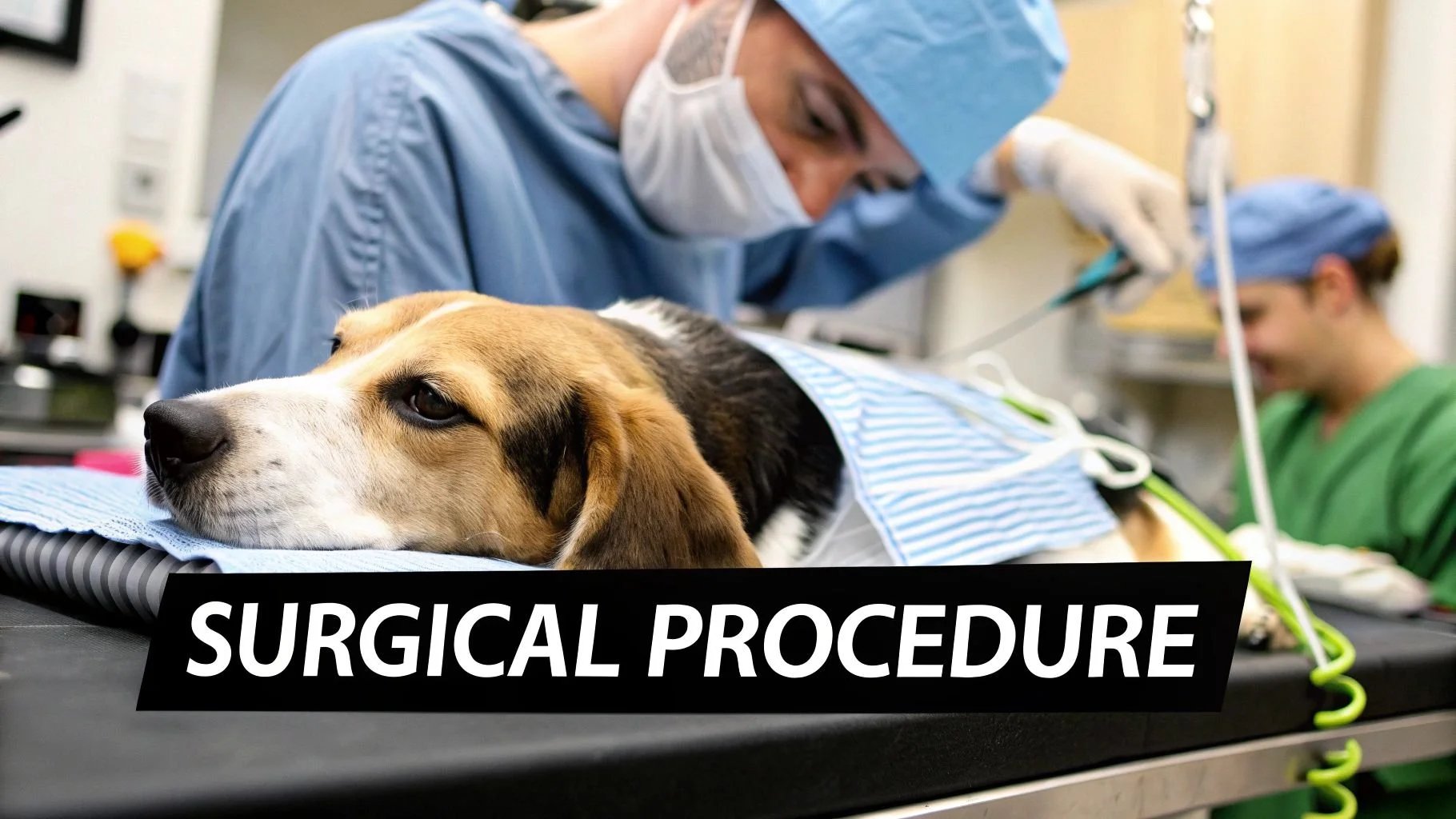
After surgery, a dog’s stomach and intestines often work more slowly, and nausea is common from anesthesia and pain medicine. Safe feeding helps prevent vomiting, aspiration, or strain on the surgical site. Small, controlled meals and careful timing are essential. Owners should follow the veterinarian’s specific diet plan, introduce food and water gradually, and watch for vomiting, bloating, or worsening shaking after eating, contacting a vet promptly if any worrying signs appear.
When to offer food and water
Most dogs can have a small amount of water once fully awake, able to stand, and able to swallow normally. Offer a few sips first, then wait 10–15 minutes to check for vomiting. In many cases, food is delayed for 6–12 hours after arriving home, unless the veterinarian gives other instructions. For late‑day surgeries, the first meal may be the next morning. Always follow the written discharge notes from the veterinary clinic.
What and how much to feed at first
Start with a small, bland meal unless the veterinarian gave different instructions. Many dogs do well with a quarter to half of the normal portion of their regular food, or a vet‑recommended recovery diet. Soft food is often easier to digest. Offer food by hand or in a shallow dish, and allow slow eating. If the dog keeps the first meal down and seems comfortable, a second small meal can be offered later. Return to the usual portion size gradually over 1–2 days, following the vet’s advice.
When poor appetite plus shaking needs a vet
Poor appetite for a short time after surgery can be normal, but loss of interest in food plus shaking can signal trouble. Contact a vet promptly in the following situations:
- Your dog refuses all food and most water for more than 24 hours
- Repeated vomiting or severe nausea with tremors
- Shaking with pale gums, weakness, or collapse
- Bloated belly, whining, or signs of strong pain
In such cases, early veterinary care helps prevent dehydration, low blood sugar, or hidden complications.
Movement, Crate Rest, and Shaking
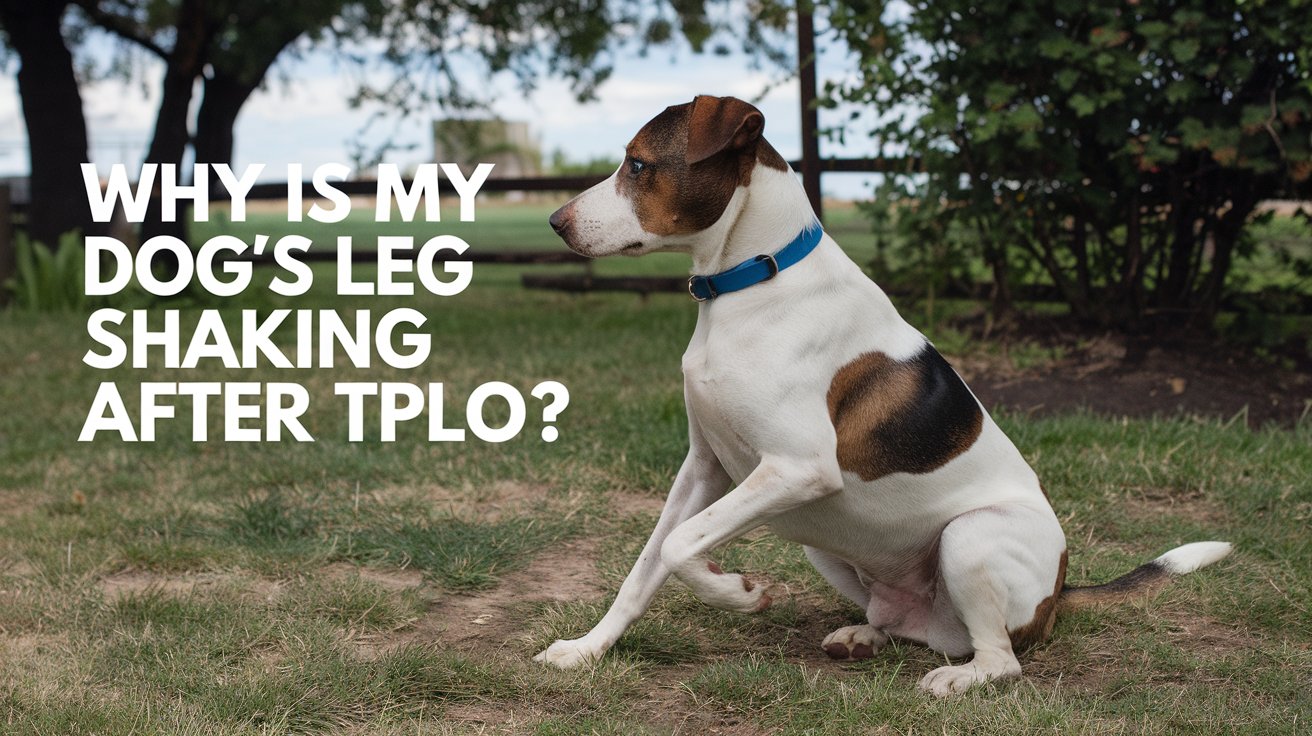
After surgery, many dogs need strict rest and limited movement, because sudden activity can pull at the incision and increase pain. Shaking may appear when dogs are overexcited, frustrated by crate rest, or uncomfortable from lying in one position. Providing a calm routine, regular short toilet breaks on a lead, and safe confinement suited to the dog’s size helps reduce stress‑related tremors and supports smoother healing.
Why over‑activity can worsen tremors
After surgery, sudden movement can intensify shaking in dogs. Muscles work harder to stand, jump, or climb, which can increase tremors caused by pain, fatigue, or low body temperature. Over‑activity also raises heart rate and stress hormones, so anxious trembling becomes stronger. In addition, too much motion pulls on the incision, creating discomfort that can trigger more shivering or panting.
How to safely restrict your dog’s movement
Use a leash or harness indoors so the dog cannot suddenly run or jump. Confine recovery to a small, non‑slippery area such as a pen, gated room, or crate large enough to stand, turn, and lie comfortably. Block stairs and furniture with baby gates. Carry small dogs when going outside for toileting. Always supervise bathroom breaks and keep them short and calm until the veterinarian allows more activity.
Mental enrichment during rest time
Quiet time does not have to mean boredom. Gentle mental enrichment helps dogs rest calmly, which can reduce stress‑related shaking.
- Offer food puzzles or snuffle mats with part of the daily ration
- Teach simple nose‑target or chin‑rest tricks while the dog stays lying down
- Use long‑lasting chew items approved by the veterinarian
- Provide short, calm “find it” games using treats around the bed
- Play soft music or use a calming pheromone diffuser for relaxation
Avoid any game that makes the dog jump, twist, or pull, and stop immediately if breathing, shaking, or excitement increases.
When Shaking After Surgery Is an Emergency
Shaking after surgery can suddenly become an emergency when it appears together with other worrying signs. Dog owners should treat severe or rapidly worsening tremors, changes in breathing or consciousness, pale gums, or heavy bleeding as urgent situations. In any doubt, contact a veterinarian or emergency clinic immediately, because early action greatly improves the chances of a safe recovery.
Urgent warning signs to act on now
If shaking is accompanied by any of the following, contact a vet or emergency clinic immediately:
- Trouble breathing: fast, labored, noisy, blue or pale gums
- Collapse, inability to stand, or extreme weakness
- Seizure‑like activity: rigid body, paddling limbs, unresponsive
- Uncontrolled bleeding or rapidly growing swelling at the incision
- Very pale gums, vomiting blood, or black/tarry stools
- Severe, constant pain despite prescribed medication
- High fever (over about 103°F/39.4°C) with shaking or confusion
Shaking combined with any sudden, dramatic change in breathing, behavior, or consciousness should be treated as an emergency.
Information to have ready for your vet
Before calling the vet or emergency clinic, having key information ready helps the team respond quickly and accurately.
| Information to note | What to write down |
|---|---|
| Surgery details | Type of surgery, date, clinic name |
| Medications | Names, doses, time of last dose (especially pain meds/sedatives) |
| Onset of shaking | When shaking started, whether it is getting worse or more frequent |
| Other symptoms | Vomiting, diarrhea, coughing, breathing changes, collapse, pale gums, incision changes |
| Temperature (if safe to check) | Record exact number and how you measured it |
| Recent activity/trauma | Any falls, running, jumping, or rough play after surgery |
Sharing a short video of the shaking can also help the vet judge whether it looks like pain, shivering, or a seizure.
Checklist: Monitoring Your Dog Day by Day
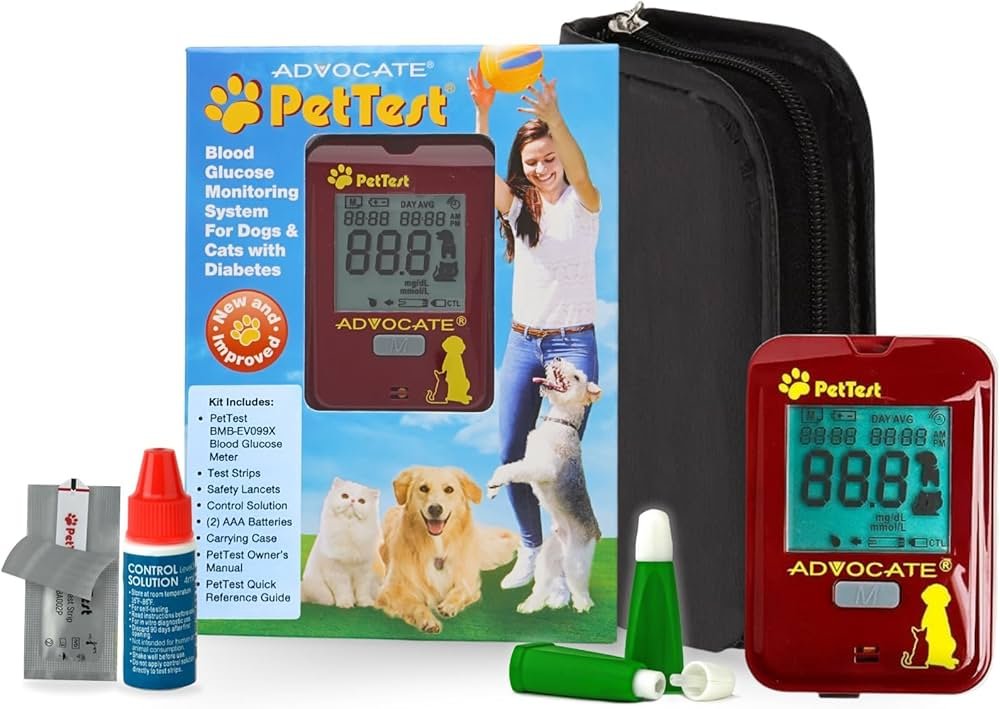
A simple daily checklist helps owners spot trouble early while avoiding unnecessary panic. Focus on a few key areas: alertness and mood, shaking or other unusual movements, breathing and gum color, appetite, drinking, and bathroom habits, and the incision area. Record short notes or photos once or twice a day. Consistent monitoring makes it easier to notice changes and to give clear information to the veterinarian if any concern appears.
First 24 hours after surgery
In the first 24 hours, dogs are often groggy, wobbly, and may shake or shiver. Close observation is essential during this period. Check every 1–2 hours for breathing pattern, gum color, incision oozing, and ability to wake up. Offer small amounts of water as instructed, keep the dog warm and on a clean surface, and prevent jumping or stairs. Contact a vet immediately if shaking comes with pale gums, repeated vomiting, labored breathing, or collapse.
Days 2–7 of recovery
During days 2–7, many dogs become brighter and more active, but the body is still healing. Mild, occasional shaking that improves over time is usually part of recovery. Appetite and drinking should gradually return to normal, stool and urine should be regular, and the incision should stay dry and closed.
Watch for increasing shaking, new lethargy, refusal to eat for more than 24 hours, vomiting, diarrhea, or any redness, swelling, or discharge from the incision. Any sudden change for the worse, or pain that seems uncontrolled, warrants a prompt call to the veterinarian.
Preparing for your follow‑up visit
A follow‑up visit allows the vet to confirm healing is on track and that shaking is not a sign of trouble. Before the appointment, note how often the shaking occurs, when it started, and what seems to trigger it (movement, touch, medication time). Prepare answers about appetite, drinking, urination, stool, activity level, and any coughing or vomiting. Take photos of the incision across several days and bring a list of all medications, doses, and times given. Sharing clear records helps the vet adjust pain control, check for infection, and decide when normal exercise can safely resume.
This article explains the causes of trembling in dogs after surgery and how to distinguish between normal recovery and a dangerous sign. It outlines seven health signs, including the effects of anesthesia, pain, decreased body temperature, respiratory problems, wound complications, and neurological symptoms. It comprehensively covers pain management at home, feeding, creating a resting space, emergency cases requiring veterinary attention, information to provide to the veterinary hospital, and checklists for each stage of recovery.