


Many dog owners feel anxious when considering neutering their dog, wondering, "Is it really necessary?" and "What are the effects on their health?" In fact, neutering offers numerous health benefits, not just in terms of temperament, but also in preventing diseases. This article, based on veterinary expertise, clearly explains seven representative health benefits of neutering a dog. We hope this will be helpful for those who are undecided about whether or not to have the surgery.
What neutering is and how it works
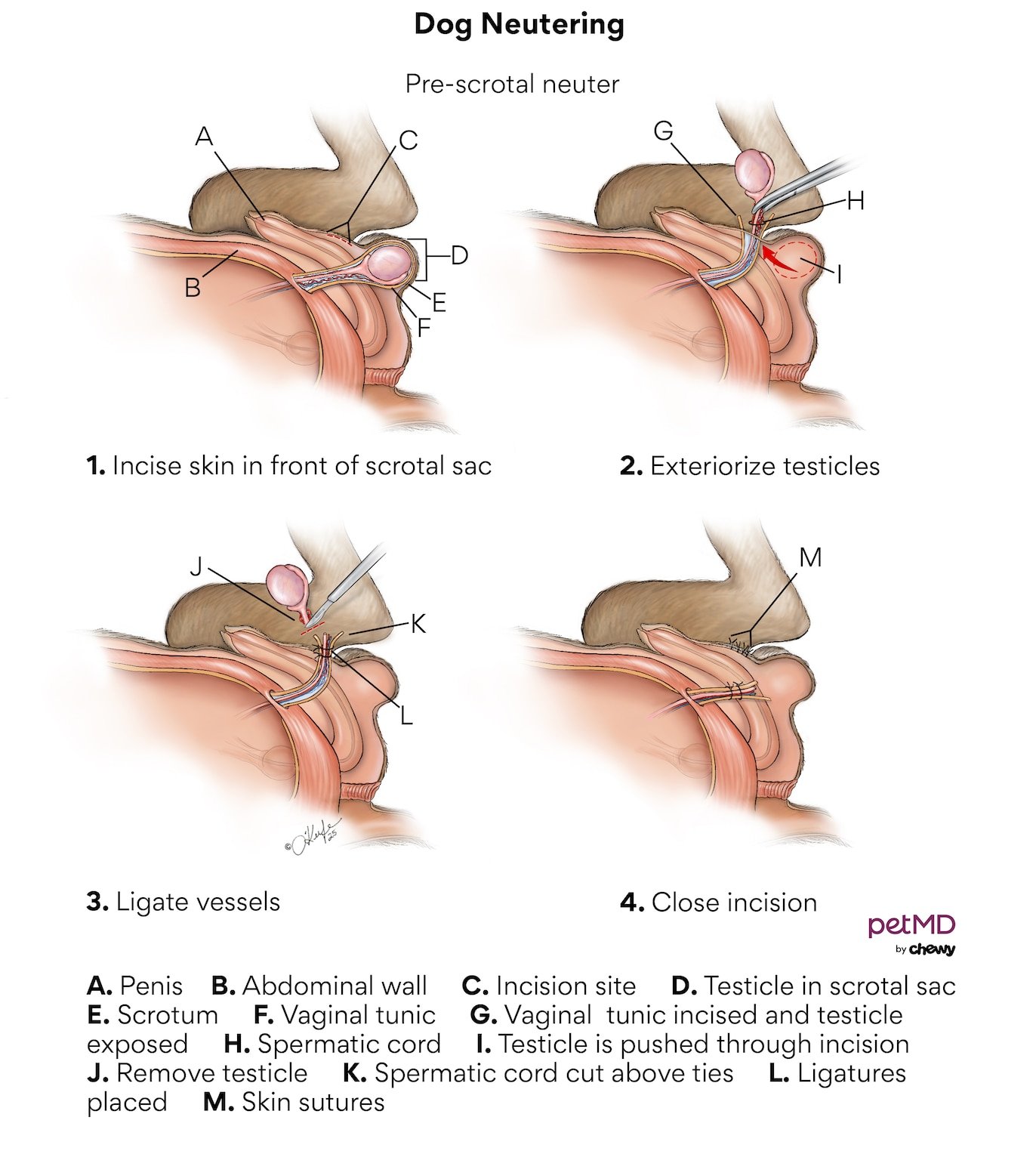
Neutering is a routine surgery that removes a male dog’s testicles so they can no longer father puppies. The procedure is called castration and is usually done under full general anesthesia by a veterinarian.
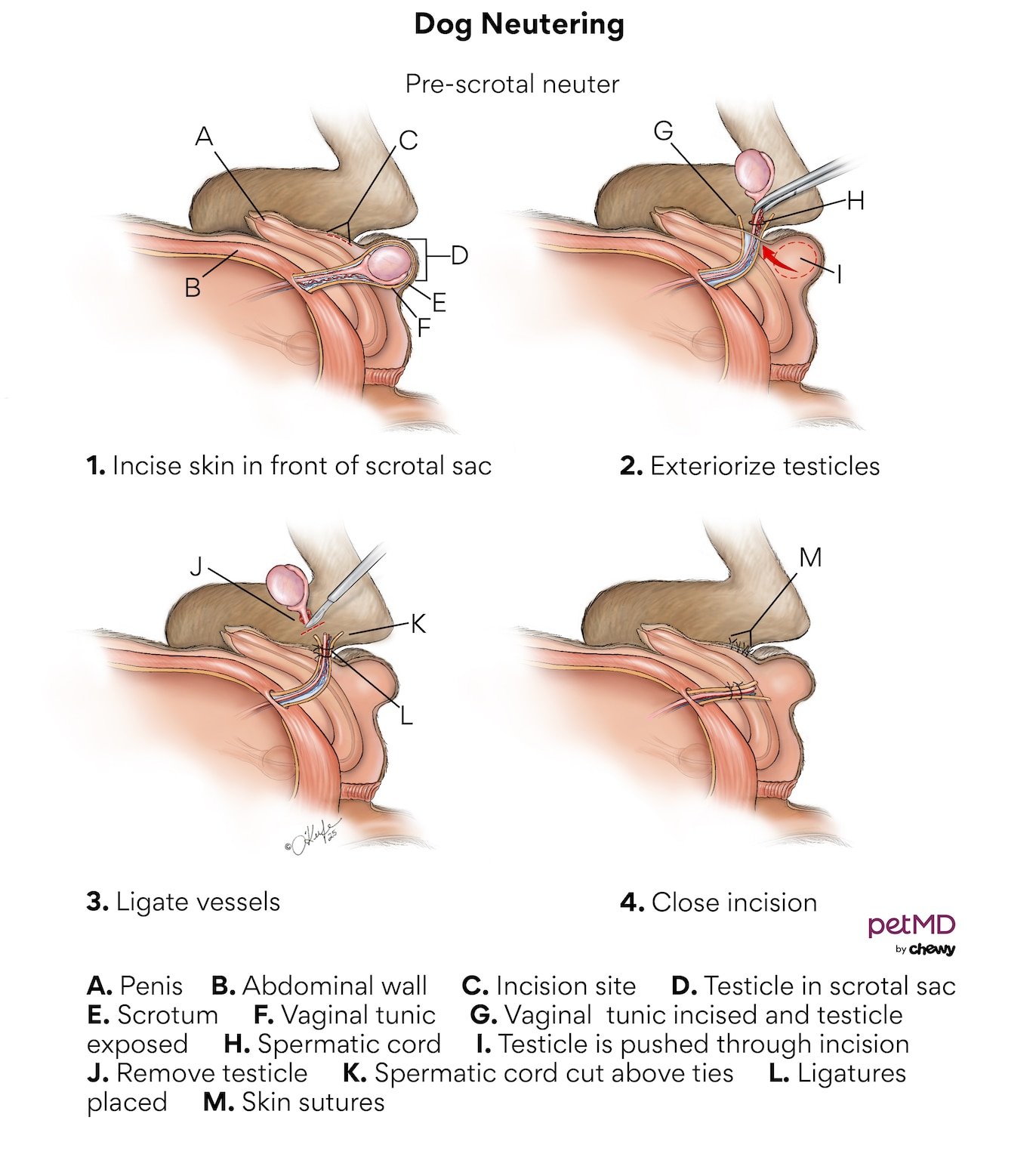
During surgery, the vet makes a small incision in front of the scrotum, removes the testicles, then ties off the blood vessels and closes the skin. Hormone levels (especially testosterone) drop over several weeks, which gradually reduces fertility and hormone‑driven behaviors while keeping a dog’s personality intact.
Key health benefits of neutering a dog

Neutering offers multiple proven health benefits for male dogs by removing the testicles and sharply reducing testosterone levels. In many cases, neutered dogs face a much lower risk of certain cancers and hormone‑driven diseases, and may enjoy a longer, more comfortable life. Key advantages include reduced risks of testicular cancer, prostate and anal problems, some tumors, hernias, infections, and injuries linked to roaming or fighting.
1. Lower risk of testicular cancer
Neutering removes the testicles, so the risk of testicular cancer drops to virtually zero. For intact males, testicular cancer is one of the more common tumors found in middle‑aged and senior dogs. Even when caught early, treatment can involve surgery, chemotherapy, and repeated hospital visits. By neutering before cancer develops, owners can protect the dog from pain and stress and also avoid significant treatment costs later in life.
2. Reduced prostate and anal disease
Neutering greatly lowers the risk of prostate enlargement, prostatitis, and certain anal tumors that are driven by male hormones. Intact male dogs often develop benign prostatic hyperplasia, which can lead to pain when sitting, trouble passing stool, or difficulty urinating. Neutered dogs are also less likely to suffer from perianal adenomas and some anal gland problems, so many males enjoy more comfortable bowel movements and fewer infections over their lifetime.
3. Fewer hormone‑driven tumors
Hormones such as testosterone can fuel certain tumors. After neutering, testosterone levels fall sharply, so the risk of hormone‑dependent growths also decreases. Examples include perianal adenomas (tumors around the anus), some prostate tumors, and certain skin masses. Fewer hormone signals mean fewer chances for these cells to grow abnormally over time, supporting better long‑term health for many male dogs.
4. Less risk of hernias and infections
Neutering lowers the risk of several painful conditions around a male dog's groin and abdomen. When hormone levels drop after surgery, certain hernias and gland problems become less likely. Perineal hernias, which cause swelling and straining near the anus, are strongly linked to intact males. Neutered dogs also have a lower rate of some reproductive tract infections and prostatitis. Fewer infections mean less need for antibiotics, emergency visits, and invasive procedures over the dog's lifetime.
5. Fewer injuries from roaming and fights
When male dogs stay entire, strong mating instincts often push them to roam, squeeze through fences, or bolt out doors. Neutering greatly reduces the drive to search for females, so many dogs roam less and stay closer to home. Fewer escape attempts mean fewer car accidents, falls, and outdoor hazards. Neutering can also lower fighting over mates and territory, so dogs are less likely to suffer bite wounds, abscesses, and eye or ear injuries.
6. Calmer behavior and stress relief
Neutering often leads to calmer, more predictable behavior in many male dogs. With testosterone lowered, intense reactions to nearby females, rival males, and territorial triggers usually decrease. Many owners notice fewer frustrated behaviors such as pacing, whining, or restlessness. Dogs can still play and enjoy walks, but are less driven by mating urges, which helps reduce daily stress and supports a more relaxed home life.
7. Longer, healthier life expectancy
Neutering is linked to a measurable increase in average life span for many male dogs. Removing the testicles eliminates testicular cancer risk and lowers the chance of serious prostate disease and some hormone‑driven tumors. Fewer hormone surges also reduce roaming, fights, and traffic accidents, so there are fewer sudden, preventable deaths. With good diet, exercise, and routine vet care, neutered dogs often enjoy longer, more comfortable senior years.
Behavior and household benefits

Neutering does not only affect health; it also influences daily life at home. Many owners report calmer, more predictable behavior once hormone levels stabilise. Reduced sexual frustration can lower barking, whining, and attempts to escape, which helps create a quieter household. In multi‑dog homes, neutering may decrease tension between male dogs and reduce competition for mates, leading to fewer fights and a safer environment for both dogs and family members.
Reduced marking, roaming, and mounting
Hormones strongly influence urine marking, roaming, and mounting. After neutering, many male dogs spray less in the house, because the urge to mark territory declines. The drive to search for females in heat also decreases, so roaming and escape attempts often reduce, lowering accident risk. Mounting of legs, cushions, or other pets can become less frequent. Some habits are learned, so early neutering and consistent training together provide the best results.
Improved focus for training
Many owners notice that neutered dogs become easier to train and more attentive. With lower testosterone, dogs are less distracted by nearby females, territorial urges, and mounting behavior. As a result, they can focus better during lessons and respond more consistently to cues. Reduced roaming instincts also mean fewer competing motivations, which supports calmer learning and safer walks in daily life.
Wider impact on shelter intake and strays
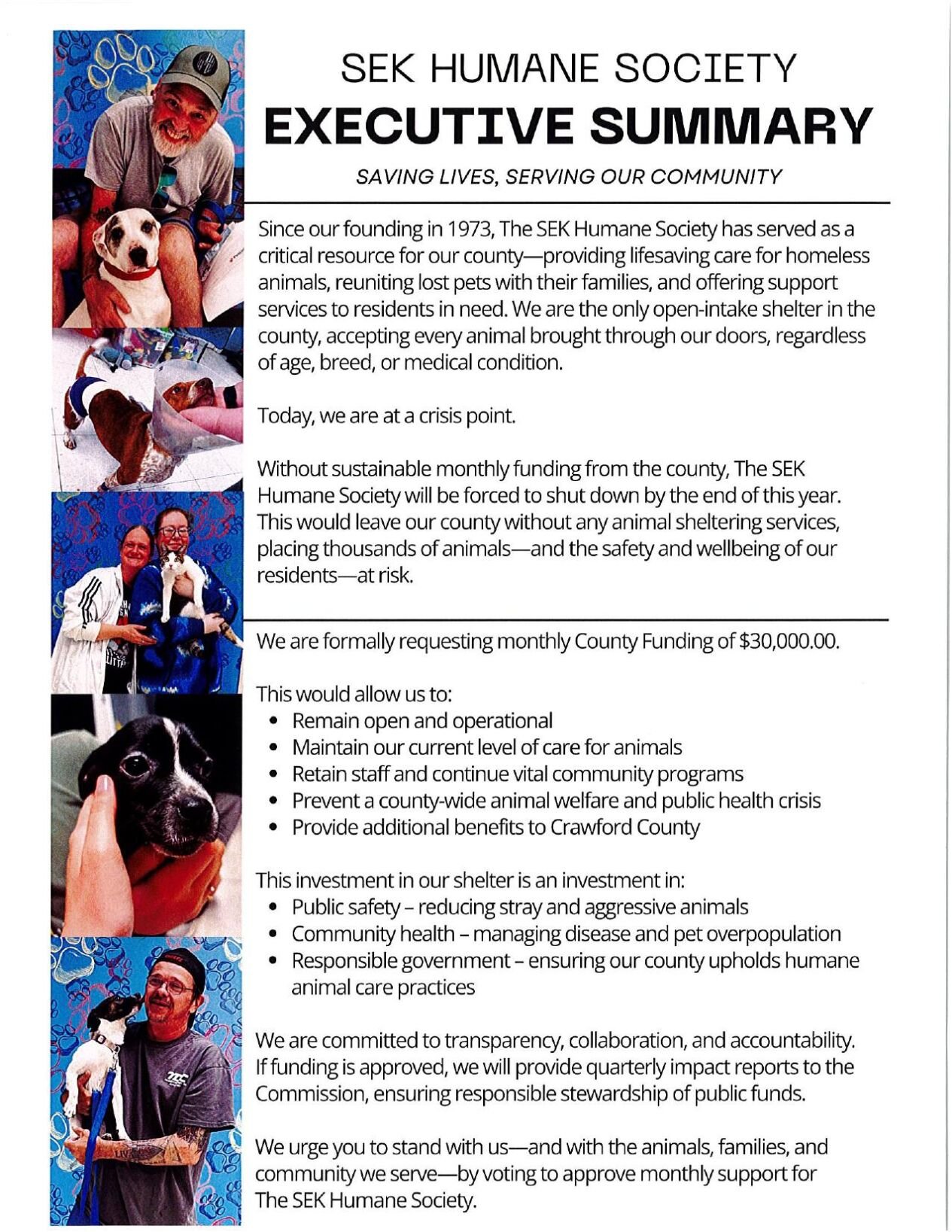
Neutering affects more than a single dog’s health. When more pets are neutered, fewer unwanted litters enter shelters, so staff can focus limited resources on sick, senior, and behavior‑challenged dogs. Communities also see fewer stray males roaming, fighting, and mating, which reduces bite incidents, traffic accidents, and noise from roaming dogs. In many regions, high neutering rates are linked to lower euthanasia rates, creating a safer, kinder environment for dogs and people alike.
Unplanned litters and overpopulation
Unneutered males can father many puppies in a short time, often without the owner realizing it. A single accidental mating can mean an entire litter needing homes, and many puppies are surrendered to shelters or abandoned. Neutering greatly reduces the drive to roam for females in heat, so fewer surprise pregnancies occur. As a result, fewer unwanted dogs are born, which helps lower euthanasia rates and pressure on already crowded shelters.
Community health and safety gains
When fewer dogs are left intact, communities generally see fewer strays, dog fights, and bite incidents. Neutering lowers hormone-driven roaming and aggression, so dogs are less likely to escape, form packs, or guard mates. Animal control and shelters can then focus resources on education and quality care instead of crisis intake.
Public health also benefits. Stray populations often spread parasites and contagious diseases such as parvovirus or kennel cough. By preventing unwanted litters, neutering supports cleaner parks, safer streets, and a more relaxed environment for both dogs and people.
Potential risks and side effects
Neutering is a very safe, routine surgery, but no operation is completely risk‑free. Dog owners should understand both benefits and possible downsides before deciding.
Commonly discussed risks include surgical and anesthesia complications, hormone‑related body changes, and timing issues for certain breeds. In most healthy dogs the health benefits clearly outweigh the risks, especially when neutering is planned with a veterinarian who considers age, size, and lifestyle.
Surgical and anesthesia risks
Neutering is a routine and generally very safe surgery, but it still carries some risk. Main concerns are anesthesia reactions, bleeding, infection, and poor wound healing. Modern monitoring and pre‑operative blood tests greatly reduce serious complications, especially for healthy young dogs.
Risk is higher for brachycephalic breeds, seniors, and dogs with heart, liver, or kidney disease. Owners can improve safety by following fasting instructions, sharing full medical history, and strictly following post‑operative care so dogs rest, avoid licking, and return for any advised check‑ups.
Weight gain and hormone changes
Neutering changes hormone levels, especially testosterone. As a result, neutered dogs may burn slightly fewer calories and can be more prone to weight gain if food and exercise stay the same. Weight gain is not automatic; it usually comes from overfeeding and low activity.
To protect health, owners are often advised to reduce daily calories by around 5–10% after surgery and keep regular walks and play. Hormone changes can slightly affect coat, muscle, and energy, but with a balanced diet and exercise plan, most dogs maintain a healthy body condition and live active lives.
Breed, size, and age considerations
Neutering decisions should always consider breed, body size, and age. Large and giant breeds mature more slowly, so veterinarians often recommend neutering them later than small dogs to protect joint and bone health. Some breeds have known risks for cancers or orthopedic disease, which can influence timing. Very young puppies, senior dogs, and dogs with medical issues may need extra testing or a modified plan, so a tailored discussion with a veterinarian is essential.
Best age to neuter your dog
Choosing the best age to neuter a dog depends on health, breed, and lifestyle. Many vets still recommend around 6–9 months for average‑sized, healthy pets. However, large and giant breeds may benefit from waiting until near full growth, while shelter dogs are often neutered earlier to prevent accidental litters. Owners are encouraged to discuss ideal timing with a veterinarian based on size, behavior, and future plans such as breeding or sport work.
Puppies, adults, and senior dogs
Age affects both benefits and risks of neutering, so the ideal timing is different for puppies, adults, and seniors.
| Life stage | Typical approach | Main points |
|---|---|---|
| Puppies | Often neutered around 6–18 months | Timing may vary by breed and size; can prevent many hormone‑driven problems early |
| Adults | Safe in most healthy dogs | Health check is important; can still improve behavior and reduce cancer risk |
| Seniors | Case‑by‑case decision | Full screening needed; surgery may still help but overall health and life expectancy are carefully considered |
In every age group, a veterinary health check is essential before scheduling surgery.
How vets decide timing for your dog
Veterinarians do not use a one‑size‑fits‑all age. They look at breed, adult size, sex, lifestyle, and health history. Large and giant breeds often benefit from later neutering to protect joint development, while small breeds may be scheduled earlier. Vets also consider behavior issues, risk of accidental mating, and any existing diseases or undescended testicles. After a physical exam and discussion of the dog’s daily life, the vet recommends timing that balances long‑term health benefits with possible risks for that individual dog.
What happens on surgery day
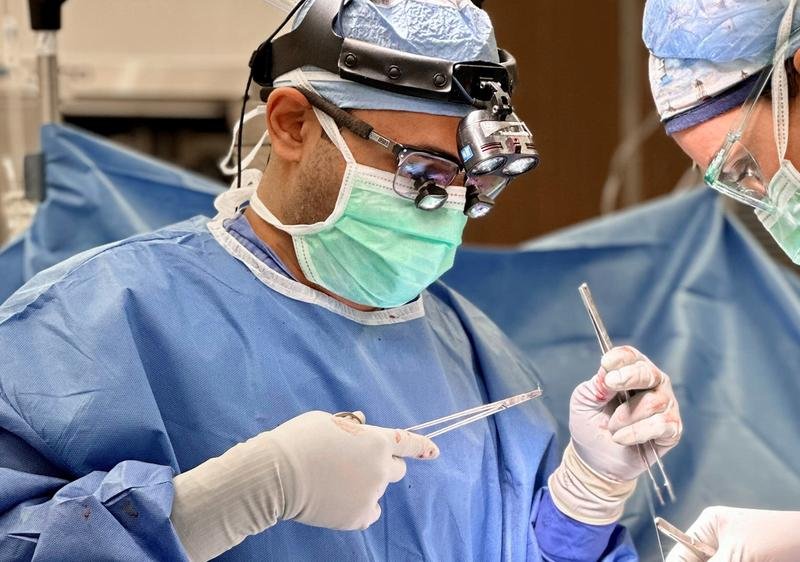
Neutering day usually feels more routine than many owners expect. Dogs are admitted in the morning, have a health check, then receive general anesthesia so they sleep and feel no pain during surgery. The operation itself is typically short for healthy dogs. After waking, staff monitor temperature, breathing, and comfort. Most dogs go home the same day with pain relief and clear aftercare instructions, so owners can focus on a calm, safe recovery environment.
Pre‑op exam, fasting, and check‑in
Before neutering, most clinics perform a pre‑operative examination. The vet checks heart and lungs, reviews vaccines and medications, and may run blood tests to confirm that anesthesia is safe.
Owners are usually asked to withhold food for 8–12 hours before surgery, while water may be allowed until a few hours before; always follow the clinic’s exact instructions.
At check‑in, staff confirm consent forms, contact details, and any extra services such as microchipping or nail trim, then admit the dog to a quiet kennel to wait for surgery.
The neutering procedure step by step
During neutering, the dog is first given general anesthesia, then the surgical area around the scrotum is shaved and disinfected. The vet makes a small incision, brings out each testicle, securely ties off the blood vessels and spermatic cord, and removes the testicles. The incision is closed with stitches or skin glue. Many clinics use dissolving sutures under the skin, so no removal is needed later. The dog then wakes in a warm, quiet area under monitoring until stable for discharge.
Recovery and home care after neutering
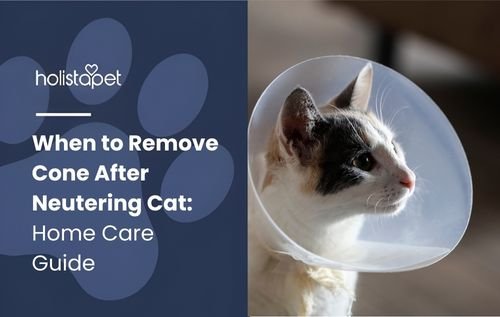
Neutering is major surgery, so calm, controlled recovery at home is essential. Most dogs go home the same day and feel sleepy for 12–24 hours. A quiet room, soft bed, and limited movement help protect the incision.
For 10–14 days, owners should avoid running, jumping, rough play, and bathing. Short leash walks for toileting are usually allowed. The Elizabethan collar or recovery suit should stay on unless a veterinarian advises otherwise, because licking often causes infection or wound opening.
Check the incision once or twice daily for swelling, redness, or discharge, and follow all medication instructions. Contact a veterinarian promptly if pain seems severe, the dog is very lethargic, or the wound looks worse instead of better.
Pain control, rest, and cone use
Pain control, rest, and cone use
Right after neutering, good pain control and strict rest help dogs heal faster and avoid complications. Vets usually give an injection before the dog wakes up, plus oral pain medicine for several days; owners should never use human painkillers, as many are toxic to dogs.
For about 10–14 days, activity must be limited: short leash walks, no running, jumping, or rough play. Crate rest or confinement to a small room is often recommended.
An Elizabethan collar or soft recovery cone prevents licking and chewing of the incision. The cone should stay on at all times until the vet confirms healing, even at night, because only a few minutes of licking can open the wound or cause infection.
Wound care and red‑flag signs
Keeping the incision clean and dry is essential. Check the area twice daily for gentle swelling, a thin scab, and minimal bruising, which are usually normal. Prevent licking by using the cone and avoid bathing until the vet approves.
Seek veterinary help urgently if you see large swelling, continuous bleeding, foul smell, thick yellow or green discharge, the wound opening, or suddenly increased pain. Fever, repeated vomiting, or extreme lethargy after surgery are also red‑flag signs.
Common myths about neutering dogs

Many dog owners hesitate to neuter because of persistent myths and old information. In reality, modern veterinary research shows that neutering is a safe, routine surgery for most healthy dogs. Common misconceptions are that neutering always ruins a dog’s personality, makes every dog overweight, or is “unnatural” and cruel. The following sections explain how temperament, masculinity, muscle, and activity are usually preserved, while health risks often decrease.
Neutering, personality, and masculinity
Some owners worry that neutering will “change who the dog is” or make him less male. In reality, neutering mainly removes hormone‑driven urges, not personality. Playfulness, affection, intelligence, and loyalty are shaped by genetics, socialization, and training, so they remain.
Many dogs become slightly calmer and less frustrated once constant mating drives decrease, which can feel like a positive personality change. Neutering does not make a dog ashamed or “less of a male”; dogs do not have a human‑like concept of masculinity.
Muscle loss, weight, and activity level
Many owners worry that neutering will automatically cause muscle loss, weight gain, or laziness. Hormone changes can slightly slow metabolism and appetite may increase, so neutered dogs can gain weight more easily if food and exercise are not adjusted.
However, neutering alone does not make a dog fat or weak. With an appropriate diet, controlled treats, and daily activity, most dogs maintain good muscle tone and a healthy body condition. Vets often recommend reducing calories by around 10% after neutering and keeping regular walks and play sessions to support joints, heart health, and a stable weight.
Alternatives and when to reconsider

Neutering is not the only option in every case. Owners may reconsider or delay surgery when a dog has serious health problems, belongs to a breed with specific timing guidelines, or is used in a well‑managed breeding program. In addition, strong behavior issues are not solved by surgery alone. Careful discussion with a veterinarian helps identify when standard neutering, alternatives, or postponement offers the safest health and welfare outcome for the individual dog.
Medical and surgical alternatives
For some dogs, full neutering is not the only option. Medical and partial‑surgical alternatives can reduce fertility while preserving hormones.
| Alternative | Method | Key Points |
|---|---|---|
| Hormone implant (e.g., deslorelin) | Tiny implant under the skin | Temporarily suppresses testosterone and sperm; reversible; needs repeat doses |
| Vasectomy | Sperm ducts cut or sealed | Dog keeps testicles and hormones; cannot father puppies but may keep mating behaviors |
| Chemical castration injections | Drug injected into testicles | Less common; may cause local irritation; usually permanent |
All options have pros and cons. Owners should always discuss goals, breed, health, and behavior with a veterinarian before choosing an alternative.
Responsible ownership if you delay
Delaying neutering requires very careful management to avoid health and behavior problems. Use secure fencing and leash walks only, and never allow free roaming. Keep the dog away from in‑heat females and supervise in dog parks to prevent fights and accidental matings. Prioritize training for recall and calm behavior, and maintain a healthy weight with measured meals and daily exercise. Schedule regular vet checks to monitor the prostate, testicles, and overall health while waiting.
How to decide what is right for your dog
Choosing neutering is a medical decision, not only a moral one. A good starting point is to list your dog’s health status, breed, age, size, and behavior, then compare that list with the known benefits and risks.
For many family pets, the reduced cancer and prostate risk and lower chance of roaming injuries are major advantages. For large or giant breeds, joint and hormone‑related concerns may shift the ideal timing rather than rule out surgery.
It is helpful to consider lifestyle as well. Dogs living with intact females nearby, in busy urban areas, or in households with children often gain extra safety and behavior benefits from neutering. In contrast, sport, working, or breeding‑prospect dogs may require a more tailored plan.
In the end, the most reliable approach is to combine veterinary guidance with realistic knowledge of the owner’s situation: ability to prevent roaming and accidental mating, capacity for aftercare, and long‑term health goals for the dog. Careful, individualized weighing of benefits and risks leads to the most suitable choice.
Key questions to ask your veterinarian
Before booking surgery, owners often feel more confident after a detailed talk with the vet. The following questions help clarify whether neutering suits each dog and what to expect.
| Topic | Helpful questions to ask your veterinarian |
|---|---|
| Suitability | Is neutering medically appropriate for my dog right now? Are there breed, age, or health factors to consider? |
| Timing | What age do you recommend for my dog’s size and lifestyle? What are the pros and cons of waiting? |
| Health effects | Which health benefits are most relevant for my dog? Are there any increased risks (e.g., joint disease, cancer types) for this breed? |
| Behaviour | How much improvement can be expected in roaming, mounting, or aggression? What will not change without training? |
| Procedure | Which anaesthesia and pain‑relief drugs will be used? Is pre‑op blood work recommended? How long does surgery take? |
| Recovery | How many days of strict rest are needed? What aftercare will be required at home, and when should owners seek urgent help? |
| Weight & hormones | How should food and exercise be adjusted after surgery to prevent weight gain? |
| Cost | What is included in the fee (exams, blood tests, pain meds, post‑op checks)? Are low‑cost options or payment plans available? |
Owners can bring notes or photos of any health concerns. A clear, open conversation allows vet and family to make a shared, well‑informed decision tailored to the individual dog.
Balancing health benefits and risks
Neutering offers clear population and medical benefits, but every dog has individual risks. Owners are encouraged to list their dog’s age, breed, existing illnesses, behavior issues, and lifestyle before the vet visit. In many cases, neutering reduces serious diseases and roaming‑related injuries, while manageable risks mainly involve weight control and rare surgical complications. The most balanced choice respects both health data and the dog’s daily quality of life.
This article provides a detailed explanation, including a veterinarian's perspective, of the basics of neutering surgery, seven health benefits you can expect for your dog, behavioral and home advantages, risks and side effects, the appropriate timing and procedure, post-operative care, and alternative options, to help you make the best choice for your beloved pet.












![Feed your puppy softened dog food! [Feeding Tips]](https://with-my-dog.com/wp-content/uploads/2022/04/image1-150x150.jpg)






![[2022 Edition!] Popular Small Dog Names](https://with-my-dog.com/wp-content/uploads/2022/04/image2-1-300x200.jpg)
![[Funny Dog & Cat Videos] Tips for Filming to Bring Out Their Charm and Make Your Dog Look Like That!](https://with-my-dog.com/wp-content/uploads/2022/04/3015452_s-300x200.jpg)