

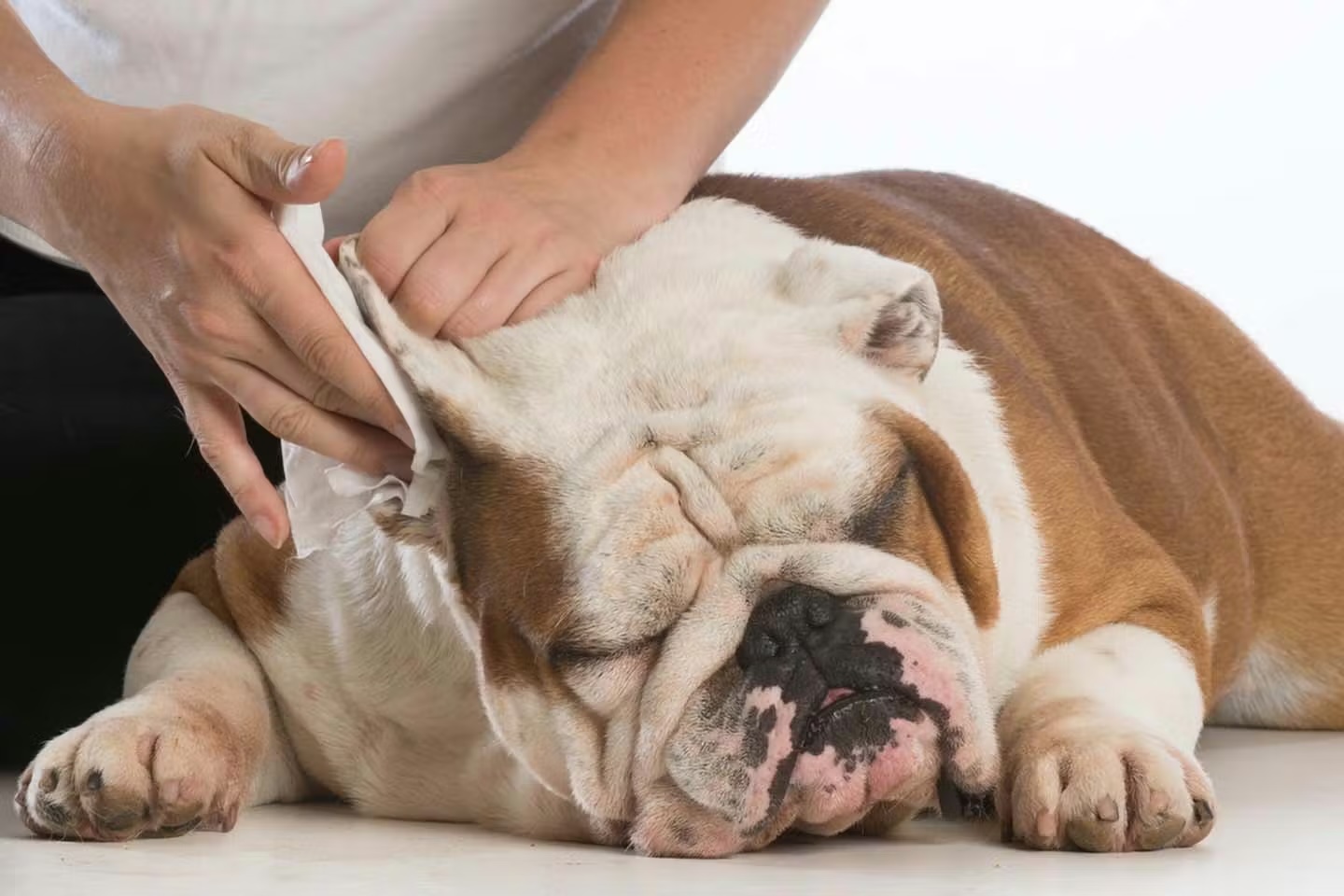
Many dog owners become worried when they notice black discharge coming from their dog's ears. Black ear discharge is often caused by ear mites, otitis externa, or infections such as Malassezia, and if left untreated, can lead not only to itching and pain but also to hearing loss. This article clearly explains the main causes of black ear discharge in dogs, possible health risks, when to visit a veterinary hospital, and basic home care methods. This information will help you notice abnormalities early and take appropriate action.
What Black Ear Discharge Really Means
Black or very dark ear discharge usually means more than simple dirt. In many dogs, black, coffee‑ground, or tar‑like discharge signals inflammation or infection inside the ear. Common causes include ear mites, yeast or bacterial infections, and long‑standing ear disease.
Some dogs normally produce slightly darker wax, especially those with floppy ears, but normal wax is usually light brown, minimal in amount, and not foul‑smelling. When owners notice a sudden increase in dark debris, strong odor, or their dog starts scratching or shaking the head, the black discharge often reflects an unhealthy ear canal rather than normal earwax.
Because ear problems can worsen quickly and become very painful, black discharge is best treated as an early warning sign. Prompt veterinary attention helps protect hearing, balance, and overall comfort, and reduces the chance of chronic, recurring ear disease.
Normal earwax vs problem discharge
Healthy dog ears may have a small amount of light yellow to light brown wax, with a mild or almost no odor. The ear canal skin looks pale pink, and the dog does not scratch or shake its head.
Problem discharge is usually excessive, sticky, very dark, or crumbly, and may be black, dark brown, or mixed with blood or pus. It often comes with bad smell, redness, pain, or frequent head shaking and ear scratching. Any sudden change in amount, color, or smell is a warning sign and should be checked by a veterinarian.
Why color and smell matter
Ear discharge color and smell give important clues about ear health. Black, coffee-ground material with a strong, musty or rotten odor often indicates infection or ear mites. In contrast, normal earwax is light brown with a mild, waxy smell. Very foul, fishy, or sweet odors usually mean bacteria or yeast are active. Sudden changes in color or smell, especially on one side only, suggest a new problem and warrant a prompt veterinary check.
Is Black Ear Discharge Dangerous?
Black or very dark ear discharge almost always means something is wrong in a dog’s ear. It may signal ear mites, a yeast or bacterial infection, dried blood from an injury, or long‑standing inflammation. Mild dark wax with no smell and no discomfort can be less urgent, but pain, odor, or sudden heavy black discharge require prompt veterinary attention to protect hearing and prevent deeper ear infection.
When it’s an emergency
Black ear discharge becomes an emergency when it appears with serious general or neurological signs. Seek urgent veterinary care if your dog has black, tar-like or bloody discharge plus any of the following:
| Emergency sign | Why it is dangerous |
|---|---|
| Strong head tilt or loss of balance | Possible inner ear or brain involvement |
| Continuous crying, yelping, or cannot let the ear be touched | Severe pain or deep infection |
| Seizures, collapse, or extreme lethargy | Infection or inflammation may be spreading |
| Facial drooping, uneven eyes, or odd eye movements | Possible nerve damage |
| Large swelling around the ear or sudden bleeding | Trauma, abscess, or tumor rupture |
If a bad smell is combined with fever, not eating, or behavior change, treat the situation as urgent and contact a vet or emergency clinic immediately.
When it can wait for an appointment
Black ear discharge does not always mean a late-night emergency. In general, it can wait for a prompt appointment if all of the following apply:
- Your dog is comfortable, eating, and acting normally
- There is no head tilt, balance problem, or constant crying
- The ear is not extremely swollen, bleeding, or oozing pus
- The smell is mild to moderate, not overpowering
Even in non‑urgent cases, ear discharge should be checked within a few days to prevent pain and long‑term ear damage.
Common Causes of Black Ear Discharge
Black or very dark ear discharge usually signals an underlying ear problem, not just dirty ears. The most common causes include ear mites, bacterial or yeast infections, and chronic ear disease. Less often, black discharge can come from foreign objects, scratches or bites inside the ear, or growths and polyps. Because several conditions look similar from the outside, a veterinary exam is essential to find the exact cause and choose safe treatment.
Ear mites and dark crumbly wax
Ear mites are a very common cause of black, dry, crumbly discharge in dogs’ ears. The debris often looks like coffee grounds and may be accompanied by intense itching, head shaking, and scratching. Ear mites live on the surface of the ear canal and feed on wax and skin oils.
Because ear mites are contagious between pets, prompt treatment is important. A veterinarian usually confirms the diagnosis by checking ear swabs under a microscope, then prescribes mite-killing drops or a spot-on medication for all in-contact animals.
Yeast and bacterial ear infections
When yeast or bacteria increase, inflammation can occur in the ear, causing a sticky, black to dark brown discharge.
It's characterized by being more oily or paste-like than coffee grounds-like. If there is a strong foul odor, redness, itchiness, or the animal dislikes having its ears touched, there is a high possibility of otitis externa, and prompt medical attention is important. If left untreated, it can become chronic and potentially affect the eardrum and middle ear.
Chronic ear disease and polyps
Chronic ear disease means the ear canal is repeatedly or constantly inflamed. Over time, thickening of the canal and narrowing of the ear opening can occur, trapping more moisture and wax. This creates a cycle where infections keep coming back and discharge often appears dark brown to black.
In long‑standing cases, fleshy growths called polyps may develop inside the canal or deep in the middle ear. Polyps can bleed slightly, produce dark or bloody discharge, and block airflow, so dogs may shake the head, scratch, or tilt the head constantly. Chronic disease and polyps almost always require veterinary treatment, and sometimes surgery, to restore comfort and prevent permanent hearing loss.
Foreign bodies, injuries, and other causes
Foreign material and injuries can also cause sudden black ear discharge. Grass awns, seeds, sand, or small insects may get lodged in the ear canal, leading to intense irritation, scratching, and dark wax mixed with dried blood. Blunt trauma or claw scratches from another dog can produce bloody discharge that looks almost black when dry. Less common causes include ear canal tumors, blood clotting problems, or reaction to harsh cleaning products. Any sudden change after a walk, grooming, or rough play should prompt a vet check.
Other Symptoms to Watch For

Black ear discharge in dogs rarely appears alone. Paying attention to other symptoms helps judge urgency and describe the problem clearly to a veterinarian. Owners should look for changes in behavior, ear appearance, smell, and overall condition. When multiple signs occur together, the likelihood of infection, mites, or deeper ear disease becomes much higher and usually requires prompt veterinary care.
Behavior changes and head shaking
Sudden head shaking, ear scratching, or rubbing the head on floors and furniture often indicates ear discomfort. Dogs may also tilt the head to one side, avoid being touched around the ear, or seem restless and unable to settle. In severe cases, a dog may cry out, snap when the ear is handled, or lose interest in play and food. Persistent head shaking can even cause an ear hematoma, so ongoing behavior changes always warrant a vet check.
Redness, swelling, and foul odor
Red, puffy, or hot ears usually indicate active inflammation or infection, not just dirt. The inner flap or ear canal may look bright red, with skin that appears thickened or scaly. Swelling can narrow the canal so air cannot circulate, which worsens yeast and bacterial growth.
A strong sour, rotten, or “corn chip” odor almost always signals infection. Yeast often smells sweet or musty, while bacterial infections tend to smell stronger and more foul. Any combination of redness, swelling, and bad smell means a vet visit is needed soon.
Balance issues and pain signs
Loss of balance is a sign that ear disease may be affecting a dog’s inner ear. Dogs may stumble, lean to one side, walk in circles, or show a head tilt toward the painful ear. Some dogs fall over when turning or have rapid eye movements.
Pain signs often include crying when the ear is touched, scratching until the skin bleeds, rubbing the head on furniture, or suddenly avoiding petting. A painful dog may also hide, refuse food, or seem unusually irritable or snappy, even if normally gentle.
How Vets Diagnose Ear Problems
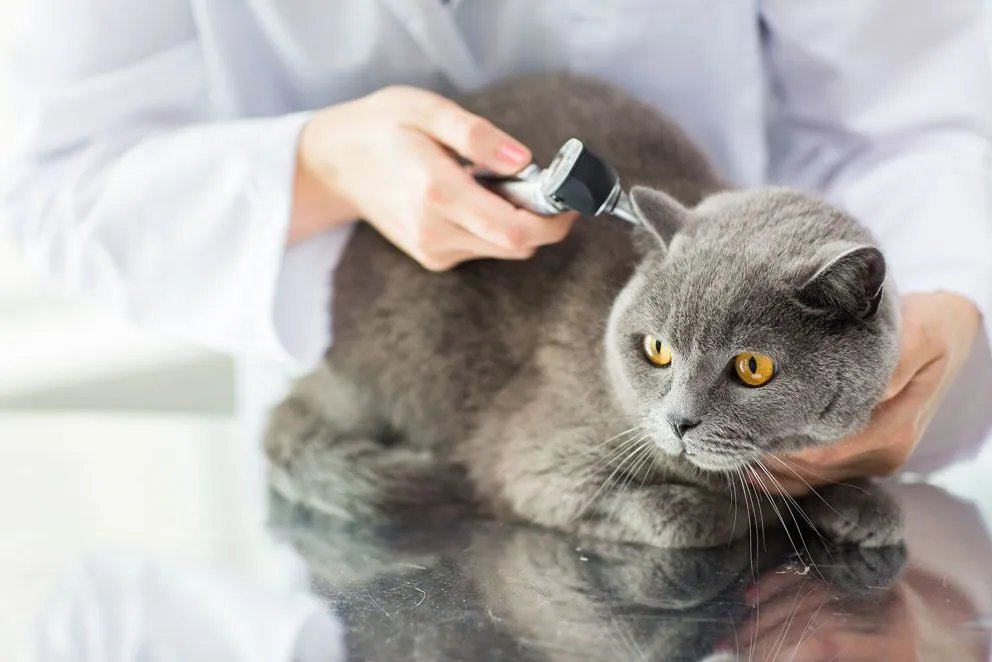
Ear diagnosis in dogs starts with a careful look and gentle handling, not “just drops.” A vet usually combines history, physical exam, and simple in‑clinic tests to find the cause of ear discharge.
First, the outer ear and ear canal are checked with an otoscope to spot wax build‑up, foreign bodies, polyps, or a ruptured eardrum. Next, a swab of the discharge is examined under a microscope (cytology) to identify mites, yeast, or bacteria. In some cases, a culture test, sedation for a deeper exam, or advanced imaging is recommended, especially when ear disease is chronic or very painful.
Questions your vet will ask
Veterinarians usually begin with simple questions to narrow down the cause. Common points include:
- When the black discharge first appeared and whether it is getting worse
- Whether the dog shakes the head, scratches the ear, or cries when touched
- Any smell, redness, swelling, or bleeding noticed at home
- Recent baths, swimming, grooming, or new shampoos/ear cleaners
- Past ear infections, allergies, or skin problems and current medications
Clear answers help the vet choose the safest and fastest treatment.
Ear exam, swabs, and lab tests
During the ear exam, the veterinarian first inspects the outer ear and ear canal with an otoscope to look for wax buildup, foreign bodies, mites, redness, or tears in the eardrum. A sterile swab is then used to collect discharge from deep in the canal. One sample is examined under a microscope to check for ear mites, yeast, and bacteria; another may be sent to a lab for culture and sensitivity testing. Culture results help select the most effective antibiotic or antifungal, especially for chronic or recurrent black discharge.
When imaging or allergy tests are needed
Advanced testing is suggested when ear problems keep returning, affect both ears, or do not improve with standard treatment. Imaging (X‑ray, CT, or MRI) may be needed if the vet suspects middle or inner ear disease, polyps, tumors, or bone changes. Allergy testing becomes important when ear discharge is linked with itchy skin, seasonal flares, or lifelong problems, because food or environmental allergies often drive chronic ear disease.
Treatment Options Your Dog May Need
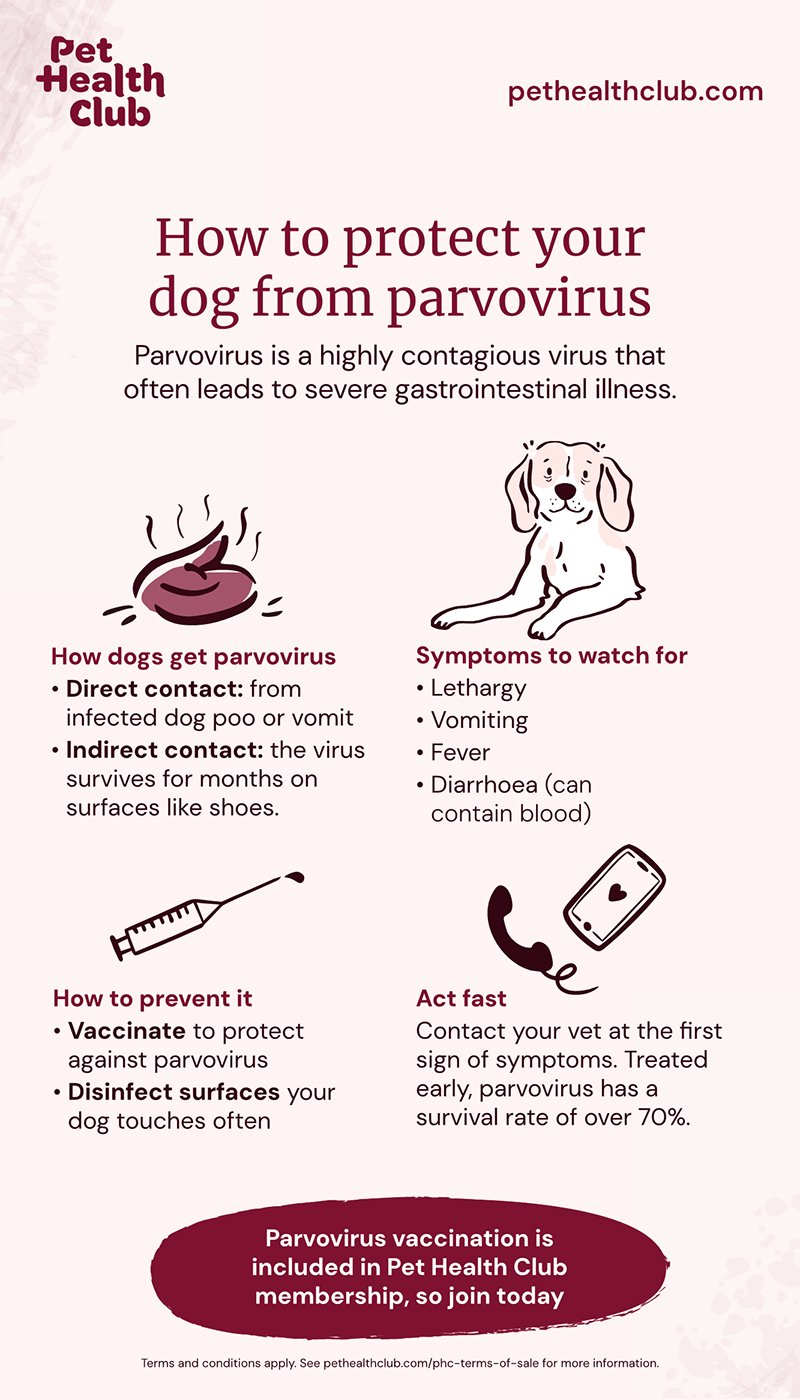
Black ear discharge almost always means a vet visit is needed, but treatment depends on the cause and severity. In many cases, the vet will combine several options rather than rely on only one. Early, accurate treatment helps protect hearing and prevent chronic ear disease.
Typical options include professional ear cleaning, medicated drops, oral antibiotics or antifungals, pain relief, mite treatment, anti‑itch or allergy medication, and in severe long‑term cases, surgery to remove diseased tissue.
Cleaning and medicated ear drops
Gentle cleaning is often the first step in treating black ear discharge. A vet usually starts by flushing the ear with a pet-safe cleanser to remove wax, debris, and old medication. At home, owners should use only vet-recommended liquid cleaners and soft cotton pads around the outer ear. Avoid cotton swabs inside the canal, which can push material deeper or damage the eardrum.
Medicated ear drops or ointments are then placed directly into the canal. These products may contain antibiotics, antifungals, anti‑inflammatory drugs, or mite treatments, depending on the cause. After applying drops, gently massage the base of the ear so the medicine spreads evenly. Treatment must be continued for the full prescribed period, even if symptoms improve early, to prevent relapse and resistant infections.
Antibiotics, antifungals, and pain relief
When black ear discharge is caused by infection, vets often prescribe oral or injectable antibiotics for bacteria and antifungal medications for yeast. Courses usually last 1–4 weeks and must be completed even if the ear looks better. For comfort, dogs may receive anti‑inflammatory pain relief such as NSAIDs or short-term steroids. In many cases, oral drugs are combined with medicated ear drops. Pet owners should never use leftover human antibiotics, because incorrect drugs or dosing can worsen infection and delay healing.
Treating mites and underlying allergies
Ear mites and allergies often occur together, so treatment usually targets both the parasites and the underlying skin problem.
For ear mites, veterinarians commonly prescribe:
- Prescription ear drops that kill mites
- Topical parasite preventives (spot-on or oral) that also cover mites
- Thorough ear cleaning to remove dark, crumbly debris
If allergies are driving repeated infections, treatment may include:
- Hypoallergenic or limited-ingredient diets
- Medication for environmental allergies (e.g., antihistamines, anti-itch drugs)
- Regular medicated ear cleaners to control yeast and bacteria
Addressing allergies reduces recurring black discharge and helps keep the ear canal healthier long term.
When surgery is recommended
Surgery is rarely the first choice, but may be recommended when medication and cleaning no longer control the problem. Typical reasons include chronic, painful ear infections that keep returning, severe narrowing of the ear canal from long‑term inflammation, large polyps or tumors, or a ruptured ear canal that will not heal. Procedures range from removing a small growth to total ear canal ablation for end‑stage disease. The goal is to remove diseased tissue, relieve pain, and prevent further infections.
Safe Home Care for Sore Ears

Sore ears often tempt owners to “fix” the problem at home, but safe care means gentle support only, not replacing a vet visit. Until a veterinarian checks the ear, limit handling to light wiping of visible discharge around the outer ear with damp cotton or gauze. Avoid digging into the ear canal, as this can push debris deeper and worsen pain. Keeping the ear flap clean and dry, preventing the dog from scratching (using a cone if advised), and giving only vet-approved pain relief are key points of home care.
How to clean your dog’s ears step by step
Gentle cleaning helps reduce discomfort but should never replace veterinary treatment when black discharge is present.
- Prepare cotton pads or gauze, a vet-approved ear cleaner, and treats.
- Sit the dog in a calm place and gently hold the ear flap up.
- Fill the ear canal with cleaner until it is almost full.
- Massage the base of the ear for 20–30 seconds to loosen debris.
- Allow the dog to shake its head.
- Wipe visible wax and fluid from the ear opening and inner flap. Do not insert cotton swabs deep into the ear canal.
- Repeat on the other ear only if the veterinarian has advised cleaning both.
If the dog cries, resists strongly, or the discharge is very foul-smelling or bloody, stop cleaning and contact a veterinarian promptly.
Products you can safely use
For sore or dirty ears, only vet-approved ear cleaners and prescribed medications are safe. Typical options are:
| Product type | Safe use point |
|---|---|
| Veterinary ear cleaner | For routine cleaning, removes wax and debris |
| Prescription ear drops | For infections, mites, or severe inflammation |
| Soft cotton pads/gauze | For gently wiping the outer ear |
Avoid homemade or human products unless a veterinarian clearly instructs their use.
What not to put in a dog’s ears
Certain items can seriously damage a dog’s ears and should never be used.
| Do NOT use | Reason |
|---|---|
| Cotton swabs (Q‑tips) | Push wax deeper, risk eardrum injury |
| Hydrogen peroxide, alcohol, vinegar | Sting, delay healing, irritate inflamed skin |
| Human ear drops or meds | Wrong ingredients or dose, can be toxic |
| Essential oils | Many are irritating or poisonous to dogs |
| Homemade mixes (oil, garlic, etc.) | Unbalanced, may worsen infection |
| Sharp tools or tweezers | High risk of pain and inner‑ear damage |
Only products specifically designed for dogs’ ears and approved by a veterinarian should be used.
Preventing Future Ear Discharge
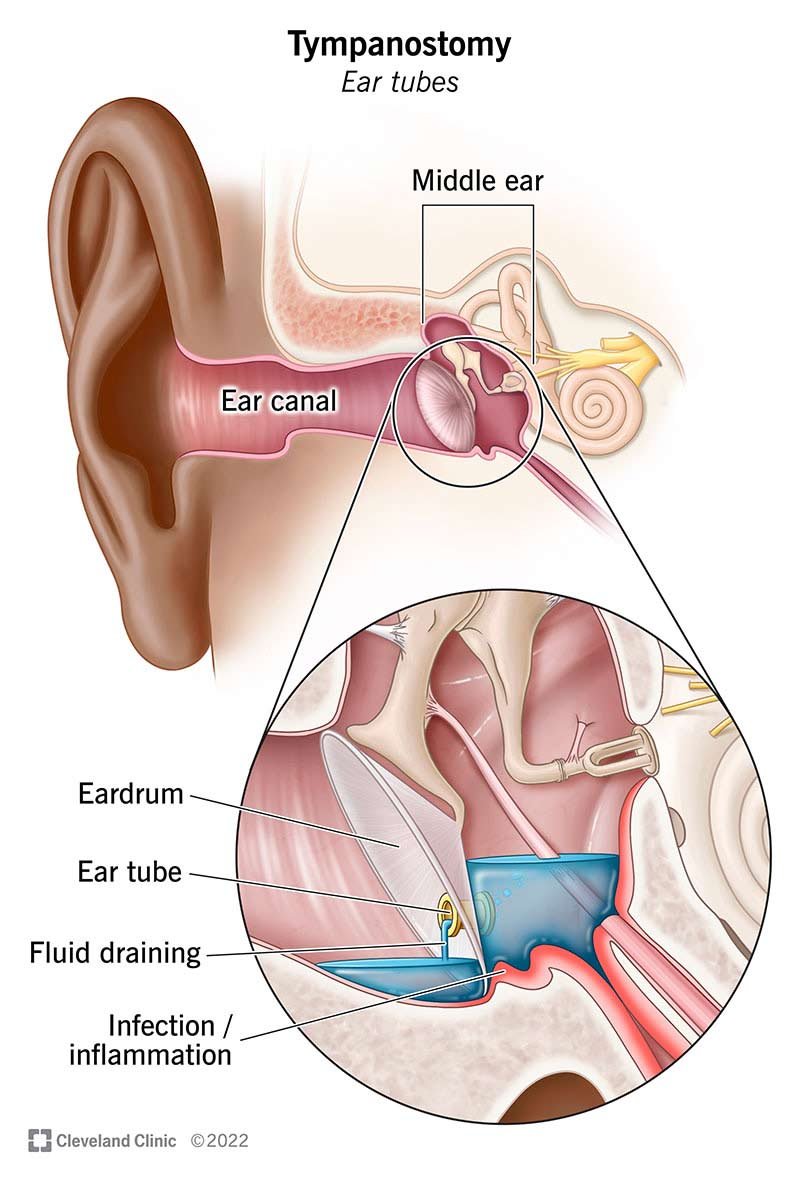
Preventing ear trouble is much easier on a dog than treating painful infections. The goal is to keep the ear canal clean, dry, and well‑ventilated. Owners should build simple habits into regular care: quick ear checks, gentle cleaning when needed, careful drying after water exposure, and appropriate grooming. For many dogs, controlling allergies and skin problems is also essential, because ongoing inflammation often leads to recurrent black or brown discharge and chronic ear disease.
Routine ear checks at home
Regular home ear checks help catch problems early and keep black discharge from returning. Aim to look in each ear at least once a week, more often for floppy‑eared or allergy‑prone dogs.
Simple routine:
- Gently lift the ear flap in good light
- Look for redness, swelling, or dark, sticky or crumbly wax
- Smell the ear for any strong or sour odor
- Notice scratching, head shaking, or flinching from touch
If anything looks painful or abnormal, stop and arrange a veterinary check before cleaning.
Bathing, swimming, and drying ears
Water left in the ear canal can trigger infections and black discharge, so care around baths and swimming is very important. Before water play, place a cotton ball gently in the outer ear (never deep) if the dog tolerates it. Avoid spraying water directly into the ears. After bathing or swimming, carefully dry the ear flap and entrance with a soft towel and let the dog shake its head. A vet-approved drying ear solution can help remove leftover moisture, especially for dogs that swim often or have a history of ear problems.
Grooming care for floppy and hairy ears
Dogs with floppy or very hairy ears, such as Cocker Spaniels or Poodles, are especially prone to black ear discharge and infections. Hair and poor air circulation trap moisture, wax, and debris, so regular grooming is essential. Carefully trim excess hair around the ear opening, and if needed inside the flap, but avoid cutting deep into the canal. Ask a groomer or vet whether plucking inner-ear hair is appropriate, because over‑plucking may irritate the skin. Keep ear flaps clean and dry after walks, rain, and grooming sessions, and gently brush around the ears to prevent tangles that can hide redness, odor, or discharge. Regular grooming helps owners spot problems early and reduces the risk of recurring ear disease.
How diet and allergies affect ear health
Food and allergies strongly influence ear health. Dogs with food allergies or environmental allergies (atopy) often develop chronic ear inflammation and wax buildup. Common triggers include beef, chicken, dairy, wheat, pollen, dust mites, and mold. Ongoing inflammation changes the ear canal, making repeated yeast and bacterial infections more likely.
If ear problems keep returning, veterinarians may suggest an elimination diet or hypoallergenic food. A balanced diet that supports skin barrier function (omega‑3 fatty acids, high‑quality protein, vitamins) helps ears stay healthier, but persistent discharge still requires veterinary diagnosis and treatment.
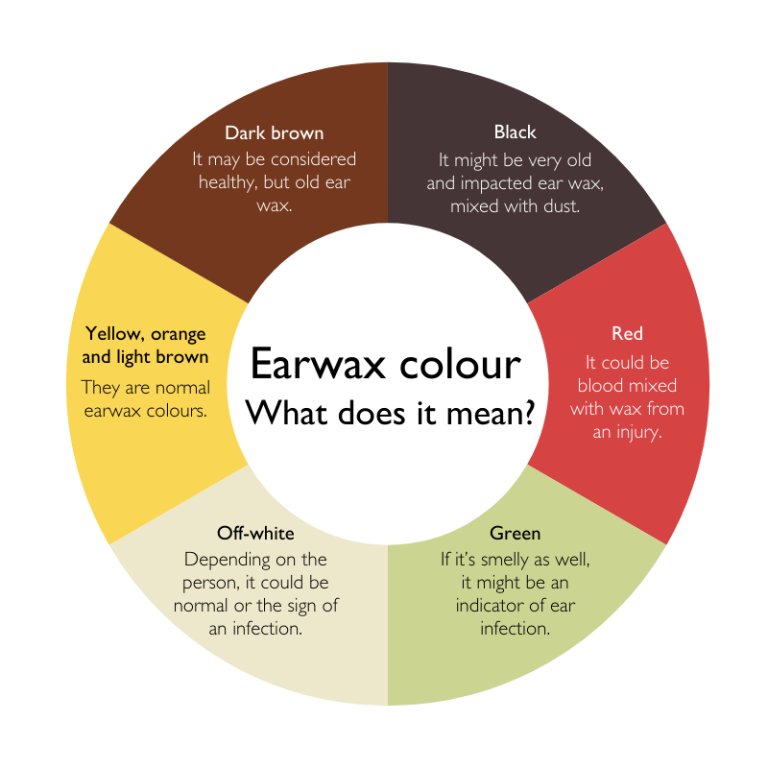
Earwax Color Guide for Dog Owners
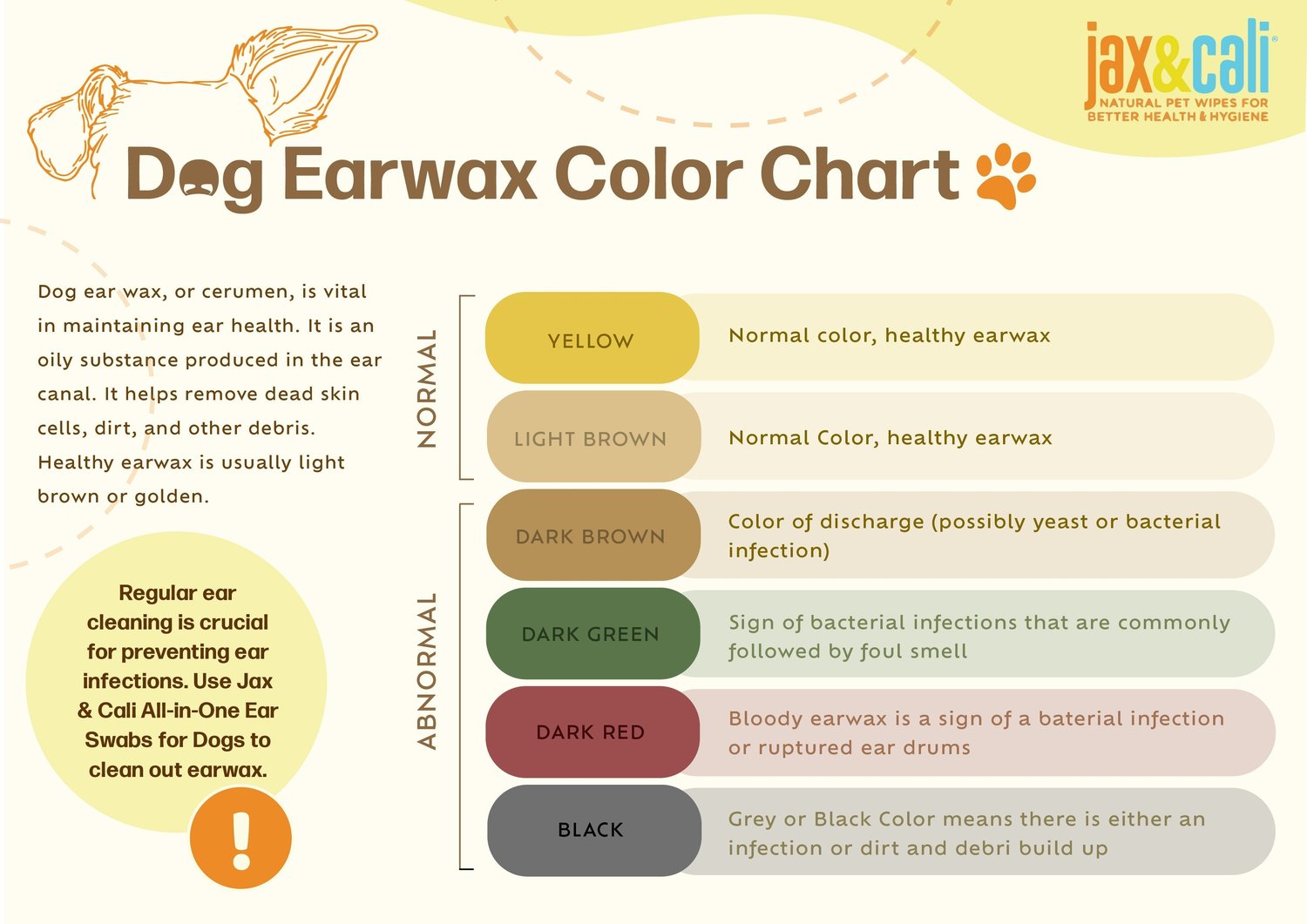
Earwax color offers useful clues about a dog’s ear health, but color alone never gives a complete diagnosis. Healthy earwax is usually light and only mildly scented. Sudden changes to color, amount, or odor often signal irritation or infection.
For busy owners, a simple rule helps: pale, minimal wax with a mild smell is usually normal; dark, thick, or very smelly discharge usually needs veterinary attention. Monitoring color over time makes it easier to notice early warning signs and seek care before problems become severe.
What healthy dog earwax looks like
In healthy dogs, earwax is usually light to medium brown, slightly yellow, and appears as a thin film, not heavy clumps. A small amount is normal and helps protect the ear canal. The skin inside the ear should look pale pink, smooth, and not swollen. There should be no strong odor, only a mild, waxy smell. Dogs with healthy ears do not scratch often, shake their heads repeatedly, or react as if in pain when the ear is gently touched.
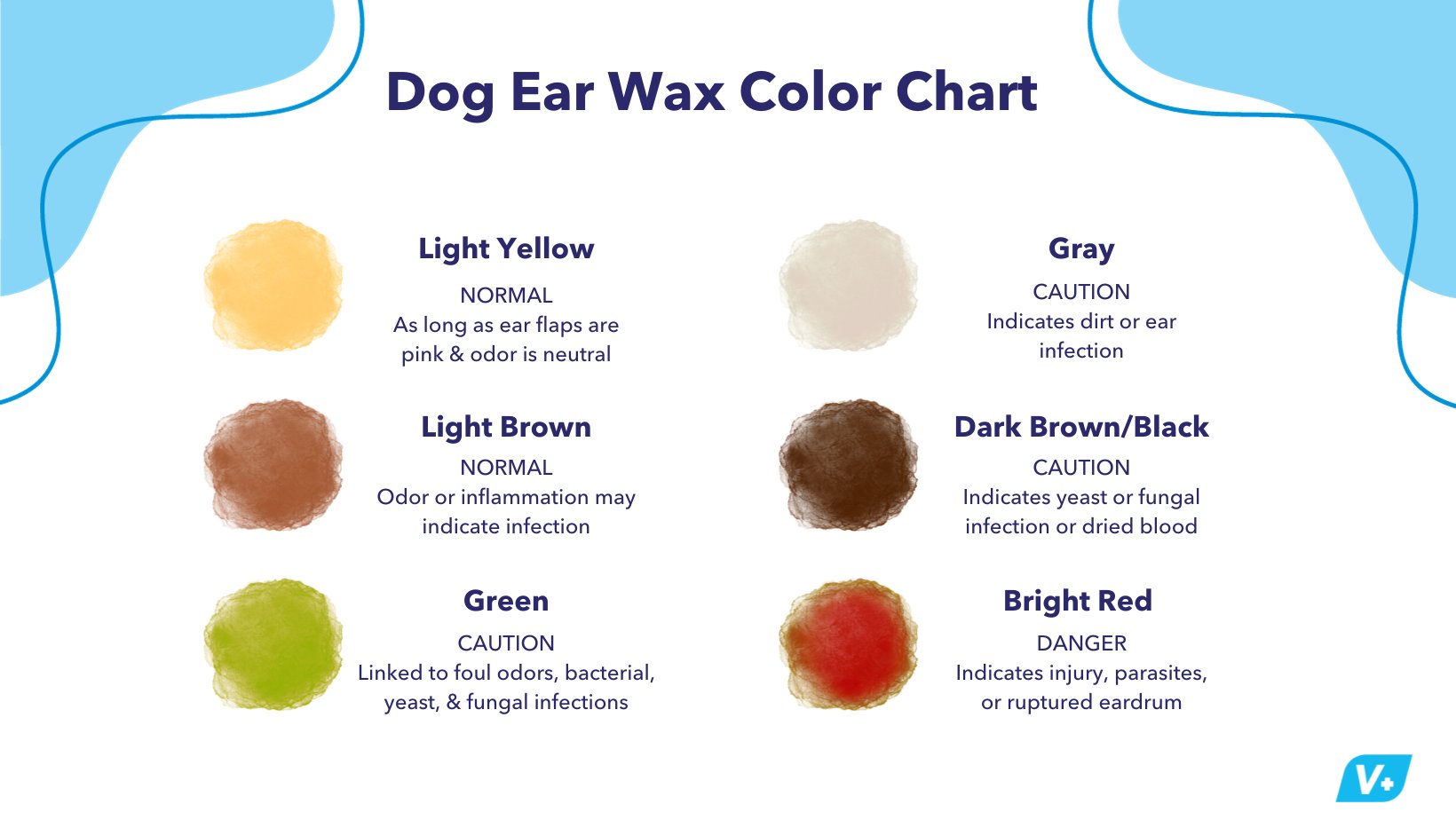
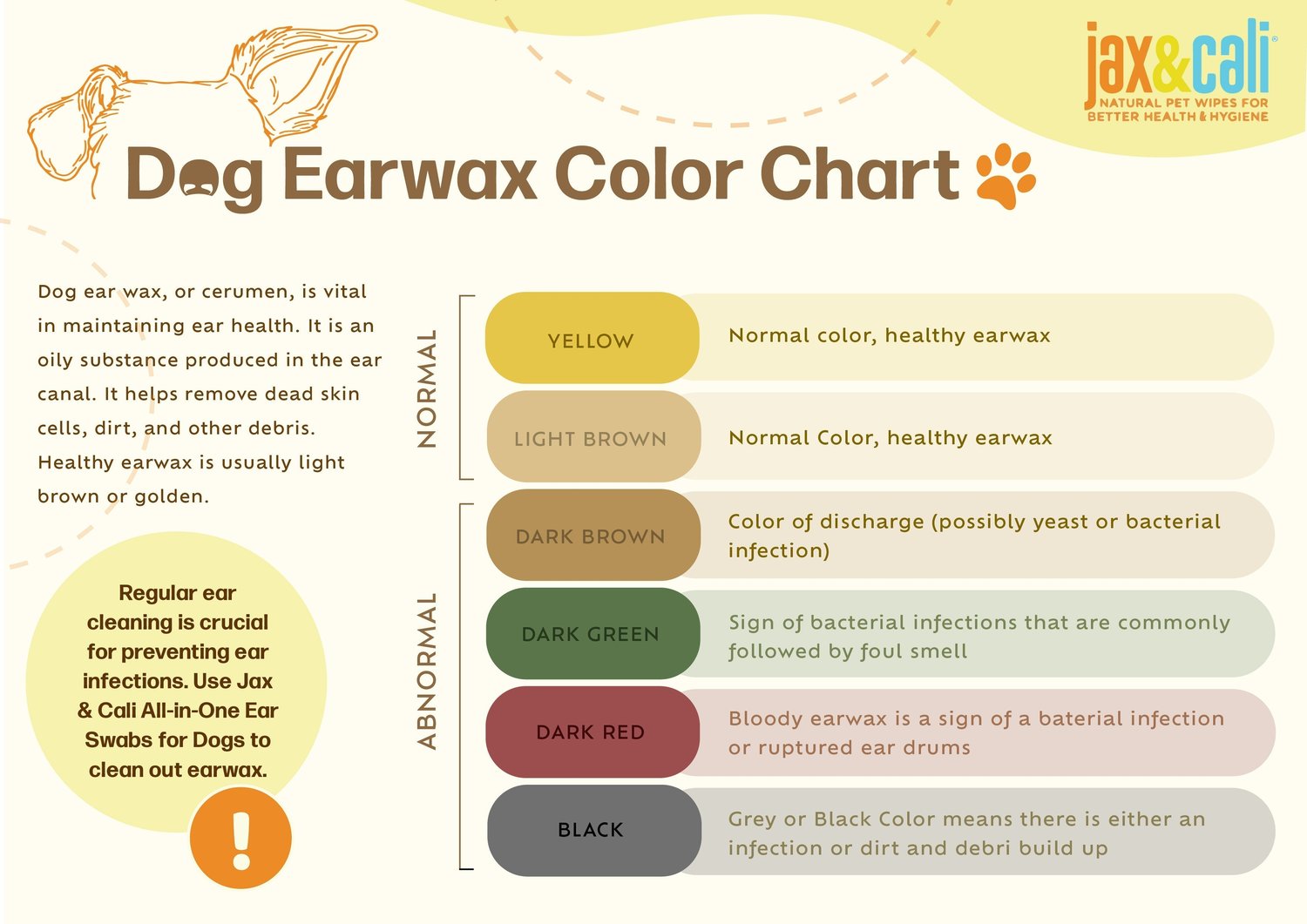
Black, brown, yellow, red, and green wax
| Wax color | Common meaning | Typical texture/odor |
|---|---|---|
| Black | Often linked to ear mites or severe infection | Dry, crumbly “coffee grounds,” may have strong odor |
| Dark brown | Frequently seen with yeast or bacterial infection | Waxy or greasy, may smell sweet, musty, or foul |
| Light brown | Can be normal earwax in many dogs | Soft, thin film, mild or no odor |
| Yellow or tan | Sometimes early infection or excess wax | Oily or moist, may have mild odor |
| Red or streaked with blood | Irritation, trauma, or advanced infection | Wet or sticky, can mix with other colors |
| Green | Often points to pus and serious bacterial infection | Thick, sticky, usually very bad smell |
Color alone does not give a diagnosis, but sudden dark, bloody, or green discharge usually signals a problem and merits prompt veterinary advice.
When color changes mean a vet visit
A sudden change in earwax color often signals a health problem and usually means a vet visit is needed.
| Earwax change | What it may mean | Vet needed? |
|---|---|---|
| Suddenly black / coffee‑ground | Ear mites, bleeding, severe infection | See a vet promptly |
| Dark brown with strong odor | Bacterial or yeast infection | See a vet soon |
| Yellow, pus‑like or creamy | Deep infection, possible pain | Urgent vet check |
| Red or streaked with blood | Trauma, foreign body, advanced infection | Emergency if dog seems painful |
| Green or gray, very smelly | Serious infection | Same‑day vet visit |
Color changes plus head shaking, scratching, or pain almost always require professional diagnosis and treatment.
When to Call the Vet About Ear Discharge
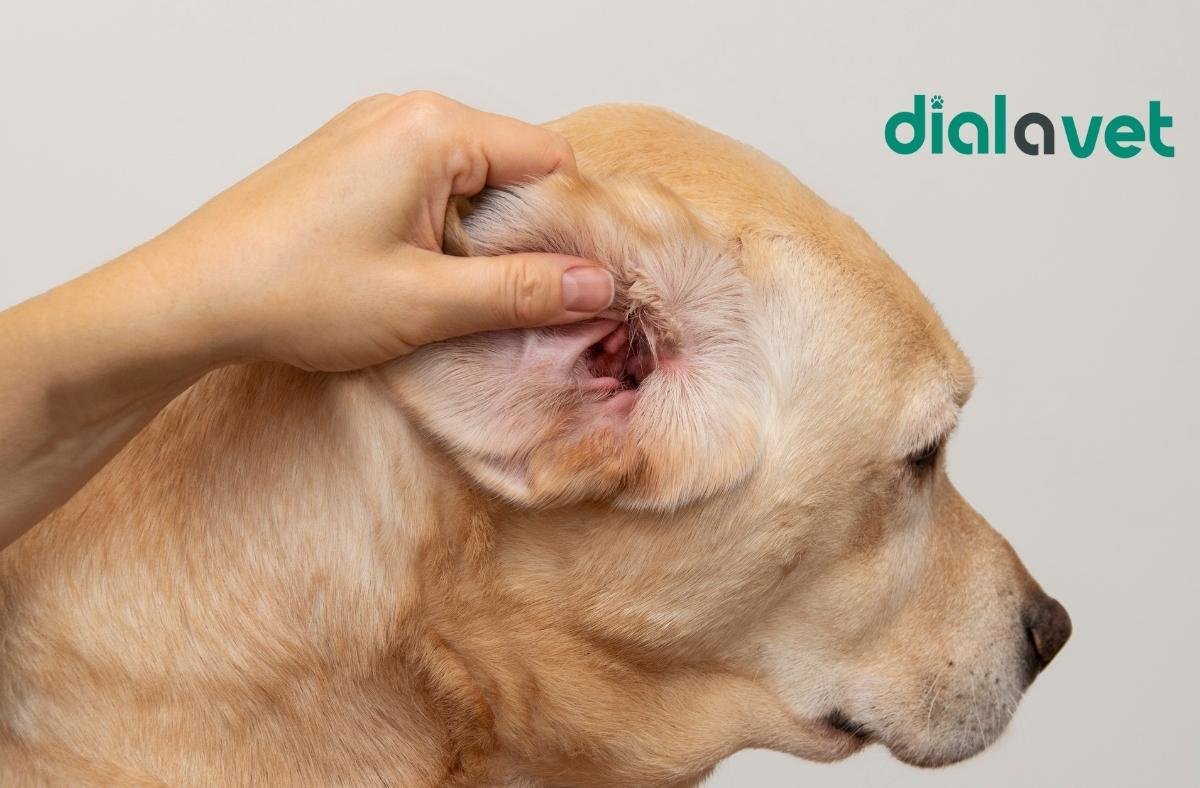
Many cases of black ear discharge require a vet, but not every situation is an emergency. Contact a veterinarian within 24–48 hours if the ear discharge is new, increasing, has a strong odor, or is accompanied by mild redness, head shaking, or scratching.
If the dog has had recurrent dark discharge or itchy ears, schedule a check-up soon, because chronic problems and allergies rarely improve with home care alone. Early treatment usually means less pain, lower cost, and a faster recovery.
Red flag signs you should never ignore
Black or very dark discharge together with any of the signs below warrants prompt veterinary attention:
- Strong, sour, or rotten smell from the ear
- Intense head shaking or constant ear scratching
- Ear held low, tilted head, or obvious pain when touched
- Red, swollen, or very hot ear flap or canal
- Discharge mixed with blood or pus-like fluid
- Loss of balance, walking in circles, or eye flickering
- Sudden hearing loss or crying/whimpering
Sudden changes, severe pain, or neurological signs are emergencies and require same‑day care.
Information to prepare before your visit
Before visiting the vet, preparing some basic information helps diagnosis and shortens the visit. Note when the black discharge first appeared, how it has changed, and whether both ears are affected. Record other symptoms such as head shaking, odor, pain, or balance problems. Note recent bathing, swimming, new food, treats, or medications, and any previous ear issues. If possible, take photos or a short video of the discharge and your dog’s behavior to show the vet.
This article provides a clear and easy-to-understand explanation from a third-party perspective, covering everything from the health risks and main causes of black ear discharge in dogs, when to seek veterinary attention, the examinations and treatments offered at animal hospitals, safe ear care methods and preventative measures, and checkpoints based on earwax color.











![[Sheltie puppies] Check breeder information for baby dogs](https://with-my-dog.com/wp-content/uploads/2022/01/image1-150x150.jpg)






![Interesting! Names and secret stories of great men's dogs [Saigo Takamori and his beloved dog]](https://with-my-dog.com/wp-content/uploads/2022/04/image1-3-225x300.jpg)

![[2022 Edition] What is the safest dog food? Survey of recommended popular products](https://with-my-dog.com/wp-content/uploads/2021/10/puppy-ged828c55e_1920-300x217.jpg)
![What is a dog neuter? The contents and purpose of the surgery [For first-time owners]](https://with-my-dog.com/wp-content/uploads/2021/10/dog-g0fd92e32e_1920-300x200.jpg)