


Many dog owners struggle to decide whether to choose wet or dry food for their beloved pet. There are surprisingly many factors to consider, including palatability, nutritional balance, impact on teeth and digestion, and cost-effectiveness. This article, focusing on "wet food vs dry food for dogs," will organize the advantages and disadvantages of both based on veterinary expertise and clearly explain seven tips for choosing the right food for your dog. We hope this will serve as a helpful guide in selecting the best food for your beloved pet.
Wet vs dry dog food at a glance
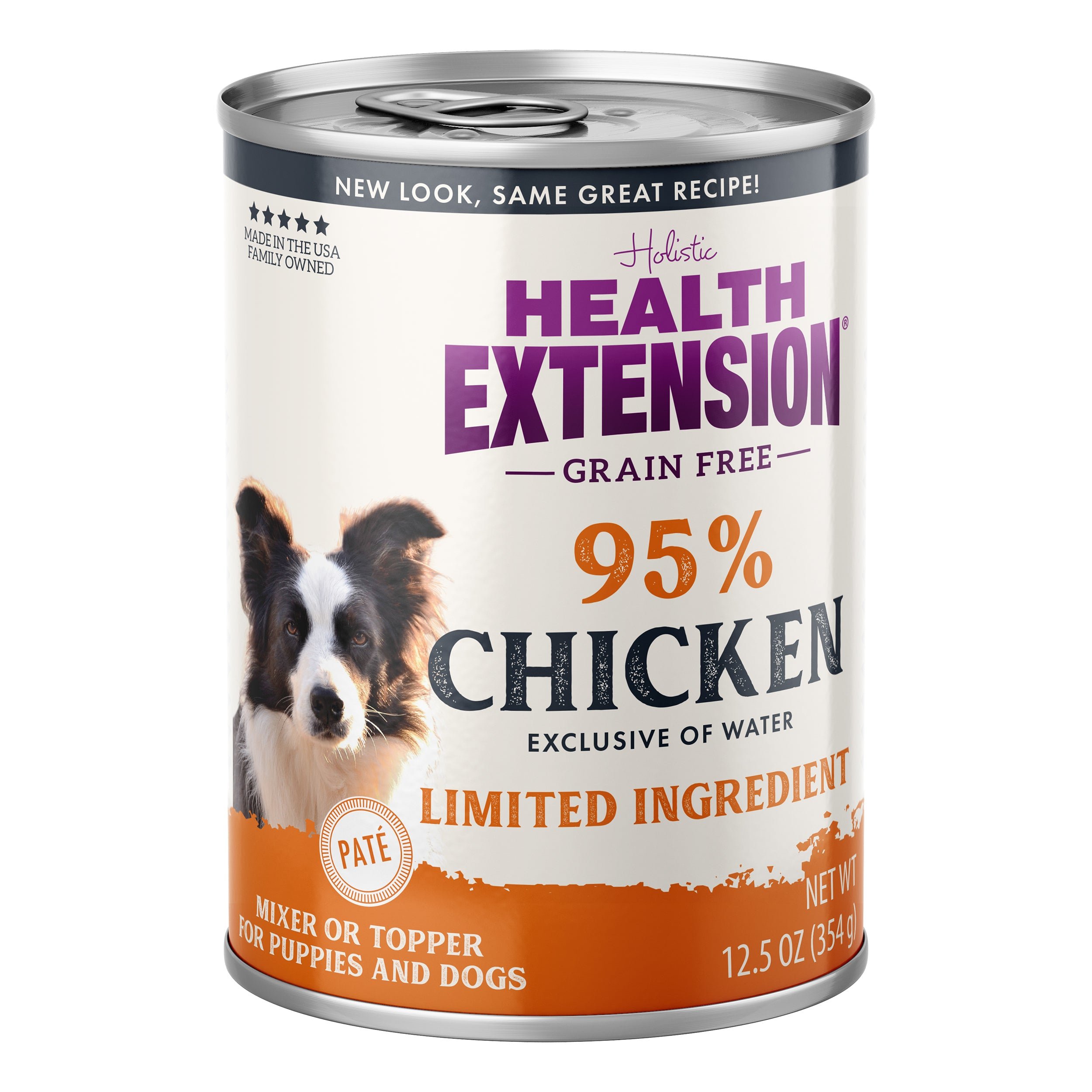
Wet and dry dog food mainly differ in water content, texture, and convenience, not in how “healthy” they are by default. Either type can be complete and balanced when formulated correctly. Wet food is soft, aromatic, and high in moisture, which often helps with appetite and hydration. Dry food is crunchy, lower in moisture, easier to store, and usually more budget‑friendly. The best option depends on a dog’s age, health, and a family’s lifestyle and budget.
What counts as wet dog food?
Wet dog food usually means high‑moisture, soft diets such as canned food, trays, or pouches. Water content is often 70–85%, so the texture is pâté‑like, chunky in gravy, or minced. Many recipes are complete meals, but some are toppers only, so the label must be checked. Semi‑moist foods and fresh chilled meals can be similar, but are usually classed separately from classic canned wet food.
What counts as dry dog food?
Dry dog food generally means kibble with low moisture (about 8–12%) formed into small crunchy pieces. Most products sold as complete “dry dog food” fall into two broad groups:
| Type of dry food | Main features |
|---|---|
| Standard kibble | Extruded, baked, or oven‑dried pellets; balanced for daily feeding |
| Cold‑pressed / air‑dried | Less heat in processing, still low‑moisture and shelf‑stable |
Semi‑moist foods and treats are more humid and are usually classed separately, not as true dry dog food.
Key differences in texture and moisture
Texture and moisture are the differences dog owners notice first. Wet food usually contains 70–85% water, giving a soft, stew‑like texture that is easy to lap up and chew. Dry food typically has around 8–12% moisture, forming firm kibbles that hold their shape.
Higher moisture means wet food can help with hydration and often smells stronger, which encourages picky eaters. Dry food is crunchier and more calorie‑dense, so a smaller volume delivers the same energy, but it offers far less water in each meal.
How processing differs by food type
Processing methods differ by moisture level, which affects texture, shelf life, and nutrient stability.
Wet food is typically cooked in the can or tray. Meat, organs, and other ingredients are mixed into a slurry, filled into containers, sealed, then sterilized under high heat and pressure. This creates a long shelf life without extra preservatives but can reduce some heat‑sensitive vitamins, which are usually added back.
Dry food (kibble) starts as a dough of ground grains, pulses, meats, and fats. The dough is extruded: pushed through a machine, cut into shapes, then cooked and dried at high temperatures. A fat and flavor coating is sprayed on after cooking. Extrusion produces uniform pieces and low moisture, but also exposes nutrients to more heat and shear.
In both types, reputable brands use quality control and nutrient testing so that complete and balanced products meet set standards, regardless of processing style.
Vet tip 1: Start with your dog’s life stage
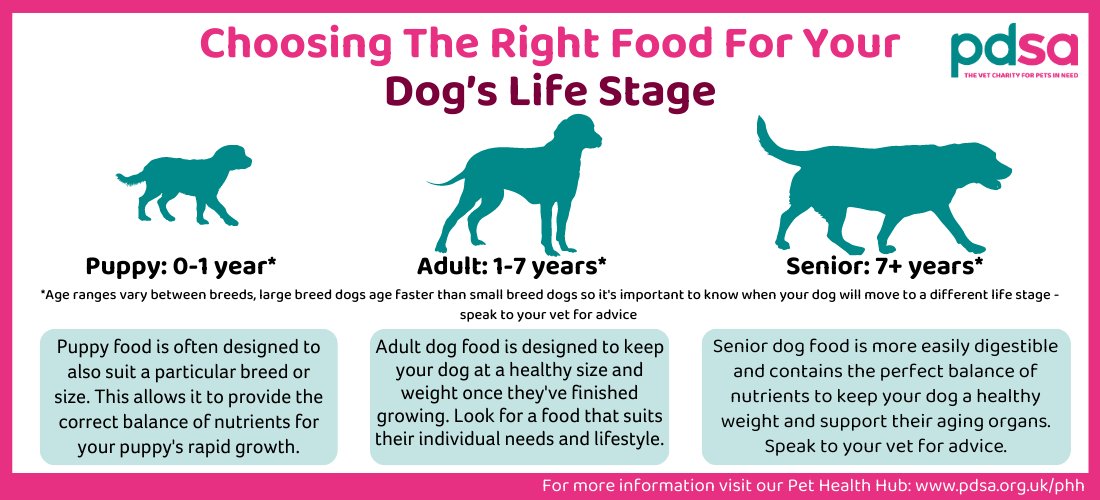
Choosing between wet and dry dog food should start with age and life stage, not packaging. Puppies, adults, and seniors have very different energy, protein, and mineral needs, and each group may benefit from a different texture. A complete and balanced product for “growth,” “adult maintenance,” or “all life stages” is essential. Once the correct life-stage formula is selected, owners can fine‑tune the ratio of wet and dry food to match chewing ability, appetite, and lifestyle.
Puppies: wet, dry, or a mix?
Puppies grow fast, so their nutritional balance matters more than wet vs dry. Any option should be labeled as a complete and balanced puppy food.
Wet food is very palatable and easier to chew, so it suits tiny mouths and puppies that are stressed, underweight, or reluctant to eat. Dry food (kibble) is convenient, usually cheaper, and helps owners measure portions accurately.
Many vets recommend a mix of wet and dry: dry as the main diet for practicality, with wet added for taste, hydration, or during teething. Whatever style is chosen, portion sizes must follow the puppy’s weight, body condition, and growth checked regularly by a veterinarian.
Adult dogs and busy households
For healthy adult dogs, both wet and dry food can work well, so lifestyle often decides. Dry food is convenient, easy to measure, and suits busy households that need simple routines and less mess. It also stores well and is practical for automatic feeders.
Wet food can help with hydration and appetite, useful for moderately active dogs or those in hot climates. Many owners choose a mix of wet and dry: dry for everyday meals, wet as a topper to boost flavour, moisture, and variety without sacrificing convenience.
Senior dogs and dogs with missing teeth
Senior dogs often benefit from softer, more aromatic foods. Aging can reduce sense of smell, chewing strength, and digestion efficiency. Wet food, moistened kibble, or a wet–dry mix is gentle on worn or missing teeth and encourages dogs with lower appetite to eat enough. For seniors with dental disease, always avoid very hard chews and ask a vet to recommend textures that suit the dog’s mouth and any chronic conditions.
Vet tip 2: Weigh the pros of wet food
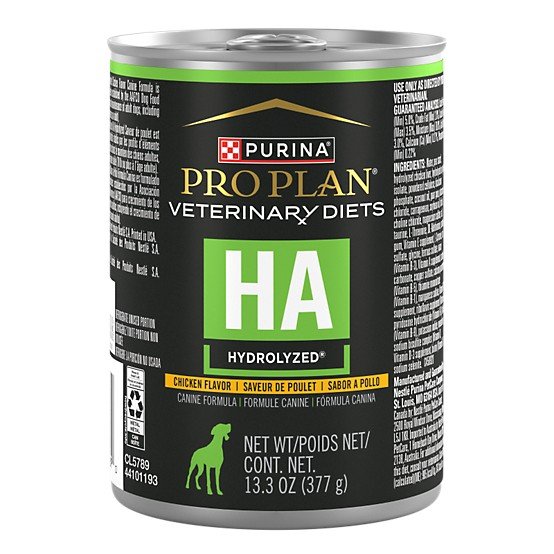
Wet food often appeals strongly to dogs, so it is worth understanding its overall value before looking at detailed pros and cons. In many cases, high‑moisture, tasty wet food can support hydration, appetite, and medication acceptance, which is especially helpful for puppies, senior dogs, and dogs recovering from illness. However, guardians also need to consider storage, cost, and nutritional balance. The key is to view wet food as a useful tool: powerful when chosen and used carefully, but not automatically superior to dry food in every situation.
Benefits of wet dog food
Wet food’s biggest advantage is high moisture content. Extra water supports kidney and urinary health and helps dogs that drink little on their own. The strong aroma and soft texture also make wet food very appealing for picky eaters, sick dogs, and seniors with sore mouths or missing teeth.
Because wet food is usually more energy‑dense per bite and easier to chew, it can help underweight dogs or dogs recovering from illness take in enough calories. Many wet diets also provide very consistent texture, which is useful for dogs that need medication mixed into meals.
Limitations and risks of wet diets
Wet food is generally safe, but it has some drawbacks owners should understand. High palatability can encourage overeating, so portion control is essential, especially for dogs prone to weight gain. Open cans spoil quickly; leftovers must be refrigerated and discarded after a short time to avoid bacterial growth. Soft textures do not scrape teeth, so tartar may build up faster if dental care is neglected. Some formulas are also higher in fat or sodium, which can be unsuitable for dogs with pancreatitis, heart, or kidney problems, unless a vet-approved recipe is used.
Vet tip 3: Weigh the pros of dry food
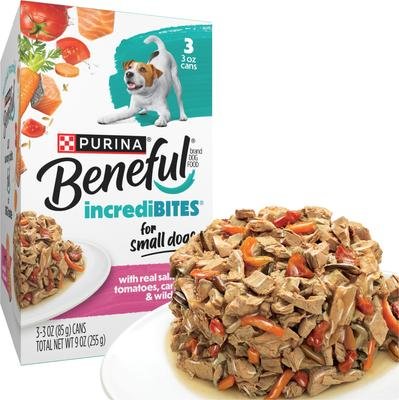
Dry food is often chosen for everyday feeding because it is practical and nutritionally dense. Before deciding, owners benefit from understanding both advantages and drawbacks so the choice is not based only on price or habit. A clear view of dry food’s role helps compare it fairly with wet food and supports a diet that matches a dog’s age, health, and lifestyle.
Benefits of dry dog food
Dry dog food offers several practical benefits for many households. Kibble is usually more affordable per calorie than wet food, so it suits larger dogs and multi-dog homes. It is easy to measure, handle, and store, helping owners keep portions consistent and feeding areas clean.
Because dry food is low in moisture, it keeps well in a sealed container and does not require refrigeration once opened. Many dogs enjoy the crunchy texture, and kibble works well in slow feeders, food puzzles, and training games, which supports mental enrichment alongside nutrition.
Limitations and risks of dry diets
Dry dog food is safe when well‑made, but there are some points to watch. Low‑quality kibble can be very high in calories and carbs, which may contribute to weight gain and diabetes risk if portions are not managed. Some dogs also struggle to stay hydrated on dry food alone, especially in hot weather or with kidney or urinary issues.
Dry food tends to be less aromatic, so picky eaters may refuse it. Poor storage can lead to fat oxidation, loss of nutrients, or mold and mites. In rare cases, dogs may choke on very hard or oversized kibble, so size and crunch level must suit the dog’s jaw and chewing style.
Vet tip 4: Match food to health needs
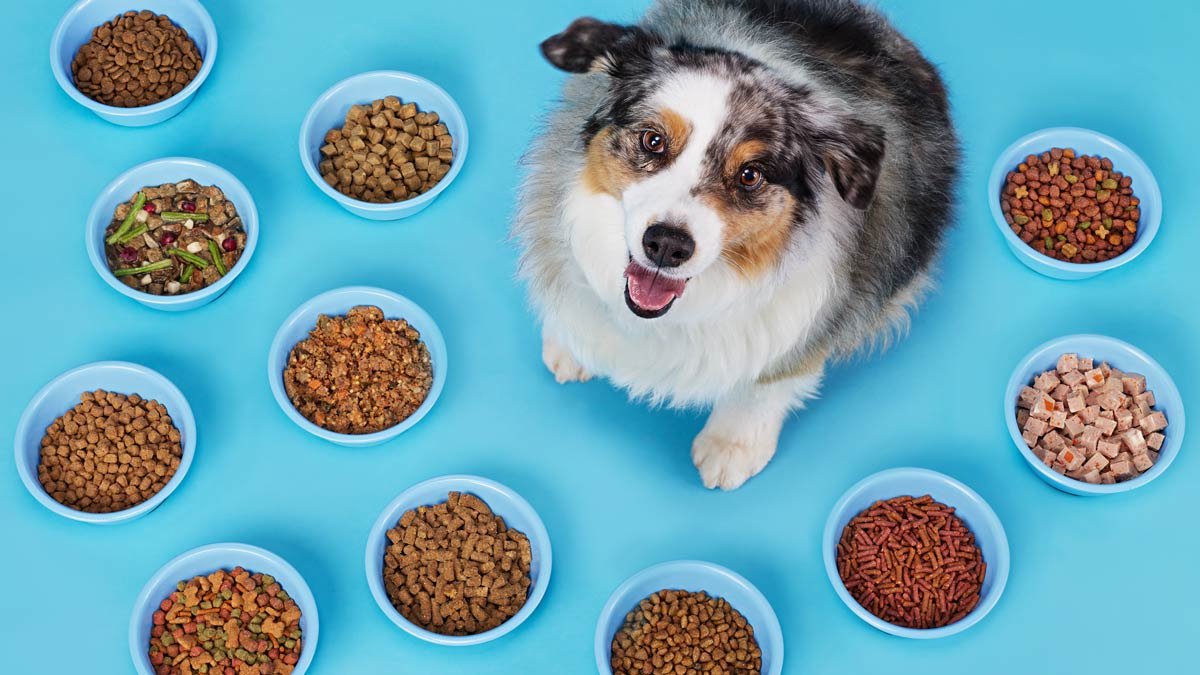
Choosing between wet and dry dog food should always start from your dog’s specific health status, not from trends or marketing. Certain conditions benefit from higher moisture, softer texture, or stronger aroma, while others need controlled calories, precise mineral balance, or special protein sources. The following sub-sections explain how wet and dry foods compare for weight control, dental care, sensitive digestion, allergies, and organ-related diseases, so owners can discuss concrete options with a veterinarian and avoid unsuitable diets.
Weight control and picky eaters
Dogs trying to lose weight often do better with carefully measured dry food, because calories per cup are easy to track. Owners can use a kitchen scale or measuring cup and choose a “light” or “weight management” formula that is still complete and balanced. Wet food is useful for weight control as well, because it is lower in calories per gram yet more filling due to high moisture, so it helps hungry dogs feel satisfied.
For picky eaters, wet food or a wet–dry mix can increase aroma and palatability. A small spoonful of wet food, warm water, or low‑sodium broth on top of kibble often makes meals more tempting. However, owners should avoid constant menu changes or excessive treats, because frequent switches can upset digestion and make fussy behavior worse. Consistent schedules and portion control remain essential for both weight and appetite problems.
Teeth, gums, and dental health
Healthy teeth and gums help dogs eat comfortably and avoid pain. Neither wet nor dry food alone can guarantee perfect dental health. Special dental diets and chews have more evidence for plaque control. Regular brushing is most effective. Dry kibble may offer some abrasion, but many dogs gulp pieces whole, so the effect is limited. Wet food can stick to teeth more easily, so careful oral care, yearly vet checks, and dental cleanings remain important regardless of food type.
Sensitive stomachs and allergies
Dogs with sensitive stomachs or allergies often react more to ingredients and overall formulation than to wet vs dry form. However, texture can still matter. Wet food is usually gentler on digestion, as it is softer and higher in moisture, and can help when vomiting or diarrhea occur. Dry food may suit some sensitive dogs if it is a limited‑ingredient, highly digestible recipe and fed in controlled portions.
For food allergies or intolerances, the key is identifying and avoiding the trigger protein or grain, using novel‑protein or hypoallergenic diets as advised by a veterinarian. Both wet and dry versions exist, so owners can choose the format that the dog tolerates best while keeping the ingredient list as simple and consistent as possible.
Kidney, liver, and urinary issues
Kidney, liver, and urinary problems often require strictly controlled recipes, whether wet or dry. Many prescription diets for kidney or liver disease are available in both textures, so owners can choose the form a dog eats best while keeping nutrients the same. Wet food helps increase water intake, which may support kidney and urinary health. However, portion sizes are easier to measure with dry food, so careful calorie control is important for dogs prone to weight gain.
Vet tip 5: Check the label, not hype
Dog food packaging often highlights buzzwords such as “premium,” “natural,” or “grain‑free,” but those phrases do not guarantee better nutrition. For a fair wet food vs dry food comparison, owners should focus on the objective details on the label: ingredient list, nutrient analysis, and AAFCO statements. By learning to read labels, owners can judge whether a food is complete, balanced, and appropriate for a dog’s age and health, instead of relying on advertising or trends.
How to read dog food ingredients
Reading the ingredient list helps owners judge quality beyond marketing phrases. Ingredients are listed in order of weight before cooking, so items near the top contribute the most. Look for named animal proteins such as “chicken,” “salmon,” or “turkey meal” as the first ingredient, rather than vague terms like “meat” or “animal by-products.”
Grains and vegetables can be healthy, but “ingredient splitting” (e.g., corn, corn gluten meal, corn flour listed separately) may push meat higher on the list only on paper. Avoid foods with many artificial colors, sweeteners, or unspecified fats such as “animal fat (source not specified).” For sensitive dogs, short, simple ingredient lists are often easier to tolerate.
Nutritional adequacy and AAFCO claims
On the label, look for an AAFCO nutritional adequacy statement. This sentence shows whether the food is complete and balanced and for which life stage.
Key points to check:
- Life stage: e.g., “for growth,” “for adult maintenance,” or “for all life stages.” Match this to your dog’s age and needs.
- Feeding method: “feeding tests” is ideal; “formulated to meet” is also acceptable.
- Avoid foods labeled only as “intermittent or supplemental feeding” for everyday meals.
Protein, fat, and carbohydrates balance
For most healthy dogs, the balance of protein, fat, and carbohydrates matters more than the choice of wet or dry. Aim for animal-based protein as the first ingredient, with adequate fat for energy and skin health, and moderate carbohydrates.
Wet foods often have higher protein and lower carbohydrates per calorie, which can suit active or overweight dogs. Many dry foods rely more on grains or starches to form kibble, so carbohydrates may be higher. However, high-quality kibbles also provide excellent protein and fat profiles.
The ideal ratio depends on age, activity, and health issues; owners who are unsure should confirm the most suitable range with a veterinarian.
Vet tip 6: Consider cost and convenience
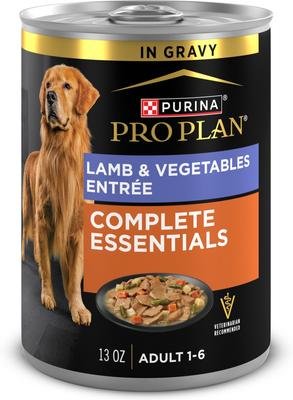
Cost and convenience also affect long‑term feeding decisions. Dry dog food usually costs less per calorie, stores easily, and suits automatic feeders, so it often fits busy households. Wet food is generally more expensive and heavier to carry, but can reduce waste for small dogs that eat tiny portions. Owners should also consider delivery options, storage space, and how often they can shop, then choose a format that they can reliably provide every day.
Wet vs dry dog food cost comparison
Wet food usually costs more per calorie than dry food because it contains more water and heavier packaging. Dry food looks more expensive per bag, but a bag lasts longer and often works out cheaper for daily feeding.
| Type | Typical cost per day* | Main cost points |
|---|---|---|
| Wet | Higher | More cans/pouches, more packaging |
| Dry | Lower | Bulk bags, fewer deliveries |
Costs vary by brand and dog size, so checking price per 100 g or per kcal* on the label gives a clearer comparison.
Storage, shelf life, and leftovers
Proper storage affects safety, taste, and nutrition.
| Type | Unopened shelf life* | After opening | Storage tip |
|---|---|---|---|
| Wet cans/pouches | 1–3 years | 2–3 days in fridge | Cover tightly, keep at 4°C or below |
| Dry kibble | 1–1.5 years | 4–6 weeks for best quality | Store in original bag inside airtight bin |
Once served, discard leftovers after 20–30 minutes, especially in warm rooms, to avoid bacteria and ants. Avoid freezing open cans for long periods; texture and palatability may decline.
Feeding routines for busy owners
Busy owners benefit from simple, consistent feeding routines. Most healthy adult dogs do well with two meals per day at set times. Puppies usually need 3–4 smaller meals, while many seniors prefer 2–3.
A practical routine:
| Time of day | Routine idea |
|---|---|
| Morning | Walk → measured meal → fresh water check |
| Evening | Play or walk → measured meal → quick body/poop check |
Use a measuring cup or kitchen scale, feed in the same place, and avoid free-feeding dry food, which can encourage weight gain. Prepare wet-food portions in advance and refrigerate so feeding stays quick even on busy days.
Vet tip 7: Mixing wet and dry safely
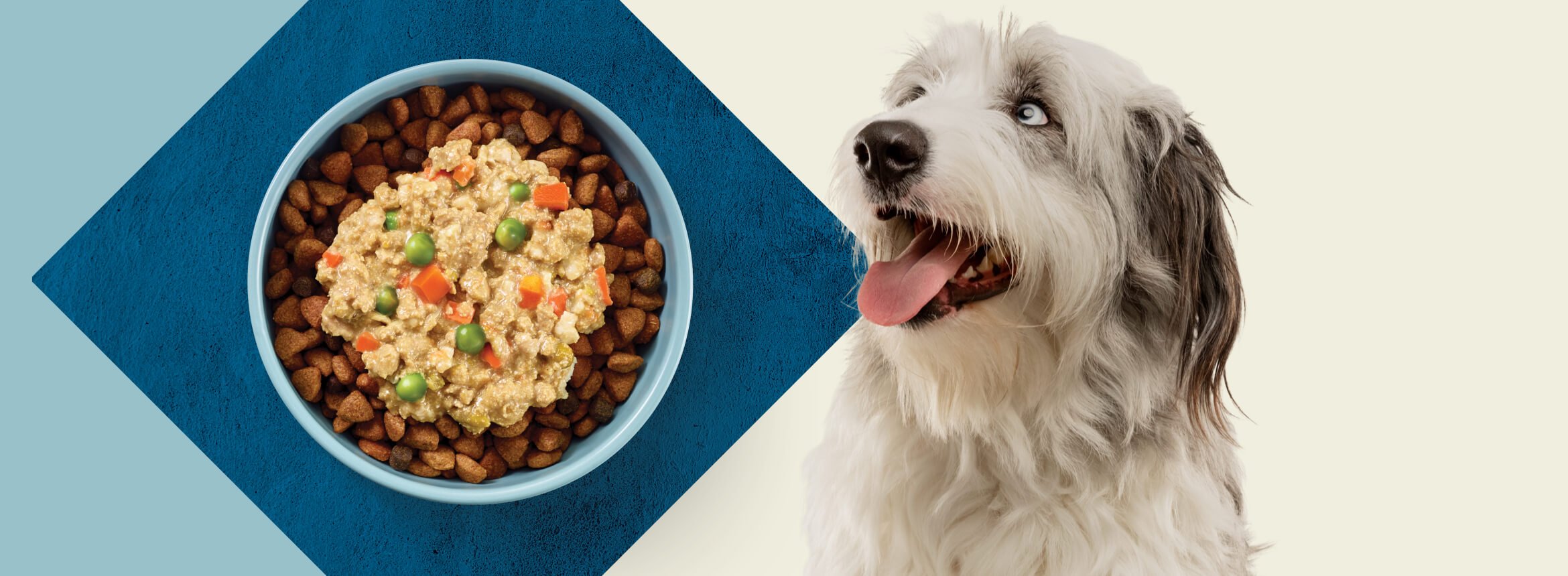
Mixing wet and dry food can provide variety, better hydration, and a balance of textures, but it must be done with care. The most important point is to keep the total daily calories appropriate for the dog’s size, age, and activity level. Both foods should meet AAFCO standards for the same life stage. Sudden changes in ratios may cause soft stools, so increasing wet food gradually over several days is safer. Owners should also store each type correctly and discard uneaten mixed food after a short time to prevent spoilage.
Why combine wet and dry food?
Combining wet and dry food can give dogs the best of both worlds. Wet food adds aroma, softness, and moisture, which often helps picky eaters or dogs with dental pain. Dry food contributes convenience, easier portion control, and usually lower cost.
A mixed bowl can also support hydration and make it easier to hide medications. For many families, a combination feeding style offers better palatability for the dog and practicality for the owner while still meeting complete and balanced nutrition needs.
How to balance calories and portions
When mixing wet and dry food, the total daily calories matter more than bowl volume. First, find each product’s kcal per cup (dry) and per can or pouch (wet) on the label. Next, decide the split, for example 50% of calories from dry and 50% from wet.
- Calculate your dog’s daily target calories (from your vet or package guide).
- Multiply by the chosen ratio for dry and wet.
- Convert those calories into cups of kibble and portions of wet food using the label values.
For weight control, start with a smaller portion of wet food because it is usually more calorie‑dense per gram, and recheck body condition every 2–4 weeks to adjust amounts.
Switching foods without tummy upsets
Sudden diet changes often cause vomiting or diarrhea. To protect the stomach and intestines, switch foods gradually over 7–10 days.
A common schedule is:
| Day | Old food | New food |
|---|---|---|
| 1–3 | 75% | 25% |
| 4–6 | 50% | 50% |
| 7–9 | 25% | 75% |
| 10+ | 0% | 100% |
Keep total daily calories the same as before. Monitor stool, appetite, and energy. If soft stool or gas appears, stay longer at the current mix or step back one stage. For dogs with very sensitive digestion or chronic disease, consult a veterinarian before changing food.
Common myths about wet and dry food
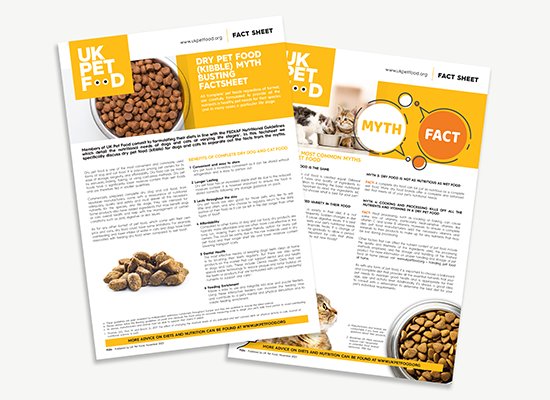
Many dog food beliefs spread online are not evidence-based. A common myth is that wet food is always “bad for teeth” and dry food is always “good for teeth”. In reality, only special dental diets have proven plaque‑reducing effects. Another myth is that one type (wet or dry) is automatically healthier for every dog. Nutritional balance, quality of ingredients, and whether the food suits the individual dog are far more important than texture alone.
Does dry food really clean teeth?
Many owners believe kibble scrubs teeth clean, but ordinary dry food does not work like a toothbrush. Most pieces shatter as soon as dogs bite, so there is little rubbing along the tooth surface. Plaque and tartar mainly build up at the gumline, where dry food has almost no effect.
For meaningful dental care, daily toothbrushing, vet dental checks, and VOHC‑approved dental diets or chews are much more effective than standard dry food alone.
Is wet food always more “natural”?
Many owners assume wet dog food is more “natural” because it looks closer to home-cooked meals. In reality, both wet and dry foods are highly processed. Meat, grains, and vitamins are cooked at high temperatures and preserved for shelf stability in both types. What matters more than format is ingredient quality, clear labeling, and AAFCO-compliant complete nutrition, not whether the food is wet or dry.
When to ask your vet about diet
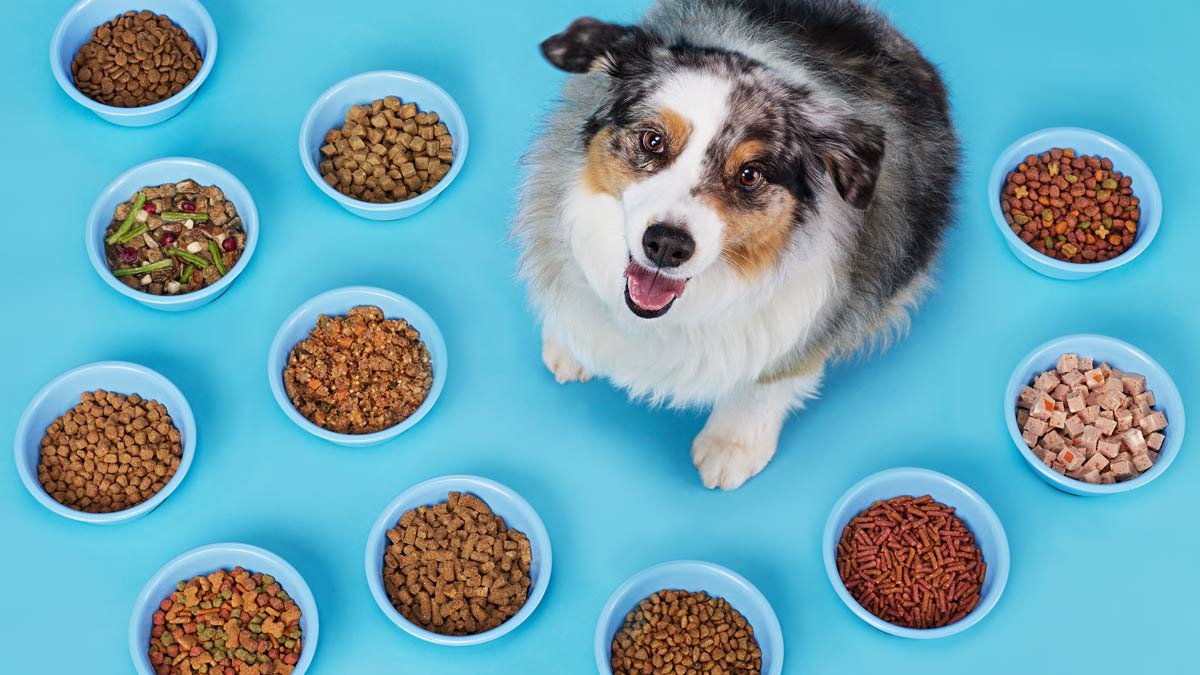
Diet advice from a veterinarian is especially important when a dog has existing health problems, sudden weight changes, or ongoing digestive or skin issues. Consultation is also recommended before changing from dry to wet food (or the reverse), starting a home‑cooked or raw diet, or feeding a growing puppy, senior dog, or pregnant/lactating female. A vet can review labels, calculate portions, and suggest whether wet, dry, or a mix best fits a dog’s medical needs and family lifestyle.
Warning signs your dog’s diet is off
A diet that does not match a dog’s needs often shows up in the dog’s body and behaviour. Persistent soft stools, diarrhea, constipation, or excessive gas are major warning signs. Other red flags include itchy skin, frequent ear infections, dull coat, or sudden shedding changes. Ongoing vomiting, low energy, weight loss or rapid weight gain, begging more than usual, or refusing food also suggest a problem. Bad breath, excessive drinking, or very strong urine odour can relate to diet as well. Any sudden or lasting change over more than a few days should be discussed with a veterinarian.
Questions to bring to your vet visit
Before a vet visit, it is helpful to prepare a short written list. Examples of useful questions include:
- Is wet, dry, or a mix better for this dog’s age and health?
- Is the current brand and recipe complete and balanced for the right life stage?
- How much should be fed per day based on ideal weight, not current weight?
- Are there ingredients that should be avoided for this dog (allergies, kidney, liver, urinary, or heart disease)?
- Would a therapeutic or prescription diet be appropriate?
- How can feeding be adjusted to help with tartar, bad breath, or skin issues?
- How often should the dog’s weight and body condition be checked?
Having photos of the food label and a 3–7 day feeding diary also helps the veterinarian give more precise advice.
This article explains the differences between wet and dry dog food and provides a veterinarian-supervised guide on how to choose the right food for your dog, considering seven factors including life stage, health condition, cost, and shelf life. It clearly outlines the type of food best suited to your dog, safe mixing practices, common misconceptions, and when to seek veterinary attention.






![[Ticks and Sarcoptic Mange] Symptoms and Treatment of Ticks that Harm Dogs](https://with-my-dog.com/wp-content/uploads/2022/01/4ab096d074c35f99ad05687eccf70c28-500x332-1-150x150.jpg)

![[2022 Edition] What is the safest dog food? Survey of recommended popular products](https://with-my-dog.com/wp-content/uploads/2021/10/puppy-ged828c55e_1920-150x150.jpg)
![[2022 Edition!] Popular Small Dog Names](https://with-my-dog.com/wp-content/uploads/2022/04/image2-1-150x150.jpg)