
Many dog owners want to feed their beloved pets the safest and most wholesome food possible. However, many worry about the nutritional balance of homemade food and are unsure which ingredients are truly safe for dogs. This article introduces simple, nutritionally balanced homemade dog food recipes based on veterinarian advice. We will explain the key points of these veterinarian-supervised recipes that are easy to follow and can serve as a reference for choosing your dog's daily food.
Should You Cook for Your Dog?
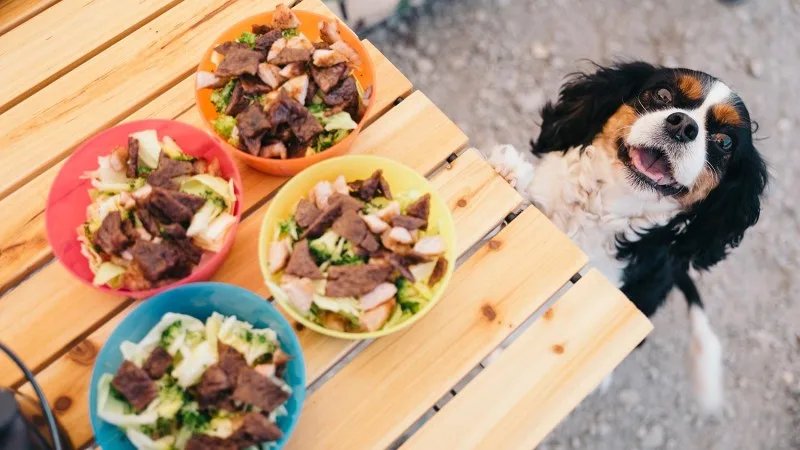
Cooking for a dog can be a great way to control ingredients and support health, but it also carries responsibilities. Many owners want to avoid additives in commercial food or tailor meals to a dog’s age, weight, or sensitivities. Homemade dog food can be suitable when meals are properly balanced, safely prepared, and guided by a veterinarian. Before changing a dog’s diet, owners should consider lifestyle, budget, time for meal prep, and the dog’s medical needs.
Benefits of homemade meals
Homemade meals allow owners to control every ingredient that goes into a dog’s bowl. Freshly prepared food is often more aromatic and palatable, which can encourage picky eaters. Recipes can be tailored to a dog’s age, activity level, and preferences, and adjusted for allergies or sensitivities. Cooking at home also helps many owners feel more connected to their dogs and more confident about overall nutrition and food safety.
Common pitfalls and risks
Homemade dog food can be very healthy, but there are clear pitfalls. The biggest risk is unbalanced nutrition—many home recipes lack enough calcium, certain amino acids, or essential fatty acids. Long‑term imbalance may lead to bone weakness, dull coat, or organ problems. Other concerns include unsafe ingredients, undercooked meat, poor hygiene, and portions that cause weight gain. Dogs with medical issues face extra risk if meals are not professionally formulated.
Why Vet Approval Matters
Veterinary supervision is essential for homemade dog food. Dogs need precise amounts of protein, fat, calcium, phosphorus, and trace nutrients, and small imbalances can quietly cause bone, heart, or organ problems. A vet, ideally with nutrition training, checks your dog’s age, weight, activity level, and health issues, then confirms whether recipes are complete, balanced, and safe for long‑term feeding.
Getting a diet plan from your vet
A safe homemade diet should follow a plan created specifically for each dog. The ideal first step is a consultation with a veterinarian or veterinary nutritionist. Share age, weight, breed, activity level, current food, treats, and any illnesses or medications. The professional can then calculate calorie needs, set protein and fat targets, and recommend supplements.
Ask for: a base recipe, portion size per day, allowed variations in meat or carbs, and follow‑up checks. Regular weight checks and blood tests help confirm that the vet‑approved homemade dog food recipe remains balanced and safe over time.
When homemade food is not ideal
Homemade food is not ideal in every situation. Puppies, pregnant or nursing dogs, and very small breeds often need precisely balanced commercial diets because nutritional mistakes affect growth and development. Dogs with kidney, liver, heart, pancreas, or serious digestive disease also require tightly controlled recipes that should only be designed with a veterinary nutritionist. Home cooking is sometimes unsuitable for busy owners who cannot measure, supplement, and store food safely; in such cases, high‑quality commercial food is usually safer and more consistent.
Building a Balanced Dog Meal
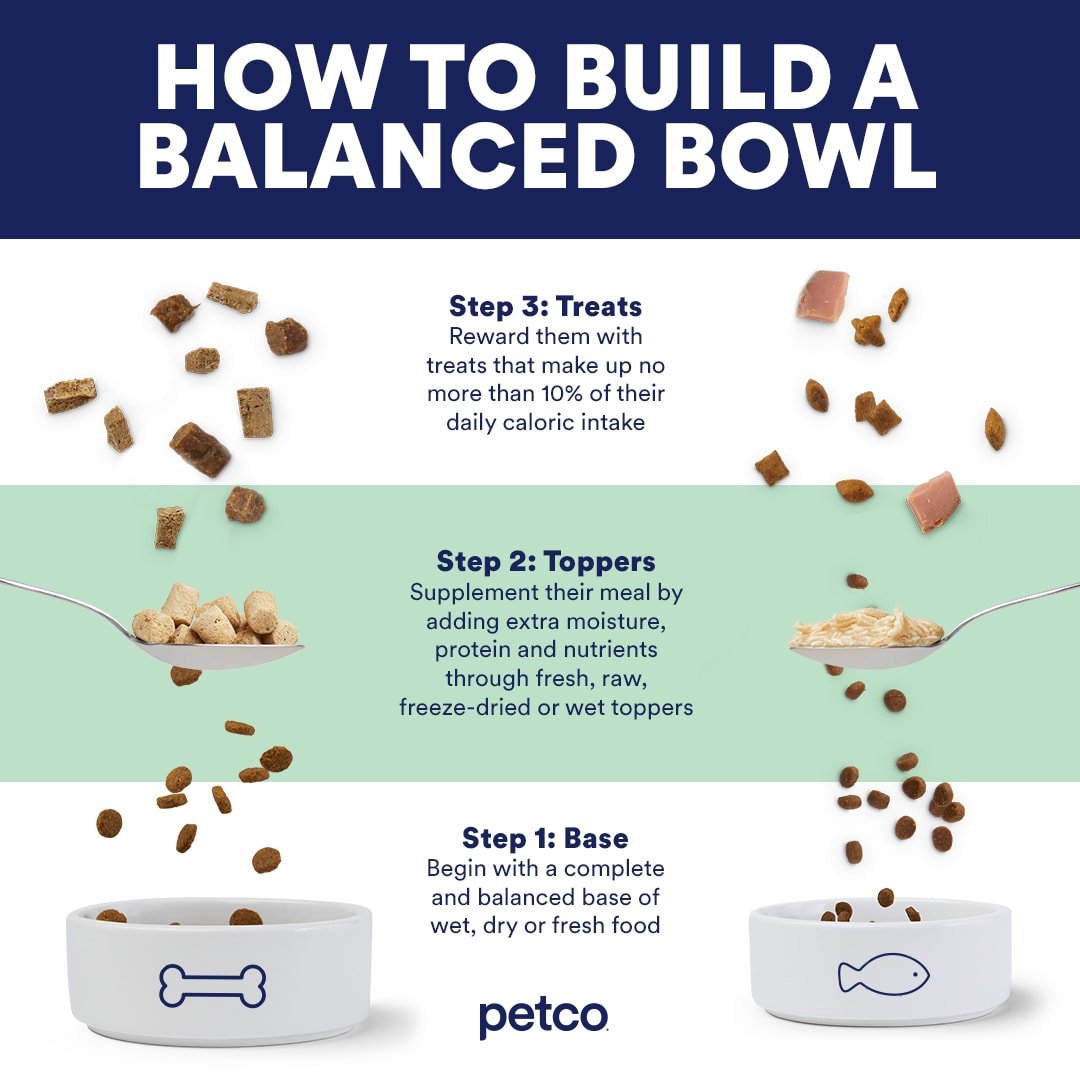
A truly balanced homemade meal means more than meat and rice in a bowl. Dogs need the right mix of energy, high‑quality protein, healthy fats, fiber, vitamins, and minerals every day. A good rule of thumb is to follow a vet‑designed recipe and avoid guessing. In practice, owners aim for a consistent base recipe, appropriate supplements, and portions adjusted to age, size, and activity so the dog maintains steady weight, firm stools, and good coat condition.
Key nutrients dogs actually need
Dogs need more than just meat in a bowl. For long‑term health, a complete and balanced homemade diet must cover all essential nutrients: high‑quality protein, digestible carbohydrates, healthy fats, plus specific vitamins and minerals.
Key nutrients include:
| Nutrient group | Main role in the body | Typical sources in homemade food |
|---|---|---|
| Protein & amino acids | Build muscles, organs, skin, immune cells | Chicken, turkey, beef, eggs, fish |
| Fats & fatty acids | Energy, skin and coat, brain health | Fish oil, chicken fat, flaxseed oil |
| Carbohydrates & fiber | Steady energy, gut health, stool quality | Rice, oats, potatoes, pumpkin, vegetables |
| Vitamins | Metabolism, immunity, cell repair | Liver, vegetables, fruits, vet‑designed supplements |
| Minerals | Bones, teeth, nerves, fluid balance | Bone‑free meat with added mineral mix, eggshell powder |
A key point is that meat plus rice alone is not balanced. Most homemade diets require a vet‑approved supplement mix to meet all daily vitamin and mineral needs safely.
Protein, carbs, and healthy fats
For homemade dog food, the balance of protein, carbohydrates, and fats is crucial. In general, animal protein should form the core of the meal, because dogs rely on amino acids for muscle maintenance, immune function, and recovery. Lean meats, fish, and eggs are ideal sources.
Carbohydrates such as rice, oats, or potatoes provide energy and fiber. They help keep digestion regular and can make meals more filling without excess calories. However, carbs should not crowd out high‑quality protein.
Healthy fats from fish oil, chicken fat, flaxseed, or canola oil supply essential fatty acids for skin, coat, and brain health. Too little fat leads to dull coat and low energy, while too much can cause weight gain and pancreatitis, so measuring added oils is important for homemade recipes.
Essential vitamins and minerals
Vitamins and minerals support immune health, bones, nerves, and metabolism. In homemade dog food, they rarely reach safe levels from meat and vegetables alone, so a balanced canine supplement is usually essential.
Key nutrients include: calcium and phosphorus for strong bones, zinc and copper for skin and coat, iron for healthy blood, plus vitamins A, D, E, K, and B‑complex. Formulas designed for dogs help avoid both dangerous deficiencies and excesses.
Safe ratios for daily feeding
A safe daily ratio helps homemade food stay balanced and complete. A simple guide for healthy adult dogs is about 40–50% animal protein, 25–35% carbohydrates, and 20–30% vegetables, with added healthy fats and a vet‑approved vitamin–mineral supplement. Puppies, seniors, and dogs with illness often need different ratios, so confirmation with a veterinarian or veterinary nutritionist is strongly recommended before long‑term feeding.
Safe Ingredients and Foods to Avoid
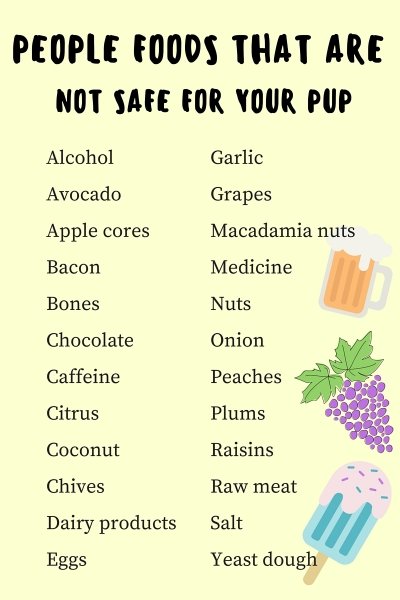
Choosing safe ingredients is the foundation of vet‑approved homemade dog food. Only use fresh, human‑grade meat, grains, and vegetables that are plainly labeled and unseasoned. Avoid leftovers that contain sauces, excess fat, or strong spices, because many human seasonings upset a dog’s stomach. Never feed unknown wild plants, moldy food, or items past their safe date, as contamination and toxins can lead to serious illness. When uncertain about any ingredient, consult a veterinarian before adding it to a regular recipe.
Best proteins, grains, and veggies
Choosing safe, nutrient‑dense ingredients is the foundation of vet‑approved homemade dog food. Aim for a mix of high‑quality protein, digestible grains, and fiber‑rich vegetables.
| Category | Good choices | Notes |
|---|---|---|
| Proteins | Skinless chicken, turkey, lean beef, lamb, pork loin, salmon, white fish, eggs | Always cook thoroughly and remove bones and excess fat. |
| Grains | White or brown rice, oats, barley, quinoa, whole‑wheat pasta | Well‑cooked grains are gentle on the stomach and provide energy. |
| Vegetables | Carrots, green beans, pumpkin, peas, broccoli, spinach, zucchini | Serve cooked and unseasoned for better digestion. |
Rotate ingredients gradually so the dog enjoys variety while avoiding digestive upset. For many dogs, around half the bowl from animal protein and the rest from grains and vegetables offers a practical starting point before fine‑tuning with veterinary guidance.
Toxic and unsafe foods for dogs
Many everyday human foods are dangerous or even fatal for dogs. Owners should know the major items to avoid.
| Food / Ingredient | Why it is unsafe for dogs |
|---|---|
| Chocolate, cocoa, coffee | Contains theobromine/caffeine; causes heart and nervous system problems |
| Grapes, raisins, currants | Can trigger sudden kidney failure, even in small amounts |
| Onions, garlic, chives, leeks | Damage red blood cells; may cause anemia and weakness |
| Xylitol (in sugar‑free gum, candy, peanut butter) | Leads to rapid blood sugar drop and possible liver failure |
| Alcohol, raw bread dough | Alcohol poisoning, bloating, and severe metabolic issues |
| Cooked bones | Splinter in the gut, causing choking or perforation |
| Macadamia nuts | Weakness, tremors, and overheating |
Moldy food, fatty scraps, and highly seasoned dishes can also cause pancreatitis or severe stomach upset, so they should never be offered as treats.
Using supplements the right way
Supplements are helpful only when they fill a proven gap in homemade dog food. A complete recipe designed with a veterinarian or veterinary nutritionist often already includes a balanced vitamin–mineral mix, so extra products are unnecessary.
Useful options include:
| Supplement type | Main purpose | Caution |
|---|---|---|
| Complete vitamin–mineral mix | Covers routine micronutrient needs | Choose a product formulated for dogs and follow label or vet directions |
| Fish oil (EPA/DHA) | Supports skin, coat, joints, heart | Dose carefully; too much adds excess calories and may affect clotting |
| Probiotics | Aids digestion and stool quality | Pick canine‑specific strains; avoid high‑sugar yogurts |
Human multivitamins, calcium tablets, or herbal blends should not be given without veterinary advice. Over‑supplementation of calcium, vitamin D, or vitamin A can be harmful. Safe use means: choose dog‑specific products, match them to a professionally balanced recipe, and confirm doses with a veterinarian before long‑term feeding.
Vet‑Approved Homemade Dog Food Recipes
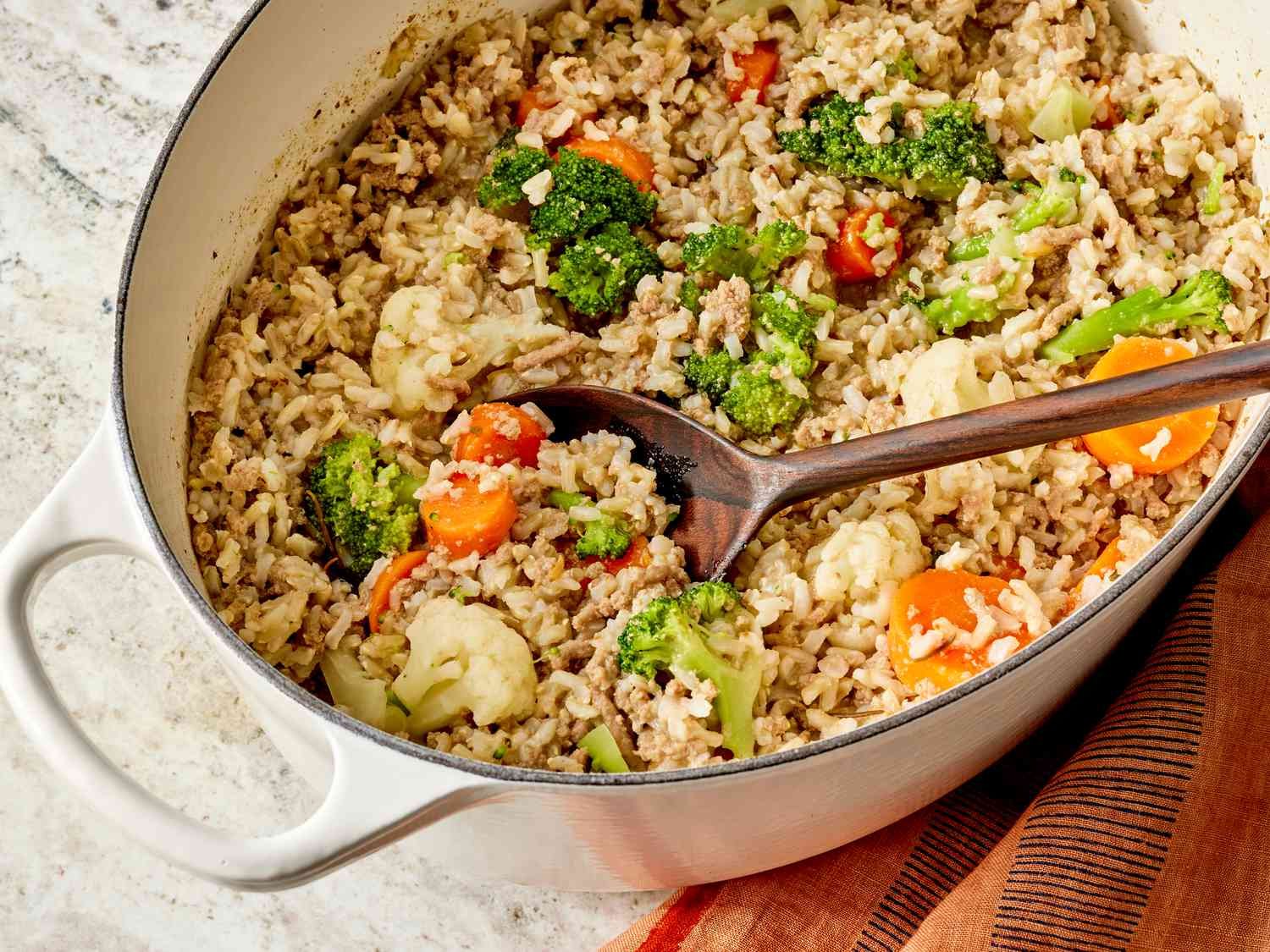
Homemade meals can be both nutritious and enjoyable for dogs when prepared according to veterinary guidance. Vet‑approved recipes usually follow clear nutrient targets, include measured amounts of protein, carbohydrates, fats, and fiber, and rely on safe supplements to fill vitamin and mineral gaps. In the following recipes, each formula is designed as a practical base meal, but final adjustments should always be made in consultation with a veterinarian, especially for growing puppies, seniors, and dogs with health issues.
Easy chicken and rice dinner
A chicken and rice dinner is one of the most popular vet‑approved homemade dog food recipes because it is gentle on the stomach and easy to digest. Lean chicken provides high‑quality protein, while rice offers a simple energy source that rarely irritates the gut. Owners often use this kind of recipe during mild digestive upsets or when slowly transitioning from kibble to homemade meals. For everyday feeding, however, the meal must be properly balanced with vegetables, healthy fats, and vet‑recommended supplements so that a dog receives complete nutrition, not just comfort food.
Ingredient list and portions
For a vet‑style base recipe, portions should be measured by weight for accuracy.
| Ingredient | Amount for 10 kg (22 lb) dog / day* |
|---|---|
| Skinless chicken breast or thigh (cooked, no bones) | 200 g |
| White rice, cooked | 160 g |
| Mixed dog‑safe vegetables (carrot, green beans, peas) cooked | 60 g |
| High‑quality dog multivitamin & mineral supplement | as per label |
| Fish oil (omega‑3) | ~500 mg EPA/DHA |
Portions are a starting point only*. Adjust based on body condition, activity level, and direct veterinary advice.
Adjusting portions by size
Smaller dogs often eat more per kg than large dogs. As a rough guide for adult, healthy dogs:
- 5 kg dog: ~60–70% of the amounts above
- 20 kg dog: ~180–190% of the amounts above
Regular weight checks and consultation with a veterinarian are recommended to keep the recipe balanced and the portion size appropriate.
Cooking steps and serving tips
Use a medium pot and cook the chicken in water or low‑sodium broth until fully white inside with no pink. Skim off foam, then remove the chicken and cool before dicing or shredding. In the same liquid, simmer rice until soft and slightly overcooked for easier digestion.
Let ingredients cool to room temperature, then mix chicken, rice, and vegetables thoroughly. Avoid seasoning with salt, oil, garlic, or onions. Serve in measured portions based on your dog’s weight, and refrigerate leftovers for up to 2–3 days in a sealed container.
Turkey and sweet potato recipe
A turkey and sweet potato recipe offers a gentle, highly digestible option for many dogs. Lean turkey provides quality protein with lower fat, while sweet potato supplies complex carbohydrates, fiber, and natural vitamins. The mild flavor suits picky eaters and dogs with sensitive stomachs. Owners can also adapt the base with safe vegetables and an appropriate supplement to keep the meal nutritionally balanced and suitable for regular feeding under veterinary guidance.
Ingredient list and portions
For a 20 lb (9 kg) adult dog, the following batch provides about 2–3 days of food. Adjust portions with your vet.
| Ingredient | Amount |
|---|---|
| Lean ground turkey (93–99%) | 900 g (2 lb) |
| Cooked sweet potato, mashed | 360 g (3 cups) |
| Cooked green beans, chopped | 120 g (1 cup) |
| Cooked carrots, diced | 80 g (½ cup) |
| Olive or fish oil | 1–2 Tbsp |
| Vet‑recommended supplement* | As directed |
Use a complete canine vitamin–mineral supplement suitable for homemade diets. Feed roughly 2–3% of body weight per day* in cooked food, divided into 2 meals, unless a veterinarian provides a different plan.
Cooking steps and serving tips
Begin by washing hands and utensils carefully. Simmer ground turkey in a pan over medium heat until no pink remains. Drain excess fat. Add finely chopped sweet potato and enough water to cover slightly, then cook gently until the cubes are soft.
Stir in oats or chosen carbohydrate and cook until the liquid is absorbed. Allow the meal to cool to room temperature before serving to prevent mouth burns. Introduce new recipes gradually, starting with 10–25% of the bowl mixed into regular food, and increase over 5–7 days while monitoring stool quality, appetite, and energy.
For serving, divide the daily portion into two or more meals to reduce digestive stress. Any leftovers should be refrigerated promptly and used within 2–3 days, or frozen in single-meal portions for convenience.
Beef and veggie one‑pot meal
A beef and veggie one‑pot meal offers a hearty, balanced base that many dogs enjoy. Lean beef supplies high‑quality protein and iron, while vegetables and a small amount of grain provide fiber and slow‑release energy. Everything cooks together in one pan, so flavors blend and nutrients are gently preserved. For most dogs, such a recipe is best used as part of a vet‑approved rotation, not the only meal every day.
Ingredient list and portions
For a 20 kg (44 lb) adult dog, the following quantities create a balanced base for the beef and veggie one‑pot meal. Adjust portions with veterinary guidance.
| Ingredient | Amount per batch | Notes |
|---|---|---|
| Lean ground beef (5–10%) | 400 g (14 oz) | Main protein source |
| Brown rice (uncooked) | 200 g (1 cup) | Carbohydrate and fiber |
| Carrots, chopped | 75 g (½ cup) | Vitamins A, K, fiber |
| Green beans, chopped | 75 g (½ cup) | Low‑calorie fiber |
| Peas (fresh/frozen) | 50 g (⅓ cup) | Plant protein, extra fiber |
| Sunflower or fish oil | 5–10 ml (1–2 tsp) | Essential fatty acids |
| Vet‑recommended supplement | As directed | Completes vitamins/minerals |
| Water or low‑sodium broth | Enough to cover | For simmering and hydration |
Serve about 2–3% of body weight in cooked food per day (including all ingredients), split into 2 meals, and adjust based on your dog’s condition and activity.
Cooking steps and serving tips
Start by browning the beef in a large pan over medium heat, draining excess fat if needed. Add chopped vegetables and cook for a few minutes, then stir in grains and water or low‑sodium broth. Simmer gently until grains are soft and liquid is absorbed, cool completely before serving.
Serve at room temperature, mixing the homemade meal with the dog’s usual food at first. Divide the daily portion into 2–3 meals to avoid stomach upset. Store leftovers in the refrigerator for 2–3 days or freeze in single‑meal portions. Always introduce new recipes gradually and watch stool, energy, and appetite to judge suitability.
Simple grain‑free base recipe
A simple grain‑free base is useful for dogs who cannot tolerate common grains. A balanced option combines animal protein, non‑starchy vegetables, and a starch alternative.
Recommended ratio (by cooked weight):
| Component | Ratio | Examples |
|---|---|---|
| Lean protein | 60–70% | Chicken, turkey, beef, white fish |
| Starch alternative | 10–20% | Sweet potato, pumpkin |
| Vegetables | 10–20% | Green beans, zucchini, spinach |
Always add a vet‑approved vitamin–mineral supplement so that long‑term nutrition remains complete.
Recipes for Different Dog Needs
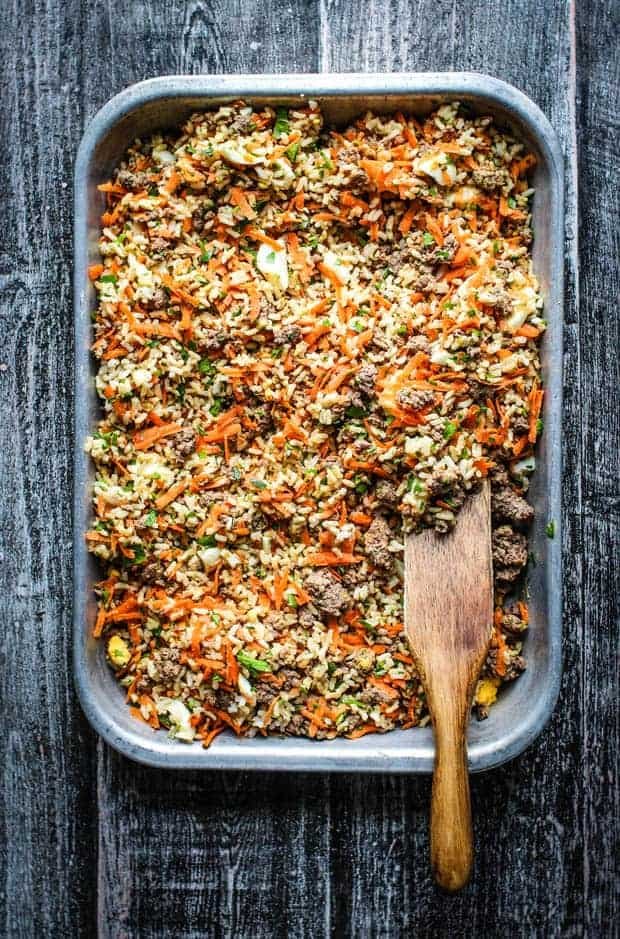
Homemade dog food should be adjusted to age, body condition, and health issues. A single "one‑size‑fits‑all" recipe often leads to nutritional imbalance. For healthy adult dogs, balanced recipes can work well, but puppies, seniors, dogs with allergies, overweight dogs, and dogs with medical problems require tailored meals and vet input. Owners should choose recipes that match their dog’s profile and confirm details with a veterinarian or veterinary nutritionist.
Puppy meals with vet guidance
Puppies grow rapidly, so their meals must provide more energy, high‑quality protein, calcium, and phosphorus in precise balance. Homemade puppy food can be useful, but only with individual vet guidance. A veterinarian or veterinary nutritionist adjusts recipes to the puppy’s breed, expected adult size, and growth stage, and often recommends a complete supplement. Regular weight checks and body condition scoring are essential to avoid overfeeding, stunted growth, or bone problems. Without expert input, homemade diets for puppies can easily become unbalanced.
Senior dog recipes and add‑ons
Senior dogs often benefit from softer, highly digestible homemade meals that are gentle on teeth and digestion. A simple base is lean protein (chicken, turkey, or white fish), well‑cooked carbohydrates (rice, oats, or pumpkin), and tender vegetables (carrot, green beans, zucchini) chopped finely or mashed.
Helpful add‑ons include joint‑support ingredients such as omega‑3s (small amount of fish oil as approved by a vet), and occasional green‑lipped mussel powder. For brain and heart support, many veterinarians recommend antioxidants from blueberries or spinach in small portions. Always confirm supplements and exact amounts with a veterinarian, especially if the senior dog has kidney, liver, or heart disease.
Sensitive stomach and allergies
Dogs with sensitive stomachs or allergies benefit from simple, limited‑ingredient recipes. Choose one animal protein (for example: turkey, white fish) and one easy carbohydrate (such as rice or potato), plus a small amount of low‑fiber vegetables like zucchini or pumpkin. Avoid common triggers such as beef, chicken, dairy, wheat, and strongly seasoned foods until a veterinarian completes an elimination diet. For many dogs, small, frequent meals and consistent formulas reduce vomiting, gas, and diarrhea. Always confirm long‑term recipes with a veterinarian or veterinary nutritionist.
Weight control and low‑fat options
For dogs needing weight control, the goal is fewer calories without losing nutrients. Choose lean proteins (skinless chicken breast, turkey, white fish) and plenty of low‑calorie vegetables such as zucchini, green beans, and broccoli. Reduce or remove added oils and opt for boiled, baked, or steamed cooking methods.
Use whole grains like brown rice, oats, or barley in modest amounts to keep dogs full. Feeding smaller, more frequent meals can prevent begging. Regular weight checks, body condition scoring, and guidance from a veterinarian help adjust portions so dogs lose no more than 1–2% of body weight per week, which is considered safe.
When your dog has medical issues
Dogs with kidney disease, heart disease, diabetes, pancreatitis, or severe allergies require strictly tailored homemade meals. General recipes can easily unbalance minerals, protein, or fat, and may worsen symptoms. Always seek a veterinary nutritionist or primary vet before changing food. In many cases, prescription diets remain safest, and homemade food is used only as a vet‑designed, carefully measured plan with regular blood and weight checks.
Cooking Methods and Formats
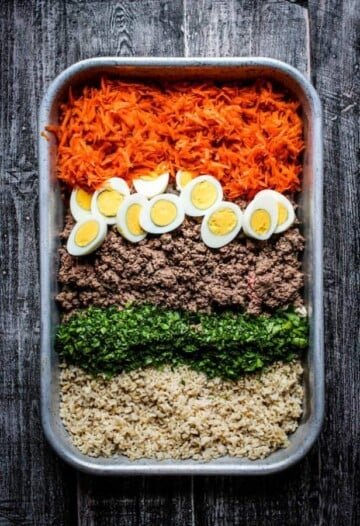
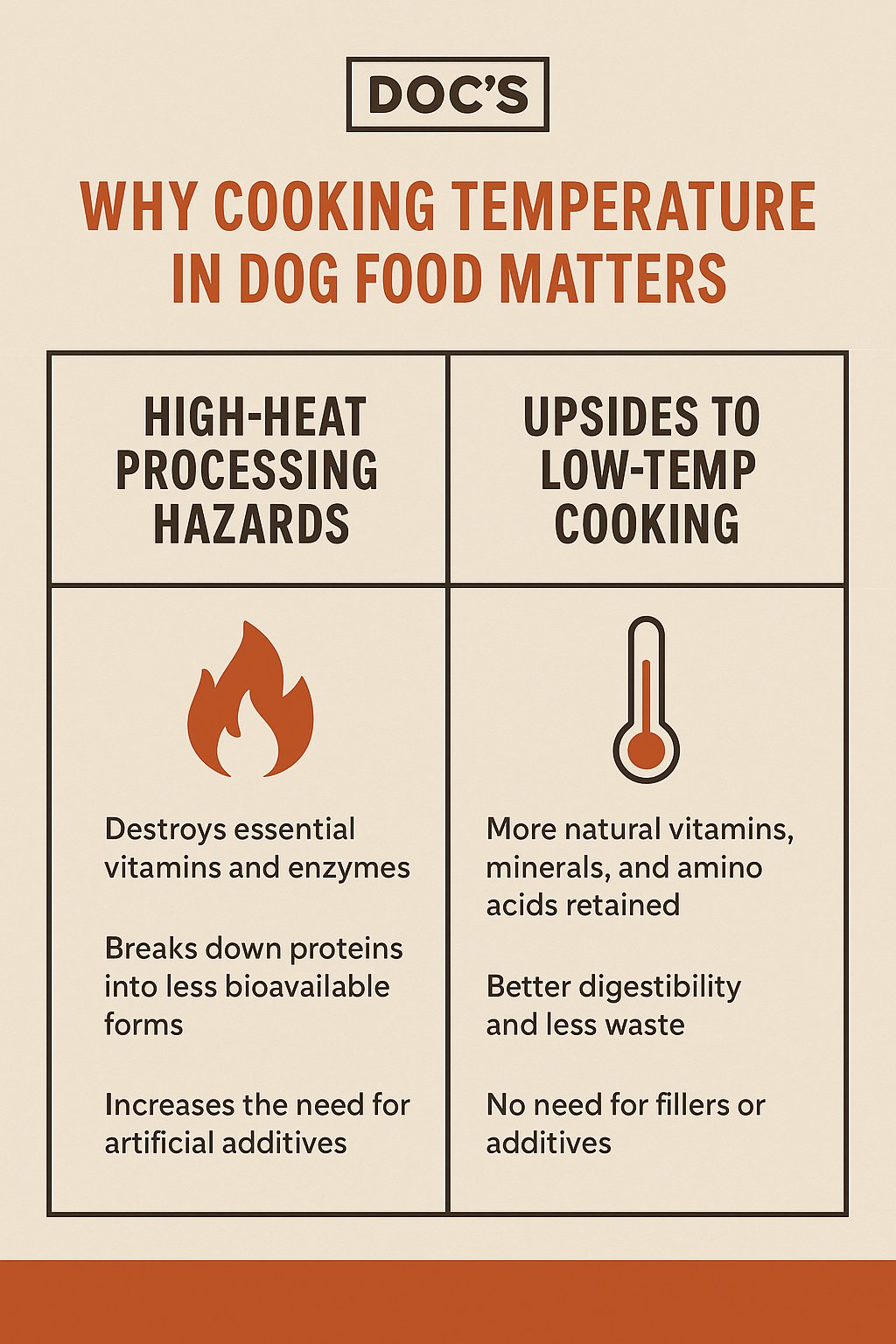
Homemade dog food can be prepared in several formats, such as moist stews, baked loaves, patties, or raw-style meals. Each method affects texture, digestibility, and safety. Gentle cooking keeps more nutrients, while thorough heating lowers bacterial risk. Owners can choose methods that match their dog’s chewing ability, health status, and their own lifestyle, then keep portions and recipes consistent once a good routine is found.
Stovetop and oven meal prep
Stovetop and oven cooking are straightforward methods for homemade dog food. Use low to medium heat so meat cooks through without burning and nutrients are better preserved. Choose lean meats, remove visible fat and cook until no pink remains. For vegetables, light steaming or baking keeps more vitamins than boiling.
Bake casseroles or meat‑and‑veg mixes in an oven‑safe dish at around 175–190°C (350–375°F) until the center reaches a safe temperature. Cool food completely, then portion into daily servings to avoid repeated reheating, which can reduce quality and increase bacterial risk.
Slow cooker and instant pot ideas
Slow cookers and Instant Pots are convenient for busy dog owners and can help produce tender, easy‑to‑digest meals.
| Method | Advantages | Key Points for Dog Food |
|---|---|---|
| Slow cooker | Hands‑off, gentle low heat | Use low setting, avoid salt, cook 6–8 hours |
| Instant Pot | Very fast, locks in moisture and aroma | Use "pressure cook" or "steam", natural release only |
For both methods, use boneless meat, plenty of water, and cut ingredients into small pieces. Stir well after cooking so protein, carbohydrates, and vegetables are evenly distributed. Cool completely, then portion and refrigerate or freeze. Always introduce new slow‑cooked meals gradually and monitor stool, energy level, and skin condition.
Raw and lightly cooked diets
Raw and lightly cooked diets appeal to owners who want a more “natural” menu. However, raw meat can carry bacteria and parasites that harm both dogs and humans. Lightly cooked diets (gently simmered or steamed) often provide a good compromise: nutrients are preserved better than in long cooking, while pathogens are greatly reduced.
Before serving raw or very rare meat, consultation with a veterinarian or veterinary nutritionist is essential. A professional can design complete, balanced recipes and advise on safe sourcing, freezing, and hygiene so that meals support health instead of creating avoidable risk.
Healthy homemade treats
Homemade treats should be occasional rewards, not a major calorie source. Simple recipes are safest: baked pumpkin cubes, frozen yogurt and banana bites (using plain, unsweetened yogurt), or dehydrated meat strips with no salt or seasoning. Avoid chocolate, xylitol, raisins, and excessive fat. Keep treat calories under about 10% of daily intake, and adjust the regular meal slightly on treat-heavy days.
Portions, Storage, and Safety

Proper portions, storage, and hygiene are essential for safe homemade dog food. Incorrect amounts or spoiled meals can cause obesity, stomach upset, or serious illness. Divide large batches into daily portions, cool quickly, and refrigerate or freeze promptly. Always label containers with the recipe and date. Maintaining a clean kitchen and careful handling protects both the dog and the household.
How much homemade food to feed
Feeding amount depends on weight, age, and activity level. As a simple starting guide for healthy adult dogs:
| Dog weight | Daily homemade food (cooked) |
|---|---|
| 5 kg (11 lb) | about 200–250 g |
| 10 kg (22 lb) | about 350–450 g |
| 20 kg (44 lb) | about 600–750 g |
| 30 kg (66 lb) | about 800–1000 g |
Offer food in 2 meals. Adjust by watching body shape: ribs felt but not seen, clear waist, no tummy bulge. If weight changes, modify by about 10% and recheck in 2–3 weeks, or follow a vet’s personalized plan.
Storing, freezing, and reheating
Proper storage keeps homemade dog food safe, tasty, and nutritious. Cool cooked food quickly, then refrigerate in shallow, airtight containers within 1–2 hours. Use refrigerated portions within 3 days. For longer storage, freeze in meal-sized packs for up to 2–3 months.
When reheating, warm gently until just lukewarm, not hot; always avoid microwave hot spots by stirring well and checking temperature with a clean finger. Never refreeze thawed meals and discard food with a sour smell, mold, or major color change.
Kitchen hygiene and food safety
Good kitchen hygiene keeps homemade dog food safe from bacteria and cross‑contamination. Always wash hands before and after handling raw meat, and clean chopping boards, knives, and bowls with hot soapy water. Use separate boards for raw meat and vegetables. Keep raw ingredients refrigerated, and never leave cooked food at room temperature for more than 2 hours. Cook meats to safe internal temperatures to kill pathogens. Avoid tasting dog food yourself when undercooked, and regularly disinfect food prep surfaces and your dog’s bowls.
Switching from Kibble to Homemade
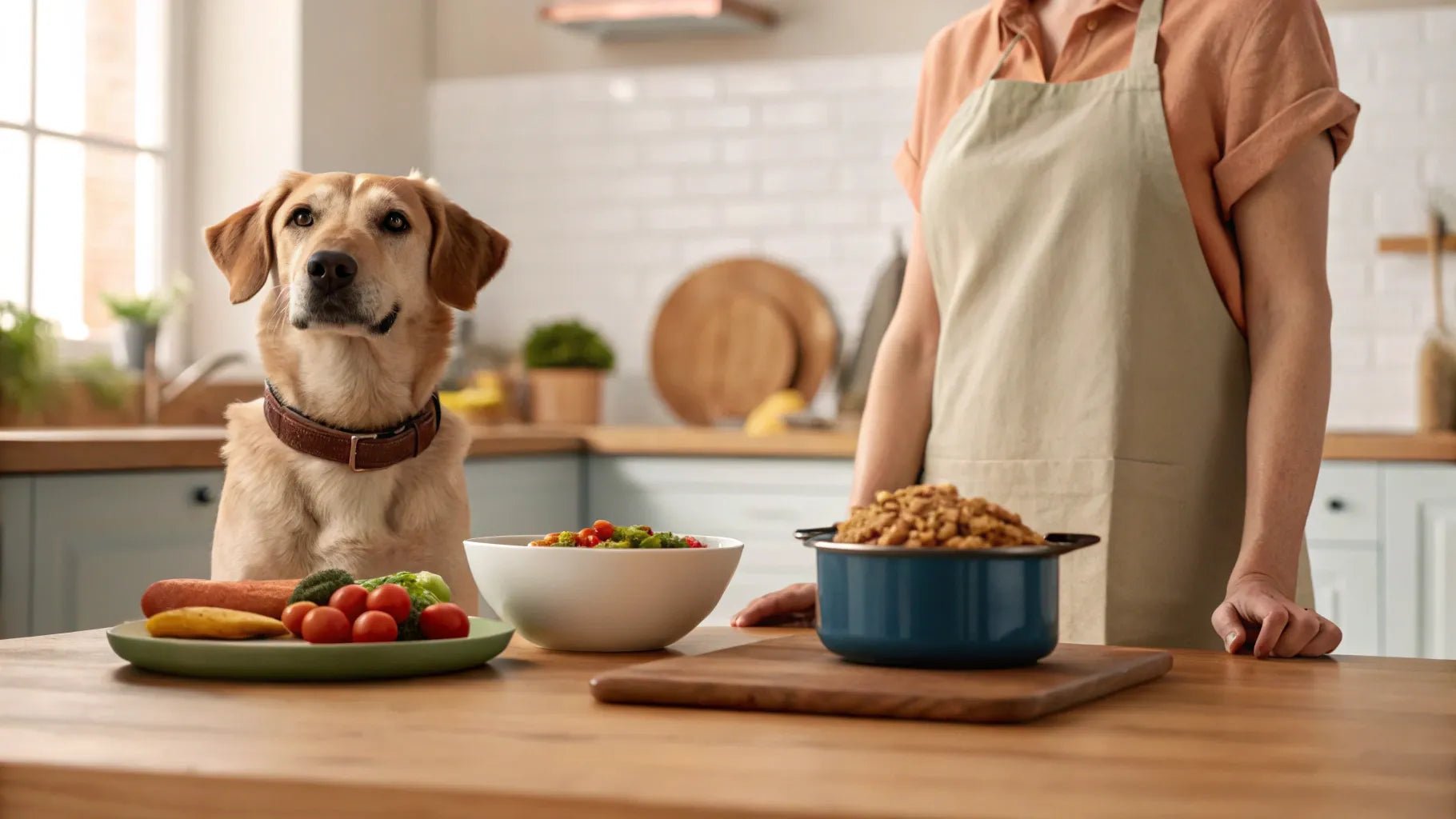
Switching fully from commercial kibble to homemade food should be done slowly and with a plan. A gradual change protects the dog’s digestion and helps owners check whether the new meals truly suit the dog’s health, weight, and lifestyle. Before starting, owners are encouraged to prepare balanced, vet‑approved recipes and decide how many meals will be homemade. Careful observation of stool, skin, and energy level during the switch helps prevent problems and allows adjustments at an early stage.
Step‑by‑step transition schedule
A gradual schedule reduces digestive upset and helps owners track reactions. A 7–10 day transition is common; sensitive dogs may need 2 weeks.
| Day | Kibble | Homemade food |
|---|---|---|
| 1–2 | 75% | 25% |
| 3–4 | 50% | 50% |
| 5–6 | 25% | 75% |
| 7+ | 0% | 100% |
Mix both feeds in one bowl. If stools soften, stay at the current step longer or move back one stage until digestion stabilizes.
Monitoring your dog’s response
During the transition, the dog’s body and behavior should be checked carefully. Key points are stool, appetite, skin, weight, and energy level. Soft stool, gas, or mild temporary diarrhea may occur at first, but should improve within several days.
Use a simple checklist:
| Item | Healthy sign | Caution sign |
|---|---|---|
| Stool | Formed, easy to pick up | Water‑like, bloody, very mucus‑rich |
| Appetite | Eats steadily | Refuses food, sudden overeating |
| Skin/coat | No new redness or itching | Strong itching, rashes, hair loss |
If strong vomiting, lethargy, or persistent diarrhea appear, feeding should be stopped once and a veterinarian should be consulted promptly.
When to adjust the recipe or stop
If a dog shows persistent vomiting, diarrhea, severe gas, itching, or refuses meals for more than 24–48 hours, the homemade recipe should be stopped and veterinary advice sought. Sudden weight loss, dull coat, low energy, or behavioral changes also signal that the menu or portions are not suitable. After any serious illness, surgery, or diagnosis such as kidney, liver, or heart disease, homemade food should be re‑checked and adjusted by a veterinarian or veterinary nutritionist before continuing.
This article provides a clear explanation of everything from the basics of safe homemade dog food, supervised by a veterinarian, to the concept of nutritional balance, acceptable and unacceptable ingredients, specific recipes and cooking methods, guidelines for storage and feeding amounts, and the procedure for switching from kibble. It organizes the key points for continuing to feed your dog healthy homemade food without any hassle.