
Many dog owners struggle with their dogs' shedding hair scattered all over the house, making it difficult to keep up with the cleaning. However, frequent trips to the groomer are time-consuming and expensive. This article, themed "how to deshed a dog at home," introduces seven steps to safely and effectively manage shedding at home. We'll explain everything from the necessary tools to brushing tips and precautions in an easy-to-understand way, proposing lifestyle tips to make daily grooming easier.
Why Dogs Shed and When to Worry

Shedding is a natural way for dogs to renew fur and regulate body temperature. Old hairs fall out so new, healthy hairs can grow. All dogs shed to some extent, but amount and timing vary by breed, coat type, season, and indoor lifestyle. Owners mainly notice shedding during spring and autumn coat changes or when heating and air‑conditioning alter a dog’s environment.
Normal shedding vs. a problem
Shedding is normal and healthy for most dogs, because old hairs fall out to make room for new growth. Light, steady shedding that increases a little in spring and autumn usually indicates a normal cycle. Hair comes out evenly over the body and the skin underneath looks calm, without redness or flakes.
A problem is more likely when fur falls out in patches, the coat suddenly thins, or large clumps appear on bedding and clothes. Worry is also appropriate if shedding comes with itching, constant licking, a bad smell, or sore, red, or scabby skin. In those cases, simple home deshedding is not enough and veterinary advice is recommended before grooming continues.
Breeds that shed more than others
Some breeds naturally shed far more than others. Heavy shedders often have double coats that blow seasonally or thick fur that renews year‑round.
| Tendency to shed | Main examples | Features |
|---|---|---|
| Very heavy | Labrador, Golden Retriever, German Shepherd, Husky, Malamute, Corgi | Dense double coat, big seasonal sheds |
| Moderate–high | Beagle, Pug, Shiba Inu, Border Collie, Akita | Noticeable daily fur, more during seasons |
| Lower shedding | Poodle, Maltese, Bichon, Schnauzer, many doodle mixes | Hair grows longer, less on furniture |
Owners of double‑coated breeds especially benefit from regular deshedding at home to control loose undercoat and keep skin healthy.
Signs you should call your vet
Sudden changes in shedding can signal health trouble. Contact a vet promptly if shedding is paired with: bald patches, red or inflamed skin, strong odor, sores, or scabs. Also seek advice for constant scratching, chewing paws or tail, or rubbing the body on furniture.
Other warning signs include dull or greasy coat, sudden weight loss, lethargy, or changes in appetite and drinking. When a normally seasonal shed turns into heavy year‑round loss, professional assessment is recommended before continuing home deshedding.
Before You Start: Prep and Mindset

A calm, well‑planned start makes deshedding easier for both owner and dog. Before grooming, set a simple goal such as “remove loose fur and check skin health” rather than aiming for perfection. Prepare towels, brushes, and treats in advance so the session feels smooth, not rushed. Short, positive sessions are better than one long stressful one. Watching body language and pausing when the dog seems tense helps create a routine that feels like care, not a chore.
Choose the right place to groom
A suitable grooming spot keeps shedding under control and stress low. Ideally, choose a small, quiet area with easy‑to‑clean floors, such as a bathroom, laundry room, or tiled hallway. Good lighting helps spot skin issues and loose fur. Avoid slippery surfaces; use a non‑slip mat or towel. Keep brushes, towels, and treats within arm’s reach so the owner does not need to step away and leave the dog worried or tempted to wander off.
Help your dog relax and feel safe
A calm dog sheds less during grooming, so preparation is important. Start with gentle petting in favorite areas and speak in a soft, steady voice. Offer small treats so the dog links grooming with rewards. Use a non‑slip mat so paws feel secure and avoid sudden movements. For nervous dogs, begin with very short sessions and stop while the dog is still relaxed. Over time, a predictable routine and kind handling help the dog feel safe and confident during deshedding.
How often to deshed by coat type
Deshedding frequency depends strongly on coat type and season. As a目安, the following rhythm is helpful:
| Coat type | Usual frequency | Heavy shedding seasons |
|---|---|---|
| Short single coat (Beagle etc.) | 1–2 times per week | 2–3 times per week |
| Double coat short–medium (Corgi, Shiba etc.) | 2–3 times per week | almost daily short sessions |
| Long double coat (Golden, Husky etc.) | 3–4 times per week | daily brushing + 1 intensive care per week |
| Curly/wavy (Poodle, Doodle etc.) | light deshedding 2–3 times per week | unchanged, but prevent mats |
If hair loss or dandruff suddenly increases, consult a veterinarian even with frequent care.
Essential Deshedding Tools at Home
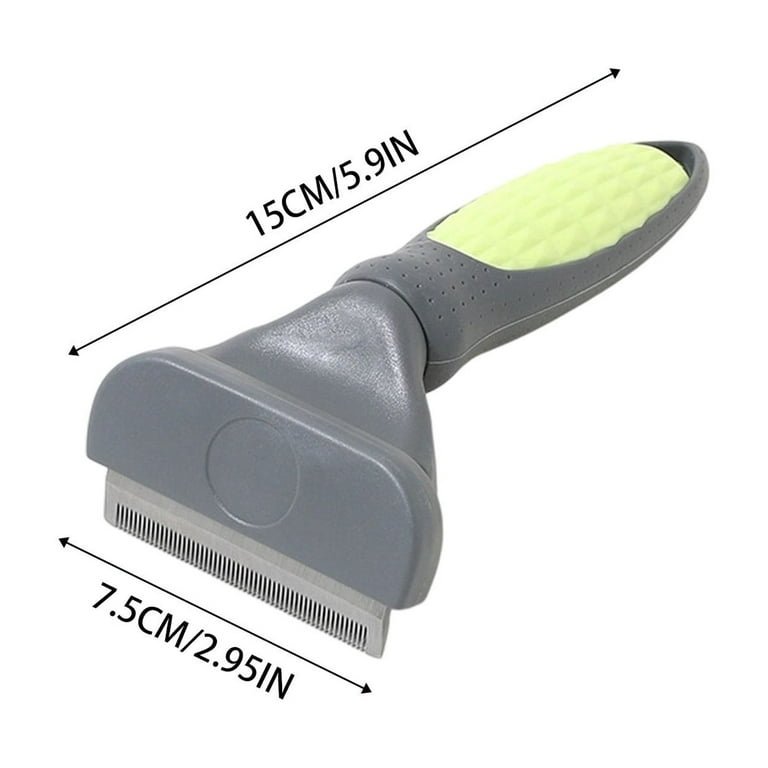
Having the right tools makes deshedding at home faster, safer, and more effective. A basic kit usually includes a slicker brush, a bristle or rubber brush, a metal comb, and a dedicated deshedding tool suited to the dog’s coat length. Soft grooming gloves help with sensitive or anxious dogs. For the home, a strong vacuum with pet attachments, lint rollers, and washable throws help manage loose hair between sessions and keep daily life more comfortable.
Brushes and combs for each coat
Choosing a brush that matches coat type makes deshedding at home far more effective.
| Coat type | Recommended tools |
|---|---|
| Short, smooth (Beagle, Boxer) | Rubber curry brush, soft‑bristle brush |
| Short double coat (Pug, Corgi) | Slicker brush, metal comb |
| Medium/long double coat (Collie, Husky) | Slicker brush, undercoat rake, wide‑tooth comb |
| Long, silky (Yorkie, Maltese) | Pin brush, metal comb with fine and wide teeth |
| Curly/wooly (Poodle, Doodle) | Slicker brush, metal comb (long teeth) |
Using the right brush for the coat is more important than brushing harder or longer. Readers can adjust tool choice if the dog’s skin looks irritated or the dog seems uncomfortable.
Deshedding tools and how to use them
Deshedding tools reach the undercoat more deeply than ordinary brushes. Major types include undercoat rakes, deshedding blades, and fur removers with metal teeth. Start with light strokes in the direction of hair growth, beginning at the neck and moving toward the tail. Avoid bony areas and sensitive spots (armpits, groin, tail base). Check the skin every few passes and stop if redness appears. Short, frequent sessions prevent irritation and keep the experience positive.
Helpful extras: vacuum, lint tools
Vacuum cleaners and lint tools help manage shedding in the whole home, not only on the dog. Use a vacuum with a pet hair or upholstery attachment for sofas, dog beds, and car seats. Handheld vacuums are convenient for stairs and tight spaces.
For clothes and soft furnishings, keep lint rollers, reusable lint brushes, and rubber grooming gloves near doors and closets. A quick roll before work or guests arrive removes loose fur fast and keeps daily cleanup from feeling overwhelming.
Step 1: Check Skin and Coat Health

Creating a healthy coat starts with a crucial check of the skin and fur condition. Gently stroke your pet's entire body, checking the texture of the fur, the amount of shedding, and whether there is any greasiness or dandruff. Also, observe for redness, scabs, damp areas, and strong body odor, as this will help you spot hidden problems early. Checking even briefly before each deshed will increase the safety of your care and make it easier to consult a veterinarian sooner if necessary.
What to look for before grooming
Before starting to deshed a dog at home, first observe the overall condition of the skin and coat. Check for redness, dandruff, scabs, bald spots, foul odor, or excessive oiliness or dryness. Gently part the fur to look for fleas or ticks. Note any sore areas where the dog flinches, licks, or scratches. A healthy coat feels soft, springy, and has a natural shine, with no strong doggy smell or sticky feeling.
When to skip grooming for now
Grooming should be skipped when the dog’s skin or overall condition may worsen with handling. Avoid deshedding if there are open wounds, bleeding, hot spots, or widespread redness, as brushing can be very painful. Post-surgery, during fever, vomiting, or severe diarrhea, prioritize veterinary care and rest. Sudden intense itching, bald patches, or oozing areas also warrant stopping grooming and contacting a veterinarian first.
Step 2: Detangle and Remove Knots
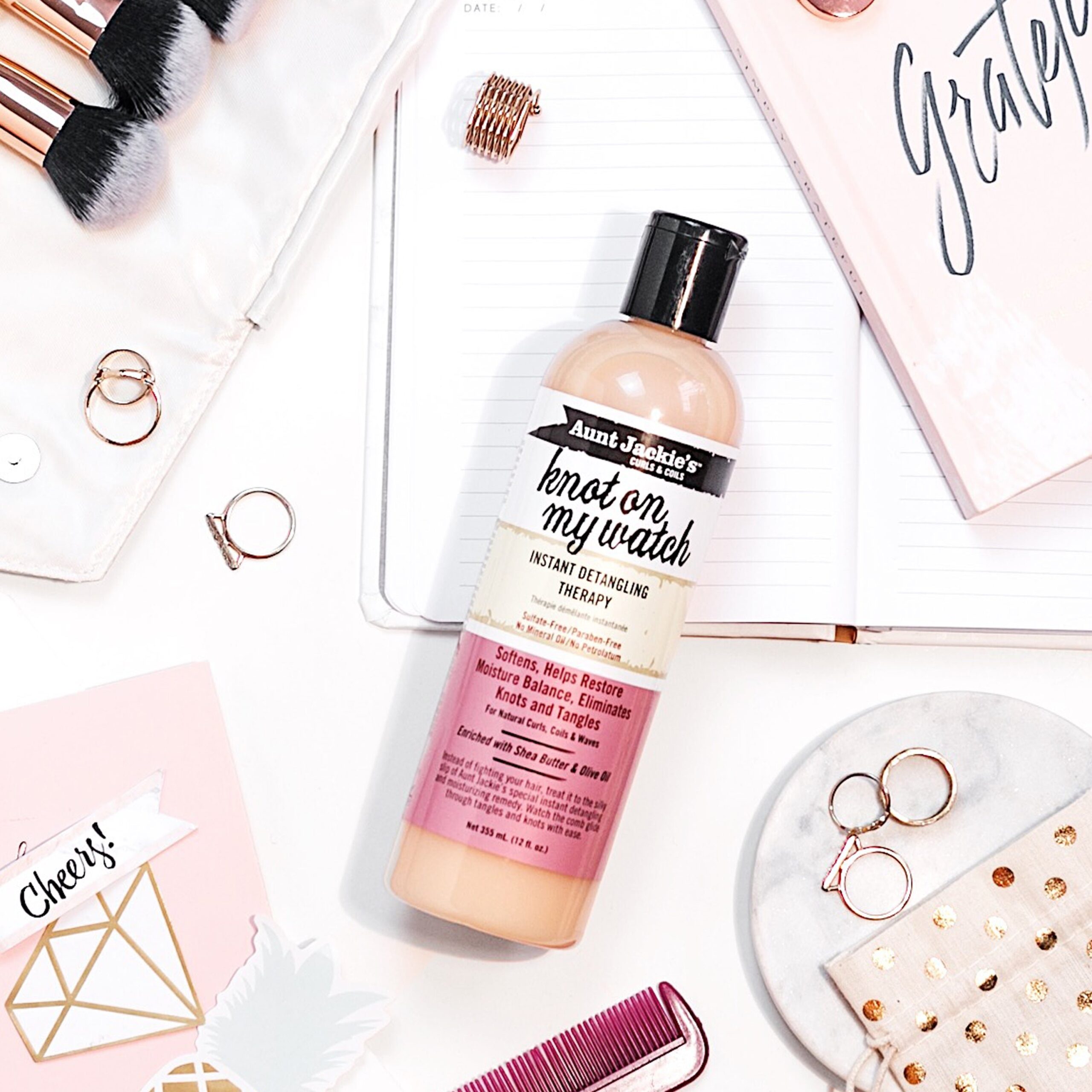
Knots and tangles trap loose fur and can pull painfully on the skin, so detangling before full deshedding is very important. Start by gently feeling through the coat with your fingers, separating small sections. Work from the ends of the hair toward the skin rather than pulling from the base. For minor knots, a wide‑tooth comb or slicker brush works well. Severe mats need slow, careful work and sometimes professional help to avoid hurting the dog.
Gentle ways to deal with mats
Mats should be handled slowly and in small sections to avoid hurting the dog. Start by gently separating the outer edges of the tangle with your fingers, holding the fur close to the skin to reduce pulling. Next, use a wide-tooth comb or slicker brush to work from the tips of the hair toward the skin, never the reverse. For stubborn areas, apply a detangling spray or a little conditioner and allow it to sit before trying again, and stop immediately if the dog shows pain or strong resistance.
Tools that prevent painful pulling
To prevent painful pulling, it is helpful to combine the right tools and gentle technique. A detangling spray or leave‑in conditioner softens the coat and lets combs glide more easily. Use a wide‑tooth comb or dematting rake first, then switch to a slicker brush for smaller knots. For tight mats, a dematting tool with rounded blades is safer than scissors. Always hold hair close to the skin with one hand to reduce tugging while working slowly with the other.
Step 3: Deep Brushing to Lift Loose Fur
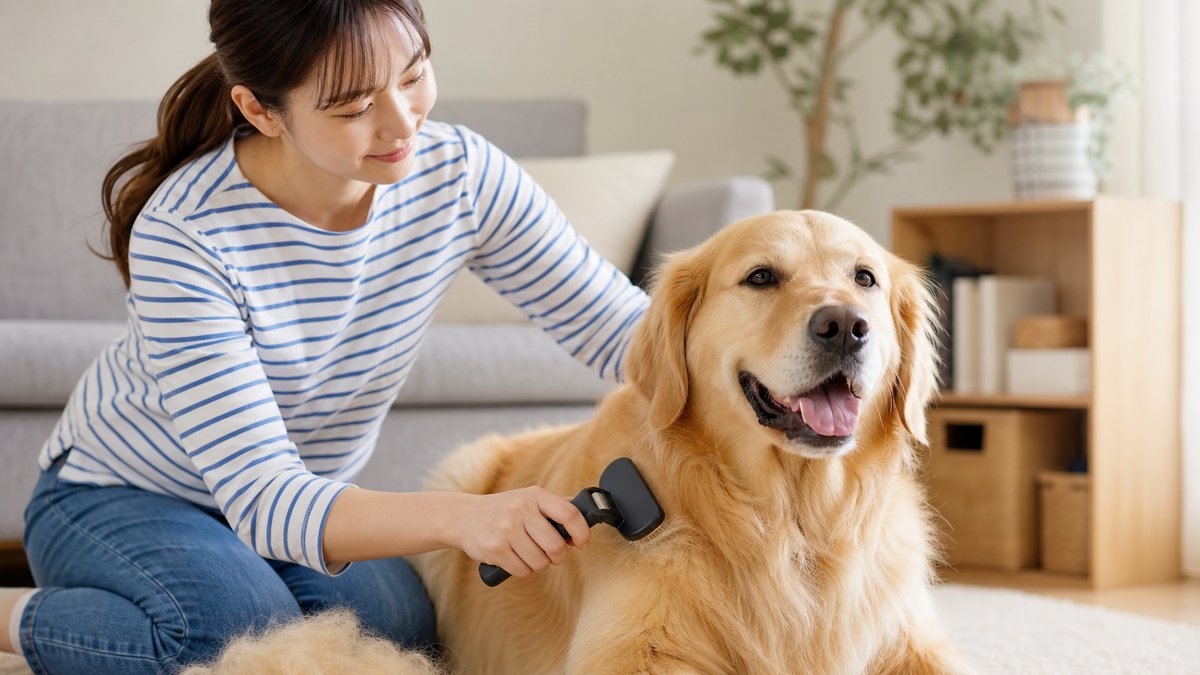
Deep brushing is the stage where most loose fur is removed. After knots are dealt with, use a suitable brush to reach down to the undercoat without scratching the skin. Brush in the direction of hair growth, working in small sections from neck to tail. Apply light, even pressure and empty the brush often. Regular deep brushing reduces shedding around the home and helps distribute natural skin oils for a healthier, shinier coat.
Brushing technique by coat length
Short‑coated dogs (Beagles, Pugs) do best with a rubber curry or grooming glove. Use small circular motions, then finish with a soft bristle brush to lift loose fur. Medium and long coats need a slicker brush; work in the direction of hair growth, starting at the neck and moving toward the tail. For double‑coated breeds, brush in layers: lift the coat with one hand and gently brush the undercoat underneath, taking care around the belly, tail, and legs to avoid scratching the skin.
How long to brush each session
Brushing sessions do not need to be very long. As a目安, 10–20 minutes per session is suitable for most dogs. Short‑coated breeds often need only 5–10 minutes, while double‑coated or long‑haired dogs may benefit from 15–20 minutes.
End the session when the amount of loose fur on the brush clearly decreases, or when the dog begins to fidget. Several short, pleasant sessions each week are more effective than one long, stressful grooming time.
Step 4: Bathe to Reduce Shedding
Bathing removes loose hair, dander, and excess oils, so it can significantly reduce shedding when done correctly. Before the bath, brush once more to lift dead fur. Use lukewarm water and wet the coat slowly so the dog does not panic. Work shampoo down to the skin with gentle massage, then rinse very thoroughly, because leftover soap can cause itchiness and more shedding. Finish with a light towel dry or dryer on low, then brush again to catch loosened undercoat.
Choosing a deshedding shampoo
A deshedding shampoo should reduce loose hair while protecting the skin. Look for formulas labeled for shedding control, with moisturizing ingredients such as oatmeal, aloe, coconut oil, or glycerin. Gentle, pH‑balanced, soap‑free shampoos for dogs are preferable, especially for frequent use. Avoid strong fragrances, human shampoos, and harsh degreasers, because they can dry the coat and increase shedding over time. For sensitive or allergy‑prone dogs, choose a hypoallergenic or vet‑recommended product.
Safe bathing steps at home
Prepare all items first: lukewarm water, non-slip mat, deshedding shampoo, several towels, and treats. Brush lightly before bathing to remove surface hair. Wet the coat slowly from neck to tail, avoiding the eyes and ears. Dilute shampoo if recommended and massage gently down to the undercoat, not in harsh circular scrubbing. Rinse very thoroughly until water runs clear, because leftover shampoo can cause itching and more shedding. Squeeze excess water by hand, then wrap in a towel instead of rough rubbing.
How often to bathe without overdoing
Bathing too often can dry a dog’s skin and actually increase shedding. As a guide, many healthy indoor dogs do well with a bath every 4–8 weeks. Double‑coated or heavy shedders may benefit from a deshedding bath every 4–6 weeks, while short‑haired breeds often manage with every 6–10 weeks. In between, use brushing and spot‑cleaning instead of full baths, and always follow your vet’s advice for dogs with skin conditions.
Step 5: Drying Without Damaging Fur
Gentle drying is essential for healthy fur. Wet hair is fragile, so rough rubbing or high heat can cause breakage, frizz, and skin irritation. After bathing, first squeeze excess water out with hands along the coat’s direction. Then press with a towel rather than scrubbing. If a dryer is used, choose a pet‑safe or human dryer on cool or low‑warm and keep it moving, held at a distance. Careful drying also helps prevent damp spots that can lead to odor or skin trouble, especially in dense or double coats.
Towel vs. dryer: what’s safest
Both towels and hair dryers have their advantages, but considering safety, towel drying plus a low setting on the hair dryer is the safest option.
Towel drying is gentle on the skin, quiet, and suitable for many dogs. However, rubbing too hard can cause hair breakage and skin problems, so it's important to do it gently, imagining you're "pressing" the towel to absorb the moisture.
When using a hair dryer, whether for humans or pets, low temperature, low airflow, and a constant distance (around 20-30 cm) are safe guidelines. Applying high-temperature air at close range can cause heat to build up in the skin even after the surface dries, potentially leading to burns or dryness. For delicate areas such as inside the ears and around the face, it's safer to finish with a towel rather than a hair dryer.
Drying tips for anxious dogs
Many nervous dogs dislike the sound or feel of drying. Start with quiet, gentle methods: press a soft towel to the coat instead of rubbing, and reward frequently with small treats. If using a dryer, choose the lowest heat and noise, keep the nozzle moving, and avoid the face and ears. Short sessions help; pause when the dog relaxes, then resume. A non‑slip mat and calm voice also reduce stress during drying.
Step 6: Use a Deshedding Tool Correctly
Using a deshedding tool correctly helps remove loose undercoat without hurting the skin. Start with a clean, fully dry coat that has already been brushed and detangled. Hold the tool lightly and work in the natural direction of hair growth. Begin on less sensitive areas such as the back or sides so the dog can relax. Check the tool often, remove collected fur, and pause when the skin looks pink or the dog seems uncomfortable.
Stroke direction and pressure guide
Moving in the direction of the hair growth is most important. The basic strokes are from the head to the tail, and from the back to the sides and paws. Avoid stroking against the grain, as this can easily damage the skin.
The amount of pressure should be about the same as lightly writing on paper with a ballpoint pen. Don't press down; instead, use the weight of the tool plus a little extra force to glide it across the skin. Avoid applying too much pressure that indents the skin, and be careful not to scratch the same spot repeatedly.
How many passes are enough
A good guideline is to make 2–4 light passes over each area with a deshedding tool. Start with two passes, then check how much loose undercoat still comes away. If fur continues to come out easily and the skin looks calm, add one or two more passes. Stop immediately if the skin turns pink, the coat looks broken, or the dog shows discomfort; more passes do not mean better results and can irritate the skin.
Step 7: Clean Up and Reward Time
After deshedding, plenty of loose hair remains on the dog and in the surrounding area. A smooth finish helps keep the home cleaner and leaves a positive impression for the dog. First, run hands gently over the body and remove remaining clumps of fur. Next, use a soft brush or grooming glove for a light overall brush‑through. Finally, end every session with calm praise, gentle petting, and a small treat so the dog associates grooming with a pleasant routine.
Quick fur cleanup around the home
Fur spreads quickly after deshedding, so a simple cleanup routine saves time. Start by shaking fur from brushes and tools into a trash bag outside. Use a vacuum with a pet-hair attachment on floors and sofas, then follow with a lint roller on fabric surfaces and clothes. On hard floors, a slightly damp microfiber mop or cloth gathers hair efficiently without sending it back into the air.
Turn grooming into bonding time
Grooming can become a relaxing routine rather than a chore. Speak in a calm voice, offer small treats, and pause often so the dog does not feel rushed. Many dogs enjoy gentle strokes with the brush on favorite spots such as the chest or shoulders. Ending every session with praise, a cuddle, or a short playtime helps the dog associate deshedding with something positive and strengthens daily bonding.
Diet and Supplements for Less Shedding

A dog’s coat reflects overall health, so diet and supplements play a major role in shedding. Balanced food supports strong hair follicles, which reduces breakage and loose fur. Key nutrients include high‑quality protein, essential fatty acids, vitamins, and minerals. When nutrition, hydration, and lifestyle are well managed, owners usually find that home deshedding becomes easier and less time‑consuming.
How nutrition affects the coat
A dog’s coat reflects overall health. Balanced nutrition supports strong hair follicles and reduces excessive shedding. High‑quality protein supplies amino acids that build hair, while moderate, healthy fats keep the skin barrier intact. Deficiencies in essential fatty acids, zinc, biotin, or vitamins A and E may lead to dull fur, dander, and more loose hair. Sudden diet changes or low‑quality food can also trigger shedding, so a stable, complete diet is important for coat condition.
Omega oils and other add‑ins
Omega-3 and omega-6 fatty acids are considered the most important nutrients for a shiny coat and to prevent shedding. If your dog's food doesn't contain enough of them, adding a small amount of supplements such as salmon oil, fish oil, or flaxseed oil can help maintain skin moisture and reduce dandruff and excessive shedding. When introducing these supplements, it's important to always start with a small amount and adjust the amount while checking for diarrhea or nausea.
Hydration and everyday habits
Adequate hydration is a basic habit for maintaining healthy coat and skin condition. Always provide fresh water, and placing water bowls in several locations can increase how often your dog drinks. After walks or playtime, making “water breaks” part of the routine can naturally help secure enough fluid intake. If your dog mainly eats dry food, adding lukewarm water can increase both moisture and aroma, which may also help improve intake.
Safe Home Remedies to Try
Many dog owners hope for “magic” home cures, but safe remedies are usually simple lifestyle tweaks rather than drastic tricks. Gentle home care can support regular grooming and reduce shedding stress. Focus on mild, dog‑safe products, slow introduction of any new routine, and careful observation of the skin and coat. If redness, itching, or strong odor appear after trying a remedy, it is important to stop immediately and consult a veterinarian.
Household tools that actually help
Household items can support gentle deshedding when used correctly. A rubber grooming glove helps lift loose hair during petting, especially on short coats. A damp microfiber cloth wiped along the coat gathers stray fur after brushing. For furniture, a lint roller or reusable lint brush removes hair quickly, while a vacuum with a pet‑hair attachment handles floors and rugs. Always keep tools clean and introduce any noise, such as vacuums, slowly and with treats.
Remedies to avoid or use with care
Some popular home tips for shedding control are unsafe or only conditionally safe, so care is needed.
- Human hair products: Shampoos, conditioners, and detanglers for people can irritate canine skin and disrupt pH balance.
- Homemade sprays with strong essential oils: Tea tree, peppermint, eucalyptus, and citrus oils may cause allergies or poisoning.
- Overbathing with harsh soap: Frequent washing with dish soap or strong cleansers dries skin and often increases shedding.
- High‑dose supplements without vet advice: Excess omega oils or vitamins can upset digestion or affect other organs.
When unsure, consult a veterinarian before trying new remedies rather than relying on unverified internet hacks.
Lifestyle Tips: Deshedding at Home
Being mindful of lifestyle care can make managing dog shedding at home much easier. The key is to organize three things: habits, environment, and useful items. Brush your dog frequently, even for short periods, and reduce airborne hair with an air purifier and regular cleaning. Using sofa covers and washable blankets can also make it easier to reduce hair sticking to clothes and furniture.
Setting a weekly grooming routine
A weekly routine keeps shedding under control and makes grooming easier. Aim for short, consistent sessions rather than rare, long ones. For most dogs, plan 2–3 brushing days per week, plus a quick daily once‑over during heavy shedding seasons. Choose a regular time, such as after dinner, and prepare tools in a small basket so grooming starts smoothly. End with calm praise and a treat so the weekly routine feels like a pleasant habit, not a chore, for both owner and dog.
Keeping furniture and clothes fur free
Regular small actions keep fur off sofas and clothes more effectively than occasional deep cleaning. The key is to remove loose hair before it settles and to create simple habits everyone in the home can follow.
| Area | Simple habit |
|---|---|
| Sofa & chairs | Use a rubber glove or pet hair roller daily |
| Bedding & blankets | Wash weekly, tumble‑dry with dryer balls |
| Clothes | Keep a lint roller by the door and wardrobe |
| Floors & rugs | Vacuum high‑shedding zones every 1–2 days |
Furniture covers, washable throws, and choosing tightly woven fabrics also make fur easier to lift. For clothing, brushing the dog before walks and hanging outerwear near the door reduces hair carried around the home.
Seasonal shedding and your schedule
Seasonal shedding often increases in spring and fall, when many dogs change from winter to summer coats and back. During heavy shedding months, a simple adjustment helps: increase brushing to 3–5 short sessions per week and plan one more thorough deshedding session on weekends. In lower‑shedding seasons, once‑ or twice‑weekly grooming is usually enough. Linking grooming to calendar reminders or paydays makes it easier to keep a steady schedule all year.
When Professional Grooming Is Better

Home deshedding works well for many dogs, but professional grooming can be safer and more effective in specific situations. Groomers have tools, products, and handling skills suited to heavy shedding, dense undercoats, and fearful dogs. For owners, the key is to recognize when home care is enough and when a trained groomer can protect the dog’s skin, coat, and emotional well‑being while keeping shedding under control.
Situations where you need a pro
Professional grooming is helpful when home care is unsafe, ineffective, or too stressful. Seek a groomer if the dog has heavy matting, impacted undercoat, or sheds so much that normal brushing no longer works. Dogs with skin disease, allergies, senior age, or mobility pain also benefit from a gentle professional who can groom without causing injury. Very fearful or reactive dogs, giant breeds, and double‑coated breeds in peak shedding season are often easier and safer to manage with a pro’s tools, tables, and handling skills.
How to work with your groomer
Working with a groomer as a team makes deshedding safer and more effective. First, explain the dog’s routine: shedding level at home, any skin issues, fears, and medical history. Bring photos of the usual trim or coat condition. Ask the groomer which tools and shampoos are used and how often visits are recommended.
After each appointment, request feedback on coat health, tangles, and any skin changes. Apply the same brushing pattern and schedule at home that the groomer suggests. Clear communication and consistent follow‑up help keep the dog comfortable and reduce shedding over the long term.
This article carefully explains everything from how dog shedding works to seven simple care steps you can do at home, the tools you need, how to choose shampoo, and how to review your dog’s diet and lifestyle habits. It introduces practical tips to help make life with your dog more comfortable.




![[Small dogs are very popular] Survey on cute dog rankings](https://with-my-dog.com/wp-content/uploads/2022/07/image4-26-150x150.jpg)




![[Dog Names] Is the Japanese name boom here?! Ranking of Japanese dog names!](https://with-my-dog.com/wp-content/uploads/2021/10/adtDSC_0871-150x150.jpg)