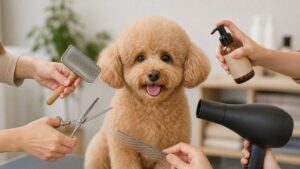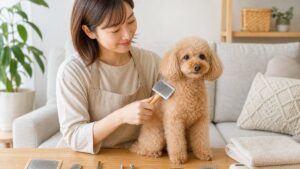

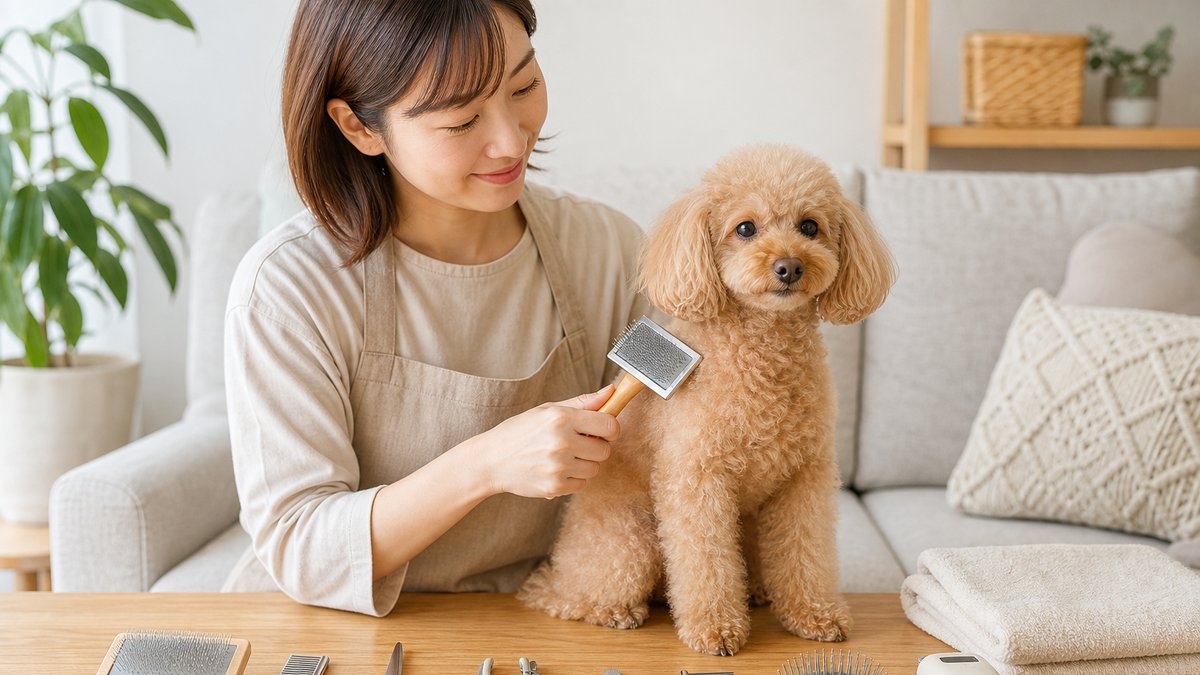
Many dog owners want to shampoo and brush their dogs at home, but don't know what supplies they need. This article focuses on "home grooming," which can be easily incorporated into your lifestyle, and introduces nine carefully selected dog grooming tools that will give you peace of mind. From basic brushes to nail clippers and hair dryers, we will explain the points to consider when choosing tools, helping you create a less stressful grooming time for both you and your dog.
Why the Right Grooming Tools Matter

Choosing the right grooming tools is just as important as choosing the right food or harness. Suitable brushes, combs and clippers keep the coat clean, prevent painful tangles and help the skin breathe. Poor-quality or unsuitable tools can scratch the skin, pull hair and make dogs dislike grooming. Well-chosen tools turn grooming into a quick, gentle routine that fits smoothly into everyday life and supports long‑term health.
Comfort, health and a happier dog
Regular grooming with the right tools keeps a dog comfortable, healthy and emotionally relaxed. Brushing removes loose hair and dirt, prevents painful mats, and helps air reach the skin. Clean coats and trimmed nails reduce itching, slips and joint strain. During grooming, owners can spot early signs of skin problems, lumps or ear issues, which supports prompt veterinary care and long‑term health. Gentle, routine sessions also become a bonding time, helping dogs feel safe and happier in daily life.
How grooming tools fit your lifestyle
Busy owners often skip grooming because it feels time‑consuming or complicated. Choosing simple, multi‑use tools helps grooming fit naturally into everyday life. For example, a combo brush with pins on one side and bristles on the other can handle quick daily brushing and deeper weekly sessions.
Apartment living, large families, or frequent travel also change what is convenient. Foldable grooming tables, cordless nail grinders, and fast‑dry towels suit small spaces and busy schedules. The goal is not perfection, but a realistic routine you can keep, so the dog stays clean, comfortable, and relaxed with minimum stress.
Lifestyle Dog Grooming Tools Basics
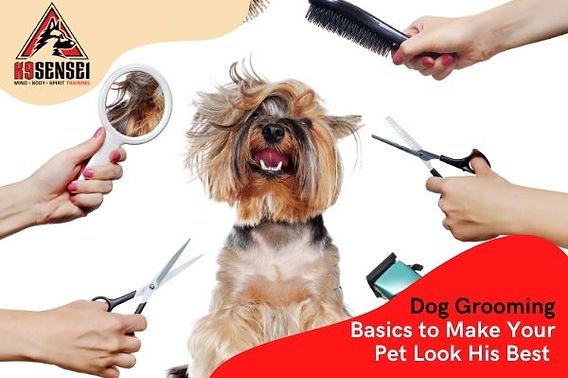
Lifestyle dog grooming tools basics focus on simple, safe items you will use regularly, not a drawer full of gadgets. A practical kit usually starts with a brush or comb suited to the coat, a gentle shampoo, a good towel, nail care tools, and basic ear, eye, and tooth cleaners. Choosing easy‑to‑handle tools that match the dog’s size and coat type makes grooming faster, more comfortable, and easier to keep as a relaxed routine at home.
How often most dogs need grooming
Most family dogs benefit from a light grooming routine once or twice a week and a more thorough session every few weeks. Short‑coated breeds may only need quick brushing and regular nail, ear and teeth care, while long or double coats usually need brushing several times a week to prevent tangles and mats. Active, outdoor, or allergy‑prone dogs often require more frequent baths and checks for burrs, mud and skin irritation.
Matching tools to your dog’s coat type
Choosing grooming tools by coat type makes care faster, safer and more comfortable for dogs.
| Coat type | Main needs | Suitable tools |
|---|---|---|
| Short, smooth (Beagle) | Remove loose hair, shine coat | Rubber curry brush, soft bristle brush |
| Medium / double (Corgi) | Control shedding, prevent mats | Slicker brush, undercoat rake, metal comb |
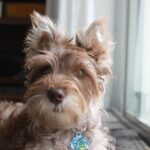
| Long, silky (Yorkie) | Prevent tangles, gentle care | Pin brush, wide‑tooth comb, finishing comb |
| Curly / wavy (Poodle, doodle) | Detangle, avoid tight mats | Slicker brush, comb with wide and fine teeth |
| Wire / rough (Terrier) | Maintain texture, de-shed | Slicker or carding knife (often better by a groomer) |
When in doubt, start with a soft brush and a metal comb, then adjust depending on how easily the comb glides through the coat and how much hair sheds out.
Safety tips before you start
To start safely, it is important to first prepare a calm, quiet place. Place a non-slip mat on the floor to prevent falls. Arrange all tools within reach in advance, and organize any cords so they do not get tangled around your dog’s feet.
Before use, touch the tips of brushes and scissors with your fingers to check that they are not too sharp. Never using broken tools or rusty blades is a basic rule of safety. When using a tool for the first time, start with a short session, carefully observe your dog’s reaction, and if they show signs of discomfort, stop immediately and let them take a break.
Brushes and Combs You’ll Actually Use
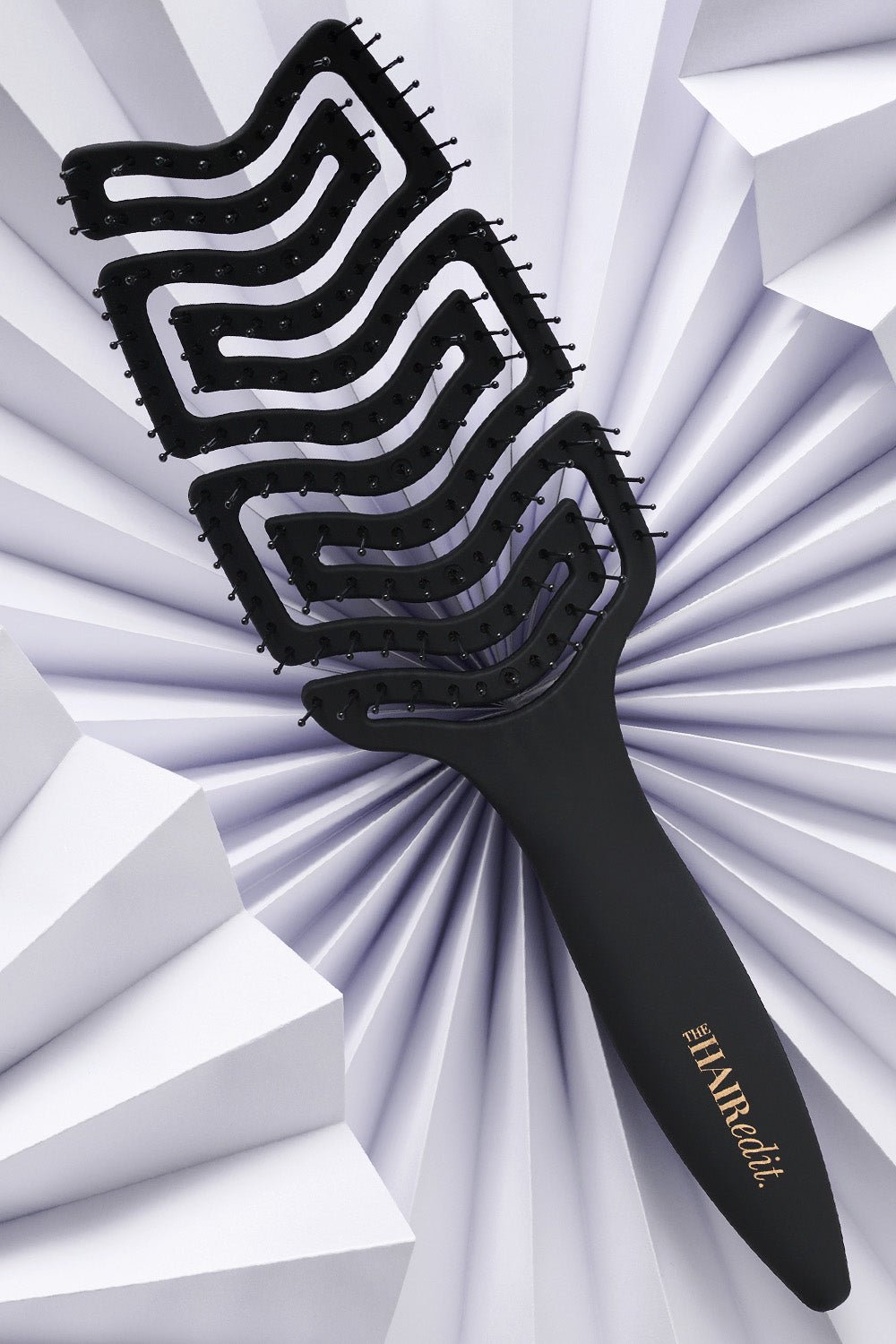
Brushes and combs are the everyday workhorses of home grooming. The right tools remove loose hair, prevent mats and spread natural oils, so the coat looks healthy and feels comfortable. A simple kit usually includes a slicker brush, a pin or bristle brush, and at least one comb. Choosing tools that suit both the dog’s coat type and the owner’s hand size encourages regular, stress‑free grooming instead of occasional battles.
Slicker brushes for shedding and tangles
Slicker brushes are the workhorse tool for dogs that shed or tangle easily. Fine, bent metal pins reach into the coat to lift out loose undercoat, dirt and small knots before they turn into tight mats. Used a few times a week, a slicker brush can greatly reduce hair on floors and furniture.
Choose a size that matches the dog’s body and start with light, short strokes in the direction of hair growth. Avoid pressing hard, especially on bony areas or thin coats, to prevent skin irritation. For very sensitive dogs, a soft-pin or cushioned slicker is gentler and more comfortable.
Pin brushes for longer, fluffy coats
Pin brushes suit dogs with long, fluffy or silky coats such as Golden Retrievers, Setters, Spaniels and many small companion breeds. Metal pins glide through the topcoat, removing loose hair and light tangles while keeping volume and shine. For daily grooming, a cushioned pin brush with rounded tips is gentle on skin and helps prevent breakage.
Choose brush size and pin length to match body size and coat depth. Use slow, straight strokes in the direction of hair growth, starting from the ends of the coat and working toward the skin. Combining a pin brush for overall fluff with a slicker or comb for deeper tangles creates an efficient, comfortable routine.
Rakes and de-shedding tools
Rakes and de-shedding tools reach deep into the undercoat and pull out loose fur before it ends up on floors and furniture. Undercoat rakes have long metal teeth that glide through thick or double coats, making them useful for breeds like Huskies, Retrievers, and Shepherds. De-shedding tools have finer teeth that catch dead hair close to the skin.
Used 1–2 times per week, they reduce shedding, help the skin breathe, and can prevent mats forming near the base of the coat. Gentle, slow strokes are important so the metal teeth do not scratch the skin, especially on bony areas like hips, shoulders, and the tail base.
Essential combs for detail work
Detail combs reach places brushes miss, so they are ideal for face, ears, armpits, tail base and between toes. A good everyday choice is a sturdy metal comb with rounded pins to avoid scratching the skin.
Use the comb after brushing to check for hidden knots, fleas, scabs or burrs. Work in small sections and hold the hair near the skin so pulling is reduced. If the comb snags, stop and gently loosen the tangle rather than forcing it through, which can cause pain and break hair.
Fine tooth vs wide tooth combs
Fine-tooth combs and wide-tooth combs serve different roles, so choosing correctly saves time and prevents discomfort.
| Type | Best for | Main benefits |
|---|---|---|
| Fine-tooth comb | Short coats, face, feet, flea checks | Catches tiny tangles, removes debris and fleas, refines finish |
| Wide-tooth comb | Long, thick, curly or double coats | Glides through bulk coat, fewer snags and breakage, easier on sensitive dogs |
Many owners start with a wide-tooth comb to detangle, then finish with a fine-tooth comb for smoothness and checking skin.
Choosing gentle options for sensitive skin
Dogs with sensitive skin need tools that avoid scratching and static. Look for combs with rounded, polished teeth rather than sharp edges, and choose stainless steel or high‑quality metal that glides smoothly. Rubber‑tipped pins and flexible backs reduce pressure on the skin. For very delicate areas, a soft slicker marked “gentle” or “sensitive skin” is safer. Always start with light strokes and stop immediately if redness or flinching appears.
Bath Time Tools and Supplies

Bath time becomes much easier with a few well-chosen tools. A non-slip bath mat keeps paws steady and reduces fear of slipping. A handheld sprayer or shower attachment helps rinse shampoo from thick coats and hard‑to‑reach spots. Gentle bath brushes or grooming gloves loosen dirt and dead hair while providing a massage-like feel. For small dogs, a portable dog tub or sink insert brings the washing area to a comfortable height and helps contain splashes, making home grooming less stressful for everyone.
Shampoos and conditioners by skin type
Dogs have different skin and coat needs, so choosing the right shampoo is very important. The basic rule is to use a shampoo made specifically for dogs. Human shampoos or products with strong fragrances can easily cause itching or dryness.
| Skin Type | Recommended Shampoo | Conditioner Tips |
|---|---|---|
| Normal skin | A mild, low-irritation type | Use a light finishing conditioner to prevent tangles |
| Dryness or dandruff | Contains moisturizing ingredients, such as oatmeal | Moisturizes the coat and skin |
| Sensitive skin or allergy-prone | Fragrance-free, low-irritation, and veterinarian-recommended | Use only a very small amount if needed |
| Oily skin | Sebum-control type | May not be necessary depending on the condition |
If your dog has skin problems or seems to need a medicated shampoo, it is reassuring to consult a veterinarian instead of deciding on your own.
Bathing aids: tubs, sprayers and mats
A few simple bathing aids can turn a slippery struggle into a safe, calm routine. A dedicated dog tub, a walk‑in shower, or a sturdy plastic basin helps keep your dog contained and supported. For medium to large dogs, a raised tub saves human backs. A handheld sprayer or hose attachment makes rinsing faster and more thorough, which is essential for avoiding itchy residue. Non‑slip rubber mats in the tub and on the bathroom floor reduce slipping, boost confidence, and protect joints, especially for puppies and senior dogs.
Towels, robes and dryers
Soft, absorbent towels are essential for removing most moisture before any drying device. Microfiber towels are especially effective, gentle on skin, and speed up grooming. For dogs who chill easily, a lightweight dog robe helps keep muscles warm and reduces shaking. Dryers designed for pets blow cooler, faster air than human hair dryers, lowering burn risk. Choose adjustable speeds and always start on the lowest setting to keep noise and airflow comfortable.
Air drying vs blow drying
Air drying is gentle and quiet, so it suits small dogs, short coats, and very nervous pets. After towel drying to remove most moisture, let the dog dry in a warm, draft‑free room and brush occasionally to prevent tangles. However, air drying can leave thick or double coats damp near the skin and may increase the risk of hot spots and odor.
Blow drying shortens drying time and helps keep the coat fluffy and untangled. Use cool or warm (never hot) air, keep the nozzle moving, and brush while drying for an even finish. For heavy coats or winter months, blow drying is usually safer for the skin than leaving the coat wet for many hours.
Using high velocity dryers safely
High velocity dryers can cut drying time dramatically, but correct use is essential for safety and comfort.
- Start on the lowest airflow and temperature, then increase only if the dog stays relaxed.
- Keep the nozzle 15–30 cm away from the skin and move constantly to avoid hot spots.
- Never aim directly at the face, inside ears, or genitals; use a towel in those areas instead.
- Protect sensitive ears with cotton or a snood, and watch for signs of stress.
- Regularly clean filters so the motor does not overheat and airflow stays gentle and even.
Nail, Paw and Pad Care Tools
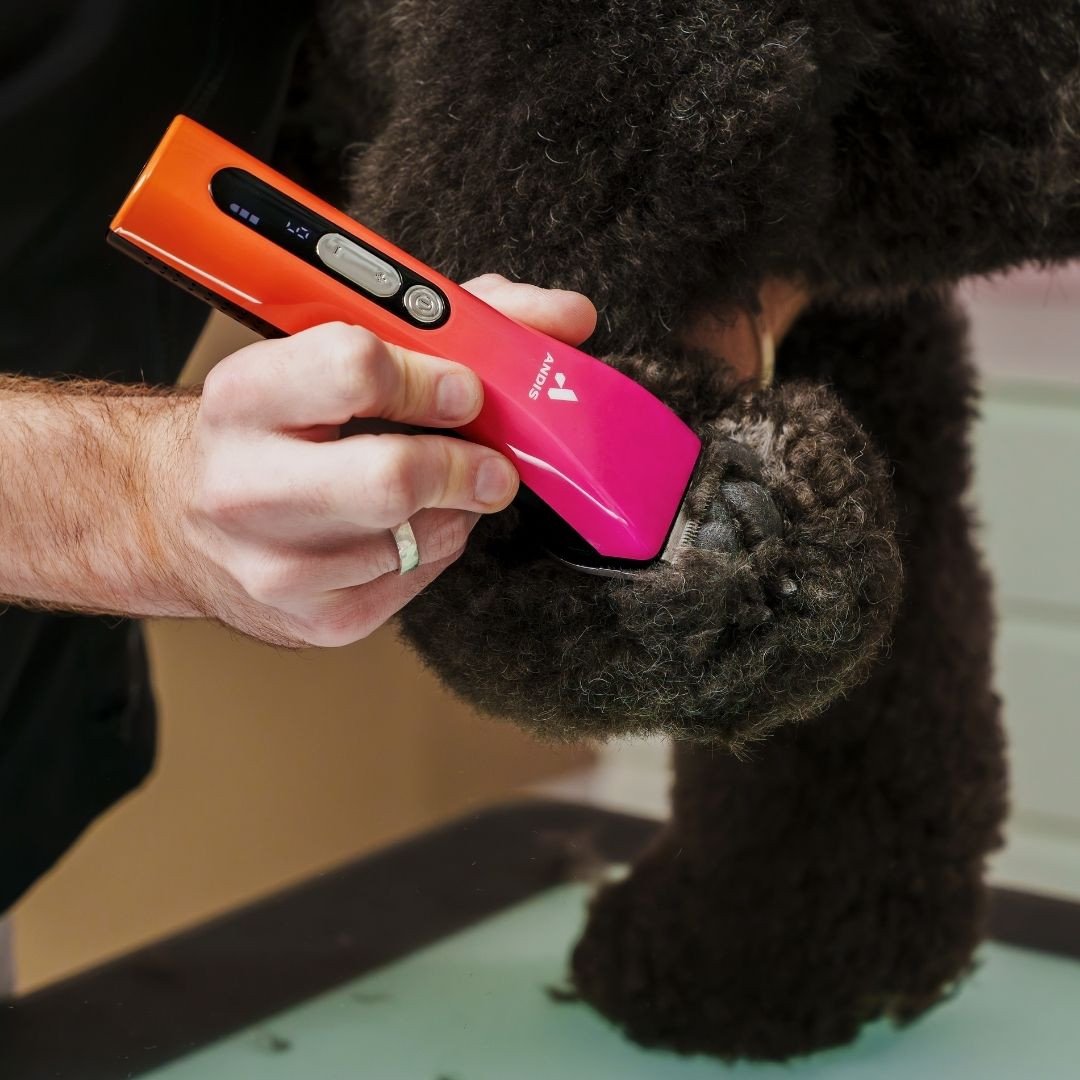
Healthy nails and paw pads are essential for comfortable walking and safe play. The main tools are nail clippers or grinders, styptic products for bleeding, and moisturizing paw balms. A good home kit also includes a soft paw brush or cloth to remove dirt, plus small scissors to trim fur between pads. Gentle, regular care helps prevent overgrown nails, cracked pads, and hidden injuries and makes vet or grooming visits less stressful.
Nail clippers vs nail grinders
Nail care tools largely fall into two groups: clippers for quick cuts and grinders for gradual shaping. Clippers (scissor or guillotine type) are fast and inexpensive, but can crush the nail if used at the wrong angle and may cause more fear if a quick is nicked. Grinders use a rotating sanding tip, so they remove nail slowly and leave a smooth edge, which is gentle on floors and skin.
Many owners choose clippers for calm dogs with clear, light nails, and grinders for dark nails, large breeds or sensitive dogs. Noise and vibration from grinders can worry some dogs, so gradual introduction and plenty of rewards are important. In some homes, a clipper plus a quick finish with a grinder offers the best balance of speed and precision.
Styptic products for nicks
Mild bleeding can be handled safely at home if you have an appropriate styptic product. Common options include stick-type styptic products or powder-type styptic products. Apply a small amount to the area where the nail was cut too short, then press gently for several dozen seconds to help stop the bleeding.
Be careful when trying to manage it with human disinfectants or tissues alone, as this can sting and create a negative memory for your dog. For home use, it is reassuring to keep dog-specific styptic powder along with cotton or gauze on hand.
Paw balms and pad care basics
Paw pads act like durable shock absorbers, but they still crack, dry and pick up irritants. Regular paw care prevents pain and limping and keeps nails, fur and pads working together.
Use a dog-safe paw balm with simple, food-grade ingredients. Apply a thin layer to clean, dry pads, focusing on rough, pale or cracked areas. In winter, balm helps protect against road salt; in summer, it guards against hot pavement.
Check paws weekly for cuts, redness, burrs or ice balls between toes. Trim excess fur around pads so dirt and snow do not pack in. If pads bleed, stay swollen or the dog licks constantly, pause home care and consult a veterinarian.
Scissors, Clippers and Trimming Gear
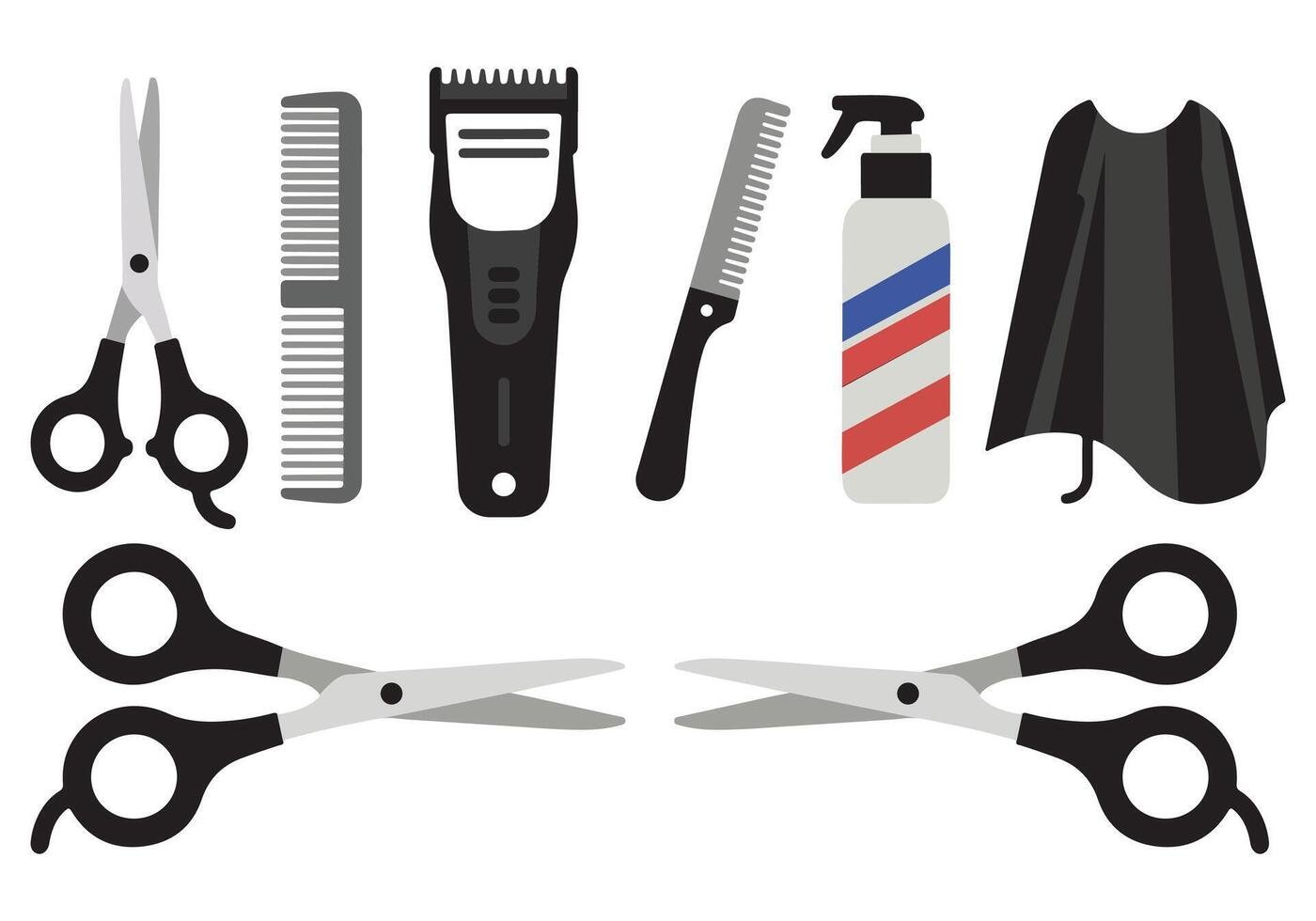
Scissors, clippers and related trimming tools are useful for shaping a tidy outline and keeping hair away from eyes, paws and hygiene areas. For many families, only light trimming at home is needed, while full haircuts are left to professionals. Choosing safe, easy-to-handle gear helps avoid accidents and makes grooming more relaxed for both owner and dog.
Types of grooming scissors
Grooming scissors are mainly divided by blade shape and purpose. Straight scissors create clean lines on feet, tail and body. Curved scissors follow the dog’s natural shape, useful for rounding paws and faces. Thinning shears soften harsh lines and blend short and long areas, ideal for a natural look. Safety-tip or ball-tip scissors are recommended for beginners and for trimming around the face, ears and sanitary areas.
Home clippers and blade choices
Home clippers are useful for simple touch‑ups between salon visits, such as neatening paws, hygiene areas and small mats. Choose quiet, low‑vibration models to reduce stress. Cordless clippers suit most homes and small dogs; corded types are better for long, dense coats.
Blade numbers indicate hair length after cutting: higher numbers cut shorter (e.g. #10 for sanitary areas), lower numbers leave hair longer. For beginners, a guard comb over a #10 or #30 blade offers a safer, more natural finish and helps avoid accidental close shaves or clipper burns.
When to leave clipping to a pro
Many owners can safely tidy paws or sanitary areas, but full-body clipping is not always suitable for home care. Leave clipping to a groomer when:
- The coat is very matted or tightly packed
- The dog is frightened, reactive, or hard to handle
- The breed has a complex trim (Poodle, Schnauzer, many terriers)
- There are skin problems, lumps, or wounds
Professional groomers have training, safer equipment, and experience reading canine body language, so they can work quickly and reduce stress and risk of injury.
Tools for Ears, Eyes and Teeth

Gentle care around ears, eyes and teeth is essential for preventing infections, pain and bad breath. Small, soft tools work best: cotton pads or pet wipes for the outer ear, soft cloths and eye-safe wipes around the eyes, and toothbrushes or finger brushes for daily oral care. Choosing dog-specific products reduces irritation and keeps the most delicate areas clean, fresh and healthy between vet and grooming visits.
Ear cleaners and gentle wipes
Ear care tools help prevent odor, infections and discomfort. The basics are a liquid ear cleaner and soft wipes or cotton pads.
A good dog ear cleaner is usually a gentle, vet-approved solution that loosens wax and dries quickly. Fragrances and strong alcohol are best avoided for sensitive ears. Owners place a small amount in the ear canal, gently massage the base, then let the dog shake.
Afterward, soft wipes or cotton pads remove loosened debris only from the visible outer ear. Cotton swabs should not be inserted, because they may push wax deeper or damage the ear. For dogs with frequent ear issues, a veterinarian-recommended cleaner and regular, calm routines are especially important.
Eye care combs and stain removers
Tear staining is common in breeds with light fur or prominent eyes. Daily gentle cleaning prevents odor, skin irritation, and stubborn discoloration. A fine, rounded-tip eye comb helps remove crust from the corner of the eye and from the fur under the eye. Use slow, short strokes and always comb away from the eye. Pair the comb with dog-safe tear-stain wipes or liquid on cotton pads; avoid human products, alcohol, or harsh bleaches, which may irritate the eye area.
Toothbrushes, pastes and chews
Regular tooth care prevents bad breath, tartar and painful dental disease. At-home care is easiest when several tools are combined.
| Tool type | What to choose | How often |
|---|---|---|
| Toothbrush | Soft, dog-size brush or finger brush | Daily or several times a week |
| Toothpaste | Dog-safe paste, never human toothpaste | Every brushing |
| Dental chews | VOHC-approved or vet-recommended chews | Daily, according to calorie needs |
Brushing removes plaque most effectively. Flavoured dog toothpaste makes the experience more acceptable for many dogs. Dental chews and water additives support brushing but do not fully replace it. For heavy tartar, professional cleaning by a veterinarian is recommended.
Grooming Tools by Coat and Breed Type
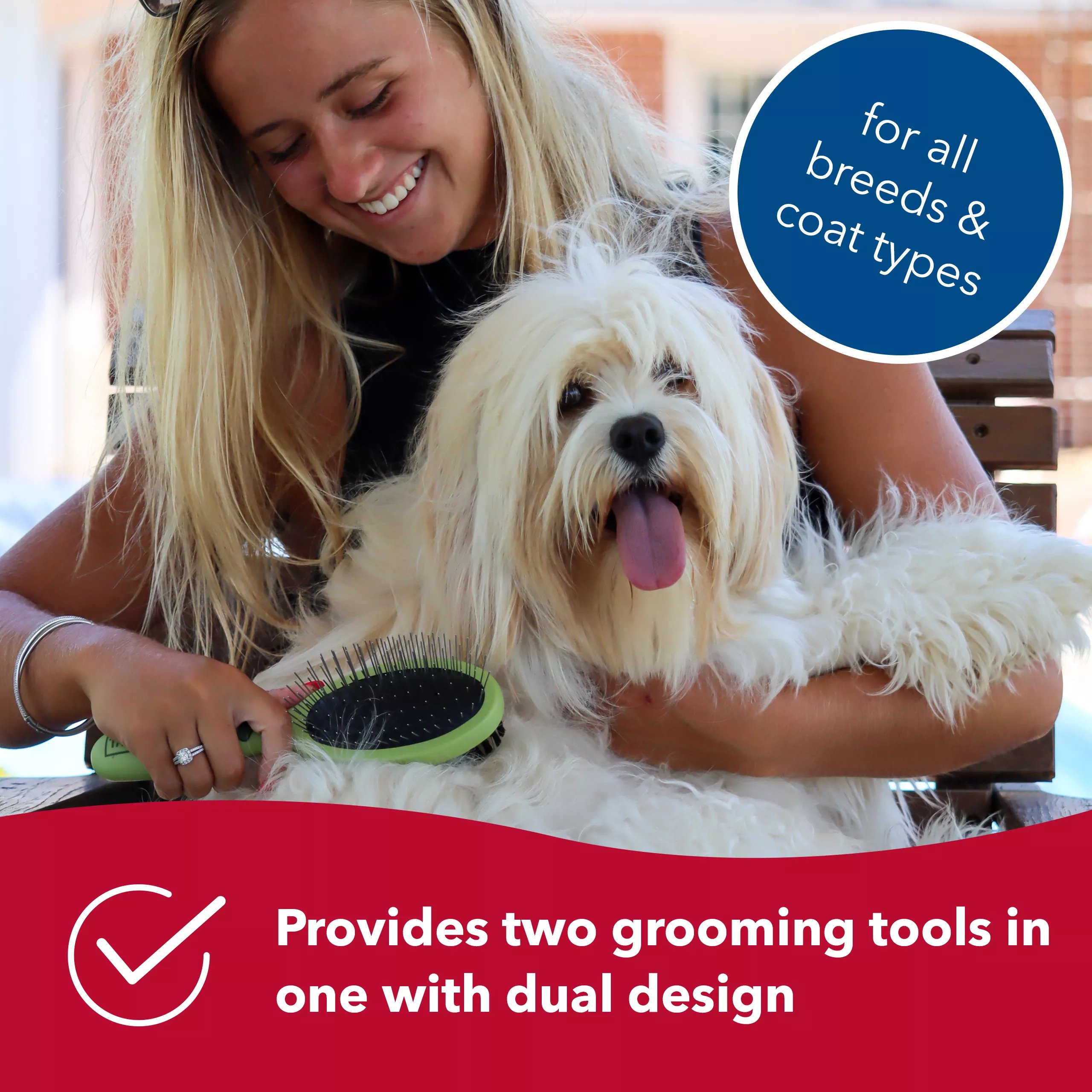
Choosing grooming tools by coat and breed type makes home care faster, safer, and more effective. Short, smooth coats usually need rubber brushes and de-shedding tools, while long or double coats benefit from slicker brushes, rakes and sturdy combs. Curly and “oodle” coats often require gentle slickers, metal combs and quality clippers. Age and skin condition also matter; puppies and seniors need softer, milder tools and products tailored to sensitive skin and joints.
Short coat essentials
Short-coated dogs look simple to groom, but regular brushing is still essential for skin health and shedding control. A rubber curry brush or grooming glove removes loose hair gently and gives a pleasant massage. A soft-bristle brush adds shine and picks up fine dust. For heavy shedders, a de-shedding tool used lightly once or twice a week is helpful. Finish with a microfiber towel after walks in rain or mud to keep the coat clean with minimal effort.
Long and double coat must-haves
Long and double coats (e.g., Golden Retrievers, Border Collies, Huskies, Newfoundlands) need regular, thorough tools to stay healthy.
| Purpose | Recommended tools |
|---|---|
| Daily brushing | Pin brush, soft slicker brush |
| Deep de-shedding | Undercoat rake, de-shedding tool (used gently) |
| Tangle control | Metal comb, mat splitter or dematting rake |
Focus on reaching the dense undercoat without scratching the skin. Start with a rake, follow with a slicker, then finish with a comb to check behind ears, armpits and feathering.
Curly, wavy and “oodle” coats
Curly, wavy and “oodle” coats tend to mat close to the skin, so daily light brushing is ideal. A soft slicker brush removes surface tangles, while a metal comb checks down to the skin, especially behind ears, under the collar and in armpits. Avoid cheap de-shedding blades; they can damage curls. Many doodles need regular trimming or professional grooming every 4–8 weeks to keep a manageable, hygienic length.
Puppy-friendly starter kits
For puppies, grooming tools should focus on gentle materials and positive first experiences rather than heavy-duty performance. A basic starter kit often includes a soft-bristle or rubber brush, a small slicker with cushioned pins, a wide‑tooth comb, mild puppy shampoo, a super-absorbent towel, nail clippers for toy or small breeds, and tasty treats. Short, calm sessions help puppies learn grooming as a normal part of life, preventing future fear and resistance.
Senior dogs and sensitive skin sets
Senior dogs often prefer softer, lighter tools and very gentle handling. A good set includes a soft slicker or pin brush, a rubber grooming mitt, and a wide‑tooth comb to avoid pulling fragile coats. Add a mild, fragrance‑free shampoo for sensitive skin and a rich but non‑greasy paw balm. Nail grinders on low speed are usually kinder than clippers for brittle nails, and extra‑soft microfiber towels help keep older joints comfortable during drying.
Calming Tools for Nervous Dogs
For dogs that become nervous easily, support from both the environment and tools is important. First, preparing a quiet place, a low table, and non-slip footing can make it easier for your dog to relax and feel supported. For brushes and combs, choosing flexible tools with rounded tips can reduce irritation and help your dog feel more at ease.
For dogs that are sensitive to sound, quiet clippers and nail grinders can be helpful. Towels, carrying slings, and lightweight gowns placed gently over the body can also provide a wrapped feeling and help ease fear. In addition, using relaxing sprays or pheromone products for dogs as supportive tools can make it easier to create a calmer state.
Non-slip mats, muzzles and helpers
Non-slip mats reduce slipping in baths or on tables and are one of the easiest ways to lower fear. A secure footing helps many nervous dogs relax and struggle less. Lightweight muzzles protect people and dogs when trimming nails or dealing with pain, but should always fit comfortably and be introduced slowly. Helpful tools such as grooming arms, belly slings, or an extra handler’s calm support can keep sessions safe and controlled without force.
Using treats, toys and slow steps
Nervous dogs relax when grooming turns into a rewarding game rather than a chore. Prepare high‑value treats, a favorite toy and very short sessions. Start by rewarding calm behavior near the tools only. Then touch the body with a brush for one second, praise, give a treat and pause. Gradually increase brushing time. Ending every session on a positive note helps many dogs look forward to grooming instead of fearing it.
Building Your 9-Item Home Grooming Kit

A 9-item kit keeps grooming simple, tidy and budget-friendly. Aim for multi-use, easy-to-store tools that match everyday life.
- All-purpose brush for your dog’s coat type
- Metal comb for detail work
- Mild dog shampoo (plus optional conditioner)
- Quick-dry towel or absorbent dog robe
- Nail clipper or grinder
- Styptic product for minor nail bleeding
- Ear cleaner and cotton pads or wipes
- Dog toothbrush and enzymatic toothpaste
- Paw balm for pads and minor dryness
With these basics, most owners can handle routine care at home and visit groomers mainly for haircuts or complex trims.
The core tools every owner should have
A practical home kit can stay simple. As a baseline, most owners benefit from 9 core tools:
| Category | Core tool | Main purpose |
|---|---|---|
| Coat care | Slicker or pin brush | Daily brushing, removing loose hair |
| Detail work | Metal comb | Check for tangles, debris, fleas |
| Bathing | Mild dog shampoo | Clean skin and coat safely |
| Drying | Absorbent towel | Remove excess water, keep dog warm |
| Nails | Clippers or grinder | Keep nails short and comfortable |
| Paws | Paw balm | Protect pads from dryness and cracking |
| Ears | Ear cleaner and cotton pads | Reduce wax, odor and infection risk |
| Teeth | Dog toothbrush and paste | Support oral health and fresh breath |
| Safety | Styptic powder or pencil | Stop minor nail bleeding quickly |
With these basics, most everyday grooming at home becomes manageable and comfortable for the dog.
Nice-to-have extras for busy lifestyles
Busy owners often benefit from a few smart extras that save time and reduce effort. A spray-on grooming conditioner or detangler makes quick brushing sessions easier and cuts down on mats. A silicone or rubber curry glove allows gentle massaging while removing loose hair during cuddles. Many people also like a lint roller or pet-hair remover for clothes and sofas, and a portable grooming tote to keep tools together for fast, stress-free routines.
Storing, Cleaning and Replacing Tools
Proper storage and care keep grooming tools safe, hygienic and comfortable for dogs. After each session, remove hair from brushes, combs and clipper blades, then allow everything to dry fully to prevent rust and bacteria. Store tools in a clean box or caddy away from humidity and children. Regular checks for loose screws, dull blades or cracked handles help owners replace unsafe items before they cause snags, scratches or stress for the dog.
How to disinfect grooming gear
Proper disinfection keeps grooming tools safe and prevents skin problems from spreading between sessions. Clean off visible hair and dirt first, using a brush, cloth or running water. Next, wash waterproof tools such as metal combs, nail clippers and shears in warm soapy water, rinse well and dry completely.
After drying, apply a pet-safe disinfectant spray or diluted chlorhexidine solution according to the label, paying attention to hinges and teeth. For electric clippers, unplug, remove hair with a small brush, wipe blades with clipper cleaner or alcohol, then oil lightly to prevent rust. Regular disinfection is especially important after grooming a dog with ear infections, fungus or parasites.
When a tool is too old or damaged
Grooming tools lose effectiveness over time, and some can become unsafe. Replace brushes or combs when many pins are bent, rusted, or missing; sharp or rough edges can scratch skin. Scissors and clipper blades that pull, snag, or leave uneven lines usually need sharpening or replacement. Handles with cracks, loose screws, or broken guards are also a sign to stop using the tool, especially for nail clippers and grinders, to avoid sudden slips and injuries.
When to Visit a Professional Groomer
Professional groomers are helpful when home care is not enough. Complex coat types, heavy matting, or large seasonal sheds often need expert tools and skills. Regular appointments are also recommended for breeds that require breed-standard cuts or sanitary trims. Owners who feel nervous about nails, clipping near eyes, or using high-velocity dryers can rely on groomers for safe, low-stress care and request style and maintenance advice.
Signs you need expert help
Some grooming situations are safer in professional hands. If any of the points below apply, consulting a specialist is reassuring.
| Situation | Signs to Watch For |
|---|---|
| Tangles and mats | Hair is tightly tangled down to the skin and cannot be removed with a brush |
| Nails and paw pads | Nails are long and curved, or hair is densely growing around the paw pads |
| Skin problems | Redness, itching, dandruff, or strong body odor continues |
| Behavior | Your dog tries to bite or struggles so much that care cannot be done |
| Breed or haircut | You want a complex style, such as for a Poodle-type dog |
Forcing grooming at home may lead to bleeding, skin inflammation, or worsening fear. If you are unsure, it is reassuring to have a professional check your dog’s condition once.
How to work with your groomer as a team
By working together as a team with a professional groomer, it becomes easier to achieve grooming that is less stressful for both your dog and you. First, it is important to clearly share your dog’s personality, health condition, and any care they have disliked in the past, such as nail trimming or using a dryer. For the ideal finished look, showing photos while discussing length and volume can help reduce misunderstandings.
Take notes on advice and points of caution from the groomer, and use them for at-home care. At the next appointment, sharing how things went after the previous visit, such as whether your dog was itchy, whether mats appeared, and how home care has been going, makes it easier for the groomer to suggest a more suitable course or tools. By regularly visiting the same salon and the same groomer, your dog can become more familiar with the environment, making it easier to build a trusted partnership you can feel comfortable relying on.
This article introduces lifestyle-based grooming tools that can be easily incorporated into daily life with your dog. It clearly explains everything from the basic nine-item set suited to coat type and age, to usage tips, safety measures, and situations that should be left to a professional.