
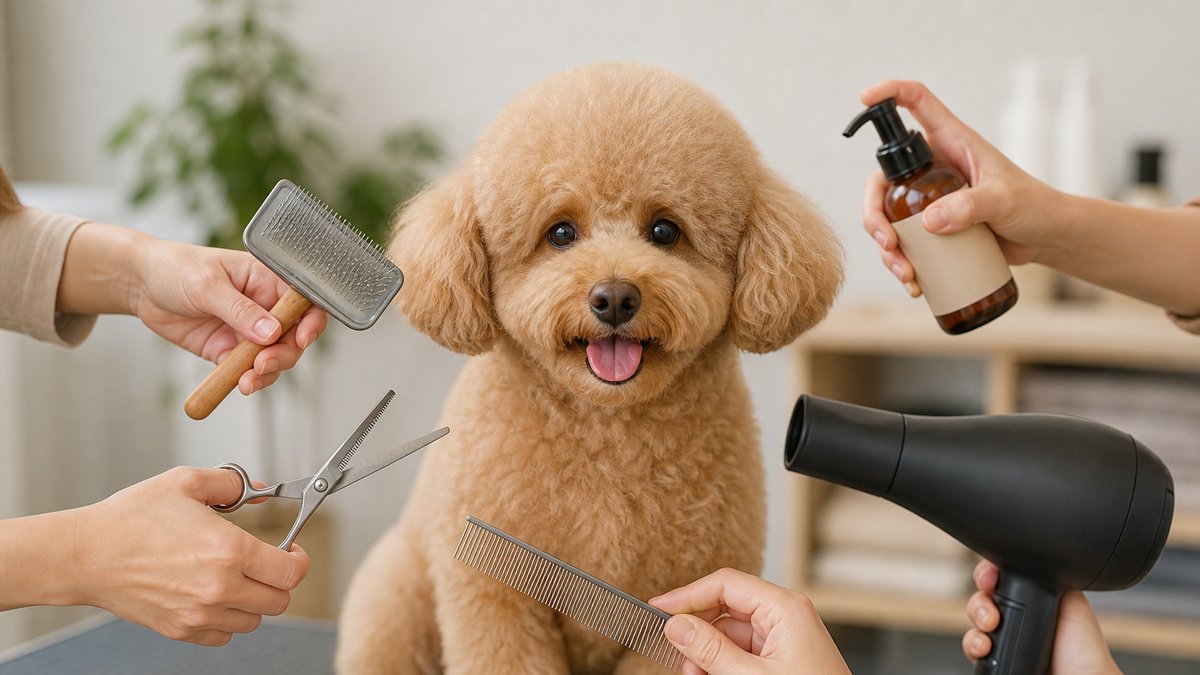
Proper grooming is essential to protect your dog's health and maintain a glossy coat for years to come. However, some grooming practices that you do with good intentions can actually put a strain on your dog's skin and coat, leading to "dog grooming mistakes to avoid." This article provides a clear and objective explanation of seven grooming pitfalls to watch out for in order to protect your dog's health and beautiful coat.
Why Smart Grooming Protects Your Dog’s Health
Grooming is not only about appearance; it is a form of regular health check for dogs. While brushing, bathing, and nail care, an owner naturally checks the skin, coat, ears, eyes, teeth, and paws. Many problems such as allergies, skin infections, ear disease, or overgrown nails are noticed early during careful grooming. Clean skin and a well‑managed coat also protect the natural barrier against parasites and irritation, helping keep the whole body healthier and more comfortable.
Mistake 1: Skipping Regular Brushing
Skipping brushing often seems harmless, but it is one of the most damaging grooming mistakes for a dog’s health. Loose hair, dirt and skin oils build up quickly, leading to tangles, mats and skin irritation. Mats pull at the skin with every movement, causing pain, redness and even small wounds. Regular brushing also spreads natural oils, keeps the coat shiny, reduces shedding in the home and allows early detection of lumps, parasites or injuries hidden under the fur.
How often to brush different coat types
Brushing frequency depends on coat length, thickness, and shedding.
| Coat type | Example breeds | Recommended brushing | Point |
|---|---|---|---|
| Short, smooth | Beagle, Boxer | 1–2 times per week | Removes loose hair and dust |
| Short double coat | Pug, Corgi | 2–3 times per week | Controls shedding |
| Medium/long, non‑curly | Golden Retriever, Border Collie | At least every other day | Prevents tangles |
| Long, silky or drop coat | Shih Tzu, Yorkshire Terrier | Daily | Essential to avoid mats |
| Curly/wooly (poodle‑type) | Poodle, Doodle mixes | Daily | Keeps coat open between clips |
| Wire/rough coat | Schnauzer, Terrier types | 2–3 times per week | Maintains texture |
Active, outdoor, or allergy‑prone dogs benefit from slightly more frequent brushing to keep skin clean and allow early health checks.
Health problems caused by mats and tangles
Mats pull on the skin with every step, so dogs may feel constant soreness or suddenly yelp when touched. Tight tangles block air and trap moisture, creating a warm, dark environment where bacteria and yeast multiply. Over time, this can lead to hot spots, skin infections, dandruff, and a bad odor. Severe matting may hide cuts, parasites, or lumps, and in extreme cases can cut off circulation, especially around the tail, armpits, and ears.
Mistake 2: Using the Wrong Grooming Tools

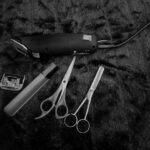
Using unsuitable tools can quietly damage a dog’s skin and coat. Human brushes, dull clippers, or harsh metal combs may scratch skin, break hair, and cause pain. Ill‑fitting nail clippers can crush the nail, increasing fear of grooming. Poor‑quality dryers may overheat the skin and raise burn risk. Choosing tools matched to coat type and size helps keep grooming gentle, effective, and safe for long‑term health.
Brushes, combs and deshedders that fit your dog
The right tool depends on coat type and purpose. A slicker brush suits medium–long coats and gently removes loose hair and light mats. A bristle brush works well for short, smooth coats and for adding shine at the end. A pin brush is good for long, flowing coats but not for deep tangles. Use a metal comb to check for hidden knots and to detail areas around ears and tail. For heavy shedding, a deshedding tool or grooming rake reaches the undercoat, but should be used gently and not every day to avoid skin irritation.
Safe clippers, blades and dryers to choose
Choosing safe tools protects skin, coat and hearing. For clippers, pick pet‑specific, low‑vibration models with multiple guards. Avoid human clippers, which can overheat and cut skin. Use sharp blades, clean and oil them, and check the metal on your wrist; if it feels hot, allow cooling.
Select dryers designed for dogs, with adjustable temperature and airflow. Keep heat on low or cool, hold the nozzle 20–30 cm from the body, and never aim hot air at the face, ears or genitals. Loud dryers can cause stress, so quiet models or towel‑plus‑fan drying suit sensitive dogs.
Mistake 3: Bathing Too Often or Too Rarely
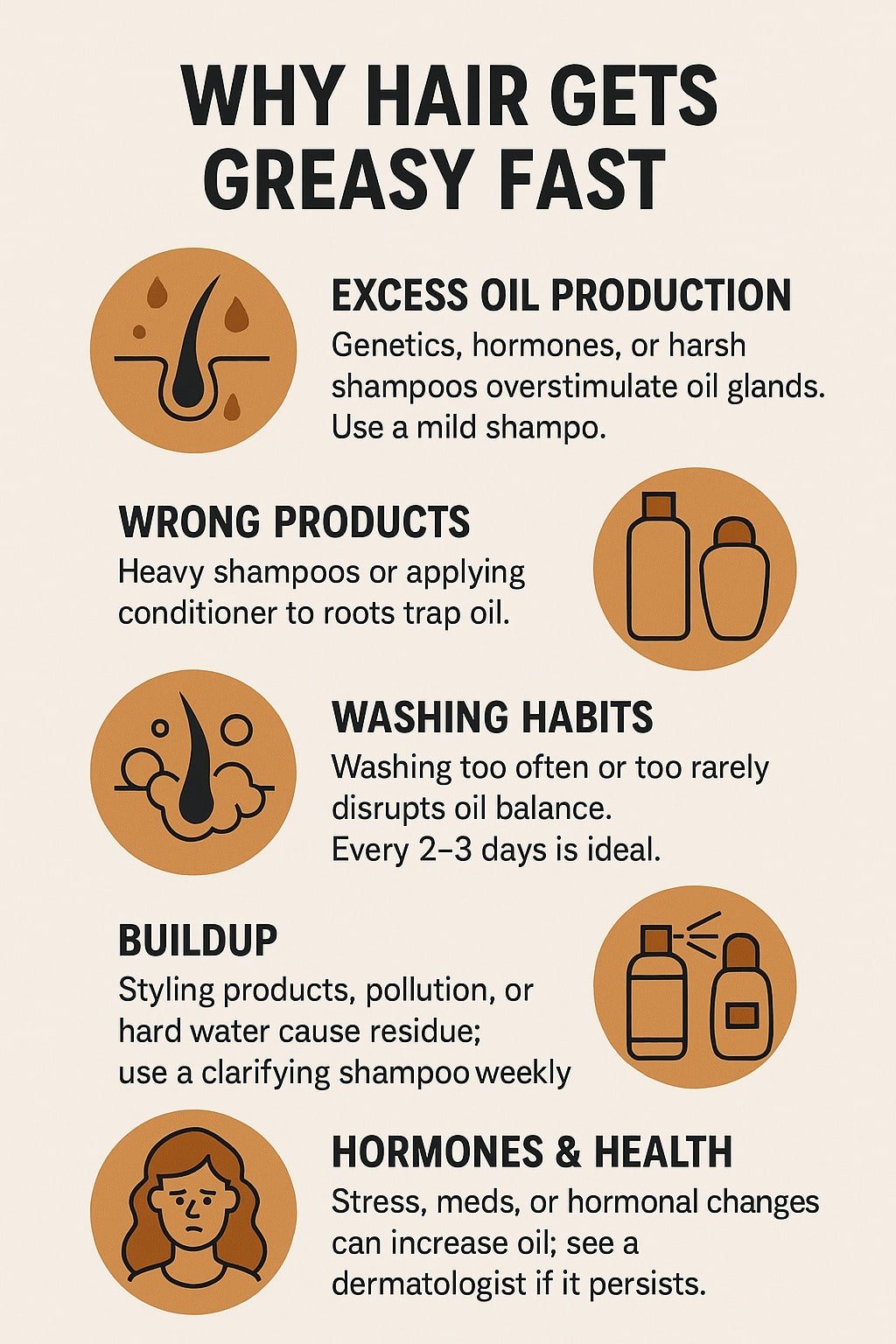
Bathing frequency strongly affects skin and coat condition. Too many baths strip natural oils, causing dryness, itching, and dull fur. On the other hand, bathing too rarely allows dirt, allergens, and excess oil to build up, which can lead to odor, hot spots, and infections. A suitable schedule depends on coat type, activity level, and skin health, so owners should adjust timing based on smell, visible dirt, and any irritation rather than using a fixed calendar alone.
Healthy bath frequency by lifestyle and coat
Bath frequency depends on both coat type and daily lifestyle. As a rough guide, healthy dogs usually do well with baths every 4–8 weeks.
| Dog type / lifestyle | Typical bath frequency |
|---|---|
| Short coat, mostly indoors | Every 6–8 weeks |
| Medium/long coat, indoors | Every 4–6 weeks |
| Heavy shedders (Labs, Huskies etc.) | Every 4–6 weeks, plus brushing |
| Curly/wool coats (Poodle types) | Every 3–4 weeks with brushing |
| Very active, outdoors, swims often | As needed, usually every 2–4 weeks |
Puppies, seniors, or dogs with skin disease may need individual schedules set by a veterinarian or groomer.
Choosing gentle, dog‑safe shampoos
Dog skin is more delicate than human skin, so only pH‑balanced, dog‑specific shampoo should be used. Human products, baby shampoo, dish soap, and strongly perfumed formulas can strip natural oils and trigger itching or rashes. Choose gentle options labeled for sensitive skin, fragrance‑free or lightly scented, and free from alcohol, sulfates, and artificial dyes. For dogs with allergies or skin disease, medicated or hypoallergenic shampoos recommended by a veterinarian are safest.
Common skin issues linked to bad bath habits
Improper bathing habits can directly harm skin health. Over‑bathing strips natural oils, leading to dryness, flaking, itchiness, and a dull coat. Dogs may start licking or scratching until red, irritated "hot spots" appear. In contrast, bathing too rarely allows oil, sweat, and dirt to build up, encouraging bacterial or yeast infections with odor, redness, and greasy patches. Residual shampoo that is not rinsed out thoroughly also causes rashes and persistent itching, especially in skin folds and sensitive areas.
Mistake 4: Rough Nail Trims and Paw Care
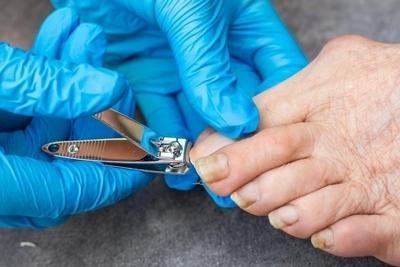
Rough nail trims and poor paw care can quickly turn grooming into pain for a dog. Overcut nails, harsh restraint, or using dull clippers may hit the quick, cause bleeding, and create lasting fear. Neglected paws also lead to cracked pads, trapped debris, or painful ingrown nails. Gentle, regular care keeps nails at a safe length, protects joints and posture, and helps prevent infections so a dog can walk and run comfortably every day.
How long nails should be and how to check
Healthy dog nails should be just short enough not to touch the floor when the dog stands. If a clicking sound is heard on hard floors, the nails are usually too long.
A simple check is to look from the side while the dog stands naturally. The nail should curve slightly and not lift the toes. Also inspect often for splits, curling into the pad, or redness around the base, which can indicate pain or infection and require prompt care.
Trimming safely without hitting the quick
Accidentally cutting into the quick is painful and may cause bleeding, so preparation and technique are crucial. Use sharp dog nail clippers or a grinder and keep styptic powder nearby. Start by trimming only the clear tip or a very thin slice from dark nails. Hold the paw gently but firmly, cutting at a slight angle that follows the nail’s natural curve. Stop as soon as the center of the nail looks moist or pale—this indicates you are close to the quick.
Caring for pads, fur between toes and dewclaws
Paw care affects overall comfort and joint health. Pads should be firm but not cracked; dryness, deep cuts, or redness require rest and often a vet visit. Trim only excess fur between toes so the paw surface stays visible and less slippery, especially on smooth floors. After walks, check for burrs, stones, road salt, or hot pavement burns.
Dewclaws grow quickly and may curl into the skin if ignored. Clip them regularly with the same care as other nails, avoiding the quick, and monitor for snagging or swelling.
Mistake 5: Ignoring Ears, Eyes and Teeth
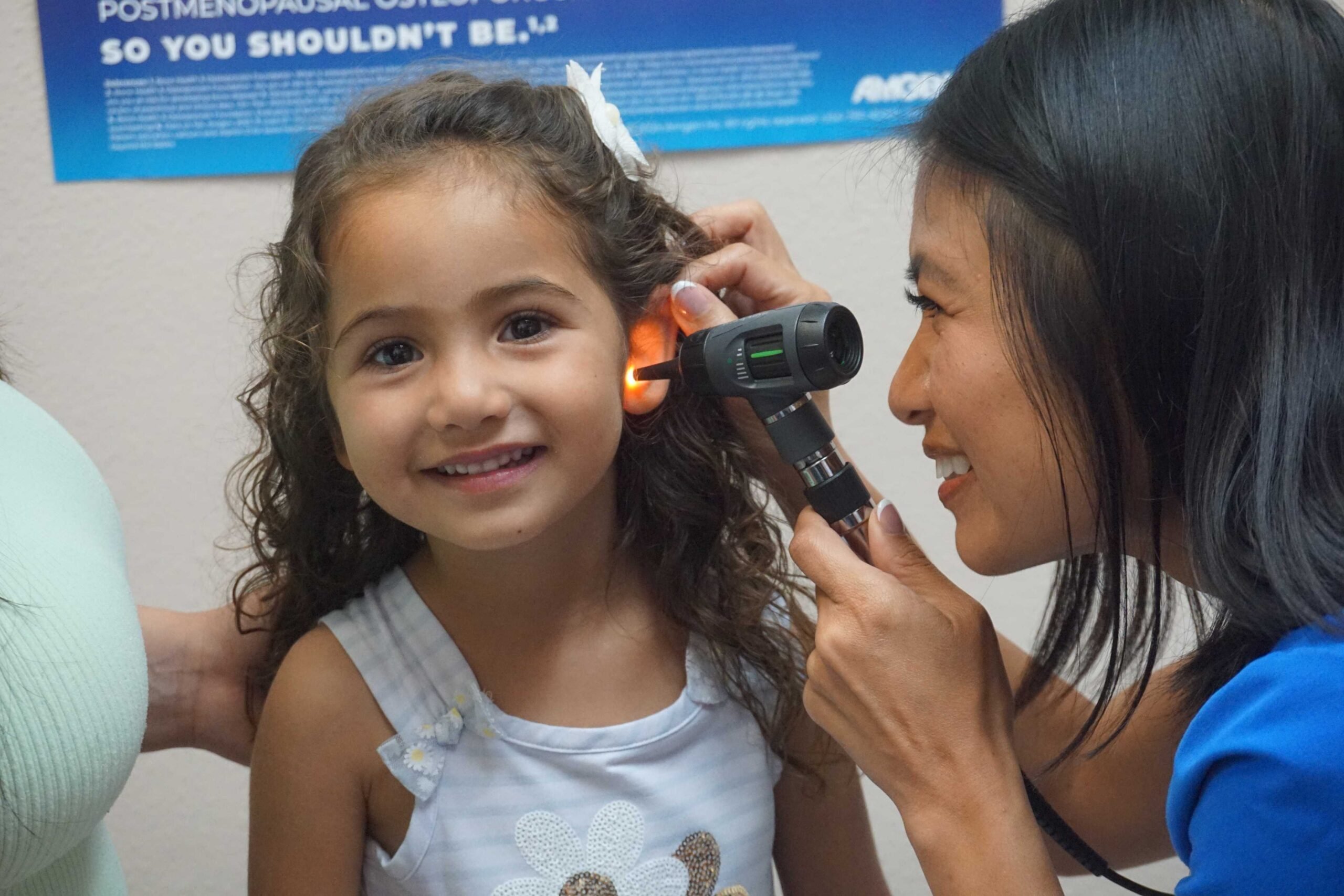
Ears, eyes, and teeth are often overlooked in home grooming, yet they have a major impact on overall health and comfort. Dirty ears can lead to painful infections, eye discharge can hide injuries, and plaque buildup on teeth can cause gum disease, bad breath, and even heart or kidney problems. Regular gentle checks during grooming allow early detection of red‑flag changes and help prevent chronic pain, costly treatment, and reduced quality of life.
Safe ear cleaning and red‑flag symptoms
Gentle, regular ear care helps prevent painful infections. Use a dog‑specific ear cleaner, never cotton swabs deep in the canal or alcohol. Apply solution, gently massage the base of the ear, then wipe away loosened debris from the outer ear with soft cotton or gauze.
Watch for red‑flag symptoms: bad odor, redness or swelling, frequent head‑shaking, constant scratching, dark or yellow discharge, sensitivity when touched, or a suddenly tilted head. When any of these appear, stop home cleaning and consult a veterinarian promptly.
Keeping eyes clean and irritation‑free
Eye care starts with gentle daily checks. Wipe away sleep, dust, or light tear stains using a soft, damp cotton pad or pet eye wipes. Always wipe outward from the inner corner, using a fresh area of the pad for each eye.
Avoid human eye drops and never use cotton swabs near the eyeball. Watch for redness, squinting, thick or colored discharge, constant pawing, or a sudden increase in tears. Such signs can indicate infection, scratches, allergies, or glaucoma and require prompt veterinary attention.
For flat‑faced or long‑haired breeds, keep fur around the eyes neatly trimmed by a groomer to reduce irritation and staining while protecting the delicate eye area.
Daily dental care that actually fits real life
Daily brushing is ideal, but many owners skip oral care because it feels complicated. Instead, aim for small, repeatable habits. For example, use finger brushes or soft children’s toothbrushes with dog toothpaste 3–4 times per week, even for 30 seconds per session.
On very busy days, combine shorter brushing with dental chews, water additives, or dental wipes. Mechanical cleaning from brushing is most effective, so treats and additives should support, not replace, brushing. Consistent simple care greatly reduces bad breath, tartar, and painful dental disease.
Mistake 6: Forcing Grooming and Causing Stress
Forcing a dog to accept brushing, nail trims or baths often backfires. Stress hormones rise, the heart rate increases and grooming quickly becomes something to fear, not to enjoy. A frightened dog may struggle, growl or bite, which increases the risk of injury for both dog and owner. Repeated negative experiences can lead to long‑term anxiety, problems at the vet and even aggression. Gentle handling, patience and reading body language are essential for safe, healthy grooming.
Making grooming a calm, positive experience
Many dogs fear grooming because they associate it with restraint or pain. To create a calm, positive experience, prepare the area in advance and keep sessions short. Offer high‑value treats, praise, and gentle touch whenever the dog cooperates. Move slowly, speak softly, and avoid sudden grabs. End on a success, even if only one paw or one ear is groomed. Over time, the dog learns that grooming predicts comfort, rewards, and bonding time, not stress.
Desensitizing nervous dogs step by step
Nervous dogs need grooming introduced in small, predictable steps. Start away from the bath or table, simply showing tools and rewarding calm. Next, touch the body with hands only, then briefly with a brush, praising and treating after each short session. Keep sessions under a few minutes and stop before the dog panics. Gradually add sounds such as clippers or dryers at low volume. Moving slowly helps the dog learn that grooming is safe, not something to fear.
When stress means it is time to stop
Stress signals are important safety warnings during grooming. Grooming should stop immediately if a dog shows intense panting, trembling, growling, snapping, trying to escape, or freezes stiffly. Continuing can lead to bites, panic and long‑term fear.
Use the guide below as a quick check:
| Warning level | Signs during grooming | What to do |
|---|---|---|
| Mild | Licking lips, yawning, turning head away | Pause, offer treats, go slower |
| Moderate | Tail tucked, shaking, hiding paw, whining | Stop the task, give a break, switch to easier step |
| Severe | Snapping, biting, frantic struggling, urinating | End grooming for the day and seek professional or veterinary help |
Stopping at the first severe sign protects both owner and dog and makes future grooming easier to rebuild.
Mistake 7: Ignoring Breed and Health Needs

Ignoring differences in breed and health often leads to grooming that looks tidy but quietly harms the dog. Coat length, texture, skin sensitivity, ear shape, muzzle length, and body size all change what is safe. Puppies, seniors, flat‑faced breeds, double‑coated breeds, and dogs with allergies or arthritis each require adjusted tools, products, and handling. Owners who check breed traits + current health before grooming can prevent pain, overheating, skin damage, and long‑term fear of care.
Coat types that need special handling
Curly, double, wire, and hairless coats all require special handling to stay healthy. Curly and long coats (Poodles, Doodles, Spaniels) need daily detangling to prevent painful mats. Double‑coated breeds (Huskies, Corgis) should never be fully shaved; undercoat removal with proper tools is safer. Wire‑haired terriers benefit from hand‑stripping, not close clipping. Hairless and very short‑coated dogs need gentle products and strong sun protection to avoid skin damage.
Grooming risks for puppies, seniors and sick dogs
Puppies, seniors, and dogs with illnesses are more vulnerable to grooming mistakes, so extra‑gentle care is essential. Puppies have thin skin and little grooming experience, so harsh tools, loud dryers, or long sessions can create fear and damage the skin. Seniors may suffer from arthritis, heart disease, or poor balance; long standing, slippery tubs, and rough brushing can cause pain or injury. Sick dogs often have weakened immunity or sensitive skin, so strong shampoos, close clipping, or stressful handling can worsen symptoms. For all three groups, keep sessions short, use soft tools, avoid extreme temperatures, and consult a vet before major coat changes or using new products.
Health Dog Grooming Mistakes to Avoid Long‑Term
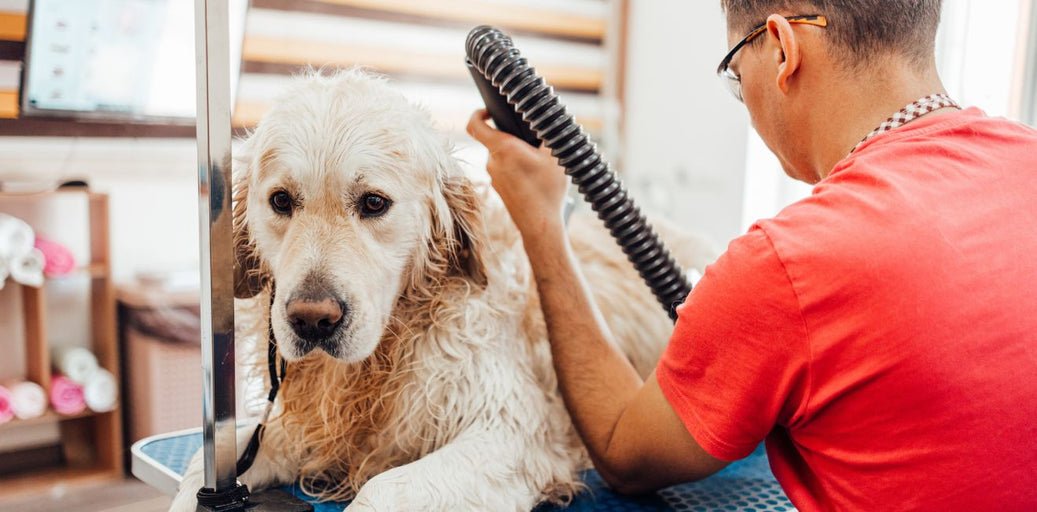
Grooming habits have a compounding effect on canine health. Small shortcuts taken once may seem harmless, but repeated grooming mistakes often lead to chronic skin disease, ear infections and stress around handling. The safest approach is to build a realistic routine, learn correct techniques and review a dog’s skin, coat and body condition regularly. When owners stay consistent and adjust care as a dog ages or health changes, grooming becomes preventive health care instead of an emergency fix.
Simple weekly routine to keep skin and coat shiny
A simple weekly routine keeps coat and skin healthy with little effort. Aim for:
| Day | Care item | Key point |
|---|---|---|
| 1–2 times/week | Brushing | Remove loose hair, check for mats or bumps |
| Weekly | Quick paw and nail check | Look for cracks, redness, overgrown nails |
| Weekly | Ear, eye, teeth glance | Wipe dirt, watch for smell or discharge |
Add baths only as needed by coat and lifestyle, and reward calmly after every session.
When to call a vet or professional groomer
Knowing when to seek help prevents small grooming issues from turning into health problems. Contact a vet immediately if there is sudden hair loss, strong odor, open sores, constant scratching, shaking the head, or painful reactions to touch. A professional groomer is suitable for severe matting, breed‑specific cuts, impacted anal glands, or a dog that becomes very stressed or aggressive during home care. When in doubt, start with the vet; medical problems must be ruled out before any cosmetic grooming.
This article organizes common grooming mistakes in dogs that can harm their health, such as insufficient brushing, incorrect tool selection, insufficient shampooing frequency, and inadequate care of nails, ears, eyes, and teeth, along with how to prevent them. It also clearly explains points to note for different breeds and ages, weekly grooming routines, and signs that indicate you should consult a veterinarian or professional.













![[Stupid dogs are cute] Introducing funny pictures and simple questions](https://with-my-dog.com/wp-content/uploads/2022/07/image4-18-300x225.jpg)