

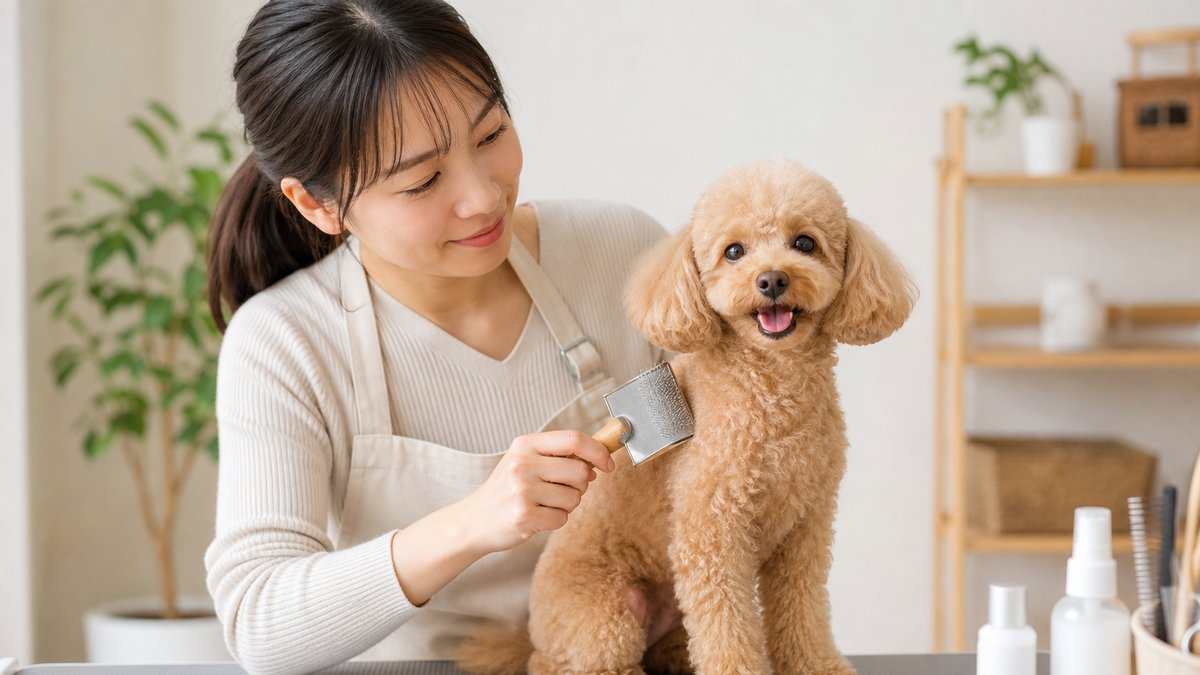
Many beginners want to try shampooing and brushing their dogs, but feel anxious because they "don't know how" or "worry if their dog resists." This article gently explains the basic points of lifestyle dog grooming that are easy to do at home, even for first-timers, step by step. We'll cover everything from choosing the right tools to the frequency of care and tips for making grooming time with your dog more enjoyable, providing hints to make grooming time with your beloved pet a comfortable and fun experience.
Why regular grooming matters
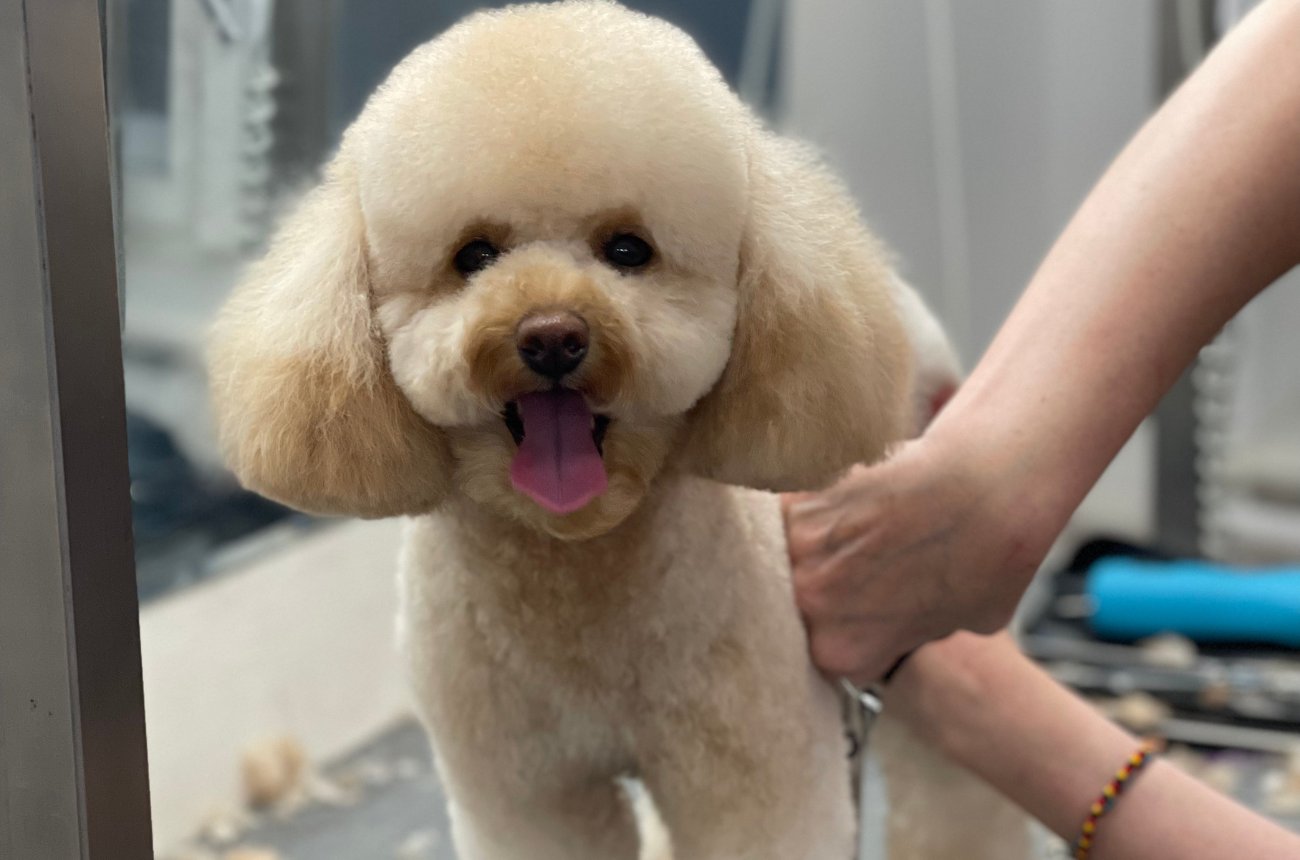
Regular grooming is not only about appearance. Routine care keeps a dog healthier, more comfortable, and easier to handle in daily life. Through brushing, bathing, and checking the body, early signs of problems such as lumps, parasites, or skin irritation are often noticed. Clean fur also sheds less dirt and odor inside the home, which makes living together more pleasant. In addition, a dog used to gentle grooming tends to cope better with vet visits and other handling situations.
Health benefits beyond a clean coat
Regular grooming supports a dog’s whole‑body health, not only appearance. Brushing stimulates blood flow to the skin, spreads natural oils, and helps keep the coat soft, shiny, and better protected. Loose hair and dead skin are removed before they tangle or irritate.
Grooming sessions also act as routine health checks. Owners can notice lumps, wounds, parasites, ear odor, or sore spots at an early stage, when treatment is easier and less stressful for the dog.
Grooming as bonding and training time
Grooming time can become quality bonding time when handled calmly and positively. Gentle touch, soft voice, and tasty rewards help dogs relax and learn that grooming is safe. Regular sessions also teach useful manners such as standing still, accepting handling of paws and ears, and waiting on cue. Breaking tasks into short, successful steps builds trust and confidence, especially for puppies or rescue dogs that may feel nervous at first.
Know your dog’s coat and skin
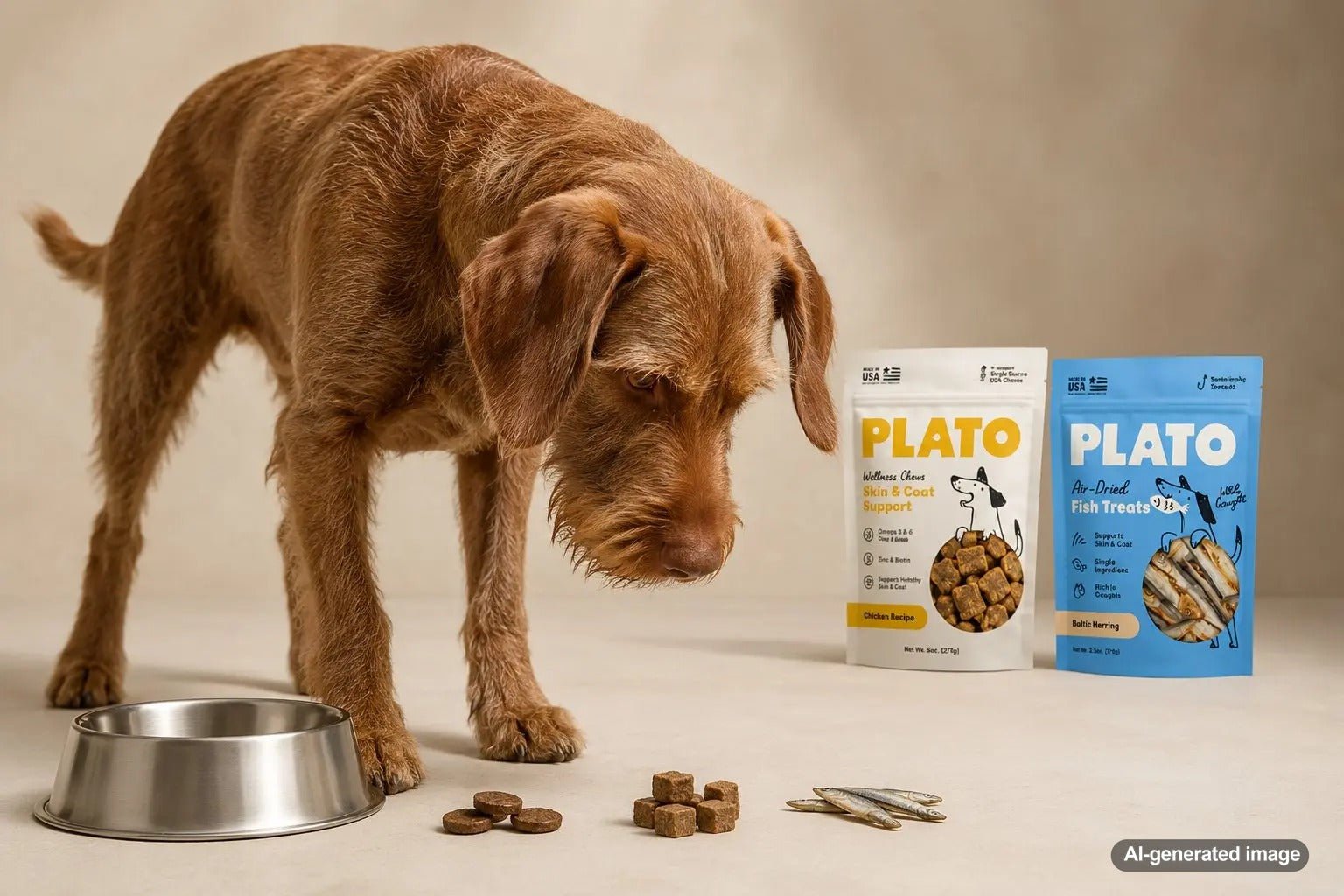
Understanding coat and skin is the foundation of safe, effective grooming. Different coat types need different brushes, bathing schedules, and products, and skin health often shows early signs of illness.
Pay attention to:
- Coat texture and length: smooth, wiry, curly, double, or long
- Shedding level: light, moderate, heavy
- Skin condition: redness, flakes, odor, bumps, hot spots, or hair loss
If a dog shows persistent itching, sores, or sudden coat thinning, prompt veterinary advice is recommended before continuing home grooming.
Short, long, double and curly coats
Coat type strongly influences how often and how gently a dog should be groomed. Short coats (e.g., Pugs, Beagles) are low‑maintenance but still shed and benefit from regular brushing with a rubber curry or soft bristle brush. Long coats (e.g., Shih Tzu, Collie) tangle easily and need frequent, careful brushing in layers.
Double coats (e.g., Golden Retriever, Husky) have a soft undercoat and a harsher topcoat; they shed seasonally and need thorough de‑shedding, not shaving. Curly or wavy coats (e.g., Poodle, Doodle) grow continuously and mat near the skin, so they require very regular brushing and periodic trimming by a groomer.
Skin sensitivities to watch for
Dogs can have surprisingly sensitive skin, and grooming often reveals early warning signs. Owners should watch for redness, rash-like patches, scabs, flaky dandruff, strong odor, or sudden hair loss. Frequent scratching, licking paws, or rubbing the face may indicate allergies, parasites, or infection. If skin feels hot, painful, or shows open sores, stop home grooming and consult a veterinarian before using any new products or tools.
Essential home grooming tools
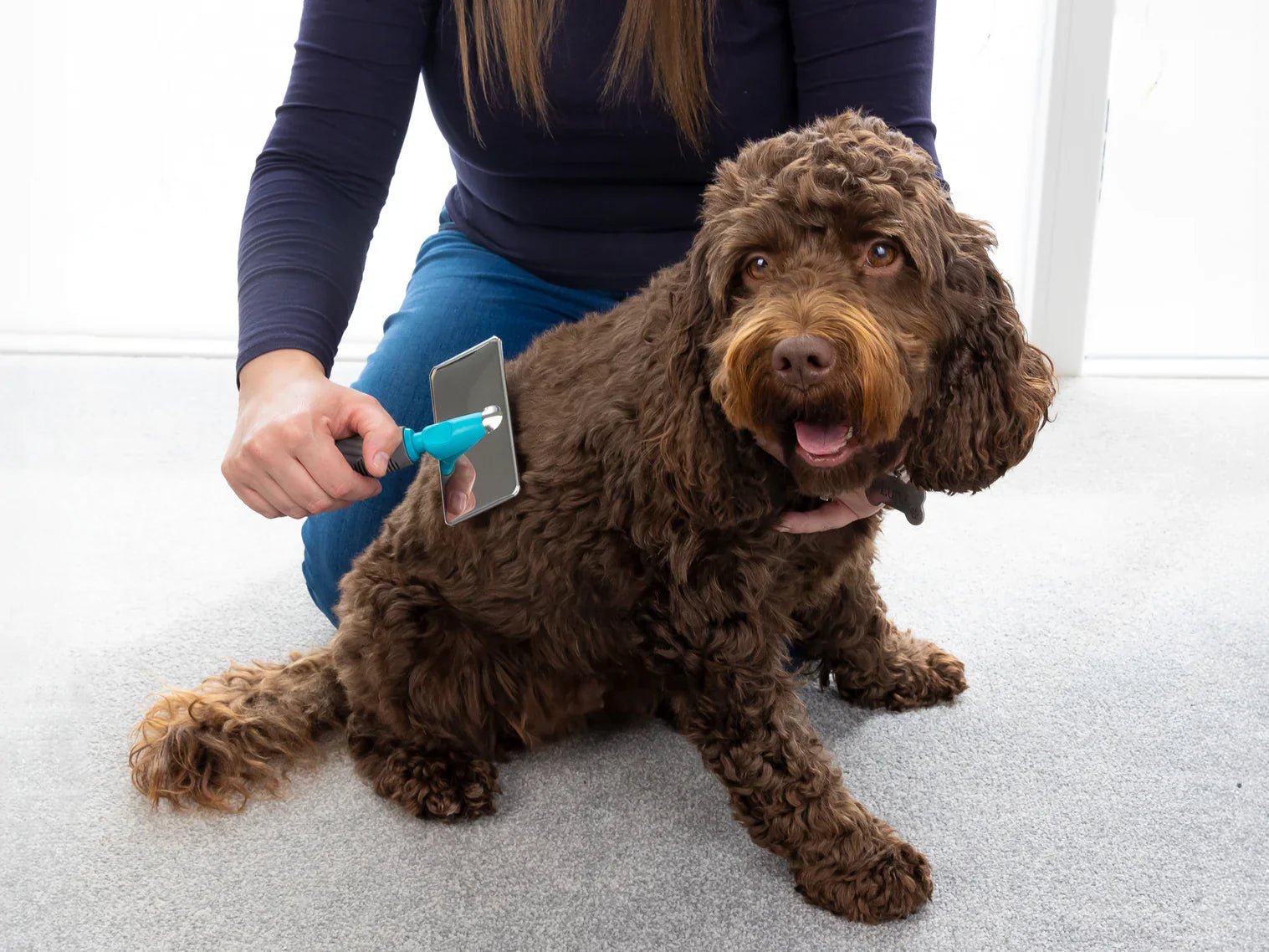
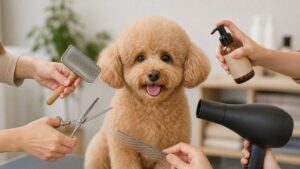
The right tools make home grooming safer, faster, and more comfortable for both owner and dog. A basic starter kit usually includes a coat‑appropriate brush and comb, gentle dog shampoo, absorbent towels or a drying robe, nail clippers or a grinder, styptic powder, ear cleaner, cotton pads, dog‑safe wipes, and a non‑slip mat. Owners of long‑haired or heavy‑shedding breeds may also need de‑shedding tools and blunt‑tip scissors for small touch‑ups. Beginning with reliable, easy‑to‑handle tools helps build confident grooming habits.
Brushes, combs and de-shedding tools
Choosing the right tool makes grooming smoother and more comfortable for dogs. Short‑haired dogs often do well with a rubber curry brush or grooming glove that removes loose hair and massages the skin. Long or double coats usually need a slicker brush to loosen tangles, plus a metal comb to check for hidden knots and work gently behind ears and under legs. For heavy shedding, a de‑shedding tool or undercoat rake can reduce loose fur dramatically, but should be used softly and not on irritated skin.
Shampoo, conditioner and towels
Shampoo and conditioner should be formulated specifically for dogs, because human products can upset skin pH and cause itching. Choose gentle, fragrance‑light formulas and, for sensitive dogs, hypoallergenic or oatmeal shampoos. Conditioner helps long or curly coats detangle and stay soft, but is optional for short coats. Prepare two or more absorbent towels before bathing so the dog can be wrapped immediately. Microfiber towels shorten drying time and help keep the dog warm and relaxed after the bath.
Clippers, nail tools and safety gear
Clippers and nail tools can be very helpful, but beginners should focus on safety and control rather than speed. For coat trimming, choose quiet dog clippers with guards, and avoid using human hair clippers. For nails, a sharp guillotine or scissor‑type clipper sized for the dog, or a nail grinder with a safety cap, is recommended. Always have styptic powder ready for bleeding. Non‑slip mats, a grooming loop or harness, and good lighting greatly reduce accidents and stress for both dog and owner.
Beginner lifestyle grooming habits

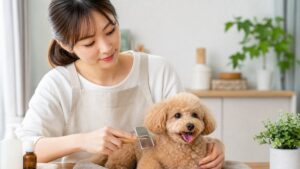
Beginner lifestyle grooming habits work best when they are simple, predictable, and short. Instead of long monthly sessions, aim for a few minutes of care several times a week. Linking grooming to daily life—after walks, before bed, or during TV time—helps dogs relax and accept handling.
For beginners, the key is consistency over perfection. Choose a basic routine (quick brushing, paw check, glance at ears and eyes) and repeat calmly. Reward with praise or small treats so grooming becomes a pleasant part of everyday life, not a rare stressful event.
Tip 1: Start handling early and gently
Early, gentle handling helps dogs accept grooming as a normal part of life. Ideally, puppies begin being touched all over from the first days at home, but adult rescue dogs can also learn with patience. Start by calmly stroking the chest and shoulders, then gradually touch paws, ears, tail and around the mouth. Keep sessions very short at first and stop before the dog becomes restless.
Use soft praise and small treats whenever the dog stays relaxed. If any area causes tension, move away and return to an easier spot, then slowly build up again. The goal is for the dog to associate hands, brushes and towels with comfort, not restraint. Regular, kind handling becomes the foundation for stress‑free nail trims, baths and vet visits.
Tip 2: Create a calm grooming space
A calm space helps dogs feel safe and cooperative during grooming. Choose a quiet room away from loud TVs, children running, or ringing phones. Use a non‑slip mat so paws do not slide, and prepare all tools in advance to avoid sudden movements. Soft background music or a white‑noise machine can reduce outside sounds. Always pair the space with gentle praise and small treats, so the dog learns that grooming time means comfort, not stress.
Tip 3: Set a simple weekly routine
A simple weekly plan helps beginners avoid overwhelm and keeps the dog looking neat with minimal effort. Aim for short, regular sessions instead of long, occasional marathons. For example, brush the coat and check paws on two set days, wipe eyes and ears lightly three times a week, and do a full body check once every weekend. Linking grooming to daily habits, such as after the evening walk, makes the routine easier to remember and more relaxing for the dog.
Tip 4: Brushing made easy
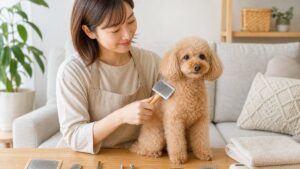
Brushing should feel like a mini massage, not a battle. Start with a few minutes when the dog is already relaxed, such as after a walk. Let the dog sniff the brush, then reward calmly. Begin on easy areas like the back and sides, saving sensitive spots such as tail, belly and legs for last. Use short, gentle strokes and praise often. If the dog fidgets, stop briefly and reset rather than forcing. Regular short sessions help the dog learn that brushing is safe and comfortable.
How often to brush different coats
Brushing frequency depends greatly on coat type. As a guideline, short‑coat dogs (Beagle, Boxer) usually need brushing 1–2 times per week to remove loose hair and dust. Medium to long coats (Golden Retriever, Spaniel) benefit from 3–5 times per week to prevent tangles. Double‑coated breeds (Husky, German Shepherd) often need daily brushing during shedding seasons. Curly or woolly coats (Poodle, Bichon) require daily light brushing to avoid tight mats that can hurt the skin.
Brushing techniques that don’t hurt
Pain-free brushing starts with the right pressure and direction. Always support the skin with a free hand and brush in the direction the fur naturally grows. Begin with wide, slow strokes over the top coat, then work in small sections.
For tangles, hold hair above the knot and gently detangle from the ends toward the skin, using a comb or slicker brush. Avoid sawing motions. If a mat does not loosen after a short time, it is safer to trim it out or ask a groomer, rather than pulling on the skin. Finish with a light, full-body brush to distribute natural oils and check for missed knots.
Tip 5: Safe and stress‑free baths

Many dogs feel nervous around water, so the goal is a short, safe and predictable bath. Before starting, prepare towels, shampoo, a non‑slip mat and plenty of treats. Use lukewarm water and keep the spray low and gentle, avoiding the ears, eyes and nose. Support the dog’s body with one hand so it feels secure. Speak calmly and reward often for standing still. Finish quickly, towel‑dry well, and let the dog rest in a warm, draft‑free place to prevent chills and stress.
Choosing the right dog shampoo
Choosing shampoo suited to a dog’s skin and coat prevents dryness, itchiness, and dull fur. Human shampoo must not be used, because a dog’s skin is more delicate and has a different pH balance. For most pets, a mild, pH‑balanced dog shampoo labelled for regular use is enough. Puppies, sensitive skin, or allergy‑prone dogs benefit from hypoallergenic or fragrance‑free formulas. Long or double coats may do well with a detangling type, while oily or very dirty coats can use a “deep‑clean” dog shampoo only as needed.
Bathing steps from start to finish
Prepare lukewarm water, non‑slip mats, shampoo, towels and treats before calling the dog. Brush first to remove tangles and loose hair. Gently wet the body from neck to tail, avoiding eyes and ears. Dilute shampoo and massage into the coat, then rinse very thoroughly until the water runs clear. Repeat for very dirty dogs only if needed. Finish with a quick, gentle squeeze of excess water before moving on to drying.
Drying methods for beginners
After bathing, gentle, thorough drying prevents chills, tangles and skin trouble. First, squeeze excess water from the coat with hands, then pat with an absorbent towel; avoid rubbing hard, which can knot fur and irritate skin. For nervous dogs or puppies, use several towels and let the dog shake between each.
If using a hair dryer, choose the lowest heat and speed, keep the nozzle moving, and hold it at least a hand’s width away. Aim air along the coat, not against it. Some dogs prefer only towel drying plus air‑drying indoors in a warm, draft‑free room. Always dry ears, armpits, groin and between toes carefully, as trapped moisture can lead to infections.
Tip 6: Trimming nails without fear
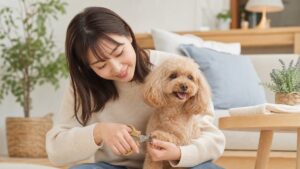
Many owners feel nervous about nail trimming, but with the right approach it can become a calm, safe routine. The key is going slowly and rewarding often. Start by simply touching paws and holding each toe for a second, then praise and give a treat. Short, frequent sessions reduce stress for both dog and owner. Aim to trim a tiny amount at a time rather than finishing all nails in one go. If anxiety is high, begin with just one or two nails per day and gradually increase as confidence grows.
Tools you need for nail care
For safe nail care at home, a few basic tools are helpful. A dog‑specific nail clipper (scissor or guillotine type) in the right size is essential. Many beginners also like a nail grinder to smooth sharp edges and shorten nails gradually. Prepare styptic powder or a styptic pencil in case the quick is cut. Non‑slip mats, a good light source, and high‑value treats support calm, controlled trimming.
Step‑by‑step nail trimming guide
Begin by choosing a quiet space and letting the dog sniff the nail tool. Offer a treat, then gently hold one paw. Press the pad so the nail extends, and clip only a small tip at a time, angling the tool slightly downward. For dark nails, trim tiny slivers and stop when the cut surface looks solid and not chalky. Praise after each nail, and take breaks if the dog becomes restless.
What to do if you cut the quick
Cutting the quick can happen even to careful beginners. Stay calm first, because dogs sense stress. Immediately press a clean cotton pad or gauze on the nail tip for several minutes to slow the bleeding. If available, apply styptic powder or a styptic pencil; cornstarch or baking soda are simple alternatives. Keep the dog still and offer gentle praise and high‑value treats. If bleeding does not stop within 10–15 minutes, or the dog shows strong pain or limping, contact a veterinarian for advice.
Tip 7: Ears, eyes and face care

The ear, eye and face area is delicate, so gentle daily checks are very useful. A quick look during cuddling can catch redness, bad odor, discharge or swelling before symptoms become serious. Wipe away tear stains or food stuck around the mouth with a soft, damp cloth, always avoiding direct contact with the eyeball or deep parts of the ear. Short, calm sessions with many rewards help dogs accept touch around the head, which makes future grooming and vet visits much smoother.
Cleaning ears safely at home
Ear care focuses on gentle cleaning, not deep scrubbing. Use only a vet‑approved dog ear cleaner and soft cotton pads or gauze; cotton swabs can push wax deeper and damage the ear.
- Choose a calm moment and let the dog sniff the bottle and pad.
- Gently lift the ear flap and apply cleaner into the ear canal as directed.
- Massage the base of the ear for 20–30 seconds.
- Let the dog shake, then wipe away loosened wax from the visible part of the ear.
Clean only the areas that can be seen. Redness, bad smell, dark discharge or frequent head‑shaking indicate a possible infection and require a veterinary check instead of home cleaning.
Gentle eye and face grooming
The eye area is delicate, so gentle care is important. Use a soft, damp cloth or cotton pad with lukewarm water to wipe away tear stains and sleep from the inner corner outward. Avoid touching the eyeball directly. For dogs with long facial hair, carefully trim hair around the eyes using blunt‑tipped scissors or ask a groomer. Never use human eye drops, harsh soaps, or scented wipes near the eyes. If you notice redness, swelling, discharge, or your dog rubbing the face often, consult a veterinarian promptly.
Tip 8: Teeth and breath checkups
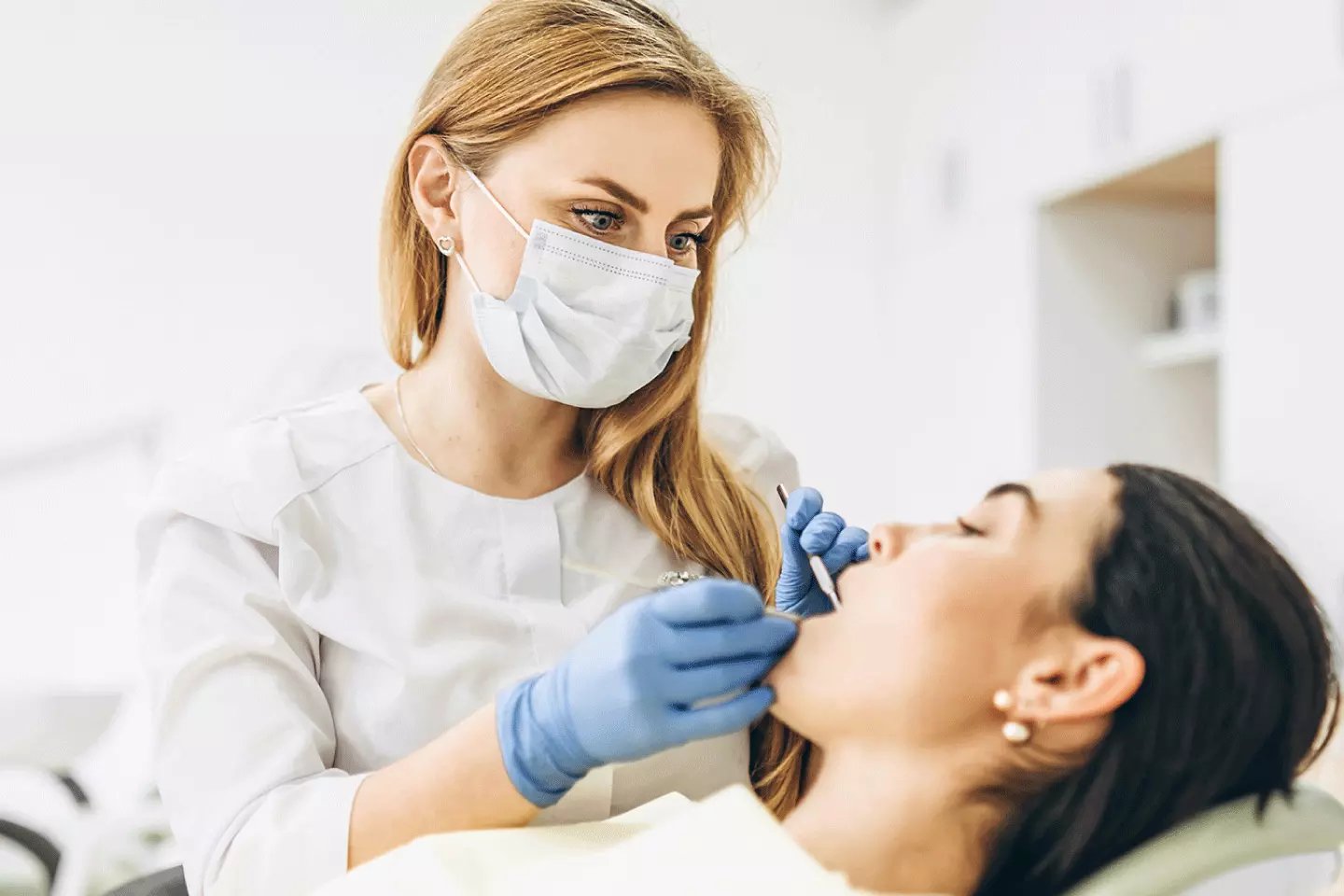
Healthy teeth and fresh breath are an important part of everyday grooming. Regular teeth and breath checkups help prevent pain, infection, and costly dental treatment. During grooming, owners can gently lift the lips, look for red gums, brown tartar, broken teeth, or strong odor, and note any drooling or difficulty eating. Bad breath or sudden changes in chewing are warning signs that should be discussed with a veterinarian. Frequent checks keep small issues from becoming serious disease and help dogs stay comfortable and healthy.
Brushing your dog’s teeth basics
Regular toothbrushing is the most effective way to prevent tartar, bad breath and painful dental disease. The goal is not perfection at once, but gentle, consistent care. Use a dog‑specific toothbrush or finger brush and enzymatic toothpaste; human products can harm dogs. Start by letting the dog lick a pea‑sized amount of paste, then slowly progress to brushing the outer surfaces of the teeth in small circles, focusing on the back molars where plaque builds up most. Even brushing a few times per week offers clear health benefits.
Easy oral care add‑ons for busy owners
Busy owners can still support oral health with small daily habits. Dental chews, water additives, and dental diets help reduce plaque between brushings. Choose VOHC‑approved products for reliability. Chews should match the dog’s size and chewing strength to avoid choking. Rope toys used under supervision can also help clean teeth. Even short, regular sessions plus smart products greatly improve breath and gum condition.
Tip 9: Don’t forget the paws
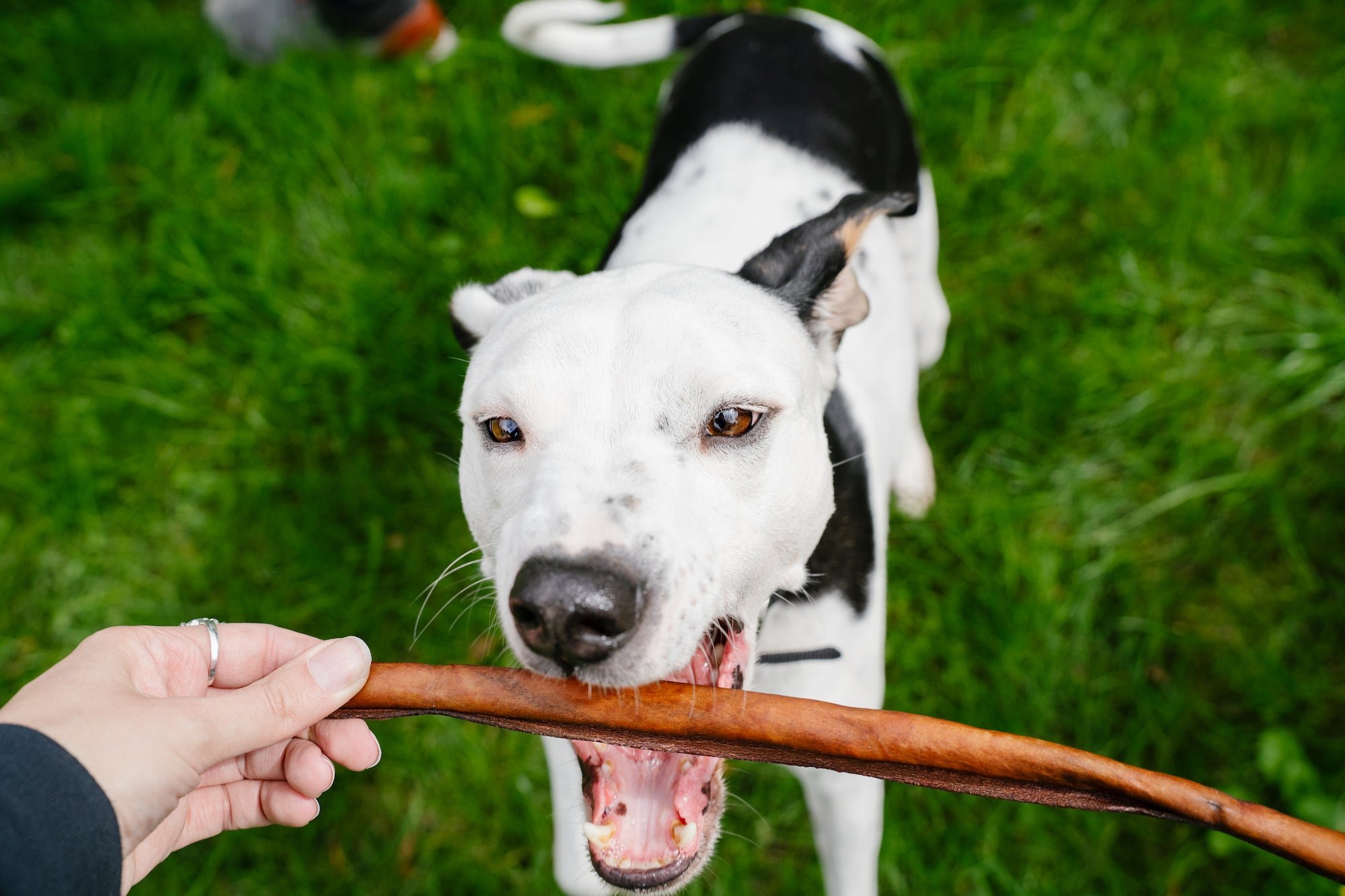
Paws are constantly in contact with the ground, so they often show the earliest signs of trouble. Regular paw care helps prevent cracks, infections and painful splinters. Owners are advised to check paws after walks for cuts, stuck debris, heat damage from hot pavement and ice-melt irritation in winter. Gentle inspection also accustoms the dog to being handled, which makes nail trimming, fur trimming and vet visits much easier and less stressful.
Checking pads, fur and between toes
Regularly checking paws helps prevent small issues from becoming painful lameness. Gently spread each toe and look between the pads and nails for grass seeds, burrs, small cuts, swelling, or redness. Run fingers over the pads to feel for cracks or rough spots, and part the fur to check for knots or trapped dirt. Remove debris with fingers or blunt-tipped tweezers, and trim overgrown fur carefully so it does not mat or hide problems. If there is persistent limping, strong odor, or bleeding, a veterinary visit is recommended.
Seasonal paw care for active dogs
Active dogs’ paws face seasonal stresses, so simple preventive care by season is very helpful.
| Season | Main risks | Easy care tips |
|---|---|---|
| Spring | Mud, pollen allergies | Rinse paws after walks, dry well between toes |
| Summer | Hot pavement, dry pads | Walk early/late, use paw wax, check for redness or blisters |
| Autumn | Wet leaves, hidden debris | Wipe paws, comb out fur between toes, check for cuts |
| Winter | Ice, road salt, cracks | Use booties or balm, rinse off salt, keep fur between pads trimmed |
If any limping, persistent licking, deep cracks, or bleeding are seen, a veterinarian visit is recommended.
Tip 10: Diet and coat condition
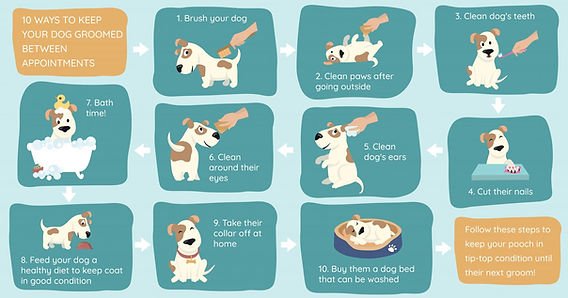
A dog’s coat often reflects overall health. Balanced daily nutrition is one of the most powerful “grooming tools” for beginners. High‑quality protein supports hair growth, while essential fatty acids like omega‑3 and omega‑6 help keep skin supple and fur glossy. Sufficient vitamins, minerals, and water intake also reduce dryness, dandruff, and excess shedding. When owners focus on appropriate food portions and quality ingredients suited to age, size, and activity level, grooming becomes easier and the coat looks naturally well cared for.
How nutrition shows in skin and fur
Healthy skin and a glossy coat reflect what a dog eats. High‑quality protein supports strong hair shafts and reduces breakage. Essential fatty acids, especially omega‑3 and omega‑6, help maintain a flexible, moisturized skin barrier and a natural shine. Dull, brittle fur, flaking, or itchy skin can indicate nutrient imbalance, low‑grade allergies, or poor‑quality food. Sudden coat changes should be discussed with a veterinarian.
Supplements that may help the coat
For most healthy dogs, a balanced diet is enough, but some supplements can support coat quality when used under veterinary guidance.
| Supplement type | Potential benefit for coat | Caution point |
|---|---|---|
| Omega‑3 (fish oil, algae oil) | Adds shine, may reduce dryness and itching | Can add calories; overdose may upset stomach |
| Omega‑6 (e.g., borage oil) | Supports skin barrier | Imbalance with omega‑3 can worsen inflammation |
| Biotin & B‑vitamins | Support hair growth and strength | Only use dog‑specific products |
| Zinc (for vet‑diagnosed deficiency) | May improve coat fullness | Excess zinc is toxic |
Supplements should never replace veterinary care. Sudden coat dullness, hair loss or itching requires a vet check before starting any product.
Tip 11: When to call a professional

Many basic grooming tasks can be done at home, but knowing when to call a professional groomer keeps dogs safer and more comfortable. A professional groomer is especially helpful for dogs with severely matted coats, strong odors, skin problems, itching, dandruff, and long-haired breeds that require partial trims. For dogs that are not comfortable with grooming, senior dogs, or dogs with pre-existing conditions, it's safer to consult a professional. Seeking professional help early on is better than continuing to try to manage the situation at home and can help prevent problems.
Grooming jobs best left to experts
Certain grooming tasks are safer and kinder when handled by a skilled professional. Complex coat cuts for breeds like Poodles or Spaniels, severe matting removal, and full‑body clip‑downs require training to avoid skin injury. Hand‑stripping, anal gland expression, and dealing with fearful or aggressive dogs are also best left to experts who have proper tools, handling skills, and insurance for unexpected problems.
Signs your dog needs a groomer visit
Some signs suggest a professional groomer is safer and more comfortable for a dog. Matting that feels tight to the skin, strong odor, or greasy, flaky fur can indicate the need for expert care. Constant scratching, head‑shaking, or redness around ears, eyes, or paws also require attention. Overgrown nails that click loudly on floors, hair covering the eyes, or any grooming task that makes the owner or dog very anxious are clear cues to book a groomer visit soon.
Fitting grooming into everyday life

Daily life offers many small chances for grooming. Instead of a long session, use short 5–10 minute check-ins. For example, brush after evening walks, wipe paws when coming home, or check ears and eyes while relaxing on the sofa. Linking grooming to existing routines such as walks, feeding, or TV time helps owners remember the tasks and helps dogs feel grooming as a normal part of their lifestyle, not a special event.
Turning chores into relaxed routines
Many owners relax when grooming becomes short, predictable habits instead of big “spa days.” Aim for 5–10 minute sessions linked to daily life: a quick brush after walks, paw checks after outdoor play, teeth brushing before bed.
Keep tools in a small basket in a fixed spot so preparation is effortless. Use calm speech, slow movements, and plenty of small treats. Ending every session on a positive note, even if only one paw or one ear was done, helps dogs look forward to grooming instead of resisting it.
Tracking progress as a new dog owner
Tracking grooming progress helps beginners stay motivated and spot problems early. A simple grooming log is often enough. Record date, tasks (brushing, bath, nails, teeth), products used, and any skin or behavior changes. Photos taken every few weeks show coat condition and weight changes clearly. Over time, owners can adjust frequency, notice itching or redness sooner, and share accurate history with the vet or groomer.
This article introduces lifestyle dog grooming tips for beginners that you can do at home. It carefully explains, from an objective perspective, points that can be easily incorporated into your daily routine, such as brushing and shampooing according to coat type, nail, ear, teeth, and paw care, the relationship between diet and coat, and when to entrust your dog to a professional.





![[Free] 5 dog foods you can try! Depending on your dog's growth and preferences](https://with-my-dog.com/wp-content/uploads/2022/07/image7-12-150x150.jpg)


![[Veterinarian's recommendation] How to choose dog food! Find the perfect food for your dog!](https://with-my-dog.com/wp-content/uploads/2022/07/image4-11-300x200.png)
![My puppy won't learn to use the toilet [Keep training simple!]](https://with-my-dog.com/wp-content/uploads/2021/12/dog-g33cd6bf6a_1920-300x199.jpg)