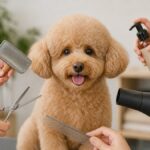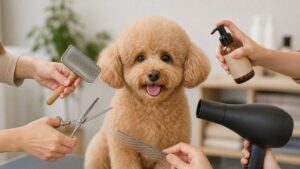

Many dog owners struggle with their dogs becoming unruly, struggling, or trembling during grooming. Forcing them to stay still can make grooming a "frightening time" for the dog, making each grooming session increasingly difficult. This article focuses on "how to make your dog calm during grooming," providing easy-to-follow tips from preparation to how to handle your dog on the day of grooming, as well as training you can do at home. We hope you will find this helpful as a lifestyle guide to make life with your dog more comfortable.
Why Some Dogs Get Stressed by Grooming
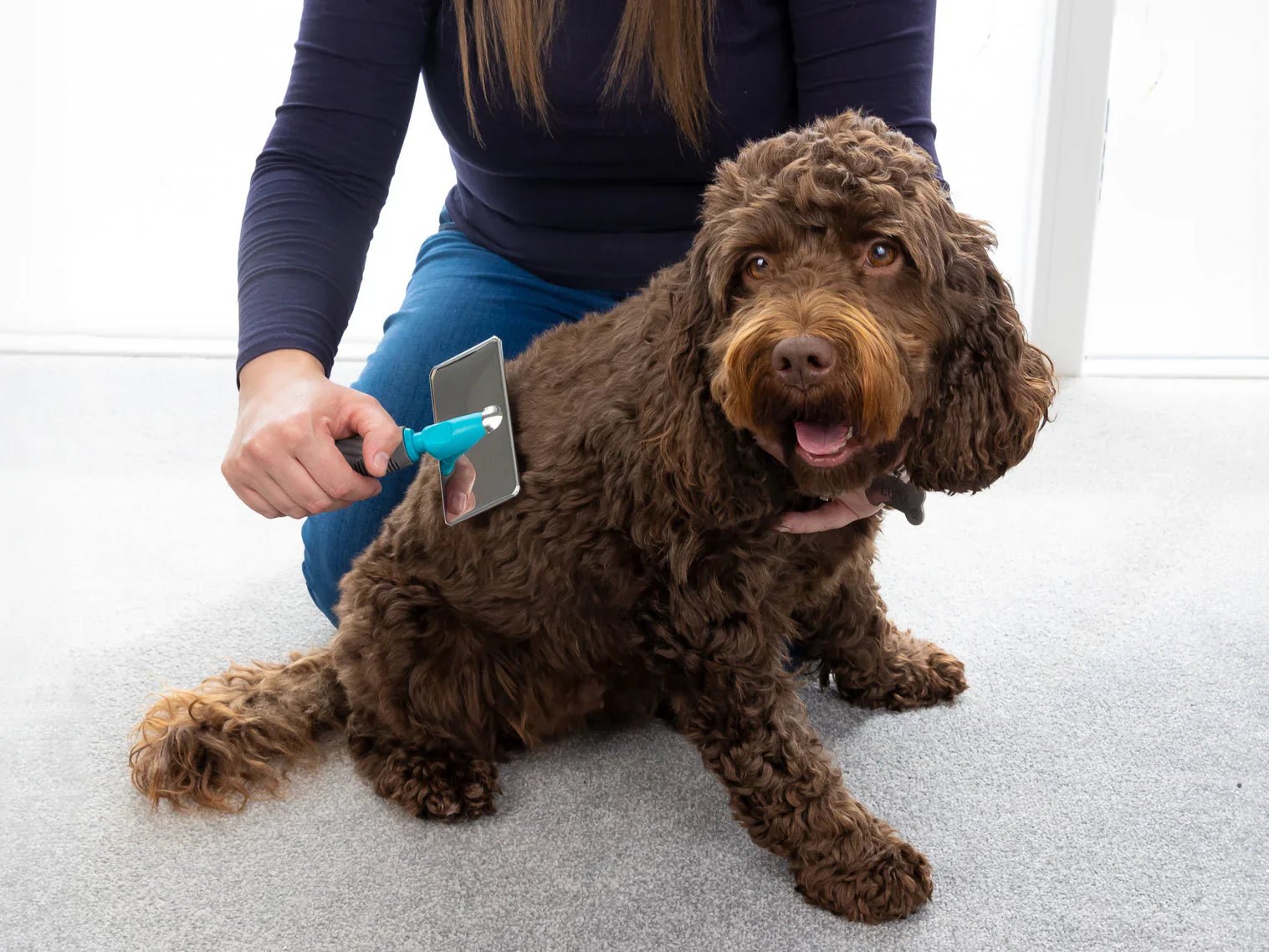
Many dogs find grooming unfamiliar and overwhelming, even in a loving home. Sudden handling, strange sounds, and slippery surfaces can activate a strong fear response, especially in dogs with little early socialization or past negative experiences. Sensitive body areas such as paws, tail, and ears increase discomfort. In addition, pain from skin issues or joint problems can turn mild worry into strong resistance, so anxiety around grooming is very common and not a sign of a “bad” dog.
Common triggers in the grooming process
Many dogs are startled by grooming because several elements feel strange or threatening. Loud sounds from clippers and dryers, slippery tables, and unfamiliar smells can quickly raise stress. Sudden pulling on tangles, nail trimming pressure, or water near the face often cause fear. Restraints such as loops or hands on the collar may feel confining. Inexperienced handling, rushed movements, and past painful experiences can also become strong negative triggers.
Signs your dog is anxious, not just fussy
Many dogs look "stubborn" during grooming, but the real cause is often anxiety. Early signs include yawning when not tired, licking lips, turning the head away, pinned‑back ears, slow or stiff movements, and raised front paw. Stronger stress signals are panting in a cool room, trembling, tucked tail, trying to hide, or sudden shedding.
When anxiety escalates, dogs may growl, snap, or try to escape. Any change from a dog’s usual behavior during grooming deserves attention, because noticing subtle signs early allows the owner to pause, give a break, and prevent fear from turning into aggression.
Set Your Dog Up for Success Before Grooming
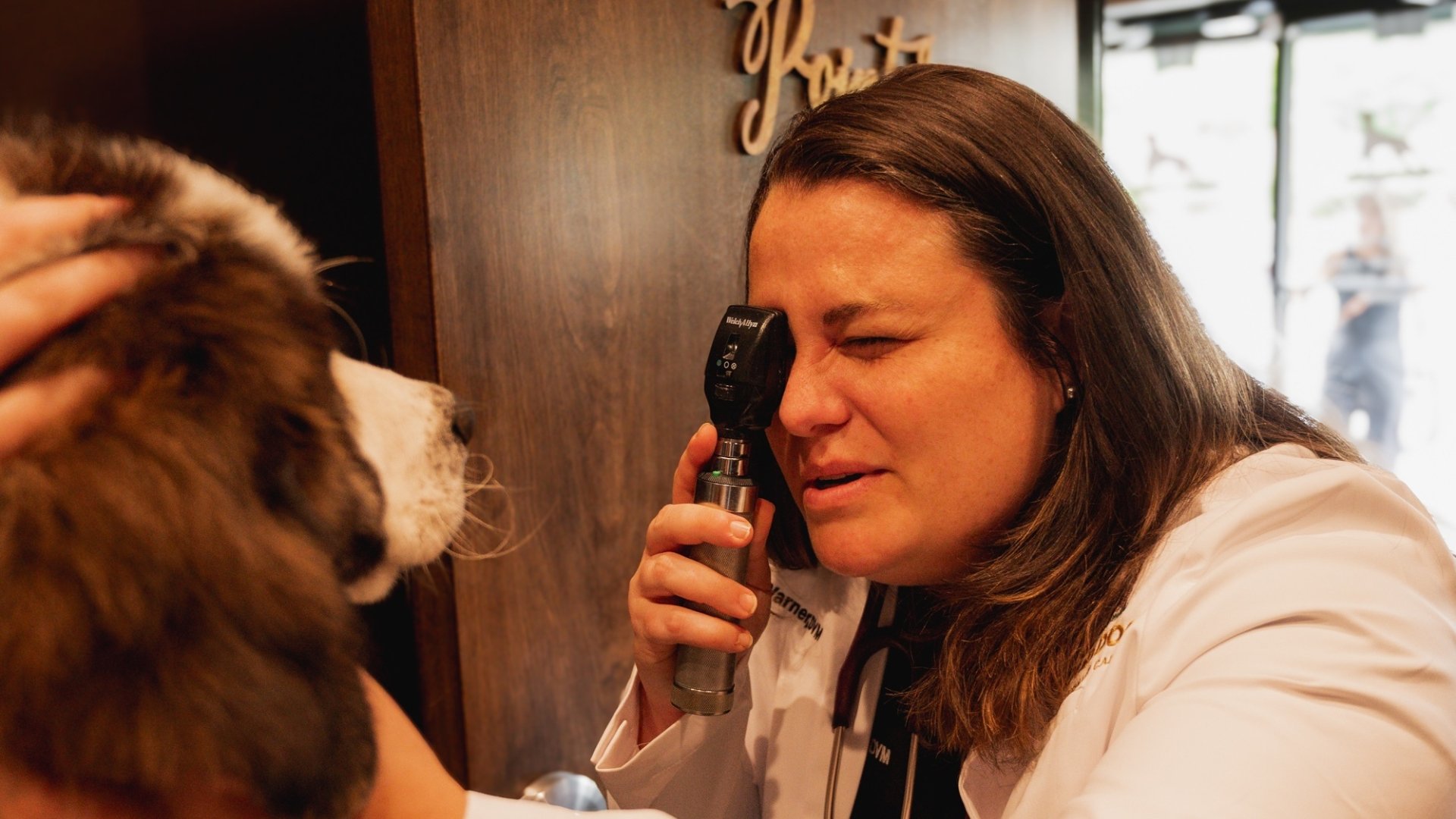
Calm grooming starts well before brush or clippers touch the coat. Owners prepare by planning around the dog’s energy, health, and environment. A quiet room, non‑slippery surface, and familiar blanket reduce tension. Short, positive handling sessions in daily life teach the dog that being touched is safe. Gentle practice on paws, ears, and tail paired with small rewards helps the dog approach grooming more relaxed and cooperative.
Health checks and when to delay grooming
Before any grooming, a quick health check helps keep dogs comfortable and safe. Look for red, smelly, or dirty ears, sore or bleeding paws, skin rashes, hot spots, or obvious pain when touched. Check for vomiting, diarrhea, coughing, heavy panting at rest, or sudden lethargy.
Grooming should be delayed and a vet consulted if a dog has fever, open wounds, severe itching, eye infections, recent surgery, or new lumps that hurt. For mild issues such as a small mat or flaky skin, gentle, shorter sessions are recommended until the dog feels better.
Choosing a calm time, place, and person
It is important to groom your dog during a calm time of day. After a walk or light play, when your dog is moderately tired, they are more likely to relax, while times when they are very hungry or sleepy are best avoided. A quiet area with non-slip flooring and enough space that is not too cramped or easy to escape from is suitable. The person handling the grooming should ideally be a family member the dog already trusts, as this can reduce anxiety. Even if multiple people are involved, it is best to have only one person give verbal cues and continue speaking in a calm tone.
Essential gear for low‑stress grooming
For low‑stress grooming, simple, gentle tools are usually best. A soft slicker or bristle brush, metal comb, and rounded‑tip scissors cover most home care. For nails, use dog nail clippers or a quiet grinder with a safety guard. A non‑slip mat helps dogs feel secure in the bath or on a table. Choose a mild dog shampoo, microfiber towel, and, if needed, a low‑noise dryer. Have high‑value treats, a lick mat, or a stuffed Kong ready so grooming becomes linked with positive experiences.
Slow Desensitization at Home
Slow desensitization means teaching the dog, step by step, that grooming is safe and predictable. Instead of forcing a full bath or haircut at once, the owner breaks grooming into tiny actions the dog can handle calmly. Short, positive sessions reduce fear, prevent struggles, and protect safety for both dog and owner. Gentle progress at home builds trust, so later grooming at a salon also becomes much less stressful.
Getting your dog used to touch and handling
Dogs feel calmer when human touch is predictable and positive. Start in a quiet space and gently handle only where your dog already enjoys being petted—shoulders, chest, or sides. Gradually add new areas: ears, paws, tail base, belly. Pair each touch with soft praise and a small treat. Keep sessions very short at first. If the dog turns away, stiffens, or licks lips repeatedly, pause and move back to an easier area. Consistent, gentle practice builds trust and prepares for stress‑free grooming.
Introducing tools: brushes, clippers, dryer
Grooming tools should be introduced slowly and positively so the dog does not associate them with fear. Begin by letting the dog sniff a brush or comb, then reward with a favorite treat. Next, lightly touch the coat for just a few seconds and praise. For clippers and dryers, start turned off, pair with treats, then gradually add the sound from a distance before moving closer. Short, calm sessions help prevent overload and build confident, relaxed reactions over time.
Short training sessions and reward timing
Short training sessions should be matched to the amount of time your dog can stay focused. As a guideline, keep each session to about 1 to 3 minutes, and end early when your dog does well so they are more likely to keep a positive feeling of “I want to do more.”
Rewards are easier to associate with the behavior when given within 1 to 2 seconds. For example, the moment you touch your dog once with the brush and they stay calm, say “good dog” and immediately give a treat.
Increase the difficulty little by little, starting from a level where your dog can succeed easily. If your dog starts showing more signs of resistance, shorten the time even further and temporarily increase the frequency of rewards to reduce the burden. Building up repeated successful experiences is the quickest way to help your dog calmly accept grooming.
Step‑by‑step practice plan over 2–4 weeks
A 2–4 week plan works best when divided into clear stages. The following is a model schedule; progress can be slower if the dog feels tense.
| Period | Goal | Key Practice |
|---|---|---|
| Days 1–3 | Relaxed handling | Short sessions of gentle touch on paws, ears, tail with high‑value treats |
| Days 4–7 | Add tools without use | Let the dog sniff brush, clipper, dryer; pair each with rewards and end before any struggle |
| Week 2 | Very light "fake" grooming | One or two real brush strokes, clipper sound away from body, brief towel holds; many breaks |
| Week 3–4 | Build duration | Slowly increase grooming time, always stopping while the dog stays calm |
The most important rule is: advance only when the dog is relaxed, not by calendar date.
How to Make Your Dog Calm During Grooming
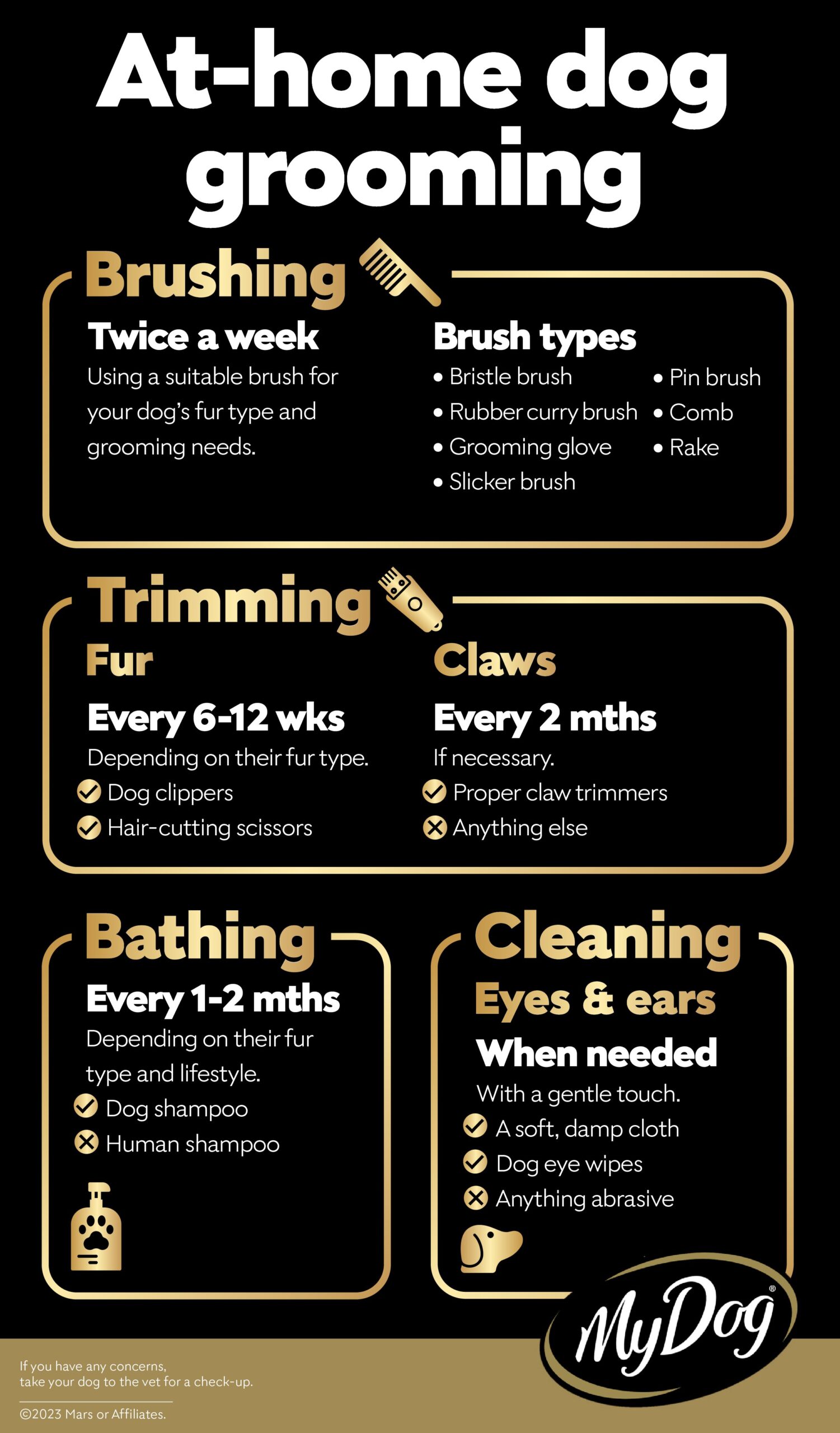
A calm grooming session starts long before scissors or clippers touch the coat. The goal is steady comfort rather than perfect styling. Use the same place, same tools, and similar order each time so the grooming routine becomes predictable. Work slowly, speak softly, and watch the dog’s body language so stress never builds to the point of struggle or panic. Consistency helps most dogs relax and accept grooming as a normal part of daily life.
Before you start: exercise, toilet, and mood
Before grooming, a calm start greatly reduces stress. Give your dog moderate exercise 30–60 minutes beforehand so excess energy is released but the dog is not overtired. Avoid intense play right before grooming. Ensure a toilet break just before starting, because a full bladder or bowels can cause fidgeting and anxiety. Choose a moment when the household is quiet and the dog already seems relaxed or sleepy, not when guests arrive or children are very active.
Using treats, toys, and licking mats wisely
High‑value food rewards keep many dogs focused during grooming. Prepare tiny, soft treats so chewing does not interrupt work, and give a steady stream for calm behavior, not only at the end. Licking mats or stuffed Kongs are useful for nails, brushing, or face wipes, because repetitive licking promotes relaxation. Toys suit energetic dogs; reserve a special toy only for grooming time so it feels like a reward. If food causes stomach upset or resource guarding, reduce quantity or switch to low‑calorie, low‑value options.
Positioning, breaks, and session length
Proper positioning reduces strain and fear. Place the dog on a non‑slip, comfortable surface, keeping paws under the body rather than stretched out. Small dogs often feel safer on a low table; large dogs may relax more on the floor. Stand or sit at the dog’s side, not looming over the head.
Keep sessions short and predictable. Many dogs manage 5–10 minutes at first. Pause before signs of stress, then give a brief break for sniffing, stretching, or a drink. Frequent, calm breaks teach that grooming is temporary and safe, which makes the next session easier.
Soothing voice, touch, and scent cues
A calm, steady voice is one of the easiest ways to relax a dog during grooming. Speak in low, gentle tones, avoid sudden loud exclamations, and use familiar phrases the dog already associates with good experiences, such as “good boy” or “all done soon.”
Gentle touch also supports relaxation. Start with slow strokes on areas the dog enjoys, like the chest or shoulders, before moving to more sensitive spots. Consistent, predictable hands help the dog anticipate what will happen next and reduce surprise.
Scent can be another useful cue. Some dogs settle with pet‑safe calming sprays (pheromones, lavender blends made for animals) on bedding or the groomer’s clothes. Strong perfumes or harsh cleaning products should be avoided, because they may overwhelm the dog’s sensitive nose and increase stress.
Keeping Salon Visits Calm and Safe

Grooming salons can be busy, noisy spaces, so planning ahead keeps visits calmer and safer. Aim for quieter times of day, bring familiar items such as a blanket or scented bandana, and confirm handling policies in advance. Clear communication with staff about health, behavior, and preferences reduces surprises. For many dogs, shorter first appointments and gradual exposure prevent overwhelm and help build positive associations with professional grooming.
How to pick a low‑stress groomer
A low‑stress groomer focuses on comfort and safety, not speed. When researching, check reviews for words like “patient,” “gentle,” and “good with nervous dogs.” During a visit, observe noise level, smell, and how staff handle dogs. Calm voices, non‑slip surfaces, separate areas for large and small dogs, and secure but kind restraint are all positive signs. Fear‑free or low‑stress handling certifications, clear policies on breaks, and allowing pre‑visit meet‑and‑greets are especially reassuring for anxious dogs.
What to tell the groomer about your dog
Groomers can work more safely and calmly when they know a dog’s background. Share age, breed, health issues, and medications, plus any past bad grooming experiences. Explain what the dog finds scary, such as dryers, nail clipping, or being crated, and mention sensitive areas like paws, ears, or tail. Also describe reward preferences, training cues the dog already knows, and how the dog usually reacts to strangers or handling.
Arrival, hand‑off, and pickup routines
A calm arrival helps set the tone. Aim to arrive a little early so the dog can toilet and look around quietly instead of rushing from the car. Keep greetings low‑key in the lobby; avoid excited voices or crowding from people or dogs. For hand‑off, use a short, cheerful cue, give a high‑value treat, and pass the leash confidently to the groomer without hesitation, then leave promptly.
For pickup, stay relaxed and speak softly, even if the dog is excited. Ask the groomer for a quick update on behavior and any stress signs noticed. Offer water and a quiet walk or car ride home rather than extra errands. After returning home, allow rest and gentle affection instead of intense play so grooming gradually becomes linked with calm recovery time.
Special Tips for Puppies, Seniors, and Nervous Dogs

Different life stages and personalities require tailored care. Puppies, seniors, and very nervous dogs often find grooming especially intense, so owners benefit from adjusting expectations and techniques. Short, positive sessions, extra patience, and gentle handling are essential. For each group, the goal is not a perfect haircut but a safe, calm experience that slowly builds trust and turns grooming into a predictable, low-stress routine.
First grooming experiences for puppies
A puppy’s first grooming should feel short, gentle, and fun. Start with very small tasks at home: a few soft brush strokes, touching paws and ears, then rewarding immediately with tiny treats or play. Aim for several 3–5 minute sessions, not one long session. Before the first salon visit, take the puppy only for a “hello” visit to smell the room, meet staff, and stand on the table briefly. Choose a groomer experienced with puppies, request extra time, and ask for a simple tidy rather than a full style. Positive early experiences greatly reduce future grooming anxiety.
Supporting senior dogs with aches or limits
Senior dogs often dislike grooming because of pain, stiffness, or reduced balance. Before sessions, owners should check for arthritis, sore spots, or skin problems and keep movements slow and gentle. Use non‑slip mats, lower tables, and support under the belly. Short, frequent grooming is kinder than one long session. Choose soft brushes, lukewarm water, and schedule grooming when the dog is most relaxed, often after a gentle walk or nap.
Helping rescue or fearful dogs feel safer
Rescue dogs and former shelter dogs tend to react strongly to sudden movements, loud noises, and being restrained due to past experiences. It is reassuring to start over several weeks with “practice where nothing happens,” such as showing the brush, letting them sniff it, or lightly touching their body.
Do not try to groom the whole body all at once. As a guideline, focus on one body part per day for just a few minutes, and always give a reward afterward. By preparing a crate or bed as an escape space and stopping when your dog returns there on their own, you can help them learn that “even if I dislike it, I will not be forced to continue.”
If your dog is sensitive to sounds or vibrations, start with quiet brushes or scissors, place clippers or a dryer nearby while they are turned off, and gradually shorten the distance. If needed, consulting a trainer or groomer experienced with rescue dogs can improve safety.
Safety First: When to Stop a Grooming Session

Grooming that is forced to continue can lead to injury or strong trauma, so having the courage to stop partway through is also important. If your dog only dislikes it a little, a break may help them reset, but if it turns into panic or strong resistance, stopping should be the priority. The experience of being protected by the owner can also lead to a greater sense of security in future sessions. Setting a limit and saying “that’s enough for today” without pushing too hard is the quickest path to safe and gentle care.
Body language that means “I’ve had enough”
Reading the signs that your dog feels “I can’t handle this anymore” early is an important point for safe grooming. Common body language signs are as follows:
| Sign | What It Looks Like | General Meaning |
|---|---|---|
| Tail tucked or held between the legs | Body held low and movements become stiff | Strong anxiety or fear |
| Increased yawning or lip licking | Repeated even when your dog is not sleepy | Mild stress is increasing |
| Whites of the eyes showing clearly (whale eye) | Looking sideways while avoiding direct eye contact | Strong tension |
| Trembling or panting | Breathing heavily regardless of room temperature | Your dog is close to their limit |
| Freezing or trying to escape | Body becomes stiff / desperately backing away | A break is needed immediately |
If several of the above signs appear at the same time, it is best to pause the grooming and let your dog take a break. Taking breaks early can help prevent biting or major panic.
Handling bites, panic, and emergencies
If biting or panic occurs, the top priority is to stop the grooming immediately. Quietly move the tools away, avoid staring at your dog, and slowly create distance. Forcibly restraining your dog can increase fear and make them more likely to struggle in future sessions.
If there is bleeding, disturbed breathing, urination, or defecation, contact an animal hospital immediately while providing first aid. Even with mild biting, if it happens repeatedly, do not try to handle it only at home. It is important to consult a veterinarian or trainer and create a safe handling method and training plan.
Lifestyle Habits That Keep Grooming Calm

Calm grooming starts long before scissors or shampoo. Dogs stay most relaxed when everyday life already feels predictable and safe. Regular walks, play, and enough sleep reduce stored-up energy that can spill over as grooming stress. A stable routine for feeding, toilet breaks, and rest also helps dogs cope with handling. Gentle handling in daily care, short practice sessions with tools, and positive experiences on the grooming table become part of the dog’s normal lifestyle, so actual grooming days feel like a familiar extension of everyday habits, not a sudden, scary event.
Daily brushing and touch as bonding time
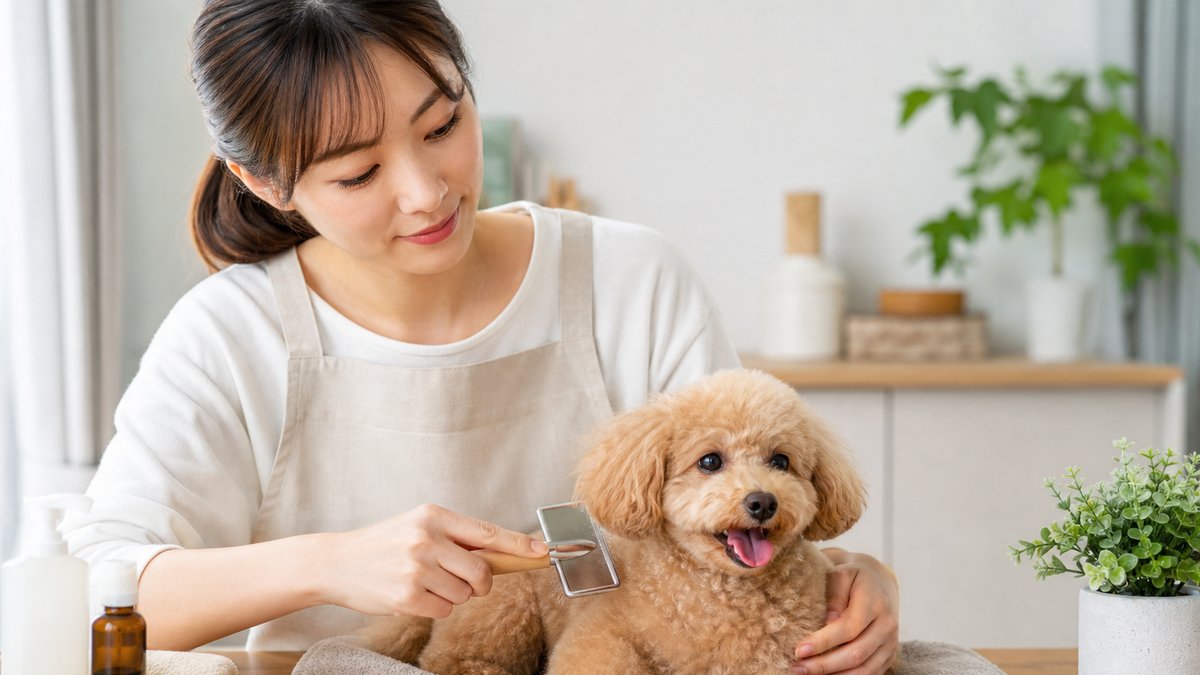
Daily brushing and gentle touch can turn grooming into relaxing bonding time instead of a battle. Keep sessions short at first, focusing on calm strokes and quiet praise. Move the brush slowly, avoiding tugging, and reward frequently with tiny treats. Many dogs enjoy a routine of brush → treat → cuddle, which helps them look forward to grooming.
Use touch to check ears, paws, tail, and belly in a soft, unhurried way. When the dog stays relaxed, mark the moment with a calm "good" and a reward. Over time, the dog learns that being handled is safe and pleasant, so salon or home grooming becomes much less stressful.
Exercise, routine, and nutrition effects
Regular movement, predictable routines, and appropriate food all influence how calmly a dog accepts grooming. Sufficient daily exercise helps release tension, so many dogs cope better with brushing after a walk or play. A stable schedule for meals, walks, and rest lowers overall stress, making sudden handling less overwhelming. Balanced nutrition supports skin and coat health, so grooming is more comfortable and less itchy, which reduces resistance and fussing.
Using calming aids and when they’re helpful
Calming aids can support training but should not replace it. For mild tension, lick mats, chew toys, and high‑value treats help dogs stay focused and relaxed. Some families find benefit in pressure vests, pheromone sprays, or calming music. For stronger anxiety, vet‑approved supplements or medication may be appropriate. Always trial any aid before grooming day and stop use if unwanted reactions appear.
When to Ask Your Vet or Trainer for Help
Early consultation is recommended when grooming stress does not improve or suddenly worsens. A veterinarian can rule out pain, skin disease, ear problems, or hormonal issues that make grooming uncomfortable, and can advise on safe calming aids. A qualified trainer or behaviorist is helpful when fear shows as growling, snapping, or frantic struggling, or when owners feel unsafe. Getting help early prevents grooming from becoming a long‑term fear.
Red flags that need professional support
Some situations go beyond what a home grooming routine can safely handle. Early consultation prevents fear from becoming a long‑term problem. Consider professional help if:
- Your dog growls, snaps, or bites when brushed or touched
- Panic signs appear: frantic struggling, screaming, urinating, or defecating
- Mild fear gets worse with each grooming, not better
- Grooming is impossible without multiple people holding the dog
- Your dog has a medical issue and grooming seems to cause pain
In these cases, a veterinarian or qualified trainer can assess pain, anxiety level, and the safest next steps.
Working with vets, groomers, and trainers
Building a calm grooming life often needs a team approach. Vets can rule out pain, advise on calming aids, and prescribe medication when fear is severe. Fear‑aware groomers adjust handling, tools, and timing for sensitive dogs. Qualified trainers or behaviorists design step‑by‑step plans and coach owners on safe handling. Sharing videos, history, and clear goals among professionals helps create a consistent, low‑stress strategy for the dog.
This article explains the reasons why dogs get nervous during grooming, and provides specific tips for keeping your dog calm, tailored to your lifestyle, from preparation beforehand and getting them used to grooming at home, to calming them down on the day of grooming, and how to communicate with and choose a groomer at the salon.