
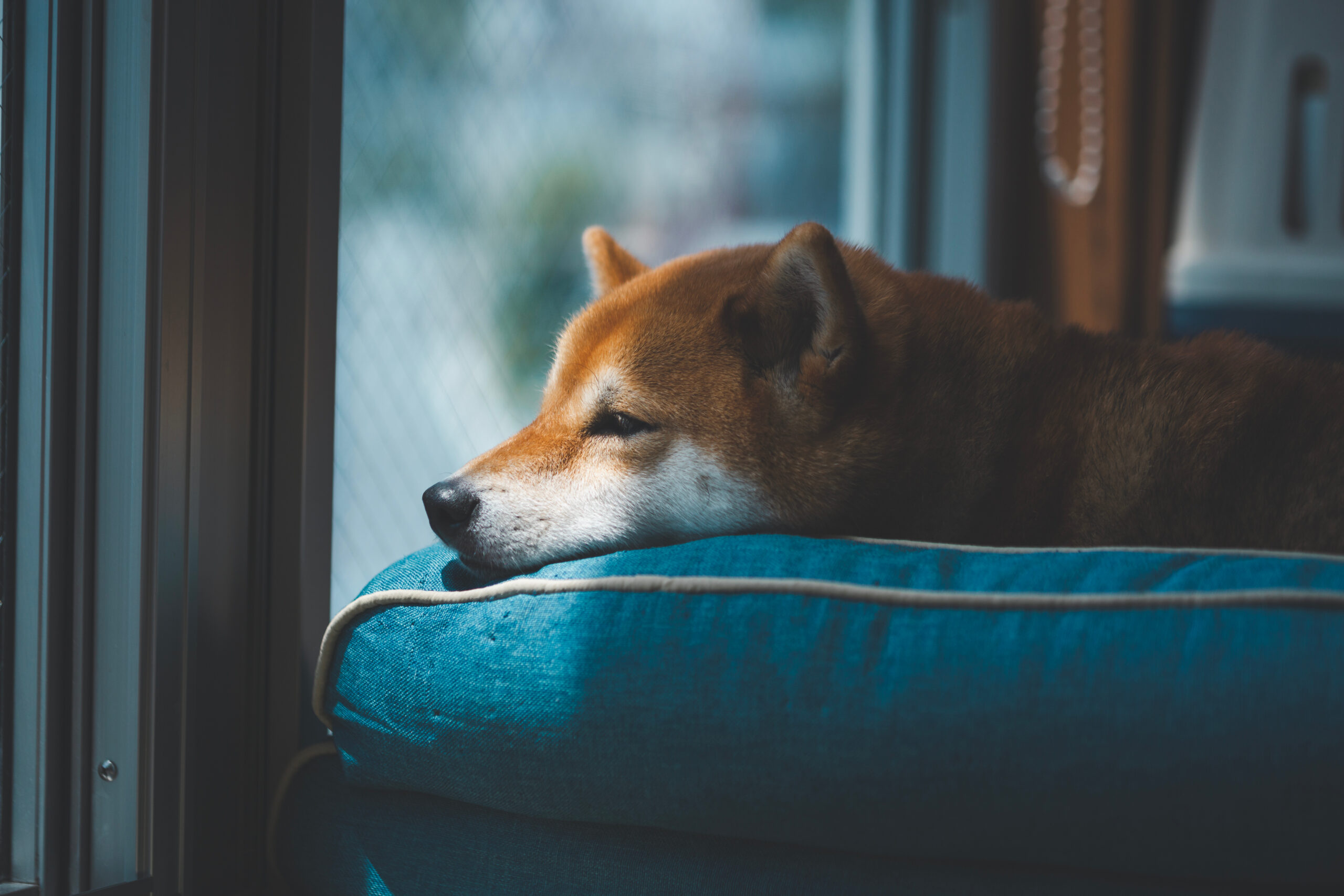
Many dog owners worry that their beloved pet, who usually eats heartily, might be sick if they suddenly stop eating. Loss of appetite can have various causes, ranging from simple pickiness or temporary changes in environment to signs of serious, life-threatening illnesses. This article provides a clear, objective explanation of possible illnesses when a dog stops eating, dangerous symptoms that require immediate veterinary attention, and key points to consider when observing your dog at home. This information will help you quickly notice any changes in your dog's condition and take appropriate action.
Is Loss of Appetite Dangerous for Dogs?
Loss of appetite, called anorexia in veterinary medicine, can be mild and temporary or a sign of serious illness. A healthy dog that skips one meal but is otherwise bright and playful is usually not in immediate danger. However, not eating for more than 24–48 hours, or refusing food plus showing other symptoms, should always be taken seriously.
Dogs rely on regular calorie and fluid intake to maintain blood sugar, organ function, and immune health. Puppies, seniors, and dogs with existing disease can deteriorate quickly when they stop eating. In some cases, appetite loss is the first visible warning of problems such as infection, digestive disease, or organ failure, so early attention is very important.
Normal vs abnormal eating patterns
Healthy dogs tend to eat with a fairly steady appetite. Many dogs finish meals quickly, show interest when food is prepared, and accept treats. Short‑term changes can be normal, for example on a very hot day or after extra snacking.
Abnormal patterns include suddenly refusing regular food, eating much less for more than a day, walking away after one or two bites, or hiding instead of coming to the bowl. Skipping meals repeatedly, losing weight, vomiting, diarrhea, or low energy together with poor appetite suggest a possible health problem and warrant veterinary advice.
How long a healthy dog can skip meals
A healthy adult dog can usually skip one meal without serious risk, especially in hot weather or after excitement. Many dogs can go up to 24 hours without food and remain stable. However, puppies, toy breeds, seniors, and dogs with medical conditions are less tolerant of fasting. If a healthy adult misses more than 24 hours of meals, or skips food along with vomiting, diarrhea, lethargy, or pain, a veterinary check is recommended.
Health Problems That Make Dogs Stop Eating
Loss of appetite is called anorexia in veterinary medicine and is often one of the first warning signs of illness. When a dog suddenly refuses food, the body may be reacting to pain, nausea, fever, organ trouble, or infection. Short, mild appetite changes can occur from stress or a skipped meal, but persistent or sudden complete refusal to eat usually signals a health problem and should not be ignored, especially if vomiting, diarrhea, lethargy, or weight loss are also present.
Common illnesses linked to appetite loss
Common illnesses often reduce a dog’s appetite because feeling unwell naturally suppresses hunger. Any sudden, unexplained loss of appetite can be an early sign of disease. Typical causes include infections (such as kennel cough, pneumonia, or urinary tract infection), fever, hormonal problems (like diabetes or Cushing’s disease), organ disorders, and pain from injuries or arthritis. Even mild illnesses may first appear as a dog refusing food, so ongoing appetite changes deserve a prompt veterinary check.
Digestive issues and upset stomach
Digestive problems are one of the most common reasons for a dog suddenly refusing food. Nausea, stomach pain, and diarrhea often cause short‑term appetite loss. Typical causes include eating garbage or fatty human food, mild gastritis, parasites, sudden diet changes, or stress‑related colitis.
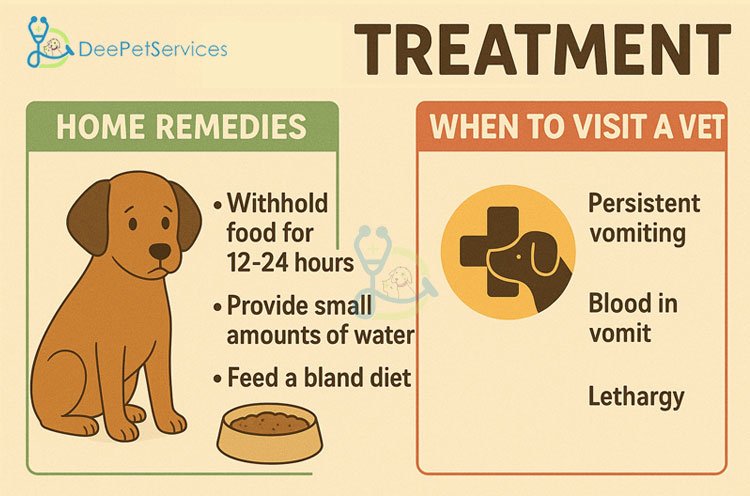
Signs of an upset stomach can include drooling, lip‑licking, grass‑eating, gurgling gut sounds, vomiting, soft stool, or gas. If a dog is still bright and drinking, a brief 12–24 hour fast may occur. However, persistent vomiting, blood in stool, or lethargy require prompt veterinary care, as they may indicate more serious intestinal disease or obstruction.
Kidney, liver, and pancreas disease
Kidney, liver, and pancreatic disease often cause gradual appetite loss rather than sudden refusal of all food. Dogs may show vomiting, diarrhea, weight loss, increased thirst or urination, yellow gums or eyes, or a swollen belly. Pancreatitis can cause sudden severe belly pain and refusal to eat. Any ongoing appetite change with these signs needs prompt veterinary evaluation, as early treatment greatly improves outcomes.
Infections, fever, and pain
Infections anywhere in the body often cause fever, tiredness, and loss of appetite. Common sources include respiratory infections, urinary tract infections, skin infections, and infected wounds. Pain from injuries, arthritis, or internal problems also makes many dogs reluctant to eat or chew. A dog that feels hot, shivers, pants more than usual, or hides and refuses food may have fever or pain and should be checked by a veterinarian promptly.
Cancer and serious internal disease
Cancer can directly reduce a dog’s appetite, but loss of appetite may be one of the only early clues, so careful observation is important. Tumors in the stomach, intestines, liver, spleen, or pancreas often cause nausea, pain, or a feeling of fullness, so the dog eats less or refuses food. Internal diseases such as advanced heart disease or severe organ failure can also make dogs feel tired and unwell, leading to gradual weight loss and picky or absent eating.
Typical warning signs include ongoing appetite loss, weight loss, vomiting, diarrhea, a swollen belly, coughing, or reduced stamina. Any combination of these changes, especially in middle‑aged or senior dogs, should be checked by a veterinarian promptly to rule out cancer or other serious internal problems.
Medication side effects
Some medicines reduce appetite as a common side effect, even when they are helping another condition. Pain relievers (especially some NSAIDs), antibiotics, chemotherapy drugs, and certain heart, seizure, or behavior medications can all make a dog feel queasy, tired, or less interested in food.
Never stop a prescribed drug on your own. Instead, contact the veterinarian promptly and report when the appetite change started, which medicine is being used, and any vomiting, diarrhea, or behavior changes. The vet may adjust the dose, switch drugs, add stomach protectants, or suggest an appetite stimulant if needed.
Non‑Medical Reasons Your Dog Won’t Eat

Non-medical reasons often explain sudden appetite loss. A healthy dog may refuse food due to stress, environment, or preference rather than illness. Owners tend to worry about disease first, but many cases involve mood or routine changes. Understanding non-medical causes helps decide whether to adjust daily life, change food, or consult a veterinarian for further checks.
Stress, anxiety, and routine changes
Emotional changes strongly influence a dog’s appetite. Stress, anxiety, or a sudden routine change can cause a healthy dog to skip meals temporarily. Common triggers include a new baby or pet, owner’s schedule change, boarding, loud noises, or being left alone longer than usual. Sensitive dogs may pace, pant, hide, or cling to owners and then ignore food. If appetite returns within a day once the situation settles and no other illness signs appear, the cause is likely stress-related. Ongoing refusal to eat, weight loss, or lethargy requires a veterinary check.
Picky eating and food preferences
Some dogs simply have strong food preferences rather than illness. Sudden refusal can occur when a new brand, flavor, or texture is offered, or when too many treats make regular food less appealing. A truly picky eater still seems bright, playful, and drinks normally. Preference-related fasting is usually short and not accompanied by vomiting, diarrhea, or weight loss. However, a “picky” dog can also be masking disease, so ongoing poor appetite, body condition changes, or new behavior changes always warrant a veterinary check.
Changes in the home or environment
Sudden changes around a dog often reduce appetite. A new home, renovation, new baby or pet, or an owner’s changed schedule can all cause stress. Loud noises, visitors, or boarding at a kennel may also make a dog too anxious to eat. Creating a quiet feeding area, keeping mealtimes consistent, and offering familiar food and bowls usually helps the dog feel safe and start eating again. If poor appetite continues, consultation with a veterinarian is recommended.
Recent vaccinations or surgery
A dog may feel tired, sore, or mildly nauseous after vaccinations or surgery, which can temporarily reduce appetite. Pain at the injection site, anesthesia effects, or wearing an e‑collar often make eating uncomfortable. Most dogs improve within 24–48 hours. However, persistent refusal to eat, vomiting, diarrhea, or marked lethargy after a procedure can signal infection, drug reaction, or surgical complications, so prompt veterinary advice is important.
Dental and Mouth Pain That Affect Eating
Dental and mouth pain are very common reasons for a dog to stop eating or to eat only soft foods. Dogs may feel hungry but avoid the bowl because chewing hurts. Owners often notice subtle changes first: slower eating, dropping kibble, preferring one side of the mouth, or walking away after a few bites.
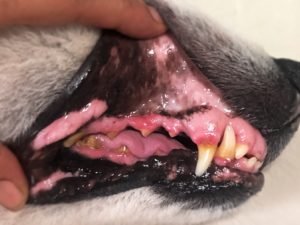
Careful observation of the mouth area is important. Signs such as bad breath, pawing at the face, drooling, or yelping when the head is touched suggest oral pain rather than pickiness or a simple dislike of the food.
Tooth disease, broken teeth, and ulcers
Dental problems are a very common cause of appetite loss in dogs. Periodontal disease, cavities, and resorptive lesions make chewing painful, so dogs may drop food, chew on one side, eat slowly, or refuse hard kibble. Broken or cracked teeth, exposed roots, and painful mouth ulcers (from trauma, infection, or immune disease) can all lead to sudden fussiness with food or complete refusal to eat. Bad breath, excessive drooling, pawing at the mouth, or blood on toys often signal that a dental exam is urgently needed.
Foreign objects stuck in the mouth
Foreign material in the mouth can suddenly make a dog refuse food. Common culprits include bones, wood splinters, sticks, pieces of toys, fabric, fishhooks, and plant awns lodged between teeth, under the tongue, or in the gums or palate. Signs include pawing at the mouth, drooling, bad breath, whining, or dropping food.
Caregivers may gently look in the mouth if the dog is calm, but should not pull out deep or sharp objects because bleeding or further damage may occur. Any suspicion of a stuck object, especially with pain or trouble swallowing, requires prompt veterinary examination.
Warning Signs of Illness in a Dog Not Eating
When a dog stops eating, owners often wonder whether it is simple fussiness or a sign of sickness. Appetite loss can be one of the earliest clues of disease, even before clear symptoms appear. A dog that refuses food for more than a short period, or whose eating changes suddenly, should be viewed as a possible medical case, especially if energy level, behavior, or bathroom habits also change. Noticing warning signs early makes diagnosis easier and greatly improves the chance of effective treatment.
Red‑flag symptoms that need a vet
Dogs often miss a meal from stress or minor stomach upset, but some symptoms together with poor appetite suggest illness. If a dog is not eating and shows any of the following, a veterinary visit is recommended:
- Lethargy, hiding, or unusual weakness
- Vomiting or diarrhea, especially repeated or bloody
- Weight loss or visible muscle loss
- Coughing, breathing changes, or persistent fever
- Drinking far more or far less water than usual
- Swollen belly, difficulty walking, or signs of pain when touched
Persistent appetite loss for more than a day in a normally keen eater also counts as a red flag.
Emergency signs: go to ER right away
If your pet has the following symptoms in addition to loss of appetite, it is important to take them to an emergency veterinary hospital immediately.
| Emergency Signs | Examples of Specific Symptoms |
|---|---|
| Severe Vomiting and Diarrhea | Repeated Vomiting, Blood in Diarrhea, Uncontrollable Diarrhea |
| Lethargy and Immobility | Unable to Stand, Slow Reaction, Barely Responding to Calls |
| Difficulty Breathing | Opening Mouth and Breathing Strugglingly, Rapid and Shallow Breathing |
| Sudden Abdomen Distension and Hardness | |
| Convulsions/Dizziness | The pet's body trembles, and it falls over and flails its arms and legs |
| The pet is drowsy/faints | The pet's eyes are unfocused, and it falls over and cannot get up |
| The pet does not urinate/blood in the urine | The pet goes to the toilet many times but produces very little urine |
If you feel a strong sense of unease that something is wrong, and the pet is clearly behaving differently than usual, it is recommended that you seek emergency medical attention without hesitation.
When to watch at home vs. call the vet
Even if your dog has a poor appetite, if it is energetic, drinking water, and defecating normally, you can observe it for half a day to a day. On the other hand, if your dog is lethargic, vomiting or diarrhea continues, there is a sudden weight loss, or it appears to be in pain, it is safer to see a vet as soon as possible.
As a guideline, if your puppy or dog with a chronic illness has eaten almost nothing for more than half a day, or if an adult dog has eaten almost nothing for more than 24 hours, it is advisable to consult a veterinarian. If you are very anxious or unsure, it is best to call and consult a vet as soon as possible.
"
Dog Not Eating? First Steps at Home
When a dog refuses food, the first priority is calm, structured observation rather than panic. Start by checking the time and amount of the last normal meal, water intake, urination, and stool. Confirm whether the dog is also vomiting, having diarrhea, coughing, or acting unusually tired.
Create a quiet space and remove any leftover food for 20–30 minutes, then offer a fresh, small portion. Avoid offering many treats or constantly changing foods, because this can confuse the situation and upset the stomach. Monitor closely for 12–24 hours and note all changes; these records help a veterinarian quickly judge how serious the problem is.
Check for simple, fixable causes
First, it is important to calmly check for any life-threatening abnormalities. Checking for the following ""simple and fixable causes"" will be helpful when you go to the vet.
- Expired, oxidized, or moldy food, or a strong change in odor
- Sudden changes in food, or overfeeding of treats or human food
- Dirt or odor of the bowl, or changes in its location (noisy, hot, or cold, etc.)
- The water is dirty, or extremely cold or lukewarm
- Has someone already given your pet too much food or treats?
- Is your pet too tired after strenuous exercise, or has there been an exciting event just before?
If your pet still won't eat after you've made these easy improvements, or if there are signs of illness, it is advisable to consult a veterinarian as soon as possible.
Safe ways to tempt your dog to eat
For dogs with a decreased appetite, it's important to start with small amounts that won't strain their stomach. Making the food smell stronger by adding lukewarm water to their usual food or warming it in the microwave for a few seconds can make it more appealing. Adding small amounts of easily digestible toppings such as boiled chicken breast, white fish, pumpkin, or sweet potato is also effective.
Rather than giving a large amount at once, feeding small amounts frequently and in a calm, quiet place will help them feel more comfortable and eat more easily. Feeding them little by little from your hand or offering them crumbled food in small balls can also be a good way to stimulate them and provide physical contact. However, if your dog hasn't eaten at all for more than 24 hours or shows signs of illness, it's crucial to seek veterinary attention promptly without forcing them to eat."
What not to do when your dog won’t eat
Avoid forcing food into your dog’s mouth or pushing dishes repeatedly, because stress can worsen nausea and create food aversion. Do not offer unsafe seasonings, human medications, or rich leftovers such as bacon, gravy, or fried foods, which may trigger pancreatitis or diarrhea. Free‑feeding many treats or constantly changing foods can upset the stomach and hide how much is really eaten. Owners should also avoid delaying a vet visit when a dog shows no interest in food plus other warning signs.
When Your Dog Needs a Vet Visit
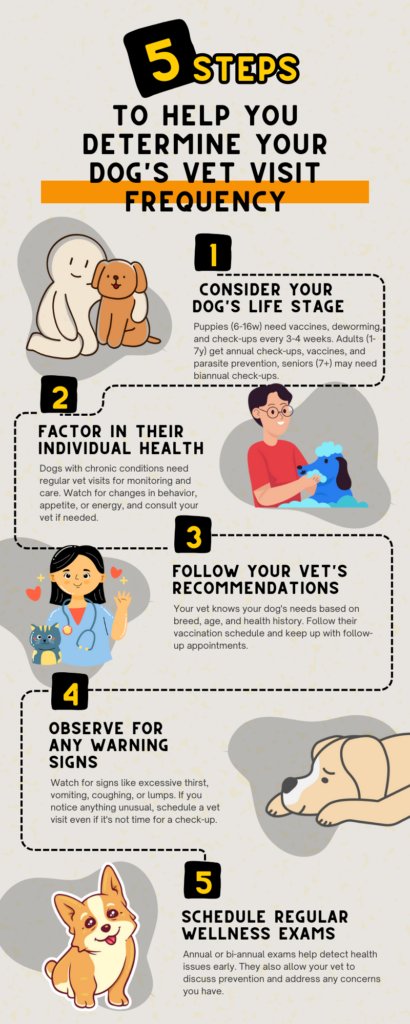
A vet visit becomes important when appetite loss lasts more than 24 hours, appears suddenly, or comes with other concerning signs. Seek veterinary care promptly if a dog is lethargic, vomiting, has diarrhea, or seems in pain along with not eating. Puppies, seniors, or dogs with known illness should be seen sooner, because they dehydrate and weaken quickly. Even if the cause seems minor, a short exam can rule out serious disease and provide safe treatment and feeding advice.
Time frames by age and health status
The timeframe for seeking medical attention due to loss of appetite varies greatly depending on age and pre-existing conditions. If you are unsure, it is best to consider seeking medical attention earlier.
| Dog's Condition | Guidelines for Seeking Medical Attention |
|---|---|
| Puppies under 4 months old | Consult a doctor if your dog doesn't eat a meal completely or if it has been half a day |
| Healthy dogs 4 months and older to adult dogs | If your dog can drink water and is otherwise healthy, you can wait up to 24 hours. However, if other symptoms are present, consult a veterinarian. |
| Senior dogs (approximately 7 years and older) | Check the reason within 1 to 24 hours of eating, and consult a veterinarian if you are concerned. |
| Dogs with chronic illnesses or currently on medication | Consult a veterinarian if your dog doesn't eat a meal. This indicates a high risk of sudden deterioration. |
In particular, if vomiting, diarrhea, lethargy, sudden weight loss, or difficulty breathing occur simultaneously, it is important to contact and consult a veterinary hospital immediately, regardless of age.
"
What your vet may ask and examine
When a dog with poor appetite visits a clinic, the veterinarian usually begins with detailed questions about recent changes and symptoms. Owners are often asked about diet type and amount, water intake, vomiting or diarrhea, urination, weight change, activity level, medications, toxin exposure, and any pain or behavior changes.
Next, the veterinarian performs a full physical examination: checking body temperature, heart and breathing sounds, hydration, gum color, abdomen, joints, lymph nodes, and the mouth and teeth. In many cases, the veterinarian also palpates the belly for pain or masses and listens carefully for intestinal sounds to judge urgency and decide on further tests.
Tests used to find the underlying cause
Veterinarians select tests based on the dog’s age, symptoms, and exam findings. Common diagnostics include blood and urine tests to check organs (liver, kidneys, pancreas), blood sugar, infection, and inflammation. X‑rays and ultrasound help find tumors, foreign bodies, or blockages. Fecal tests look for parasites or infection. Dental X‑rays, endoscopy, or biopsy may be used when cancer, IBD, or severe gut disease is suspected. Early testing often leads to faster, more effective treatment.
Puppies, Seniors, and Sick Dogs at Risk

Dogs that are very young, very old, or already unwell are much more vulnerable when they stop eating. Their bodies have fewer reserves and can become dehydrated or experience low blood sugar in a short time. Appetite loss in these groups often signals a medical problem rather than fussiness. Owners should monitor them closely, limit any wait‑and‑see period, and contact a veterinarian earlier than for a healthy adult dog.
Special dangers for young puppies
Young puppies have very limited energy reserves, so even short periods without food can become dangerous. Low blood sugar (hypoglycemia) may cause wobbliness, weakness, tremors, or collapse. Dehydration also develops quickly.
Small and toy‑breed puppies, very active litters, and underweight or recently rehomed puppies are at highest risk. If a puppy under about 4–5 months skips more than one meal, vomits repeatedly, has diarrhea, or seems sleepy and unresponsive, urgent veterinary care is recommended.
Older dogs and appetite loss
Senior dogs often show a gradual decline in appetite, but a clear or sudden drop should be treated as a warning sign. Aging lowers sense of smell and taste, slows digestion, and may come with chronic pain or arthritis, which all reduce interest in food. Appetite loss in older dogs is frequently linked to hidden problems such as kidney disease, cancer, dental disease, or heart trouble. Any senior dog that eats much less for more than 24–48 hours should be checked by a veterinarian as soon as possible.
Dogs with chronic disease or on meds
Dogs with chronic illness (heart, kidney, liver, diabetes, IBD, arthritis, cancer) often have fragile appetites. Pain, nausea, organ fatigue, and medication side effects can all make food unappealing. Even missing a few meals may worsen the underlying disease, so any drop in appetite in a chronically ill dog deserves prompt veterinary advice. Owners should monitor weight, energy, and vomiting/diarrhea closely and never change or stop long‑term medicines without consulting a vet.
Treatment Options and Recovery
When a dog stops eating, treatment and recovery depend on the underlying cause, overall health, and how long the appetite has been low. In many cases, early veterinary care helps dogs return to normal meals quickly. Support often includes correcting dehydration, controlling nausea or pain, adjusting medications, and offering an easily digestible diet. Owners play an important role by following feeding instructions, monitoring appetite and energy, and contacting a veterinarian promptly if appetite drops again or new symptoms appear.
Treating illness that causes poor appetite
When illness reduces appetite, treatment focuses on fixing the underlying disease first. For infections, veterinarians may prescribe antibiotics or antivirals; for digestive problems, anti‑nausea drugs, gut protectants, or special diets are common. Organ diseases such as kidney or liver failure may need fluid therapy and long‑term medication.
Pain control is often essential, because dogs in pain rarely eat well. Dental disease may require professional cleaning or tooth extraction. In some cases of cancer or severe illness, surgery, chemotherapy, or other advanced care is recommended. Early treatment usually leads to faster return of appetite and better overall recovery.
Appetite stimulants and supportive care
If loss of appetite persists, in addition to treating the underlying cause, supportive therapies such as appetite stimulants and intravenous fluids may be used. Veterinary hospitals combine appetite stimulants (injections or oral medications), anti-nausea medications, stomach medications, and pain relievers to help the dog eat on its own. In cases of severe dehydration or weakness, subcutaneous fluid therapy, intravenous fluid therapy during hospitalization, liquid food, or tube feeding may be chosen. It is crucial that all of these treatments are used only under the diagnosis and direction of a veterinarian."
Helping your dog eat during recovery
During recovery, gentle feeding support helps the dog regain strength. Offer small, frequent meals instead of one or two large portions, and keep feeding times calm and predictable. Lukewarm food often smells stronger and can encourage eating.
Veterinarians may recommend high‑calorie, easily digestible diets or prescription foods. Soft or moistened food is kinder to painful mouths or weak dogs. Avoid forcing food into the mouth, which can cause stress or aspiration; syringe or tube feeding should be guided by a vet.
Monitor appetite, water intake, energy level, and stool. If the dog refuses food for more than a day during recovery, or shows vomiting, diarrhea, or lethargy, contact a veterinarian promptly.
Preventing Future Eating Problems
Future eating problems can often be reduced with stable routines, suitable food, and early attention to small changes. Regular mealtimes, measured portions, and avoiding too many treats help protect appetite and digestion. Choosing food that matches age, size, and health status lowers the risk of stomach upset. Owners who monitor weight, stool, and energy level can spot subtle appetite changes early and arrange a vet check before a minor issue turns into a serious illness.
Healthy feeding routines and schedules
A consistent routine helps many dogs maintain a stable appetite and reduces stress. Feed in the same place, at similar times each day, away from noise or distractions. Most healthy adult dogs do well with two meals a day, while some small breeds benefit from three smaller meals. Offer food for 15–20 minutes, then remove leftovers so grazing does not become a habit. Provide fresh water at all times. Avoid frequent treats and table scraps, which can unbalance nutrition and make regular food less appealing.
Choosing food for sensitive stomachs
Dogs with sensitive stomachs benefit from highly digestible, simple recipes. Look for foods labeled for “sensitive stomach” or “gastrointestinal” support, with one main protein, moderate fat, and easily digested carbs such as rice or potato. Avoid frequent ingredient changes, rich toppings, and many treats. Sudden diet shifts, high‑fat foods, and heavily seasoned human meals often trigger vomiting or diarrhea.
A quick label check is helpful:
| Point to check | Better choice |
|---|---|
| Protein source | One named meat (e.g., chicken, salmon) |
| Fat level | Moderate, not "high‑energy" |
| Additives | Limited colorings and artificial flavors |
| Fiber | Moderate fiber; avoid extreme high fiber |
| AAFCO statement | Complete and balanced for dog’s life stage |
For chronic stomach issues, veterinary prescription diets are often safest, so consultation with a vet is recommended before changing food.
When to change diet and how to switch
It is important to consult with a veterinarian before changing your pet's diet if you suspect any health problems. Common triggers include prolonged diarrhea and vomiting, chronic loose stools, strong refusal of food, allergy symptoms, and the transition to senior years.
Here are some common examples of diet changes.
"
| Number of days | Old food | New food |
|---|---|---|
| 1st to 2nd day | 75% | 25% |
| 3rd to 4th day | 50% | 50% |
| Days 5-6 | 25% | 75% |
| Day 7 and beyond | 0% | 100% |
Abrupt, complete changes can easily cause indigestion, so a method of gradually mixing over 7-10 days is safer. If diarrhea, vomiting, or severe itching occurs during this time, it is advisable to stop the transition and consult a veterinarian as soon as possible.
"
Health Checklist for a Dog Not Eating
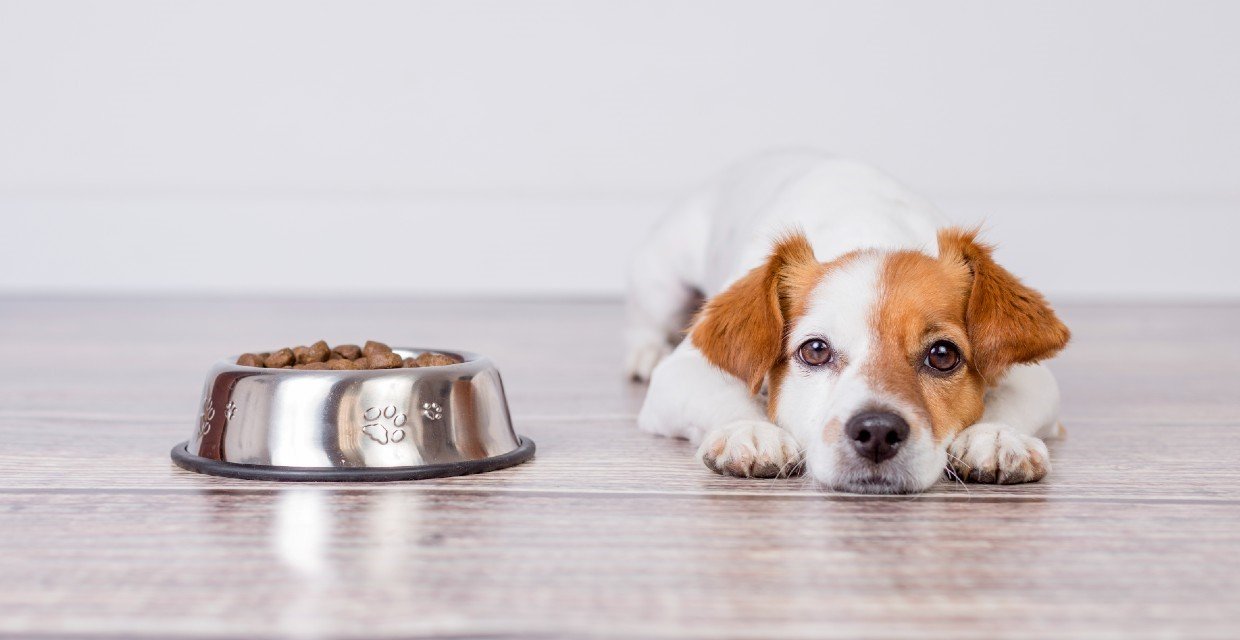
A simple health checklist helps owners judge how urgent loss of appetite may be. Before calling a clinic, calmly check the following points.
| Check item | What to look for | Why it matters |
|---|---|---|
| Duration of not eating | Hours or days without food, any water intake | Longer than 24 hours in adults, or any refusal in puppies/sick dogs, is concerning |
| Energy level | Normal, quiet, or hard to wake | Lethargy plus not eating often signals illness |
| Vomiting / diarrhea | Frequency, color, blood, foreign material | Repeated vomiting/diarrhea can cause dangerous dehydration |
| Breathing | Rate, effort, cough, open‑mouth breathing | Labored breathing is an emergency |
| Gum color | Healthy pink vs pale, white, blue, or yellow | Abnormal color can indicate shock, anemia, or organ disease |
| Pain signs | Whining, hiding, hunched back, crying when touched | Pain often suppresses appetite and needs treatment |
| Urine / stool | Normal output, straining, blood, very dark stool | Changes help pinpoint internal problems |
| Recent changes | New food, treats, toxins, stress, travel, surgery, vaccines | Gives clues to cause and what to tell the vet |
Recording these items, plus the dog’s current weight and medications, allows a veterinarian to assess risk quickly and decide on next steps.
At‑home monitoring steps for owners
At home, owners can follow a simple routine to monitor a dog that is not eating. Check appetite, water intake, energy level, and bathroom habits at least twice daily. Note any vomiting, diarrhea, or changes in breathing. Gently feel the belly for obvious swelling or strong pain reactions. Weigh the dog every few days if possible. Recording findings in a notebook or app helps veterinarians understand how the condition changes over time and decide on appropriate treatment speed.
Questions to note before calling the vet
Before contacting a vet, organizing key information helps the consultation go smoothly and may speed up diagnosis. Prepare answers to the following points:
- When did the appetite loss start, and how has it changed?
- What and how much was the dog eating normally? Brand, flavor, home‑cooked foods, treats.
- Any vomiting, diarrhea, coughing, sneezing, or weight loss?
- Changes in water intake, urination, or energy level?
- Recent diet switches, new treats, medications, vaccines, travel, boarding, or stress?
- Known medical conditions or previous similar episodes?
- Anything unusual in the environment: trash raids, toxins, foreign objects.
Keeping a brief written log of these points allows owners to share clear, accurate details with the veterinary clinic.
This article explains why a healthy dog may suddenly stop eating, how to spot illness warning signs, when to try safe home care, when to see a vet, and how to prevent future eating problems.






![[Recommended for males] Cool dog names](https://with-my-dog.com/wp-content/uploads/2022/07/image1-36-150x150.jpg)

![My puppy won't learn to use the toilet [Keep training simple!]](https://with-my-dog.com/wp-content/uploads/2021/12/dog-g33cd6bf6a_1920-150x150.jpg)








![Interesting! Names and secret stories of great men's dogs [Saigo Takamori and his beloved dog]](https://with-my-dog.com/wp-content/uploads/2022/04/image1-3-225x300.jpg)