
Whether or not to have your dog spayed or neutered is a major concern for many dog owners. However, postponing the procedure because you feel sorry for them or believe that nature is best can lead to unexpected health risks. This article explains the main health risks that can occur if you do not spay or neuter your dog, from a third-party perspective, in seven easy-to-understand points. We hope you will use this information as a reference when making a decision to protect your dog's lifespan and quality of life.
Why Vets Recommend Neutering Dogs
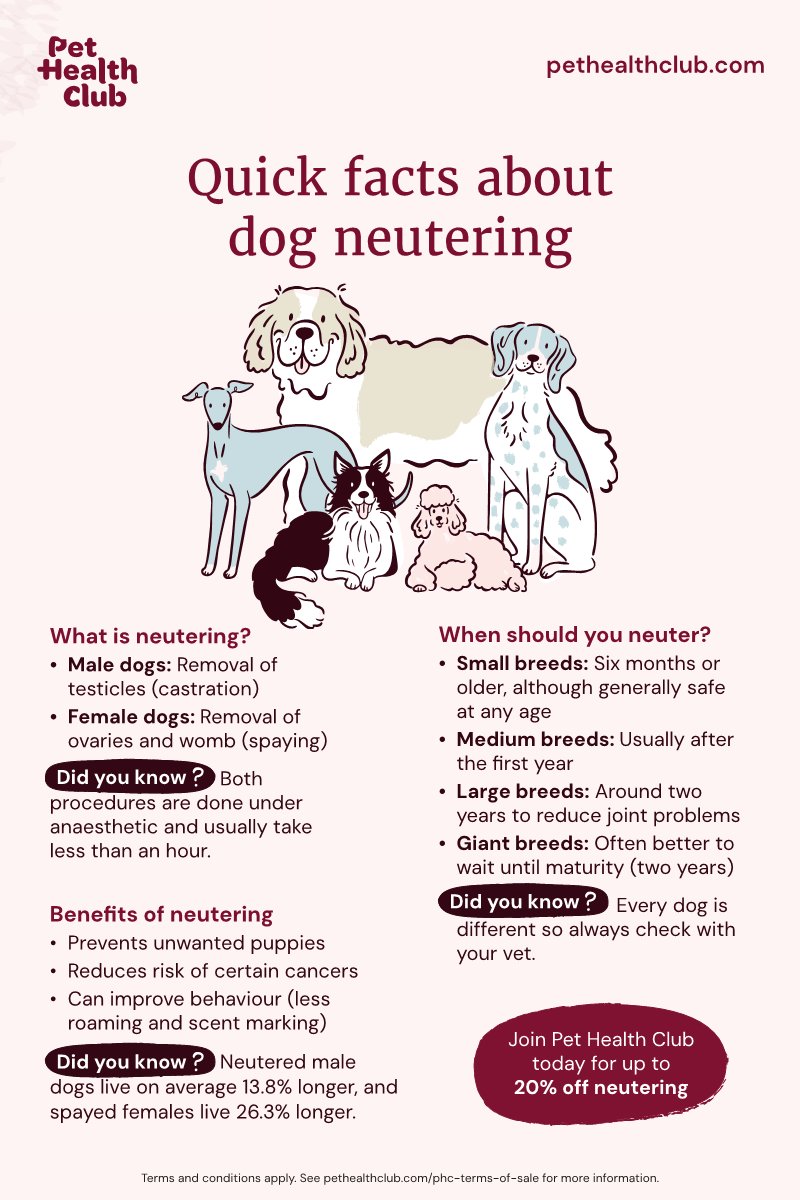
Neutering is recommended by many veterinarians because it reduces serious health risks and helps dogs live safer, calmer lives. Removing the sex organs lowers the chance of certain cancers, hormone‑driven diseases, and painful prostate or uterine problems.
From a daily life perspective, neutered dogs are often easier to manage: they are less likely to roam in search of mates, get into fights, or show hormone‑related frustration. Fewer unwanted litters also protects puppies from ending up in overcrowded shelters and reduces emotional and financial strain on owners.
What neutering actually involves
Neutering is a planned surgical procedure in which a veterinarian removes the dog’s reproductive organs so the dog can no longer father or carry puppies. For male dogs, the testicles are removed through a small incision near the scrotum. For female dogs, spaying involves removing the ovaries, usually with the uterus.
The surgery is carried out under general anesthesia, and pain relief is given before and after. Most healthy dogs go home the same day and recover within about 7–14 days. Activity is restricted, and an Elizabethan collar is often used to protect the wound until healing is complete.
How hormones affect your dog’s body
Sex hormones such as testosterone, estrogen, and progesterone influence far more than reproduction. They affect growth, metabolism, bone health, behavior, and even some cancers. Intact dogs usually show stronger mating drives, roaming, and scent‑marking, and may react more intensely to other dogs. Hormones also act on organs like the prostate, uterus, and mammary glands, which is why leaving a dog entire raises the risk of certain tumors and infections over time.
Medical Risks in Male Dogs Left Intact
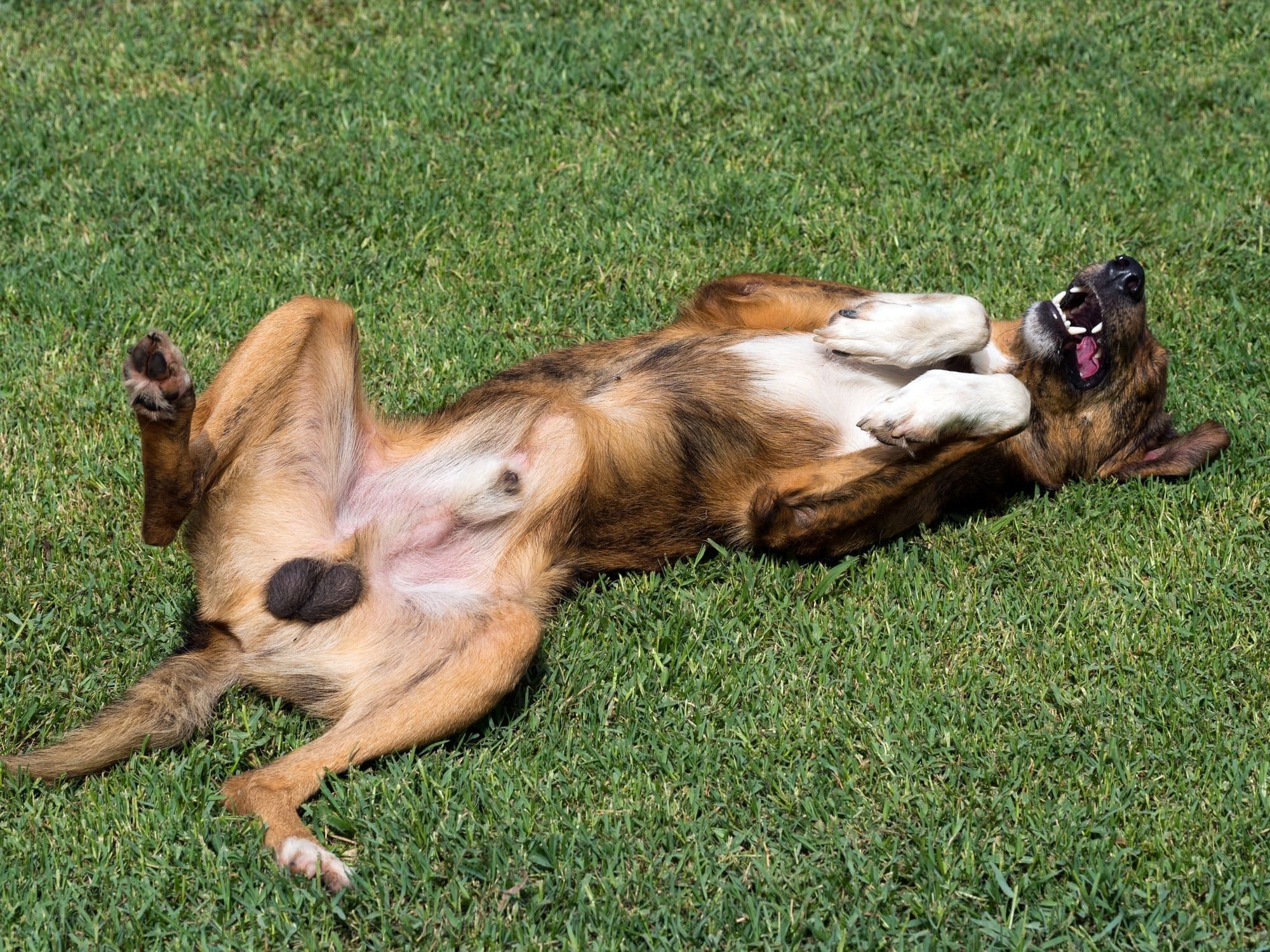
Leaving a male dog intact increases several predictable health risks as he ages. Hormone‑dependent organs such as the testicles and prostate are continuously stimulated, which raises the likelihood of cancer, benign enlargement, and infection. Intact males are also more prone to certain hernias and urinary tract problems, and complications often appear suddenly in middle or senior years. Neutering does not remove every possible disease risk, but it clearly lowers the chance of several serious, painful, and costly conditions.
Testicular cancer and related tumors
Testicular cancer is one of the clearest health risks of not neutering a dog. Because the testicles are removed during neutering, a neutered male cannot develop testicular cancer at all. In intact males, tumors may be benign or malignant; both can cause pain, swelling, and hormone imbalances.
Related tumors include sertoli cell tumors and Leydig cell tumors, which may lead to feminizing signs, anemia, skin problems, and enlarged mammary tissue. Early neutering of an at‑risk dog is a simple way to eliminate testicular cancer and greatly reduce hormone‑driven tumor problems later in life.
Prostate disease and urinary problems
An intact male dog’s prostate continues to grow under the influence of testosterone. This often leads to benign prostatic hyperplasia (BPH), which can cause straining to urinate or defecate, bloody urine, and discomfort when sitting. Ongoing prostate enlargement also increases the risk of prostatitis (painful infection) and prostatic cysts or abscesses that may require emergency care. Neutering greatly reduces prostate size and significantly lowers the risk of these urinary and reproductive problems later in life.
Hernias and other reproductive issues
Hernias around the groin and scrotum occur more often in older, unneutered males. Weakened muscles plus years of hormone influence can allow fat or even organs to slip through the abdominal wall, forming a painful bulge that may require urgent surgery.
Unneutered dogs also face other reproductive problems: chronic testicular inflammation, torsion (twisting of the testicle), and epididymitis, all of which cause pain, swelling, and reduced quality of life. Early neutering largely prevents many of these conditions.
Impact on life expectancy and aging
Neutering often has a positive effect on life expectancy. Removing the testicles eliminates the risk of testicular cancer and greatly reduces prostate disease, so many neutered males avoid painful conditions that appear in middle to old age. Fewer hormone-driven behaviors, such as roaming and fighting, can also lower the chance of traffic accidents and bite injuries.
However, some studies suggest a slightly higher risk of certain joint problems or tumors in specific breeds when neutered very early. The ideal timing is therefore individual to each dog’s size, breed, and lifestyle, and should be decided in consultation with a veterinarian who understands current research.
Health Concerns for Unspayed Female Dogs
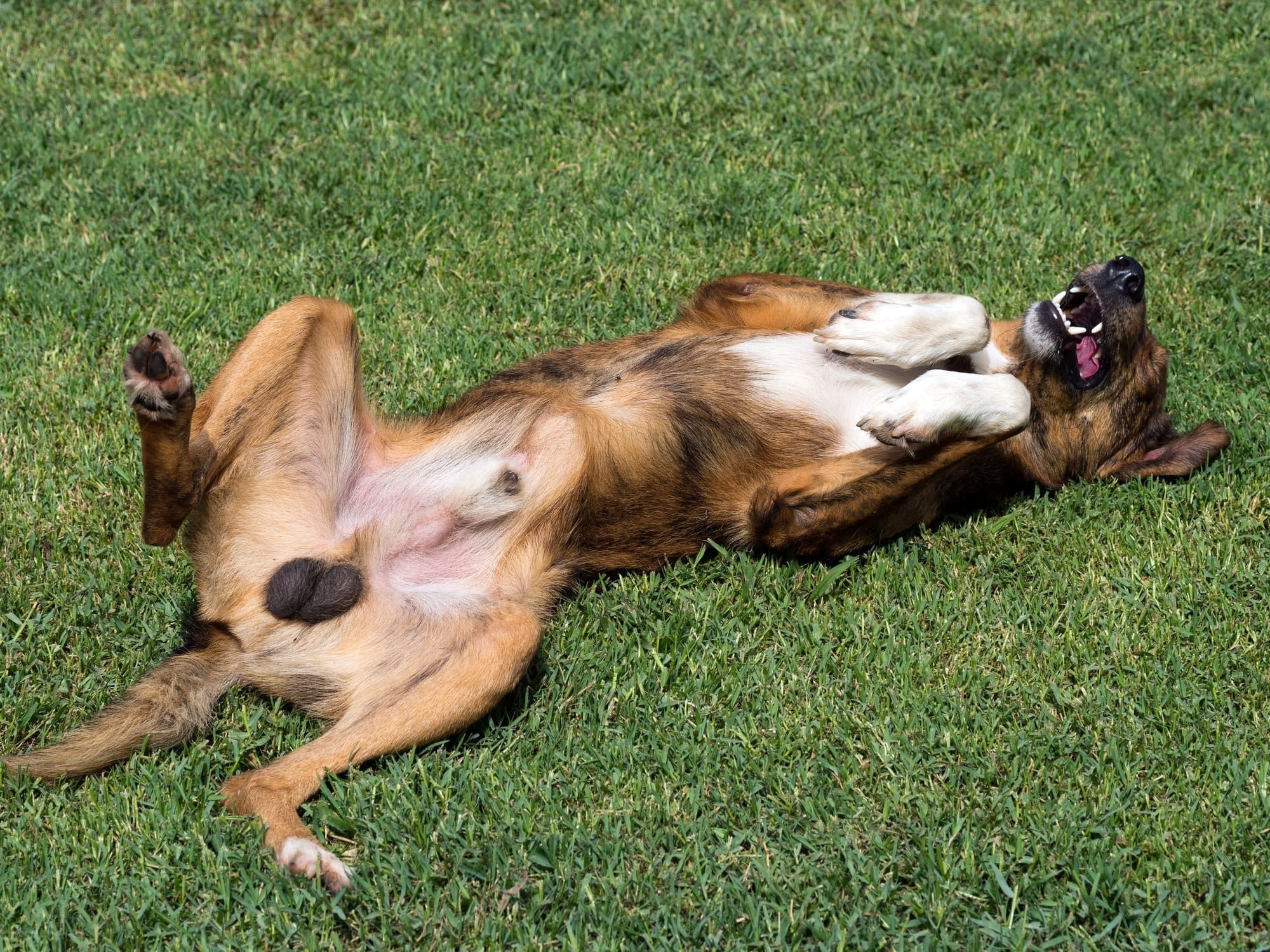
Unspayed females face several serious hormone‑related health risks as they age. Repeated heat cycles stimulate the uterus and mammary glands, which greatly increases the chance of pyometra (uterine infection) and mammary tumors. In addition, accidental pregnancies can lead to complications during birth, anemia, calcium loss, and higher stress on the heart and joints. Early spaying usually reduces these risks and can improve overall life expectancy.
Pyometra: a life‑threatening infection
Pyometra is a severe infection where the uterus fills with pus and bacteria, usually in middle‑aged to older unspayed females. Hormones after repeated heat cycles cause the uterine lining to thicken, creating an ideal environment for infection. Typical signs include increased thirst and urination, lethargy, vomiting, fever, and sometimes foul vaginal discharge. Pyometra requires emergency treatment, often surgery to remove the uterus and ovaries. Without rapid care, it can lead to sepsis, kidney failure, and death.
Mammary tumors and hormone‑driven cancer
Mammary tumors are among the most common cancers in unspayed female dogs. Female hormones, especially estrogen and progesterone, stimulate mammary tissue; repeated heat cycles greatly increase the chance of abnormal cell growth. Spaying before the first or second heat can reduce the risk of mammary tumors to almost zero, while spaying later still lowers risk but less dramatically. Many mammary tumors are malignant and may spread to lungs or lymph nodes, so early prevention and prompt veterinary checks for any breast lump are very important.
Risks of pregnancy and giving birth
Pregnancy and birth are natural but medically risky events for dogs. Unspayed females can suffer miscarriage, stillbirth, uterine infections, and eclampsia (dangerously low calcium). Difficult labor is common, especially in small or flat‑faced breeds, and may require emergency cesarean surgery. Complications put both mother and puppies at risk and can lead to high vet bills and life‑threatening emergencies for the family dog.
Behavior Problems in Dogs Not Neutered
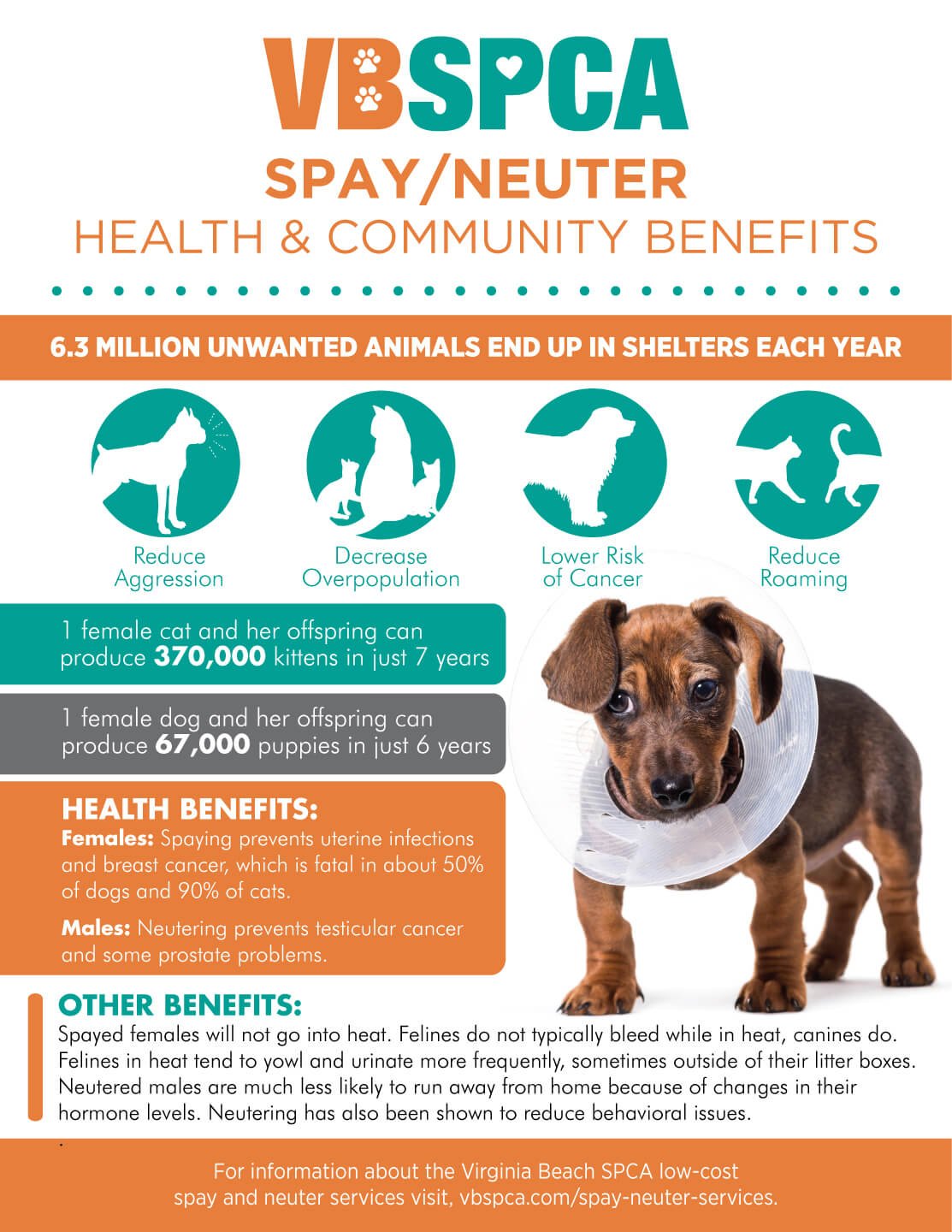
Unneutered dogs often show stronger hormone‑driven behaviors. Common problems include restlessness, roaming attempts, mounting, urine marking, and easily triggered aggression toward other dogs. Such behaviors are not “bad manners” only; they are closely linked to sex hormones. Neutering can reduce many of these tendencies, although training and proper management remain important for a stable, comfortable life together.
Roaming, escaping, and road accidents
Unneutered dogs often feel a strong hormone‑driven urge to roam in search of mates. They may dig under fences, slip out doors, or break leashes, increasing the risk of getting lost or stolen. Once outside, the chances of road accidents, fights with other dogs, and injuries rise sharply. Preventing roaming through neutering, secure fencing, and supervision helps protect a dog’s safety and health.
Marking, mounting, and house soiling
Many intact dogs develop strong hormone‑driven habits such as urine marking, mounting, and indoor accidents. Males may mark furniture, doors, or even owners’ belongings to claim territory or respond to nearby females. Mounting can target other dogs, people, or objects and often reflects arousal or frustration, not only sexual behavior. Frequent marking and house soiling increase cleaning needs and strain relationships with family or landlords. Neutering often reduces the intensity of these behaviors, especially when combined with consistent training and supervision.
Aggression, guarding, and frustration
Sex hormones can make intact dogs more reactive in certain situations. Some males and females show increased territorial or resource guarding, especially around food, toys, or sleeping spots. Hormone‑driven frustration when a dog cannot mate may lead to snapping, fighting with other dogs, or redirected biting at nearby people or pets.
Neutering does not cure every behavior problem, but it can reduce hormone‑linked aggression and tension. Good training, socialization, and management remain essential alongside any surgical decision.
Wider Impacts: Overpopulation and Stress

Leaving a dog intact affects more than individual health. Unneutered pets are a major driver of overpopulation, which leads to crowded shelters, higher euthanasia rates, and strained rescue resources. Owners may also face chronic stress: managing behavior issues, preventing accidental matings, and coping with unexpected medical costs tied to intact status. Considering neutering means considering the wider impact on community welfare as well as the dog at home.
Unplanned litters and shelter crowding
Unplanned litters often occur when intact males and females live together or meet during a heat cycle, even for a short time. Owners may underestimate how early dogs become fertile or how determined they are to mate, leading to surprise pregnancies. One unexpected litter can quickly turn into many more if puppies are not neutered. As a result, local shelters face increasing crowding and limited resources, and more healthy dogs may be euthanized simply because there are not enough homes.
Emotional and financial strain on owners
Unexpected puppies often mean sudden emotional and financial pressure for owners. Many people feel guilt about unplanned litters, worry about finding safe homes, or experience stress if puppies become sick or are surrendered to shelters. Costs can rise quickly: prenatal care, emergency C‑sections, puppy vaccinations, parasite treatments, food, and supplies. When owners are unprepared, delays in veterinary care may occur, which can increase health risks for both the mother dog and her puppies.
Real Health Risks of Not Neutering a Dog

Many owners worry mainly about behavior, but the real health risks of not neutering a dog are significant. In males, the chances of testicular cancer, prostate disease, and hormone‑driven tumors increase with age. In females, remaining intact raises the risk of pyometra (uterine infection), mammary tumors, and pregnancy‑related emergencies. Unneutered dogs are also more likely to roam, fight, and suffer road accidents, which can shorten overall life expectancy. Careful discussion with a veterinarian is essential before deciding to skip surgery.
Short‑term vs long‑term health trade‑offs
Short‑term health effects of not neutering can seem positive at first: no surgery, no anesthesia risk, and hormones that may support normal growth of bones, joints, and muscles in young dogs. Some studies suggest a slightly lower risk of a few joint problems when large‑breed dogs are neutered later.
However, the long‑term picture is different. Remaining intact clearly increases the risk of testicular cancer, prostate disease, pyometra, and hormone‑driven mammary tumors, especially in middle‑aged to senior dogs. There is also a higher chance of roaming accidents and fights. In many cases, the long‑term health and safety benefits of neutering outweigh the short‑term concerns about surgery, but the ideal timing depends on the dog’s sex, breed, size, and lifestyle.
Breed, size, and age: why timing matters
Breed, size, and age strongly influence when neutering is safest and most beneficial. Large and giant breeds mature more slowly, so many vets now recommend waiting until 12–18 months for them, while small breeds are often neutered from 6–9 months. Very early neutering may slightly increase joint problems in some large breeds, but delaying too long raises cancer and behavior risks. The most suitable timing should always be decided with a veterinarian who knows the dog’s breed, growth pattern, and health history.
When Not Neutering May Be Considered
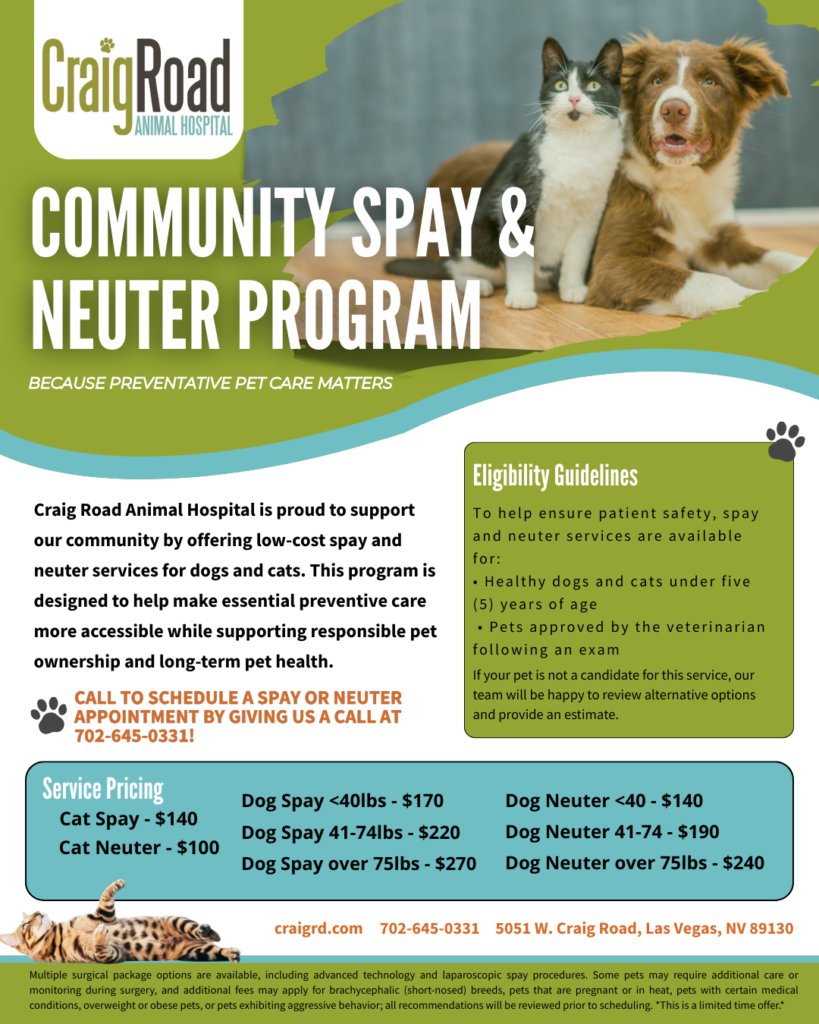
Neutering is recommended for most pets, but in some limited situations not neutering may be considered. Typical examples include dogs kept for responsible breeding, dogs in active sports where owners and veterinarians carefully balance hormone effects on joints, and animals with temporary medical concerns that make anesthesia risky at that moment. Even when surgery is postponed or avoided, owners must manage mating risk, roaming, and hormone‑related behaviors more strictly than usual.
Responsible breeding and health testing
Responsible breeding is the main situation where not neutering may be appropriate. A responsible breeder keeps only a small number of carefully chosen dogs for breeding, based on health, temperament, and structure.
Before breeding, health tests recommended for the specific breed are essential. Typical checks include hip and elbow evaluations, eye exams, heart tests, and genetic testing for inherited diseases. Results should be published or shared openly.
Ethical breeders plan litters in advance, screen potential homes, provide written contracts, and commit to taking dogs back if an owner cannot keep them. Without this level of care, leaving a dog intact usually creates more health and welfare risks than benefits.
Medical reasons to delay or avoid surgery
Some dogs have genuine medical reasons to delay or avoid neutering. In such cases, careful monitoring and regular veterinary checkups become especially important.
Common reasons include:
| Reason | What it means for surgery |
|---|---|
| Heart, lung, or kidney disease | General anesthesia may be higher risk; vets may stabilize first or advise against surgery. |
| Bleeding or clotting disorders | Extra risk of surgical bleeding; specialist tests and planning are needed. |
| Severe skin or systemic infections | Surgery is usually postponed until infection is controlled. |
| Very young age or poor body condition | Puppies or underweight dogs may need to grow or recover health before surgery. |
| Use of certain medications | Some drugs interact with anesthesia; timing and doses may be adjusted. |
In addition, dogs with unclear diagnoses, recent serious illness, or previous bad reactions to anesthesia usually require individual risk–benefit assessment.
Owners are encouraged to discuss alternative management, such as strict supervision, secure fencing, and separating from females in heat, when surgery is delayed or not possible.
How to Decide What’s Best for Your Dog
"Deciding about neutering is easier when organizing elements by category. The important thing is to consider the balance between benefits and risks for your dog. Writing down the following points on paper and comparing them will make it easier to make a decision.
| Perspective | Points to check |
|---|---|
| Health | Risks of cancer, infectious diseases, obesity, and joint problems |
| Personality and behavior | Presence and severity of marking, aggression, and escaping |
| Age, size, and breed | Large or small breed, growth rate, genetic disease tendencies |
| Living environment | Multiple dogs, ability to manage estrus, safety of the neighborhood |
| Owner's support capabilities | Time and money available for post-operative care, awareness of preventive medicine |
It is also effective to seek opinions from multiple animal hospitals. There is no single correct answer, and it is important to understand that the best answer differs for each family when considering your options.
Questions to ask your veterinarian
Before deciding about neutering, owners can prepare a simple question list for veterinarians. For example:
- What are the specific health risks of not neutering for my dog’s breed, size, and age?
- How do the benefits and risks of surgery compare for my individual dog?
- What timing do veterinarians recommend and why?
- Are any pre‑surgery tests, such as bloodwork or imaging, advised?
- How will pain be controlled during and after surgery?
- What complications should owners watch for at home?
- What alternatives exist, such as hormone‑sparing procedures or implants?
Owners who write down answers and ask for printed instructions can make a calmer, more informed decision.
Preparing for surgery and recovery at home
Before surgery, it is important to have a health check and blood test done by the day before, and to strictly follow the instructions to fast and withhold water from the morning of the surgery. Attach an identification tag to the collar or harness, and confirm transportation arrangements in advance.
At home, prepare a quiet resting place such as a playpen or bed, and create an environment that avoids steps and stairs. For the first few days after surgery, refrain from jumping or strenuous play, and ensure that the Elizabethan collar is not removed. If there is swelling, bleeding, or a foul odor at the wound site, or if the dog is lethargic, it is important to contact the veterinary hospital immediately.
This article outlines the health risks, behavioral issues, impact on lifespan, unwanted breeding, and owner burden of not spaying or neutering dogs in seven points, and explains the timing for each breed and age, as well as perspectives for making the best choice in consultation with a veterinarian.









![Popular names!? [Popular dog names ranking]](https://with-my-dog.com/wp-content/uploads/2022/07/image3-45-150x150.jpg)