

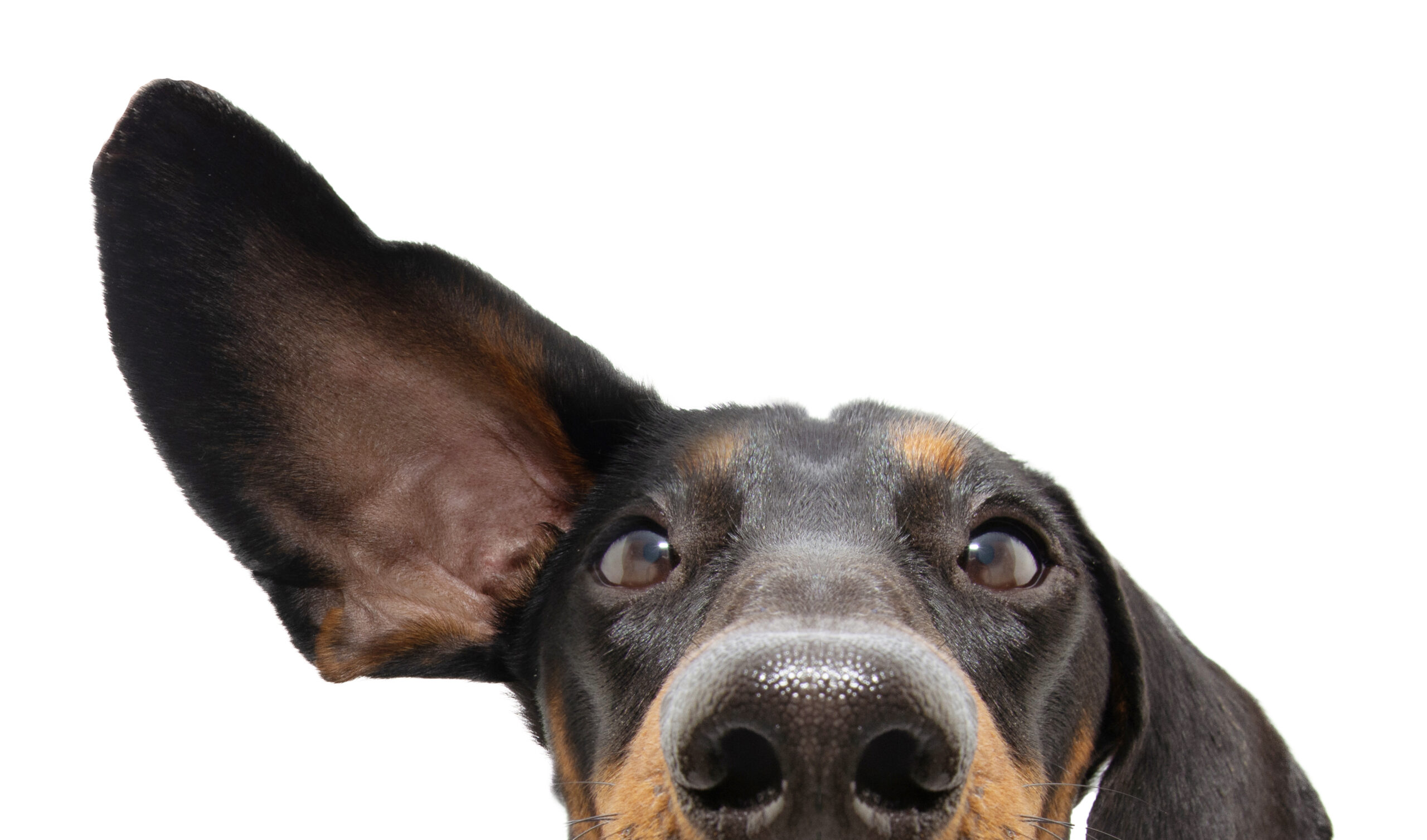
A dog's ears are delicate, and even minor abnormalities can progress to serious ear diseases. However, if you notice the early signs, many problems can be detected and prevented early. This article clearly explains seven common signs of ear disease in dogs that every owner should know. Sometimes, seemingly insignificant behaviors such as itching, bad breath, or head shaking can be signs of illness. We hope that understanding these daily checkpoints will be helpful in protecting your dog's ear health.
Understanding Ear Health in Dogs
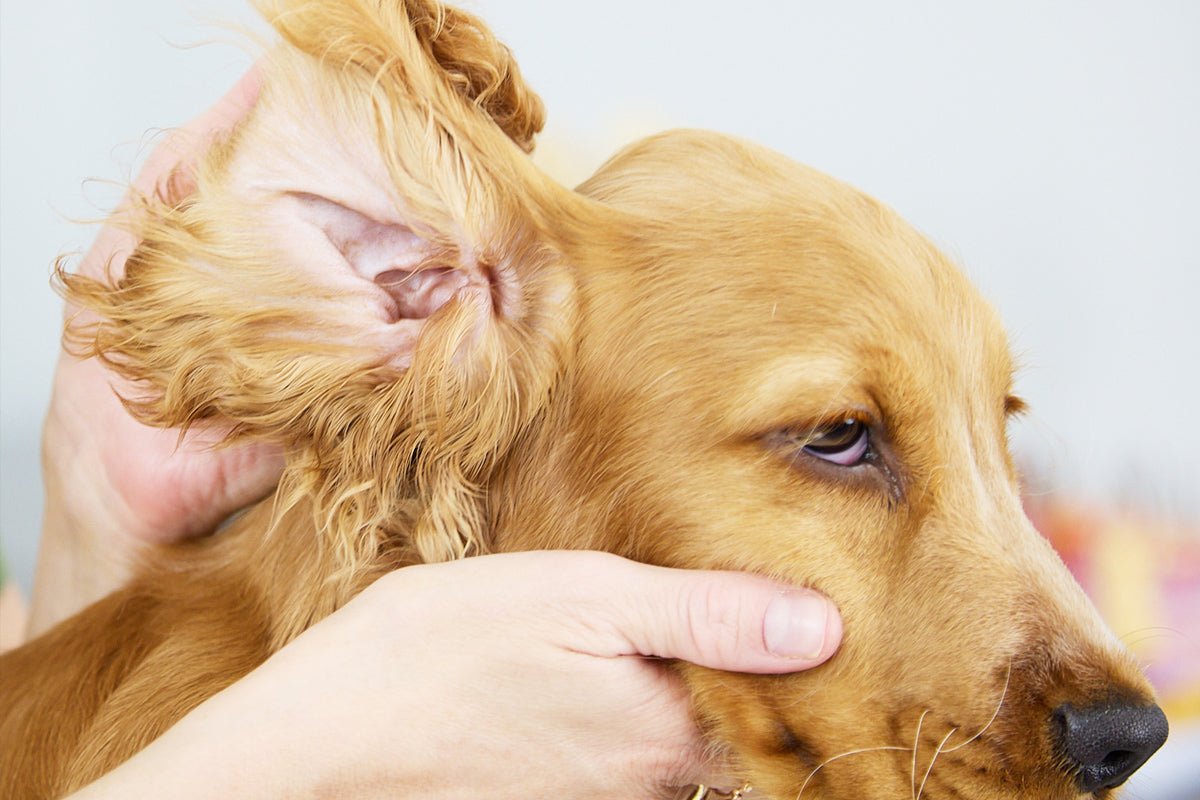
Healthy ears are essential for a dog’s comfort, hearing, and balance. Many ear diseases start with only mild itching or odor, then progress to painful infections and even hearing loss if ignored. Understanding normal ear structure and function helps owners notice problems early. Routine at‑home checks, gentle cleaning, and quick response to warning signs greatly reduce the risk of chronic ear disease and protect overall health and quality of life.
Why dogs are prone to ear trouble
Dogs are naturally prone to ear trouble because of their ear structure and lifestyle. A dog’s ear canal is long and L‑shaped, so moisture, wax, and dirt are likely to stay trapped. Warm, dark, and humid conditions inside the canal allow bacteria and yeast to grow easily. In addition, floppy ears reduce air flow, heavy ear hair catches debris, and activities such as swimming or frequent bathing add extra moisture. Allergies and skin problems also often affect the ears first, so many dogs experience recurring ear disease over their lifetime.
How a healthy dog ear should look
Healthy dog ears are clean, pale pink, and almost odorless. The skin should look smooth without scabs, bumps, or dark crusts. A small amount of light, waxy residue is normal, but there should be no thick, yellow, brown, or bloody discharge. The ear flap feels cool to slightly warm, not hot or puffy. Dogs with comfortable ears usually allow gentle handling without pulling away, crying, or scratching afterward.
Common Ear Diseases in Dogs

Dog ear disease is a broad term that covers many problems affecting the outer, middle, and inner ear. The most common are outer ear infections caused by bacteria or yeast, but parasites such as ear mites, allergy‑related inflammation, ear hematomas from head shaking, and tumors or polyps can also appear. Inner ear problems may lead to balance disorders and hearing loss. Early detection and appropriate treatment are essential to prevent chronic pain and permanent damage.
Outer ear infections (otitis externa)
Outer ear infections are the most common ear disease in dogs. In otitis externa, the skin lining the ear canal becomes inflamed due to bacteria, yeast, allergies, moisture, or foreign objects. Typical signs include head shaking, scratching, redness, bad smell, and discharge. Mild cases may only itch, but untreated infection can spread deeper and damage hearing, so early veterinary care is very important.
Middle and inner ear infections
Middle ear (otitis media) and inner ear (otitis interna) infections usually start as outer ear disease that spreads deeper. Bacteria or yeast pass through a damaged eardrum into the middle ear, and in severe or chronic cases into the inner ear where the balance and hearing organs sit.
Typical signs include head tilt, loss of balance, walking in circles, rapid eye movements, or deafness on one side. Some dogs show facial paralysis or drooping lips and eyelids. Middle and inner ear infections are urgent problems that always require veterinary care, often with imaging (X‑ray or CT) and long courses of antibiotics, and in some cases surgery.
Yeast vs bacterial ear infections
Yeast and bacteria are both normal residents of a dog’s ear. Ear disease occurs when moisture, allergies, or injury allow one type to overgrow.
| Feature | Yeast infection | Bacterial infection |
|---|---|---|
| Smell | Strong, sweet or "musty" odor | Sharp, foul, sometimes "rotting" smell |
| Discharge | Brown, waxy, often thick | Yellow, green, bloody, or pus‑like |
| Itch vs pain | Very itchy, dog rubs a lot | Often more painful, may cry when ear is touched |
Many dogs have mixed infections. Accurate diagnosis by a veterinarian is essential for choosing the correct ear drops and preventing chronic ear disease.
Ear mites and parasitic problems
Ear mites are tiny parasites that live in the ear canal and cause intense itching. They are more common in puppies and in dogs that live with outdoor cats. Typical signs include dark, crumbly "coffee‑ground" debris, bad odor, frequent head shaking, and scratching until the skin becomes sore.
Ear mites spread through close contact, so other pets in the home can be infected. Treatment usually involves prescription ear drops that kill the mites and soothe inflammation. All pets in contact often need treatment, and the ears must be rechecked to confirm the mites are gone.
Allergy‑related ear disease
Allergies are one of the most common hidden causes of recurring dog ear disease. In many dogs, the ear canal acts like an extension of the skin, so food allergies or environmental allergies (pollen, dust mites, mold, grasses) easily trigger inflammation there. The canal becomes warm and swollen, allowing yeast and bacteria to overgrow and causing chronic infections. Dogs with allergic ear disease often have itchy paws, face, or belly as well. Long‑term control usually needs a combination of ear treatment, allergy medication, and sometimes an elimination diet under veterinary guidance.
Ear hematomas and ear injuries
Ear hematoma is a blood-filled swelling in the ear flap, usually caused by vigorous scratching or head shaking from itching or pain. The ear pinna becomes soft, puffy, and warm, often looking like a pillow. Without treatment, the ear can heal in a wrinkled, cauliflower shape.
Common ear injuries include bite wounds, cuts from rough play, and torn ear tips. Because ears bleed easily, even small wounds can look dramatic. Any sudden swelling, heavy bleeding, or a floppy ear that appears different should be checked by a vet promptly to prevent infection, scarring, and long‑term discomfort.
Ear tumors and growths
Ear tumors and other growths can be benign (non‑cancerous) or malignant (cancerous). Owners often first notice a small lump on the ear flap, thickening of the edge of the ear, or a mass just inside the ear canal. Signs include bleeding, crusting, bad odor, or a dog frequently shaking or scratching one ear. Any new lump on a dog’s ear should be checked by a veterinarian. Diagnosis usually involves examination and biopsy or sampling of the tissue. Treatment may include surgery, cryotherapy (freezing), or medications depending on the type and spread of the growth. Early detection greatly improves the chance of a good outcome.
Vestibular (balance) problems
Vestibular problems occur when the inner ear’s balance system is damaged by infection, inflammation, injury, or sometimes age‑related change. Dogs may suddenly develop a head tilt, stumbling, falling to one side, or rapid eye movements (nystagmus). Many also feel nauseous and may drool or vomit.
Vestibular signs can look like a stroke, so urgent veterinary examination is essential. Some cases improve with time and supportive care, while others require intensive treatment or long‑term management, depending on the underlying ear disease.
7 Warning Signs of Dog Ear Disease
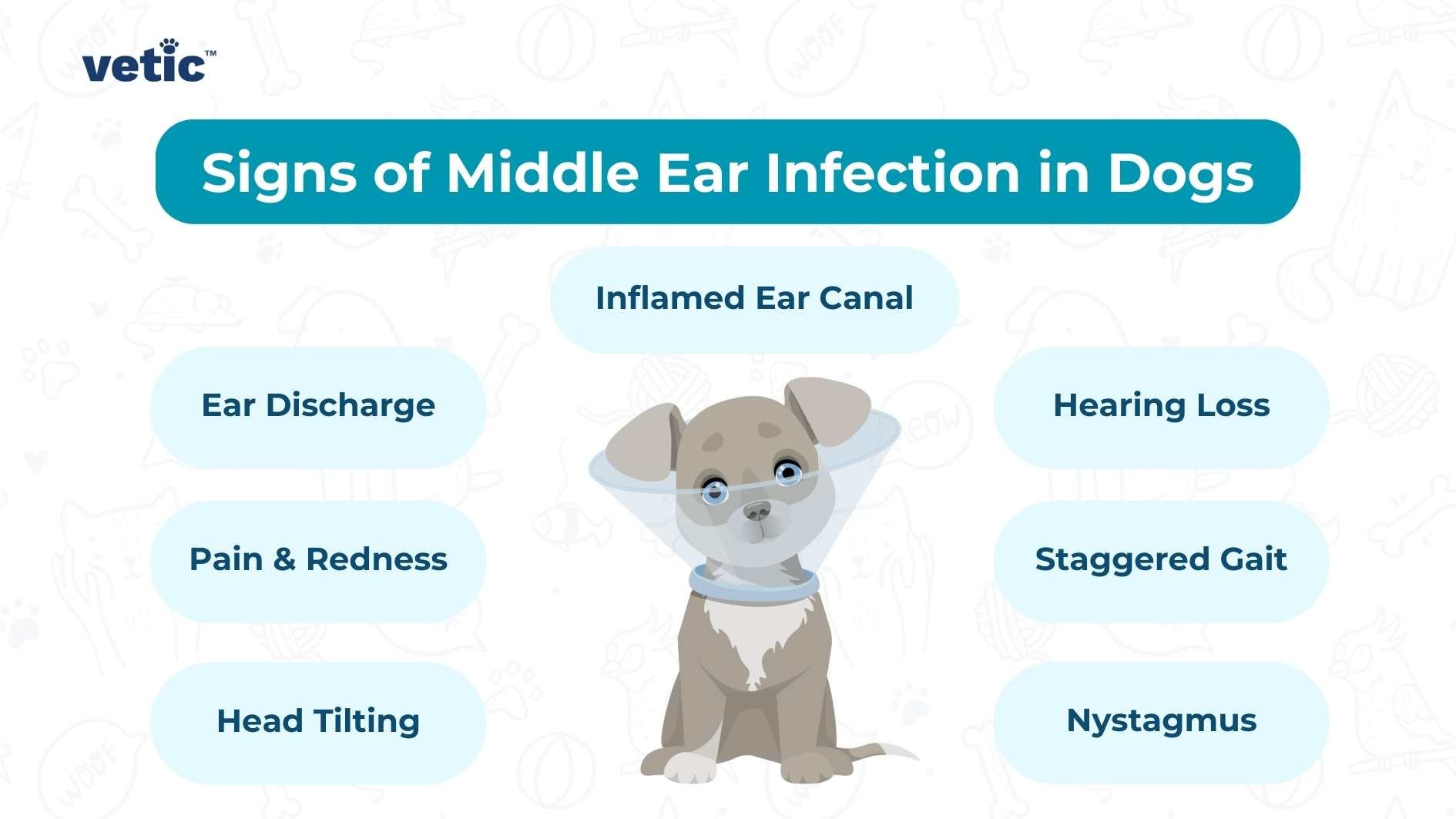
Ear disease in dogs often develops gradually, so early warning signs are easy to miss. Owners who notice changes quickly can prevent severe pain, chronic infection, or even hearing loss. The following seven signs are key red flags of dog ear disease. When any of them appear, especially if several occur together or worsen over a few days, prompt veterinary consultation is strongly recommended.
1. Persistent head shaking or tilting
Persistent head shaking or a constant head tilt is one of the earliest and most important warning signs of ear disease. Dogs shake to try to remove irritation, fluid, or foreign material in the ear canal. A fixed head tilt often means pain or a problem deeper in the ear affecting balance. If a dog suddenly starts shaking its head more than usual or keeps the head to one side for hours, prompt veterinary consultation is strongly recommended.
2. Scratching or pawing at the ears
Occasional brief scratching is normal, but repeated or intense scratching or pawing at the ears almost always signals discomfort or disease. Dogs may rub the side of the head on the floor or furniture until the skin around the ear becomes red, sore, or even bleeds. Constant scratching can worsen infections, cause ear hematomas, or open wounds that easily get infected. When frequent scratching lasts more than a day or two, or the skin looks damaged, a prompt veterinary check is strongly recommended.
3. Redness, swelling, or heat in the ear
Red, puffy, or hot ears often indicate active inflammation and are a common early sign of ear disease. The inner flap and entrance of the ear canal may look pink to bright red, feel thickened, or be noticeably warmer than the surrounding skin. Dogs may flinch, pull away, or even yelp when the ear is touched. If one or both ears stay red, swollen, or hot for more than a day, or the dog seems in pain, a prompt veterinary check is strongly recommended to prevent worsening infection or long‑term damage.
4. Bad odor or unusual ear discharge
A strong, foul smell from the ear or visible discharge is one of the clearest signs of dog ear disease. Normal ears have little to no odor and only a small amount of light, waxy material. Yellow or green pus, thick brown or black debris, or blood often indicates infection, mites, or injury. Watery, clear fluid can suggest deeper ear problems. Any sudden change in smell, color, or amount of ear discharge should prompt a prompt veterinary check.
5. Pain when the ear is touched
Pain when the ear is touched is thought to be a sign that inflammation or infection is progressing inside the ear. Even mild discomfort can worsen to the middle or inner ear if left untreated. If your pet dislikes being touched, shakes its head violently, or tries to bite, it is important to take it to a veterinary hospital as soon as possible without forcing it. It is safer to avoid using over-the-counter medications or self-treating by cleaning the ear, as this can worsen the pain."
6. Hearing changes or ignoring calls
Hearing loss caused by ear disease often appears gradually, so owners may mistake it for stubbornness or old age. A dog that usually responds quickly may begin to ignore its name, fail to react to doorbells, or sleep through loud sounds. Some dogs startle easily when approached from behind because they do not hear footsteps.
If only one ear is affected, dogs may turn the healthy ear toward sounds or seem unsure where a sound comes from. Any new or worsening hearing change, especially combined with redness, odor, or head shaking, should prompt prompt veterinary examination.
7. Balance problems, falling, or circling
Balance problems, stumbling, or walking in circles often indicate inner ear disease or vestibular syndrome. The inner ear controls balance, so when it is inflamed, infected, or affected by a tumor, dogs may lean to one side, fall over, move their eyes rapidly, or circle in one direction. Any sudden balance change is an emergency sign and requires prompt veterinary examination to prevent injury and protect hearing and brain health.
Dog Breeds at Higher Ear Risk
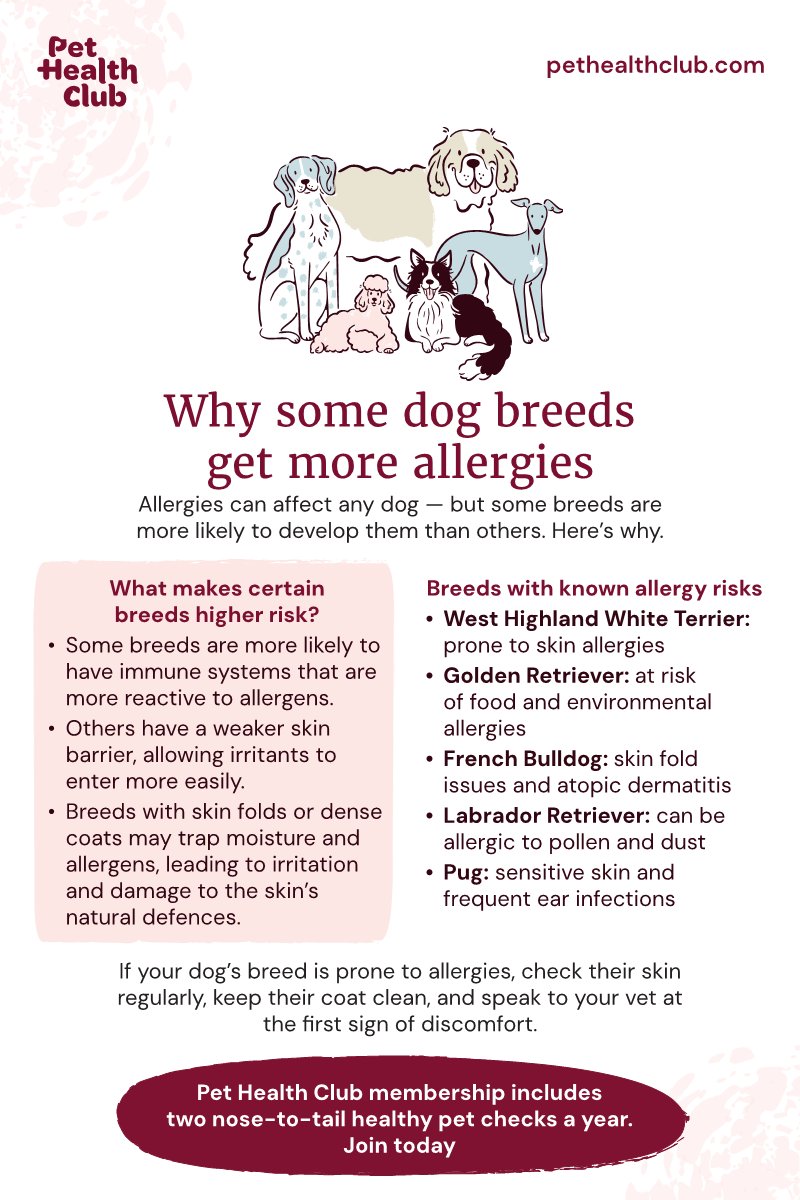
Some dogs are naturally more likely to develop ear disease because of ear shape, skin type, or underlying health issues. Understanding breed risk helps owners notice problems early and adjust care.
High‑risk groups include floppy‑eared and hairy‑eared breeds, dogs with strong allergy tendencies, and some mixed‑breed dogs that inherit these traits. However, any dog can develop ear trouble, so regular ear checks are important regardless of breed.
Floppy‑eared and hairy‑eared breeds
Floppy‑eared breeds such as Cocker Spaniels, Basset Hounds, Beagles, and many retrievers are especially prone to ear disease. The heavy ear flap creates a warm, humid, low‑airflow space where wax, moisture, and dirt build up easily. Hairy‑eared breeds like Poodles and Schnauzers are also at higher risk, because dense hair in the canal traps debris. Regular ear checks, gentle cleaning, and drying after swimming are essential for these dogs.
Breeds with allergy and skin issues
Breeds prone to allergies and skin disease often develop chronic ear problems. Representative breeds include French Bulldogs, Bulldogs, Pugs, West Highland White Terriers, Shiba Inu, Golden Retrievers, Labrador Retrievers, and Cocker Spaniels. In many cases, ear inflammation is actually a sign of atopic dermatitis or food allergy. When recurrent ear infections occur, veterinary consultation about allergy testing, diet review, and long‑term skin care is very important.
When mixed‑breed dogs are at risk
Many mixed‑breed dogs have the same ear‑risk traits as purebreds. Long, floppy ears, heavy ear hair, narrow ear canals, or very oily skin all increase humidity in the ear and encourage infection. Dogs with allergies, hypothyroidism, or skin problems are also at higher risk, no matter the mix. Owners should focus less on breed name and more on ear shape, coat type, and medical history to judge ear disease risk.
Causes and Triggers of Ear Problems
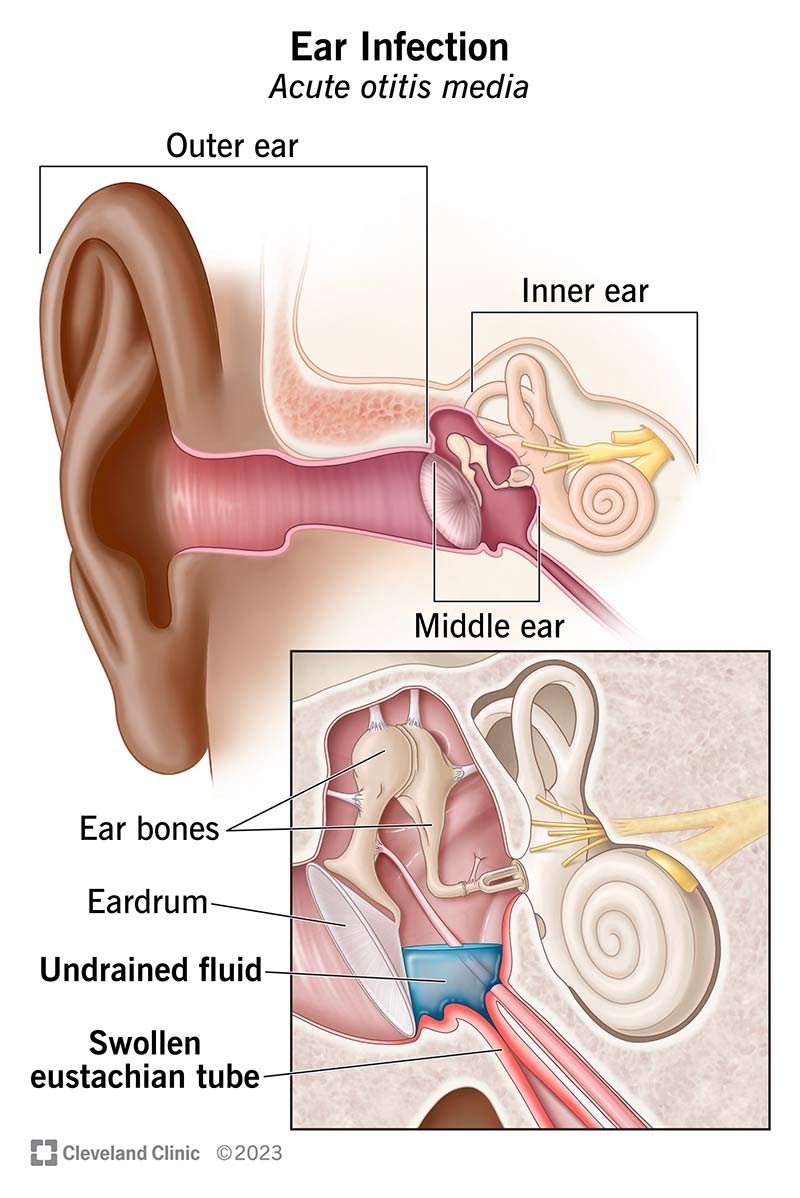
Ear problems in dogs often develop when several small triggers build up over time. Moisture, allergies, foreign material, excess wax, and underlying illness all change the ear’s delicate environment, allowing bacteria or yeast to overgrow. Once inflammation starts, the ear canal becomes warmer and narrower, trapping even more debris and creating a cycle of infection and discomfort. Understanding the major triggers helps owners reduce risk and notice trouble earlier.
Moisture, swimming, and bathing
Moisture is one of the biggest triggers of health‑damaging dog ear diseases. Water left in the ear canal after swimming, rain, or bathing creates a warm, humid environment where bacteria and yeast grow easily. Dogs with floppy ears or a lot of ear hair retain even more moisture.
After any water activity, owners should gently dry the outer ear with a soft towel and allow good airflow. Avoid inserting cotton swabs or tissues deep into the ear canal, because they can push debris inward and cause injury. For dogs that swim frequently, a vet‑recommended drying ear cleaner is often useful as a preventive measure.
Allergies, food, and environment
Allergies are one of the most common hidden causes of repeated dog ear disease. In many dogs, the first sign of a food or environmental allergy appears in the ears rather than the skin.
| Allergy type | Main triggers | Typical pattern |
|---|---|---|
| Food allergy | Protein in food (chicken, beef, etc.) | Year‑round itching, chronic infections |
| Environmental allergy | Pollen, dust mites, molds | Seasonal flares, red itchy ears |
| Contact/household irritant | Shampoos, cleaners, fragrances | After grooming or cleaning sessions |
When allergies are not controlled, inflammation in the ear canal makes yeast and bacteria overgrow more easily. Long‑term relief usually requires identifying triggers (diet trials, blood or skin tests) and using vet‑guided treatment such as medicated ear drops, allergy medication, or special diets.
Foreign bodies, injuries, and wax
Foreign material, trauma, and excess wax often trigger sudden ear problems in dogs. Grass seeds, foxtails, sand, or small insects can lodge deep in the canal, causing violent head shaking, scratching, and sudden pain. Sticks, bites, or rough play may injure the ear flap or canal, leading to bleeding, swelling, or ear hematomas.
Earwax normally protects the canal, but heavy wax build‑up traps moisture and germs, increasing infection risk and muffling hearing. Never insert cotton buds, tweezers, or sharp tools into the ear, because they can push material deeper or damage the eardrum. Persistent symptoms after cleaning or outdoor play should always be checked by a veterinarian.
Hormones, chronic disease, and age
Hormonal changes, long‑term illnesses, and aging all increase the risk of dog ear disease. Endocrine problems such as hypothyroidism or Cushing’s disease can change skin quality and oil production, making the ear canal more prone to chronic infections. Senior dogs often have weaker immunity and poorer self‑grooming, so dirt, wax, and microbes build up more easily. Long‑standing diseases, including allergies or autoimmune conditions, also damage the ear’s natural defense barrier over time.
How Vets Diagnose Ear Disease
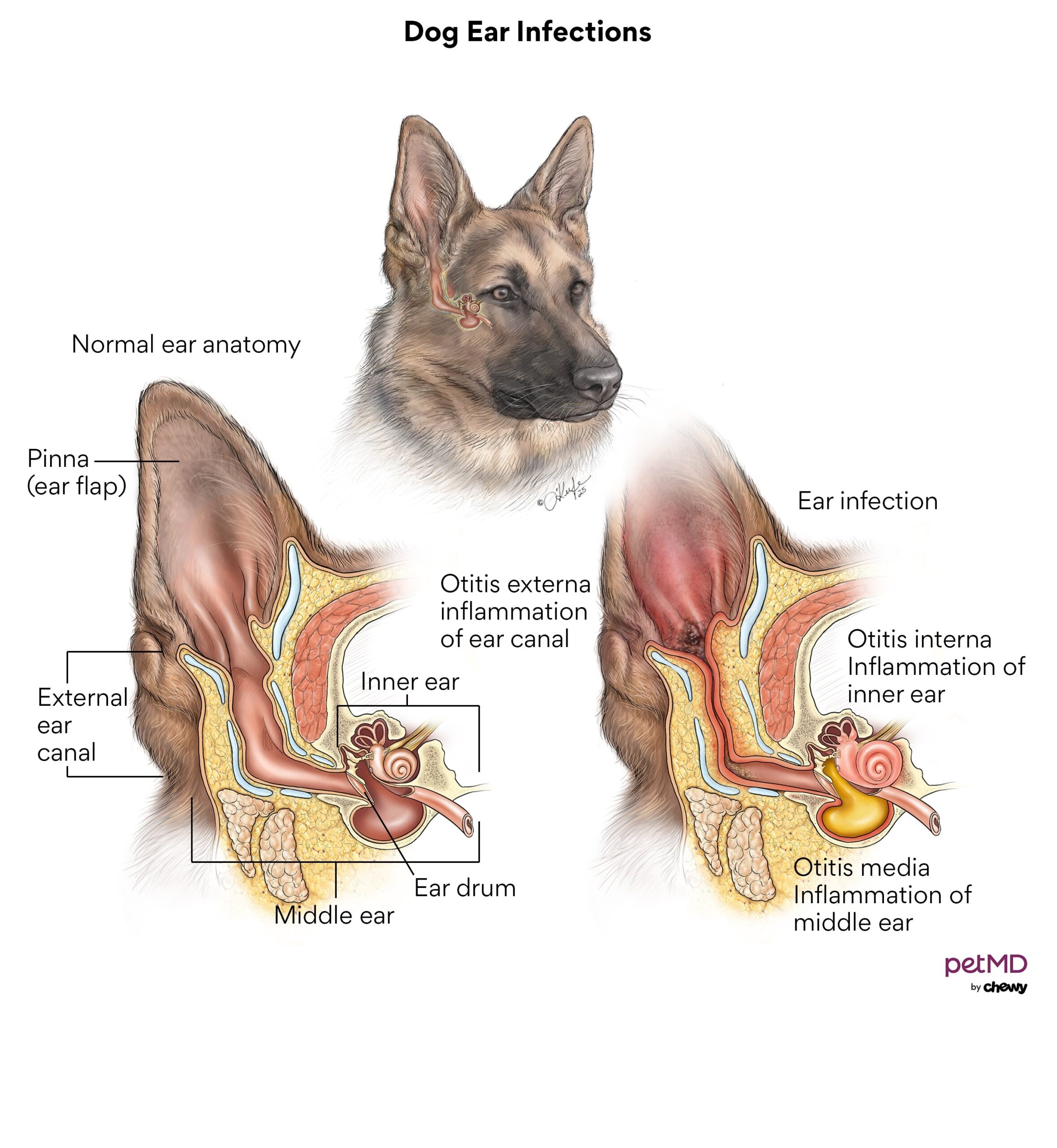
Veterinarians diagnose ear disease by combining careful ear examination with simple tests. The goal is to find what is causing the problem (yeast, bacteria, mites, allergy, tumor, etc.) and how deep the disease goes. An accurate diagnosis is essential, because the wrong treatment can worsen pain, damage hearing, or delay discovery of serious problems such as middle ear infection or a growth in the canal.
Examining the ear canal safely
To diagnose ear disease, veterinarians first make the ear exam as safe and gentle as possible for the dog. The vet looks at the outer ear, then uses an otoscope (a lighted scope) to inspect the ear canal and eardrum. If the ear is very painful, swollen, or the dog is anxious, sedation or pain relief may be given so the canal can be checked without injury. Owners should avoid inserting cotton buds or tools at home, because probing too deeply can damage the eardrum and worsen infection. A calm hold, soft voice, and short breaks help many dogs tolerate the exam well.
Ear swabs, cytology, and cultures
For ear problems, vets often start with ear swabs and cytology. A cotton swab collects material from the ear canal, which is then examined under a microscope. Cytology shows whether there are bacteria, yeast, or inflammatory cells, and helps choose the correct medication. When infections are recurrent, severe, or not improving, a culture test may be added. Culture and sensitivity testing identifies the exact bacteria and which antibiotics work best, preventing trial‑and‑error treatment and helping avoid drug resistance.
Imaging and tests for deeper disease
For suspected middle or inner ear disease, veterinarians often recommend imaging to see beyond the ear canal. Common options include X‑rays, CT, or MRI. CT and MRI provide detailed views of the bulla (ear bone), brain, and surrounding tissues, and help detect tumors, polyps, or deep infections. Blood tests and sometimes neurological exams are added to check overall health and plan safe anesthesia and effective treatment.
Treatment Options for Dog Ear Disease
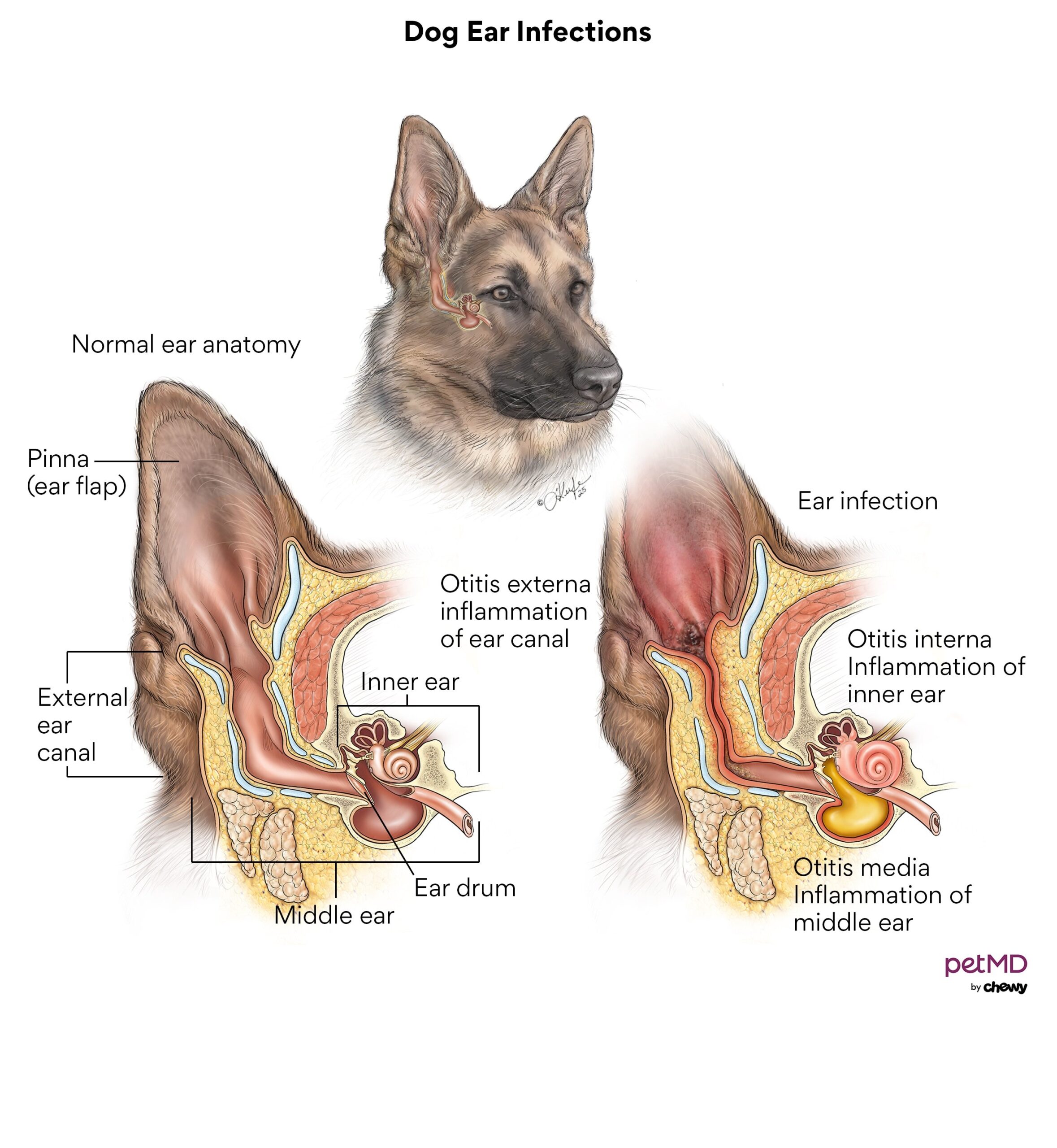
Dog ear disease treatment is tailored to the cause, severity, and whether the problem is acute or chronic. In many cases, care combines professional ear cleaning, medicated drops, and oral drugs for pain, infection, or allergies. Severe or long‑standing disease may require surgery. Early and appropriate therapy helps protect hearing and balance, reduces discomfort, and lowers the risk of repeated infections becoming a lifelong problem.
Cleaning and medicated ear drops
Proper cleaning and correctly used medicated drops are the core of ear treatment in many dogs. First, a vet usually removes deep wax and discharge at the clinic. At home, owners gently wipe only the visible outer ear and apply the prescribed drops as directed. Shaking the bottle, warming it in the hand, and massaging the ear base help the medicine spread. Never use human ear drops, cotton swabs deep in the canal, or leftover medication without veterinary approval.
Oral medicines and allergy control
In many ear diseases, ear drops alone are not enough. Vets often add oral medicines to control pain, infection, and the underlying cause.
| Purpose | Main oral medicines |
|---|---|
| Pain & inflammation | Non‑steroidal anti‑inflammatory drugs (NSAIDs), sometimes corticosteroids |
| Severe infection | Antibiotics or antifungals when infection is deep or has spread |
| Allergy control | Antihistamines, corticosteroids, ciclosporin, oclacitinib, special diets |
Allergy‑related ear disease usually needs long‑term management, not a one‑time cure. Treatment often includes identifying triggers (food, pollen, dust mites), using prescription allergy medicines, and adjusting diet and home environment. Correct dose and duration must always be decided by a veterinarian to avoid resistance and side effects.
Surgery for severe or chronic cases
When ear diseases are severe or chronic and do not improve with medication or cleaning alone, surgical intervention is an important option to consider. Typical procedures include widening the ear canal to improve ventilation, removing lesions beyond the eardrum, treating auricular hematomas, and tumor removal. For dogs whose quality of life is reduced due to long-term pain, itching, or recurring infections, surgery is performed as a treatment to fundamentally reduce pain and prevent recurrence. The content of the surgery, risks, costs, and postoperative care vary greatly depending on the condition and breed of the dog, so it is important to get a thorough explanation from your veterinarian and make a decision only after you are fully satisfied.
Recovery and long-term management
In managing ear diseases after surgery or chronic ear diseases, quickly suppressing pain and preventing recurrence is important. After surgery, it is essential to wear an Elizabethan collar and to follow the prescribed dosage and duration of pain medication, antibiotics, and ear drops. Take care to prevent your dog from touching scabs or sutures, and consult a veterinarian promptly if swelling, heavy bleeding, or a foul odor occurs.
For long-term management, regular ear cleaning and vet visits as directed by your veterinarian are necessary, and for dogs with allergies, their food and environment should be reviewed. For chronic ear problems, the goal is to ""manage"" them rather than achieve a complete ""cure."" Regularly checking your dog's ears for odor, color, and itchiness will help in the early detection of problems."
Safe Home Care for Sore Dog Ears
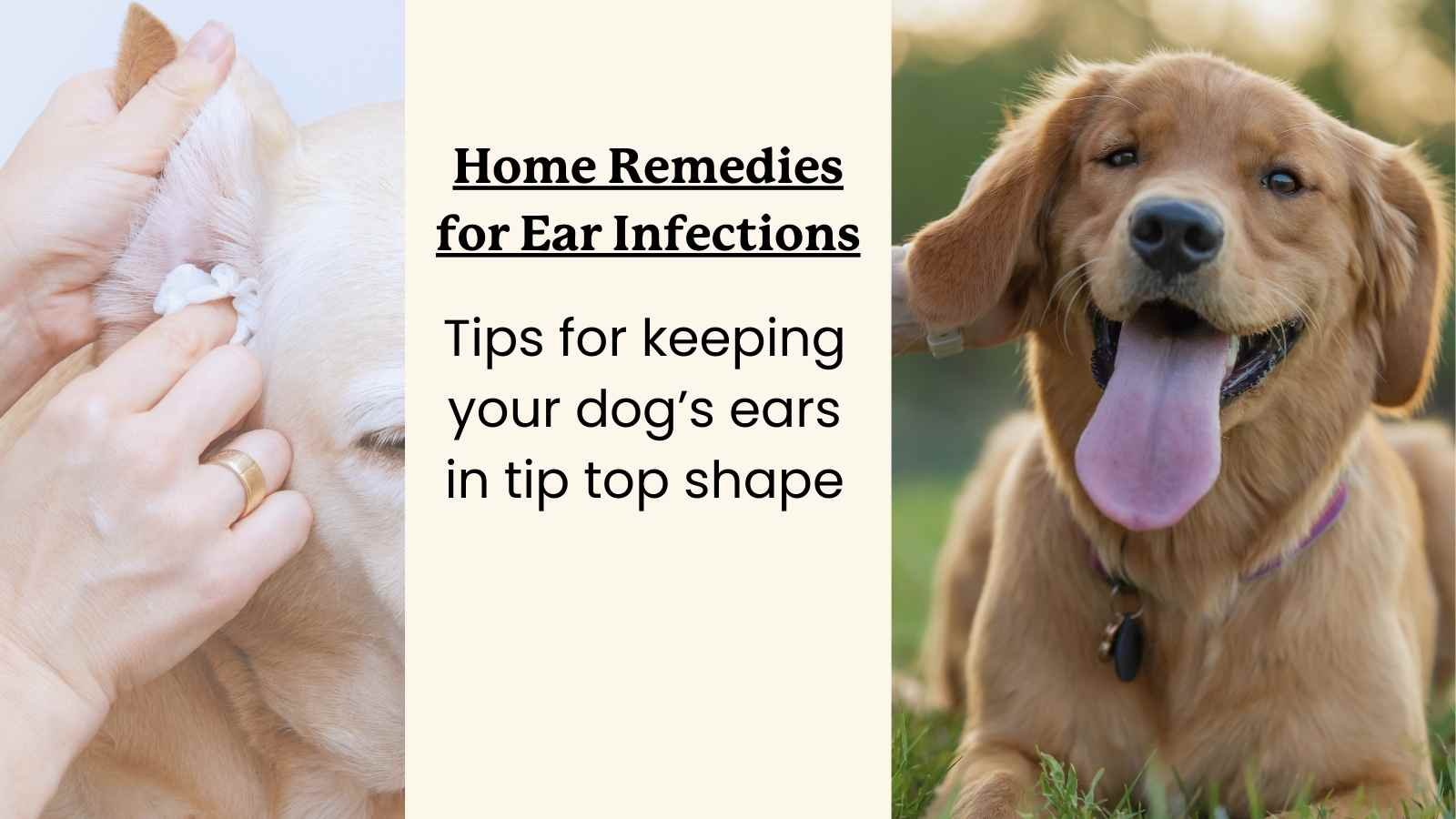
Gentle home care can support treatment from the veterinarian and keep a dog more comfortable. The key is to focus on comfort and cleanliness, not on replacing medical treatment. Owners should avoid poking deep into the ear canal and instead concentrate on the visible outer ear, wiping away loose debris with a soft cotton pad and a vet‑approved cleaner. If pain, bad odor, or heavy discharge is present, home care alone is not enough and prompt veterinary attention becomes necessary. Consistent, calm handling helps dogs accept future ear care more easily.
When home care is and isn’t safe
Home care is only safe when ear symptoms are mild and recent, and the dog is otherwise bright and comfortable. Examples include slight wax build‑up, a mild odor without pain, or routine cleaning after a muddy walk or swim.
Home care is not safe when there is strong pain, heavy redness or swelling, bloody or pus‑like discharge, a strong bad smell, balance problems, head tilt, or clear hearing loss. In those cases, cleaning can worsen damage, so veterinary examination is essential before any home treatment.
How to clean your dog’s ears step by step
Cleaning should be gentle and calm so dogs do not learn to fear ear care. Only clean when the vet or ear condition allows it.
- Prepare cotton pads or gauze, a vet‑approved ear cleaner, and small treats.
- Sit in a quiet place and have the dog sit or lie comfortably.
- Gently lift the ear flap and check for severe redness, strong odor, or thick discharge. If present, stop and contact a vet.
- Insert the nozzle tip only into the vertical part of the ear opening, without forcing it deep.
- Squeeze cleaner until the canal is comfortably filled, then massage the base of the ear for 20–30 seconds until a squishing sound is heard.
- Let the dog shake its head to bring debris outward.
- Wipe away loosened wax and fluid from the outer ear and entrance of the canal using cotton pads or gauze.
- Repeat on the other ear if required.
Do not use cotton buds inside the ear canal, as they can push dirt deeper or damage the eardrum.
Choosing a safe ear cleaner
Choosing a dog ear cleaner is important for both safety and effectiveness. Human products, alcohol, hydrogen peroxide, and vinegar can irritate the delicate ear canal, so a veterinary‑approved ear cleaner is recommended. Look for a product that is labeled for dogs, pH‑balanced, and designed for the problem your pet has (routine cleaning, wax, or infection support). Fragrance‑free or mildly scented options are often better for sensitive skin. When in doubt, asking a veterinarian to recommend a specific brand for the dog’s ears and skin type is the safest choice.
Home remedies to avoid
While there is a lot of information on home remedies, it is important to note that many of them should not be used on a dog's ears. In particular, you should avoid:
- Human ear drops, eye drops, and anti-inflammatory painkillers
- Strong alcohol, vinegar, and hydrogen peroxide
- Oils (olive oil, coconut oil, etc.)
- Baby oil, petroleum jelly, and creams
Making amateur judgments when you can't see inside the ear can damage the eardrum or worsen the symptoms. If you notice anything unusual, it is safer to have your dog examined at a veterinary hospital as soon as possible rather than trying to treat it yourself."
Protecting Health from Dog Ear Diseases
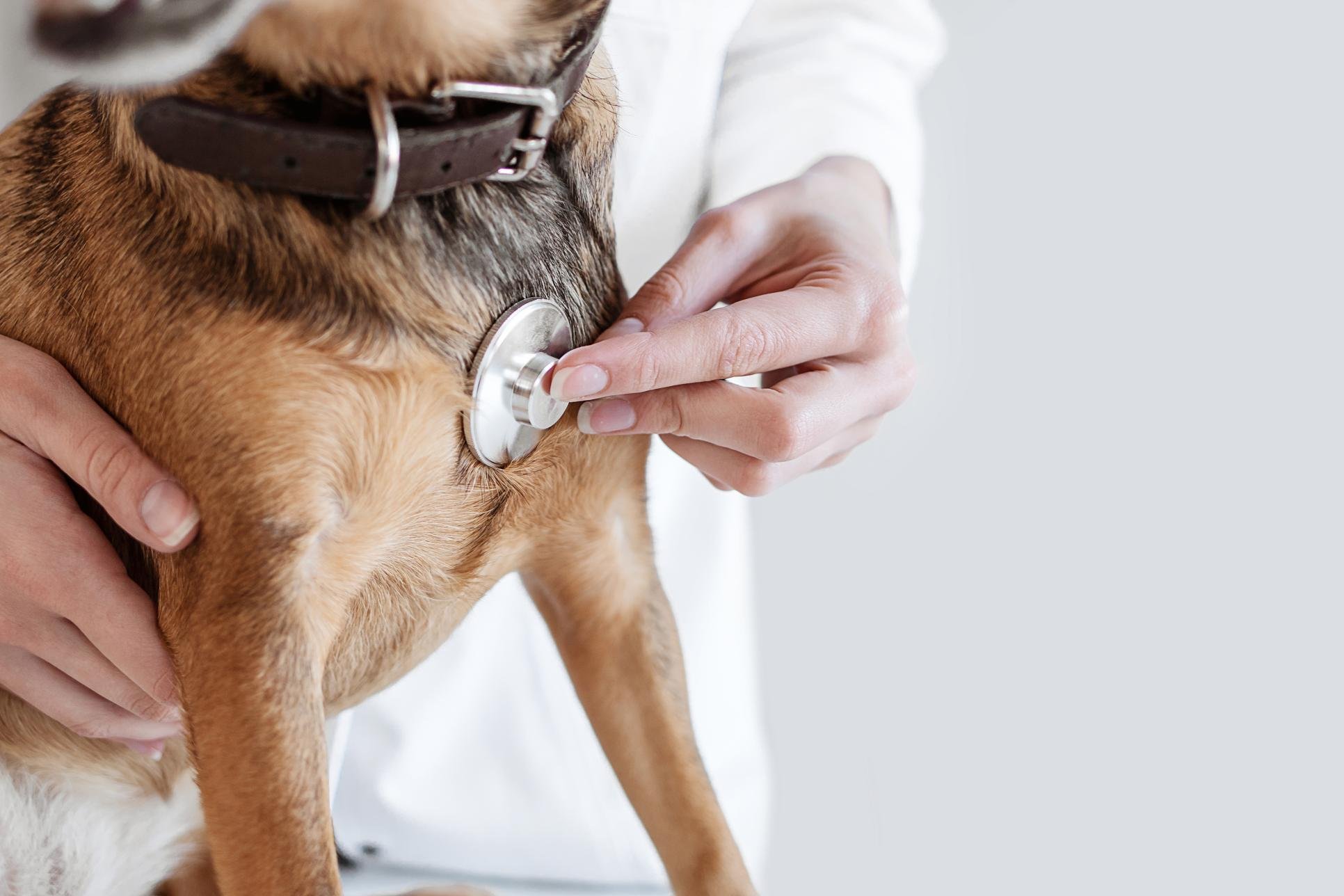
Protecting a dog’s overall health starts with early, gentle ear care. Many chronic ear diseases begin as mild irritation that is easy to control. Regular visual checks, appropriate cleaning, and quick response to small changes in smell, color, or behavior help prevent painful infections, hearing loss, and balance problems. Owners who understand their dog’s normal ear appearance and habits can notice trouble sooner, seek timely veterinary care, and reduce the need for strong medicines or surgery over a lifetime.
Everyday habits that prevent ear issues
Everyday care has a big impact on preventing health problems from dog ear diseases. Owners are advised to gently look into the ears once or twice a week, checking for smell, redness, or discharge. After walks, especially in dusty or pollinated areas, lightly wipe the outer ear with a soft cloth. Keeping the hair around the ear opening neat, feeding balanced food, managing allergies, and maintaining a healthy weight all help support strong skin and ear defenses in daily life.
Grooming, swimming, and ear care tips
Proper grooming and water management greatly reduce ear trouble. After walks, gently wipe around the ear flap with a soft, dry cloth and trim excess hair that traps moisture, especially in floppy‑eared breeds. After swimming or bathing, always dry the ear opening well and avoid getting water directly into the canal. Ask a groomer or vet before plucking hair or shaving inside the ear, because excessive irritation can lead to infection. Use only vet‑approved cleaners and avoid cotton buds that push wax deeper.
Checklists for regular ear checkups
A simple checklist makes ear checks quick and reliable. Aim for a weekly at‑home check, and more often for dogs with a history of ear trouble.
Quick ear health checklist
- Look: inner ear skin is pale pink, no redness, no crusts
- Smell: no strong or sour odor
- Discharge: no brown, yellow, or bloody fluid
- Touch: ear flap not hot or thickened, dog stays relaxed
- Behavior: no scratching, head‑shaking, or rubbing
- Hearing: responds normally to voice and everyday sounds
If any box is not checked, schedule a vet visit before cleaning deeply or using medicine.
When to See the Vet Urgently
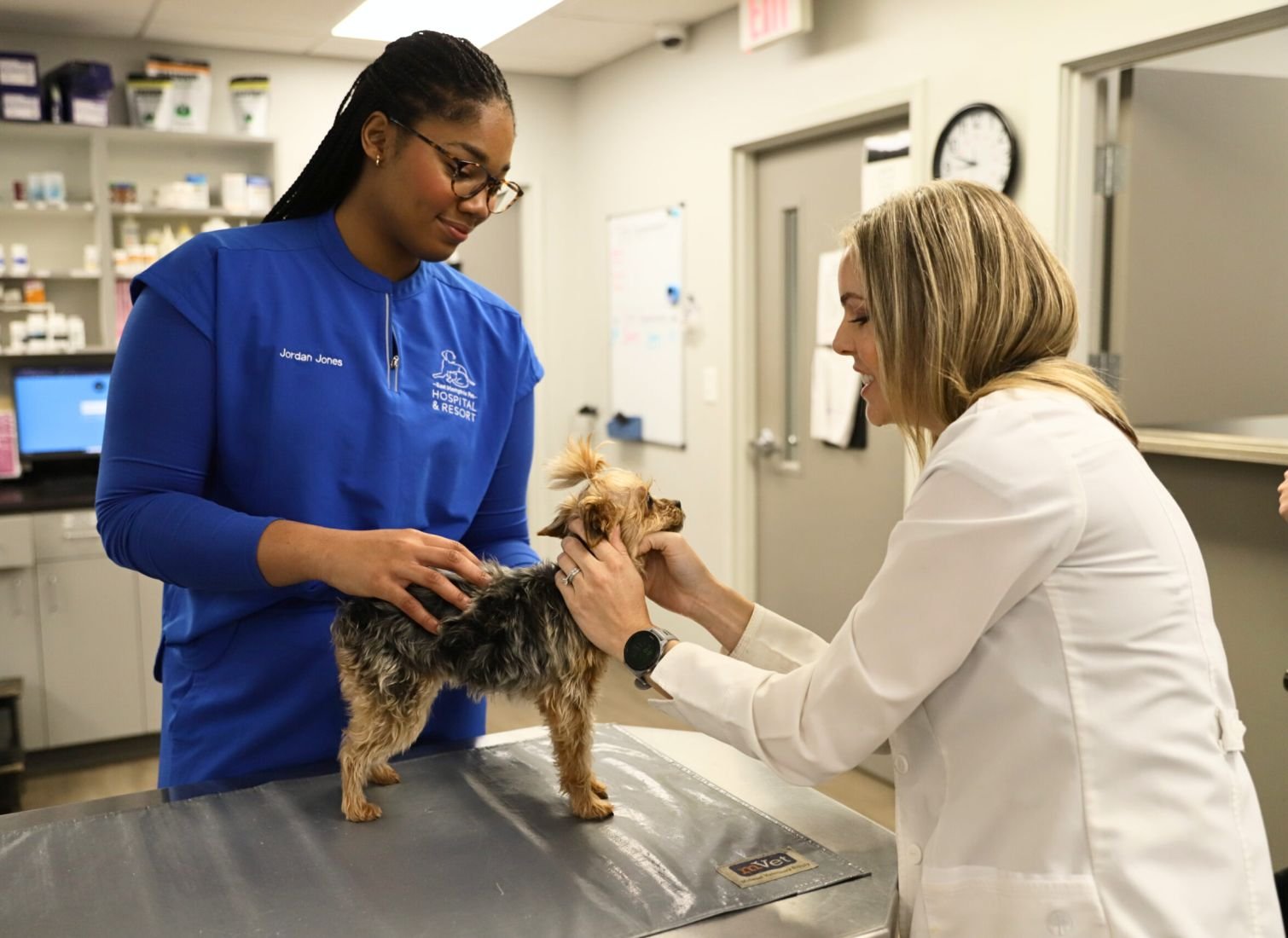
Ear problems can worsen quickly, so early veterinary care is crucial. A vet visit is needed whenever ear discomfort lasts more than a day or two, when home care does not improve mild signs, or when a dog seems unwell overall. Sudden changes in balance, hearing, behavior, or strong pain around the ear require prompt examination. In senior dogs or those with a history of chronic ear disease, new symptoms should be checked sooner rather than later.
Red‑flag symptoms you must not wait on
Some ear symptoms require immediate veterinary attention, because delay can lead to permanent hearing loss or severe pain. Go to an emergency clinic the same day if your dog has:
- A sudden head tilt, loss of balance, or fast eye movements
- Strong pain when the ear is touched, or nonstop crying
- Bloody discharge, pus, or a bad-smelling, thick fluid
- Seizures, collapse, or severe lethargy along with ear signs
- A rapidly swelling ear flap after shaking or scratching
When in doubt, contacting a vet or emergency line is safer than waiting.
What to expect at the clinic visit
At the clinic, the vet first asks about onset of symptoms, recent baths or swimming, allergies, and diet. The ears are then examined visually and with an otoscope to check the full canal and eardrum. Many dogs manage with gentle handling, but some need a light sedative for a safe, pain‑free exam.
Next, the vet often takes an ear swab to look under a microscope for yeast, bacteria, or mites. In deeper or chronic problems, further tests such as culture or imaging may be suggested. After explaining the diagnosis, the vet discusses treatment, shows how to use any ear drops correctly, and advises when to return for a recheck.
This article provides a clear and easy-to-understand explanation from a third-party perspective of common ear diseases in dogs, their causes, seven signs to watch out for, breeds at high risk, the process of examination and treatment at a veterinary hospital, and safe ear care and preventative habits that can be done at home. It organizes and introduces practical points for pet owners to protect their dog's ear health.





![[Senior Dog Food] What kind of food does an elderly dog need?](https://with-my-dog.com/wp-content/uploads/2021/09/TSURU170308-074_TP_V-150x150.jpg)









![Dog Names! [Female]](https://with-my-dog.com/wp-content/uploads/2022/07/image2-43-300x217.jpg)

![[Senior Dog Food] What kind of food does an elderly dog need?](https://with-my-dog.com/wp-content/uploads/2021/09/TSURU170308-074_TP_V-300x200.jpg)