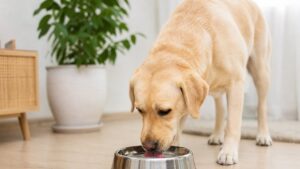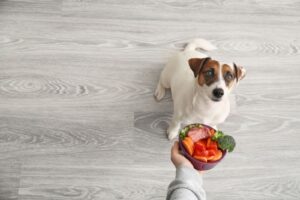


Choosing the right dog food every day is crucial for protecting your dog's health. However, it is said that "dog food-related illnesses" are on the rise, caused by incorrect ingredients or feeding methods. This article explains seven important facts about common health problems that can be caused or contributed to by dog food, their signs, and prevention points. Please use this as essential knowledge to extend the healthy lifespan of your beloved canine family member.
Why Dog Food Can Sometimes Make Pets Sick
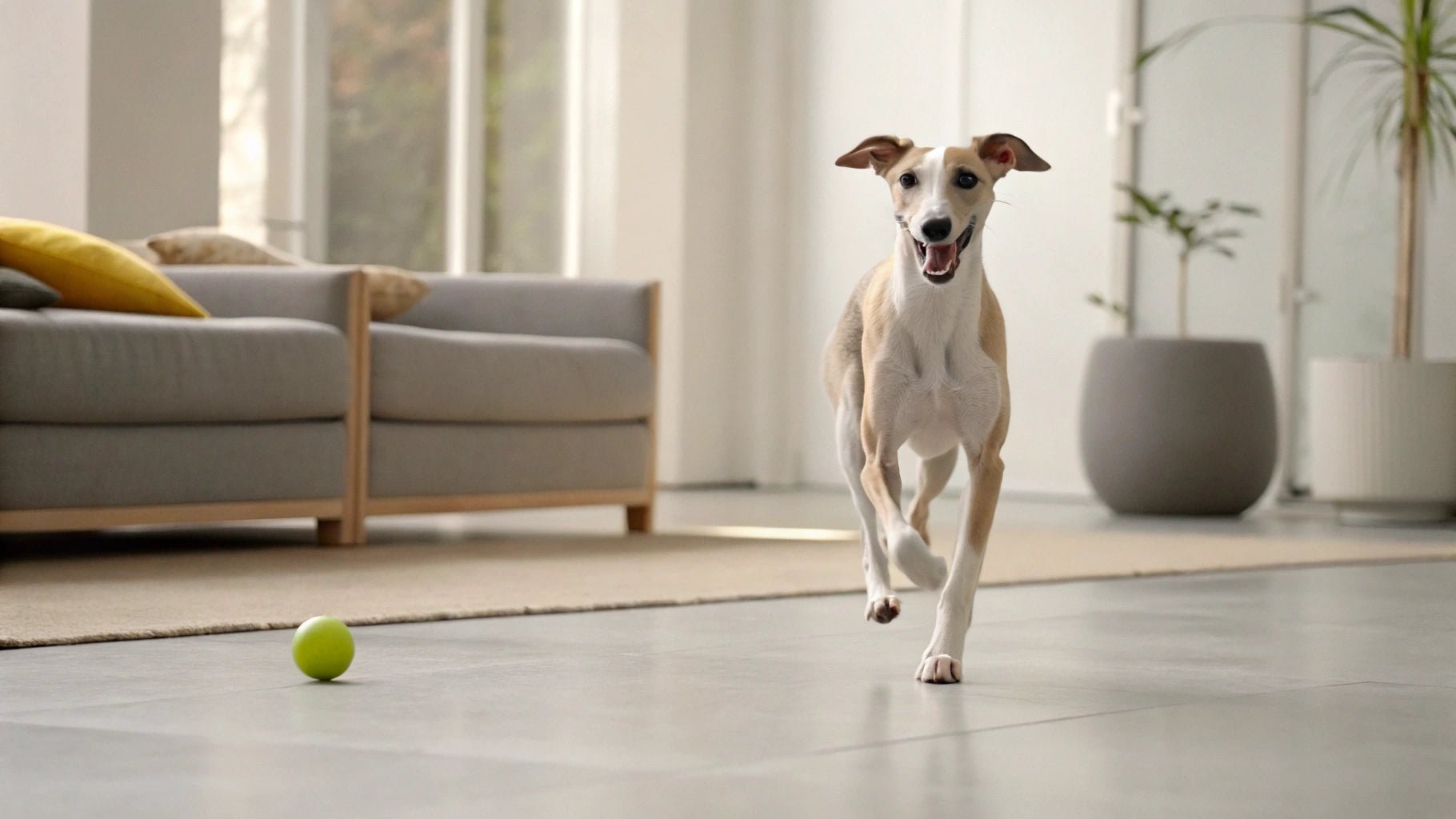
Dog food is formulated to keep pets healthy, but under some conditions it can also contribute to illness. Problems usually arise from four areas: contamination by germs, unbalanced nutrients, ingredients a dog cannot tolerate, and harmful substances such as molds or chemicals.
Dry, wet, raw, and homemade diets all carry different types of risk. For example, raw or poorly stored food may allow Salmonella to grow, while long‑term feeding of an unbalanced recipe may quietly cause vitamin or mineral deficiencies. Even safe formulas can cause trouble if a dog has a specific allergy or if food is stored incorrectly at home.
In many cases, dog food–related illness is preventable through careful product selection, proper storage, good kitchen hygiene, and prompt attention to early warning signs in a dog’s health.
How commercial dog food is produced
Commercial dog food is made through several controlled steps. First, meats, grains, vegetables, fats, and supplements are sourced and tested. Ingredients are then ground, mixed to meet nutrient targets, and cooked at high temperatures. For dry food, the dough is pushed through an extruder, cut into kibble, and oven‑dried, then coated with fats and flavorings. Canned food is filled into tins or pouches and sealed before being heat‑sterilized to kill harmful germs.
Where contamination risks come from
Dog food can be contaminated at many stages before reaching the bowl. Raw ingredients may carry bacteria such as Salmonella or E. coli from farms or slaughterhouses. In factories, poor cleaning, pests, or faulty equipment can spread germs or metal fragments. After opening, improper storage—warm, humid places or unsealed bags—encourages mold and toxin growth. Cross‑contamination in the kitchen, for example using the same surfaces for raw meat and dog food, also raises infection risk for both dogs and humans.
Common Illnesses Linked to Dog Food
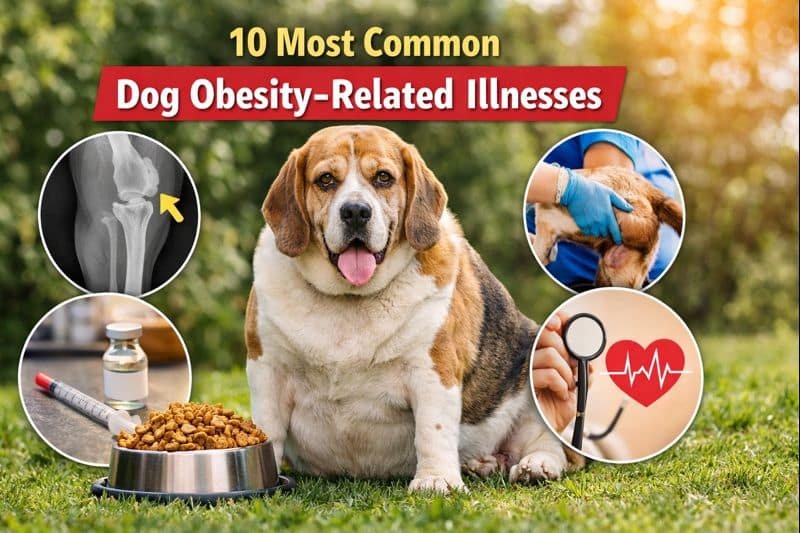
Dog food is designed to support health, but certain problems can lead to illness in both dogs and humans. Typical examples include foodborne infections caused by bacteria, nutritional imbalances from poorly formulated or homemade diets, allergic or intolerance reactions to specific ingredients, and poisoning from molds or chemical residues. Understanding these patterns helps owners notice early warning signs and choose safer products and feeding methods.
Foodborne infections like Salmonella
Foodborne infections are mainly caused by bacteria such as Salmonella, E. coli, and Campylobacter that contaminate dog food during production, transport, or home handling. Raw and undercooked diets carry the highest risk, but dry and canned foods can also be affected when hygiene or storage is poor.
Dogs may show fever, vomiting, diarrhea (sometimes bloody), loss of appetite, and lethargy. Some dogs become infected without clear symptoms and still shed germs in their stools and saliva. Infected dogs can then contaminate floors, bedding, and human hands, increasing the risk of illness for family members, especially children and seniors.
Nutritional imbalances and deficiencies
Nutritional imbalance occurs when dog food does not provide the right proportion of protein, fat, carbohydrates, vitamins, and minerals. Long‑term imbalance can cause slow but serious problems such as weak bones, poor growth, dull coat, or organ strain. Home‑cooked meals, unbalanced raw diets, or “all‑life‑stages” foods used incorrectly are common causes. Puppies, pregnant dogs, and seniors are especially vulnerable, so complete and balanced food for the correct life stage is essential.
Allergic and intolerant reactions
Food allergy and food intolerance look similar but have different mechanisms. Allergies involve the immune system, often triggered by proteins in chicken, beef, dairy, wheat, or soy. Symptoms include itching, red skin, chronic ear infections, and sometimes vomiting or diarrhea.
Intolerance does not involve the immune system and is more about poor digestion, such as sensitivity to fat or lactose. Signs often center on the gut: gas, soft stools, or intermittent diarrhea.
Diagnosis usually requires a strict elimination diet using a novel‑protein or hydrolyzed veterinary formula for 6–8 weeks, followed by food challenges. Long‑term management focuses on avoiding the trigger ingredient and feeding a complete, balanced diet to prevent nutrient gaps.
Toxins, molds, and chemical residues
Toxins can enter dog food from poor ingredient quality, processing, or storage. Molds such as Aspergillus may produce aflatoxins, which damage the liver and can be fatal, especially in dry kibble stored warm or damp. Fish‑based foods may contain excess heavy metals if sourcing is poor. Chemical residues can include pesticides, cleaning agents, or packaging chemicals that migrate into food.
To reduce risk, owners are encouraged to buy reputable brands with strict testing, avoid using expired or foul‑smelling food, store kibble in a cool, dry place, and seal cans or pouches properly. Any sudden vomiting, yellow gums or eyes, severe lethargy, or seizures after eating may suggest toxin exposure and requires urgent veterinary care.
Dog Food Related Illnesses in Humans
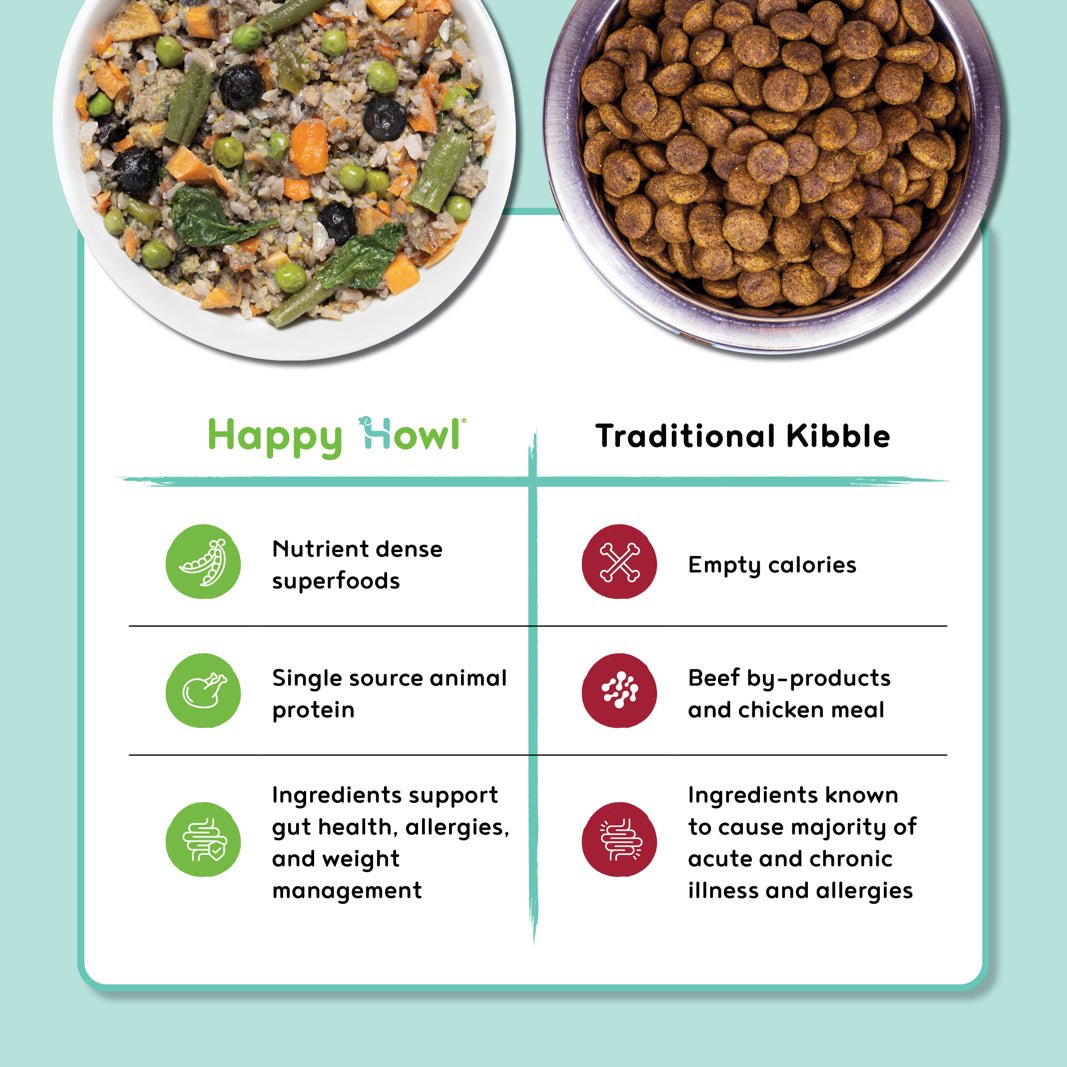
Dog food can cause illness not only in dogs but also in people who handle or live near the food. Bacteria such as Salmonella or E. coli can survive on kibble, treats, and especially raw diets. When humans touch contaminated food, bowls, or dog saliva and then touch the mouth, infection may occur. Young children, older adults, pregnant people, and those with weak immune systems need particular protection around dog food and feeding areas.
How handling dog food can spread germs
Handling dog food can spread germs such as Salmonella, E. coli, and Listeria to people. Bacteria may be present on dry kibble, wet food, or especially raw diets. When owners scoop food, break treats, or touch the dog’s bowl, germs can transfer to hands, kitchen surfaces, and utensils. If someone then touches the mouth or prepares human food without washing hands, infection risk increases. Careful hygiene at every feeding greatly reduces illness for both dogs and family members.
Who is most at risk of infection
People of any age can be infected, but some groups face a much higher risk of serious illness from germs such as Salmonella linked to dog food.
| High‑risk group | Why risk is higher |
|---|---|
| Babies and young children | Immature immune systems; frequent hand‑to‑mouth behavior |
| Pregnant people | Immune changes and risk to the unborn baby |
| Older adults | Weakened immunity and other health problems |
| People with chronic illness or on immune‑suppressing drugs | Reduced ability to fight infection |
For these groups, extra care with handling, storage, and handwashing is especially important.
Symptoms of Salmonella and similar bugs
"
When a person is infected with bacteria such as Salmonella, symptoms usually begin to appear within 1 to 3 days. The main symptoms are:
| Main Symptoms | Content |
|---|---|
| Diarrhea | Severe diarrhea, sometimes mixed with blood |
| Fever | Often a persistent fever of 38°C or higher |
| Abdominal pain/cramps | Severe abdominal pain and Abdominal bloating |
| Nausea and vomiting | Difficulty eating or drinking |
| Feeling heavy and unwilling to move |
Most people recover within a few days to a week, but infants, the elderly, and people with underlying medical conditions are at risk of serious complications such as dehydration and sepsis. If you have a persistent high fever, bloody stools, or are unable to take in much fluid, it is important to seek medical attention promptly.
"
Warning Signs Your Dog’s Food Is a Problem
Dog food may be the cause of illness when multiple problems start soon after meals or after changing brands. Typical warning signs are repeated vomiting or diarrhea, sudden refusal to eat, excess gas, itchy skin, ear inflammation, or a dull coat. Strong food odors, visible mold, insects, or damaged packaging are also danger signals. When symptoms persist for more than a day, or are severe from the beginning, consultation with a veterinarian is strongly recommended.
Digestive upset after meals
Digestive upset right after eating can be an early clue that dog food is causing trouble. Common signs include vomiting, soft stool or diarrhea, gurgling stomach, gas, and visible belly discomfort within a few hours of a meal. Some dogs also refuse food, eat grass, or crouch with a tense abdomen. Occasional mild upset can occur with sudden diet changes or rich treats, but repeated problems after the same food suggest an issue with that product or recipe. Persistent vomiting, blood in stool, or lethargy require prompt veterinary advice.
Skin, coat, and ear changes
Changes in skin, coat, and ears often signal that dog food is not suiting a pet. Frequent scratching, licking paws, or rubbing the face can point to food allergies or intolerances. Dull fur, excessive shedding, or patchy hair loss may follow long‑term poor nutrition. Red, smelly, or waxy ears are common with food sensitivities, especially to proteins like chicken or dairy. When such signs persist beyond a few days, consultation with a veterinarian for diet review and allergy testing is recommended.
Red flag symptoms needing urgent care
Certain symptoms suggest urgent or even life‑threatening illness related to food. Immediate veterinary care is recommended if a dog shows any of the following:
- Repeated vomiting or watery diarrhea, especially with blood
- Severe lethargy, collapse, or unwillingness to stand
- Bloated, hard, or very painful abdomen
- Pale gums, fast breathing, or racing heartbeat
- High fever, shaking, or seizures
Such signs may indicate serious infection, poisoning, or organ failure, and delaying treatment can greatly worsen the outcome.
Safer Choices: Healthy Dog Food Options
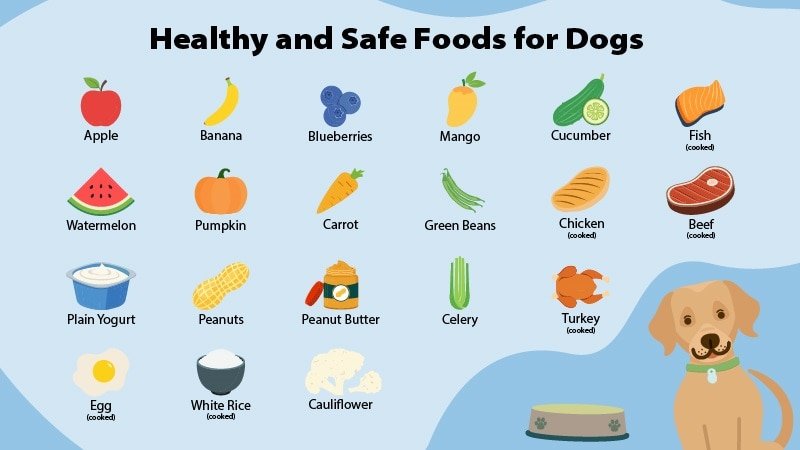
Healthy dog food should support long‑term health while minimizing illness risks from contamination, imbalance, or poor quality control. Safer options are complete-and-balanced diets from reputable brands that meet AAFCO standards, publish nutritional data, and use quality ingredients. Owners can further reduce risk by choosing age-appropriate formulas, avoiding extreme fad diets, and changing foods gradually under veterinary guidance.
Reading labels for safety and quality
Dog food labels provide important clues about safety and quality. First, check for an AAFCO nutritional adequacy statement to confirm the food is complete and balanced for your dog’s life stage. Look for a named protein source (such as chicken or salmon) rather than vague terms like “meat by-products.” Short, clear ingredient lists with recognizable foods tend to be easier to assess. Avoid products with many artificial colors or vague preservatives, and confirm the presence of a manufacturer name, contact information, and a clear best-by date for traceability.
Dry, wet, raw, and fresh diets compared
Dog owners can choose from four main diet types, each with特徴 and注意点があります。
| Type | Main features | Pros | Cautions |
|---|---|---|---|
| Dry (kibble) | Low moisture, long shelf life | Convenient, economical | Needs proper storage to prevent mold/bacterial contamination |
| Wet (canned, pouches) | High moisture, soft | Palatable, supports hydration | Must be refrigerated after opening, spoils quickly |
| Raw | Uncooked meat, bones, organs | Closer to “natural” image | High risk of infection to humans, such as Salmonella, hygiene management is essential |
| Fresh (home-cooked/ready-made) | Lightly cooked, often chilled | Easy to digest, good aroma | Nutritional balance is easily disrupted, veterinary supervision is important |
Regardless of the type, it is important to choose based on a comprehensive assessment of safety, nutritional balance, and ease of management for the owner.
When prescription diets are helpful
Prescription diets are therapeutic foods designed for specific medical problems and should be used under veterinary guidance. They are helpful for illnesses where ordinary “healthy” dog food cannot keep nutrients in the safe range.
| Condition | How prescription diets help |
|---|---|
| Kidney disease | Lower phosphorus, controlled protein, adjusted minerals |
| Food allergies | Limited or hydrolyzed proteins to reduce reactions |
| Obesity | Fewer calories, higher fiber, better satiety |
| Diabetes | Controlled carbs, steady blood sugar support |
| Liver, urinary, GI disease | Specially balanced nutrients and digestibility |
Prescription diets are not premium versions of regular food; they are more like medicine in food form. Owners should always consult a vet before starting, stopping, or switching a therapeutic diet.
Health Dog Food Related Illnesses to Avoid
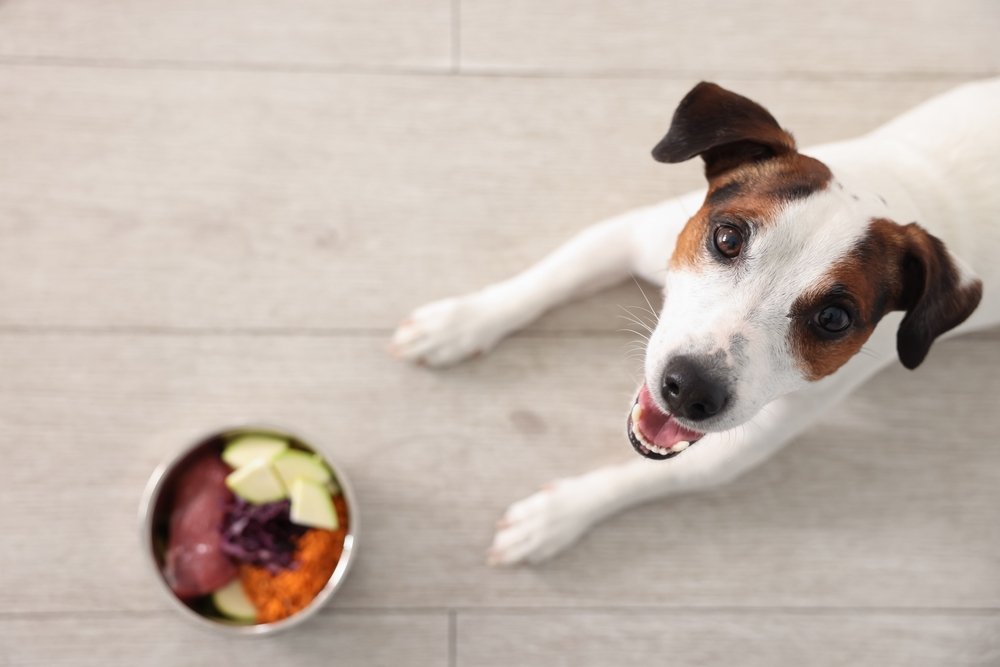
Dog food can cause health problems when it is poorly formulated, contaminated, or not suited to an individual dog’s needs. Avoiding dog food related illnesses starts with choosing products from reputable manufacturers, storing food correctly, and watching for early warning signs in the dog’s digestion, skin, and energy levels. Careful label reading and cooperation with a veterinarian help protect both the dog’s health and the family’s health.
Choosing products that meet AAFCO standards
Products that meet AAFCO standards are designed to provide complete and balanced nutrition for a specific life stage, such as growth, adult maintenance, or all life stages. Check the package for a clear AAFCO nutritional adequacy statement, not just a small logo. Prefer foods formulated by board‑certified veterinary nutritionists or backed by feeding trials. Avoid diets lacking an AAFCO statement, as long‑term feeding may increase the risk of nutritional deficiencies or excesses linked to illness.
Recognizing risky marketing claims
The more a pet food brand emphasizes flashy language and trends, the more important it is to carefully check its contents. In particular, be wary of strong expressions such as ""human-grade,"" ""additive-free,"" and ""grain-free and absolutely safe."" Many of these terms have ambiguous legal definitions and do not guarantee actual safety or nutritional balance. It is essential to always check the ingredients list, nutritional information, and compliance with AAFCO standards, and not choose a product based solely on emotionally appealing advertising.
Discussing diet changes with your vet
Diet changes should always be planned together with a veterinarian, especially after illness or when dealing with allergies, kidney disease, or obesity. Bring information about current food, treats, supplements, and any symptoms. A vet can recommend suitable brands, calculate calories, and suggest a safe transition schedule. Asking specific questions about portion size, feeding frequency, and expected changes in stool or weight helps prevent new health problems.
Safe Storage and Handling at Home
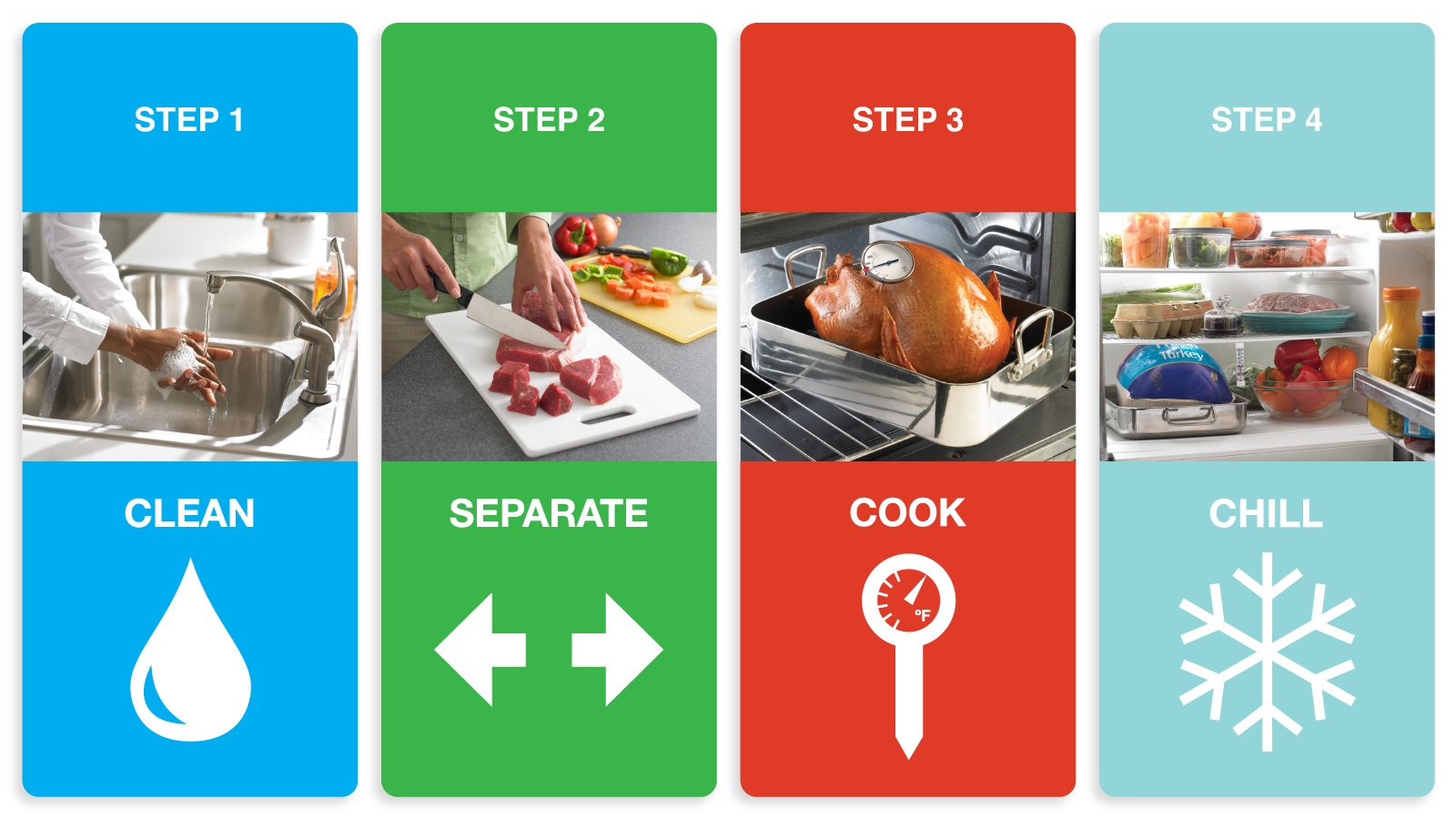
Safe storage and handling at home greatly reduces dog food related illnesses in both pets and people. Contamination often occurs after the food is opened, not only at the factory. Proper storage, clean tools, and good kitchen hygiene help prevent bacteria growth, mold, and pests. Paying attention to expiry dates and handling routines protects the dog’s digestion and also the family’s health.
Best practices for storing dry and wet food
Proper storage greatly reduces spoilage and germ growth.
Dry food should be kept in the original bag, tightly sealed, and placed inside an airtight container in a cool, dry place away from sunlight. Avoid garages or balconies with big temperature changes. Once opened, dry food is best used within 4–6 weeks.
Opened cans of wet food must be refrigerated immediately, covered tightly, and used within 2–3 days. For pouches or trays, follow the same rule. Discard any food with a strange smell, color, or texture, and never leave wet food at room temperature for more than 2 hours (1 hour in hot weather).
Kitchen hygiene to protect your family
Good kitchen hygiene helps prevent Salmonella and other germs from spreading from dog food to people. Always wash hands with soap and warm water for at least 20 seconds after handling kibble, wet food, or treats. Prepare dog food away from human food, using separate cutting boards and utensils. Avoid letting children handle raw or freeze‑dried diets. Wipe counters with disinfectant, and wash dishcloths and sponges frequently to reduce bacterial buildup.
Cleaning bowls, scoops, and feeders
Food bowls, scoops, and feeders can quickly collect leftover oils, saliva, and bacteria. Daily cleaning is essential for preventing foodborne illness. Wash bowls and scoops after every meal with hot, soapy water, then rinse and air-dry completely. For automatic feeders and water fountains, follow the manufacturer’s instructions and clean at least weekly. Discard any plastic that is cracked or scratched, because germs can hide in the grooves and become difficult to remove.
What to Do If You Suspect Food Is Making Your Dog Ill
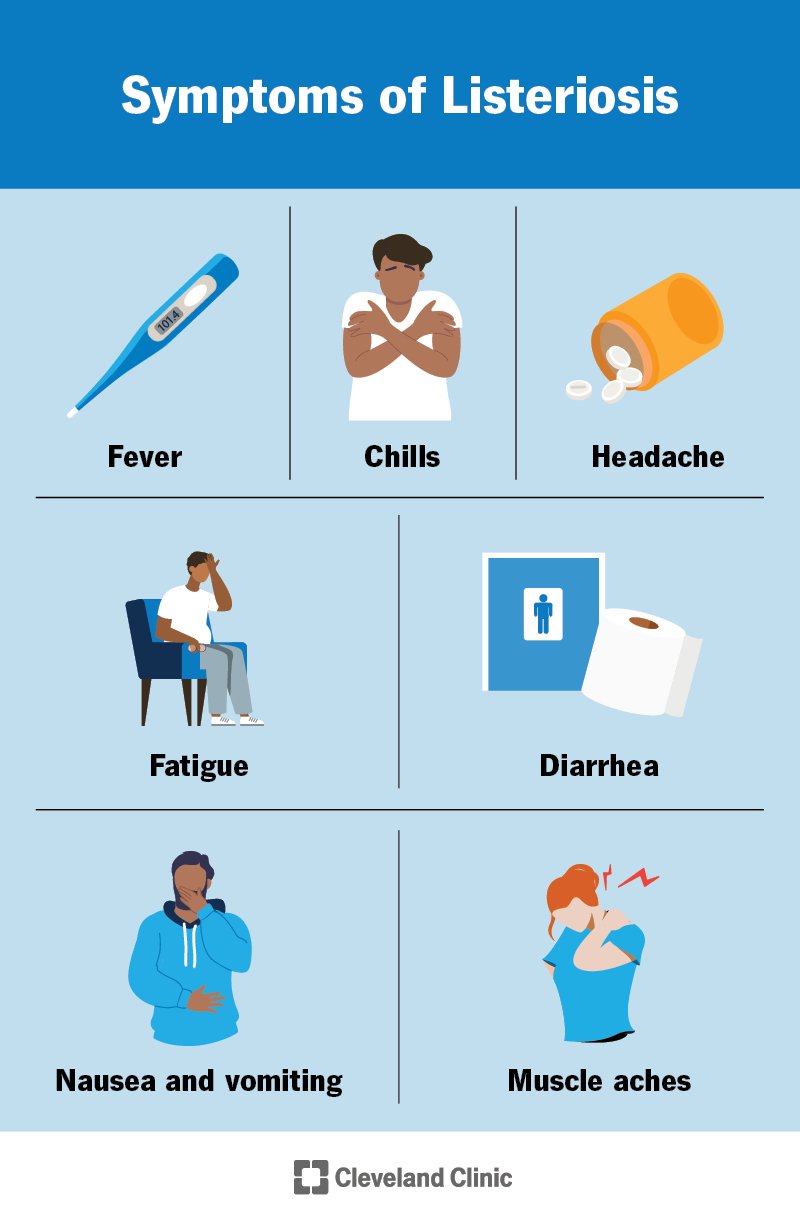
When a dog seems unwell after eating, prompt and calm action is important. First, observe and record symptoms such as vomiting, diarrhea, loss of appetite, or lethargy, and note when each started. Keep the food bag, lot number, and feeding schedule, as these details help veterinarians and are useful for recall checks. Avoid giving new treats or table scraps during this period to prevent confusion about the cause. If symptoms appear severe or sudden, prioritize contacting a veterinarian before taking any further steps related to food.
Step one: stop the suspected food
The first thing you should do is immediately stop giving the suspected food. First, check the dry, wet, and treat foods you are currently giving your pet, and stop giving them the product that is most likely to be the cause. Then, ensure your pet has free access to water, avoid sudden fasting, and refrain from adding any new foods or supplements until instructed by your veterinarian. Keep the container and lot number for consultation or examination.
When to call the vet or emergency clinic
If your pet suddenly becomes ill after eating, it is important to contact the vet as soon as possible if you are unsure. If any of the following apply, it is advisable to seek veterinary care on the same day.
| Situation | Guidelines for Seeking Medical Attention |
|---|---|
| Repeated vomiting, diarrhea, bloody stools | Seek medical attention as soon as possible |
| Lethargy, lack of energy, unable to stand | Consult for emergency assistance immediately |
| Not eating or drinking for more than 24 hours | Consider seeking veterinary care |
| Abdomen distended, appearing to be in distress, labored breathing | Contact emergency services immediately |
If poisoning or ingestion of a foreign object is suspected, or if the dog is a puppy, elderly, or has a pre-existing condition, even with mild symptoms, it is safer to prioritize consulting an emergency hospital during nighttime or on holidays.
Reporting problems and checking recalls
If dog food is suspected to be harmful, record the brand, flavor, lot number, expiry date, and where it was bought. Store the remaining food in a sealed bag in the fridge in case testing is needed. Owners can report problems to the manufacturer’s customer service and to local animal health or food safety authorities. To check for recalls, regularly visit the FDA or equivalent national food safety website and the brand’s official site, and avoid relying only on social media.
Keeping Your Dog Healthy at Mealtime
Healthy mealtimes start with suitable food, a calm routine, and regular monitoring. Choose a complete and balanced diet appropriate for age, size, and activity level, and keep daily portions consistent to prevent obesity. Provide fresh water at all times and avoid feeding many treats from the table.
Creating a quiet feeding space reduces gulping and stress. After meals, light activity is fine, but avoid vigorous exercise for large, deep‑chested breeds to lower the risk of bloat. Regularly check body shape, stool quality, and appetite; any sudden change lasting more than a day or two should be discussed with a veterinarian. Careful attention at each meal supports long‑term health.
Transitioning foods safely
A safe switch to new food should be done slowly over 7–10 days to protect the digestive system. Sudden changes often cause diarrhea, gas, or refusal to eat. Start with about 75% old food and 25% new food for 2–3 days, then move to half‑and‑half, then 25% old and 75% new, before offering only the new food. For puppies, seniors, or dogs with sensitive stomachs or chronic illness, an even slower transition and prior consultation with a veterinarian are strongly recommended.
Monitoring weight, energy, and stools
Regular checking of weight, energy level, and stools helps detect food‑related illness early. Sudden weight loss, a big gain, or ribs and spine becoming obvious suggest diet problems. A healthy dog is alert, keen to walk, and finishes meals. Persistent tiredness or reluctance to play may signal poor nutrition. Stools should be formed, easy to pick up, and passed 1–3 times a day. Ongoing diarrhea, constipation, blood, or mucus needs veterinary advice.
Building a long‑term feeding plan with your vet
A long‑term feeding plan is most effective when created together with a veterinarian who knows the dog’s health history. The basic flow is usually: check the current condition, decide on target weight and body shape, choose an appropriate diet, and set the daily amount. Regular health checks, including blood tests and weight measurement, help confirm whether the plan suits the dog. When life stages or illnesses change, the vet can adjust calories, nutrients, and feeding frequency so the dog can safely continue the same policy over many years.
This article explains "dog food-related illnesses" in dogs and humans, such as food poisoning, malnutrition, and allergies caused by commercially available dog food or raw food. It provides a clear and easy-to-understand overview from a third-party perspective, covering topics such as choosing safe food, storage and hygiene management, and how to deal with any problems.









![[Photos] Want to see cute lion-dog statues? Check out these popular shrines](https://with-my-dog.com/wp-content/uploads/2022/07/pexels-markus-distelrath-2832119-150x150.jpg)