

Spaying your dog is an important decision that can help prevent future illnesses and reduce stress, but many owners are worried about things like, "How long will it take for her to recover after the surgery?" and "What are the specific signs of recovery?" This article clearly explains the recovery timeline for dogs after spaying surgery, day by day and in stages, from the day of the surgery to several weeks later. We will also summarize and introduce key points to safely support your dog, such as the recommended rest period, when to resume walks and baths, and signs to watch out for.
Understanding Dog Spay and Healing
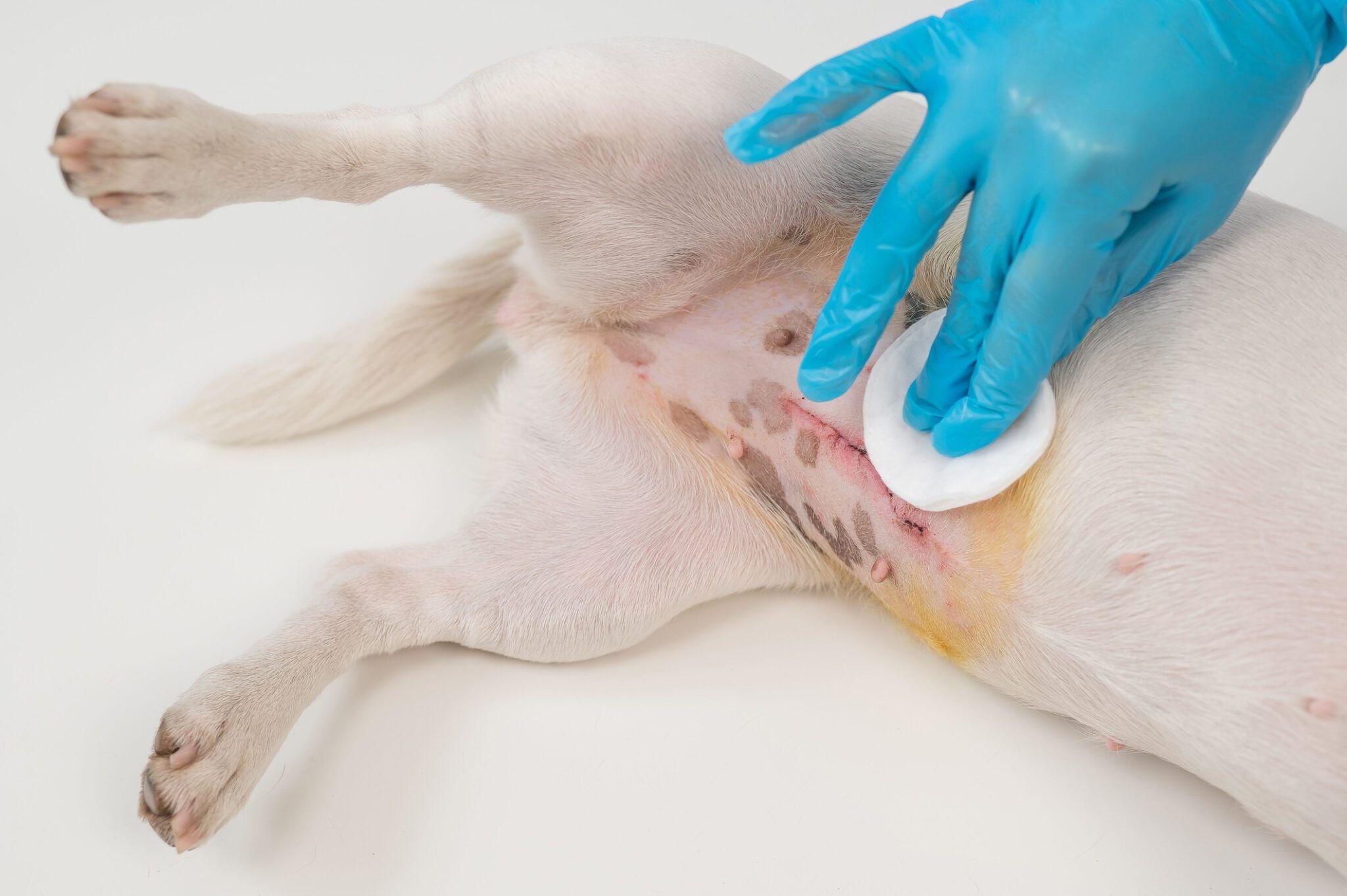
Spaying is a common surgery that removes a female dog’s ovaries, and often the uterus, to prevent pregnancy and reduce hormone-related diseases. Although it is routine for veterinarians, spay surgery is major abdominal surgery for the dog, so a structured healing period is essential.
Understanding how the body heals helps owners know what to expect. In the first days, the focus is on pain control and protecting the incision. Over the next 2–3 weeks, internal tissues knit together and energy gradually returns. Most healthy dogs heal well with rest, incision protection, and prompt vet attention if unusual signs appear.
What happens during a spay surgery
During a spay surgery, the veterinarian removes a female dog's ovaries, and often the uterus, under general anesthesia so the dog feels no pain. The abdomen is shaved and cleaned, then a small incision is made to access the reproductive organs. After removal, the vet closes the muscle and skin with sutures or staples. Your dog is monitored for breathing, heart rate, and temperature until she wakes safely in recovery.
Typical healing stages after surgery
After a routine spay, healing usually follows clear stages. Days 0–2: drowsiness, mild pain, low appetite, and slight oozing at the incision are common. Days 3–7: energy and appetite improve, the incision becomes dry, pink, and less swollen. Days 8–14: skin closes firmly, fur starts to regrow, and most dogs feel normal, though internal tissues are still healing. Weeks 3–4: internal healing completes and most dogs can safely return to full activity if the veterinarian agrees.
Factors That Affect Recovery Speed
Recovery does not follow exactly the same pace for every dog. The health dog spay recovery timeline is strongly influenced by several factors, so owners should consider their dog’s individual situation rather than only a general schedule.
Major elements that change recovery speed include age, breed, and body condition, the type of surgery and anesthesia, and the home environment and stress level. Understanding these factors helps guardians judge what is normal for their dog and when slower healing may still be healthy.
Age, breed, and body condition
Age, breed, and overall body condition have a strong influence on a healthy dog spay recovery timeline. Puppies usually heal faster, but need close supervision because they are active and may ignore restrictions. Senior dogs or dogs with chronic disease can recover more slowly and may tire easily.
Large, deep‑chested breeds often need a bit more time before returning to full activity, while small breeds may appear comfortable sooner. Overweight dogs usually face a higher risk of wound complications, because extra fat around the incision can strain the sutures and slow healing. Keeping a dog at a healthy weight and managing any pre‑existing conditions before surgery supports smoother recovery.
Surgical method and anesthesia
The surgical technique and type of anesthesia strongly influence a dog’s spay recovery timeline. Traditional open spay usually means a larger incision and slightly longer rest, while laparoscopic or keyhole procedures often allow faster comfort and mobility. Modern inhalant anesthesia and careful monitoring help most dogs wake smoothly, but grogginess, wobbliness, and mild nausea are common for several hours. Longer, more invasive surgeries may lead to more soreness, so strict activity control becomes even more important for safe healing.
Home environment and stress level
A calm, predictable home speeds up spay recovery. Loud noise, visitors, and excited children or other pets can raise stress and blood pressure, which may worsen pain and slow healing. Ideally, prepare a quiet room or corner away from doors and windows, with a comfy bed and non‑slip floor. Keep routines gentle and consistent, speak softly, and limit handling to essentials. Separating energetic dogs or curious cats with baby gates or crates also helps protect the incision and supports smoother recovery.
Healthy Dog Spay Recovery Timeline
A clear timeline helps owners judge what is normal after a spay. Most healthy dogs need about 10–14 days for the skin incision to close and 3–4 weeks for deeper tissues to become strong again. The first 3 days focus on pain control and rest. Days 4–7 usually bring better appetite and mood, but strict activity restriction is still essential. By days 11–14 many dogs feel normal, yet jumping and rough play should wait until the vet confirms full healing.
Surgery day: first hours after pickup
The first hours after pickup are usually the sleepiest part of recovery. Many dogs are groggy, unsteady on their feet, and may whine or seem confused as the anesthesia wears off. Keep movement minimal, support the body when getting in and out of the car, and go straight home.
At home, offer a quiet, dim, and warm resting place away from children and other pets. A small sip of water is usually allowed, but food is often delayed until the vet’s recommended time. Monitor breathing, comfort, and the incision area every so often, and follow any written discharge instructions carefully.
First 24 hours: pain and sedation care
The first full day at home is focused on comfort and monitoring. Many dogs are still sleepy from anesthesia and may be wobbly, quiet, or mildly disoriented. Provide a warm, padded area away from children and other pets, and help with short, supported walks for toileting only.
Pain medication should be given exactly as prescribed; do not add human painkillers, as many are toxic to dogs. Mild whining, reluctance to move, or stiffness can be normal, but uncontrolled crying, panting, or restlessness can indicate poor pain control and warrants a vet call. Vomiting more than once, pale gums, or collapse are emergencies.
Offer small sips of water and a light meal unless the vet advised otherwise. Check the incision briefly a few times: a little redness and clear or slightly bloody seepage can be normal early on, but steady bleeding or a rapidly swelling belly requires urgent care. Keep activity low and allow the dog to sleep; quiet rest is one of the strongest allies in the first 24 hours of recovery.
Days 2–3: appetite and bathroom habits
In days 2–3, many dogs begin to feel more like themselves, but healing is still very early. A slightly reduced appetite is common; offer small, bland meals and avoid rich treats. Refusing all food, repeated vomiting, or diarrhea requires a vet consult.
Bathroom habits usually normalize in this period. Mild constipation or not passing stool for 24–48 hours can occur due to fasting, pain meds, and reduced movement. However, straining, visible pain, or no urination are not normal and should be checked by a veterinarian promptly.
Days 4–7: energy slowly returning
By days 4–7, many dogs begin to look more like themselves. Energy often starts to return, but internal tissues are still healing.
Mild brightness, wanting to move around, and a more regular appetite are common. Short, calm leash walks for bathroom breaks are usually acceptable if a veterinarian agrees. Jumping, running, and stairs should still be restricted.
The incision should look dry, closed, and only slightly pink. A small, firm line of swelling under the skin can be normal, but any sudden increase in swelling, heat, or pain warrants a veterinary check.
Because dogs feel better at this stage, the biggest risk is over-activity. Using a crate, pen, or small room helps prevent accidental strain on the surgical site and supports a smooth recovery.
Days 8–10: incision changes to expect
By days 8–10, many dogs feel much more like their usual selves, but the incision is still healing under the skin. The outer line should look dry, closed, and slightly pink. A small, firm ridge under the incision is common scar tissue. Mild itchiness and very light bruising or a thin scab can appear.
Watch carefully for what is not normal: increasing redness or heat, thick yellow or green discharge, a bad smell, or gaps in the stitches. Any sudden swelling, bleeding, or your dog obsessively licking the area should prompt a prompt call to the veterinarian.
Days 11–14: almost back to normal
By days 11–14, many healthy dogs feel almost like their usual selves, but internal tissues are still healing. Energy and appetite are usually normal, and pain is often minimal. Light, leash‑only walks are usually allowed, yet running, jumping, and rough play must still be avoided. The incision should look dry, closed, and less pink with no new swelling or discharge. Any renewed redness, heat, or sudden discomfort at this stage warrants a prompt call to the veterinarian.
Weeks 3–4: return to full activity
By weeks 3–4, most healthy dogs are fully healed on the inside and outside, but activity still needs a gradual increase. Many vets recommend waiting until the recheck before allowing completely normal play. Start with longer leash walks, then add short periods of off‑leash time in a controlled area if the vet agrees. Avoid intense jumping, stairs at speed, or rough dog‑park play until explicitly cleared. A slow return to normal activity helps protect the abdominal muscles and reduces the risk of rare complications such as hernias.
Caring for Your Dog During Recovery
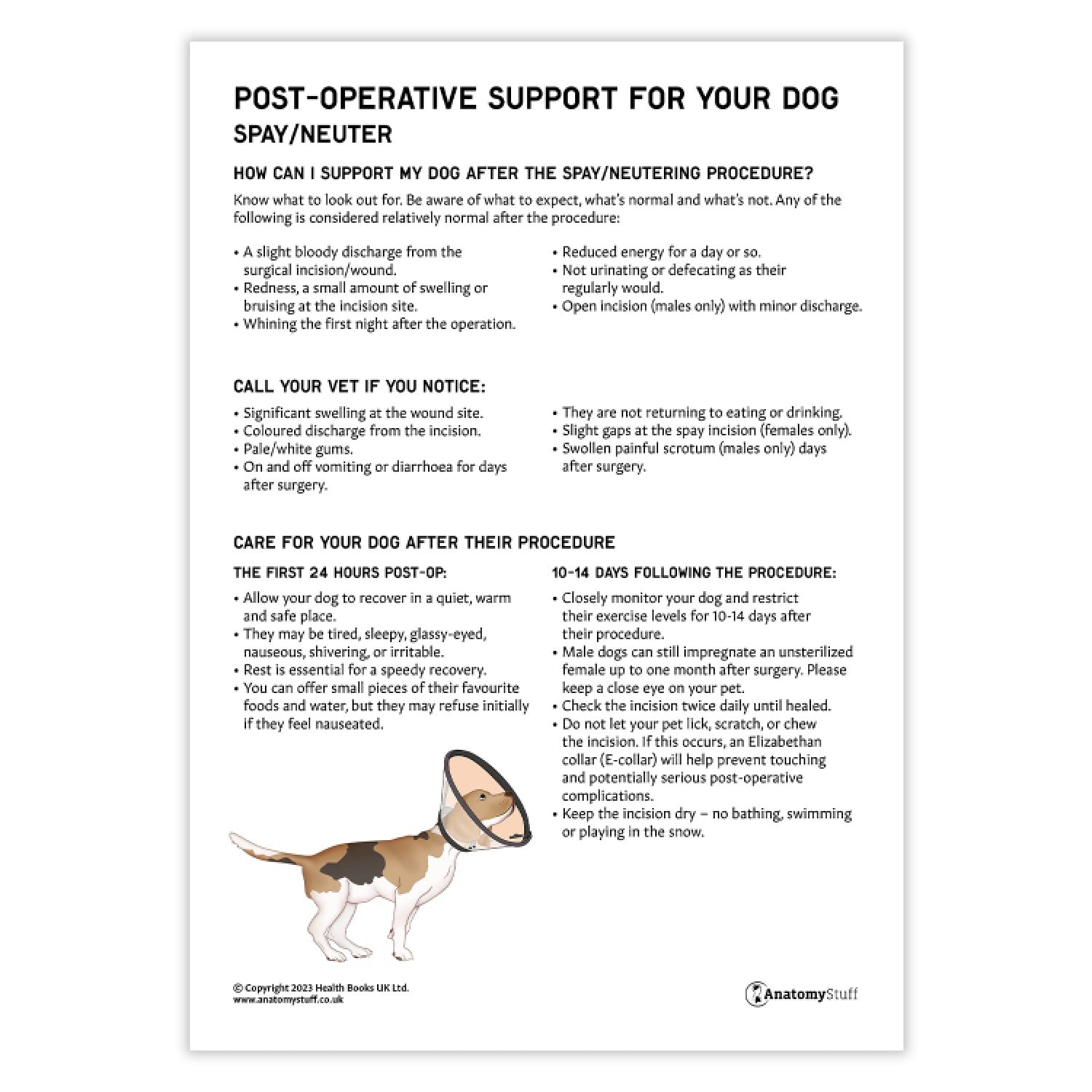
A smooth recovery relies on quiet rest, good pain control, and careful incision care. Owners support healing by providing a safe space, following all medication instructions, and strictly limiting jumping and rough play. Short, calm leash walks for toileting, plus close monitoring of appetite, bathroom habits, and behavior, help detect problems early. With consistent care and prompt contact with a veterinarian when warning signs appear, most dogs heal comfortably and return to normal activity on schedule.
Setting up a safe, quiet rest area
A calm recovery space helps protect the incision and keeps activity low. Choose a quiet, draft‑free room away from stairs, children, and other pets. Use a crate, pen, or gated area that your dog already knows, lined with soft bedding that is easy to wash. Keep water nearby, but offer food only as advised by the vet. Avoid slippery floors; add rugs or mats for safe walking. Dim lighting, white noise, and keeping visitors to a minimum support low stress and smoother healing.
Incision care and what is normal
After surgery, the incision should look clean, dry, and closed. Mild redness, slight swelling, and a thin scab are common for several days. A small amount of clear or slightly pink fluid on the first day can be normal.
Avoid cleaning with alcohol or peroxide unless the veterinarian instructs otherwise. Gently check the area twice daily for changes. Do not let the dog lick, chew, or scratch the incision, because this greatly increases the risk of infection and delayed healing.
Managing pain meds and antibiotics
Pain control is a major part of a smooth, low‑stress spay recovery. Follow the vet’s dosing schedule exactly; do not give human painkillers, as many are toxic to dogs. If a dose is missed, ask the clinic before doubling or adjusting.
Antibiotics, when prescribed, should be given for the full course, even if the dog appears normal. Stopping early can allow infection to return or create resistance. Watch for side effects such as vomiting, diarrhea, or facial swelling, and contact a vet promptly if these occur or if pain seems to worsen instead of improving.
Food, water, and gentle bathroom trips
After spay surgery, small, frequent meals and easy bathroom access are essential. Offer a few tablespoons of bland food 6–12 hours after returning home if the veterinarian approves, then slowly increase to normal portions over 1–2 days. Fresh water should be available at all times, but begin with small amounts to avoid vomiting.
Take the dog out for short, leashed bathroom trips only, just long enough to urinate and defecate. Avoid stairs, running, or sniffing walks. Choose a calm, non-slippery area so the dog can squat without slipping or straining the incision. If the dog has not urinated within 24 hours, contact a veterinarian.
Exercise limits and when to leash walk
Exercise must stay strictly limited until the vet confirms healing. For most dogs, only short, calm leash walks are allowed for 10–14 days.
Right after surgery, walks should only be for quick bathroom breaks, on a short leash, on flat ground. From days 4–7, length can increase slightly if the incision looks normal and the dog walks smoothly. No running, jumping, stairs, rough play, or off‑leash time during the main recovery period.
If the dog pulls, use a harness that avoids the abdomen and walk at quiet times to reduce excitement. When unsure about increasing activity, follow the most cautious option and check with the vet.
Cones, bodysuits, and licking control
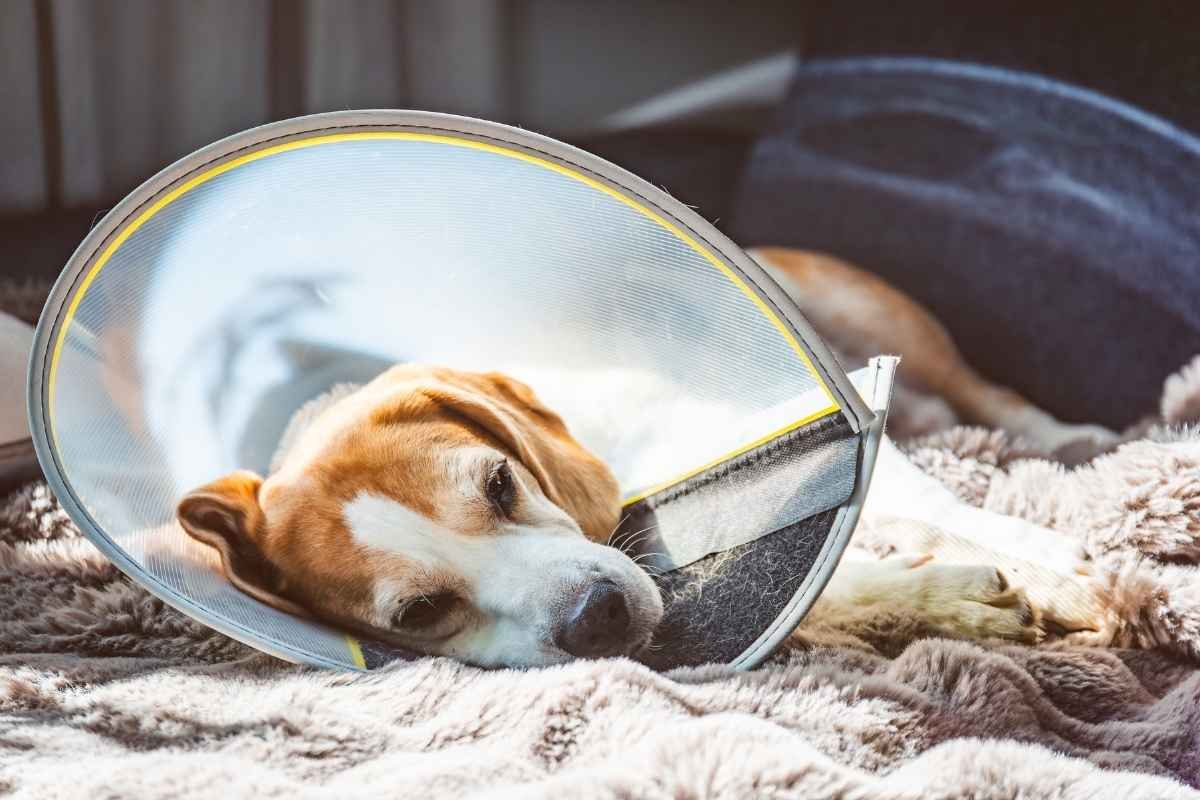
Licking or chewing the incision is one of the biggest causes of complications, so physical barriers are essential.
| Tool | Features | Best for |
|---|---|---|
| Plastic cone (e‑collar) | Rigid, strong protection | Most dogs, heavy chewers |
| Soft cone | More comfortable, slightly flexible | Calm dogs, indoor use |
| Bodysuit / recovery suit | Covers abdomen, allows movement | Dogs that panic with cones |
The ideal option prevents tongue or teeth reaching the wound, fits snugly but not tightly, and stays on 24/7 until the vet confirms healing. If rubbing or distress occurs, consult the clinic about adjusting size or switching style; never leave the dog unprotected “just for a minute.”
Normal vs. Worrying Recovery Signs

After a spay, it helps to separate normal healing signs from warning signs. Mild sleepiness, small appetite changes, and light pink bruising or swelling around the incision often belong to normal recovery. In contrast, strong pain, spreading redness, foul odor, or continuous bleeding suggest a problem. Owners can protect their dog by watching daily for changes in energy, incision appearance, appetite, bathroom habits, and behavior, and by contacting a veterinarian early when anything seems clearly worse instead of better.
Common side effects that are okay
Many dogs show mild, normal reactions after spay surgery. Typical side effects include:
- Sleepiness or wobbliness from anesthesia for up to 24 hours
- Slightly reduced appetite the first day
- Mild whining or restlessness as pain meds wear off
- Small amount of clear or slightly blood‑tinged fluid at the incision edge
- Light bruising and mild swelling around the incision
- Constipation for a day or two due to fasting, stress, and pain medicine
These signs should gradually improve, not suddenly worsen. If unsure whether a change is still normal, contacting a veterinarian for advice is recommended.
Warning signs of infection or bleeding
After a spay, signs of infection or internal bleeding require urgent veterinary care. Watch the incision and overall condition closely.
| Problem area | Warning signs |
|---|---|
| Incision | Hot skin, strong redness spreading outward, thick yellow/green discharge, bad odor, wound opening, or tissue visible |
| General signs | Fever, shaking, severe lethargy, refusing all food or water, vomiting, diarrhea |
| Bleeding concerns | Constant bleeding, large or growing bruise around incision, pale gums, swollen or painful belly, collapse |
Any sudden worsening or gut feeling that recovery is “not right” should prompt immediate contact with a veterinarian.
Behavior changes after spay surgery
Many dogs show some behavior changes after a spay, most of which are temporary. Right after surgery, sleepiness, clinginess, or mild irritability are common because of pain and anesthesia.
Over the next days, some dogs seem calmer due to restricted activity, while energetic dogs may become frustrated when asked to rest. Gentle reassurance and a predictable routine help many dogs feel secure.
Spaying does not usually change core personality, but hormones no longer cycle, so some females lose pre‑heat mood swings or roaming urges. Sudden aggression, severe anxiety, or refusing to interact should be discussed with a veterinarian, since pain or complications may be involved.
When to call your vet urgently
Contact a veterinarian immediately if any of the following occur:
- Continuous vomiting or diarrhea
- Refusal to eat or drink for more than 24 hours
- Pale gums, collapse, or extreme weakness
- Heavy bleeding, gaping incision, or foul‑smelling discharge
- Fever (over about 103°F / 39.4°C), hot swollen abdomen, or severe pain
When in doubt, call the clinic or emergency hospital and describe the situation in detail.
Special Recovery Situations
Spay recovery does not look identical for every dog. Certain situations require extra caution and closer communication with a veterinarian. Important special cases include:
- Very young puppies or senior dogs
- Dogs with chronic illness, obesity, or brachycephalic (flat‑faced) breeds
- Large‑breed dogs with higher risk of incision strain
- Dogs spayed while in heat, shortly after having puppies, or with uterine disease
- Dogs having laparoscopic vs. traditional open surgery
In these situations, the general timeline still helps, but owners should expect modified activity limits and more tailored monitoring according to veterinary advice.
Puppies, seniors, and high‑risk dogs
Puppies, seniors, and medically fragile dogs often need longer and gentler spay recovery. Puppies usually bounce back quickly but can be too active, so strict rest and licking control are important. Senior dogs or dogs with heart, kidney, or hormonal disease may heal more slowly and tire easily, so very calm exercise and close monitoring are recommended. High‑risk dogs benefit from pre‑surgical bloodwork, tailored pain control, and more frequent check‑ins with the veterinary clinic during recovery.
Large breeds vs. small breeds
Large and small dogs share the same basic healing pattern, but recovery speed and risk can differ.
| Point | Large breeds | Small breeds |
|---|---|---|
| Incision & tissue | Deeper tissues, more strain from body weight | Shallower tissues, less mechanical stress |
| Complication risk | Higher risk of swelling, seroma, or dehiscence if too active | Often heal faster, but can hide pain |
| Activity control | Stricter rest and leash use are especially important | Still need rest, but short, calm indoor walks may resume sooner |
Owners of large dogs should plan for extra help with lifting, stairs, and controlled walks to protect the incision.
Dogs spayed in heat or postpartum
Spaying during heat or shortly after whelping places extra demands on the body. The uterus and blood vessels are more enlarged, so surgery can be longer and bruising or swelling may be greater. Recovery may feel slower for 1–3 days, and strict rest is especially important.
Owners should watch carefully for bleeding, pale gums, or a sudden drop in energy and contact a vet immediately if noticed. Milk production in postpartum dogs may persist briefly; avoiding nipple stimulation and following vet advice helps reduce discomfort and mastitis risk.
Laparoscopic vs. traditional spay
Laparoscopic (keyhole) spay uses 1–3 very small incisions and a camera, while a traditional spay uses one larger abdominal incision. Laparoscopy often means less pain and a shorter visible recovery, but equipment is limited and cost is usually higher.
In both methods, internal tissues still need time to heal. Activity must stay restricted for around 10–14 days even when the skin looks good. Owners should follow the specific post‑op instructions from the clinic that performed the surgery.
Helping Your Dog Heal Calmly
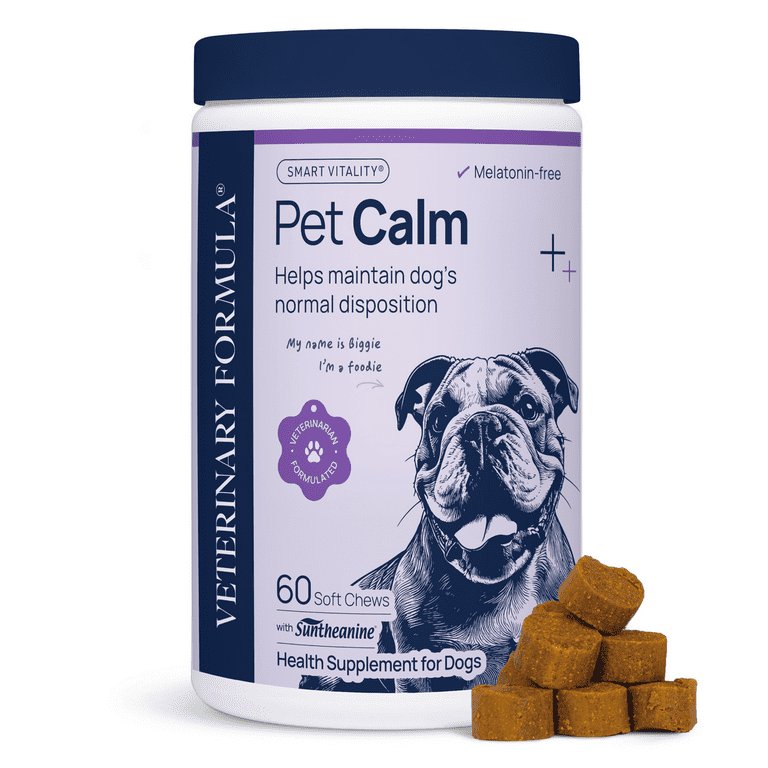
A calm, low‑stress environment supports faster, safer healing after a spay. Keep noise, visitors, and excitement to a minimum, especially in the first week. Maintain a predictable routine for feeding, medication, and toilet breaks so the dog feels secure. Gentle praise and quiet company usually help more than constant fussing. If the dog seems anxious, soft music, dimmer lighting, and a familiar blanket or toy can provide extra comfort.
Keeping them mentally relaxed
Mental relaxation supports physical healing, so a calm routine is very important. Keep lights low, noise minimal, and visitors limited for several days. Speak in a soft, steady voice and move slowly around the dog. Offer a familiar blanket or toy for comfort, but avoid exciting play. Gentle petting is helpful if the dog seeks contact; if the dog prefers space, simply stay nearby. Predictable feeding, medication, and bathroom schedules also help reduce anxiety and support recovery.
Gentle enrichment without rough play
Gentle enrichment helps prevent boredom without risking the incision. The key is calm, low‑movement activities that keep the mind busy while the body rests.
- Food puzzles or lick mats spread with wet food or xylitol‑free peanut butter
- Snuffle mats or treat “hide and seek” in a small area
- Short, quiet training sessions using sit, touch, or eye contact
- Chew items approved by the vet (no hard bones or rough tug toys)
Stop any game immediately if jumping, zoomies, or rough play starts.
How to prepare for the recheck visit
A recheck visit is usually scheduled around 10–14 days after surgery, when the incision should be mostly closed. Before leaving home, owners should take clear photos of the incision in good light and make notes about appetite, bathroom habits, energy level, and any concerning behaviors. Bringing a list of questions helps use the short appointment time effectively.
For the visit, dogs should arrive on a leash or in a secure carrier, still avoiding jumping and rough play. Owners should bring any medications, an e‑collar or bodysuit, and a record of when the last dose was given. If the vet confirms healing is on track, they will advise how to safely increase activity and when full exercise can resume.
This article explains the healthy recovery process for dogs after spaying surgery, day by day, from the day of surgery to the fourth week. It covers factors that affect recovery speed, key points for home care, normal and dangerous signs, and considerations based on age and size, making it easy for owners to prepare and make decisions to ensure their dog recovers safely.







![[Free] 5 dog foods you can try! Depending on your dog's growth and preferences](https://with-my-dog.com/wp-content/uploads/2022/07/image7-12-150x150.jpg)