

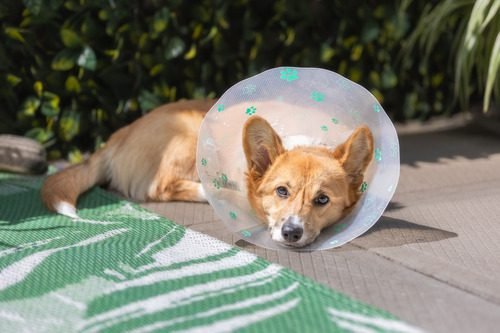
While neutering a dog offers health benefits, many owners are concerned about behavioral changes, wondering, "Will their personality change?" or "What if they become restless?" This article provides a clear, objective explanation of the physical and behavioral changes that are likely to occur after neutering, as well as important points to keep in mind. Understanding what to expect before and after surgery will help owners respond calmly and better support their dog's health and well-being.
Why Neutering Affects Health and Behavior
Neutering changes a dog’s body by reducing sex hormones such as testosterone or estrogen. Hormones influence health, mood, energy, and many instinctive behaviors. Once levels fall, some hormone‑driven actions, like roaming or urine marking, usually decrease. At the same time, metabolism slows slightly, so weight management and activity planning become more important. Understanding these links helps owners interpret post‑surgery behavior and support long‑term health.
What neutering actually involves
Neutering is a surgical procedure to remove a dog’s reproductive organs, so the body stops producing most sex hormones.
For male dogs, neutering (castration) usually means removing both testicles through a small incision in front of the scrotum. For female dogs, people often say “neuter” when they mean a spay, where the ovaries (and usually the uterus) are removed through an abdominal incision.
The surgery is done under general anesthesia, with pain relief during and after the operation, and most dogs go home the same day.
Hormones and their role in your dog’s body
Sex hormones such as testosterone, estrogen, and progesterone influence far more than reproduction. They affect growth, muscle mass, bone strength, appetite, energy level, and many behaviors linked to mating and territory. Hormones interact with the brain, shaping confidence, risk‑taking, and responses to other dogs.
When a dog is neutered, levels of these hormones drop over several weeks. As a result, behaviors strongly driven by sex hormones often lessen, while personality traits learned from experience tend to remain unchanged.
Health Changes After Neutering
After neutering, a dog’s body adjusts to a new hormone balance, so health changes occur in stages rather than overnight. In the short term, the main effects relate to surgery and healing: pain, tiredness, and a small appetite. Over the long term, hormone‑driven organs and behaviors are influenced. Cancer risks for reproductive organs usually drop, while the chance of weight gain and some joint problems can rise. Careful monitoring of weight, activity and mood helps detect both benefits and potential issues early.
Short‑term effects in the first days
In the first 1–3 days, most dogs feel sleepy, sore, and a bit wobbly from anesthesia and pain medicine. Mild swelling, a small amount of blood‑tinged fluid, and a slightly reduced appetite are common. Gentle, quiet rest is important. Light shivering, whining, or clinginess often reflects confusion, not severe pain. However, steady bleeding, strong odor, vomiting, or refusal to move can signal a problem and require prompt veterinary advice.
Long‑term health benefits
Neutering can bring several important long‑term health benefits. The most direct is the prevention of testicular cancer in males and pyometra (a life‑threatening uterine infection) in females. The risk of some hormone‑driven cancers, such as certain mammary tumors when spayed before the first heat, may also decrease. In many dogs, neutering reduces prostate enlargement and some hormone‑related skin issues. Overall, many vets consider neutering one tool for supporting a longer, healthier life.
Possible health risks to watch for
Neutering is generally safe, but some health risks are reported. A few dogs show a higher risk of certain cancers (for example, hemangiosarcoma, osteosarcoma) or joint problems such as cruciate ligament tears, especially when surgery is done very early in large breeds. Urinary incontinence and coat changes can also appear in some neutered dogs. Careful timing of surgery and regular vet checks help reduce many of these risks.
Weight gain and metabolism changes
Many neutered dogs gain weight because sex hormones that help regulate metabolism decrease, while appetite often stays the same or slightly increases. Energy needs can drop by around 20–30%. Without diet adjustment and enough exercise, fat mass increases and muscle decreases. To prevent obesity, owners should reduce daily calories, choose high‑quality food, and maintain regular walks and playtime after surgery.
Dog Behavior After Neutering: Common Changes
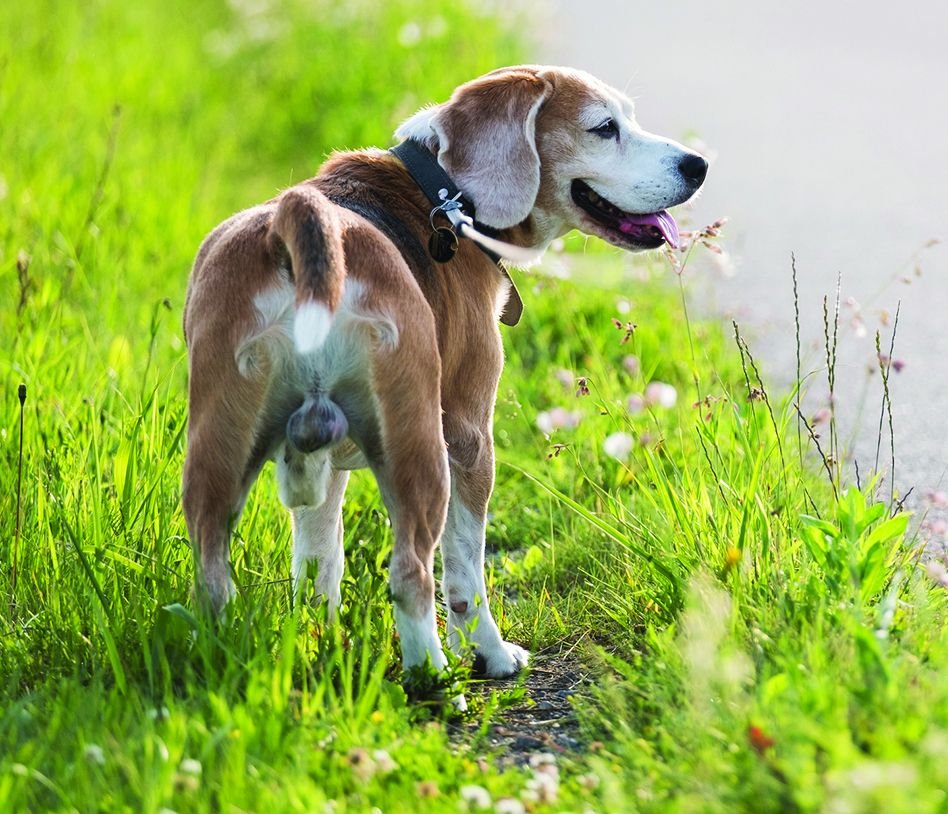
After neutering, many dogs show subtle but important behavior changes as hormone levels fall. Owners often notice reduced roaming, urine marking, humping, and some forms of male‑to‑male aggression linked to testosterone. On the other hand, playfulness, affection, and the dog’s basic personality usually remain. Some dogs become slightly calmer indoors, while energetic breeds still need training and exercise. Understanding typical changes helps owners distinguish normal adjustment from signs that require veterinary or behavioral support.
Which behaviors usually improve
Many hormone‑driven behaviors often lessen after neutering, although change is gradual over weeks to months. Common improvements include:
- Roaming and escaping to search for mates
- Urine marking indoors or in excess outdoors
- Mounting and humping people, objects, or other dogs
- Male‑to‑male rivalry, such as posturing and some forms of fighting
Because testosterone levels drop, dogs are often a little calmer and less easily aroused by nearby dogs in heat, which can make daily life easier for both dog and owner.
Behaviors that may not change much
Many owners expect every unwanted behavior to disappear after surgery, but some are only loosely related to sex hormones. Learned habits such as jumping on people, stealing food, barking at the door, or chewing furniture usually continue without training. Fear-based aggression, separation anxiety, car chasing, and noise phobias also rarely improve just from neutering. Territorial guarding of toys or beds may remain, because it is strongly influenced by past experiences and genetics, not only hormones.
Age, breed and personality differences
Age, breed, and personality strongly influence how much behavior changes after neutering.
Small, companion breeds may show only subtle changes, while large working or guarding breeds can display clearer reductions in roaming, mounting, or dog‑directed aggression. Early neutering often reduces hormone‑driven behaviors more, but very confident or high‑drive dogs may still need consistent training.
Shy or anxious dogs sometimes appear slightly calmer once hormone surges decrease, yet underlying anxiety usually remains. Gentle, easygoing dogs often show the least noticeable shift and mainly experience health benefits rather than dramatic behavior changes.
Typical Recovery Timeline and Behavior
Recovery after neutering follows a fairly predictable pattern, both for healing and behavior. Most dogs are sleepy and quiet on the day of surgery, then slightly brighter but still tired for several days. Short periods of restlessness or whining can occur as the anesthetic wears off or pain fluctuates. Over 7–14 days, energy and appetite usually return, the incision closes, and behavior gradually returns close to normal, although hormone‑linked behaviors may fade more slowly over several weeks.
First 24 hours: what is normal
In the first 24 hours, a quiet, sleepy dog is usually normal. Many dogs are groggy from anesthesia, walk unsteadily, and prefer to rest. A small amount of blood‑tinged fluid at the incision and mild swelling can appear. Offer small sips of water and a light meal unless the vet says otherwise. Vomiting more than once, nonstop whining, or heavy bleeding are not normal and require prompt veterinary advice.
Days 2–7: healing and activity level
From day 2, most dogs become brighter and more active, but controlled rest is still essential. Short leash walks only are recommended, mainly for toileting. Jumping on furniture, running, and rough play can pull at the stitches and delay healing.
A mild decrease in appetite and more sleeping are common. Swelling around the incision may increase slightly around days 2–3, then gradually improve. Owners should check the wound once or twice daily for redness, oozing, or missing stitches, and contact a vet if the dog seems very sore, lethargic, or keeps licking the area.
After 2 weeks: settling into new habits
Around 2 weeks after neutering, most dogs are physically healed and stitches are often removed or dissolved. Energy usually returns, so owners can gradually reintroduce normal walks and play, following veterinary advice. However, hormone levels change more slowly. Marking, roaming desire, or mounting may take several weeks to months to decline, especially in adult dogs. It is helpful to keep routines calm and consistent, continue training, and watch weight and appetite, because metabolism may already start to slow. If pain, swelling, or major behavior changes appear after the 2‑week point, consultation with a veterinarian is recommended.
Caring for Your Dog Right After Surgery
Right after surgery, dogs need quiet, simple care. Prepare a warm, draft‑free resting place away from children and other pets. Use soft bedding that keeps the incision area clean and dry. Keep lighting low and noise minimal so the dog can wake up calmly from anesthesia. For safety, supervise closely for the first night; wobbliness, mild whining, and long naps are common. Avoid car rides, stairs, and jumping, and follow the vet’s written instructions carefully.
Pain control and keeping them comfortable
Good pain control helps recovery go smoothly and prevents restless behavior. Follow the vet’s instructions exactly for prescribed pain medication and never give human painkillers. Give tablets with a small amount of food if allowed and keep a simple schedule chart so no dose is missed or doubled. Prepare a quiet, draft‑free resting area with soft bedding, and limit visitors, excited children, and other pets. If the dog whines, pants, trembles, or struggles to settle even after medication, contact the veterinary clinic for advice.
Feeding, water and bathroom breaks
After surgery, offer small, frequent meals instead of a full portion, as many dogs feel slightly nauseous from anesthesia. Begin with half the usual amount; if there is no vomiting or diarrhea, gradually return to the normal ration over 1–2 days. Fresh water should be available at all times, but encourage small, regular sips rather than long, heavy drinks.
For bathroom breaks, keep walks very short and on-leash. Most vets recommend taking the dog out to potty every few hours, then returning straight home. Avoid running, jumping, or rough play during toilet breaks so the incision is not strained.
Exercise limits and safe activities
After neutering, strict rest is vital for about 10–14 days to protect the incision. Short leash walks only for bathroom breaks are usually allowed, but no running, jumping, stairs, rough play, or off‑leash time. Safe calm activities include quiet sniff walks, gentle indoor leash walking, and soft chew toys (if your dog stays relaxed). Always follow the veterinarian’s instructions, as some dogs need even stricter restriction.
Protecting the incision and using cones
The incision must stay clean, dry, and protected until fully healed. Prevent licking or chewing, as mouth bacteria can cause infection or reopen the wound. An Elizabethan collar (cone) or soft recovery collar is usually recommended for 10–14 days. Ensure the cone is long enough to stop the tongue reaching the stitches and keep it on even at night. Check the skin daily for redness, swelling, discharge, or missing stitches, and contact a vet if any changes appear.
Supporting Healthy Behavior After Neutering
After surgery, many dogs feel confused and may test new boundaries. Owners can guide healthy behavior by combining rest, gentle structure, and calm interactions. Keep routines predictable for feeding, walks, and sleep. Offer quiet praise for calm behavior and ignore mild fussing when safe. Provide safe chew toys or food puzzles so energy is used positively. With consistent guidance in the first weeks, most dogs adjust smoothly to hormonal and lifestyle changes.
Training tweaks for a calmer dog
Gentle training adjustments after surgery help many dogs feel calmer and more secure. Focus on clear routines: fixed times for meals, walks, and rest reduce uncertainty. Use short training sessions with reward‑based methods only; avoid harsh corrections, which can increase anxiety.
Teach or reinforce calm behaviors such as “sit,” “down,” and “go to bed,” rewarding the dog whenever it relaxes on its own. During recovery, practice quiet skills indoors (nose targets, short leash walking, name response) so energy is channeled into learning, not frustration. Consistency among all family members supports stable, relaxed behavior after neutering.
Mental enrichment to reduce frustration
Mental activity helps prevent boredom, whining, and pent‑up energy during recovery. Short nose‑work games (sniffing out treats in a snuffle mat or cardboard box), gentle food puzzles, and lick mats allow dogs to “work” without running or jumping. Start with easy, low‑frustration games and shorten sessions if the dog seems agitated. Chew items like safe rubber toys or dental chews also calm many dogs by satisfying natural chewing urges.
Socialization before and after surgery
Good socialization around neutering helps prevent fear, frustration, and new problem behaviors. Before surgery, keep encounters positive: gentle handling of paws, belly, and muzzle, plus calm visits to the clinic for treats and praise. Practice short crate time and wearing a cone or soft collar in advance.
After surgery, prioritize quiet social contact. Invite only calm visitors, avoid rough play with other dogs, and choose short, positive walks once the vet approves. Reward relaxed behavior near other animals and children. If the dog seems overwhelmed, increase distance and end on a calm, successful note.
When Behavior After Neutering Is Concerning
After neutering, some behavior changes can signal problems rather than normal adjustment. Owners should pay attention to sudden, intense changes, such as a normally friendly dog becoming very withdrawn, unusually irritable, or restless day and night. Persistent whining, refusal to move, or hiding may point to pain or anxiety. Strong aggression, house‑soiling that does not improve, or complete loss of appetite also require prompt veterinary advice.
Signs of pain or complications
After neutering, sudden behavior changes can signal pain or medical trouble rather than “bad behavior.” Contact a vet promptly if any of the following appear:
| Warning sign | Why it is concerning |
|---|---|
| Reluctance to move, trembling, hiding | May indicate significant pain or internal issue |
| Constant licking/chewing at incision | Risk of infection or wound opening |
| Swelling, redness, heat, or pus at incision | Strong sign of infection or reaction |
| Strong odor from wound | Often linked to infection |
| Repeated vomiting, severe diarrhea, refusal to eat for 24 hours | Possible complication from anesthesia, pain meds, or infection |
| Labored breathing, extreme lethargy, collapse | Emergency; needs urgent care |
| Crying, whining, or growling when touched gently near abdomen | Pain may be poorly controlled or worsening |
Even mild signs that suddenly get worse should be checked. Early treatment usually leads to faster, smoother recovery.
Red flags for anxiety or aggression
Anxiety or aggression after neutering can signal emotional stress rather than normal healing. Watch for sudden growling, snapping, or biting, hiding or refusing contact, constant pacing, trembling, or clingy then avoidant behavior. Other red flags include guarding food or toys, lunging at people or dogs, intense barking, or house‑soiling linked to fear. If behavior escalates or lasts more than a couple of weeks, professional support is recommended.
When to call your vet or trainer
Contact a professional whenever behavior is sudden, severe, or lasting more than a few days after surgery.
| Situation | Who to contact | Why |
|---|---|---|
| Signs of pain, illness, or incision trouble | Vet | May indicate medical complication |
| New anxiety, panic, or aggression | Vet first | Rule out pain or hormonal issues |
| Ongoing behavior issues after vet clears health | Force‑free trainer / behaviorist | Create a safe training and behavior plan |
If unsure, start with the vet; medical causes must be excluded before focusing on training.
Health and Behavior Differences in Males vs Females

Male and female dogs both benefit from neutering, but health and behavior patterns differ by sex. In males, changes mainly relate to testosterone: roaming, mounting, and urine‑marking often decrease, along with some risk of testicular and prostate disease. In females, surgery prevents heat cycles, false pregnancy, and pyometra, and may reduce hormone‑driven mood swings. However, fear, anxiety, and learned aggression can remain in both sexes, so training and environment still play a major role.
Male dogs: typical post‑neuter changes
Male dogs often show clear hormone‑related changes after neutering. Roaming, urine‑marking, mounting, and fighting over females usually decrease, although habits learned over years may remain. Many owners notice a slightly calmer attitude at home, with less pacing and frustration during nearby female heat cycles. Sexual interest can persist for several weeks because existing testosterone lingers. Energy for play normally stays the same, so continued exercise and training remain important to prevent boredom behaviors.
Female dogs: spay vs neuter differences
For female dogs, "neutering" usually means a spay surgery (ovariohysterectomy), where both ovaries and the uterus are removed. Some vets perform an ovariectomy, removing only the ovaries; hormone effects are almost the same. In males, only the testicles are removed, so surgery is shorter and the incision is smaller. In females, recovery can be a little longer because abdominal surgery is more invasive, but health benefits such as prevention of pyometra and reduced mammary tumor risk are significant, especially when spayed before or shortly after the first heat. Behavior changes, such as reduced roaming or hormone‑driven mood swings, are usually linked to the removal of estrogen and progesterone rather than the uterus itself.
Myths About Neutering and Dog Personality

Many owners worry neutering will change their dog’s personality. In reality, neutering mainly reduces hormone‑driven behaviors such as roaming, urine marking, or mating attempts. Core traits such as affection, playfulness, and bonding usually stay the same. Neutering is not a personality “reset,” but a medical procedure that may gently calm some behaviors while keeping the dog’s individual character intact.
“Neutering will fix any behavior problem”
Many owners hope surgery will magically solve all behavior issues, but neutering mainly reduces hormone‑driven behaviors. Marking, roaming to find mates, and mounting often decrease, especially in males. However, fear, anxiety, poor socialization, and learned habits usually do not improve just from surgery. Training, environment changes, and sometimes behavior therapy remain essential for lasting progress.
“Neutered dogs lose their spark”
Many owners worry that neutering will make a dog dull or lazy. In reality, personality traits such as playfulness, affection, and curiosity usually stay the same. What often fades is hormone‑driven behavior like roaming or mounting, so a dog may appear calmer. With appropriate exercise, mental stimulation, and training, most neutered dogs remain lively companions rather than losing their “spark.”
What science actually says
Current research suggests neutering reduces hormone‑driven behaviors such as roaming, urine marking, and some types of male‑to‑male aggression, especially when surgery is done before such habits become fixed. However, overall personality, learned behavior, and fears usually change little without training. Studies also show mixed results on health; neutering lowers certain cancer risks but may slightly raise others, so decisions should be individualized with a veterinarian.
Deciding if and When to Neuter Your Dog
Deciding on neutering involves balancing health, behavior, and lifestyle. Owners are encouraged to consider medical benefits, cancer‑prevention effects, and population control, alongside possible risks such as joint issues or weight gain. Daily life also matters: roaming, marking, and unwanted litters can be reduced. The most suitable timing and method differ by dog, so a tailored plan with a veterinarian is essential.
How age and size affect the decision
Age and body size strongly influence the best timing for neutering. In general, small breeds mature faster, so many vets recommend surgery around 6–9 months. Large and giant breeds grow for longer, and some studies suggest waiting until 12–18 months to protect joints and bones. Health history, breed‑specific risks, and behavior should always be considered, so a tailored plan is safer than a one‑size‑fits‑all schedule.
Questions to discuss with your vet
Before surgery, preparing questions helps owners make a calm, informed decision. The points below are useful topics to confirm with a veterinarian.
| Topic | Example questions to ask your vet |
|---|---|
| Suitability | Is neutering medically and behaviorally appropriate for this dog? |
| Timing | What age do you recommend for this breed and size, and why? |
| Health check | Are blood tests or imaging needed before anesthesia? |
| Behavior | Which behaviors might improve, and which will likely stay the same? |
| Risks | What are the short‑ and long‑term risks for a dog like mine? |
| Recovery | How many days of rest, and what pain control will be used? |
| Weight care | How should food and exercise be adjusted after surgery? |
| Alternatives | Are there non‑surgical or delayed options to consider? |
Clear discussion of these questions allows owners and veterinarians to decide on the safest, most suitable plan for each dog.
This article provides a clear, objective explanation of common health and behavioral changes after spaying or neutering, a specific recovery timeline, key points for post-operative care, and tips for training and mental care. It also indicates when you should consult a veterinary hospital or trainer.






![My puppy won't learn to use the toilet [Keep training simple!]](https://with-my-dog.com/wp-content/uploads/2021/12/dog-g33cd6bf6a_1920-150x150.jpg)











![[Popular dog food rankings] Recommended dog food and how to choose it](https://with-my-dog.com/wp-content/uploads/2021/10/入れ替え_5枚目-300x200.jpeg)