

Many dog owners feel anxious after their dog has been spayed, wondering, "When can I take her for walks again?" and "Is it okay for her to run or climb stairs?" This article addresses this question by explaining, based on veterinary expertise, general recovery guidelines, steps for gradually introducing walks, and important signs to watch out for. We'll cover key points for safely resuming walks.
How spay surgery affects your dog
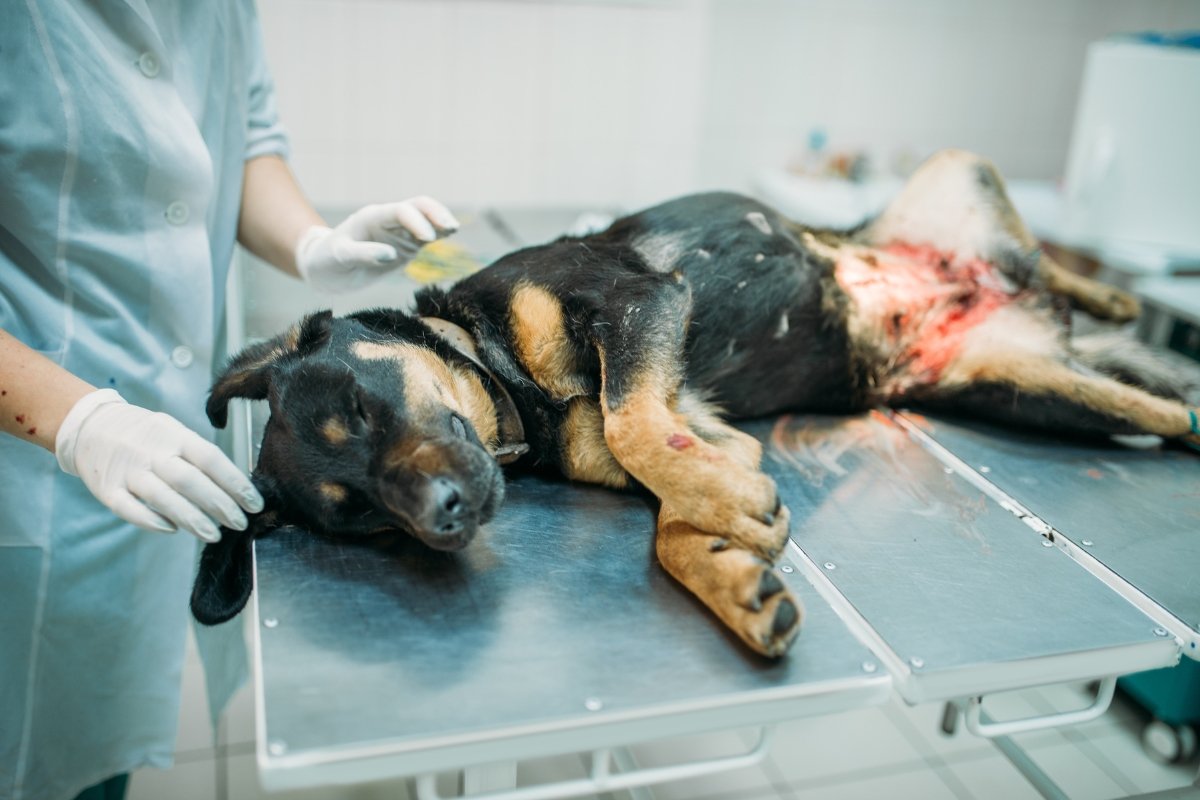
Spay surgery is a major abdominal operation, so dogs need time and careful management to heal. During surgery, the uterus and usually the ovaries are removed, which leaves internal and external tissues that must stay quiet and clean to close properly. Afterward, many dogs feel sleepy, wobbly, or slightly nauseous from the anaesthetic and pain relief. Even if a dog seems bright the next day, internal healing is still fragile for around 10–14 days, so sudden running, jumping, or long walks can strain the incision and slow recovery.
What happens during a spay
During a spay (ovariohysterectomy), the vet operates under general anaesthetic, so the dog feels no pain during surgery. A small incision is made on the belly, then the ovaries and usually the uterus are removed. The vet closes the muscle layer and skin with sutures or staples. Because it is major abdominal surgery, the body needs strict rest afterward to protect the internal stitches and outer wound.
Typical recovery timeline
Most dogs follow a fairly predictable healing pattern after spay surgery, although every dog recovers at a slightly different pace.
- First 24 hours: very sleepy, low appetite, may be wobbly; strict rest is needed.
- Days 2–3: energy and appetite usually improve, but internal tissues are still fragile.
- Days 4–7: the skin incision begins to seal strongly, yet internal healing is still ongoing.
- Days 8–14: stitches or skin glue usually finish healing, and many dogs feel almost normal.
Full internal healing of muscles and ligaments generally takes 10–14 days, sometimes longer for large or overweight dogs. Activity must be increased gradually to avoid pulling the incision or causing internal bleeding.
When can my dog start walking again?
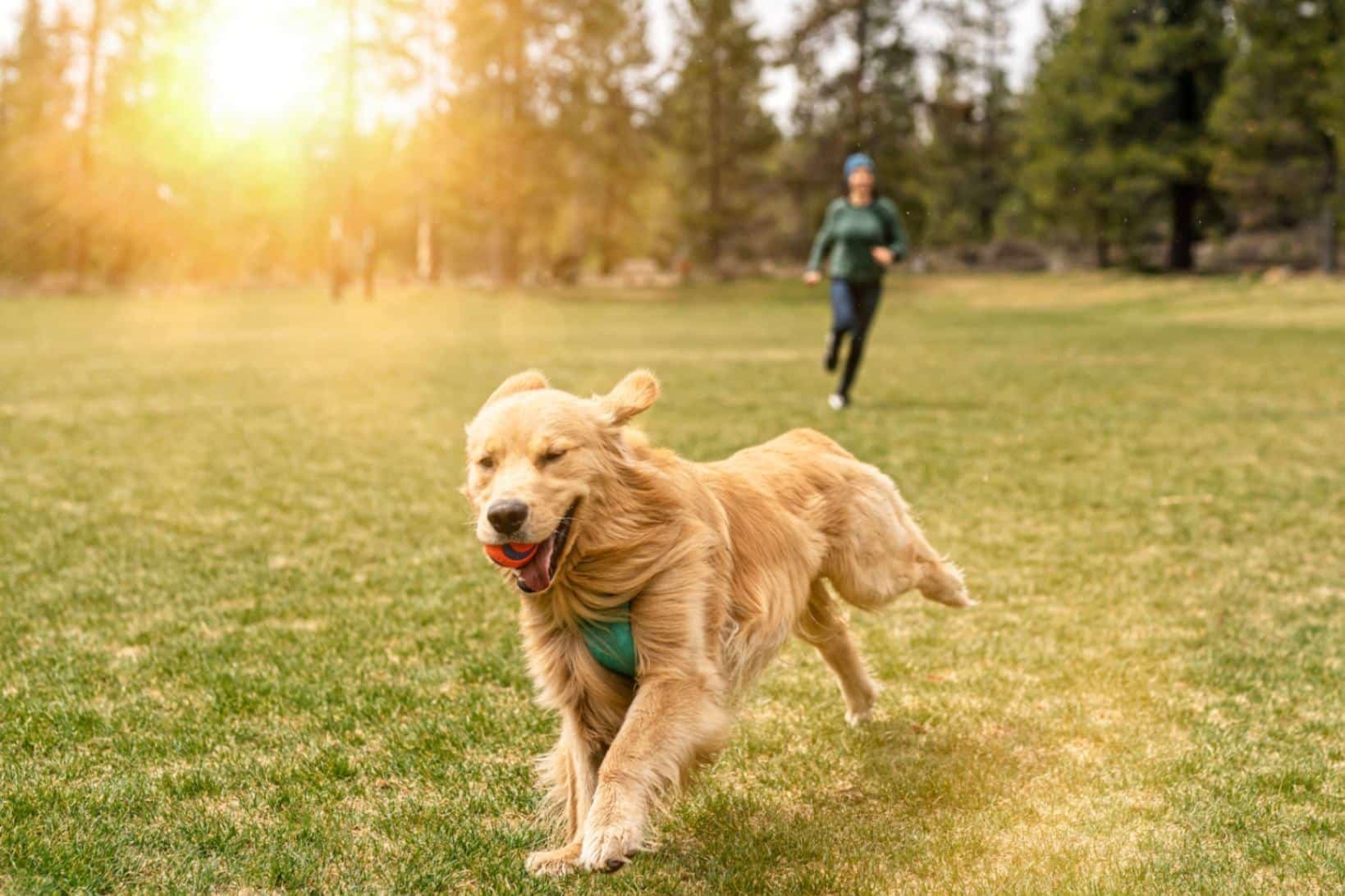
Most healthy dogs can start very short, controlled walks within 24–48 hours after a spay, as long as a vet has not given different instructions. At first, walks are only for toileting and gentle movement on a lead. Full-length, normal walks usually wait until 10–14 days, when the incision has closed and the vet has checked healing. Always follow the clinic’s written advice, as surgery type, size, and health can change the safe timing.
First 24 hours after surgery
In the first 24 hours after a spay, most dogs should only go outside for very short toilet breaks on a lead. The anaesthetic can leave dogs sleepy, wobbly, or nauseous, and too much movement may pull at the fresh internal stitches.
Keep trips outside brief and calm: walk slowly to a nearby toileting spot, avoid stairs or jumping, then return indoors to rest. Monitor for bleeding, swelling, or panting. If a dog seems very unsteady, painful, or uninterested in moving at all, contact a veterinarian for advice before attempting further walks.
Days 2–3: Very short, gentle walks
By days 2–3, most dogs can start very short, on‑lead toilet walks only. Aim for 5–10 minutes, two to four times a day, on flat ground near home. Walk slowly, avoid sniffing marathons, running, and sudden turns. If the dog pulls or gets excited, shorten the walk immediately. After each outing, check the incision for redness, swelling, or oozing. Any increase in pain, limping, or bleeding means the walk was too much and a vet should be contacted.
Days 4–7: Gradually increasing activity
From day 4, most dogs can enjoy slightly longer on-lead walks, but activity should still be very controlled. As a guide, 5–10 minutes, 2–3 times a day is often suitable for healthy adults, unless the vet advised otherwise.
Increase time gradually, watching for tiredness, limping, or swelling around the incision. Keep walks on flat ground, avoid running, jumping, and stairs, and prevent pulling on the lead. If the wound looks redder, leaks, or your dog seems more sore afterward, reduce activity and contact the vet for advice.
Week 2 and beyond: Back to normal walks
By the start of week 2, most dogs can return to near-normal walks, as long as the incision looks healthy and pain is well controlled. Many vets allow short, normal-paced walks of 15–20 minutes, 2–3 times per day by days 10–14.
However, full return to pre-surgery activity usually waits until the vet has checked the wound and confirmed healing, often around 10–14 days. Even once walks feel normal again, owners should still avoid intense running, rough play, and long hikes until the vet gives clear permission.
How far and how often to walk post-spay
How far and how often a dog can walk after spay surgery depends on the stage of recovery. As a rough guide, short, calm walks are safest for the first 10–14 days until the vet confirms healing.
| Recovery stage | Distance & frequency (guide) |
|---|---|
| Days 1–2 | Toilet breaks only, a few minutes, 3–5 times a day |
| Days 3–4 | 5–10 minutes, on lead, 2–3 times a day |
| Days 5–7 | 10–15 minutes, gentle pace, 2–3 times a day |
| Days 8–14 | Up to 20 minutes, 1–2 times a day, still controlled on lead |
| After vet clearance (≈2w) | Gradual return to the dog’s normal walk length and frequency |
Walks should stop immediately if the dog limps, pants heavily, slows down, or if the incision becomes red or swollen. Comfortable, controlled movement is helpful; over-exercise delays healing.
Size, age, and breed differences
Size, age, and breed strongly influence how much and how soon a dog can walk after a spay.
| Type of dog | General guideline |
|---|---|
| Small/ toy breeds | Often tolerate short walks sooner, but incisions are tiny and can be irritated easily. Keep walks very short and controlled. |
| Medium/ large breeds | More body weight stresses the incision, so stricter rest and slower increases in distance are important. |
| Giant breeds | Usually need the most cautious plan; joints and incision take longer to stabilise. |
| Puppies/ adolescents | Heal quickly but tend to overdo it; owners should limit walk time rather than letting the dog decide. |
| Brachycephalic (e.g. Pug, Frenchie) | Short, calm walks only; watch closely for breathing issues, especially in warm weather. |
In all cases, the safest pace is guided by the vet’s specific instructions and the dog’s behaviour during and after each walk.
Indoor dogs vs active outdoor dogs
Active outdoor dogs often struggle more with strict rest after surgery, while indoor dogs may find reduced activity easier. However, both types must follow the same basic restriction period to protect the incision and internal healing.
For mainly indoor dogs, very short lead walks for toileting are usually enough in the first few days. For highly active outdoor dogs, owners should plan ahead: use a short lead, avoid exciting routes, and return home before the dog starts pulling or becoming overexcited. Mental games indoors can help energetic dogs cope until normal walks are allowed.
Walking rules to protect the incision
Protecting the incision is the top priority during early walks. Keep walks short, slow, and always on a lead so sudden pulling or sprinting does not strain the stitches. Choose flat, even ground and avoid rough terrain, long grass, or bushy areas that may rub against the wound. Do not allow jumping on or off curbs. Prevent your dog from lying down on dirty pavements; head home if the dog seems tired. If any redness, swelling, or spotting on the bandage appears after a walk, reduce activity and contact a vet.
Keeping the cone on during walks
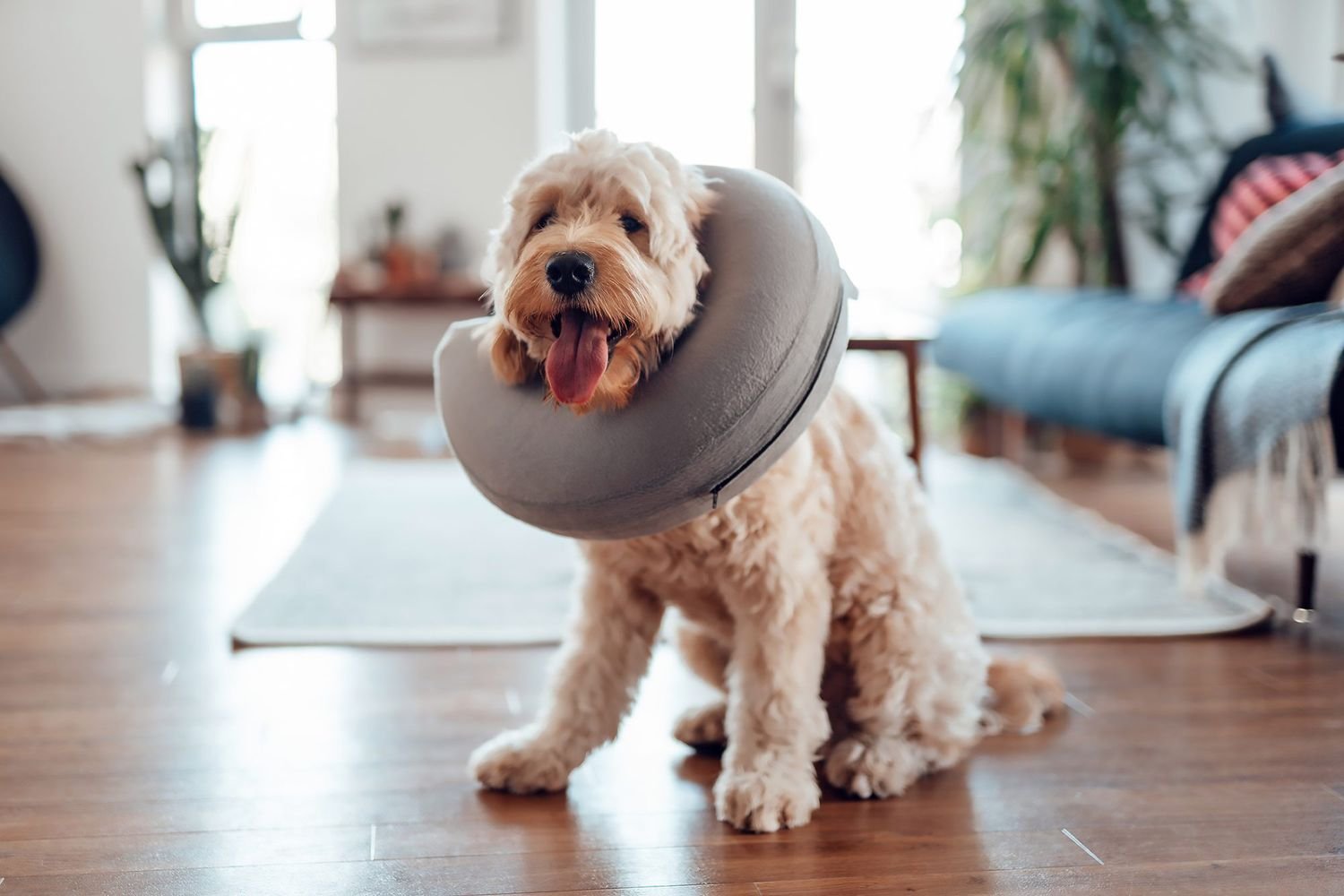
Many dogs dislike the cone, but keeping it on for walks is essential to protect the incision. Without the cone, a dog may lick or chew the wound as soon as discomfort increases from movement.
Use a well-fitted Elizabethan collar or soft cone that does not block vision or drag on the ground. Practice short periods indoors before outdoor walks so the dog learns to move with it. If the cone keeps catching on the lead or ground, ask a vet about alternative protective options such as inflatable collars or recovery suits.
Harness or collar: what to use
For most dogs, a well‑fitted harness is safer than a collar for post‑spay walks. A harness spreads pressure across the chest and shoulders, so the dog is less likely to strain the neck, cough, or put sudden force on healing tissues when pulling.
A flat collar can be used for ID tags but is not ideal as the main attachment point for the lead during recovery, especially if the dog tends to lunge or pull. Avoid choke, prong, and slip collars because they can cause pain and sudden pressure. Choose a Y‑front or similar harness that does not rub on the incision area and adjust it so two fingers just fit under the straps.
Where to walk: surfaces and environment
Choosing where to walk is as important as how long you walk. In the first 10–14 days, pick flat, clean, non-slippery surfaces such as short grass, smooth pavement, or indoor hallways. Avoid rough ground, sand, gravel, mud, and long or wet grass, because tiny particles can irritate the incision and increase infection risk. Busy areas, steep slopes, and places with many excitable dogs should also be avoided to prevent sudden pulling, jumping, or twisting of the abdomen.
Bathing, rain, and getting the wound wet
Keeping the incision dry is crucial for proper healing. Avoid baths, swimming, paddling pools, and grooming washes for 10–14 days or until the vet confirms full healing. For rainy walks, use a waterproof jacket and keep outings short. Gently pat the area dry if it gets slightly damp, but do not scrub, soak, or apply creams. If the wound becomes wet and looks red, swollen, or starts oozing, contact a vet promptly.
Activities to avoid after a spay
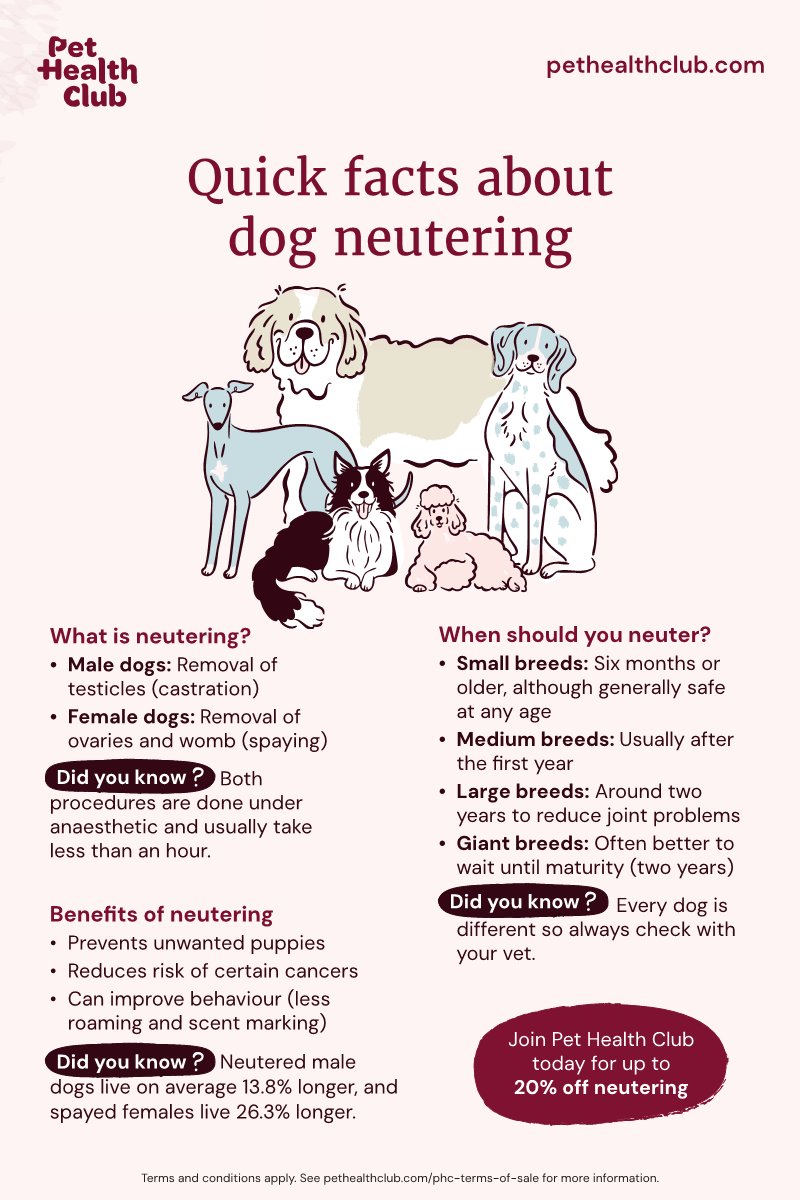
Right after a spay, many everyday activities can delay healing or cause complications. For around 10–14 days:
- No running, rough play, or zoomies – sudden movements can tear internal stitches.
- No jumping on or off furniture, beds, or into cars – jumping puts strong pressure on the abdomen.
- No tug-of-war or intense fetch – twisting and pulling strain the surgical area.
- No off-lead play with other dogs – wrestling or being bumped can open the incision.
- No swimming or baths – moisture increases infection risk.
Only calm, controlled, short lead walks are recommended until the vet confirms healing.
Running, jumping, and stairs
Running, jumping, and stairs put strong pressure on the fresh incision and internal sutures. For at least 10–14 days, dogs should avoid sprinting, jumping on/off furniture, and climbing full flights of stairs. Use baby gates or leashes indoors to limit access. If stairs are unavoidable, guide the dog slowly on a short lead, or carry small dogs if safe. Controlled, flat walking is safest until the vet confirms healing.
Off-lead exercise and dog parks
Off-lead exercise should generally be avoided for at least 10–14 days after a spay. Running, sudden stops, and wrestling with other dogs can stretch the internal stitches and open the skin incision. Dog parks are particularly risky: excited greetings, chasing, and rough play are hard to control, even for well-trained dogs. Safer options are calm, on-lead walks in quiet areas until the vet confirms full healing.
Playing with other pets and children
After a spay, play must stay calm and controlled until the incision has healed.
For the first 10–14 days, avoid rough play with other pets and running games with children. Gentle, on‑lead contact is acceptable: short sniffing greetings, quiet time on the sofa, or calm indoor interaction are usually fine if jumping, wrestling, and chasing are prevented.
Separate your dog from boisterous pets and supervise all time with children. Use baby gates, crates, or pens so the recovering dog has a safe, quiet space to rest between short walks.
Incision care while your dog is walking
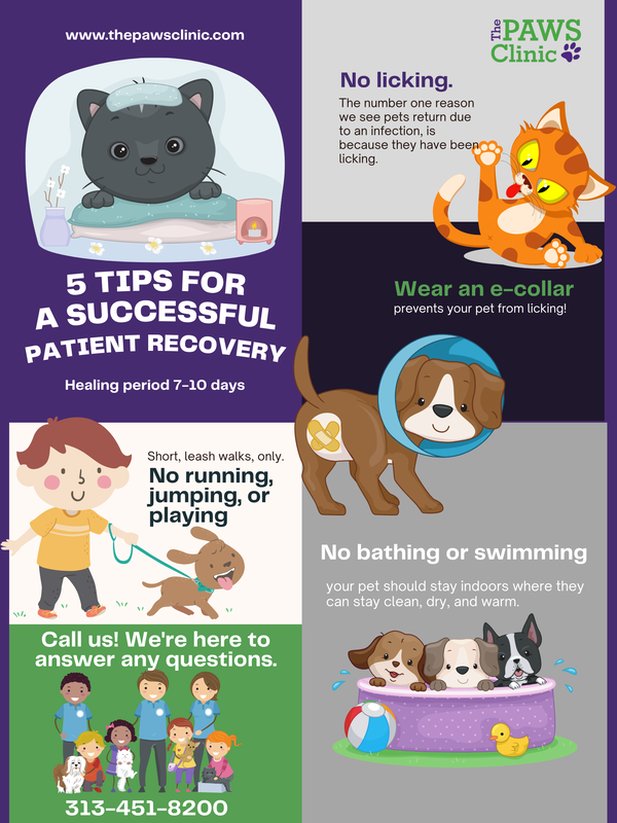
Walking is often the first time the incision is stressed after surgery, so gentle, planned care is essential. Keep walks short and on-lead so movement stays controlled. Before going out, check that the cone or recovery suit is secure to prevent licking. Choose flat, clean routes to reduce pulling and stumbling. After each walk, calmly inspect the wound for redness, swelling, oozing, or missing stitches, and dry the area if it became damp. Stop walks and contact a vet if any sudden change or bleeding appears.
What a normal incision looks like
A normal spay incision looks closed, dry, and gradually less red each day. The skin edges should meet neatly without gaps or bulges, and there should be no foul smell, pus, or bleeding. Mild pinkness, slight swelling, and a thin scab line are common for several days. Some bruising around the area can also be normal, especially in light‑skinned dogs, as long as it slowly fades and does not spread or become painful.
Cleaning and checking the wound
Keeping the incision clean and dry is essential for speedy, problem‑free healing. Check the wound once or twice daily in good light. Look for straight edges, small scabs, and no oozing or strong smell. Gently wipe away surface dust with saline or cooled boiled water on clean gauze, then pat dry. Do not use alcohol, hydrogen peroxide, or human antiseptic creams unless a vet has advised them. If redness, swelling, or discharge worsens from one check to the next, contact a vet promptly.
Bandages, licking, and chewing
Bandages are often not needed after a routine spay, but some clinics use a light dressing for the first day. Follow the clinic’s instructions and do not remove any bandage early.
Licking or chewing the wound can quickly cause infection or open the incision. Any licking is too much licking. Use the cone or an alternative protective collar at all times, including during walks and at night. If the cone does not stop licking, contact a vet for a better-fitting collar or extra pain control.
Signs you are walking your dog too soon
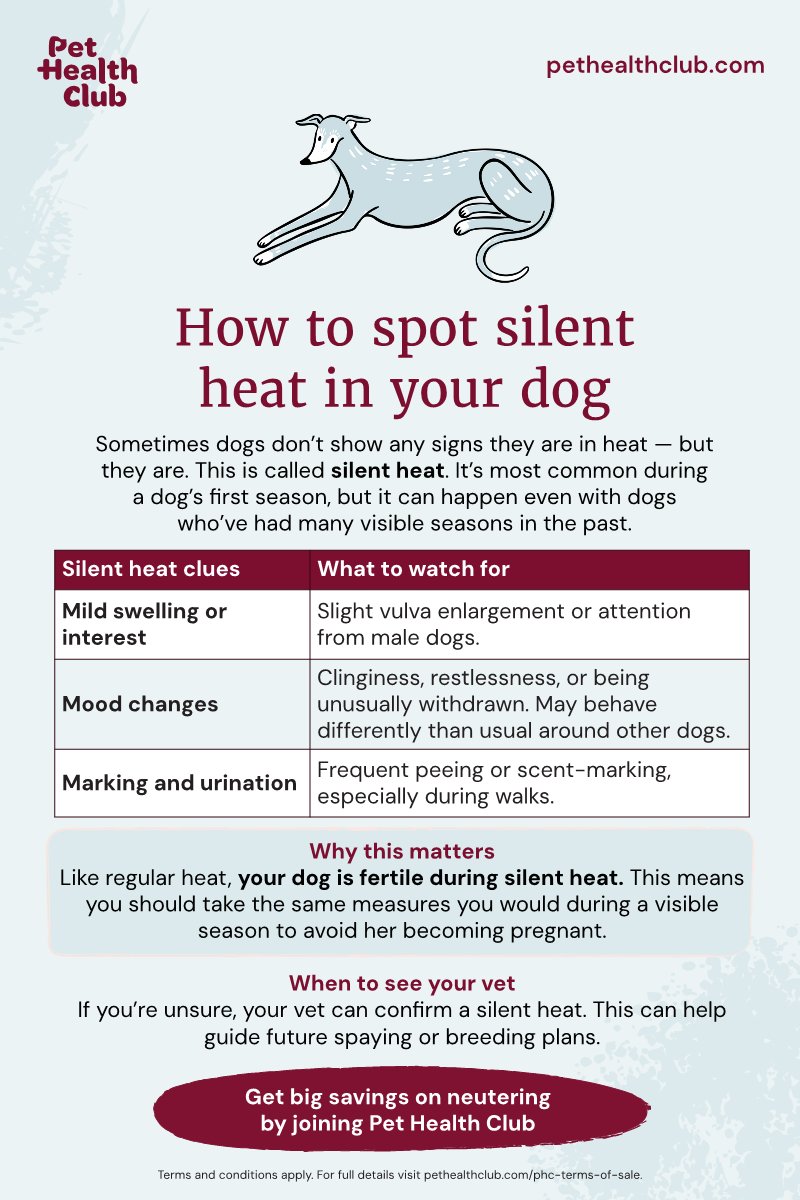
Walking too early or too far often shows up as changes in your dog’s behaviour or the wound’s appearance. Watch for:
- Reluctance to walk, suddenly stopping, or wanting to be carried
- Stiff, hunched, or guarded posture after a walk
- Increased panting, whining, or seeming more clingy than usual
- Licking or nibbling at the incision right after exercise
- Fresh swelling, redness, or a small amount of blood around the wound
If any of these signs appear, shorten walks and contact a vet for guidance.
Red flags during or after a walk
During recovery, stop the walk immediately and rest your dog if any of the following appear:
- Sudden limping or refusal to walk
- Heavy panting, trembling, or seeming very tired
- Belly looks swollen or feels hard
- Fresh bleeding, discharge, or the incision opening
- Licking or biting the wound nonstop
After a walk, watch for vomiting, poor appetite, new swelling or redness around the incision, or your dog seeming unusually quiet or distressed. These can all indicate too much activity or a complication.
When to call your vet urgently
Contact a vet urgently if any of the following appear after walking:
- Bright red bleeding, blood dripping, or the wound opening
- Sudden swelling, a firm lump, or the incision looking wider
- Foul smell, pus, or thick discharge from the wound
- Fever, shaking, or collapse
- Refusal to walk, crying, or heavy panting that does not settle with rest
If in doubt, stop walking and call the clinic or emergency vet for advice.
Pain control and making walks comfortable
Comfortable walks start with good pain control and a calm pace. Most dogs receive anti-inflammatory pain relief for several days after spay surgery, and walks should only begin when medication is working and the dog is alert but relaxed.
Keep early walks short, on-lead, and on flat, soft surfaces. Avoid pulling, rushing, or exciting situations. If the dog slows down, pants hard, lies down, or seems stiff afterward, end the walk and allow rest. A well-fitted harness, slow steps, and quiet routes help reduce strain on the healing muscles and incision, so recovery stays on track.
Using prescribed pain medication
Veterinarians usually prescribe anti-inflammatory pain relief for several days after a spay. Follow the exact dose and timing on the label, even if the dog seems comfortable, because staying ahead of pain supports calmer, safer walks. Human painkillers such as ibuprofen, aspirin, or paracetamol must never be given, as many are toxic for dogs. If a dose is missed, do not double the next one; check with a veterinary clinic for advice.
How to tell if your dog is in pain
Pain after a spay can be subtle, so small changes are important clues. A painful dog may move slowly, hesitate to lie down or get up, or walk stiffly. Whining, panting at rest, flattened ears, or seeking more or less contact can also signal discomfort. Guarding the belly, snapping when touched near the incision, or licking the wound repeatedly are warning signs. If pain suddenly worsens, lasts despite medication, or is combined with swelling, redness, or fever, consult a vet promptly.
Keeping your dog calm between walks
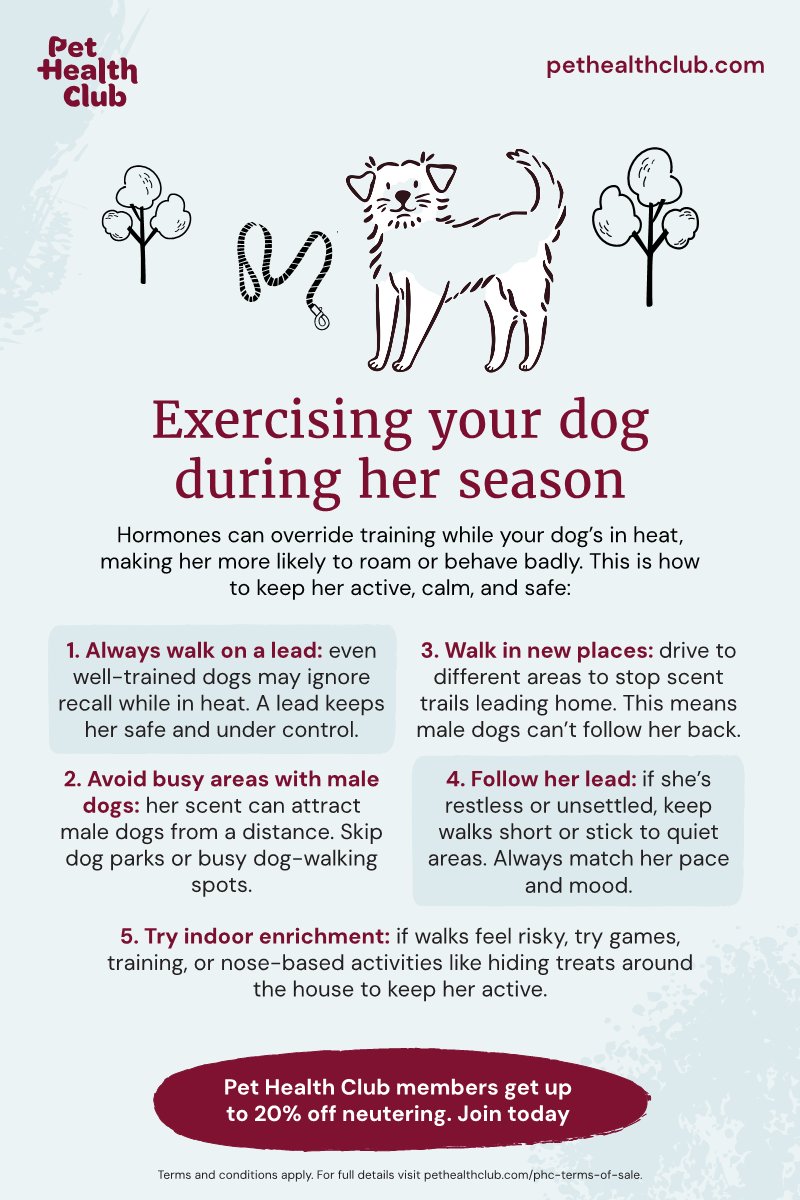
Keeping a newly spayed dog calm between short walks is just as important as the walks themselves. Sudden bursts of activity can stretch the stitches and slow healing. Provide a quiet space away from doorbells, children, and exciting windows. Offer short play sessions using calm, low-movement games, and spread meals into several smaller portions to reduce pre-walk excitement. If the dog becomes restless, gentle petting, chews approved by the vet, or a stuffed food toy can help the dog relax without over-exertion.
Crate rest and safe confinement
After a spay, controlled rest is just as important as short walks. Many vets recommend using a crate, pen, or small room for 7–10 days so the incision is protected.
Choose a space where the dog can stand up, turn around, and lie comfortably, but cannot run, jump on furniture, or race to the door. Non‑slip flooring and a comfortable bed reduce strain when standing. Short toilet breaks and gentle lead walks should be the only exercise. Children should be taught to keep doors closed and avoid exciting games until the vet confirms normal activity is safe.
Mental enrichment for low-activity days
Low-activity days can still be mentally tiring for a dog, which helps keep them calm between short walks. Simple scent games, such as scattering a few kibble pieces on a blanket for gentle sniffing, are usually safe after a spay. Quiet food puzzles, basic obedience practice at a walking pace, and calm chew toys approved by the vet are also helpful. Avoid high-energy games like fetch or tug that might cause sudden jumping or twisting.
Special cases: puppies, seniors, and health

Dogs that are very young, very old, or have existing health problems often need a slower, more cautious return to walking after a spay. Recovery guidelines are usually based on a healthy adult dog, so owners should not assume the same pace suits every dog. In special cases, a vet’s personalised plan and more frequent check-ins are especially important to keep walks safe and comfortable.
Very young or very active dogs
Very young or very active dogs tend to ignore pain and overdo activity, so owners need especially strict control after spay surgery. Short, lead‑only toilet walks are recommended for the first week, even if the dog seems energetic. Puzzle feeders, chew toys, and short training sessions help release energy without stressing the incision. If a puppy cannot stay calm, consult a vet about safe calming strategies or temporary medication.
Older dogs or dogs with other issues
Older dogs and dogs with existing health issues usually need a slower, more cautious return to walking. Joint disease, heart or lung problems, obesity, or diabetes can all delay healing and reduce stamina. Short, flat walks on soft ground are safest at first, with close monitoring for fatigue, heavy breathing, limping, or wobbliness. Any change in drinking, appetite, or breathing after a walk should be reported to the vet, who may adjust pain relief or reduce activity further.
Questions to ask your vet about walking
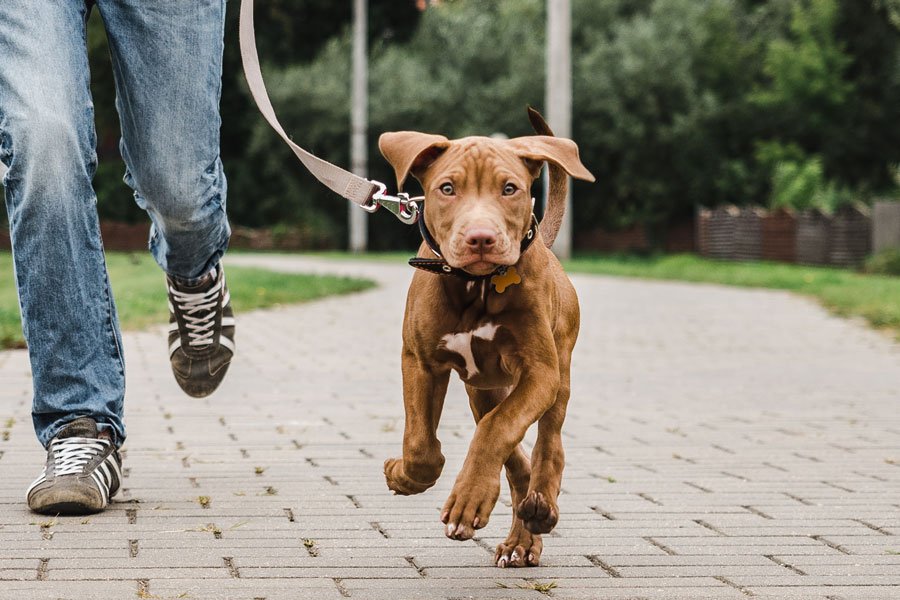
Before leaving the clinic, many owners feel unsure about exercise. Preparing a few focused questions helps secure safe guidance for the individual dog.
Key questions to consider include:
- “How long should my dog’s walks be for the first 14 days?”
- “From which day is a short lead walk outdoors acceptable?”
- “Are stairs, hills, or rough ground safe for my dog?”
- “Does my dog’s age, weight, or health problem change the walking plan?”
- “What signs after a walk mean I should contact the clinic immediately?”
- “When is my dog allowed off lead or back to dog parks?”
- “Should pain medication be given before walks, and for how many days?”
Personalised timelines for your dog
Every spay recovery is slightly different, so a personalised walking plan from the vet is essential. Owners can ask for clear answers to points such as:
- Exact day gentle walks may start
- Recommended walk length for week 1 and week 2
- Surfaces to use or avoid
- Whether stairs, small curbs, or short car trips are acceptable
- Any limits based on age, weight, breed, or other health problems
Written instructions or a printed chart help everyone in the family follow the same plan.
What to discuss at the post-op check
At the post‑op check, owners are encouraged to bring specific questions about walking and activity. Helpful points to confirm include: when short walks can safely increase, when off‑lead exercise and dog parks are allowed, and how long the cone must stay on. Ask how the incision is healing, what warning signs to watch for after walks, and whether any breed, age, or health issues mean a slower return to normal activity.
This article clearly explains when and how much walking is appropriate for dogs after spaying surgery, broken down by stage. It covers everything from tips for protecting the wound during walks, things to avoid, pain management, considerations based on age and size, and points to check at the veterinary hospital, all aimed at supporting your dog's safe recovery.