
Many dog owners are concerned if their dog is constantly scratching its ears or shaking its head. These behaviors could actually be signs of an ear infection. This article clearly explains common symptoms of canine ear infections (such as otitis externa), the risks of leaving them untreated, and key points owners should check for early detection. Understanding the signs of ear problems is crucial for protecting your dog's health.
Understanding Ear Infections in Dogs
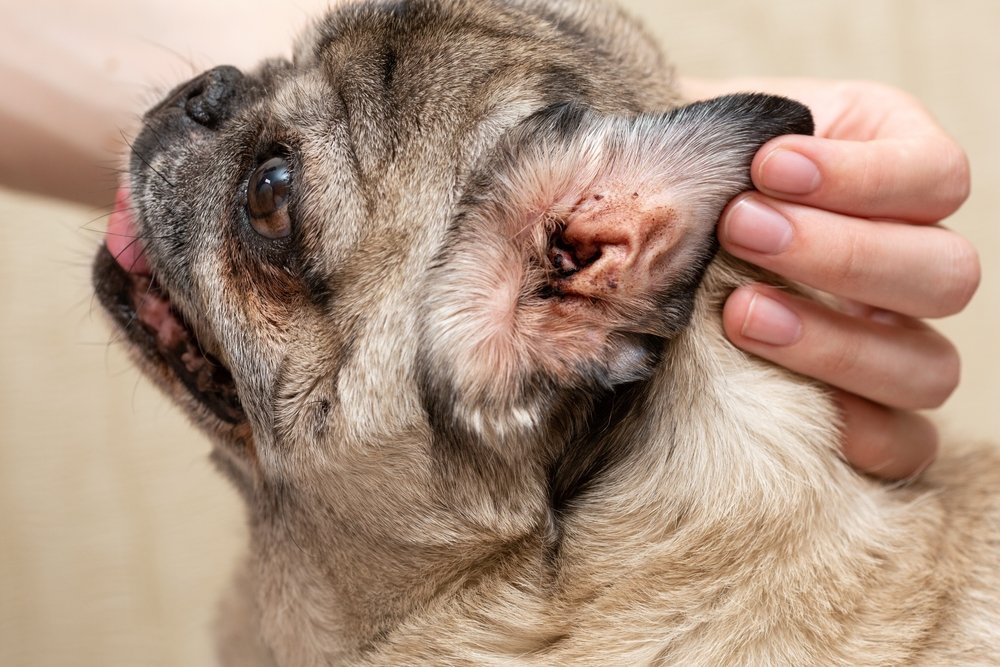
Ear infections are among the most common health problems in dogs and can affect one or both ears. The ear canal in dogs is long and L‑shaped, so moisture, wax, and dirt can become trapped easily. Once trapped, bacteria, yeast, or parasites can multiply and cause inflammation, pain, and discharge.
Ear infections range from mild irritation at the outer ear to serious problems deeper inside the ear. Prompt attention to early symptoms helps prevent chronic pain, hearing loss, and balance issues, so understanding the basics of ear infections is very important for every dog owner.
How a healthy dog ear works
A healthy dog ear is cleverly shaped like an “L.” Sound travels down the vertical canal, then turns into the horizontal canal before reaching the eardrum. This bend helps protect the delicate middle and inner ear.
The ear canal is lined with skin, tiny hairs, and a thin layer of wax that traps dust, water, and germs. Normal ears are pale pink, dry to slightly waxy, have no strong odor, and cause no discomfort when gently touched. Good airflow and natural cleaning movements (like head shaking) help keep the ear in balance and infection‑free.
Types of dog ear infections
Dog ear infections are grouped by where the problem is and what causes it. Understanding the type helps predict symptoms and treatment.
| Type | Where the infection is | Main features |
|---|---|---|
| Otitis externa | Outer ear canal | Most common; redness, smell, discharge |
| Otitis media | Middle ear | Often from long‑standing outer infection; pain, head tilt |
| Otitis interna | Inner ear | Serious; balance problems, nausea |
Infections may be bacterial, yeast, or mixed, and parasites such as ear mites can also inflame the ear, especially in young or neglected dogs.
Common Ear Infection Symptoms in Dogs
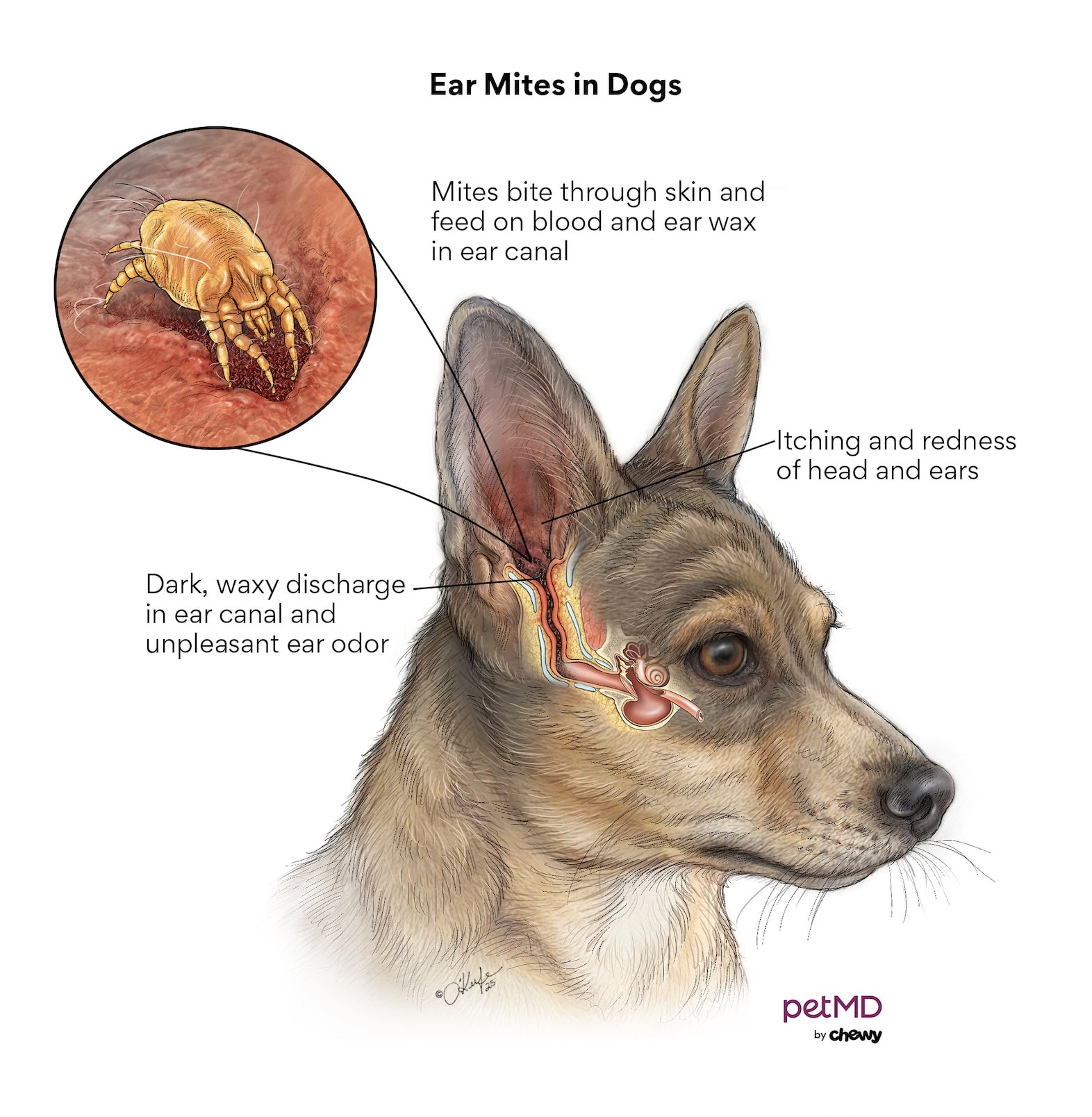
Ear infection symptoms often affect appearance, smell, and behavior. Many dogs show several signs at once, while others only have subtle changes. Typical symptoms include:
- Scratching or rubbing the ear and head
- Head shaking or tilting
- Redness or swelling of the ear flap or canal
- Strong odor from the ear
- Brown, yellow, or bloody discharge
- Sensitivity when the ear is touched
- Hearing or balance problems in more severe cases
Any sudden change in the ear or repeated head shaking should prompt a vet check.
Early warning signs to watch for
Early symptoms are often subtle but catching them quickly helps prevent painful, deep infections.
| Early sign | What owners may notice |
|---|---|
| Mild head shaking | Occasional, more than usual, especially after waking or walks |
| Ear scratching | Light, repeated pawing at one side of the head |
| Rubbing on objects | Sliding the ear along carpets, furniture, or a person’s leg |
| Slight odor | New, faint "yeasty" or musty smell from the ear |
| Sensitivity | Dog flinches or pulls away when the ear is touched |
Any combination of these signs lasting more than a day or two should prompt an ear check and veterinary advice.
Visible changes inside the ear
Dog ear infections often show clear changes inside the ear. Owners may notice red or inflamed skin, instead of a pale pink color. The ear canal can look swollen or narrowed, with brown, yellow, or black discharge that may be waxy or pus-like. Crusts, scabs, or small sores may appear on the inner flap. In some cases the skin looks thickened, rough, or darkened from long‑term irritation.
Behavior and mood changes
A dog with an ear infection often shows clear behavior and mood changes. Many dogs become restless, clingy, or unusually withdrawn. Some avoid being petted on the head, hide, or suddenly growl when the sore ear is touched because of pain.
Other common signs include trouble sleeping, rubbing the head along furniture or the floor, loss of interest in play, and reduced appetite. Any new, unexplained change in behavior combined with other ear symptoms should prompt a veterinary check.
Serious symptoms needing urgent care
Some ear infection signs mean a dog needs urgent veterinary care. Prompt attention can prevent permanent damage.
| Serious symptom | Why it is urgent |
|---|---|
| Head tilt, circling, loss of balance | May indicate inner ear or nervous system involvement |
| Rapid eye movements (nystagmus) | Suggests deeper ear or brain issues |
| Severe pain (crying, snapping, cannot touch ear) | Risk of worsening infection and injury |
| Heavy bleeding or thick, foul discharge | Possible ruptured eardrum or severe infection |
| Sudden hearing loss | May become permanent without quick treatment |
| Fever, lethargy, loss of appetite | Infection could be spreading in the body |
If any of these signs appear, contact a vet immediately or seek emergency care rather than waiting to see if symptoms improve.
Health Risks of Ignoring Ear Symptoms
Ignoring ear symptoms can turn a simple, treatable problem into a serious health issue. Ongoing inflammation damages the delicate skin in the ear canal, making it easier for bacteria and yeast to overgrow. Untreated infections may cause chronic pain, thickened scarred canals, persistent itching, and even hearing loss. In severe cases, infection can spread deeper into the middle or inner ear, leading to balance problems, neurological signs, or the need for major surgery. Early veterinary care greatly reduces these risks.
From simple irritation to chronic disease
Ear irritation that is ignored rarely stays mild. A simple itchy, slightly red ear can quickly turn into a painful infection with swelling, bad odor, and discharge. Repeated short infections may damage the delicate ear canal, causing thickened skin, narrowed canals, and more trapped moisture. Over time, the ear can change permanently, leading to chronic ear disease that flares again and again and becomes harder and more expensive to treat.
Hearing loss and balance problems
Ear infections can interfere with the tiny structures that control hearing and balance. Dogs may seem less responsive to sounds, ignore their name, or need louder cues. Balance problems often appear as head tilting, stumbling, circling, or falling over. Any new hearing loss or wobbliness can signal a deeper ear problem and should prompt prompt veterinary attention to prevent permanent damage.
When infection can spread deeper
When an ear infection is not treated promptly or fully, inflammation and germs can move from the outer ear deeper into the canal and middle ear. In severe cases, infection may reach the inner ear, where the balance organs and important nerves are located. Deep infections can lead to ongoing pain, head tilt, severe balance problems, and even facial nerve paralysis. Early veterinary care and completing medication courses greatly reduce the risk of infection spreading to deeper structures.
What Causes Ear Infections in Dogs
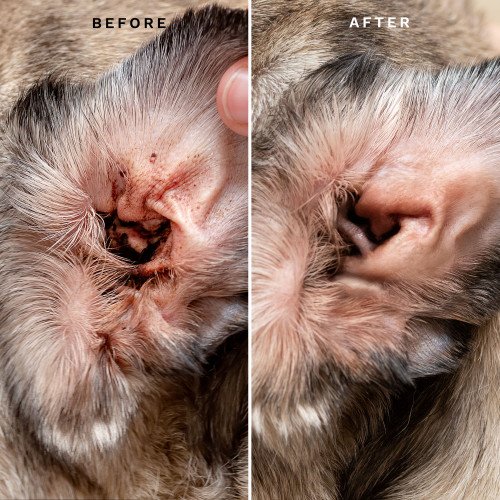
Ear infections in dogs usually develop when the normal balance inside the ear canal is disturbed. Once the protective lining is irritated or damaged, moisture, wax, and debris build up easily and create a perfect environment for microbes to grow. Common triggers include allergies, trapped water after bathing or swimming, excess hair in the ear canal, narrow or floppy ears with poor airflow, foreign bodies such as grass seeds, and overly vigorous or incorrect ear cleaning. When these factors are present for long periods, simple irritation can quickly turn into a painful infection.
Yeast, bacteria and parasites
Ear infections usually start when microorganisms overgrow inside the ear canal. The main culprits are yeast, bacteria, and ear mites.
- Yeast: Often causes a strong, sweet or musty odor and dark brown, waxy discharge. Ears are itchy and inflamed.
- Bacteria: Can create yellow, green, or bloody discharge, swelling, pain, and sometimes fever.
- Ear mites (parasites): More common in puppies; cause intense itching, head shaking, and coffee‑ground–like debris.
Mixed infections are common, so accurate vet diagnosis is essential before starting treatment.
Breed traits and ear shape factors
Certain breeds are naturally more prone to ear infections because of ear shape and structure. Dogs with long, floppy ears (Cocker Spaniels, Basset Hounds, Retrievers) have poor air circulation, so ears stay warm and damp. Breeds with heavy hair inside the ear (Poodles, Schnauzers) can trap wax and debris. Narrow or deep ear canals, common in Bulldogs and Shar-Peis, also make drainage difficult. Owners of such breeds benefit from more frequent ear checks and gentle cleaning to catch problems early.
Allergies, moisture and other triggers
Allergies are a major hidden trigger of recurring ear infections. Food allergies, environmental allergens such as pollen or dust mites, and flea allergies can all inflame the ear canal and make yeast and bacteria overgrow. Excess moisture from swimming, bathing, or poorly dried ears also softens the skin and creates a warm, damp environment ideal for infection. Other triggers include foreign bodies (grass seeds), heavy earwax buildup, hormonal disease, and skin conditions like dermatitis. Identifying and controlling these factors is essential for long‑term ear health.
How Vets Diagnose Ear Problems
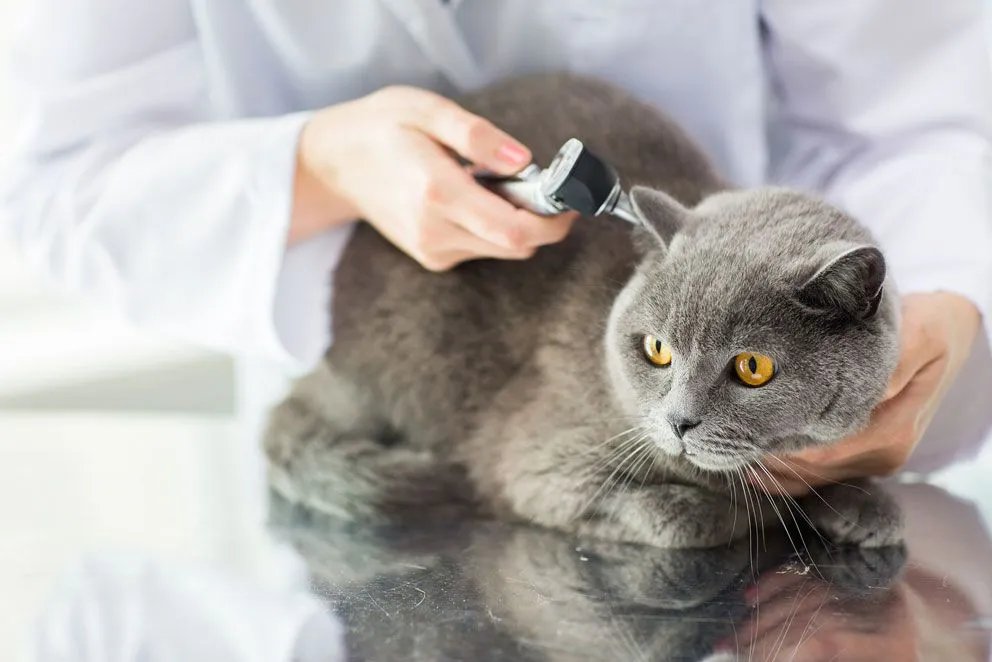
Ear problems in dogs can look similar on the surface, so accurate diagnosis by a vet is essential. A vet combines a detailed history with a hands‑on ear exam and simple tests to find the exact cause. The goal is to learn which part of the ear is affected (outer, middle, or inner ear) and what is behind the symptoms such as yeast, bacteria, mites, foreign bodies, or allergy. Correct diagnosis allows targeted treatment, reduces pain faster, and helps prevent repeated infections.
Questions your vet will ask
Veterinarians usually begin by asking questions to understand how the ear problem started and how it affects daily life. Common questions include:
| Question from the vet | Why it matters |
|---|---|
| When did you first notice symptoms? | Helps judge if the infection is acute or chronic |
| Are symptoms in one ear or both? | Suggests type and severity of disease |
| Has your dog had ear infections before? | Repeated infections may indicate underlying problems |
| Any head shaking, scratching, or pain when touched? | Shows how uncomfortable the dog feels |
| Any recent swimming, bathing, or grooming? | Moisture often triggers ear infections |
| Does your dog have allergies or skin problems? | Allergies commonly cause chronic ear disease |
| Any change in balance, walking, or eye movement? | May signal a deeper, more serious infection |
Clear, detailed answers help the vet choose safe and effective tests and treatment from the start.
Ear exam and otoscope check
At the clinic, the vet first looks around the ear flap and entrance for redness, swelling, or discharge. Next, an otoscope (a light with a small cone tip) is gently placed into the ear canal to check deeper inside. The vet looks for inflammation, foreign objects, thick wax, growths, or a ruptured eardrum. This step is essential, because treatment is different if the eardrum is damaged or the infection has spread into the middle ear.
Swabs, cytology and lab tests
For suspected infection, veterinarians often take a swab from deep inside the ear canal using a soft cotton-tipped applicator. The sample is examined under a microscope (ear cytology) to identify yeast, bacteria, or mites and to check how severe the infection is. In recurring or stubborn cases, vets may send samples to a laboratory for culture and sensitivity testing, which shows exactly which antibiotic or antifungal medicine is most effective for the dog.
Treatment Options for Dog Ear Infections
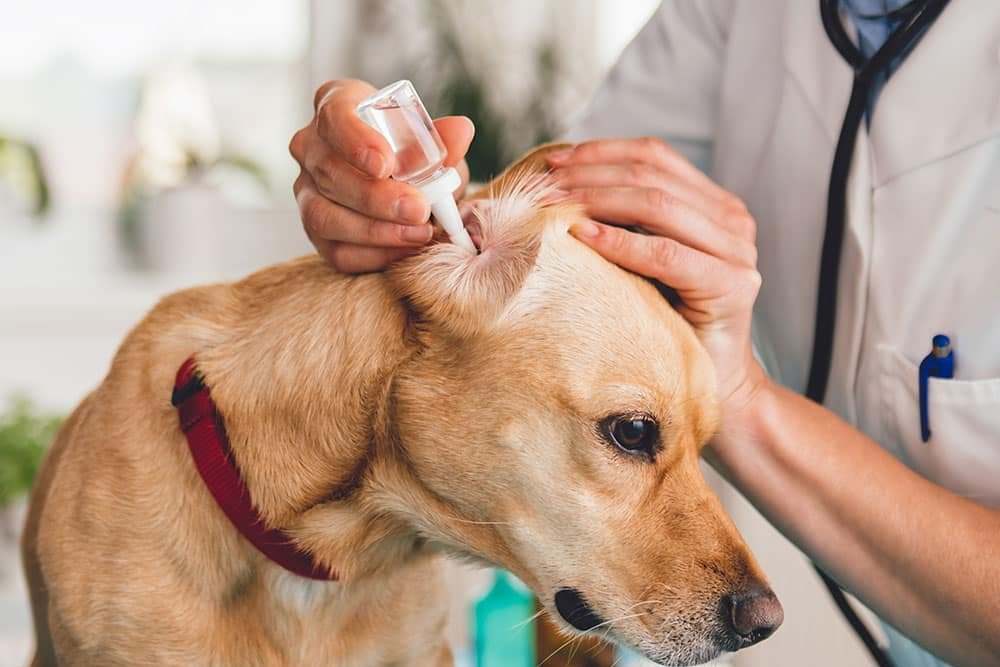
Ear infection treatment depends on what is causing the problem and how severe the symptoms are. Vets usually combine cleaning, medication, and pain control. Mild cases often improve with prescription ear drops and gentle cleaners. More serious or deep infections may need oral antibiotics or anti‑fungal drugs, anti‑inflammatories, and close rechecks. Chronic or damaged ears sometimes require surgery. Accurate diagnosis and following the full treatment plan are vital to protect hearing and prevent relapse.
Prescription ear drops and cleaners
Prescription ear drops are the main treatment for most dog ear infections. A vet chooses drops based on whether the cause is bacteria, yeast, or both. Many products combine an antibiotic or antifungal, an anti‑inflammatory steroid, and sometimes a pain reliever.
Cleaners are used to gently remove wax, discharge, and debris so medicine can reach the infected tissue. Vets usually recommend vet‑approved, pH‑balanced ear cleaners, not human products. Owners should follow the dose, frequency, and duration exactly, because stopping too early often leads to recurring or chronic ear disease.
Oral medications and pain relief
Oral medications are often used when ear infections are moderate, severe, or have spread deeper into the ear. Vets may prescribe antibiotics for bacterial infections, antifungals for yeast, or anti‑inflammatories such as corticosteroids to reduce swelling and itching.
Pain control is very important. Dogs may receive oral pain relief or anti‑inflammatory drugs so they can rest, eat, and allow safe ear handling. Owners should never give human painkillers, as many are toxic to dogs. Always follow the exact dose and schedule provided by the veterinarian and complete the full course, even if symptoms improve early.
Surgery for severe or chronic cases
Surgery is usually reserved for severe, painful, or chronic ear infections that do not respond to repeated medical treatment. Common procedures include opening the ear canal to improve drainage (lateral wall resection), deep cleaning and reshaping of damaged canals, or in extreme cases, removal of the ear canal (TECA) to remove constant infection and pain. Dogs receive general anesthesia, pain control, and careful aftercare. Although surgery sounds intimidating, it can greatly improve comfort and quality of life when other options have failed.
Why home remedies can be risky
Many owners try vinegar, hydrogen peroxide, alcohol, or essential oils for ear problems, but home remedies can worsen infections. Irritated skin becomes more damaged, making it easier for yeast and bacteria to spread. Some substances are painful, toxic, or can even harm the eardrum. In addition, symptoms of ear mites, allergies, and deeper infections look similar, so incorrect treatment delays proper care. For any new, strong, or recurring ear symptom, a vet check is the safest option.
Caring for Your Dog During Recovery
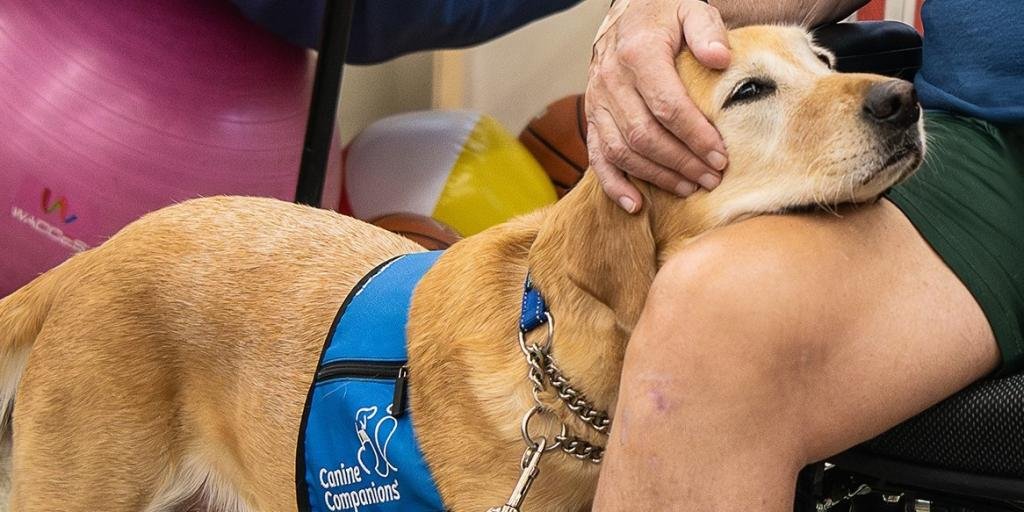
Recovery care supports the treatment prescribed by the veterinarian and helps prevent painful setbacks or repeat infections. The key points are: follow all instructions carefully, keep the ear dry and protected, avoid over-cleaning, and monitor symptoms daily. Gentle handling is important, because many dogs associate ear care with discomfort. Calm praise, rewards, and a consistent routine make ear treatments less stressful and help healing progress smoothly.
Giving medication correctly
Giving ear medication correctly is essential for clearing infection and preventing recurrence. Before starting, read the label carefully and follow the exact dose and schedule prescribed by the vet.
- Gently hold the ear flap up and straighten the ear canal.
- Apply the prescribed number of drops or amount of ointment.
- Massage the base of the ear for 20–30 seconds so medicine spreads deeply.
- Allow the dog to shake its head, then wipe away excess with cotton or tissue.
Avoid cotton buds inside the canal and never change dose or stop early without vet advice, even if symptoms improve.
Protecting the ear while it heals
Healing ears are delicate, so gentle handling is essential. Prevent scratching and head‑shaking as much as possible, because repeated trauma slows recovery.
Simple ways to protect the ear:
- Use an Elizabethan collar if the dog paws or scratches
- Avoid grooming around the ears until cleared by the vet
- Keep ears dry; no swimming or water in the canal
- Do not insert cotton buds or sharp objects
- Follow any vet instructions about bandaging or ear wraps
If fresh bleeding, strong pain, or swelling suddenly worsens, contact a vet promptly.
Signs treatment is working
Owners often worry whether ear treatment is actually helping. In many cases, improvement is visible within a few days if the medication suits the infection and is used correctly.
Typical signs treatment is working include:
- Less scratching, head shaking, and rubbing
- Reduced smell from the ear
- Less redness and swelling of the ear flap and canal entrance
- Discharge changing from thick or colored to smaller amounts of pale or clear fluid
- Your dog seeming more comfortable, playful, and relaxed when the ear is touched
Mild dampness or a small amount of residue after using ear drops is normal. However, pain, strong odor, or heavy discharge getting worse are not normal and should prompt a vet check, even if some signs look slightly better.
What to do if symptoms return
Ear infection signs that come back usually mean the original problem is not fully solved or a new infection has started. Do not restart old medicine without veterinary advice. Instead, contact a vet promptly and describe the timing, symptoms, and any recent bathing, swimming, or allergy flare-ups. Avoid cleaning deeply or using home remedies before the appointment, because they can hide clues or irritate the ear further. Recurrent cases often need a longer plan, such as allergy control or regular medicated cleaning.
When to Contact a Vet About Ear Symptoms
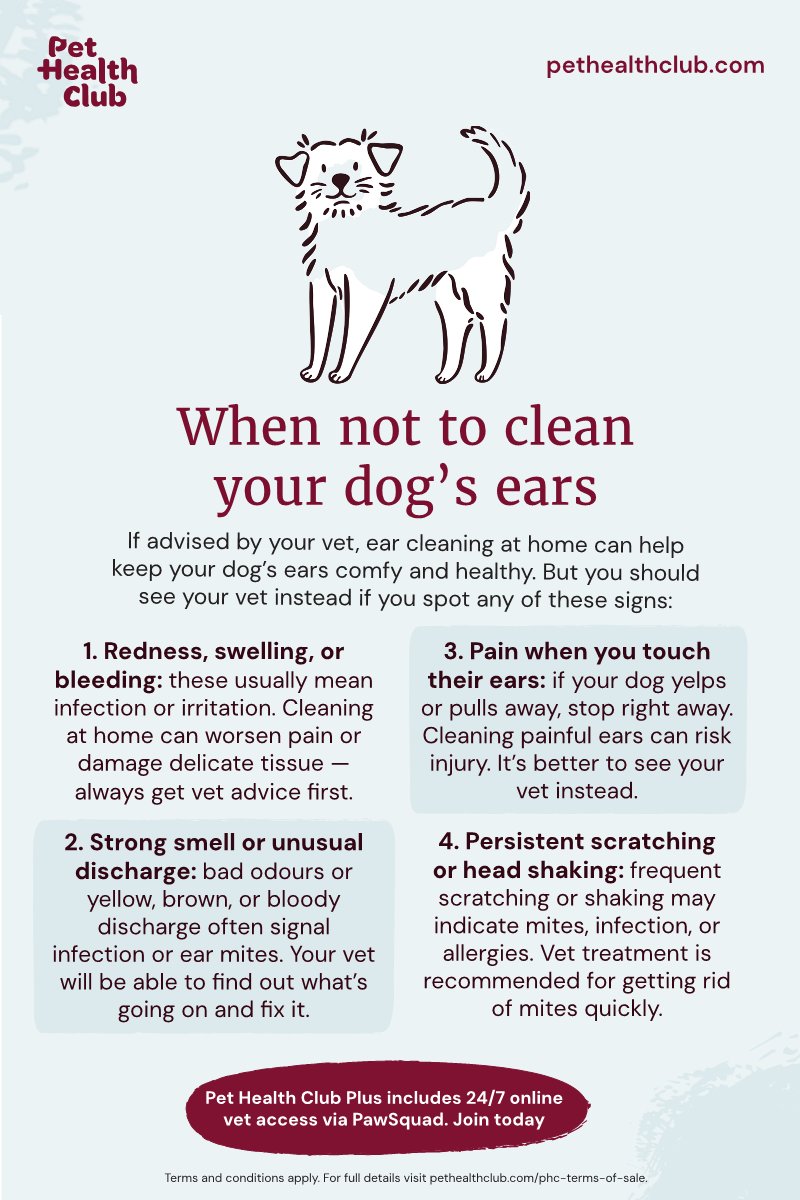
Ear symptoms in dogs can worsen quickly, so timing is important. Contact a vet any time ear changes last more than a couple of days, cause clear discomfort, or suddenly get worse. Sudden pain, strong odor, discharge, swelling, or head tilt should not be watched at home. Even mild, repeated symptoms often mean an ongoing problem that needs professional diagnosis and safe treatment.
Mild signs you can monitor briefly
Mild, short‑lived ear changes can sometimes be observed for 24 hours before seeing a vet, as long as the dog is comfortable and otherwise well. Examples include:
| Mild sign | What owners may notice |
|---|---|
| Occasional head shake | Once in a while after waking or playing |
| Slight increase in scratching | Brief, not constant, no crying |
| Very mild redness | Pinker than usual but not hot or swollen |
| Subtle odor | Faint smell only when close to the ear |
If any mild sign worsens, lasts longer than a day, or starts to bother the dog repeatedly, a veterinary check is recommended.
Red flag symptoms needing same day care
Red flag symptoms suggest an ear infection that should be checked by a vet the same day. Delay can allow pain and damage to worsen.
| Red flag symptom | What it may mean |
|---|---|
| Strong, unpleasant ear odour | Significant infection or yeast overgrowth |
| Thick, yellow, brown or bloody discharge | Moderate to severe infection, possible injury |
| Marked redness or obvious swelling | Painful inflammation, risk of ear canal damage |
| Frequent head shaking or ear scratching | Ongoing discomfort, risk of self-injury |
| Whimpering when ear is touched | Ear pain requiring prompt treatment |
If any red flag symptom appears, contact a vet the same day, even if the dog seems bright and is eating normally.
Emergency signs requiring immediate help
Emergency signs mean the dog needs immediate veterinary care, day or night. Typical examples are:
| Emergency sign | Why it is dangerous |
|---|---|
| Constant head tilt, rapid eye movements, staggering or falling over | May indicate inner ear infection or brain involvement |
| Sudden deafness or extreme disorientation | Possible severe inner ear or neurological problem |
| Strong head pain (crying, screaming when ear or head is touched) | Can signal deep infection or severe inflammation |
| Heavy bleeding from the ear | Possible injury, ruptured vessel or tumor |
| Seizures, collapse, loss of consciousness | Potential spread of infection to the brain |
If any of these appear, do not wait or use home treatment. Contact an emergency vet and follow professional instructions during transport.
Preventing Future Ear Infections
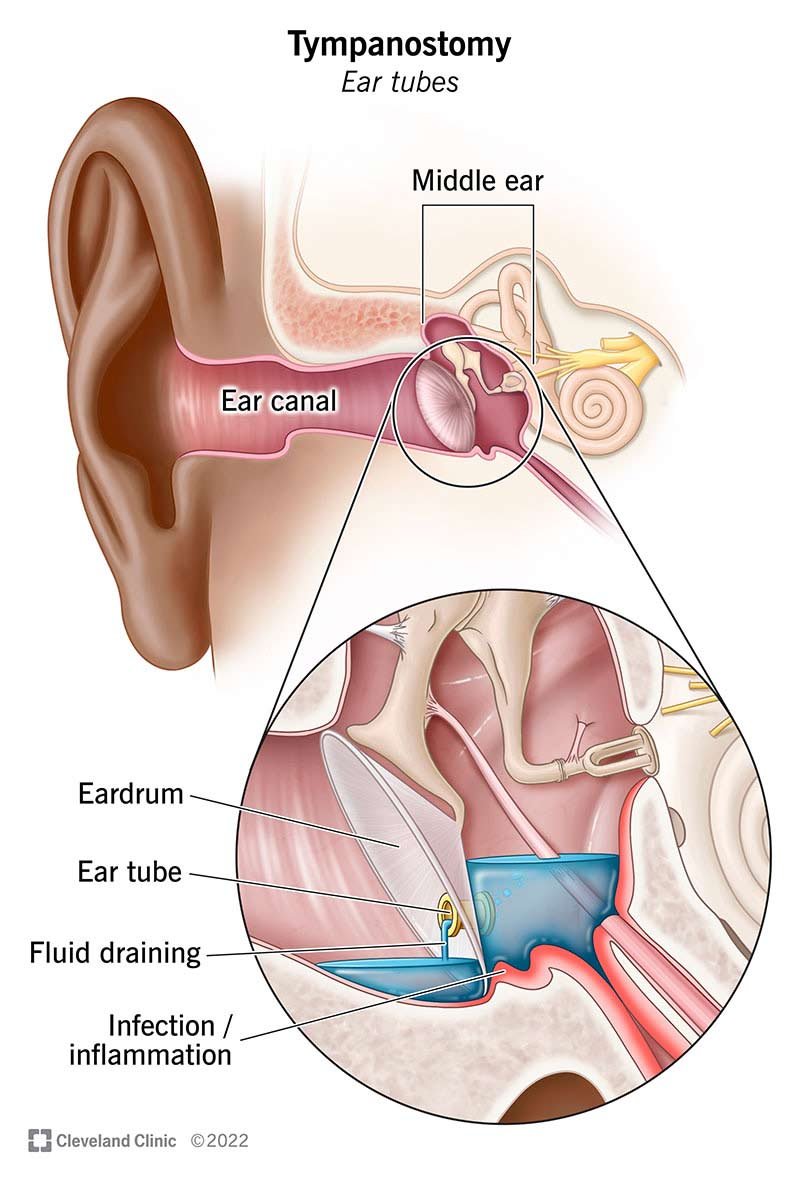
Preventing ear infections focuses on keeping the ear canal clean, dry, and well‑ventilated while controlling underlying health problems. Simple habits such as gentle ear checks, proper drying after baths or swimming, and using vet‑approved cleaners greatly reduce risk. For dogs with allergies or floppy ears, regular preventive care is especially important to avoid painful, recurring infections.
Routine ear checks at home
Regular home checks help spot ear infection symptoms early and keep the ear comfortable.
A simple routine once or twice a week is enough for most dogs:
| Step | What to do | What to look for |
|---|---|---|
| 1 | Gently look at both ears in good light | Redness, swelling, sores |
| 2 | Smell the ear opening | Strong, sour, or yeasty odor |
| 3 | Check the flap and canal entrance | Brown, yellow, or bloody discharge |
| 4 | Note your dog’s reaction | Flinching, crying, or pulling away |
Any pain, bad smell, or discharge should prompt a vet visit before cleaning or using ear products at home.
How to safely clean your dog’s ears
Ear cleaning should be gentle, shallow, and only in the outer ear. Use a vet‑approved ear cleaner and cotton pads or gauze, never cotton buds. Fill the ear canal with cleaner, gently massage the base for 20–30 seconds, then allow the dog to shake its head. Wipe away loosened debris from the visible ear only. Stop if the dog shows pain, strong redness, or foul smell, and contact a vet instead of continuing to clean.
Bathing, swimming and drying tips
Water around the ears easily triggers infections, so prevention during baths and swims is very important. Before bathing or swimming, gently place cotton balls at the ear openings (do not push deep). Avoid spraying water directly at the head; use a damp cloth around the ears and face.
After any water activity, always dry the ear area thoroughly. Pat the outside with a towel, then remove the cotton and gently wipe the entrance of the ear. A vet‑recommended drying ear cleaner can help after swimming, especially for dogs with floppy ears or frequent infections. Never use a hair dryer inside the ear, because warm air can irritate and trap moisture.
Managing allergies and underlying issues
Allergies and hidden health problems often set the stage for recurring ear infections. Common culprits include food allergies, environmental allergens (pollen, dust mites, mold), flea allergy dermatitis, and hormonal issues such as hypothyroidism.
A vet may suggest:
- Allergy testing or elimination diets
- Flea control and skin treatment
- Blood tests for hormone or immune problems
Effective ear care usually requires treating both the infection and the underlying trigger to prevent constant flare‑ups.
Long‑Term Ear Health for Your Dog

Long‑term ear health depends on early detection, gentle care, and preventing triggers from returning. Regular home checks, proper cleaning, and prompt attention to new symptoms reduce the risk of chronic problems. For many dogs, especially those with allergies or floppy ears, ongoing care becomes part of normal grooming. With a consistent routine and veterinary support, most dogs can maintain comfortable, healthy ears throughout life.
Dogs prone to repeat infections
Dogs with certain features or conditions are much more likely to develop repeat ear infections. Owners of these dogs need especially careful long‑term ear care.
| Prone group | Why infections recur |
|---|---|
| Floppy‑eared breeds (Cocker Spaniel, Basset Hound, etc.) | Poor air flow, warm moist canal |
| Hairy ear canals (Poodle, Schnauzer, some mixes) | Hair traps wax and moisture |
| Allergy‑prone dogs | Ongoing skin inflammation inside the ear |
| Frequent swimmers | Water left in the ear encourages yeast and bacteria |
| Narrow or oddly shaped canals | Harder to clean; fluid and wax build up |
| Dogs with past severe or chronic infections | Scarring changes the canal, making future problems easier to develop |
For dogs in these groups, regular checks, gentle cleaning as advised by a vet, and early treatment at the first symptom are especially important to protect long‑term ear health.
Working with your vet on an ear care plan
For dogs with repeated ear infections, a long‑term plan with a veterinarian is very important. The vet can identify underlying causes such as allergies, hormonal disease, or ear anatomy, and suggest realistic daily care. A typical plan may include a cleaning schedule, maintenance ear drops, diet changes, and regular check‑ups. Owners should share any flare‑up patterns, products used, and lifestyle details, so the plan can be adjusted and future infections reduced.
This article provides a clear and easy-to-understand explanation from a third-party perspective on how to protect your dog's ear infection health, covering everything from how to distinguish between early symptoms and signs of severe infection, the risks of neglecting the infection, the causes and examinations performed at veterinary clinics, treatment methods and home care, and how to prevent recurrence and manage long-term ear health.















![[How to choose a dog toilet sheet] Introducing recommended toilet sheets](https://with-my-dog.com/wp-content/uploads/2021/10/991804_m-300x187.jpg)