

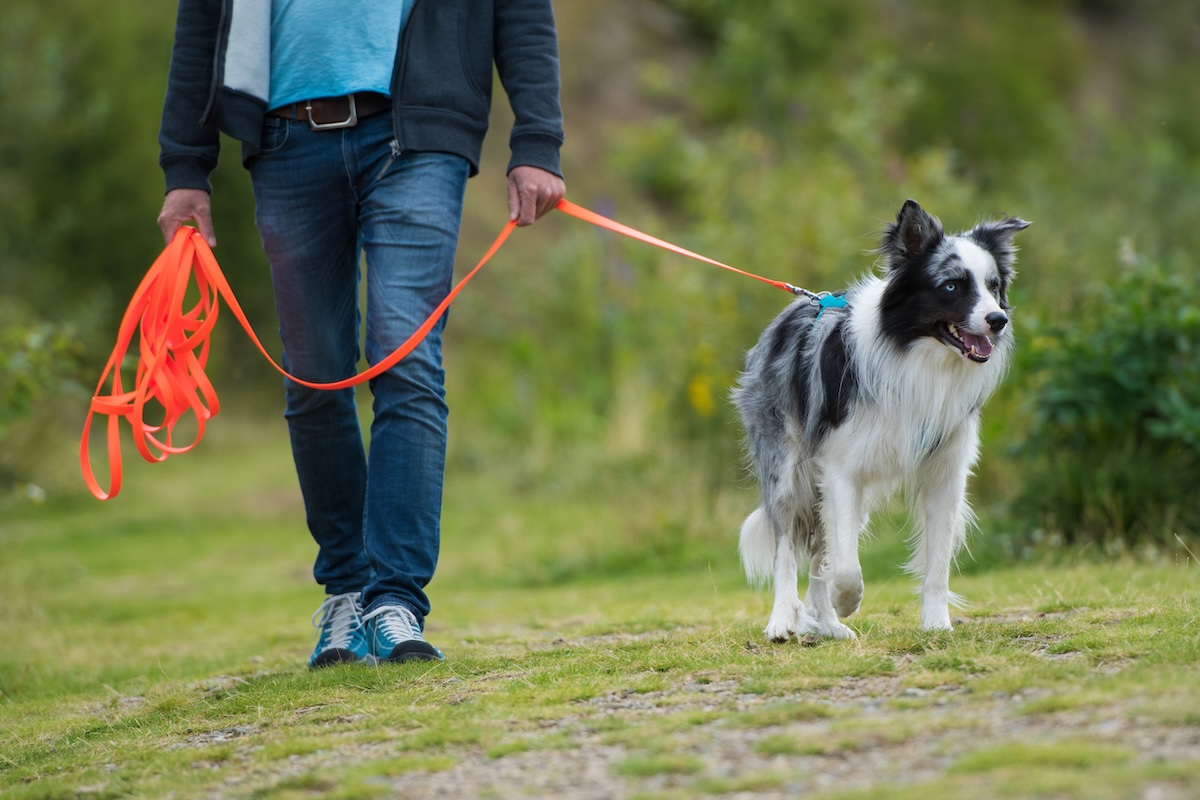
When a dog starts to limp or limp, many owners become worried, wondering, "Is it an injury? Or is it an illness?" Limping in the front leg can range from minor issues like paw pad sores or sprains to more serious problems like joint disorders or nerve issues that require early veterinary attention. This article summarizes nine common signs that can cause a dog to limp, and clearly explains when to seek veterinary attention and what to watch out for at home. We hope this information will help you quickly notice changes in your dog and take appropriate action.
Is a Limping Front Leg an Emergency?
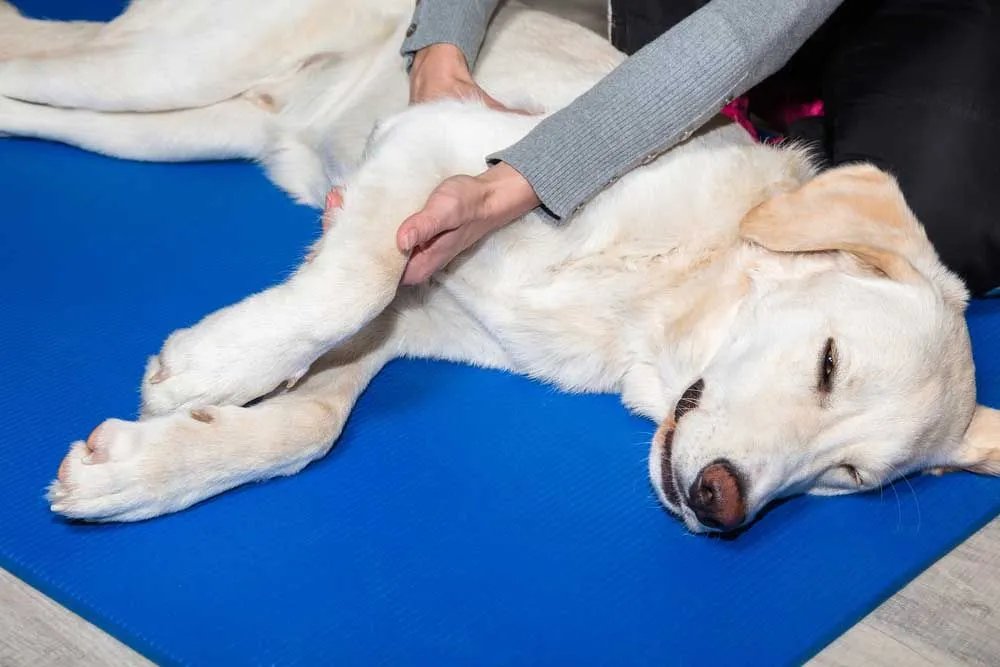
A front‑leg limp can range from a minor strain to a life‑threatening emergency. The key is how suddenly it appeared, how severe it is, and what other signs are present. A dog that cannot put any weight on a leg, cries in pain, or has obvious swelling or deformity needs urgent veterinary care. In contrast, a mild limp after exercise, with a bright, comfortable dog, is usually less urgent but still deserves timely assessment if it does not improve.
In general, any sudden, severe, or worsening limp, or a limp combined with sickness signs, should be treated as an emergency. When unsure, owners are advised to call a veterinary clinic or emergency hospital and describe the situation in detail for guidance.
Red‑flag signs needing urgent care
Front‑leg limping can be an emergency when any of the following appear. In such cases, seek urgent veterinary care or an emergency clinic:
- Inability to bear any weight on the leg, or dragging the limb
- Severe pain: crying, yelping, growling when the leg or neck is touched
- Obvious deformity, dangling limb, or bone visible
- Large wounds, heavy bleeding, or deep cuts on paw or leg
- Sudden swelling, heat, or bruising after a fall, collision, or car accident
- Fever, collapse, trouble breathing, or extreme lethargy along with the limp
- Recent trauma (hit by car, big fall, dog fight) even if the limp seems mild
When any red‑flag sign appears, do not wait to see if the limp improves; immediate assessment helps protect the limb and the dog’s overall health.
When it is safe to wait and watch
A short wait‑and‑watch period is only appropriate when the dog is comfortable, weight‑bearing, and has no red‑flag signs. Mild limping after intense play, with no swelling, open wounds, or behavior changes, may settle with strict rest over 24–48 hours. The dog should still eat, drink, go to the toilet, and respond normally. If the limp worsens, lasts longer than two days, or the dog seems unwell, veterinary assessment is strongly recommended.
What to do before seeing the vet
Before the veterinary visit, keep your dog as calm and still as possible. Limit running, jumping and stairs, and use a short leash for toilet breaks only. Briefly check for obvious problems such as a lodged thorn, bleeding nail or tight collar/harness, but avoid squeezing a painful area.
If there is minor bleeding, apply gentle pressure with clean gauze. For small surface wounds, owners can lightly rinse with lukewarm water and prevent licking with a cone. Do not give human painkillers or apply ointments without veterinary advice, because many are unsafe for dogs and can mask important signs the veterinarian needs to see.
How to Check a Dog’s Limping Front Leg
A calm, step‑by‑step check helps dog owners understand how serious a front‑leg limp might be before the veterinary visit. Start by limiting movement so the dog cannot run, jump, or use stairs. Observe the dog from a short distance, then gently examine the affected leg from paw to shoulder. Stop immediately if the dog cries, snaps, or pain suddenly worsens. Note when the limp began, whether it is getting better or worse, and any swelling, heat, or wounds. Careful observation and simple notes give the veterinarian valuable clues and help avoid further injury until professional care is available.
Watching how your dog walks and stands
Observe the dog from the side, front, and behind on a flat, non‑slip floor. Notice whether the head bobs up when the sore leg touches down, or the dog shortens the step on one side. Also check if the dog holds a paw off the ground, toe‑touches, or turns the paw outward.
When standing, compare both front legs. Look for uneven weight‑bearing, shoulder height differences, or the dog leaning back onto the hind legs to avoid pressure. Short video clips from different angles help veterinarians judge the severity and pattern of the limp.
Safely examining the paw, leg and shoulder
Before touching the sore leg, help the dog lie or sit in a calm, well‑lit area. Start at the paw, gently checking between the toes and pads for cuts, burrs, thorns, ice, or swelling. Press lightly on each toe and nail; stop if the dog pulls away or growls. Move slowly up the wrist and forearm, feeling for heat, lumps, or pain. Continue to the elbow and upper leg, comparing with the other side. Finally, place a hand over the shoulder, gently moving the leg forward and backward only as far as the dog comfortably allows. If pain is strong, avoid forcing movement and end the exam.
Details to note for your veterinarian
Before calling the vet, note clear, concrete details. Helpful points include:
- When the limp started and whether it was sudden or gradual
- Which leg is affected and when the limp looks worst (after rest, after exercise, all the time)
- Any falls, rough play, jumps, or accidents in the past few days
- Visible signs: swelling, heat, wounds, broken nail, bleeding, deformity
- Changes in behavior: crying, aggression when touched, hiding, reluctance to move
- General health signs: fever, tiredness, loss of appetite, recent illness or tick exposure
Writing short notes or a timeline helps the veterinarian reach a faster and more accurate diagnosis.
Sudden Front Leg Limping: Common Causes
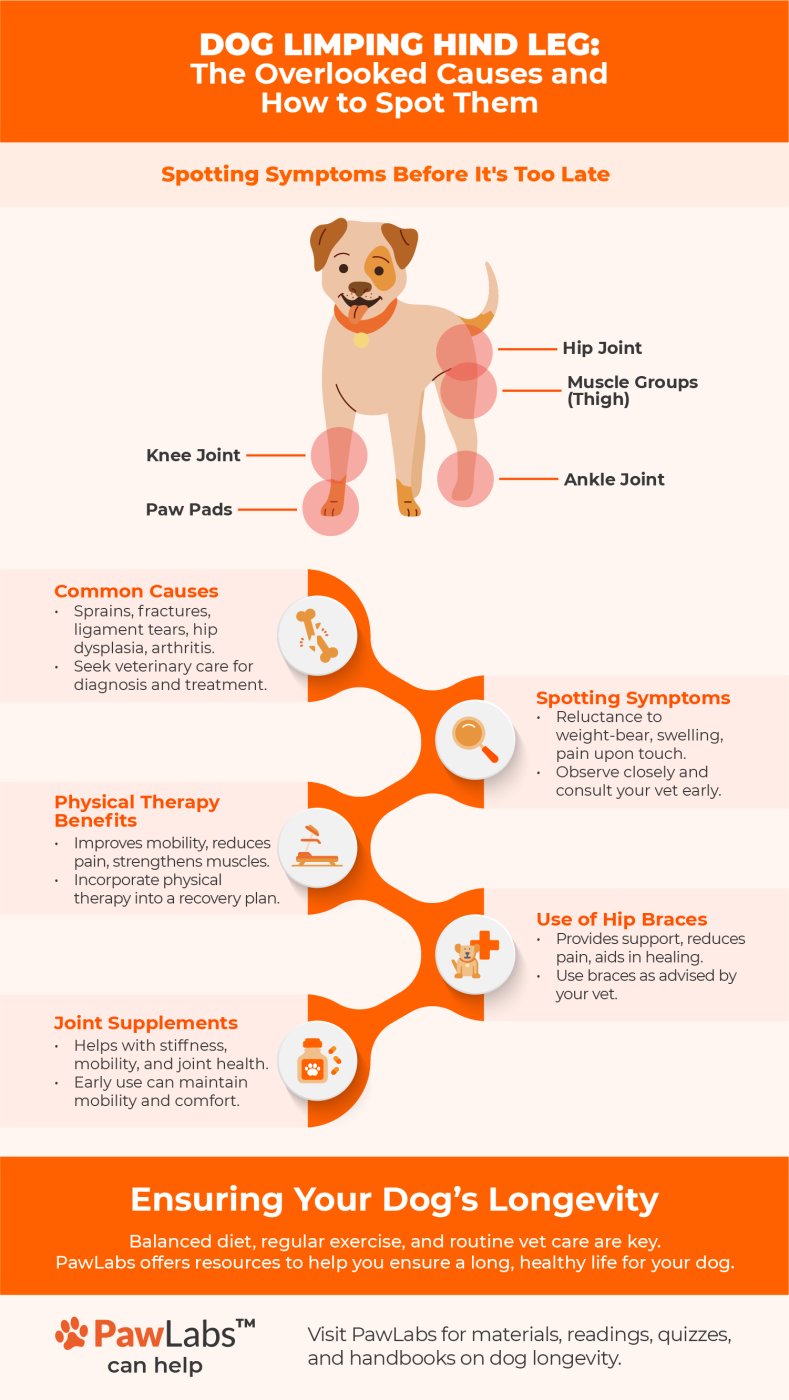
Sudden limping in a front leg often points to an acute problem that appeared within minutes to hours. Many causes are painful but treatable if handled promptly. Typical triggers include paw injuries, broken or torn nails, sprains and muscle strains from sudden movement, shoulder or elbow trauma, and more serious damage such as fractures or joint dislocations. In some regions, tick‑borne infections or sudden joint inflammation can also cause an abrupt limp. Careful observation and early veterinary consultation are very important for a safe outcome.
Paw pad cuts, burns and foreign objects
Paw pads are often the first place to check when a dog suddenly limps on a front leg. Glass, thorns, metal, or splinters can get lodged between the toes or in the pad, causing sharp pain with each step. Hot pavement, ice, road salt, or chemicals may also burn or irritate the pads.
Gently wipe the paw, then look under good light between all toes and around the nails. Small cuts, missing pad skin, or dark foreign bodies may be visible. If bleeding is heavy, an object is deeply embedded, or a large flap of pad is torn, cover the paw lightly and seek veterinary care promptly rather than trying to remove or clean it at home.
Broken, torn or ingrown nails
A broken, torn, or ingrown nail can cause sudden, sharp pain and limping in a front leg. Dogs may cry out when the nail is injured, then hold the paw up and avoid putting weight on it. Common signs include bleeding, a crooked or split nail, and intense licking of one toe. Ingrown nails curl into the pad, leading to swelling, redness, and possible infection. Gentle cleaning, light bandaging, and prompt veterinary care are important, as improper trimming can worsen the injury or leave painful nail fragments.
Sprains, strains and muscle injuries
Sudden twists when running, slipping on smooth floors, or rough play can cause sprains, strains and muscle tears in the front leg. Dogs may start limping suddenly, hold the leg slightly off the ground, or become reluctant to jump or chase toys. Mild soft‑tissue injuries often show no obvious swelling or wound, but the dog may yelp when the shoulder, elbow or upper leg is gently moved. Strict rest and prompt veterinary advice are important to prevent a minor injury progressing to a chronic problem.
Shoulder or elbow injuries from trauma
Trauma to the shoulder or elbow often occurs after falls, rough play, or sudden twisting while running. Dogs may cry out, hold the leg up, or take only a few light steps before stopping. Swelling around the joint, warmth, or a “hanging” front leg can appear. Sudden lameness after a known accident should be treated as urgent, because ligament tears or joint damage can worsen without prompt veterinary care.
Fractures and dislocations
Fractures and dislocations often follow falls, car accidents, or rough play and cause sudden, severe front‑leg limping. The leg may appear bent at an odd angle, shorter, or unstable, and many dogs refuse to bear any weight. Swelling and intense pain when touched are common. Any suspected fracture or dislocation is an emergency; the dog should be kept as still as possible and taken to a veterinarian or emergency clinic immediately for X‑rays and proper stabilization.
Tick‑borne and other infections
Tick‑borne diseases such as Lyme disease and Ehrlichiosis can inflame joints and cause sudden front leg limping. Dogs may show shifting lameness (the sore leg changes), fever, swollen lymph nodes, or stiff, painful joints. Other infections, including septic arthritis or bacterial infections from puncture wounds, can cause intense pain, heat, and swelling in one joint. Any limp with fever, lethargy, or multiple sore joints needs prompt veterinary care and blood tests.
Gradual Limping in a Front Leg: Causes
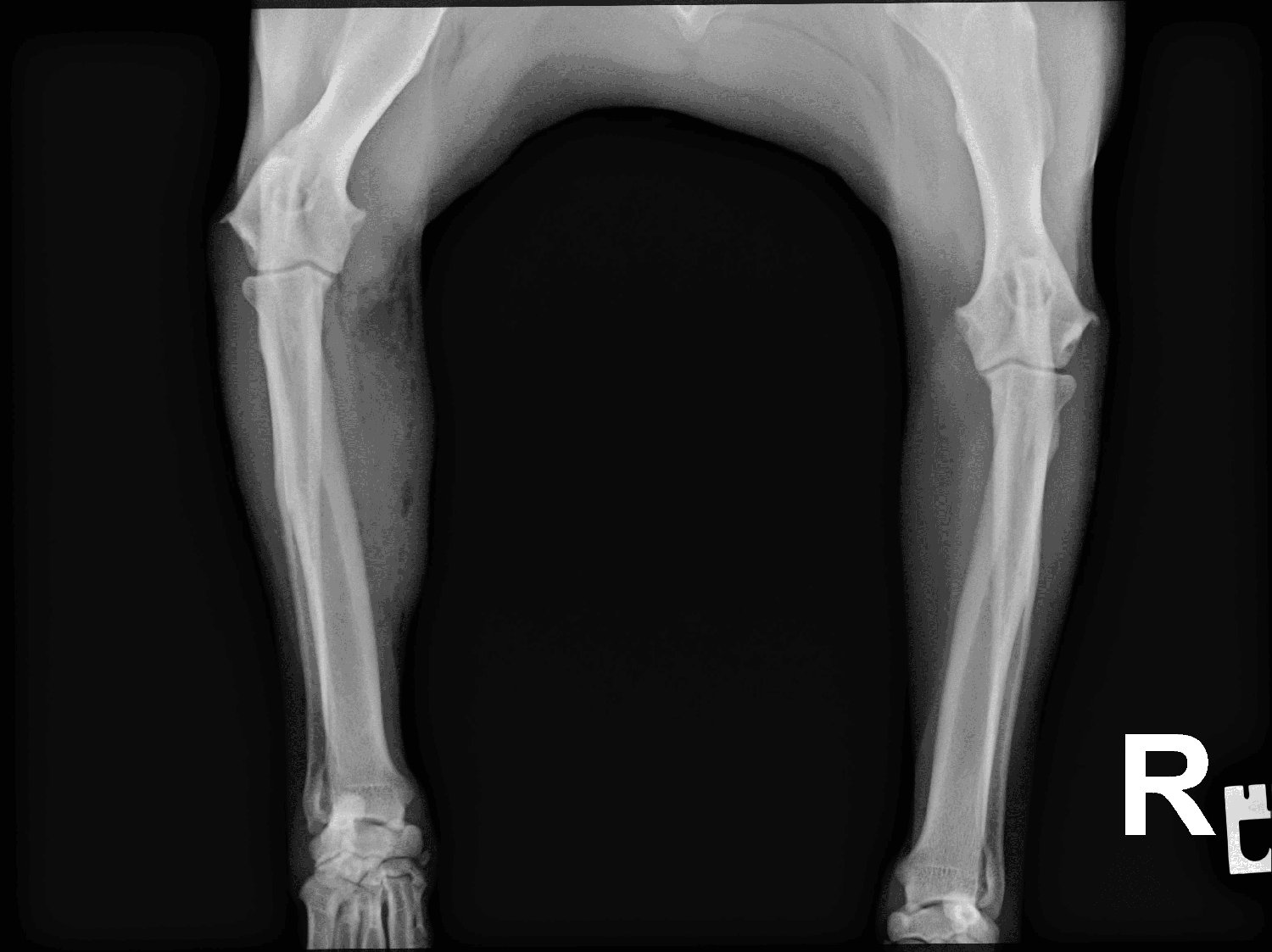
Gradual front leg limping often points to long‑term or progressive problems rather than a simple injury. Causes commonly include joint wear such as arthritis, elbow dysplasia and other growth disorders, neck or spinal issues affecting the front legs, immune‑mediated joint disease, and bone tumors. Because many of these conditions worsen slowly, any limp that develops over days to weeks and keeps returning should be checked by a veterinarian before permanent damage or severe pain develops.
Osteoarthritis and joint wear‑and‑tear
Osteoarthritis is one of the most common causes of gradual front‑leg limping, especially in middle‑aged and senior dogs. Cartilage in the elbow, wrist (carpus) or shoulder slowly wears down, so bones rub and cause pain and stiffness.
Typical signs include a stiff or uneven walk after rest, reluctance to jump or use stairs, and a limp that improves a little after warming up but returns after exercise. Mild joint swelling or creaking may be noticed. Early veterinary care, weight control and joint‑supportive treatments can slow progression and keep the dog comfortable over the long term.
Elbow dysplasia and growth disorders
Elbow dysplasia is a developmental problem of the elbow joint, common in medium‑to‑large, fast‑growing breeds such as Labradors, German Shepherds and Rottweilers. The bones in the elbow do not fit together smoothly, causing early cartilage damage and arthritis. Growth plate disorders, angular limb deformities and osteochondritis dissecans (OCD) can also affect the front legs, leading to gradually worsening limping, stiffness after rest and reluctance to run or jump. Early diagnosis and weight control, controlled exercise and joint‑protective treatments are crucial to slow long‑term damage.
Neck problems affecting a front leg
Neck and spine diseases can cause front leg pain or weakness because nerves for the shoulders and forelimbs exit from the neck region. Common problems include neck intervertebral disc disease (IVDD), vertebral instability, and neck trauma. Dogs may cry out when the neck is moved, keep the head low, or show wobbliness rather than a clear limp. Sudden severe neck pain, loss of balance, or collapse requires immediate veterinary care, as spinal cord pressure can progress quickly.
Immune‑mediated joint disease
Immune‑mediated joint disease means the dog’s immune system mistakenly attacks its own joints, causing inflammation and pain. Front legs are often affected, so limping, stiffness, and swelling in the wrist or elbow joints may appear. Many dogs show fever, tiredness, and reduced appetite in addition to lameness.
Untreated disease can damage cartilage and bone, leading to chronic pain. Treatment usually involves immune‑suppressing drugs, strict rest, and regular monitoring by a veterinarian to control flare‑ups and protect the joints long term.
Bone tumors and cancer pain
Bone tumors such as osteosarcoma can first show as a subtle front leg limp. Pain often starts after exercise and gradually becomes constant. Affected areas may feel swollen, hard, and warm, and the dog may yelp if the region is touched. As the tumor weakens bone, sudden fractures can occur even with minor movement, causing intense pain and an inability to bear weight. Early veterinary examination and imaging are essential for pain control and treatment planning.
9 Health Signs Linked to Front Leg Limping
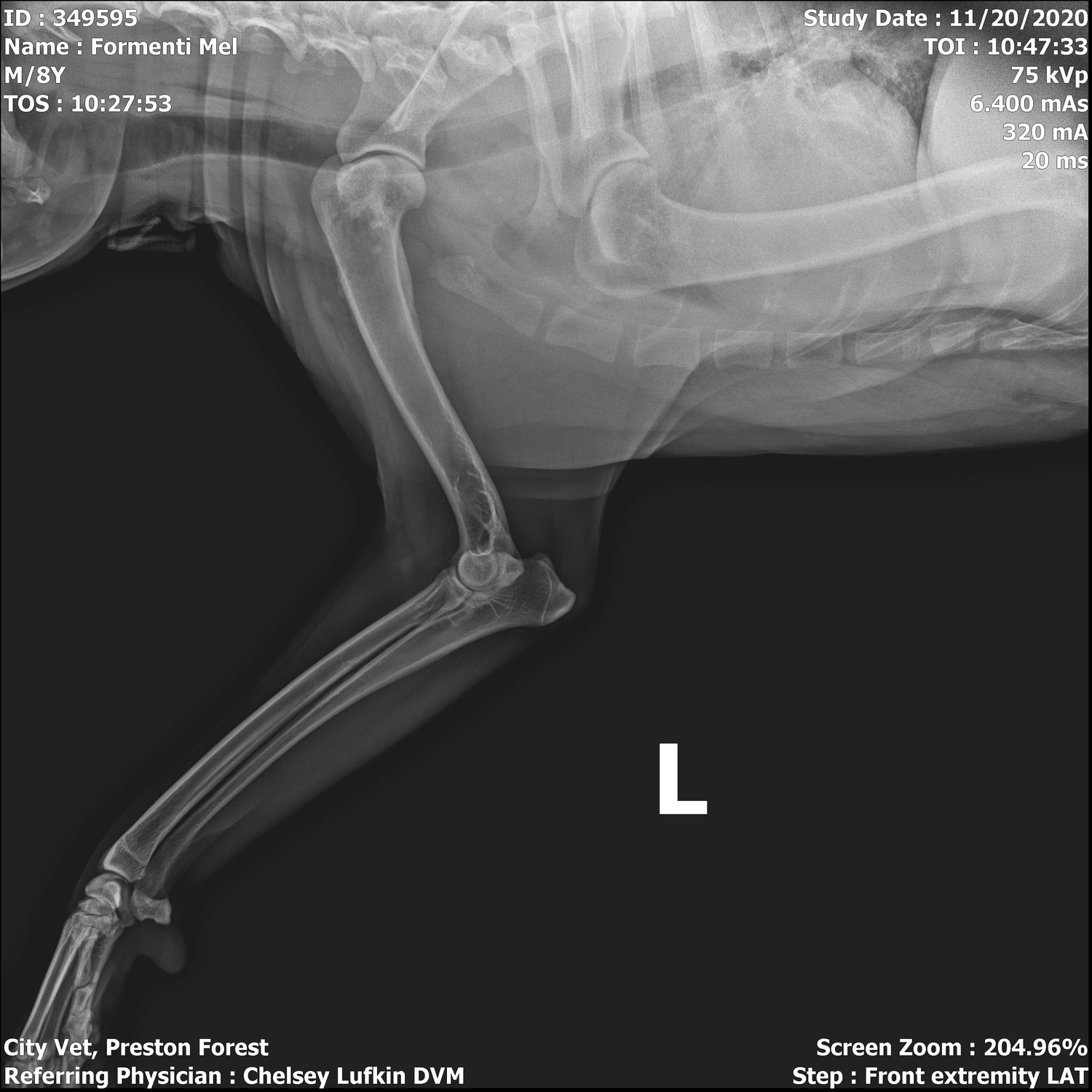
Front‑leg limping often appears together with other health signs. Noticing patterns helps narrow down causes and decide how urgent the problem is. The following nine signs are strong clues that the limp is linked to an underlying health issue, not just a minor bump. Paying attention to when the limp started, how it changes during the day, and any whole‑body symptoms (such as fever or tiredness) gives the veterinarian essential information and supports faster, more accurate diagnosis.
Limp that appears after rest or sleep
A limp that starts right after rest or sleep often points to joint or soft‑tissue problems. Many dogs with early arthritis or mild muscle strain feel stiff when getting up, then move more smoothly after a few minutes of walking. However, stiffness that keeps returning or worsens over days is not “normal aging.” When a dog repeatedly limps after naps, especially if age or weight is a concern, a veterinary check is recommended before joint damage progresses.
Swelling, heat or obvious deformity
Swelling, warmth, or a leg that looks wrong are strong warning signs. Marked swelling, a “sausage‑shaped” joint, or skin that feels hot compared with the other leg can indicate fracture, joint infection, severe sprain, or immune‑mediated disease. A bent or twisted limb, a dangling paw, or bone seeming out of place is an emergency. In any case of sudden swelling, heat, or deformity, the dog should be seen by a veterinarian as soon as possible and kept as still as possible until transport.
Reluctance to jump, run or climb stairs
A sudden reluctance to jump on the sofa, go into the car, or climb stairs often signals pain in the front legs, shoulders, or neck. Many dogs try to hide pain, so owners may only notice that the dog hesitates, needs encouragement, or stops halfway.
If a usually active dog suddenly moves more slowly, avoids play, or plants the front feet and uses the back end more, it may indicate joint disease, a soft‑tissue injury, or a spinal problem. Persistent or worsening reluctance to jump or use stairs warrants a veterinary check, even if the limp is mild.
Licking, chewing or guarding the leg
Persistent licking, chewing, or guarding of a front leg usually means the dog is experiencing pain, itchiness, or tingling in that area. Dogs may hide the leg, pull it away when touched, or growl gently when someone approaches. Sudden, intense focus on one paw or joint often indicates injury, infection, or joint disease and warrants veterinary attention, especially if there is redness, swelling, odor, or bleeding.
Weakness, wobbliness or neck pain
Weakness or wobbliness together with a front‑leg limp can point to nerve, spinal cord, or brain problems, not only joint pain. Dogs may stumble, cross their legs, knuckle over on the paw, or struggle to get up. Neck pain can appear as yelping when the collar is touched, a stiff or lowered head, or reluctance to look up or turn the head. Sudden wobbliness, collapse, or severe neck pain is an emergency and requires immediate veterinary care.
Fever, tiredness or loss of appetite
Fever, marked tiredness, or loss of appetite together with a front leg limp often indicate a whole‑body health problem rather than a simple sprain. Infections (including tick‑borne disease), immune‑mediated joint disease, and cancer are common concerns. Dogs may feel “off,” sleep more, eat less, or refuse treats. Any limp plus fever or sudden appetite loss should be treated as urgent and checked by a veterinarian promptly.
Weight shifting to the other legs
Weight shifting means the dog is avoiding putting weight on the sore front leg, loading the other legs instead. Owners may notice the chest leaning away from the painful side, the opposite front leg stepping more, or the back legs working harder. Marked weight shifting usually signals significant pain or weakness and can quickly strain the other limbs and spine. If the pattern appears suddenly, worsens, or persists for more than a day, a veterinary check is strongly recommended.
Limp that comes and goes
A limp that appears, improves, then returns often signals ongoing joint, tendon or nerve trouble rather than a one‑off injury. Common causes include early osteoarthritis, elbow dysplasia, mild soft‑tissue strain, or immune‑mediated joint disease. Weather, over‑exercise, or long walks may make pain flare up.
A repeating limp should not be ignored. If limping comes and goes over more than 7–10 days, or flares after activity, a veterinary check is strongly recommended to prevent worsening damage.
Limp that does not improve over time
A limp that does not improve over several days is a warning sign. Minor soft‑tissue injuries usually start to ease within 48–72 hours of strict rest. If the limp stays the same, worsens, or your dog begins to avoid using the leg, problems such as joint disease, bone injury, or infection become more likely. Ongoing lameness always deserves a veterinary check to prevent long‑term pain and protect joint function.
When to Call the Vet for a Limping Dog
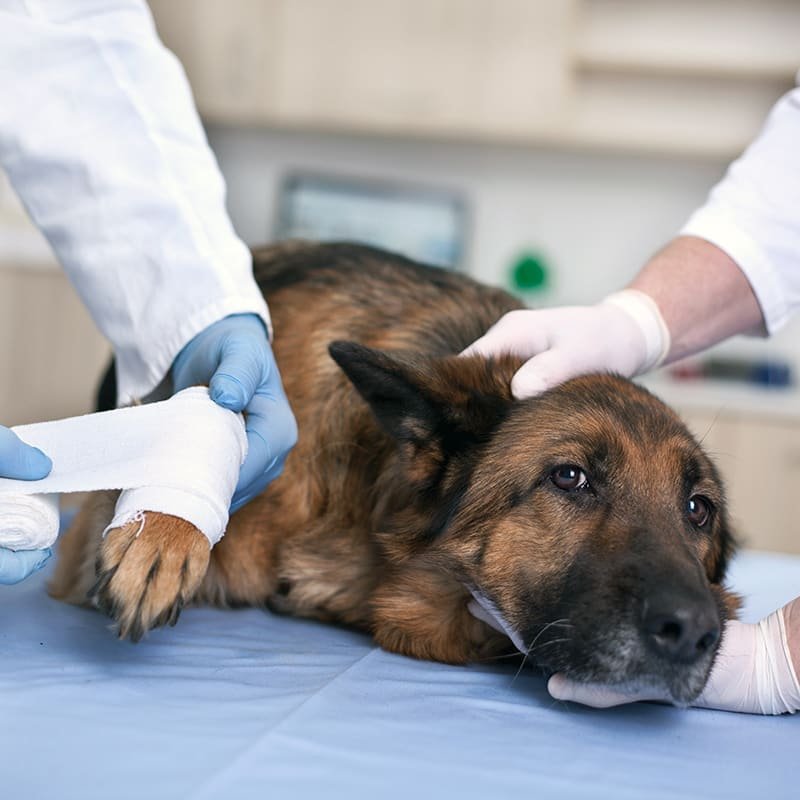
A veterinary visit is recommended for any new limp that lasts longer than 24 hours, even if it is mild. Sudden, severe limping, refusal to bear weight, or obvious pain should be treated as urgent and checked the same day. Puppies, seniors, and large‑breed dogs are at higher risk of growth problems, arthritis, or fractures, so delaying can worsen damage. A limp that keeps coming back or slowly gets worse also needs timely examination to find the underlying cause and protect long‑term joint health.
Age, breed and activity level factors
Age, breed, and activity level strongly influence how serious a limp might be.
- Puppies and large/giant breeds (Labrador, Golden, German Shepherd, Rottweiler) are prone to growth problems such as elbow dysplasia.
- Senior dogs more often suffer from arthritis, cancer, or chronic joint disease.
- Very active or working dogs (agility, herding, running partners) are at higher risk of sprains, tendon injuries, and fractures.
- Overweight dogs place extra stress on front legs, so limps in heavy dogs should be checked promptly.
When any high‑risk factor applies, owners should contact a veterinarian sooner rather than later, even if the limp seems mild.
Time frames for making an appointment
Knowing the general timing for a veterinary visit makes it easier to act without hesitation. If your dog has severe pain, sudden worsening, or loss of energy, it is best to seek veterinary care immediately, regardless of the time of day. On the other hand, if the limp is mild, your dog does not strongly resist being touched, and their appetite and energy are normal, it is generally recommended to schedule a veterinary visit within 24 to 48 hours. If there is no improvement after watching the condition for a few days, or if the limp improves once but keeps recurring, consult a veterinarian within one week. For puppies, senior dogs, or dogs with existing health conditions, earlier consultation is safer.
Information your vet will ask for
The veterinarian will ask detailed questions to narrow down the cause and urgency of the limp. Preparing answers in advance is helpful. Key points include:
| Question area | What the vet wants to know |
|---|---|
| Onset | When the limp started, sudden or gradual, any known incident |
| Pattern | Constant or comes and goes, worse after exercise or rest |
| Pain signs | Crying, yelping, refusing to walk, aggression when touched |
| Activity & lifestyle | Recent rough play, jumps, stairs, new walking routes or floors |
| General health | Appetite, energy, fever, weight loss, other illnesses or medications |
| Previous problems | Past joint issues, surgeries, known breed‑related diseases |
Video of the limp, photos of swelling or wounds, and a list of any medicines or supplements are also very useful.
How Vets Diagnose Front Leg Lameness
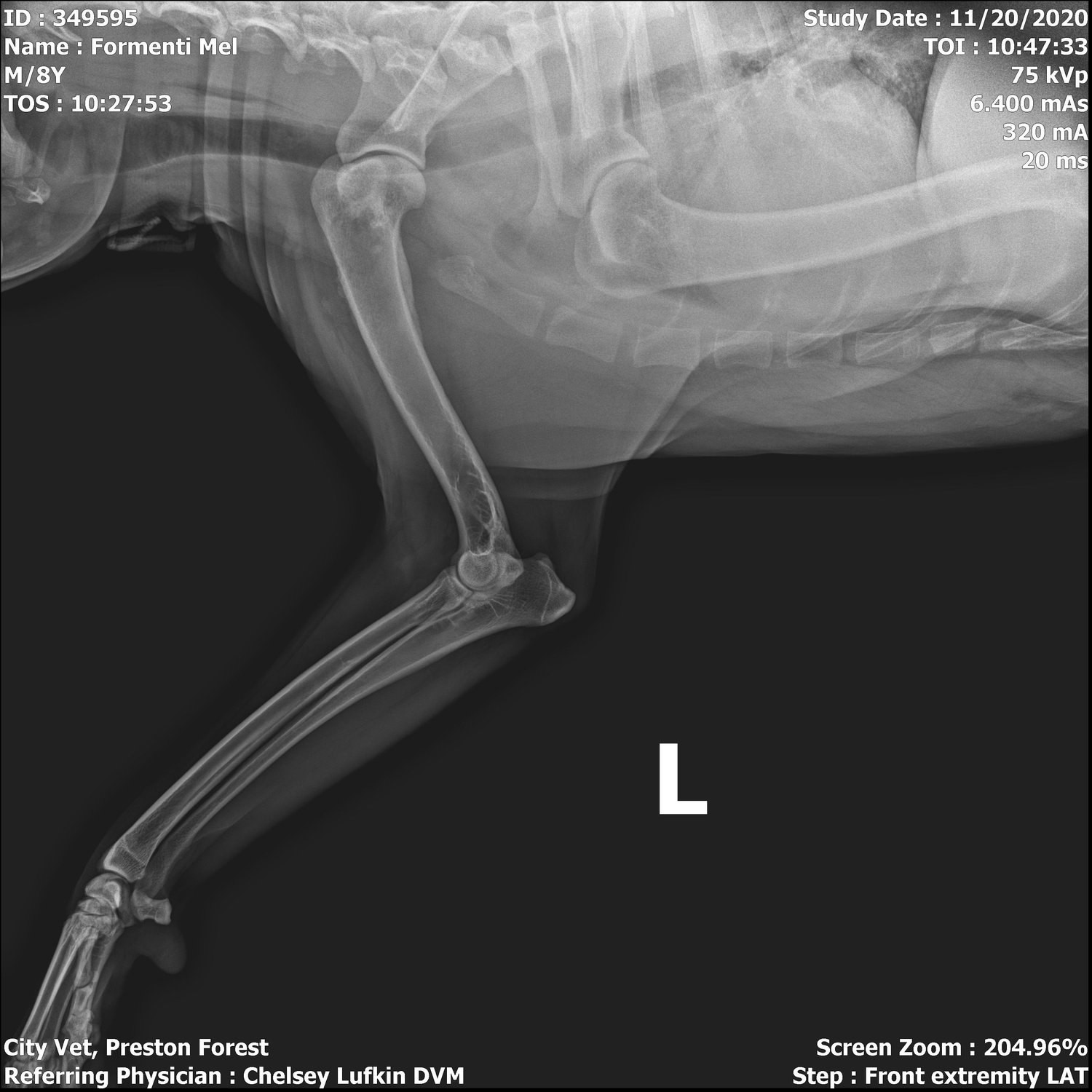
When front leg lameness is examined, veterinarians combine history, physical findings, and tests to find the cause. The goal is to decide where the pain comes from (paw, joint, bone, muscle, or nerves) and how serious the problem is.
Typical steps include:
- Careful gait observation and orthopedic examination
- Imaging tests such as X‑rays, CT, MRI, or ultrasound
- Laboratory tests like bloodwork and, when needed, joint fluid analysis
By layering these methods, veterinarians can identify injuries, arthritis, infections, or more serious diseases and choose the safest treatment plan.
Physical and orthopedic examination
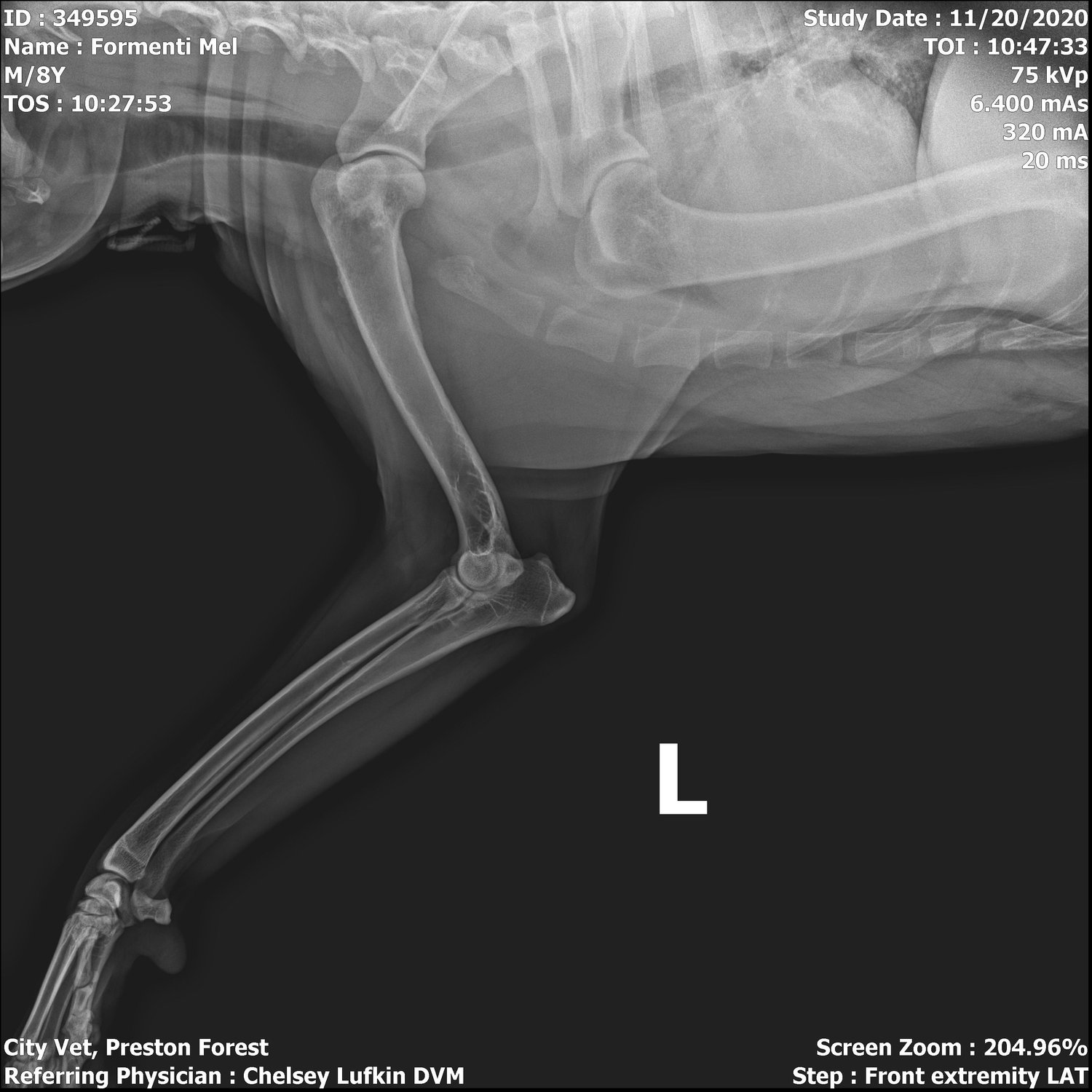
During a physical and orthopedic examination, the veterinarian first observes the dog walking, turning, and sitting to pinpoint which leg is affected and how severe the limp is. The next step is a hands‑on check from paw to shoulder and up to the neck, gently flexing and extending joints, feeling for heat, swelling, crepitus (grating), or muscle loss.
Reflexes, pain responses, and neck movement are also assessed to rule out nerve, spinal, or neck problems that can mimic a simple leg injury. In many cases, the vet may perform specific orthopedic tests (for example, checking joint stability) to narrow down the likely cause before recommending imaging or lab tests.
X‑rays, CT, MRI and ultrasound
Imaging helps reveal problems that cannot be seen from the outside. X‑rays show bones, joint spaces, and some soft‑tissue swelling, so they are useful for fractures, elbow dysplasia, and arthritis. Ultrasound can assess soft tissues around the shoulder or chest and guide joint fluid sampling. CT provides detailed 3D images of complex joints and subtle fractures. MRI is best for nerves, spinal cord, and soft tissues when neck or nerve pain is suspected.
Blood tests and joint fluid analysis
Blood tests help identify hidden health causes of front leg limping. A complete blood count and biochemistry profile can reveal infection, inflammation, organ problems, or tick‑borne diseases. Specific tests may check for Lyme or other vector‑borne illnesses.
Joint fluid analysis is used when a joint is swollen or painful. The veterinarian collects a small sample with a needle and examines the cells and fluid quality. Findings can distinguish arthritis, infection, bleeding, or immune‑mediated joint disease, guiding accurate treatment.
Treatment Options for Front Leg Limping
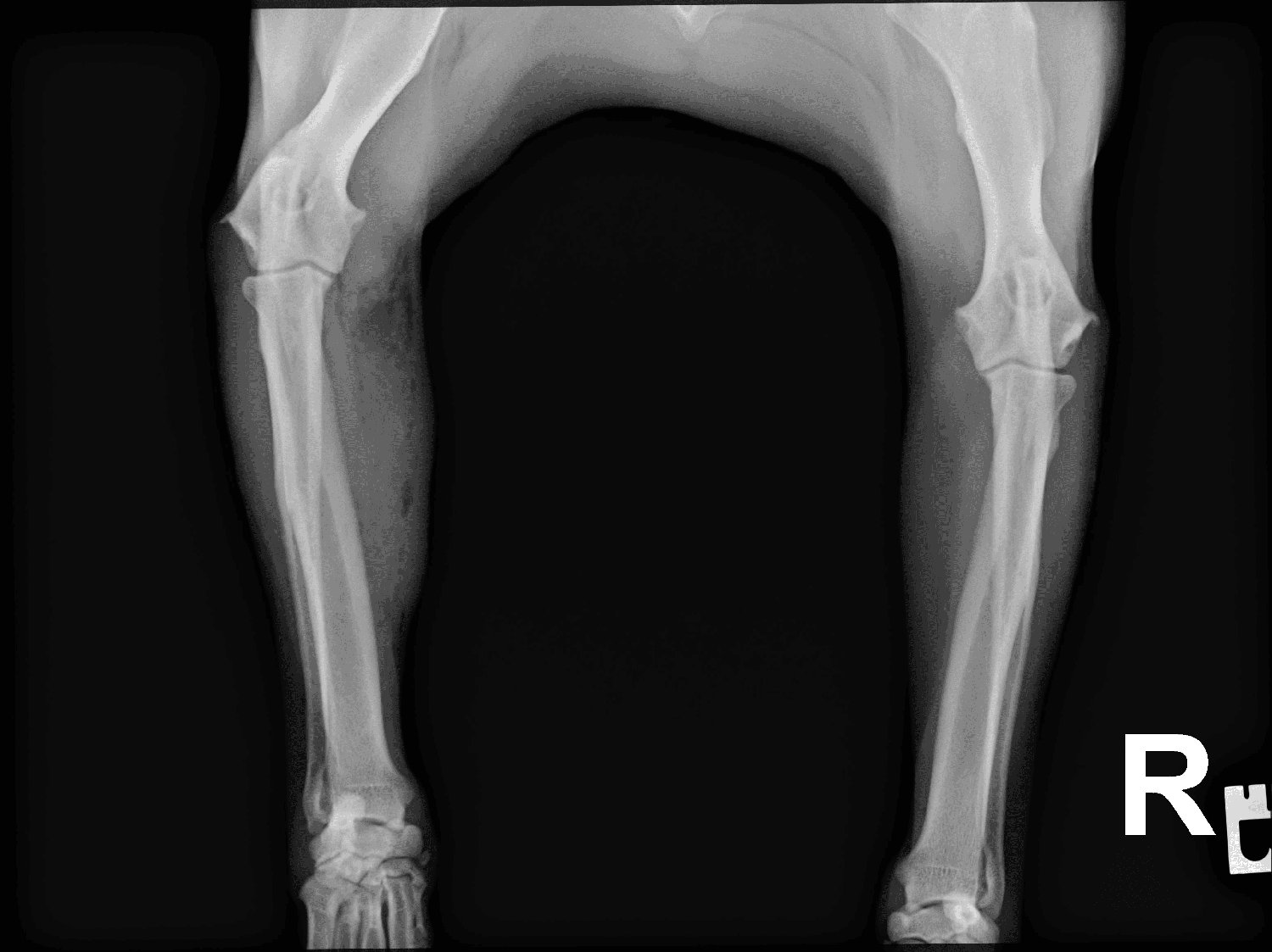
Front leg limping treatment depends on the underlying cause, but the goal is always to reduce pain, protect the joint or bone, and help safe healing. Mild soft‑tissue injuries may improve with rest and anti‑inflammatory medication, while fractures, severe joint damage, or some tumors require splints or surgery. Many dogs benefit from physiotherapy, controlled exercise, and weight management as recovery progresses. For long‑term problems such as arthritis or elbow dysplasia, ongoing pain control and joint support are essential to maintain quality of life. The following sections explain the main options your veterinarian may suggest in more detail.
Rest, anti‑inflammatory meds and support
For mild sprains or arthritis in the front leg, rest and inflammation control are the basic first steps. At home, do not let your dog walk around freely. Limit their movement with a crate, playpen, or leash, and avoid jumping, stairs, and intense play.
For pain relievers or anti-inflammatory medications, only use medicines prescribed by an animal hospital. If the dose or treatment period is not appropriate for your dog’s body weight, it may cause gastrointestinal problems or place strain on the liver and kidneys, so caution is needed.
Supportive care may include placing mats on slippery floors, managing body weight, and using joint-support supplements. Cooling or warming care can sometimes have the opposite effect depending on the cause, so it is best to consult a veterinarian before trying it.
Bandages, splints and surgical care
Bandages and splints are used to stabilize injured legs, reduce pain, and protect wounds or fractures. They must be applied and checked by a veterinarian, because overly tight wrapping can cut off blood flow, while loose wrapping can rub and cause sores.
Surgery may be recommended for fractures, torn ligaments, joint deformities, or tumors. Early surgery often improves long‑term limb function. After an operation, strict rest, controlled exercise, and follow‑up checks are essential for a safe recovery.
Rehab, physio and alternative therapies
Rehabilitation supports healing after injury or surgery and helps prevent long‑term stiffness. Physiotherapy for dogs may include controlled leash walks, range‑of‑motion exercises, and balance training. Many clinics also offer hydrotherapy, where dogs walk or swim in water to reduce joint stress while building muscle.
Alternative therapies such as acupuncture, laser therapy, and therapeutic massage can reduce pain and inflammation and improve mobility. Always use a qualified professional, and only start rehab or alternative care under a veterinarian’s guidance so the injured front leg is not overloaded too soon.
Pain management for chronic conditions
Chronic pain from arthritis, elbow dysplasia or old injuries often cannot be cured, but it can be well controlled. Vets usually combine several methods:
- Prescription pain relief (NSAIDs, sometimes gabapentin or other drugs)
- Joint supplements such as omega‑3s or glucosamine
- Weight control to reduce stress on joints
- Regular, gentle exercise and physio
Never change doses or add over‑the‑counter painkillers without veterinary advice, because some drugs are dangerous for dogs.
Safe Home Care While You Wait for the Vet
Waiting for a veterinary appointment can be stressful, but gentle, safe home care helps protect the injured leg and keeps pain from worsening. The key is rest, controlled movement, and close monitoring. Avoid stairs, jumping, and rough play. Use a short leash for toilet breaks only, on calm, flat ground. Observe breathing, appetite, and behavior. If pain suddenly increases, the limb changes shape, or your dog cannot stand, contact an emergency vet immediately.
Creating a calm, non‑slip resting area
A calm, secure space reduces stress and helps prevent further injury. Choose a quiet room with a non‑slip floor, such as rubber mats or rugs with grippy backing. Block off stairs and furniture your dog might try to jump on. Provide a supportive bed that is low to the ground so stepping in and out is easy. Keep food, water, and the toilet area close by to limit walking, and maintain a comfortable room temperature for relaxation and healing.
Handling, leash walks and activity limits
For a dog with an injured front leg, as much rest as possible is important. Indoors, allow only short movements on non-slip flooring, and safely support your dog by lifting them when they need to get on or off the sofa or bed. Walks should be limited to short leash walks for potty breaks only, and running, playing fetch, and going up and down stairs should be avoided. Rather than making your dog walk a lot, taking them outside briefly and returning right away can reduce the burden. If the symptoms worsen, it is important to stop walks altogether and consult a veterinarian.
Why to avoid human pain medications
Many human painkillers are dangerous or fatal for dogs, even in small amounts. Drugs such as ibuprofen, naproxen, and acetaminophen can cause stomach ulcers, kidney failure, or liver damage. Human doses are not scaled for a dog’s weight, and coatings or additives may be toxic. Giving pain medicine can also hide important symptoms, delaying correct diagnosis. Alwaysask a veterinarian for dog‑safe options and correct dosing instead of using human medications.
Preventing Future Front Leg Problems

Front leg problems often develop from many small stresses over time. Daily prevention reduces the risk of sudden limping and long‑term joint disease. Key points are: maintaining an appropriate body weight, trimming nails and checking paw pads, choosing safe walking surfaces, and providing age‑ and breed‑appropriate exercise. Regular vet checks, especially for large or predisposed breeds, help detect early joint changes so that care and lifestyle adjustments can start before pain and limping appear.
Keeping your dog at a healthy weight
Keeping a healthy body weight greatly reduces stress on a dog’s front legs and joints. Extra kilos act like a constant load, making arthritis, elbow dysplasia and soft‑tissue injuries more likely and more painful.
Aim to see a waist from above and a slight tummy tuck from the side. Ribs should be easy to feel under a thin fat layer. If weight loss is needed, use a measured daily portion, low‑calorie treats, and gentle, regular exercise agreed with a veterinarian.
Paw, nail and surface safety checks
Regular paw, nail, and surface checks greatly reduce front‑leg injuries. Inspect paws at least once a week and after walks. Look between toes and pads for cuts, burrs, grit, thorns, or chewing gum, and gently wipe away dirt. Trim nails so they do not touch the floor when standing; overly long nails change gait and strain joints. Before play, scan surfaces for broken glass, sharp stones, metal, or very hot or icy ground, and choose softer, non‑slip areas whenever possible.
Exercise, warm‑ups and age‑appropriate play
Appropriate exercise is important for reducing the burden on the front legs. Instead of letting your dog run at full speed right away, start with a short walk and warm up gradually. This helps warm the muscles and joints and can help prevent injuries. For ball throwing or frisbee, keep the number of throws and distance moderate, and reduce sudden stops or sharp changes in direction. Puppies and senior dogs should avoid long-distance running and high steps, and splitting age-appropriate short play sessions into several rounds can help reduce stress on the front legs.
Screening and support for at‑risk breeds
Certain breeds have a higher risk of elbow dysplasia, shoulder problems or early arthritis, so regular screening is important. Large and fast‑growing breeds (Labradors, Golden Retrievers, German Shepherds, Rottweilers, Bernese Mountain Dogs) benefit from early orthopedic checks, especially during puppyhood. Breeders or rescue staff can often share health histories, but ongoing vet monitoring, joint‑friendly exercise and weight control provide the best long‑term support for at‑risk dogs.
Key Takeaways for Dog Owners
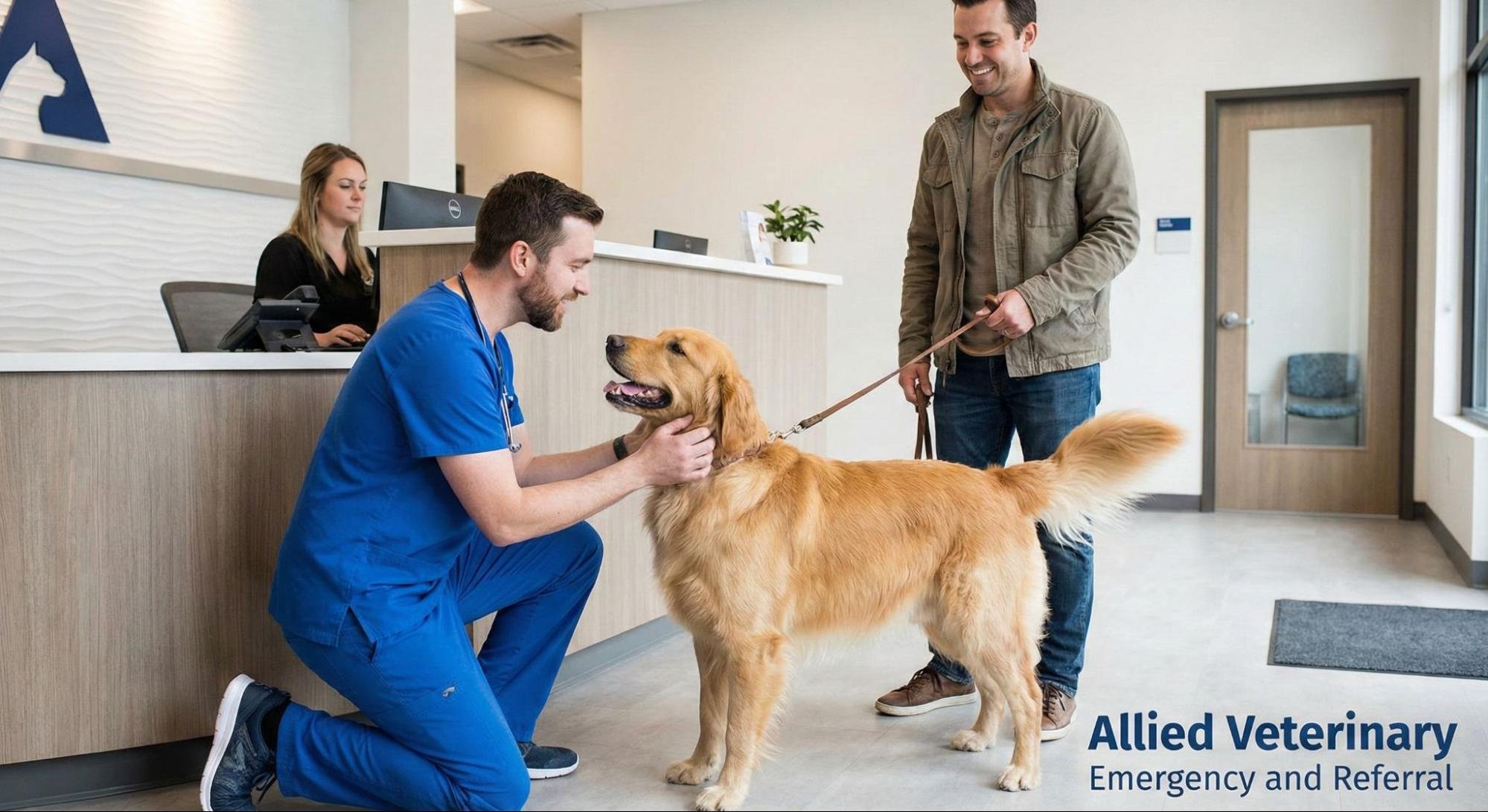
Limping in your dog’s front leg can have a wide range of causes, from minor injuries to life-threatening illnesses. It is very important not to let the condition drag on by simply “waiting and seeing” for too long.
- If there is sudden severe pain, swelling or deformity, loss of energy, fever, bleeding, or similar symptoms, an early veterinary visit is necessary.
- If the limp does not improve after a few days or keeps recurring, chronic joint disease, tumors, or other underlying problems may be involved.
- At home, focus on rest, creating a non-slip environment, and short leash walks, and do not give human pain relievers.
- Weight management, exercise suited to your dog’s age, breed, and activity level, and regular health checks can help prevent future front leg problems.
If you are worried, do not rely on your own judgment. Taking notes on the symptoms and their progression, then consulting an animal hospital early, is the quickest way to protect your dog’s health.
This article clearly explains the main possible causes when a dog walks while favoring a front leg, how to assess urgency, safe observation and care methods you can use at home, and the flow of diagnosis and treatment at an animal hospital. It is designed to help owners stay calm and take appropriate action.






![[Sheltie puppies] Check breeder information for baby dogs](https://with-my-dog.com/wp-content/uploads/2022/01/image1-150x150.jpg)


![[Stupid dogs are cute] Introducing funny pictures and simple questions](https://with-my-dog.com/wp-content/uploads/2022/07/image4-18-150x150.jpg)