
Many dog owners worry when they see brown earwax or discharge coming from their dog's ears, wondering if it's a sign of illness or if it's okay to leave it untreated. In particular, "dog ear discharge brown" can be a sign of various problems, not just ear dirt, but also otitis externa, Malassezia infection, ear mites, and more. This article provides a clear and easy-to-understand explanation from a third-party perspective, covering the main causes of brown ear discharge in dogs, treatment at veterinary hospitals, tips for home care, and prevention methods. We hope you will find this information helpful in managing your dog's ear health.
Is Brown Ear Discharge Normal?
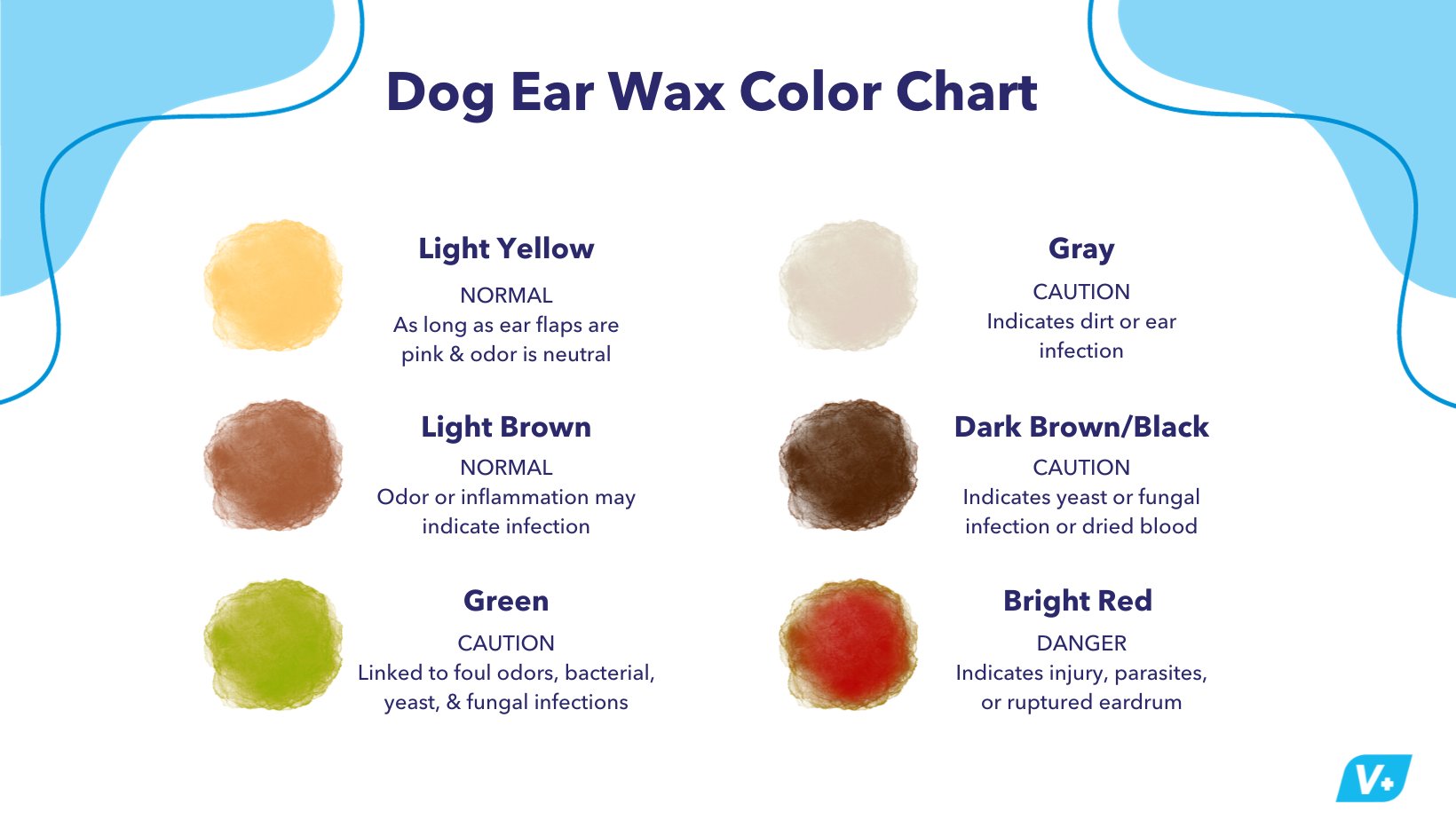
Brown ear discharge can sometimes be normal ear wax, but it is often a sign of ear trouble. Many healthy dogs have light to medium brown wax that appears in small amounts and has little to no odor. However, sudden increases in dark, sticky, or smelly brown discharge usually indicate infection, mites, or another ear problem. If the color, amount, or smell of the discharge changes, or if the dog seems uncomfortable, a veterinary check is recommended rather than assuming the discharge is normal.
What healthy dog ear wax looks like
Healthy dog ear wax is usually light to medium brown, slightly sticky, and has little to no odor. A small amount lining the ear canal is normal and helps trap dust and protect the skin. The ear flap and entrance to the canal should look clean, pale pink, and not greasy or crusty. Dogs with healthy ears are comfortable when the ear is touched, without flinching, scratching, or shaking the head.
Brown wax vs worrying discharge
Healthy brown ear wax is usually light to medium brown, thin, and only a small amount. It coats the ear canal gently, without crusts or clumps, and the skin around it looks calm and pink.
Worrying discharge is often dark brown to almost black, thick, sticky, or crumbly, and there may be a bad odor, redness, or your dog scratching and shaking. Any sudden increase in brown material, or discharge from only one ear, should be treated as abnormal and checked by a vet.
Common Causes of Brown Ear Discharge
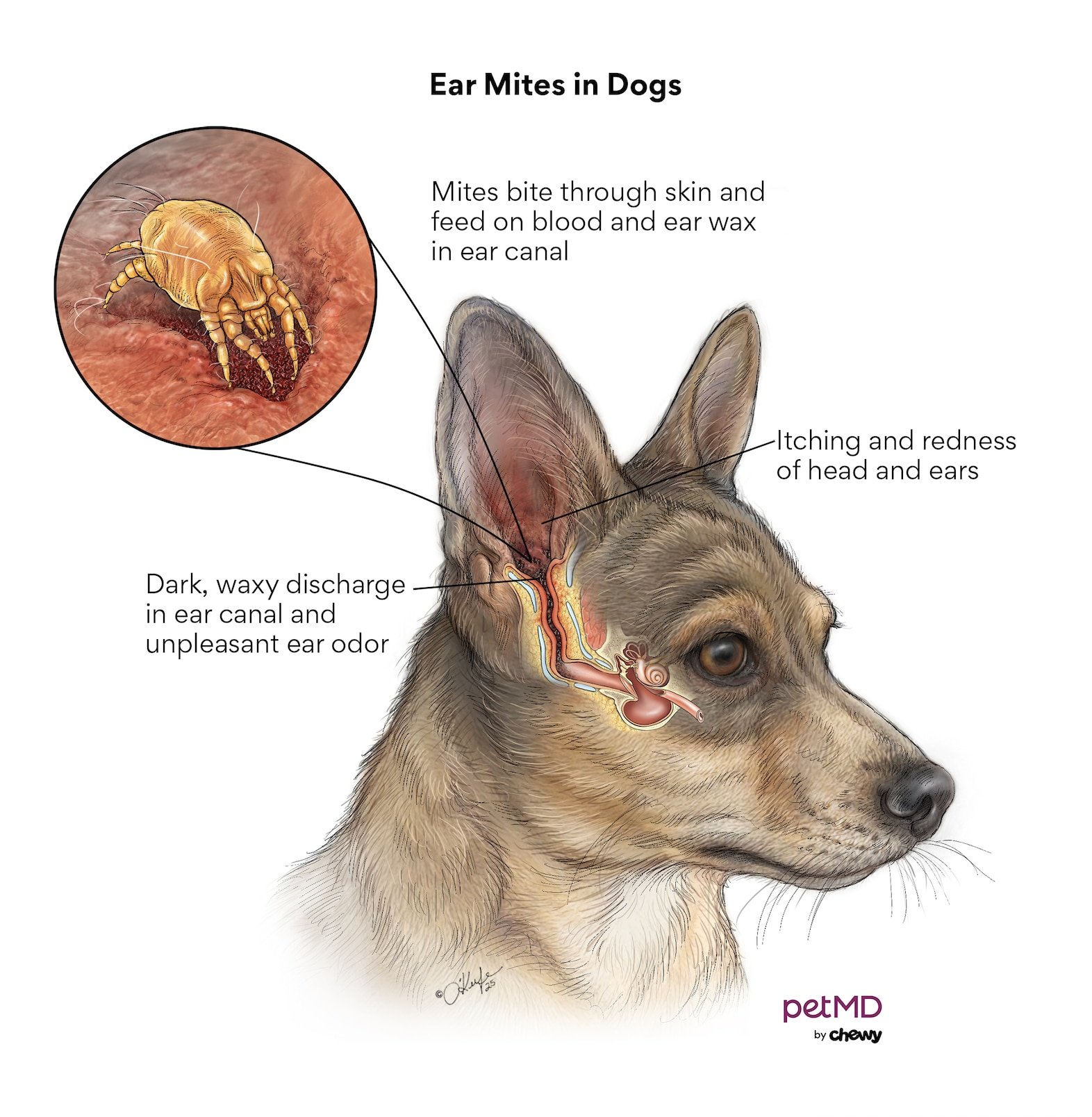
Brown ear discharge is usually a sign of a problem, not just normal wax. The color often reflects what is happening inside the ear canal. Common causes include bacterial ear infections, yeast overgrowth, ear mites or other parasites, allergies or skin disease, and foreign objects or injuries inside the ear. Some breeds with floppy or narrow ears are also more prone to brown discharge because their ears stay warm and damp, which encourages infection.
Ear infections from bacteria
Bacterial ear infections are one of the most common reasons for brown, smelly ear discharge in dogs. Bacteria multiply in warm, moist ear canals, especially after swimming, bathing, or when air circulation is poor. Typical signs include foul odor, yellow‑to‑brown discharge, redness, and pain when the ear is touched. Without proper treatment, infection can move deeper into the ear and may damage hearing, so prompt veterinary care and prescribed medication are very important.
Yeast overgrowth in the ear
Yeast naturally lives on a dog’s skin and in the ears, but overgrowth causes thick, often dark brown discharge and strong odor. The ear canal becomes warm, moist, and inflamed, which lets yeast multiply. Common triggers include allergies, excess ear cleaning, trapped moisture after swimming or bathing, and floppy ears with poor airflow. Dogs with yeast problems often show redness, greasy or crumbly wax, intense itch, and a sweet or musty smell. Proper diagnosis and antifungal treatment from a veterinarian are essential.
Ear mites and parasites
Ear mites are tiny parasites that live in the ear canal and feed on skin debris and wax. They are more common in puppies, outdoor dogs, and dogs that live with cats.
Typical signs include coffee‑ground–like dark brown discharge, intense itching, constant head shaking, and sometimes a crusty, inflamed outer ear. Mites are highly contagious between pets, so all in‑contact animals often need treatment.
Veterinarians diagnose mites by examining debris under a microscope and usually prescribe medicated ear drops or spot‑on treatments that kill parasites and soothe inflammation. Early treatment helps prevent secondary bacterial or yeast infections.
Allergies and skin disease
Allergies and skin disease often set the stage for brown ear discharge. When a dog has food allergies, environmental allergies (pollen, dust mites, mold), or chronic skin problems, the ear canal skin becomes inflamed and itchy. Inflamed skin makes more wax and traps moisture, so bacteria and yeast grow easily, turning the discharge thick and brown. Dogs with allergic ears often have itchy paws, red skin, or recurrent hot spots as well. Long‑term control of allergies and skin disease is essential to stop ear problems from coming back.
Foreign bodies and injuries
Foreign material such as grass awns, foxtails, seeds, sand, or even small insects can slip into a dog’s ear canal and become trapped. Sharp objects may scratch the skin and quickly lead to brown, sometimes bloody discharge, swelling, and pain. Dogs may suddenly shake the head, tilt it to one side, or cry when the ear is touched. Blunt trauma, bites, or rough play can also injure the ear canal and eardrum, causing dark, dirty‑looking fluid that needs prompt veterinary care to prevent lasting damage.
Breed and ear shape risk factors
Dogs of certain breeds and ear shapes are much more likely to develop brown ear discharge. Floppy‑eared dogs such as Cocker Spaniels, Basset Hounds, and Retrievers have poor air circulation, so moisture and wax build up easily. Breeds with narrow or very hairy canals, like Poodles and Schnauzers, also trap debris. Dogs who love swimming, or breeds with allergies (such as French Bulldogs and Westies), often struggle with recurring ear problems and need more frequent checks.
Related Symptoms to Watch For

Brown ear discharge often appears together with other ear trouble signs. Paying attention to the overall pattern of symptoms, not only the color, helps judge urgency. Important clues include odor, redness, swelling, crusts around the ear, frequent scratching, head shaking, tilting the head, sensitivity when the ear is touched, changes in balance, or suddenly seeing a soft “balloon‑like” swelling on the ear flap. When several symptoms appear together, prompt veterinary consultation is strongly recommended.
Smell, redness, and swelling
A sudden bad smell from a dog’s ear is one of the clearest warning signs of trouble. Healthy ears have little to no odor. A yeasty, sweet, or cheesy smell often suggests yeast overgrowth, while a strong, foul, rotten odor may point to a bacterial infection. At the same time, look for redness of the ear canal or ear flap, warmth, and puffy swelling. These changes usually mean inflammation and pain, and they should prompt a prompt veterinary check before the problem worsens.
Scratching, head shaking, pain
Frequent scratching or rubbing of the ear, head shaking, or tilting often means the ear is itchy, painful, or both. Dogs may whimper when the ear is touched, avoid being petted on the head, or suddenly snap if the sore ear is handled. Some dogs rub the side of the head on furniture or the floor. Persistent scratching and head shaking can quickly worsen inflammation and even cause an ear hematoma, so veterinary consultation is recommended.
Balance changes and ear hematomas
Balance problems can appear when ear disease affects the inner ear. Dogs may stagger, walk in circles, tilt the head constantly, or struggle to stand. Some dogs feel nauseous and may vomit. Sudden balance changes together with brown ear discharge require prompt veterinary attention, because inner‑ear infections can progress and cause permanent damage.
Ear hematomas are painful blood‑filled swellings inside the ear flap, often after intense head‑shaking or scratching. The ear may look like a warm, puffy cushion. Hematomas do not resolve properly on their own and can lead to a crumpled, deformed ear, so veterinary treatment is strongly recommended.
When Brown Discharge Is an Emergency
Brown ear discharge can quickly become an emergency when infection spreads deeper into the ear or causes severe pain. Sudden changes such as a very foul smell, thick dark discharge, strong head tilt, loss of balance, or crying when the ear is touched may indicate serious disease. Rapid swelling of the ear flap, heavy bleeding, or signs of general illness (fever, lethargy) also require urgent veterinary care to protect hearing and overall health.
Signs you should call your vet now
Brown ear discharge should never be ignored if it appears suddenly, becomes very dark or bloody, or has a strong, foul odor. Contact a vet promptly when discharge is accompanied by intense scratching, nonstop head shaking, tilting the head to one side, visible swelling, or your dog crying when the ear is touched. Loss of balance, walking in circles, or rapid eye movements are urgent signs that require immediate veterinary attention.
Ear problems that can affect health
Ear disease does not stay “just an ear problem” for long. Persistent brown discharge often means infection or inflammation that can spread deeper into the ear, causing middle or inner ear disease, pain, and even nerve damage. Ongoing inflammation also raises the risk of permanent narrowing of the ear canal and hearing loss. In severe cases, chronic infection may affect balance, appetite, sleep, and overall quality of life, so early treatment is very important.
How Vets Diagnose Ear Problems
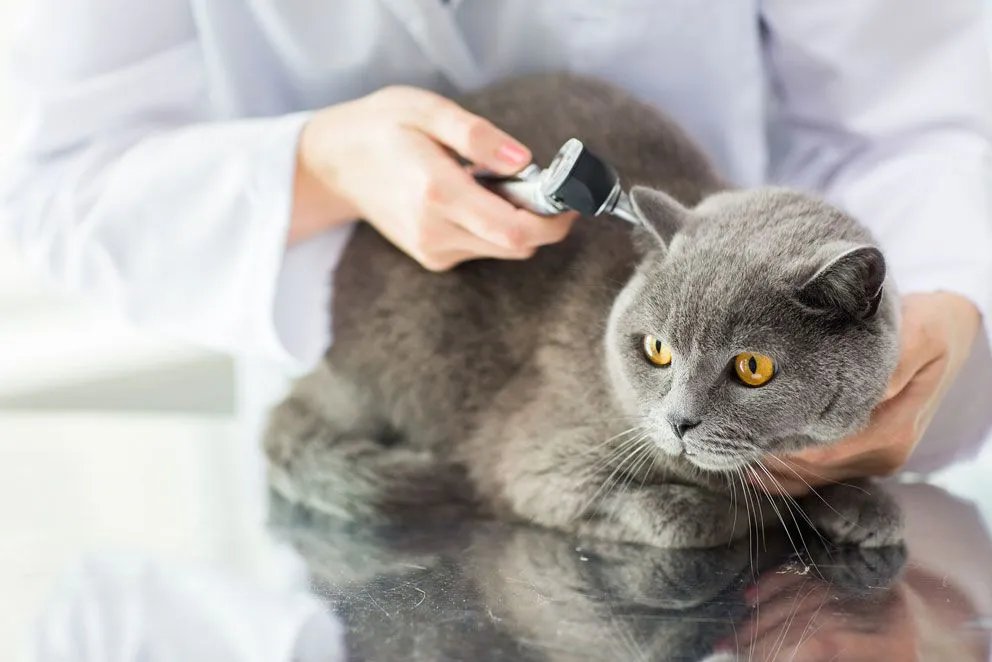
Veterinarians use several steps to pinpoint the cause of brown ear discharge rather than guessing from color alone. First, the vet listens to the dog’s history and examines the whole body, then inspects the ear canal with an otoscope to check for redness, discharge, foreign objects, or a torn eardrum. Swabs of the discharge are examined under a microscope and sometimes sent for culture to identify bacteria or yeast. In chronic or severe cases, vets may also check for allergies, hormonal disease, or other underlying health problems that make ear issues recur.
Questions and exam at the clinic
At the clinic, the vet first asks about when the brown discharge started, how it smells, changes in behavior, and any home cleaning or drops already used. Information about swimming, grooming, diet, and allergies is also important. Next, the vet gently examines the outer ear and ear canal using an otoscope to check for redness, swelling, foreign bodies, mites, or a ruptured eardrum, and notes whether the dog shows pain.
Ear swabs, cytology, and cultures
Veterinarians often confirm the cause of brown ear discharge using ear swabs, cytology, and cultures. A cotton swab gently collects material from the ear canal. Under the microscope (cytology), the veterinarian checks for bacteria, yeast, and mites, and estimates how severe the infection is. If infections keep returning or look unusual, the clinic may send a culture to a lab to identify the exact germ and choose the most effective antibiotic.
Finding underlying health issues
Underlying health problems often create the perfect environment for recurring brown ear discharge. Common culprits include environmental or food allergies, hormonal diseases such as hypothyroidism or Cushing’s disease, and chronic skin infections. Vets may recommend blood tests, allergy testing, or diet trials to uncover these issues. Treating only the ear rarely works long‑term; controlling the root disease is essential to stop repeated ear infections and protect hearing.
Veterinary Treatments for Ear Discharge
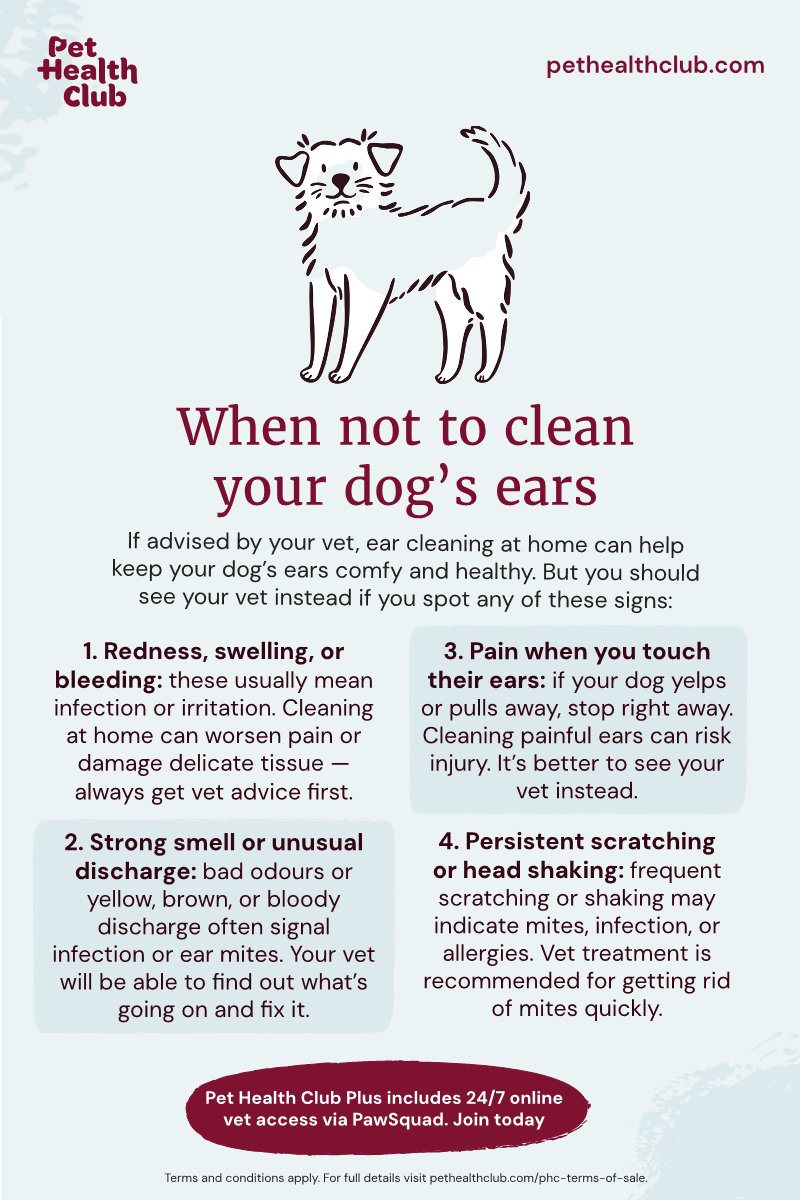
Brown ear discharge often needs prescription treatment, not just cleaning. A veterinarian chooses therapy based on the cause: bacterial, yeast, mites, or mixed infection. Typical care includes professional ear cleaning, medicated ear drops, and sometimes oral antibiotics or antifungals. Pain relief and anti‑inflammatory drugs may be added. Severe or chronic cases occasionally require surgery to open or remove diseased ear tissue and protect long‑term hearing.
Professional ear cleaning
Veterinary ear cleaning is more thorough than home care and is often essential for treating brown ear discharge. The vet first examines the ear, then uses a safe ear cleanser and special tools to remove wax, pus, and debris. In painful cases, a sedative or short anesthesia may be used so the ear canal can be cleaned all the way down without hurting the dog. Proper cleaning allows medications to reach the infection, helps odor and discomfort improve faster, and reduces the risk of chronic ear damage.
Ear drops for infection or mites
Ear drops are often the main treatment for brown ear discharge caused by infection or mites. Veterinary drops usually contain a combination of an antibiotic, antifungal, anti‑inflammatory drug, or mite‑killing ingredient. The vet selects a product based on exam and ear swab results, then explains how many drops to use and how often. Following the exact dose and duration is essential; stopping early often leads to relapse and resistant infections.
Oral antibiotics and antifungals
When infection is more severe or keeps coming back, vets may prescribe oral antibiotics or antifungal drugs in addition to ear drops. Tablets or liquids reach deep tissue where topical medicine cannot. Antibiotics target bacterial infections, while antifungals such as those for yeast are used when cytology confirms fungal overgrowth. Owners should follow the full course exactly as directed to prevent relapse and drug resistance, and report vomiting, diarrhea, or loss of appetite to the vet.
Anti‑inflammatory and pain relief
If the ear inflammation is severe, treatment to reduce pain and swelling is also important. Veterinary hospitals may prescribe steroids or non-steroidal anti-inflammatory drugs (NSAIDs) orally or by injection. Topical medications such as antibiotics and antifungals, as well as ear drops containing steroids, may also be used.
Severe pain can make dogs unwilling to have their ears touched, hindering treatment. Appropriate pain relief and anti-inflammatory treatment can reduce stress on the dog and accelerate ear healing. However, it is extremely dangerous to self-medicate with human painkillers, so it is essential to always follow your veterinarian's instructions.
When surgery may be recommended
Ear surgery is usually a last resort for chronic or severe problems. A vet may recommend it when repeated infections no longer respond to medication, when the ear canal is narrowed or permanently damaged, or when polyps or tumors block the canal. In extreme cases, a total ear canal ablation (TECA) may be advised to remove diseased tissue, reduce pain, and prevent life‑threatening deep ear infections. Surgery decisions are made after careful exam and imaging to protect the dog’s long‑term comfort and quality of life.
Safe Home Care for Your Dog’s Ears
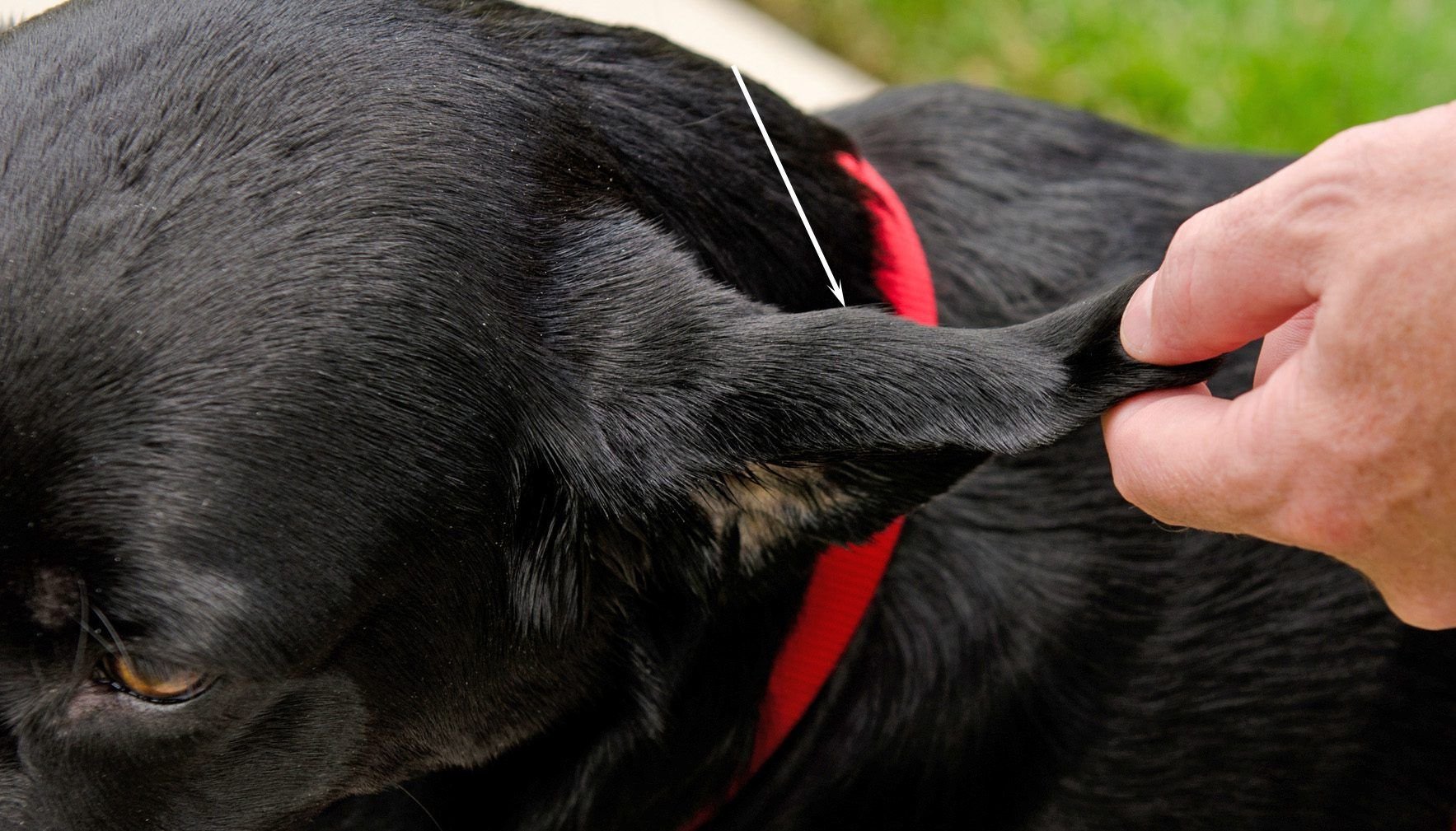
Gentle home care helps keep ear treatments effective and protects the ear canal. Home care should never replace a veterinary exam if brown discharge is new, smelly, or painful. After a vet visit, owners can support recovery by cleaning as instructed, giving all prescribed medications, and monitoring for changes.
Safe care means using only vet‑approved ear cleaners, handling the ear softly, and stopping immediately if the dog shows strong pain. Regular, calm ear checks at home allow owners to notice problems early and seek prompt advice from a veterinarian.
How to clean your dog’s ears step by step
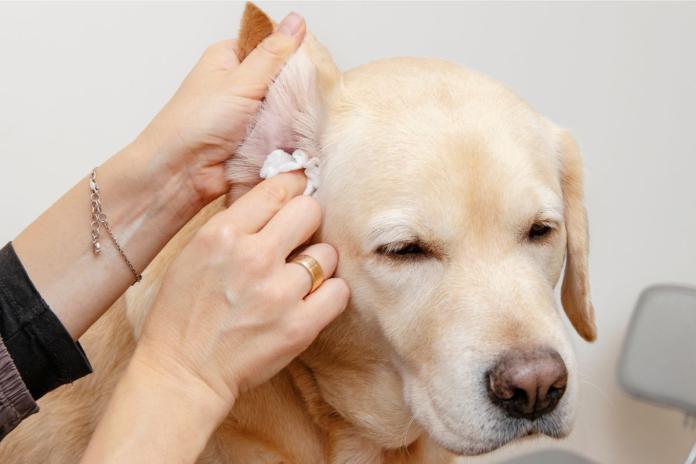
Regular ear cleaning helps prevent infections, but over‑cleaning can irritate the ear. Follow the steps below and stop if your dog seems in pain.
-
Prepare supplies
Dog‑safe ear cleaner, cotton pads or gauze, small towel, and treats. -
Get your dog comfortable
Choose a quiet place. Gently hold the ear flap up so the canal is visible. -
Fill the ear canal
Insert the tip of the cleaner just into the opening, without forcing it. Squeeze until the canal is comfortably full. -
Massage the base of the ear
Gently massage for 20–30 seconds. A squishing sound means wax and debris are loosening. -
Let your dog shake
Step back and allow a head shake to bring debris toward the outer ear. -
Wipe the outer ear
Use cotton pads or gauze to wipe away brown discharge from the entrance and ear flap. Do not insert cotton buds deep into the canal. -
Repeat if needed
If a lot of brown material remains, repeat once more unless a vet has advised otherwise. -
Reward and monitor
Give praise and a treat. If redness, strong odor, or pain appears, contact a veterinarian before the next cleaning.
Applying ear medications correctly
Correct use of ear medication helps the treatment work and prevents pain. Before starting, read the label carefully and follow the vet’s instructions exactly. Gently shake the bottle if directed. Lift the ear flap, place the tip just at the ear canal opening, and avoid pushing it deep. Squeeze in the prescribed amount, then gently massage the base of the ear for 20–30 seconds so the medicine spreads. Allow the dog to shake its head, then wipe away excess with cotton or gauze. Do not skip doses or stop early unless instructed by the vet.
What not to use in your dog’s ears
Many home remedies can damage a dog’s ears. Avoid using cotton swabs deep in the ear canal, because they can push wax further in or injure the eardrum. Do not pour in hydrogen peroxide, vinegar, rubbing alcohol, or essential oils, since they sting, dry the skin, and may cause burns. Human ear drops and leftover prescriptions are also unsafe. Only use vet‑recommended ear cleaners and medications, and never clean a painful ear without veterinary advice.
Preventing Future Ear Discharge
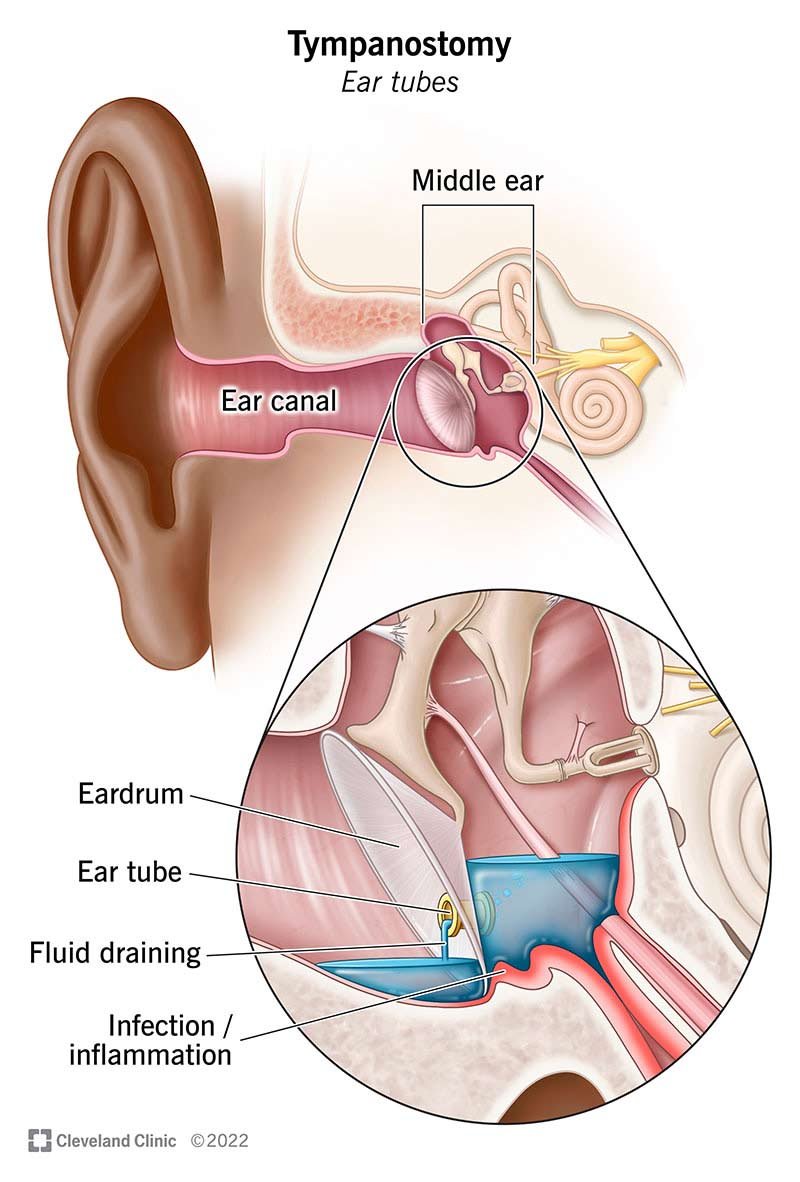
Brown ear discharge often returns unless owners focus on prevention, not only treatment. Key points are keeping ears dry, reducing irritants, and supporting skin health. After swimming or bathing, gently dry around the ear opening with a soft towel. Use a vet‑recommended ear cleaner at the frequency advised, not every day by habit. For dogs with allergies, controlling the allergy (food or environmental) lowers the chance of future infections. Regular checks help detect problems early before discharge builds up.
Routine ear checks and grooming
Regular checks and gentle grooming help spot brown ear discharge early and prevent infections from worsening. Aim to look in the ears at least once a week in good light. Healthy ears are pale pink, with a light waxy film and no strong odor. Wipe only the outer ear with a soft cotton pad or gauze.
For dogs prone to ear trouble, schedule routine ear cleaning with a vet or groomer. Avoid inserting cotton swabs into the canal, and keep hair around the ear entrance neat so air can circulate and moisture can escape.
Managing allergies and moisture
A tendency for the inside of the ear to become damp or an allergic constitution are major causes of recurring brown ear discharge. After walks or shampooing, it is important to gently wipe around the entrance of the ear with cotton and, if necessary, remove moisture and dirt with an ear cleaner recommended by your veterinarian. If seasonal allergies or food allergies are suspected, consult a veterinarian, including itching and skin symptoms, and controlling inflammation not only in the ears but throughout the body with medication or a low-allergen diet will help prevent ear problems.
Diet, immunity, and overall health
A dog’s overall health strongly influences ear health. Poor diet, chronic stress, and low immunity make ear infections more likely and harder to clear. Highly processed foods, frequent treats, or food intolerances can worsen inflammation and allergies, which often show up in the ears.
Balanced, complete food, a healthy weight, exercise, good sleep, and regular parasite prevention all support the immune system. For dogs with recurrent brown ear discharge, veterinarians may suggest hypoallergenic diets, omega‑3 supplements, or probiotics as part of a long‑term plan.
Health Risks of Brown Ear Discharge
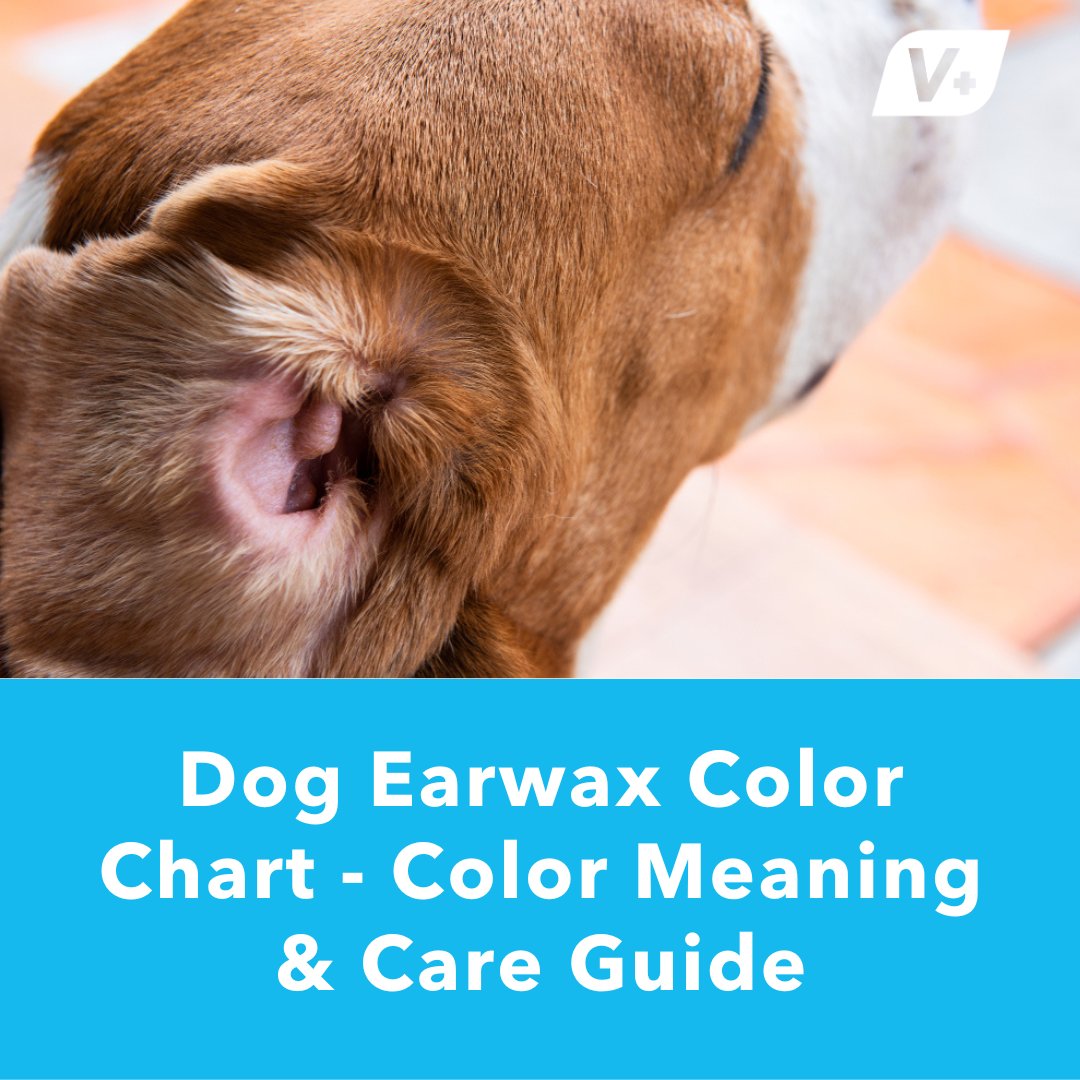
Brown ear discharge often signals more than a simple dirty ear. Persistent moisture and wax can allow bacteria or yeast to spread, leading to chronic inflammation. Ongoing inflammation may damage the ear canal and eardrum, increasing the risk of pain, reduced hearing, and deeper middle‑ or inner‑ear infections. In severe or neglected cases, infection can spread to nearby tissue or cause neurological signs, so early veterinary care is very important.
Long‑term effects on hearing
Brown discharge that keeps returning or is left untreated can permanently damage structures inside the ear. Repeated inflammation thickens the ear canal, narrows the opening, and can lead to scarring and mineral deposits. Over time, sound cannot pass through normally, so dogs may develop partial or even complete hearing loss. Chronic pain and constant itching also reduce quality of life and may cause behavior changes such as irritability or anxiety.
How brown discharge signals illness
Brown ear discharge often reflects processes occurring beyond the ear canal itself. Sudden changes in color, amount, or smell can signal underlying illness, such as allergies, hormonal disease, or immune problems that make infections more likely. Chronic brown discharge may point to persistent inflammation, resistant bacteria or yeast, or unresolved foreign material. In some cases, tumors or polyps in the ear also produce brown material. Any recurrent or worsening brown discharge should be evaluated as a potential sign of broader health issues, not only a surface ear problem.
When repeated infections need workup
Repeated brown ear discharge usually means a deeper problem is driving the ear infections, not just bad luck. Warning patterns include infections returning within weeks, needing many rounds of ear drops, or affecting both ears. In such cases vets often check for allergies, hormonal disease, immune problems, or resistant bacteria/yeast. Proper workup may involve blood tests, allergy testing, imaging, or referral to a dermatologist to protect long‑term ear health and hearing.
Caring for Dogs Prone to Ear Issues

Dogs that often develop ear problems benefit from a simple, consistent care routine. Regular gentle cleaning, quick drying after baths or swimming, and prompt attention to any smell or color change reduce the risk of infection. Owners should keep a log of flare‑ups, treatments, and possible triggers such as pollen seasons, new foods, or grooming products. Close communication with a veterinarian allows long‑term plans, including allergy control and scheduled ear checks, to protect comfort and hearing.
Tips for floppy‑eared and swimmer dogs
Floppy‑eared and swimmer dogs are especially prone to brown ear discharge because moisture and poor airflow allow yeast and bacteria to grow. After every swim or bath, gently dry the outer ear with a soft towel and use a vet‑approved drying ear cleaner if advised. Keep hair around the ear opening trimmed to improve ventilation, and avoid letting dogs with chronic ear issues swim in dirty or very warm water. Regular ear checks, ideally weekly, help owners notice smell, redness, or excess wax before a painful infection develops.
Monitoring senior dogs’ ear health
Senior dogs are more prone to chronic ear problems, so gentle, regular checks are very important. Once a week, look at the ear flap and canal entrance for new brown discharge, redness, or odor. Notice changes in hearing, such as not responding to the name or louder TV volume. Many seniors have arthritis or cognitive decline, so keep ear cleaning calm, slow, and low‑stress. Any sudden head tilt, balance problems, or painful reaction when the ear is touched should be seen by a vet promptly.
This article clearly explains brown ear discharge from dogs, including how it differs from normal earwax, its main causes and warning signs, examinations and treatments at veterinary clinics, and proper home care and prevention methods, so you can learn what to do to protect your dog's ear health.




![[Latest] French Dog Names: A Guide to Cool and Stylish Names](https://with-my-dog.com/wp-content/uploads/2022/04/image1-150x150.jpg)