


Many dog owners wonder when the best time is to have their dog neutered. While some say that neutering early can help prevent diseases, others worry about the impact on growth and personality changes. This article will explain the best timing for neutering your dog, based on the latest research and veterinarians' opinions, and provide a clear explanation of the health aspects and points to consider. This information will be an important factor in deciding when to neuter your dog, as it will affect their future health risks and quality of life.
Why timing matters for neutering

Choosing when to neuter affects lifelong health, behavior, and even body structure. Neutering removes sex hormones that guide growth and influence many organs. If surgery happens too early, growth plates may stay open longer, which can change joint alignment and raise some orthopedic risks, especially in large breeds. On the other hand, waiting too long can increase chances of hormone‑related cancers and unwanted litters. Timing also shapes behavior; hormone-driven roaming or marking may be easier to prevent when surgery is planned before patterns are deeply learned. For most dogs, the goal is not simply “early or late,” but choosing an age that balances disease prevention, safe growth, and behavior control based on size, sex, and breed.
What neutering actually does
Neutering is a surgical procedure that removes a dog’s reproductive ability. In males, the testicles are removed through a small incision near the scrotum. In females (often called spaying), the ovaries are removed, and sometimes the uterus as well.
After surgery, the body no longer produces normal levels of sex hormones such as testosterone or estrogen. As a result, dogs cannot father or become pregnant, and hormone‑driven behaviors and certain hormone‑related diseases may change over time.
Health reasons people choose neutering
Many owners choose neutering first for health protection over a dog’s lifetime. The surgery greatly lowers the risk of testicular cancer in males and pyometra, a life‑threatening uterine infection, in females. When done at an appropriate age, neutering can also reduce the chance of certain hormone‑dependent cancers and prostate problems.
Population control is another strong health reason. Preventing unplanned litters reduces pressure on shelters and lowers the number of dogs facing disease, stress, and euthanasia. For households, avoiding accidental pregnancy protects the mother’s body from early or repeated breeding, which can strain overall health.
Common myths about neutering age
Many dog owners hear strong opinions about the “right” age to neuter. However, there is no single perfect age for every dog. The ideal timing depends on size, breed, sex, health, and lifestyle.
A common myth is that all dogs must be neutered at 6 months. In reality, small breeds often can be safely neutered around that age, but large and giant breeds may benefit from waiting until 12–18 months for joint health.
Another myth is that neutering early will automatically “fix” behaviour problems. Hormone-driven behaviours such as roaming may decrease, but training and environment remain essential.
Some people also believe neutering always shortens or always extends lifespan. Research shows a more complex picture: neutering reduces some disease risks and may increase others, so timing should be personalised with veterinary guidance.
Health pros and cons of neutering
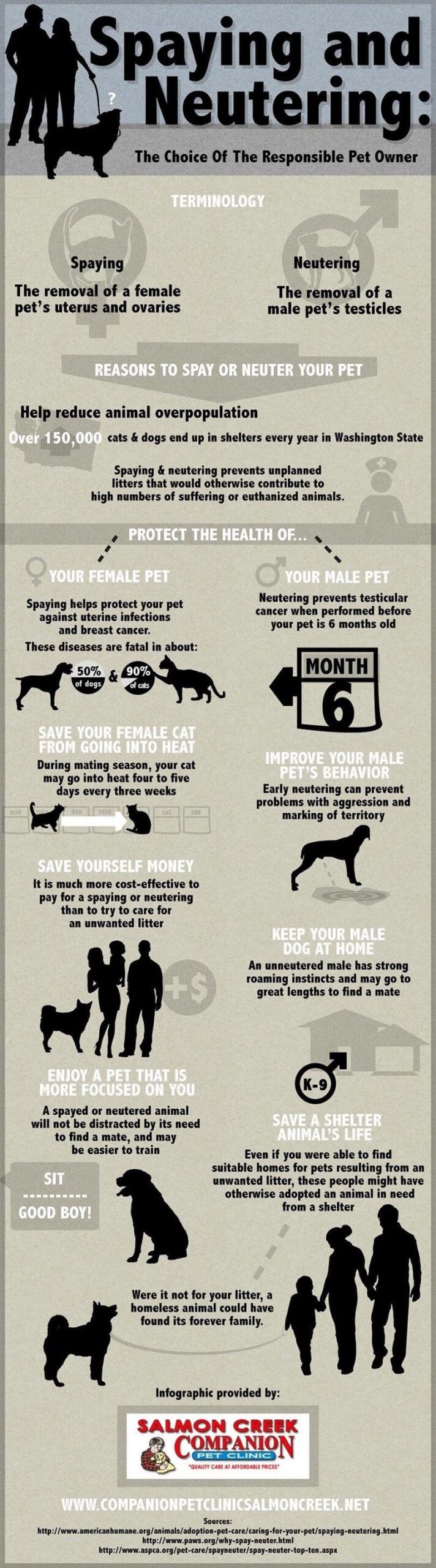
Neutering strongly affects long‑term health, so timing can shift the balance between benefits and risks. In general, neutering lowers certain cancer risks, prevents unwanted litters, and can reduce hormone‑driven behaviours. On the other hand, early neutering, especially in large and giant breeds, may increase chances of joint disease, some cancers, and weight gain. The healthiest choice depends on a dog’s size, sex, breed, and home environment, so an individual plan with a veterinarian is very important.
Health benefits linked to neutering
Neutering offers several well‑proven health benefits for many dogs, especially when timed appropriately.
| Health benefit | How neutering helps |
|---|---|
| Testicular cancer | Completely prevented in males because the testes are removed |
| Prostate problems | Risk of benign prostate enlargement and some infections is reduced |
| Pyometra in females (if spayed) | Life‑threatening uterine infection is almost entirely prevented |
| Mammary tumors (if spayed before or soon after first heat) | Risk can drop dramatically compared with intact females |
| Certain hormone‑driven issues | Less risk of hormone‑related perineal hernias and some anal tumors |
In addition, preventing unplanned litters lowers the chance of pregnancy‑related emergencies and reduces the number of dogs entering shelters, which supports overall canine welfare.
Possible health risks to consider
Neutering is generally safe, but owners should understand potential health downsides when choosing timing.
- Joint problems: Early neutering, especially in large and giant breeds, may raise risks of hip dysplasia, cruciate ligament tears, and other orthopedic issues.
- Some cancers: For certain breeds, early neutering is linked to higher rates of cancers such as hemangiosarcoma or lymphoma.
- Urinary issues: Neutered dogs can have a slightly higher risk of urinary incontinence or urinary tract problems, especially some females.
Risks vary by breed, size, and sex, so individual discussion with a veterinarian is essential.
Behavior changes you may see
Neutering can influence behavior, but it does not "fix" every problem. After surgery, roaming, urine marking, and some mounting behaviors often decrease, especially in male dogs. Many owners also notice a calmer attitude at home.
However, habits already strongly learned, fear-based aggression, or separation anxiety usually do not disappear just from neutering. Training, socialization, and daily exercise remain essential. Some dogs may seem slightly quieter because of hormone changes, but personality itself does not change. Consulting a trainer together with a veterinarian is often helpful for behavior concerns.
Best neutering age by dog size
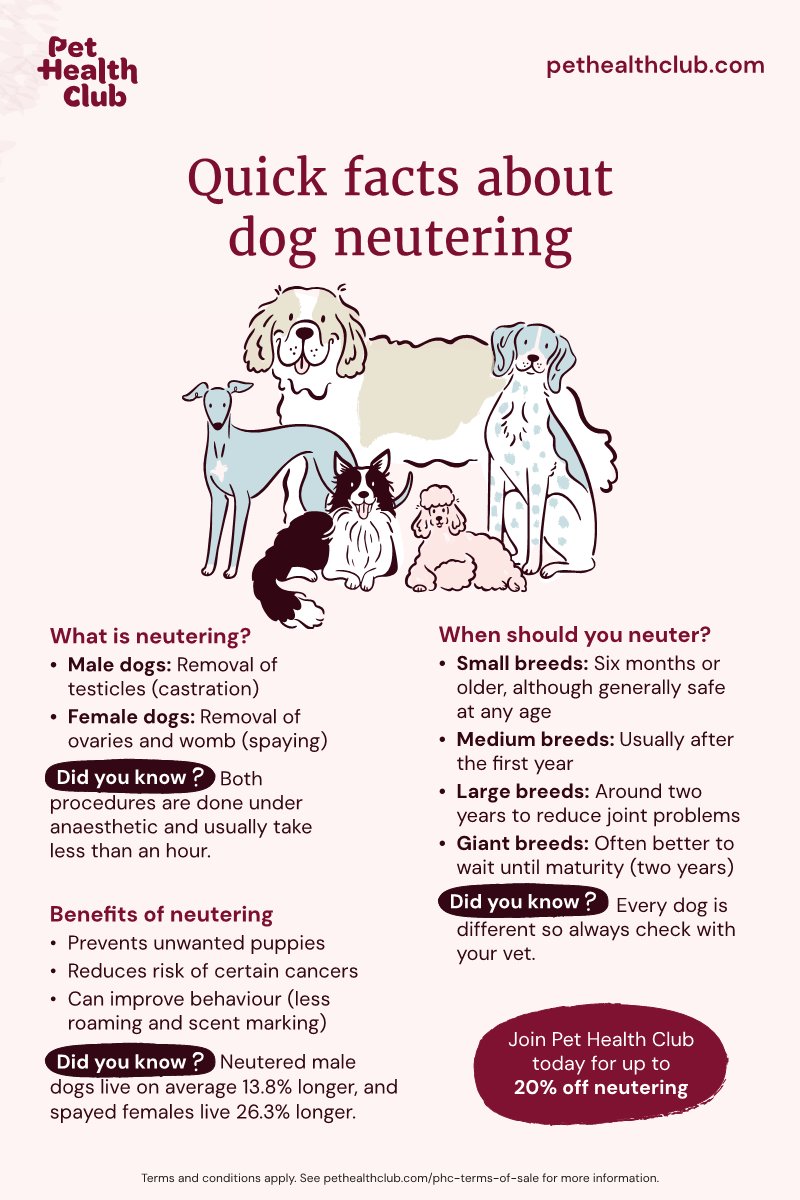
Size strongly influences the healthiest age to neuter, because hormones affect growth plates, joints, and certain cancers. In general, smaller dogs mature faster, while giant breeds keep growing for much longer. Many vets now suggest:
| Adult size (approx.) | Example breeds | Typical vet guidance* |
|---|---|---|
| Small (<10–12 kg) | Chihuahua, Toy Poodle | Around 6–9 months |
| Medium (12–25 kg) | Cocker Spaniel, Border Collie | Around 9–12 months |
| Large (25–40 kg) | Labrador, German Shepherd | Around 12–18 months |
| Giant (>40 kg) | Great Dane, Saint Bernard | Often after 18 months |
Exact timing should always be adjusted for breed, sex, and health risks* in consultation with a veterinarian.
Small breeds: when vets often advise
For small breeds, many veterinarians recommend neutering around 6–9 months of age. Small dogs finish growing earlier, so hormones are less critical for joint development than in large breeds. Healthy males and females under about 20 pounds are often safely neutered once puppy vaccines are complete and the puppy is physically mature but not yet fully adult. However, toy and brachycephalic (flat-faced) breeds may need individual timing, so a vet’s guidance is essential.
Medium and large breeds: later timing
Medium and large breeds grow for a longer period, so many vets now recommend neutering later than 6 months. Waiting until around 12–18 months allows sex hormones to support bone and joint development, which may lower the risk of cruciate ligament tears and hip problems in some breeds. On the other hand, delaying too long can increase chances of unwanted mating and some hormone-related diseases, so timing is usually tailored to the individual dog’s health and lifestyle.
Giant breeds and joint health risks
For giant breeds such as Great Danes, Newfoundlands, or Saint Bernards, neutering too early is strongly linked to higher rates of joint disease. Waiting until at least 18–24 months, when growth plates have closed, can lower the risk of hip dysplasia, cruciate ligament tears, and elbow problems. Extra months of natural hormones support bone and muscle development. Owners of giant-breed puppies are usually advised to discuss X‑rays and growth-plate closure with a vet before scheduling surgery.
Male vs female dogs: does age differ?
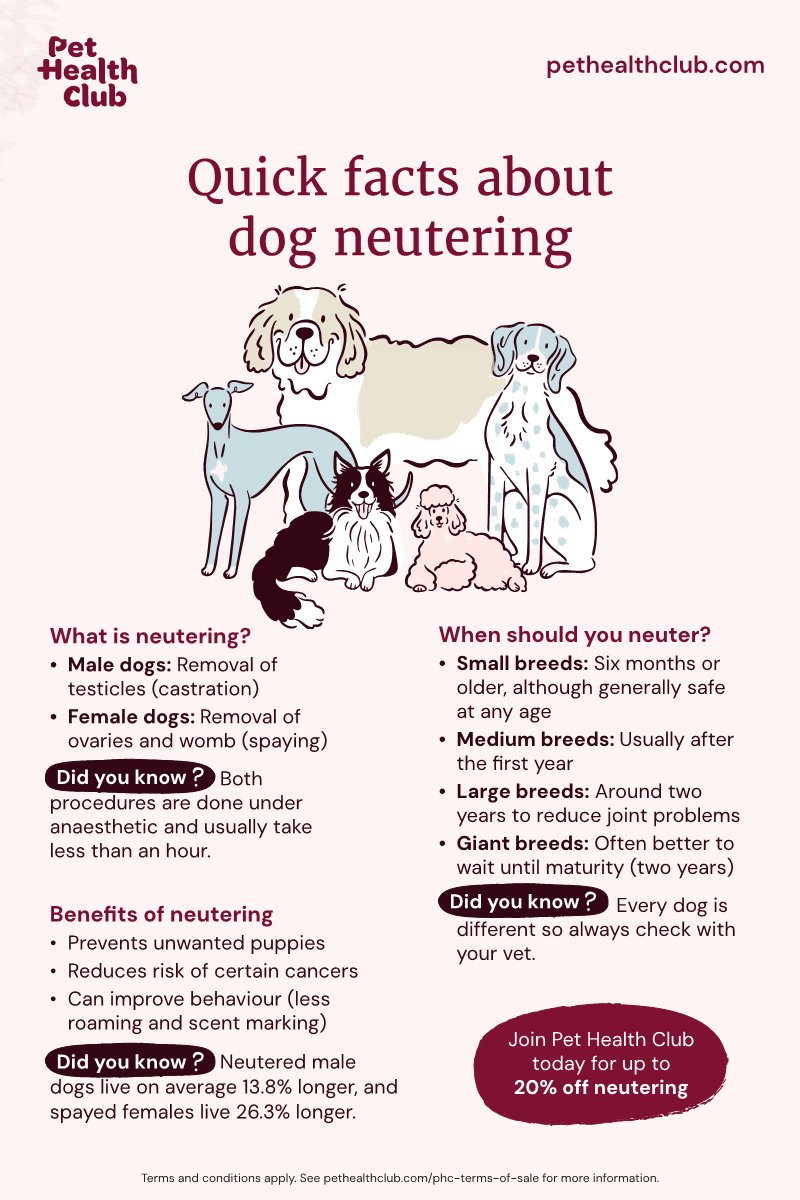
Age recommendations do differ for male and female dogs, because hormones affect their bodies in different ways. In males, timing focuses on behavior, testicular cancer prevention, and joint health. In females, timing is strongly linked to mammary tumor risk and the risk of pyometra, as well as whether the dog has gone through a heat cycle. As a result, many vets accept later neutering in males, while urging more careful planning around first heat in females.
Health timing for male dogs
For male dogs, timing focuses on balancing hormone benefits with disease prevention. A common guideline is:
| Adult size (estimate) | Often suggested age |
|---|---|
| Small males (< 20 lb) | 6–9 months |
| Medium males (20–50 lb) | 9–12 months |
| Large/giant males (> 50 lb) | 12–18 months or after full height |
Later neutering allows growth plates and joints to mature, which may lower orthopedic risks, especially in large breeds. Earlier neutering may be chosen to prevent roaming, urine marking, and testicular cancer (removed entirely by castration). The most suitable timing depends on breed, behavior, and home environment, so a personalized plan with a veterinarian is essential.
Health timing for female dogs
Optimal timing for female dogs depends on size, breed, and health risk. Many vets recommend spaying small females around 6–9 months, before the first heat, to greatly reduce mammary cancer risk. For medium and large breeds, timing often shifts to 9–18 months to protect joint health. In giant breeds or high‑risk lines, vets may suggest waiting until full physical maturity while carefully weighing pyometra and mammary tumor risks.
Heat cycles, pregnancy, and surgery
For female dogs, sterilization can be done before or between heat cycles, or after pregnancy.
- Before first heat (around 6–10 months for small/medium breeds): Greatly lowers the risk of mammary tumors and prevents pyometra and pregnancy.
- Between heats: Many vets prefer operating when hormones are stable and the uterus is quiet.
- During heat: Surgery is possible but usually riskier with more bleeding and swelling, so many clinics avoid it unless urgent.
- After pregnancy or whelping: Vets usually recommend waiting until lactation ends and the body has recovered.
Owners who want to avoid accidental litters should plan ahead with the vet so surgery is timed safely around expected heats.
Breed and health issues that affect age
Age for neutering is not only about months on a calendar. Breed, body size, and existing health issues strongly influence the safest timing. Large and giant breeds mature more slowly and are more prone to joint disease, so many vets recommend waiting longer. Certain breeds have higher risks of cancers or urinary problems, which can also change the ideal age. For mixed breeds, predicted adult weight and any known genetic conditions help guide a personalized plan with the veterinarian.
Breeds prone to joint disease
Certain breeds are notably prone to joint disease, so neutering age can influence risk.
| Higher‑risk breeds | Typical concern | Usual timing caution |
|---|---|---|
| Labrador & Golden Retrievers | Hip/elbow dysplasia, cruciate tears | Often delay to 12–18 months |
| German Shepherd Dogs | Hip dysplasia, spine issues | Often delay to after full growth |
| Rottweilers, Bernese, Great Danes | Hip, elbow, cruciate, arthritis | Often delay until 18–24 months |
For breeds with joint risk, many veterinarians avoid very early neutering before growth plates close and tailor timing individually.
Breeds with higher cancer risks
Some breeds show naturally higher rates of certain cancers, and neutering age may influence that risk. Research from UC Davis suggests the following trends:
| Breed (examples) | Cancer concern related to neutering age* |
|---|---|
| Golden Retriever | Higher rates of lymphoma, hemangiosarcoma with early neutering in some studies |
| Labrador Retriever | Slightly increased certain cancers with early neutering, especially in males |
| Rottweiler | Earlier neutering in females linked to higher bone cancer risk in some research |
Research findings vary, and individual risk always depends on each dog. For breeds already known for cancer issues in family lines, many veterinarians prefer delaying neutering until at least* full physical maturity, then deciding case by case after discussing family history, lifestyle, and screening options.
Mixed breeds: using weight as a guide
Mixed‑breed dogs rarely have breed‑specific neutering data, so veterinarians usually use adult weight and body size as the main guide. A common approach is:
| Expected adult size | Typical neutering window* |
|---|---|
| Under 20 lb (small) | Around 6–9 months |
| 20–60 lb (medium) | Around 9–12 months |
| Over 60 lb (large/giant) | Around 12–18 months |
*Healthy dogs only; individual advice may differ. Estimating adult size from parents, paws, and current growth allows more tailored timing.
7 vet-backed tips for choosing the age

Choosing the best age to neuter is not a single fixed number. Owners are encouraged to balance size, breed, sex, health, and lifestyle. Early surgery can lower some cancer and pregnancy risks, while later surgery may protect joints and growth. Using clear tips helps organize information, prepare questions for the veterinary clinic, and avoid one‑size‑fits‑all decisions so the timing suits each individual dog.
Tip 1: Put your dog’s size first
Large, medium, and small dogs mature at very different speeds. Size is usually the first filter for neutering age. As a simple guide:
| Adult size (approx.) | Common vet advice on timing |
|---|---|
| Small (<10–12 kg) | Around 6–9 months |
| Medium (12–25 kg) | Around 9–12 months |
| Large (25–40 kg) | Around 12–18 months |
| Giant (>40 kg) | Around 18–24 months |
Larger dogs keep growing for longer, so delaying surgery helps protect joints and bones, while small dogs usually tolerate earlier neutering well.
Tip 2: Check breed-specific research
Breed-specific studies help avoid a “one age fits all” approach. Large cohort studies from universities such as UC Davis show clear differences in ideal neutering age between breeds for joint disease, urinary issues, and some cancers. Before choosing a date, owners are advised to search credible sources (veterinary schools, breed clubs) or ask veterinarians to check research for the specific breed, not only general guidelines.
Tip 3: Factor in behavior and training
Many owners hope neutering will “fix” problem behavior, but timing and training matter. Hormones influence roaming, mounting, marking, and some aggression. Neutering can reduce hormone‑driven behaviors, but does not replace training or socialization. Puppies still need clear rules, positive reinforcement, and exposure to people, dogs, and environments. When choosing age, consider whether basic manners, housetraining, and confidence are in place, and plan surgery during a stable training period, not amid major changes such as moving house or adding a new pet.
Tip 4: Ask about joint and bone health
Joint and bone health strongly influence the safest age for neutering. Ask the vet whether waiting until growth plates close is recommended for the dog’s size and breed, especially for large and giant breeds. Discuss family history of hip dysplasia, cruciate ligament tears, or arthritis, and whether X‑rays or orthopedic exams are useful. Clarify how neutering age may change the dog’s risk of joint disease over a lifetime.
Tip 5: Plan around female heat cycles
Female dogs usually have their first heat between 6–12 months, then every 6–8 months. Neutering (spaying) is often timed before the first or second heat to lower the risk of mammary tumors and avoid surprise pregnancies.
A simple approach is:
| Dog size | Common vet advice |
|---|---|
| Small | Spay around first heat or by 6–9 months |
| Medium | Before or just after first heat, 9–12 months |
| Large | Often after growth is closer to complete, around 12–18 months |
Avoid scheduling surgery while the dog is in heat, because bleeding and swollen tissues increase surgical risk and cost. If a heat starts unexpectedly, many veterinarians recommend waiting 8–10 weeks before surgery to allow hormones to settle.
Tip 6: Consider lifestyle and environment
Lifestyle strongly influences the health best age to neuter a dog. Dogs living in cities or apartments, visiting dog parks, or often off‑leash have higher chances of accidental mating, so earlier neutering is often safer. In contrast, dogs mostly on-leash, in secure yards, or doing sports such as agility may benefit from waiting until growth is more complete, especially in large breeds. Owners should also consider travel, boarding plans, and who supervises the dog, because gaps in supervision increase pregnancy and roaming risks.
Tip 7: Decide together with your vet
Neutering timing is a shared medical decision, not a one-size-fits-all schedule. The most reliable approach is to bring size, breed, lifestyle, and behavior information to a trusted veterinarian and discuss options together. Ask the vet to explain both benefits and risks at different ages for your individual dog. When owners share goals clearly—such as preventing pregnancy, reducing roaming, or protecting joint health—the veterinarian can suggest a timing plan that balances health, safety, and daily life in the most appropriate way.
Shelter dogs vs owned puppies
Shelter dogs and owned puppies often need different neutering plans. Shelter dogs are usually neutered earlier to prevent accidental litters and help them get adopted quickly. Owned puppies, on the other hand, can wait for an age that best fits size, breed, and home environment. Owners can schedule surgery when the puppy is healthy, settled, and has completed key vaccinations. Understanding why timing differs helps owners avoid worry and make informed choices for each situation.
Why shelters neuter earlier
Shelters often neuter dogs earlier than private vets recommend for owned puppies. The main reason is population control. Many shelter dogs may not get another chance for surgery once adopted, so completing the procedure before adoption prevents accidental litters. Early neutering also helps shelters safely house males and females together and can reduce roaming or mating-related behaviors, which improves safety and management in a crowded environment.
How timing differs for your own puppy
For owned puppies, timing can be chosen more flexibly because there is no pressure to prevent accidental litters before adoption. Owners can wait until near full growth, especially for medium to giant breeds, to reduce some joint and cancer risks suggested in recent studies. On the other hand, if behavior, roaming, or household pregnancy risk is high, earlier neutering around 6–9 months may still be advised. The ideal age balances health data, behavior, and lifestyle rather than a single fixed month.
Health risks of early neutering
Early neutering (before about 6 months, especially in medium–giant breeds) can bring specific health risks. Research suggests higher rates of joint problems, some cancers, and urinary issues when sex hormones are removed too soon. Hormones help bones, muscles, and organs mature in balance. When surgery takes place very early, growth plates may close later, body shape can change, and long‑term joint strain may increase. Timing should be individualized by size, breed, and health with a veterinarian.
Growth plates, height, and joints
Early neutering affects the growth plates at the ends of bones. Sex hormones normally signal those plates to close when a dog finishes growing. If hormones are removed too early, plates may stay open longer, causing extra height and altered limb proportions.
For many medium, large, and giant breeds, staying taller than nature intended can increase stress on hips, knees, and cruciate ligaments, potentially raising the risk of joint problems or injuries later in life. Timing surgery after most growth is finished can help protect long‑term joint health.
Weight gain and metabolism changes
Neutering changes sex hormones that help regulate appetite and how the body uses energy. After surgery, many dogs burn fewer calories but feel hungrier, so weight gain becomes easier.
To protect health, owners are advised to:
- Monitor body weight every 1–2 weeks
- Ask about switching to a neutered/weight‑management diet
- Reduce daily calories by about 10–20% if weight increases
- Keep regular walks and controlled exercise once the vet allows
Good weight control helps lower joint strain, diabetes risk, and heart burden over a lifetime.
Urinary and hormone-related issues
Hormones such as estrogen and testosterone help maintain normal urinary control and genital tissue health. When a dog is neutered very early, the sudden drop in hormones can slightly increase the risk of urinary incontinence, especially in large-breed females, and may change urine marking habits in males. The overall risk is still low, but timing surgery after more growth can reduce hormone‑related urinary issues.
Preparing your dog for surgery day
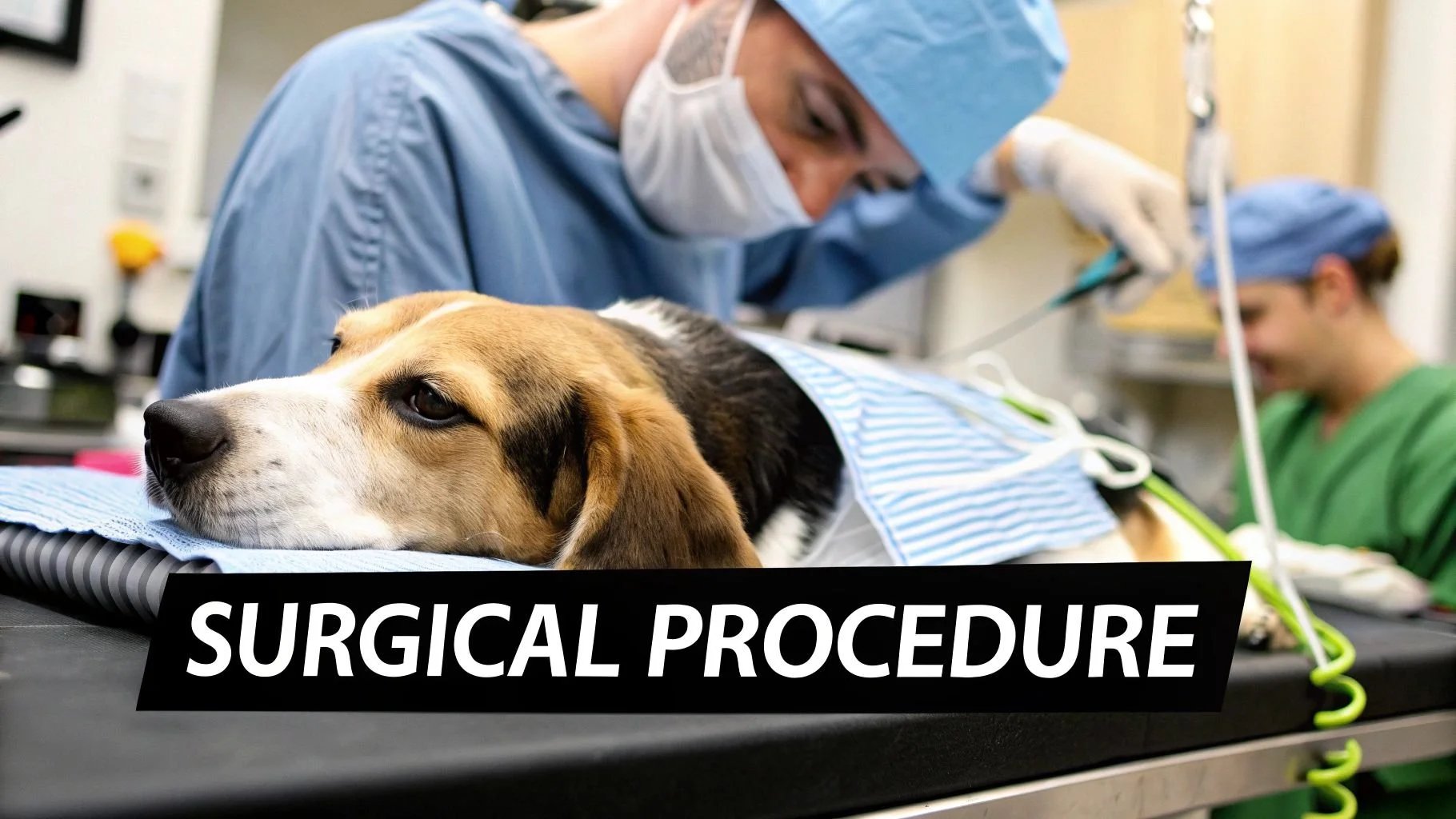
A smooth surgery day starts with calm, simple preparation at home. Keep routine as normal as possible so the dog feels secure. Provide a quiet evening, a light meal if the vet approves, and avoid rough play that could cause minor injuries.
On the morning of surgery, follow the clinic’s fasting instructions exactly, offer a short, relaxed walk, and use a secure collar or harness. Bring any medications, health records, and emergency contact details. Speaking in a gentle voice and staying relaxed helps many dogs stay more comfortable before anesthesia.
Pre-surgery health checks and tests
Before surgery, most veterinarians perform a basic health check plus blood tests to confirm that neutering is safe. A physical exam checks heart, lungs, temperature, body condition, and any hernias or testicle problems. Blood work often includes organ function and clotting ability; seniors or at‑risk dogs may need extra tests such as chest X‑rays or heart scans. Owners should always share past illnesses, medications, and vaccine history so the vet can choose the safest anesthesia plan.
Fasting, drop-off, and what to expect
Most vets ask for no food for 8–12 hours before neutering to reduce the risk of vomiting under anesthesia. Water is usually allowed until a few hours before, but always follow the clinic’s exact instructions.
On surgery day, owners usually:
| Step | What happens |
|---|---|
| Check-in | Staff confirm details, get consent, weigh the dog |
| Pre-op | Brief exam, pre-anesthetic injection, IV line if needed |
| Surgery | Neutering itself often takes 20–40 minutes |
| Waking up | Dog recovers in a warm, quiet area under monitoring |
Most dogs go home later the same day with pain relief, a cone, and written aftercare instructions. Expect grogginess, mild whining, and a small shaved area near the incision, which is normal right after surgery.
Recovery and long-term health care

Recovery has two parts: short-term wound care and long-term lifestyle adjustment. Right after surgery, rest is most important. Avoid jumping, rough play, and long walks so the incision can heal. Use a cone or recovery suit to stop licking, because licking often leads to infection.
For long-term health, weight and exercise management become crucial. Hormone changes can slow metabolism, so many dogs need slightly fewer calories and steady, low-impact exercise. Regular vet checkups, including body condition scoring and joint monitoring, help keep a neutered dog comfortable and healthy for years.
Home care in the first 10–14 days
The first 10–14 days after surgery are the most important period for safe healing. Keep activity very light: short leash walks for toileting only, no running, stairs, or jumping on furniture. Use a cone or surgical suit at all times to stop licking the incision. Check the wound daily for redness, swelling, discharge, or gaps. Keep the area dry and avoid bathing. Give all pain relief and medications exactly as prescribed. Offer a quiet, comfortable resting place and use food puzzles or gentle indoor games to provide calm mental stimulation.
Signs of trouble that need a vet
Surgery complications are rare, but some signs mean a vet visit is urgent. Contact a vet immediately if any of the following appear:
| Sign | When to worry |
|---|---|
| Red, hot, very swollen incision | Spreading redness or firm swelling after day 2–3 |
| Bleeding or oozing pus | Any steady bleeding, yellow/green or foul-smelling discharge |
| Open incision | Stitches or glue pulled apart, tissue visible |
| Lethargy or pain | Crying, hiding, or unwilling to move beyond first 24 hours |
| Vomiting/diarrhea | Repeated episodes or lasting more than a day |
| No appetite or no urination | More than 24 hours after surgery |
| Fever | Body feels very warm, shivering, or panting at rest |
If unsure, call the clinic or emergency vet for advice. Early checks prevent serious problems.
Adjusting food, exercise, and weight
After neutering, many dogs gain weight if food and exercise are not adjusted. Hormones change, so energy needs often drop. Reduce daily calories slightly, choose high‑quality food, and limit treats. Daily walks and gentle play support joint health and prevent obesity. For large and giant breeds, avoid intense jumping until growth plates close. Regular weighing and body condition checks help keep an ideal shape over the long term.
How to talk with your vet about timing

Talking about timing works best when owners arrive with clear goals and questions. Explain why neutering is being considered: health, preventing pregnancy, behavior, or shelter requirements. Share the dog’s age, breed, weight, medical history, and behavior issues in detail. Ask the vet to compare early, standard, and later ages for the dog’s size and sex. Owners can request that the vet outline concrete pros and cons for waiting vs doing surgery now, so the final choice feels informed and aligned with the dog’s lifestyle and health risks.
Key questions to bring to your appointment
Bringing a short list of questions helps owners use vet time efficiently. Example questions include:
- “Given my dog’s breed, size, and sex, what age do you recommend for neutering and why?”
- “Are there any joint or cancer risks for neutering my dog too early or too late?”
- “How will neutering affect behavior, weight, and energy level for my dog?”
- “Which pre‑surgery tests do you advise and what are the risks with anesthesia?”
- “What will recovery at home look like and when can exercise resume?”
- “If I decide to delay, what signs or age mean it is time to schedule surgery?”
Preparing questions in advance supports a calm, informed decision.
What information your vet needs from you
To give safe, tailored advice on the best age to neuter for health, veterinarians need detailed background information. Before the visit, it is helpful to prepare the following points in note form.
| Information your vet needs | Why it matters for timing |
|---|---|
| Exact age and date of birth | Helps judge growth stage and skeletal maturity |
| Breed and expected adult size | Guides size- and breed-specific age recommendations |
| Sex and current weight | Affects anesthesia dose, surgery risk, and hormone considerations |
| Medical history and current medications | Identifies risks such as clotting issues or heart disease |
| Previous illnesses, injuries, or surgeries | Important for anesthesia planning and recovery expectations |
| Family history (if known) | Cancer or joint disease in relatives can shift ideal timing |
| Behavior concerns | Mounting, roaming, or aggression may influence when to neuter |
| Lifestyle and environment | Off‑leash freedom, intact dogs nearby, or breeding risks affect urgency |
| Future breeding plans | Essential to avoid neutering before breeding decisions are final |
| Female heat history (for bitches) | Date of first heat and cycle pattern help plan safer surgery dates |
Providing clear, honest information allows the veterinarian to balance health risks and benefits and suggest a neutering age that fits the dog’s individual situation.
This article explains the optimal timing for spaying or neutering your dog, based on veterinary research, taking into account factors such as size, sex, breed-specific disease risks, and behavioral aspects. It covers everything from pre- and post-operative preparation and care to key points to discuss with your veterinarian, helping owners choose the right time with confidence.





![[Chihuahua] How to choose dog food without making a mistake and 6 recommendations!](https://with-my-dog.com/wp-content/uploads/2022/07/image1-8-150x150.jpg)





![[I love both!] Can you keep dogs and cats together? Here are some tips and tricks to keep in mind](https://with-my-dog.com/wp-content/uploads/2022/07/image3-18-150x150.jpg)








![[Free Only] 3 Sites Where You Can Download Dog Bone Illustrations](https://with-my-dog.com/wp-content/uploads/2022/03/947760_sのコピー-300x200.jpg)