
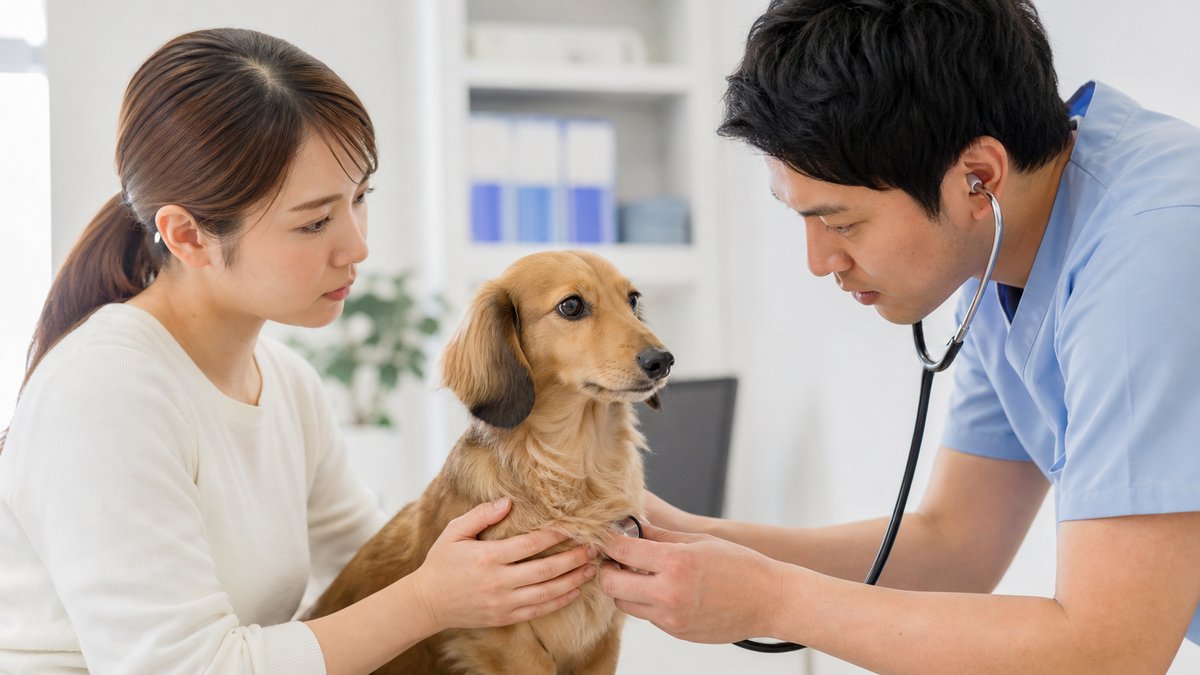
Many dog owners wonder whether they should take their dog to the vet or wait and see when they notice something unusual. This article answers the question of when to take your dog to the vet by clearly explaining 11 signs that indicate you should seek medical attention. From dangerous symptoms you don't want to overlook to changes that can be prevented from becoming serious with early consultation, this article compiles useful information for managing your dog's health.
How to Tell If Your Dog Needs a Vet
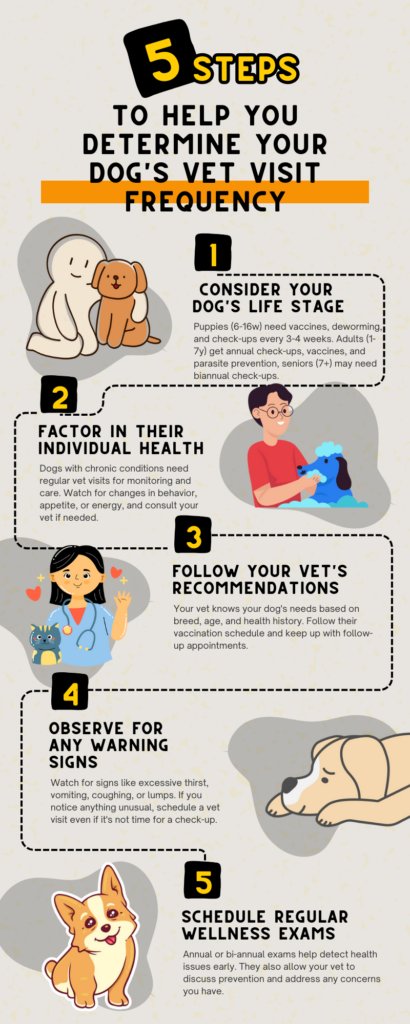
Many owners worry, “Am I overreacting?” when a dog seems off. A helpful approach is to look at changes from your dog’s normal. Sudden shifts in eating, drinking, energy, breathing, bathroom habits, or behavior often mean a health problem.
In general, anything sudden, severe, or getting worse requires a vet. Mild, short‑lived changes in an otherwise bright, relaxed dog can sometimes be monitored. When unsure, contacting a clinic or emergency vet for advice is always the safest option for the dog’s health.
Normal vs worrying dog behavior
Healthy dogs may sleep a lot and have short bursts of energy, but they usually eat, drink, pee, poop, and move in a fairly regular pattern. Normal behavior includes bright, responsive eyes, interest in family, and recovering quickly after play or walks.
Worrying behavior starts when there is a clear change from your dog’s usual pattern: hiding, whining, sudden aggression, refusing food, panting at rest, or moving oddly. Any change that is strong, lasts more than a day, or appears suddenly together with other symptoms is a sign to contact a vet.
Trusting your gut as an owner
Many owners sense “something is off” before clear symptoms appear. That feeling often comes from noticing tiny changes: a quieter attitude, different posture, or unusual clinginess. When the gut says something is wrong, it is safer to call a vet for advice, even if signs seem mild.
A simple rule is: if a behavior or symptom worries the owner enough to keep thinking about it, it deserves professional attention. Owners know their dog’s normal best, so their intuition is a valuable early warning tool.
Emergency Signs: Go to a Vet Now
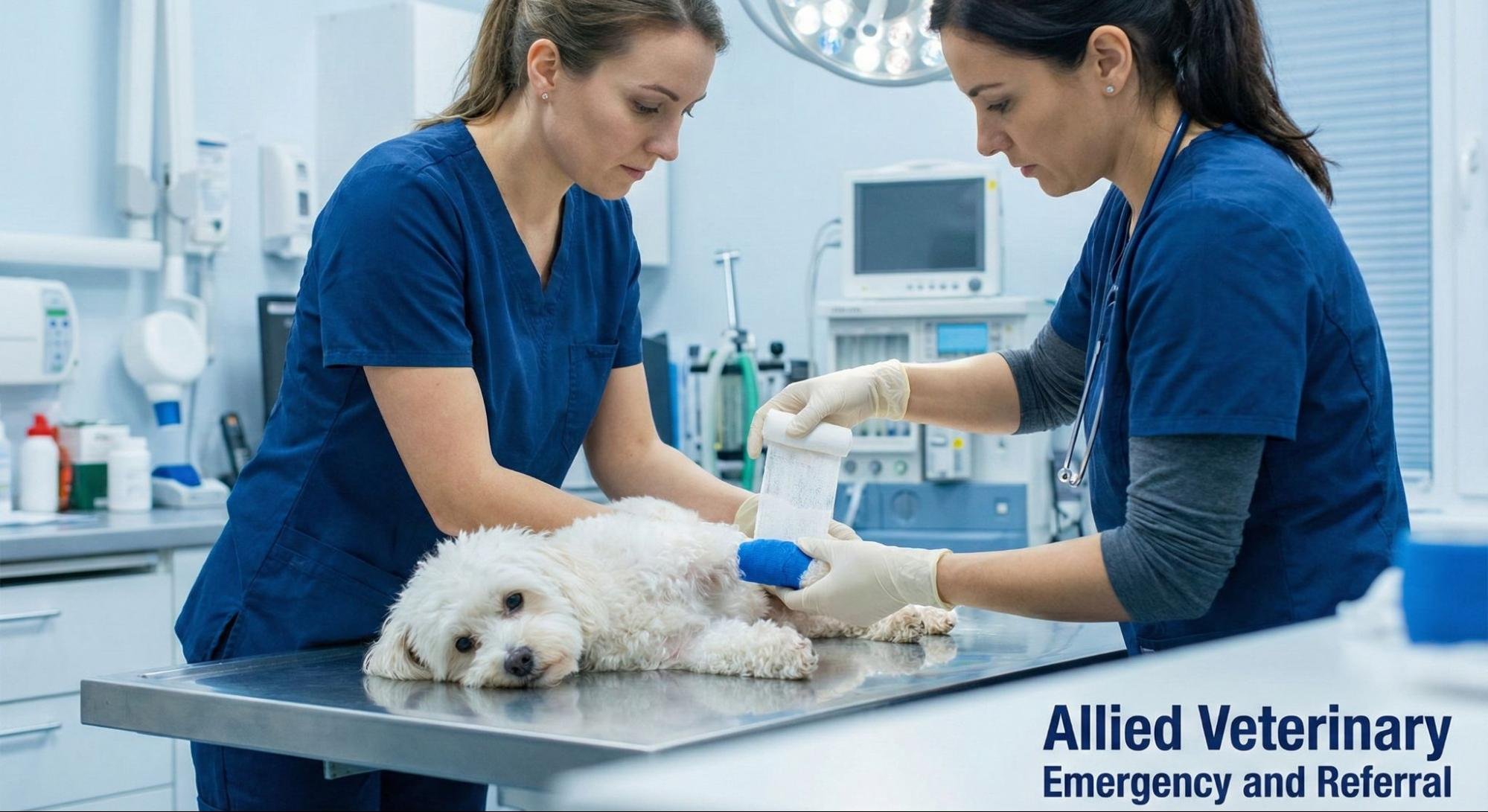
Emergency signs mean do not wait to “see how it goes”. When any life‑threatening symptom appears, prompt care can save a dog’s life and reduce suffering. In general, sudden, severe, or rapidly worsening problems are emergencies. Difficulty breathing, heavy bleeding, collapse, seizures, a swollen painful belly, or loss of consciousness all require immediate vet or emergency clinic attention, even at night or on holidays. If unsure, call an emergency vet and describe the symptoms right away.
Trouble breathing or blue gums
Trouble breathing is one of the clearest emergency signs in dogs. Any dog that is breathing very fast, working hard to breathe, making loud wheezing sounds, or holding the neck out straight must be seen by a vet immediately. Open‑mouth breathing in small breeds or panting at rest in a cool room is also worrying.
Blue, gray, or very pale gums mean not enough oxygen is reaching the body. This can occur with heart failure, lung disease, choking, allergic reactions, or internal bleeding. Do not wait to see if the color improves. Keep the dog calm, avoid food or water, and go straight to an emergency clinic.
Severe bleeding or major injury
Heavy or uncontrolled bleeding is an emergency. Apply firm pressure with a clean cloth or towel and head to the nearest vet or emergency clinic immediately. Bleeding that soaks through bandages, comes from the mouth, nose, chest, abdomen, or is linked to a car accident, fall, bite, or broken bone must not wait. Do not give human painkillers or attempt to clean deep wounds; prompt veterinary care can save your dog’s life and prevent shock or infection.
Collapse, seizures, or loss of balance
Sudden collapse, seizures, or loss of balance are always emergencies. Dogs may suddenly fall over, paddle their legs, drool, or lose control of bladder or bowels during a seizure. Wobbling, circling, or a head tilt can signal stroke‑like problems, inner ear disease, or poisoning. Even if a dog seems normal afterward, urgent veterinary care is needed to check for brain, heart, or metabolic disease and prevent more serious episodes.
Bloated belly, pacing, or trying to vomit
A suddenly hard, swollen belly with restlessness and repeated attempts to vomit but nothing comes up can signal gastric dilatation-volvulus (GDV), or bloat. This condition cuts off blood flow and can be rapidly fatal, especially in large, deep‑chested breeds. Dogs may pace, drool, pant, or look at the abdomen. In such cases, go to an emergency vet immediately; do not wait or give food, water, or human medicine.
Sudden loss of consciousness
Sudden loss of consciousness is always an emergency and requires immediate veterinary attention. Fainting, collapsing, or being unresponsive even for a short time can signal heart disease, severe pain, low blood sugar, internal bleeding, or poisoning. Do not wait to see if the dog improves. Keep the dog warm, avoid giving food or water, and go straight to an emergency vet or call ahead while traveling.
Clear Signs Your Dog Needs a Vet Soon
When symptoms are not instantly life‑threatening but clearly abnormal, a prompt veterinary visit is recommended. Any new, persistent, or worsening sign of illness over 24 hours usually deserves a checkup. In the following sections, specific changes in appetite, toilet habits, energy level, eyes, skin, movement, and behavior are explained so owners can judge when health concerns can wait a short time and when a visit should be arranged as soon as possible.
Changes in appetite or odd eating habits
食欲の変化は犬の体調不良の最も分かりやすいサインの一つです。普段よく食べる犬が急にごはんを残す・まったく食べない場合は、1日以上続けば受診を検討する必要があります。反対に、急に異常なほど食べたがる、ゴミや布など食べ物以外を口にする、夜中だけ食べないなど「いつもと違う食べ方」も要注意です。数日以内に元に戻らない場合や、元気の低下・嘔吐・下痢を伴うときは、早めに動物病院に相談することが望ましいです。
Vomiting, diarrhea, or nausea
Vomiting, diarrhea, and obvious nausea, such as excessive drooling, lip smacking, or desperately eating grass, are common signs that can lead to dehydration or serious illness. If it happens only once, your dog still has normal energy and appetite, and their stool is normal, monitoring at home may be possible. However, if any of the following apply:
- It happens repeatedly
- It does not settle within 24 hours
- There is blood, or the vomit looks coffee-colored
- Your dog has no energy or seems lethargic
your dog needs to see a veterinarian as soon as possible. Puppies and senior dogs can become seriously ill in a short time, so early consultation is safer.
Excessive thirst or barely drinking
Drinking much more or much less than usual often signals trouble. Sudden, strong thirst may point to diabetes, kidney disease, Cushing’s disease, or high calcium. Very little drinking can lead to dangerous dehydration, especially with vomiting, diarrhea, heat, or fever.
Check how often the water bowl needs refilling, watch for accidents in the house, sunken eyes, dry gums, or thick saliva. Any rapid change in drinking lasting more than a day, or paired with other symptoms, should be checked by a vet promptly.
Problems peeing or pooping
Dogs often hide urinary and digestive problems, so any clear change when peeing or pooping deserves attention. Warning signs include:
- Straining, taking a long time, or only a few drops coming out
- Crying, whining, or suddenly refusing to use the usual toilet spot
- Frequent attempts to pee or poop with no result
- Accidents in the house in a normally trained dog
Pain or difficulty can signal urinary tract infection, bladder stones, constipation, or blockage. Inability to pee, a swollen belly, or bloody urine is an emergency and needs immediate vet care.
Unusual stool, blood, or mucus
Blood or mucus in stool is never normal and often signals inflammation, infection, parasites, or injury in the gut. Black, tarry stool can indicate internal bleeding higher in the digestive tract and is an emergency. Bright red streaks, jelly‑like clots, grey or very pale poop, or persistent slimy mucus all require a prompt vet visit, especially if combined with diarrhea, vomiting, pain, or straining.
Sudden weight loss or gain
Sudden weight change often signals hidden illness, not just a diet issue. Weight loss can point to diabetes, overactive thyroid, cancer, dental pain, chronic infection, or poor digestion. Rapid gain may mean hypothyroidism, Cushing’s disease, heart disease, or fluid build‑up.
If your dog’s shape changes noticeably over a few weeks, or you can suddenly feel ribs or see fat pads, book a vet visit within a few days. Very fast change over days, with vomiting, thirst, or breathing changes, is urgent and needs prompt examination.
Lethargy, weakness, or inactivity
Mild tiredness after exercise is normal, but sudden or ongoing lethargy is a warning sign. A dog that usually greets family but now stays in bed, refuses walks, or seems too weak to stand may be in pain, anemic, infected, or have heart or metabolic disease. If lethargy lasts more than a day, appears with symptoms such as vomiting, pale gums, or breathing changes, or appears very suddenly, contact a vet as soon as possible.
Eye redness, discharge, or squinting
Eye problems can worsen in hours, so redness, discharge, or squinting always deserve prompt attention. Mild clear tearing after wind or dust may settle quickly. However, bright‑red eyes, yellow‑green discharge, or keeping one eye shut can signal infection, allergy, ulcer, glaucoma, or injury. Rubbing the face, cloudiness, or a suddenly bulging eye are urgent. Avoid human eye drops and collars; use a cone if needed and contact a vet the same day, or immediately if pain seems severe.
Coat changes, itching, or skin sores
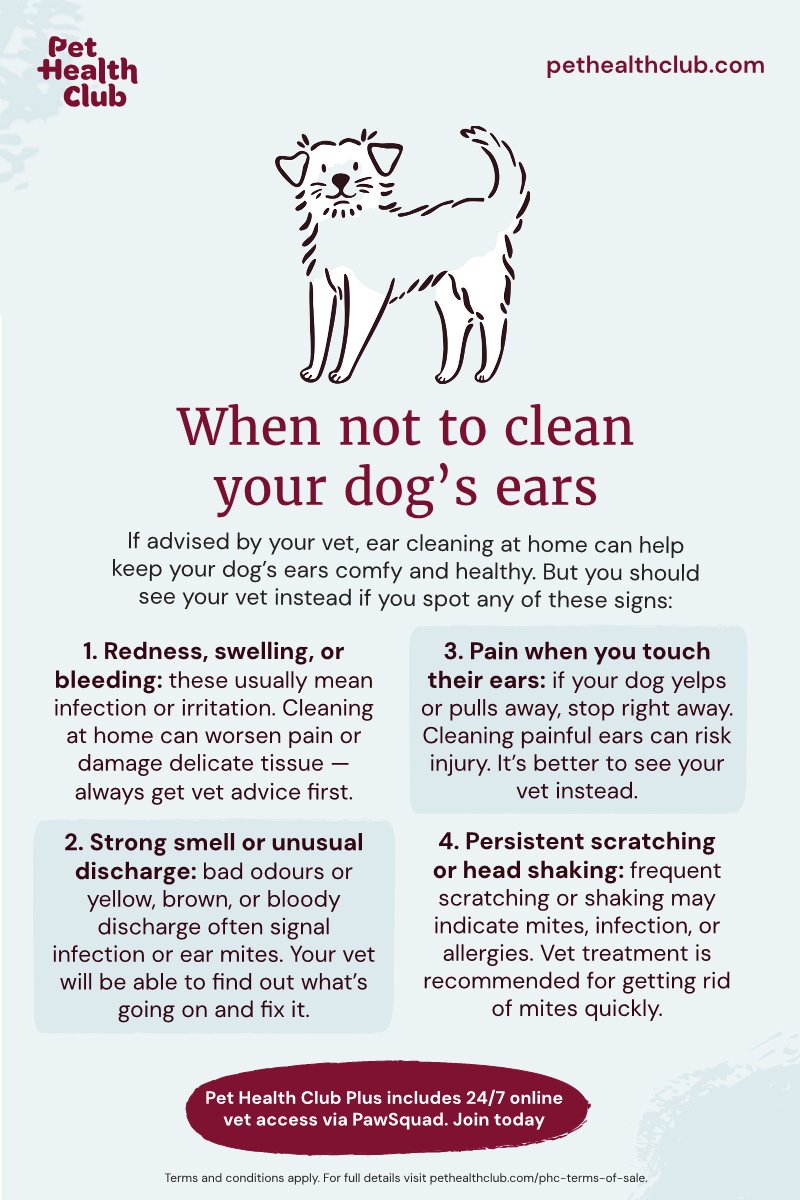
Changes in coat or skin often signal allergies, parasites, or infection and should not be ignored. Warning signs include sudden hair loss, bald patches, dandruff, a dull or greasy coat, constant scratching, chewing paws, or rubbing on furniture. Red, warm areas, bad smell, or open sores are urgent. If itching lasts more than a few days, or skin is red, oozing, or bleeding, a vet visit is needed soon to prevent worsening pain and secondary infection.
Limping, stiffness, or trouble walking
A dog that suddenly limps, walks stiffly, or refuses to put weight on a leg should be checked by a vet, especially if the problem lasts more than a few hours. Causes include sprains, ligament tears, joint disease, paw injuries, or spinal problems. Rest is helpful, but do not give human painkillers, which can be dangerous. Seek urgent care if the leg is very swollen, extremely painful to touch, or if your dog cannot stand or walk at all.
Scooting, licking rear, or anal issues
Scooting on the floor, frequent licking or biting around the tail and anus, or a strong fishy smell often point to anal gland trouble, worms, or skin infection. If scooting lasts more than a day, the area looks swollen, red, or bloody, or your dog cries when defecating, a vet visit is needed soon. Fast care can prevent painful abscesses or more serious infections.
Behavior changes that signal pain
Dogs often hide pain, so sudden behavior changes are important warning signs. Common pain signals include:
- Becoming withdrawn, hiding, or avoiding touch
- Growling, snapping, or whining when approached or picked up
- Restlessness, pacing, or trouble getting comfortable
- New fearfulness, clinginess, or aggression
- Panting, trembling, or staring into space
If a usually calm dog suddenly acts very different for more than a few hours, contact a vet promptly, especially if other symptoms appear.
Dog Health: When to See the Vet

When wondering “health: when to take a dog to the vet?” many owners feel unsure. A useful rule is: sudden, severe, or worsening symptoms require prompt veterinary care. Long‑lasting mild changes also need attention, even if the dog seems comfortable. In short, emergencies need immediate treatment, clear illness needs a visit within 24–48 hours, and vague concerns still deserve a phone call to the clinic for guidance.
Health problems that can’t wait
Some symptoms signal urgent illness even if they are not instant emergencies. In these cases, owners should arrange a same‑day or next‑day visit, not wait a week.
| Health problem | Why it cannot wait |
|---|---|
| Persistent vomiting/diarrhea (over 12–24 hours) | Risk of dehydration, organ strain |
| Refusing all food for over 24 hours (puppies: 12 hours) | Possible infection, pain, organ disease |
| Pain when moving, crying, or hiding | May indicate injury, spinal issues, or severe arthritis |
| Eye redness, cloudiness, or squinting | Eye damage can worsen quickly and threaten vision |
| Straining to urinate, frequent attempts with little output | Possible urinary blockage or infection |
| Swollen, hot, or very painful area | Could be an abscess or serious infection |
| Sudden behavior change or extreme anxiety | Sometimes a sign of internal pain or neurological disease |
Whenever a symptom is getting worse instead of better, prompt veterinary care is strongly recommended.
When you can safely watch and wait
In some mild cases, owners can monitor at home before rushing to the vet. Examples include a single soft stool in a bright, active dog, a small skin scratch, or one episode of vomiting after eating too fast. The dog should still be alert, eating fairly normally, breathing easily, and able to walk. If any symptom worsens, appears repeatedly, or new signs emerge, stop watching and seek veterinary advice promptly.
How long to monitor mild symptoms
Mild symptoms can be monitored for a short, set period if a dog is otherwise bright, eating, and behaving normally.
| Symptom (mild only) | Usual monitoring time | Go to vet sooner if… |
|---|---|---|
| Soft stool, 1–2 times | 24–48 hours | Blood, black stool, pain |
| One episode of vomiting, no repeat | 12–24 hours | Repeated vomiting, can’t keep water down |
| Slight limp but still weight‑bearing | 24–48 hours | Worsening pain, won’t use leg |
| Mild eye redness, no discharge | 12–24 hours | Squinting, cloudiness, discharge |
If symptoms persist beyond this period, worsen, or new signs appear, a vet visit is recommended even if problems still seem mild.
Routine Care: Booking Checkups on Time
Regular checkups help catch problems early before dogs show clear illness signs. Routine visits are not only for vaccines. Vets also assess weight, teeth, heart, joints, and behavior over time. Planned visits reduce emergency risks and long‑term costs. Owners can also ask about nutrition, exercise, and age‑related care, so everyday health stays on track and small changes are addressed quickly.
How often healthy dogs should see a vet
Healthy adult dogs generally need a vet checkup once a year. During this visit, a vet confirms weight, heart, teeth, joints, and reviews vaccines and parasite prevention.
For some dogs, twice‑yearly visits are safer:
| Dog type | Recommended frequency |
|---|---|
| Healthy adult (1–7 years) | Once a year |
| Large/giant breeds | Every 6–12 months |
| Dogs with chronic disease | Every 3–6 months |
Puppies and seniors are covered in later sections.
Vaccines, parasite checks, and bloodwork
Core preventative care usually includes vaccinations, parasite prevention, and periodic blood tests. Vaccines protect against deadly diseases such as parvo, distemper, and rabies. Year‑round flea, tick, and heartworm prevention is recommended for most dogs. Routine bloodwork helps detect kidney, liver, thyroid, and metabolic problems before symptoms appear, so treatment can start early and prognosis often improves.
When to schedule dental exams
Dog dental health affects the heart, kidneys, and overall well‑being, so regular exams are essential. As a general guide, adult dogs should have a vet dental check at least once a year. Small breeds, brachycephalic dogs, and dogs with past dental disease often need checks every 6 months. Puppies should have teeth and bite evaluated during routine vaccine visits, and seniors benefit from twice‑yearly oral exams to catch problems early.
Puppies, Seniors, and High‑Risk Dogs
Dogs are not all equally robust. Puppies, senior dogs, and breeds with special risks often need faster vet care and more frequent checkups. Puppies have immature immune systems, seniors are prone to chronic disease, and flat‑faced or brachycephalic dogs can develop breathing emergencies quickly. Understanding each group’s weak points helps owners judge when to take a dog to the vet instead of waiting at home.
Signs in puppies that need fast care
Puppies can become seriously ill very quickly, so sudden changes require fast attention. Particularly dangerous signs include vomiting or diarrhea lasting more than 24 hours, not eating or drinking at all, being lethargic and not playing, labored breathing, pale or blue gums, seizures, a high fever (hot ears or belly, trembling), continuous crying after a fall, or blood in the stool or urine. If you notice even one of these signs, it is important to contact an animal hospital immediately.
Senior dog symptoms you must not ignore
Senior dogs often hide pain, so small changes can signal serious disease. Warning signs include: new confusion or pacing at night, getting stuck in corners, sudden house‑soiling, coughing or tiring on short walks, rapid or labored breathing, noticeable weight loss or gain, drinking or peeing much more, stiffness, trouble getting up, or crying when touched. Bad breath with drooling, lumps that grow, or sudden behavior change (snapping, withdrawal) also require a prompt vet visit.
Extra watch for brachycephalic breeds
Brachycephalic breeds, such as pugs, French bulldogs, and Shih Tzus, are dog breeds that require particular caution for breathing problems. Even mild heat or excitement can cause heavy breathing and may lead to life-threatening heatstroke or airway obstruction. If you notice signs such as panting with the mouth wide open and visible distress, continued harsh snorting or grunting sounds, cyanosis where the tongue or gums turn purple to blue, or restless pacing, it is important to move your dog to a cool place immediately and contact an animal hospital. In daily life, you can reduce the risk by preventing obesity, avoiding intense exercise and walks during hot hours, and using a harness instead of a collar.
Not Sure If Your Dog Is Sick or Just Tired?
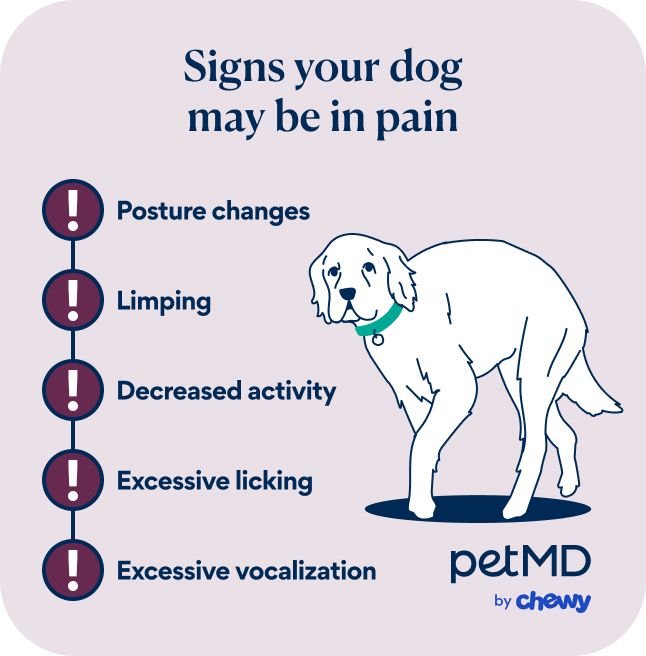
Many owners wonder “Is my dog sick or just worn out?” The key is to look at energy, appetite, bathroom habits, and mood together, not only at sleep time. A dog that is simply tired usually perks up after rest, food, or a walk. A sick dog often stays dull, refuses treats, or acts “not like usual” for more than a day.
If any other warning sign appears — vomiting, trouble breathing, pain, or sudden behavior change — it is safest to contact a vet rather than wait.
Clues from your dog’s daily routine
Daily routine is one of the best health indicators. Sudden changes often appear before clear illness.
| Routine point | Healthy pattern | Worrying change |
|---|---|---|
| Eating | Finishes usual amount | Skips meals, eats much less/more |
| Drinking | Steady sips | Suddenly drinks a lot or almost none |
| Toilet | Regular times, normal stool/urine | Straining, accidents, diarrhea, blood |
| Sleep & activity | Predictable play–rest cycle | Sleeps far more, refuses walks, or paces |
| Mood | Usual interest in family | Hides, avoids contact, seems unusually clingy |
Any clear, unexplained change lasting more than a day or two is a good reason to contact a veterinarian.
Subtle ways dogs ask for help
Dogs rarely cry out when unwell, so owners need to notice small, quiet signals. Common signs include hiding, avoiding eye contact, or suddenly wanting much more or much less attention. A usually calm dog may become clingy or irritable. Other subtle clues are lip licking, yawning when not sleepy, panting at rest, pinned‑back ears, or gently guarding one area of the body. Repeatedly moving away when touched, or sleeping in an unusual spot, can also mean the dog is asking for help.
What to Do Before You Call the Vet
Before contacting a veterinary clinic, some simple preparation makes advice more accurate and appointments smoother. First, check whether the situation is an emergency: breathing problems, heavy bleeding, collapse, or a swollen hard belly require immediate care, not a phone discussion. If any emergency sign is present, go to an emergency hospital at once.
If the condition is not clearly urgent, calmly observe your dog’s behavior, eating, drinking, toileting, and movement for a short period. Make brief notes or short videos. Having clear information ready helps the veterinary team judge whether your dog needs to be seen the same day or can be monitored at home for a little longer.
Key details to note about symptoms
Before contacting a vet, note when symptoms started and how they changed. Record eating, drinking, urination, and stool, plus any vomiting, coughing, or breathing changes. Check gum color, temperature (if possible), and energy level. Take clear photos or short videos of limping, seizures, odd breathing, or skin issues. Also list any recent food changes, new treats, toxins, or medications, as this information helps the veterinarian judge urgency quickly.
Home first aid steps that are safe
Only gentle, short‑term first aid is safe at home. Anything severe, worsening, or causing strong pain requires a vet.
| Problem | Safe to do at home (short term) | Avoid |
|---|---|---|
| Minor cut/scrape | Rinse with saline or clean water, apply gauze, prevent licking | Human antiseptic creams, hydrogen peroxide |
| Mild diarrhea (no blood) | Offer water, bland food (boiled chicken and rice) for 1–2 meals | Human meds like loperamide without vet advice |
| Small skin irritation/itching | Cool compress, keep area clean, prevent chewing with a soft collar | Strong steroid creams for humans |
| Bee/bug sting (mild swelling) | Remove stinger, cool compress, call vet to confirm antihistamine | Giving any human medicine without vet guidance |
Always call a vet before giving any medicine or if symptoms last longer than a day, are intense, or your dog seems very unwell.
Deciding between ER and regular clinic
Choosing between an emergency hospital and a regular clinic depends on urgency and time of day. Life‑threatening signs always mean the ER: trouble breathing, blue or very pale gums, nonstop vomiting, a swollen hard belly, seizures, major bleeding, sudden collapse, or car accidents. For problems that are worrying but not critical—mild diarrhea, limping, skin issues, eye redness—call the regular vet first for advice. If the clinic is closed and the problem cannot wait until morning, contact the nearest 24‑hour ER and describe the symptoms in detail.
Making Vet Visits Easier for You and Your Dog
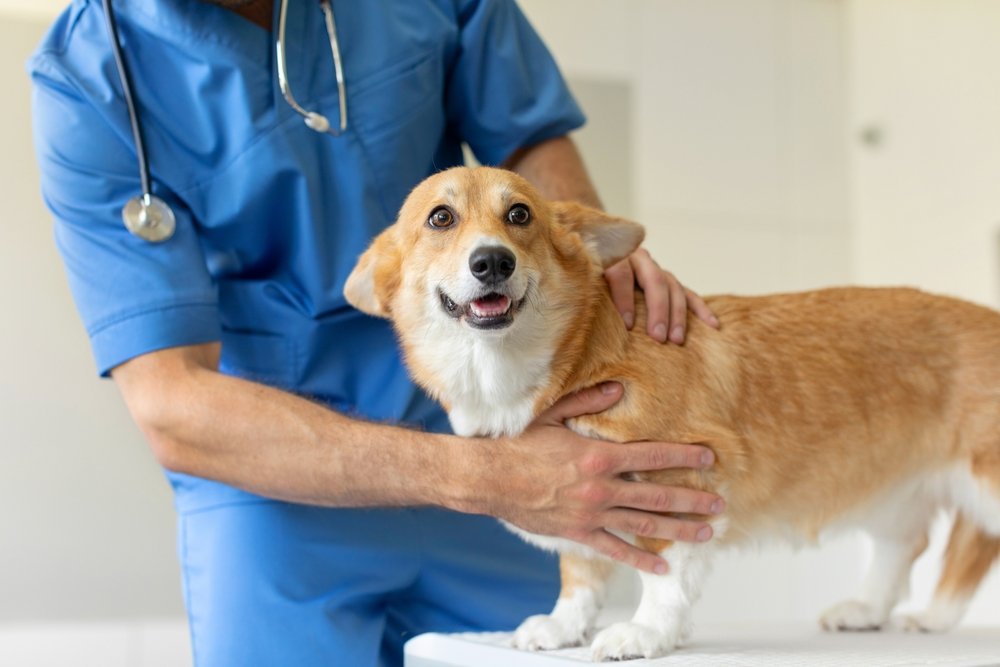
Vet visits can be stressful for both owner and dog, but a little preparation makes a big difference. Staying calm and organized helps dogs feel safer and helps vets work faster. Use a carrier or secure harness, bring medical records, and plan extra time so there is no rush. For nervous dogs, short practice trips, rewards, and a familiar blanket or toy can reduce anxiety and make future visits smoother.
Preparing your dog for the appointment
Many dogs feel anxious at the vet, so gentle preparation helps. Start with short, positive car rides that end in treats or a walk, so the clinic trip feels less scary. Practice handling paws, ears, and mouth at home, rewarding calm behavior.
Before the visit, give a normal meal unless the vet advises fasting. Offer a quiet walk so the dog can toilet and relax. Use a secure collar or harness, and for nervous dogs, consider a calming aid such as a favorite blanket, toy, or pheromone spray to reduce stress in the waiting room.
What to bring and questions to ask
Before leaving home, prepare a small “vet visit kit.” Bring your dog’s medical records, vaccination history, current medications and supplements, insurance details, and recent photos or videos of symptoms. A written list of your dog’s diet, normal routines, and any allergies is also very helpful for the vet.
Useful questions to ask include:
- What is the most likely cause of the symptoms?
- Are any tests urgently needed?
- Which treatments are recommended and why?
- What side effects should be watched for at home?
- When should the clinic be contacted again or a recheck be booked?
Writing questions in advance helps ensure nothing important is forgotten during the consultation.
Planning for costs and pet insurance
Unexpected vet bills can be high, so planning costs in advance is important. Many owners create a monthly “dog health” budget that covers routine checkups, vaccines, and a cushion for minor illness. For bigger emergencies, pet insurance or a separate savings account is helpful.
Pet insurance often covers accidents and illnesses, sometimes with options for wellness add‑ons. Before choosing a plan, compare what is covered, limits, waiting periods, and exclusions for breed‑specific conditions. Keeping a small emergency fund even with insurance provides extra security.
This article clearly explains everything from emergency signs that indicate you should take your dog to the vet immediately, to symptoms that warrant a visit within a few days, to daily health checks and age-specific precautions, helping you make the right decision when you're unsure.