

If your dog suddenly has a seizure and collapses, many owners will panic. Deciding what to do immediately and when to take your dog to the vet depends greatly on prior knowledge. This article provides a clear, objective explanation of how to handle seizures in dogs (such as epileptic seizures), what not to do, and when to seek veterinary attention. It's important to review these points beforehand so you can act calmly in an emergency.
Understanding Seizures in Dogs

Seizures in dogs are sudden bursts of abnormal brain activity that cause uncontrolled movements or behavior changes. They can look very dramatic and are frightening for any owner, but many dogs live long, happy lives even with a seizure disorder.
Understanding what a seizure is, the main types, and how they appear helps owners react calmly and safely in an emergency. Recognizing seizure patterns also supports faster diagnosis and effective treatment from a veterinarian, which is essential for protecting a dog’s brain and overall health.
What a seizure is (in simple terms)
A seizure happens when the brain’s electrical signals suddenly fire in an abnormal, uncontrolled way. The result is a short “power surge” in the brain that interrupts normal movement, awareness, or behavior. During a seizure, the dog is not in control of its body, so muscles may stiffen or jerk, and the dog may fall over, drool, or seem unaware. Most seizures last seconds to a few minutes and then stop on their own, leaving the dog confused or tired.
Common types of dog seizures
Dog seizures do not all look the same. Understanding the main types helps owners judge urgency and describe episodes to a vet accurately. In simple terms, seizures are grouped by how much of the brain is involved and how often they occur. The three broad categories are:
- Generalized (grand mal) seizures affecting the whole brain
- Focal or partial seizures affecting one area
- Cluster seizures and status epilepticus where seizures are very frequent or do not stop
Each type carries different risks and may need different responses, which are explained in the following sections.
Generalized (grand mal) seizures
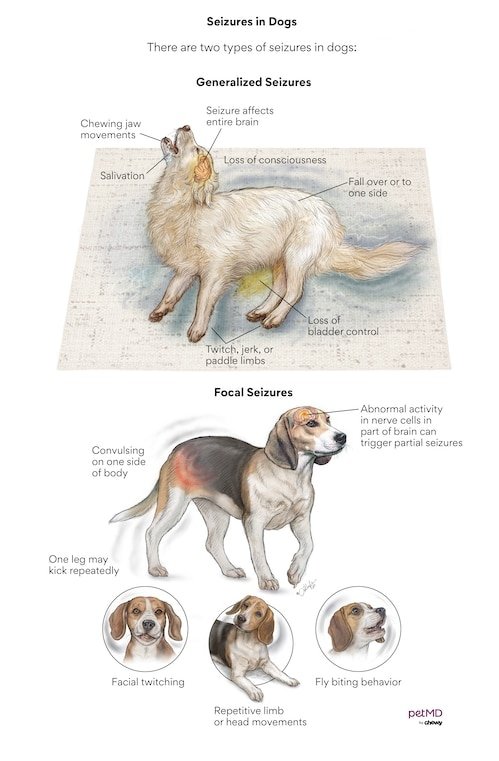
Generalized, or grand mal, seizures affect both sides of the brain and the whole body. Dogs usually fall onto their side, paddle their legs, stiffen, and may drool, urinate, or vocalize. Many lose awareness and do not respond to their name. A generalized seizure often lasts from a few seconds up to about two minutes, followed by a confused, unsteady phase. Because the entire body is involved, owners often notice generalized seizures first, even if milder seizure types also occur.
Focal and partial seizures
Focal and partial seizures affect only a small area of the brain, so signs are often local and milder than grand mal seizures. Dogs may show twitching of one limb, facial jerks, lip curling, chewing motions, or repeated blinking on one side. Some dogs suddenly stare into space, snap at the air, or chase the tail in a trance-like way. Consciousness may be normal or only slightly affected, so owners may confuse focal seizures with odd behavior or anxiety.
Cluster seizures and status epilepticus
Cluster seizures are two or more seizures within 24 hours, with the dog recovering in between. Status epilepticus is one continuous seizure lasting longer than 5 minutes, or repeated seizures without full recovery of consciousness.
Both patterns are medical emergencies. Prolonged or repeated seizures quickly raise body temperature, strain the heart and brain, and can lead to permanent brain damage or death. Any dog showing cluster seizures or status epilepticus needs immediate emergency veterinary care, even if seizures stopped before arrival.
Why Dogs Have Seizures
Seizures occur when brain cells suddenly fire in an abnormal, overly synchronized way, disrupting normal signals. In dogs, this burst of activity causes involuntary movements, changes in awareness, or strange behaviors. Seizures are a symptom, not a disease name, and can be triggered by problems inside the brain (like epilepsy, tumors, inflammation) or outside the brain (like low blood sugar, toxins, organ disease). Understanding the cause is essential for choosing the right treatment and protecting long‑term health.
Typical medical causes
Seizures are a symptom, not a disease. They occur when brain cells fire abnormally. Typical medical causes include:
- Idiopathic epilepsy: very common in otherwise healthy young adult dogs; often genetic.
- Brain disease: tumors, inflammation, infection, stroke, head trauma.
- Metabolic problems: low blood sugar, liver disease (including portosystemic shunt), kidney failure, severe electrolyte imbalance.
- Toxins or medications: rodent poison, certain pesticides, human drugs, chocolate, xylitol, and more.
Identifying the underlying cause is essential for choosing the right treatment and estimating long‑term outlook.
Age, breed, and risk factors
Certain ages and breeds are more prone to seizures, which helps owners judge risk.
Puppies and young adult dogs often develop idiopathic epilepsy, especially between 6 months and 6 years. Very young puppies or senior dogs are more likely to have seizures from other diseases such as liver or kidney problems, infections, or brain tumors.
Breeds with higher epilepsy risk include Border Collies, Australian Shepherds, German Shepherds, Beagles, Labrador Retrievers, Golden Retrievers, and Poodles. Dogs with severe head trauma, previous brain infection, or a family history of seizures also have increased risk and should be monitored carefully.
Can food or toxins trigger seizures?
Certain foods and poisons can directly trigger seizures in dogs by affecting the brain or blood chemistry. Common culprits include: chocolate, xylitol (in sugar‑free gum and sweets), grapes and raisins, rodent poisons, some human medications, and certain insecticides. Severe low blood sugar, salt poisoning, and liver or kidney damage from toxins can also cause seizures. Any sudden seizure after eating something unusual or after possible poison exposure is an emergency and requires immediate veterinary care.
Warning Signs Before and After a Seizure
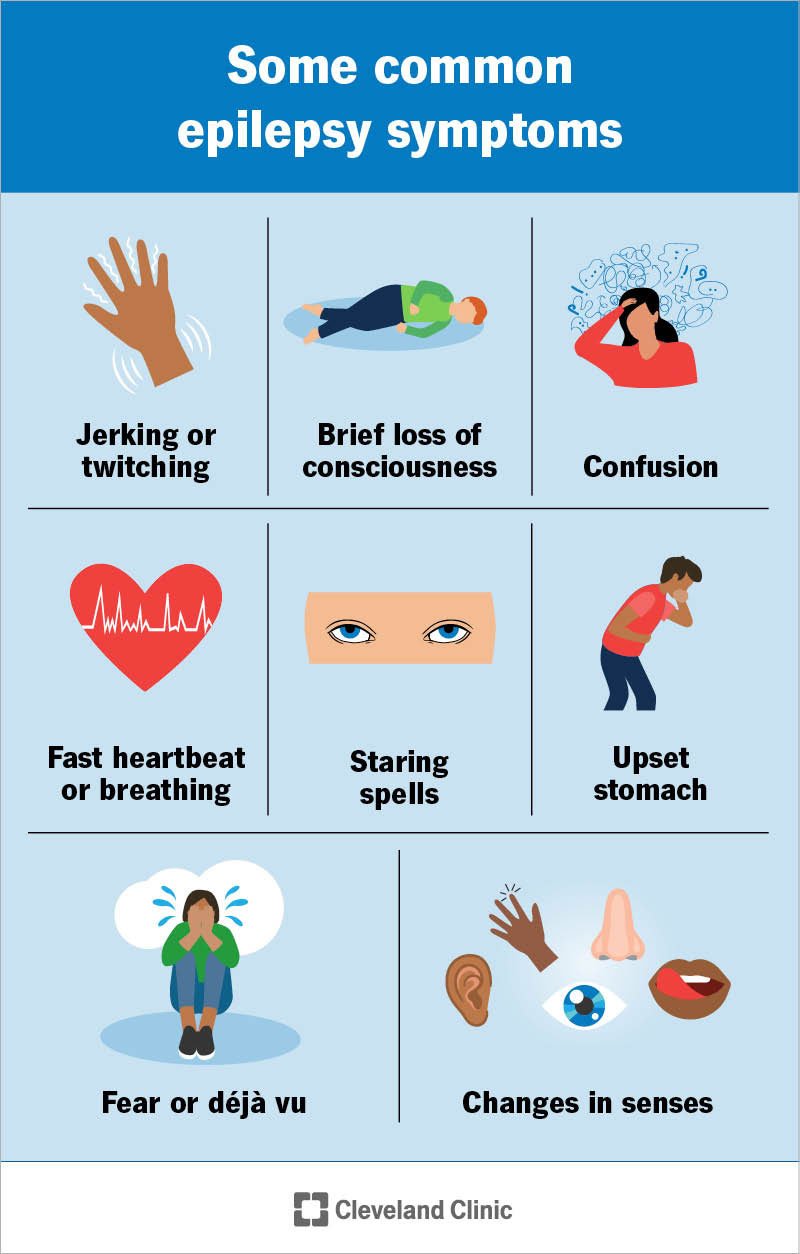
Seizures rarely happen completely out of nowhere. Many dogs show subtle changes before and after a seizure, and noticing patterns helps owners react quickly and give accurate information to the vet.
Before a seizure, dogs may seem restless, clingy, anxious, or hide. Afterward, many appear confused, temporarily blind, hungry, or very sleepy. Recognizing these warning signs allows owners to move the dog to a safe place early and monitor recovery more calmly.
Early clues a seizure is coming
Some dogs show a "pre-ictal" phase before a seizure. Owners often notice sudden changes in behavior such as clinginess, hiding, restlessness, or pacing. A normally calm dog may seem anxious or startled by ordinary sounds. Other early clues include excessive drooling, whining, repeated lip licking, or staring into space. Some dogs wobble slightly or seem confused, as if they do not recognize their surroundings, minutes or even hours before the seizure begins.
What the seizure itself may look like
During a seizure, many dogs suddenly fall to the side, become stiff, and start paddling their legs. The head may pull back, and the jaw can clamp or chew. Some dogs drool heavily, whine, or bark. It is common to lose control of urine or stool, which can be alarming but is not painful for the dog. Eyes may appear glazed or wide, and the dog will usually not respond to name or touch until the seizure ends.
Post-seizure behavior and recovery
After a seizure, many dogs enter a post-ictal phase lasting minutes to hours. Common behaviors include disorientation, pacing, restlessness, temporary blindness, clinging to the owner, or hiding. Some dogs are very thirsty or hungry, others are wobbly and may bump into objects. Mild incoordination or brief incontinence can appear.
Gentle, quiet support is most helpful. Keep lights low, speak softly, and block stairs to prevent falls. Offer a small amount of water once swallowing is normal. If confusion, severe weakness, or abnormal behavior lasts more than a few hours—or the dog has another seizure—veterinary advice is strongly recommended.
Dog seizure: what to do immediately

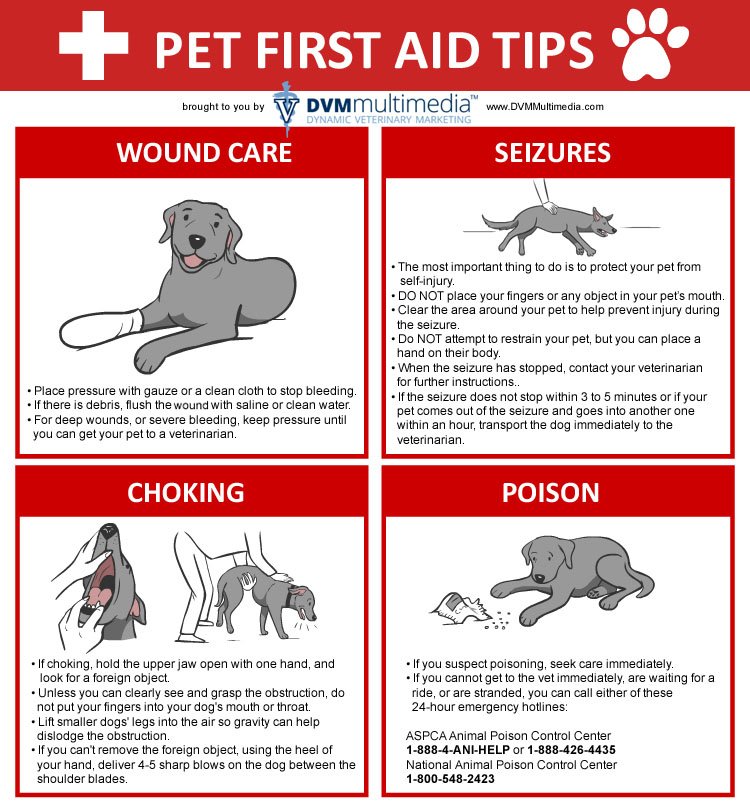
A seizure is frightening, but the first minutes are crucial. Focus on staying safe, protecting the dog, and noting the time. Do not try to stop the movements. Gently move furniture or hazards away, turn off bright lights and loud sounds, and keep other pets and children at a distance. Speak in a calm, low voice. Observe how the seizure looks and how long it lasts, so accurate information can be shared with the veterinarian later.
Stay calm and keep time
The first action is to stay as calm as possible. Dogs are very sensitive to human emotions, and panic can make the situation more chaotic. Take a deep breath and focus on simple steps.
Next, start timing the seizure. Look at a clock or phone and note the exact start time. If possible, record short notes or a video. Duration is crucial information for veterinarians, and seizures lasting more than about 5 minutes are an emergency.
If another person is present, one person should watch the dog while the other keeps time and prepares to contact a vet if needed.
How to keep your dog physically safe
Keep the area around the dog clear. Move furniture, wires, and sharp objects away, and gently slide the dog off stairs or away from walls if needed. Turn off bright lights and lower noise. Place a folded towel or cushion under the head or body, but do not hold the dog down. Keep children and other pets at a distance so no one is accidentally injured. If possible, close doors or use a baby gate so the dog cannot fall or wander when waking.
What not to do during a seizure
During a seizure, some reactions can unintentionally cause harm. Do not put hands near the mouth or try to pull the tongue out. Dogs do not swallow their tongues, but they may bite by reflex. Avoid giving food, water, or oral medicine until the seizure has fully stopped and your dog is steady.
Do not hold the body down tightly or shake your dog; gentle guiding away from danger is enough. Avoid loud voices, punishment, or panicked movements, which may increase confusion. Do not delay calling a vet if the seizure lasts over five minutes or repeats. Prompt contact is safer than waiting too long.
Helping your dog right after the episode
Right after a seizure, speak quietly and keep the room dim. Many dogs are confused, wobbly, and temporarily blind, so move slowly and avoid sudden handling. Gently move away hazards such as stairs or sharp furniture, and block access with a baby gate if needed. Offer a comfortable spot with a blanket and allow the dog to lie down.
Once the dog is more aware, offer a small amount of water, but do not force drinking or food. Monitor breathing, gum color, and walking ability. Contact a veterinarian promptly if recovery is slow, the dog seems in pain, or another seizure begins.
When a Seizure Is an Emergency

A seizure in a dog becomes an emergency when there is risk of brain damage, overheating, or breathing problems. Owners should seek urgent care if the seizure is prolonged, if several episodes occur close together, or if worrying symptoms such as trouble walking, pale gums, or collapse persist. Quick judgment is important, because delayed treatment can make seizures harder to control and can be life‑threatening.
Time limits: the critical five minutes
The first five minutes are critical for a seizing dog. A single seizure that stops within 2–3 minutes is usually not immediately life-threatening. However, any seizure lasting longer than about five minutes, or several seizures with no full recovery in between, can cause brain damage, overheating, and organ stress. Start timing as soon as the episode begins and keep watching the clock. If the seizure reaches 3–5 minutes, prepare for emergency care and contact a vet or emergency clinic without delay.
Red-flag symptoms that need urgent care
Seizures can become life‑threatening very quickly. Seek urgent veterinary care if any of the following occur:
- The seizure lasts longer than 5 minutes
- Seizures occur back‑to‑back with no full recovery
- Your dog has trouble breathing, blue or very pale gums, or gasping
- Your dog remains unconscious, extremely disoriented, or cannot stand for a long time
- There was head trauma, poisoning, heatstroke, or recent illness before the seizure
- Your dog is very young, very old, pregnant, or has heart/kidney disease
In these situations, contact an emergency vet immediately, even if the seizure has stopped.
Multiple seizures in a short time
Several seizures close together are a major warning sign. Two or more seizures within 24 hours, or repeated episodes with little recovery in between, require urgent veterinary care. The brain does not get enough time to rest, which can lead to overheating, brain swelling, and organ damage. Even if each seizure seems short, frequent clustering can quickly become life‑threatening, so emergency consultation is strongly recommended.
How and when to call an emergency vet
Call an emergency vet immediately if a seizure lasts longer than 5 minutes, if seizures repeat within 24 hours, or if your dog seems very unwell (trouble breathing, pale gums, collapse).
When calling, calmly share:
- Your dog’s age, breed, weight, and current medicines
- When the seizure started and how long it has lasted so far
- How many seizures have occurred and in what time frame
- Any recent toxin risk (new food, human medicine, cleaners, plants)
The clinic can then advise whether to come in at once, give any rescue medication already prescribed, or monitor at home. If in doubt, call; phone triage is part of emergency care.
Safely Transporting a Dog After a Seizure
Transporting a dog after a seizure requires calm, slow movements and planning. Many dogs are disoriented, temporarily blind, or unsteady, so sudden handling can frighten them and provoke panic or snapping. Before moving, quickly check breathing, level of awareness, and ability to stand. If the dog seems unstable or very confused, gently prepare for assisted transport. Use blankets, towels, or a sturdy board as a makeshift stretcher for larger dogs, and avoid crowding around the dog so stress stays as low as possible.
Preparing for the car ride
Before moving a dog that has just seized, pause for a moment to assess the situation. Note how long the seizure lasted, whether there was head injury, heavy bleeding, or breathing trouble. If possible, phone the clinic so staff can prepare.
Dim lights, reduce noise, and keep other pets away. Prepare blankets or a thick towel to act as a makeshift stretcher, plus a spare towel in case of drooling or incontinence. Clear a safe path to the car, folding down seats if needed for a flat, stable surface.
If the weather is hot or cold, start the car in advance so the cabin reaches a comfortable temperature. Place the clinic address in a navigation app before lifting the dog, to avoid distractions while driving. If traveling alone, plan a secure area in the car where the dog cannot roll into the pedals or driver’s seat.
Lifting and securing your dog
Gently lifting a dog after a seizure helps prevent injury. Approach slowly and speak softly so the dog is not startled. If the dog is large, use a blanket, towel, or sturdy board as a stretcher and lift with two people when possible. Support the head and neck and avoid putting pressure on the belly or chest. In the car, place the dog on a flat surface, away from airbags, and secure with a harness, crate, or rolled towels to limit rolling or sliding.
What to tell the clinic before arrival
Before leaving home, calling the clinic allows staff to prepare properly. Share who you are, where you are, and when the seizure started and stopped. Describe what happened (full-body shaking or only part of the body, loss of consciousness, drooling, urination, defecation). Tell the team how many seizures occurred, what medicines the dog takes, the dog’s age, breed, weight, and any toxin or trauma risk (heat, falls, possible poisoning). Ask where to park, how to check in, and whether staff will meet the dog at the car.
What to Expect at the Vet

At the clinic, staff will first stabilize breathing, temperature, and blood pressure if the seizure is ongoing or just ended. Once the dog is safe, the vet performs a physical and neurological exam, checks blood sugar, and may draw blood for tests. Oxygen, IV fluids, and anti-seizure injections are often used in emergencies. After the dog settles, the vet discusses possible causes and plans the next diagnostic steps and treatment.
Questions your vet will ask
Veterinarians first confirm what actually happened. Owners are often asked:
- When did the episode start, how long did it last, and has it happened before?
- What was the dog doing just before the episode (sleeping, playing, eating)?
- Did the dog lose consciousness, paddle legs, drool, or urinate/defecate?
- How did the dog act afterward (confused, hungry, restless)?
- Current medications, recent toxin exposure, head trauma, illness, or vaccine history.
Clear answers help the vet judge urgency, likely cause, and the best testing plan.
Exams and common diagnostic tests
Veterinarians use exams and tests to find why a dog is seizing and how serious the problem is. A full physical and neurological exam usually comes first, followed by checks such as:
| Test | Purpose |
|---|---|
| Blood and urine tests | Look for infections, organ disease, low blood sugar, electrolyte problems, toxins |
| Blood pressure and heart checks | Rule out heart‑related causes of collapse |
| X‑rays or ultrasound | Check chest and abdomen for tumors, bleeding, or organ changes |
| MRI/CT scan of the brain | Detect brain tumors, inflammation, strokes, or malformations |
| Cerebrospinal fluid (CSF) analysis | Look for infection or inflammation around the brain |
Not every dog needs all tests. Age, exam findings, and seizure pattern guide how far the investigation goes.
When a referral to a neurologist is needed
A general vet may suggest a veterinary neurologist when seizures are hard to control, unusual, or the cause is unclear. Referral is common if:
- Seizures start very young or later in life
- Seizures worsen despite appropriate medication
- Neurologic signs appear between seizures (trouble walking, circling, vision loss)
- Imaging or blood tests hint at brain disease or structural problems
A neurologist can offer advanced imaging (MRI/CT), spinal fluid tests, and tailored treatment plans.
Treatment Options for Seizures
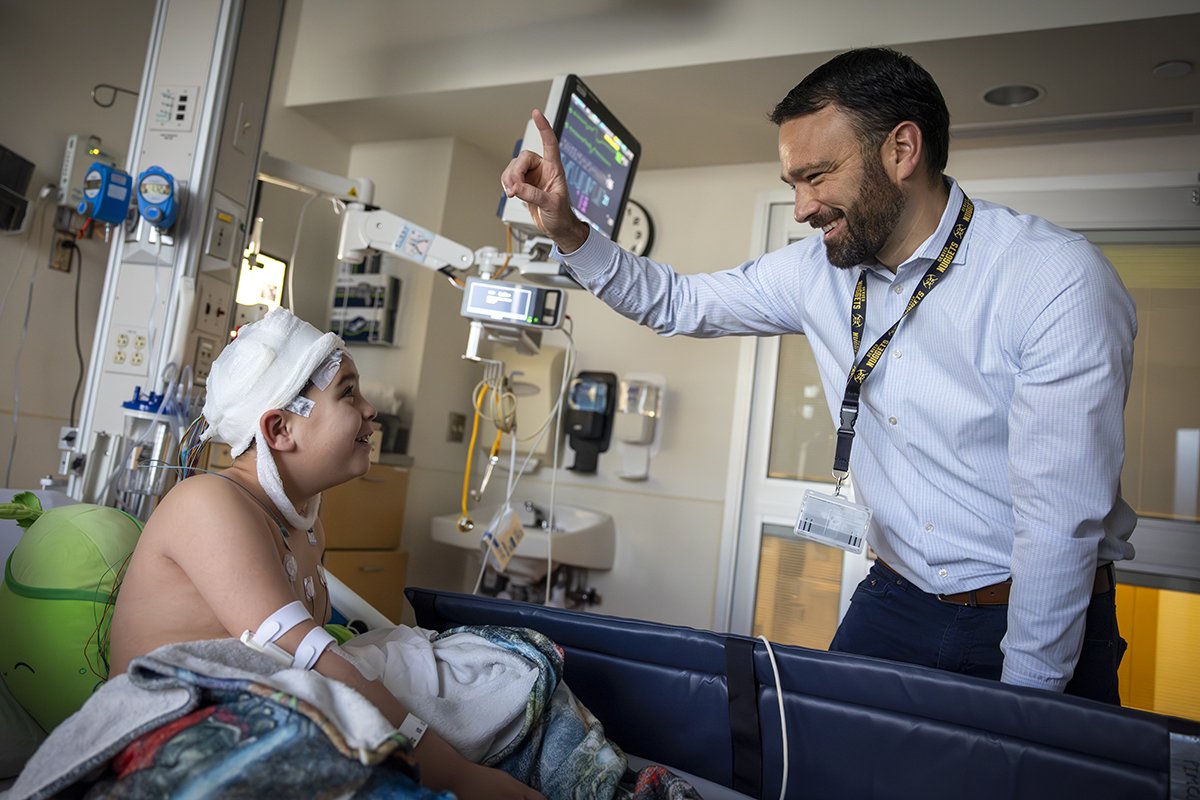
Seizure treatment for dogs combines emergency control and long‑term management. In emergencies, vets stop ongoing seizures with fast‑acting drugs. For long‑term care, daily medicines, diet changes, and lifestyle adjustments aim to reduce how often and how severe seizures occur. The exact plan depends on the cause, test results, seizure pattern, and the dog’s age and overall health, so veterinarians tailor therapy for each individual dog.
Everyday seizure control medicines
Everyday seizure control medicines are used daily to reduce how often and how severe seizures occur. Most dogs with repeated seizures need long‑term medication. Common drugs include phenobarbital, potassium bromide, levetiracetam (Keppra), and zonisamide.
Each medicine has pros and cons. Phenobarbital is often first choice and works well, but can cause sleepiness and increased thirst or appetite. Levetiracetam may have fewer side effects but often must be given 3 times a day. The vet chooses a drug based on your dog’s age, liver and kidney health, seizure pattern, and other medications.
Daily seizure medicines must be given on time, every day. Skipping doses can trigger seizures. Regular blood tests are usually needed to check drug levels and organ function, especially with phenobarbital and potassium bromide. If seizures continue, the vet may adjust the dose or add a second medication rather than stopping suddenly.
Rescue medications for home use
Rescue medications are emergency drugs used at home to stop or shorten a seizure on a veterinarian’s instructions.
Typical options include:
| Rescue drug (example) | How it is given | Main use |
|---|---|---|
| Diazepam (rectal gel) | Into the rectum with applicator | Prolonged seizure or repeated seizures |
| Midazolam (intranasal/buccal) | Into the nose or cheek pouch | Faster absorption in many dogs |
| Extra dose of regular medication* | By mouth, only if fully awake | Sometimes advised for cluster risk (vet only) |
Only if a veterinarian has clearly written this into the seizure plan*.
Owners should ask the vet to prepare a written seizure action plan explaining when to give the rescue drug, how many times, and when to stop and go to emergency care. The plan usually focuses on seizures lasting longer than 3–5 minutes or more than one seizure in a 24‑hour period.
Rescue medication should always be stored safely, checked for expiry, and never used without prior veterinary guidance, because wrong timing or dose may delay necessary hospital treatment.
Diet changes and supportive therapies
Diet can sometimes support seizure control, especially alongside medication. Some dogs benefit from veterinary-prescribed ketogenic or medium-chain triglyceride (MCT) diets, which may help the brain use energy more steadily. Any major diet change should be gradual and guided by a veterinarian to avoid stomach upset or nutrient imbalance.
Supportive therapies may include omega-3 supplements, maintaining a healthy weight, and gentle, regular exercise. Some owners explore acupuncture or physical therapy under professional guidance. Supplements or herbal products should never replace prescribed drugs and must be checked with a veterinarian to avoid interactions and side effects.
Side effects and monitoring at home
Common seizure medicines can cause sleepiness, wobbliness, increased thirst and appetite, or mild stomach upset. Any sudden change, severe sedation, vomiting, or yellow gums/eyes is an emergency sign.
At home, owners should:
- Check walking, balance, and alertness daily
- Note appetite, thirst, and bathroom habits
- Watch for behavior changes (aggression, confusion)
- Record any seizures (time, length, triggers)
Regular blood tests are important to monitor liver function and drug levels. If side effects worsen or new signs appear, contact a veterinarian before changing any dose.
Living With a Dog That Has Seizures

Living with a dog that has seizures often means planning ahead rather than living in constant fear. Daily life can stay enjoyable when owners understand the condition and prepare the home and routine. Providing a quiet resting space, keeping emergency vet contacts handy, and learning how to respond calmly during an episode all support the dog’s safety. With appropriate treatment and monitoring, many dogs with seizures enjoy long, happy lives alongside their families.
Keeping a seizure diary
Keeping a simple seizure diary helps owners and veterinarians understand patterns and choose the right treatment. Record the date, time, duration, what the seizure looked like, possible triggers, medications given, and recovery behavior. Using a notebook, spreadsheet, or app is fine as long as entries are consistent. Over time, a diary can reveal subtle triggers or changes that might otherwise be missed and supports safer, more tailored care for the dog.
Home safety and lifestyle adjustments
Home safety and daily habits can greatly reduce seizure-related injuries. Keep floors clear of clutter, secure cables, and use non-slip rugs where the dog walks or sleeps. Block access to stairs and balconies with baby gates. Choose a low, cushioned bed away from sharp furniture edges and heat sources. When unsupervised, confining the dog to a safe room or crate can prevent falls and collisions during unexpected episodes.
Stress, sleep, and routine management
Stress, poor sleep, and sudden changes in routine can all lower a dog’s seizure threshold. Gentle daily habits help the brain stay more stable.
- Keep walk, meal, and sleep times as regular as possible
- Provide a quiet sleeping area away from loud TVs or children
- Avoid overexciting play right before bed
- Offer mental enrichment, but stop before the dog seems tired or irritable
During noisy events (guests, fireworks, storms), prepare a safe, calm room and stay reassuring but low‑key so the dog can relax.
Reducing the Risk of Future Seizures
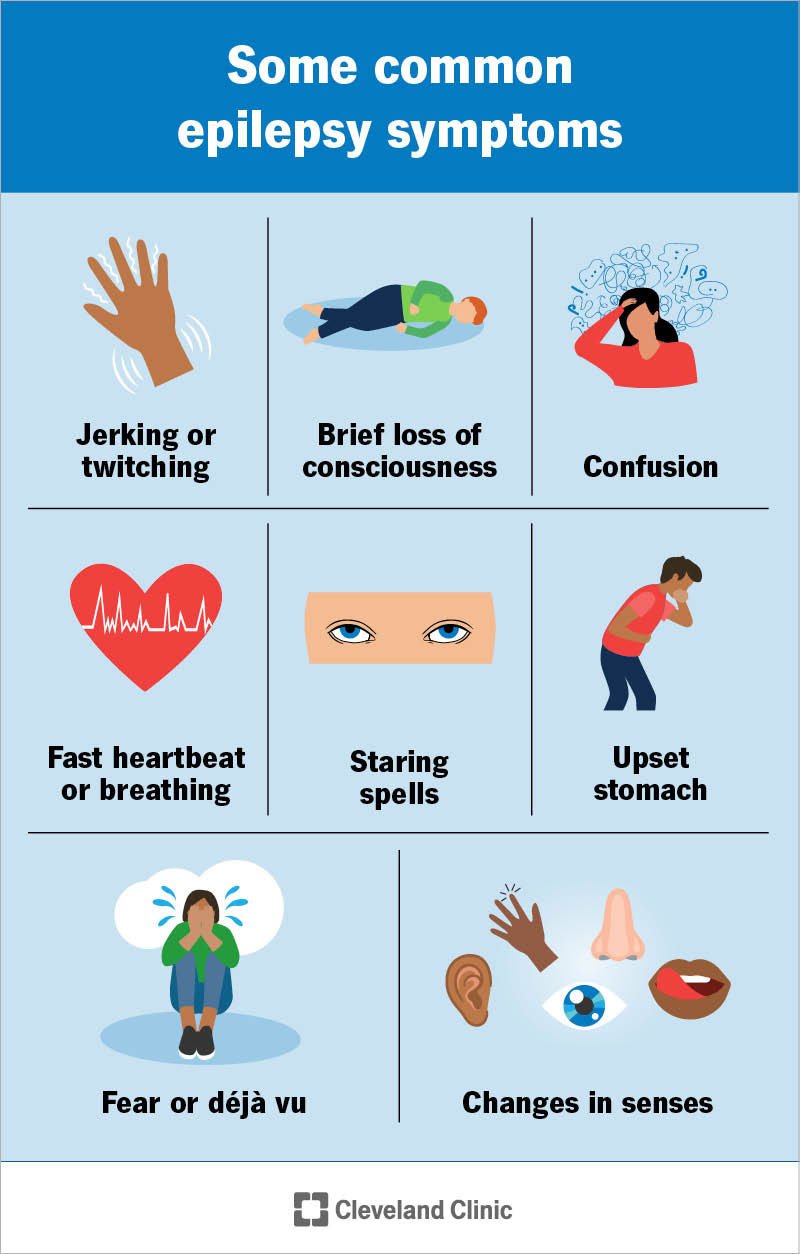
Reducing the risk of future seizures focuses on controlling triggers and protecting brain health. Completely preventing seizures is not always possible, especially with epilepsy, but careful daily management can lower frequency and severity. Key measures include strict medication routines, avoiding toxins, preventing overheating, keeping weight and blood sugar stable, and scheduling regular veterinary checkups to adjust treatment before problems escalate.
Avoiding known triggers and toxins
Avoiding triggers can reduce seizure frequency and protect a dog’s brain. First, remove known poisons: chocolate, xylitol sweets, grapes/raisins, rodent poison, slug pellets, cannabis, some human medicines, and toxic plants. Keep rubbish, chemicals, and medication locked away.
Some dogs react to flashing lights, overexertion, heat, or intense excitement. Limit rough play, avoid overheating, and provide a quiet place to rest. Sudden diet changes, fasting, or very low blood sugar may also trigger seizures, so feed regular, balanced meals unless a vet advises otherwise.
If a pattern is noticed around specific foods, stress, or situations, record it in a seizure diary and discuss it with a veterinarian before making major lifestyle or diet changes.
Medication routines and vet checkups
Regular medication and checkups are the backbone of long‑term seizure control. Anti‑seizure drugs must be given exactly as prescribed, at the same times every day; skipped or late doses can trigger seizures. Never change doses or stop medicine suddenly without veterinary advice.
Routine vet visits (often every 3–6 months) allow monitoring of liver and kidney values, blood drug levels, weight, and seizure frequency. Sharing a seizure diary at each visit helps the vet fine‑tune the treatment plan and catch problems early.
When to rethink your dog’s care plan
Care plans need見直し when seizures change in pattern, frequency, or severity. Sudden cluster seizures, new behaviors, or poor response to medicine all justify a new discussion with a veterinarian. Consider reevaluation if side effects reduce quality of life, giving pills becomes difficult, or financial or lifestyle limits change. Regularly share a seizure diary and questions so the vet can adjust drugs, dosage, diet, or goals, keeping the dog’s comfort and safety as the main priority.
This article provides a clear and easy-to-understand explanation from a third-party perspective, covering everything from the types and causes of seizures in dogs, the signs before and after a seizure, what owners should and shouldn't do in the event of a seizure, when to seek veterinary attention, emergency procedures, examinations and treatments at the animal hospital, and prevention and care in daily life.