


Many dog owners become anxious when their beloved pet suddenly starts coughing. Coughing can have a variety of causes, from a mild sore throat to a sign of serious illness such as heart disease or infection. This article clearly explains the main causes of coughing in dogs, when it's okay to wait and see, and when it's a dangerous sign that requires immediate veterinary attention. Our aim is to help protect your beloved dog's health by providing guidance on early detection and when to seek veterinary care.
Is Your Dog’s Cough Serious?
A dog’s cough can range from a mild, short‑lived irritation to a sign of serious heart or lung disease. Many dogs cough occasionally after drinking water, pulling on the lead, or sniffing dust, and in many cases the cough settles quickly. However, a cough that is frequent, harsh, or comes with other symptoms always deserves attention.
Owners should focus on how long the cough has lasted, how often it occurs, and how unwell the dog seems overall. Coughing combined with breathing difficulty, blue gums, collapse, or a swollen belly can indicate an emergency and requires immediate veterinary care. Even when a dog seems bright, any new cough lasting more than a few days, or worsening over time, should be checked by a vet to find the underlying cause early.
Normal coughs vs warning signs
Normal, harmless coughs are brief, occasional and your dog acts completely normal before and after. They may cough once or twice after drinking, gently pull on the lead, or clear the throat after excitement or barking. The cough settles quickly and does not return in bouts.
Warning signs include frequent coughing fits, coughing at night, breathing changes, loss of energy, blue or pale gums, or coughs lasting more than a few days. Any cough with breathing difficulty, collapse, or blood is an emergency and needs urgent veterinary care.
How common is coughing in dogs?
Coughing is fairly common in dogs, especially after excitement, pulling on the lead, or drinking too fast. Many mild, short‑lived coughs are linked to minor infections such as kennel cough and improve with treatment.
However, persistent or worsening coughing is not normal. Long‑term coughs are more often seen in older, small‑breed, or heart‑disease‑prone dogs, and are more likely to signal chronic bronchitis, heart problems, or other significant illness that requires veterinary attention.
What a Dog Cough Can Sound Like
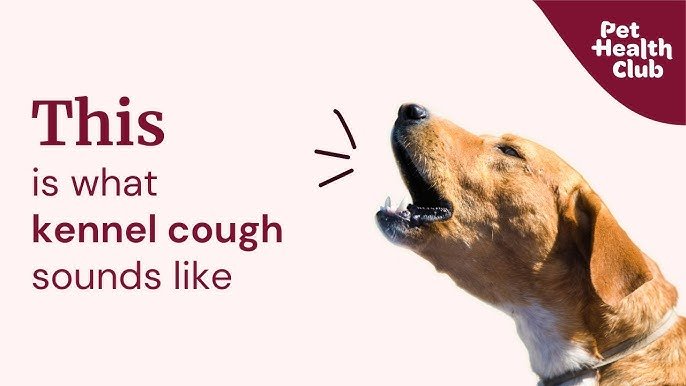
A dog’s cough can sound very different depending on the cause. Some coughs are dry and harsh, others are wet and gurgly, and some resemble a goose‑like honk. Owners may also hear gagging, retching, or repeated throat‑clearing noises. Carefully noting the sound, pitch, and pattern of the cough helps the veterinarian narrow down likely causes and decide how urgent the situation is.
Dry, hacking and kennel‑type coughs
A dry, hacking cough often sounds like a goose‑like “honking” noise or a harsh bark coming from the throat rather than the chest. Many owners describe it as if the dog has “something stuck” and keeps trying to clear it. Coughs linked to kennel cough or other upper airway infections are usually loud, repetitive, and worse at night or with excitement, pulling on the leash, or drinking water. Dogs may otherwise seem bright and active, but a persistent, hacking cough for more than a few days deserves a vet check, especially after recent contact with other dogs, a stay at a kennel, or a visit to a dog park.
Wet, phlegmy and chesty coughs
A wet, phlegmy, or chesty cough usually sounds moist and gurgly, as if mucus is moving in the chest or throat. Dogs may swallow frequently, breathe more noisily, or seem reluctant to exercise. Such coughs often indicate lower airway or lung problems like bronchitis or pneumonia and always warrant a prompt vet check, especially if accompanied by fever, lethargy, or fast breathing.
Honking coughs in small breeds
A loud, goose‑like “honking” cough is especially common in small and toy breeds such as Pomeranians, Chihuahuas and Yorkshire Terriers. The sound often appears when the dog is excited, pulling on the lead or picked up. A main cause is tracheal collapse, where the windpipe weakens and partly narrows. Honking coughs can also relate to bronchitis or obesity, so a veterinary check is strongly recommended.
Gagging, retching and throat clearing
Coughing accompanied by gagging or retching refers to behavior that looks as if something is stuck in the throat, with your dog making a “gagging” sound while bringing up little or nothing. It can be caused by throat inflammation, kennel cough, accidental ingestion, heart disease, or tracheal problems. If it happens frequently, drool or foam appears, or your dog stretches their neck as if struggling, an early veterinary visit is important because a foreign object or serious illness may be involved.
Coughing that looks like vomiting
Some coughing episodes can look almost identical to vomiting, which often worries dog owners. In many cases the dog bends down, makes loud heaving movements, and brings up foam or mucus rather than food. This is often regurgitation of saliva or mucus from the throat, or coughing followed by swallowing and spitting. True vomiting usually includes stomach contents, nausea beforehand, and abdominal contractions. Whenever cough and apparent vomiting occur together, or if food is brought up repeatedly, a veterinary check is recommended.
Major Causes of Coughing in Dogs
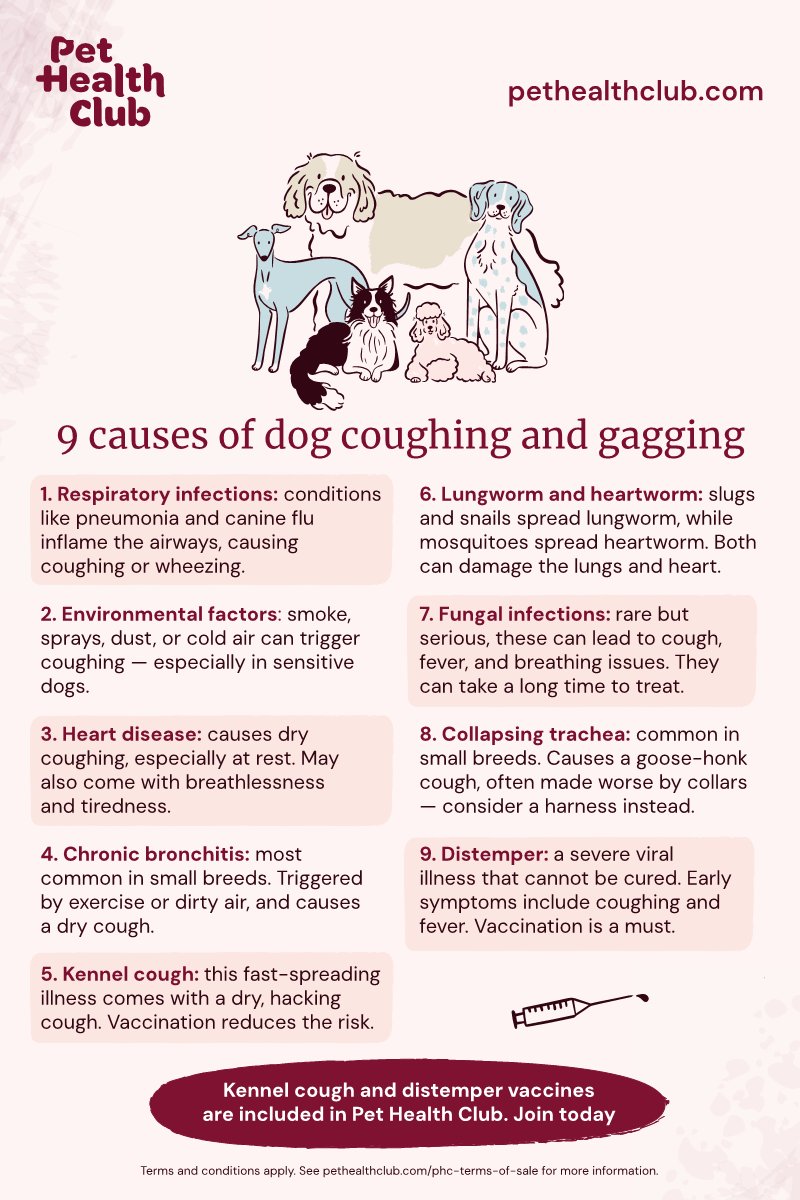
Dog coughing has many possible causes, from mild and short‑lived to life‑threatening. Upper airway problems often lead to dry, hacking coughs, while lung infections can cause wet, chesty sounds. Heart disease, tracheal collapse, parasites, allergies, smoke or dust, and even foreign objects or tumors may also trigger coughing. Because the cause cannot be judged by sound alone, any cough that is frequent, severe, or persistent deserves veterinary attention.
Infectious causes (kennel cough, flu)
Infectious causes are among the most common reasons for a sudden dog cough. The best‑known is kennel cough (infectious tracheobronchitis), which spreads in places where many dogs gather, such as kennels, dog parks, or grooming salons. It usually causes a dry, hacking "honking" cough, sometimes with gagging, but affected dogs often still eat and act fairly normal.
Canine infectious respiratory disease complex (often called "kennel cough complex") can involve several agents: Bordetella bronchiseptica, parainfluenza virus, adenovirus, and others. Dog flu (canine influenza) is another viral infection. It tends to cause coughing plus fever, runny nose, and low energy. Because signs overlap with more serious illness, persistent or worsening cough after exposure to other dogs always warrants a vet check.
Pneumonia and serious lung infections
Pneumonia is a serious infection of the lungs in which air sacs fill with fluid or pus. Dogs often have a wet, chesty cough, fast or labored breathing, fever, and marked tiredness. Appetite usually drops, and some dogs may breathe with an open mouth or flare their nostrils. Pneumonia can follow kennel cough, flu, choking episodes, or stomach contents going into the lungs (aspiration). Any coughing dog that appears unwell or breathless should be examined by a veterinarian promptly.
Heart disease and heart failure
Heart problems can cause persistent, soft or hacking coughs, often worse at night or after gentle exercise. When the heart weakens, fluid may build up in the lungs (congestive heart failure), leading to coughing, faster breathing, and tiring easily. Small coughs that appear alongside reduced stamina, swollen belly, or fainting spells are especially concerning. Many heart conditions are manageable with early diagnosis and medication, so prompt veterinary consultation is very important when these signs appear.
Collapsing trachea and airway issues
A collapsing trachea occurs when the cartilage rings in the windpipe weaken and flatten, narrowing the airway. It appears most often in small breeds such as Yorkshire Terriers, Pomeranians, Chihuahuas, and Poodles. A classic sign is a loud, dry “goose‑honking” cough, often triggered by excitement, pulling on the collar, or pressure on the neck. Mild cases may be managed with weight control, a harness instead of a collar, cough medicine, and anti‑inflammatories. Severe breathing difficulty, bluish gums, or collapse require urgent veterinary care and sometimes oxygen or surgery.
Allergies, irritants and smoke
Allergies and irritants often cause a dry, tickly cough in dogs. Common triggers include pollen, house dust, air fresheners, cleaning sprays, perfumes, strong cooking smells, and grooming products. Second‑hand cigarette or vaping smoke is especially irritating and can worsen existing lung or heart disease. Reducing exposure, ventilating rooms, and using pet‑safe products are important. Long‑term coughing or breathing changes always merit a veterinary check.
Parasites including heartworm
Parasites can also lead to coughing by damaging the lungs or heart. The most serious is heartworm, spread by mosquito bites. Adult worms live in the heart and lung vessels, causing a chronic, often soft cough, exercise intolerance, and weight loss. Other lung parasites, such as lungworm, can cause coughing, breathing difficulty, or bleeding. Prompt prevention and early diagnosis are crucial, because advanced heartworm disease can be life‑threatening and treatment is complex.
Foreign objects stuck in the throat
A foreign object such as grass awns, small bones, toys, or sticks can suddenly trigger intense coughing in dogs. Many dogs show abrupt gagging, pawing at the mouth, drooling, or repeated attempts to swallow. In severe cases, breathing becomes noisy or difficult. Any sudden, violent cough after chewing or playing with objects is an emergency, because blockage or injury to the airway can occur. Prompt veterinary removal is safer than attempting to pull objects out at home.
Tumors, cancer and other rare causes
Most coughing in dogs has more common causes, but tumors and cancer in the chest or throat can also trigger persistent coughs. Growths in the lungs, trachea, or around the heart may narrow airways, press on lung tissue, or cause fluid build‑up. Warning signs include a chronic or worsening cough, weight loss, reduced stamina, breathing effort, or coughing up blood. Early vet checks, chest X‑rays, and further imaging are important, because some tumors are treatable if found promptly.
Health Dog Coughing Causes by Age
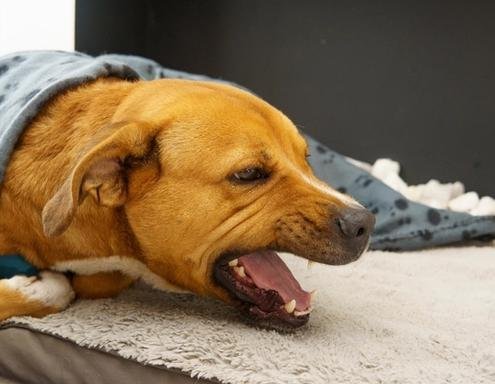
Coughing causes often differ by age, so thinking in age groups helps owners judge urgency. Puppies tend to cough from infections and parasites, adult dogs often develop allergy‑related or airway problems, and senior dogs are more likely to cough from heart disease or chronic lung issues. Any dog of any age can also cough from foreign objects, smoke, or irritant exposure, so age is only a guide, not a diagnosis.
Puppies and young dogs
In puppies and young dogs, infectious causes are the most common reason for coughing. Kennel cough, canine flu, and respiratory viruses spread easily in shelters, pet shops, dog parks, and training classes. Parasites such as roundworms and lungworm can also irritate the lungs.
Young dogs often keep playing despite illness, so owners may notice only a persistent dry or hacking cough, gagging after excitement, or a reduced appetite. Any cough in a puppy under 6 months, especially with lethargy, fever, breathing faster, or nasal discharge, should be seen by a vet promptly, because pneumonia and severe dehydration can develop quickly in young animals.
Adult dogs
In healthy adult dogs, coughing often relates to infections such as kennel cough, mild bronchitis, or throat irritation from pulling on the lead. Many adults also begin to show early signs of heart disease or allergies. A short‑lived, mild cough in a bright, active dog can sometimes be monitored at home, but a cough lasting more than a week, worsening, or causing breathing trouble always needs veterinary advice to rule out heart, lung, or airway problems.
Senior and at‑risk dogs
Senior dogs are more prone to chronic coughs linked to heart disease, tracheal collapse, and lung problems. A “heart cough” often appears at night or after mild exercise, and may come with faster breathing and reluctance to move. Small, older breeds often develop a honking cough from weakened airways. Any new or worsening cough in a senior or at‑risk dog (heart murmur, past pneumonia, brachycephalic breeds) should be checked by a vet promptly, even if appetite and mood seem normal.
Other Symptoms to Watch For

Coughing often appears together with other signs. Paying attention to the whole picture makes it easier to judge urgency. Sudden changes in breathing, energy or appetite are especially important warning signs. In the following subsections, key symptoms such as breathing problems, fever, lethargy and gum color changes are explained so owners can decide when to seek prompt veterinary care.
Breathing changes and distress
Breathing changes are one of the most important warning signs. Any sign that a dog is struggling for breath requires prompt veterinary attention. Watch for open‑mouth breathing at rest, flared nostrils, loud wheezing or whistling sounds, or very fast shallow breaths. Using the belly muscles heavily, standing with elbows pushed out, or refusing to lie down can also indicate distress. Gums that look pale, grey or blue with hard breathing are an emergency signal and need urgent care.
Lethargy, fever and loss of appetite
Lethargy, fever, and loss of appetite often indicate that a dog is fighting an infection or feels very unwell, not just dealing with a simple throat irritation. A normally active dog that suddenly becomes quiet, sleeps more, refuses walks, or leaves food untouched should be monitored closely. Fever may show as warm ears or nose, shivering, or seeking cool floors, but only a rectal thermometer reliably confirms it. Combined with coughing, these signs warrant prompt veterinary consultation, especially in puppies or senior dogs.
Blue gums, collapse or fainting
Blue or gray gums, tongue, or inner lips indicate a lack of oxygen in the blood and are an emergency sign. Coughing combined with blue gums can point to severe lung disease, heart failure, or a blocked airway. Collapse or fainting after a coughing fit also suggests the brain is not getting enough oxygen. Any blue discoloration, sudden weakness, or loss of consciousness requires immediate emergency vet care, even if the dog seems to recover quickly.
When to Call the Vet Urgently
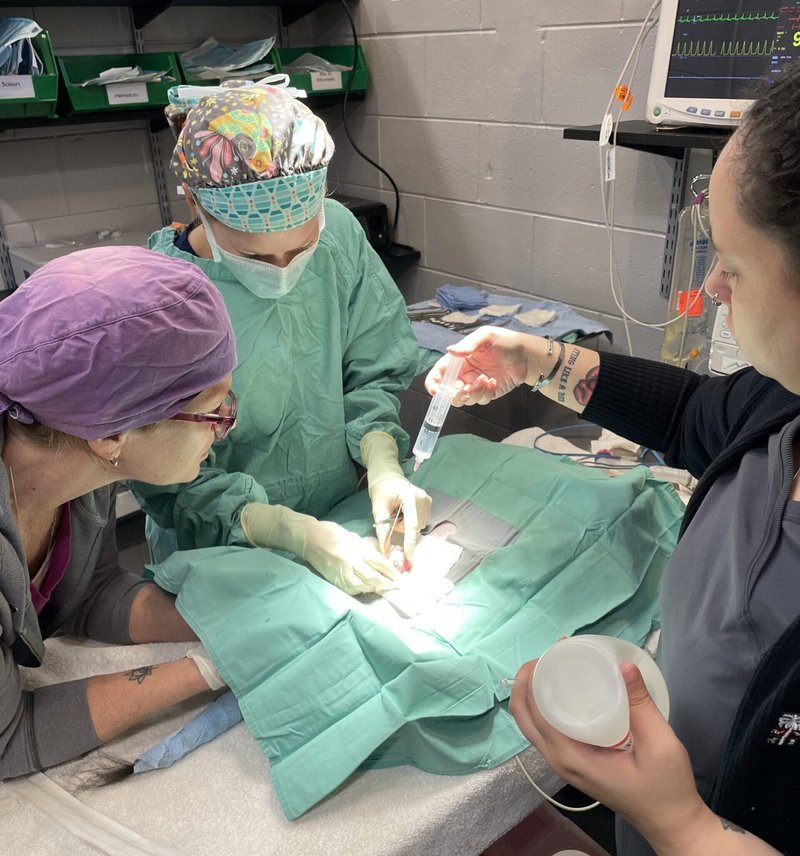
A vet should be contacted urgently whenever coughing is sudden, severe, or clearly affecting breathing. As a simple rule, seek immediate help if the cough:
- Starts out of nowhere and will not stop
- Is accompanied by fast, labored, or noisy breathing
- Comes with weakness, collapse, or blue‑tinged gums
- Follows choking on a toy, bone, or treat
- Occurs in a puppy, senior dog, or a dog with known heart or lung disease
If in doubt, phone a veterinary clinic or emergency hospital and describe the symptoms.
Red‑flag signs of emergency
Emergency signs mean a dog needs immediate veterinary care (same day or ER). Watch for:
- Struggling to breathe: open‑mouth breathing at rest, flared nostrils, belly heaving, neck stretched out
- Blue, gray or very pale gums/tongue
- Collapse, wobbling, or fainting after a coughing fit
- Coughing up blood or pink froth
- Continuous coughing for more than 1–2 hours, unable to settle
- Severe lethargy, high fever, or refusal to move
If any sign appears, avoid delay and contact an emergency vet by phone while preparing to travel.
When it’s safe to wait a short time
Mild, short‑lived coughing can sometimes be monitored at home. It is often safer to wait a short time when:
- Coughing is occasional, not constant
- The dog is bright, eating and drinking normally
- Breathing is easy, with no wheeze or rapid panting
- No fever, blue gums, collapse, vomiting or diarrhea are present
In such cases, owners may observe for 24–48 hours, keep a diary of episodes, and arrange a non‑urgent vet visit if coughing persists or gradually worsens.
How Vets Diagnose a Dog’s Cough
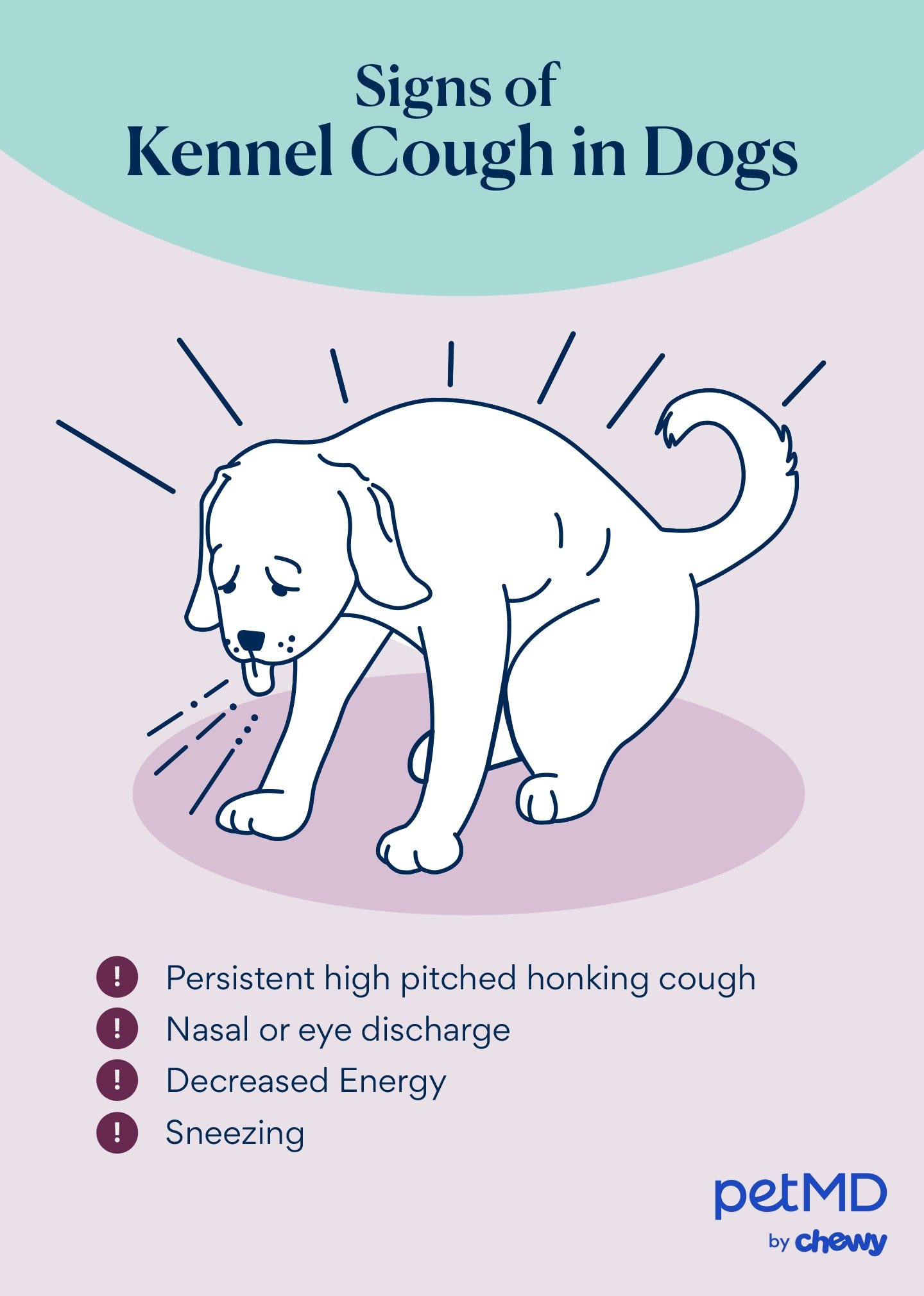
A vet uses several steps to find the underlying cause of a dog’s cough. First comes a detailed history and physical exam, then tests are chosen based on what the vet finds. Common tests include chest X‑rays, blood and fecal tests, heartworm tests, and possibly ultrasound or echocardiography for suspected heart disease. In some cases, airway washes, endoscopy, or CT scans are needed to check for pneumonia, tumors, or foreign bodies and to guide the best treatment plan.
Questions your vet will ask you
Vets begin with detailed questions because the history often gives the biggest clues about a dog’s cough. Common points include:
| Question area | Examples of what the vet may ask |
|---|---|
| Onset & pattern | When did the cough start? Is it getting worse or better? Is it occasional or frequent? |
| Cough character | Dry or wet? Honking, gagging, or like choking? Any phlegm or blood? |
| Triggers | Worse at night, after exercise, when excited, on walks, or when using a collar? |
| Other signs | Any breathing difficulty, fever, tiredness, appetite or weight changes, vomiting or runny nose? |
| Background | Vaccination and heartworm status, recent kenneling, travel, smoke exposure, known heart or lung problems? |
Preparing answers and, if possible, a short video of the cough helps the vet narrow down causes more quickly.
Physical exam and listening to lungs
During the physical exam, the vet checks your dog’s temperature, heart rate, breathing rate, gum color, and overall posture. The vet gently feels the throat and chest, checks for pain, and looks for nose or eye discharge.
Next, the vet uses a stethoscope to listen carefully to the heart and lungs from several spots on the chest. Abnormal sounds such as wheezes, crackles, muffled areas, or irregular heartbeats help narrow down whether the cough is more likely from lungs, airways, or heart disease.
X‑rays, scans and lab tests
X‑rays, ultrasound, and CT scans help vets see inside the chest and throat to find infections, fluid, tumors, or a collapsing trachea. X‑rays are most common and usually done first. Ultrasound is useful for checking the heart and surrounding fluid. Blood tests look for infection, inflammation, organ problems, or anemia, and may include heartworm tests. In some cases, vets also use airway swabs or fluid samples to identify specific germs and choose the best treatment.
Treatment Options Your Dog May Need
When a dog coughs, treatment depends on the underlying cause, not just the sound. Mild infections may only need rest and short‑term medication, while pneumonia, heart disease, or a collapsing trachea require intensive or life‑long care. In many cases, a vet combines several options—such as drugs to fight infection, cough relief, heart or airway support, oxygen, or even surgery. Owners should avoid home remedies and human medicines; safe treatment always begins with a clear vet diagnosis.
Antibiotics, antivirals and rest
Antibiotics are used when a bacterial infection such as pneumonia or bronchitis is suspected. They are ineffective for viruses, so a vet decides based on exam and tests. Antivirals are less common, but may be used for severe viral infections or in high‑risk dogs. In all cases, strict rest is essential to reduce coughing, prevent worsening lung damage, and help the medicines work. Owners should always follow the full course and dosage, and never use leftover human drugs.
Cough suppressants and inhalers
Cough suppressants and inhalers are used to reduce irritation and help a dog breathe more comfortably, not to cure the underlying disease. Vets may prescribe cough syrups, tablets, or steroid/bronchodilator inhalers for chronic bronchitis, collapsing trachea, or allergic airway disease. Human cough medicines should never be used. Medication choice and dose must always be decided by a veterinarian, because suppressing cough in pneumonia or heart failure can be dangerous.
Heart medications and long‑term care
Heart problems often cause chronic coughing that needs lifelong management rather than a quick cure. Depending on the diagnosis, vets may prescribe diuretics (to reduce fluid in the lungs), ACE inhibitors, pimobendan, blood‑pressure drugs, or anti‑arrhythmia medications. Regular check‑ups, heart scans, and blood tests are important to adjust doses.
Long‑term care also includes keeping weight ideal, using calm gentle exercise, and avoiding overexertion or heat. A low‑sodium diet may be recommended. Caregivers should watch for faster breathing at rest, reduced appetite, or sudden weakness and contact a vet promptly if the cough or breathing worsens.
Surgery and advanced treatments
Some coughing causes require surgery or other advanced treatments. These are usually recommended when medication is not enough or when there is a structural problem.
| Problem | Possible advanced treatment |
|---|---|
| Foreign object, lung lobe torsion | Emergency surgery to remove or correct |
| Lung or airway tumors | Surgery, chemotherapy, or radiation |
| Severe collapsing trachea | Stent placement or reconstructive surgery |
| Advanced heart disease complications | Pacemaker, interventional cardiology |
Advanced care is decided by a specialist after X‑rays, scans, and risk assessment.
Safe Home Care for a Coughing Dog

Home care is helpful as long as breathing is stable and no emergency signs appear. Keep exercise gentle, avoid excitement, and use a harness instead of a neck collar on walks. Offer fresh water, soft food if swallowing seems painful, and a quiet resting place away from smoke, strong cleaners, and perfume. Monitor cough frequency, appetite, and energy. If the cough worsens, lasts more than a few days, or your dog seems unwell, contact a veterinarian promptly.
Comfort, humidity and stress reduction
A calm, comfortable environment supports recovery from coughing. Provide soft bedding in a draft‑free, quiet room and limit high‑energy play so the airway can rest. Slightly elevated head and neck positions often reduce nighttime coughing.
Moderate humidity can ease irritated airways. A cool‑mist humidifier placed across the room, or sitting with the dog in a steamy bathroom for short periods, may help loosen mucus. Avoid hot steam directly on the dog and keep the humidifier scrupulously clean to prevent mold.
Stress and excitement often trigger or worsen coughs. Keep routines predictable, play gentle games, and use calm voices. For anxious dogs, short, quiet walks, food puzzles, or vet‑approved calming aids can reduce arousal and coughing frequency.
What you should never give your dog
Human cough syrups, cold medicines, and cough drops containing xylitol or menthol must never be given to dogs, as many are toxic and can affect the heart, liver, or nervous system. Avoid aspirin, ibuprofen, acetaminophen, or any human painkiller unless a vet has prescribed it. Do not use essential oils in the air or on the coat without veterinary advice. Honey or herbs should only be used after confirming safety and dose with a vet.
Protecting other dogs in the home
If one dog in the household is coughing, other dogs may be at risk, especially from infectious causes such as kennel cough, flu, or pneumonia. Ideally, the sick dog should be kept in a separate room, with separate bowls, toys, and bedding. Hands should be washed after handling the ill dog, and shared surfaces should be cleaned regularly. Until a veterinarian confirms the cause, avoid dog parks, group walks, and grooming salons to protect dogs outside the home as well.
How to Help Prevent Dog Coughing
Preventing coughing starts with reducing strain on the airways and exposure to irritants. Maintain a healthy weight so the chest and throat are not under extra pressure. Use a harness instead of a neck collar for dogs that pull, and avoid intense exercise in very hot, cold, or dusty conditions. Keep indoor air clean by avoiding cigarette smoke, strong sprays, and heavy incense. Regular checkups catch heart and lung problems early, which helps prevent severe, long‑lasting coughs.
Vaccinations and parasite control
Regular vaccinations and parasite prevention are the core of cough prevention in dogs. Kennel cough, canine influenza and distemper vaccines reduce the risk of infectious coughs, especially for dogs visiting groomers, parks or boarding. Heartworm, lungworm and some intestinal parasites can also trigger coughing, so monthly parasite preventives prescribed by a vet are important. Annual health checks help keep vaccination schedules and parasite control up to date.
Weight, harness choice and exercise
Maintaining a healthy weight reduces pressure on the heart and lungs, so overweight dogs often cough more and tire easily. Gentle, regular walks are better than sudden intense exercise, especially after illness or in brachycephalic breeds.
Choose a front‑clip or Y‑shaped harness instead of a collar that tightens the neck. Avoid strong pulling on the throat, which can worsen tracheal collapse or irritate the airway. If coughing increases on walks or during play, shorten the session and consult a veterinarian.
Reducing dust, smoke and allergens
Indoor air quality strongly affects coughs. Aim to reduce particles that irritate the airways.
- Vacuum and damp‑dust often, especially carpets and fabric beds
- Wash dog bedding weekly on a hot cycle
- Avoid indoor smoking; smoke is a major trigger
- Skip scented candles, air fresheners, and strong cleaning sprays
- Use an air purifier with a HEPA filter in the room where the dog rests
If pollen or mold is a problem, keeping windows closed during peak seasons and wiping the dog’s coat and paws after walks can also lessen allergen buildup at home.
Checklist to Share With Your Vet
A short checklist helps the vet find the cause of a dog’s cough more quickly and safely. Prepare it in advance and keep it with the dog’s records.
| Checklist item | Why it helps your vet |
|---|---|
| Cough description & sound | Suggests which part of the airway or heart is affected |
| Start date & how it has changed | Shows if the problem is sudden, chronic, or worsening |
| Triggers (exercise, night, excitement, eating) | Points toward heart disease, trachea issues, or reflux |
| Other symptoms (fever, runny nose, breathing trouble) | Helps separate infection from allergy or heart problems |
| Vaccination & heartworm status | Rules in/out common infectious and parasite causes |
| Recent contacts, boarding or walks | Assesses risk of kennel cough and other infections |
| Current food, meds and supplements | Flags drug side‑effects and interactions |
| Past heart, lung or allergy problems | Shows long‑term patterns and relapse risk |
Bringing photos or videos of the coughing episode is also very helpful for accurate diagnosis.
Details to track before your visit
Before the appointment, keeping simple notes helps the vet reach a diagnosis faster. Useful details include: when the cough started, how often it happens, and whether it is worse at night, after exercise, or when excited. Record what the cough sounds like (dry, wet, honking, gagging) and any other symptoms such as breathing changes, tiredness, or reduced appetite.
Also note current medications, recent vaccines, parasite prevention, new foods or treats, and any exposure to other dogs, boarding, or travel. A few short video clips of coughing episodes are extremely helpful, so preparing a recording on a phone is recommended.
Questions to ask about prognosis
Before ending the appointment, it is helpful to ask about what to expect next. Useful questions include:
- What is the likely cause of the cough and how serious is it?
- Is the condition curable, or will it need lifelong management?
- What signs mean the cough is getting worse?
- What is the outlook with treatment vs without?
- How soon should improvement be visible?
- Are there activity, diet or lifestyle changes that affect prognosis?
- When is a recheck or repeat testing recommended?
Clear answers provide realistic expectations and help with planning care and costs.
This article summarizes the common causes of coughing in dogs, points to note for each age group, dangerous signs and when to seek veterinary attention, diagnosis and treatment methods, and home care and preventative measures, providing information that will help pet owners decide when to seek veterinary attention and provide daily care.