


"Dog spaying costs" are a concern for dog lovers, but the impact on their dog's health is also a crucial topic. This article provides a clear explanation, based on veterinarian-supervised information, covering everything from the latest cost estimates as of 2024, to additional costs for anesthesia and post-operative care, differences based on age and size, and the impact of spaying on disease prevention and lifespan. The goal is to help pet owners make the best decision by understanding both the costs and health benefits.
What Spaying Is and How It Helps Dogs
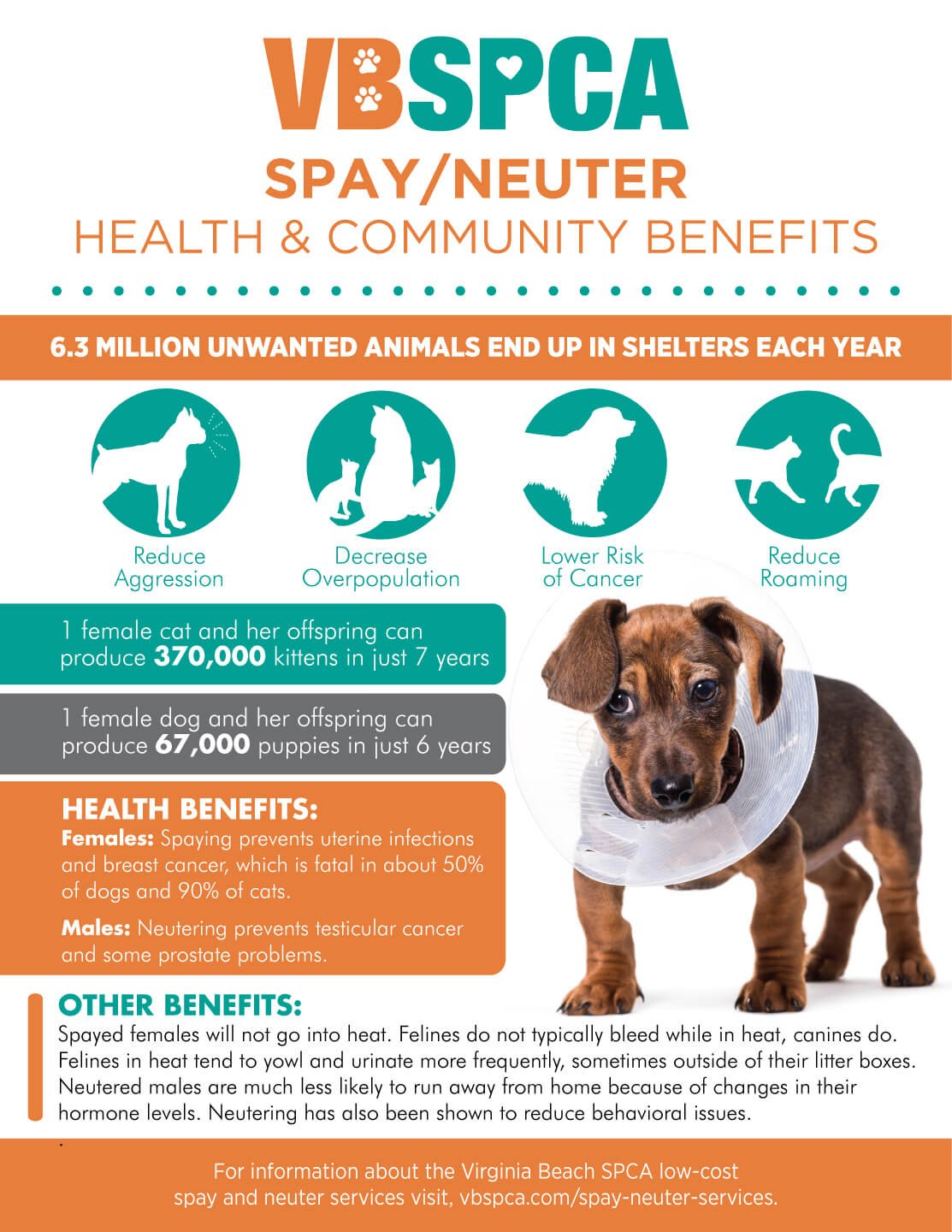
Spaying is a common surgery where a veterinarian removes a female dog’s reproductive organs so she can no longer become pregnant. The operation is usually done under full anesthesia and most dogs go home the same day. Spaying helps protect long‑term health, prevents unwanted litters, and can reduce certain problem behaviors. Many vets consider it one of the most valuable preventive procedures in a dog’s life.
Spay vs neuter and basic terms
Spaying refers to surgical removal of a female dog’s ovaries, usually with the uterus, to prevent future heat cycles and pregnancy. Neutering refers to removal of a male dog’s testicles. Both are forms of surgical sterilization.
| Term | Applies to | Simple meaning |
|---|---|---|
| Spay (ovariohysterectomy/ovariectomy) | Female dogs | Remove ovaries ± uterus |
| Neuter (castration) | Male dogs | Remove testicles |
| Intact | Both | Not spayed or neutered |
Both procedures aim to prevent unwanted litters and reduce specific health risks.
Health benefits for female dogs
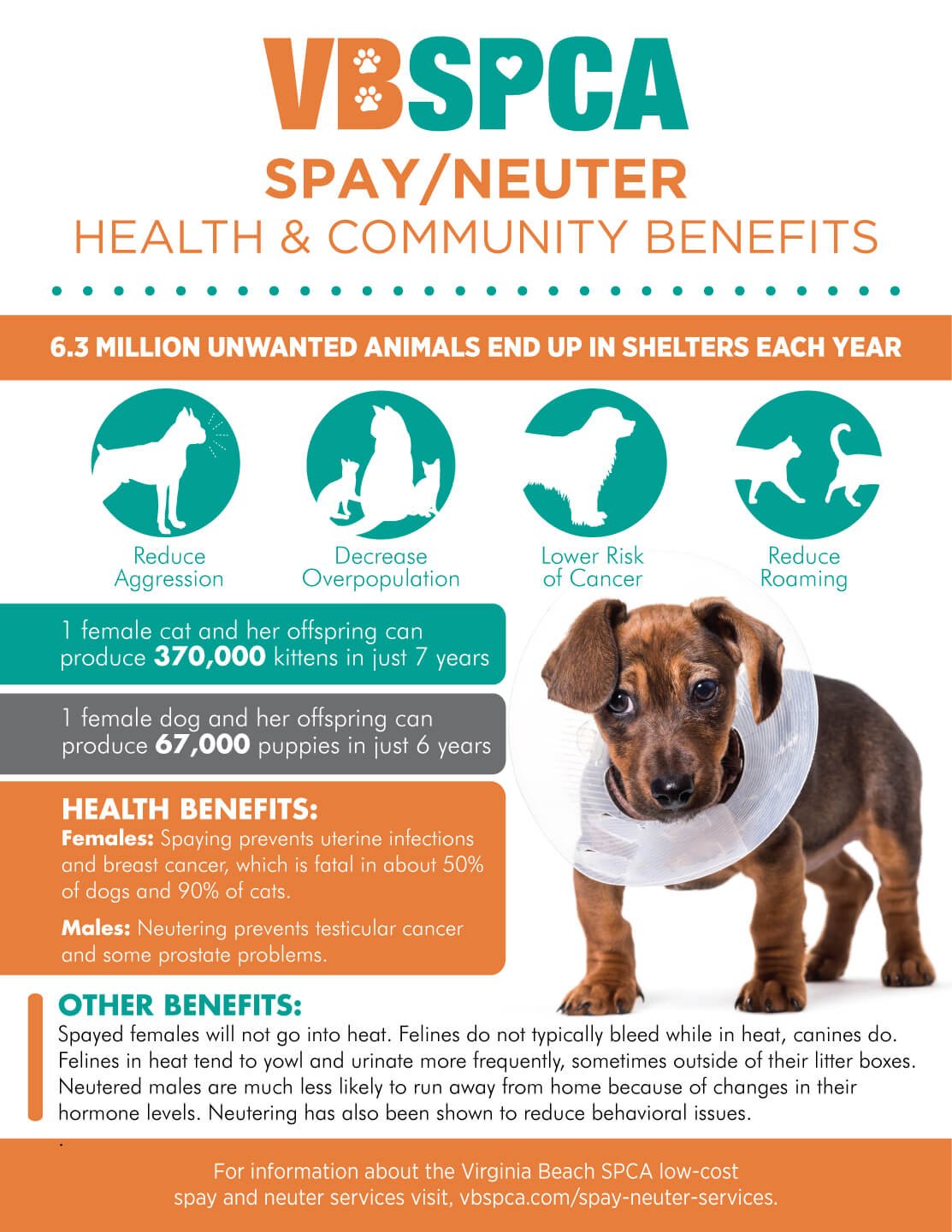
Spaying offers major health protection for female dogs. Removing the ovaries and uterus almost eliminates the risk of deadly uterine infection (pyometra) and greatly lowers the chance of ovarian and uterine cancer. When done before the first or second heat, it can reduce the risk of mammary tumors (breast cancer) by up to 90%. Spayed females also avoid heat‑cycle hormone swings, which can trigger phantom pregnancies, discomfort, and stress for both dog and owner.
Behavior and lifestyle advantages
Spaying often brings calmer, more predictable behavior. Many female dogs show less roaming, vocalizing, and agitation around heat cycles, which makes daily life easier for both dog and owner. The absence of heat also means no bloody discharge, fewer male dogs gathering outside the home, and reduced risk of accidental mating. Overall, many households notice smoother training, more stable moods, and a cleaner, less stressful living environment after surgery.
How Much Does Dog Spaying Cost in 2024?

Dog spay prices vary widely in 2024, but understanding the usual ranges and what drives them helps owners plan with less stress. Total cost is shaped by clinic type, region, dog size, and health status, plus what is included in the fee such as bloodwork or pain medicine. In many areas, owners can choose between full‑service hospitals and low‑cost nonprofit clinics, so careful comparison is important before booking surgery.
Typical price ranges by clinic type
Spay prices vary widely by clinic type, even within the same city. In general, full‑service private clinics cost more but include personalized care, while nonprofit options keep prices low with limited extras.
| Clinic type | Typical range (USD)* | Key points |
|---|---|---|
| Full‑service private vet clinic | $300–$800+ | Longer visits, more monitoring, often includes bloodwork and pain meds |
| Low‑cost nonprofit / humane society | $75–$250 | High‑volume surgery days, basic care, optional add‑on services |
| Municipal / shelter programs | Free–$150 | Income or residency rules, limited appointment days |
| Mobile spay/neuter clinics | $75–$300 | Travel to neighborhoods, basic packages, fewer extras |
*Ranges are approximate 2024 prices in many parts of the U.S.; major cities may be higher.
Cost differences by size and breed
Larger and certain breeds generally cost more to spay because surgery takes longer, uses more anesthesia, and needs more staff support. A simple guide:
| Dog type | Approx. spay range* |
|---|---|
| Toy / small (<20 lb) | $100–$350 |
| Medium (20–50 lb) | $150–$400 |
| Large (50–80 lb) | $200–$500 |
| Giant (>80 lb) | $250–$600+ |
Flat‑faced breeds (like French Bulldogs, Pugs) and deep‑chested breeds may be priced at the higher end due to higher anesthesia risk and extra monitoring.
*Estimates for general‑practice clinics and many nonprofits; local prices vary.
City vs rural and regional price gaps
Urban areas usually have higher dog spay costs than rural regions. City clinics face greater rent and staffing expenses, and owners often pay for extended hours or advanced equipment. Rural clinics may offer lower base fees, but travel distance and fewer appointment slots can add indirect costs.
| Area type | Typical impact on cost |
|---|---|
| Major city | Highest fees, more options |
| Suburban | Mid‑range prices |
| Rural | Lower fees, fewer clinics |
Regional factors such as local wages, demand for surgery, and state grants also affect prices, so owners are advised to compare quotes in nearby towns as well.
Health Factors That Affect Spay Cost
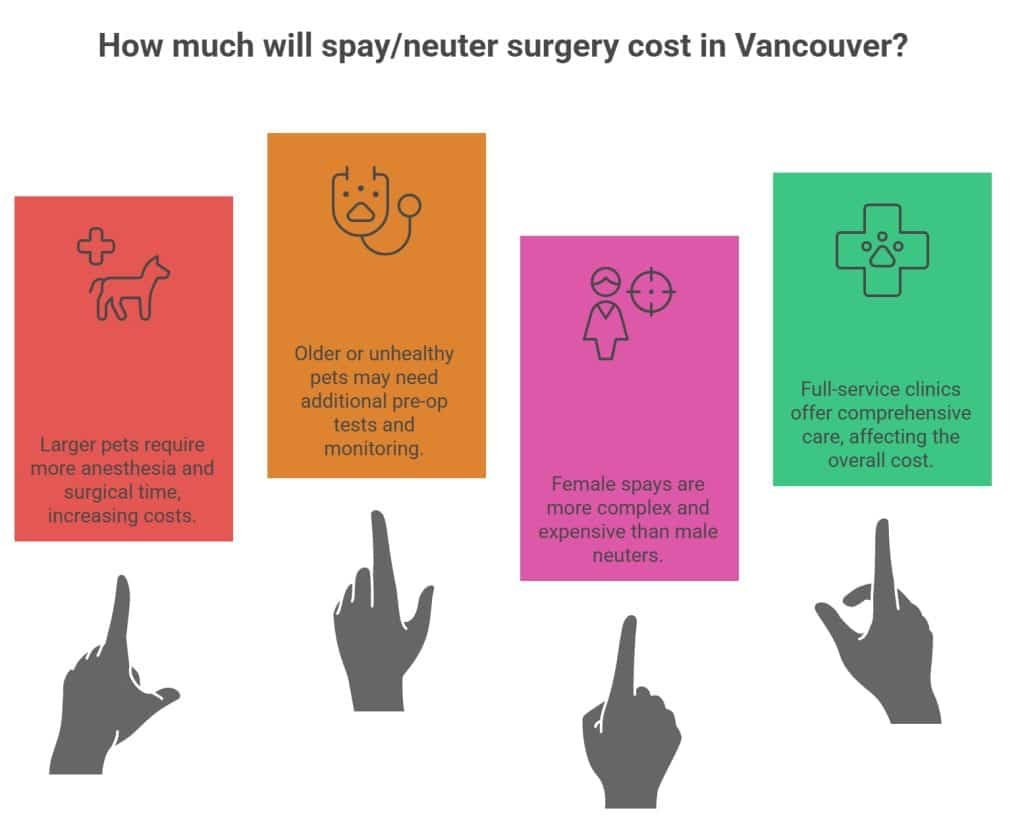
Health status can change spay cost significantly because it affects surgery time, drug use, and monitoring needs. Vets assess age, weight, heat cycle, and any illnesses before giving an estimate. Dogs that are overweight, in heat, pregnant, or have conditions like heart disease, diabetes, or infections often need extra tests, fluids, or staff time. As a result, a quote for a young, healthy dog is usually lower than for an older dog with medical risks.
Age, weight, and body condition
Age, weight, and overall body condition strongly influence both spay cost and safety. Puppies at a healthy weight often fall in the lower fee range, while overweight or obese dogs usually cost more because surgery and anesthesia take longer and need extra monitoring. Very young, senior, or underweight dogs may require bloodwork, IV fluids, or tailored anesthesia, which also adds to the bill. Maintaining a lean, fit body before surgery typically reduces risk and helps support faster recovery.
Heat cycles, pregnancy, and pyometra
Hormonal status strongly affects both health risk and spay cost. Surgery is usually cheapest and safest when a dog is not in heat and not pregnant. When a dog is in heat, the uterus and ovaries have more blood flow, so clinics often add fees for extra time and supplies.
Pregnancy also raises cost because the procedure is more complex and carries higher anesthesia risk. The most serious condition is pyometra, a life‑threatening uterine infection in unspayed females. Treating pyometra requires emergency spay plus intensive care, which is far more expensive than a routine planned surgery.
Pre‑existing illness and extra monitoring
Pre‑existing illness often means higher spay cost and closer monitoring, because anesthesia and surgery carry more risk. Heart disease, kidney or liver problems, diabetes, brachycephalic‑airway issues, and clotting disorders may require extra blood tests, specialist consults, longer hospitalization, or advanced monitoring equipment. Owners are encouraged to share all medical history and medications so the vet can adapt the anesthetic plan and give an accurate estimate before booking surgery.
Detailed Breakdown of Spay Fees
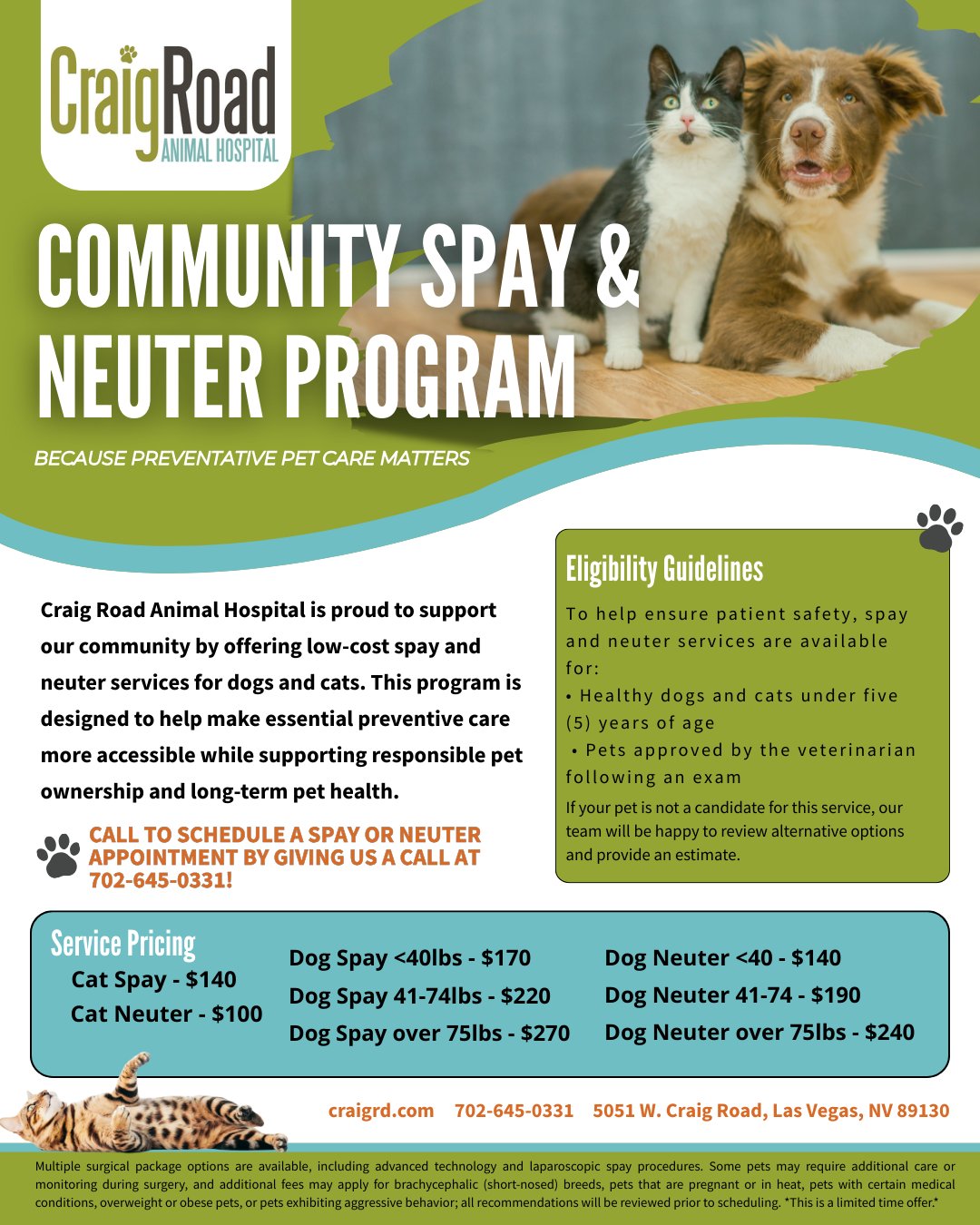
Understanding where your money goes makes it easier to judge whether a quote is fair. A spay invoice usually includes a base surgery fee, plus separate charges for pre‑op tests, anesthesia, monitoring, pain control, and aftercare supplies. Some clinics bundle everything into one price, while others list each service. Owners benefit from asking for an itemized estimate so costs and medical value are clear before booking.
Base surgery fee and exam charges
The base fee usually covers the spay surgery itself plus a basic physical exam. At a full‑service vet, owners may see $250–$600 as a starting point; nonprofit or high‑volume clinics often charge $75–$250. The exam confirms that a dog is healthy enough for anesthesia and surgery. Some clinics include the exam in a package price, while others list it as a separate $40–$80 charge. Higher fees often reflect longer surgery time, experienced staff, and better monitoring equipment.
Bloodwork, IV fluids, and anesthesia
Bloodwork, IV fluids, and anesthesia are often listed as separate line items, but they are central to a safe spay surgery.
Pre‑op bloodwork checks organ function and helps the vet choose the safest drugs. IV fluids maintain blood pressure, protect the kidneys, and allow rapid emergency access. Modern gas anesthesia and monitoring equipment add cost, yet greatly reduce risk, especially for seniors, brachycephalic breeds, or dogs with hidden illness.
Pain relief, cone, and take‑home meds
Pain control is a major part of the spay cost. Most clinics include in‑hospital pain relief and at least 1–3 days of take‑home medication in the estimate, but some charge separately.
Typical items are:
| Item | Purpose |
|---|---|
| Injectable pain medicine | Keeps dogs comfortable after surgery |
| Oral pain meds (1–5 days) | Ongoing relief at home |
| Cone or inflatable collar | Prevents licking and wound damage |
Choosing proper pain relief and a well‑fitted cone helps healing go faster and reduces the risk of costly complications.
Extra charges: in heat, pregnant, cryptorchid
Clinics usually add surcharges when a dog is in heat, pregnant, or has reproductive issues, because surgery becomes longer and more complex.
| Situation | Why cost increases | Typical impact on fee |
|---|---|---|
| In heat | Uterus and ovaries are swollen and bleed more, so surgery is slower and needs extra care | +$25–$75 or more |
| Pregnant | Larger, fragile uterus, higher blood loss risk, longer surgery time | +$50–$150+ |
| Pyometra (infected uterus) | Emergency, very risky, intensive monitoring and meds | Total can be several hundred dollars higher |
| Cryptorchid (retained testicle in males) | Testicle may be in abdomen; longer, more invasive surgery | +$50–$200 depending on location |
Owners who schedule spay before a first heat and before accidental pregnancy often avoid many of these extra charges and reduce health risks at the same time.
Low‑Cost and Free Spay Options
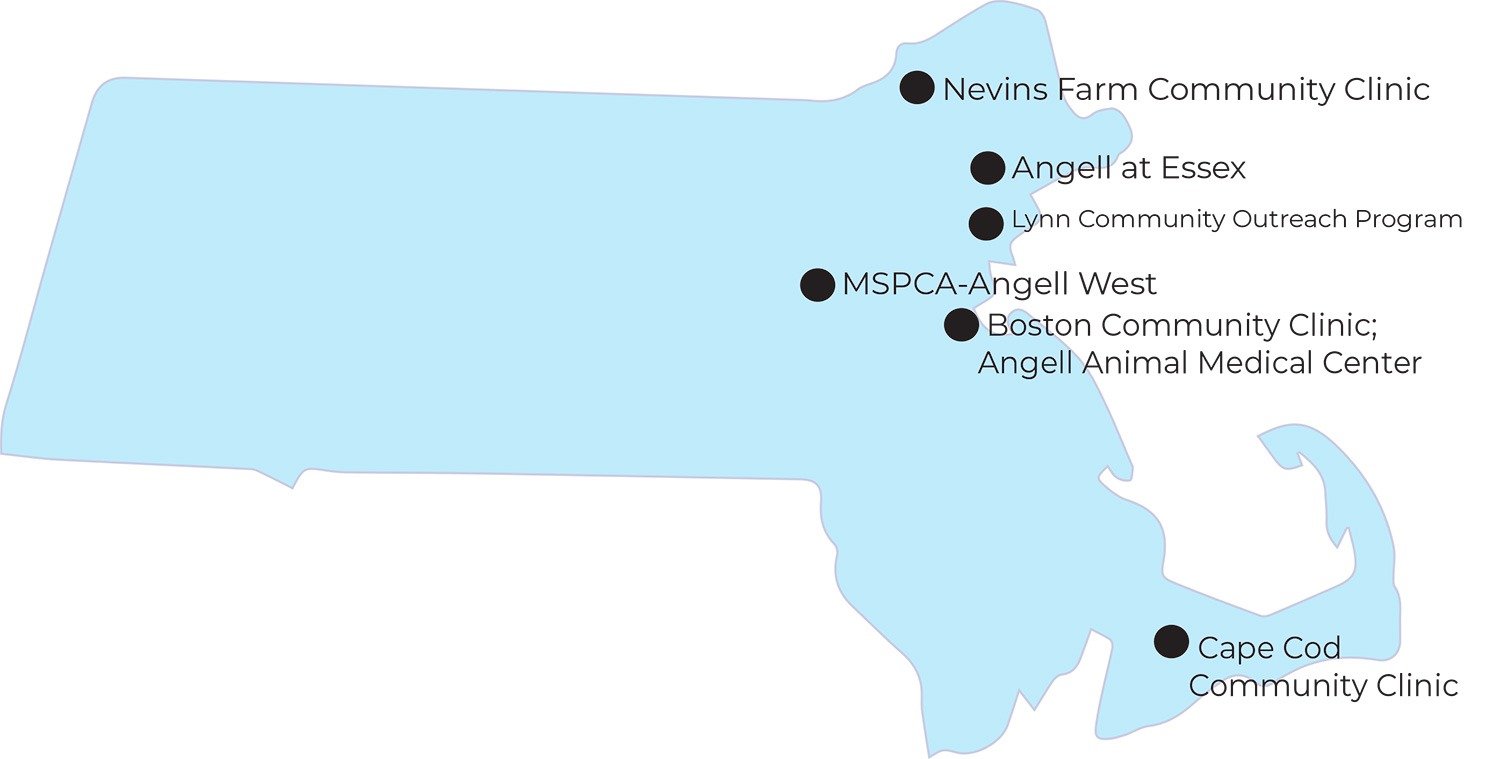
For owners worried about health dog spay cost, there are many ways to reduce the burden. In many areas, humane societies, rescue groups, and public programs offer discounted, low‑cost, or even free spay surgeries for eligible households. Some focus on income, others on community cats and dogs in high‑intake neighborhoods. Planning ahead, asking about sliding‑scale fees, and checking local resources often makes safe surgery affordable without sacrificing medical quality.
Nonprofit clinics and mobile programs
Nonprofit spay/neuter clinics and mobile programs focus on keeping surgery affordable while maintaining safe standards. Many are run by humane societies or animal charities and receive grants or donations to reduce fees. Services are often limited to sterilization and basic wellness, so costs stay low. Mobile clinics visit community centers or shelter parking lots, which helps pet owners in rural areas or those without transport reach low‑cost spay services more easily.
Vouchers, subsidies, and rescue support
Vouchers and subsidies help reduce spay costs for owners who meet income or hardship requirements. Many municipalities, shelters, and animal welfare groups offer discount coupons or partial funding that can be used at partner veterinarians or low‑cost clinics. Rescue organizations sometimes cover all or part of the fee for recently adopted dogs, especially if surgery is done within a set timeframe. Owners are usually asked to show proof of income, residence, or adoption paperwork, so preparing documents in advance makes approval smoother and avoids delays in scheduling surgery.
How to find low‑cost spay near you
Finding affordable spay options starts locally. First, search for “low‑cost spay neuter clinic + your city/state” and check humane societies, SPCAs, and municipal shelters; many run discount programs or list partner clinics. Next, call nearby vets and ask directly about spay packages, wellness days, or income‑based pricing.
Online directories are also useful. National programs such as SpayUSA, state veterinary associations, or city animal control websites often provide searchable maps of low‑cost providers. Social media community groups and rescue organizations in the area can share current promotions, mobile clinic dates, and voucher events. Always confirm what the quoted fee includes (tests, pain meds, cone) before booking.
Dog Spay Cost vs Long‑Term Health Savings

Spaying often feels expensive at first, but it usually costs far less than treating problems it prevents. A routine spay might be $150–$600, while emergency care for a pyometra infection or difficult birth can easily reach $2,000–$5,000 or more. Avoiding repeated heat cycles also saves on diapers, cleaning, and accidental litters. Over a dog’s lifetime, spaying generally reduces total medical bills and protects health at the same time.
Preventing mammary tumors and infections
Spaying dramatically lowers the risk of mammary (breast) tumors, especially when done before the first or second heat. Many mammary tumors in older, unspayed females are malignant and can require surgery, chemotherapy, or euthanasia, which are all costly and distressing.
Spaying also prevents pyometra, a life‑threatening uterine infection common in middle‑aged and older intact females. Emergency treatment often needs hospitalization and surgery, and can cost thousands of dollars. By investing in spaying earlier, owners reduce the chance of these dangerous conditions and avoid major future medical expenses.
Avoiding emergency C‑sections and care
Emergency C‑sections are among the most expensive and risky reproductive emergencies for dogs. Unplanned pregnancies can lead to difficult labor, stuck puppies, or uterine rupture, all requiring urgent surgery, intensive monitoring, and neonatal care. By spaying before pregnancy, owners greatly reduce the chance of late‑night emergency hospital visits, high surgical fees, and the emotional stress of losing the mother, puppies, or both.
Population control and shelter impact
Spaying directly reduces the number of unexpected litters, which helps control overall dog population. Fewer unwanted puppies means less pressure on shelters and rescue groups, where space, staff, and budgets are limited. In many areas, unplanned litters are a major reason for euthanasia of healthy dogs. By investing in one surgery, owners help prevent future overcrowding, lower public costs for animal control, and open shelter space for dogs already in need of homes.
Best Age to Spay and Health Considerations

Choosing when to spay a dog is a balance between health protection, growth, and behavior. Early spay can greatly reduce the risk of mammary tumors and completely prevent pyometra and unwanted litters. However, timing may differ for small and large breeds, dogs with medical issues, or dogs intended for sports. Owners are encouraged to discuss breed, lifestyle, and health history with a veterinarian to decide the safest, most beneficial timing for each dog.
Puppy, adolescent, and adult timing
Choosing when to spay depends on age, size, and health. Many vets recommend spaying small‑ to medium‑breed puppies around 6–9 months, before the first heat, to reduce mammary tumor risk. Some shelters spay as early as 8–16 weeks in healthy puppies to prevent accidental litters. Adolescent dogs (9–18 months) can usually be spayed safely but may have slightly higher anesthesia time due to size. Adult and senior dogs can also be spayed, yet vets often advise pre‑op bloodwork and closer monitoring, which can increase cost and risk a little compared with young, healthy dogs.
Large‑breed dogs and joint health
Large breeds grow more slowly and reach full size later, so hormone timing affects bone growth plates. Early spay (before first heat) may slightly increase risks of hip dysplasia or cruciate ligament injury in some large dogs. Many vets now recommend waiting until 12–18 months for large and giant breeds, when growth plates have mostly closed.
Owners should discuss breed, family history of joint disease, behavior, and ability to manage heats with a veterinarian. A tailored plan helps balance cancer prevention with joint protection for each individual dog.
When delaying spay may be safer
In some situations, postponing spay surgery is safer for a dog’s health. Examples include serious heart or lung disease, uncontrolled diabetes, severe obesity, or major infections. Veterinarians may also delay surgery for very stressed senior dogs to perform extra tests first. In such cases, owners should discuss temporary pregnancy prevention, weight control, and close monitoring with a veterinarian until surgery becomes safer.
What Happens on Spay Surgery Day
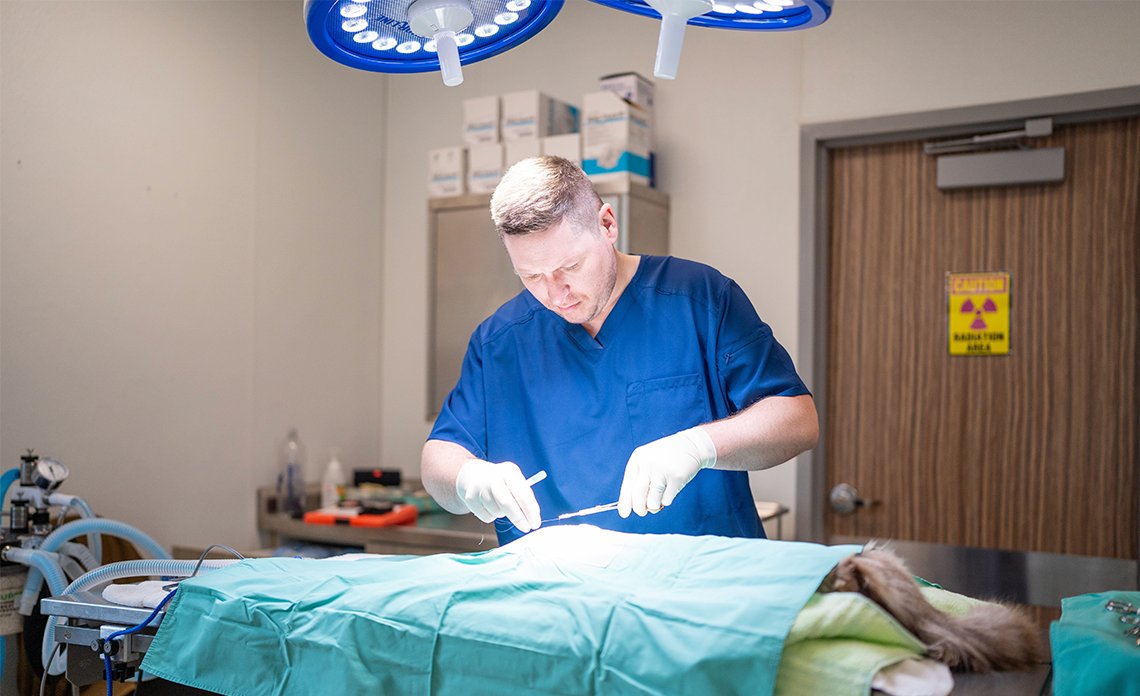
A typical spay day follows a clear routine so owners can plan calmly. Dogs are usually admitted in the morning, after a period of strict fasting for safety under anesthesia. Staff confirm details, perform a brief check, and place the dog in a kennel until surgery. The vet then performs the operation under full anesthesia and monitoring. After waking, the dog stays for observation until walking steadily and deemed safe to go home with written aftercare instructions.
Pre‑op exam and fasting instructions
Before surgery, most vets perform a pre‑operative exam to confirm your dog is healthy enough for anesthesia. The vet checks heart and lungs, temperature, gums, weight, and may recommend bloodwork. Owners should share any past illnesses, medications, or recent vomiting/diarrhea.
Fasting is usually required to reduce the risk of vomiting under anesthesia. A common schedule is:
| Dog type | Food | Water |
|---|---|---|
| Adult dogs | No food for 8–12 hours before arrival | Often allowed until 2–3 hours before, unless vet says otherwise |
| Young puppies | Shorter fasting; follow clinic’s exact instructions | Usually allowed a bit closer to surgery |
Give regular medications only if your vet approves. Always follow the specific fasting and arrival instructions from the clinic, even if they differ from general guidelines.
During surgery: what your vet does
During surgery, the vet team first places an IV catheter and gives carefully calculated anesthesia so the dog sleeps pain‑free. A breathing tube is inserted, and monitors track heart rate, breathing, and oxygen. The abdomen is shaved and cleaned, then the vet makes a small incision, removes the ovaries (and usually the uterus), and closes the muscle and skin in layers. Pain relief is given before waking to keep recovery as smooth and calm as possible.
Recovery at the clinic and going home
After surgery, most dogs stay at the clinic for monitoring until they are awake, warm, and stable. Staff check heart rate, breathing, gum color, and the incision, and give pain relief as needed. Some clinics keep dogs several hours; others until late afternoon.
Before discharge, the team usually:
- Reviews home‑care and activity limits
- Explains pain medications and dosing
- Shows how the incision should look
- Schedules a recheck or suture removal
Owners typically receive written instructions and an emergency number. A quiet car ride and a warm, calm space at home help the dog continue safe recovery.
Risks, Side Effects, and How Vets Reduce Them
Spay surgery is very safe for most healthy dogs, but no operation is completely risk‑free. Short‑term risks include reactions to anesthesia, bleeding, infection, or wound opening. Long‑term changes may include weight gain or a small shift in hormone‑related behavior.
Veterinarians lower risks by performing pre‑op exams and bloodwork, using modern anesthesia, sterile technique, IV fluids, and tailored pain control. Careful monitoring during and after surgery, plus clear home‑care instructions, helps keep complications rare.
Common, mild after‑effects
Most dogs experience only mild, short‑lived effects after a spay. Common signs include grogginess from anesthesia, slightly reduced appetite, and wanting to sleep more for 12–24 hours. A small amount of redness, swelling, or bruising around the incision is also typical.
Light whining, reluctance to jump, and moving more slowly usually reflect normal soreness. Soft stools can appear for a day or two. Mild symptoms should gradually improve; worsening pain, swelling, or lethargy requires a vet visit.
Rare but serious complications
Serious complications are rare, especially in healthy dogs at reputable clinics, but owners should know the warning signs. Possible issues include severe bleeding, wound opening, internal infection, or anesthesia reactions. Signs of trouble are pale gums, collapse, repeated vomiting, a very swollen or painful belly, foul‑smelling discharge, or breathing difficulty. Any of these require urgent emergency veterinary care without delay.
Questions to ask about safety and cost
Preparing questions in advance helps owners feel confident about both safety and cost.
Example questions about safety
- What kind of anesthesia and monitoring equipment are used?
- How many spay surgeries does the vet perform each week?
- Is pre‑surgery bloodwork recommended or required for my dog?
- How will pain be managed during and after surgery?
- Who watches the dog while waking up from anesthesia?
Example questions about cost
- What is included in the quoted price, and what is optional?
- Are bloodwork, IV fluids, and take‑home pain meds extra?
- Are there added fees if the dog is in heat, overweight, or pregnant?
- Are follow‑up visits or suture removal included?
- Are payment plans, discounts, or wellness plans available?
Clear answers to these points help owners compare clinics fairly and choose safe, good‑value care for their dog.
Home Care After Your Dog Is Spayed
After spay surgery, calm, simple care at home supports safe healing. The surgical incision usually needs 10–14 days of protection from licking, jumping, and rough play. A cone or recovery suit is very helpful. Prepare a quiet, warm resting area away from stairs and slippery floors. Follow all instructions about pain medication and activity limits carefully. Prompt attention to redness, swelling, or behavior changes helps prevent complications and keeps recovery on track.
Activity, feeding, and wound care
After surgery, quiet rest is essential. Short leash walks only for toileting are usually advised for 7–14 days. Avoid running, jumping, and rough play so the stitches do not open.
Offer small, light meals the first evening; some dogs feel slightly nauseous after anesthesia. If vomiting occurs, skip food for several hours and try a small portion again. Keep fresh water available, but discourage very fast drinking.
For wound care, check the incision once or twice daily. The line should be dry, with only mild swelling or bruising. Do not apply ointments unless a veterinarian instructs. Use a cone or recovery suit so the dog cannot lick or chew the incision, because licking can quickly cause infection or wound breakdown.
Signs you should call the vet
After surgery, owners should contact a veterinarian promptly if any warning signs of complications appear. Typical red flags include: no interest in food or water for more than 24 hours, repeated vomiting or diarrhea, or labored breathing. Strong pain unrelieved by prescribed medication, continuous whining, or the dog refusing to stand also require attention.
Check the incision daily. Call the clinic if there is heavy redness, swelling, heat, pus, a bad odor, or bleeding that soaks the bandage. A gap in the stitches, the dog pulling out sutures, or anything protruding from the wound is an emergency. A feverish feeling, shivering, or extreme lethargy can indicate infection or internal issues, so consultation with a veterinarian is recommended without delay.
Helping anxious or energetic dogs rest
Energetic or anxious dogs often struggle with rest after surgery, but calm recovery is vital for healing and pain control. Prepare a quiet, familiar room away from children and other pets. Use a crate or small pen so the dog cannot jump, and place non‑slip rugs nearby.
Offer short, calm affection instead of active play. Food‑stuffed chew toys that do not require vigorous movement, lick mats, or snuffle mats with a few treats can provide mental stimulation while keeping the body still. Avoid toys that encourage pulling, pouncing, or running.
Speak softly and keep lights dim in the evening. White noise or soft music may help some dogs relax. For very anxious dogs, veterinarians may recommend prescribed calming medications or supplements. Always follow the clinic’s advice, and contact the veterinarian if restlessness seems extreme or the dog keeps trying to interfere with the incision.
Budgeting and Planning for Dog Spay Costs
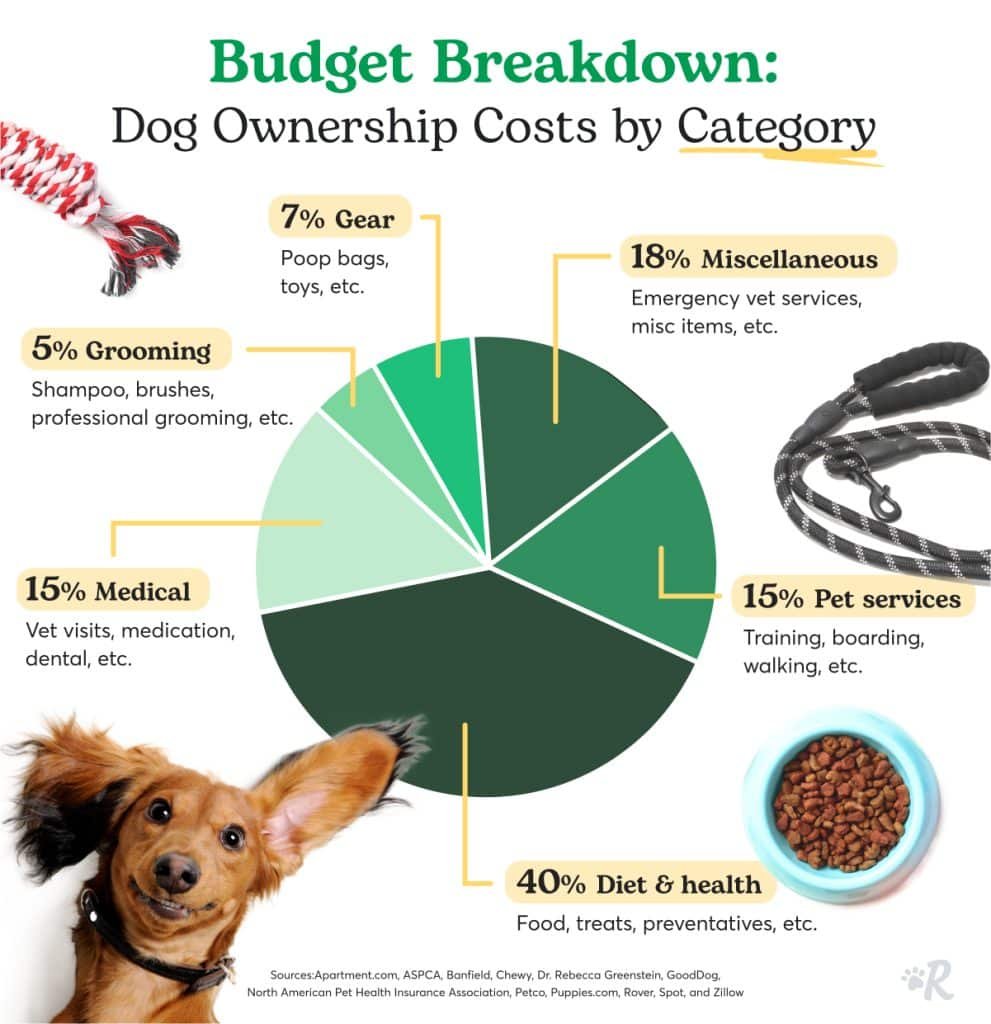
Planning ahead helps avoid stress when it is time to spay a dog. First, ask veterinarians and local low‑cost clinics for written estimates that list what is included: exam, bloodwork, anesthesia, pain relief, cone, and follow‑up. Note any extra fees for size, age, or being in heat.
Next, choose a target month and set aside a small amount each week until the expected date. Owners can also look into pet insurance, wellness plans, and charity programs in advance, because some options require enrollment before surgery is needed. Careful budgeting makes it easier to choose safe, high‑quality care rather than the very cheapest option.
Pet insurance and wellness plans
Pet insurance and wellness plans can significantly reduce out‑of‑pocket spay costs, depending on coverage. Many accident‑and‑illness policies do not cover routine spay surgery, but optional wellness add‑ons often reimburse part of the fee.
| Plan type | Spay coverage |
|---|---|
| Accident/illness only | Usually no routine spay cover |
| Wellness add‑on | Fixed allowance toward surgery |
| Stand‑alone wellness plan | Annual package of routine care |
Before enrolling, owners should confirm waiting periods, annual limits, and which items (exam, bloodwork, pain meds) are included so cost expectations stay clear.
Payment plans and cost‑saving tips
Many clinics offer payment plans through in‑house billing or services such as CareCredit. Asking about options before booking helps avoid surprise bills. Some shelters and nonprofits provide sliding‑scale fees based on income.
To cut costs safely, consider low‑cost clinics, spay/neuter events, or weekday appointments, which may be cheaper than weekends. Keeping vaccinations up to date and your dog at a healthy weight can also prevent added pre‑surgery fees.
How to compare clinic quotes wisely
When comparing quotes, focus on what is included, not only the headline price. Ask each clinic to itemize: exam, surgery fee, pre‑op bloodwork, IV fluids, anesthesia type, monitoring, pain relief, e‑collar, and recheck visits. Clarify possible extra charges for heat, pregnancy, obesity, or complications. Check the surgeon’s experience and whether a qualified nurse monitors anesthesia. A slightly higher quote that includes safety measures and pain control often offers better value than the cheapest option.
This article provides a comprehensive explanation to help pet owners make informed decisions about spaying or neutering their dogs, covering topics such as the health benefits of the procedure, estimated costs in 2024, health factors that affect the cost and their breakdown, low-cost and free options, appropriate timing and procedures on the day of surgery, risks and home care, and smart financial planning options including insurance and installment plans.


















![Feed your puppy softened dog food! [Feeding Tips]](https://with-my-dog.com/wp-content/uploads/2022/04/image1-300x200.jpg)