
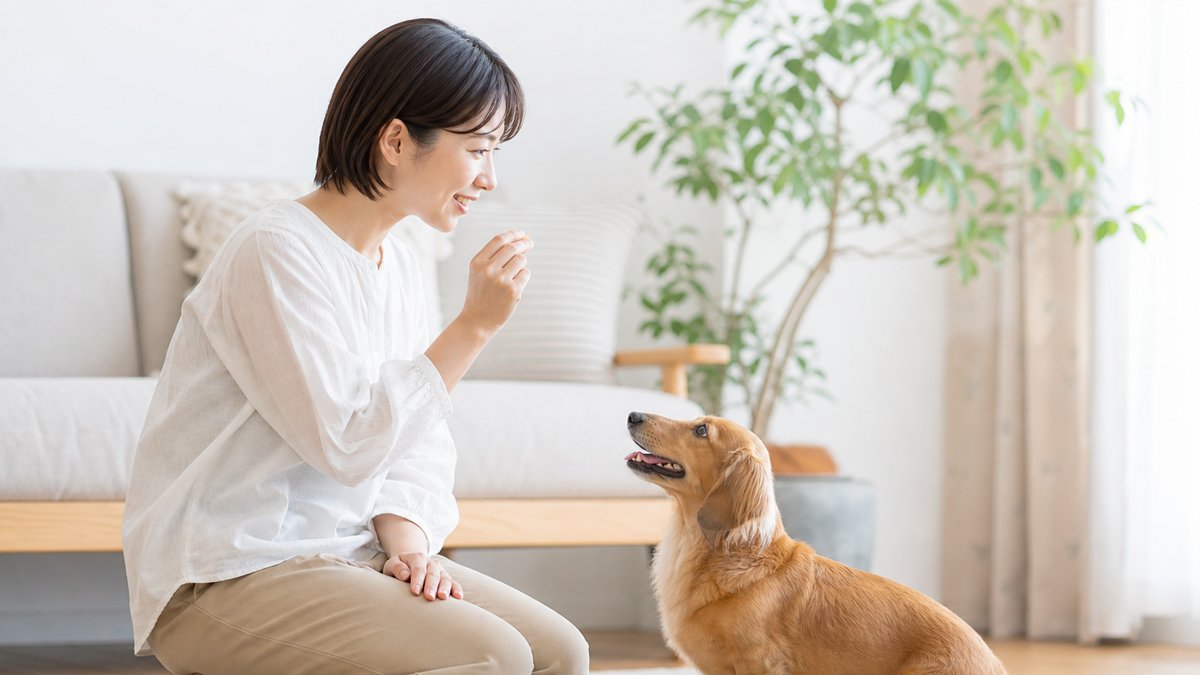
Many dog owners struggle with training their dogs by constantly scolding them with "No!" In this context, positive reinforcement, a method of training dogs that focuses on positive reinforcement, is gaining attention. This article will explain the basic principles and practical steps of this method, which involves using treats and verbal encouragement effectively to build a strong bond and motivate your dog, in a way that is easy for beginners to understand.
What Is Positive Reinforcement Training?
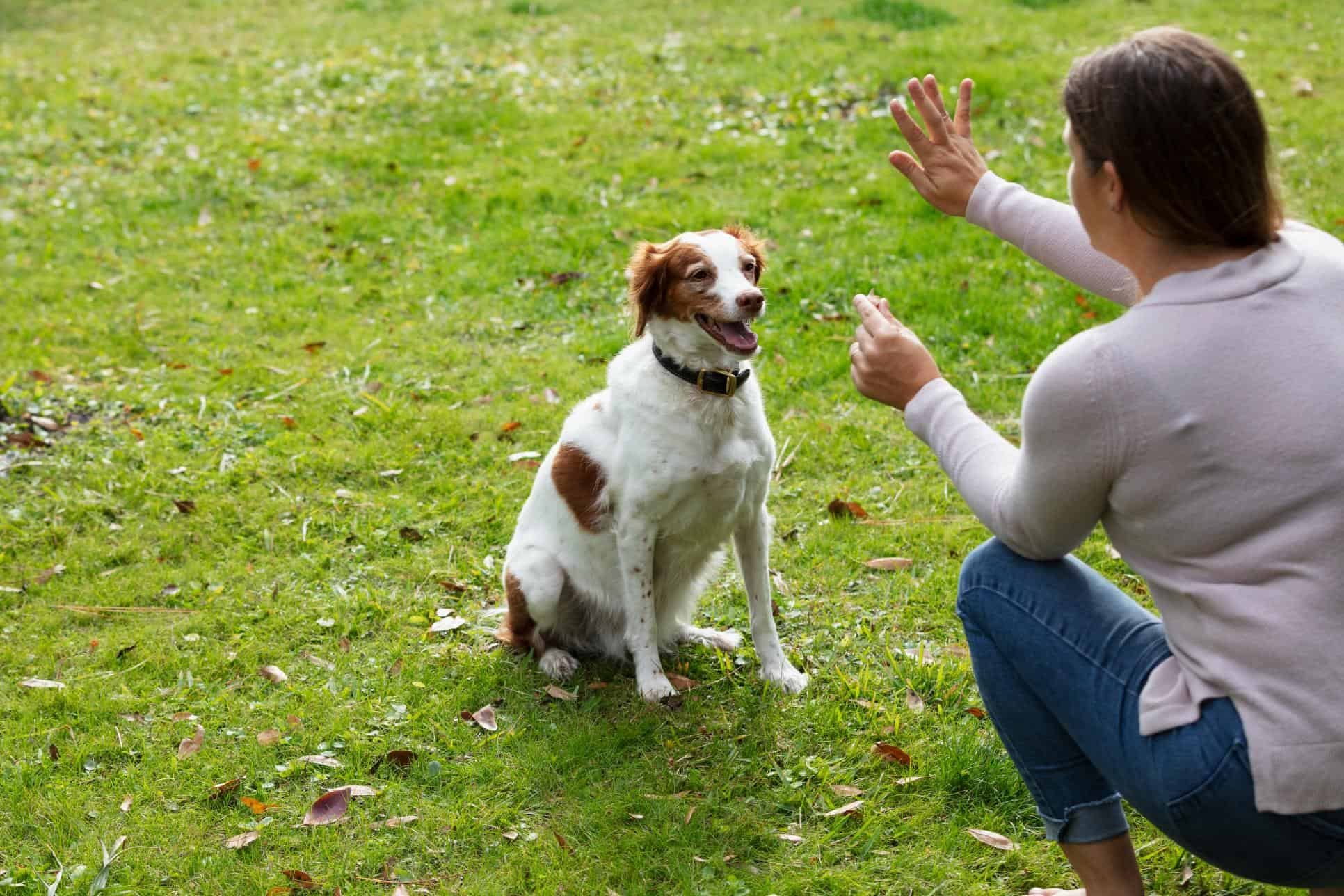
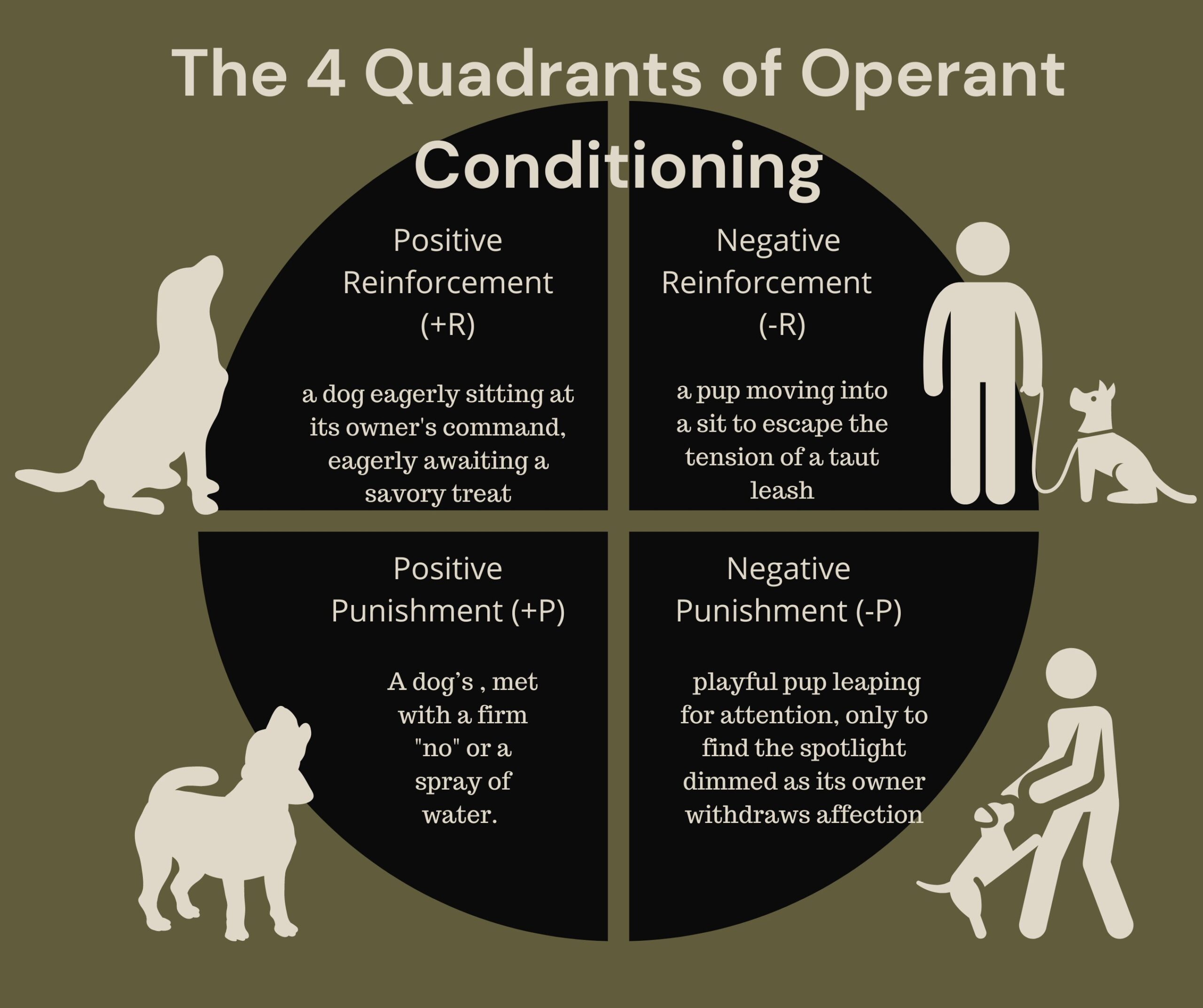
Positive reinforcement training means rewarding the behaviors an owner wants to see more of. When a dog sits calmly, comes when called, or walks nicely on leash, the dog receives something enjoyable such as a treat, toy, praise, or a chance to play. Over time, the dog learns that good choices make good things happen, so the dog offers those behaviors more often. Instead of focusing on stopping unwanted actions, the method builds desired habits by making them clearly worthwhile for the dog.
How it differs from punishment-based methods
Punishment-based training focuses on stopping unwanted behavior through yelling, leash jerks, or physical corrections. Positive reinforcement focuses on rewarding desired behavior so the dog chooses it again. Instead of waiting for mistakes, owners set the dog up to succeed and pay well for good choices. As a result, learning becomes less about avoiding fear and more about calmly understanding what earns rewards.
Why it works from a dog’s point of view
Dogs repeat behaviors that lead to good outcomes. Positive reinforcement links a specific action (such as sitting) with something the dog loves, so the dog learns, “My choice makes rewards happen.” Punishment mainly teaches what to avoid and can create fear or confusion.
From a dog’s view, rewards are clear information: do this and life gets better. The dog feels safe to experiment, offer new behaviors, and focus on the owner. As confidence grows, learning becomes faster and the bond becomes stronger.
Core Principles Owners Should Know
Positive reinforcement relies on a few core ideas that make learning clear and enjoyable for dogs. Dogs repeat behaviors that bring good outcomes, so desired actions are paired with rewards. Unwanted behavior is managed by preventing it or calmly redirecting, not by punishment. Clear cues, perfect timing of rewards, and consistent rules from all family members are essential. Short, fun sessions help dogs stay motivated and build a trusting relationship with the owner.
Clear, simple cues and body language
Dogs understand short, consistent words and clear body signals better than long sentences. Choose one cue for each behavior, such as “sit” or “down,” and have everyone at home use the same word. Speak in a calm, neutral tone.
Pair verbal cues with simple body language: a hand signal, a step forward, or a still posture. Avoid leaning over or waving arms in an excited way, because many dogs find that confusing or stressful. Simple, repeatable cues help dogs learn faster and feel secure.
Timing: rewarding at the right moment
Reward timing is the engine of positive reinforcement. A dog links the reward to whatever it did in the 1–2 seconds before the treat, toy, or praise.
To help learning:
- Prepare rewards in hand or a pouch so delivery is instant
- Mark the correct action the moment it happens with a click or short word like “Yes!”
- Give the treat right after the marker, every time
If a reward comes late, the dog may connect it to sitting up, barking, or wandering away instead of the behavior the owner wanted.
Consistency from all family members
When family members train in different ways, dogs become confused and progress slows. For effective positive reinforcement dog training, all people who live with the dog should agree on the same cues, rules, and rewards.
Create a simple household plan:
- Same words for cues (e.g., always “sit,” not sometimes “sit down”)
- Same rules (for example, either everyone allows sofa access or no one does)
- Same responses to unwanted behavior (ignore and redirect, never yell)
A short written list on the fridge or shared memo helps guests and children follow the plan. When dogs receive predictable, unified guidance, they relax, learn faster, and make fewer mistakes in daily life.
Keeping sessions short and positive
Short, upbeat sessions keep dogs engaged and prevent frustration. Aim for 3–10 minutes at a time, a few times per day, rather than one long lesson. End while the dog is still eager so training feels fun. Mix easy, well‑known cues with new ones to keep confidence high. If the dog shows stress signals, gets distracted, or slows down, take a break. Always finish with a behavior the dog can do easily and reward generously, so training predicts success and enjoyment.
How to Start Positive Reinforcement Training
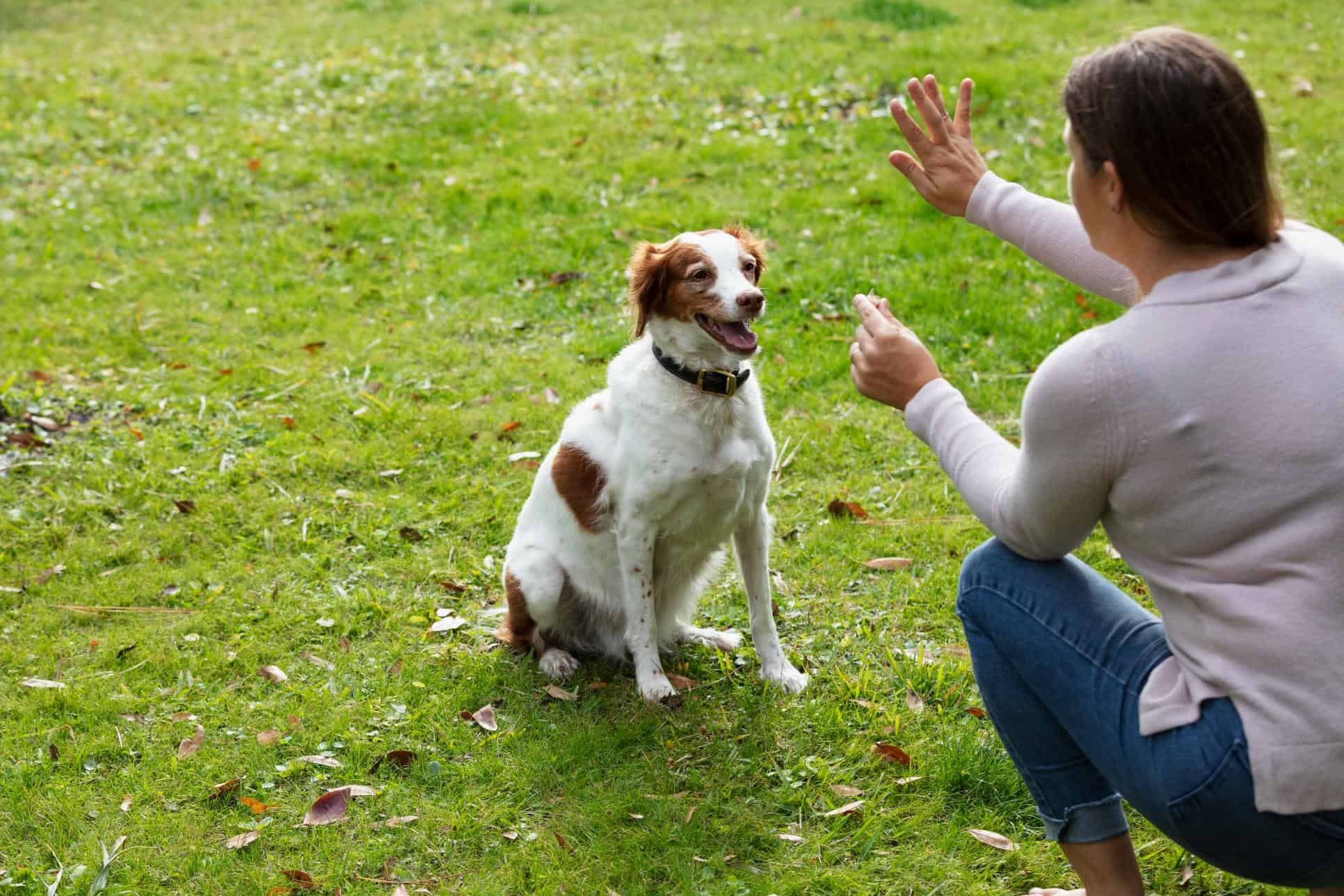
Positive reinforcement training can begin in small, simple steps from everyday life. The key idea is “reward what you like, ignore or redirect what you do not like.” Start by choosing one or two easy behaviors, such as sit or coming when called indoors, and focus on rewarding those reliably. Keep sessions very short and end while the dog still enjoys the activity. Over time, training becomes a natural part of mealtimes, play, and walks, rather than a separate task.
Setting up your training space
A calm, safe space helps dogs learn faster. Choose a quiet area away from distractions such as windows, front doors, and noisy TVs. Use a non‑slip surface so the dog can move comfortably. Keep essentials nearby: treats, toys, clicker or marker word plan, and a treat pouch. Short sessions in the same spot at first help the dog understand “training time has started,” which supports focus and success.
Step-by-step for a basic behavior
Before teaching any cue, a simple step-by-step flow helps both owner and dog. A basic positive reinforcement sequence is:
- Prepare a reward your dog finds valuable (tiny treats are ideal).
- Wait for or prompt a small piece of the desired behavior (even a partial attempt).
- The moment it happens, mark the behavior with a clicker or a short word like “Yes!”.
- Immediately deliver the reward so the dog links action and consequence.
- Give the dog a moment to reset, then repeat several short reps, rewarding every success.
- Gradually raise the standard: reward slightly better versions and ignore off-target attempts.
By repeating this calm, clear pattern, dogs learn which choices "make good things happen" and begin offering the behavior more often.
Teaching “sit” with rewards
Teaching “sit” with rewards is a simple way to introduce positive reinforcement.
- Hold a small treat at the dog’s nose.
- Slowly move the treat up and slightly back over the head.
- As the head follows the treat, the bottom naturally lowers.
- The moment the bottom touches the ground, immediately give the treat and calm praise.
Repeat several times until the dog begins to sit in expectation of the reward.
Adding a cue and phasing out lures
Once the dog offers a reliable sit with a food lure, the next step is adding a verbal cue and then removing the lure.
First, say “sit” in a calm voice, then move the hand (with food) as before and reward. Repeat until the dog starts sitting as soon as the word is heard. When the response becomes quick, keep the hand motion but hide the treat in the other hand or a pouch. The guiding hand becomes an empty signal, and the treat appears only after the dog sits. Gradually make the hand signal smaller until the dog responds mainly to the word. This method prevents the dog from depending on visible food to obey.
Using a clicker or marker word
A clicker or marker word is a signal that tells the dog, “Yes, that behavior earns a reward.” The sound always comes before the treat or toy. First, “charge” the marker: press the clicker (or say a short word like “Yes!”) and instantly give a treat, 10–20 times, until the dog looks expectant at the sound.
During training, wait for the desired behavior, mark the exact moment it happens, then follow with a reward. The marker must always predict something pleasant, never scolding. Owners who dislike clickers can use a consistent, upbeat word instead; the principle remains the same.
Choosing the Right Rewards
Choosing effective rewards is the core of training positive reinforcement dog training. A reward should be something the dog truly wants at that moment. When the reward is valuable, the dog is more motivated to repeat the behavior. Rewards also help dogs feel safe and confident, because good choices always lead to pleasant outcomes. By matching the reward to the situation and the individual dog, owners can train more quickly, reduce frustration, and build a stronger bond based on trust.
Treats, toys, praise, and real-life rewards
Dogs can find many things rewarding, not only food. In positive reinforcement training, using a mix of rewards keeps motivation high and prevents boredom.
| Reward type | Example uses | Best for |
|---|---|---|
| Treats | Tiny soft snacks, kibble from meals | New skills, difficult situations |
| Toys & play | Tug, fetch, squeaky toy time | High‑energy dogs, recall games |
| Praise & affection | Happy voice, gentle petting, smiles | Sensitive dogs, daily manners |
| Real‑life rewards | Going for a walk, sniffing, greeting a friend | Everyday behavior and good manners |
The key point is to pair wanted behavior with something the dog values. Over time, praise and real‑life rewards can gradually replace frequent food treats.
Finding what motivates your dog most
Dogs do not all work for the same reward, so identifying a “top currency” greatly improves training. Owners can test several options: soft food treats, crunchy treats, tug toys, balls, sniffing time, or affection. Present two rewards at once and observe which one the dog chooses or works harder for. Repeat in different places, because some dogs prefer food indoors but toys outdoors. The most valued reward should be saved for difficult tasks or distracting environments to keep motivation high.
When and how often to give treats
Treats work best when they clearly connect to a behavior. As a rule, give a reward within 1–2 seconds of the action you like, so the dog understands what earned the treat. In early training, reward almost every correct response; once the dog is reliable, start to reward every second or third success, mixing in praise and play. For simple manners in daily life, an occasional treat is enough, as long as good behavior always brings some form of reward such as praise, touch, or access to fun.
Preventing weight gain while using food
Food rewards do not need to lead to weight gain. First, use part of the regular daily food allowance as training treats and reduce meal portions accordingly. Choose small, soft treats (pea-sized or smaller) so many rewards add up to few calories. For easy tasks, switch to lower‑value rewards such as kibble or vegetables. Balance frequent training with daily exercise, and monitor body shape and weight regularly so adjustments can be made early.
Shaping Good Behavior Day to Day
Day-to-day life is where positive reinforcement has the strongest impact. Dogs constantly make small choices: to bark or stay quiet, jump or keep four paws on the floor, pull or walk calmly. Owners can shape behavior by noticing and rewarding the good choices in real time. A simple "yes" plus a treat, toy, or praise whenever the dog behaves well teaches, "Doing that pays off." Over many repetitions, the dog starts to offer desirable behaviors automatically, even without being asked.
Rewarding calm, polite choices
Dogs repeat what brings them success, so quiet, polite behavior must pay off. Many owners accidentally reward barking or jumping by giving attention, while calm lying or sitting is ignored.
Watch for moments when the dog is relaxed: lying on a mat, sitting instead of jumping, waiting at a doorway, walking with a loose leash. Gently say a marker word such as “yes,” then offer a treat, toy, or calm praise. Over time, the dog learns being calm makes good things happen, which reduces pushy or hyper behavior in daily life.
Breaking complex skills into small steps
Complex skills, such as loose-leash walking or staying on a mat, are easier to learn when broken into very small, clear steps. Instead of aiming for the final behavior at once, owners can reward each tiny improvement. For example, for "stay," first reward a one‑second pause, then three seconds, then five, gradually adding time, distance, and distractions. Progress may look slow, but many easy wins build strong, reliable behavior without confusing or frustrating the dog.
Using everyday moments as training
Everyday life offers countless training chances. Before meals, ask for a sit or wait and reward when the dog holds the position. At doors, only open when the dog stands or sits calmly. On walks, reward eye contact, walking on a loose leash, or choosing to ignore distractions. Short greeting routines—such as sitting before saying hello—teach polite manners. By rewarding small good choices all day, positive behavior becomes the dog’s default.
What to Avoid With Positive Reinforcement
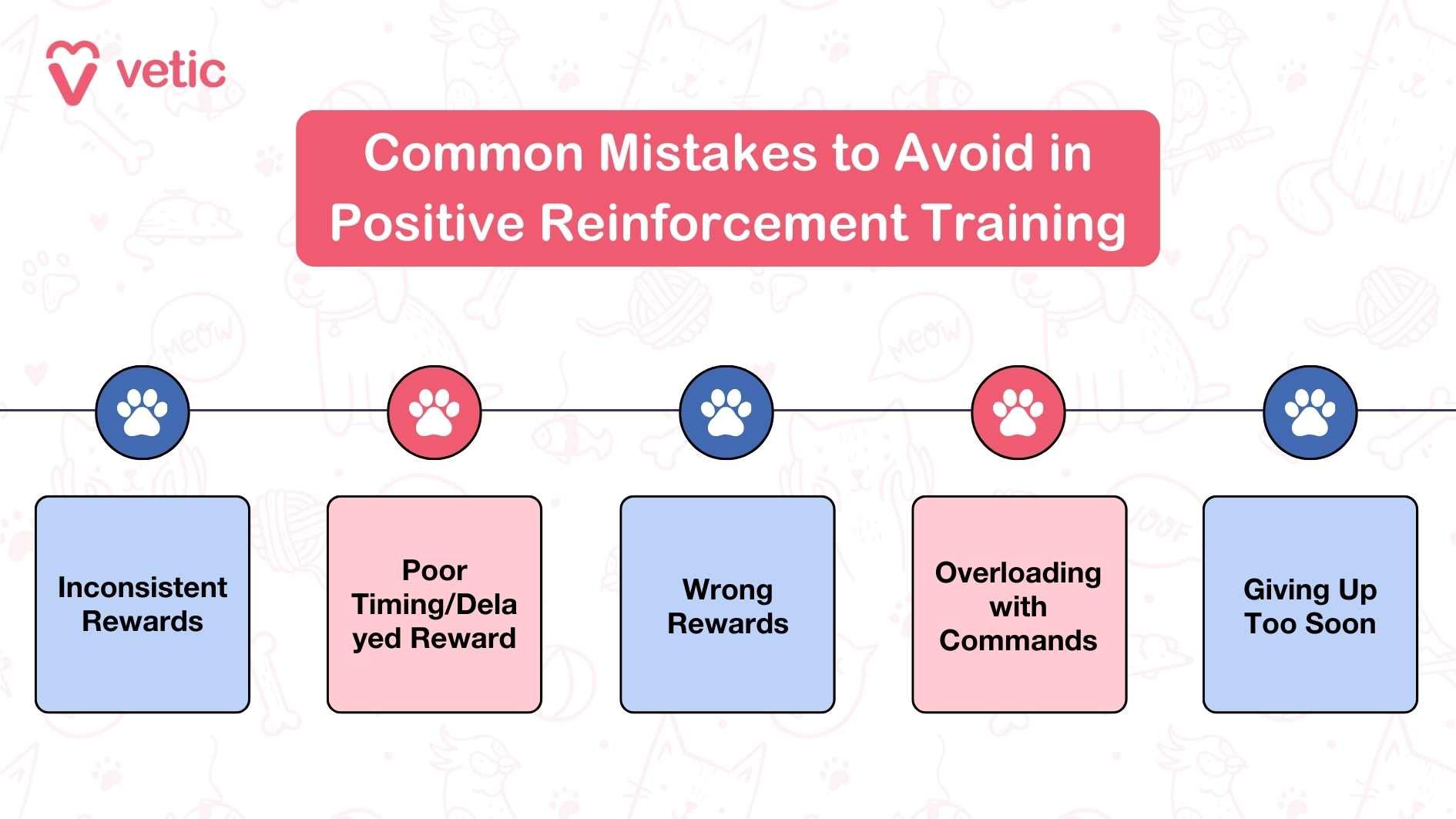
Positive reinforcement is gentle, but not everything counts as positive or helpful. Some approaches quietly weaken training results.
Avoid:
- Inconsistent rules – sometimes allowing jumping or pulling, sometimes correcting it, confuses the dog.
- Rewarding at the wrong moment – praising while the dog is still barking or pulling reinforces unwanted behavior.
- Overlong, frustrating sessions – a tired or stressed dog learns poorly and may start to dislike training.
- Using bribes instead of rewards – waving food first and only then asking for a cue teaches the dog to work only when treats are visible.
- Ignoring fear or stress signals – a worried dog needs distance and support, not more pressure.
By avoiding mixed messages and hidden punishments, owners keep training truly positive and clear.
Not rewarding unwanted behavior
Positive reinforcement does not mean ignoring problem behavior. The key is to avoid rewarding it. Any outcome a dog enjoys can strengthen unwanted actions.
| Unwanted behavior | Unintentional reward | Alternative response |
|---|---|---|
| Jumping up | Petting, talking | Stand still, reward four paws on floor |
| Barking for attention | Looking, speaking | Wait for quiet, then give attention |
| Pulling on leash | Moving forward | Stop or turn back, reward loose leash |
By only rewarding the behavior you want, the dog learns which choices pay off.
Why yelling and physical punishment backfire
Yelling or using physical punishment may stop a behavior in the moment, but it often creates new problems. Many dogs do not understand which action caused the owner’s anger; they only learn that humans are unpredictable. Punishment can increase fear, anxiety, and defensive aggression, especially in sensitive or rescue dogs. It also damages trust, so dogs avoid the owner instead of seeking guidance. In contrast, reward-based methods clearly show which behavior is wanted, making learning faster and the relationship safer and more stable.
Handling mistakes without scaring your dog
Mistakes are a natural part of training, so the goal is to guide the dog calmly, not to scare or shame. When an error occurs, simply interrupt gently and reset. For example, stop moving forward, remove the reward, or quietly guide the dog back to the starting position. Use a neutral marker such as “oops” to signal that a reward is not coming, then offer a clearer cue or easier version of the behavior. By staying calm and predictable, the dog learns safely which choices lead to rewards, without anxiety or confusion.
Common Problems and Simple Fixes
Positive reinforcement sometimes feels as if it is “not working,” but many issues have simple explanations. Common problems include dogs ignoring rewards, only responding when food is visible, or becoming overly excited around treats. In many cases, the reward is not valuable enough, the timing is late, or distractions are too strong for the dog’s current skill level.
Owners can usually solve these challenges by adjusting reward value, simplifying the environment, and practicing in very small steps. When training is broken down and kept positive, most dogs quickly return to learning effectively.
Dog ignores treats or loses interest
Many dogs stop caring about treats when they are too full, too stressed, or the rewards are not exciting enough. First, check that the dog is healthy; sudden loss of interest can signal illness. Then try higher-value treats such as soft meat or cheese, cut into tiny pieces. In busy places, use the best rewards and move farther from distractions. Short, fun sessions and mixing in toys or play often restore motivation and focus.
Dog only behaves when food is visible
A dog that only listens when food is visible has learned that the treat itself is the cue, not the owner’s words or hand signal. To change this, first practice with food hidden in a pouch or pocket, not in the hand. Reward after the behavior, not before. Next, begin to reward randomly: give a treat sometimes, and other times give praise, petting, or a toy. Gradually increase the number of correct responses required before food appears so the dog learns that good behavior always pays, even if the treat cannot be seen.
Using rewards without creating a beggar
Many owners worry that frequent food rewards will turn a dog into a beggar. The key is who starts the conversation. Offer rewards only after the behavior is requested and completed, not when the dog stares, paws, or whines.
Feed all meals in a bowl, puzzle toy, or during short training, not from the table. If begging appears, calmly ignore and avoid eye contact until the dog moves away or settles, then reward the calm position instead. Family rules should be consistent so the dog never learns that pushy behavior sometimes works.
Using Positive Reinforcement for Puppies
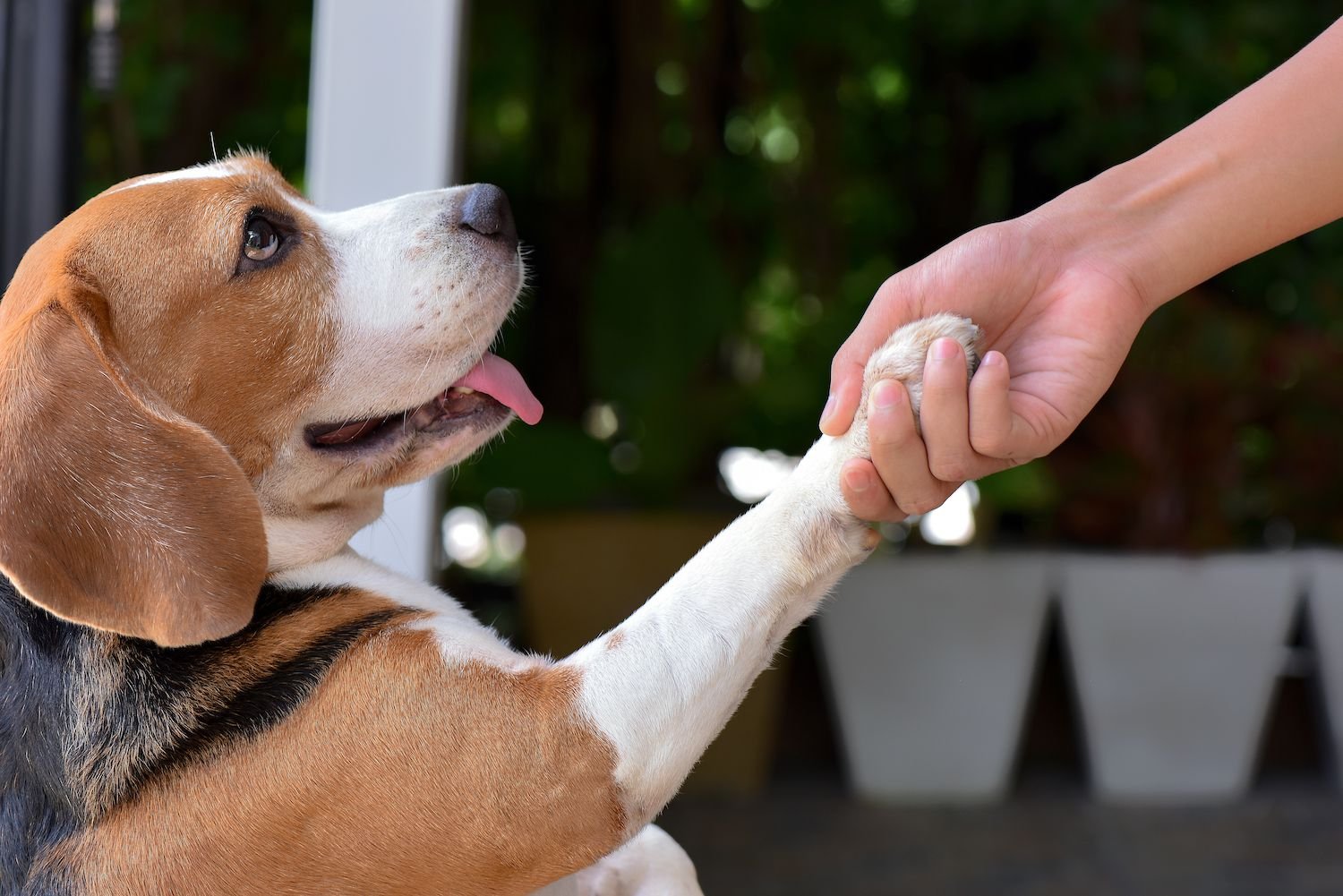
Puppies learn incredibly fast, so positive reinforcement from day one has a big impact. Focus on rewarding behaviors that will matter long term: quiet sitting, coming when called, chewing appropriate toys, and relaxing on a bed. Keep sessions extremely short, only a few minutes, and use very soft treats suitable for puppies. If a puppy makes a mistake, calmly interrupt and guide toward a better choice, then reward that behavior. Early positive experiences build a puppy’s confidence, trust, and willingness to listen as an adult.
House training and crate training basics
House training and crate training are easiest when puppies are set up to succeed, not punished for mistakes. Use a regular schedule: take the puppy out after waking, eating, playing, and every 1–2 hours. Quietly go to the same toilet spot and reward with a top-value treat immediately after the puppy finishes.
Indoors, supervise closely or use baby gates. If an accident happens, clean thoroughly and avoid scolding; guide the puppy outside next time instead. For crate training, make the crate a rewarding, safe den with soft bedding and treats. Feed some meals in the crate and briefly close the door while the puppy chews a toy, then open before the puppy fusses. Gradually increase time so the puppy learns the crate predicts comfort and rewards.
Preventing jumping, mouthing, and nipping
Puppies explore the world with their mouths and often jump to greet people, but consistent rules prevent habits from forming. First, remove all attention the moment paws leave the floor or teeth touch skin. Stand still, fold arms, and look away. When the puppy sits or keeps four paws down, immediately give a treat or calm praise.
For mouthing and nipping, provide plenty of suitable chew toys. If teeth touch skin, say a brief, neutral "ouch," stop play for a few seconds, then offer a toy. Reward gentle play and calm greetings so the puppy learns that self-control makes good things happen.
Building confidence in new situations
New places, people, and sounds can feel overwhelming, especially for puppies. Confidence grows when novel experiences stay under the fear threshold and lead to something pleasant. Start with easy versions of new situations: watch children from a distance, sit in a parked car before driving, or walk near a busy street rather than along it.
Pair every new sight or sound with rewards your dog loves: tiny treats, gentle praise, or play. Allow the dog to approach or retreat at their own pace; avoid forcing contact. Short, frequent sessions work best. If the dog freezes, tucks the tail, or refuses food, increase distance or end the session on a calm note, then try again later with a simpler setup.
Adapting the Approach for Adult and Rescue Dogs
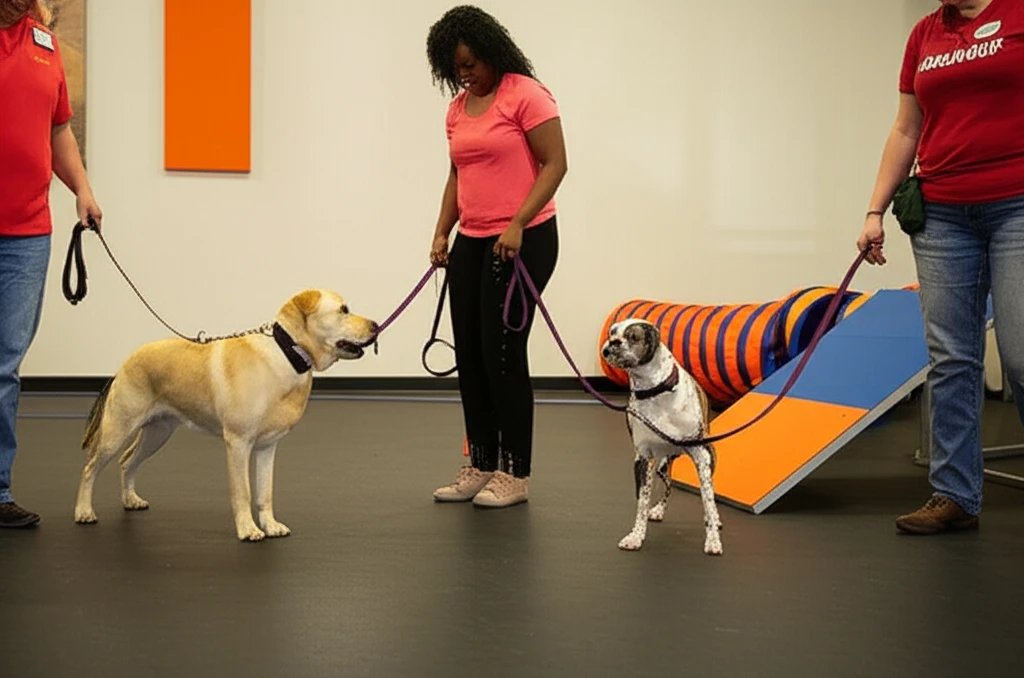
Adult and rescue dogs can learn through positive reinforcement just as effectively as puppies. However, they may have established habits and unknown past experiences, so progress may be slower. Start with simple behaviors, use very high-value rewards, and keep sessions short. Allow plenty of time for the dog to observe, sniff, and relax. Clear routines and predictable training help adult and rescue dogs feel safe and build trust step by step.
Working with shy or fearful dogs
Shy or fearful dogs need gentle, predictable training before anything else. Start by allowing plenty of distance from scary triggers and reward every small sign of relaxation, such as a softer body or a quick look toward the owner. Avoid forcing greetings or new experiences.
Use quiet environments, soft voices, and slow movements. Short sessions with high-value rewards help the dog associate people, places, and sounds with safety. Progress should be gradual; if fear increases, reduce difficulty and return to an easier step.
Supporting dogs with a difficult past
Dogs with a difficult past may have learned that people or the world are unsafe. The key is safety, predictability, and patience. Keep routines stable, avoid harsh voices or forced contact, and always give the dog a choice to move away. Pair past “triggers” with rewards: for example, a man in a hat appears → tasty treats rain down. Short, gentle sessions work better than big “breakthroughs.” Progress is often slow and non‑linear, so owners are encouraged to celebrate small wins such as relaxed body language or taking food more confidently.
When to Get Help From a Trainer
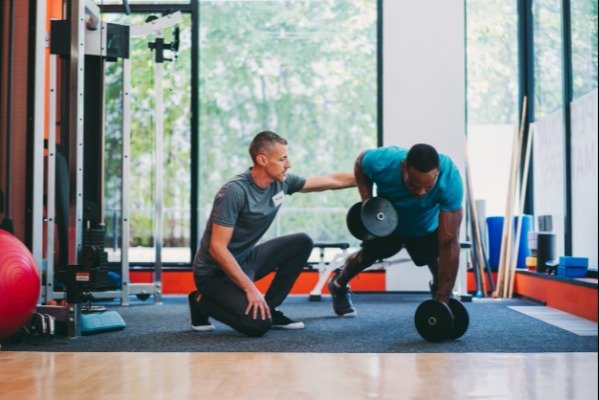
Many owners benefit from professional help at some point. A good trainer can speed up learning, prevent problems from worsening, and keep everyone safe. Trainers offer an outside view, break big issues into steps, and teach owners how to train, not only the dog. Early support is especially helpful for first-time owners, families with children, or homes with multiple dogs.
Signs you may need professional support
Professional support is helpful when everyday life with a dog starts to feel stressful or unsafe. Clear signs include frequent growling, snapping, or biting, intense fear or anxiety, and sudden behavior changes without a medical cause. Ongoing problems such as severe leash pulling, nonstop barking, or destructive behavior despite consistent training also suggest a need for guidance. When family members feel afraid, confused, or stuck, a qualified trainer can create a structured, positive plan and protect both dog and household.
How to find a rewards-based trainer
A rewards-based trainer should use treats, toys, and praise to teach and avoid fear or pain. Look for terms such as positive reinforcement, force-free, or Fear Free on websites and social media. Ask what tools are used; trainers who rely on shock, prong, or choke collars do not follow a purely rewards-based approach. A clear written ethics or welfare policy and willingness to let owners watch a class are also important checks.
Use the questions below when contacting candidates:
| Question to ask | What a rewards-based trainer’s answer looks like |
|---|---|
| How do you correct unwanted behavior? | Redirect, manage environment, reward alternative behavior; no physical punishment |
| What qualifications do you have? | Certification or ongoing education in modern, science-based methods |
| Can owners attend and participate? | Encourages owner involvement and explains each exercise kindly |
Choosing a trainer who treats dogs and humans with patience and respect helps create a safer, more effective learning experience.
Making Reward-Based Training a Lifestyle

Positive reinforcement is most effective when it becomes part of everyday life rather than a separate activity. Owners can reward good choices throughout the day: waiting calmly before meals, walking nicely on the leash, or settling on a bed while people eat.
Keeping treats or favorite toys in several rooms helps respond quickly to good behavior. Clear house rules, consistent cues, and regular short practice sessions support long‑term habits. Over time, the dog learns that polite, calm behavior reliably leads to enjoyable outcomes.
Weaving training into walks and play
Walks and playtime are ideal moments to reward good choices without setting up formal sessions. Ask for a simple cue such as “sit” before putting on the leash, crossing a road, or greeting another dog, and praise or treat when the dog responds. During play, briefly pause the game, cue “come” or “drop it,” then restart play as the reward. By pairing everyday fun with polite behavior, training becomes a natural part of life, not a chore.
Maintaining good habits as your dog ages
As dogs grow older, positive reinforcement continues to be valuable, but the approach benefits from gentle adjustments. Senior dogs may tire quickly or have aches, so short, low‑impact sessions are kindest. Choose softer treats and easy movements, and avoid asking for many repetitions.
Senses and learning speed can change with age. Use clearer cues, hand signals, and a calm voice, and allow extra time for responses. Reinforce polite manners in daily routines: waiting for meals, walking slowly at the door, settling on a bed.
Mental stimulation supports brain health. Simple new tricks, scent games, or easy puzzle toys give seniors a sense of success. The goal is not perfection but comfort, confidence, and enjoyable interaction.
If pain or confusion appears, consult a veterinarian before changing training. With kind rewards and realistic expectations, dogs can keep good habits and a strong bond with the family throughout their senior years.
This article carefully explains everything from the basic principles of positive reinforcement training from a dog's perspective, to specific teaching methods, how to choose rewards, and how to apply it to puppies, adult dogs, and rescue dogs, and introduces tips for incorporating it into your daily life without difficulty and continuing it for a long time.







![5 sites for finding foster homes for rescued dogs and cats [Basic information before rescuing]](https://with-my-dog.com/wp-content/uploads/2021/09/andriyko-podilnyk-M4NYOsSre6g-unsplash-150x150.jpg)