


For dog owners concerned about their dog's health, choosing the right food is a major concern. Especially in the United States, there are many premium brands, and there are numerous points to check, such as ingredients, composition, and safety. This article introduces 11 carefully selected, popular, and trustworthy dog food brands from the United States, along with explaining the basics of how to choose the right food. This article will provide helpful tips for choosing truly safe food for your beloved dog.
Why Dog Food Quality Matters

Dog food quality directly shapes a dog’s health, lifespan, and daily comfort. High‑quality food provides balanced protein, fats, carbohydrates, vitamins, and minerals that support energy, immunity, and healthy growth. In contrast, low‑quality food may rely on vague meat sources, excess fillers, or artificial additives that can contribute to digestive upset, dull coat, weight gain, or long‑term disease risk. Choosing safe, well‑formulated food is one of the most effective ways to care for a dog’s body from the inside out.
How nutrition affects your dog’s health
Good nutrition supports every part of a dog’s body. High‑quality protein helps build and maintain muscles, organs, and a healthy immune system. Balanced fat, especially omega‑3 and omega‑6, supports skin, coat shine, and brain function. Digestible carbohydrates and fiber keep energy stable and aid digestion.
Vitamins and minerals are essential for strong bones, teeth, vision, and heart function. Antioxidants from quality ingredients help protect cells and may reduce the risk of chronic disease. In contrast, unbalanced or low‑quality food can lead to weight gain, dull coat, digestive upset, and lower overall vitality.
Signs your dog’s food isn’t a good fit
Every dog reacts differently to a recipe, but some signs may indicate that your dog's current food is not suitable. Common signs include digestive problems such as loose stools, diarrhea, constipation, and increased gas.
Furthermore, persistent itching, ear infections, tear stains, dandruff, and dry, brittle fur are also points to watch out for.
Loss of appetite, sudden weight gain or loss, restlessness, and decreased energy can also be signs that the food is not suitable for your dog's constitution or life stage.
If you notice any concerning changes for several weeks, it's important to consult a veterinarian and consider reviewing your dog's food."
Why Choose Dog Food Made in the USA
Choosing dog food made in the USA gives owners more transparency and control over what their dogs eat. The United States has clear manufacturing standards, labeling rules, and recall systems, so unsafe products are more likely to be caught and removed quickly. Many USA brands also focus on high‑quality proteins, traceable ingredients, and ongoing safety testing. For owners who care about origin and oversight, USA‑made dog food offers an extra layer of reassurance about daily nutrition and long‑term health.
Ingredient sourcing and safety rules
Dog food made in the USA must follow FDA and AAFCO regulations, which set standards for nutrients, labeling, and basic safety. Many reputable brands also prioritize domestic or carefully vetted imported ingredients to reduce risk. Owners should look for clearly named meat sources (like chicken or salmon), avoid vague terms such as “meat by‑product,” and prefer foods that disclose where ingredients are sourced or highlight USDA‑inspected or human‑grade materials.
Recalls, testing, and quality control
Quality control in dog food means constant testing for safety and consistency, not only reacting after problems occur. Responsible USA brands perform checks on raw ingredients, monitor cooking temperatures, and test finished batches for bacteria such as Salmonella and E. coli. Many also retain samples from each lot for future testing and track products by batch number.
Recalls occur when food may harm dogs or fail regulations. Brands with strong programs often:
| Point | What careful brands do |
|---|---|
| Microbial tests | Screen for harmful bacteria before shipping |
| Nutrient checks | Confirm protein, fat, and vitamin levels match labels |
| Traceability | Use clear batch codes to remove affected bags quickly |
Owners can protect dogs by registering food with the manufacturer, watching recall alerts, and contacting customer support if any unusual odor, color, or texture is noticed.
How to Pick the Right Food for Your Dog

Choosing the right food starts with your own dog’s needs, not the brand name. First, confirm the food meets AAFCO standards for your dog’s life stage (puppy, adult, senior). Next, consider breed size and activity level; active or working dogs often need higher calories and protein, while small indoor dogs may need fewer. Check for clear animal protein sources, adequate fat, and digestible carbohydrates. For dogs with allergies or sensitive stomachs, simple recipes with fewer ingredients are often safer. When in doubt, pet owners are recommended to discuss options with a veterinarian or veterinary nutritionist.
Reading and understanding dog food labels
Understanding dog food labels helps owners choose safe, balanced food for their dogs. First, check for an AAFCO nutritional adequacy statement; it confirms the food is complete and balanced for a specific life stage. Next, look at the ingredient list: named animal proteins (chicken, beef, salmon) should appear near the top, while vague terms like “meat by‑product” or many artificial colors are better avoided. Guaranteed analysis shows protein, fat, fiber, and moisture; compare values between brands on a dry‑matter basis when possible. Finally, review the feeding guidelines as a starting point only, then adjust based on body condition and activity level.
Life stage, size, and activity level
Dog food must match a dog’s life stage, body size, and daily activity for balanced nutrition.
| Factor | What to choose | Key points |
|---|---|---|
| Life stage | Puppy, adult, senior formulas | Puppies need extra calories and DHA; seniors often need fewer calories and joint support |
| Size | Small, medium, large breed | Small‑breed food has smaller kibble; large‑breed formulas control calcium and calories to protect joints |
| Activity level | Low, normal, high energy | Couch‑potato dogs need fewer calories; working or very active dogs benefit from higher protein and fat |
Choosing a formula tailored to these elements helps maintain ideal weight and supports long‑term health.
Special needs: allergies and sensitivities
Dogs with allergies or sensitivities often react to specific proteins, grains, or additives. Common signs include itchy skin, ear infections, paw licking, soft stool, gas, or chronic diarrhea. In such cases, a limited‑ingredient or hypoallergenic formula can help.
Possible approaches include:
- Choosing a single‑protein diet (e.g., turkey only)
- Trying novel proteins like duck or venison
- Selecting grain‑free or grain‑inclusive based on veterinary advice
- Avoiding artificial colors, flavors, and excess fillers
For ongoing symptoms, consulting a veterinarian or veterinary dermatologist is strongly recommended before major diet changes.
Overview of the 11 Top USA Dog Food Brands
Before looking at each company in detail, it is helpful to see how the 11 best dog food brands in the USA differ. They cover a wide range of needs: fresh human‑grade meals, gently cooked subscriptions, everyday kibble, grain‑inclusive and grain‑free, limited‑ingredient diets, budget‑friendly formulas, and specialty or prescription options. By comparing type of food, protein focus, price range, and typical health goals, owners can quickly narrow the brands that match a dog’s age, size, activity level, and sensitivities.
Brand 1: Fresh and Human‑Grade Options
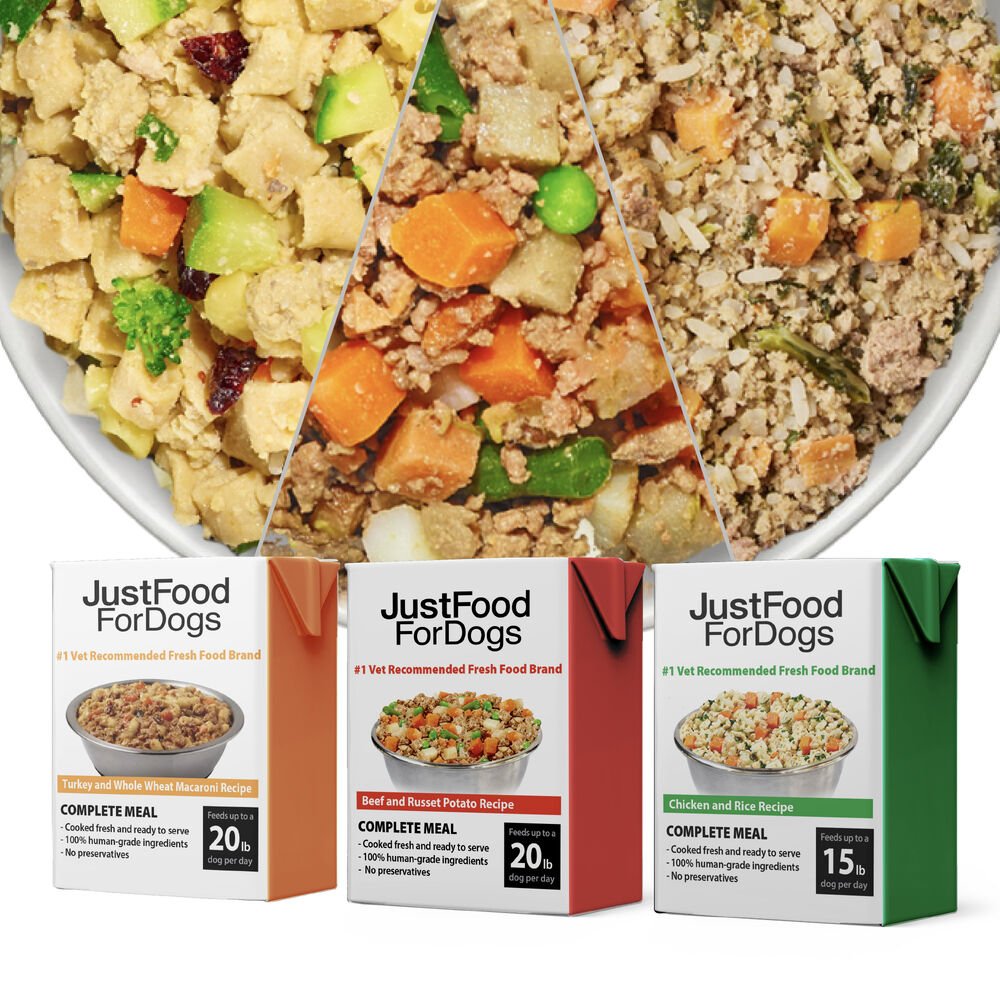
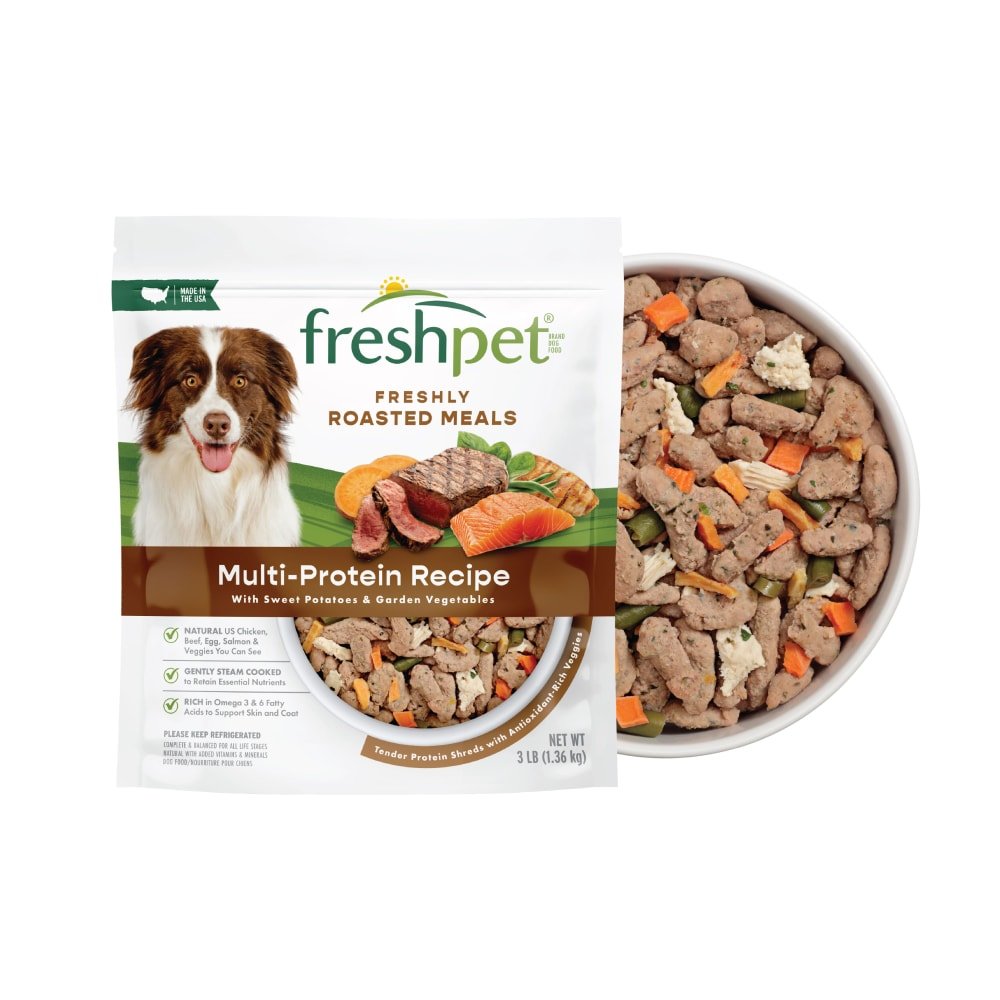
Many owners searching for the best dog food brands in the USA are drawn to fresh, human‑grade meals. In this category, leading brands focus on gently cooked recipes made in USDA‑inspected kitchens, using meats and vegetables that are safe for human consumption. Human‑grade dog food aims to offer high digestibility, fewer fillers, and very clear ingredient lists, which can support better stool quality, skin condition, and overall energy in many dogs.
Who this brand is best for
This type of fresh, human‑grade brand is ideal for owners who want minimally processed meals with clearly recognizable ingredients. It suits adult dogs with normal activity levels, picky eaters, and many dogs with mild tummy or skin issues. Busy households that prefer convenient pre‑portioned packs also benefit. However, very large dogs or tight budgets may find daily costs relatively high compared with kibble.
Key ingredients and recipes
Representative recipes usually feature fresh, human‑grade meat as the first ingredient, such as chicken, turkey, beef, or lamb. Formulas are often paired with gently cooked vegetables (like carrots, spinach, or green beans) and easily digestible carbohydrates such as rice, barley, or sweet potato. Many recipes avoid artificial colors, flavors, and preservatives, and some lines offer grain‑free or single‑protein options for sensitive dogs.
Pros, Cons, and Price Range
The main advantages are peace of mind regarding ingredients and high palatability. Because it's prepared in kitchens of the same quality as those used for human food, it's a major draw for pet owners who prioritize safety. Its high moisture content also makes it easier for picky eaters and senior dogs to eat.
On the other hand, cost and shelf life tend to be disadvantages. It's more expensive per serving than dry food and requires refrigeration or freezing space. It can be inconvenient to carry when traveling or going out for extended periods.
The price range is generally higher than typical dry food, starting at around a few dollars per day for small dogs and often ranging from 1 to several hundred dollars per month for medium to large dogs. You can try using it as a treat or topping, while considering your budget."
Brand 2: Vet‑Formulated Fresh Meals
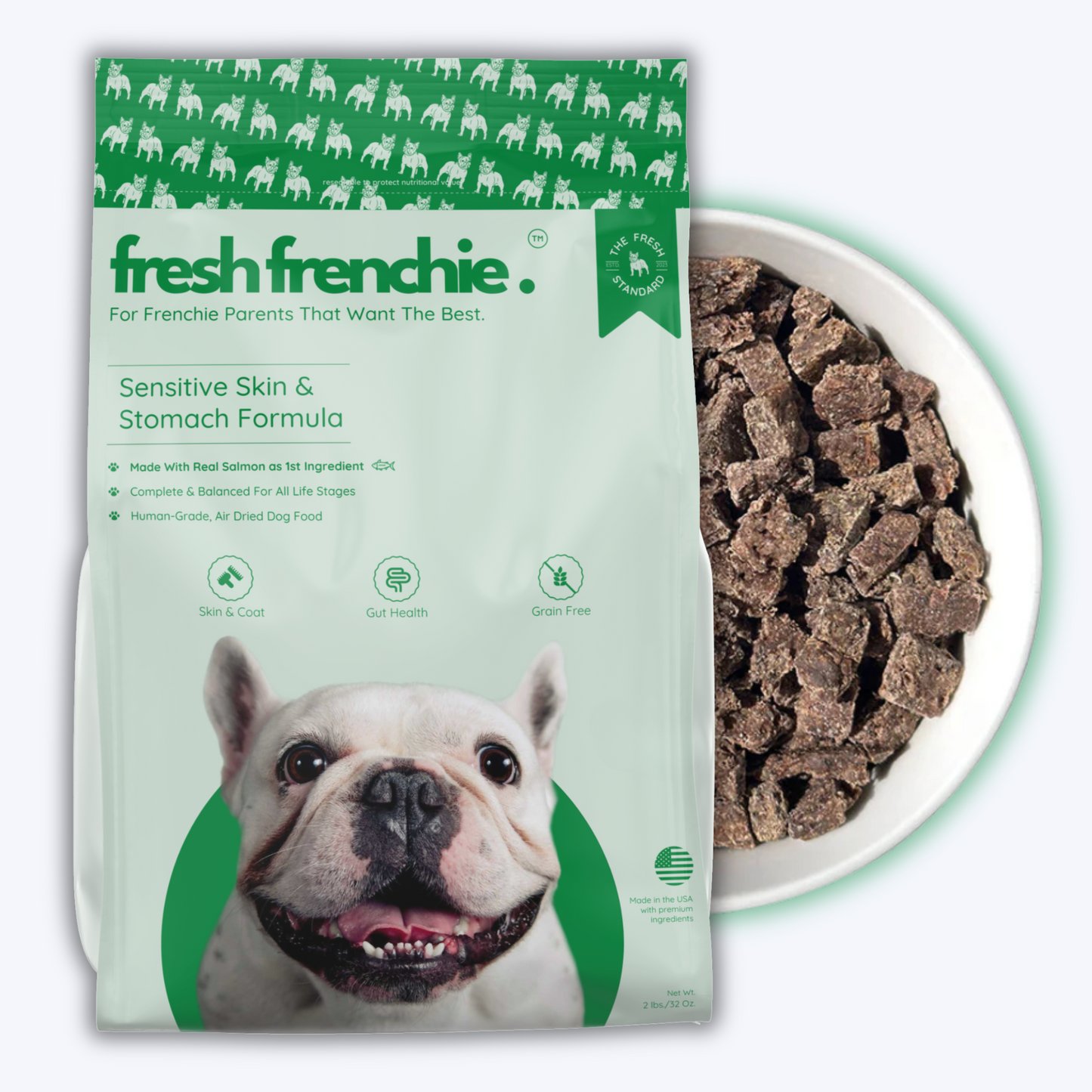
Vet‑formulated fresh‑meal brands focus on gently cooked recipes designed by veterinarians and veterinary nutritionists. Meals are typically pre‑portioned according to each dog’s age, weight and activity level, which helps keep calories and nutrients in balance. Recipes often meet AAFCO standards through feeding trials, and many brands offer ongoing support to adjust portions over time. For owners seeking convenient, science‑based fresh food, vet‑designed plans provide strong nutritional reassurance.
Who this brand is best for
Vet‑formulated fresh meals are ideal for owners who prioritize tailored nutrition and clear ingredients.
- Busy owners who want portioned meals delivered and ready to serve
- Dogs with sensitive stomachs, skin issues, or mild allergies
- Puppies, seniors, or dogs with specific calorie needs
- Owners who prefer food that looks and smells like real, home‑cooked meals
Budget‑conscious households may find daily feeding costs higher than kibble, so the brand suits families willing to invest more in fresh food quality.
Key Ingredients and Recipes
The main recipes are primarily composed of high-quality, human-grade meats and vegetables. Typical main ingredients include single protein sources such as chicken, beef, turkey, and lamb, along with vegetables such as sweet potatoes, pumpkins, green beans, carrots, and spinach. Grains are either absent or used in small amounts with easily digestible grains such as oats and brown rice. Artificial flavors, preservatives, and colorings are generally absent, and nutrients supporting healthy skin and coat, such as omega oils and zinc, are added.
Pros, Cons, and Price Range
The main advantage is the use of human-grade ingredients and low-temperature cooking to preserve nutrients and aroma. It tends to be palatable due to its good aroma, and is often easily digestible, reducing loose stools and gas. Furthermore, the simple recipes are helpful in identifying the cause of food allergies.
On the other hand, it requires refrigeration or freezing, has poor shelf life, and is somewhat inconvenient for travel or long periods of absence. Furthermore, the price falls into the premium range, making it more expensive than typical dry food.
To give you a general idea of the price range, think of it as approximately 300-600 yen per day for small dogs, 500-900 yen for medium-sized dogs, and potentially over 1,000 yen per day for large dogs. It's a good idea to consider whether to switch completely or use it as a topping, while keeping your household budget in mind."
Brand 3: Gently Cooked Subscription Food
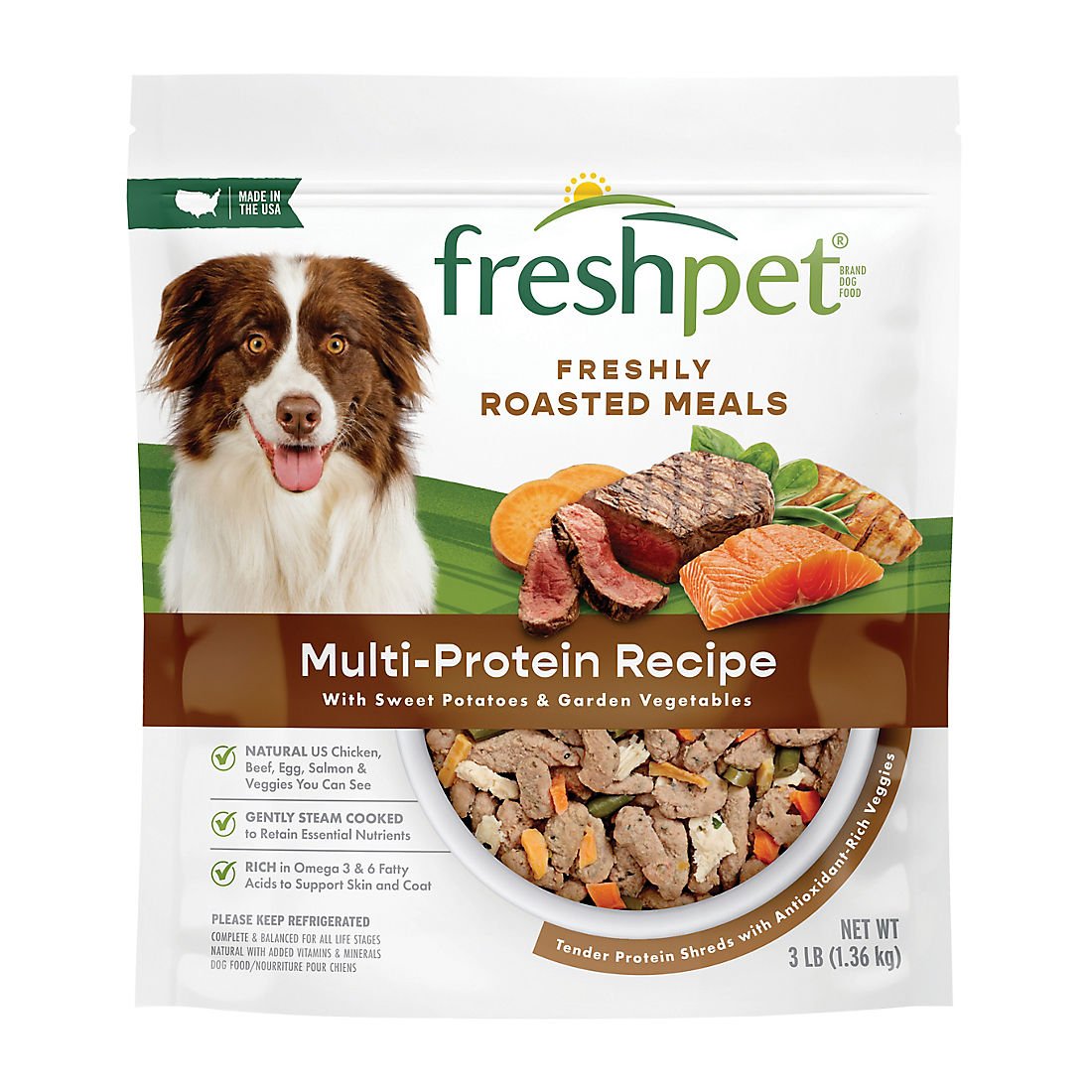
A gently cooked subscription brand typically prepares meals in small batches at low temperatures, then freezes or refrigerates them for shipping. The goal is to preserve nutrients better than high‑heat kibble while offering convenience. Owners complete an online profile, and the company builds a custom plan based on age, weight, and activity. Portions usually arrive pre‑measured, which helps support healthy weight and more predictable digestion for many dogs.
Who this brand is best for
Gently cooked subscription food is ideal for owners who want fresh, minimally processed meals without home‑cooking every day. It suits picky eaters, small to medium breeds, and dogs with mild digestive issues or dull coats that may improve on higher‑quality ingredients. Busy families who appreciate automatic deliveries and portioned meals benefit most, while very large dogs or strict budget shoppers may prefer more economical options.
Key ingredients and recipes
Our main recipes use fresh, human-grade meat as the first ingredient, and you can choose from multiple protein sources such as chicken, beef, turkey, and lamb. We do not use grains; instead, we supplement carbohydrates and dietary fiber with vegetables and fruits such as sweet potatoes, peas, carrots, and spinach. We avoid artificial flavors and colors, and add omega fatty acids with oils to support healthy skin and coat.
Pros, cons, and price range
The main advantage is that we use fresh, human-grade ingredients and minimize processing. It has a good aroma, is likely to be palatable, and is easy to digest and absorb. Complete nutrition recipes can be used not only as toppings but also as a complete and balanced diet.
On the other hand, the high cost and the hassle of refrigeration, freezing, and thawing are often disadvantages. Feeding while traveling or boarding your pet may be a little difficult. The price range is generally around 400-900 yen per day for a medium-sized adult dog. While this is more expensive than typical dry food, it's a suitable option for families who prioritize ""quality ingredients"" and ""ease of eating."""
Brand 4: Fresh Food Delivered to You
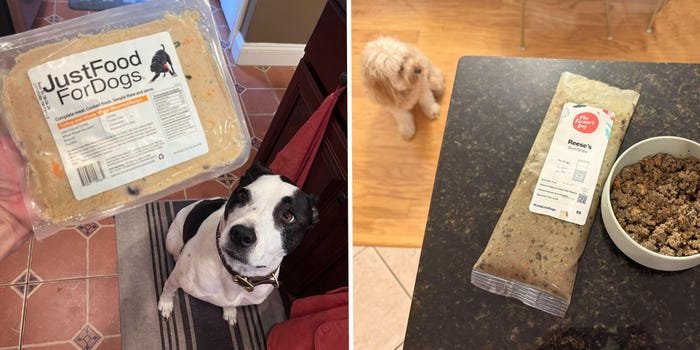
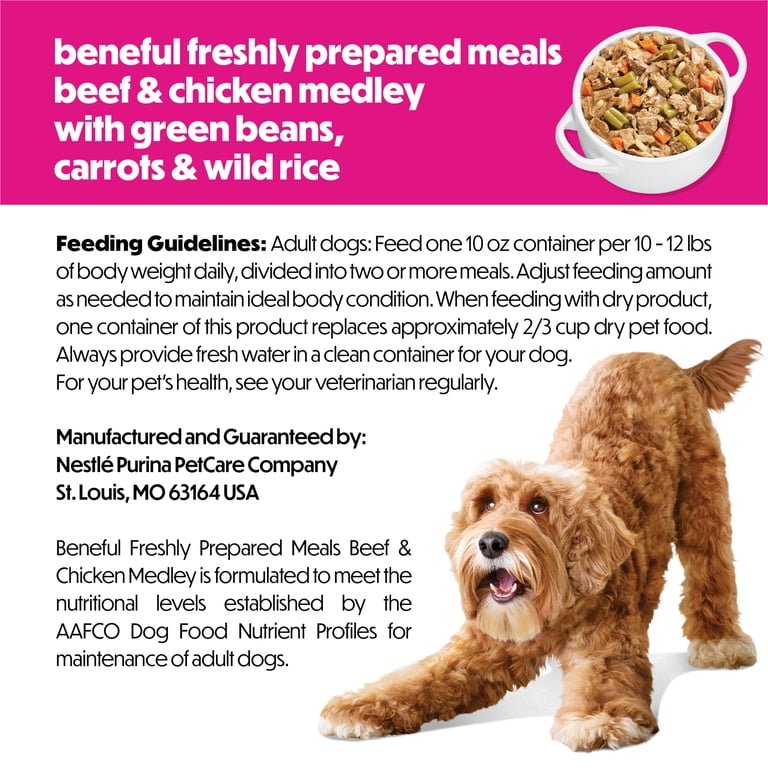
Many USA fresh-food services offer pre-portioned meals shipped on a set schedule. Food is gently cooked, then frozen or chilled to lock in nutrients. Owners only need to thaw, portion, and serve. Made-to-order meals often use human‑grade meat and vegetables, with clear labels and minimal processing. For busy families who still want fresh food quality, home delivery can reduce shopping, prep time, and guesswork about how much to feed.
Who this brand is best for
This fresh‑food delivery brand is ideal for owners who want human‑grade meals cooked in small batches and delivered on a schedule. It suits adult dogs and seniors who benefit from softer textures and clearly listed ingredients. The brand is especially helpful for picky eaters and guardians who prefer pre‑portioned meals tailored to weight and activity level for easier, more accurate feeding.
Key ingredients and recipes
The main ingredients are human-grade ingredients with fresh, boneless meat (chicken, beef, turkey, lamb, etc.) as the primary ingredient. Many recipes use low-GI vegetables such as carrots, green beans, and spinach, and brown rice or sweet potatoes as carbohydrate sources. Simple single-protein recipes and life-stage-specific menus for puppies, weight management, and seniors are also features."
Pros, cons, and price range
Pros
- Human‑grade ingredients and gentle cooking support high digestibility and palatability.
- Personalized meal plans can help with weight control and picky eating.
- Often shipped frozen or chilled for convenience and freshness.
Cons
- Requires freezer or fridge space and handling like human food.
- Shorter shelf life than dry kibble.
- Not ideal for owners needing a very low‑maintenance feeding style.
Typical price range (USA)
- Small dogs: about $2–$4 per day
- Medium dogs: about $3–$6 per day
- Large dogs: about $5–$10+ per day, depending on recipe and feeding amount.
Brand 5: Popular Everyday Kibble
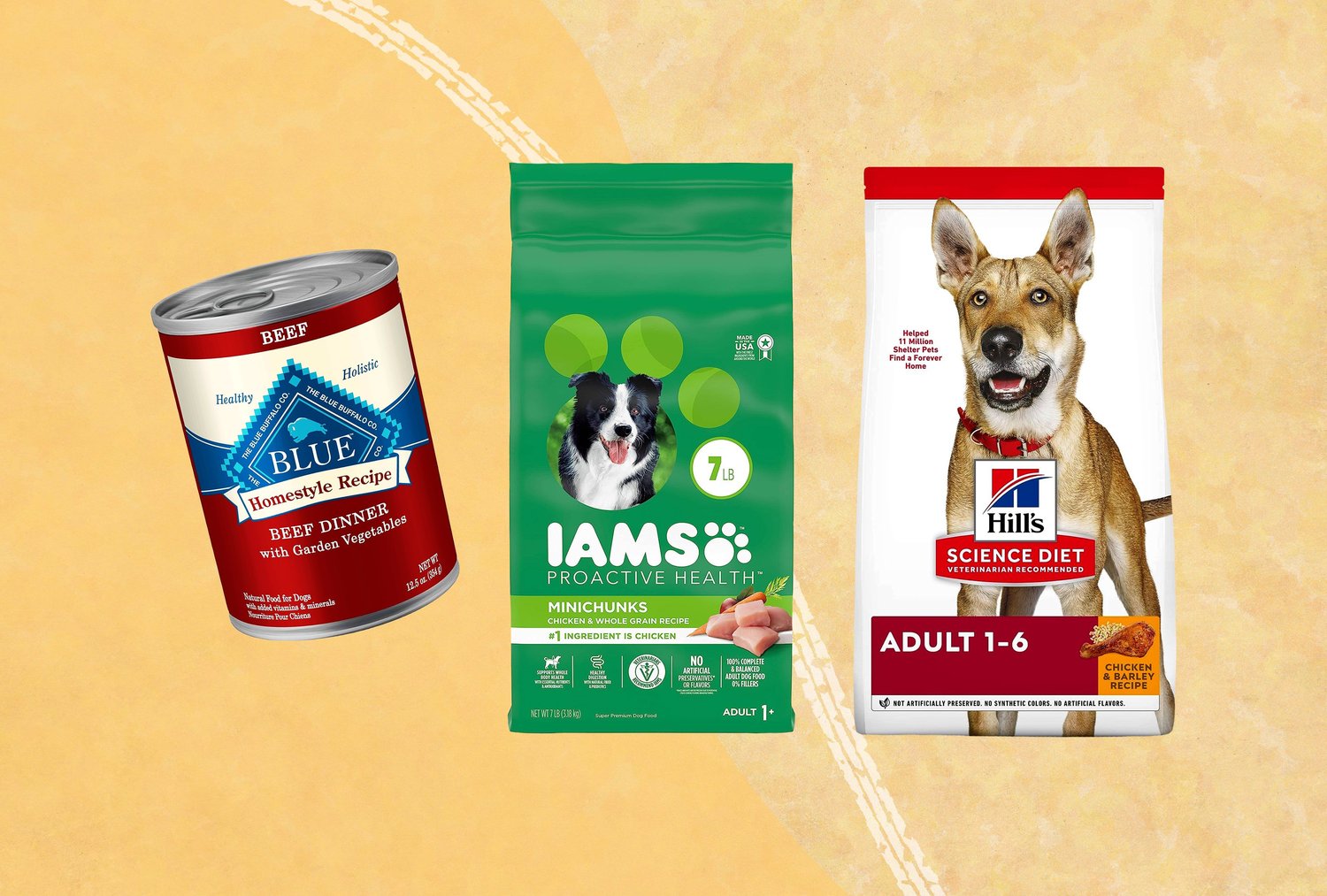
A popular everyday kibble brand usually balances convenience, moderate price, and reliable nutrition. For owners who want dog food made in the USA but do not need a subscription service, everyday kibble is often the main choice.
Typical features include meat as the first ingredient, added vitamins and minerals, and options for puppies, adults, and seniors. Many lines also offer grain‑inclusive and grain‑free recipes, allowing owners to match food to a dog’s digestion and preferences.
Who this brand is best for
Popular everyday kibble suits owners who want convenient, consistent nutrition at a manageable price. It is a good match for healthy adult dogs with no major allergies who do well on a standard diet. Busy families, multi‑dog households, and first‑time dog owners often choose this type because it is easy to store, portion, and find in supermarkets or pet stores across the USA.
Key ingredients and recipes
The main ingredients are primarily human-grade fresh meat and vegetables. Chicken, beef, and turkey are the primary ingredients, combined with vegetables such as sweet potatoes, carrots, green beans, and spinach. Many recipes are grain-free, and some series use easily digestible whole grains such as quinoa and oats. Synthetic flavors, colorings, and by-product meals are generally not used.
Pros, cons, and price range
The main advantages include human-grade ingredients, high protein content, and minimal artificial additives. Its high palatability makes it easy to feed to picky eaters and senior dogs with reduced appetites. Many recipes are easily digestible, and tend to result in more stable stool consistency.
On the other hand, disadvantages include higher price than dry food and the fact that many products require refrigeration or freezing. It's important to note that transporting them when traveling, and the cost and effort involved, can be a burden for families with multiple pets.""
| Item | Estimated Price Range* | Features |
|---|---|---|
| Per Meal | Approximately 300-800 yen | Varies depending on weight and plan |
| Estimated Monthly Cost | Approximately 10,000-30,000 yen | Assuming one medium-sized dog |
*Prices are estimates for the general fresh food market and may vary by brand."
Brand 6: Grain‑Inclusive Recipes
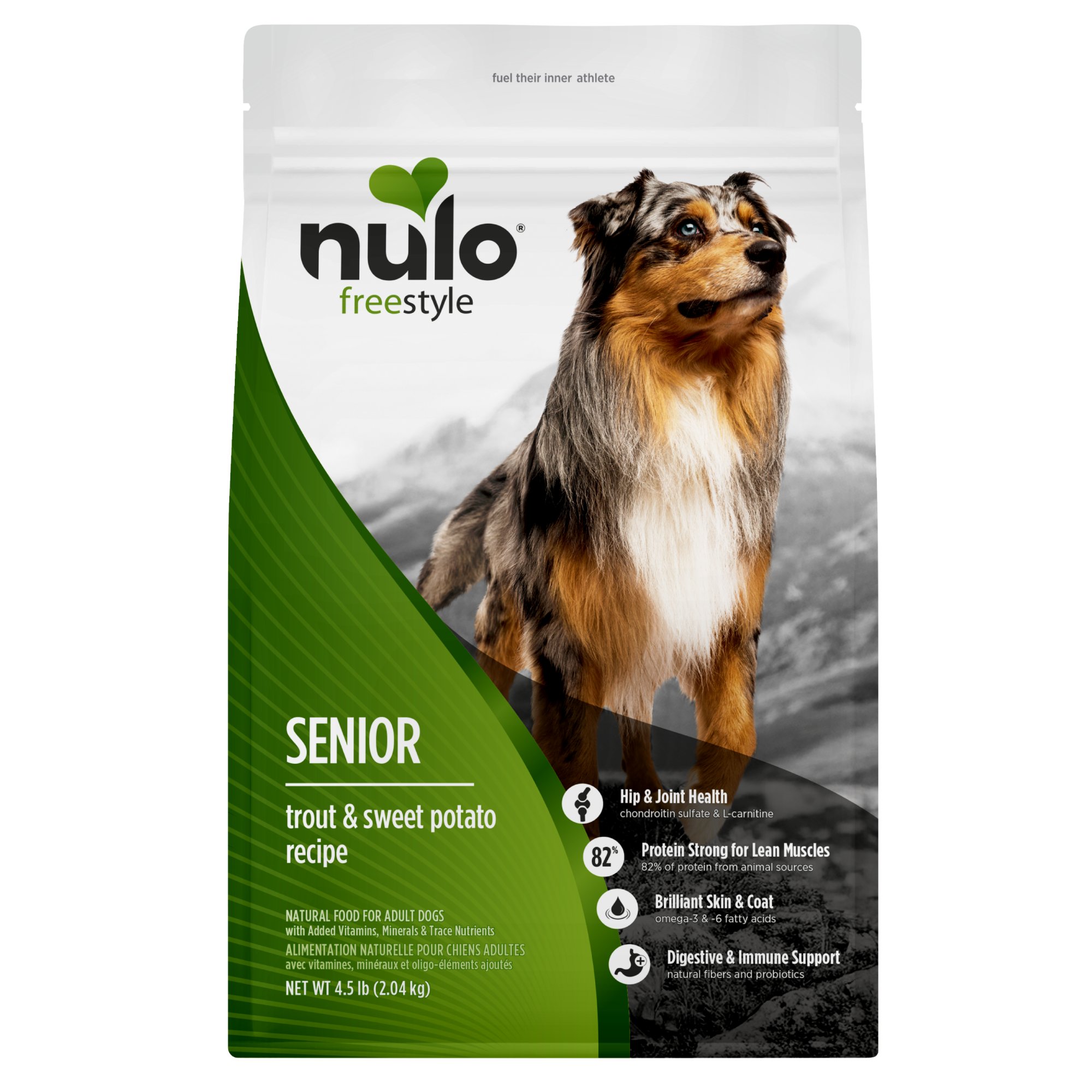
Grain‑inclusive formulas are designed for owners who prefer balanced grains over fully grain‑free diets. Many USA brands use brown rice, oatmeal, barley, or sorghum alongside meat to provide steady energy and extra fiber. Well‑made grain‑inclusive recipes can support digestive health, healthy weight, and heart health, provided they use named meat proteins, whole grains, and minimal fillers instead of corn gluten or unspecified by‑products.
Who this brand is best for
Grain‑inclusive recipes are well suited to owners who want balanced nutrition without going fully grain‑free. They match dogs that
- Maintain a healthy weight and have no confirmed grain allergy
- Need steady energy, such as active family pets and many working dogs
- Benefit from digestive support from wholesome grains like oats or brown rice
They are also a good choice for budget‑conscious families seeking reliable everyday food while still prioritizing ingredient quality.
Key ingredients and recipes
Main recipes typically feature fresh, human‑grade meat as the first ingredient, such as chicken, beef, turkey, or lamb. Many formulas pair the protein with simple carbohydrates like sweet potato, brown rice, or quinoa, plus vegetables such as carrots and spinach. Several lines avoid artificial colors, flavors, and preservatives, and some menus are gently cooked and frozen or refrigerated to preserve nutrients and flavor.
Pros, cons, and price range
A fresh, human‑grade brand offers clear advantages: highly digestible ingredients, strong natural aroma that encourages picky eaters, and recipes close to home‑cooked meals. Many owners report improved stool quality, shinier coats, and better energy. Downsides are shorter fridge or freezer storage, the need for more freezer space, and higher cost than kibble.
Price often falls in the premium range, roughly comparable to other fresh‑food subscriptions, and usually billed per week or month based on dog size and calorie needs.
Brand 7: High‑Protein Grain‑Free Kibble
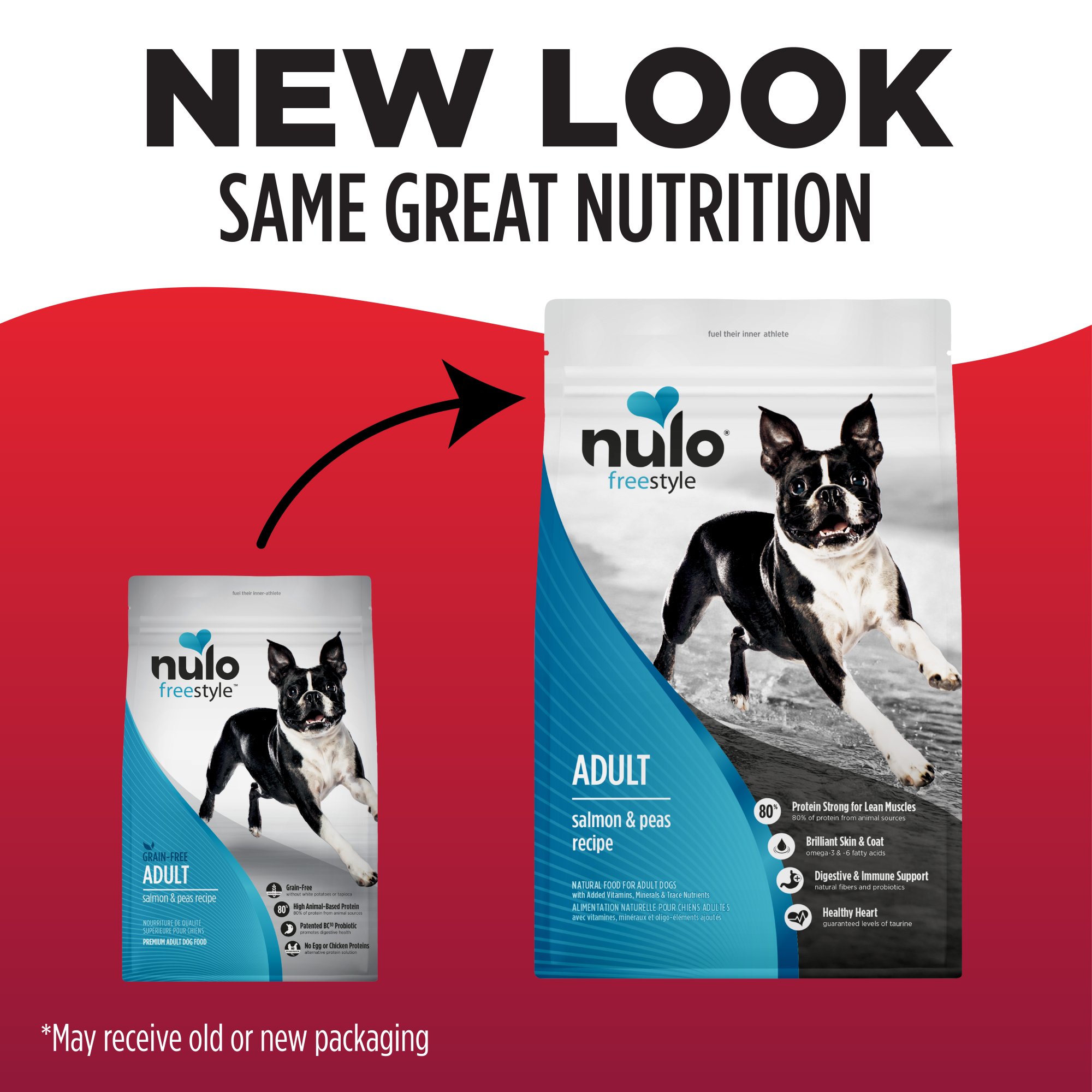
High‑protein grain‑free kibble focuses on a meat‑first recipe with no corn, wheat, or soy. Many formulas use deboned chicken, beef, or fish as the main ingredient, supported by peas, lentils, or sweet potato instead of grains. The goal is to offer concentrated energy and lean muscle support, which can suit very active dogs.
However, grain‑free diets are being studied for a possible link to certain heart issues in some dogs. Owners should discuss grain‑free choices with a veterinarian, especially for large breeds or dogs with existing heart concerns. Careful monitoring of energy level, stool quality, and coat condition is recommended after switching.
Who this brand is best for
High‑protein grain‑free kibble is ideal for active, healthy adult dogs that burn plenty of energy through walks, sports, or play. It often suits guardians who prefer a meat‑focused diet or whose dogs do not tolerate grains well. However, it is not the first choice for dogs with kidney disease, certain heart concerns, or very low activity levels, so consultation with a veterinarian is recommended before long‑term use.
Key ingredients and recipes
The main recipes are complete and balanced foods primarily made with fresh, human-grade meat and vegetables. Typical menu examples include chicken + brown rice + spinach, beef + sweet potato + green beans, all of which use animal protein as the primary ingredient. Grains are used only as needed, and the policy is to avoid artificial preservatives, flavors, and colorings, resulting in simple formulations that highlight the natural flavors of the ingredients.
Pros, cons, and price range
The main advantage is that the high-protein, grain-free formulation is expected to support muscle maintenance and stamina in active adult dogs. The more meat ingredients a food contains, the more palatable it tends to be, and recipes with reduced artificial flavors are often preferred.
On the other hand, grain-free foods raise concerns about certain heart disease risks as warned by AAFCO, and stool problems due to insufficient dietary fiber. Furthermore, due to the high meat content, the price tends to be in the mid-to-high range, with a guideline of approximately 2,000 to 4,000 yen per kilogram. It is important to carefully consider your dog's health and budget before purchasing.
Brand 8: Limited-Ingredient Diets"
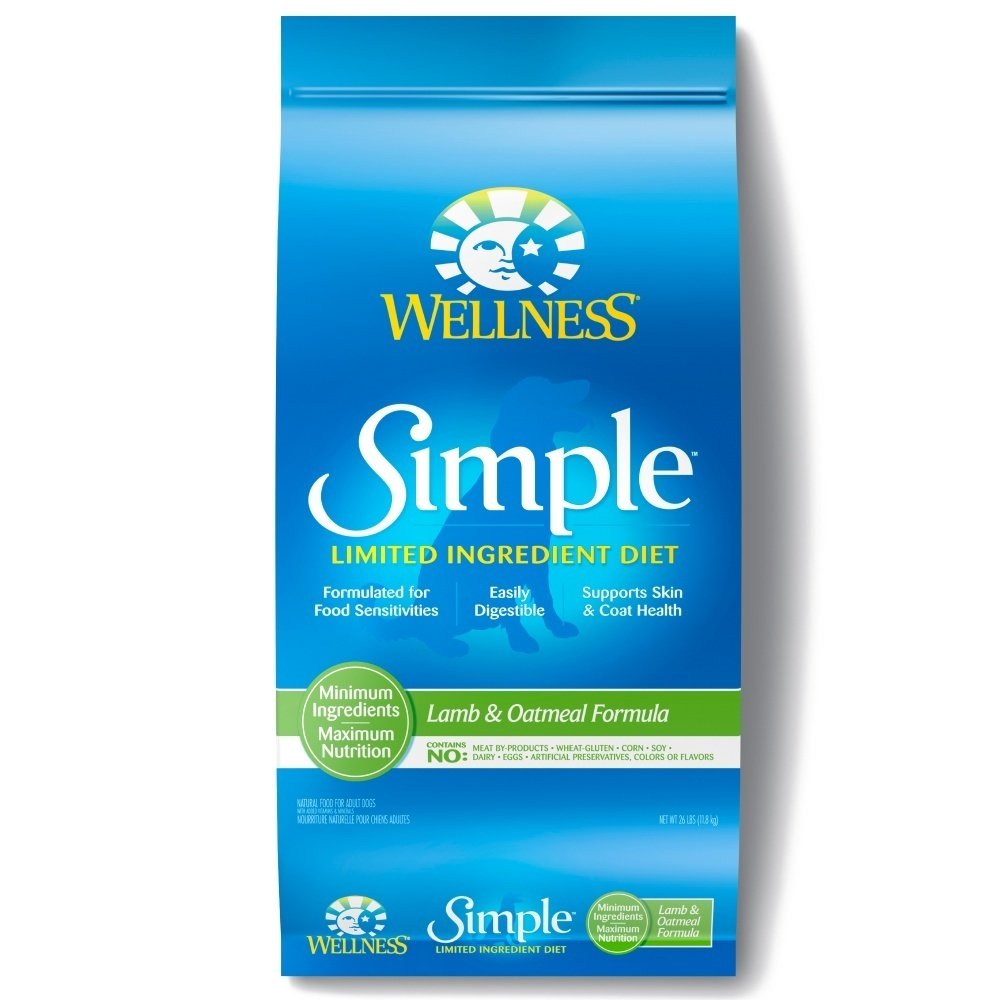
Limited‑ingredient diets (LID) aim to reduce the number of proteins, carbs, and additives in order to make it easier to spot and avoid triggers for allergies or sensitivities. Many USA brands in this category use one main animal protein (for example salmon or lamb) and a single, gentle carbohydrate such as sweet potato or peas. LID formulas often skip common irritants like chicken by‑products, dairy, soy, and artificial colors, so they are a strong option for dogs with recurring itching, ear infections, or digestive upset.
Who this brand is best for
Limited‑ingredient brands suit dogs who need simple, predictable recipes. They are especially helpful for:
- Dogs with suspected food allergies or itchy skin
- Dogs with chronic digestive upset, gas, or soft stools
- Puppies or adults starting an elimination diet under veterinary guidance
- Owners who want to avoid long ingredient lists and prefer clear, single‑protein formulas
For healthy, active dogs without sensitivities, a more varied formula may be more appropriate.
Key ingredients and recipes
The main recipes are simple in composition, focusing on human-grade meat and vegetables. Typical examples include ""Chicken & Brown Rice,"" ""Beef & Sweet Potato,"" and ""Turkey & Quinoa."" A key feature is the avoidance of by-product meals and artificial flavors, and the use of easily digestible fats such as salmon oil and flaxseed oil. Both grain-containing and grain-free options are available, making it easy to choose according to your dog's preferences and constitution.
Pros, cons, and price range
The main advantage is its balanced blend of high-quality protein and grains, making it easy for everyday use. It is a complete and balanced food that meets AAFCO standards and is suitable for a wide range of dogs, from puppies to adult dogs. It is readily available in supermarkets and online, and is also easy to use as a topping.
On the other hand, some recipes may contain by-product meals or synthetic preservatives, so checking the ingredient label is important. For dogs with sensitive stomachs or severe allergies, the safety margin offered by foods with limited ingredients may not be as reliable.
The price range is mid-range, with a rough estimate of the daily cost being around 100-200 yen for small dogs and 200-400 yen for medium to large dogs. While this is cheaper than completely homemade food or fresh delivered food, it will be more expensive than the cheapest options."
Brand 9: Meat‑First Kibble Options
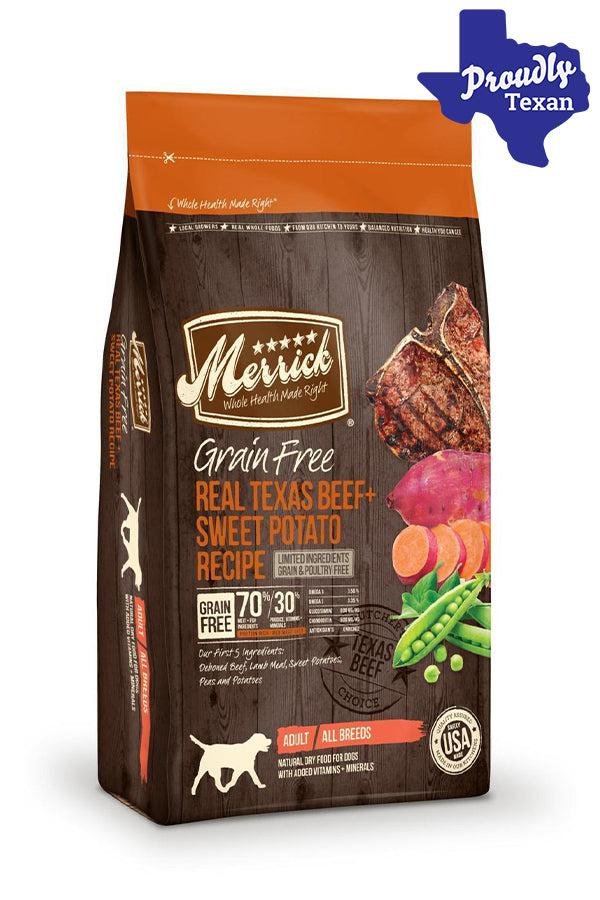
Many meat‑first kibbles in the USA focus on real animal protein as the first ingredient, such as chicken, beef, salmon, or lamb. Compared with plant‑heavy formulas, these recipes usually offer higher protein and better palatability, which helps maintain lean muscle and supports active dogs. Owners should still review the full ingredient list and guaranteed analysis, since some meat‑first products may contain excess fillers or added flavorings despite a strong protein headline.
Who this brand is best for
Meat‑first kibble is ideal for guardians who want high animal‑protein content without moving to a raw diet. It suits active adult dogs, working or sporting dogs, and lean, muscular breeds that burn many calories. Many picky eaters also respond well to stronger meat aroma and taste. However, dogs with kidney disease, pancreatitis, or very low activity often need a more moderate‑protein, lower‑fat recipe, so consultation with a veterinarian is recommended.
Key ingredients and recipes
Popular recipes focus on fresh, human‑grade animal proteins combined with simple vegetables and gentle carbohydrates. Typical ingredient lists start with one named meat such as chicken, beef, turkey, or lamb, followed by ingredients like sweet potato, brown rice, spinach, carrots, and blueberries. Many formulas use limited ingredients to reduce sensitivity risk and avoid artificial colors, flavors, and preservatives, supporting more digestible, everyday feeding.
Pros, Cons, and Price Range
The following is based on the general characteristics of Brand 9 (dry food with meat as the main ingredient).
Advantages
Because meat is the primary ingredient, it is characterized by its high protein content, which helps support muscle maintenance. Many formulations use whole meat or meat meal rather than by-products, and tend to be more palatable. Choosing a recipe with reduced grain content can also lead to an energy-efficient diet.
Disadvantages
Due to its high protein content, it may not be suitable for dogs with kidney or liver problems, or senior dogs. Also, the higher the meat content, the more likely the price is to be in the medium to high price range. Recipes with higher fat content may lead to excessive calorie intake and weight gain.
Price Range Guide
| Category | Price Image | Remarks |
|---|---|---|
| Trial/Small Bag | Approximately $15-25 / 4-5 lb | For First-Time Users |
| Medium to Large Bag | Approximately $45-75 / 22-30 lb | For Medium-Sized and Larger Dogs |
Foods with meat as the main ingredient are particularly suitable for active adult dogs and dogs that need to maintain muscle mass, but for dogs with chronic illnesses or those requiring weight management, it is always advisable to consult with a veterinarian before choosing."
Brand 10: Budget‑Friendly USA Brand
A budget‑friendly USA brand aims to keep costs low while still meeting basic nutritional standards. Many options are sold in supermarkets or big‑box stores, so they are easy to find for busy owners. Ingredient lists often include chicken or beef combined with grains such as corn, rice, or barley. While recipes may use more by‑products and fewer fresh or specialty ingredients than premium foods, they can still be suitable for healthy adult dogs when AAFCO‑complete and balanced and fed in correct portions.
Who this brand is best for
A budget‑friendly USA brand is ideal for owners who want reliable nutrition at a reasonable price. It suits healthy adult dogs with no major allergies or medical issues, multi‑dog households that go through large bags quickly, and families looking for an everyday food sold at supermarkets or big‑box stores. Cost‑conscious first‑time dog owners who still care about ingredient sourcing and safety also benefit from this type of brand.
Key ingredients and recipes
Typical recipes from this fresh, human‑grade brand center on real animal protein plus gently cooked vegetables. Common formulas include chicken with brown rice and spinach, beef with sweet potato and green beans, and turkey with quinoa and carrots. Recipes usually avoid artificial colors, flavors, and preservatives, and many lines are wheat, corn, and soy free, focusing on simple, recognizable ingredients for easier digestion.
Pros, Cons, and Price Range
The main advantages are the high-protein formula with meat as the main ingredient and the fact that many recipes do not use artificial colors or preservatives. Because it is highly digestible and palatable, it is suitable for dogs aiming to improve their appetite or maintain muscle mass. On the other hand, it tends to be in the premium price range, and sensitive dogs may experience loose stools due to the high protein content. The price range is generally in the mid-price to slightly high-price zone."
Brand 11: Specialty and Prescription Diets
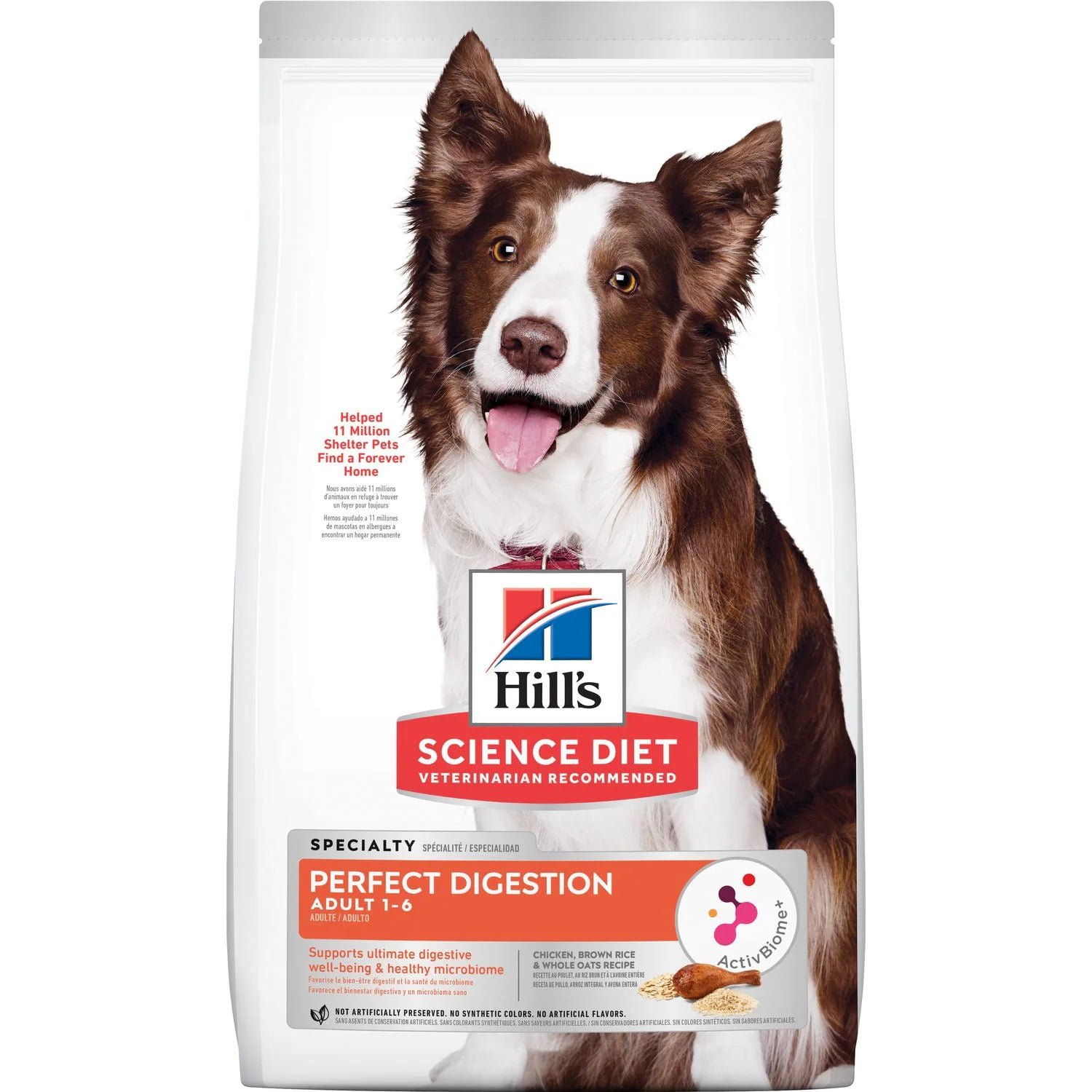
Specialty and prescription diets are formulas designed to manage specific health conditions, such as kidney disease, diabetes, severe allergies, urinary issues, or obesity. Many are available only through veterinarians and follow strict nutrient profiles and clinical testing. Owners should never start or stop a prescription food without professional guidance, because the wrong formula can worsen underlying disease even if a dog seems to enjoy the food.
Who this brand is best for
Specialty and prescription diets are most suitable for dogs with diagnosed health conditions or clear nutritional needs that everyday dog food cannot meet. Typical examples include chronic kidney disease, urinary stones, diabetes, severe food allergies, obesity, and heart disease. They are also useful for dogs recovering from surgery or serious illness, and senior dogs that require carefully controlled protein, fat, or minerals. Guardians who want vet‑guided, highly targeted nutrition tend to benefit most from using these formulas under professional supervision.
Key ingredients and recipes
Main ingredients are fresh, human‑grade meats such as chicken, beef, turkey, or lamb, combined with simple whole grains or low‑starch veggies like brown rice, quinoa, spinach, carrots, and peas. Many recipes avoid artificial colors, flavors, and preservatives, and often use named organ meats for natural vitamins and minerals. Some lines offer single‑protein recipes for sensitive dogs and gently cooked formulations to preserve nutrients.
Pros, Cons, and Price Range
The biggest advantage of therapeutic and prescription diets is that they are specifically designed to suit particular diseases and physical conditions. Nutritional balance and mineral levels are adjusted for specific purposes such as kidney disease, heart disease, urinary tract stones, allergies, and obesity, and they are easily coordinated with guidance from veterinary hospitals.
On the other hand, a disadvantage is that a diagnosis and instruction from a veterinarian is always required, making it difficult to continue or change diets based on self-judgment. Some products are less palatable than regular food, and switching may take time. Also, in the long run, the cost tends to be higher.
The price range is approximately 2,000 to 4,000 yen per kg for dry food, and around 300 to 600 yen per serving for canned or pouched wet food. Because they are positioned as ""part of treatment"" rather than just for maintaining health, it is important to prioritize effectiveness and safety over price when choosing a diet."
Comparing the 11 USA Dog Food Brands
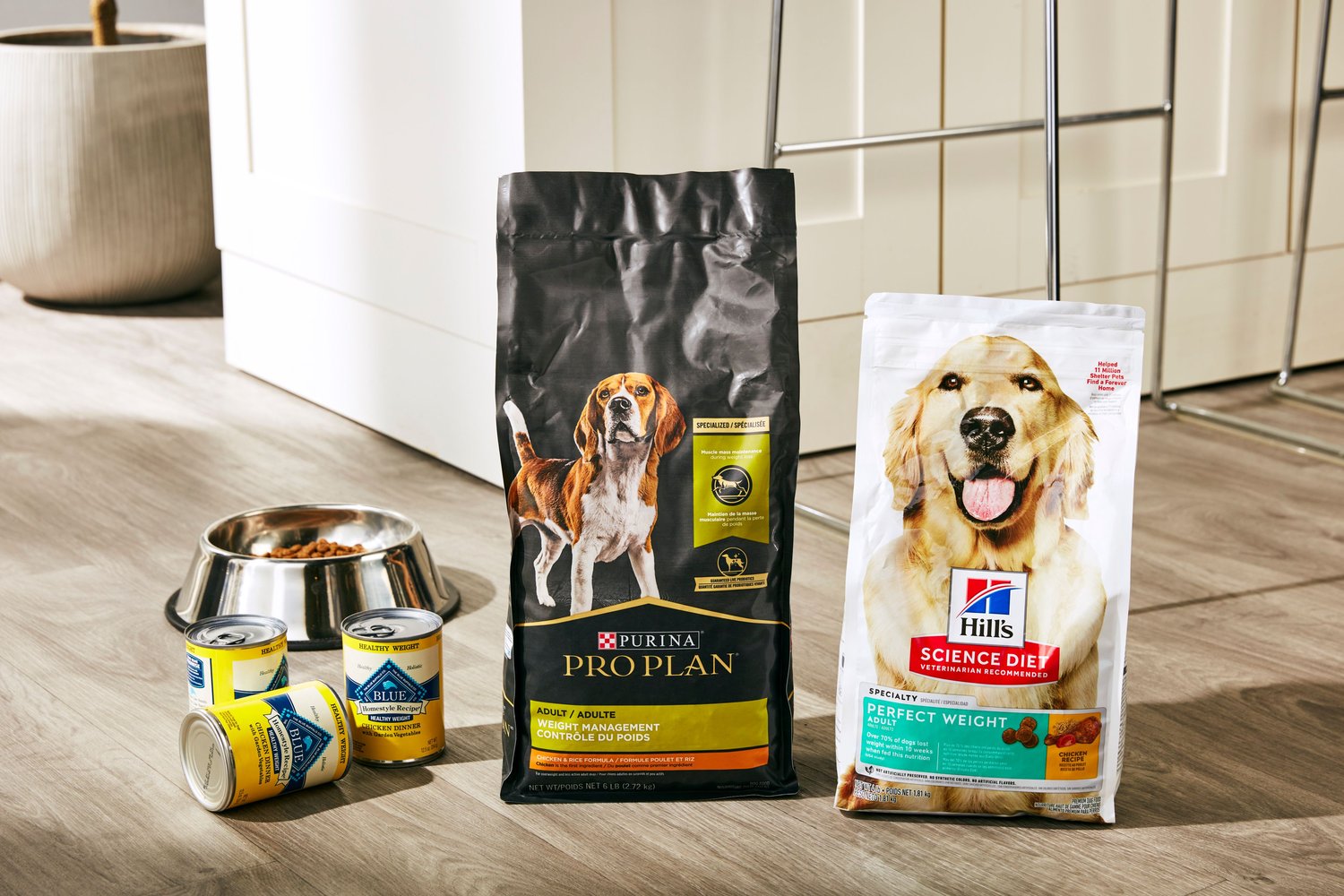
For busy owners, a quick comparison helps narrow the best dog food brands in the USA to a realistic shortlist. The 11 brands differ mainly in format (fresh, gently cooked, kibble, prescription), ingredients (grain‑free, grain‑inclusive, limited‑ingredient), and price. Fresh and human‑grade brands generally cost more but offer soft textures and high palatability. Kibble‑focused brands provide better value and larger bag sizes. Limited‑ingredient and prescription options are designed mainly for dogs with allergies or medical needs, so they prioritize targeted nutrition over broad flavor variety.
Best for puppies
Puppies need energy‑dense food with high‑quality protein, DHA, and balanced minerals for safe growth. Among the 11 USA brands, fresh and vet‑formulated options are often ideal for young dogs, especially small or picky puppies. Grain‑inclusive kibble lines that are labeled “puppy” or “all life stages” and meet AAFCO growth standards also fit many healthy pups. Large‑breed puppies should use formulas specifically marked large‑breed puppy to protect joints and bones.
Best for sensitive stomachs
Dogs with sensitive stomachs often do better on simple recipes with limited ingredients and highly digestible proteins. Among the 11 best dog food brands in the USA, the most suitable options are usually the limited‑ingredient and fresh, gently cooked brands, because they avoid common triggers such as beef, chicken by‑products, corn, soy, and artificial additives. When choosing, owners should look for clear meat sources, added probiotics, and moderate fat levels, and introduce any new food gradually to reduce digestive upset.
Best for large and small breeds
Large and small breeds often need different kibble sizes, energy levels, and joint support. For large breeds, Brand 6 (Grain‑Inclusive Recipes) and Brand 11 (Specialty Diets) are suitable, as they typically offer large‑breed formulas with controlled calcium and added joint nutrients. For toy and small breeds, Brand 5 (Popular Everyday Kibble) and Brand 9 (Meat‑First Kibble) tend to provide small‑bite options that are easier to chew and higher in calories per cup.
In general, owners should select:
| Breed size | Key points to focus on | Often‑suitable brands |
|---|---|---|
| Small/Toy | Small kibble, high energy density, dental care | Brand 5, Brand 9 |
| Medium | Balanced calories, quality protein | Brand 5, Brand 6, Brand 9 |
| Large/Giant | Controlled growth, joint support, moderate calories | Brand 6, Brand 11 |
Checking the label for “small breed” or “large breed” and appropriate calorie content per cup is especially important for maintaining a healthy weight and preventing joint or growth problems.
Best on a budget
When prioritizing budget, it's important to prioritize safety and nutritional balance while narrowing down the necessary conditions. First, check if it's a complete and balanced food that meets AAFCO standards, and choose a product that uses clear animal protein such as ""chicken"" or ""salmon"" as the main ingredient. Utilizing large bag sizes or subscription services makes it easier to choose brands made with domestic ingredients and manufactured in the USA while keeping the price lower than premium foods. Reducing unnecessary toppings and treats and slightly improving the quality of the food can also lead to savings on medical expenses in the long run."
How to Switch Your Dog’s Food Safely
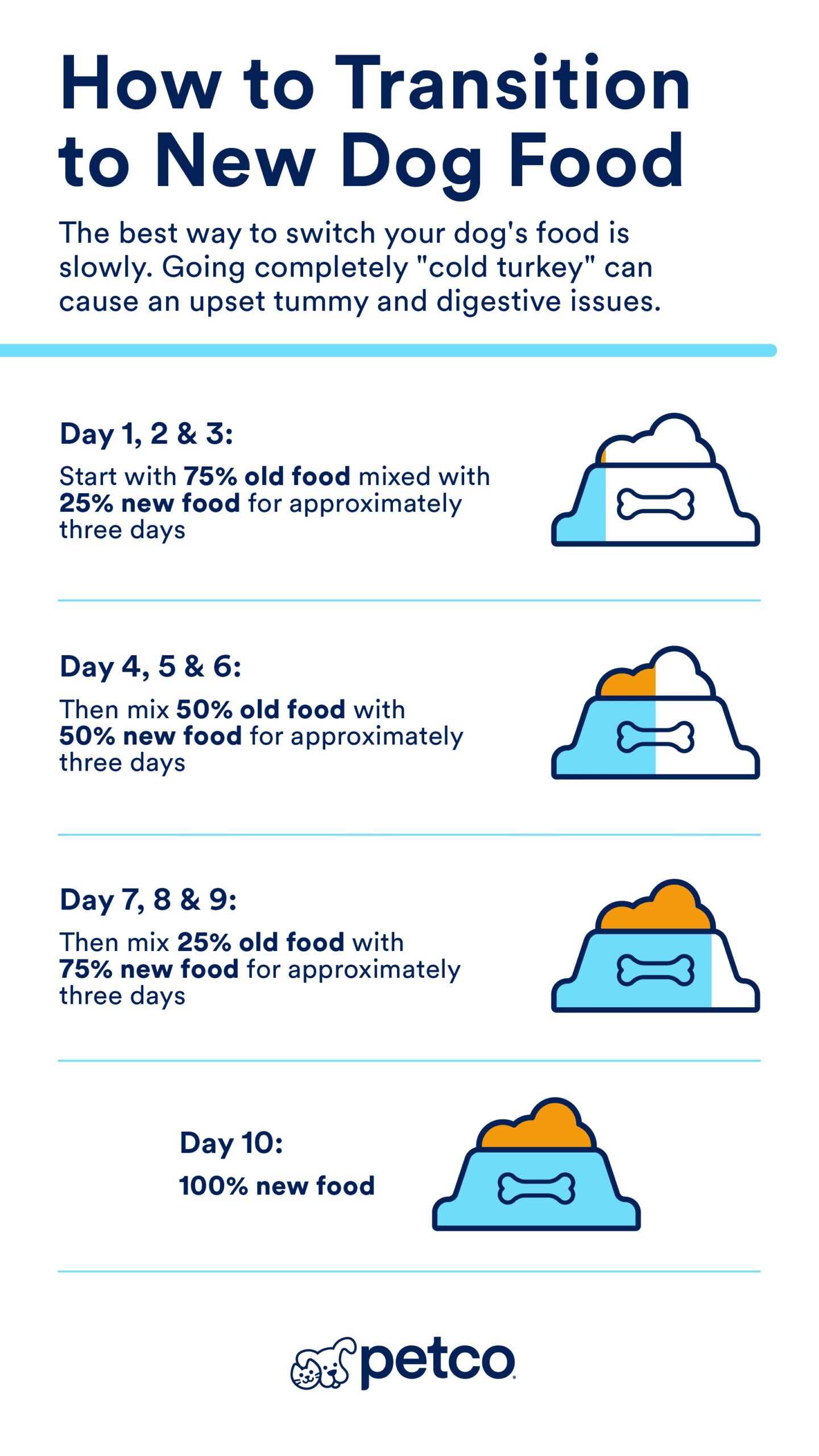
Switching dog food suddenly often causes vomiting, diarrhea, or refusal to eat. A slow, planned transition helps the gut adapt to new ingredients and prevents stress. Owners should change food gradually over 7–10 days, adjusting more slowly for puppies, seniors, or dogs with sensitive stomachs. If severe digestive upset, lethargy, or skin flare‑ups appear during a change, stop the transition and consult a veterinarian promptly.
Step‑by‑step transition schedule
A gradual schedule helps avoid stomach upset and diarrhea. A 7–10 day transition is recommended for most dogs.
| Day range | Old food | New food |
|---|---|---|
| Days 1–3 | 75% | 25% |
| Days 4–6 | 50% | 50% |
| Days 7–9 | 25% | 75% |
| Day 10+ | 0% | 100% |
For very sensitive dogs or puppies, owners may extend each step to several days for a slower change.
What to watch for during the change
During a diet change, close observation helps prevent small issues from becoming serious.
| What to monitor | Normal during switch | Warning sign |
|---|---|---|
| Stool | Slightly softer, 1–3 days | Watery diarrhea, blood, mucus, lasting >3 days |
| Vomiting | Rare, single mild episode | Repeated vomiting, cannot keep water down |
| Appetite | Mild fussiness | Refusing food for >24 hours |
| Energy | Usual play and sleep | Lethargy, weakness, collapse |
| Skin/ears | Unchanged | New itching, ear redness, hives, swelling |
If strong odor, straining, or gas appear, slow the transition and offer plenty of fresh water. Stop the new food and contact a veterinarian if severe vomiting, bloody stool, or facial swelling occur.
When to Talk to Your Vet About Food

If you're unsure when to consult a veterinarian, it's reassuring to think of it as ""a little early"" as the general rule. Even if you've been feeding your pet the same food for a long time, the necessary nutritional balance changes as they age and their health changes. It's especially a good idea to have your regular veterinarian check their diet during puppyhood, after spaying/neutering, when they enter their senior years, or when a chronic illness is discovered. Also, when choosing a new food or considering introducing homemade food or supplements, consulting a veterinarian beforehand will increase safety."
Red flags that need a vet visit
Certain signs suggest a food problem has become a medical issue that needs a vet.
| Red flag | Why it matters |
|---|---|
| Persistent vomiting or diarrhea (over 24–48 hours) | Risk of dehydration and underlying disease |
| Blood in stool or vomit | Possible serious gut or organ problem |
| Sudden weight loss or gain | May indicate malabsorption, endocrine disease, or poor diet fit |
| Refusing food for more than a day | Can signal pain, nausea, or organ trouble |
| Intense itching, ear infections, or hives | Possible food allergy needing diagnosis |
| Lethargy, collapse, or pale gums | Emergency care is required |
When any red flag appears, keep a record of food type, treats, and timing of symptoms, and contact a veterinarian promptly.
Questions to ask about diet choices
Preparing questions in advance helps owners use limited vet time effectively. Focus on specific, practical points rather than just asking “Is this food OK?”
- Is this food complete and balanced for my dog’s age, size, and activity level?
- Is the current body condition score healthy? If not, how should calories be adjusted?
- Which ingredients should be avoided for the dog’s breed, health history, or allergies?
- Do you recommend a particular brand or type (fresh, kibble, canned, prescription)? Why?
- How much and how often should the dog be fed?
- Is a supplement (omega‑3, joint support, probiotics) necessary with this diet?
- How can owners monitor stool, coat, and energy to judge whether the new diet suits the dog?
Prioritizing 2–3 key concerns, such as weight, allergies, or sensitive stomach, allows the vet to give clear, tailored diet advice.
This article introduces 11 recommended American dog food brands, explaining their ingredients, safety, and how to choose the right food for your dog's age, size, and constitution. It also covers how to switch foods and signs that indicate you should consult a veterinarian, making it a helpful resource for choosing the right dog food for your pet.







![[What are the cutest dog breeds?] Introducing popular dog breeds!](https://with-my-dog.com/wp-content/uploads/2021/10/dog-g3ab76451a_1920-150x150.jpg)








![Popular names!? [Popular dog names ranking]](https://with-my-dog.com/wp-content/uploads/2022/07/image3-45-300x200.jpg)