


Many dog owners worry that their beloved pets might have food allergies if they experience itching, tear stains, diarrhea, or other persistent symptoms. This article introduces seven carefully selected dog foods that we recommend as the "best dog food for dogs with allergies" for 2026, based on information supervised by veterinarians, ingredients, and customer reviews. This article will be helpful for those who want to avoid ingredients that are likely to cause allergies or who are unsure what criteria to use when choosing dog food.
How Food Allergies Affect Your Dog
Food allergies can affect a dog’s whole body, not only the stomach. When a dog eats an ingredient the immune system misidentifies as dangerous, the body releases inflammatory substances. As a result, many dogs develop intense itching, red skin, ear infections, or paw licking rather than obvious vomiting or diarrhea. Long‑term inflammation can disturb sleep, mood, and even weight. Finding the right allergy‑friendly dog food helps calm the immune response and protects skin, coat, and digestion.
Food allergy vs. food sensitivity
Food allergy and food sensitivity are often confused but are medically different. Food allergy is an immune reaction: the body misidentifies a food protein as a threat and releases histamine, leading to itching, red skin, or ear and paw inflammation. Food sensitivity (or intolerance) does not involve the immune system. It usually causes gradual digestive upset such as gas, soft stool, or bloating. Both require diet changes, but allergies tend to cause more intense skin symptoms and may need stricter control.
Typical signs of food-related itching
Food-related itching usually appears as persistent, recurring itch in specific areas rather than occasional scratching. Common signs include licking or chewing paws, rubbing the face, red or inflamed ears, and frequent ear infections. The belly, armpits, and groin may show redness, bumps, or hair loss. Some dogs develop foul-smelling skin or darkened, thickened patches from constant irritation.
When to suspect the diet is the problem
Food isn't always the culprit, so it's important to know the guidelines. If itching persists year-round regardless of the season, or if your dog persistently scratches the same areas (face, ears, paws, belly, around the anus), food may be a contributing factor.
If the problem doesn't improve even after changing flea prevention or shampoo, if the symptoms recur immediately after discontinuing skin medication, or if digestive symptoms such as loose stools, flatulence, or vomiting occur along with the itching, you should also be cautious. If your puppy or young adult dog has persistent chronic skin problems, it's recommended to consider a food allergy and consult a veterinarian."
Common Dog Food Allergens to Watch For
Dogs with food allergies usually react to specific ingredients that appear over and over in commercial diets. Understanding common triggers helps owners choose products more safely and talk with vets more clearly. Most canine food allergies are caused by proteins, but grains, additives, and even flavorings can also play a role.
In the next sections, major allergen groups are explained so owners can start to identify which components in dog food may be causing itching, ear infections, or digestive upset.
Proteins most often linked to reactions
Animal proteins are the most common cause of food allergies in dogs. The immune system reacts to specific proteins, not to fat or carbohydrates.
Typical culprits include:
| Protein source | Allergy notes |
|---|---|
| Beef | One of the most frequently reported allergens |
| Chicken | Very common in dog food, so exposure is high |
| Dairy | Often linked to itching and ear infections |
| Egg | Can trigger skin and digestive signs |
| Lamb | Once “novel,” now a regular allergen for some dogs |
| Fish | Less common, but reactions still occur |
Dogs usually become allergic after long, repeated exposure to the same protein, so even a “high‑quality” meat can cause problems over time.
Grains, additives, and other triggers
Grains are less common triggers than animal proteins, but some allergic dogs react to wheat, soy, or corn. Many dogs tolerate grains well, so grain-free food is not automatically better. More often, problems come from additives such as artificial colors, flavors, and preservatives, or from dairy and eggs used in some recipes. For sensitive dogs, choosing simple formulas with limited ingredients and no artificial additives can make reactions easier to control and monitor.
Breeds and ages more at risk
Certain dogs are more prone to food allergies due to genetics, age, and overall health. Any breed can react, but some appear in vet clinics more often.
Breeds seen more often with food allergies
Veterinarians frequently report food allergies in:
- French Bulldogs
- Bulldogs
- Boxers
- Labrador Retrievers
- Golden Retrievers
- German Shepherds
- West Highland White Terriers
- Cocker Spaniels
Small mixed-breed dogs and popular “doodle” mixes are also commonly affected. Breed risk does not guarantee a problem, but it can raise suspicion when chronic itching appears.
Ages when allergies usually appear
Food allergies rarely start in very young puppies. Most dogs show signs between 1 and 5 years of age. Two patterns are especially common:
- Young adults: symptoms start after months to years on the same food
- Middle-aged dogs: new signs after a lifetime of tolerating ingredients
Very senior dogs can also develop allergies when the immune system and gut barrier weaken.
Other risk factors to keep in mind
Non-breed factors play a large role as well:
- Repeated exposure to the same protein over years
- Underlying atopic dermatitis (environmental allergies)
- Poor skin or gut health due to parasites or infections
Dogs with both environmental and food allergies often have more severe, year-round itching, so careful diet management is especially important.
How Vets Diagnose Food Allergies
Food allergies are usually diagnosed by a veterinarian through a step‑by‑step exclusion process, not a single test. First, the vet listens to the dog’s history: age when itching started, seasonal pattern, past foods, and response to medications. A thorough skin exam rules out parasites or infections.
If food allergy is suspected, the vet recommends a strict elimination diet using a novel or hydrolyzed protein. All other foods, including treats and table scraps, must be stopped. The dog is fed only the test diet for several weeks, and symptoms are monitored. If signs improve and then return when the old food is reintroduced, a food allergy is strongly supported.
Why tests alone are not enough
Many dog guardians hope a single blood or saliva test will pinpoint a food allergy, but current lab tests are not reliable enough on their own. Antibody tests often show “positives” to ingredients a dog eats regularly, without any true clinical reaction. Saliva and hair tests have very poor accuracy in studies.
Food allergies are diagnosed based on how a dog’s skin and stomach respond when suspect ingredients are removed and then reintroduced. The elimination diet and food trial remain the gold standard, with tests used only as supportive information, not as a replacement.
Step-by-step elimination diet basics
An elimination diet is the gold standard method for finding which ingredients cause a dog’s food allergy. The idea is simple: feed a diet that contains only ingredients the dog has never eaten before (novel protein and often a novel carbohydrate) or a veterinary hydrolyzed diet.
Typical steps are:
- Choose a vet-recommended trial food (novel or hydrolyzed).
- Feed only that food and approved treats; no table scraps, flavored meds, or chews.
- Keep a daily log of itching, stool quality, and any flare-ups.
- After the trial, suspected ingredients are reintroduced one by one to confirm which trigger reactions.
Careful control is essential; even small “cheats” can reset the clock on the elimination diet.
How long to try a new food safely
For an allergy elimination trial, most veterinarians recommend feeding the new diet exclusively for 8–12 weeks. Improvement in itching or stomach upset may appear after 2–4 weeks, but the immune system needs more time to calm down. During the trial, no other foods should be given: no treats, flavored medicines, or table scraps. If symptoms clearly improve and then return when the old food is reintroduced, the diet is very likely involved.
Key Points When Choosing Allergy Dog Food

When choosing allergy-friendly food, it's more important to consider what's not in it than what's in it. First, check for common allergens like protein sources (beef, dairy products, chicken, etc.) and unnecessary additives. Furthermore, it's crucial to check whether it's a complete and balanced diet meeting AAFCO standards and whether the calorie content is appropriate for your dog's age, weight, and activity level.
Also, choosing a brand with readily available treats and snacks in the same series makes it easier to continue the elimination diet trial. If you're unsure, don't rely solely on commercially available food; narrowing down your choices based on your veterinarian's advice will give you peace of mind.
Novel proteins and limited ingredients
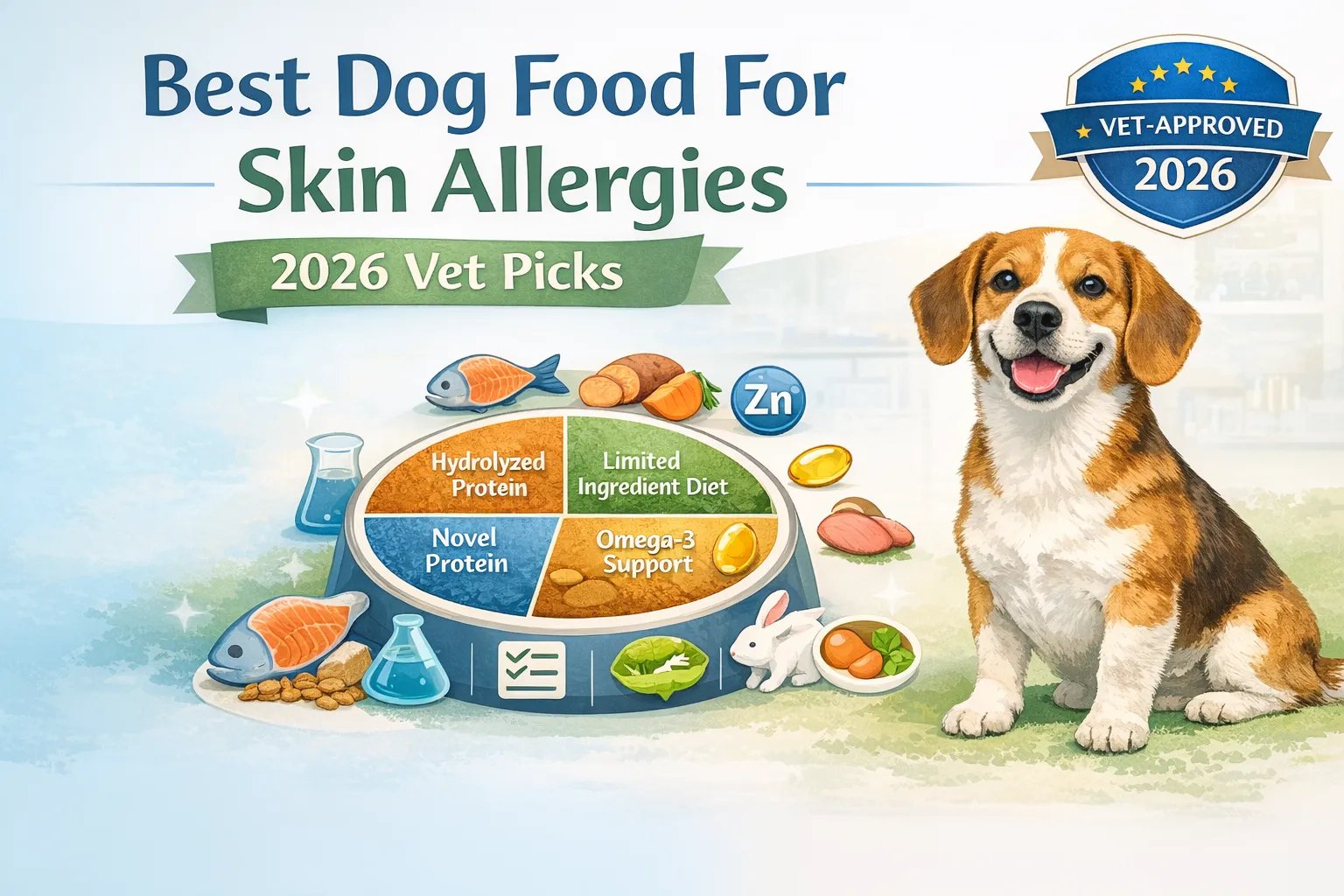
Novel protein means an animal protein your dog has never or rarely eaten before, such as duck, venison, rabbit, kangaroo, or certain fish. Dogs with allergies often react to common proteins like beef or chicken, so switching to a genuinely new protein source can reduce flare‑ups.
Limited-ingredient diets (LID) keep the recipe simple: usually one protein, one main carbohydrate, and very few extras. Fewer ingredients make it easier to pinpoint triggers and lower the chance of hidden allergens.
When comparing formulas, look for:
| Point to check | Why it matters for allergies |
|---|---|
| Single named protein | Avoids mixed meats that can hide allergens |
| Short ingredient list | Helps identify what agrees with your dog |
| No common triggers listed earlier | Chicken fat, beef, dairy, soy, or egg near the top can be risky |
For best results, pair a novel protein with a limited-ingredient recipe and offer only that food (plus matching treats) during the trial period.
Hydrolyzed diets and prescription options
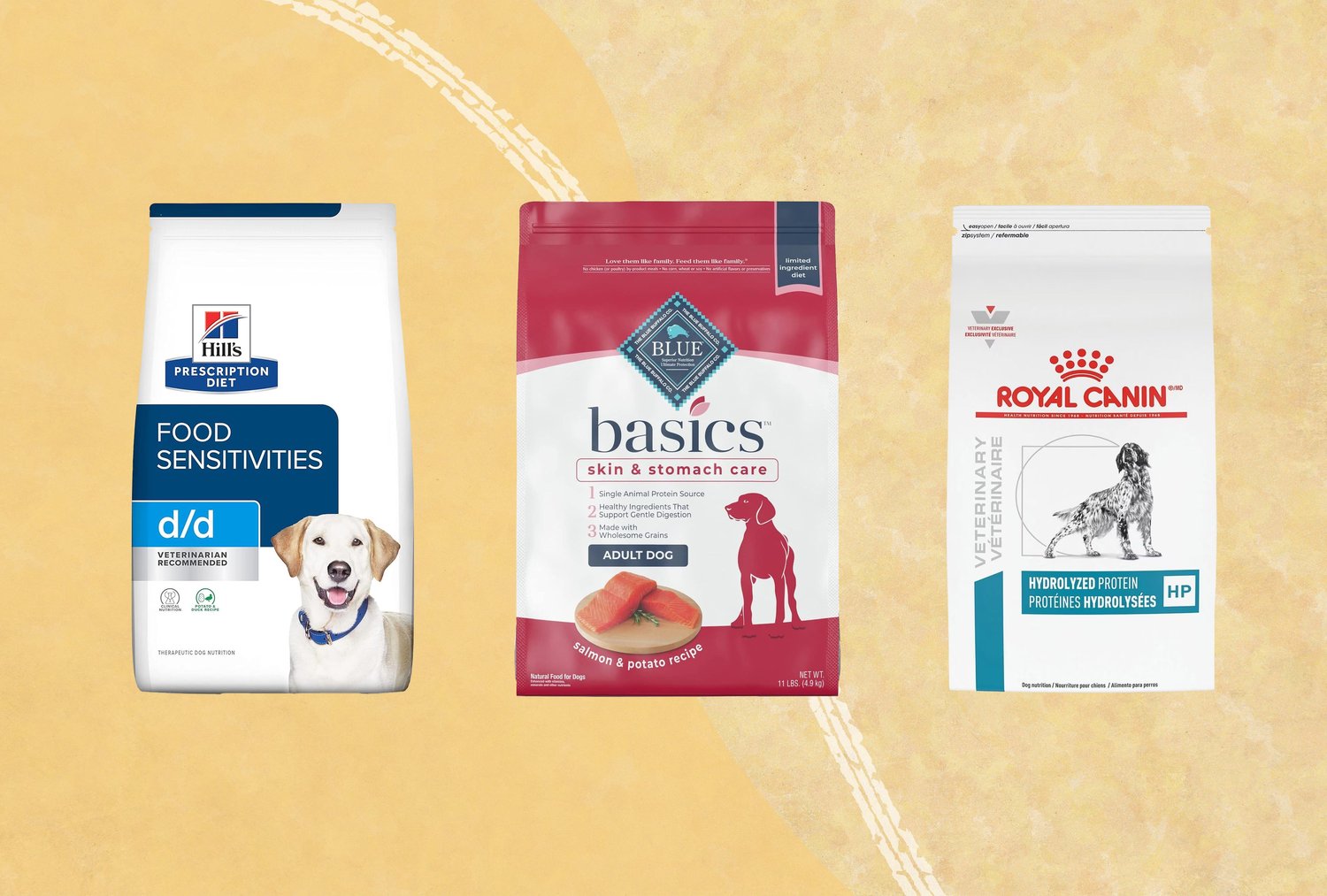
Hydrolyzed diets and prescription formulas are often recommended for moderate to severe food allergies. In hydrolyzed food, proteins are broken into very small fragments, so the immune system is less likely to recognize and react to them. Many of these products are available only with a veterinarian’s prescription and are carefully balanced for long‑term feeding.
Prescription allergy diets usually fall into two groups: hydrolyzed protein diets and novel‑protein veterinary diets (for example, duck, venison, or fish with limited ingredients). A veterinarian chooses between them based on the dog’s history, other health issues, and previous foods. For many dogs with persistent itching, ear infections, or stomach upset, a prescription formula can be the most reliable starting point for an elimination trial.
Reading labels and spotting red flags
Dog food labels can be confusing, but a few checks help avoid allergy triggers. First, scan the full ingredient list, not only marketing phrases on the front. Avoid known problem proteins for the individual dog (for example chicken, beef, dairy, egg) and watch for them in forms such as meal, fat, broth, or flavor.
Common red flags include: vague terms like “animal by-product” or “meat meal”, artificial colors, many unnamed “natural flavors,” and very long lists of additives. Hypoallergenic or “limited ingredient” should mean short, clearly named ingredients and a single main protein and carbohydrate source.
Balancing allergies, age, and lifestyle
Finding the best dog food for dogs with allergies also means matching the recipe to age, size, and activity level. A puppy or very active adult needs more calories and protein, while a senior or indoor dog often needs fewer calories to avoid weight gain. Choose allergy-friendly food that is still AAFCO-complete for your dog’s life stage, and adjust portion size to keep a healthy body condition. For brachycephalic or small breeds, kibble size and texture also matter for safe, stress-free eating.
Our Criteria for Selecting These 7 Foods
Choosing the best dog food for dogs with allergies requires clear standards so owners can compare options confidently. The selected 7 foods are chosen with a focus on ingredient quality, allergy-friendliness, and overall safety. Each product is evaluated for nutritional balance, evidence of support for skin and digestion, and reliable manufacturing practices. Priority is placed on formulas that are practical for everyday feeding and easy for most owners to use consistently.
Vet guidance and nutrition standards
Veterinary input is essential when selecting the best dog food for dogs with allergies. Veterinarians confirm whether symptoms truly relate to food, review past diets, and recommend formulas that meet AAFCO or FEDIAF standards for complete and balanced nutrition. Foods chosen for allergic dogs should be vet-approved, life‑stage appropriate, and backed by board-certified veterinary nutritionists, not just marketing claims. Labels, nutrient profiles, and company quality-control data are all considered before a food is recommended.
Evidence for skin and stomach support
Dog food for allergy‑prone dogs should offer proven support for both skin and digestion. Helpful evidence includes:
| Support area | What to look for on the label | Why it matters |
|---|---|---|
| Skin barrier | Omega‑3 (EPA/DHA), omega‑6, vitamin E, zinc | Helps reduce inflammation and itchiness |
| Gut health | Prebiotics, probiotics, highly digestible proteins | Supports a stable microbiome and firmer stool |
| Clinical claims | “Clinically proven to improve skin” or “shown to reduce itching” with study references | Suggests testing on real dogs, not only theory |
Owners who compare formulas should prioritize digestibility, omega‑3 content, and gut-support ingredients, as these factors most often improve comfort for allergic dogs.
Safety, recalls, and brand transparency
When choosing the best dog food for dogs with allergies, safety and trust in the manufacturer are essential. Check for recent recalls and how quickly the company communicated and corrected problems. Brands that publish clear sourcing information, quality-control steps, and contact details for nutrition experts are generally more reliable. Look for AAFCO-compliant foods made in facilities with regular testing for contaminants and accurate labeling.
Best Dry Kibble for Dogs With Allergies
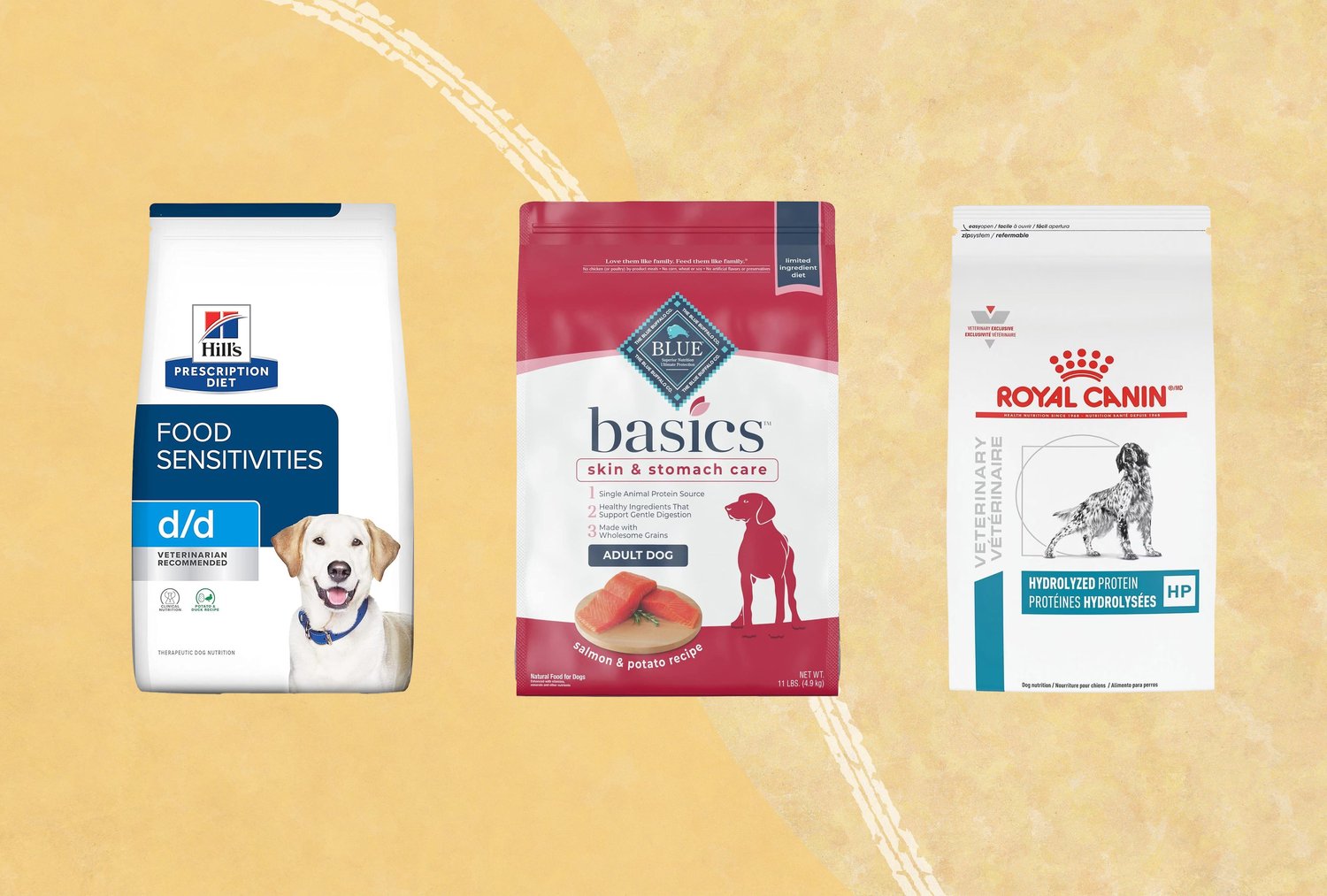
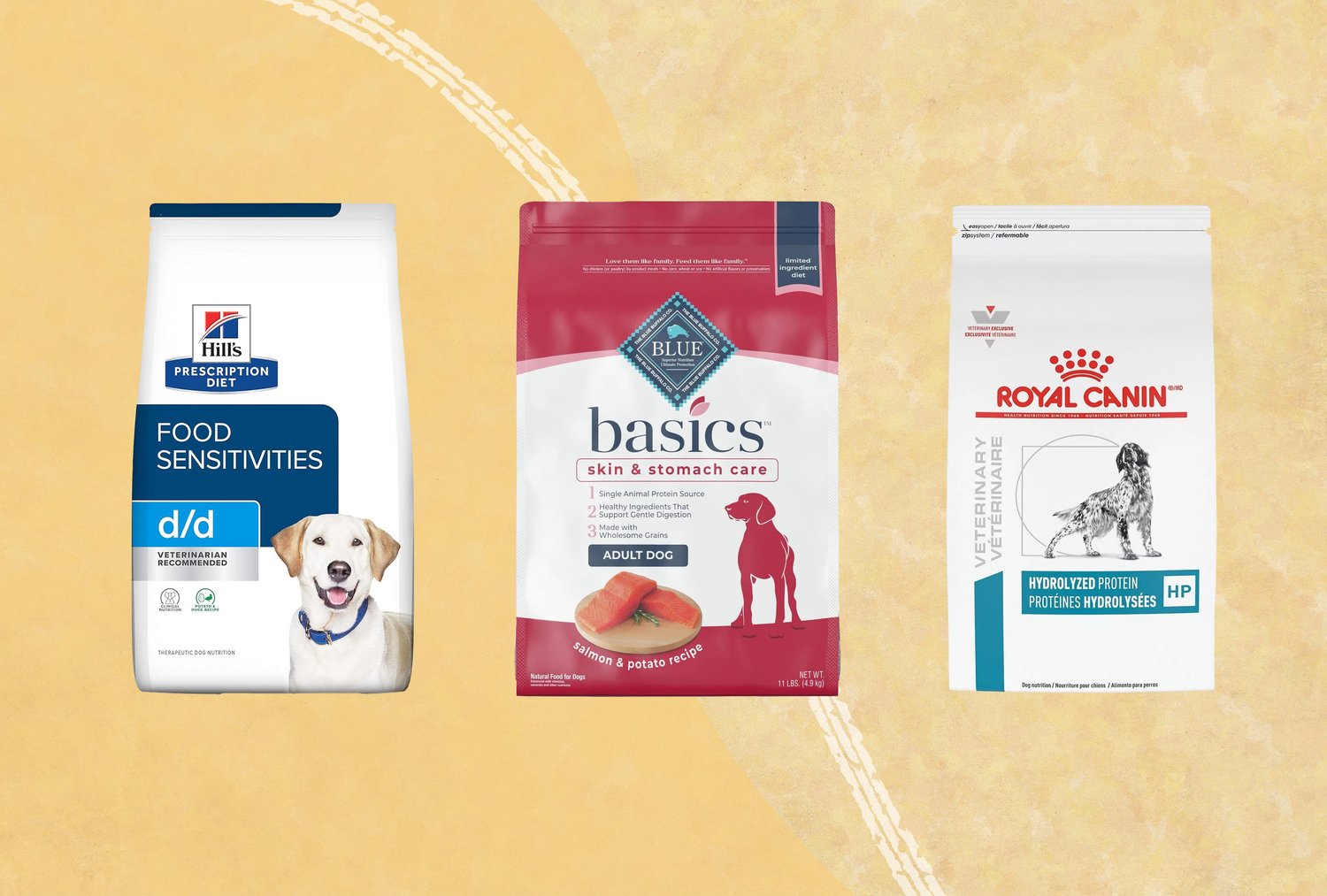
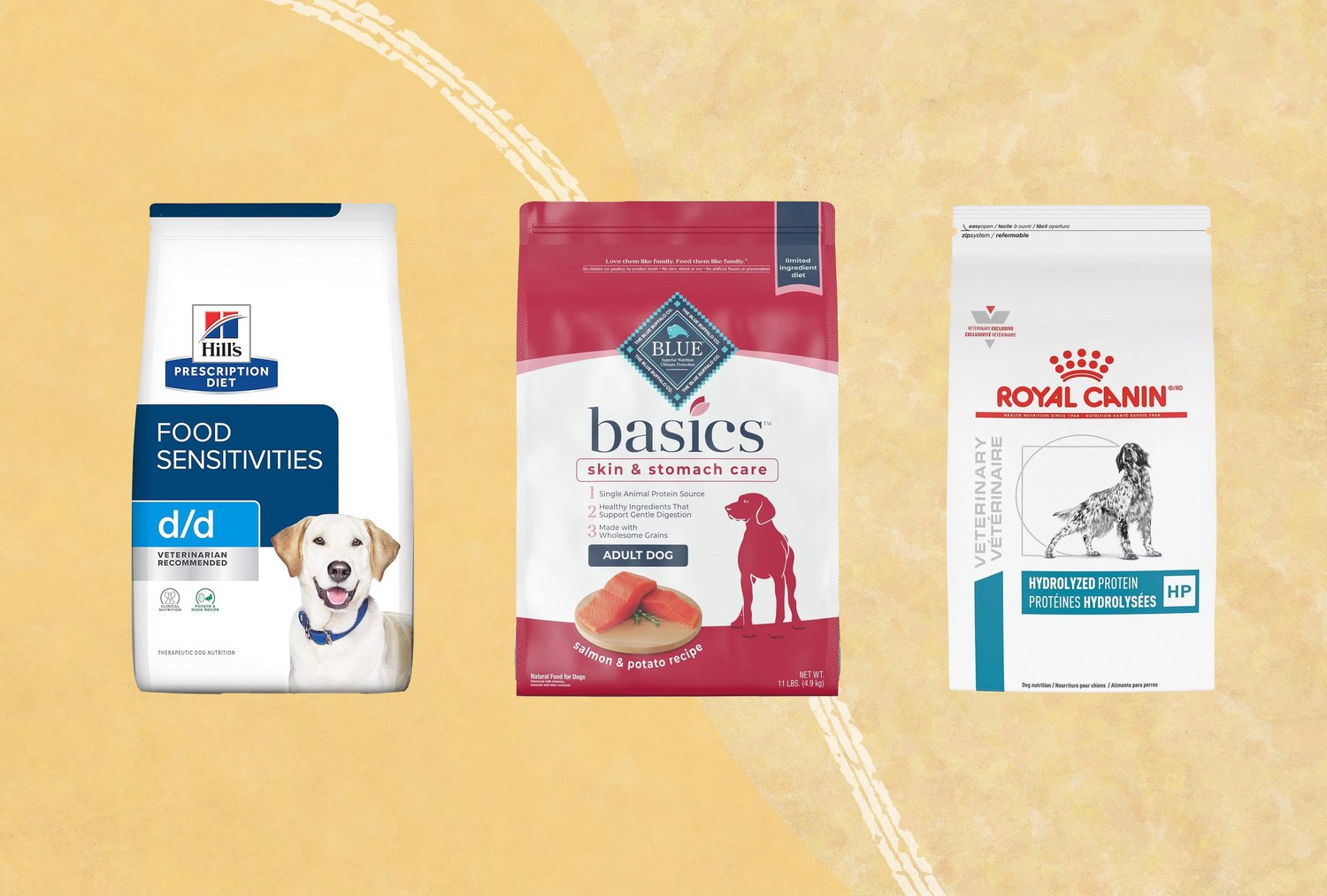
For many households, dry kibble is the most convenient way to feed a dog with allergies. The best options use clearly named proteins, limited ingredients, and no common triggers such as chicken, beef, or dairy. High-quality allergy kibble should also meet AAFCO standards, provide complete nutrition for the dog’s life stage, and include skin-supportive nutrients like omega-3 fatty acids. When choosing, owners can compare protein source, carbohydrate type, and whether the formula is grain-inclusive or grain-free based on veterinary advice.
Pick 1: Limited-ingredient chicken-free kibble
A good limited-ingredient, chicken-free kibble focuses on a single novel animal protein (for example salmon, duck, or lamb) and a small number of gentle carbohydrates such as sweet potato or rice. Fewer ingredients make it easier to spot triggers and reduce reactions. Look for kibble that is clearly labeled “chicken-free”, includes no poultry fat or chicken meal, and is complete and balanced to AAFCO standards for the dog’s life stage.
Pick 2: Grain-free option for itchy dogs
A grain-free formula can help some itchy dogs, especially when they react to corn, wheat, or soy rather than protein. A good grain-free allergy kibble uses a single, easily digested animal protein (for example salmon or duck) plus carbohydrate sources like sweet potato, pea, or lentil. Look for clearly labeled ingredients, added omega-3 fatty acids for skin support, and an AAFCO statement for complete nutrition. Grain-free recipes are not automatically better, so consultation with a veterinarian is strongly recommended if long-term use is planned.
Top Wet and Fresh Allergy-Friendly Foods
Wet and fresh foods can be very helpful for dogs with allergies because they often use fewer, clearer ingredients and are gentle on the stomach. High moisture supports hydration and may ease digestion, which is useful for dogs with itchy skin and soft stools. Many fresh or gently cooked brands also offer customizable recipes so owners can avoid specific allergens such as chicken, beef, or common grains more easily.
Pick 3: Gentle canned food for sensitivities
A gentle canned formula is useful for dogs that struggle to digest dry kibble or need more moisture. Look for limited-ingredient recipes with a single animal protein such as turkey, lamb, or salmon, and avoid common triggers like chicken or beef if already suspected. Soft texture is easier on sore mouths or senior dogs, and higher water content can support urinary health. For sensitive stomachs, no artificial colors, flavors, or carrageenan is ideal.
Pick 4: Fresh subscription meals for allergies
Fresh subscription services prepare pre-portioned, lightly cooked meals using human-grade ingredients and clear protein sources, which can suit many allergic dogs. Many brands offer recipes with novel proteins (such as turkey, lamb, or venison) and limited ingredients, reducing exposure to common triggers. Advantages include high palatability, easy digestion, and convenient delivery.
However, owners should still check recipes, rotation plans, and treat options carefully. Confirm AAFCO compliance, ask for full ingredient and sourcing details, and consult a veterinarian before choosing a plan for a dog with significant allergies.
Hydrolyzed and Veterinary Diet Picks
Hydrolyzed and veterinary-only foods are an important option for dogs whose symptoms do not improve with regular allergy-friendly foods. By breaking down proteins into smaller pieces (hydrolysis), the immune system becomes less likely to recognize them as "allergens," which can help reduce itching and ear problems. Furthermore, veterinary-only diets are formulated with fatty acids that support the skin barrier and ingredients that aid digestion, and are manufactured under strict quality control. A veterinary diagnosis and prescription are absolutely necessary for purchase, but they are one of the safest options for dogs with severe allergies.
Pick 5: Hydrolyzed protein for tough cases
Hydrolyzed protein diets are designed for the most stubborn food allergy cases. Proteins are broken into very small fragments so the immune system is less likely to recognize and attack them. Many veterinary dermatologists use hydrolyzed formulas as the gold standard trial diet when itching or ear infections do not improve with regular limited-ingredient foods. These diets are usually prescription-only, complete and balanced, and must be fed exclusively—no other treats or flavored medications—so that results are clear and reliable.
Pick 6: Vet-only skin and stomach formula
A veterinary-exclusive skin and stomach formula is designed for dogs with both severe itching and chronic digestive upset. It usually combines highly digestible ingredients, targeted omega-3s, and skin-supporting nutrients such as vitamin E and zinc. Because it is sold through veterinarians, the diet is backed by research data and careful quality control. Such formulas are suitable when over‑the‑counter allergy foods fail or when a vet suspects complex food-responsive skin disease.
Budget-Friendly Allergy Dog Food Option

For many families, price is a real concern when choosing the best dog food for dogs with allergies. A budget-friendly option should still offer clearly labeled ingredients, limited common allergens, and complete nutrition. Look for single-protein recipes, avoid frequent triggers such as beef, chicken, or dairy, and check that the food meets AAFCO standards for your dog’s life stage. Larger bag sizes, autoship discounts, and store brands with veterinary input can help control costs without sacrificing safety or quality.
Pick 7: Sensitive formula on a budget
For dogs with allergies, cost can be a real concern. A budget-friendly sensitive formula should still meet AAFCO standards, list a clearly named protein first, and avoid common allergens such as beef, dairy, chicken, and wheat when possible. Look for limited-ingredient recipes, moderate fat, and added omega‑3s for skin support. Buying larger bags, using autoship discounts, and avoiding unnecessary extras such as toppers can further reduce monthly costs while keeping nutrition and allergy control a priority.
Homemade vs. Store-Bought Allergy Diets

Homemade allergy diets can look attractive because owners control every ingredient and avoid common dog food allergens. However, store‑bought allergy formulas are usually more nutritionally balanced and thoroughly tested. Commercial options, especially veterinary therapeutic diets, must meet AAFCO standards and undergo quality checks, while home cooking easily becomes low in key nutrients such as calcium, certain amino acids, and essential fatty acids. For many allergic dogs, a combination of carefully chosen commercial food plus limited, vet‑approved homemade items offers a good balance of safety, convenience, and control.
When home cooking may be helpful
Home cooking may be helpful when commercial allergy diets do not fully control symptoms or when a dog reacts to many common proteins. A simple, home-cooked menu can make it easier to control every ingredient and avoid hidden allergens in treats, flavorings, or fillers. Short-term homemade diets are also useful during an elimination trial, for very sensitive stomachs, or after stomach upset surgery or illness, when highly digestible, gentle meals are needed.
Working with a vet nutritionist
A veterinary nutritionist is a veterinarian with advanced training in animal nutrition. Consultation is especially helpful for dogs with multiple allergies, chronic digestive problems, or when owners wish to feed homemade meals long term. The specialist can design a balanced elimination diet, select appropriate supplements, and adjust calories so the dog maintains an ideal weight. Guidance from a vet nutritionist reduces the risk of nutrient deficiencies and makes the allergy plan more effective and sustainable.
Risks of unbalanced DIY recipes
Homemade allergy diets can easily become nutritionally unbalanced if created without expert support. Meat-only menus lack calcium, certain vitamins, and trace minerals, which may cause bone weakness, poor growth, or organ problems over time. Cutting multiple ingredients without a plan can also lead to protein or essential fatty-acid deficiencies, worsening skin and coat health. In addition, small errors in portion size may trigger obesity or weight loss. For food-allergic dogs, an incomplete diet may mask real improvement or create new health issues.
Transitioning to a New Food Safely
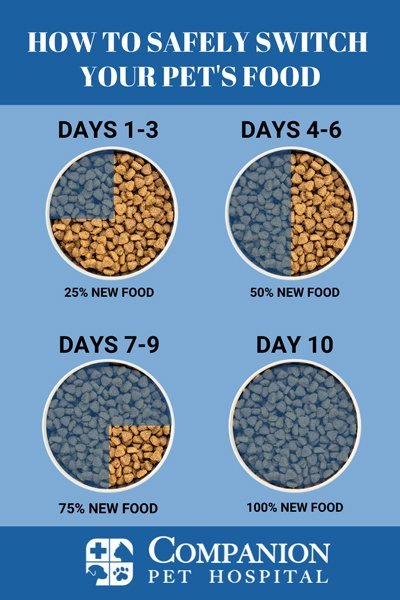
A safe transition is essential for dogs with allergies, because sudden food changes can worsen itching or cause diarrhea and vomiting. The goal is to protect the gut while testing whether the new diet helps. Pet owners should change food gradually, monitor the skin and stools, and avoid offering any other proteins during the trial. A careful plan reduces stress for the dog and makes it easier to judge whether the new diet is truly effective.
How to switch foods without tummy upset
Changing food suddenly often causes vomiting or diarrhea. To avoid trouble, gradually mix the new food with the old over 7–10 days. Start with about 75% old food and 25% new for a few days, then move to 50/50, then 25/75, until reaching 100% new food. For very sensitive dogs, extending the process to 2 weeks is safer. Offer measured meals, keep fresh water available, and avoid introducing new treats during the transition so the stomach can adjust calmly.
What to track in a food diary
A simple food diary helps identify exactly which foods trigger allergy flare-ups. Record every item that enters the dog’s mouth: main food, treats, chews, table scraps, flavored medicines, and supplements. Note brand, flavor, and full ingredient list when possible.
Also track daily: itch level, ear or paw licking, stool quality, vomiting, gas, and any skin changes. Add dates, portion sizes, and any non-food factors such as new shampoo or pollen spikes. After several weeks, a veterinarian can use the diary to spot clear patterns and guide the next feeding plan.
Daily Management of a Food-Allergic Dog
Daily care is essential for controlling food allergy symptoms. The most important point is strict consistency. Only feed the safe food and approved treats every day; even a small cheat can restart itching or stomach upset. Keep a simple routine for meals, walk times, and grooming to reduce stress, which can worsen skin problems. Regularly check ears, paws, and belly for redness or chewing marks. Early changes should prompt consultation with a veterinarian before symptoms flare badly.
Treats, table scraps, and hidden allergens
Snacks and leftover food on the table are often overlooked causes of food allergies in dogs. Even if your dog is on a therapeutic diet or allergy-friendly food, giving them snacks with unknown ingredients can cause itching to recur. It is important to always choose snacks that are "minimal in ingredients, allergen-free, and veterinarian-recommended," and for all family members to share the rule of "not giving human food indiscriminately." Be careful, as bread, dairy products, flavored meats, and processed foods can also contain "hidden allergens."
Bathing, supplements, and skin care
Regular skin care helps control allergy discomfort. Gentle, frequent baths remove pollen, dust, and food residues from the coat. Choose a veterinary hypoallergenic shampoo with moisturizers like oatmeal, ceramides, or aloe, and use lukewarm water to avoid drying the skin.
Supplements such as omega-3 fatty acids (EPA/DHA) from fish oil may reduce itching and improve the skin barrier. Probiotics can support gut health, which is linked to skin condition. Always confirm safe products and doses with a veterinarian.
Daily care should include checking for redness, hot spots, and ear problems. A soft brush and avoiding harsh wipes, strong fragrances, or human skin products help protect sensitive, allergy-prone skin.
When to call your vet again
Food-allergic dogs require ongoing monitoring. Contact a veterinarian promptly if itching suddenly worsens, new rashes or ear infections appear, or vomiting and diarrhea start or return. Blood in stool, swelling of the face, hives, or trouble breathing are emergency signs that need immediate care. A vet visit is also recommended if no improvement is seen after 8–12 weeks on a strict allergy diet, or when considering major diet changes, new supplements, or new medications.
Finding the Best Dog Food for Your Allergic Dog
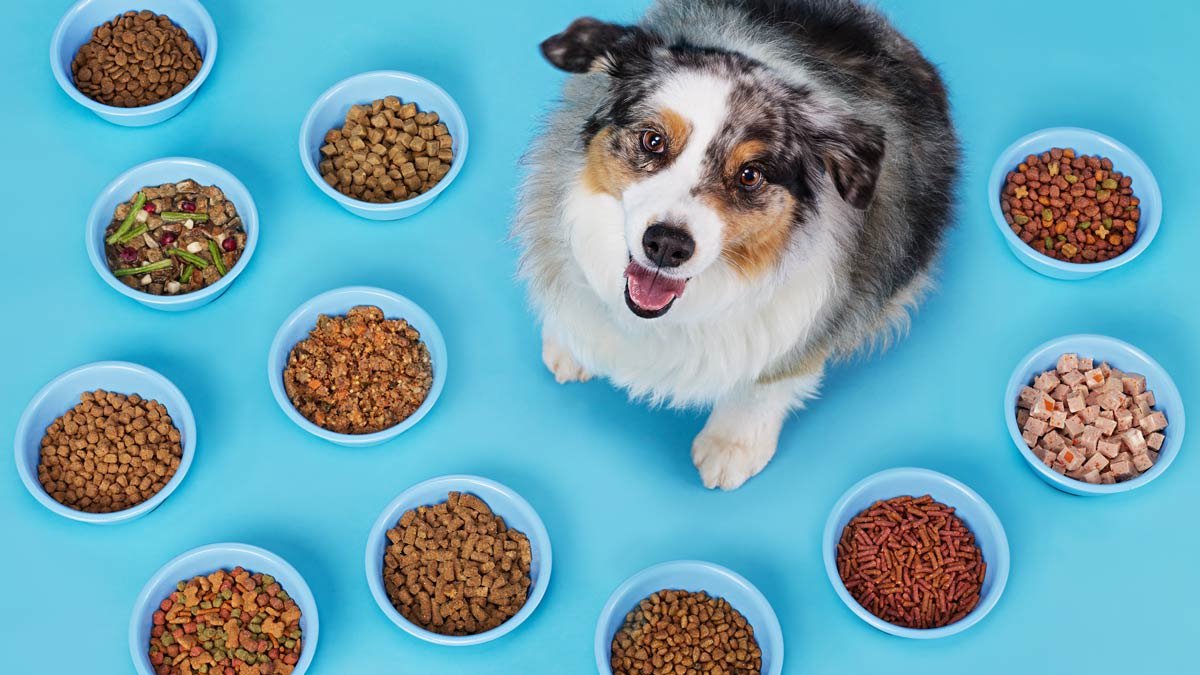
Finding the best dog food for a dog with allergies is a process, not a single purchase. Start from the veterinary diagnosis and stick to confirmed safe proteins and carbohydrates. Compare formulas by ingredient list, nutrition balance, and brand reliability rather than packaging claims. Prioritize complete diets that meet AAFCO standards, suit the dog’s age and activity level, and have a clear plan for treats and toppers. Careful monitoring, plus prompt consultation with a veterinarian when symptoms change, helps keep allergic dogs comfortable long term.
This article explains the mechanisms of food allergies in dogs, typical symptoms and causative ingredients, and the diagnostic procedures at veterinary hospitals. It also provides a clear, third-party perspective on seven recommended dog foods for different purposes, along with safe switching methods and tips for home care.


















![[Bone fracture in dogs] Sometimes they don't show any pain? Explaining symptoms and treatment](https://with-my-dog.com/wp-content/uploads/2021/10/犬 アレルギー 薬 3枚目-300x200.webp)

![[Veterinarian's recommendation] How to choose dog food! Find the perfect food for your dog!](https://with-my-dog.com/wp-content/uploads/2022/07/image4-11-300x200.png)