


Choosing the right dog food is said to be crucial for protecting your dog's health. However, with so many options available, many pet owners struggle to know what criteria to use when selecting a food. This article will explain how to choose dog food, focusing on points that veterinarians often consider when evaluating food, how to read ingredient labels, and how to assess safety. This article will be helpful for anyone who wants to acquire the basic knowledge needed to choose the right food for their dog.
Before You Pick a Dog Food
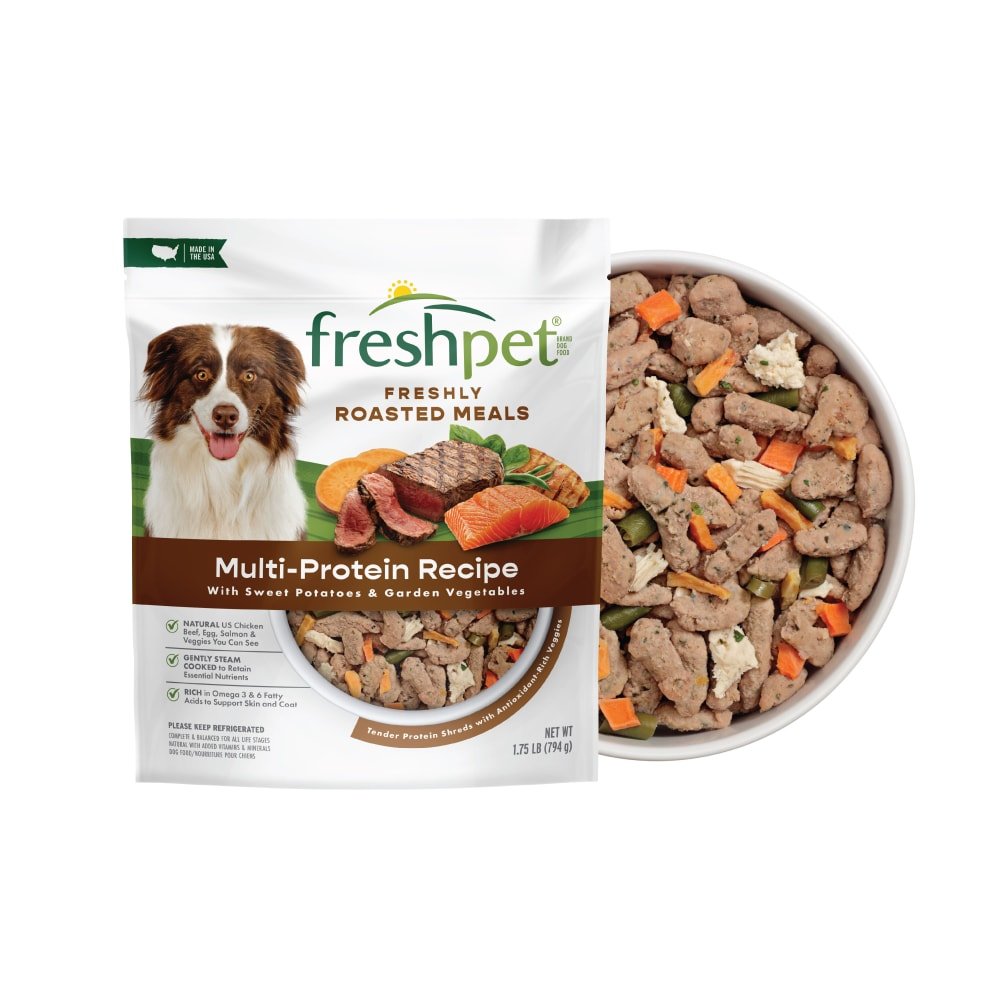
Before comparing brands, it is helpful to be clear about your own conditions and goals. Dog food should match the dog and also fit the owner’s lifestyle. Important points are: age, size, activity level, health problems, and whether weight control is needed. In addition, consider budget, how much time can be spent preparing meals, and storage space. By整理ing these factors first, choices in later sections become much easier and more logical.
Questions to Ask About Your Dog
Before comparing dog foods, it is helpful to make a simple checklist about the dog.
Key questions include:
- How old is the dog? (puppy, adult, senior)
- What is the current weight and ideal weight?
- What breed or mix, and is the dog small, medium, or large?
- How active is daily life? (couch‑lover, average, very athletic)
- Are there health issues such as allergies, kidney disease, or sensitive stomach?
- Is the dog neutered or spayed?
Clear answers guide choices for calorie level, nutrient balance, and kibble size, and help the veterinarian recommend a suitable diet.
Setting a Budget and Your Priorities
Dog food prices vary widely, so it is helpful to decide in advance what matters most. First, set a realistic monthly budget for food only. Then decide your priorities, for example:
| Priority | What it means in practice |
|---|---|
| Nutrition first | Complete and balanced, suited to age and size |
| Health issues | Prescription or special‑diet food if a vet recommends it |
| Ingredient preferences | Grain‑free, limited ingredients, or certain protein sources |
| Convenience | Easy to store, easy to measure, available nearby or online |
| Ethics/sustainability | Brand transparency, sourcing, environmental efforts |
When choosing, nutrition and health should come before marketing or trends. If money is tight, a well‑formulated mid‑priced food is usually safer than a fashionable but unbalanced option.
Basics of Good Dog Nutrition
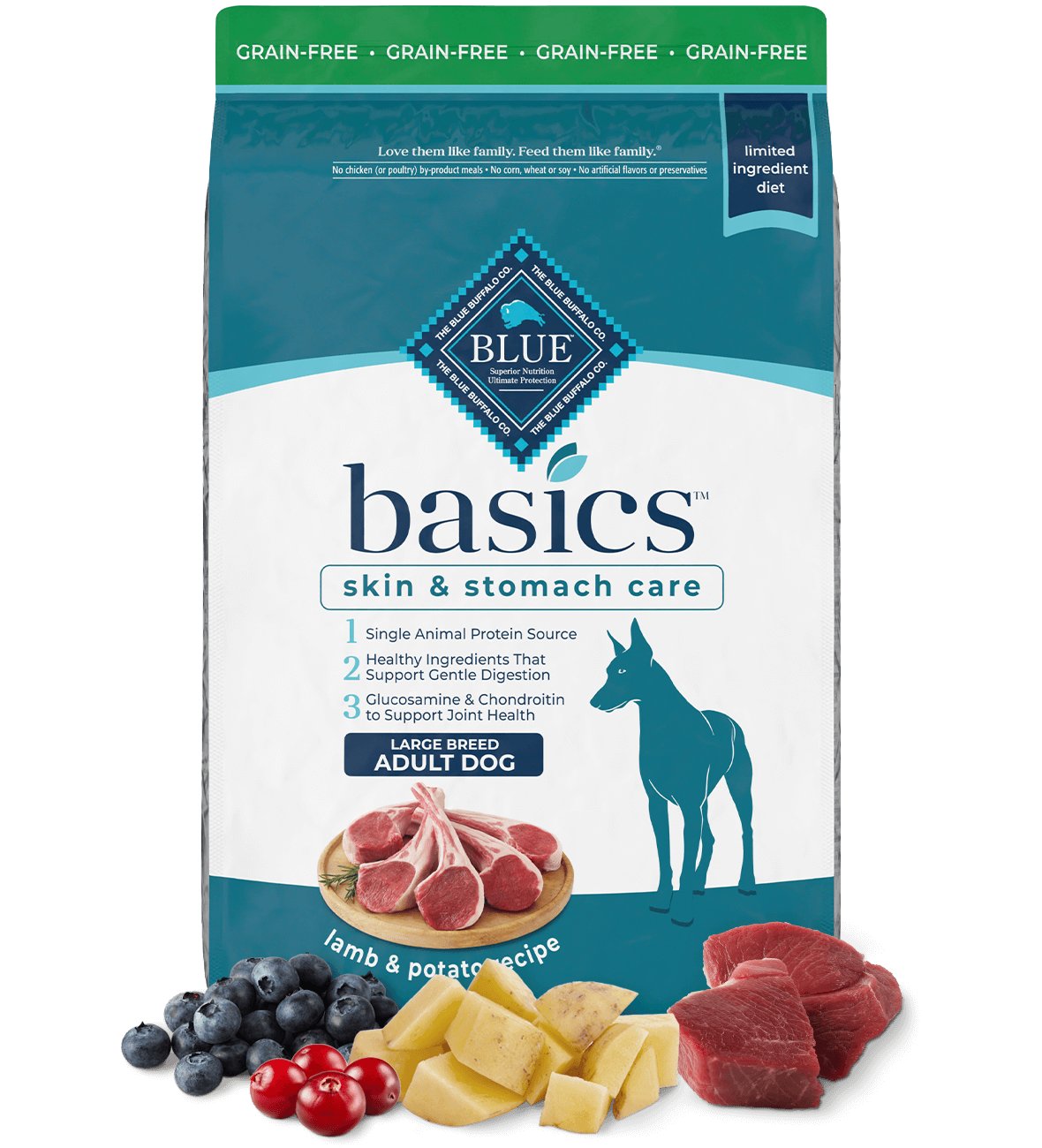
Good dog nutrition starts with balance. Dogs need energy, building blocks for muscles and organs, and nutrients that support immunity and a healthy coat. A well‑designed commercial diet aims to supply everything in the right ratios, so owners do not have to mix nutrients on their own.
Another key point is digestibility. Even if a food looks rich, nutrients must be easy for the dog to absorb. Finally, safe nutrition means avoiding excesses as well as deficiencies; overdoing calories, calcium, or supplements can be as harmful as not giving enough.
Key Nutrients Dogs Really Need
Dogs need more than just “meat.” A complete diet must supply balanced protein, fat, carbohydrates, vitamins, minerals, and water.
- Protein: Provides amino acids to build muscles, organs, skin, and immune cells. Look for good animal protein sources near the top of the ingredient list.
- Fat: Supplies energy and essential fatty acids (like omega‑3 and omega‑6) for brain function, skin, and coat. Too little or too much can cause health issues.
- Carbohydrates & fiber: Offer energy and help keep digestion regular. Beet pulp, pumpkin, and whole grains can support gut health.
- Vitamins & minerals: Support bones, nerves, blood, and immunity. In quality commercial food these are already balanced, so extra supplements are rarely needed unless a vet recommends them.
- Water: The most overlooked nutrient. Fresh, clean water must be available at all times, even for dogs on wet food.
A good dog food balances all nutrients for your dog’s life stage, instead of overloading on only one “hero” ingredient.
How Needs Change Over a Lifetime
A dog’s nutritional needs change with age, so food should change with life stage. Puppies need higher calories, protein, and specific minerals for growth. Adult dogs require a balanced diet that maintains weight and supports daily activity. Senior dogs often benefit from fewer calories, joint‑support nutrients, and easily digestible protein. Health status also shifts over time: some dogs develop kidney, heart, or dental disease and may need tailored formulas as advised by a veterinarian.
Look for Complete and Balanced Food
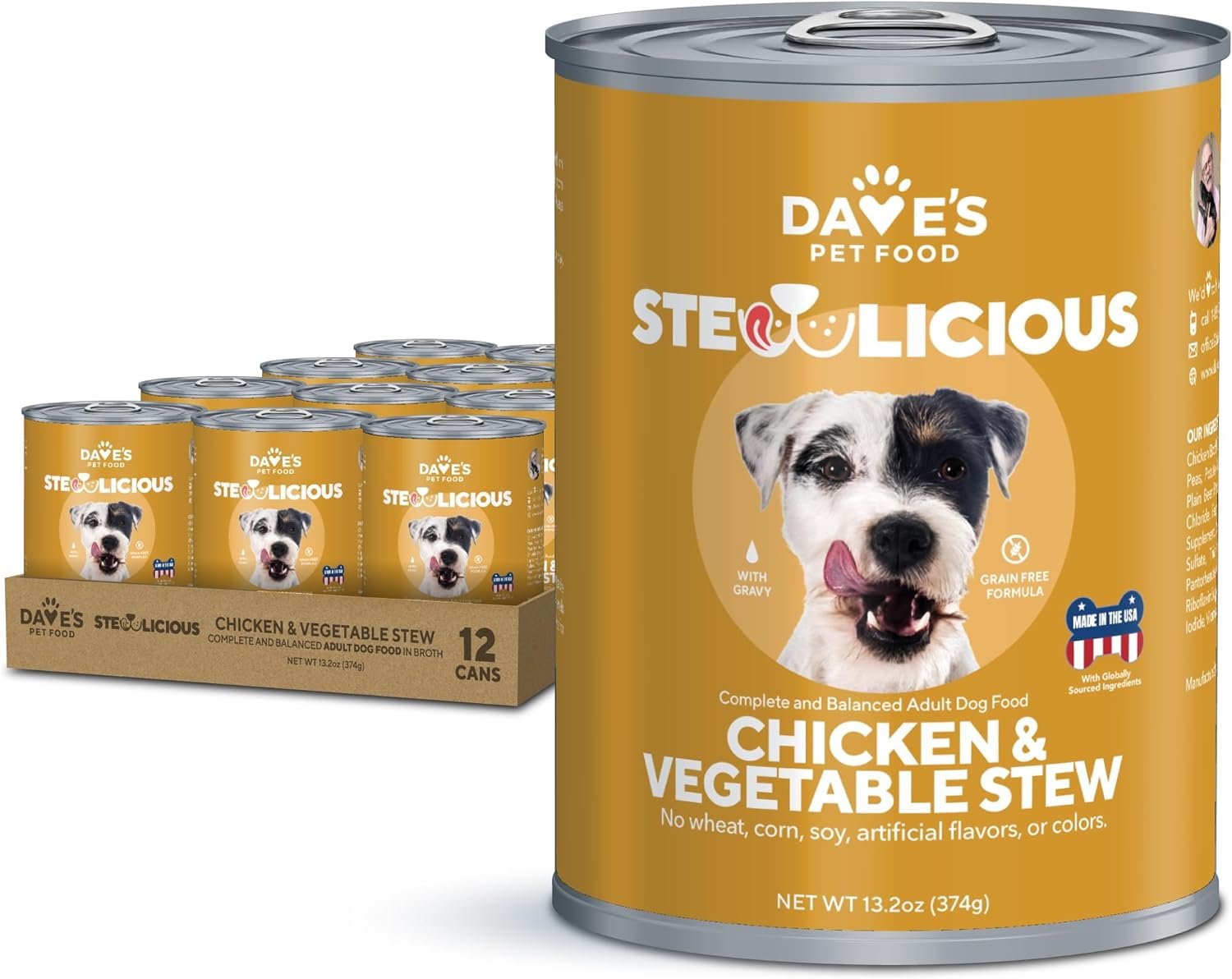
Dog food should first be complete and balanced for a dog’s life stage. This means the food alone supplies all required nutrients in the right ratios, so no extra vitamins or homemade toppings are needed for basic health. Foods that are not complete and balanced are suitable only as treats or occasional toppers. For everyday meals, choosing a diet labeled as complete and balanced greatly reduces the risk of deficiencies or excesses that can harm long‑term health.
AAFCO Standards in Simple Terms
Many dog foods mention AAFCO on the label. AAFCO (Association of American Feed Control Officials) creates nutritional standards used by many countries, including the U.S. It does not test or approve products directly. Instead, pet food companies formulate recipes to meet AAFCO nutrient profiles or prove adequacy with feeding trials. When a label says the food is formulated to meet AAFCO standards for a certain life stage, it means the recipe should supply minimum nutrients dogs need for that stage.
Nutritional Adequacy Statements
The nutritional adequacy statement tells whether a dog food is complete and balanced and for which life stage it is intended. Look for wording such as “complete and balanced nutrition for maintenance of adult dogs” or “for all life stages including growth of large‑size dogs”. If the label says “for intermittent or supplemental feeding only”, the product does not meet full nutrient requirements and should not be a dog’s main diet without veterinary guidance.
Match the Food to Your Individual Dog
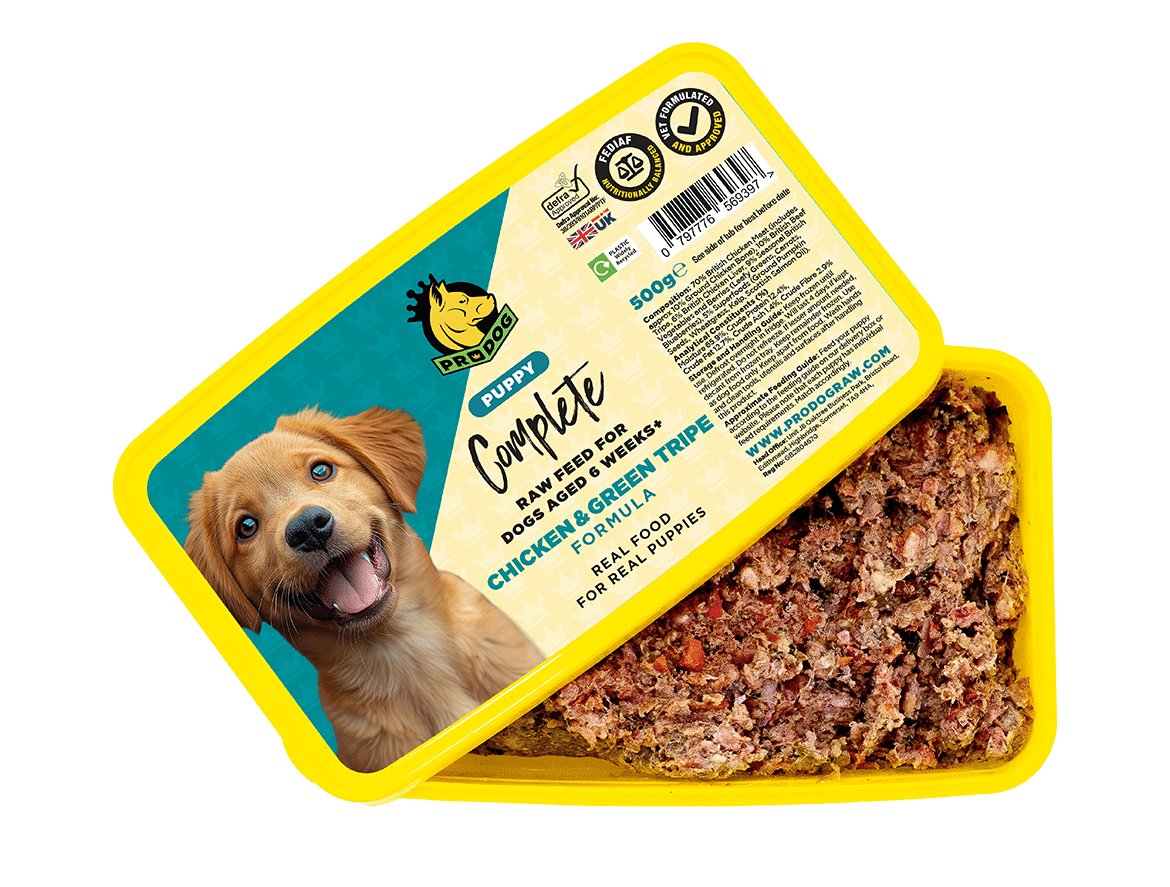
Every dog has different nutritional needs, so one “best” food for all dogs does not exist. Good dog food is the food that fits an individual dog’s age, size, activity level, and health. For example, a young active Border Collie usually needs more calories and protein than an older indoor Shih Tzu. Breed size also matters, because large breeds need controlled calories and minerals to protect joints, while toy breeds often need energy‑dense kibble. Health conditions such as allergies, kidney or liver disease, pancreatitis, or sensitive stomachs often require special veterinary diets. When choosing food, owners should first list key points about their own dog, then check if a candidate diet matches those needs in terms of life stage, breed size, calorie density, and any medical advice from a veterinarian.
Choosing Food for Puppies
Puppies grow rapidly, so they need energy‑dense food with carefully balanced nutrients. A suitable puppy food is labeled “complete and balanced for growth” or “for all life stages” and ideally specifies small‑, medium‑, or large‑breed use. Large‑breed puppies in particular require controlled calcium and calories to help prevent joint problems.
Choose a product from a reputable brand, follow the feeding guide for expected adult weight, and divide the daily amount into 3–4 meals. Any change of food should be made gradually over about a week to avoid digestive upset.
Choosing Food for Adult Dogs
Adult dogs need a stable, complete and balanced diet that supports energy and maintains ideal weight. For most healthy adults, select food labeled for “adult maintenance” with an AAFCO statement. Moderate protein and fat, plus controlled calories, help prevent obesity. Choose a recipe that matches size and activity level; working dogs often need higher‑calorie formulas. Avoid frequent brand hopping; once a food suits the dog, keep it consistent and adjust portions rather than changing products first.
Choosing Food for Senior Dogs
Senior dogs often need fewer calories but higher‑quality nutrients. Many also benefit from controlled phosphorus and sodium, plus added joint and brain‑supporting ingredients.
Key points when choosing food for a senior dog:
- Calories: Slightly lower energy density helps prevent weight gain as activity decreases.
- Protein: Good‑quality, moderate to high protein supports muscles; very low‑protein senior diets are rarely ideal unless a vet advises.
- Joints and brain: Omega‑3 fatty acids (EPA/DHA), antioxidants, and sometimes glucosamine/chondroitin can support aging joints and cognitive function.
- Digestibility: Highly digestible formulas with simple, consistent ingredients are gentle on the stomach.
Because health issues such as kidney disease, heart disease, or arthritis become more common with age, veterinary guidance is especially important before changing food for a senior dog.
Small vs Large Breed Nutrition
Small and large breeds digest and use nutrients differently. Small dogs burn more energy per kilogram, so they often need energy‑dense kibble with smaller pieces and slightly higher fat. Large and giant breeds are prone to joint problems and rapid growth issues, so food should have controlled calories, carefully balanced calcium and phosphorus, and often added joint‑support ingredients. Choosing a size‑specific formula helps avoid over‑ or under‑feeding and supports safer growth and weight management.
Dogs With Health or Allergy Issues
Dogs with allergies or health problems often need targeted nutrition, not just a different flavor. Common issues include food allergies, sensitive stomach, kidney or liver disease, diabetes, obesity, and heart problems. In many cases, veterinarians recommend prescription or therapeutic diets that are carefully tested.
For suspected allergies, a vet may suggest limited‑ingredient or hydrolyzed protein diets and an elimination trial. Owners should avoid self‑diagnosing and frequently switching foods, because that can hide the real cause and upset digestion. Whenever a dog has a chronic condition, diet choices should be made together with a veterinarian or veterinary nutritionist.
How to Read a Dog Food Label
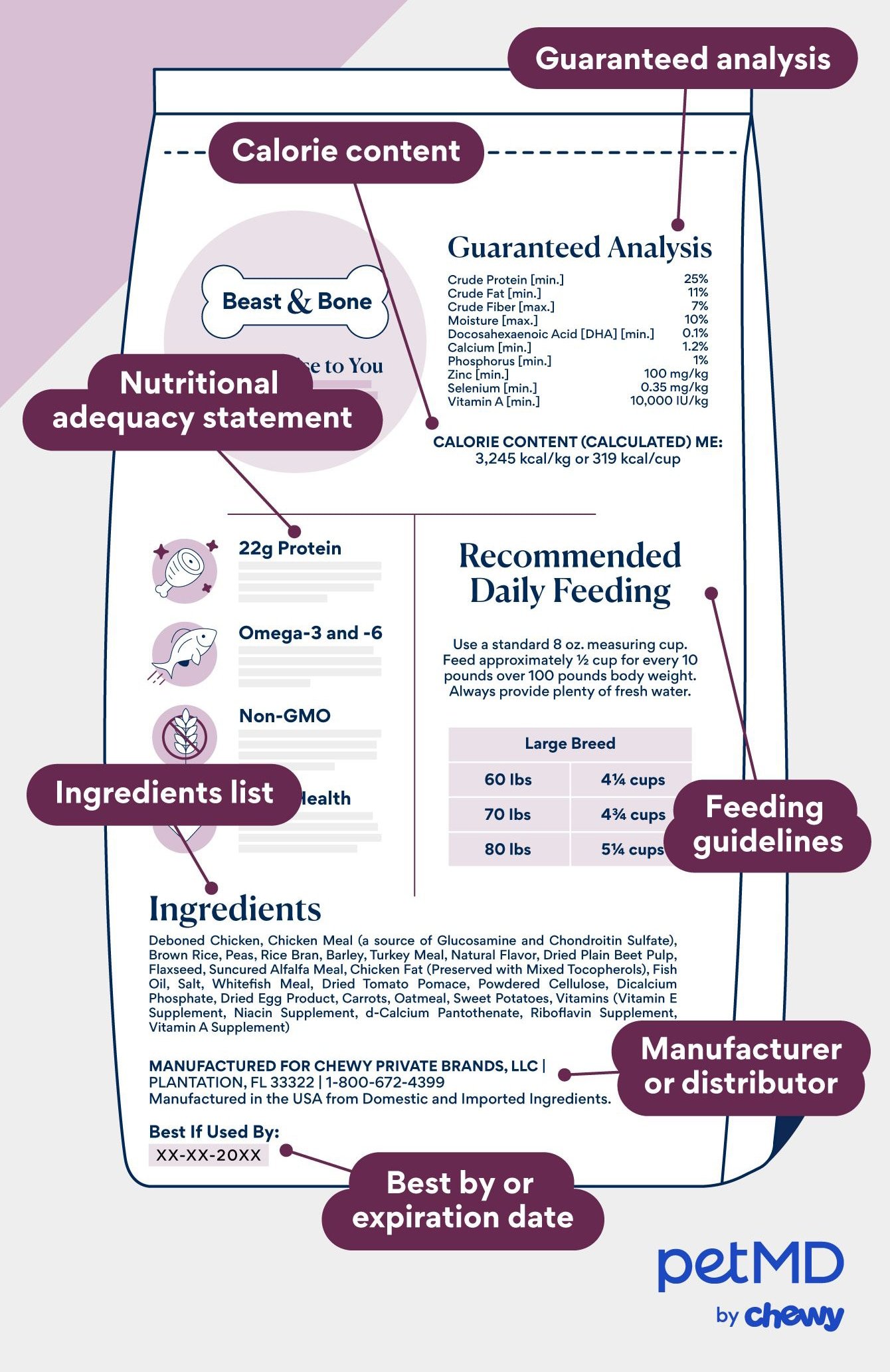
Dog food labels look complex, but learning a few key points makes comparison much easier. The goal is to confirm that the food is safe, complete, and suitable for a dog’s life stage. Owners should check the product name, AAFCO statement, ingredient list, guaranteed analysis, calorie content, and feeding guidelines in order. By focusing on these objective parts of the label instead of marketing slogans, it becomes possible to choose food based on nutrition rather than advertising.
Product Name and What It Tells You
The product name often gives the first clue about what is actually in the bag or can. In pet food rules, certain words are linked to minimum meat percentages:
| Wording in product name | What it usually means* |
|---|---|
| “Chicken Dog Food” | Chicken is the main ingredient (about 70%+ before cooking) |
| “Chicken Dinner / Recipe / Entrée” | Chicken is important, but less (about 25%+) |
| “With Chicken” | Only about 3% chicken is required |
| “Chicken Flavour” | Only a trace amount is needed |
Names like “for puppies”, “for small breeds”, or “for senior dogs” should match the AAFCO life‑stage statement elsewhere on the label. Product names are a useful hint, but always confirm by checking the ingredient list and nutritional adequacy statement.
Understanding the Ingredient List
The ingredient list is written in order of weight before cooking. Ingredients with high water content, such as fresh meat, appear first even when the actual nutrient contribution is smaller after processing.
Key points to check are:
- First 3–5 ingredients: Prefer clearly named animal proteins (e.g., chicken, salmon) over vague terms like “meat meal.”
- Clarity of wording: Specific names (chicken fat, brown rice) are more reliable than “animal fat” or “cereals.”
- Additives: Vitamins and minerals are necessary, but long lists of flavorings or colorings add no health benefit.
If many ingredients are unfamiliar, owners may consult a vet or veterinary nutrition resource rather than relying on marketing phrases.
Guaranteed Analysis and Nutrients
The guaranteed analysis lists minimums and maximums of key nutrients. Common items are crude protein, crude fat, crude fiber, and moisture. Some foods also list omega‑3s, calcium, phosphorus, or taurine. The analysis helps compare products, but it does not show digestibility or ingredient quality.
Use guaranteed analysis with the ingredient list: ensure enough protein and appropriate fat for the dog’s life stage, and that calcium, phosphorus, and fiber stay within safe ranges, especially for puppies and large breeds.
Calories, Feeding Guides, and Claims
Calories on the label show how much energy the food provides per cup, can, or kilogram. For most dogs, total daily calories matter more than protein or fat percentages alone. Feeding guides printed on bags are only starting points, based on an average dog.
Check the chart, divide the daily amount into 2–3 meals, then adjust every 2–3 weeks based on weight and body condition. Be cautious with bold claims such as “weight control” or “high energy.” Always confirm that calorie content supports the claim and suits the dog’s size, age, and activity level.
Marketing Buzzwords to Ignore
Many dog food labels use catchy words that sound scientific or premium but have no strict definition. Owners can safely ignore terms such as “holistic,” “premium,” “gourmet,” or “natural” on their own, because they do not guarantee better nutrition. Phrases like “human‑grade,” “artisanal,” or “superfood blend” are also often marketing focused. Instead of relying on buzzwords, it is safer to check for AAFCO adequacy, clear feeding directions, company contact information, and suitability for the dog’s age and health.
Types of Dog Food and Their Pros and Cons
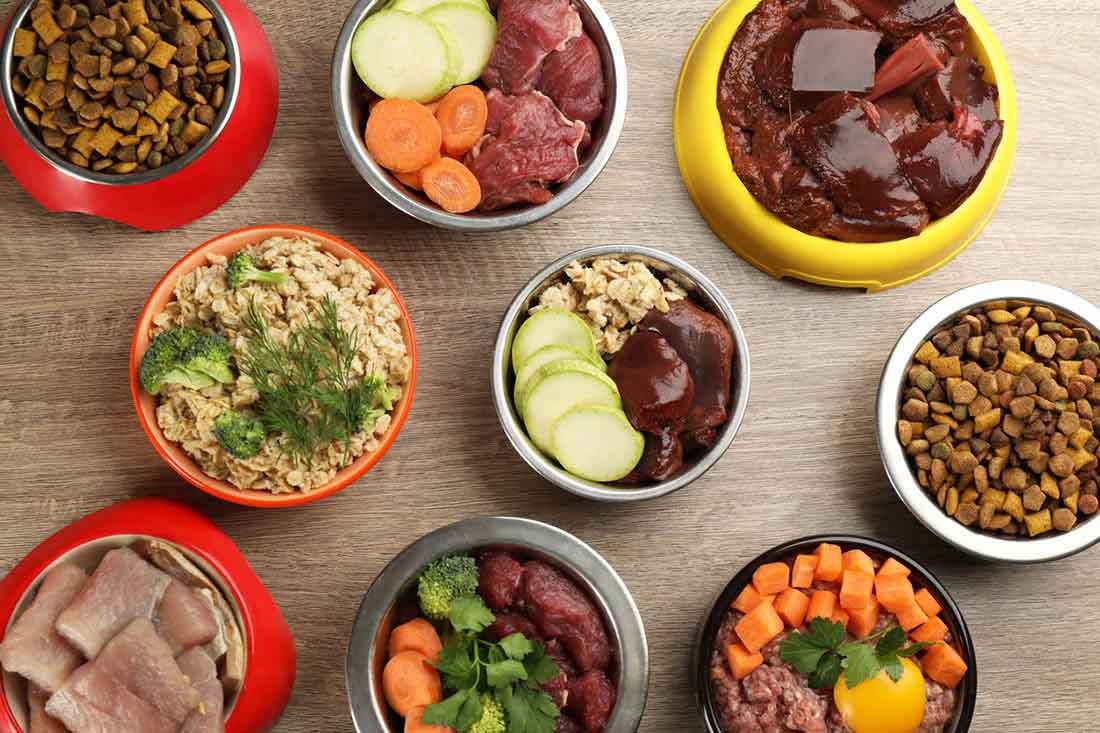
Dog owners can choose from several main dog food types, each with strengths and weaknesses. Understanding the pros and cons helps match food to a dog’s health, lifestyle, and the owner’s schedule and budget.
| Type of dog food | Main advantages | Main disadvantages |
|---|---|---|
| Dry kibble | Convenient, economical, easy to store | Lower moisture, some dogs find it less tasty |
| Wet / canned | Very palatable, higher moisture | Higher cost, heavier to store and serve |
| Fresh / lightly cooked | High palatability, simple ingredient lists | Expensive, needs refrigeration |
| Raw (commercial or DIY) | Appealing to some owners, minimal processing | Safety concerns; risk of bacteria, imbalance |
| Home‑cooked (vet‑guided) | Customizable for medical needs | Must be carefully formulated to avoid gaps |
In later sections, each type is explained in more detail so owners can choose a format that fits their dog and daily routine.
Dry Kibble
Dry kibble is the most common dog food type. It is convenient, usually more affordable, and easy to store. Crunchy pieces can help reduce plaque compared with very soft diets, but do not replace tooth brushing.
Main advantages include long shelf life, simple portioning, and suitability for puzzle feeders or treat toys. However, dry food contains less moisture, so adequate water intake is essential. Some dogs also find kibble less aromatic than wet or fresh food, especially picky eaters or seniors.
Wet and Canned Food
Wet and canned dog food has a higher moisture content, so it helps increase water intake and can be easier to eat for small, senior, or dental‑problem dogs. The soft texture and strong aroma also make it useful for picky eaters. However, it is usually more expensive per calorie, spoils faster once opened, and can contribute to plaque if no dental care is provided. Many owners use canned food as a topper on kibble to balance cost, palatability, and nutrition.
Fresh, Raw, and Home‑Prepared Diets
Fresh, raw, and home‑prepared diets can be very appealing, but they also carry higher risk and require careful planning. Raw meat may contain harmful bacteria, and unbalanced recipes can cause serious nutrient deficiencies over time. If considering fresh or home‑cooked food, it is safest to use veterinary‑formulated recipes or reputable commercial fresh brands that state they are complete and balanced and meet AAFCO standards. Always consult a veterinarian or veterinary nutritionist before feeding a raw diet, especially for puppies, seniors, or dogs with health issues.
How Much and How Often to Feed
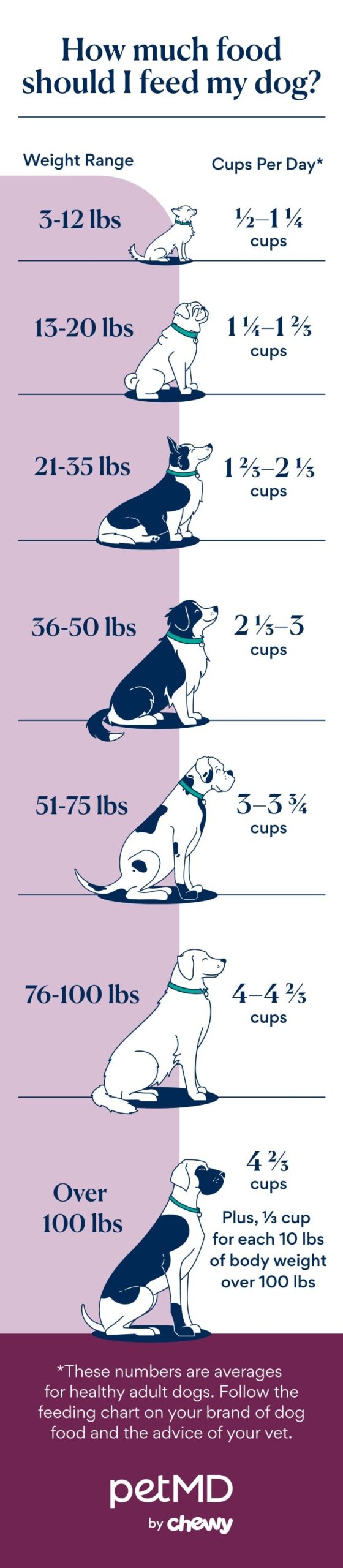
Feeding volume and frequency should be based on your dog's weight, age, activity level, and body type. Generally, puppies should be fed 3-4 times a day, adult dogs twice a day, and senior dogs 2-3 times a day to reduce the burden on their digestion. The total daily calorie intake should be based on the information on the food package, and the key is to gradually adjust it while monitoring your dog's weight changes and body condition.
Using Feeding Charts the Right Way
Feeding charts on dog food bags are only a starting point, not a strict rule. Charts are usually based on the current weight and an average activity level. First, find the row closest to the dog’s ideal weight, then divide the daily amount by the number of meals.
A simple approach:
| Step | What to Do |
|---|---|
| 1 | Check the chart for the dog’s ideal weight, not current overweight weight |
| 2 | Measure food with a kitchen scale or the same measuring cup every time |
| 3 | Feed the suggested amount for 1–2 weeks |
| 4 | Watch body shape, energy, and stool to adjust later |
For small or very large breeds, or dogs with low activity, the chart often overestimates needs, so a slight reduction is frequently appropriate after monitoring.
Adjusting for Body Condition and Activity
Feeding charts are only a starting point. The right amount depends on body condition and activity level.
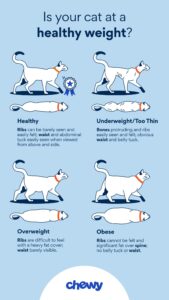
Use a simple check:
- Ribs easy to feel but not sticking out
- Waist visible from above
- Tucked belly from the side
If the dog looks heavy, reduce the daily portion by 5–10% and monitor for 2–3 weeks. If the dog seems too thin or very active (working dogs, sports, long hikes), increase by 5–10% instead. Adjust slowly, keep to regular meal times, and recheck body condition every month for long‑term control.
Step‑by‑Step: How to Choose Dog Food

Choosing dog food feels easier with clear steps. A simple process is recommended:
- Clarify your dog’s profile: age, breed size, weight, activity level, health issues.
- Decide on budget and preferred type (dry, wet, mixed).
- Limit options to complete and balanced foods that meet AAFCO standards.
- Match formulas to life stage and size (puppy, adult, senior; small or large breed).
- Check label details: ingredients, calories, feeding guide, and manufacturer information.
- Compare 2–3 suitable products instead of many.
- Choose one food, then transition gradually over 7–10 days while monitoring stool, appetite, and energy.
Following a fixed routine helps avoid impulse buys based on packaging or marketing phrases.
Shortlist Brands Your Vet May Approve
A helpful first step is to narrow your search to brands with strong veterinary and nutrition backing. Many vets prefer companies that:
- Employ full‑time veterinary nutritionists
- Fund or publish feeding trials
- Have clear AAFCO “complete and balanced” statements
- Offer customer support for nutrition questions
To build a shortlist, pet owners can:
- Ask the clinic staff which brands they trust and use.
- Check each brand’s website for nutrition team credentials.
- Exclude brands that hide manufacturing details or lack contact information.
A short, vetted list makes later label comparison much easier and safer for the dog.
Compare Labels and Ingredient Quality
When comparing short‑listed foods, focus on facts on the label, not the marketing on the front. First, check the nutritional adequacy statement and life stage; only compare foods meant for the same life stage. Next, look for named animal proteins high in the ingredient list (chicken, salmon, lamb), not vague terms like “meat.” Prefer brands that disclose who formulates the diet and provide detailed nutrient data. Finally, compare calories per cup and feeding guides so cost, portion size, and nutrition can be judged fairly.
Make a Choice and Transition Safely
A decision should be based on overall balance, not a single feature. Once a food is chosen, change gradually over 7–10 days to protect the stomach.
A common schedule is:
| Day | Old food | New food |
|---|---|---|
| 1–2 | 75% | 25% |
| 3–4 | 50% | 50% |
| 5–6 | 25% | 75% |
| 7+ | 0% | 100% |
Serve the same total daily calories as before, split into regular meals. Watch for vomiting, diarrhea, gas, or refusal of food; if problems appear, slow the transition or consult a vet.
How to Tell If a Dog Food Suits Your Dog
A food truly suits a dog when energy, digestion, skin, and mood all stay stable or improve. After changing food, owners can observe their dog for several weeks. Key points are: steady weight, comfortable stool, normal gas, no vomiting, bright eyes, and a willingness to eat without over‑excitement or refusal. If the dog seems satisfied after meals, keeps good muscle tone, and does not show itching or ear problems, the chosen food is likely appropriate.
Healthy Weight, Coat, and Stool
A suitable dog food shows on the outside. A healthy weight means a visible waist from above and an abdominal tuck from the side, without ribs sticking out or a round belly. The coat should feel soft and glossy, with minimal dandruff and no bald patches. Normal stools are well‑formed, easy to pick up, not watery, and not rock‑hard, with no blood or excessive mucus. Good energy levels, fresh breath, and normal skin odor also suggest that the chosen food matches the dog’s needs.
Signs You Should Change Foods
If a dog food does not suit a dog, clear changes in the body and behavior often appear. Typical warning signs include:
- Persistent soft stool, diarrhea, constipation, or excess gas
- Frequent vomiting or licking of lips and swallowing
- Itching, ear infections, red skin, or dull, flaky coat
- Noticeable weight loss or rapid weight gain despite normal portions
- Low energy, restlessness, or refusal to eat the food
When several signs continue for more than 1–2 weeks, or symptoms are severe, consultation with a veterinarian and discussion of a food change are recommended.
Dog Food Myths and Red Flags

Many dog food myths sound convincing but are not supported by science. Common examples include “grain‑free is always healthier,” “by‑products are garbage,” or “dogs must eat like wolves.” In reality, the best food is the one that is complete, balanced, safe, and suits an individual dog’s health needs. Owners should be cautious of emotional marketing, fear‑based claims, and advice that ignores veterinary guidance or AAFCO standards.
Trendy Claims That Don’t Help Dogs
Many packages use trendy phrases that sound impressive but do not guarantee better nutrition. Common examples include “human‑grade,” “holistic,” “natural,” “superpremium,” “ancestral,” or “artisanal.” These terms are mostly marketing, not strict nutrition claims.
Grain‑free, gluten‑free, or exotic‑meat formulas may be useful in specific medical cases, but for most dogs they add cost and complication without clear benefit, and sometimes increase health risks. Owners are encouraged to focus on complete and balanced, life‑stage‑appropriate food from a reputable manufacturer, rather than on fashion‑driven wording.
Warning Signs on a Dog Food Label
Dog food labels can look impressive while hiding important problems. Pay attention to vague wording and missing information.
| Red flag on label | Why it is a concern |
|---|---|
| No AAFCO statement | Food may not be complete and balanced |
| “For intermittent or supplemental feeding only” | Not suitable as a main diet |
| No calorie information | Hard to prevent over‑ or underfeeding |
| Ingredient list full of “by‑products” and unnamed meats (e.g., “meat meal”) | Protein quality and source are unclear |
| No manufacturer contact details | Hard to ask questions or report issues |
If several red flags appear together, choosing a different product is usually safer.
When and How to Involve Your Vet

Many dog food choices are safe to make at home, but a veterinarian’s guidance becomes essential in some situations. Owners are encouraged to involve a vet when:
- A puppy is under 12 months or a large‑breed puppy
- A senior dog has weight change, stiffness, or reduced appetite
- The dog has vomiting, diarrhea, itchy skin, or ear infections
- A chronic disease is present (kidney, liver, pancreas, heart, diabetes, urinary issues)
- Considering raw, home‑cooked, or very restrictive diets
A veterinarian can review body condition, lab tests, and current food, then recommend a diet that is safe, complete, and tailored to the dog’s health and lifestyle.
Questions to Ask at Your Next Visit
Preparing specific questions helps owners receive clear, personalized feeding advice instead of general tips. Examples include:
- “Is my dog’s current weight and body condition healthy?”
- “How many calories per day are appropriate for age, size, and activity?”
- “Does my dog need a special diet for breed, allergies, or medical issues?”
- “Are the brands and formulas I am considering nutritionally sound?”
- “Which treats and table foods are safe, and how much is acceptable?”
Bringing photos of the food label and a stool photo or description often makes guidance more accurate.
Working With Your Vet on a Diet Plan
Creating a diet plan with your veterinarian allows you to safely select the right food and adjust the amount for your dog. First, make a note of your dog's current food, daily amount, type and amount of treats, weight changes, and any concerning symptoms to facilitate the consultation.
Your veterinarian will suggest appropriate calories, nutritional balance, and feeding frequency based on your dog's breed, age, body type, medical history, and blood test results. They will also incorporate therapeutic diets and supplements as needed, creating a plan while sharing your dog's target weight and symptom improvement goals.
A diet plan isn't a one-time decision; it's crucial to regularly weigh your dog, check their health, and make minor adjustments to the amount and type of food. If you have any questions or concerns, consult your veterinarian rather than making changes on your own.
This article explains how to choose dog food that suits your dog's age, size, and health condition, covering everything from basic nutrition to reading labels and the advantages and disadvantages of different types. This guide will provide practical criteria for choosing safe and appropriate food for your dog, including how to determine the right amount of food, checkpoints for determining if the food is suitable, common misconceptions and important labels to watch out for, and how to consult with your veterinarian."


















![Dog diet [exercise]](https://with-my-dog.com/wp-content/uploads/2022/07/image2-37-300x200.jpg)