


Many dog owners wonder, "Should I have my dog neutered?" While neutering offers benefits such as disease prevention and reduced behavioral problems, it also has drawbacks, including the risks of anesthesia and a tendency to gain weight. This article clearly explains the health benefits and drawbacks of neutering dogs, providing information to help you decide whether it's truly necessary for your beloved pet. We will also include the latest findings to help owners make an informed decision.
What neutering actually involves
Neutering means a planned surgical procedure to prevent a dog from reproducing. The operation removes or inactivates the sex organs so sperm or eggs are no longer produced. In male dogs this is usually castration (removal of the testicles); in female dogs it is spaying (removal of the ovaries, usually with the uterus).
The surgery is done under general anaesthesia, so the dog feels no pain during the operation. Neutering permanently changes hormone levels, which can affect health, behaviour, and future disease risks, so it is considered a major but routine veterinary procedure rather than a minor treatment.
Neutering male dogs (castration)
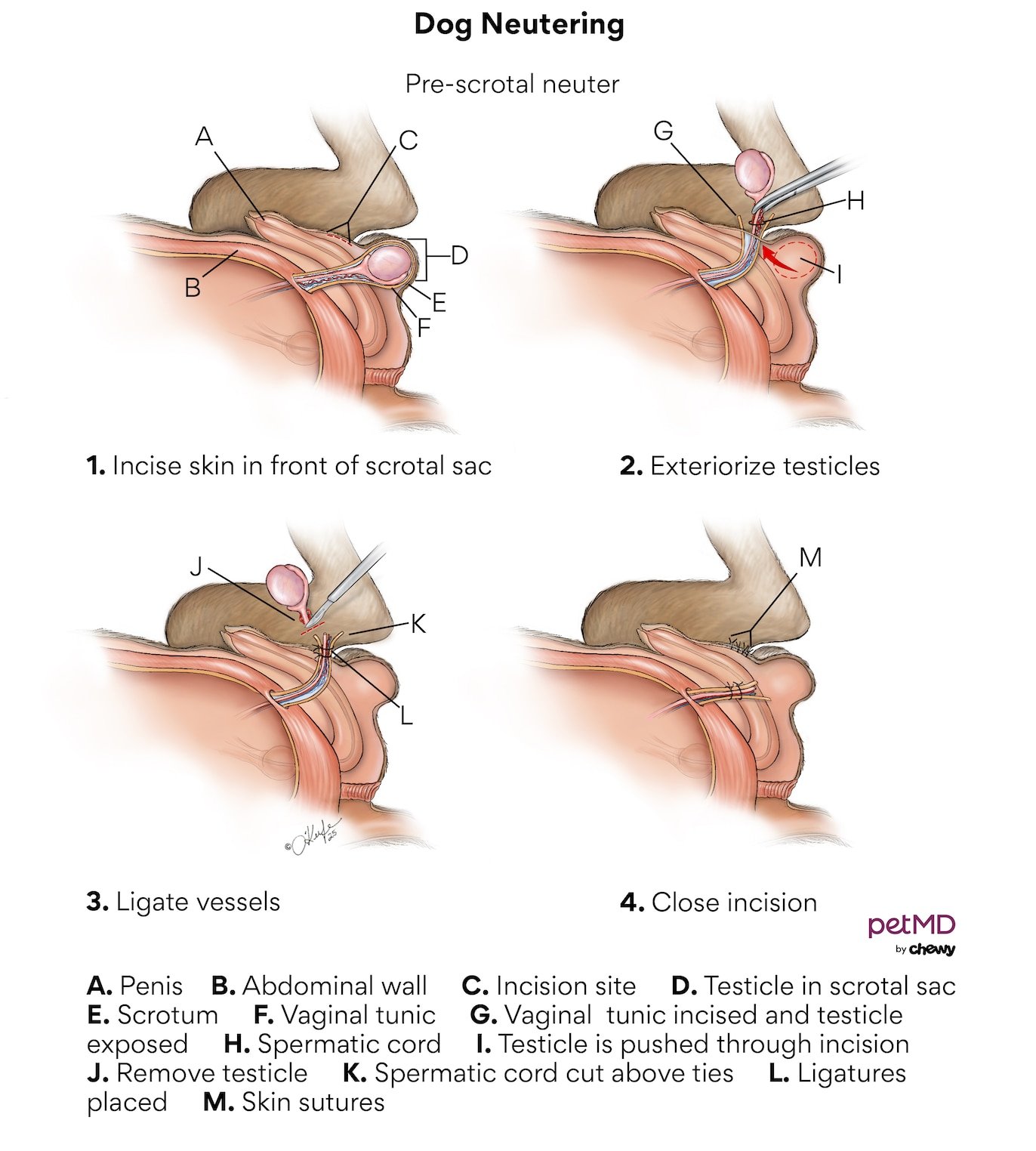
Castration means surgically removing a male dog’s testicles. The scrotal sac usually remains, but the source of sperm and most testosterone is gone. The dog cannot father puppies after the operation.
The vet makes a small incision in front of the scrotum, removes both testicles, then closes the skin with stitches or skin glue. Hormone levels fall over several weeks, so behavior and health effects appear gradually, not overnight.
Neutering female dogs (spaying)
Spaying means surgically removing a female dog’s reproductive organs so she cannot become pregnant or come into heat.
In most countries, spaying usually removes both the ovaries and the uterus (ovariohysterectomy). In some regions, only the ovaries are removed (ovariectomy). Both methods prevent seasons and pregnancy.
After spaying, hormone levels fall, so owners often notice no more bleeding, false pregnancies, or attracting male dogs, and a much lower risk of womb infections such as pyometra.
How the surgery is done step by step
Many owners feel calmer when they know what actually happens on surgery day. The exact details vary by clinic, but the overall flow is similar.
- Pre‑surgery check and blood tests – the vet confirms health, weight, and any risks.
- Sedation and general anaesthesia – a drip and monitoring equipment are attached.
- Clipping and cleaning – fur around the surgical area is shaved and disinfected.
- Surgery itself – the vet removes the testicles or uterus/ovaries through a small incision.
- Waking up and monitoring – the dog is kept warm and watched until fully awake.
- Pain relief and going home – the vet explains medication, activity limits, and follow‑up.
In most healthy dogs, the operation is short and routine, and many go home the same day.
Is neutering healthy for my dog?
Many owners worry whether neutering is truly good for their dog’s health or mainly for human convenience. In reality, the answer is not a simple yes or no. Neutering can reduce certain serious health risks such as pyometra in females and some reproductive cancers, but it may increase other risks like joint problems or specific tumours, especially when done very early in large breeds.
The impact depends on age at surgery, breed, size, and sex, plus the dog’s lifestyle. For a city pet that will not be bred, the health balance often leans toward neutering, especially for females at risk of life‑threatening uterine infection. However, working dogs, giant breeds, or dogs from high‑risk lines may benefit from delayed or alternative approaches.
In short, neutering can be very healthy for many dogs, but the safest choice is a personalised plan made with a veterinarian, not a one‑size‑fits‑all rule.
How neutering affects overall health
Neutering changes your dog’s hormone balance, so it can influence many areas of health, both positively and negatively. Overall, neutered dogs often have lower risks of certain reproductive cancers and infections, but may have higher risks of some joint problems and weight gain if diet and exercise are not adjusted.
In general, neutering does not suddenly make a healthy dog unhealthy. The main long‑term effects are on the reproductive system, growth plates in the bones, metabolism, and some hormone‑linked behaviours. The overall impact depends strongly on age at surgery, breed, sex, and body condition.
What current research is telling us
Current veterinary research paints a nuanced picture. Large-scale studies, such as those from UC Davis, suggest health effects of neutering depend strongly on breed, size, sex, and age at surgery. Early neutering may raise risks of some joint problems and certain cancers, especially in large breeds, while still lowering reproductive cancers and life‑threatening uterine infections. Evidence also varies between countries and populations, so guidelines are shifting from a “one‑age‑fits‑all” rule to individual, vet‑guided decisions for each dog.
Health benefits of neutering
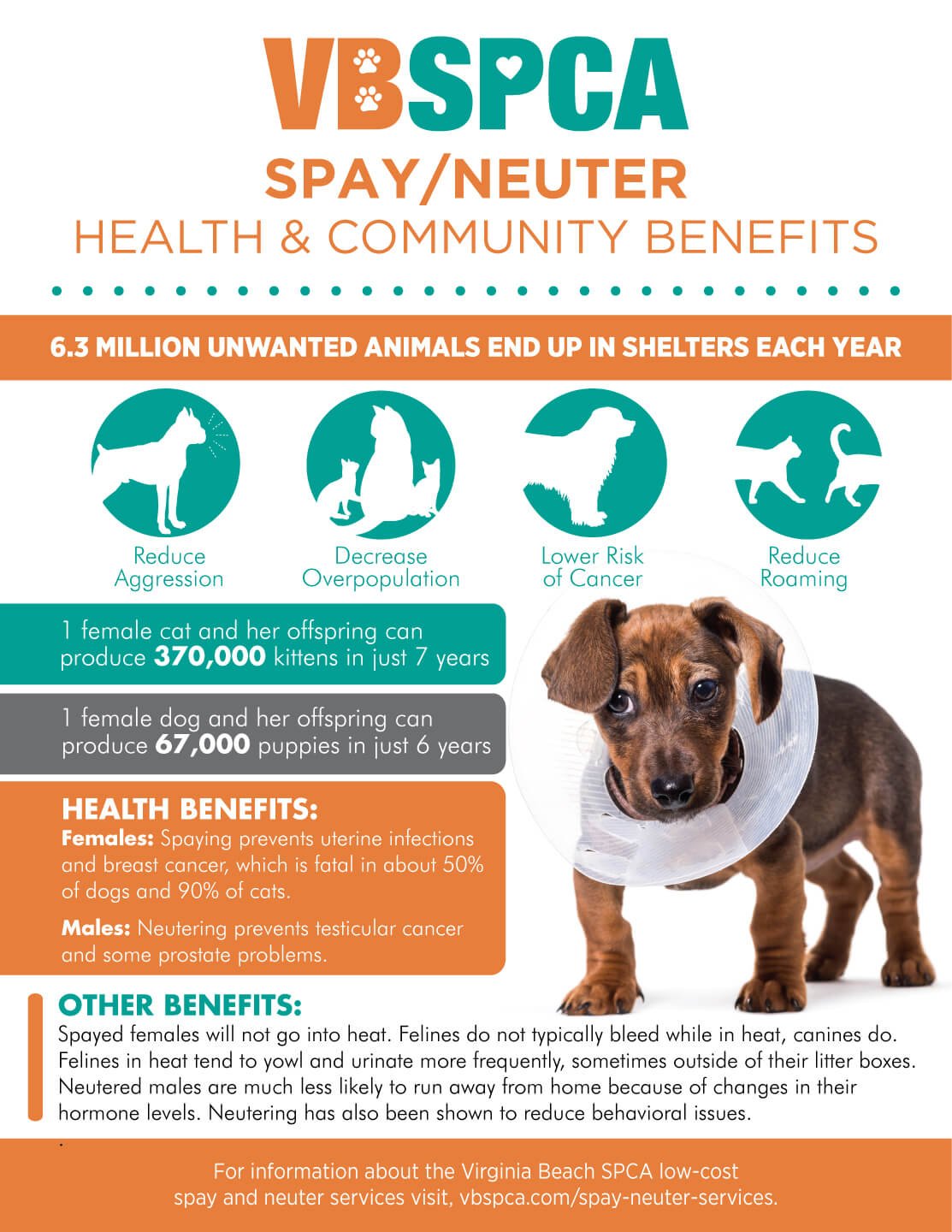
Neutering offers several proven health advantages for many dogs. By removing the testicles or ovaries and uterus, the risk of certain serious diseases falls sharply. For male dogs, neutering prevents testicular cancer and greatly lowers prostate problems. For females, spaying removes the risk of uterine infection (pyometra) and pregnancy complications, and reduces some hormone‑driven cancers.
Health benefits are not only about disease prevention. Neutered dogs are less likely to roam, fight, or mate, which reduces injuries, bite wounds, and infections such as some sexually transmitted diseases. In busy households, neutering can also support easier management during adolescence. However, health effects vary by age, breed, and sex, so neutering should always be considered on an individual basis with veterinary guidance.
Cancer and reproductive disease risks
Neutering directly removes or greatly reduces the risk of several serious reproductive diseases. In males, castration prevents testicular cancer and markedly lowers the chance of benign prostatic enlargement, prostatitis, and some perianal tumors. In females, spaying prevents pyometra (a life‑threatening uterine infection) and uterine and ovarian cancers, and it also reduces the risk of mammary (breast) tumors when done before or shortly after the first heat. However, neutering may slightly increase the risk of a few less common cancers in certain breeds, so individual risk should always be discussed with a veterinarian.
Hormones, lifespan, and longevity
Hormones such as estrogen and testosterone influence growth, metabolism, joint development, behavior, and some cancers. Neutering lowers sex hormone levels, which reduces the risk of uterine, ovarian, and testicular disease, but may slightly increase certain joint and hormone-related problems in some breeds.
Studies on lifespan show mixed results. In many populations, neutered dogs live longer on average, mainly because the risk of traffic accidents, fighting, and serious uterine infections decreases. However, large and giant breeds, and some specific breeds, may have higher rates of joint issues or some cancers if neutered very early.
For longevity, the key is individualized timing: age, breed size, sex, and lifestyle should all be discussed with a veterinarian to balance hormonal protection with the health and behavior benefits of neutering.
Behavior and roaming-related benefits
Neutering can bring clear behavior benefits for many dogs, especially males. Lower testosterone often reduces urine marking, mounting, and roaming to find mates, which decreases the chance of road accidents and fights. Some dogs show less hormone-driven aggression toward other dogs.
However, neutering does not replace training. Learned habits, fear-based aggression, and anxiety usually require behavior work. Owners should view surgery as one tool that may support calmer behavior, not a guaranteed fix for every problem.
Household and community advantages
Neutering can make daily life easier for both owners and neighbours. Fewer roaming urges and mating behaviours mean less howling, mounting, and attempts to escape, which reduces nuisance and the risk of road accidents. Unwanted litters are also prevented, helping to limit the number of dogs entering shelters.
In multi‑dog homes, neutered dogs may coexist more calmly, with fewer hormone‑driven conflicts. Communities benefit from reduced stray populations, fewer dog‑to‑dog fights, and lower bite and traffic risks, contributing to a safer environment for people and pets.
Health risks and downsides
Neutering is generally safe, but it is still major surgery and has potential downsides that owners should understand. The most discussed concerns include effects on joints, certain cancers, and weight. Hormone levels drop after surgery, which can slightly change metabolism and body shape, especially if food and exercise are not adjusted. A small number of dogs may also show no behavioral improvement or even increased anxiety or reactivity. In addition, there are short‑term surgical risks such as infection or wound problems. Understanding both pros and cons helps owners make a balanced, informed decision with their veterinarian.
Orthopedic and joint concerns
Neutering can subtly affect bones and joints because it removes sex hormones that guide skeletal development. In large and giant breeds, early neutering is linked in studies to higher rates of hip dysplasia, cruciate ligament tears, and some joint problems, especially when done before growth plates close. Risk appears lower in small breeds. Careful timing, keeping dogs lean, and avoiding over‑exercise during growth can reduce orthopedic strain. Owners of big, athletic breeds should discuss ideal age and activity limits with a vet.
Cancer risks linked to early neutering
Early neutering can slightly lower the risk of some cancers, such as testicular cancer and certain uterine or ovarian cancers, because the reproductive organs are removed. However, research suggests that very early neutering, especially before full physical maturity, may increase the risk of some other cancers in certain breeds.
Studies in large and giant breeds have linked early neutering to a higher incidence of hemangiosarcoma, lymphoma, and mast cell tumors. The pattern is not identical for every breed or sex, so cancer risk linked to timing is considered on a case‑by‑case basis. For many small breeds, the difference in cancer risk by age of neutering appears minimal.
For owners, the key point is that cancer risk is not simply “higher” or “lower” with neutering. Risk changes by type of cancer, breed, sex, and age at surgery. A veterinarian can explain the current evidence for a specific dog, help to avoid very early surgery in higher‑risk breeds, and suggest the most balanced timing based on both cancer and joint‑disease data.
Weight gain and metabolic changes
Hormone changes after neutering lower calorie needs, but appetite often stays the same or increases. As a result, many neutered dogs gain weight unless feeding and exercise are adjusted. Slower metabolism and reduced roaming or mating behaviours also reduce daily energy use. Owners can help by choosing a suitable diet, cutting portions slightly, using low‑calorie treats, and keeping regular walks and play. Maintaining a healthy weight protects joints, heart, and long‑term health.
Possible behavior drawbacks
Neutering often improves problem behaviors, but it can also have drawbacks in some dogs. Lower sex hormones may reduce mounting and roaming yet occasionally increase anxiety, noise sensitivity, or fear-based aggression, especially in already nervous dogs. Some neutered dogs become less active or more clingy. Behavior is strongly shaped by genetics, early experiences, and training, so surgery alone should not be viewed as a complete solution. Careful assessment with a veterinarian or behaviorist is recommended before deciding.
Best age to neuter your dog
Choosing the best age to neuter a dog depends on several factors: size, breed, sex, and health status, as well as lifestyle and behavior. In general, many vets now avoid a one‑age‑fits‑all approach. Small breeds may be safely neutered earlier, while large and giant breeds often benefit from waiting until closer to full physical maturity. For females, timing around heat cycles also matters. Owners are encouraged to discuss individual risks and benefits with a veterinarian rather than relying on a standard age.
Puppies and young dogs
For most puppies, waiting until the body has finished the main growth phase is recommended. Hormones play an important role in bone and joint development, so many vets now suggest:
- Small breeds: around 9–12 months
- Medium breeds: around 12 months
- Large/giant breeds: often 12–18 months, sometimes later
Early neutering (before 6 months) may still be advised for some shelter dogs or in homes where accidental mating is a real risk. The best timing depends on breed, sex, home environment, and any medical issues, so a tailored plan with a veterinarian is essential.
Adult and senior dogs
Neutering adult dogs is often medically straightforward. Many veterinarians recommend neutering once growth plates have closed and the dog’s personality is clear, usually from around 12–18 months, often later for large breeds. For senior dogs, the decision becomes more individual. Vets weigh up current diseases, heart and kidney function, and anaesthetic risk against benefits such as preventing pyometra or testicular cancer. Pre‑operative blood tests and tailored pain relief are especially important for older dogs.
Timing for female dogs and first heat
For female dogs, timing is closely linked to the first heat (season). In many countries, vets traditionally recommend spaying before the first heat, often around 6–9 months, because this greatly reduces the risk of mammary (breast) tumors and prevents life‑threatening uterine infections (pyometra).
However, newer research suggests that large and giant breeds may benefit from waiting until growth plates have closed, especially if there are joint‑health concerns. On the other hand, allowing several heats can raise the risk of mammary cancer and pyometra.
Owners should also consider practical factors: managing bleeding during heat, the risk of accidental mating, and behavior changes such as restlessness or roaming. The safest approach is to discuss breed, size, and lifestyle with a veterinarian and agree on a personalized spay age rather than relying on a single rule for all female dogs.
Breed, size, and sex differences

Neutering does not affect all dogs in the same way. Breed, body size, and sex strongly influence both health benefits and risks. Large and giant breeds, for example, show higher links between early neutering and joint disease, while toy breeds may tolerate earlier surgery better. Males and females also face different patterns of cancer and hormone‑related disease. For that reason, many vets now tailor advice to the individual dog instead of using a single rule for every breed.
Small vs large and giant breeds
Size has a major impact on neutering decisions. Small breeds usually face fewer joint and cancer concerns from early neutering, and many vets are comfortable operating from around 6–9 months once growth is steady. In contrast, large and giant breeds keep growing for longer, and early hormone removal can increase risks of cruciate ligament tears, hip problems, and certain cancers.
As a general guide, many specialists now suggest waiting until at least 12–18 months for large and giant breeds, so the skeleton can mature. For toy and small dogs, earlier neutering can be reasonable, but lifestyle, behavior, and health history should still be reviewed with a veterinarian familiar with the breed.
Male vs female health outcomes
Male and female dogs share many neutering benefits, but health outcomes differ.
| Aspect | Male dogs (castration) | Female dogs (spaying) |
|---|---|---|
| Main prevented problems | Testicular cancer, some prostate disease | Pyometra, uterine and ovarian disease |
| Cancer risk changes | Lower testicular cancer risk, possible higher risk of some joint‑related cancers in large breeds when neutered early | Strongly lower pyometra and ovarian cancer risk, possible higher risk of mammary tumors if spayed very late |
| Surgical risk | Shorter, simpler surgery, usually slightly lower complication risk | Longer surgery in the abdomen, slightly higher anaesthetic and bleeding risk |
In general, spaying offers major, life‑saving benefits for females, especially for pyometra prevention, while timing is more debated for both sexes regarding joint and certain cancer risks, particularly in large breeds.
High‑risk breeds that need extra care
Certain breeds appear more sensitive to early neutering and need individualised timing decisions. Large and giant breeds are most often affected.
| Category | Examples | Extra points to discuss with a vet |
|---|---|---|
| Joint‑issue prone | German Shepherd, Labrador, Golden Retriever, Rottweiler | Higher rates of hip dysplasia and cruciate ligament injury after early neutering in some studies |
| Cancer‑concern breeds | Golden Retriever, Boxer, Bernese Mountain Dog | Some evidence of changed risks for lymphoma, mast cell tumours, and hemangiosarcoma |
| Giant breeds | Great Dane, Saint Bernard, Irish Wolfhound | Slower growth; delaying neutering until growth plates close may protect joints |
Owners of these breeds should avoid a one‑size‑fits‑all age and arrange a breed‑specific health discussion with a veterinarian.
Safety of the operation

For most healthy dogs, neutering is considered a routine and generally safe surgery. Modern anaesthesia, monitoring equipment, and pain control mean serious complications are uncommon in veterinary practice. However, no operation is completely risk‑free.
Safety depends on the dog’s age, breed, weight, and any underlying disease. Vets usually perform a pre‑surgery exam, and may recommend blood tests or imaging for older dogs or high‑risk breeds. Choosing a reputable clinic and following all pre‑ and post‑operative instructions greatly improves overall safety.
Anaesthesia and complication risks
General anaesthesia is usually very safe for healthy dogs, but every operation carries some risk. Vets assess age, breed, weight, and medical history before surgery and may recommend blood tests or heart checks. Modern monitoring (heart rate, blood pressure, oxygen) greatly reduces problems.
Common, mild issues include sleepiness, nausea, or irritation at the injection site. More serious complications such as reactions to drugs, aspiration pneumonia, or organ strain are rare, but risk is higher in very young, very old, brachycephalic (flat‑faced), or sick dogs. Choosing an experienced clinic, following fasting instructions, and sharing any health concerns in advance all help keep anaesthesia as safe as possible.
How to prepare your dog for surgery
Preparing calmly helps surgery day go smoothly and keeps a dog safer. Key points are fasting, safe transport, and a relaxed mindset.
| Preparation step | What owners should do |
|---|---|
| Fasting | Follow the vet’s instructions on when to stop food and water; do not offer treats the morning of surgery unless told otherwise. |
| Medication | Confirm which regular medicines are safe to give; bring a written list or photo of labels. |
| Exercise | Give a normal walk the day before, then gentle exercise only before admission so the dog is not overly excited or exhausted. |
| Cleanliness | Check the coat and skin for mud, parasites, or wounds; some clinics ask for a bath a day or two before surgery. |
| Identification | Make sure microchip details and collar tag information are up to date. |
| Transport | Use a secure crate, harness, or carrier; bring a blanket or toy with a familiar scent to reduce stress. |
| Paperwork & costs | Bring consent forms, insurance details, and an estimate of fees; confirm pick‑up time in advance. |
Before leaving home, owners can set up a quiet recovery area with a bed, water bowl, and, if advised, a crate or playpen. Clarifying all instructions with the veterinarian team before surgery day reduces worry for both owner and dog.
Recovery and aftercare at home
A calm, controlled environment at home supports safe recovery. Prepare a quiet, warm space with non‑slip flooring and limit jumping on sofas or stairs. Use an Elizabethan collar or recovery suit as advised so the dog cannot lick or chew the wound. Offer small, bland meals and fresh water, because appetite may be reduced for a short period. Short lead walks only are recommended until the vet confirms healing. Check the incision daily and follow pain‑relief instructions exactly; do not give human medicines.
Managing pain, rest, and the incision
In the first 7–10 days, quiet rest is as important as the surgery itself. Avoid running, jumping, stairs, or rough play; short lead walks for toileting are usually enough. Use the cone or protective collar at all times to stop licking and chewing.
Check the incision twice daily. It should be clean, dry, and slightly pink with minimal swelling. Do not apply creams or disinfectants unless the veterinarian has advised a product. Keep the area dry; protect from baths, swimming, and wet grass until healing is complete.
Pain relief prescribed by the veterinarian must be given exactly as directed. Human painkillers are dangerous for dogs and must never be used. If the dog seems uncomfortable, restless, or is whining between doses, contact the clinic before changing any medication.
When to call your vet after surgery
After neutering, owners should monitor closely and contact a veterinarian immediately if any warning signs appear. Typical red flags include:
- Persistent vomiting, diarrhea, or refusal to eat for more than 24 hours
- Lethargy, collapse, or labored breathing
- Excessive swelling, redness, heat, or bleeding at the incision
- Foul smell, pus, or gaping stitches
- Continuous crying, severe pain, or a fever-like hot body
When unsure, it is safest to call the clinic and describe the situation in detail.
Cost and financial help options

Neutering costs vary widely, so many owners want to plan in advance. Fees usually include the surgery, anaesthesia, pain relief, and sometimes a post‑op check. Extra tests, bloodwork, or overnight stays can increase the price. It is helpful to ask for a written estimate beforehand and confirm what is and is not included, especially for large breeds or dogs with existing health conditions.
Typical price range by region
Prices vary widely by country, clinic type, and dog size. As a broad guide:
| Region | Typical cost (male) | Typical cost (female) |
|---|---|---|
| US (private vet) | $200–$600 | $250–$700 |
| US (low‑cost clinic) | $50–$200 | $70–$250 |
| UK | £150–£300 | £200–£400 |
| Western Europe | €150–€350 | €200–€450 |
Large or giant breeds usually sit at the upper end because surgery takes longer and uses more anaesthetic.
Low‑cost clinics and charity support
Many areas offer support so cost does not prevent responsible neutering. Low‑cost spay/neuter clinics are often run by animal charities, humane societies, or local councils. Fees are reduced by using simple facilities and high‑volume surgery days.
Owners on low incomes may qualify for means‑tested vouchers or discounts from welfare groups, breed rescues, or veterinary schools. Some regions run seasonal campaigns with free or heavily subsidised neutering, especially for bull breeds and outdoor dogs.
To find help, contact local shelters, search council or charity websites, or ask a veterinarian about trusted programmes rather than unregulated offers.
Neutering and behavior problems

Many owners hope neutering will “fix” behavior problems. In reality, neutering mainly affects hormone‑driven behaviors, not learned habits.
Neutering may reduce: roaming to find mates, urine marking, mounting, and some male‑male tension. However, fear, anxiety, aggression from poor socialisation, barking, chewing, or separation distress usually do not improve without training. Some dogs show no behavior change at all after surgery.
For behavior concerns, neutering is only one tool. A tailored plan with a vet or qualified trainer remains essential.
What neutering can and cannot fix
Owners often expect neutering to "cure" every problem, but its effects are limited. Neutering can reduce hormone‑driven behaviours such as roaming to find mates, urine marking, mounting, and some forms of male‑to‑male aggression. Risk of accidental pregnancies and some reproductive health problems also decreases.
However, neutering cannot replace training or socialisation. Fear, anxiety, resource guarding, separation distress, reactivity on walks, and learned aggression usually do not disappear after surgery and may even worsen if fear is the root cause. Unwanted habits like barking, chewing, or jumping are also training issues, not hormone issues. For behaviour change, surgery works best alongside a clear training and management plan.
Training and management alongside surgery
Training and neutering should be planned together. Surgery may reduce hormone‑driven behaviors, but good manners still depend on training and management. Continue basic obedience (sit, stay, recall, walking on a loose lead) before and after surgery, using calm, low‑energy exercises during recovery.
Structure the dog’s day with regular walks, mental enrichment, and clear rules at home. Prevent rehearsal of problem behaviors by using leads, baby gates, and supervised play, especially around other dogs or children. For issues such as aggression, anxiety, or intense reactivity, owners should combine neutering decisions with professional support from a qualified trainer or behaviorist for the best outcome.
Alternatives and choosing not to neuter
Choosing not to neuter a dog can be appropriate in some situations, for example for responsible breeders, show dogs, or certain high‑risk breeds. However, living with an intact dog requires more management. Owners need to prevent accidental mating, monitor for hormone‑related health problems, and handle stronger sexual or territorial behaviours. It is important to understand both the missed health benefits and the additional risks before deciding to keep a dog intact, and to discuss the plan carefully with a veterinarian.
Medical and temporary alternatives
Medical and temporary options can help owners delay or avoid surgical neutering. Each choice has pros and cons, so veterinary guidance is essential.
Hormone‑blocking injections and implants
Some medications temporarily suppress sex hormones. Common options include:
- Hormone injections (e.g., progestins)
- Deslorelin implants for male dogs in some regions
They reduce fertility and hormone‑driven behaviours for a limited time. Effects are reversible, which helps owners “test” life with a hormonally quiet dog. However, side effects are possible, and repeated treatments can become costly.
Vasectomy for male dogs
A vasectomy cuts the tubes that carry sperm but leaves the testicles and hormones. The dog becomes infertile, but hormone‑related behaviours, prostate risks, and roaming tendencies may remain. Some guardians prefer this option to maintain natural hormones while preventing litters.
Ovary‑sparing spay for female dogs
In an ovary‑sparing spay, the uterus is removed, but one or both ovaries remain. Pregnancy is prevented, and pyometra risk is greatly reduced. However, the female dog will still have seasons and hormone swings, so careful management around male dogs remains necessary.
Chemical contraception for female dogs
Certain hormone injections or tablets can delay or prevent seasons. Vets use them cautiously, because long‑term use may increase risks such as uterine disease or mammary tumours. For most healthy pets, surgery is usually safer than repeated hormone use.
When alternatives may be useful
Temporary or alternative options may be considered when:
- A large‑breed puppy is very young and early neutering may raise joint risks
- A dog has health concerns that make anaesthesia risky
- Owners want to assess behaviour changes before permanent surgery
In all cases, careful supervision is still required to avoid accidental mating and hormone‑driven conflicts.
Living safely with an intact dog
Living with an intact dog is possible as long as management and supervision are strict and consistent. Owners need to prevent unplanned mating, control hormones‑driven behavior, and protect health.
Everyday management
- Use a secure, high‑fenced garden and check for escape routes
- Keep intact dogs on lead in public, especially around in‑season females
- Avoid dog parks where hormone‑driven conflicts can occur
- Do not allow free roaming under any circumstances
Managing intact males
- Expect interest in scents, marking, and attempts to wander
- Train solid recall, “leave it,” and calm walking from an early age
- Use crates, baby gates, and closed doors at home to separate males from in‑season females
- Microchip and use ID tags in case of escape
Managing intact females
- Learn to recognize heat: vulvar swelling, bloody discharge, males showing intense interest
- During heat, keep walks short, on lead, and away from popular dog areas
- Never leave an in‑season female alone in the garden
- Separate carefully from intact males in the home using physical barriers and supervision
Health and routine care
- Schedule regular vet checks for mammary, testicular, and prostate issues
- Monitor for false pregnancy, pyometra signs (lethargy, discharge, increased thirst), or testicular changes
- Maintain ideal body weight and good fitness to reduce strain on joints and organs
With careful planning, clear house rules, and responsible control in public, many owners can live safely with an intact dog. However, the level of management required is high and should be considered honestly before deciding against neutering.
How to decide with your veterinarian

Deciding on neutering works best as a shared decision between owner and veterinarian, not a quick yes-or-no choice. A veterinarian can combine research evidence, breed data, and the individual dog’s health and lifestyle to suggest the safest option.
Owners can prepare by clarifying goals: preventing pregnancy, reducing certain behaviours, lowering cancer risk, or avoiding surgery. During consultation, the veterinarian will usually review age, breed, sex, body condition, existing medical issues, and environment (for example, multi‑dog or single‑dog household).
In many cases, the result is not simply “neuter or do not neuter” but when and how to proceed. A tailored plan might involve delaying surgery, choosing an alternative, or going ahead at a specific age. The most important point is to feel informed and comfortable with the plan agreed together with the veterinarian.
Questions to ask at your appointment
Preparing a short list of questions helps owners use limited vet time effectively. The following points are especially useful:
- “Given my dog’s breed, age, and sex, what are the main health benefits and risks of neutering?”
- “What timing do you recommend and why?”
- “Are there joint or cancer risks for my dog if surgery is done early?”
- “How might neutering affect behavior, weight, and energy level?”
- “What tests or exams are needed before surgery?”
- “What type of anaesthetic and pain relief will be used?”
- “What complications should be watched for at home?”
- “What will total cost be, and are payment plans or low‑cost options available?”
Owners may find it helpful to bring notes about the dog’s medical history and any behavior concerns so the veterinarian can give tailored advice.
Balancing health, lifestyle, and values
Deciding about neutering is rarely a simple medical choice. Owners are encouraged to balance three elements: health, daily lifestyle, and personal values. From a health perspective, consider breed, size, sex, age, and any existing conditions, plus the specific cancer and joint risks discussed earlier. From a lifestyle angle, think about roaming, contact with other dogs, risk of accidental mating, access to safe exercise, and ability to manage an intact dog responsibly. Values also matter: some owners prioritise preventing unplanned litters and shelter intake, while others place more weight on preserving natural hormones. The most helpful decision is usually a shared plan with the veterinarian, based on evidence, the individual dog’s temperament and environment, and what the family can realistically manage over the dog’s lifetime.
This article addresses the question of whether to spay or neuter your dog, outlining the surgical procedure, health benefits and drawbacks, appropriate timing, differences based on breed and sex, safety, costs, and alternative options. It provides information to help pet owners make informed decisions in consultation with their veterinarian.










![[Dog Baths] Explaining the optimal frequency and how to bathe your dog!](https://with-my-dog.com/wp-content/uploads/2021/10/22107314_m-150x150.jpg)