


Many dog owners struggle with the decision of whether or not to have their dog neutered. This article outlines the pros and cons of neutering, focusing on health aspects, and provides an objective perspective on everything from disease prevention to changes in personality and behavior, surgical risks, and costs. We aim to provide clear and easy-to-understand information to help you make an informed decision about your dog's future.
What neutering actually means

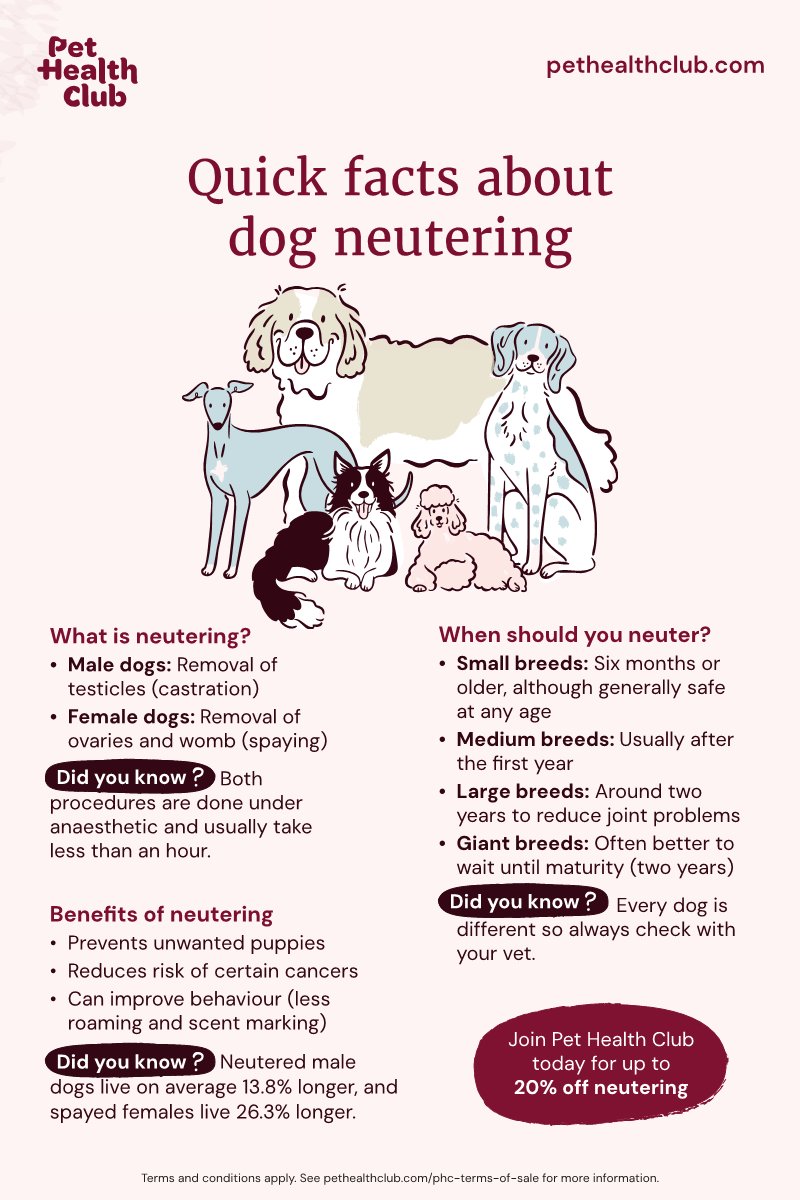
Neutering means making a dog unable to have puppies. In most cases it is a planned surgical operation done under general anaesthetic by a vet. The reproductive organs are removed or altered so sperm or eggs are no longer produced.
Neutering is permanent in its usual surgical form. It mainly affects fertility and sex hormones, which can influence health, behaviour, and body condition. The goal is not only birth control but also long‑term health and population management.
Castration vs spaying
Neutering is an umbrella term. For clarity, two main surgeries are involved:
| Term | Sex of dog | What happens |
|---|---|---|
| Castration | Male | Removal of the testicles that produce sperm and testosterone |
| Spaying | Female | Removal of the ovaries, usually with the uterus, to prevent seasons and pregnancy |
Both operations aim to prevent breeding and reduce hormone-driven problems, but health risks and benefits differ between males and females.
How the surgery is done
Neutering is usually a day-surgery under general anaesthetic. The vet admits the dog in the morning, carries out blood tests or checks if needed, then gives a sedative and places an intravenous line.
During surgery, the area is clipped and cleaned. For males, the testicles are removed through a small incision; for females, the ovaries (and often the uterus) are removed via an abdominal incision. Pain relief is given before waking.
Dogs usually go home the same day with a buster collar, pain medication and written aftercare instructions.
Typical recovery timeline
Most dogs recover from neutering surprisingly quickly, but healing still takes time.
| Time after surgery | What usually happens |
|---|---|
| First 24 hours | Sleepy, low appetite, needs quiet rest and monitoring |
| Days 2–3 | More alert, short lead walks only, close wound checks |
| Days 4–7 | Comfort improves, strict activity restriction still needed |
| Days 8–14 | Skin heals, stitches removed if not dissolving |
| After 2 weeks | Most dogs return to normal exercise with vet approval |
Licking, jumping and rough play should be avoided until the vet confirms full healing.
Health benefits of neutering
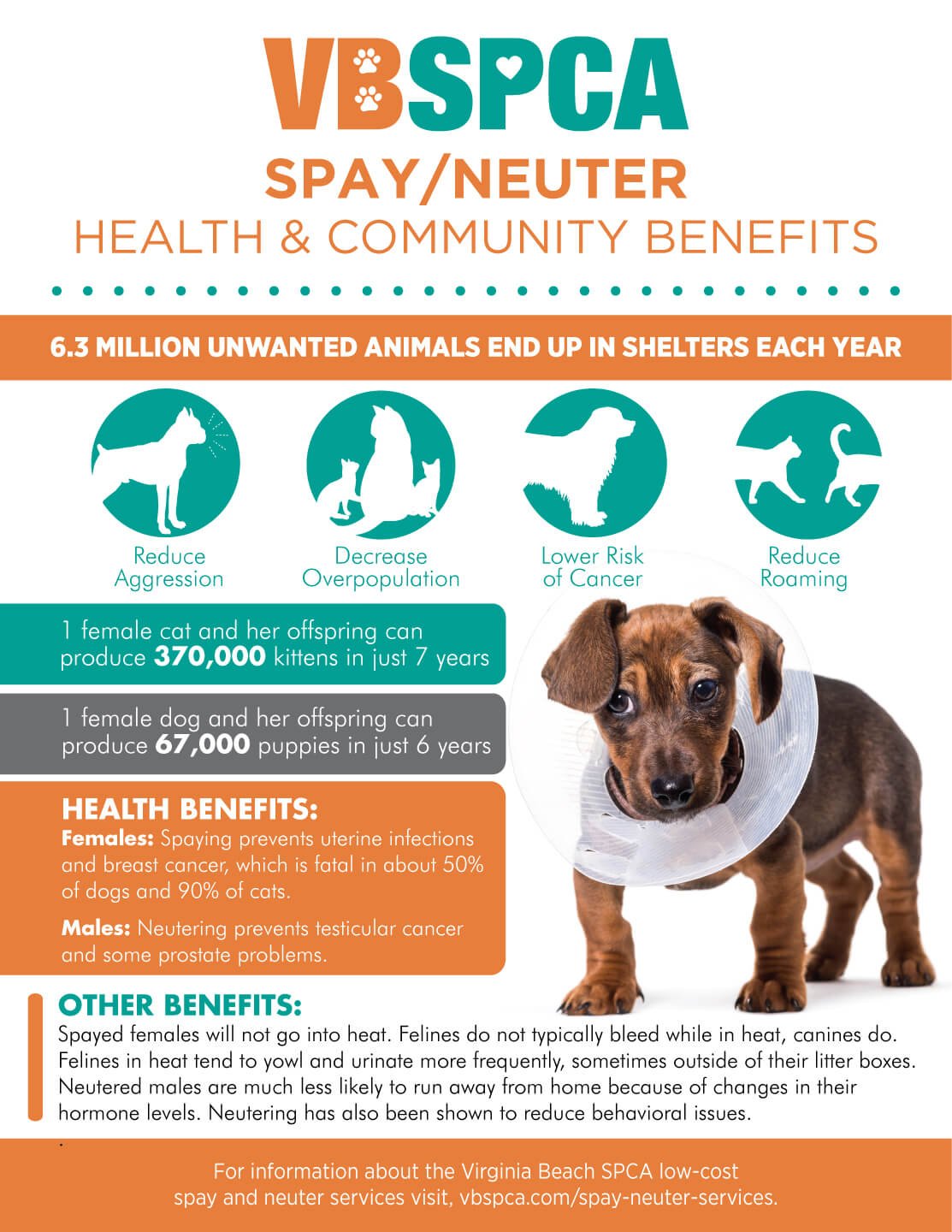
Neutering influences a dog’s long‑term health in several positive ways. By removing the testicles or ovaries and uterus, the risk of certain serious diseases is greatly reduced. Key benefits include a lower chance of life‑threatening uterine infections in females, reduced risk of mammary and testicular tumours, and prevention of unwanted pregnancies. Many dogs also avoid hormone‑driven problems such as false pregnancy or prostate enlargement. However, neutering does not guarantee perfect health, so veterinary advice is important.
Reduced risk of cancers
Neutering greatly reduces the risk of several serious reproductive cancers. In males, removing the testicles prevents testicular cancer completely and lowers the chance of some prostate problems. In females, spaying before or shortly after the first seasons can cut the risk of mammary (breast) tumours and eliminates cancers of the uterus and ovaries. However, timing, breed, and overall health influence how strong these protective effects are, so careful discussion with a vet is important.
Male-specific disease risks
Male dogs gain clear protection from several serious conditions after castration. The biggest benefit is almost complete prevention of testicular cancer, because the testicles are removed. In addition, the risk of benign prostatic enlargement, prostate infections, and some perianal tumours usually falls. Castration also helps with certain hormone‑driven anal gland and perineal problems. However, some prostate cancers can still occur, so regular health checks remain important.
Female-specific disease risks
Female dogs gain major protection from several serious diseases after spaying.
| Condition | Effect of spaying | Key point |
|---|---|---|
| Pyometra (uterine infection) | Almost completely prevented | Life‑threatening emergency in older entire bitches |
| Ovarian cancer | Prevented once ovaries removed | Risk becomes essentially zero |
| Mammary (breast) tumours | Risk drops most when spayed before or around first season | Later spaying still helps but less |
However, early spaying may slightly increase risks of urinary incontinence and some joint issues in certain breeds, so timing is important.
Fewer hormone-related problems
Hormones influence many common health issues in dogs. After neutering, bitches no longer have seasons, so problems like false pregnancy, pyometra-related hormone swings, and painful heat-related behaviour usually disappear. In males, testosterone-driven problems such as prostate enlargement, perianal adenomas, and some hormone-dependent hernias become less likely. Overall, hormone-related fluctuations become more stable, which often makes long‑term management of health and behaviour easier.
Population and shelter impacts
Unwanted litters are a major source of shelter intake. Neutering is one of the most effective ways to prevent accidental pregnancies, especially in multi-dog areas or where dogs roam. Fewer litters mean less pressure on rescues, reduced euthanasia of healthy dogs, and more resources for animals already in care. For owners, preventing surprise puppies also avoids the cost and responsibility of rehoming or caring for an entire litter.
Health risks and downsides
Neutering is generally safe, but it is still major surgery and can carry real health downsides for some dogs. Short‑term risks include pain, wound problems, infection, and reactions to anaesthesia. Longer‑term concerns can involve joint disease, weight gain, and possible changes in cancer risks. Owners are advised to understand both health benefits and health risks in detail before deciding, especially for very young, large‑breed, or medically fragile dogs.
Possible surgical complications
Even routine neutering is major surgery under general anaesthetic, so there are potential complications. Serious problems are uncommon in healthy dogs at good clinics, but owners should understand the risks.
| Complication type | What can happen | Typical timing |
|---|---|---|
| Anaesthetic risks | Allergic reaction, heart or breathing issues | During / just after surgery |
| Bleeding | Internal or external bleeding, bruising, scrotal swelling in males | First 24–48 hours |
| Wound issues | Infection, redness, fluid build‑up, wound reopening from licking or activity | First 10–14 days |
| Pain and nausea | Poor appetite, whining, restlessness | First few days |
| Rare severe events | Damage to internal organs, hernia, need for repeat surgery, death | During or soon after surgery |
Prompt vet attention greatly reduces long‑term impact if any complication appears.
Joint and bone health concerns
Hormones play a major role in how bones and joints grow. Neutering, especially before growth plates close, may influence long‑term orthopedic health.
| Concern | What studies suggest | Higher risk in… |
|---|---|---|
| Cruciate ligament rupture | Slightly increased after early neutering | Some medium–large breeds |
| Hip dysplasia & arthritis | Mixed data; risk may rise with early surgery | Large/giant breeds |
Early neutering can keep growth plates open longer, so legs may grow a little taller and joint angles may change. Risk varies by breed, size, and sex, so veterinarians often recommend delaying surgery for large and giant breeds until physical maturity.
Weight gain and metabolism
After neutering, many dogs are more prone to weight gain. Sex hormones help regulate metabolism and muscle mass, so once hormone levels drop, dogs often need fewer calories. If food portions stay the same, fat can increase quickly. A controlled diet and regular exercise are important. Choosing a lower-calorie food, limiting high-calorie treats, and monitoring body condition monthly help maintain a healthy weight and protect joints and organs.
Hormone changes and long term health
Neutering removes the main source of sex hormones, so oestrogen, progesterone and testosterone fall sharply. In the short term, many dogs become calmer and easier to manage. Over years, however, lower hormones can slightly increase risks of some problems, such as joint disease, urinary incontinence, some cancers and weight gain. Benefits and risks depend strongly on age at surgery, breed, sex and lifestyle, so individual veterinary advice is essential.
Behaviour changes after neutering
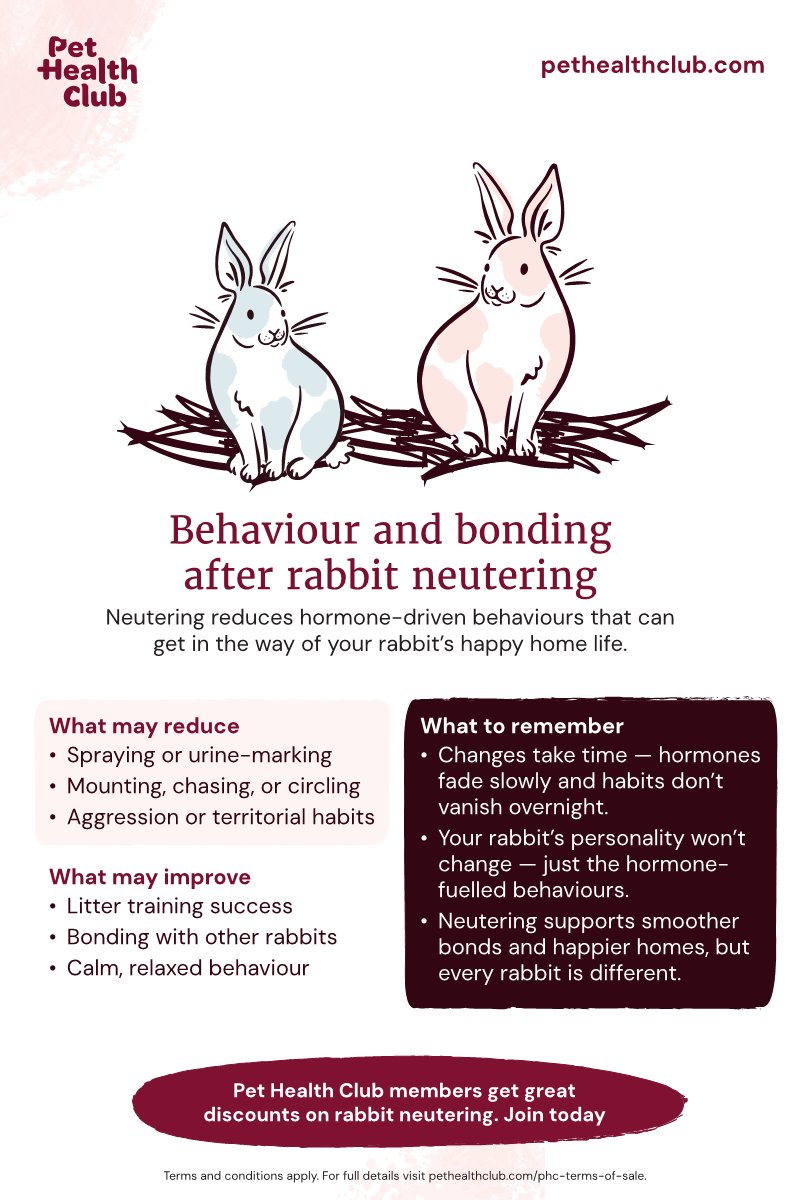
Many owners notice behaviour changes after neutering, but effects vary by dog. Neutering lowers sex hormones, so mating-related behaviours often drop, yet learned habits and fear-based behaviours usually remain. Some dogs become calmer at home, while others show little difference. Age at surgery, breed, sex, past experiences, and training all influence outcomes, so behaviour change cannot be guaranteed and should never be the only reason for surgery.
What may improve
Many owners notice clear behaviour improvements after neutering, especially in hormone-driven actions. Common positive changes include fewer attempts to roam in search of mates, reduced mounting of people or objects, and less urine marking indoors. Some dogs also show calmer responses around females in season and less intense interest in rival males. In multi-dog homes, neutering can sometimes ease tension linked to mating competition, supporting a more relaxed daily life.
What may not change
Many owners expect neutering to solve every behaviour problem, but several behaviours often remain unchanged. Learned habits, such as barking, chewing, resource guarding, fear of strangers, or separation anxiety, are not driven mainly by sex hormones, so surgery alone rarely fixes them.
Neutering also does not replace training and environmental enrichment. Without consistent training, exercise, and mental stimulation, unwanted behaviours are likely to continue, even after hormone levels fall.
Aggression and anxiety research
Research on neutering and behaviour shows a mixed picture. Some studies report reduced roaming, mounting and urine‑marking, but links with aggression and anxiety are less clear.
Large surveys have found no consistent reduction in overall aggression after neutering, and in some cases early neutering is associated with higher rates of fearfulness, noise phobias or reactivity, especially in sensitive breeds. Hormone loss may affect confidence in certain dogs, so behaviour should be assessed individually and training kept a priority.
Best age to neuter different dogs
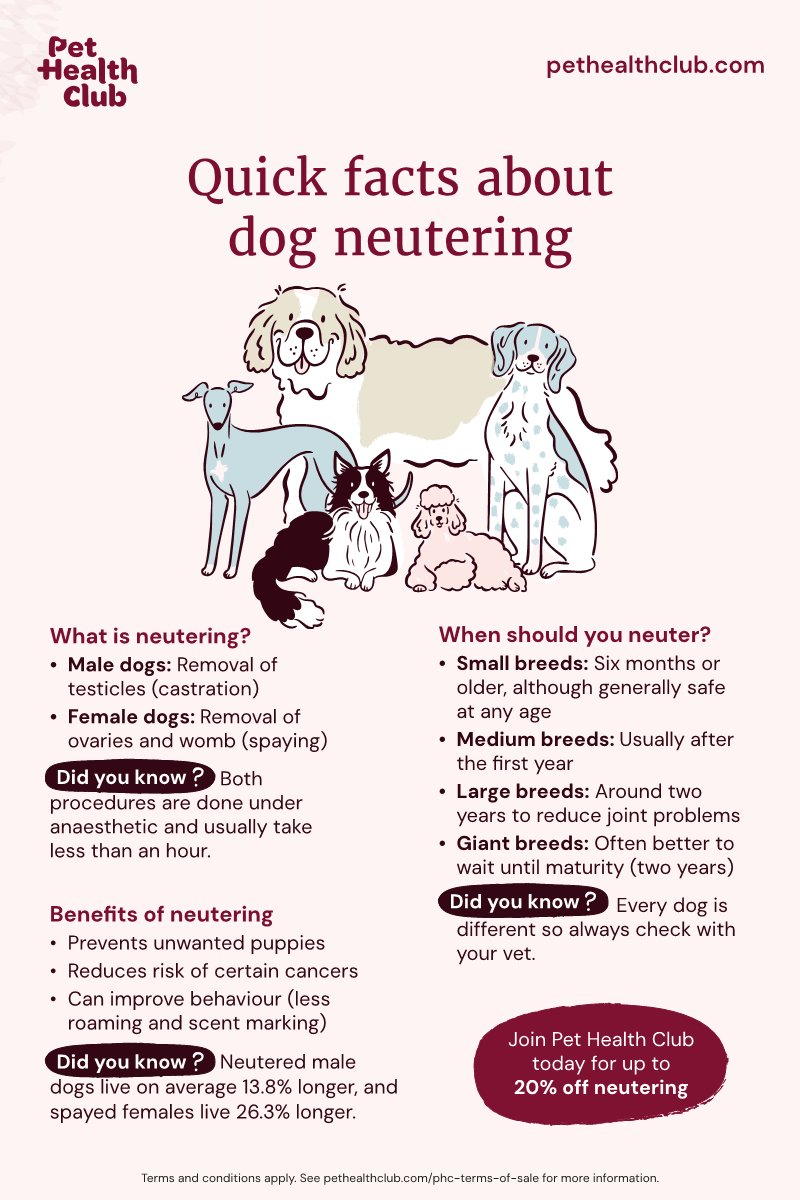
Choosing the best age for neutering depends on breed, size, sex, and lifestyle. Early surgery can lower some cancer and pregnancy risks, but may slightly increase joint or hormonal issues in certain dogs, especially large breeds. Vets often recommend waiting longer for slow‑maturing dogs, while small breeds may be suitable earlier. Owners are encouraged to discuss growth, behaviour, and future plans with a vet to set the safest, most balanced timing for each individual dog.
Puppies and young dogs
Puppies and young dogs are still growing, so timing neutering carefully is very important. In general, many vets suggest waiting until at least sexual maturity: around 6–9 months for small–medium breeds and often 9–12 months or more for larger breeds. Early neutering may reduce some cancer and hormone‑related risks, but can increase chances of joint problems in some breeds. Owners should discuss breed, expected adult size, temperament, and lifestyle with a vet to decide the safest window for surgery.
Large and giant breeds
Large and giant breeds mature more slowly, so early neutering can affect bone and joint development. Studies suggest that neutering before growth plates close (often 18–24 months) may increase the risk of hip dysplasia and cruciate ligament injuries in some large dogs.
For many large or giant breeds, vets now recommend waiting until physical maturity unless there is a strong medical or behavioural reason. Careful timing helps balance cancer prevention with joint health.
Adult and senior dogs
Adult and senior dogs can still be safely neutered, but the risk–benefit balance changes with age. In many older males, neutering is recommended to treat testicular disease or prostate enlargement. For healthy seniors, surgery may carry higher anaesthetic risk, slower healing, and less preventive benefit because hormone‑related cancers may already have appeared. Careful pre‑operative blood tests, heart checks, and discussion of existing conditions are essential before deciding.
Timing for female seasons
For female dogs, the timing of neutering is closely linked to heat (season) cycles. Many vets recommend spaying before the first or second season to lower the lifetime risk of mammary (breast) tumours and prevent pyometra (a life‑threatening womb infection). However, in large or giant breeds, some vets prefer waiting until the dog is physically mature to protect joint health.
A typical heat cycle occurs about every 6–8 months, lasting 2–3 weeks. Spaying is usually avoided when a bitch is in heat or in the 2–3 months after, because blood flow and hormone levels are higher and may slightly increase surgical risk. Owners are often advised to schedule surgery mid‑cycle: roughly 3 months after the last season and at least a month before the next expected season. For bitches with problem seasons (false pregnancies, severe behaviour swings, or medical issues), earlier spaying may be recommended despite the timing.
Pros and cons by sex and lifestyle
Neutering affects males and females differently, and lifestyle also changes the balance of pros and cons. In general, health and population benefits are clearer for female dogs, especially where accidental pregnancies are likely. For male dogs, benefits such as reduced roaming or testicular cancer risk must be weighed against possible joint issues, weight gain and behaviour changes, particularly in large active breeds. House‑only pets, free‑roaming dogs and working dogs may each need a different strategy and timing.
Male dogs: key pros and cons
For male dogs, main health advantages are prevention of testicular cancer, lower risk of perianal tumours, and reduced prostate enlargement in later life. Neutering also often decreases roaming, urine marking and mating attempts, which can improve safety.
On the other hand, neutered males have a slightly higher risk of obesity, certain joint problems in large breeds, and some cancers depending on breed and age at surgery. Early neutering before physical maturity may increase joint disease risk, so timing should always be discussed with a vet, especially for medium‑large breeds.
Female dogs: key pros and cons
For female dogs, neutering (spaying) has major health benefits but also some important trade‑offs.
| Pros | Cons |
|---|---|
| Strongly reduces risk of pyometra (life‑threatening uterine infection) | Slightly higher risk of urinary incontinence, especially if spayed very young |
| Prevents unwanted pregnancy and seasons | Possible increased risk of some cancers (e.g. certain bone or spleen tumours in some breeds) |
| Greatly lowers risk of mammary tumours when done before or soon after first season | Hormone loss may affect coat, weight, and behaviour in sensitive dogs |
| No bleeding or male attention during season | Surgery and anaesthetic risks, though usually low in healthy dogs |
Spaying is often recommended for pet female dogs, but breed, age, size, and lifestyle should guide the timing and decision in discussion with a veterinarian.
Indoor, outdoor and working dogs
Lifestyle strongly influences neutering decisions. For mainly indoor companion dogs, pregnancy risk is low, so owners may prioritise long‑term hormone health and consider later or alternative neutering. For outdoor roaming dogs, neutering greatly reduces unwanted litters and roaming injuries. Working dogs (e.g. gundogs, herders, sport dogs) may rely on testosterone or oestrogen for muscle, drive and focus, so vets often recommend delayed or partial options and very individual assessment.
Multi-dog households
Multi-dog homes face unique neutering decisions. Unneutered males living together may compete, mount, or fight over females in heat nearby, raising injury risk. Mixed-sex groups can lead to unexpected litters unless management is extremely strict. Neutering often makes group dynamics calmer and reduces tension, but will not fix deeply rooted aggression or fear. Each dog’s age, role, and health must be reviewed with a vet to find the safest balance for the whole group.
Health dog neutering pros and cons
For many families, the main question is how neutering affects long‑term health. In simple terms, neutering tends to lower the risk of some life‑threatening diseases, but may slightly increase the risk of certain others.
Major health pros include a reduced risk of testicular and ovarian cancer, pyometra (a dangerous uterine infection), and some prostate or mammary problems. Major cons can include a higher likelihood of weight gain, some joint issues in large breeds when neutered very young, and possible shifts in hormone‑linked diseases.
The overall balance is different for each dog’s sex, breed, size, and lifestyle. Owners are encouraged to focus on serious, common diseases in their dog’s type, and discuss individual risks with a vet instead of relying on a one‑size‑fits‑all rule.
How to weigh health benefits
When evaluating the health benefits, it is important to consider the prevention of cancer and reproductive organ diseases versus the risks of surgery and diseases that may increase in the future.
First, make a list of your dog's age, sex, breed, size, and whether or not it has any pre-existing conditions. Then, ask your veterinarian for the following information:
- How much the risk of each disease will decrease
- Conversely, what diseases may increase
- What research findings are known for that breed
Asking for specific numbers and examples will make it easier to make a decision.
Furthermore, the severity of the preventable diseases (whether they are life-threatening, and the cost and burden of treatment) is also important. Focusing on how much life-threatening conditions like pyometra and malignant tumors can be prevented, rather than minor ailments, will make it easier to calmly compare the health benefits and drawbacks.
Balancing health and behaviour
Health decisions and behaviour cannot be separated. Neutering may lower roaming, mating behaviours and hormone-driven conflicts, which improves safety and household harmony. At the same time, neutering can slightly raise risks such as weight gain, some joint issues, or certain cancers in specific breeds.
For each dog, owners need to ask: Will the behaviour gains meaningfully improve quality of life, and are the health downsides acceptable and manageable through diet, exercise and monitoring? Discussing concrete scenarios with a vet or behaviourist is helpful.
When keeping hormones may help
In some situations, maintaining natural hormones can support health and behaviour. Intact dogs may have better joint development, especially in large breeds, when growth plates close under normal hormone influence. Certain anxious or fearful dogs can become more insecure after hormone loss, so careful behaviour assessment is important. For breeding dogs, working dogs, or those with existing health issues, delayed or alternative neutering methods may be safer, but always under veterinary guidance.
Alternatives to surgical neutering
Surgical neutering is not the only way to prevent unwanted litters or manage hormone‑related problems. Owners can also consider reversible hormone injections or implants, permanent but hormone‑sparing operations such as vasectomy or ovary‑sparing spay, and strict management using leads, secure gardens, and separation during seasons. Each option has different health effects, costs, and reliability, so careful discussion with a vet is essential before choosing.
Temporary chemical options
Chemical neutering uses medication to temporarily reduce fertility and sex hormones without surgery. It is mainly available for male dogs. Common options include hormone implants under the skin and injections that suppress testosterone. Effects last months to around a year, then gradually wear off, so fertility and behaviour may return.
Chemical options can be helpful to test how a dog responds to lower hormones, to delay surgery in young or sick dogs, or when owners are unsure about permanent neutering. However, side effects are possible and careful contraception management is still essential once the effect declines. Always discuss suitability and safety with a veterinarian.
Vasectomy and ovary-sparing surgery
Vasectomy and ovary-sparing surgery are permanent, non-traditional neutering options that keep sex hormones while preventing pregnancy.
- Vasectomy (males): the sperm ducts are cut or sealed, so sperm cannot reach the semen. Testicles remain, so testosterone and typical male behaviours often continue. Testicular cancer and many hormone-related diseases are not reduced.
- Ovary-sparing spay (females): the uterus is removed, but one or both ovaries are left. Pregnancy is prevented, but seasons and hormone cycles continue, including bleeding and attraction of males.
These options may suit owners wanting population control without full hormone loss, but they do not give the same health benefits as standard castration or full spay. Careful discussion with an experienced vet is essential, as availability is limited and long‑term data are still developing.
Strict management instead of surgery
Surgical neutering is not the only way to prevent unwanted litters. Owners can also use strict management to control mating. The key is 100% prevention of contact between entire males and in‑season females.
Main elements of strict management include:
| Method | Key points |
|---|---|
| Physical separation | Different rooms/floors, secure doors and baby gates |
| Secure fencing | High, dig‑proof fences; locked gates in gardens |
| Supervised exercise | Lead walks only when local dogs may be in season |
| Transport control | Crates or barriers in cars to separate dogs |
Strict management demands constant attention and is easy to get wrong, so it suits only highly organised households that never allow unsupervised mixing of fertile dogs.
Costs, access and practical issues

Neutering decisions are affected not only by health and behaviour, but also by cost, access and everyday practicalities. Owners often need to consider surgical fees, availability of appointments, transport to the clinic, time off work for aftercare, and insurance or rescue requirements. Understanding these practical points in advance helps avoid surprises and supports a calm, well‑planned neutering experience for both owner and dog.
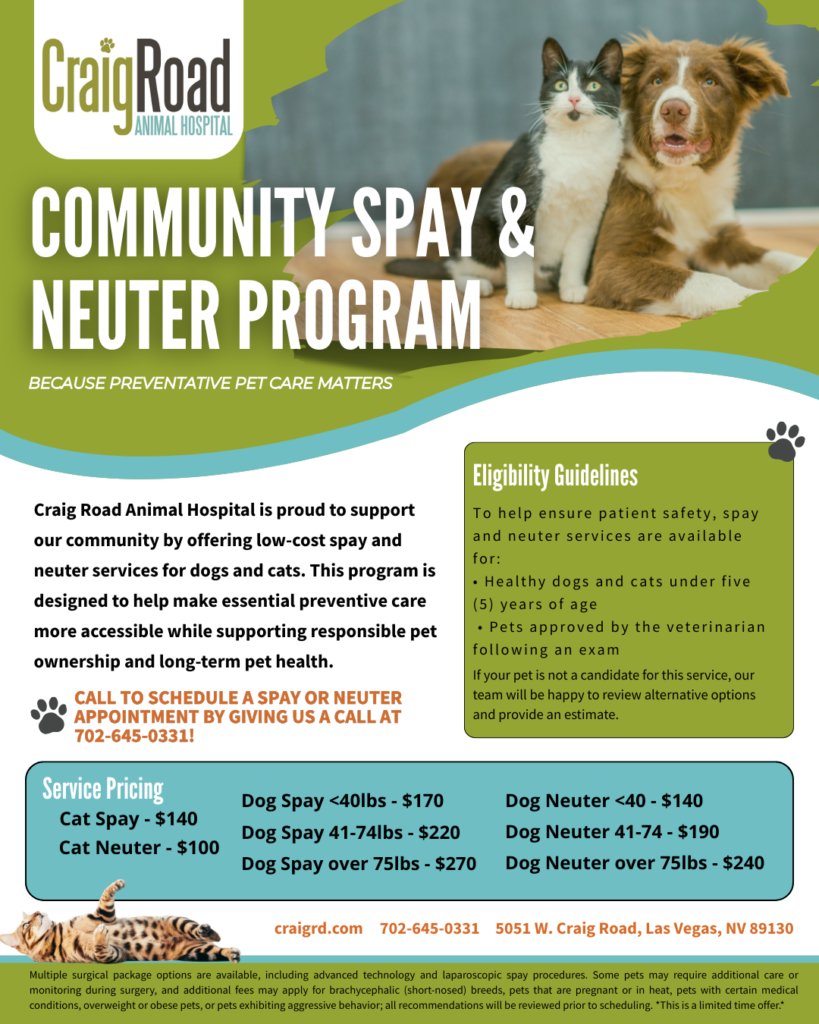
Typical price ranges
Neutering prices vary by sex, size, region, and clinic type. The following ranges are typical in many areas (excluding very high-cost cities):
| Dog type | Usual price range* |
|---|---|
| Male (castration) small/medium | $100–$300 / £120–£250 |
| Male large/giant | $200–$450 / £200–£350 |
| Female (spay) small/medium | $200–$450 / £220–£350 |
| Female large/giant | $300–$600+ / £300–£500+ |
General guide only. Prices may be higher in big cities or 24-hour hospitals. Pre-op blood tests, cones, pain relief, and follow-up checks may be included or charged separately, so it is helpful to ask for a full written estimate* in advance.
Low cost and charity schemes
Many owners can access help with neutering costs. Charities, local councils, and rescue groups often run discounted or free schemes for eligible owners. Typical criteria include low income, benefits, or owning certain high‑risk breeds.
Check:
- Major welfare charities (e.g. RSPCA, Dogs Trust, Blue Cross in the UK)
- Local rescue centres and shelters
- Council or community voucher programmes
Early contact is recommended, as places and funding may be limited.
Insurance and rescue policies
Pet insurance policies often do not cover routine neutering, viewing it as elective. Some plans offer optional wellness add‑ons that include a small allowance toward surgery, so policy details should be checked carefully. Rescue organisations usually require neutering as a condition of adoption, or provide a voucher for surgery by a certain age, and may void agreements if owners breed the dog against contract terms.
Preparing your dog for surgery
A calm, well-prepared dog recovers more smoothly from neutering. Before booking surgery, owners should share full medical history, current medications, and any past reactions to anaesthetic with the vet. On the day, dogs usually need to be fasted, so follow feeding instructions exactly. A secure harness, lead, and an ID tag are important for safe travel. At home, prepare a quiet resting area, an appropriately sized crate or pen, and an Elizabethan collar or recovery suit. Planning time off work, arranging transport, and organising payment in advance helps owners focus fully on the dog’s comfort and safety.
Health checks and timing
Before neutering, vets usually recommend a health check to confirm that the dog is safe to undergo anaesthesia. The vet will listen to the heart and lungs, check weight and body condition, and review any past illnesses or medications. Blood tests are often advised for older dogs or those with known problems.
Timing is also important. Avoid surgery when a dog is unwell, in heat, or recovering from another illness or vaccination. For females, many vets prefer the period midway between seasons. Owners should follow the vet’s guidance on the most suitable date for the individual dog.
What to do the day before
Most clinics give a written checklist, but the key points are similar.
- Follow fasting instructions: usually no food after late evening, small dogs and brachycephalic breeds may have different rules.
- Offer water until the time the vet advises.
- Give regular medication only if the vet approves.
- Check your dog’s health in the morning; contact the clinic if vomiting, diarrhoea, coughing, or lethargy appear.
- Walk your dog to toilet before admission.
- Prepare a quiet recovery area at home with a clean bed, cones or recovery suits, and any vet‑recommended supplies.
- Arrange transport and time off so someone can monitor your dog closely after collection.
Aftercare and recovery at home

After surgery, most dogs go home the same day. Prepare a quiet, warm, non‑slippery space away from children and other pets so the dog can rest. Offer small amounts of water at first, then food as advised by the vet. Use an Elizabethan collar or body suit to stop licking. Keep the dog on lead for toilet breaks only until the vet confirms activity can increase. Follow all written instructions and book the post‑op check before leaving the clinic.
Pain relief and rest
Adequate pain control is essential for smooth recovery. Most dogs receive an injection at the clinic and are sent home with oral pain medication for several days. Owners should follow dosing instructions exactly and never give human painkillers, which can be toxic for dogs.
Rest is just as important. Provide a quiet, comfortable space away from excited children or other pets. For the first few days, encourage short, calm walks only for toileting, then straight back to rest. Good pain relief plus strict rest reduces complications and supports faster healing.
Wound care and activity limits
After surgery, the incision must stay clean, dry, and protected from licking or scratching. Use a cone or recovery suit as advised by the vet and check the wound daily for swelling, redness, or discharge. Short, calm lead walks for toileting are usually allowed, but no running, jumping, rough play, or off‑lead exercise until the vet confirms healing. Avoid bathing and swimming during recovery. Follow the clinic’s written instructions for activity limits by day and contact the vet if unsure.
Warning signs to call your vet
Early contact with a vet can prevent small problems from becoming emergencies. Call the clinic immediately if any of the following appear:
- Continuous bleeding, large swelling, or an open incision
- Foul smell, thick yellow/green discharge, or very red, hot skin
- Your dog is very lethargic, collapses, or refuses to stand
- Repeated vomiting, diarrhoea, or no interest in food for 24 hours
- Panting, pale gums, or fast heart rate at rest
- Persistent licking or crying in obvious pain despite medication
Making the right decision for your dog

Choosing neutering is rarely a simple yes or no. Owners are encouraged to look at health, behaviour, lifestyle and breed together. For many dogs, neutering lowers cancer risk and prevents unwanted litters. For others, especially large breeds or anxious dogs, delaying or using alternatives may be safer. A calm, evidence‑based discussion with a trusted veterinarian helps match the decision to the individual dog, not a general rule.
Questions to ask your vet
Before deciding on neutering, owners can prepare questions to make the consultation more useful. The following examples are helpful when talking with a vet.
| Theme | Example questions to ask your vet |
|---|---|
| Health pros & cons | What are the main health benefits and risks of neutering for my dog’s breed, sex, and age? |
| Timing | When is the safest age to neuter my dog and why? |
| Behaviour | How might neutering affect behaviour such as roaming, mounting, or anxiety? |
| Surgery & safety | What kind of anaesthetic and pain relief will be used, and what are the complication rates in this clinic? |
| Alternatives | Are there non‑surgical options or a watch‑and‑wait approach suitable for my dog? |
| Recovery | How long is recovery and what care will be needed at home? |
Owners may also bring medical history and ask for written information so that the final decision reflects the individual dog’s needs and lifestyle.
Factors to consider by individual dog
Because each dog has different health conditions, personalities, and living environments, it is not possible to say uniformly that "spaying/neutering is always necessary" or "it is absolutely better not to do it." It is important to consider a comprehensive range of factors, including whether or not the dog has pre-existing conditions, its size and breed (large or small), age, the degree of aggression or anxiety, how often it is taken outside, whether or not it is part of a multi-dog household, and whether or not there are plans for breeding. Furthermore, weight management and exercise levels throughout its lifespan, and how thoroughly the owner can manage these aspects, are also factors to consider. Ultimately, it is best to consider the balance between the advantages and disadvantages for your own dog and make a decision in consultation with your veterinarian.
When it may be best to wait or avoid
Neutering is not automatically the best choice for every dog. In some situations, waiting or avoiding surgery can be safer.
- Young large or giant breeds: Early neutering may raise the risk of joint problems and some cancers; many vets recommend waiting until full growth.
- Dogs with serious illness: Heart, liver, or kidney disease can increase anaesthetic risk, so surgery may be postponed or avoided.
- Dogs with fear or anxiety issues: Removing hormones can, in some cases, worsen noise phobias or general anxiety; behaviour work may be prioritised first.
- Very elderly dogs: Health benefits often arrive too late, while anaesthetic risks are higher.
- Breeding or show dogs under contract: Neutering may break agreements, so owner and breeder need clear discussion.
When in doubt, a tailored vet and behaviourist consultation is essential before deciding to proceed, delay, or skip neutering.
This article summarizes the specific methods and recovery processes of spaying and neutering, the health benefits such as cancer prevention, and the disadvantages such as the risk of joint disease and weight gain. It also explains suitability for different ages, sexes, and living environments, as well as alternative options, to help pet owners make the best choice for their dogs.






![Dog Names! [Female]](https://with-my-dog.com/wp-content/uploads/2022/07/image2-43-150x150.jpg)


![[Additive-free is popular] 5 recommended Japanese dog foods!](https://with-my-dog.com/wp-content/uploads/2022/07/image4-7-150x150.png)