

Many pet owners worry about the cost of treatment when their dog's ear suddenly swells and is diagnosed with an aural hematoma. This article clearly explains the estimated costs of treating aural hematomas in dogs, the differences in fees for each treatment method, and points to consider regarding insurance coverage. Based on the latest information as of 2024, this article will help you choose the best treatment for your dog while minimizing the burden on your household budget.
What Is a Dog Ear Hematoma?
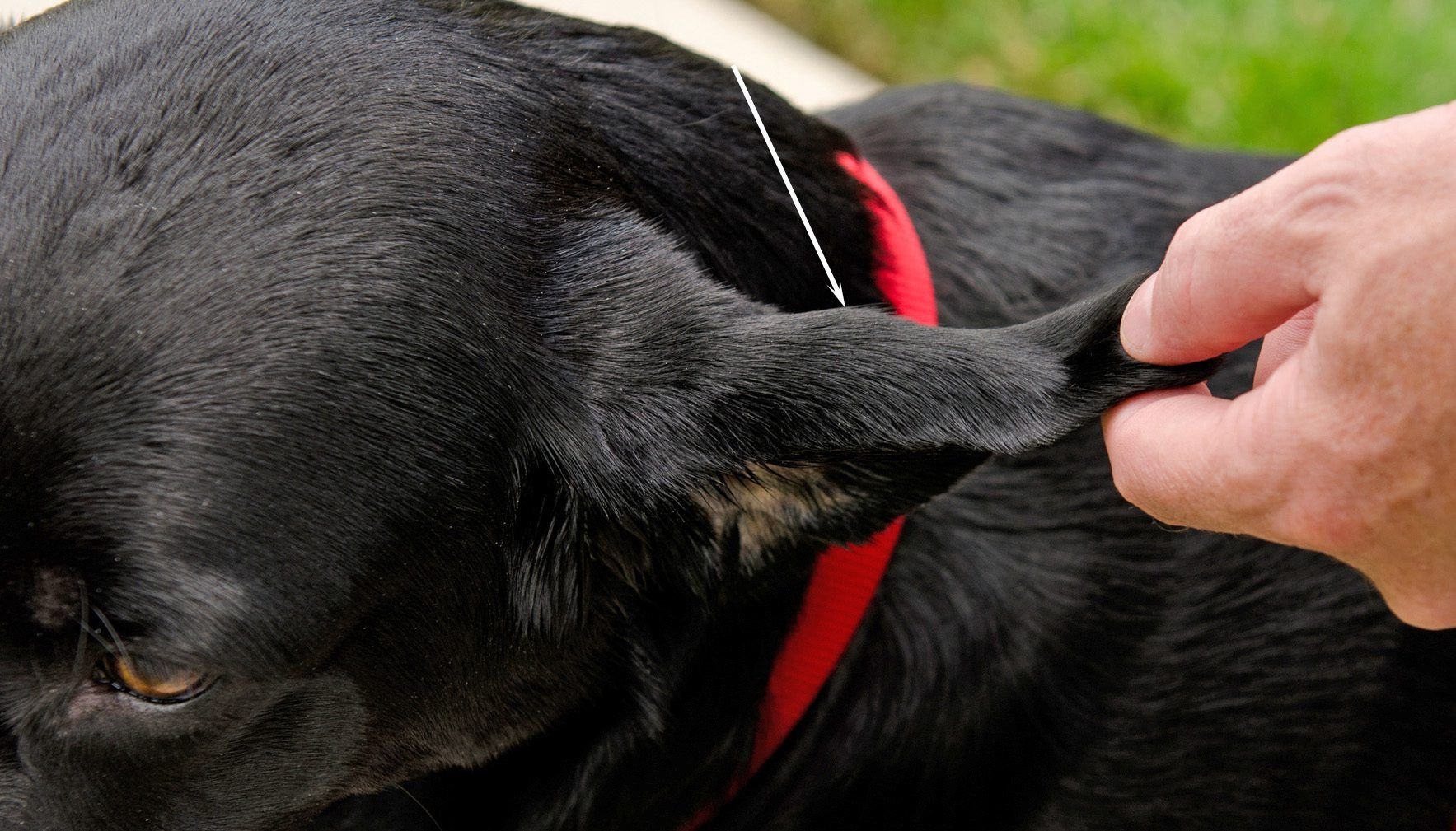
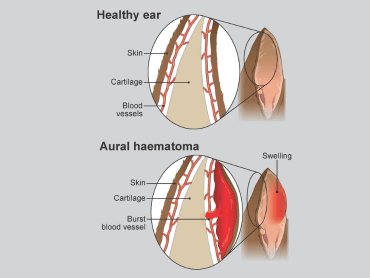
A dog ear hematoma is a painful swelling filled with blood inside the ear flap. The ear pinna contains small blood vessels between thin layers of cartilage and skin. When a vessel breaks, blood collects and forms a soft, balloon‑like lump. The ear often looks puffy or like a “pillowslip.” Ear hematomas are not tumors or infections, but they usually develop because another ear problem, such as infection or allergies, is causing irritation and head shaking.
How an ear hematoma forms
An ear hematoma forms when small blood vessels inside the ear flap rupture, causing blood and fluid to pool between the skin and cartilage. This usually happens after strong head shaking, scratching, or a direct blow to the ear. The trapped fluid creates a soft, warm swelling that can grow quickly. Without prompt treatment, the blood clots and the tissues thicken, which increases pain and raises the risk of a permanently crinkled, misshapen ear.
Common breeds and risk factors
Certain dogs are more prone to ear hematomas because of ear shape, skin condition, or lifestyle. Floppy‑eared breeds such as Cocker Spaniels, Basset Hounds, Beagles, and retrievers are at higher risk, as are dogs with allergies or chronic ear infections. Older dogs, dogs that swim often, and breeds with narrow, hairy ear canals (like Poodles and Shih Tzus) also develop hematomas more easily due to frequent head‑shaking and scratching.
Causes of Ear Hematomas in Dogs
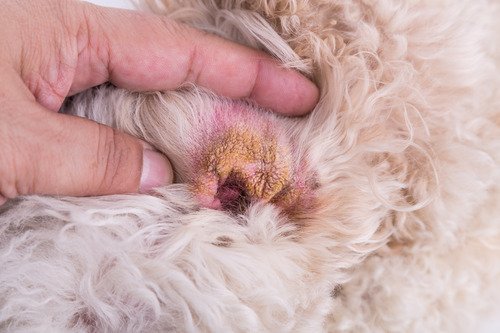
Ear hematomas usually develop when small blood vessels inside the ear flap rupture. The most common trigger is strong shaking or scratching of the ears due to itchiness, pain, or irritation. Sudden trauma, such as a bite or blunt impact, can also cause bleeding under the skin. Over time, the trapped blood creates a soft, swollen pocket that can grow quickly and feel uncomfortable or painful for the dog.
Ear infections, mites, and allergies
Ear infections, ear mites, and allergies are major triggers for ear hematomas. All three cause intense itchiness and inflammation inside the ear. In response, dogs shake their heads and scratch repeatedly. Fragile blood vessels in the ear flap can then burst, allowing blood to pool between the skin and cartilage. Chronic problems such as recurring ear infections or long‑term allergies increase the risk because the ear is irritated over a long period.
Injuries, shaking, and scratching
Injuries such as bites, blunt trauma, or getting the ear caught on objects can rupture tiny blood vessels inside the ear flap. Repeated head‑shaking and intense scratching are the most common triggers. Dogs shake to relieve irritation from infections, allergies, water in the ear, or foreign bodies. The thin skin and many vessels in the pinna make it easy for blood to pool between the skin and cartilage, forming a swollen, soft "pillow" on the ear.
Signs Your Dog May Have an Ear Hematoma
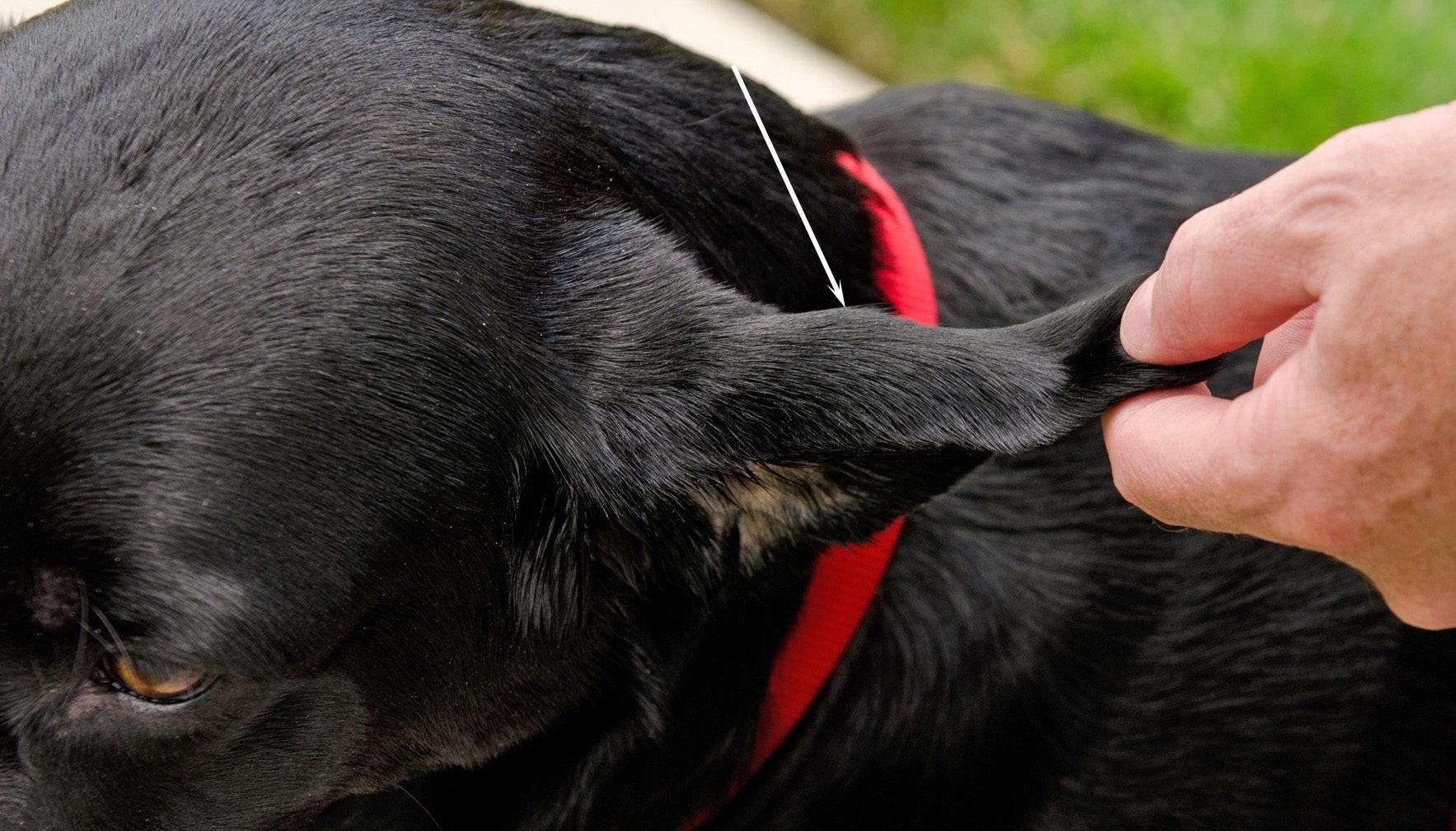
Ear hematomas are usually easy for owners to notice once key signs are understood. The affected ear flap suddenly looks swollen, puffy, or balloon‑like, often on only one side. Many dogs shake the head repeatedly or scratch one ear much more. Some whimper when the ear is touched, avoid being petted on the head, or hold the sore ear slightly drooped. Any sudden ear swelling, especially with discomfort, should prompt a prompt vet visit.
What the ear looks and feels like
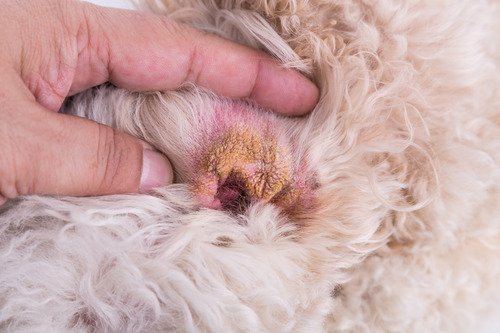
A dog ear hematoma usually makes the ear flap look puffy, swollen, and thicker than normal. The swelling often appears on one side of the ear, like a soft pillow or water balloon under the skin. When touched gently, the area may feel warm, squishy, and sometimes slightly firm. The surface of the ear can look smooth and stretched, or slightly bruised and reddish. In many cases, the ear hangs lower or looks heavier than the healthy side.
Behavior changes to watch for
Dogs with an ear hematoma often show clear behavior changes. They may shake the head frequently, scratch at one ear, or rub the ear against furniture or the floor. Many dogs become quieter, hide, or avoid being touched on the head because of pain. Some may tilt the head to one side or have trouble sleeping. Any sudden change in ear-focused behavior should prompt a prompt veterinary consultation.
Diagnosis at the Vet Clinic
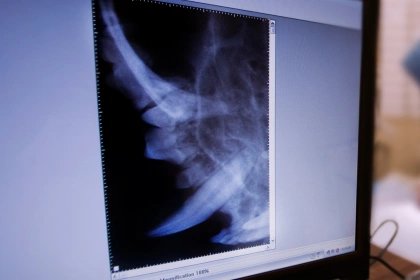
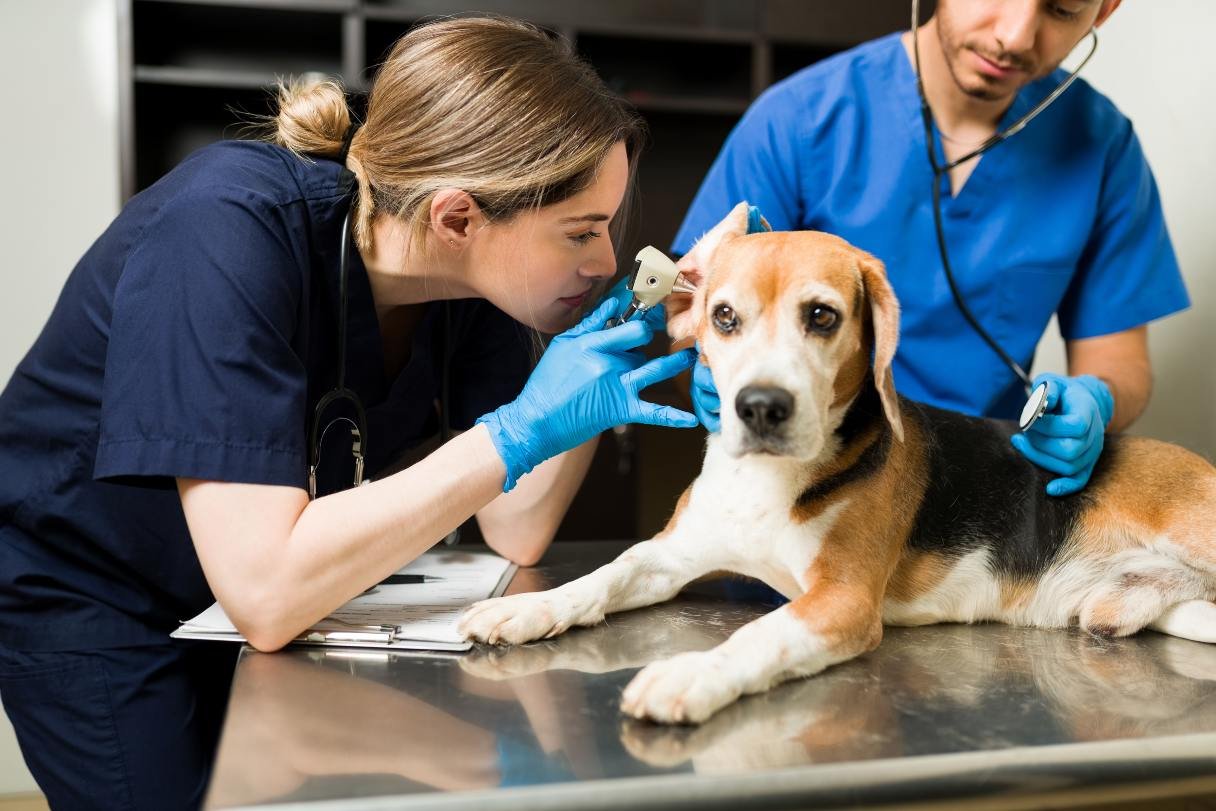
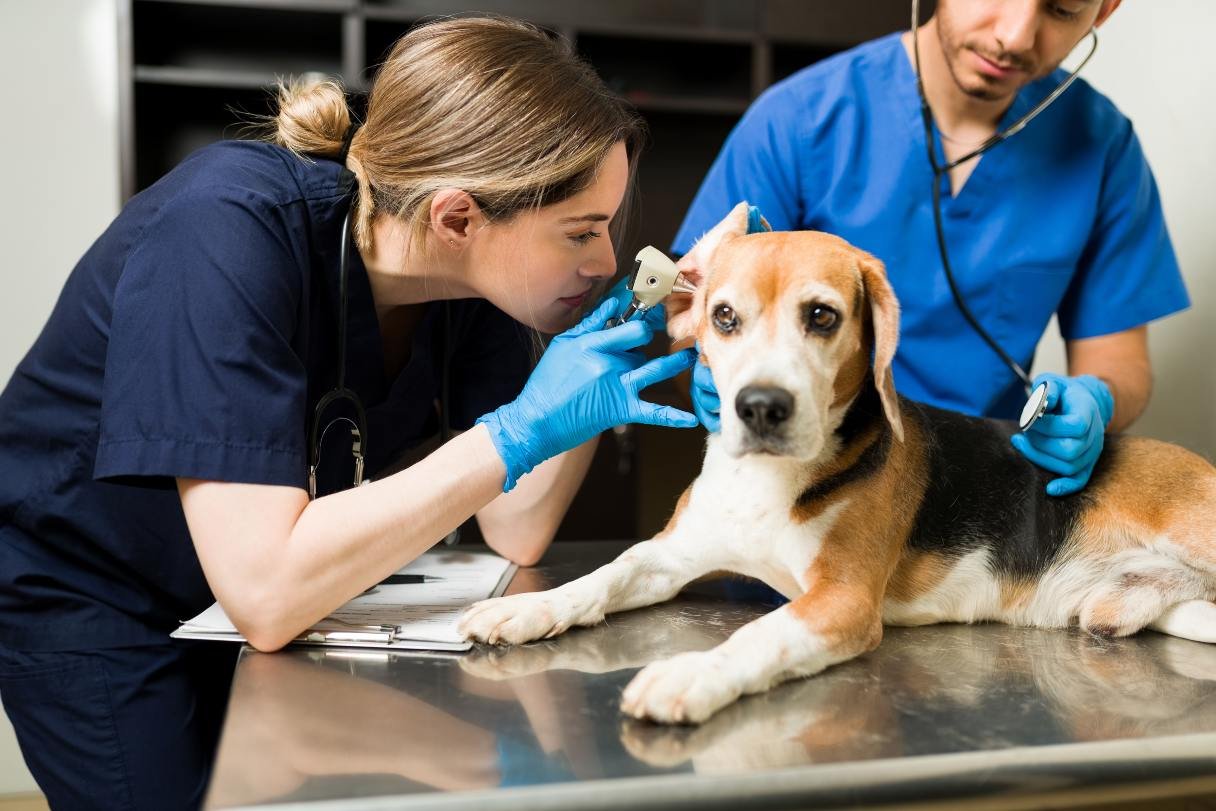
Veterinarians usually confirm an ear hematoma with a hands‑on ear exam and a few simple tests. The vet will gently feel the swollen flap, check inside the ear canal with an otoscope, and assess pain level. In many cases, a fine needle is used to draw out fluid to confirm that blood is present. At the same time, the vet looks for underlying problems such as infection, mites, or allergies, because successful treatment depends on addressing the cause as well as the swelling.
Examination and simple tests
At the clinic, the vet first asks about when the swelling started and any history of ear infection, shaking, or scratching. The ear flap and ear canal are then examined visually and by gentle touch to check for heat, pain, and fluid.
Simple tests may include:
- Otoscope exam to look deep inside the ear canal
- Fine needle aspiration to confirm the ear is filled with blood
- Ear swab and microscopic exam to detect infection or mites
These quick procedures guide the safest and most effective treatment plan.
Differentiating from other ear problems
Ear hematomas can resemble other ear conditions, so careful assessment is important. Ordinary ear infections often cause a bad smell, redness deep in the canal, and discharge without a soft, balloon‑like swelling in the flap. Ear mites usually trigger dark debris and intense itching. Tumors, abscesses, or thick scar tissue tend to feel firm, not squishy and fluid‑filled. A vet judges the difference by feel, appearance, and sometimes fine‑needle aspiration to confirm the presence of blood.
Treatment Options for Dog Ear Hematomas
Ear hematomas rarely heal well on their own, so veterinarians usually recommend active treatment. The main options are surgical correction, needle drainage with steroids, and medical care for the underlying ear problem such as infection or allergies. Pain relief, antibiotics, and an Elizabethan collar are often added. A veterinarian proposes a plan based on hematoma size, duration, and the dog’s overall health and age.
Surgical correction
Surgical correction is the most reliable treatment for ear hematomas, especially when the swelling is large, painful, or keeps returning. Under general anesthesia, the vet makes a small incision in the ear flap, removes the clotted blood, and carefully places several sutures to press the skin and cartilage back together so the space cannot refill. A bandage or head wrap is often applied to support the ear. Surgery aims to reduce pain quickly, prevent re‑accumulation of fluid, and minimize permanent ear deformity, giving the best cosmetic and long‑term outcome for many dogs.
Draining and steroid injections
Draining (aspiration) and steroid injections are a more conservative option than surgery. The vet places a needle in the swollen ear flap, removes the trapped blood, then injects a steroid to reduce inflammation and slow fluid from re‑accumulating. A bandage or headwrap may be added.
This method is usually cheaper and done with light sedation or only local anesthetic. However, ear hematomas often refill, so several visits and repeat drainings may be necessary, which can increase total cost and slightly extend healing time compared with surgery.
Managing underlying ear conditions
Ear hematomas often develop because of underlying ear disease, so treating only the swelling can lead to recurrence. Vets usually check for ear infections, mites, or allergies at the same time.
Common treatments include:
- Ear infections: cleaning, antibiotic or antifungal drops
- Ear mites: prescription parasite treatments for all pets in the home
- Allergies: diet trials, allergy meds, medicated ear cleaners
Proper management of these problems reduces pain and greatly lowers the chance of another hematoma forming.
Why home remedies are risky
Many owners try ear massages, warm compresses, or piercing the hematoma at home to save money. However, home treatment often leads to more pain, infection, and a larger, harder‑to‑treat swelling. Non‑sterile needles or tools can introduce bacteria and cause serious ear infections.
Hematomas also tend to refill with blood if not treated properly, so repeated home draining can damage ear tissue and increase the risk of permanent “cauliflower ear.” In severe cases, delayed proper care can raise overall treatment costs and reduce the chance of a good cosmetic result.
Dog Ear Hematoma Treatment Cost Breakdown
Understanding ear hematoma treatment costs helps owners plan calmly instead of deciding in a panic. Total price usually includes several parts:
- Exam and consultation fee
- Diagnostic tests (ear swab, cytology, sometimes bloodwork)
- Procedure cost (surgery or draining)
- Anesthesia and monitoring
- Medications (pain relief, antibiotics, ear drops)
- Follow‑up visits and dressing changes
Costs rise when the hematoma is large, the ear disease is severe, or advanced equipment and out‑of‑hours care are needed.
Average cost range by treatment type
Dog ear hematoma treatment costs vary widely by method and clinic. The ranges below are approximate totals per ear, in USD.
| Treatment type | Typical cost range* |
|---|---|
| Monitoring / conservative care only | $0–$150 |
| Needle draining + steroid injection | $150–$500 per session |
| Ear hematoma surgery (general vet) | $400–$1,200 |
| Ear hematoma surgery (specialist) | $800–$2,000+ |
*Costs often exclude follow‑up visits and long‑term medication for underlying ear disease.
Factors that raise or lower the price
Treatment costs vary widely. Major factors include dog size (larger dogs need more anesthesia and medications), severity and size of the hematoma, and whether surgery or simple drainage is chosen. Regional price differences, emergency or after‑hours care, and the need for advanced diagnostics also raise fees. Clinics with modern equipment or specialist surgeons may charge more, while general practices in rural areas tend to be less expensive.
Extra costs: tests, meds, and follow‑ups
Treatment fees often exclude diagnostic tests, medications, and follow‑up visits, which can significantly affect total cost.
| Extra item | Typical cost (USD) |
|---|---|
| Ear exam & basic otoscope check | $30–$60 |
| Cytology / lab tests | $40–$120 |
| Pain relief & anti‑inflammatory | $20–$80 per course |
| Antibiotic ear drops or tablets | $25–$100 |
| Elizabethan collar (cone) | $10–$40 |
| Re‑check / suture removal visit | $30–$80 each |
In many cases, owners spend an additional 20–50% of the core procedure price on these necessary extras, especially when infections or allergies require longer treatment.
Ear Hematoma Surgery Cost in Detail
Ear hematoma surgery costs more than simple draining because it involves anesthesia, operating room time, and careful suturing of the ear flap. Owners can usually expect a total between about $500 and $2,500 in many clinics, depending on location and case complexity. The fee typically includes the surgery itself plus hospitalization, pain relief, and follow‑up checks. Although the upfront cost feels high, corrective surgery often offers the lowest risk of recurrence and permanent ear deformity, which can reduce future expenses.
Itemized example of a surgery bill
Below is a sample ear hematoma surgery bill for a mid‑sized dog at a general veterinary clinic. Actual fees vary by region and clinic.
| Item | Example cost (USD) |
|---|---|
| Consultation / exam fee | $50–$90 |
| Sedation and general anesthesia | $150–$300 |
| IV catheter and fluids | $60–$120 |
| Ear hematoma surgery (professional fee) | $300–$700 |
| Surgical supplies (sutures, drapes, etc.) | $50–$150 |
| Pain relief and antibiotics (in clinic) | $40–$120 |
| Medications to go home | $40–$100 |
| Elizabethan collar / head bandage | $15–$40 |
| Re‑check visit and suture removal | $40–$90 |
In total, a typical bill may fall around $700–$1,500. Costs increase when extra tests, advanced monitoring, or treatment of severe ear infection are required.
Small, medium, and large dog costs
Size affects both the amount of anesthesia and the time and materials needed for surgery, so costs rise with body weight.
| Dog size | Approx. weight | Typical surgery cost* |
|---|---|---|
| Small | up to 10 kg | $400–$900 |
| Medium | 10–25 kg | $500–$1,100 |
| Large | over 25 kg | $700–$1,500+ |
*Ranges include surgery only; diagnostics, meds, and follow‑ups are usually extra.
City vs rural vet clinic pricing
Urban clinics often charge more than rural clinics because of higher rent, staffing, and equipment costs. In large cities, ear hematoma surgery may reach the upper end of estimates, while rural areas tend to be closer to the lower range.
| Location type | Typical price trend | Notes |
|---|---|---|
| Major city | High | More specialists, advanced facilities |
| Suburban | Medium | Moderate fees, good access |
| Rural | Lower | Fewer options, longer travel |
Travel costs and time should also be considered when comparing quotes.
Budget Options and Financial Help
Unexpected vet bills can be stressful, but there are several ways to reduce ear hematoma costs. First, ask the clinic for an estimate and whether a less expensive but safe treatment plan is possible. Many clinics offer package pricing, discounts for same‑day surgery, or lower‑cost generic medications.
Low‑cost clinics, veterinary schools, and animal charities may help in some regions. Payment options such as pet insurance, medical credit cards, or in‑house payment plans can also spread expenses over time. Early treatment often reduces overall cost compared with waiting until the ear becomes severe.
Pet insurance and what it may cover
Pet insurance can significantly reduce ear hematoma treatment cost, especially for surgery. Many accident and illness policies cover exams, diagnostics, surgery, anesthesia, and prescribed medicines, once the waiting period ends. However, pre‑existing ear problems and routine cleaning are usually not covered.
Before treatment, owners are encouraged to check:
- Whether the policy includes ear conditions and surgery
- Deductible and reimbursement rate (for example, 70–90%)
- Annual or per‑condition coverage limits
Submitting invoices promptly and asking the clinic for detailed itemization often helps maximize reimbursement.
Wellness plans, credit, and payment plans
Many clinics offer wellness plans, medical credit, and payment plans to spread costs over time. Wellness plans usually cover routine care, which can free room in the budget for sudden issues like an ear hematoma. Medical credit cards and clinic payment plans divide a large surgery bill into monthly installments. Before agreeing, owners should check interest rates, fees, and late‑payment rules to avoid unexpected expense.
Saving on costs without cutting corners
Ear hematoma care can be expensive, but there are ways to reduce costs without risking your dog’s health. Ask the vet to explain all medically reasonable options and the pros and cons of each. Request an estimate with itemized fees and check whether follow‑up visits, bandage changes, and medications are included.
Costs can sometimes be lowered by choosing generic drugs, doing simple home care (like cleaning or cone checks) under guidance, or using a day‑surgery schedule instead of overnight hospitalization when appropriate. Avoid delaying treatment or choosing unproven home remedies to save money, because untreated hematomas often become more painful and more expensive in the long run.
What Happens If You Leave It Untreated
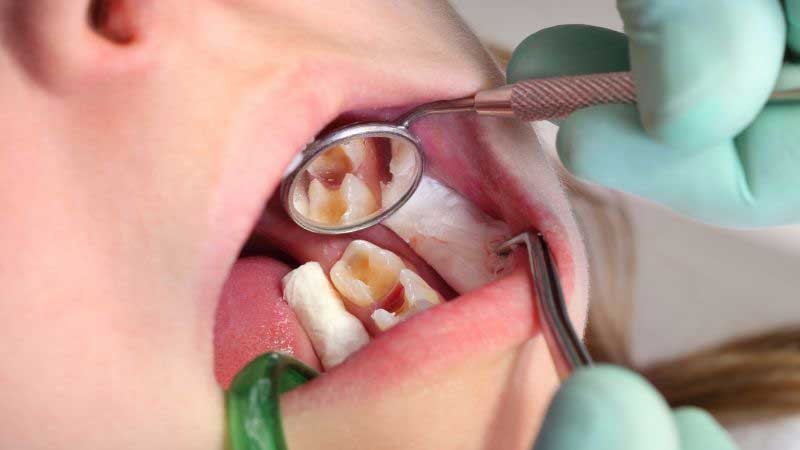
Leaving a dog ear hematoma untreated rarely saves money or trouble. The swollen ear flap is painful, and ongoing shaking and scratching often make the bleeding worse. Over time, the blood clots, the ear hardens, and a permanent “cauliflower ear” deformity can form.
Untreated hematomas also increase the risk of infection, chronic irritation, and long‑term ear problems such as recurring otitis and reduced hearing. In many cases, delaying treatment leads to higher overall costs and a poorer outcome for the dog.
Pain, infection, and ear deformity
If left untreated, an ear hematoma can cause severe pain and lead to extreme aversion to having the ear touched. The blood and fluid inside can easily become a breeding ground for bacteria, and there is a risk of the infection spreading not only to the auricle but also to the ear canal and middle ear. Eventually, the blood clots and scar tissue forms inside the auricle, causing the ear to wrinkle and often leaving a irreversible ear deformity known as a cauliflower ear. This deformity further worsens the ear's ventilation and drainage, which can lead to chronic ear problems.
Long‑term health and quality of life
A poorly treated or untreated ear hematoma can affect a dog’s long‑term comfort and hearing. Thick scarring in the ear flap may narrow the ear canal, making ear infections more frequent and harder to control. Repeated pain and head shaking can reduce activity, play, and sleep quality. In severe cases, balance and hearing may be affected. Prompt, appropriate treatment usually allows dogs to return to a normal, pain‑free life with only minor cosmetic change.
Recovery After Ear Hematoma Treatment
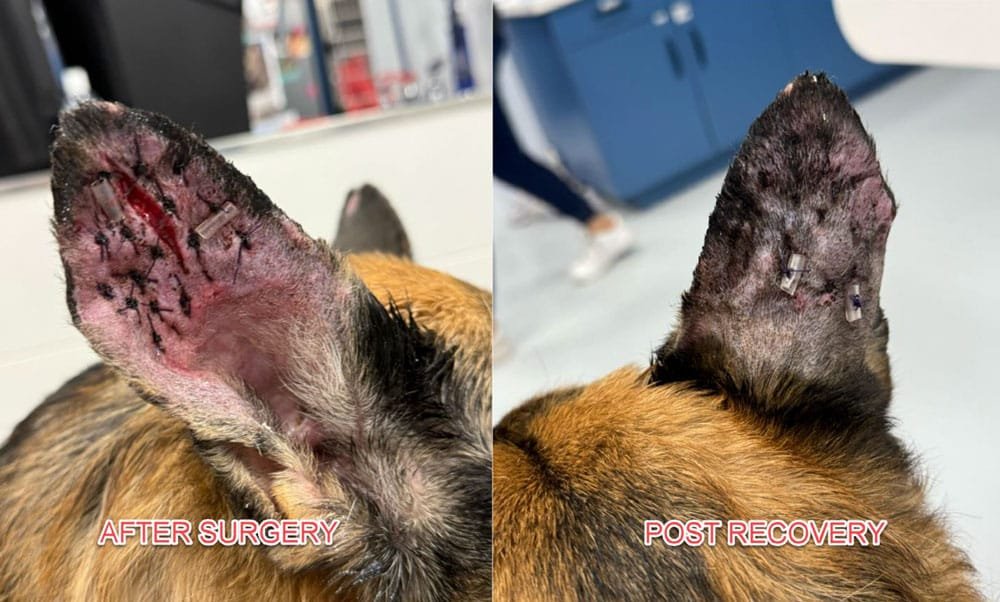
After treatment, most dogs recover well, but healing takes several weeks, not days. Ears often stay slightly thicker or wrinkled, yet hearing usually returns to normal. Swelling and mild bruising are common just after surgery or draining.
Owners need to monitor for redness, heat, bad smell, or sudden swelling, which can signal infection or a returning hematoma. Gentle handling, preventing scratching or head‑shaking, and following all medication instructions support a smooth recovery and reduce the chance of repeat problems.
Home care, cones, and bandaging
After ear hematoma treatment, careful home care helps protect the ear and prevent complications. Dogs often need an Elizabethan collar or soft recovery cone so they cannot scratch, rub, or shake the ear. Keeping the cone on at all times, unless a vet advises otherwise, is very important.
If a bandage or head wrap is used, owners should check daily for slipping, bad smells, swelling, or dampness. Bandages must stay clean, dry, and not too tight. Never remove or re‑wrap dressings without instructions; contact a vet if the bandage moves, gets wet, or causes obvious discomfort.
Activity limits and healing timeline
After treatment, dogs usually need restricted activity for 10–14 days. Avoid running, jumping, rough play, and off‑lead walks so the ear does not refill with blood. Gentle, short leash walks are usually permitted if the dog stays calm. Many hematoma surgeries fully heal in 2–4 weeks, but some swelling or firmness in the ear can last longer. Follow the vet’s schedule for rechecks and stitch removal, and continue any ear medications for the full prescribed period.
When to call the vet during recovery
Contact a vet promptly during recovery if any of the following appear:
- Ear becomes hot, very swollen, or red again
- New or worsening pain, whining, or head‑shaking
- Fresh bleeding, bad smell, or yellow/green discharge from the ear
- Stitches or drains loosen, fall out early, or skin opens
- Bandage or cone cannot be kept on safely
- Fever, loss of appetite, or unusual tiredness
When in doubt, call the clinic and describe the changes for advice.
Preventing Future Ear Hematomas

Preventing ear hematomas focuses on protecting the ear flap and reducing ear irritation. The most effective steps are: prompt treatment of ear infections, regular gentle cleaning, and controlling allergies that cause itching. Keeping nails trimmed, using an Elizabethan collar when ear problems occur, and avoiding rough play that twists the ears also help lower the risk of another hematoma.
Routine ear checks and cleaning
Regular ear checks and gentle cleaning help catch problems early and reduce the risk of hematomas. Look inside the ear once a week for redness, bad odor, discharge, or thick brown wax. Feel the ear flap for heat, swelling, or pain.
For cleaning, use a vet‑approved ear cleaner and cotton pads or gauze. Fill the ear canal as directed, massage the base for 20–30 seconds, then let the dog shake and wipe away loosened debris. Avoid cotton swabs inside the canal, as they can push dirt deeper or injure the ear.
Controlling allergies and infections
Allergies and chronic ear infections often sit at the root of ear hematomas, so long‑term control is essential. Dogs with red, itchy, or smelly ears should be seen by a vet early. The vet may prescribe medicated drops, ear cleaners, or allergy treatment such as diet changes or tablets. Follow instructions carefully, finish all medications, and schedule rechecks. Stable skin and ear health greatly reduces scratching, head‑shaking, and future hematoma risk.
Grooming tips for floppy‑eared dogs
Floppy‑eared dogs need regular, gentle grooming to reduce moisture and irritation. Keep ear hair neatly trimmed so air can circulate, but avoid plucking deep canal hair without vet advice. After baths or swimming, dry inside the ear flap thoroughly with a soft towel; never use cotton swabs in the canal. Brush around the ears daily to prevent mats pulling on the skin, and choose harnesses or collars that do not rub the ear base. If redness, odor, or discharge appears, stop home care and consult a vet promptly.
Helping Your Dog Through Treatment

Supporting a dog through ear hematoma treatment involves both practical care and emotional support. Speak calmly and move slowly so the dog does not associate treatment with fear. Prepare a quiet resting area with a comfortable bed away from children and other pets. Use treats and praise during medication and bandage changes so the dog forms positive associations. Follow the vet’s instructions closely, keep a simple daily schedule for meds, food, and walks, and record any changes in ear appearance or behavior so concerns can be shared with the clinic promptly.
Keeping your dog comfortable
Keeping a dog comfortable starts with good pain control. Follow the prescribed pain medication schedule and never give human painkillers. Use a soft bed in a quiet room and keep the cone on so the ear is protected. Gentle praise and treats help with bandage changes. If the ear seems much more swollen, hotter, or your dog cries when touched, contact a vet promptly.
Reducing stress at the vet and at home
Many dogs feel anxious at the vet, especially when an ear is sore. Owners can reduce stress before the visit by using quiet transport, bringing a favorite blanket or toy, and rewarding calm behavior with high‑value treats. At the clinic, asking to wait in a quieter area and using a well‑fitted harness can help.
At home, keeping a predictable routine, offering a safe resting spot, and using calm, gentle handling around the ear are important. Short, positive care sessions for cleaning, medications, and cone checks reduce fear. For very nervous dogs, owners can consult a vet about pheromone sprays or anti‑anxiety medications.
This article provides a clear explanation of the mechanisms, causes, symptoms, and treatments of canine aural hematomas, along with detailed information on estimated treatment costs and factors that can affect them. Furthermore, it covers a comprehensive overview of surgical cost breakdowns, money-saving tips, financial support options such as insurance and installment plans, and post-treatment home care and recurrence prevention, providing information that will allow both dogs and their owners to confidently choose a treatment option.











![[Chihuahua] How to choose dog food without making a mistake and 6 recommendations!](https://with-my-dog.com/wp-content/uploads/2022/07/image1-8-150x150.jpg)