
When you see your dog constantly shaking its head, you naturally worry, "Is it in pain? Is it sick?" In fact, frequent head shaking in dogs is often caused by health problems with the ears, skin, or other areas. This article clearly explains seven main causes of "dog keeps shaking head," along with what owners should do and when to seek veterinary attention. This information will help you notice any abnormalities early and reduce your dog's suffering.
Is it normal if my dog keeps shaking?
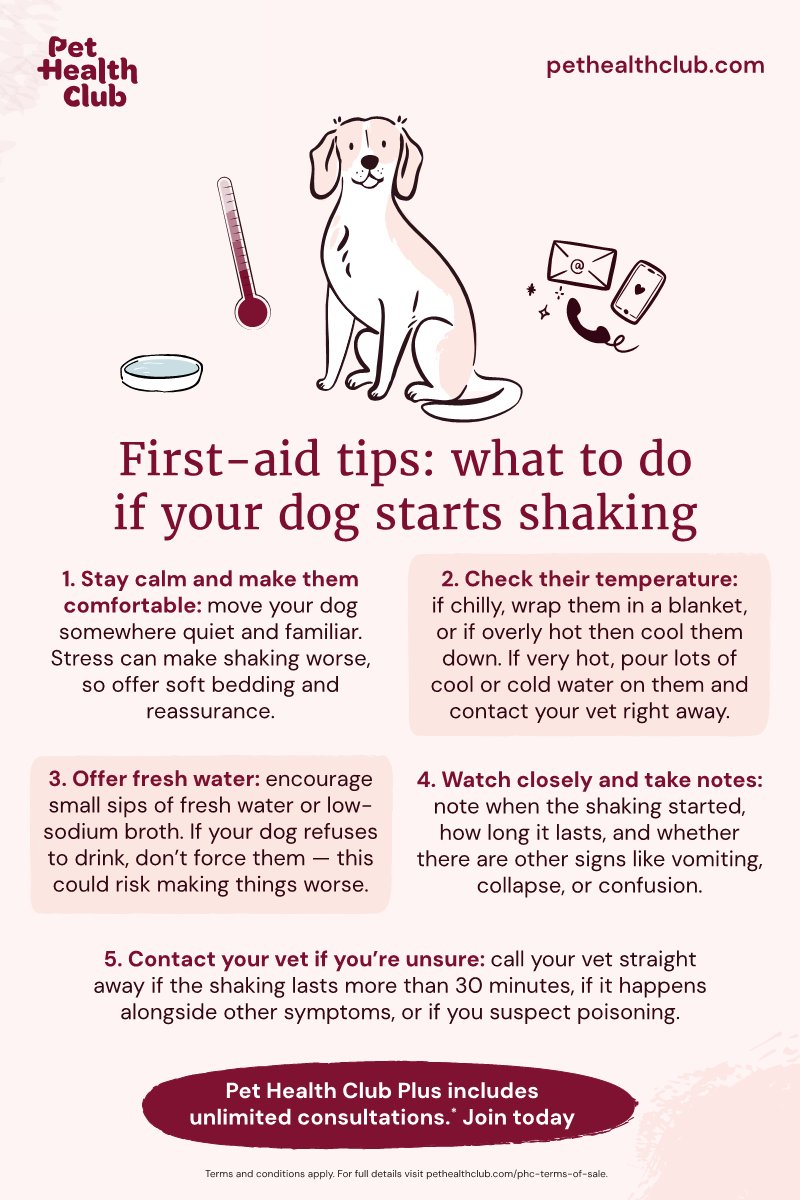
Occasional head shaking is normal for many dogs, especially after waking, playing, or getting wet. A few quick shakes to clear minor irritation are usually nothing to worry about. Continuous or very frequent shaking, however, is not normal and often indicates a health problem, most often in the ears.
Owners should pay attention to how often the dog shakes, how long episodes last, and whether any other symptoms appear. If shaking happens many times a day, wakes the dog from sleep, or is paired with discomfort, veterinary advice is recommended.
Why dogs shake their heads
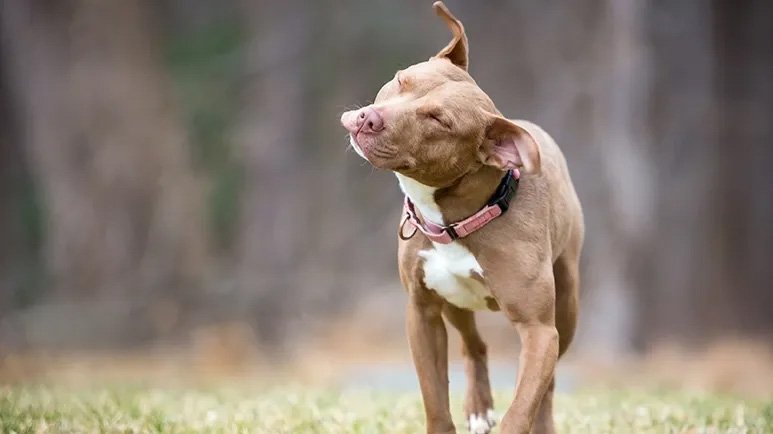
Dogs naturally shake their heads to remove minor irritations such as dust, a loose hair, or a small amount of water. A quick shake after waking up, grooming, or playing is usually harmless.
Head shaking becomes a concern when it is frequent, forceful, or ongoing. In many cases, the behavior is an attempt to relieve discomfort from the ears or nearby skin. Common triggers include ear infections, allergies, parasites, trapped water, or pain in the ear flap or canal. Persistent shaking is often the dog’s way of saying, “something hurts or feels wrong here,” and usually calls for a closer check of the ears and a veterinary visit.
Normal shaking vs a health problem
A quick shake after waking, stretching, or getting a little water in the ears is normal and usually stops within a few seconds. Dogs may also shake briefly when excited or after a bath.
Head shaking becomes a health problem when it is frequent, intense, or repetitive, or when the dog seems uncomfortable. If a dog keeps stopping to shake, scratches the ears a lot, or cannot relax because of shaking, ear disease or another medical cause is likely and a veterinary check is recommended.
Other signs to watch alongside shaking
Head shaking often appears together with other symptoms, which can hint at the cause. Key signs include:
- Scratching or rubbing the ears, face, or neck
- Red, swollen, or smelly ears; dark wax or discharge
- Whining when the ears are touched, or avoiding head pats
- Tilting the head to one side or walking in circles
- Loss of balance, stumbling, or unusual eye movements
- Crusty, sore skin around the ears or on the body
If several of these signs are present, prompt veterinary advice is strongly recommended.
7 common health causes of head shaking
When a healthy dog keeps shaking head repeatedly, a health problem is very likely. Most cases involve the ears, but skin and nerve issues can also play a role. The main causes include:
| Cause | Typical clue | How urgent? |
|---|---|---|
| Ear infection (bacteria/yeast) | Red, smelly, painful ear | See vet soon |
| Ear mites/parasites | Dark debris, intense itch | See vet soon |
| Allergies | Both ears itchy, skin issues | Vet visit recommended |
| Water trapped in ear | After bath/swim, mild discomfort | Monitor, vet if persists |
| Foreign object | Sudden pain, one ear only | Urgent vet visit |
| Ear hematoma/injury | Swollen ear flap | Same‑day vet |
| Neurological/head tremors | Rhythmic nodding, no ear signs | Prompt vet check |
Persistent shaking almost always needs professional veterinary assessment to prevent worsening pain or damage.
1. Ear infections from bacteria or yeast
Ear infections are the most common health reason a dog keeps shaking its head. Bacteria or yeast grow in the warm, moist ear canal, causing intense itchiness and pain. Typical signs include redness inside the ear, bad smell, dark or yellow discharge, and a dog crying or pulling away when the ear is touched. Many dogs also rub the ear on furniture or the floor. Untreated infections can damage the ear canal and eardrum, so prompt veterinary treatment is very important.
2. Ear mites and other parasites
Ear mites are tiny parasites that live in the ear canal and cause intense itching, so dogs shake and scratch their ears constantly. They are more common in puppies, outdoor dogs, and dogs that meet many other animals. Typical signs include dark crumbly ear wax like coffee grounds, a bad smell, redness, and scabs around the ear.
Other parasites, such as ticks or mange mites around the ears, can also trigger repeated head shaking. Ear mites spread easily, so all pets in the home often need treatment, usually with prescription drops or spot‑on parasite medication from a veterinarian.
3. Allergies making the ears itchy
Allergies are one of the most common reasons a healthy dog keeps shaking its head. Pollen, dust mites, mold, flea bites, or ingredients in food can trigger inflammation in the skin lining the ear canal. The result is intense itchiness, redness, and often a bad smell or brown discharge. Dogs scratch, rub their ears on furniture, and shake repeatedly. Without treatment, allergic ears frequently develop secondary bacterial or yeast infections, making the problem recur again and again.
4. Water or moisture trapped in the ear
Water left in a dog’s ears after bathing or swimming can become trapped, especially in floppy or hairy ears. The moisture makes the ear canal feel full and itchy, so dogs shake repeatedly to try to clear it. If the ear stays damp, bacteria and yeast grow easily, leading to a painful infection.
Gently drying the outer ear with a towel after water play and using a vet‑approved drying ear cleaner can help. However, if shaking continues more than a day, or there is redness, odor, or discharge, prompt veterinary attention is important.
5. Foreign object stuck in the ear canal
A grass seed, foxtail, tiny stick, or even clumped fur can slip into the ear canal and cause sudden, violent head shaking. Dogs may paw at one ear, cry out, or refuse touch near the head. The ear can look red, but the object itself often sits too deep to see safely at home. Prompt veterinary removal is important; poking with cotton swabs or tweezers can push the object deeper and damage the eardrum.
6. Ear hematoma or ear flap injury
An ear hematoma is a painful swelling filled with blood inside the ear flap. It usually develops after intense scratching or head shaking caused by an underlying ear problem. The ear may suddenly look puffy, warm, and heavy, and a dog often holds it down or cries when it is touched. Prompt veterinary care is important, because ongoing shaking can make the hematoma larger and damage the ear’s shape, sometimes leading to permanent “cauliflower ear.” Treatment may include draining, bandaging, or surgery, together with therapy for the original cause of the irritation.
7. Neurological issues and head tremors
Neurological problems affect how the brain controls muscles, so the head may tremor or nod repeatedly even when the ears are healthy. Movements are usually rhythmic, bobbing up and down or side to side, and often stop when the dog focuses, eats, or sleeps. Causes include idiopathic head tremors (often benign), epilepsy, brain inflammation, or injury. Any new, repeated, or worsening tremor requires prompt veterinary assessment to rule out serious disease.
Head tremors vs normal head shaking
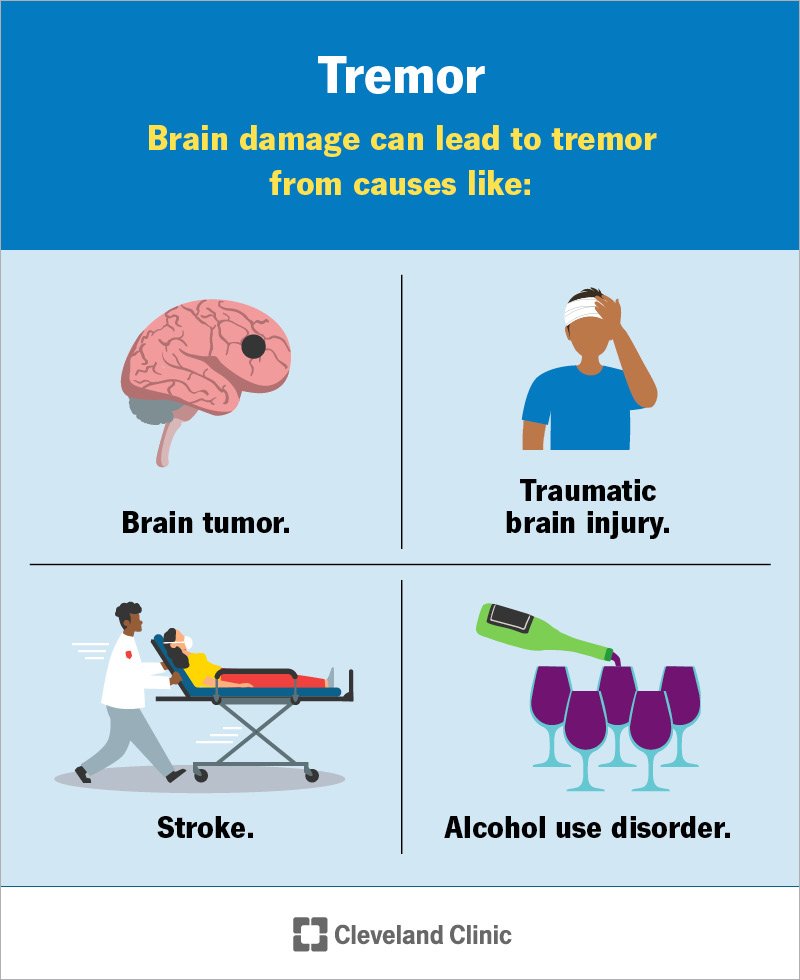
Head tremors and normal head shaking look similar but have very different meanings. Normal shaking is usually brief, purposeful movement to clear irritation, often after swimming or scratching. Tremors are rhythmic, involuntary movements that the dog cannot stop, like a shiver focused on the head or neck. Tremors may appear when the dog is resting, excited, or eating, and do not seem to “solve” any itch or discomfort.
How to tell tremors from ear discomfort
Head tremors and ear discomfort can look similar, but some points are different. Tremors are usually rhythmic, repeated movements of the head, often up‑and‑down or side‑to‑side, and the dog often seems otherwise relaxed and not bothered. Ear discomfort causes sudden, forceful shaking, pawing at the ear, scratching, rubbing on furniture, or crying when the ear is touched. Tremors may stop if the dog is distracted or starts walking, while pain or itch from the ear usually continues until the cause is treated.
Breeds more prone to head tremors
Some breeds experience idiopathic head tremors more often than others. Commonly affected breeds include:
- Bulldogs (English and French)
- Boxers
- Dobermans
- Labrador Retrievers
- Dalmatians
Tremors usually appear in young to middle‑aged dogs, can come and go, and often stop when the dog is distracted or offered food. Although idiopathic tremors are usually harmless, any new trembling or shaking should be checked by a vet to rule out ear disease, seizures, or toxins.
Health risks when a dog keeps shaking head
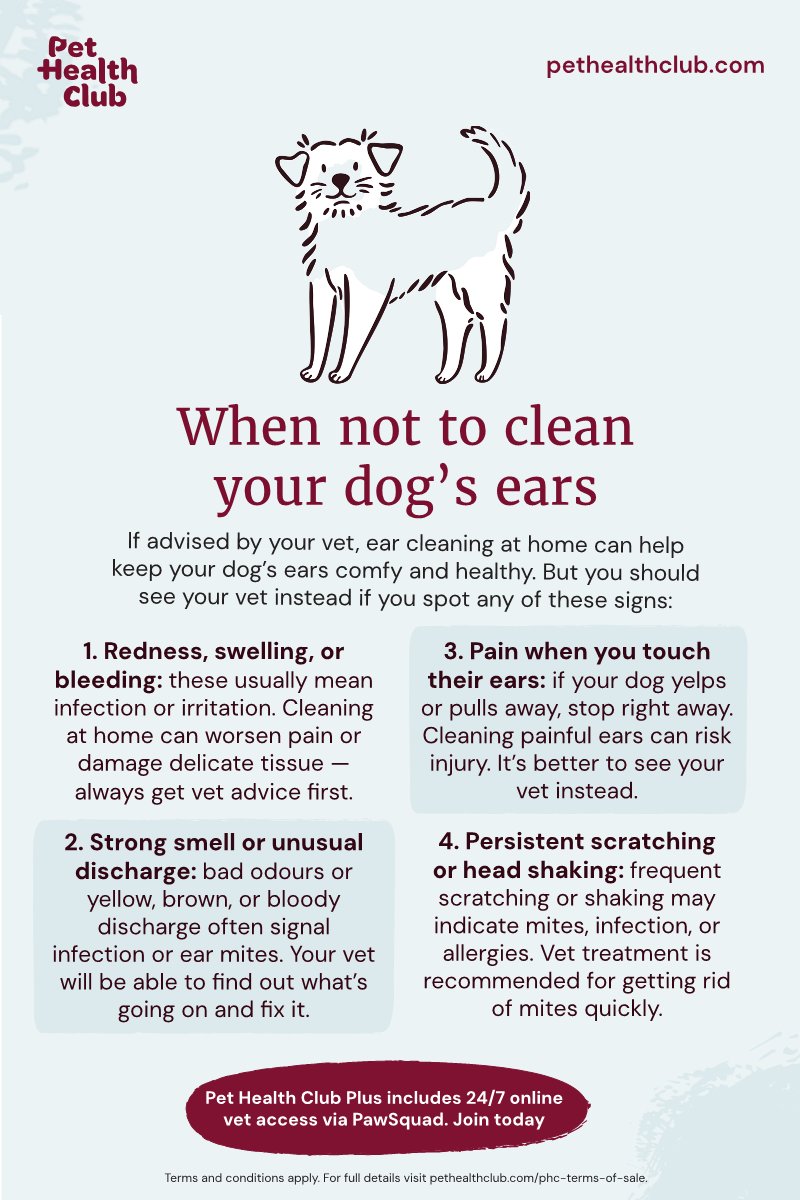
Constant, vigorous head shaking is more than a nuisance; it can quickly damage the ear. The repeated force can cause an ear hematoma (a painful blood blister in the ear flap), worsening inflammation, and deeper infection. Scratching and rubbing may break the skin, leading to open wounds and secondary infections. Ongoing pain and itch can also affect behavior, sleep, and appetite, reducing a dog’s quality of life if not treated promptly.
Complications inside the ear
Repeated, forceful head shaking can damage the ear itself. The canal lining becomes inflamed, swollen, and more prone to infection, creating a painful cycle that is hard to break. Small blood vessels in the ear flap may burst, leading to an ear hematoma (a soft, swollen, blood‑filled lump). Chronic shaking also thickens and scars the ear canal, which can narrow the passage, reduce hearing, and sometimes require surgery to correct.
Behavior, balance and quality of life
Constant head shaking affects far more than the ears. Dogs may struggle with balance, mis‑judge distances, or seem clumsy on stairs because inner‑ear problems disturb the vestibular system. Persistent pain or itch can lead to irritability, difficulty resting, and sleep loss. Some dogs avoid play, grooming, or cuddling due to ear discomfort, so relationships, exercise, and overall quality of life can decline if the cause is not treated promptly.
When to worry and call your vet
Head shaking is worth worrying about when it is frequent, intense, or suddenly different from usual. A single shake after waking, grooming, or playing is often normal. However, if a dog keeps shaking the head over and over, cannot settle, or seems in pain or off‑balance, veterinary advice is recommended. Any head shaking that lasts more than a day, or is combined with other symptoms, should be checked by a vet.
Urgent warning signs of serious illness
Head shaking can signal a medical emergency when certain signs appear together. Seek urgent care if the dog shows sudden, severe head shaking, cries out when the ears are touched, or holds the head tilted constantly. Other red flags include loss of balance, circling, collapse, seizures, rapid eye movements, vomiting, or a very swollen, hot ear flap. A bad smell, thick discharge, or bleeding from the ear with strong pain also requires prompt veterinary attention.
Signs that a same‑day vet visit is best
Head shaking with non‑emergency signs still often needs prompt care. A same‑day vet visit is recommended in the following situations:
| Situation where same‑day visit is best | Why prompt care helps |
|---|---|
| Shaking head frequently for more than 24 hours | Persistent irritation usually means infection or allergies that need treatment |
| Strong odor, redness, or brown/yellow discharge from the ear | Common signs of bacterial or yeast infection |
| Pawing at ears or rubbing head on floor/furniture | Indicates significant itch or pain |
| New head shaking after a bath, swim, or grooming | Water or cleaner may be trapped and can quickly lead to infection |
| Visible crusts, scabs, or mild swelling on ear flap | Early treatment can prevent a painful hematoma |
| Changes in mood, sleep, or appetite but still walking normally | Discomfort may already be affecting quality of life |
Early veterinary care often means simpler treatment, less pain, and lower cost for the dog owner.
How vets diagnose constant head shaking
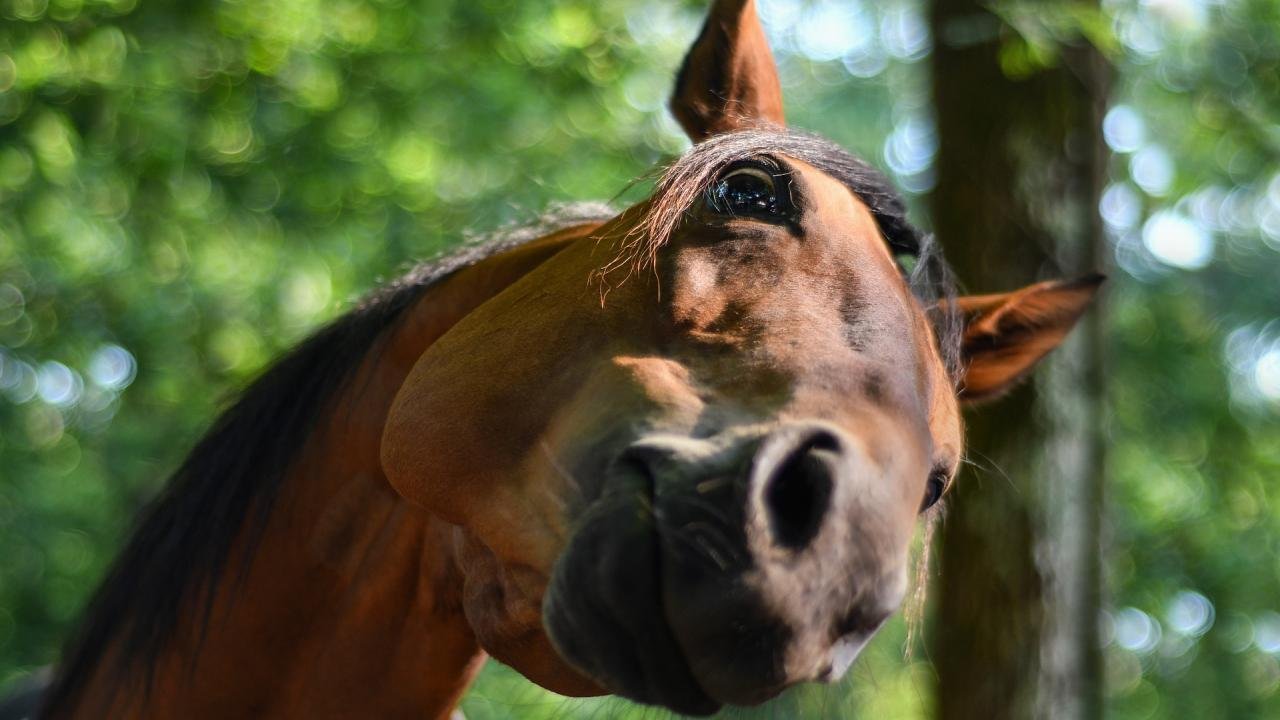
Constant head shaking is usually evaluated in several steps at the vet clinic. First, the vet observes how often and how strongly the dog shakes and checks the whole body for allergies, pain, or neurological signs. Next, the ear canals and ear flaps are inspected with an otoscope to look for redness, discharge, swelling, parasites, or foreign objects. In many cases, the vet also collects samples from the ear for microscopic examination and may recommend further tests if a deeper problem is suspected.
Questions your vet will ask you
Veterinarians usually start by asking structured questions. Being prepared helps shorten the visit and improves accuracy.
| Question category | Examples of what the vet may ask | Why it matters |
|---|---|---|
| Onset & pattern | When did head shaking start? Is it constant or in episodes? | Sudden vs chronic problems need different approaches |
| Triggers | Does shaking worsen after walks, baths, meals, or at night? | Helps link to allergies, water, or environment |
| Other symptoms | Any odor, discharge, redness, scratching, tilting, or balance issues? | Points to infection, parasites, or neurological disease |
| History | Previous ear problems, allergies, medications, swimming habits | Guides diagnosis and choice of safe treatments |
| Home care tried | Ear cleaners, drops, or home remedies already used | Prevents interactions and masks of symptoms |
Preparing notes or videos of the shaking episode can be very helpful for the vet.
Ear exam, swabs, and other tests
To find why a healthy‑looking dog keeps shaking its head, vets usually start with a detailed ear exam. An otoscope is used to look deep into the ear canal for redness, swelling, discharge, foreign objects, or a torn eardrum. Next, a cotton swab sample of ear debris is taken for cytology, which reveals bacteria, yeast, or mites under a microscope. If problems are severe or recurrent, vets may add culture tests, allergy testing, or imaging (X‑ray/CT/MRI) to check for growths, polyps, or deeper ear disease.
Treatment options for a dog shaking head
Head shaking treatment depends on the cause, so a vet diagnosis always comes first. In many cases, care includes a combination of:
- Prescription ear drops or oral medication
- Professional ear cleaning at the clinic
- Pain relief and anti‑itch medicine
- Allergy control or parasite treatment
- Surgery for severe damage or chronic disease
Prompt, appropriate treatment helps protect hearing and prevents long‑term ear problems.
Medications and ear cleaners
Ear treatment always depends on the cause, so a vet’s diagnosis is essential. In many cases, medicated ear drops and proper cleaning solve head shaking quickly.
Typical treatments include:
| Type | Purpose | Examples |
|---|---|---|
| Antibiotic drops | Bacterial ear infection | Gentamicin, enrofloxacin preparations |
| Antifungal drops | Yeast overgrowth | Miconazole, clotrimazole combinations |
| Anti‑inflammatory steroids | Reduce redness, swelling, itch | Hydrocortisone, dexamethasone |
| Ear cleaners | Remove wax, debris, mild discharge | Veterinary ear cleansing solutions |
Vets usually demonstrate how deeply to insert the nozzle, how much to use, and how often. Over‑the‑counter cleaners should be used only if the eardrum is intact and the vet has approved the product. Cotton buds in the canal, alcohol, hydrogen peroxide, or homemade solutions can worsen pain and damage the ear.
Procedures and surgery for severe cases
Severe or chronic ear problems sometimes require procedures beyond drops and cleaners. In very painful or advanced cases, vets may need to:
| Procedure | When it is used | What it involves |
|---|---|---|
| Ear flushing (deep clean) | Heavy wax, debris, or infection that blocks the canal | Sedation, thorough cleaning and drying |
| Hematoma surgery | Large blood blister in ear flap | Incision, draining blood, stitching to prevent refilling |
| Mass or polyp removal | Tumors or growths in the canal | Surgical removal for comfort and biopsy |
| TECA surgery | End‑stage, destroyed ear canal | Removal of the ear canal to stop constant pain |
Any surgery carries risk, so vets weigh pain, hearing, and long‑term quality of life before recommending an operation.
Managing allergies and skin disease
Allergies and skin disease often keep ear inflammation coming back, so treatment focuses on both the ears and the whole body.
Common steps include:
- Allergy control: antihistamines, anti‑itch tablets, omega‑3 supplements, or immune‑modulating drugs prescribed by a vet.
- Topical care: medicated ear drops and shampoos to reduce yeast, bacteria, and irritation.
- Identifying triggers: food trials for suspected food allergy, plus reducing pollen, dust, or flea exposure.
Long‑term allergy management usually means fewer flare‑ups and less head shaking.
What you can safely do at home
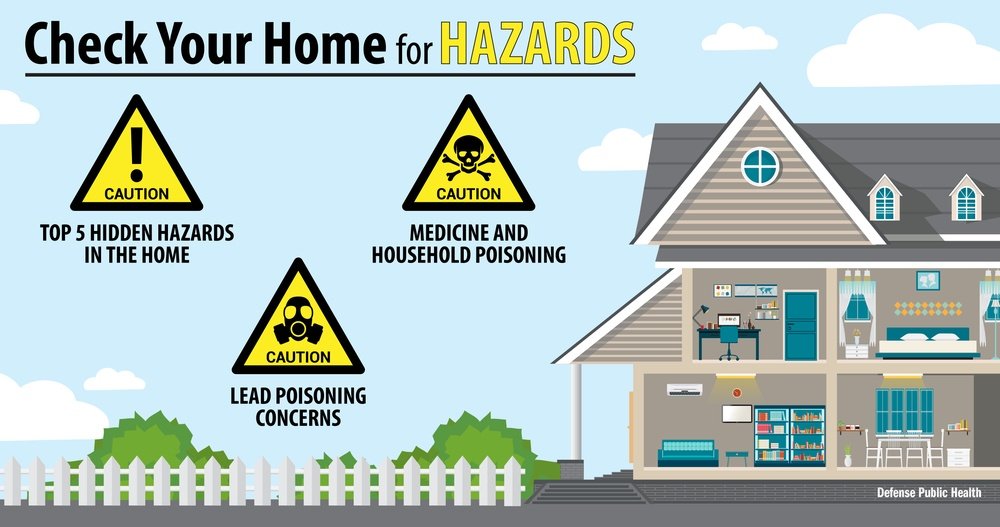
At home care can ease mild discomfort, but does not replace a vet visit if head shaking continues.
Safe steps include:
- Gently wipe only the outer ear with damp cotton wool
- Use a vet‑approved ear cleaner if already recommended for the dog
- Keep ears dry after walks, baths, or rain
- Prevent scratching by trimming nails and using a soft cone if needed
Avoid putting anything deep into the ear canal, and stop any home care if pain worsens.
First steps while you wait for the vet
While waiting for the vet, focus on keeping the ear calm and your dog comfortable.
- Gently prevent scratching or head‑rubbing by using a soft cone or supervising closely.
- Keep the ear dry; avoid baths, swimming, or wiping deep inside.
- Offer a quiet, stress‑free space and discourage rough play or jumping.
- Monitor for changes: more swelling, discharge, pain, or balance problems, and note when head shaking started and how often it occurs.
If your dog seems very upset or the symptoms suddenly worsen, contact the clinic again and explain the new signs.
Things you should never try yourself
Home care has limits. Some actions are dangerous and can worsen ear damage or delay treatment.
- Do not use cotton buds/Q‑tips inside the ear canal; they push debris deeper and may rupture the eardrum.
- Do not pour household liquids such as hydrogen peroxide, alcohol, vinegar, or oil into the ear unless a vet has prescribed a specific product.
- Do not use old or leftover ear drops or antibiotics from another pet or a past illness.
- Do not attempt to remove a foreign object with tweezers or tools; sudden movement can injure the canal or eardrum.
- Do not give human painkillers such as ibuprofen, paracetamol/acetaminophen, or aspirin; many are toxic for dogs.
- Do not delay a vet visit if the ear is very painful, swollen, bleeding, or has a bad smell. Prompt professional care protects hearing and comfort.
Preventing future head shaking episodes

Preventing repeated head shaking focuses on ear-friendly habits and early action. Regularly check the ears for redness, smell, or discharge so small problems are found before they become painful. Keep nails short to reduce self‑injury from scratching. Use parasite prevention all year. After walks, gently dry inside the ear flap if it became damp. At any sign of new or persistent shaking, seek veterinary advice instead of waiting.
Routine ear care and cleaning tips
Routine ear care helps prevent infections and painful head shaking. Check the ears weekly: look for redness, swelling, discharge, or a bad smell. Gently wipe only the outer ear with cotton wool or a soft pad.
Use a vet‑recommended ear cleaner. Fill the ear canal as directed, massage the base of the ear, then let the dog shake and wipe away excess. Avoid cotton buds, sharp tools, or homemade liquids, which can damage the ear or push debris deeper.
Bathing, swimming and drying the ears
Water often gets into a dog’s ears during baths, showers, and swimming, and can trigger infections and head shaking. Before water play, place cotton balls loosely in the outer ear if the vet says it is safe. Avoid spraying water directly at the head. After bathing or swimming, gently dry the ear flap and entrance with a soft towel; do not push anything deep inside. Allow the dog to shake to expel water, then use a vet‑approved ear cleaner if recommended.
Diet, allergies and overall ear health
Food and allergies have a major impact on ear health. Many dogs with food allergies or environmental allergies develop chronic ear inflammation, leading to constant head shaking. Choosing a high‑quality, balanced diet and discussing hypoallergenic or limited‑ingredient food with a vet can reduce flare‑ups.
Weight control and good nutrition also support the immune system, so the ear canal copes better with infection. For dogs with known allergies, regular vet‑directed ear cleaning during pollen seasons and prompt treatment of skin flare‑ups help keep the ears comfortable and dry.
When head shaking is an ongoing problem
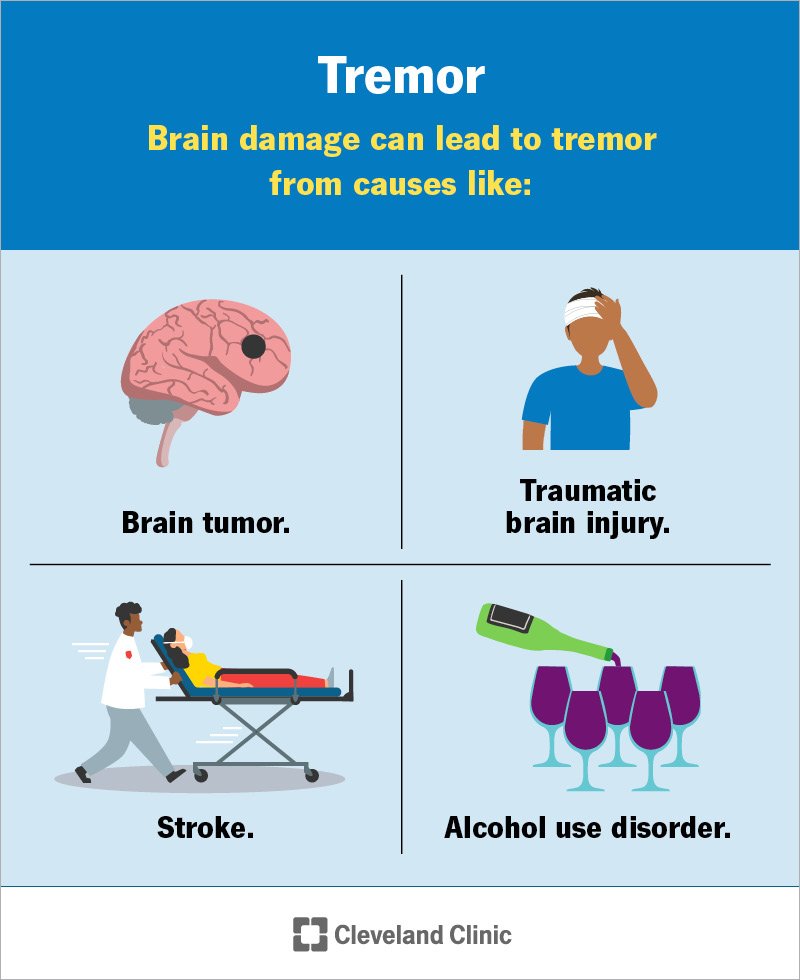
Head shaking that keeps returning over weeks or months often points to chronic ear disease or long‑term allergies. In many dogs, the cycle is itch → shaking → inflammation → infection → more itch. Breaking this loop usually requires a combination of vet care, home care, and lifestyle changes. Owners should keep a diary of flare‑ups, food, pollen seasons, and grooming routines, because patterns often reveal the main trigger and guide long‑term management.
Working with your vet on long term care
Long‑term head shaking often means a chronic ear or skin problem, so ongoing care with a vet is important. The vet usually creates a management plan rather than a one‑time cure. This may include regular ear checks, repeat swabs, maintenance ear cleaners, and long‑term allergy control. Owners can help by keeping a symptom diary, following medication schedules, and booking rechecks before problems flare badly again.
Helping your dog stay comfortable
A dog with chronic ear trouble or allergies often feels sore, itchy, and tired. Comfort care at home supports veterinary treatment. Keep the ear area dry and gently wiped, avoiding deep cleaning unless a vet advises it. Use soft bedding and limit rough play while ears heal. Follow prescribed medications on schedule and use a cone or soft collar if scratching is severe. Calm routines, quiet rest areas, and reward‑based handling help reduce stress so many dogs cope much better with long‑term head issues.
This guide explains how to distinguish between a simple habit and an illness when your dog frequently shakes its head, common accompanying symptoms, seven common health causes, when to seek veterinary attention, what to expect at the vet, safe home care and prevention methods, and how to manage chronic ear problems.