
Many dog owners wonder how often they should bathe their dogs. Washing too often can cause skin problems, but dirt and odor are also concerns. This article, themed "how often to bathe a dog," clearly explains appropriate bathing frequencies based on breed, coat type, and lifestyle. It will serve as a helpful guide for daily grooming to ensure your dog lives a comfortable and healthy life.
How Often Dogs Really Need a Bath
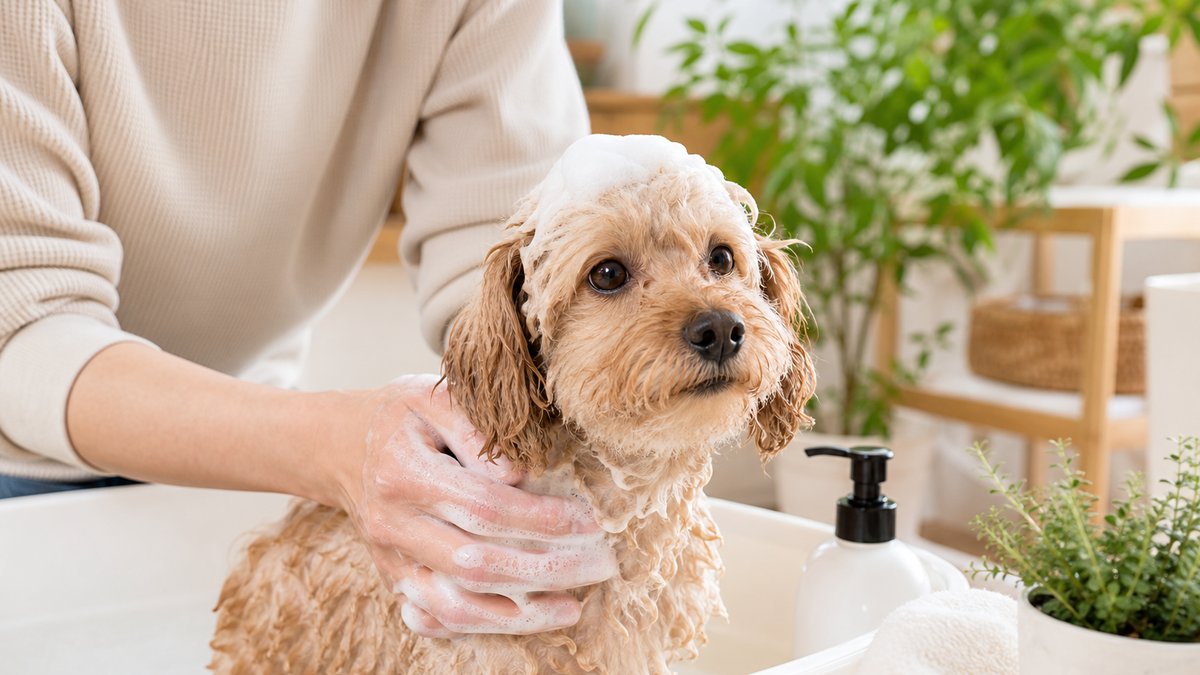
Many owners worry they are not bathing their dog often enough, but in most cases dogs need far fewer full baths than humans. Healthy adult dogs usually do well with a bath every 4–8 weeks, with brushing and spot‑cleaning in between.
The real goal is not a strict calendar schedule, but clean skin, a healthy coat, and no strong odor. If a dog smells bad, feels greasy, looks dull, or has visible dirt that brushing cannot remove, a bath is appropriate. On the other hand, very frequent shampooing can dry and irritate the skin, so balance is important.
Quick guidelines by lifestyle and coat
Busy dog owners often want a simple rule of thumb. The following guidelines give a starting point; later sections explain how to adjust for individual dogs.
| Dog type / lifestyle | Typical bath frequency |
|---|---|
| Short‑haired, mostly indoors | Every 4–8 weeks |
| Long or double‑coated, well‑brushed | Every 4–10 weeks |
| Curly/woolly coats (e.g., Poodle mixes) | Every 3–6 weeks |
| Very active, outdoorsy, often muddy | Every 1–3 weeks as needed |
| City dogs exposed to pollution/allergens | Every 3–6 weeks |
| Skin problems (per veterinarian care) | As directed, often weekly or more |
In general, brushing more often allows slightly longer gaps between baths without sacrificing cleanliness.
Why one schedule doesn’t fit every dog
Every dog’s skin, coat, and daily routine are different, so a strict “once a month” rule rarely works. Bathing too often can dry the skin and damage the coat, while bathing too rarely can lead to odor, itching, and infections. Breed, coat type, allergies, outdoor time, home environment, and even local climate all change how often a dog should be washed. The ideal schedule is a flexible range, adjusted to the dog’s comfort, smell, and skin condition.
Factors That Change Bathing Frequency
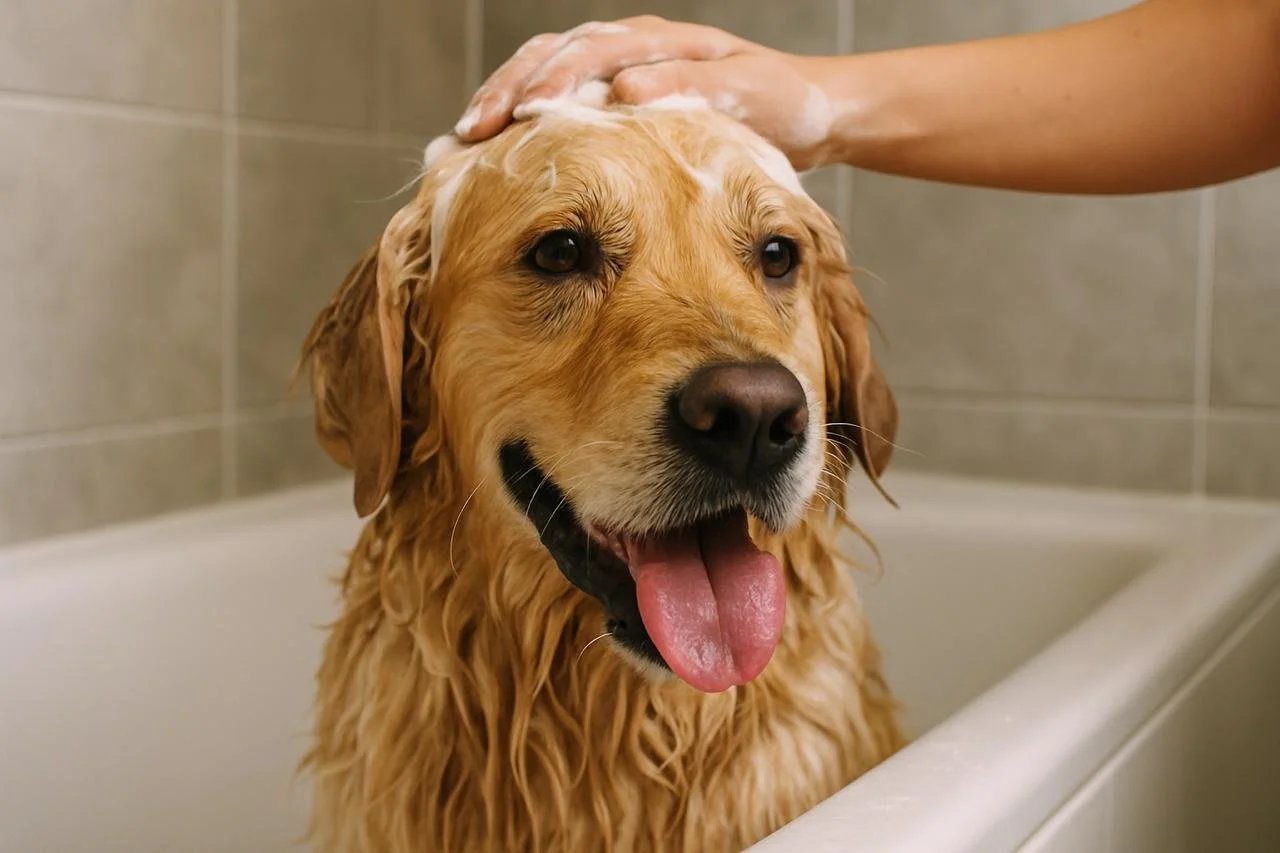
A bathing schedule depends on several overlapping elements, not just how dirty a dog appears. Coat type, skin health, lifestyle, and environment all change how often a dog should be bathed. Dogs with sensitive skin or allergies may need medicated baths more often, while short‑coated, indoor dogs can usually go longer. Climate, season, and household factors such as children or other pets also matter, so owners should adjust frequency rather than follow a single fixed rule.
Coat length, texture, and shedding
Coat type strongly influences how often a dog should be bathed. In general, the more open and airy the coat, the less frequent the baths; the more dense or high‑maintenance the coat, the more regular the grooming.
| Coat feature | Typical effect on bathing needs |
|---|---|
| Short, smooth coat | Dirt falls off easily; baths every few weeks are often enough |
| Thick double coat | Traps undercoat and debris; needs more brushing, not constant baths |
| Curly or woolly coat | Holds moisture and odor; benefits from steady bath-and-trim cycles |
| Heavy shedder | More brushing to remove loose hair, not necessarily more shampoo |
| Low‑shedding / growing hair | Needs regular grooming visits plus consistent home care |
Poorly matched routines, such as frequent shampooing of already dry coats, may cause itching or dull fur, so coat structure should always guide the basic schedule.
Skin health and medical issues
Dogs with healthy skin can usually follow general bathing guidelines, but skin problems often require a customized schedule. Dry, flaky, or red skin may worsen with frequent baths or harsh shampoos. Oily, scaly, or infected skin can sometimes improve with more frequent, medicated baths under veterinary direction. Owners should watch for itching, odor, hair loss, or scabs and consult a veterinarian before changing bathing frequency or using medicated products.
Age, activity level, and home life
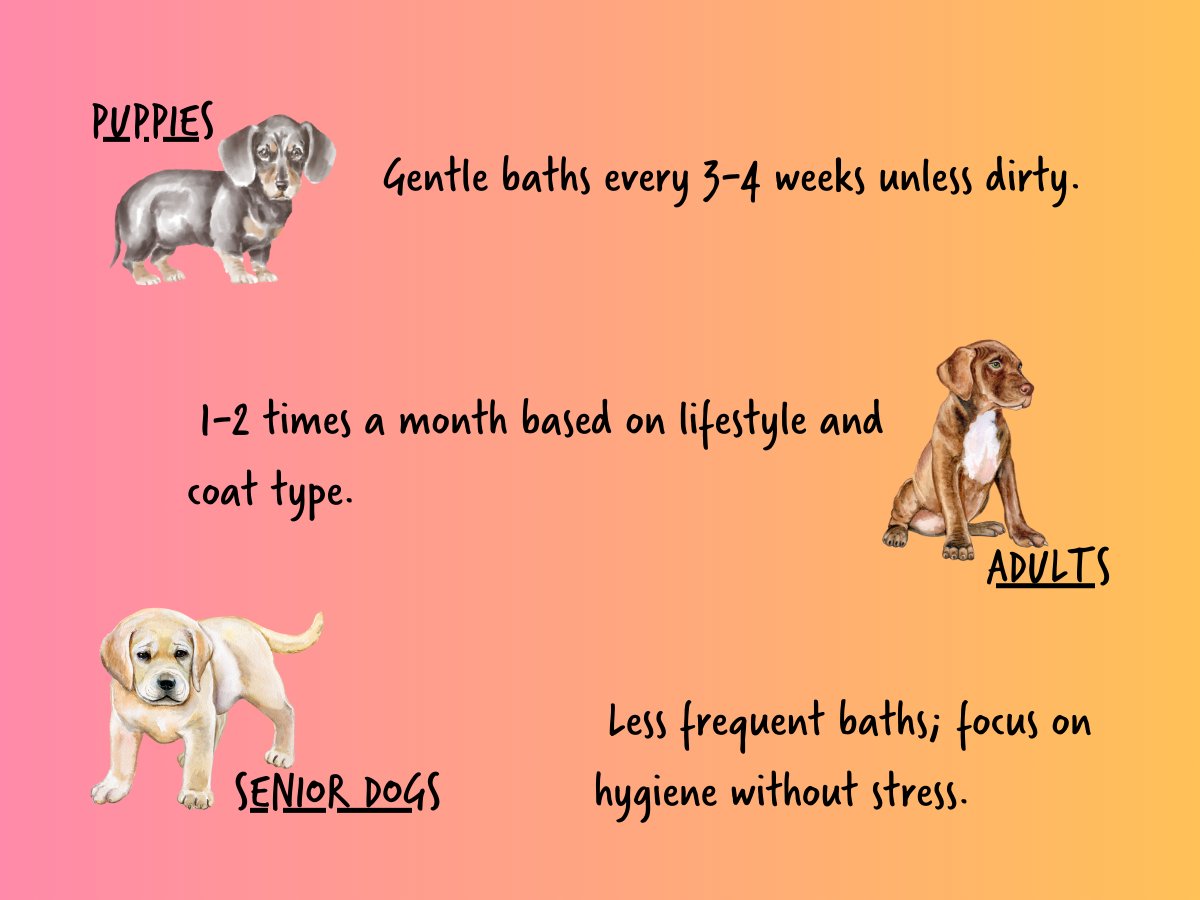
Age and lifestyle strongly influence how often a dog needs a bath. Puppies and seniors usually need less frequent full baths, as their skin can be delicate and they tire easily, so gentle wipe‑downs often work better. High‑energy dogs that run, swim, or visit dog parks may need more frequent but mild baths to remove dirt and bacteria. Calm indoor dogs who mostly relax on the sofa often stay clean longer. Home life also matters: carpeted homes or homes with allergy sufferers may call for slightly more regular, low‑刺激 bathing to control dander and odors.
Season, weather, and climate
Seasons and climate greatly influence how often you bathe. In the hot and humid summer, sebum, sweat, and bacteria tend to increase, making you more prone to odor and skin problems, so it's a good idea to bathe a little more frequently than usual. On the other hand, in winter or cold regions where the air is dry, washing too much can easily dry out your skin, so you should bathe less frequently. In areas with a lot of rain and mud, or during seasons with a lot of pollen and yellow dust, you can reduce the burden on your body by using lukewarm water for partial washing and foot washing, and limiting full-body shampooing to when it's necessary.
Bathing Schedules by Coat Type
Dogs with different coats need very different bath schedules. Coat type often matters more than breed name, so owners are encouraged to look closely at hair length, texture, and shedding style. In general, short smooth coats can go longer between baths, while long, curly, or high‑maintenance coats benefit from more regular grooming. The following sections explain typical bathing ranges for each coat type so readers can fine‑tune a routine for each individual dog.
Short, smooth coats
Short, smooth-coated dogs (such as Beagles, Pugs, or Boxers) usually need a full bath only every 4–8 weeks. Their coats do not trap much dirt, and overbathing can dry the skin. In many cases, regular brushing plus occasional spot cleaning with a damp cloth or dog wipes keeps them fresh. Dogs that roll outside or develop a strong odor may need slightly more frequent baths, but gentle shampoo is still important.
Medium and long double coats
Medium and long double coats (such as Golden Retrievers, Huskies, and many Shepherds) have a dense undercoat and a longer topcoat. In general, a bath every 4–8 weeks is suitable if thorough brushing is done at least weekly. Heavy shedders may benefit from more brushing and fewer baths, because regular de‑shedding keeps the coat clean while protecting natural skin oils. Extra baths during seasonal shedding are helpful, but avoid shampooing more often than every 2–3 weeks unless a veterinarian advises otherwise.
Curly, wavy, and woolly coats
Curly, wavy, and woolly coats (such as Poodles, Bichons, and many doodle mixes) tend to trap dirt but do not shed much. In general, a bath every 3–6 weeks works well, combined with very regular brushing to prevent mats. Once the coat tangles or felts, water can tighten knots and make grooming painful, so many owners schedule professional grooming every 4–8 weeks and use gentle baths at home in between as needed.
Wirehaired and hand-stripped coats
Wirehaired breeds such as Terriers often have a harsh topcoat with a softer undercoat. The coat is designed to repel dirt and water, so frequent shampooing can make it too soft and reduce its protective function. In many cases, a full bath every 6–10 weeks is enough if regular brushing and hand‑stripping are performed.
Hand‑stripped dogs rely more on coat care than washing. Dead hairs are plucked so new, healthy hairs grow in. Owners should brush several times per week and schedule hand‑stripping every 4–12 weeks depending on the breed and coat growth. Baths are usually timed after stripping to avoid softening the coat beforehand.
Hairless and very thin coats
Hairless and very thin‑coated dogs (Chinese Crested, Xoloitzcuintli, Italian Greyhound, Whippetなど)は、皮膚が直接外気に触れるため入浴頻度がやや多めになる場合があります。目安は2〜4週間に1回ほどです。皮膚が乾燥しやすいので、必ず低刺激シャンプーを使い、ぬるま湯で短時間の入浴にとどめます。入浴後は保湿ローションやオイルでケアし、日中は日焼け止めや洋服で紫外線から守ると安心です。
Bathing Schedules by Lifestyle
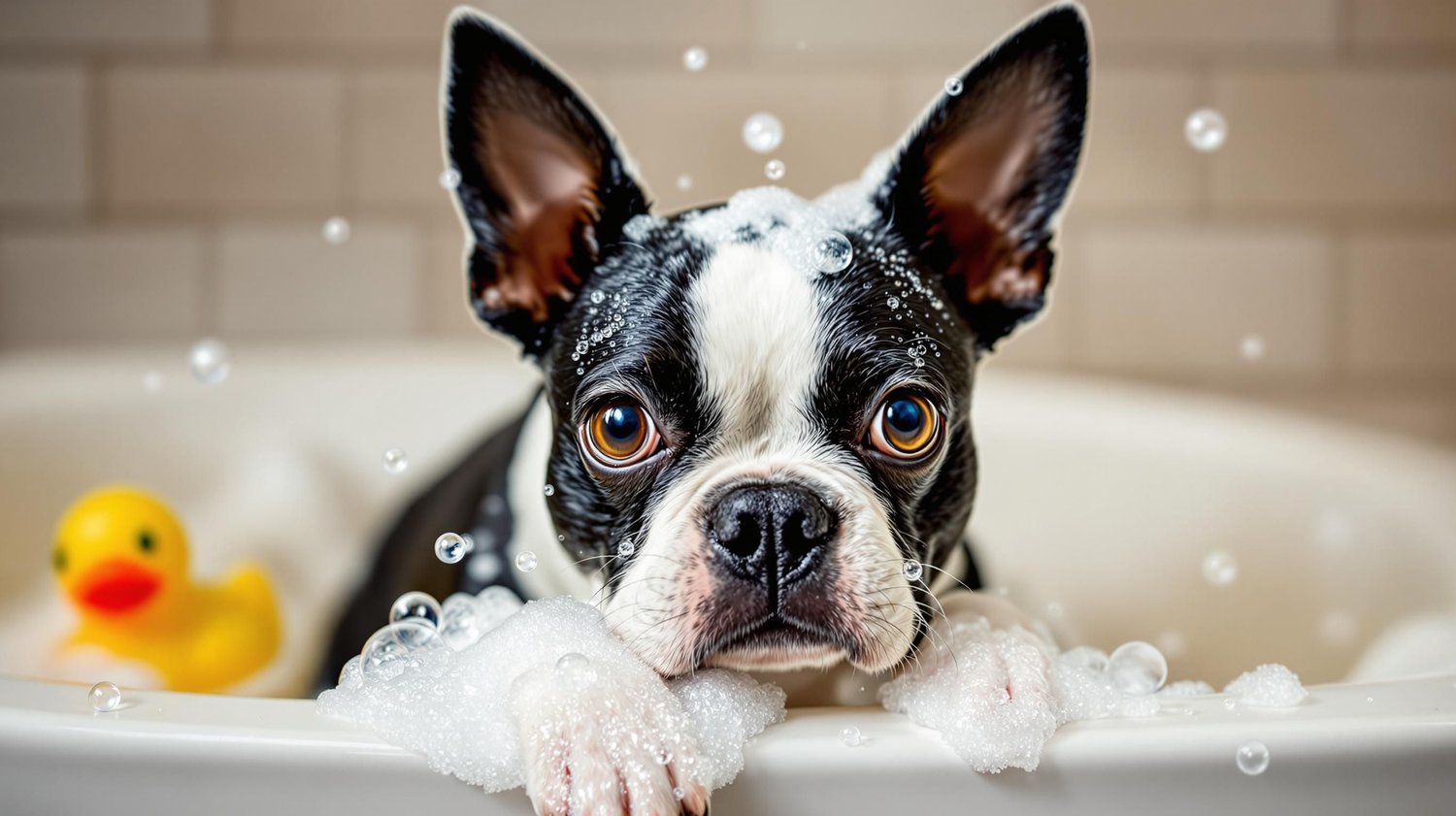
Bathing frequency also depends strongly on how a dog lives day to day. Even dogs with the same coat type may need very different schedules. A relaxed indoor companion may stay fresh with occasional baths, while a hiking partner or beach‑loving dog may require more frequent washing.
Lifestyle-based schedules work best when combined with coat type and health status, allowing owners to keep the skin barrier healthy while controlling dirt, odor, and allergens in the home.
Indoor lap dogs and low‑activity pups
Indoor lap dogs and low‑activity pups usually need a full bath only every 4–8 weeks. They spend more time on clean floors and furniture, so their coats stay relatively tidy. Focus on regular brushing and wiping paws or rear ends rather than frequent shampooing. Short spot‑cleaning after bathroom accidents or minor dirt keeps the skin healthier than many full baths. For brachycephalic or elderly dogs, gentle, less frequent bathing also helps reduce stress and fatigue.
Active, outdoorsy, and muddy dogs
Active, outdoorsy dogs often need more frequent baths than quiet indoor dogs. As a rough guide, many active dogs do well with a bath every 1–3 weeks, depending on how dirty they get. After swimming in lakes, the ocean, or walking through mud, rinsing with clean water as soon as possible helps protect the skin and coat. Fully soiled coats with dried mud or strong odors usually require shampoo. However, overbathing can dry the skin, so using gentle dog shampoo and supporting care such as brushing after walks is important.
City dogs, allergies, and pollution
City dogs often stay visually clean but pick up exhaust, fine dust, and pollen on their coat and paws. For most healthy urban dogs, a full bath every 3–6 weeks is suitable, with paw and belly wiping after walks to remove street grime and de‑icers. Dogs with environmental allergies may benefit from more frequent rinses or medicated baths as advised by a veterinarian. Regular brushing indoors also helps reduce airborne dust and allergens in the home.
Multi‑pet households and kids at home
Families with several pets and young children often bathe dogs more often for hygiene and odor control, not just coat care. Saliva, dander, and outdoor dirt spread quickly when pets share beds, sofas, or play areas. In most multi‑pet homes, a 2–6‑week bath cycle suits healthy dogs, with spot‑cleaning after messy play.
When children are present, especially babies or allergy‑prone kids, regular brushing, paw‑wiping after walks, and washing bedding can sometimes reduce the need for very frequent full baths, while still keeping the home clean.
Health Conditions That Need Special Care
Dogs with medical issues often need more structured and sometimes more frequent baths, but only under veterinary guidance. Skin disease, hormonal disorders, parasites, and wound care can all change the ideal schedule. The goal is not cosmetic cleanliness but therapeutic bathing that supports healing while protecting the skin barrier. Owners should always confirm the right shampoo type, contact time, and frequency with a veterinarian before adjusting any routine.
Allergies, itchy skin, and hot spots
Dogs with allergies or sensitive skin often benefit from more frequent but very gentle baths. Lukewarm water and hypoallergenic, fragrance‑free shampoo help rinse away pollen, dust, and other triggers without stripping natural oils. For itchy skin or hot spots, short, targeted baths or medicated shampoos are usually used only as directed by a veterinarian. Owners should avoid scrubbing hard, overbathing, or using human products, because irritation can worsen and healing may slow.
Oily skin, odor, and yeast problems
Dogs with oily skin often develop a strong, “greasy” odor and are prone to yeast overgrowth. In many cases, more frequent but very gentle bathing is helpful, using a vet‑approved shampoo formulated for seborrhea or yeast. Owners should leave medicated shampoo on the coat for the recommended contact time, then rinse thoroughly.
If odor returns within a day or two, if skin looks red or darkened, or if greasy flakes appear, a veterinary check is important. Underlying issues such as allergies, hormone disease, or ear infections often need treatment along with any home bathing routine.
When your vet sets the bath schedule
When a dog has chronic skin disease, severe allergies, or hormonal issues, the veterinarian may prescribe a strict bathing schedule as part of treatment. In such cases, frequency (for example 1–3 times per week) follows medical need, not lifestyle. Owners should use only the exact shampoo and contact time the vet recommends and avoid extra, cosmetic baths. If the skin improves or worsens, bathing intervals must be adjusted only after consulting the veterinarian, because over‑ or under‑bathing can quickly disrupt recovery.
How Often to Brush Versus Bathe
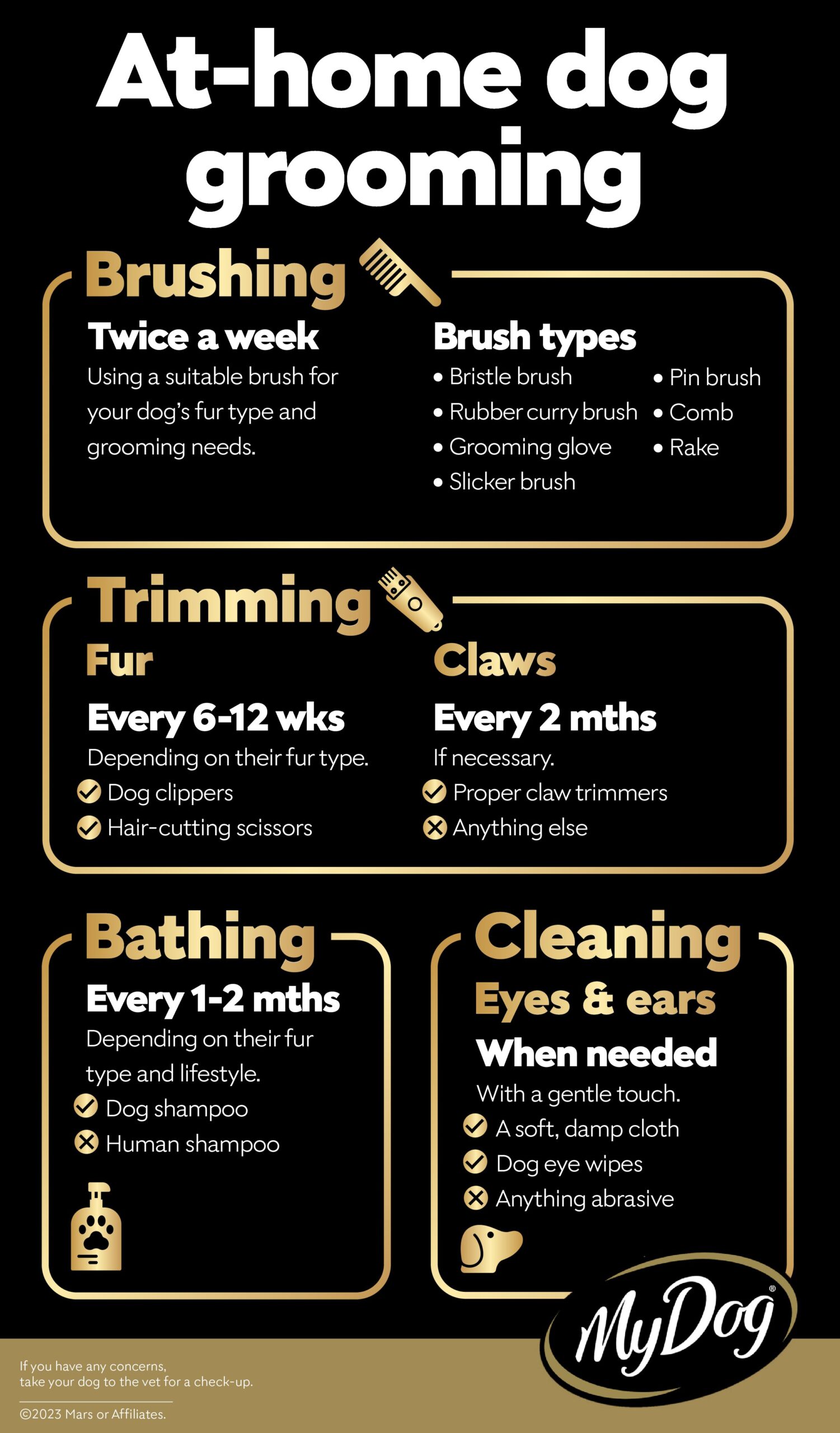
Brushing and bathing play different roles in dog hygiene. Brushing is usually needed far more often than bathing. Brushing removes loose hair, dust, and small tangles before they turn into mats, and helps spread natural skin oils. In many cases, regular brushing allows owners to extend the time between baths while keeping the coat clean, reducing odor, and protecting the skin barrier from the dryness caused by frequent shampooing.
Daily, weekly, and deep grooming
Grooming can be divided into daily, weekly, and deep-care sessions, and balancing them keeps the coat clean without overbathing.
| Frequency | Main care | Typical time |
|---|---|---|
| Daily | Quick brushing for loose hair, eye/ear check, paw and rear wipe | 2–5 minutes |
| Weekly | Thorough brushing, nail check, ear wipe, teeth brushing | 10–20 minutes |
| Deep | Full bath, blow‑dry, detailed brush‑out, trimming as needed | Every 3–8 weeks |
Daily and weekly routines prevent tangles and odor, so deep baths can be less frequent and less stressful for dogs.
Using brushing to stretch time between baths
Brushing is a powerful way to reduce how often a dog needs a full bath. By removing loose hair, dust, pollen, and light dirt, the coat stays cleaner and the skin can breathe. For many healthy dogs, regular brushing allows baths to be spaced out to every 4–8 weeks instead of every 1–2 weeks.
Brushing also distributes natural oils, which keeps the coat shiny and less prone to matting. When tangles and undercoat are managed with a slicker brush, comb, or deshedding tool, shampoo can be used only when there is clear odor, visible dirt, or a specific skin issue, helping protect the skin barrier.
Choosing Shampoos and Bath Products

Choosing safe, effective products is just as important as deciding how often to bathe a dog. The goal is to clean the coat without stripping away natural oils or irritating skin. In general, dogs need pet‑specific, pH‑balanced shampoo, and only targeted extras such as conditioner, wipes, or dry shampoo, depending on coat type and lifestyle. Harsh human shampoos, heavy perfumes, and strong detergents can quickly lead to dryness, itching, and more frequent vet visits, so careful label checks are essential.
Dog shampoo types and what they do
Dog shampoos are designed for different coat and skin needs, so choosing by type is helpful.
| Shampoo type | Main purpose | Typical use frequency |
|---|---|---|
| Gentle everyday | Mild cleansing without stripping oils | Most healthy dogs, monthly or as needed |
| Oatmeal/soothing | Calms itchy or sensitive skin | Allergies, dry skin; often vet‑approved |
| Medicated | Targets infection, seborrhea, parasites | Only as directed by a veterinarian |
| Deodorizing | Neutralizes strong odor | Dogs that smell quickly between baths |
| Whitening/brightening | Enhances light‑colored coats | White or light breeds, occasional use |
| Puppy shampoo | Extra mild, tear‑reduced | Young puppies with delicate skin |
| Hypoallergenic/fragrance‑free | Minimizes irritation risk | Dogs prone to allergies or reactions |
Selecting the right type helps keep the coat clean without over‑drying or irritating the skin.
What to avoid in dog grooming products
Dog grooming products can be harsh if the ingredients are too strong or not designed for pets. Avoid human shampoos, as the pH differs from canine skin and can cause dryness and irritation. Strong perfumes, artificial colors, sulfates, and heavy alcohols may also trigger itchiness or allergies. Products with tea tree oil in high concentration, unknown "medicated" claims, or no ingredient list should be skipped. When in doubt, choosing a gentle, vet‑approved formula is safest.
Conditioners, wipes, and dry shampoo
Conditioners, wipes, and dry shampoo help keep a dog clean between full baths when used correctly. Conditioner protects the coat, adds moisture, and makes brushing easier, especially for long or curly coats. Dog-safe wipes are useful for paws, faces, and rear-end cleanups after walks or accidents. Dry shampoo or waterless foam can reduce odor and oil, but should not replace regular bathing or veterinary care for skin problems.
Home Bathing Tips for Less Stress

A calm, well-planned setup reduces stress for both dog and owner. Prepare shampoo, towels, non‑slip mat, and treats before turning on the water. Keep sessions short, speak in a gentle voice, and avoid sudden movements. Use cotton balls loosely in the ears to limit water entry. Reward throughout the bath, not only at the end, so the dog links bathing with positive experiences.
Getting your dog comfortable with baths
Many dogs dislike baths simply because they feel unsure and trapped. The key is to pair bath time with comfort and rewards. Start outside the bathroom: feed treats near the tub, place a non‑slip mat, and let the dog step in and out freely. Next, practice short “dry baths” with no water, just calm praise. On real bath days, prepare everything in advance, keep sessions brief, talk softly, and end with a favorite towel rub, toy, or snack so the dog builds positive associations.
Water temperature, drying, and safety
The appropriate water temperature is around 37°C (about the temperature that feels lukewarm to a person). Water that is too hot can cause dryness and itching, while water that is too cold can cause stress. It is especially helpful to rinse slowly and in small amounts around the face.
When drying, gently pat away excess water with a towel, then use a hairdryer on low to medium heat and low temperature. It is important not to hold the hairdryer too close to the skin and to always check that it is not too hot by touching it with your hand. Since incomplete drying can cause odor and skin problems, it is important for safety to dry the fur thoroughly down to the roots.
Signs you may be bathing too often
Bathing too often can quietly damage a dog’s skin and coat. Warning signs include increased itching, licking, or chewing after baths, red or flaky patches, and dull, brittle fur. A strong “wet dog” odor that returns quickly may also appear. Dogs may start resisting the bathroom or tub if bathing feels uncomfortable. When these changes occur, reduce bath frequency, focus on gentle brushing, and consult a veterinarian or groomer about a better schedule and milder products.
When Professional Grooming Makes Sense

Professional grooming becomes helpful when a dog’s coat or lifestyle goes beyond what is manageable at home. Complex coat types, mobility issues, or busy schedules are common reasons.
Owners should consider a groomer when:
- Regular trimming or styling is required
- Matting appears despite routine brushing
- Bath time causes strong stress or fear
- Large size or thick coat makes drying difficult
- Nail, ear, or sanitary care feels unsafe to perform alone
A trusted groomer can keep the coat healthy while reducing stress for both dog and owner.
Breeds that benefit from regular groomers
Breeds with high‑maintenance coats often gain the most from regular professional grooming. Examples include Poodles and doodle mixes, Bichon Frise, Shih Tzu, Maltese, Yorkshire Terriers, and many other long‑haired toy breeds. Spaniels and Setters with feathering, as well as many terriers with wire coats, also benefit. Double‑coated breeds like Pomeranians or Shetland Sheepdogs may need groomers for safe deshedding rather than frequent clipping.
How often to book grooming visits
Grooming frequency depends on coat type, growth speed, and lifestyle. As a general目安, most pet dogs visit a groomer every 4–8 weeks. Fast‑growing coats (Poodles, doodles, Shih Tzus) often need every 4–6 weeks to avoid matting. Double‑coated and short‑coated breeds may manage with every 6–10 weeks, especially if owners brush at home. Puppies, seniors, and anxious dogs benefit from shorter, more frequent sessions to keep experiences gentle and positive.
Balancing salon visits with home care
A good balance is to let groomers handle haircuts, heavy trimming, and deep cleaning, while owners maintain simple care at home. After a salon visit, plan quick weekly tasks: brushing, eye and ear checks, wiping paws, and spot‑cleaning dirt or urine. For many dogs, a full groom every 4–8 weeks plus light home care keeps the coat healthy, reduces odor, and prevents matting without over‑bathing or stressing the skin.
Fitting Bath Time Into Your Dog’s Lifestyle
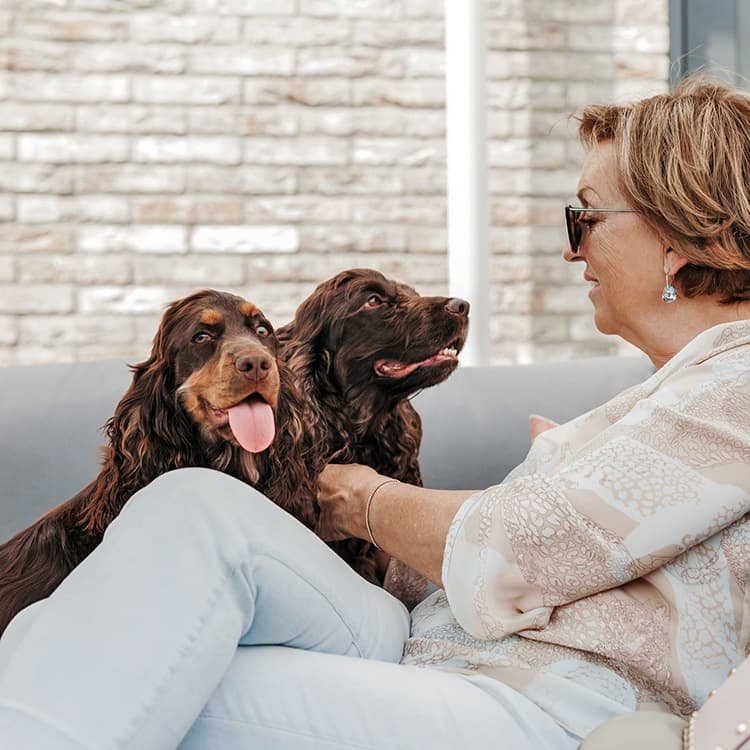
Bath timing works best when it follows the real rhythm of the household. Consider when walks, meals, and kids’ routines usually happen, then place baths on a calm day and time. Many owners find a fixed “bath day” every 2–6 weeks easiest to remember.
Try to link grooming to existing habits: for example, nail trims after the weekly park visit, or brushing before evening TV time. A predictable routine lowers stress for dogs and helps owners notice when skin, ears, or coat suddenly change between baths.
Creating a simple routine that lasts
A routine that works long‑term should be simple, predictable, and suited to the household schedule. Start by choosing an easy pattern, such as “full bath every 4 weeks, quick paw and belly rinse after muddy walks, brushing twice a week.” Mark bath days on a calendar or phone so they are not forgotten.
Keep supplies in one basket near the bath area, and follow the same order every time: brush → bath → towel dry → reward. Short, calm sessions with praise and treats help dogs relax, so owners are more likely to keep the routine going for years.
Adjusting the schedule as your dog ages
Senior dogs often benefit from less frequent but more gentle baths. Aging skin becomes thinner and drier, so harsh shampoos or very hot water can cause irritation. In many cases, monthly to every‑2‑months is enough unless there is a medical reason to bathe more.
Check regularly for new lumps, odor changes, or difficulty standing in the tub. If arthritis or weakness appears, switch to short, low‑stress baths, use non‑slip mats, and consider professional help. Always follow any bathing schedule or medicated shampoo plan provided by a veterinarian.
This article clearly explains how often you should shampoo your dog, taking into account their coat type, lifestyle, and health condition. It also covers brushing, shampoo selection, and how to utilize professional grooming, so you can determine the optimal bathing schedule for your beloved pet.





![[I love both!] Can you keep dogs and cats together? Here are some tips and tricks to keep in mind](https://with-my-dog.com/wp-content/uploads/2022/07/image3-18-150x150.jpg)
![[Choosing dog food for health] 5 recommended low-fat dog foods](https://with-my-dog.com/wp-content/uploads/2022/07/image4-4-150x150.png)
![[Dog Earwax] Detailed explanation of Malassezia and ear cleaning](https://with-my-dog.com/wp-content/uploads/2021/10/girl-gf2eb2c5be_1920-150x150.jpg)






![[2022 Edition!] Popular Small Dog Names](https://with-my-dog.com/wp-content/uploads/2022/04/image2-1-300x200.jpg)