


Even busy families with both parents working or raising children can enjoy a fulfilling pet life without stress if they choose a compatible breed. This article introduces 15 carefully selected "best dog breeds for families," based on criteria such as ease of training, gentle temperament, and adaptability to being left alone. This will be helpful in finding a partner that suits your family structure and lifestyle.
What Makes a Good Family Dog?
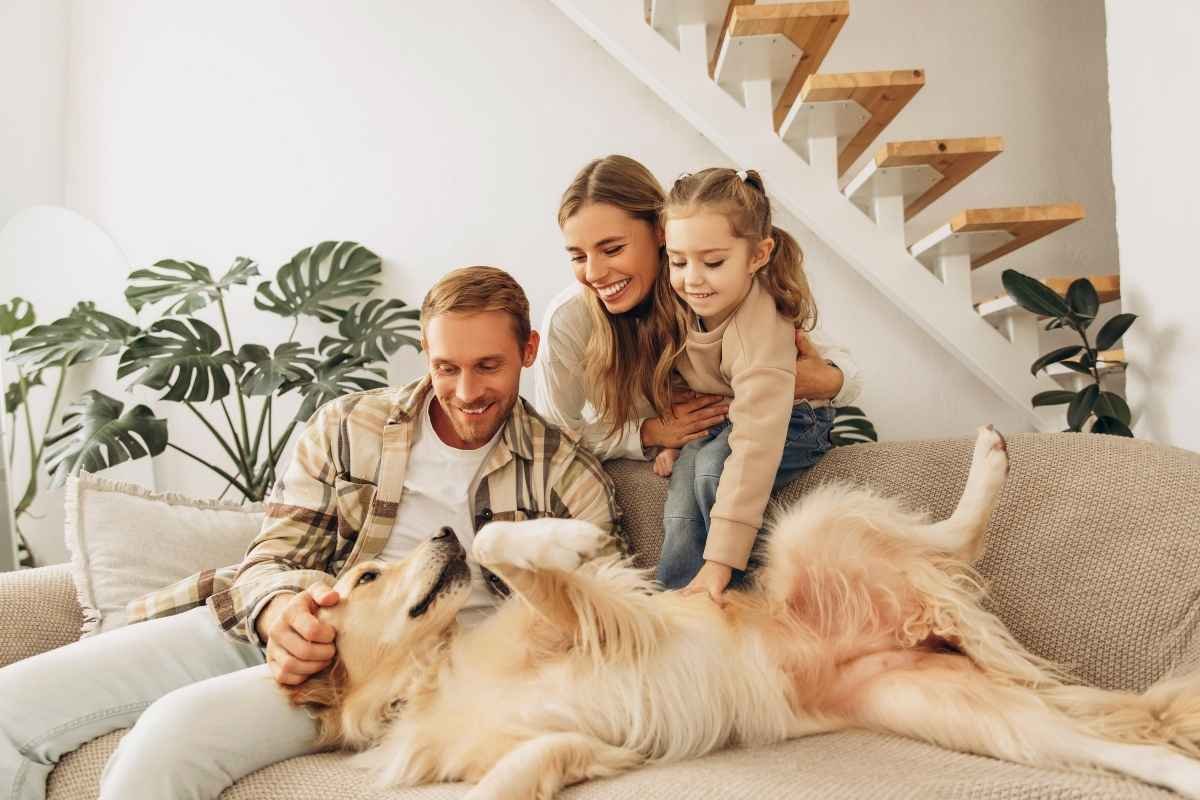
A good family dog is not only cute and friendly. The ideal companion for a busy household is patient with children, flexible about routine changes, and easy to manage day to day. Key factors include a stable temperament, moderate and manageable energy, and reasonable grooming needs. In addition, breeds that learn quickly and cope well with alone time usually suit working parents and active kids better than those needing constant attention.
Temperament and kid‑friendliness
A good family dog is gentle, patient, and tolerant, especially with noisy or unpredictable children. Breeds and individual dogs that enjoy being handled, are not easily startled, and recover quickly from surprises tend to fit better in homes with kids. Parents should always supervise interactions, teach children to respect the dog’s space, and look for calm, friendly body language rather than growling, stiff posture, or hiding. Proper early socialization greatly improves kid‑friendliness.
Energy level and exercise needs
Dogs with very high energy (for example Border Collies or working-line herding breeds) usually need long, daily exercise and mental work, which can overwhelm busy families. Many parents do better with moderate‑energy breeds that enjoy walks, play in the yard, and short training sessions, then relax indoors. Low‑energy or brachycephalic breeds may suit apartment or sedentary lifestyles, but still require daily movement and toilet breaks to stay healthy and avoid behavior problems.
Trainability and first‑time owners
Highly trainable breeds are usually easier for first‑time owners, because they learn house rules and basic manners quickly. Look for dogs that are eager to please, food‑motivated, and not overly stubborn. However, very smart breeds also need regular mental stimulation, or problem behaviors may appear.
New owners should focus on short, positive sessions: sit, stay, come, leash walking, and calm greetings. Puppy classes or basic obedience courses support busy families by providing structure, socialization, and clear homework everyone in the household can follow.
Grooming, shedding, and allergies
Dogs for busy families benefit from easy, low‑maintenance coats. Long, double, or curly coats often need regular brushing and professional grooming, while short coats may shed heavily but are quicker to clean. Families with allergy concerns usually do better with lower‑shedding breeds such as Poodles or Bichon Frises, combined with vacuuming, washing bedding, and using air purifiers. Remember that no dog is completely hypoallergenic, so meeting a breed in person before committing is very helpful.
Time commitment for busy families
Busy households must honestly consider how many daily minutes can go to a dog. Even low‑maintenance breeds need reliable care: feeding, potty breaks, short walks, and brief play or cuddling.
As a simple guide, plan on at least 60–90 minutes spread across the day for most family dogs, and more for high‑energy breeds. Families with long workdays may do better with calmer, lower‑energy breeds, shared duties between adults and older children, or support from dog walkers and day care. Consistent routines are more important than occasional long sessions.
How to Match a Breed to Your Lifestyle
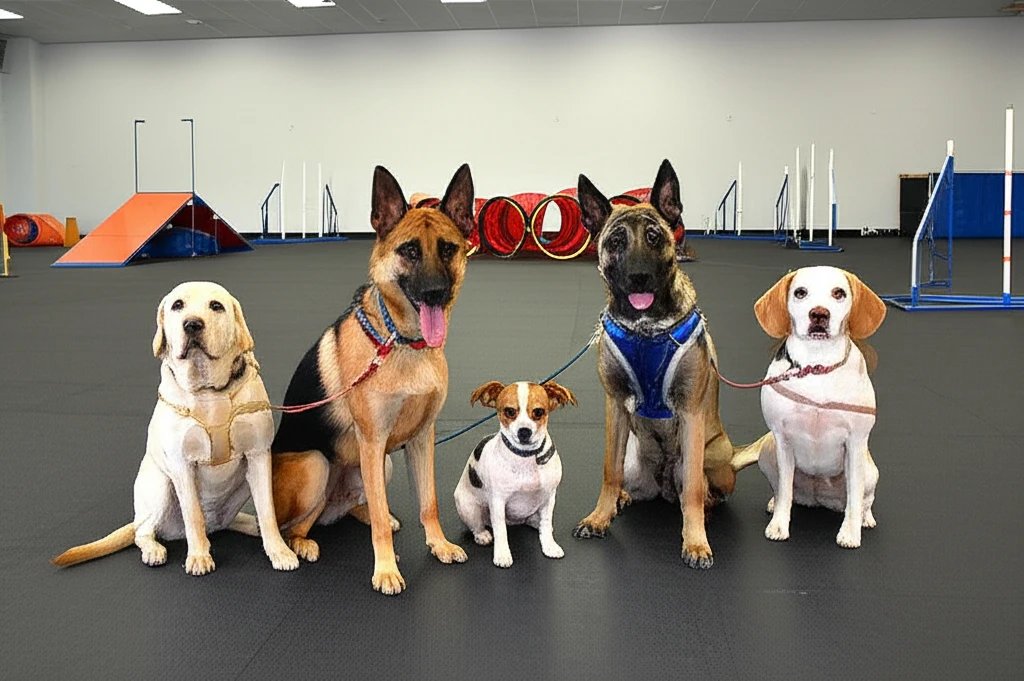
Choosing a breed starts with honestly mapping your daily life. Consider how many hours someone is home, average walk time, noise tolerance, and your children’s ages. High‑energy or vocal breeds suit active, home‑centered families; calmer, low‑exercise breeds suit long workdays or shared walls. Also weigh grooming needs, travel frequency, and your budget. A good match is a dog whose natural tendencies fit your routine, not one that constantly needs compromise.
Apartment vs. house with yard
Living situation strongly affects which breeds stay happy and healthy. In apartments, lower‑energy, quiet, and smaller breeds such as Pugs, French Bulldogs, Cavaliers, or Havanese are often suitable. Short outings plus indoor play can meet their needs.
In a house with a yard, active breeds like Labradors, Goldens, and Collies appreciate extra space for daily exercise. However, even with a yard, dogs still need structured walks and human interaction, not just outdoor access.
Work schedules and alone time
Work patterns strongly affect how long a dog can stay alone. In general, most family dogs cope with around 4–6 hours of alone time if their needs are met before and after.
| Schedule pattern | Suitable alone time guideline | Key support points |
|---|---|---|
| 9–5 away from home daily | Split day with walker / day care | Midday potty break, exercise, companionship |
| Hybrid / home some weekdays | 4–6 hours on occasional days | Stable routine, chew toys, crate area |
| Shift work or irregular days | Varies, needs extra planning | Trusted sitter network, flexible day care |
Before long stretches away, ensure a brisk walk, toilet break, and meal. When returning, provide calm affection, another potty break, and some play. For very busy households, dog walkers, day care, or help from relatives often make life easier for both dog and family.
Ages of your children and activity
Age and activity level of children strongly influence the best lifestyle match. Toddlers need calm, patient dogs with low herding or jumping tendencies. School‑age kids often enjoy playful, sturdy breeds that tolerate fetch and outdoor fun. Very active teens can help meet the needs of high‑energy dogs. Consider who will walk, train, and supervise interactions; younger children require constant adult oversight regardless of breed.
Budget for food, vet care, and gear
A realistic budget prevents stress later. Main costs are food, veterinary care, and basic gear. Medium family dogs often eat $30–$80 of quality food per month. Plan at least one routine vet visit per year, plus vaccines and parasite prevention.
| Item | Typical yearly range* |
|---|---|
| Food | $400–$1,000 |
| Routine vet care | $300–$700 |
| Preventatives | $150–$400 |
| Grooming (if needed) | $200–$600 |
| Gear & toys | $150–$300 |
Emergency care can be very expensive, so pet insurance or a savings fund* is strongly recommended. Families with tight budgets may prefer healthy mixed breeds or smaller dogs, which usually cost less to feed and insure.
Best Dog Breeds for Busy Families
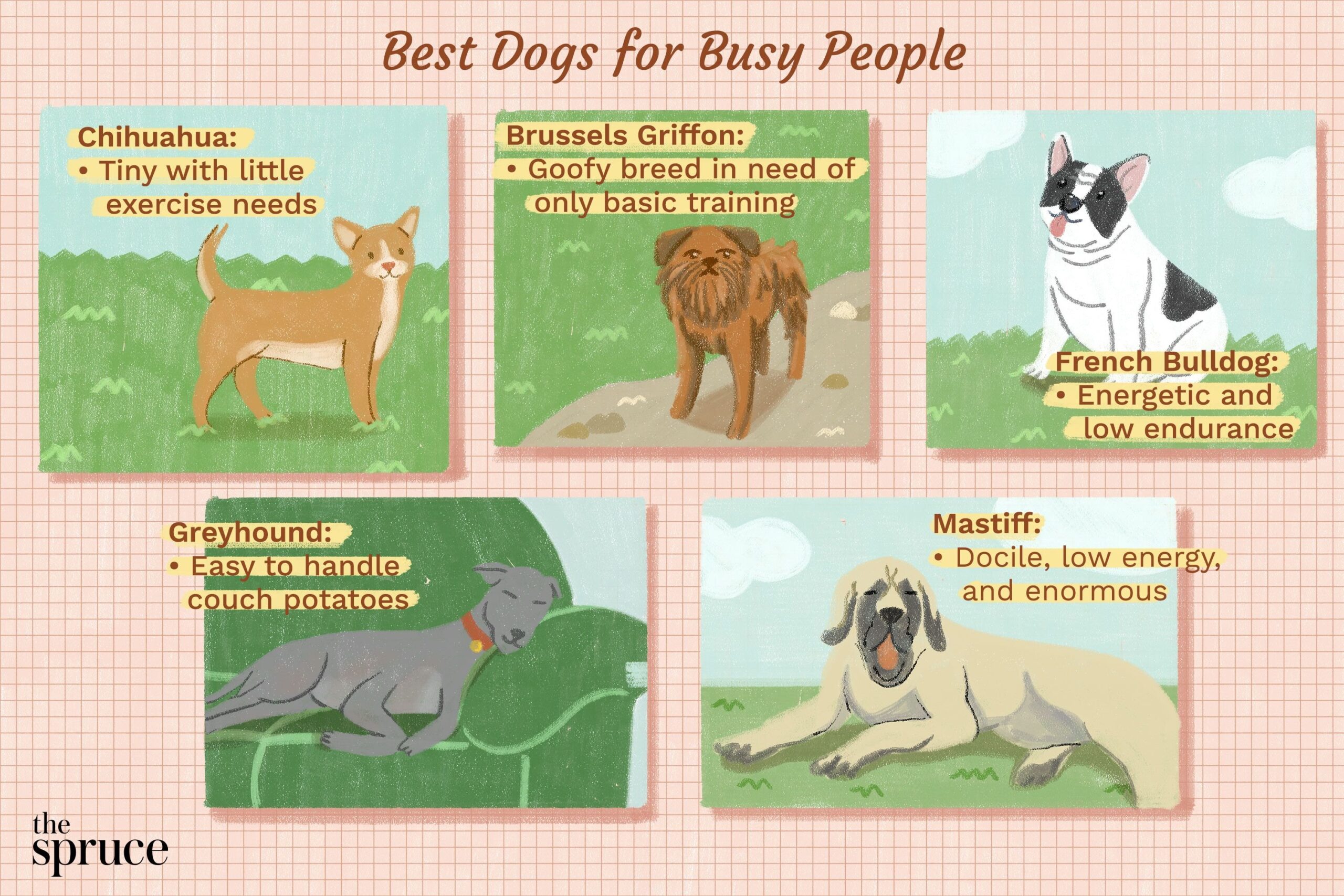
Busy families often need friendly, adaptable dogs that cope well with moderate routines rather than intense schedules. The breeds introduced in the next sections are known for generally stable temperaments, family‑friendly nature, and manageable exercise or grooming needs. However, every dog is an individual. When choosing a companion, it is important to meet the dog, ask about temperament and health, and consider the family’s actual lifestyle instead of relying only on breed reputation.
Labrador Retriever
Labrador Retrievers are often considered classic family dogs for good reason. They are affectionate, social, and usually patient with children. Labs tend to be eager to please and highly trainable, which supports busy households that need a dog to adapt quickly to routines. However, Labs are active sporting dogs. Families should be prepared to provide daily exercise and mental stimulation to prevent boredom and unwanted behavior.
Why Labs fit active families
Labrador Retrievers are high‑energy, people‑oriented dogs that thrive in households where someone enjoys being outdoors. They usually adore children, are sturdy enough for active play, and are patient with clumsy handling, which suits sports‑minded families. Labs adapt well to varied activities such as hikes, runs, swimming, and fetch, so one dog can join many family hobbies. Their eagerness to please and food motivation also make training efficient for busy owners.
Lifestyle tips for living with a Lab
Labs thrive when families blend exercise with mental play. A simple routine helps: one decent daily walk, short fetch or tug sessions, and a few minutes of training using kibble as rewards. Puzzle toys or stuffed Kongs keep a Lab busy when adults are working. Clear rules about jumping and mouthing protect children. Consistent cues, secure fencing, and portion‑controlled meals prevent overexcitement and weight gain, supporting a calm, family‑friendly companion.
Golden Retriever
Golden Retrievers are classic family dogs known for their affectionate, gentle nature and eagerness to please. They generally bond with everyone in the household and tolerate children’s noise and activity well when kids are taught to be respectful. Goldens enjoy being involved in daily life, from walks to couch time, and rarely thrive as outdoor‑only pets. For busy families, their friendly temperament and reliable, people‑oriented character make everyday interactions smoother and more predictable.
Gentle companions for kids
Golden Retrievers are known for gentle, patient temperaments that suit children of many ages. They usually enjoy being handled, learn soft mouths for taking treats, and rarely show sharp reactions when properly socialized. Their playful but non‑intimidating energy makes them ideal for family games. Early training plus supervision around young kids is essential so interactions stay safe and positive for everyone.
Grooming and exercise basics
Golden Retrievers need daily moderate exercise and regular coat care. Aim for 1–2 walks plus play such as fetch or swimming; boredom can lead to chewing or digging. Their dense double coat sheds year‑round, so brushing several times a week helps reduce hair in the home and prevents mats. Schedule professional grooming every few months, and check ears, teeth, and nails during routine brushing to keep overall health in good condition.
Cavalier King Charles Spaniel
Gentle and affectionate, the Cavalier King Charles Spaniel is often recommended for families who want a smaller, easygoing companion. Cavaliers generally love children and prefer to stay close to people rather than roam. Their moderate energy and friendly nature suit busy households that still enjoy daily walks and cuddle time. However, they do best with families who can offer regular company, since Cavaliers can become lonely if left alone for long hours on a consistent basis.
Calm lapdog with family focus
Cavaliers are gentle lapdogs that thrive on close contact with their people. They usually enjoy calm cuddles on the sofa as much as short play sessions with children. Their friendly, patient nature suits families who want affection rather than endless action. Because they bond strongly with humans and rarely show aggression, they often adapt well to multi‑pet homes and visiting guests, as long as children are taught to be gentle and respectful.
Health watch‑outs for busy owners
Cavaliers are loving companions but can face heart disease (mitral valve disease), eye problems, ear infections, and obesity. Busy owners should schedule regular vet checks, especially cardiac exams from a young age. Keep weight in check with measured meals and limited treats, and choose moderate daily walks over intense exercise. Clean ears weekly and monitor for coughing, fatigue, or breathing changes, which require prompt veterinary attention.
Beagle
The Beagle is a cheerful, sturdy small hound that usually adores children and active households. Curious and food‑motivated, Beagles often join family games, hikes, and backyard play with enthusiasm. Their compact size makes handling easier for adults, while their generally friendly nature suits visiting friends and relatives. Strong scent instincts mean secure fencing and leash walks are essential to prevent wandering when an interesting smell appears.
Playful, sturdy small hound
Beagles are compact yet muscular hounds, so children usually find them sturdy enough for enthusiastic play without feeling overwhelmed by size. Bred to run in packs, Beagles tend to be social, cheerful, and tolerant, which suits family life. Their curiosity and love of sniffing make walks and garden play naturally enriching. However, families should supervise games with young children and provide clear boundaries so excitement does not turn into rough play.
Managing energy and barking
Beagles have high energy and a strong nose, so they benefit from clear routines. Aim for two brisk walks daily plus short play sessions using scent games, food puzzles, or simple fetch. Mental work tires Beagles as much as running.
Barking often comes from boredom or exciting smells. Provide chew toys and puzzle feeders before leaving home, and reward quiet behavior instead of shouting. Curtains, white noise, and teaching a “quiet” cue help reduce alert barking in busy family homes.
Bichon Frise
The Bichon Frise is a cheerful, small companion dog that suits many family lifestyles. With a friendly, easygoing temperament, Bichons usually get along well with children and other pets. Their compact size makes handling and indoor play easy, even in smaller homes. Because Bichons love human company, they enjoy being involved in everyday family life, from quiet evenings on the sofa to light play sessions after school.
Low‑shedding, social companion
A Bichon Frise is often chosen as a low‑shedding, allergy‑friendly family dog. The soft, curly coat catches loose hair, so very little ends up on floors or furniture. Many allergy‑sensitive families find Bichons easier to live with than heavily shedding breeds, although no dog is 100% hypoallergenic. Bichons are naturally social, cheerful, and people‑oriented, enjoying play with children and cuddles with adults, which suits family life and frequent visitors.
Coat care for time‑poor families
Regular coat care helps time‑poor families keep a Bichon comfortable without daily effort. Aim for a brushing routine of 3–4 times a week to prevent mats in the soft, curly coat. Many owners choose professional grooming every 4–6 weeks, requesting a simple “puppy cut” that is easier to maintain at home. Using a gentle detangling spray and a slicker brush shortens grooming time. Building coat checks into existing routines, such as after walks or before bed, reduces the chance of painful tangles forming unnoticed.
Pug
With their compact body and moderate exercise needs, they can be considered small dogs that are easy to live with even for busy households. They are cheerful and charming, and many are friendly with children and adapt well to visitors. On the other hand, they do not tolerate heat or intense exercise well, so in summer it is important to adjust walk times and distances, and manage their activity by playing together indoors for moderate exercise.
Clownish, people‑oriented pet
Pugs are often called little clowns for good reason. They love human company, enjoy following family members from room to room, and are usually happiest on a lap or cuddled on the sofa. Their affectionate, goofy nature suits families who want a close companion rather than an independent dog. Many Pugs get along well with children and visitors, as they tend to be social, gentle, and eager to join any family activity.
Breathing and weight concerns
Pugs are prone to breathing and weight problems, so careful daily management is important. Their short noses make them vulnerable to overheating, snoring, and noisy breathing. Families should avoid intense exercise, keep walks short in hot or humid weather, and use a harness instead of a collar. Pugs also tend to gain weight easily, so controlled portions, limited high‑calorie treats, and regular vet weight checks help protect joints, heart, and respiratory health.
French Bulldog
Compact and affectionate, the French Bulldog is popular with busy urban families who want a sturdy companion without demanding exercise needs. Frenchies are typically playful, people‑oriented, and gentle with children, enjoying short games and plenty of cuddles. They thrive on human company and often prefer lounging on the sofa to long hikes. However, because they bond closely with owners, French Bulldogs do best in homes where someone is around regularly, or where reliable pet‑care support is arranged.
Great for small spaces
French Bulldogs are well‑suited to apartments and condos. Their small size and moderate energy mean short walks and indoor play usually meet daily needs. They are generally quiet compared with many small breeds, which neighbors appreciate. Heat sensitivity limits long outdoor sessions, so short, shaded walks plus indoor games work best. As long as families offer companionship and brief, regular outings, Frenchies adapt comfortably even in compact homes.
Care needs for a brachycephalic breed
Brachycephalic breeds such as French Bulldogs have short noses and narrow airways, so heat, over‑exercise, and obesity are major risks. Walks should be short and calm, avoiding hot or humid times. Indoors, keep rooms cool and use a harness instead of a neck collar. Snoring, noisy breathing, or fainting during activity can signal trouble and require prompt veterinary attention. Careful weight control and regular vet checks help protect breathing and heart health.
Boston Terrier
Compact and sturdy, the Boston Terrier often suits urban families with busy routines. The breed tends to be cheerful, people‑oriented, and generally easy to train, so daily life feels manageable even for first‑time owners. Moderate energy means a couple of short walks and indoor play often cover exercise needs, and the smooth coat is simple to keep clean, which helps time‑pressed households.
Easygoing and kid‑friendly
Boston Terriers are known for their gentle, people‑oriented nature, which suits many households with children. Most Boston Terriers enjoy playtime but are not overwhelmingly rough, so older kids can safely join in games. Clear supervision is still essential, especially with toddlers, because any dog can become startled by sudden hugs or grabs. Their generally patient attitude and moderate size make Boston Terriers a reassuring choice for families seeking an easygoing companion.
Exercise and play ideas
Short, regular play keeps a Boston Terrier happy. Aim for two or three 15–20‑minute sessions per day rather than one long outing. Gentle walks, fetch in a hallway, or tug with clear “start/stop” cues work well. Many Boston Terriers enjoy short training games using kibble, puzzle toys, or snuffle mats for mental exercise. On hot or very cold days, prioritize indoor play to protect their sensitive breathing and eyes.
Shih Tzu
A Shih Tzu is well‑suited to families who prefer a calm indoor companion. The breed typically enjoys short walks and gentle play, then is content to relax nearby. Because of the small size and friendly nature, supervised interaction with children and seniors is usually easy. Shih Tzu dogs can adapt to apartments, but need daily brushing and regular eye care. For busy households, a predictable routine and safe space away from boisterous play help the dog feel secure and relaxed.
Indoor‑friendly family dog
The Shih Tzu suits families who spend much of their time indoors. The breed enjoys short, gentle walks and is usually satisfied with play sessions in the living room instead of long hikes. Compact size and a calm nature make the Shih Tzu ideal for apartments or homes without yards. Many Shih Tzus are happy to nap near family members while parents work from home and children read or play quietly.
Haircuts, grooming, and eyes
Regular grooming keeps a Shih Tzu comfortable and prevents eye trouble. The long coat tangles easily, so most busy families choose a short “puppy cut” every 6–8 weeks at a groomer. At home, gentle brushing several times a week and daily wiping of the face and eye area help avoid tear staining and irritation. Keep hair trimmed around the eyes, check for redness or discharge, and consult a veterinarian promptly if squinting, pawing at the eyes, or cloudiness appears.
Standard or Miniature Poodle
Standard and Miniature Poodles are often misunderstood as “fancy” pets, but they are practical, adaptable family dogs. Both sizes are highly intelligent, eager to please, and usually gentle with children when well socialized. Their athletic build suits active families, yet they can relax calmly indoors after exercise. The non‑shedding, curly coat helps in homes worried about allergies, although regular grooming is essential to keep the coat healthy and comfortable.
Smart, trainable, and hypoallergenic
Poodles are known for high intelligence, quick learning, and low‑shedding coats, which suits many allergy‑prone families. Their curly hair traps dander and sheds minimally, though regular grooming is still essential. Because Poodles respond well to positive training, even first‑time owners can teach good manners efficiently. Toy, Miniature, and Standard Poodles all share this combination of brains, family‑friendly nature, and allergy‑conscious coats.
Mental stimulation on a schedule
Poodles need brain work as much as walks. Short, regular sessions are ideal for busy families. Aim for 5–10 minutes of training or puzzle play 2–3 times a day, tied to existing routines such as after breakfast, after school, and in the evening.
Simple rotation works well:
| Time | Activity idea |
|---|---|
| Morning | 5‑minute obedience refresher (sit, stay) |
| After school | Snuffle mat or food puzzle |
| Evening | Trick training or scent game |
Consistent mental exercise reduces boredom, barking, and destructive behavior, helping a smart Poodle relax even when the family is busy.
Collie
Collies are known as gentle, people‑oriented herding dogs that bond closely with families. Rough and Smooth Collies tend to be affectionate, sensitive, and eager to please, which makes them suitable for homes with older children who understand calm handling. Many Collies enjoy being involved in daily activities and prefer not to be left alone for long hours. Families who are often at home and like outdoor walks usually suit Collies best.
Gentle watchdog for children
Collies are known as gentle, intuitive guardians, which makes them well‑suited to homes with children. Many Collies naturally position themselves between kids and perceived danger, offering quiet protection rather than aggression. Clear training helps them understand when to alert and when to relax. Supervised play, calm introductions to visiting friends, and consistent routines allow Collies to bond deeply with children while staying polite and manageable around strangers.
Managing herding instincts
Collies may try to herd running children, bicycles, or other pets by circling, nudging, or gentle nipping. Families should supervise play, teach children to pause when the dog becomes intense, and redirect the Collie to toys or a fetch game. Short daily training on “come,” “leave it,” and “go to mat” helps. Providing regular exercise and mental games reduces herding behavior driven by excess energy.
Havanese
Small, sturdy, and cheerful, the Havanese is often ideal for families who spend a lot of time at home but still have busy, stop‑and‑go schedules. Most Havanese enjoy children, adapt well to apartment living, and need only moderate daily exercise such as short walks and indoor play. The breed’s friendly nature, compact size, and typically low prey drive make everyday handling easier for beginners and households with kids.
Velcro dog for homebodies
A Havanese is often called a “Velcro dog” because it prefers to stay close to family members at all times. For homebodies, this constant companionship can feel very rewarding. The breed is usually cheerful, quiet indoors, and content to nap near a desk or on the sofa. Short play sessions and brief walks often satisfy exercise needs, so Havanese suit people who spend a lot of time at home but want a lively, people‑focused companion.
Preventing separation issues
Separation issues are common in highly people‑oriented breeds like the Havanese. Prevention starts from day one. Practice very short, calm departures and returns so the dog learns that family members always come back. Provide a safe space such as a crate or pen with chew toys and a comfort item. Vary departure cues—keys, shoes, bags—to avoid building anxiety. For busy families, scheduling alone time daily, even when everyone is home, helps the dog stay confident and relaxed when the house is empty.
Newfoundland
Gentle and patient, the Newfoundland is often called a “nanny dog” because many individuals are naturally kind and careful around children. The breed is large and powerful, so families must teach kids calm, respectful handling and always supervise play. Newfoundlands prefer close contact with their people, enjoy relaxed walks and water play, and usually adapt well to a quieter, home‑centered lifestyle.
Big, calm, child‑loving giant
Newfoundlands are often called gentle giants because of their calm nature and deep affection for children. Many enjoy quiet supervision rather than rough play, happily lying nearby while kids read or play games. Their steady temperament and patience can make families feel secure. However, young children must still be taught respectful behavior, and shared activities such as short walks or simple training help build a strong, trusting bond.
Space, drool, and safety tips
Large breeds like Newfoundlands need ample floor space and clear walkways. Ideally, families provide a roomy area to turn, lie down, and move without knocking into furniture or children. A fenced yard is helpful but not essential if daily walks are consistent.
Newfoundlands produce heavy drool, especially after drinking or exercise. Keeping absorbent cloths by water bowls and doors, wiping the mouth regularly, and using washable mats helps maintain hygiene and prevent slips.
For safety, supervise interactions with young children, teach kids not to climb on the dog, and use non‑slip rugs so a large body does not slide into furniture. Secure breakable items at tail height and ensure stairways or pools are gated when necessary.
Mixed‑Breed Family Dogs
Mixed‑breed dogs can be excellent family companions, especially for busy households. Many mixed breeds offer a balanced temperament, moderate energy levels, and fewer extreme traits than some purebreds. Families often appreciate that personality and lifestyle fit matter more than a famous breed name. When considering a mixed‑breed dog, focus on size, energy, and friendliness with children rather than pedigree.
Benefits of adopting a mutt
Mixed‑breed dogs often enjoy better overall health due to wider genetic diversity, which can reduce the risk of inherited diseases common in purebreds. Many mutts from shelters are already past the demanding puppy stage and may be house‑trained and socialized, which suits busy families. Adopting a mutt also allows families to choose a dog with a known adult size and personality, and supports animal welfare by giving a home to a dog in real need.
How to assess temperament
Mixed‑breed dogs vary widely, so direct observation is more reliable than breed labels. Focus on a few points:
- Sociability: Does the dog relax when approached, take treats gently, and enjoy calm petting?
- Response to noise and touch: Family dogs should recover quickly from surprises and accept gentle handling.
- Play style: Look for loose, wiggly body language rather than stiff or intense behavior.
- Shelter notes and history: Ask staff about barking, chew habits, and reactions to kids and other dogs.
Whenever possible, arrange a meet‑and‑greet with all family members to confirm a steady, tolerant temperament.
Lifestyle Tips for Time‑Strapped Owners

Busy families can support dogs by focusing on simple, consistent habits rather than time‑consuming routines. Short but frequent walks, interactive toys, and basic training woven into daily life work well. Preparing food, gear, and treats in advance reduces stress on hectic mornings. Using puzzle feeders, lick mats, or safe chew toys helps dogs relax when alone. For very tight schedules, reliable helpers such as dog walkers, day care, or trusted neighbors can protect both canine health and behavior.
Creating a simple daily routine
A simple routine helps busy families keep dogs calm and secure. Aim for steady timing rather than long sessions.
| Time | What to include |
|---|---|
| Morning | Toilet break, short walk, breakfast |
| Before work | 5–10 minutes of training or play |
| After school | Walk or play with kids, brushing if needed |
| Evening | Dinner, quiet family time, short toilet trip |
| Bedtime | Final toilet break, settle in sleeping spot |
Even on hectic days, keep feeding and toilet times consistent, and include at least one focused connection moment, such as a walk, game, or cuddle session.
Exercise hacks for busy weekdays
On hectic weekdays, short, consistent bursts of activity work better than long, rare outings. Aim for 2–3 focused sessions of 10–15 minutes.
| Timing | Simple idea |
|---|---|
| Morning | Fast walk or fetch in the yard/parking |
| Before dinner | Tug, short training, or stair fetch |
| Late evening | Calm sniff walk or puzzle feeding |
Use brisk walks, fetch, tug, and 5‑minute training games to tire both body and mind. Even on very busy days, one quality walk plus several mini play sessions indoors helps prevent boredom and problem behaviors.
Enrichment when you are not home
Even when owners are out, dogs need mental stimulation to prevent boredom, barking, and destructive behavior. Simple enrichment can make alone time calmer and safer.
| Enrichment idea | How to use it efficiently |
|---|---|
| Food‑puzzle toys | Feed part of meals from puzzle feeders to keep dogs busy and thinking. |
| Stuffed Kongs / lick mats | Freeze wet food or kibble with yogurt so the activity lasts longer. |
| Safe chew items | Offer durable chews to satisfy natural chewing needs. |
| Snuffle mats | Hide kibble in the mat to encourage nose work and foraging. |
| Background sound | Play soft music or audiobooks to mask outside noises. |
Rotate toys every few days so enrichment stays fresh, and prioritize secure spaces where the dog cannot access hazards while exploring and playing alone.
When to use walkers, day care, sitters
Professional support can protect both the dog’s wellbeing and the family’s schedule. Walkers suit dogs left alone on workdays who need a midday potty break and short walk. Day care works for social, high‑energy dogs that become bored or destructive when alone for many hours. Pet sitters are ideal for travel or very long days, especially for dogs who prefer a quiet home setting or have medical needs.
Use outside help when behavior worsens, work hours increase, or reliable family supervision is no longer possible.
Health and Training Basics for Families

Family-friendly dog care relies on two pillars: basic health management and consistent training. Even busy households can provide a safe, stable environment by focusing on simple routines. Health care prevents problems from escalating, while clear rules and gentle guidance help dogs feel secure around adults and children alike. The following sections explain practical steps families can take without needing complicated expertise.
Vaccines, checkups, and insurance
Regular preventive care keeps family dogs healthy and helps busy owners avoid emergencies. Core vaccines protect against parvovirus, distemper, hepatitis, and rabies, and are usually given in puppy series with boosters as adults. Annual or semi‑annual checkups allow early detection of problems, including weight gain, dental disease, or joint pain. Many veterinarians also recommend flea, tick, and heartworm prevention.
Pet insurance can greatly reduce surprise costs from accidents, illness, or surgery. Owners may choose accident‑only, accident and illness, or more comprehensive plans that include wellness care. Comparing deductibles, reimbursement rates, and coverage limits in advance helps families choose a plan that matches their budget and risk tolerance.
House rules kids can follow
Clear rules help children and dogs feel safe together. Focus on a few simple, easy‑to-remember habits and repeat them often.
| Rule for Kids | Why It Matters |
|---|---|
| Always ask an adult before approaching or petting a dog | Prevents surprise and fear bites |
| No pulling ears, tail, or fur; no riding the dog | Protects the dog from pain and defensive reactions |
| Leave the dog alone when eating, sleeping, or in the crate/bed | Reduces guarding and startle responses |
| Use an indoor voice and calm movements around the dog | Helps keep arousal and jumping low |
| Never take toys or chews from the dog’s mouth | Lowers risk of resource‑guarding incidents |
Parents can role‑play correct behavior, supervise all interactions, and end play calmly at the first sign of stress such as growling, lip‑licking, or hiding.
Socializing your dog around children
A well‑socialized family dog learns that children are safe, predictable companions. Begin with calm, supervised introductions in a quiet space. Let the dog approach at its own pace while children sit or kneel and offer treats from an open palm. Keep early sessions short, ending before the dog feels overwhelmed.
Expose the dog gradually to different ages, voices, and movements, always pairing children with rewards and gentle handling. Teach kids to avoid hugging, climbing on, or grabbing the dog. If the dog shows stress signals—lip licking, yawning, turning away—pause interactions and give a safe retreat area. Consistent, positive experiences help prevent fear and snapping around children.
Red flags that mean call the vet
Sudden changes in health can progress quickly, so contact a vet promptly if any worrying signs appear. Key red flags include: persistent vomiting or diarrhea, refusal to eat or drink for more than a day, difficulty breathing, pale gums, collapse, seizures, extreme lethargy, or sudden aggression and confusion. Wounds, eye injuries, or suspected poisoning also require urgent veterinary care, even if a dog seems calm.
Choosing the Best Lifestyle Match

Busy families benefit from treating breed choice like a lifestyle puzzle. Start by listing your non‑negotiables: time at home, typical energy level on weekdays, space available, allergy concerns, and budget. Next, compare those needs with each breed’s size, grooming demands, exercise requirements, and independence. A good match means daily life feels natural for both dog and family, not like a constant compromise or source of guilt.
Questions to ask before you decide
Before choosing a breed, families benefit from asking a few key questions:
- How many hours will the dog be alone on a typical day?
- How active is the household, realistically?
- Are there young children, seniors, or allergy sufferers at home?
- How much time and budget are available for grooming, training, and vet care?
- Is the family prepared for 10–15 years of responsibility and potential lifestyle changes?
Clear answers help narrow down which lifestyles best match dog breeds for families and prevent future stress for both dog and family.
Adopting from shelters and rescues
Adopting from shelters and rescues can be ideal for busy families, because staff often know each dog’s energy level, behavior, and background. Explain clearly what kind of lifestyle your family has and what you expect from a dog. Ask to meet calm, social dogs that enjoy children.
Many shelters offer trial periods or foster‑to‑adopt. Using such systems reduces risk and helps confirm that the dog’s temperament, exercise needs, and independence match the family routine.
Setting your new dog up for success
A new family dog adjusts best with clear routines from day one. Prepare a quiet sleeping area, food and water stations, and a safe potty spot before arrival. For the first weeks, keep a predictable schedule for meals, walks, play, and rest. Establish simple house rules everyone follows, such as where the dog may sleep or which furniture is off‑limits. Use positive reinforcement for desired behavior and supervise all interactions with children. Early vet visits, gentle socialization, and basic training classes help build confidence and prevent future problems.
This article introduces 15 recommended dog breeds for busy families, categorized by lifestyle. It provides clear, third-party perspectives on everything from compatibility with children, exercise needs, training, time spent alone, health, insurance, and basic daily care, helping you choose the right dog for your family and highlighting key points after bringing one home.










![[Photos] Want to see cute lion-dog statues? Check out these popular shrines](https://with-my-dog.com/wp-content/uploads/2022/07/pexels-markus-distelrath-2832119-150x150.jpg)