

Small dogs are a perfect companion for a variety of lifestyles, from apartment living to detached house families and senior citizens. This article introduces 11 recommended small dog breeds for 2024, taking into account their temperament, ease of care, exercise needs, and grooming requirements. This information will be helpful for anyone considering welcoming a small dog into their home, helping them find the perfect partner for their lifestyle.
How to Pick the Right Small Dog for You

Choosing the right small dog begins with an honest look at daily life. Lifestyle, energy level, and living space matter more than size alone. Before focusing on a cute face or trendy breed, readers benefit from clarifying how many walks are realistic, how often someone is home, and how much time can be spent on grooming and training.
Budget and long‑term plans are also important. Small dogs often live well into the teens, so vet costs, pet‑sitting, and possible moves should be considered. When preferences, limitations, and future goals are clear, it becomes much easier to find a small breed that fits comfortably into everyday life rather than creating stress for dog and family.
Key traits of small companion breeds
Small companion breeds are bred to live closely with people, so their temperament and size are key. Most are under 25 pounds and easy to carry, which suits apartments or small cars. Many are affectionate, people‑oriented, and enjoy staying near their owner.
Important traits include:
- Affection level: many small breeds are true lap dogs and dislike long hours alone.
- Sensitivity: some react strongly to loud voices or chaotic homes.
- Barking tendency: watchdog‑type small dogs may alert often.
- Trainability: smart breeds learn quickly but can become bored.
Understanding these traits in advance helps owners choose a dog that fits daily life and emotional expectations.
Matching energy levels with your routine
When choosing a small dog, the most important point is to match your family’s daily rhythm with the dog’s exercise needs. If you have limited time at home on weekdays, a calm breed that is likely to be satisfied with two walks a day of about 20 minutes each may be suitable. On the other hand, for families who enjoy hiking or running on weekends, a breed with stamina and a playful nature may be a good match. In addition, for seniors or people who mainly work from home, a type that can enjoy short play sessions and relax indoors is less likely to become a burden.
Grooming, shedding, and allergies
Small dogs differ greatly in how much grooming and shedding they require, so checking coat type before choosing a breed is very important. Long‑haired or curly‑coated breeds (Shih Tzu, Cocker Spaniel, Poodle types, Bichon Frise) usually need regular brushing and professional trims, but many shed less and may suit mild allergy sufferers. Short‑haired breeds shed hair more visibly but often need less coat maintenance. For households with allergies, low‑shedding breeds plus frequent cleaning, HEPA filters, and strict no‑bedroom rules are often more effective than relying on “hypoallergenic” labels alone.
Kids, other pets, and home size
Small dogs often live in close quarters with family, so harmony with children, other pets, and the home environment is crucial. Gentle, patient breeds generally suit young kids best, while more sensitive or fragile breeds fit calm households or older children.
For multi‑pet homes, breeds with a low prey drive and friendly temperament usually adapt more easily to resident dogs and cats. Careful introductions and supervised early interactions remain essential, regardless of breed.
Home size matters less than daily attention and exercise. Many small dogs thrive in apartments if they receive regular walks and mental stimulation, while high‑energy or vocal breeds may be better in houses with sound‑tolerant neighbors and access to safe outdoor space.
Health, lifespan, and vet costs
Small breeds often live longer than large dogs, many reaching 12–16 years. However, some popular small dogs are prone to breed‑specific issues such as heart disease, eye problems, joint issues, or breathing difficulties in flat‑faced breeds. Researching common conditions and choosing a reputable breeder or rescue helps reduce risk and unexpected costs.
Vet costs vary by location, but routine care (vaccines, parasite prevention, dental checks) is usually lower for small dogs than for large breeds. Chronic illnesses, allergy treatment, or surgery can still be expensive. Many owners consider pet insurance or a dedicated savings fund to manage long‑term medical expenses more safely.
Best Small Breeds for Busy City Life
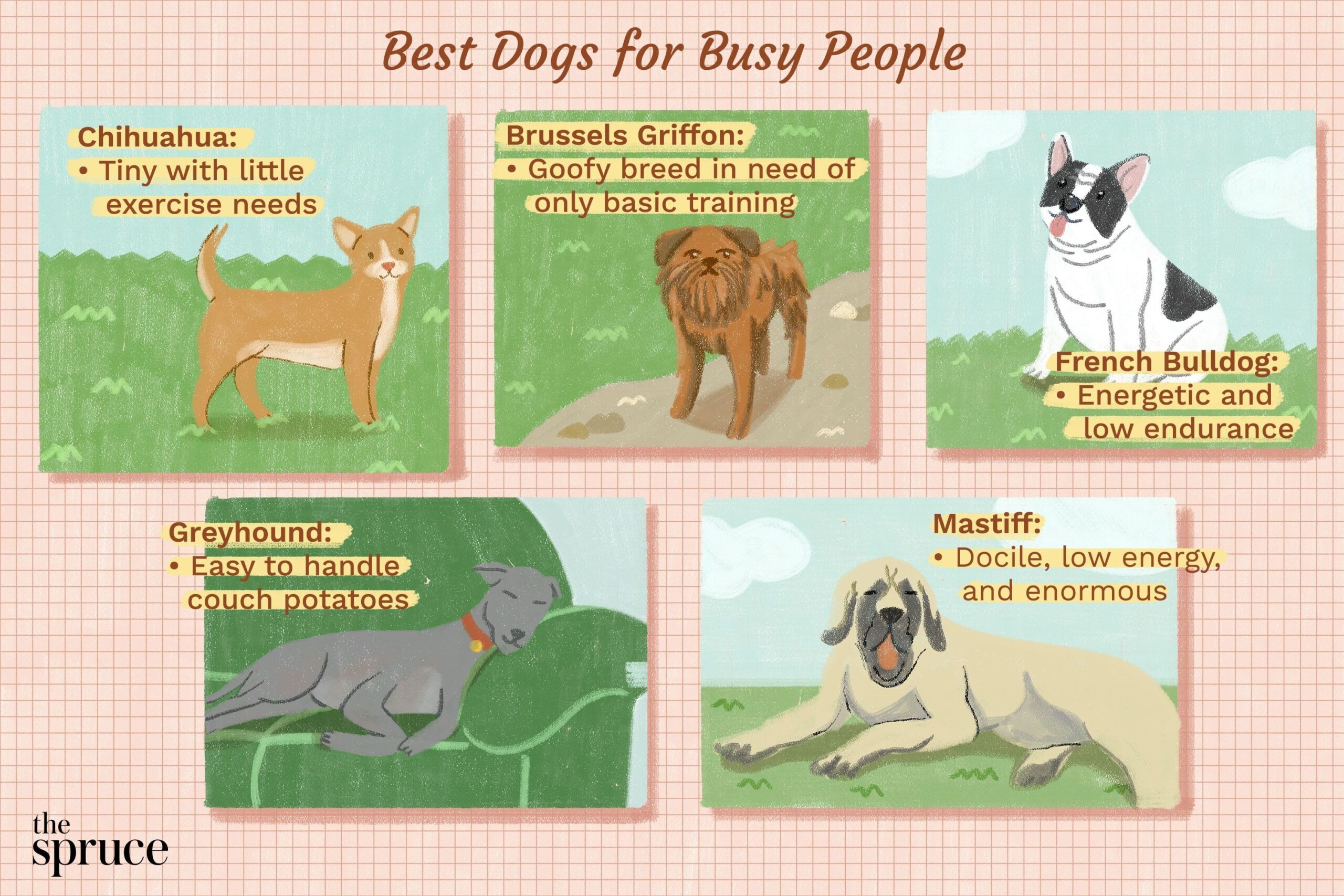
Small dogs suit city life when they are quiet, adaptable, and moderate in energy. Good urban companions tolerate noise and crowds, ride elevators calmly, and handle being alone for a few hours. Breeds that bark excessively or need long daily runs can struggle in apartments. Owners should also consider shedding, neighbor‑friendly manners, and tolerance for heat from pavement and indoor heating. Choosing a city‑friendly breed reduces stress for both dog and owner.
French Bulldog
Compact, sturdy, and full of charm, the French Bulldog is one of the most popular small breeds for urban life. With a typical weight of 16–28 pounds and a calm, affectionate nature, French Bulldogs tend to enjoy lounging near their owners more than running for hours. They usually adapt well to busy households, enjoy short daily walks, and often get along with children and other pets when properly socialized. However, potential owners should be aware of their breathing and skin sensitivities before deciding.
Why they fit apartment living
French Bulldogs are well‑suited to apartment life because they have moderate to low energy and are usually content with short daily walks plus indoor play. Their compact size makes them easy to manage in small spaces, and they rarely need a large yard. Many French Bulldogs are relatively quiet compared with other small breeds, which helps in buildings with thin walls. They bond strongly with people and enjoy relaxing on the sofa, fitting owners who spend a lot of time at home.
Exercise and care needs
French Bulldogs need moderate, not intense, exercise. Two or three short walks of 10–20 minutes plus brief indoor play are usually enough. Because of their flat faces, they overheat and struggle with heavy exertion, especially in warm weather. Owners should avoid long runs, stairs in hot conditions, and midday heat, and always provide water.
Care focuses on weight control, skin folds, and breathing. A balanced diet and limited treats help prevent obesity, which worsens joint and airway issues. Facial folds and the tail pocket should be cleaned regularly to avoid infection. Ears and nails require routine checks, and many French Bulldogs benefit from pet insurance due to potential medical costs.
Cavalier King Charles Spaniel
Gentle and affectionate, the Cavalier King Charles Spaniel is often described as a classic small family companion. The breed usually enjoys cuddling on the sofa as much as going for a relaxed walk, so it adapts well to many households. Cavaliers tend to get along with children, seniors, and other pets when socialized early. Sensitive nature means they prefer kind, consistent handling rather than harsh training methods.
Temperament and ideal owners
Cavalier King Charles Spaniels are gentle, people‑oriented dogs that love to stay close to their family. They are usually friendly with strangers, children, and other pets, making them excellent companion dogs for many households.
Ideal owners are those who can offer regular affection and company, such as families, retirees, or people who work from home. Cavaliers do not enjoy long hours alone and can develop separation anxiety. They suit calm homes where cuddling on the sofa is as common as taking relaxed walks.
Health watchouts
Cavaliers are prone to several inherited conditions, so future owners must plan for regular veterinary screening and insurance or savings. The most serious risk is syringomyelia (a painful neurological disease) and mitral valve disease, which can cause heart failure. Eye problems and ear infections also occur. Keeping the dog slim, providing moderate daily exercise, and buying from health‑tested lines greatly lowers the risk of severe problems and high long‑term vet costs.
Boston Terrier
The Boston Terrier is a compact, friendly small breed that often thrives in urban environments. Originally developed as a companion, the Boston Terrier usually enjoys human company and is known for a gentle, clownish personality. Many Boston Terriers adapt well to apartment living as long as they receive daily walks and mental stimulation. Moderate energy levels, short coat care, and generally sociable behavior make the breed a popular option for first‑time owners and city families alike.
City‑friendly pros and cons
Boston Terriers are often called ideal city companions because they are compact, adaptable, and usually quiet. Their moderate energy suits short walks and indoor play, and many rentals accept their small size. On the other hand, brachycephalic breathing issues can worsen in hot, polluted city air. They may also be sensitive to extreme temperatures and sometimes struggle with separation anxiety, which can lead to barking in apartments if alone for long hours.
Training and social life
Boston Terriers are naturally sociable and often thrive in busy city environments, enjoying walks, cafés, and meeting people. Early socialization with other dogs, children, and urban noises helps prevent reactivity or timid behavior. They usually respond well to positive reinforcement training and short, fun sessions. Basic obedience, leash manners, and crate training are important, along with mental games to prevent boredom barking or destructive habits.
Low‑Energy Lap Dogs for Homebodies
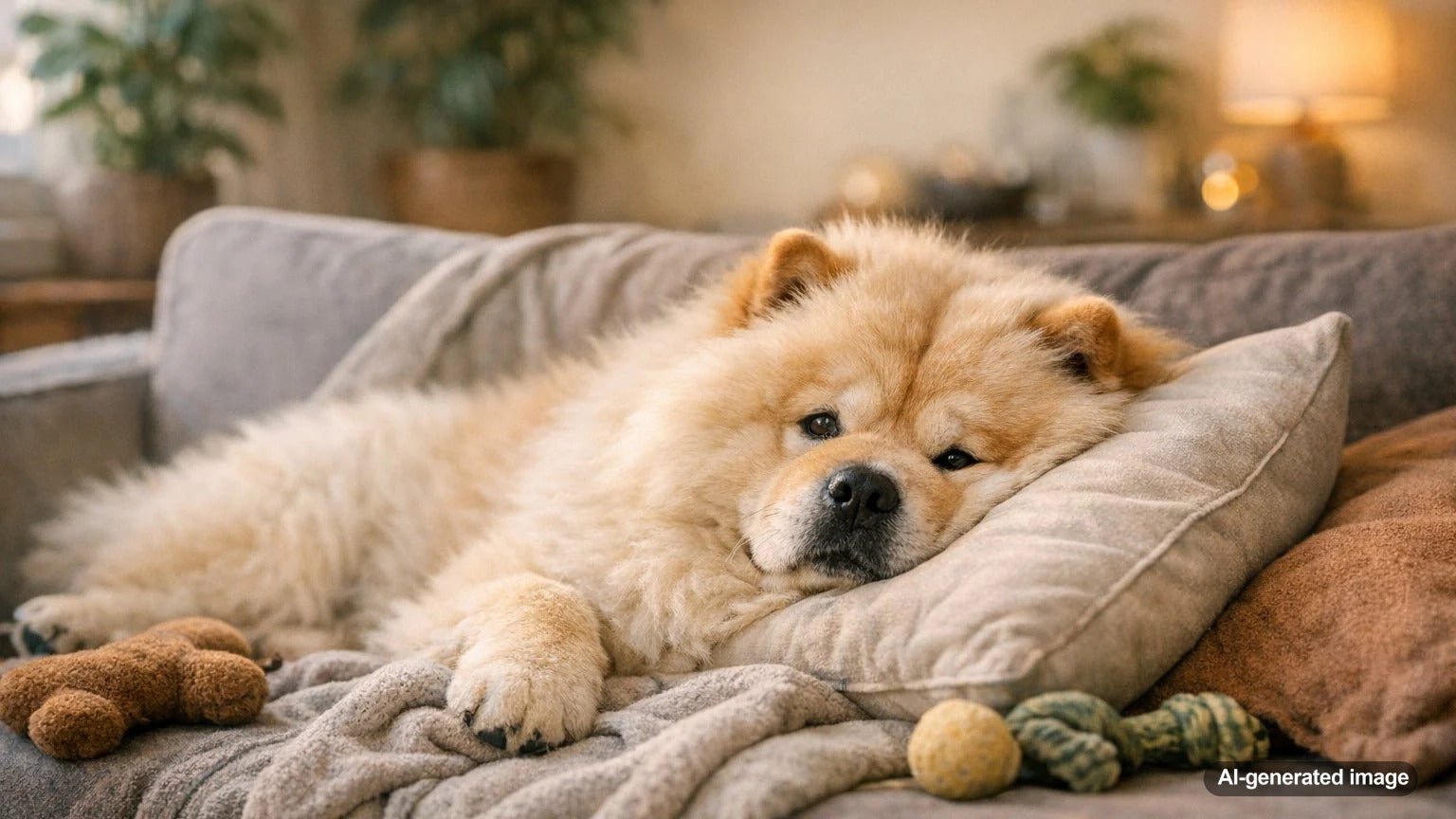
Small, low‑energy lap dogs suit people who enjoy quiet time at home, flexible work styles, or slower daily rhythms. They generally need short walks and plenty of cuddle time rather than intense exercise. Many are happy in apartments and are content to nap nearby while owners read, work, or watch TV.
However, low‑energy does not mean “no effort.” Gentle daily walks, mental stimulation with food puzzles, and regular grooming are still important. Choosing a calm breed helps homebodies enjoy companionship without overwhelming activity demands.
Shih Tzu
The Shih Tzu is a classic small, low‑energy companion dog that prefers cuddling on the sofa to long hikes. Many owners choose the breed for its gentle, friendly nature and manageable exercise needs. Short daily walks and indoor play are usually enough.
Shih Tzus tend to bond closely with family members and often enjoy being carried or lying on a lap. They generally adapt well to apartments and quieter households, as long as they receive regular affection and basic mental stimulation through toys or short training sessions.
Personality and daily routine
Shih Tzu are gentle, people‑oriented dogs that love staying close to their owners. Many prefer short walks and indoor play over intense exercise, so they suit calm households, seniors, or people who work from home. A typical day includes a few relaxed walks, short play sessions, and plenty of napping near family. Because they can be sensitive to being left alone, regular companionship and a predictable routine help prevent anxiety and barking.
Grooming options and coat care
A Shih Tzu’s long, flowing coat is beautiful but high‑maintenance. Families can choose between a full coat (daily detangling, frequent trims) or a short “puppy cut” that is much easier to manage.
Regular care includes gentle brushing, cleaning the face folds and tear stains, and checking ears and paws. Professional grooming every 4–8 weeks is recommended. Shih Tzu coats shed very little, which often suits allergy‑prone households, but dander control and regular cleaning remain important.
Pug
Pugs are classic low‑energy companion dogs that enjoy staying close to their owners. Most are content with short walks and plenty of couch time, which suits homebodies, seniors, or people living in small apartments. Their playful nature and comical expressions often bring daily laughter.
Although Pugs adapt easily to different households, they need owners who can monitor breathing, weight, and temperature carefully. Gentle exercise, controlled portions, and an indoor lifestyle with air‑conditioning help keep Pugs comfortable and healthy for the long term.
Affection level and quirks
Pugs are famous for being extremely affectionate and people‑oriented. Many prefer to stay close, often following owners from room to room and enjoying long cuddle sessions on the sofa. They usually bond strongly with family members and often get along with children and other pets.
Typical quirks include snorting, snoring, and funny “grumble” sounds, plus a playful clown‑like personality. Some Pugs can be a little stubborn, so gentle, positive training works better than harsh corrections.
Breathing and weight concerns
Pugs are prone to brachycephalic airway syndrome, so even short walks in heat or humidity can cause breathing distress. Owners should avoid strenuous exercise, use a harness instead of a collar, and keep the dog in a cool environment. Weight control is also vital; extra fat increases pressure on the airways and joints. Feeding measured portions, limiting high‑calorie treats, and regular gentle activity help maintain a healthy weight and easier breathing.
Bichon Frise
The Bichon Frise is a cheerful, gentle small dog known for a bright, friendly temperament and soft, curly white coat. Most Bichons love people, enjoy moderate play, and adapt well to apartments or houses. They are usually good with children and other pets when socialized early. Regular brushing and professional grooming are important, but shedding is low, which benefits many allergy‑prone families. Their playful yet manageable energy suits owners who prefer calm daily walks over intense exercise.
Why they suit relaxed lifestyles
Bichon Frise are ideal for relaxed lifestyles because they are cheerful, gentle, and content with moderate activity. Short daily walks and a few play sessions usually satisfy their exercise needs, so they suit people who work from home or prefer quiet evenings. They enjoy cuddling on the sofa, adapt well to apartments, and generally stay upbeat without demanding intense outdoor adventures or long runs.
Allergy‑friendly qualities
Bichon Frise are often recommended for people with mild dog allergies because they shed very little and produce less airborne dander than many breeds. Their curly, single-layer coat traps loose hair, so fewer allergens spread into the environment. However, no dog is completely hypoallergenic. Regular brushing, professional grooming, and frequent cleaning of bedding and living spaces are still important to keep allergy symptoms under control.
Active Small Dogs for Outdoor Lovers

Active small dog breeds suit people who enjoy regular walks, hikes, and outdoor activities. They are compact enough for smaller homes or cars, yet have the stamina to join longer adventures. Many come from terrier, herding, or sporting backgrounds, so they need daily physical exercise and mental stimulation, not just a quick walk around the block. Without enough activity, energetic dogs may develop unwanted behaviors such as barking, digging, or chewing. Owners who like being outside and can commit to structured play, training, and enrichment usually find these breeds very rewarding companions.
Miniature Schnauzer
Miniature Schnauzers are confident, lively small dogs that suit active owners who still want a manageable size. Originally bred as farm ratters, they are alert and bold yet usually friendly with people. Their sturdy build and go‑anywhere attitude make them ideal for walks, hikes, and weekend trips. With consistent training and socialization, they become loyal companions that enjoy both outdoor adventures and relaxed evenings at home.
Exercise needs and stamina
Miniature Schnauzers are energetic small dogs that need daily outlets for both body and mind. A typical adult benefits from 60–90 minutes of activity per day, split into walks and play. Many enjoy brisk walks, light jogging, and scent games. Because of their working‑dog background, they often have good stamina for weekend hikes, as long as distance and temperature increase gradually and vet checks confirm healthy joints and heart.
Grooming and maintenance
Miniature Schnauzers have a double coat that needs regular trimming and brushing to stay healthy. Hand-stripping or clipping every 6–8 weeks keeps the wiry texture and neat outline. At home, brushing 2–3 times a week prevents tangles and reduces shedding.
Face and leg furnishings easily trap food and dirt, so gentle wiping after walks and meals is helpful. Routine ear checks, nail trims, and dental care are important, as small breeds can be prone to tartar buildup. Many owners choose a professional groomer for consistent coat care.
Jack Russell Terrier
Lively and athletic, the Jack Russell Terrier suits owners who enjoy an energetic, bold companion. Originally bred for fox hunting, Jack Russells have strong prey drive, sharp intelligence, and impressive jumping power. Daily life with a Jack Russell often includes plenty of play, problem‑solving games, and outdoor activity. Without enough exercise and mental stimulation, they may bark, dig, or chew from frustration, so structured activity is essential.
Best homes for this high‑energy dog
A Jack Russell Terrier thrives in active, engaged homes. The ideal environment is one where owners enjoy daily exercise such as running, hiking, or long walks, and can provide regular play and training. A house with a secure yard is recommended, because the breed has strong prey drive and loves to dig and chase. Families with older children or experienced dog owners tend to be a better match than very quiet households or people away from home for long hours.
Training challenges and tips
Jack Russell Terriers are intelligent but very independent, so consistent rules are essential. Short, frequent sessions (5–10 minutes) help prevent boredom. Many dogs in this breed like to chase, so impulse control games such as “wait” and “leave it” are important. Daily mental work—puzzle feeders, scent games, basic obedience—reduces problem behaviors and supports a calmer home life.
Cocker Spaniel
Cocker Spaniels are gentle, cheerful sporting dogs that suit owners who enjoy both playtime and quiet cuddles. Originally bred for bird hunting, they combine moderate energy with a soft temperament. Many enjoy daily walks, games of fetch, and light hiking, then settle happily on the sofa.
They are people‑oriented and may seek constant company, so they suit households where someone is home often. With regular exercise, patient training, and mental stimulation, Cocker Spaniels become affectionate, adaptable companions for many lifestyles.
Family‑friendly outdoor companion
Cocker Spaniels are often recommended as gentle, people‑oriented companions for active families. They usually enjoy children when interactions are supervised and respectful, and they thrive on joining walks, park outings, and light hikes rather than extreme sports. Many Cocker Spaniels love retrieving games and water play, so families who visit beaches or lakes gain an enthusiastic partner. Consistent socialization and clear, calm rules help the breed stay confident, friendly, and well‑mannered in busy outdoor settings.
Common health issues
Cocker Spaniels are affectionate, but they are also said to be a breed with a relatively high number of hereditary health conditions. Common examples include floppy ears that are prone to otitis externa, skin conditions such as allergies and seborrhea, eye diseases such as cataracts and progressive retinal atrophy, and joint problems such as hip dysplasia. Checking the ears, eyes, and skin regularly, along with brushing, regular grooming, and health checkups at least once a year, can help with early detection.
Smart Small Breeds for Training Fans

Smart small breeds tend to enjoy learning, respond well to rewards, and bond closely with owners. They are ideal for owners who like clicker training, trick practice, and dog sports. However, high intelligence often means more mental energy; without puzzles, training sessions, or scent games, dogs may invent unwanted behaviors. When choosing a smart breed, owners should consider training time, noise tolerance, and neighbors, since bright dogs often bark to alert or out of boredom.
Miniature Poodle
Miniature Poodles are ideal for owners who enjoy training and mental games. They are small, athletic, and highly responsive to humans, so they thrive in homes where someone is present and engaged. With a non‑shedding, curly coat and balanced energy level, they suit apartments or houses alike. Families, seniors, and first‑time owners often find Miniature Poodles easy to handle as long as daily walks, grooming, and brain work are provided.
Intelligence and trainability
A Miniature Poodle is one of the most intelligent and easily trained small dog breeds. The breed learns new commands quickly and enjoys structured work such as obedience, tricks, and scent games. Consistent, reward‑based training is essential, because the high intelligence also means the dog can develop undesirable habits if bored. Clear rules, short daily sessions, and varied tasks help maintain good manners and prevent problem behaviors.
Mental stimulation ideas
Mental exercise is as important as walks for a Miniature Poodle. Aim for at least 15–20 minutes of brain work daily. Simple ideas include food‑puzzle toys, snuffle mats, and scatter feeding. Short training bursts with new cues, trick training, and nose‑work games (finding hidden treats or toys) keep the mind sharp.
Rotate toys, change walking routes, and introduce low platforms or tunnels for mini agility at home. Regular problem‑solving games help prevent boredom, barking, and destructive behavior.
Pembroke Welsh Corgi
Pembroke Welsh Corgi is a small herding breed known for a big personality in a compact body. Weighing around 25–30 pounds, it combines sturdiness with a manageable size. Corgi is generally affectionate, confident, and highly people‑oriented, so it often follows family members from room to room. Strong herding roots make the breed alert and vocal, so early training and clear rules are important for comfortable daily life.
Work ethic and herding instincts
Pembroke Welsh Corgis were developed as hard‑working herding dogs, so many individuals still show strong drive and focus. They naturally move livestock by nipping at heels and circling, which can appear today as chasing children, bikes, or other pets. Structured activities such as herding trials, agility, or obedience training help channel that energy. Clear rules and early training reduce unwanted herding behavior while preserving the breed’s trademark enthusiasm for having a job.
Managing shedding and weight
Pembroke Welsh Corgis have a thick double coat and a big appetite, so careful management is essential. Regular brushing 2–3 times per week reduces loose fur and helps control shedding in the home. A high‑quality, measured diet plus limited treats is important, because Corgis easily become overweight, which strains the back and joints. Daily walks and light play keep weight stable. Routine body‑condition checks with a veterinarian help detect weight gain early and protect long‑term health.
Lifestyle Best Small Dog Breeds Overview
The 11 breeds introduced in this guide can be viewed as a toolbox of small companions matched to different lifestyles. Some suit compact city apartments and busy owners, others shine as calm lap dogs, and several enjoy hikes and active weekends.
When choosing, owners benefit from focusing on energy level, grooming needs, health tendencies, and social temperament rather than cuteness alone. Small size does not always mean low maintenance. A good match comes from comparing daily routines, family structure, and activity level with each breed’s typical characteristics, then meeting individual dogs to confirm compatibility.
Quick comparison of the 11 breeds
| Breed | Size* | Energy level | Grooming needs | Shedding | Good for beginners? |
|---|---|---|---|---|---|
| French Bulldog | Small‑medium | Low–moderate | Low | Low–moderate | Yes |
| Cavalier King Charles Spaniel | Small | Moderate | Moderate | Moderate | Yes |
| Boston Terrier | Small | Moderate | Low | Low–moderate | Yes |
| Shih Tzu | Toy–small | Low | High (if long coat) | Low–moderate | Yes |
| Pug | Small | Low–moderate | Low | High shedding | Yes, with health care |
| Bichon Frise | Small | Low–moderate | High (regular trims) | Very low | Yes |
| Miniature Schnauzer | Small | Moderate–high | Moderate–high | Low | Yes, active homes |
| Jack Russell Terrier | Small | Very high | Low–moderate | Moderate | For experienced owners |
| Cocker Spaniel | Small‑medium | Moderate | Moderate–high | Moderate–high | Yes, devoted owners |
| Miniature Poodle | Small | Moderate–high | High (professional grooming) | Very low | Yes, highly trainable |
| Pembroke Welsh Corgi | Small‑medium | Moderate | Moderate | Heavy shedding | Yes, informed owners |
*Size is approximate and can vary by individual dog and bloodline.
Busy readers can focus on: energy level, grooming, and shedding, because those factors most strongly affect daily life and long‑term care costs.
Which breed fits which lifestyle
For busy readers, the 11 breeds can be roughly organized by lifestyle as follows:
| Lifestyle | Examples of Suitable Breeds |
|---|---|
| Mainly living in a city apartment or condominium | French Bulldog / Cavalier / Boston Terrier |
| People who spend a lot of relaxed time at home or work from home | Shih Tzu / Pug / Bichon Frise |
| People who enjoy hiking and outdoor activities | Miniature Schnauzer / Jack Russell Terrier / Cocker Spaniel |
| People who want to enjoy training or dog sports | Miniature Poodle / Pembroke Welsh Corgi |
| First-time dog owners | Cavalier / Bichon Frise / Boston Terrier |
By considering your living environment, exercise needs, interest in training, and family structure, it becomes easier to narrow down the breeds that suit you. Prioritizing “whether the dog fits your lifestyle” rather than “because it is cute” will lead to greater happiness for both the owner and the dog.
Preparing Your Home for a Small Dog

Bringing a small dog home is easier when the environment is prepared in advance. The key is to make the space safe, calm, and easy to understand for the dog. Remove hazards such as loose cables, toxic plants, small objects, and easily chewed fabrics. Secure trash cans and keep food out of reach. Prepare a quiet corner for the dog’s bed or crate so the dog has a predictable place to rest. Consistent rules from day one help small dogs feel secure and adapt smoothly to a new lifestyle.
Essential gear and safe spaces
A small dog needs a safe, calm base at home. Prepare one or two areas where the dog can rest and stay alone without stress.
| Essential item | Purpose |
|---|---|
| Crate or playpen | Creates a secure “den” and prevents accidents |
| Bed and blankets | Provide warmth and a familiar scent |
| Food and water bowls | Keep in a fixed, quiet location |
| Puppy pads or toilet area | Support early toilet training |
| Chew toys and soft toys | Reduce boredom and protect furniture |
Block cables, small objects, and cleaning agents, and use baby gates to prevent access to stairs or dangerous rooms.
Feeding and house‑training basics
Small dogs need high‑quality, portion‑controlled meals suited to size, age, and activity level. Splitting food into 2–3 meals helps prevent stomach upset and begging. Fresh water should always be available.
For house‑training, a consistent schedule is essential: take the dog to the same toilet spot after waking, after meals, and after play. Praise and reward immediately when elimination occurs in the correct place. Accidents should be cleaned quietly without scolding so the dog does not associate toileting with fear. Using crates or indoor toilet pads can support training, especially in apartments or for owners with long work hours.
Daily routine for a happy small dog
For small dogs to feel secure, it is important to keep the daily routine as consistent as possible. It is best to follow almost the same order each day: potty time and a walk after waking up, breakfast, rest time, light play or puzzle toys during the day, an evening walk, dinner at night, and potty time plus bonding before bed. Even if each session is short, balancing exercise, play, and rest, and separating “time to receive attention” from “quiet rest time,” can also help prevent barking and separation anxiety. Especially during puppyhood or shortly after welcoming a new dog home, it is important to avoid overstimulation and ensure frequent breaks and enough sleep.
When a Different Breed Might Be Better
Choosing a different breed can be wise when daily life and breed needs do not match. Strong signs include struggling to provide enough exercise, frequent behavior problems from boredom, or ongoing conflicts with children or other pets. In such cases, owners may consider another small breed with lower energy or more tolerant temperament, or even a medium‑sized dog that better fits family activities, so both dog and family can live more comfortably.
Signs your lifestyle needs have changed
When your living environment or work style changes, a breed that once fit perfectly may become more difficult to care for. For example, you may no longer be able to secure enough walking time due to increased overtime or business trips, move to a property with strict noise rules, or feel more concerned about safety after having a child. If your dog clearly shows signs of insufficient exercise or excessive stress, it may be a sign that a mismatch between your lifestyle and the breed is becoming more serious.
Considering adoption and breed mixes
When welcoming a small dog, rescue dogs and mixed-breed dogs are also strong options, not just purebred dogs. Many rescue groups and shelters have adult dogs with stable temperaments, including French Bulldog-like dogs, Poodle mixes, and Corgi mixes. By telling the staff about your lifestyle and experience, you can expect matching that takes exercise needs, personality, and health condition into account.
Mixed-breed dogs may have a slightly lower risk of certain health problems due to genetic diversity, but their adult size and personality can be harder to predict. If there is a dog you are interested in, it is reassuring to meet them several times and check compatibility through walks and interaction. Prioritizing everyday comfort and your connection with the dog over pedigree can be considered the quickest path to a long and happy life together.
This article introduces 11 small dog breeds suited to various lifestyles, such as busy urban living, relaxed home-centered living, outdoor activities, and training-focused owners. It explains how to choose the ideal partner and prepare for welcoming a dog while comparing personality, exercise needs, health, and grooming points.