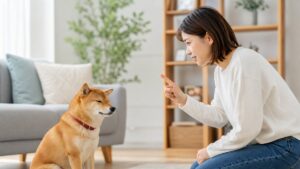


Many people who want to live with a dog in an apartment or condominium in an urban area wonder, "Which breed is easiest to care for?" This article introduces 15 carefully selected dog breeds that are suitable for apartment living, taking into account factors such as quietness, low exercise requirements, size, and temperament. We provide information that will help you find a partner that can live comfortably and without stress, even in a busy city life.
What Makes a Dog Good for Apartments?

Apartment‑friendly dogs share a few important traits. They adapt well to smaller spaces, stay reasonably quiet, and have moderate exercise needs. Good candidates are comfortable with elevator rides, hallway traffic, and city noises. Stable temperaments and good house manners matter more than looks or popularity. Breeds that can relax between walks, cope with some alone time, and learn quickly usually fit city lifestyles more comfortably than very high‑drive or extremely vocal breeds.
Size vs. Space: What Really Matters
Many owners worry most about size, but for apartment life, how a dog uses space is more important. A calm medium dog that sleeps most of the day usually fits better than a tiny but hyperactive dog that runs and barks nonstop.
Key points are:
| Point | What matters more than size |
|---|---|
| Temperament | Calm, relaxed indoors |
| Movement style | Short bursts vs. constant pacing |
| Sensitivity | Ability to settle with city noise |
In short, an easygoing, adaptable temperament is often a better guide than body height alone.
Energy Level and Daily Exercise Needs
Dogs in apartments do not need endless walks, but they do need daily, predictable movement. In many cases, energy level is more important than size. A calm medium dog may suit apartments better than an intense small working breed.
Aim for a mix of short walks, potty breaks, and mental games. Many apartment‑friendly breeds are satisfied with 30–60 minutes of physical exercise per day plus training or puzzle toys, while high‑energy breeds may struggle even with more time outside.
Barking, Noise, and Neighbors
In apartments, sound carries easily, so barking habits matter as much as size. Breeds that are naturally watchful or vocal can trigger noise complaints, especially with hallway traffic or elevator sounds. Early socialization, teaching a reliable "quiet" cue, and providing enough exercise help reduce nuisance barking. White noise machines, curtains, and rugs also soften sound, protecting relationships with neighbors and landlords.
Trainability and House Manners
Good trainability and house manners are crucial for lifestyle apartment-friendly dog breeds. In a small space, dogs must learn basics such as sit, stay, quiet, and reliable potty habits. Breeds that enjoy learning and respond well to rewards usually adapt faster.
Key manners for apartments include:
- Potty training and clear toilet routines
- Quiet on cue to reduce barking
- Loose-leash walking in hallways and elevators
- Calm greetings so neighbors and delivery staff feel safe
Even easy-to-train breeds still need daily practice and consistency from the owner.
Alone Time, Clinginess, and Separation
Dogs experience alone time very differently depending on breed and individual personality. Some breeds are independent and relaxed when the owner is out, while others are velcro dogs that prefer constant closeness. For apartment life, it is important to choose a dog that can handle realistic work and commute hours.
A good guideline is to avoid leaving adult dogs alone more than 4–6 hours on a regular basis, and much less for puppies. Separation anxiety can lead to barking, destructive behavior, or house soiling, which quickly causes conflict with neighbors. Early training, gradual departures, and safe routines help many dogs become more confident when alone.
If the schedule often requires long days away, consider support such as a dog walker, doggy daycare, or a trusted neighbor. Breeds known for extreme clinginess may not be suitable for owners who are rarely home, no matter how small or cute they are. Matching a dog’s need for closeness with the owner’s actual lifestyle is one of the most important keys to stress‑free apartment living for both sides.
How to Match a Dog to Your City Lifestyle
Choosing a lifestyle apartment‑friendly dog breed starts with the owner’s daily life, not the dog’s cuteness. Before deciding, it is helpful to clarify work hours, commute time, preferred leisure activities, and energy level. A runner who enjoys long weekend hikes suits a different dog from someone who prefers quiet evenings and short walks.
City living also brings elevators, crowds, and street noise. A good match is a dog that can adapt to those specific conditions. When lifestyle and breed tendencies align, both owner and dog experience less stress and a smoother apartment life.
Questions to Ask About Your Routine
Before choosing among lifestyle apartment‑friendly dog breeds, it helps to check how a dog will actually fit into everyday life. Key questions include:
| Point to check | Questions to ask yourself |
|---|---|
| Time | How many hours will the dog be alone on a typical weekday? Can breaks or a walker be arranged? |
| Activity | How often can outdoor walks or park visits be offered? On busy days, what is the backup plan? |
| Noise tolerance | How strict are building rules about barking and complaints? Are walls thin? |
| Budget | Can grooming, vet care, insurance, and pet‑sitting be covered comfortably? |
| Travel & social life | How often are evenings out or trips taken, and who supports the dog then? |
Being honest about routine helps match breed energy, independence, and noise level to real life, not to an ideal image.
Building a Daily Rhythm in a Small Space
Creating an easy-to-follow daily rhythm helps dogs stay calmer even in small rooms and can prevent problem behaviors. First, it is helpful to roughly fix the timing of waking up, potty breaks, walks, meals, staying home alone, and bedtime.
It is recommended to include short walks or playtime every morning and evening. During the day, give your dog food stuffed into puzzle toys or a Kong, and help them build a habit of spending quiet time. In addition, setting regular times for visitors, cleaning, and working from home makes it easier for your dog to predict what will happen next, which can help reduce anxiety and barking.
15 Great Apartment-Friendly Dog Breeds

Apartment-friendly dog breeds tend to be calm indoors, moderately active, and relatively quiet, even in a compact home. Many are small, but some medium or larger breeds also adapt well if offered regular walks and mental stimulation. Key traits include manageable exercise needs, good house manners, and a stable, people-oriented temperament. The following 15 breeds are often recommended for city life because they balance affection, trainability, and comfort in limited space, making daily routines in apartments smoother for both owners and dogs.
1. French Bulldog
French Bulldogs are one of the most popular lifestyle apartment‑friendly dog breeds. They are compact, sturdy dogs that usually adapt well to limited space and urban noise. Many Frenchies enjoy lounging with their owners and do not need long runs, which suits high‑rise or studio living. However, they are a brachycephalic (short‑nosed) breed, so owners must manage heat, stairs, and intense exercise carefully in a city environment.
Temperament and Energy at Home
French Bulldogs are known as calm, people-focused companions that enjoy relaxing close to their owners. Most are content with short play sessions and a few brief walks rather than intense exercise. Indoors, they often nap for long periods and adapt well to small spaces, as long as they receive regular attention. Heavy jumping or running is usually limited due to their build and breathing, so moderate, gentle activity suits them best for apartment life.
Noise Level, Shedding, and Grooming
French Bulldogs are moderate shedders with a short, smooth coat, so loose hair appears regularly but is easy to manage with quick weekly brushing. Grooming needs are simple: occasional baths, nail trims, and ear cleaning usually suffice. In terms of sound, many Frenchies are relatively low barkers, but they can be vocal in short bursts when excited. Owners should also expect some snorting and snoring due to the flat face, which is usually more noticeable to people inside the apartment than to neighbors.
Best Match for These Owners
Ideal owners for a French Bulldog are people who want a companion that enjoys short walks and long naps. Busy professionals, first‑time dog owners, and apartment dwellers who prefer snuggling on the sofa to hiking all weekend often find a good match. Families with gentle children can also do well. Because French Bulldogs are sensitive to heat and intense exercise, they suit owners who like a calm, mostly indoor lifestyle and can budget for potential veterinary care.
2. Cavalier King Charles Spaniel
Cavalier King Charles Spaniels are often considered ideal lifestyle apartment-friendly dog breeds because they combine a compact size with a calm, people-oriented nature. Many Cavaliers are content with moderate daily walks and plenty of cuddle time on the sofa. Their gentle temperament suits first-time owners, families, and seniors in smaller homes, as long as they receive enough companionship and basic daily exercise.
Personality and Exercise Needs
The Cavalier King Charles Spaniel is known for a gentle, affectionate temperament and strong attachment to family members. Many Cavaliers enjoy curling up on the sofa and fit well into calm apartments. However, they are not purely lapdogs. Daily walks and short play sessions are important to prevent weight gain and boredom. Around 45–60 minutes of light to moderate exercise per day is usually appropriate for healthy adults.
Noise, Coat Care, and Health Notes
Cavalier King Charles Spaniels have a silky, medium-length coat that requires regular brushing several times a week to prevent tangles, especially on ears and feathering. Professional grooming every 1–2 months is helpful for busy owners. Shedding is moderate, so not ideal for severe allergy sufferers.
Noise levels are usually low; many Cavaliers are quiet, gentle companions, though some may alert-bark at hallway sounds. Consistent training and sufficient exercise help keep barking minimal in apartments.
Health-wise, potential owners must know Cavaliers are prone to heart disease (mitral valve disease), ear infections, and occasionally neurological issues. Regular vet checks, weight control, and good dental care are very important for long-term wellbeing.
Best Match for These Owners
A Cavalier King Charles Spaniel suits owners who want a gentle, affectionate companion more than a jogging partner. The breed fits well with families, seniors, and first-time owners who can offer regular company and moderate walks. People working long hours outside the home may struggle, because Cavaliers dislike long periods alone and can become anxious without sufficient attention and calm interaction.
3. Pug
Pugs are classic lifestyle apartment-friendly dog breeds because they combine compact size with a relaxed, people-focused nature. Most pugs are happiest as indoor companions and enjoy lounging on the sofa as much as short play sessions. However, they can gain weight easily, so short, regular walks and controlled treats are essential. Because pugs are brachycephalic (short-nosed), intense exercise or long walks in heat or humidity should be avoided to protect their breathing and overall health.
Temperament and Activity Level
Pugs are known as easygoing, people-focused companions that adapt well to compact homes. Many enjoy short bursts of play, then are content to nap beside their owners for long periods. Daily outings are still essential, but moderate walks and a few short play sessions usually cover their exercise needs. Care is required to avoid overexertion in hot or humid weather, as Pugs can tire quickly due to their short muzzle.
Snoring, Barking, and Grooming
Pugs are famous snorers. Their short muzzles make snorting, wheezing, and loud sleeping sounds very common, which can surprise light sleepers. In terms of barking, many Pugs are moderate: they alert to knocks or hallway noise, but usually settle quickly with training and enough companionship.
Grooming is simple but regular. Their short coat sheds year‑round, so weekly brushing plus a quick wipe of facial wrinkles helps prevent irritation and odor. Nail trims and ear cleaning round out basic care.
Best Match for These Owners
A Pug usually suits easygoing owners who enjoy short walks and plenty of couch time. People who work from home or have flexible hours are a good match, because Pugs prefer not to be alone for very long. Families, singles, and seniors can all do well, as long as they can manage basic daily cleaning of facial wrinkles and weight control. Very athletic owners seeking a jogging partner may feel unsatisfied.
4. Dachshund
Dachshunds are small, lively hounds known for their long backs and bold personalities. Many adapt well to apartment life because of their compact size, but their hunting heritage means they are more energetic and vocal than many toy breeds. Regular walks, mental games, and scent-based play help prevent boredom.
They bond deeply with their families and often choose a “favorite” person. Early socialization and consistent training are important to curb stubborn behavior and protect their sensitive backs from injury, especially when using stairs or furniture in tight spaces.
Personality and Daily Movement
Dachshunds are lively but compact dogs that suit apartment corridors and small rooms. Originally bred for hunting, they enjoy purposeful walks, sniffing games, and short play sessions rather than long-distance running. Two or three brisk walks a day plus indoor play usually meet their needs. Without enough mental and physical activity, they may become vocal or stubborn, so simple training games and food puzzles are especially helpful.
Noise, Coat Types, and Care
Dachshunds, with their short legs and low bodies, are also a breed whose shedding and odor can be noticeable indoors. The key point is that the amount of grooming required differs greatly among the three coat types: smooth, long, and wire.
- Smooth: Short-haired, requires brushing several times a week, and tends to shed somewhat heavily
- Long: Requires daily brushing and care to prevent mats
- Wire: Requires regular trimming or plucking
They also have a tendency to bark and may react easily to visitors or noises. By practicing praising them when they are quiet from puppyhood and setting rules for when guests visit, it becomes easier to raise them into calm dogs that are easier to live with even in apartments or condominiums.
Best Match for These Owners
Ideal owners for a Dachshund are patient, consistent people who enjoy training and mental games. Families in apartments can do well if children are calm and taught to handle a long back gently. Dachshunds suit owners who like short walks plus sniffing and puzzle play rather than intense sports. They are less suitable for homes with many stairs, very rough play, or people away for long hours without dog care support.
5. Shih Tzu
Shih Tzu are classic lapdogs well suited to apartment life. Originally bred as companion dogs, they usually enjoy calm indoor time and moderate play rather than intense exercise. Many Shih Tzu are friendly with visitors and other pets when properly socialized. Short daily walks plus some indoor games are usually enough, making Shih Tzu a good option for city owners who prefer a relaxed, affectionate companion over a high‑energy breed.
Temperament and Energy Indoors
Shih Tzus, which are calm and relaxed indoors, are a breed that is often satisfied with short play sessions and plenty of rest. In many cases, gentle walking around the house or light tug-of-war is enough, rather than intense exercise.
However, they are not complete “stuffed animals,” and during their younger years, it is important to let them release energy moderately every day through short walks and indoor play. Lack of exercise may lead to more attention-seeking whining or mischief, but overall, they can be considered to have an energy level well suited to indoor living.
Coat Care, Shedding, and Noise
A Shih Tzu’s long coat requires regular brushing to prevent tangles and mats, especially around the ears and legs. Many apartment owners choose a short “puppy cut” for easier daily care. Shedding is usually light to moderate, so frequent vacuuming is not always necessary, but consistent grooming is important. Noise levels are often low; many Shih Tzus are relatively quiet indoors, although some may bark to alert to hallway sounds if not trained from an early stage.
Best Match for These Owners
A Dachshund is well-suited for patient, consistent owners who enjoy daily walks but do not need a high-endurance jogging partner. Families in apartments who can manage some watchdog barking and provide mental games, nose work, or puzzle toys are a good fit. Dachshunds are ideal for people who appreciate an affectionate, slightly stubborn companion and can protect their long back with careful handling and controlled stairs or jumping.
6. Bichon Frise
6. Bichon Frise
Personality and Play Needs
The Bichon Frise is cheerful, gentle, and highly people-oriented, making the breed well suited to compact apartments. Energy level is moderate: short bursts of play combined with daily walks are usually enough. Indoors, many Bichons are content to nap near their owners between play sessions. Because the breed enjoys training and games, puzzle toys and simple trick practice help prevent boredom and support good manners in a small living space.
Hypoallergenic Coat and Grooming
The Bichon Frise has a soft, curly, low‑shedding coat that is often recommended for allergy‑sensitive households. However, hair continues to grow and can mat easily, so regular care is essential. Brushing several times per week plus professional grooming every 4–6 weeks keeps the coat clean and comfortable. Routine ear cleaning, eye‑stain care, and nail trimming are also important. Good coat maintenance helps reduce dander in apartments and keeps the dog feeling fresh in close quarters.
Best Match for These Owners
The Bichon Frise suits owners who want a small, friendly companion that fits easily into city life. The breed is a strong option for first‑time owners who can commit to coat care and daily interaction. Families, singles, and seniors who are home often usually do well with this affectionate dog. The Bichon Frise is less ideal for people away for long hours every day, because the breed thrives on company and can become stressed when left alone too often.
Personality and Play Needs
The Bichon Frise has a bright, affectionate personality and enjoys frequent, gentle play rather than intense exercise. Short games of fetch, tug, or indoor trick training suit the breed well. Because Bichons are social and people-oriented, they thrive on interactive play sessions spread throughout the day. Mental stimulation is just as important as physical activity, so puzzle toys and basic obedience games help keep the dog calm and content in an apartment.
Hypoallergenic Coat and Grooming
A Bichon Frise has a curly, low-shedding coat that is often recommended for people sensitive to dog hair and dander. However, "hypoallergenic" does not mean zero allergies; individual reactions still differ. The coat grows continuously and tangles easily, so daily brushing plus professional grooming every 4–6 weeks is ideal. Regular bathing, eye-area cleaning, and trimming around the paws help keep the coat clean, soft, and comfortable in an apartment environment.
Best Match for These Owners
The Bichon Frise suits owners who want an affectionate indoor companion with moderate energy rather than a jogging partner. Families, first‑time owners, and seniors often find the breed easy to handle, as long as they can commit to regular professional grooming and daily brushing. The Bichon fits well in apartments where someone is home much of the day and enjoys interactive play, trick training, and calm cuddle time.
7. Boston Terrier
Boston Terriers are often called the "American Gentleman" for good reason. The compact body and moderate energy make the breed well-suited to small apartments and busy city streets. Many Boston Terriers enjoy short play sessions followed by long naps on the sofa.
The breed is generally friendly, people-oriented, and eager to join daily activities. With consistent training and mental stimulation, Boston Terriers adapt well to elevator rides, shared hallways, and short walks around the block, creating a balanced lifestyle for many urban owners.
Temperament and Exercise Needs
Boston Terriers are often called little comedians with a big heart. They are typically friendly, people‑oriented, and eager to join daily activities. Indoors, many are calm and content to lounge once their exercise needs are met.
In terms of activity, Boston Terriers usually do well with moderate daily exercise, such as two or three short walks plus brief play sessions. Intense or prolonged workouts are not required, but regular movement and mental stimulation help prevent restlessness in an apartment.
Noise Level, Grooming, and Health
Boston Terriers tend to be moderate barkers; early training and enough daily stimulation help prevent nuisance barking in thin‑walled apartments. Grooming is simple: a short coat, low shedding, and quick weekly brushing, plus regular nail trims and ear checks. Health care should focus on brachycephalic issues (heat intolerance, breathing), eye problems, and skin folds around the face, so careful weight control and avoiding intense heat are very important.
Best Match for These Owners
Best Match for These Owners
French Bulldogs suit calm, home-centered owners who enjoy short outings rather than long hikes. They are ideal for people in apartments who can provide moderate daily walks, air-conditioned rooms, and close companionship. Busy professionals who work from home, seniors, or first-time owners often find them easy to live with. Families with gentle children also match well, as long as play is supervised and exercise stays low-impact.
8. Havanese
The Havanese is a small, social companion breed that suits many urban households. Originating as a lap dog, it generally prefers staying close to people and adapts well to indoor life. Gentle nature, moderate energy, and strong people-focus are key traits that make the Havanese one of the most lifestyle apartment friendly dog breeds for city residents.
Personality and Activity at Home
Indoors, Havanese dogs are cheerful and sociable, and they enjoy being close to their family. They are a breed with a good balance of a gentle temperament and playfulness, making them easy to live with even in small spaces. Rather than intense exercise, they are more likely to feel satisfied when short play sessions and puzzle toys are incorporated frequently.
On the other hand, they tend to strongly seek attention, and being left alone for long periods can easily become stressful. Spending time together in the living room and speaking to them frequently can help them feel secure, bringing out their charm as calm family dogs even more.
Coat Care, Shedding, and Barking
Havanese have a long, silky coat that grows continuously, so regular brushing (at least several times a week) is important to prevent tangles and matting. Many apartment owners choose a shorter “puppy cut” for easier daily care. Shedding is generally low, which can help keep small spaces cleaner, but professional grooming every 4–8 weeks is often needed. Barking tendency is moderate; they may sound the alarm at hallway noises, so early training and consistent quiet cues are very helpful for peaceful apartment living.
Best Match for These Owners
A Havanese suits owners who want a cheerful, people-oriented companion at home. The breed fits many apartment lifestyles: remote workers, families with gentle children, or active retirees. Daily walks and short play sessions are important, but long hikes are unnecessary. Because the breed dislikes long solitude, Havanese are better for households where someone is home often or where pet sitters and daycare are available.
9. Maltese
Gentle and elegant, the Maltese is a classic lifestyle apartment‑friendly dog breed. Adult dogs are very small and adapt well even to studio spaces. Many Maltese are content with short daily walks plus indoor play, making them suitable for busy city owners. Affection levels are high, so they enjoy staying close to people and relaxing on the sofa, and their portable size makes transport on public transit or in elevators relatively easy.
Temperament and Energy Needs
A Maltese usually has a gentle, people-focused temperament and adapts well to apartment life. Many enjoy short play sessions followed by long naps, so daily walks of moderate length and some indoor play are usually enough. However, Maltese are companion dogs, so they prefer staying near their owners. Without mental stimulation and calm training, they may become anxious or barky, especially when left alone too long.
Grooming, Shedding, and Noise
The Maltese has a single, silky coat, so shedding is minimal, but hair keeps growing. Regular brushing and professional trims every 4–8 weeks are recommended to prevent tangles. Tear stains around the eyes need gentle daily care. Noise levels vary by individual; many Maltese become alert barkers in hallways or at doors, so early bark control training is important for apartment living.
Best Match for These Owners
A Maltese often suits owners who want a gentle, portable, and people‑focused companion rather than an outdoor sport partner. The breed fits well with apartment residents who are home often, enjoy daily short walks, and can commit to regular grooming or professional trims. Families with calm, respectful children and first‑time dog owners who prefer an affectionate lapdog lifestyle are especially compatible.
10. Yorkshire Terrier
Yorkshire Terriers are small, confident companions that fit naturally into compact homes. Many Yorkies are lively and curious, yet they usually adapt well to apartment life when they receive daily walks and short play sessions. Their portability makes outings, elevator rides, and public transport easier, which suits many city lifestyles. With consistent training and mental enrichment, a Yorkshire Terrier can be a charming, manageable partner for urban living.
Personality and Exercise
Yorkshire Terriers are lively and confident, often acting like big dogs in small bodies. Indoors they enjoy short play sessions and following the owner around, but usually settle well between activities. For exercise, one or two brisk 20–30 minute walks plus brief indoor play are usually sufficient. Mental stimulation such as simple trick training or food puzzles helps prevent boredom and keeps the energetic terrier mind satisfied in an apartment.
Coat Care, Barking, and Training
A Yorkshire Terrier’s silky coat requires regular brushing to prevent tangles, especially when kept long. Many apartment owners choose a shorter “puppy cut” for easier daily care. Yorkies often become alert barkers, reacting to hallway sounds or street noise, so early training with quiet cues and rewards is important. Consistent, gentle training also helps manage their stubborn streak and supports polite behavior in shared spaces.
Best Match for These Owners
Best Match for These Owners
Yorkshire Terriers suit owners who enjoy an active, engaged relationship and have time for daily brushing, training, and play. They fit well with singles or couples in apartments who want a small dog with a big personality and do not mind some vocal behavior. Families with gentle, dog-savvy children can also be a good match, provided supervision and early socialization are prioritized.
11. Chihuahua
11. Chihuahua
Small size and adaptable nature make the Chihuahua a classic lifestyle apartment-friendly dog breed. Many Chihuahuas are loyal and enjoy staying close to their owner, so compact homes feel comfortable rather than restrictive. Early socialization and gentle training reduce nervousness and help prevent yappy behavior in shared buildings. With calm leadership and routine, Chihuahuas can become confident, affectionate city companions.
Temperament and Activity Level
Chihuahuas are lively but low in stamina, making them suitable for compact homes. Short bursts of play or brief walks usually satisfy their exercise needs, although younger dogs may enjoy more activity. Many Chihuahuas bond deeply with one or two people and prefer to stay close, often following owners from room to room. Mental stimulation through training or puzzle toys helps channel their alert nature into positive behavior indoors.
Noise Tendency and Social Needs
Chihuahuas are often vocal and may bark at hallway noises, doorbells, or unfamiliar people. Early socialization and clear rules reduce excessive barking and help the dog feel secure. Short, positive introductions to neighbors, dogs, and city sounds are very helpful. Chihuahuas usually bond strongly with one or two people, so they need daily attention and gentle handling to prevent anxiety and reactivity.
Best Match for These Owners
Owners who enjoy a compact, loyal companion and can commit to daily social interaction are well suited to Chihuahuas. They fit households with limited space, single owners, and older children who understand gentle handling. People working from home or with flexible schedules are ideal, as Chihuahuas often dislike long periods alone and thrive when treated as part of the family routine.
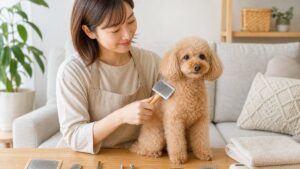
12. Miniature Poodle
Miniature Poodles are intelligent, adaptable dogs that suit many apartment lifestyles. They are small enough for limited floor space yet active enough to enjoy city walks and indoor play. High trainability and a keen desire to please make unwanted behaviors easier to prevent. With sufficient mental stimulation and daily walks, most Miniature Poodles relax calmly at home, forming close bonds without being overly heavy or boisterous in tight spaces.
Personality and Mental Exercise
Miniature Poodles are highly intelligent and people-oriented, so they need more than just physical walks. Short training sessions, puzzle toys, and nose work help prevent boredom and problem behaviors. They usually enjoy learning tricks and canine sports like agility or rally. Daily mental challenges of 10–20 minutes, combined with moderate walks, keep most Miniature Poodles relaxed and content in an apartment.
Hypoallergenic Coat and Grooming
A Miniature Poodle’s coat is low-shedding and often suitable for allergy‑sensitive households, but it requires consistent care. The curly hair traps loose fur and dander, so professional grooming every 4–8 weeks plus weekly brushing is recommended. Regular trimming around the eyes, paws, and sanitary areas keeps the dog comfortable in close apartment quarters and helps maintain a clean, odor‑controlled living environment.
Best Match for These Owners
Best Match for These Owners
The Miniature Poodle suits owners who enjoy training, games, and mental challenges, but who may not have a large home. Active singles, couples, or families who can provide daily walks plus brain work—like puzzle toys or obedience practice—tend to be a strong match. Allergy‑sensitive households often appreciate the low‑shedding coat, provided they accept the need for regular professional grooming and at‑home brushing.
13. Greyhound
Greyhounds are often called “45‑mph couch potatoes”, which suits apartment life surprisingly well. Despite their racing history, retired Greyhounds are typically calm, gentle, and quiet indoors. They enjoy cuddling, lounging on soft beds, and moving slowly around small spaces. As long as they receive short daily walks and a chance to sprint safely a few times a week, they tend to relax deeply at home and adapt well to city living.
Calm Temperament and Sprint Needs
Greyhounds are famous for speed, but indoors they are surprisingly calm and low‑key. Most prefer to lounge on soft beds and enjoy quiet company rather than constant play. A typical day suits "sprinters": one or two brisk walks plus short sprint sessions in a secure area are usually enough. After a few energetic bursts, many greyhounds turn into relaxed couch companions, making them suitable for apartments if owners provide daily outdoor time.
Size, Noise, and Shedding
Greyhounds are large, but their bodies are slim and easy to fit into small rooms or narrow hallways. They usually move quietly indoors and are often surprisingly silent companions, which benefits shared walls and sensitive neighbors. Shedding is moderate: short hair drops regularly but is easy to clean with weekly brushing and a good vacuum routine. Regular linen washing helps keep fur from building up on sofas and beds.
Best Match for These Owners
A Greyhound suits calm, city-based owners who enjoy quiet companionship more than constant activity. People who work from home or can provide a few focused walks and occasional sprint sessions are ideal. Families with older, gentle children, or singles and couples who like couch time after work, usually match well. Owners must be comfortable managing a large dog in elevators and hallways and keeping up with basic daily exercise and soft bedding.
14. Italian Greyhound
Italian Greyhounds are gentle, elegant, and surprisingly well-suited to compact apartments. Despite the long legs, they are small, light dogs that enjoy curling up on soft furniture and spending quiet time with owners. Short daily walks and short play sessions usually satisfy exercise needs, which fits busy city routines. Because of the slim build and fine coat, they appreciate warm, cozy indoor environments and soft bedding.
Personality and Exercise Needs
Italian Greyhounds are gentle, affectionate, and often described as sensitive shadows who love to stay close to their owners. They usually have short bursts of energy rather than all‑day stamina, so a few play sessions and two to three short walks suit many individuals. Mental stimulation through simple training or food puzzles is very helpful. Because they can be timid, calm, positive outings help them gain confidence without overwhelming them.
Coat Care, Noise, and Sensitivity
Italian Greyhounds have a very short, fine coat that sheds lightly and is simple to care for; gentle brushing and occasional baths are usually enough. Because the coat is thin, they feel cold easily and often need sweaters or jackets in cooler weather. Noise-wise, many are relatively quiet indoors but can become vocal if anxious or under‑exercised. The breed is also emotionally sensitive, so harsh training or chaotic homes can quickly lead to stress-related behaviors.
Best Match for These Owners
Italian Greyhounds suit gentle, home-oriented owners who enjoy a quiet companion and can provide soft bedding and warm clothing in cooler seasons. They are ideal for people who work from home or can break up the dog’s alone time, because the breed is sensitive and can struggle with long separations. Families with calm, respectful children and owners who like light play and short walks fit especially well.
15. Mixed Breeds and Rescues
Mixed-breed dogs and rescue dogs can be excellent lifestyle apartment-friendly choices. Many already live in foster homes, so caregivers understand their energy level, noise habits, and comfort in small spaces. Mixed breeds often avoid some extreme traits found in purebreds, leading to more balanced temperaments. Adopting from a shelter also allows owners to choose an adult dog whose full size and personality are already clear, reducing surprises in a compact home.
Why Mixes Can Shine in Apartments
Mixed‑breed dogs often combine the best traits of several breeds, which can suit tight city spaces very well. Many mixes have moderate energy, flexible temperaments, and fewer extreme breed tendencies, so they adapt more easily to elevators, hallways, and street noise. In addition, mixed-breed dogs may have lower risk of some inherited conditions, which supports long-term urban living. Shelters can also share each dog’s real behavior in a home-like setting, helping owners choose a temperament that truly fits apartment life.
How to Assess a Shelter Dog
A shelter dog’s label (breed, age, history) tells only part of the story. Focus on current behavior instead. During a visit, observe how the dog reacts to sudden sounds, strangers, and confinement; apartment life magnifies sensitivity in these areas. Ask staff about barking patterns, energy level in a kennel vs. a quiet room, and how the dog copes when left alone. If possible, take a short walk, ride an elevator, and sit together in a small visiting room. A dog that can relax after brief excitement, accepts gentle handling, and recovers quickly from stress is often better suited to close-quarter, city living than a dog who stays tense or vocal for a long time.
Other Breeds Worth Considering
Many excellent lifestyle apartment‑friendly dog breeds fall outside the main list. Owners who stay flexible on breed name can often find a better match for daily life.
- Calm spaniel mixes and small terrier mixes often adapt well to city routines.
- Senior dogs of almost any breed may need less exercise and suit quieter homes.
- Retired racing Greyhounds, Cocker Spaniels, Pekingese, and Coton de Tulear are also frequently recommended for compact living.
Focusing on temperament, energy, and noise level rather than a single breed name greatly widens suitable options.
Calm Medium-Sized Companions
Calm medium-sized breeds can suit apartments when owners want a bit more sturdiness without high chaos. Key traits are low indoor energy, moderate exercise needs, and a relaxed temperament. Examples often suggested by trainers include:
| Breed | Why it suits apartments |
|---|---|
| Whippet | Quiet, gentle, sprints outside then naps for hours |
| Basset Hound | Low energy, affectionate, enjoys short walks |
| Basenji | Minimal barking, clean, cat-like indoors |
| Cocker Spaniel (well-bred) | Friendly, adaptable, moderate exercise |
For any medium-sized dog, daily walks and mental play are still essential to prevent boredom in a small home.
Low-Shedding and Allergy-Sensitive Dogs
Families with allergies often look for lifestyle apartment‑friendly dog breeds that shed less. No dog is 100% hypoallergenic, but some produce fewer allergens and are usually kinder to sensitive owners.
| Type | Examples | Key Points |
|---|---|---|
| Low‑shedding curly coats | Poodle (Miniature), Bichon Frise, Maltese, Havanese | Regular grooming needed, less hair on furniture |
| Silky single coats | Yorkshire Terrier, Shih Tzu | Fewer loose hairs, benefit from daily brushing |
| Smooth short coats | Italian Greyhound, some mixed breeds | Easy to clean, quick wipe‑downs help |
Allergy‑sensitive families should meet a dog in person, clean frequently, and consider air purifiers to reduce symptoms.
Raising a Happy Dog in a Small Home

Small homes can still offer a rich life for dogs when routine, comfort, and mental stimulation are in place. The key is to use vertical space, stable schedules, and clear rules.
| Element | Point | Simple Example |
|---|---|---|
| Routine | Predictable walks and meals reduce stress | Morning, after work, before bed walks |
| Space use | Create one relaxing spot and one play zone | Bed in a quiet corner, toys basket in living room |
| Boundaries | Consistent rules prevent chaos | No zoomies on the sofa, chew toys only on mat |
Regular short walks, daily training in the hallway, and calm cuddle time help dogs feel secure and content even in compact apartments.
Indoor Enrichment and Play Ideas
Indoor enrichment keeps apartment dogs tired in a good way even when walks are short. Aim to mix mental work, sniffing, and gentle movement.
- Food puzzles and slow feeders for meals
- Stuffed KONGs or lick mats for calm chewing
- Simple nose-work games: hide treats around one room
- Short training sessions: sit, stay, tricks, leash manners
- Tug and fetch with soft toys in a hallway
- DIY cardboard “shred boxes” for supervised digging and ripping
Rotate toys weekly so play stays fresh and exciting in a small home.
Creating Potty Routines Without a Yard
Apartment dogs can develop reliable potty habits even without a private yard. The key is a clear, consistent routine and realistic expectations.
| Tip | How it Helps in Apartments |
|---|---|
| Fixed schedule | Teaches the bladder to expect regular breaks |
| Designated spot | Reduces accidents and confusion |
| Calm praise & rewards | Encourages repeating good habits |
| Management tools | Prevents wandering and secret accidents |
Strongly recommended steps:
- Set a strict schedule – first thing in the morning, after meals, after play, and before bed. Many city dogs need 3–5 walks or potty breaks per day.
- Pick a primary potty option: outdoor curb/patch, balcony potty box, or indoor pee pads/grass mat. Changing locations frequently confuses many dogs.
- Use a cue word such as “go potty” only when the dog actually eliminates. Over time, the cue encourages faster toileting during short breaks.
- Limit free roaming in early training. Baby gates, tethers, or playpens help supervise and prevent sneaky accidents behind furniture.
- Watch body signals: circling, sniffing, suddenly going quiet, or heading to a favorite corner often means a dog needs a bathroom break.
- For high-rise living, plan elevator and hallway time into potty breaks so the dog does not arrive outside already desperate.
For puppies and small breeds with tiny bladders, indoor pads or balcony potty setups can be a humane backup. However, owners should gradually shift toward outdoor toileting if long-term pad use is not desired, by moving pads closer to the door and then outside.
Accidents are normal in a new apartment or for newly adopted dogs. Quietly clean with an enzymatic cleaner so no odor remains, and focus energy on reinforcing the next successful potty trip instead of punishment.
Crate Training and Safe Rest Spaces
Crate training in an apartment aims to make the crate feel like a safe, predictable den, not a punishment. Start by placing the crate in a quiet corner of the living area, away from direct drafts and loud TVs. Add a soft bed, a familiar blanket, and a safe chew. Feed meals near or inside the crate so the space gains a positive meaning.
Short, frequent sessions work best. Encourage the dog to enter with treats or a stuffed food toy, then calmly close the door for a few minutes and open it before any whining escalates. Gradually increase duration. Crate time should always be paired with exercise and potty breaks beforehand, so the dog can relax.
For safe rest spaces beyond the crate, many apartment dogs benefit from a defined “relax zone” such as a bed or mat. Consistently sending the dog to that mat with a cue and rewarding calm behavior teaches where to settle, which helps during guests’ visits, cleaning, or work calls. Over time, the dog learns that crate and bed both signal off-duty time and are places to unwind even in a compact home.
Managing Barking and Building Quiet Habits
In apartments, barking control is as important as potty training. Start by removing triggers: keep curtains partly closed, use white noise, and avoid exciting play near doors and windows. Reward quiet moments before barking begins, using calm praise or small treats.
For dogs that bark at hallway sounds, pair each noise with a cue like “quiet” and immediate reward for silence. Avoid yelling, which often sounds like joining the barking. Short daily training sessions, adequate exercise, and chew toys reduce frustration barking. If barking is persistent or anxious, early consultation with a trainer or veterinarian is recommended.
Common Apartment Dog Challenges

Apartment life can create unique stress for dogs. Common issues include boredom, lack of exercise, excessive barking, and potty accidents. Many dogs also struggle with separation anxiety in quiet buildings. Owners often underestimate how much mental stimulation a small-space dog needs. Preventive care is important: structured walks, puzzle feeders, short training sessions, and clear routines reduce problem behaviors and help dogs relax in limited space.
Dealing With Neighbors and Noise Rules
Apartment walls are thin, so proactive communication with neighbors is very important. Inform close neighbors and management that a dog lives in the unit, and share efforts such as training and quiet hours. Observe house rules on barking, quiet times, elevator use, and shared spaces.
For noise control, close windows facing busy streets, use rugs and curtains to absorb sound, and offer toys or chews during potentially noisy periods. If complaints occur, respond calmly, apologize once, and explain concrete improvement steps such as training, walk schedule adjustment, or using white noise machines.
Handling Alone Time and Boredom
Because dogs are animals that live in groups, being left alone for long periods requires preparation and training in advance. It is effective to start by practicing for short periods, and be sure to praise your dog with treats or gentle words when they can stay calm. Preparing a safe space for staying home alone and providing puzzle toys or chew toys to keep them occupied can help prevent boredom and destructive behavior.
Dogs can easily get bored with the same toys, so rotating several types is also helpful. Before and after going out, taking a short walk or doing light play to satisfy both their mind and body before leaving can make it easier for them to stay calm. If you are away from home for long hours on many days, using a pet sitter or dog daycare can also be an option.
Keeping Your Dog Fit in the City
City life can still provide excellent fitness for dogs if movement is planned consciously. Aim for at least two purposeful walks daily, including one longer session for sniffing and trotting. Short indoor playtimes with fetch, tug, or nose work between walks help maintain muscle and mental health. Apartment-friendly tools such as flirt poles, food puzzles, and snuffle mats are very effective. Using stairs must be limited for puppies, seniors, and long-backed breeds to prevent joint and spine strain.
Choosing Your Future Apartment Buddy

Choosing an apartment-friendly dog is less about finding the “perfect” breed and more about choosing a personality and lifestyle fit. Before deciding, it is helpful to list daily routines, building rules, and non‑negotiables such as barking tolerance, shedding, or budget. Meeting several dogs, talking honestly with shelters or breeders, and being realistic about energy and training time leads to a companion that can truly relax in a small home.
Questions to Ask Breeders and Shelters
Before meeting dogs, prepare a few clear questions. Focus on lifestyle fit, not only appearance.
Key questions for breeders and shelters
-
Energy and routine
“How much daily exercise does this dog realistically need?”
“Is the dog calm indoors after walks?” -
Noise and neighbors
“How often does the dog bark? In what situations?”
“Has the dog lived in a home with shared walls or close neighbors?” -
Alone time
“How long can the dog stay alone without stress?”
“Any history of destructive behavior when left alone?” -
Health and grooming
“Any known health issues or medications?”
“What grooming schedule and coat care are recommended?” -
Training and temperament
“What commands does the dog know?”
“How does the dog react to strangers, other dogs, and children?”
Prepare notes on apartment rules (weight limits, noise expectations) and ask directly whether the staff believes the dog is suitable for apartment living based on real behavior, not just breed reputation.
Red Flags to Watch for in Any Breed
Certain problem signs tend to appear regardless of breed. Watching for them helps avoid stressful surprises in an apartment.
| Red flag | Why it matters for apartments |
|---|---|
| Extreme reactivity to noises | Can trigger constant barking and complaints |
| Very high energy with no off‑switch | Difficult to satisfy in limited space |
| Severe separation distress | Risk of damage, howling, eviction issues |
| History of aggression to people or dogs | Safety and management are harder in shared spaces |
| Owner or seller avoids questions | May be hiding health or behavior problems |
If several red flags appear together, consider walking away and continuing the search.
Bringing Your New Dog Home Smoothly
A smooth first day reduces stress for both dog and owner. Before arrival, prepare one quiet area with a bed, water bowl, and safe toys, and keep other rooms closed at first so the new dog is not overwhelmed.
Keep the first 24 hours simple: short sniffy walks, gentle introductions to family members, and calm indoor time. Offer frequent potty breaks and reward outdoor toileting generously to start good habits in an apartment.
Maintain a low-key atmosphere. Avoid loud gatherings, long outings, or forcing contact with neighbors or other dogs. A predictable routine for feeding, walks, and rest helps the dog feel secure.
If crate training is planned, introduce the crate with treats and open-door naps, never as punishment. In the first nights, some whining is normal; respond calmly but avoid constant picking up, so the dog learns to settle.
Monitor appetite, stools, and stress signals such as pacing or excessive panting. When needed, contact a veterinarian or trainer early; early support often prevents bigger behavior and health problems later.
This article provides a third-person overview of “lifestyle apartment-friendly dog breeds,” carefully explaining the traits and selection points of breeds that are easy to live with even in small spaces. It also introduces 15 recommended breeds, explains how to evaluate mixed-breed dogs, and offers practical tips for living comfortably with a dog in an urban environment.






![Dog diet [exercise]](https://with-my-dog.com/wp-content/uploads/2022/07/image2-37-150x150.jpg)









![[Stupid dogs are cute] Introducing funny pictures and simple questions](https://with-my-dog.com/wp-content/uploads/2022/07/image4-18-300x225.jpg)