


As a way to make time spent at home more relaxing, cute dog breeds that "make you happy just by looking at them" are attracting attention. In this article, we introduce 11 carefully selected "exceptionally cute dog breeds" that are gentle, easy to care for, and blend well with interior decor, perfect for people who value their lifestyle. We will provide information that will help you find your ideal partner, while covering points such as personality, size, and ease of living.
What Makes a Dog Perfect for Cozy Living
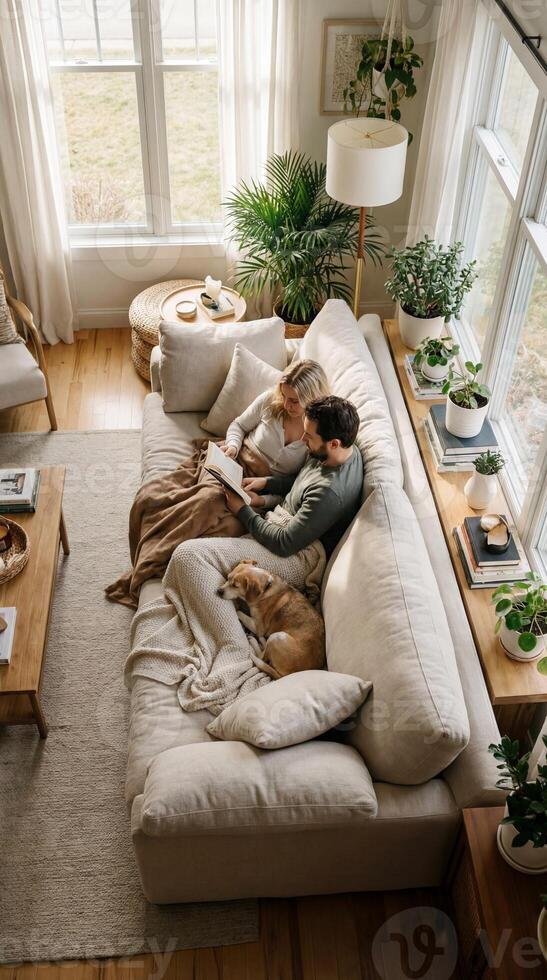
A dog suited to cozy living offers calm affection, moderate energy, and easy daily care. Cute appearance attracts many people, but lifestyle fit matters more for relaxed home life. Ideal breeds are happy with short walks, enjoy quiet time on the sofa, and adapt well to apartments.
Comfort at home also depends on manageable grooming, low to moderate barking, and a friendly, stable temperament. When those elements match an owner's routine, everyday life feels warm, peaceful, and deeply bonded.
Traits of easygoing companion breeds
Easygoing companion breeds share a few core qualities. They are gentle, people‑focused, and happy to relax at home. Many enjoy cuddling, adapt well to apartments, and cope better with alone time when properly trained. Their temperament is stable rather than reactive, so they handle visitors, city noise, and daily routines calmly. Such dogs often prefer moderate walks and quiet play over intense sports, which suits a cozy lifestyle.
Size, energy, and grooming needs
Size, energy level, and grooming shape daily life with a cute breed. Small to medium, moderate‑energy dogs usually suit apartments and cozy homes. Short daily walks plus indoor play are often enough. Long or double coats look adorable but need regular brushing and trims to prevent mats and excess shedding. Busy owners may prefer lower‑maintenance coats and calmer temperaments.
Choosing the Right Cute Breed for You
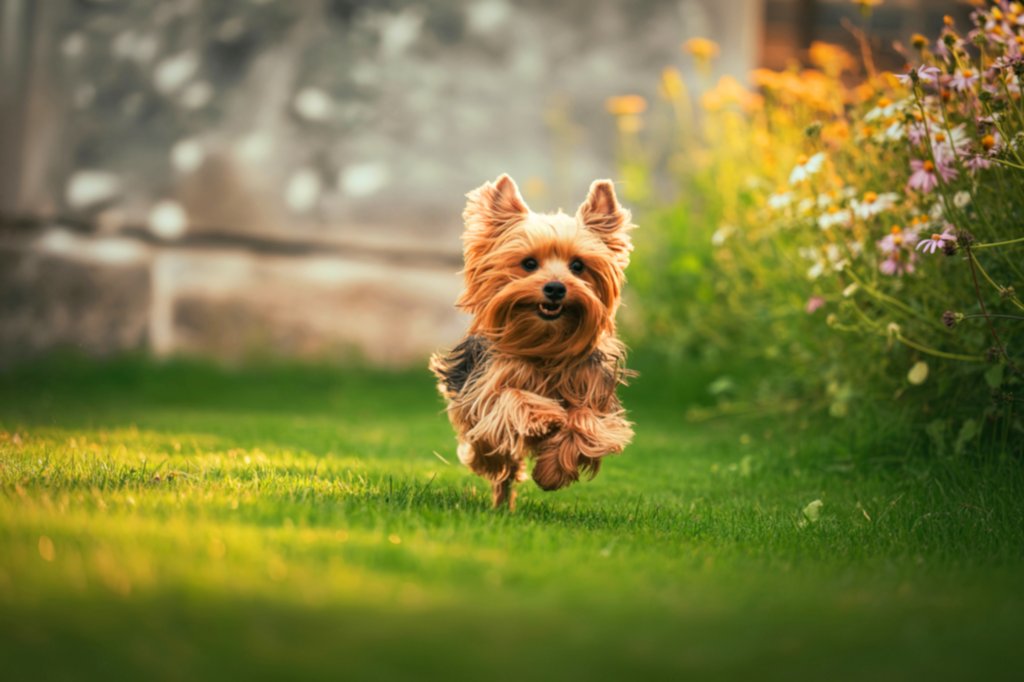
Choosing a cute breed starts with personality and lifestyle, not looks alone. Consider how much time is available for walks, grooming, and training. Apartment dwellers often prefer quieter, low‑energy breeds, while active owners enjoy dogs that hike or jog. Allergy concerns, budget for grooming, and experience level with dogs also matter. A well‑matched breed makes daily life calmer, cozier, and easier for both owner and dog.
Match your lifestyle and schedule
Choosing a cute breed starts with honestly checking daily rhythm. Consider:
| Point | Questions to ask |
|---|---|
| Time at home | How many hours will the dog be alone? |
| Activity level | Prefer long hikes or short, gentle walks? |
| Noise tolerance | Ok with barking in an apartment building? |
| Travel & work | Often away on business or holidays? |
High‑energy breeds suit active schedules, while lap‑dog types fit quieter routines. When in doubt, talk with breeders or shelters about typical daily needs before deciding.
Kids, seniors, and multi‑pet homes
Families, seniors, and multi‑pet homes benefit from breeds known for gentle, stable temperaments. For households with children, look for patience, sturdiness, and low reactivity. Seniors often prefer calm, low‑maintenance companions that enjoy quiet routines. In multi‑pet homes, prioritize breeds with a history of social behavior and introduce animals slowly, using gates and supervised meetings to build trust safely.
1. Cavalier King Charles Spaniel

The Cavalier King Charles Spaniel combines classic toy‑breed cuteness with a calm, affectionate nature, making it ideal for cozy home life. Big round eyes, soft ears, and a gentle expression give a permanently puppy‑like look. Cavaliers usually adapt well to apartments or houses and prefer staying close to people rather than being left alone for long hours. Many owners describe them as easygoing shadows that enjoy cuddles, short walks, and relaxed evenings on the sofa.
Personality and family fit
Cavalier King Charles Spaniels are gentle, affectionate, and highly people‑oriented, which makes them ideal for relaxed home life. They usually get along well with children, seniors, and other pets, and prefer to stay close to their family rather than be left alone for long hours. Their adaptable nature suits apartments or houses, as long as they receive daily affection and calm interaction.
Exercise, grooming, and health tips
Cavaliers enjoy moderate daily exercise rather than intense workouts. Two or three short walks plus gentle play at home usually suffice, making them suitable for apartments and relaxed owners. Their silky coat needs brushing several times a week to prevent tangles, with occasional professional trims. Regular ear cleaning and dental care are important. Cavaliers are prone to heart and eye issues, so routine vet checkups and weight control help support a longer, healthier life.
2. French Bulldog
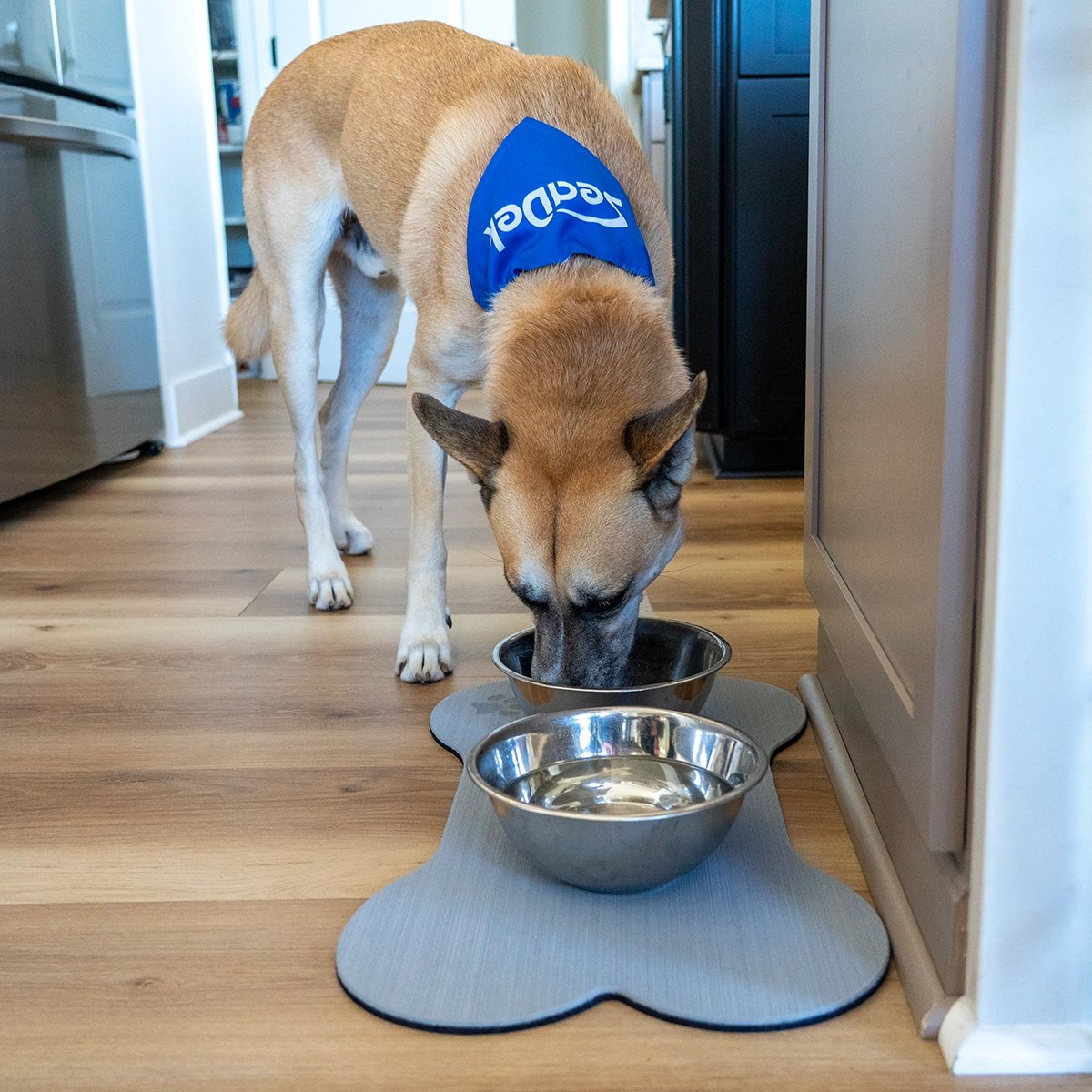
French Bulldogs are popular as compact, low‑energy companions that enjoy staying close to their owners. They usually adapt well to apartments and small homes, as long as they can relax indoors with family. Friendly and often clownish, many Frenchies bond strongly with humans and are happiest as indoor house dogs rather than outdoor pets. Careful attention to temperature, breathing, and weight control is essential for comfortable daily life.
Why they suit relaxed home life
French Bulldogs suit relaxed home life because they are low‑energy, people‑oriented companions. Most are happy with short walks and plenty of indoor lounging, so they adapt well to apartments and small homes. Their compact size, quiet nature, and affectionate temperament make them ideal for couch time, working from home, and calm family environments where close bonding is valued.
Care needs and common issues
French Bulldogs are relatively low‑maintenance but need consistent, moderate care. Short daily walks and play help prevent weight gain and support joint health. Because of the flat face, owners must avoid heat, intense exercise, and obesity to reduce breathing problems. Skin folds, ears, and eyes require regular cleaning to prevent infections. Many French Bulldogs have allergies, so a gentle diet and vet‑guided treatment are important. Pet insurance or a health fund is recommended due to potential spinal and airway issues.
3. Corgi (Pembroke and Cardigan)
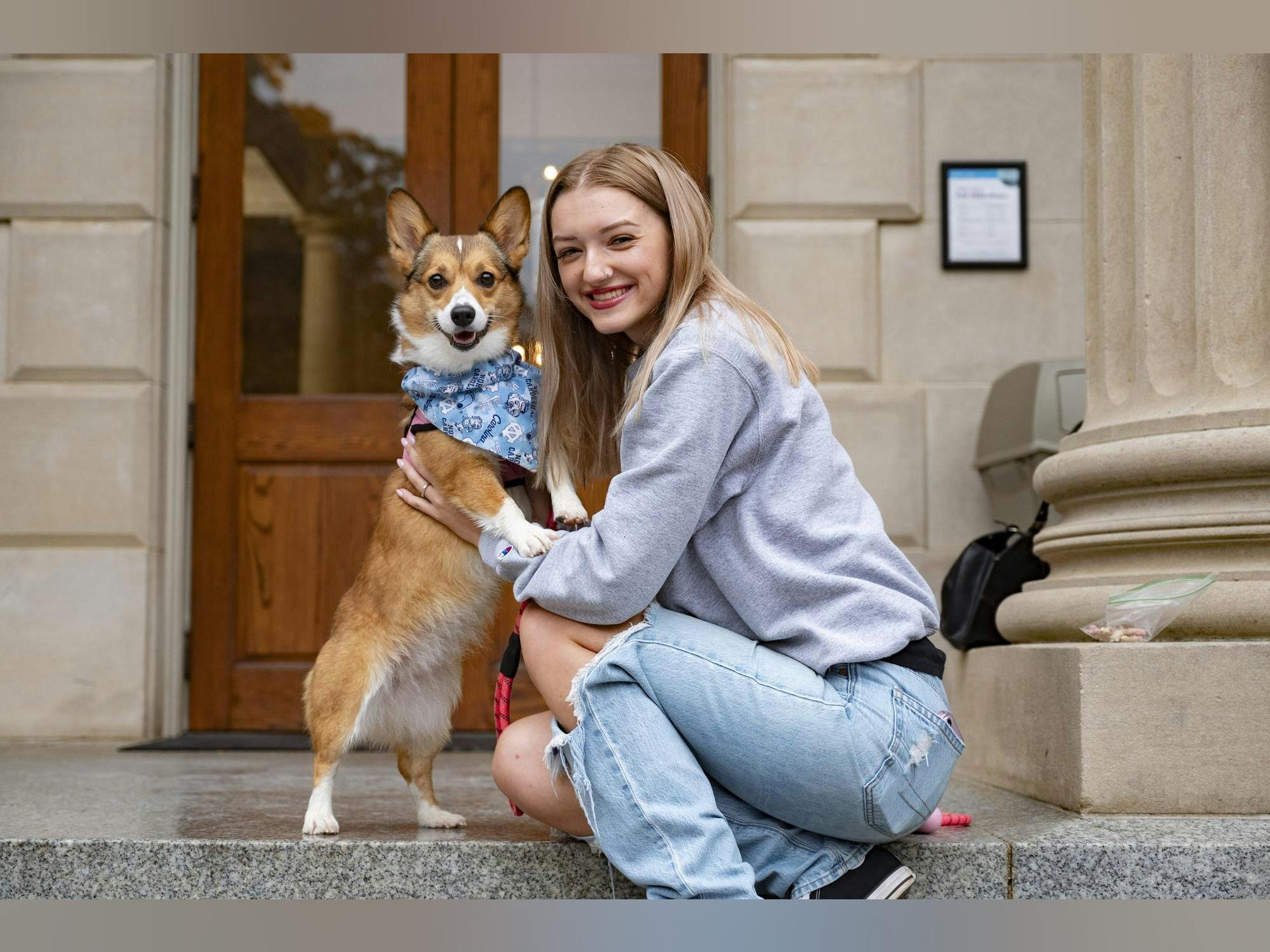
Corgis are famous for cute short legs and a big smile, but they also offer a great balance of fun and relaxation. Both Pembroke and Cardigan are loyal, people‑focused dogs who enjoy staying near family. Originally herding dogs, they are alert and smart, so they like to "help" with household routines. With moderate daily exercise and clear rules, they become affectionate indoor companions who fit many lifestyles.
Temperament and living space
Corgis are cheerful, confident dogs with a strong herding background, so they may try to "manage" family members. With early training, they become affectionate, polite house companions that enjoy being near people. Both Pembroke and Cardigan Corgis adapt well to apartments or small homes if they receive daily walks and mental stimulation, plus safe access to a yard or indoor play space whenever possible.
Shedding and activity needs
Corgis are moderate shedders year‑round and blow coat more heavily in spring and fall. Regular brushing 2–3 times a week helps keep fur off furniture and supports skin health. Activity needs are higher than many expect because of their herding background. Daily walks plus short play sessions or training games support a calm, cozy home life and prevent boredom‑related barking or mischief.
4. Shih Tzu

The Shih Tzu is a classic indoor companion breed, known for a sweet expression, calm temperament, and love of human company. Their small size suits apartments and cozy homes, and many enjoy short play sessions followed by long naps. With proper socialization, Shih Tzus usually get along well with children and other pets, making them a good option for families who prefer gentle, low‑key dogs.
Lap‑dog charm and daily life
Shih Tzu are classic lap‑dogs, happiest when napping beside their owner or quietly following from room to room. They usually enjoy short play sessions, then settle quickly, which suits apartments and relaxed households. Many Shih Tzu adapt well to indoor life, needing only gentle walks. Their friendly, calm nature often fits families, seniors, and people who work from home and want a peaceful, cute companion nearby.
Coat care and training notes
Shih Tzu coats require daily brushing to prevent tangles, especially around ears, tail, and legs. Many families choose a short “puppy cut” for easier care. Regular eye and face cleaning helps avoid irritation. Training should focus on gentle, consistent routines; Shih Tzus respond well to praise and small treats. Short sessions, early house‑training, and patient socialization support a calm, well‑mannered indoor companion.
5. Pug
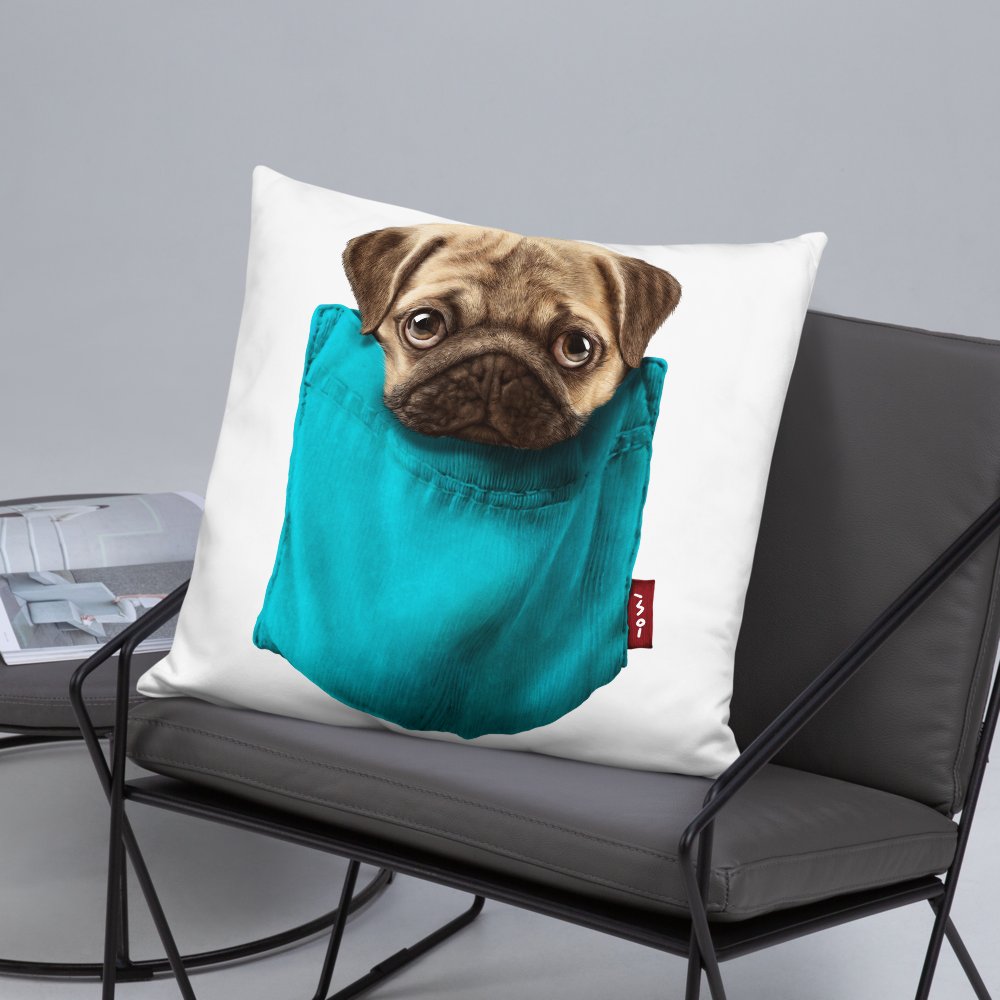
Compact, clownish, and instantly recognizable, pugs are often chosen as one of the cutest dog breeds for relaxed lifestyles. They thrive on human company and usually prefer being near family rather than exploring on their own. Their small size suits apartments, and their affectionate nature makes them popular with children and seniors. However, their flat faces mean gentle indoor living and careful temperature control are essential for their comfort and safety.
Why pugs love sofa snuggles
Pugs were bred as companion dogs, so staying close to people is their natural role. Many pugs prefer short bursts of play followed by long naps, which suits a relaxed, indoor lifestyle. Their sturdy, compact bodies fit perfectly beside a human on the couch, and most enjoy gentle petting and warmth. For owners who like quiet evenings and movies on the sofa, pugs often become affectionate, low‑energy cuddle partners.
Health watchouts and care
Pugs are charming but need careful health management. Their flat faces mean high risk of overheating and breathing issues, so avoid intense exercise and hot weather, and keep walks short in summer. Weight control is crucial; a lean pug breathes and moves more easily. Clean facial folds and ears regularly to prevent infection, and watch for eye irritation or ulcers. Regular vet checkups, including dental care, help spot joint, skin, and airway problems early.
6. Bichon Frise
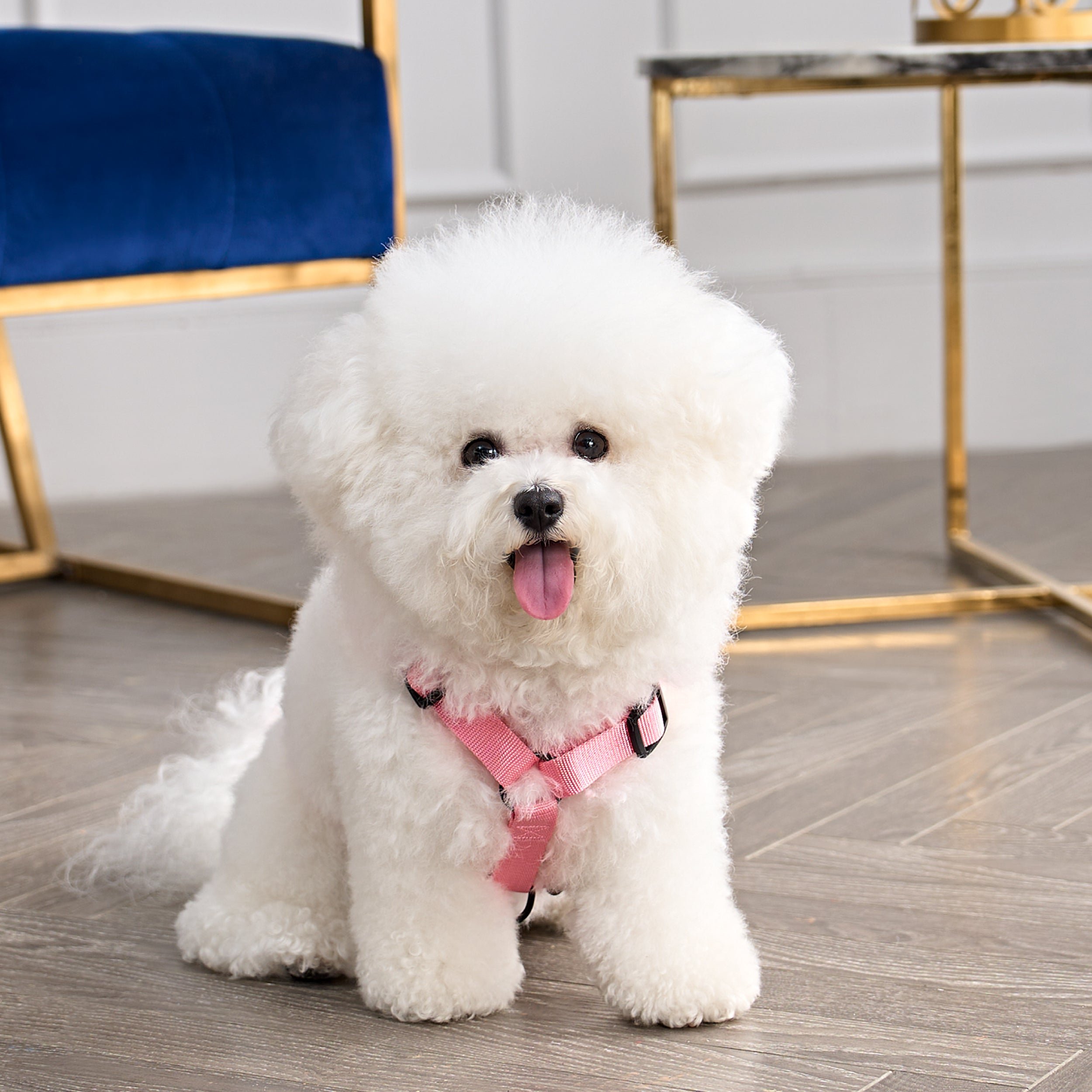
The Bichon Frise is a cheerful, cloud‑like companion known for a gentle, social nature. Most Bichons thrive in apartments or small houses, as long as they stay near their people. They usually get along well with respectful children and other pets, and many enjoy learning tricks. Because they bond closely, daily companionship is essential to prevent loneliness or problem behaviors.
Affectionate, playful companion
Bichon Frise are gentle, affectionate companions that thrive on human contact. They enjoy following family members from room to room and are usually friendly with children, seniors, and other pets. Their playful, clown‑like nature suits relaxed homes that still enjoy short games and training sessions. As long as they receive daily interaction, they adapt well to apartments and small spaces.
Grooming and allergy‑friendly coat
The Bichon Frise has a soft, curly double coat that sheds very little, so many allergy‑sensitive people find it easier to live with. Loose hairs tend to stay trapped in the curls instead of floating around the home. However, regular care is essential: daily brushing to prevent mats, plus professional grooming every 4–6 weeks. Eyes and tear stains need gentle wiping, and ears must be checked to keep the skin healthy and comfortable.
7. Dachshund
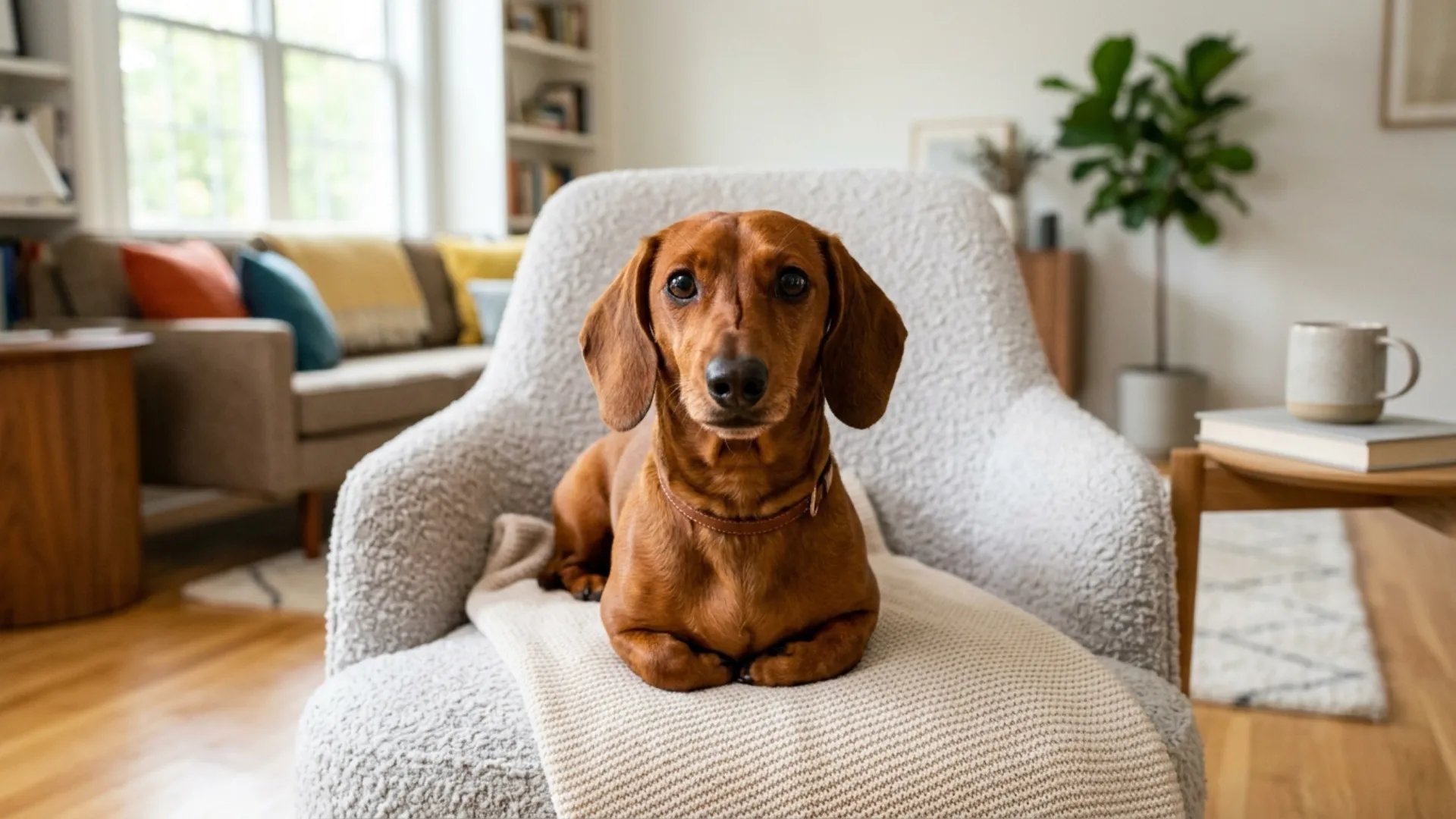
Short‑legged and long‑backed, the Dachshund is instantly recognizable and very charming. Originally bred for hunting, Dachshunds are brave, curious, and often quite vocal, which makes them alert little watchdogs. Many bond strongly with one or two family members and enjoy cuddling under blankets. With early socialization and gentle training, they become affectionate companions suited to calm but engaging home life.
Personality and home setup
Dachshunds are lively, devoted companions who bond closely with their families. Many enjoy following owners from room to room and make good watchdogs, as they tend to bark at unfamiliar noises. Apartments and small houses suit them if stairs are limited and outdoor access is safe. A cozy bed, ramps for furniture, and quiet spaces away from rough play help create a comfortable, secure home for a Dachshund.
Back safety, walks, and play
Dachshunds have long backs and short legs, so jumping from sofas, beds, or stairs should be reduced as much as possible. Ramps and pet steps protect the spine. Walks are best as several short, calm outings rather than one long hike, avoiding steep hills. Play should focus on gentle games like scent work or controlled fetch, not rough tug‑of‑war or high jumps, to help prevent painful intervertebral disc disease.
8. Pomeranian
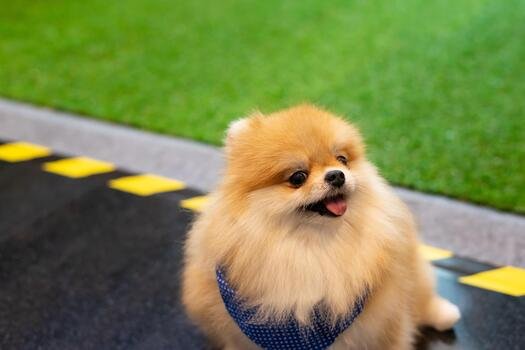
Pomeranians suit owners who enjoy an alert, fluffy companion at home. Their compact size fits apartments, and they adapt well to indoor life as long as they receive daily short walks and play. A Pomeranian often bonds closely with one person and can be vocal, so early training for quiet behavior is helpful. With proper socialization, they become confident, cheerful housemates who bring lively energy to a cozy lifestyle.
Small dog, big personality
Pomeranians are tiny dogs with surprisingly bold, confident personalities. Many enjoy being the center of attention and often act like much larger dogs, making them entertaining companions. They are alert and curious, so they excel at being little watchdogs. With proper socialization, their lively nature becomes affectionate charm rather than excessive barking or nervousness.
Coat care and training tips
Regular brushing is essential for a Pomeranian’s thick double coat. Aim for brushing 3–4 times per week with a slicker brush to prevent mats, especially behind the ears, under the legs, and around the tail. Professional grooming every 4–8 weeks helps manage length and shedding.
Baths should be moderate; too many can dry the skin. Use a gentle dog shampoo and dry the coat fully to avoid tangles. Nail trims, ear checks, and teeth brushing should be part of a monthly routine for overall health.
Pomeranians are smart but can be stubborn, so short, fun training sessions work best. Use positive reinforcement with treats and praise. Early socialization reduces barking and nervousness around strangers. Consistent rules from the beginning help manage their bold attitude.
House‑training may take time due to small bladders. Frequent potty breaks and a clear schedule are helpful. Many owners successfully use pee pads, especially in apartments. Encourage calm behavior by rewarding quiet moments rather than only reacting to barking.
9. Maltese

The Maltese is a gentle, elegant toy breed known for big dark eyes and a flowing white coat. Despite a delicate look, the Maltese usually has a lively, affectionate nature and enjoys staying close to family. Many owners find the breed ideal for apartment living, because exercise needs are modest and barking can be managed with early training and routine.
Gentle companion for quiet homes
The Maltese is ideal for quiet homes that value calm companionship. The small size, gentle nature, and soft expression suit apartments or households with relaxed routines. Maltese dogs bond closely with their people and prefer being nearby, often curling up beside someone while they read or work. They usually adapt well to seniors and adults who enjoy peaceful walks, light play, and plenty of cuddles without demanding intense outdoor activity.
Grooming, exercise, and health
Maltese need only moderate daily exercise: several short walks and gentle indoor play usually suffice. High jumps or rough play should be limited to protect joints. The coat requires regular brushing (almost daily) to avoid tangles, plus professional grooming every few weeks if kept long. Eyes and tear stains benefit from frequent gentle wiping. Common health concerns include dental disease, luxating patella, and eye issues, so routine vet checks and dental care are very important.
10. Toy Poodle

Toy Poodles combine compact size, elegance, and high intelligence, which suits many cozy households. They adapt well to apartments, enjoy being close to their people, and often bond strongly with one main caregiver. Their playful nature adds liveliness without excessive roughness, so many families find Toy Poodles suitable for gentle children and calm indoor lifestyles, provided they receive daily attention and interaction.
Smart, cute, and adaptable
Toy Poodles are highly intelligent, cute, and remarkably adaptable, which makes them ideal for many lifestyles. They learn new cues quickly, enjoy puzzle toys, and excel at training games. Their small size suits apartments, yet they can keep up with active families. With proper socialization, Toy Poodles usually adjust well to travel, new environments, and a variety of daily routines.
Mental stimulation and coat care
Toy Poodles are highly intelligent, so daily mental stimulation is as important as walks. Short training sessions, food‑puzzle toys, nose‑work games, and rotating toys prevent boredom and problem behaviors.
Coat care requires regular attention. Brush the curly coat several times a week to prevent mats, and schedule professional grooming every 4–8 weeks. Keep ears clean, nails trimmed, and eyes wiped gently to avoid irritation.
11. Mixed Breeds and Rescues

Mixed-breed dogs and rescues can be just as cute and often easier to live with than many purebred options. Many have more balanced temperaments and fewer inherited health issues. Shelters and rescue groups often know each dog’s personality, energy level, and quirks, so potential owners can choose a companion that truly fits daily routines, home size, and experience level while giving a deserving dog a fresh start.
Finding an adorable shelter pup
Adopting from a shelter is one of the kindest ways to find a cute, loving companion. Many small, fluffy, or “designer‑looking” mixed breeds arrive there through no fault of their own. To meet the right pup, visit several times, speak with staff about your lifestyle, and ask which dogs are calm, people‑focused, and suitable for your home. Be open‑minded on breed or color; focus on personality and health checks instead.
Balancing looks with temperament
Cute looks can be tempting, but temperament affects daily life far more than appearance. Before choosing a shelter dog, ask staff about energy level, friendliness with strangers, tolerance for children, and reaction to other animals. Meet the dog several times, in quiet and slightly busier settings. Prioritize stable, gentle behavior over coat color or face shape to support a relaxed, cozy home for years.
Daily Life With the Cutest Dog Breeds
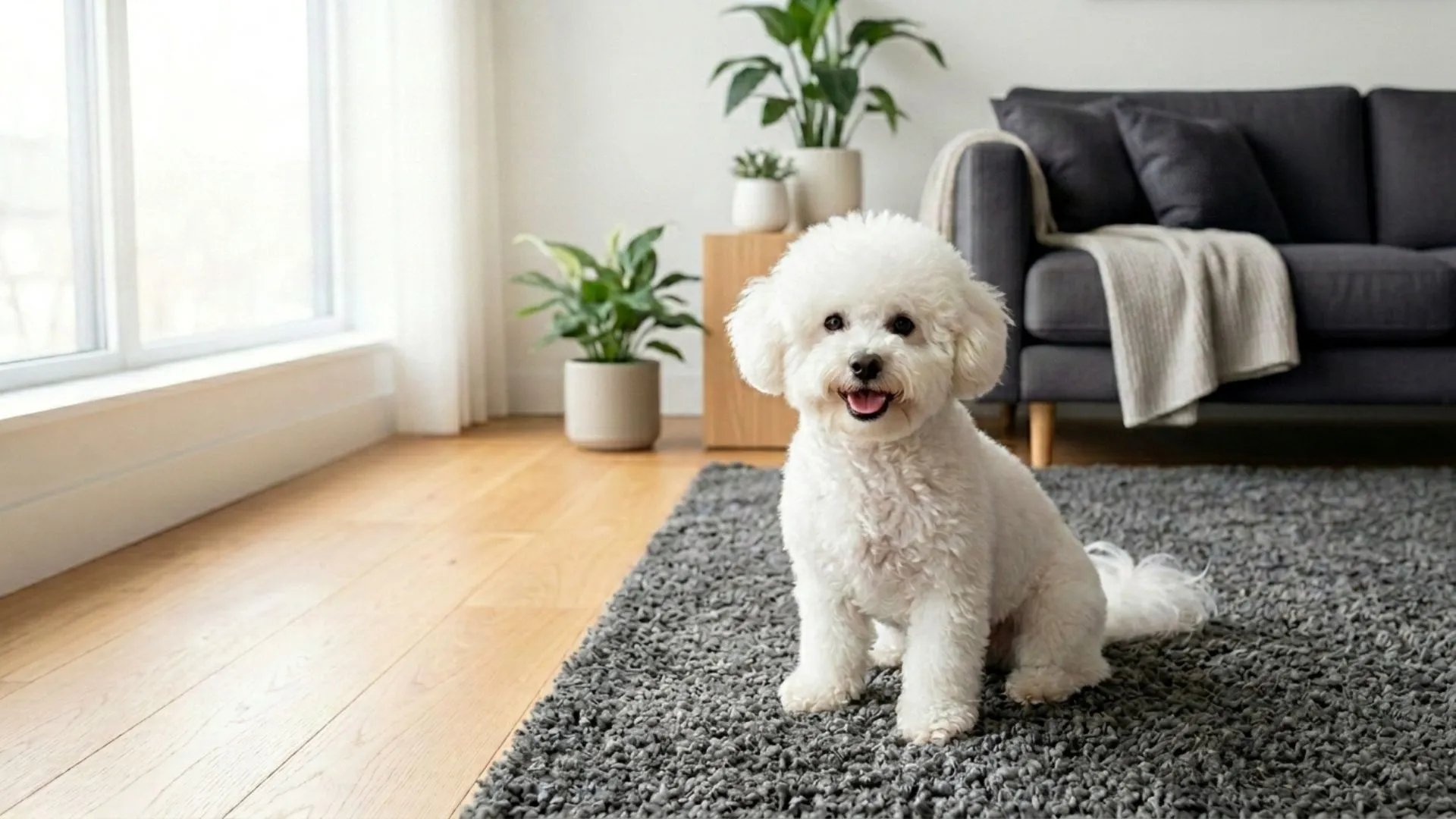
Daily life with the cutest dog breeds usually centers on calm routines, short play sessions, and plenty of affection. Many cozy companion breeds prefer regular, gentle walks, soft beds, and quiet evenings near their people. Short grooming sessions, puzzle toys, and cuddle breaks help prevent boredom. Consistent schedules for meals, toilet breaks, and sleep support relaxed behavior and a peaceful home atmosphere.
Creating a cozy, dog‑friendly home
A cozy, dog‑friendly home focuses on safety, comfort, and easy cleaning. Secure cables, trash, and small objects to prevent accidents. Provide soft beds in quiet corners, plus a safe space like a crate or playpen. Use washable covers and rugs to handle fur and muddy paws. Keep water bowls accessible, place non‑slip mats on slick floors, and set up a few simple rules so the environment stays calm and predictable for the dog.
Routine, enrichment, and bonding
A steady daily rhythm helps cute companion breeds feel safe and content. Aim for consistent times for walks, meals, and sleep, even on weekends. Short morning and evening strolls, a few play sessions, and quiet cuddle time suit most cozy‐lifestyle dogs.
Mental enrichment prevents boredom. Rotate puzzle feeders, scent games, and gentle training sessions using tiny treats. Even 5–10 minutes of simple cues, tricks, or nose work can tire a small dog’s mind more than a long walk.
Bonding grows through calm, positive contact. Many small breeds prefer relaxing on the sofa, brushing sessions, or soft massage over rough play. Speak in a gentle voice, reward desired behavior, and offer safe spaces where the dog can retreat. A routine that blends exercise, enrichment, and affection supports a relaxed, happy home for both dog and owner.
Lifestyle Tips for Cutest Dog Breeds
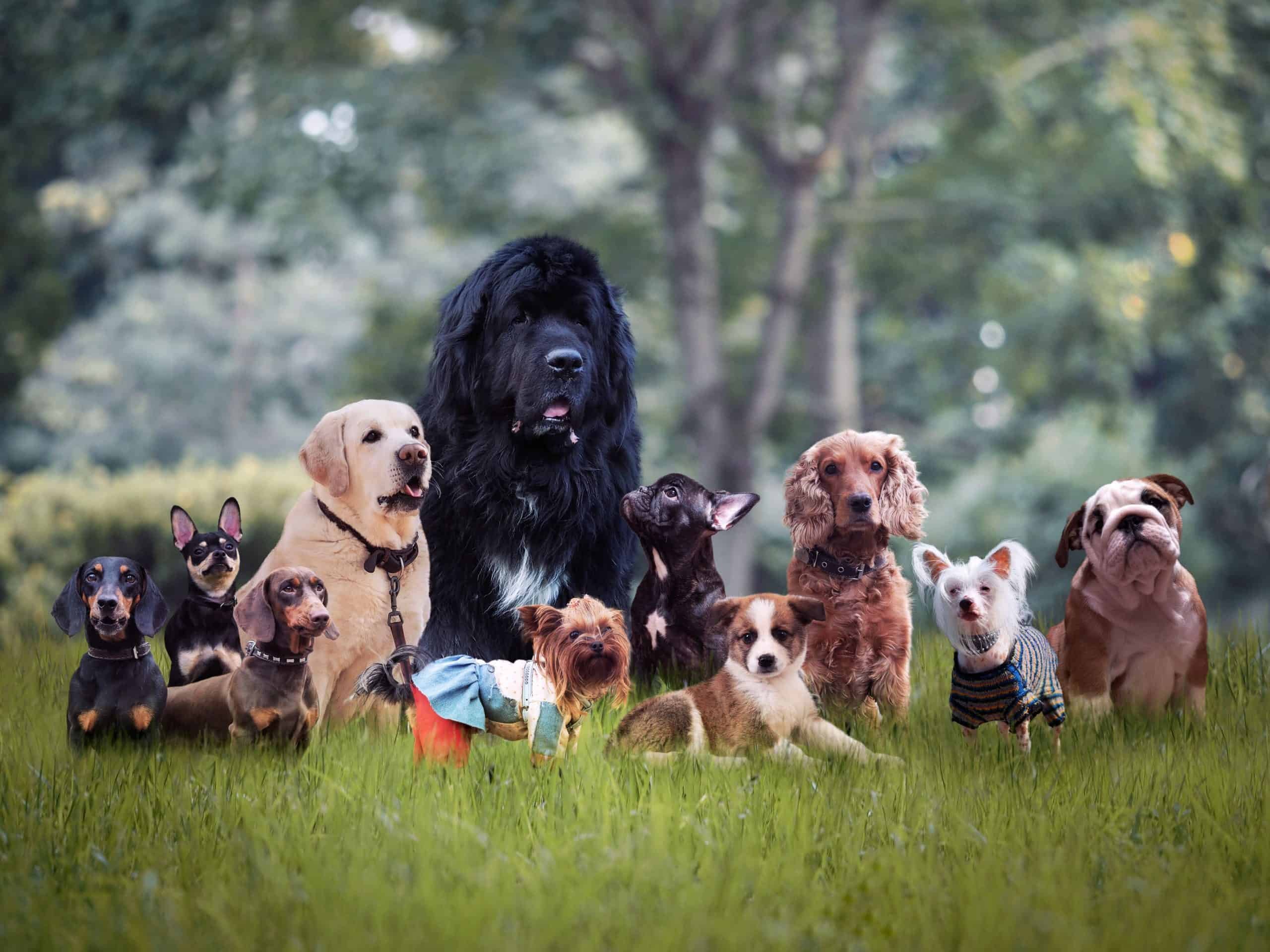
Cozy lifestyle dogs stay happiest when everyday care is simple and consistent. Aim for regular short walks, gentle play, and a predictable routine for meals and potty breaks. Soft beds, non‑slip rugs, and quiet corners help small or older dogs feel secure. Keep nails trimmed, coats brushed, and wrinkles or ears clean to prevent skin troubles. Above all, prioritize calm handling and positive reinforcement, so cute breeds associate home life with safety and affection.
Indoor games and calm activities
Calm indoor play keeps cute breeds happy without overstimulation. Short sessions of snuffle mat feeding, treat puzzles, or simple scent games tire the brain gently. Many cozy dogs enjoy soft toy fetch in a hallway, tug with clear "drop" cues, or low‑impact trick training like "spin" and "paw." For true relaxation, try chew toys, lick mats, or quiet cuddle time while playing soothing music.
Diet, grooming, and vet care basics
A cozy lifestyle for cute breeds depends on balanced diet, regular grooming, and preventive vet care. Choose high‑quality food suited to age, size, and activity level, and avoid frequent fatty treats to prevent obesity. Brush the coat as recommended for each breed, keep nails short, and clean ears and teeth to reduce infection risk. Schedule annual health checks, vaccines, and parasite prevention; for breeds with known issues, follow the vet’s screening plan carefully for early detection.
This article introduces 11 lifestyle cutest dog breeds that fit cozy home living, explaining their personalities, care needs, and daily life tips so readers can choose a relaxed, snuggly companion that truly suits their home and routine.












![5 sites for finding foster homes for rescued dogs and cats [Basic information before rescuing]](https://with-my-dog.com/wp-content/uploads/2021/09/andriyko-podilnyk-M4NYOsSre6g-unsplash-150x150.jpg)